Explore our high-performance product range engineered for supreme efficiency
In modern industrial and structural engineering, controlling thermal leakage and excessive noise levels is critical. As urban landscapes expand and industrial complexes operate at higher outputs, standard insulation no longer suffices. Industrial procurers and architects now demand combined thermal and acoustic solutions that deliver high reliability and absolute structural safety. Rockwool Absorption Panels—often referred to as mineral wool board—represent the peak of functional insulation. Made by melting natural basalt rock and recycling slag into dense, interwoven fibers, these panels feature a complex mineral fiber network that absorbs sound waves and blocks thermal energy transfer.
On a macro scale, global demand for Rockwool technology is growing, driven by strict green building certifications (such as LEED and BREEAM) and rigorous fire code safety mandates. Rockwool panels are inherently fireproof, with melting points exceeding 1000°C. This makes them crucial for high-rise buildings, critical infrastructure, power generation stations, and massive manufacturing centers. By utilizing basalt mineral wool alongside advanced elastomeric closed-cell structures, companies can design comprehensive insulation systems that protect facilities against extreme temperatures, physical dampness, and severe acoustic hazards.
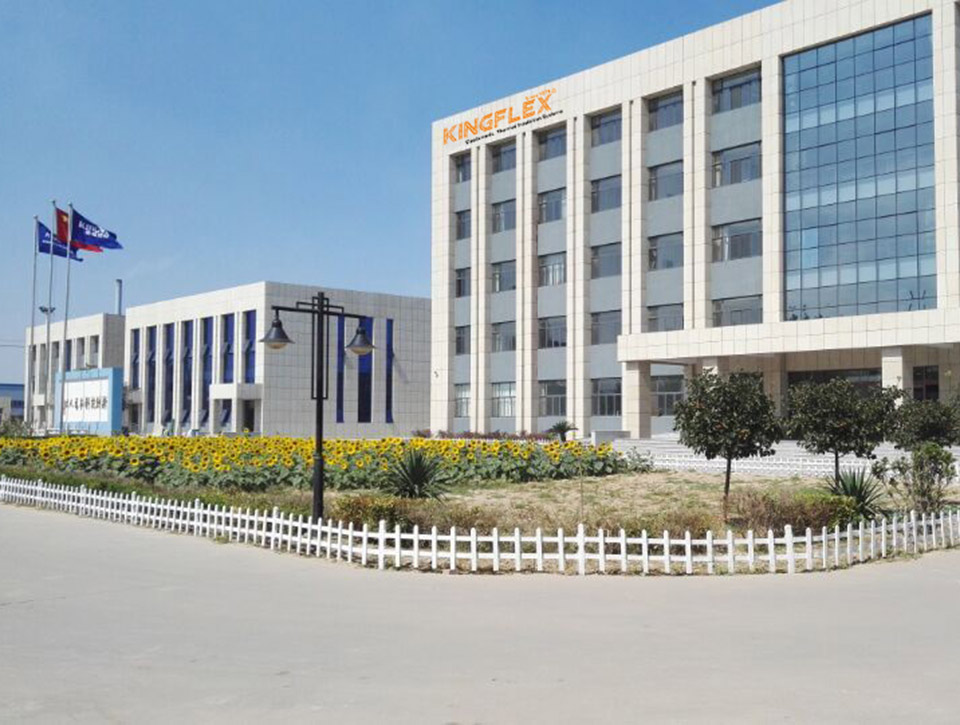
Kingflex Insulation Co., Ltd. is a leading industrial developer in the thermal and acoustic insulation sector. Kingflex operates as a combined manufacturing and trading setup, optimizing both specialized research development and scalable factory operations. Located in Dacheng, China—the capital of green building materials—the company focuses on energy efficiency, structural longevity, and sustainable manufacturing practices.
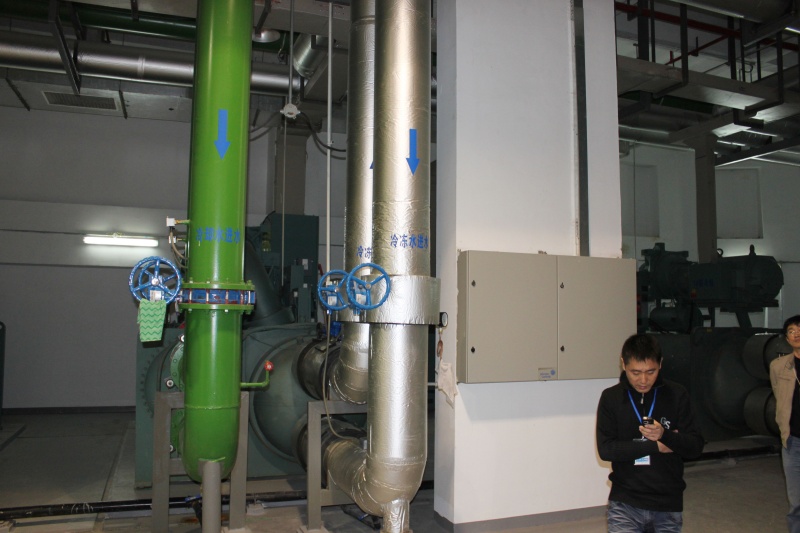
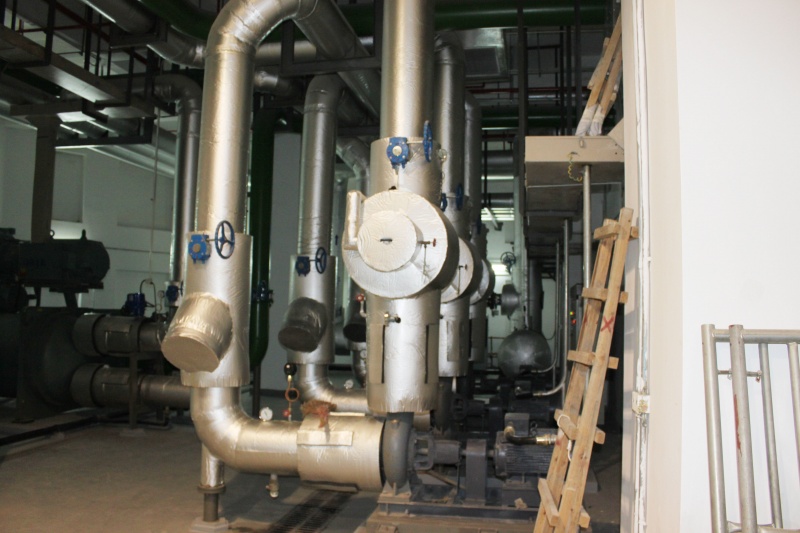
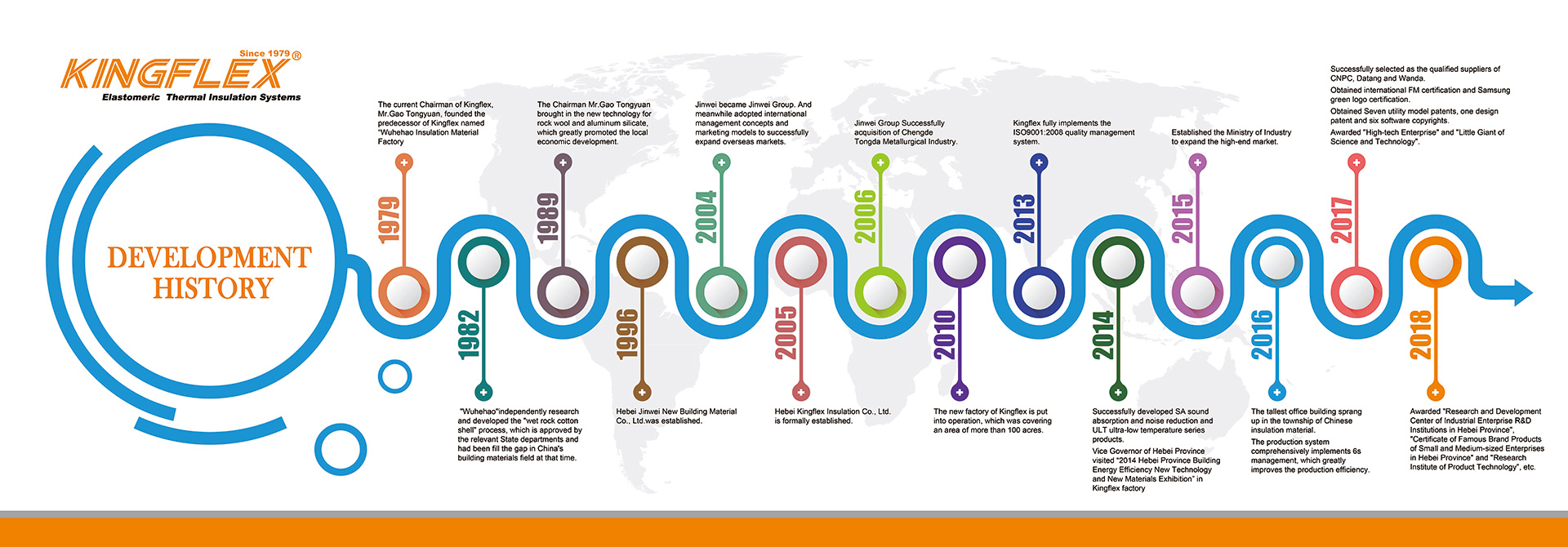
Kingflex is part of the Jinwei Group, which has a 40-year manufacturing history dating back to 1979. As the first major manufacturer of thermal insulation materials north of the Yangtze River, the group has spent decades refining the mechanical strength, thermal efficiency, and fire retardant properties of insulation panels and pipe systems. Kingflex supports global clients through consultation, joint research, automated production, and installation guidance, delivering complete insulation packages directly to project sites.
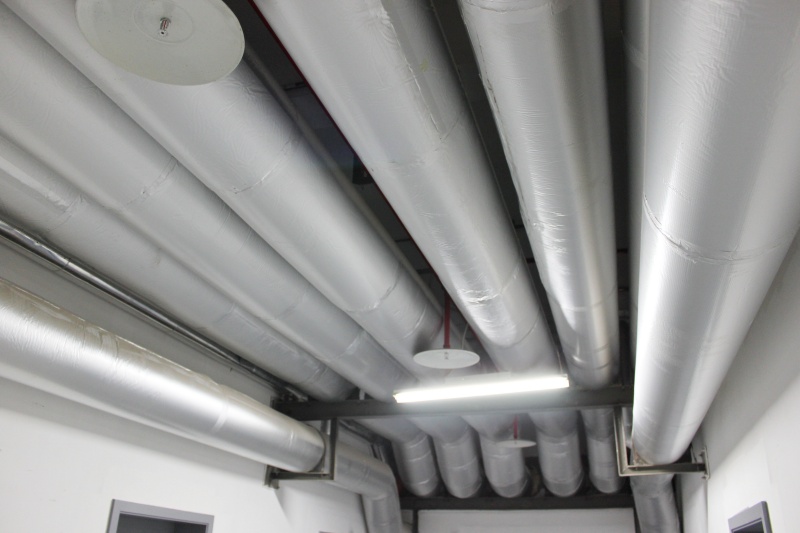
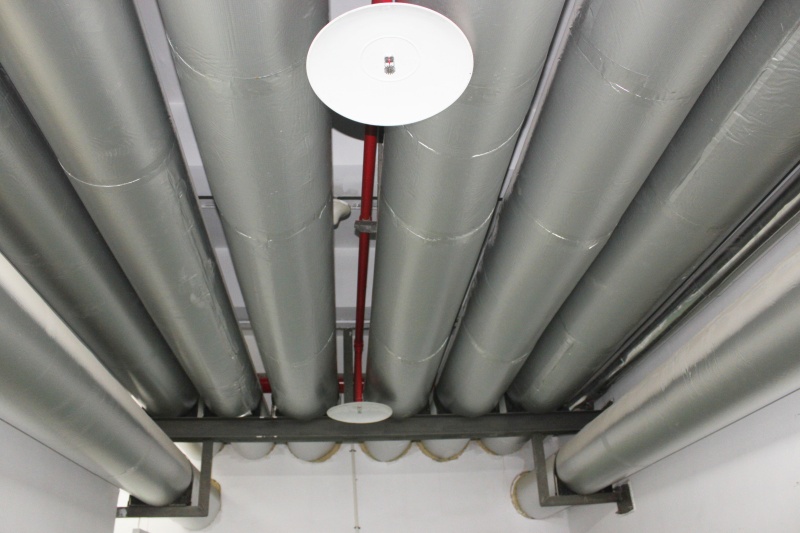
To design an effective acoustic treatment and thermal block, engineers must understand the physical mechanisms at play. Sound absorption in Rockwool panels relies on the open-cell porous structure of basalt fibers. When sound waves strike the panel, they penetrate the fiber matrix, causing the air molecules in the pores to vibrate. This friction converts acoustic kinetic energy into small amounts of thermal energy, significantly reducing reflected sound and lowering reverberation times. Below, we examine the typical specifications of our production systems:
In contrast, Rockwool products target high-temperature applications and open-air acoustic dampening. Rockwool is highly fire-resistant and retains its shape under high temperatures, making it a critical choice for heavy industrial facilities, petrochemical pipelines, and architectural fire barriers. By combining elastomeric rubber foam (which prevents condensation and handles sub-zero temperatures) with high-density Rockwool (which withstands high heat and absorbs sound), engineers can build comprehensive insulation systems that manage sound, control heat, and protect structures from fire.
Our facility runs five large, fully automated assembly lines that produce over 600,000 cubic meters of high-performance insulation annually. These operations are approved by key energy and chemical authorities, showing our capability to meet complex global project timelines.
Our product quality is backed by a team of eight dedicated R&D engineers, six international sales specialists, and 230 experienced production workers. We maintain strict control over every stage of production—from checking raw materials to testing final product densities and curing rates—ensuring consistent, high-quality output for our clients.
A structured look at how Kingflex integrates high-performance insulation across major industries
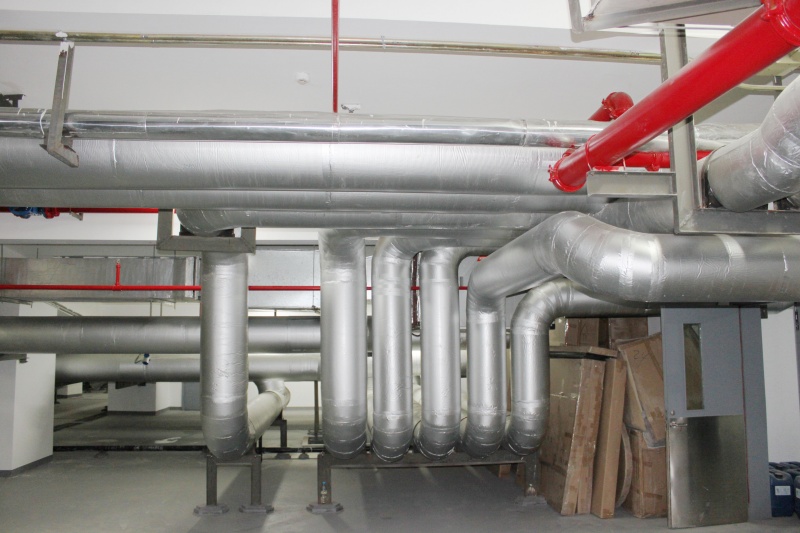
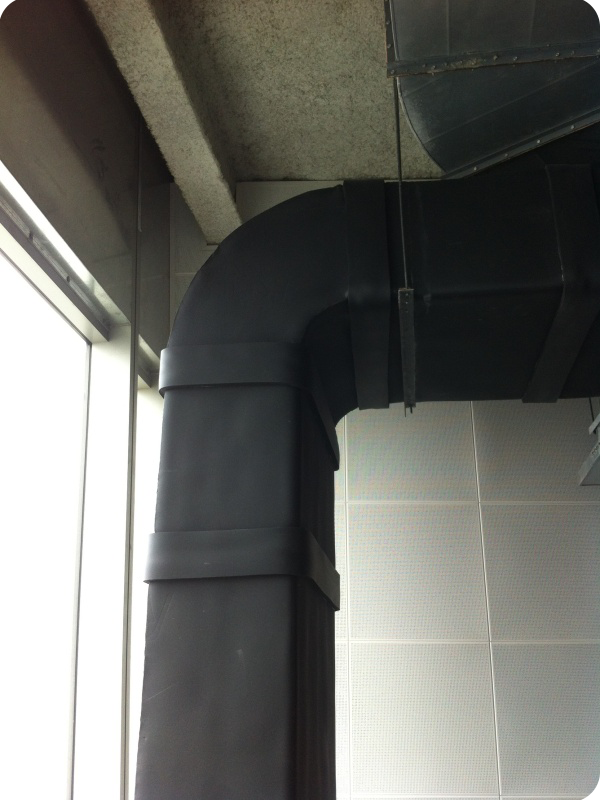
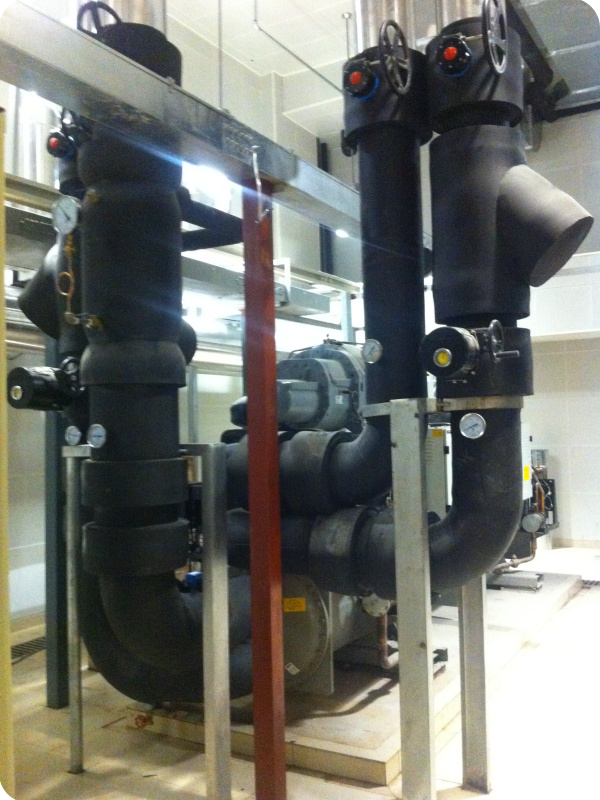
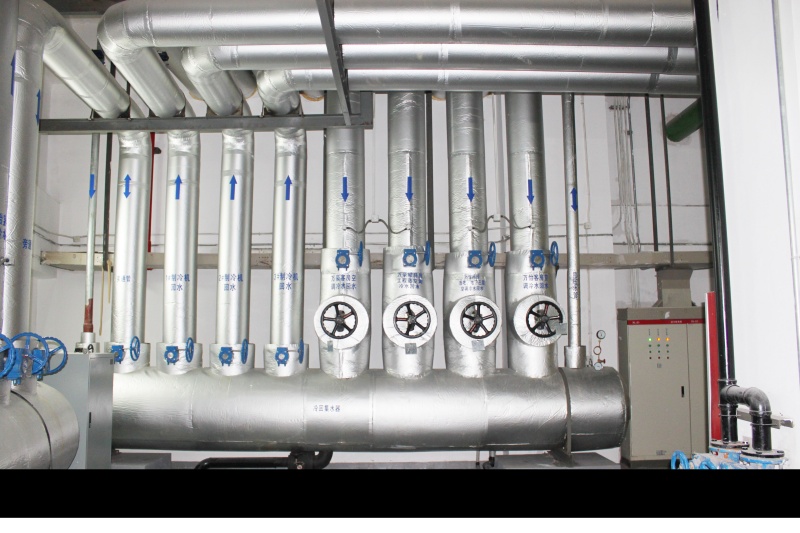
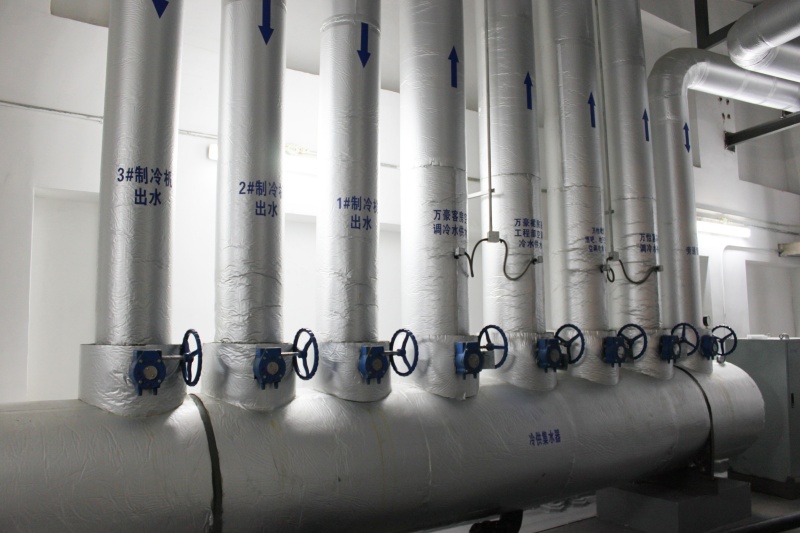
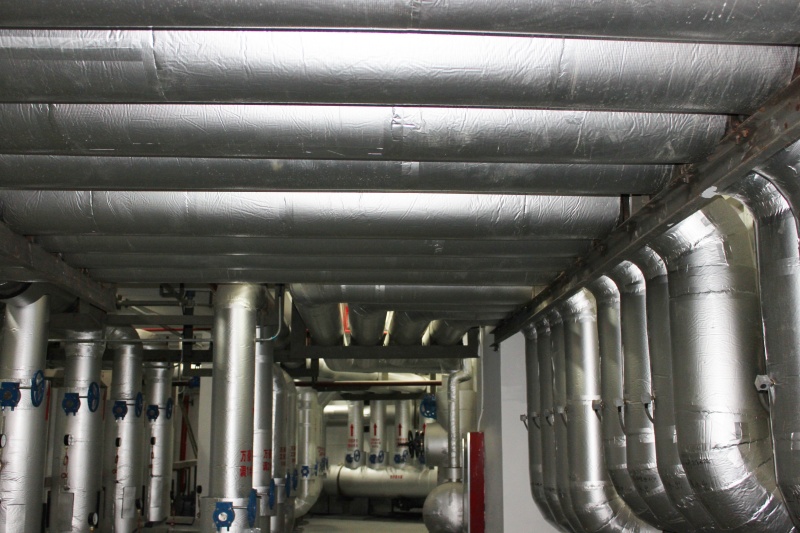
We deploy closed-cell elastomeric foam to prevent condensation and freezing in commercial chillers, HVAC air ducts, and hot water piping. This maintains precise thermal control and stops energy loss.
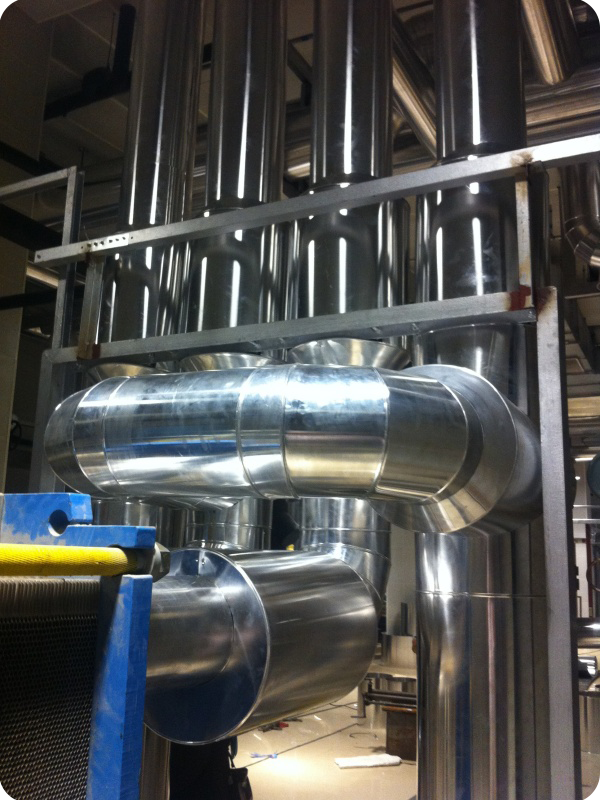
We provide durable insulation solutions for steam lines, chemical reactors, and storage tanks, protecting them from structural heat damage, corrosion under insulation (CUI), and physical wear.
We supply high-density sound absorbing panels to lower noise levels in mechanical rooms, hotels, hospitals, and transit systems, creating quieter, code-compliant interiors.
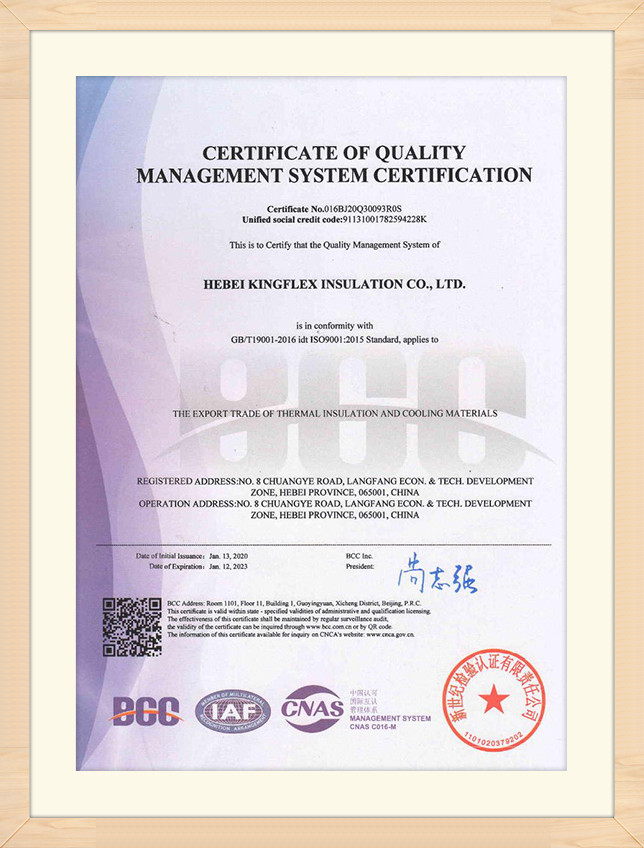
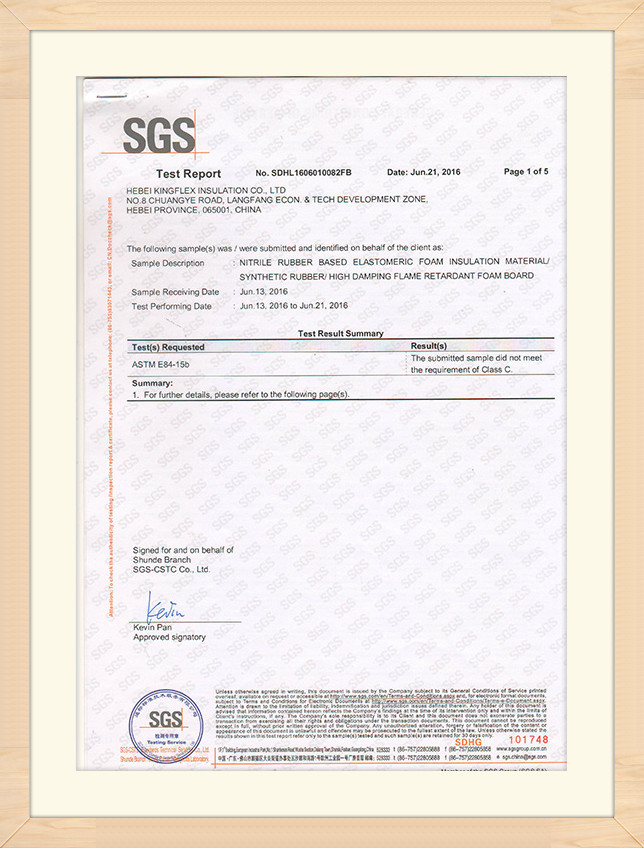
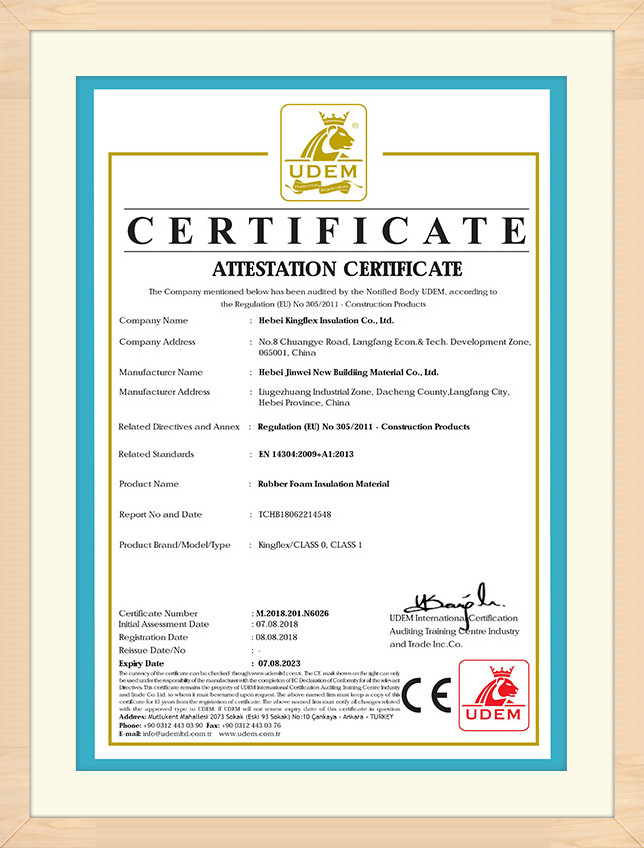
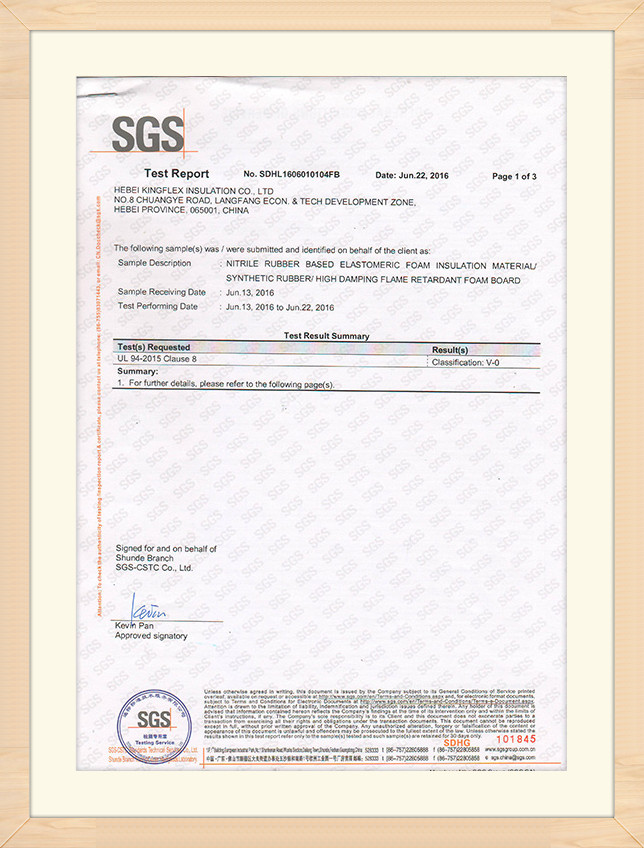
For large-scale international projects, choosing certified insulation is vital to protect investments and ensure personnel safety. Kingflex products undergo rigorous testing to meet strict global safety standards. Our insulation solutions hold key certifications, including BS 476, CE, REACH, RoHS, UL94, and ASTM. These certifications ensure that our materials release minimal smoke, prevent flame spread, and remain structurally sound during fire emergencies.
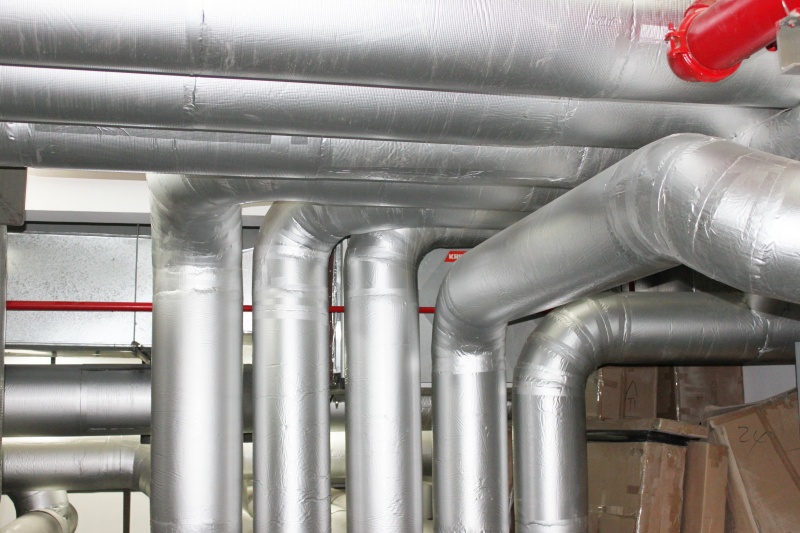
In addition, our manufacturing processes include full material traceability. Every batch of elastomeric foam and Rockwool panel can be traced back to its raw material component tests, processing times, and curing chamber metrics. This level of quality control helps global buyers manage risks and gives construction projects the verified performance data needed for local engineering sign-offs.
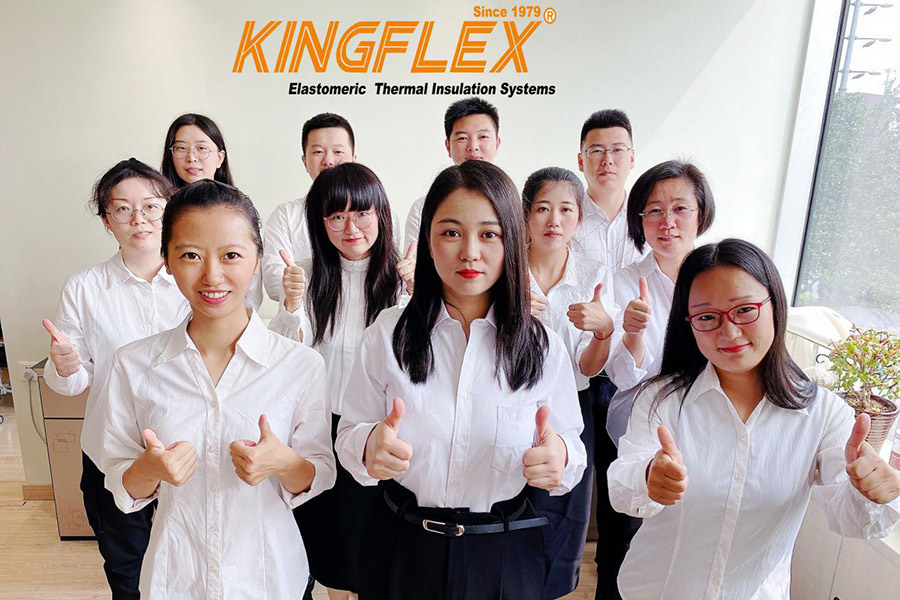
Our business relies on open communication and reliable delivery. The Kingflex team combines specialized R&D knowledge with practical logistics support to assist procurement managers from initial planning to final site delivery.
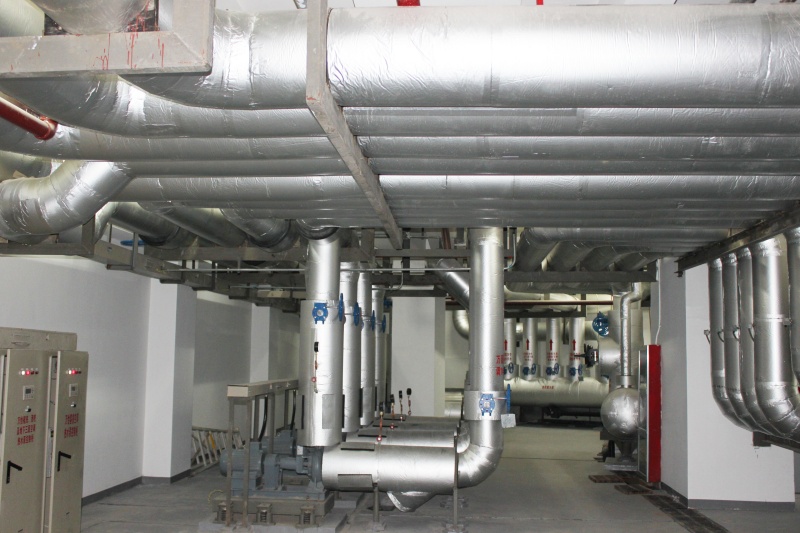
Our team works closely with engineering partners to verify physical performance metrics, provide density test reports, and coordinate container deliveries. These direct client interactions show our focus on clear technical communication and project support.
We work to build long-term relationships based on transparent lead times, strict QA checks, and dependable post-sale service. Whether shipping to cold storages in Northern Europe, petrochemical plants in the Middle East, or HVAC projects in Southeast Asia, we maintain consistent service standards worldwide.


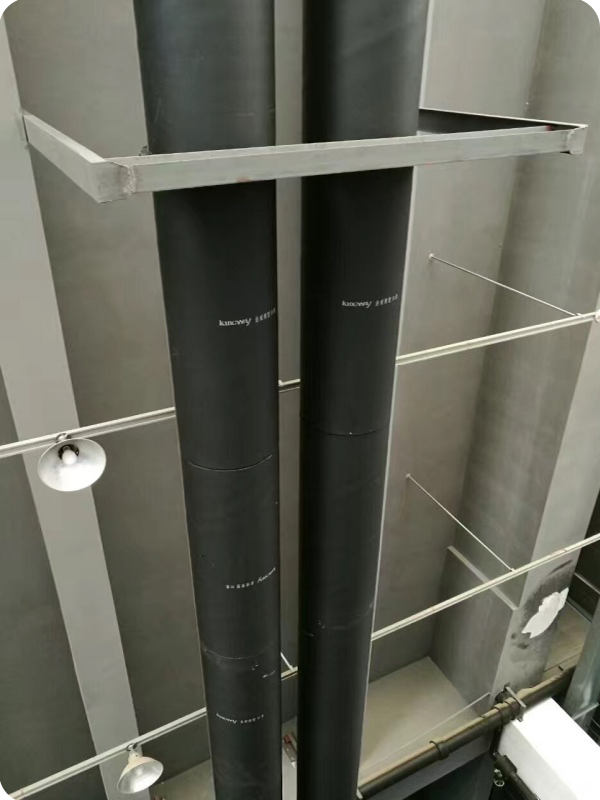
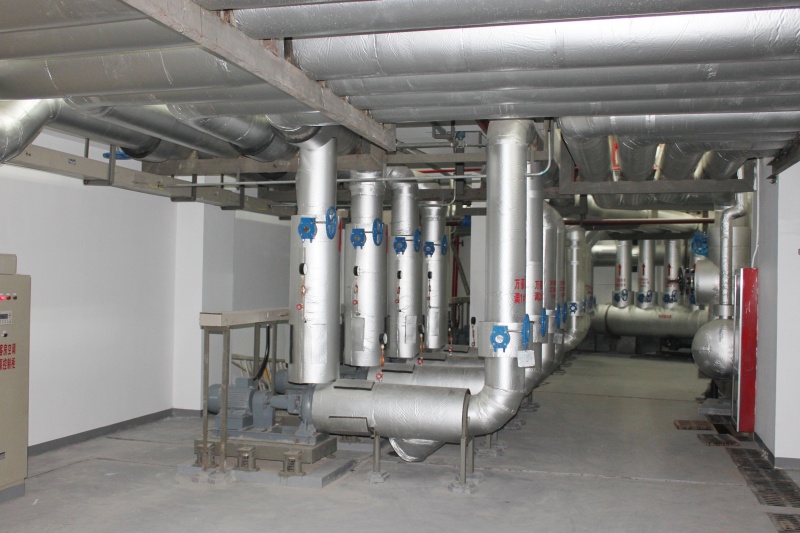
A look at some of the architectural projects, cleanrooms, and industrial complexes using our integrated insulation systems worldwide:


Get answers to common technical, design, and regulatory questions from our engineering team
Q1: What is elastomeric rubber foam insulation typically used for?
A1: It is primarily used for commercial HVAC air ducts, indoor and outdoor air conditioning lines, structural building thermal insulation, and cryogenic pipeline cold insulation. Its closed-cell structure helps prevent surface condensation.
Q2: Is Kingflex rubber foam insulation fire resistant?
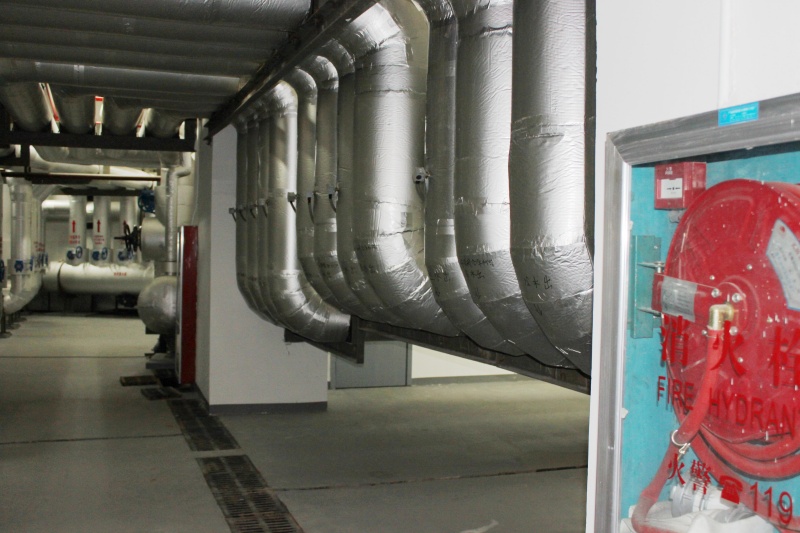
A2: Yes. Our rubber foam insulation includes flame-retardant additives. It is self-extinguishing when exposed to fire and meets international building safety standards (such as BS 476 Class 0/1 and UL94).
Q3: What is the primary difference between rubber foam and rock wool insulation?
A3: Rubber foam is a flexible, closed-cell, moisture-resistant material best suited for HVAC piping and low-temperature systems. Rockwool is an open-cell, fibrous material made from molten rock. It offers high sound absorption and can withstand temperatures above 750°C, making it ideal for industrial fire barriers and thermal partitions.
Q4: Do you offer customized insulation products?
A4: Yes. We provide OEM and ODM services, allowing customers to customize product thicknesses, sheet dimensions, densities, and outer protective coatings to meet specific project guidelines.
Q5: What certifications do Kingflex products hold?
A5: Our materials are certified under BS 476, CE, REACH, RoHS, UL94, and ASTM standards, helping to ensure compliance with global fire safety and chemical emission regulations.
Q6: Do Kingflex products have traceability?
A6: Yes. Every production run has a distinct batch number. This links it to raw material tests, mixing parameters, and post-production quality assurance records.
Q7: What is the maximum thickness of rubber foam insulation rolls you can manufacture?
A7: We produce continuous rolls and sheets in thicknesses ranging from 6mm up to 50mm to suit various thermal requirements.
Q8: What is the typical design service life of these elastomeric materials?
A8: When properly installed and maintained under standard operating conditions, our elastomeric materials have an expected service life of 10 to 15 years.
Our production floor uses automated foaming, curing, and cutting machinery to ensure consistent thickness, uniform cell structure, and flat surfaces across our product range. Here is a view of our manufacturing facilities, storage areas, and shipping yards:


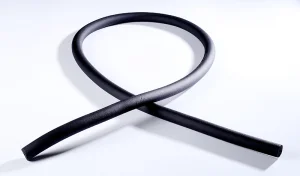
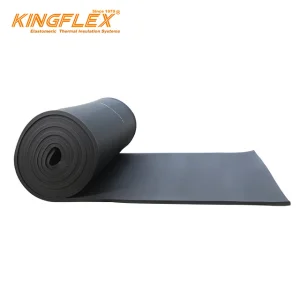
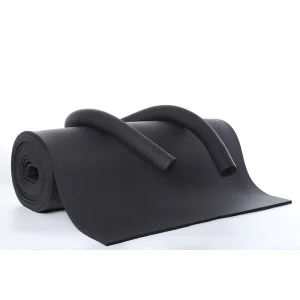
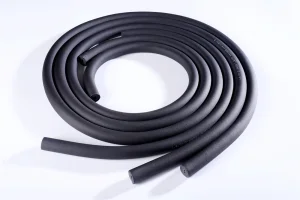
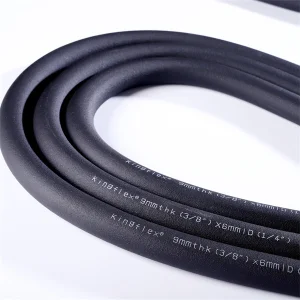
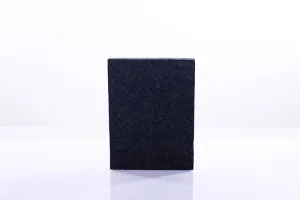
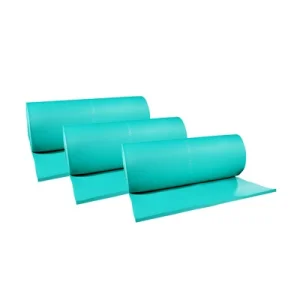
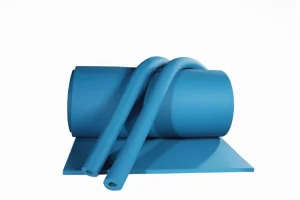
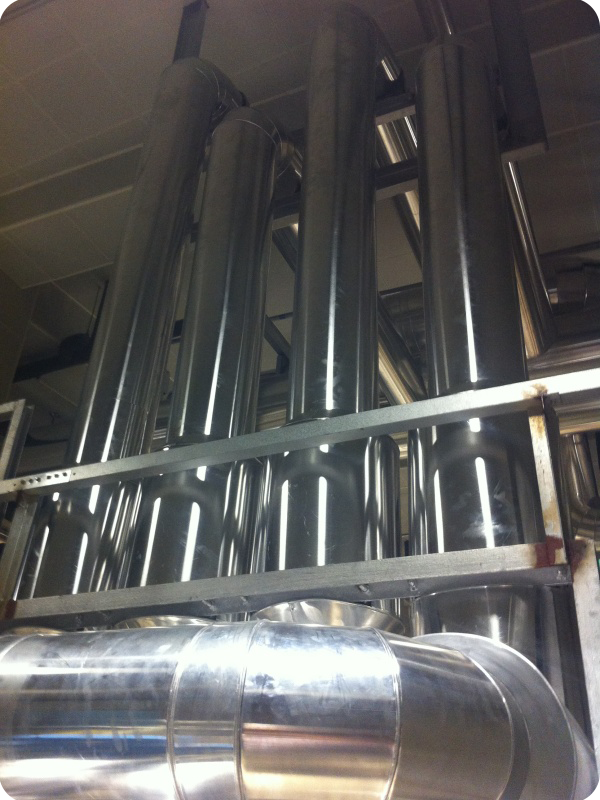
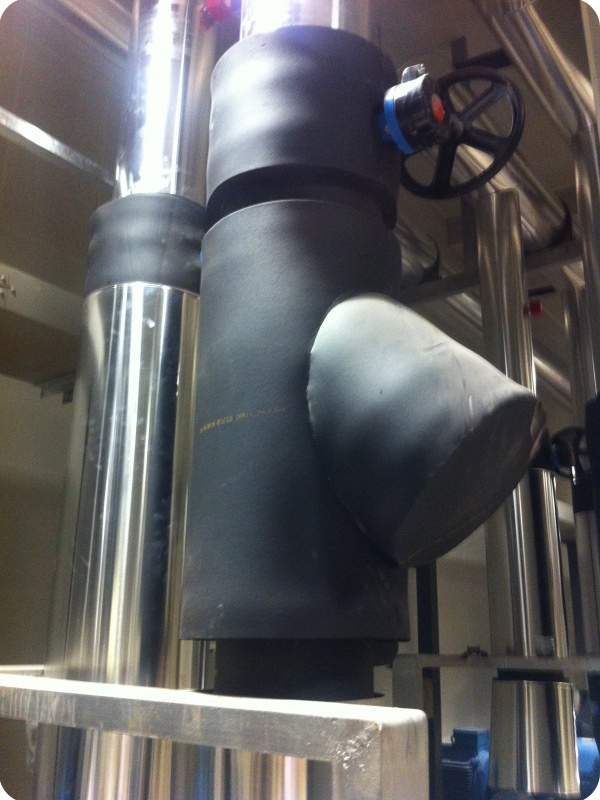
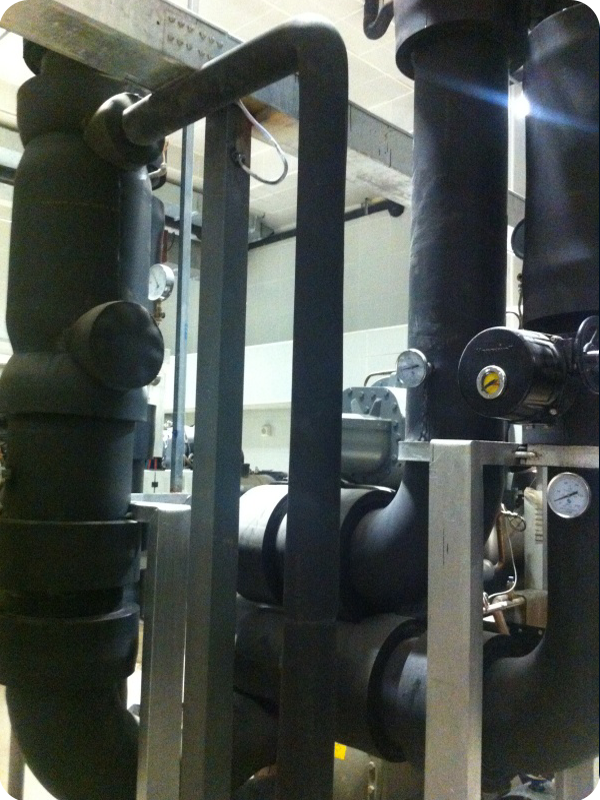
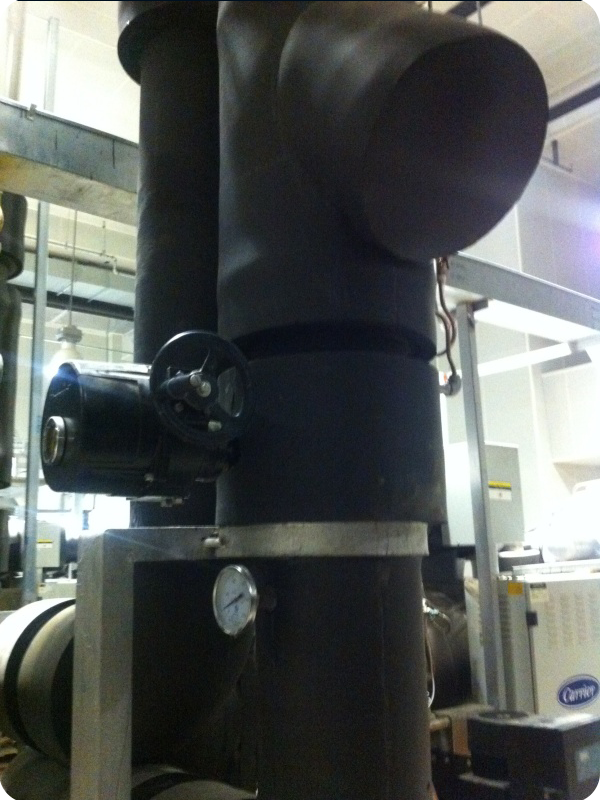
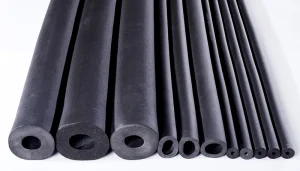
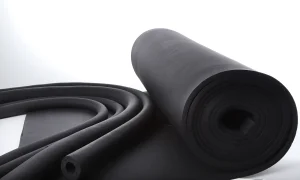
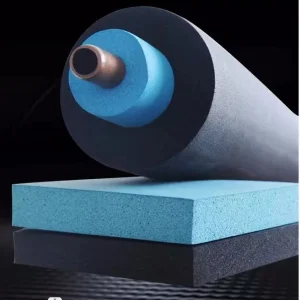
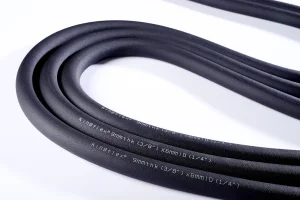
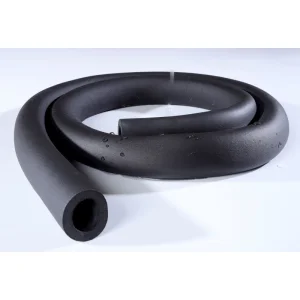
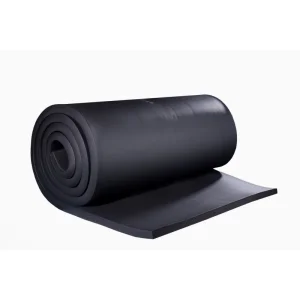
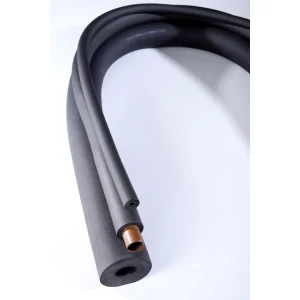
A selection of specialized pipeline solutions, cryogenic barriers, and rockwool products
Acoustic and thermal performance in modern structures is calculated using specialized engineering metrics, such as the Noise Reduction Coefficient (NRC) and Sound Transmission Class (STC). In large commercial interiors, hard surfaces like concrete, glass, and steel reflect sound waves, creating long reverberation times that reduce speech intelligibility and increase overall noise levels.
Installing high-density Rockwool panels helps solve these acoustic issues. The porous structure of the mineral fibers traps sound energy, converting it into heat through friction within the fiber matrix. When combined with elastomeric foam backings, this setup helps block sound transmission across partitions, reducing noise transfer between mechanical equipment rooms and occupied office spaces.
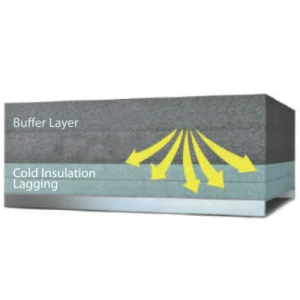
Thermal bridging occurs when a highly conductive material creates a path for heat to bypass insulation. In chilled piping systems, uninsulated hangers or supports can create cold spots that lead to condensation, mold growth, and energy loss. Using flexible, closed-cell elastomeric sleeves at these support points creates a continuous thermal barrier, protecting the pipe run from condensation and moisture infiltration.
Our elastomeric insulation sheets maintain a low thermal conductivity ($\lambda \le 0.034$ W/m·K at 0°C), helping to keep energy loss minimal. The material's high moisture resistance rating ($\mu \ge 10,000$) protects the insulation from absorbing water vapor over time. This keeps the thermal conductivity stable throughout the system's service life, reducing operational costs for commercial HVAC installations and industrial process lines.