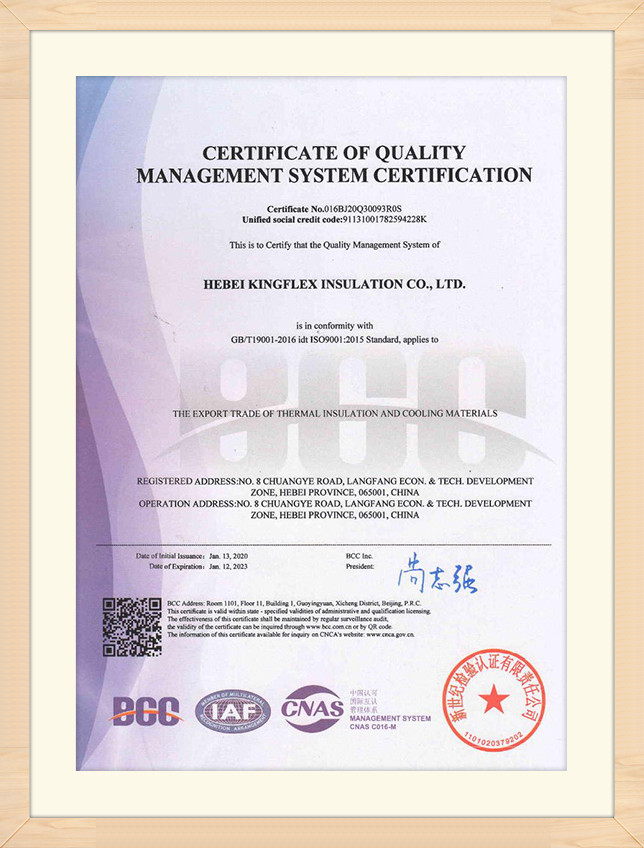
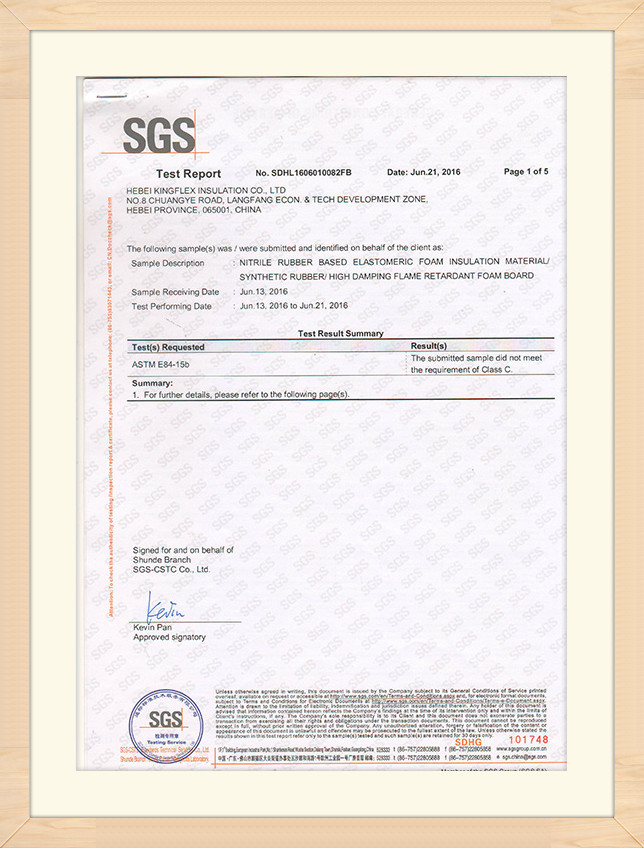
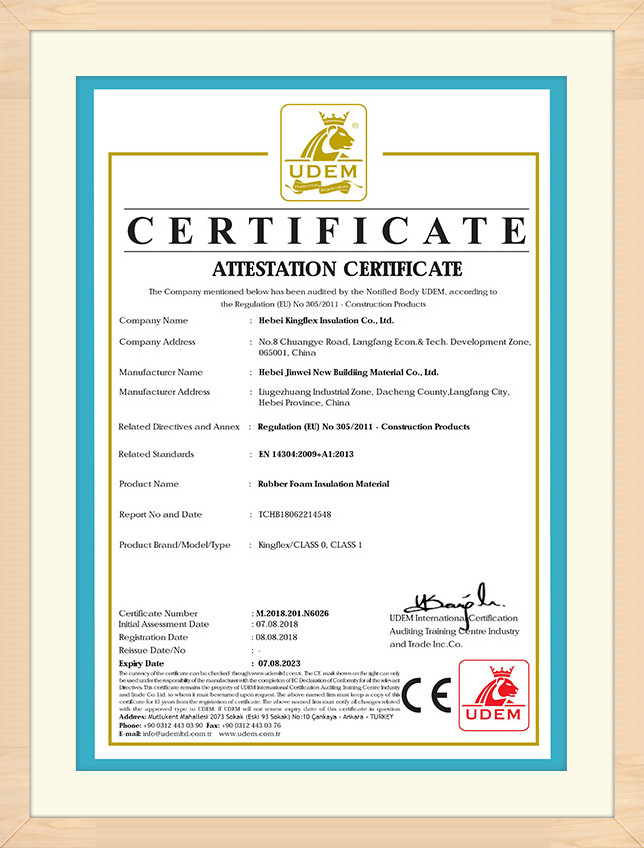
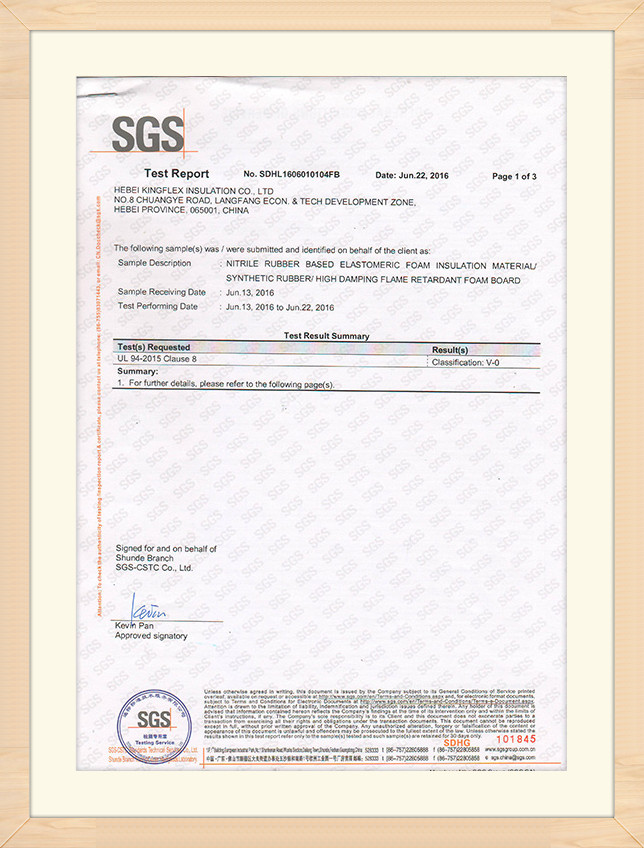
Direct from Certified Manufacturing Facilities & Export-Grade Portfolios
Analyzing Performance Metrics, Chemical Composition, and Safety Dynamics
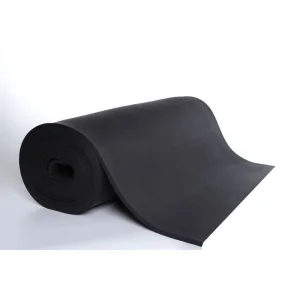
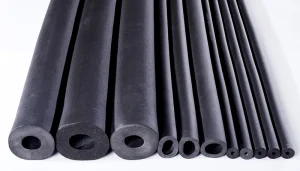
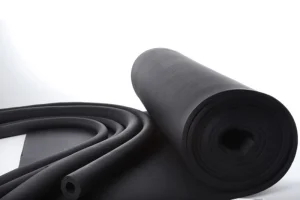
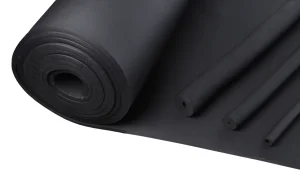
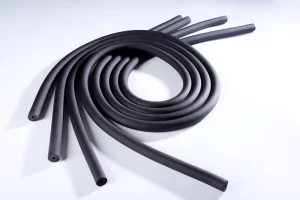
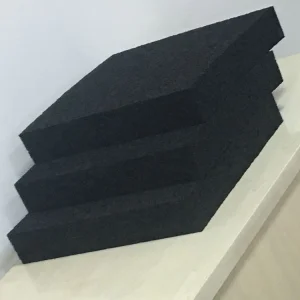
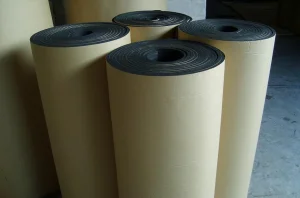
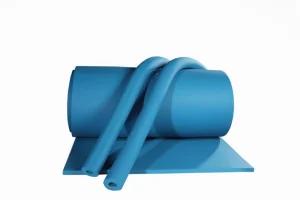
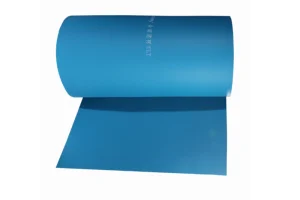
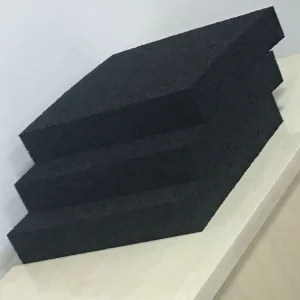
In modern commercial HVAC, industrial refrigeration, and marine engineering, the selection of thermal insulation is no longer limited to basic thermal conductivity values. The demand for highly visible, flame-retardant, and structurally robust elastomeric materials has led to the adoption of Yellow Rubber Foam Insulation Sheet Rolls. Primarily synthesized from a balanced blend of Nitrile Butadiene Rubber (NBR) and Polyvinyl Chloride (PVC), this technical closed-cell insulation serves a dual purpose: high-efficiency thermal performance and systemic color-coding for rapid facility maintenance and enhanced security protocols.
Traditionally, elastomeric rubber foam insulation has been produced in charcoal black. However, in complex multi-tier piping and ducting environments (such as cleanrooms, pharmaceutical laboratories, offshore platforms, and large-scale manufacturing plants), distinguishing between mechanical lines is critical. Yellow insulation sheet rolls are engineered to visually designate specific systems:
| Performance Characteristic | NBR/PVC Elastomeric Foam Value | Testing Standards & Compliance |
|---|---|---|
| Thermal Conductivity (λ) | ≤ 0.034 W/(m·K) at 0 °C | ASTM C518 / ISO 8301 |
| Moisture Permeability Factor (μ) | ≥ 10,000 (Closed-cell structure > 98%) | BS EN 12086 / ASTM E96 |
| Service Temperature Limit | -40 °C to +105 °C (-200 °C for specialized cryogenic lines) | ASTM C534 |
| Fire Safety Rating | Class 0 / Class 1 / UL94 V-0 Rated | BS 476 Part 6/7, UL94 |
| Density Range | 40 - 55 kg/m³ | ASTM D1622 |
| Compression Resilience | ≥ 80% recovery rate after load release | GB/T 6669 |
Statistical insights demonstrating industrial leadership, quality standards, and capacity
Thermal insulation failures in large structures typically stem from two primary phenomena: thermal bridging (heat transferring via high-conductivity support frames) and condensation ingress. Conventional open-cell materials like fiberglass or mineral wool act as structural sponges when the vapor barrier is punctured. Water intrusion increases thermal conductivity by up to 20x, completely destroying energy-conservation initiatives.
Kingflex's yellow elastomeric NBR/PVC sheets resolve this issue by integrating a uniform micro-cellular structure. Because every tiny cell is fully closed and filled with dry air, the material functions as its own continuous vapor barrier. If the outer skin is nicked during complex structural installations, only the immediate cell layers are exposed; the deeper sections remain completely dry, ensuring consistent thermal resistance throughout the life of the building.
Maximizes energy retention on large air-handling units and structural ducts. Resists mold growth in condensation-prone crawl spaces.
Maintains absolute mechanical insulation down to -200 °C, preventing ice build-up on ethylene and LNG pipelines.
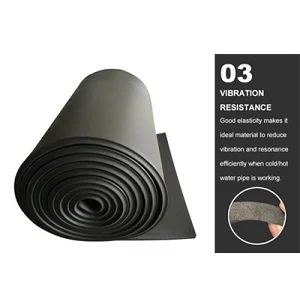
High viscoelasticity dampens mechanical vibrations within metal ducts, lowering ambient structural noise in office blocks and hospitals.
Procuring colored rubber foam sheets at wholesale scale requires a detailed understanding of the global manufacturing cost structure. Commercial pricelists are typically influenced by raw NBR rubber monomer pricing, PVC stabilizer costs, and the sophistication of the foaming agents used during extrusion.
When evaluating suppliers, procurement engineers must look beyond the initial cost per square meter. A holistic lifetime assessment shows that investing in certified high-density foam (40-55 kg/m³) with documented fire safety ratings (BS 476, CE, REACH) reduces maintenance cycles, saves millions in HVAC cooling and heating bills, and eliminates safety liability fees in public spaces.
A Professional Manufacturing & Trading Combo for Thermal Insulation Systems
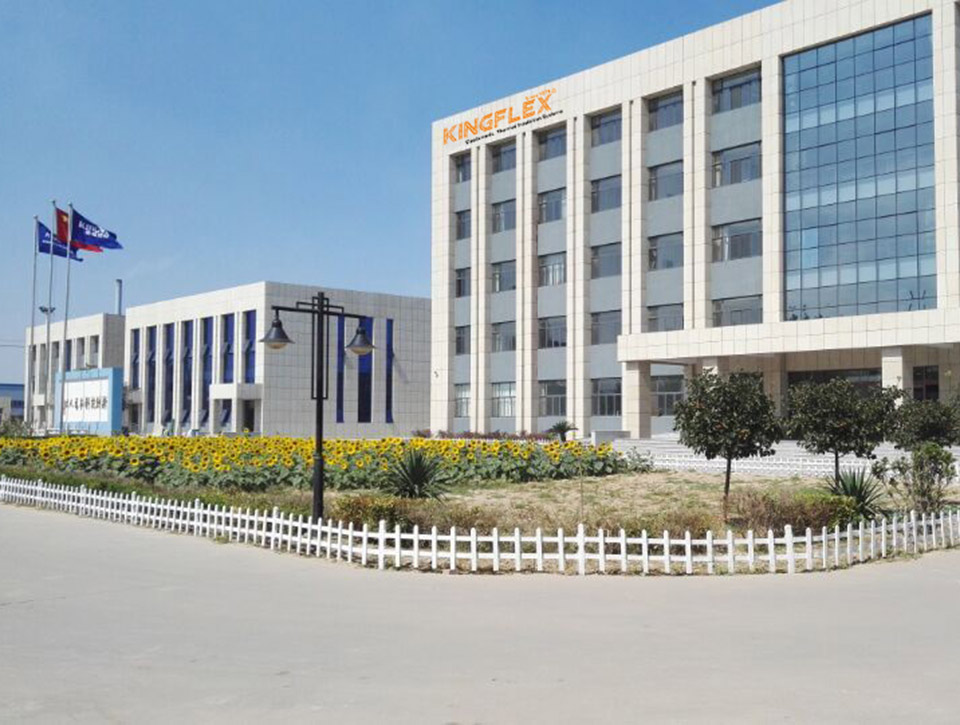
Located in Dacheng, China—the well-known capital of green building materials—Kingflex is an energy-saving, environmentally friendly enterprise concentrating on research, development, production, and sales. We take energy-saving and consumption reduction as our core operational concept. By offering tailored consultations, R&D production, installation guidance, and dedicated post-sale services, Kingflex leads the global development of structural insulation.
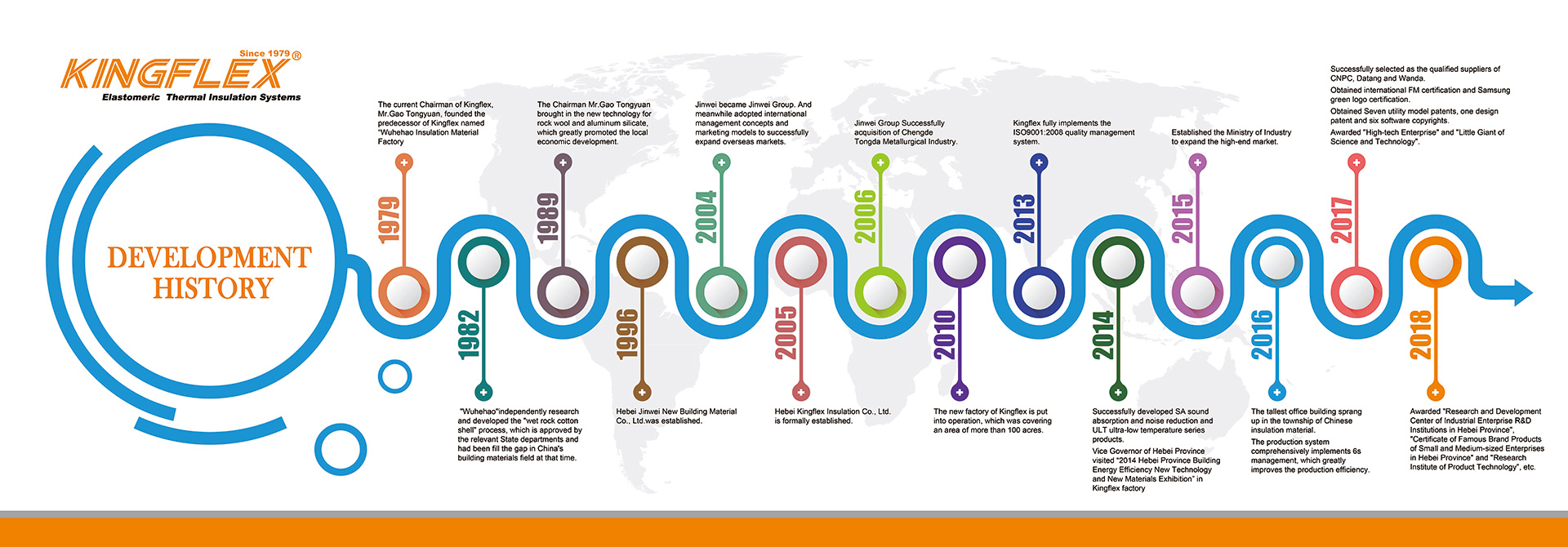
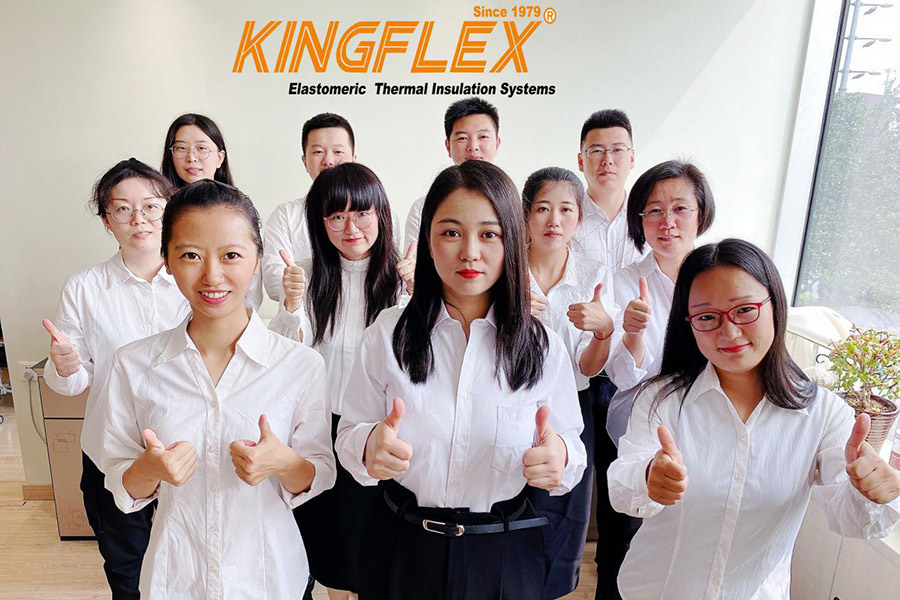
Established by the Jinwei (Kingway) Group, which has more than 40 years of history (founded in 1979), Kingflex was the first manufacturer of thermal insulation materials north of the Yangtze River. Today, our dynamic workforce includes 8 professional R&D engineers, 6 international sales consultants, and 230 dedicated factory operators.
As environmental regulations become stricter, the global elastomeric foam market is moving toward eco-friendly chemistry. Standard foaming agents that contain ozone-depleting substances are phased out in favor of clean carbon dioxide foaming technologies. Additionally, heavy metal fire retardants are replaced with non-toxic, halogen-free additives that produce minimal smoke during fire situations.
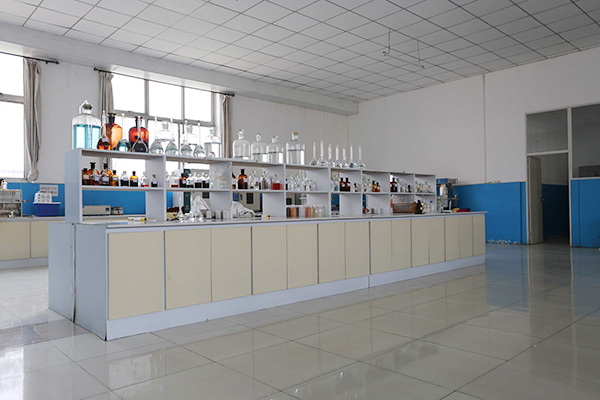
Kingflex's R&D department is focused on developing bio-based NBR/PVC polymers. By blending natural rubbers with recycled PVC components, we aim to reduce the carbon footprint of our insulation rolls by 35% over the next decade. At the same time, we are working to maintain high flame-retardant properties (UL94 V-0) and excellent moisture resistance. This commitment ensures that projects specifying Kingflex products can achieve higher LEED points and easily comply with international green building standards.
Shipping large volumes of lightweight insulation rolls poses unique logistics challenges. If not handled correctly, container shipping costs can quickly exceed the value of the product. To optimize cargo space, Kingflex uses specialized compression packaging equipment that packs the rolls securely without damaging the foam's recovery structure. Once unpacked at the job site, the material bounces back to its original thickness in minutes, ready for immediate installation.
Compliance with regional building codes is crucial for major infrastructure projects. Kingflex products carry fully traceable certifications including BS 476, CE, REACH, RoHS, UL94, and ASTM. This complete documentation allows engineering firms and builders to pass local audits smoothly, preventing costly delays and ensuring safety compliance across different regions.
Engineered for High-Stress Commercial and Industrial Operations
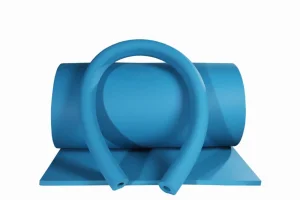
Standard Dimensions & Parameters:
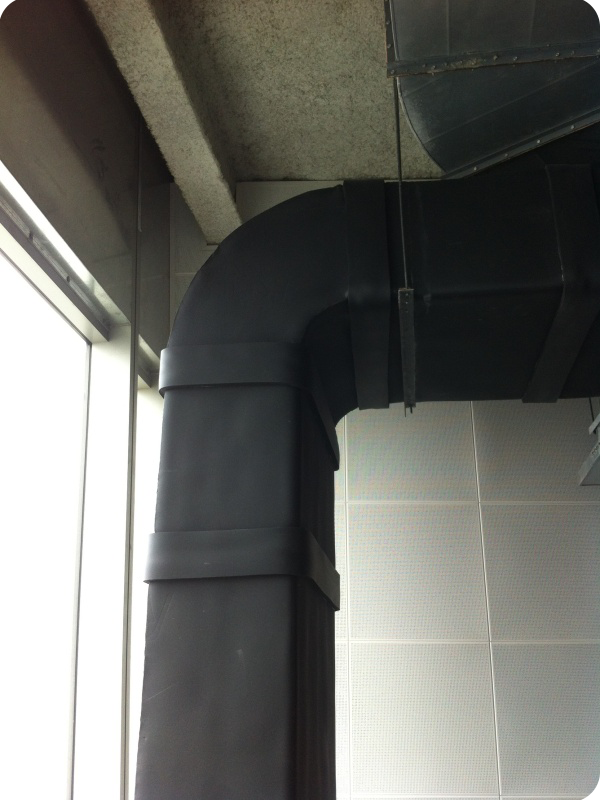
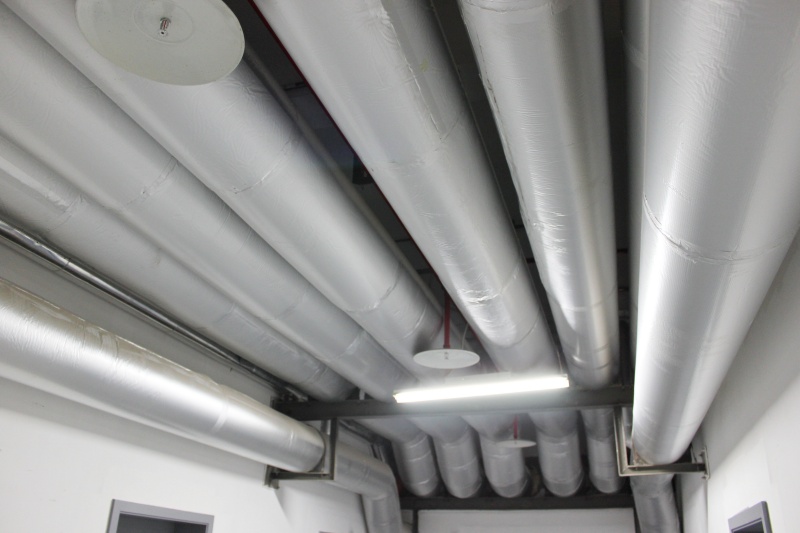
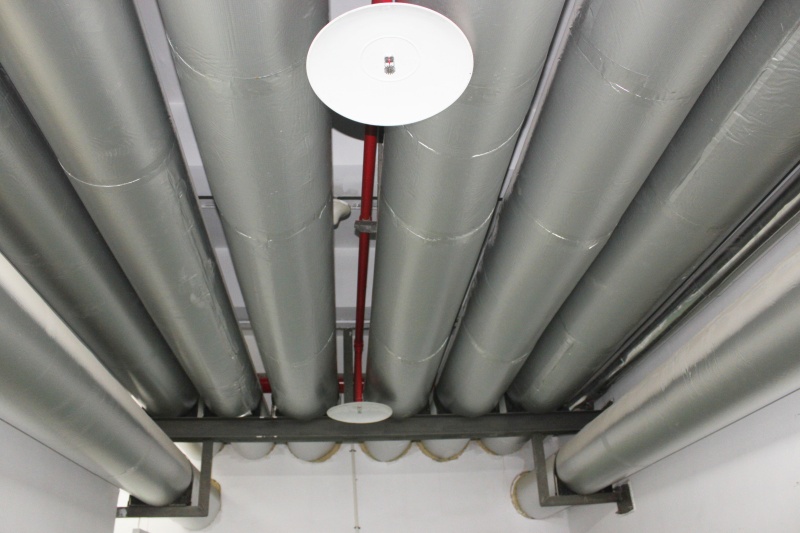
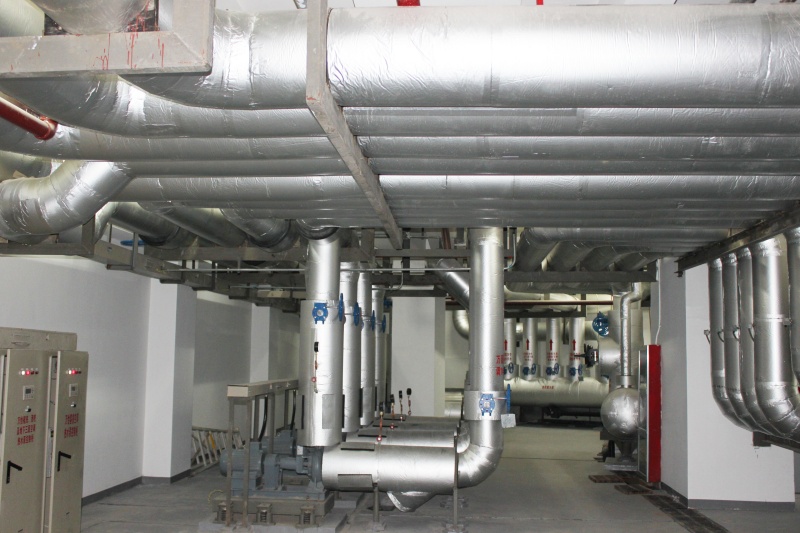
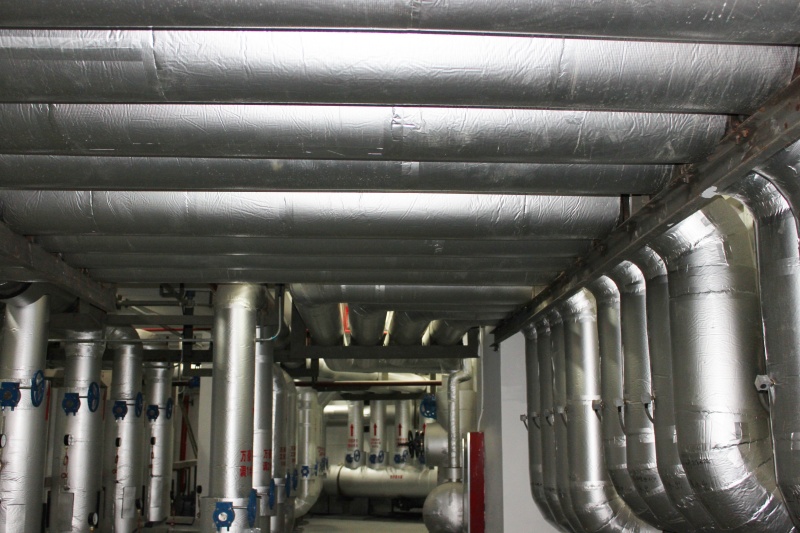
1. Central HVAC ducts and plenum chambers.
2. High-performance acoustic wall panels.
3. Anti-condensation protection for commercial water pipes.
4. Sound insulation for plant machinery and engine rooms.
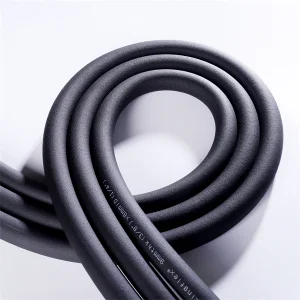
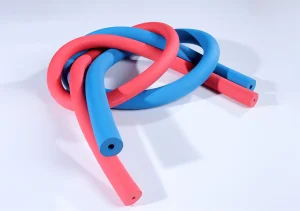
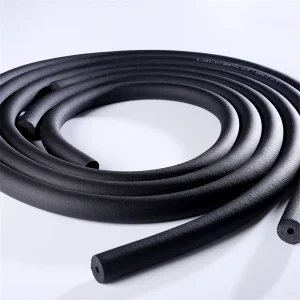
Standard Dimensions & Parameters:
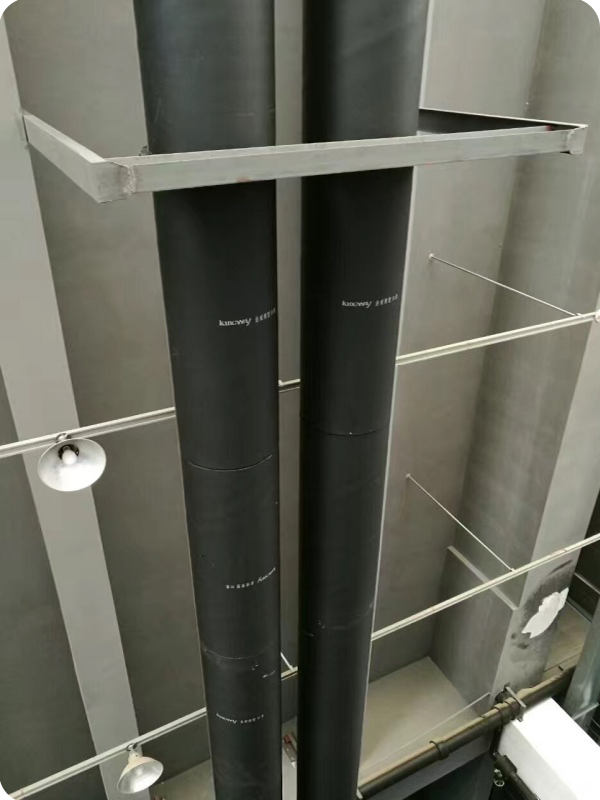
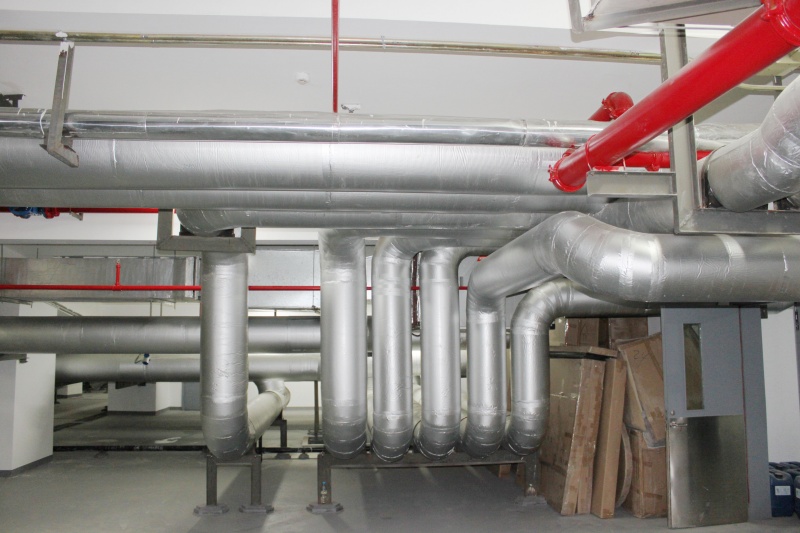
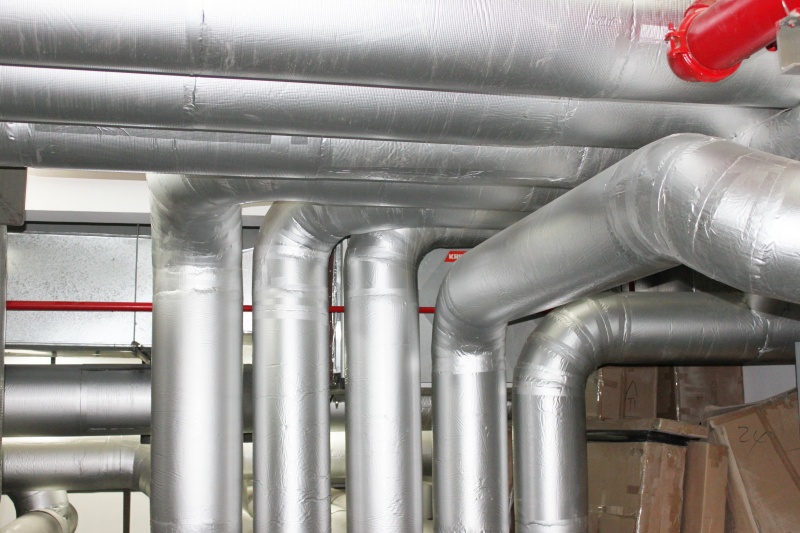
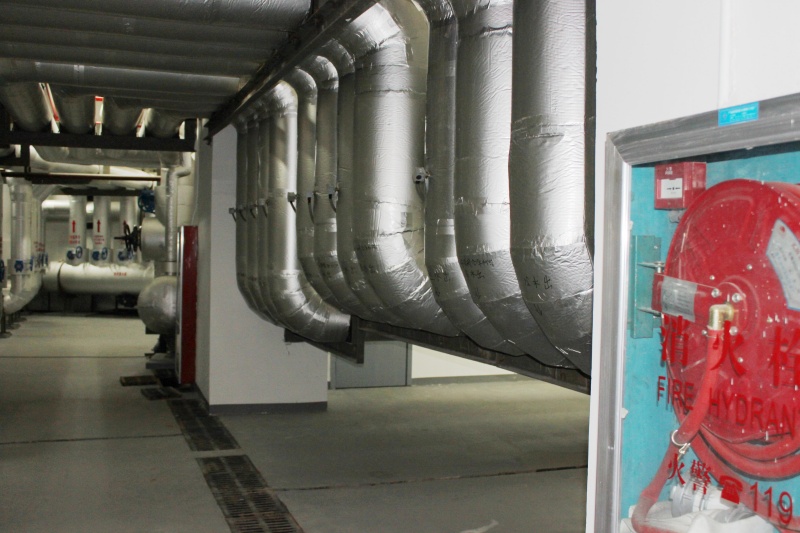
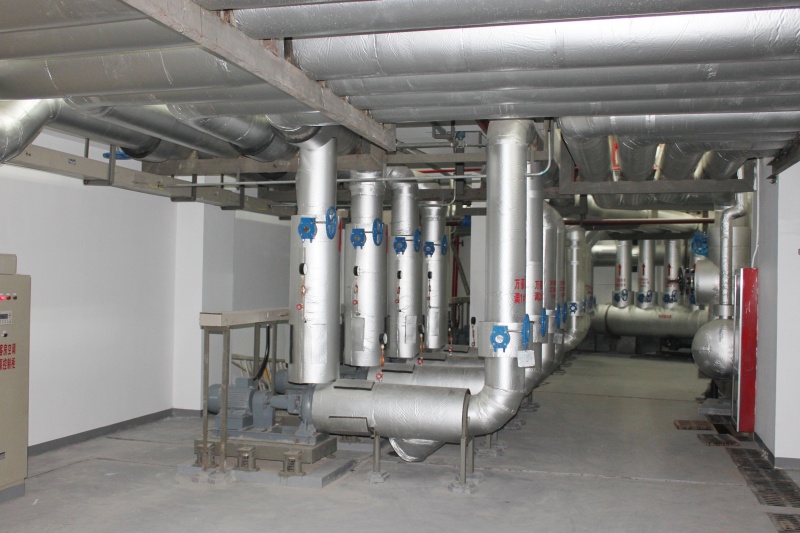
1. Chilled and hot water pipelines in large commercial buildings.
2. Refrigeration lines in supermarkets and cold stores.
3. Solar water heater piping systems.
4. Acoustic dampening for chemical fluid pipelines.
Proving performance across massive municipal, commercial, and chemical facilities
Expert clarifications on elastomeric foam insulation performance, installation, and compliance
Sourced Directly from Certified Manufacturing Facilities & Export-Grade Portfolios