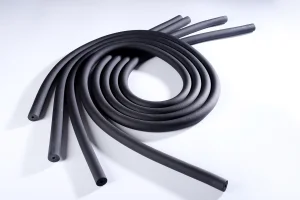
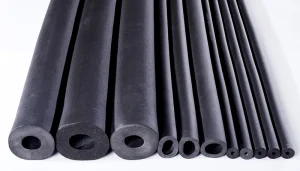
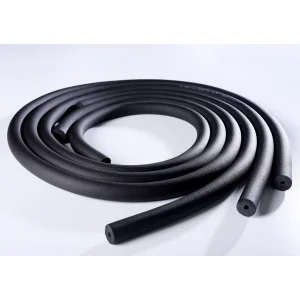
Wholesale Sound Absorbing Mat For Generator Manufacturers & Pricelist

Pioneering Closed-Cell Elastomeric NBR/PVC Acoustic Insulation to Deliver Silent Power. Custom OEM Engineering & High-Capacity Supply Chain Operations.

Acoustic Engineering

Mitigating Generator Airborne & Structure-Borne Noise

Industrial generator sets (gensets) generate extreme levels of noise pollution, combining high-frequency combustion crackle, mid-frequency cooling fan turbulence, and low-frequency structural vibration. Standard polyurethane foams fail under these conditions due to poor thermal limits and vulnerability to petrochemical vapors.

"An effective generator sound absorbing mat must simultaneously function as a noise barrier, a vibration dampening pad, and a thermal barrier. Elastomeric NBR/PVC delivers exactly this triad."

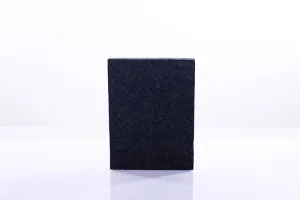
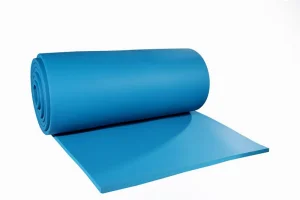
Kingflex elastomeric closed-cell sound absorbing materials are engineered with an dense, cellular matrix. This design intercepts sound waves, converting acoustic energy into minimal thermal energy through viscous friction within the cell walls. With a density profile calibrated between 40-55 kg/m³, our mats provide targeted attenuation in the critical 125 Hz to 2000 Hz frequency bands.
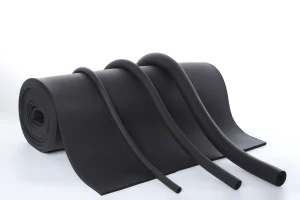
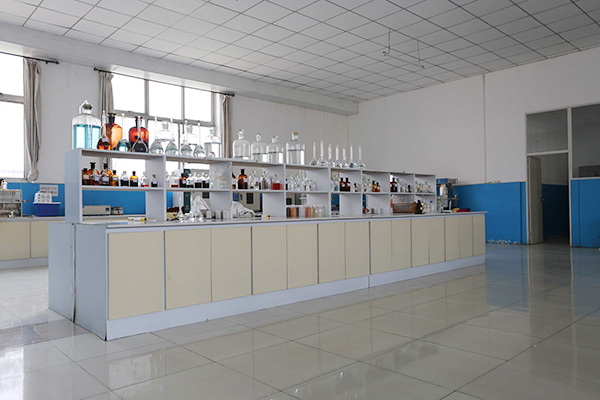
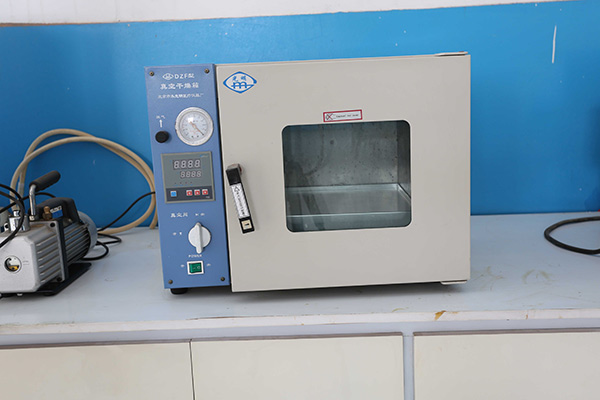
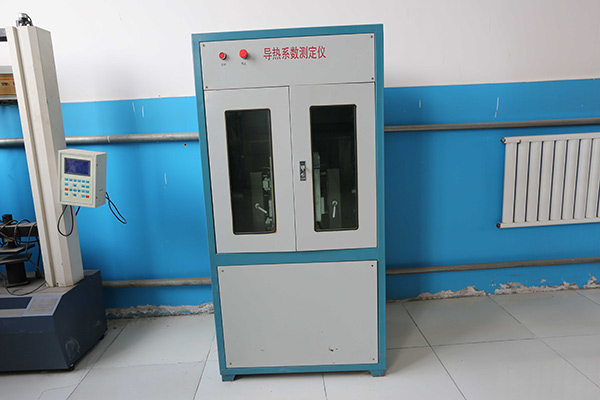
Kingflex Research and Development Facility Laboratory Testing

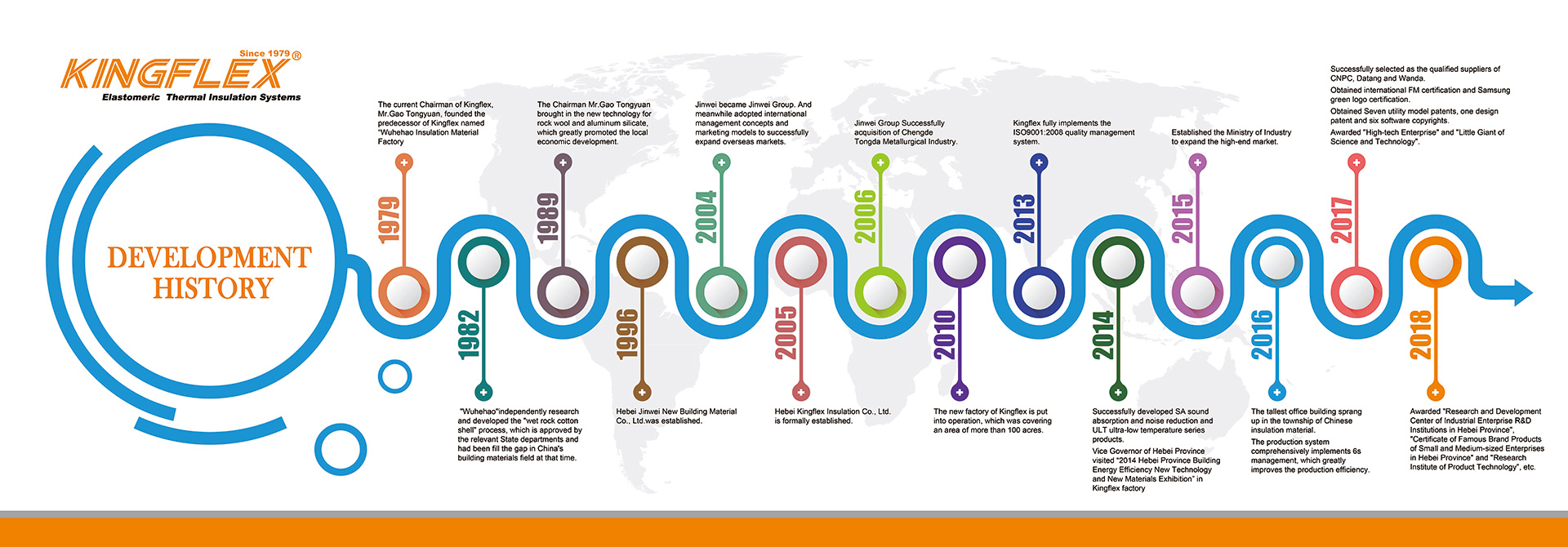
Kingflex Insulation: 40 Years of Manufacturing Excellence

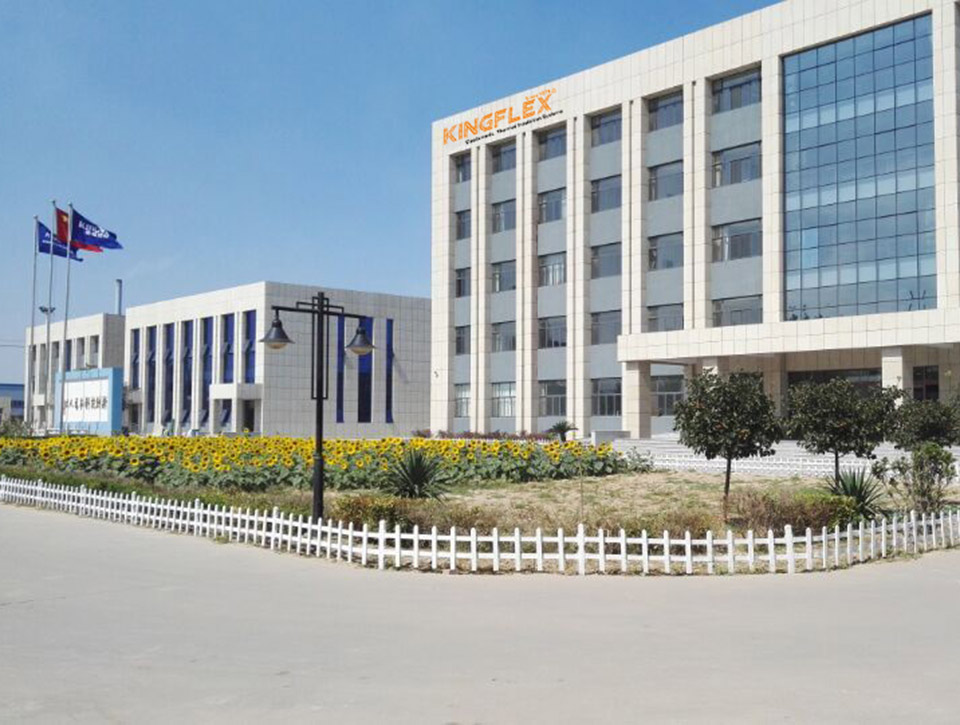
From the heart of Dacheng, China’s green building materials capital, Kingflex serves critical global industries.

600k+ m³

Annual Production Capacity

1979

Established by Jinwei Group

66+

Global Export Countries

8 / 230

R&D Engineers / Skilled Labor

Automated Production Line for Elastomeric NBR PVC Rubber Foam Sheets

Integrated Solutions for Thermal, Cold & Noise Control

Kingflex Insulation Co., Ltd. is a professional manufacturing and trading combo for thermal and acoustic insulation products. Backed by the Jinwei Group—a pioneer founded in 1979 as the first thermal insulation manufacturer north of the Yangtze River—we focus on energy conservation, noise reduction, and structural protection.

Currently, our facility operates 5 large automatic assembly lines, designated as approved vendors by the Ministry of Energy, Ministry of Electric Power, and Ministry of Chemical Industry in China. We support generator OEMs worldwide with tailored material parameters, ensuring our acoustic dampening mats meet strict thermal and fire safety regulations.

View Adhesive Roll Solutions

Kingflex Sound Absorbing Mat Material Specifications

Detailed performance parameters for engineering design, noise barrier modeling, and compliance checking.

Characteristic / Property NBR/PVC Elastomeric Foam Specification Test Standard / Certification Reference
Thickness Range 6mm to 50mm (Customizable sheets & rolls) ASTM C518 / ISO 845
Density Profile 40 kg/m³ to 55 kg/m³ GB/T 6343 / ASTM D1622
Service Temperature Limit -40℃ to +105℃ ASTM C411
Closed Cell Structure > 98% even closed micro-cells ASTM D2856
Thermal Conductivity (λ) ≤ 0.034 W/(m·k) at 0℃ ASTM C177 / ISO 8301
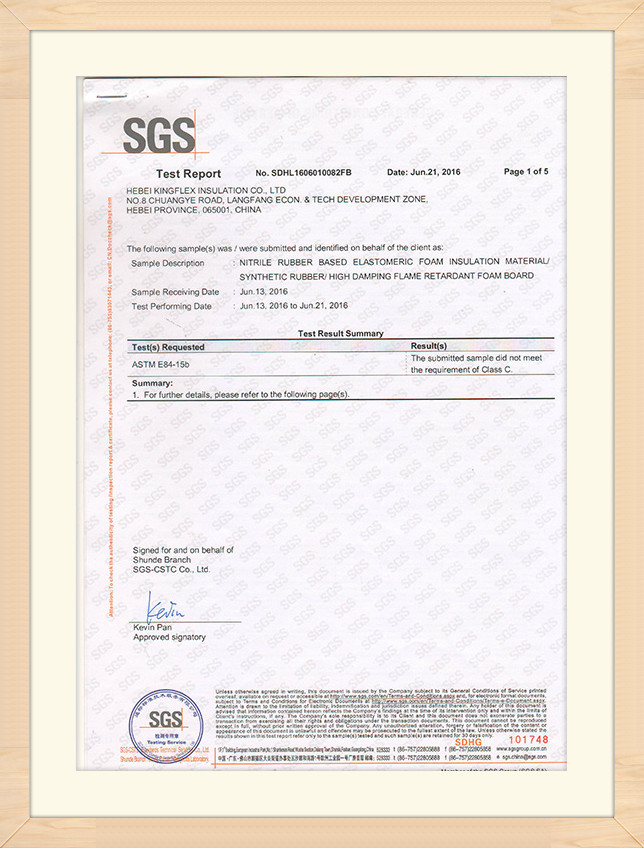
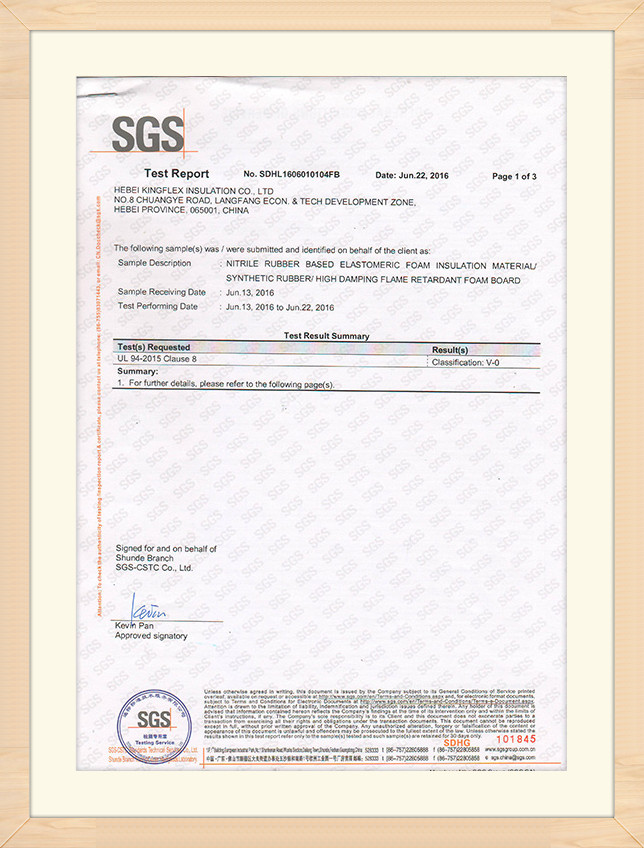
Fire & Flame Retardancy Class 0 / Class 1; Self-extinguishing off fire BS 476 Part 6 & 7 / UL94 V-0 / ASTM E84
Compression Resilience > 80% recovery after deformation GB/T 6669
Moisture Resistance Factor μ ≥ 10,000 (Built-in vapor barrier) EN 12086 / ASTM E96
Global Compliance

Meeting Stringent Localized Environmental & Fire Regulations

Different jurisdictions impose distinct regulatory limits on generator installations. While European urban zones require strict noise control under EU Directive 2000/14/EC, North American installations focus heavily on fire safety codes governed by NFPA 110 and UL94 testing.

  • BS 476 Class 0 & 1 Compliance: Confirms low flame spread characteristics for building plant rooms and enclosure designs.
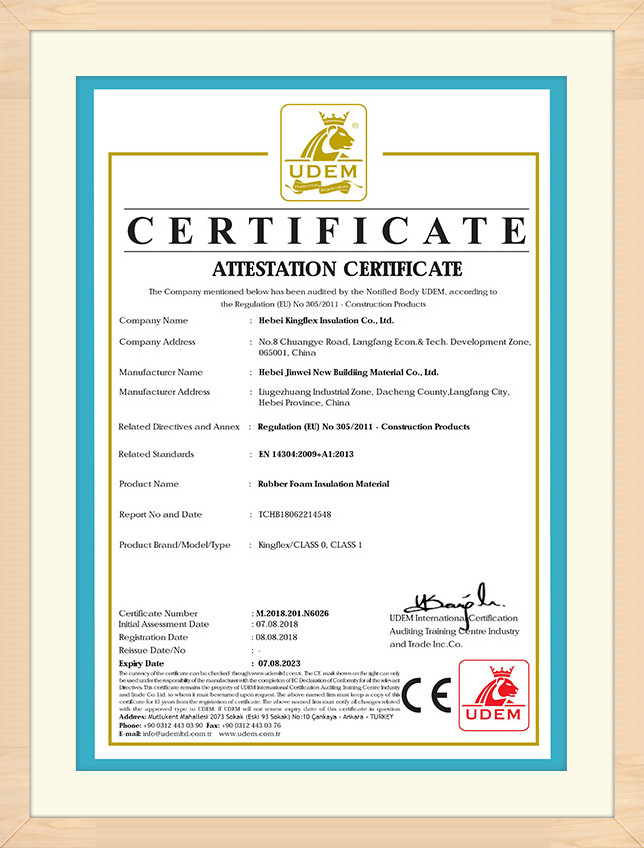
  • CE Mark & RoHS/REACH Certification: Ensures our foam does not outgas toxic halogenated compounds when exposed to engine compartment heat.
  • ASTM E84 Surface Burning: Verifies flame spread and smoke developed indices are within strict regulatory boundaries.
  • Traceability Systems: Each production run is laser-coded for transparent batch tracking from raw rubber compounds to delivery.

With localized warehouse readiness and certifications, Kingflex supports global generator manufacturers in securing hassle-free compliance clearances from local building inspectors and environmental protection agencies.

Leveraging the Dacheng Supply Chain Advantage

Why generator OEMs globally source raw elastomeric materials directly from Kingflex's integrated manufacturing hub.

Vertical Integration & Raw Polymer Control

We source high-grade NBR and PVC polymers locally, compounding them in-house. This minimizes supply chain volatility and guarantees consistent material density and cell structure across high-volume wholesale orders.

Rapid Prototype & Die-Cutting Services

Generator canopies require complex geometric shapes to accommodate air intakes, exhaust ports, and access doors. Kingflex offers custom die-cutting and laminated pressure-sensitive adhesive (PSA) backings to speed up assembly line installation.

Logistical Proximity to Major Export Ports

Located near the Beijing-Tianjin corridor, we utilize optimized freight routes to Tianjin Port, ensuring reliable shipping schedules and cost-efficient container rates for global buyers.

Localized Applications of Sound Absorbing Mats in Generator Design

How Kingflex insulation materials are deployed across different genset configurations and operating environments.

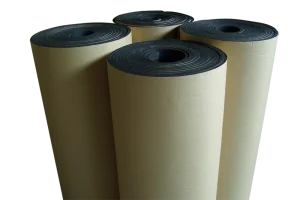
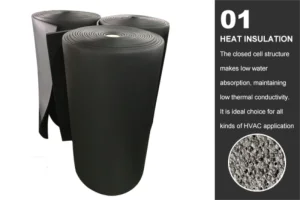
Black Rubber Foam Sheet Roll Soundproofing Application

1. Canopy Inner Lining

Fitted directly to the interior steel or aluminum panels of weather-proof generator canopies. The high density of our rubber-plastic sheet acts as a structural mass-barrier, dampening panel resonance and blocking internal engine noise.

2. Intake and Exhaust Baffles (Silencer Boxes)

Generator cooling fans draw large volumes of air, creating high-velocity aerodynamic noise. Lined within air intake and outlet bends, Kingflex sound mats absorb air turbulence energy without decomposing under high pressure or wind shear.

3. Heavy Engine Compartment Floors

To prevent structure-borne noise from transmitting to the building floor or chassis, Kingflex closed-cell rubber serves as a decoupling isolator under generator frames and base plates, absorbing low-frequency mechanical energy.

4. Hot Process Piping & Exhaust Insulations

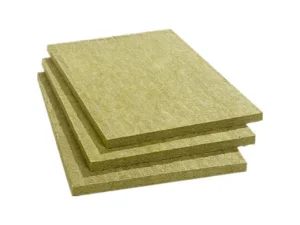
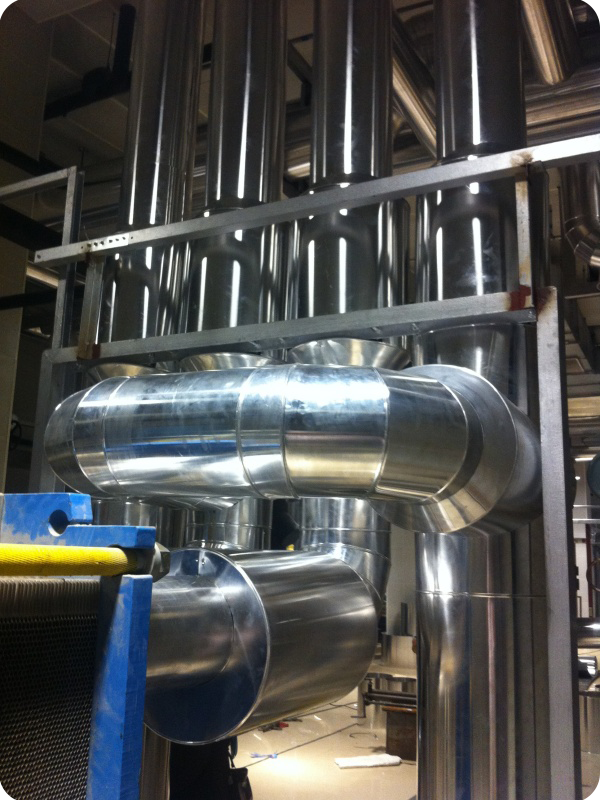
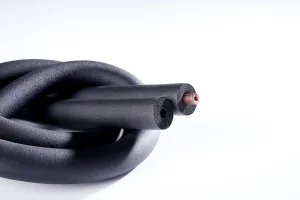
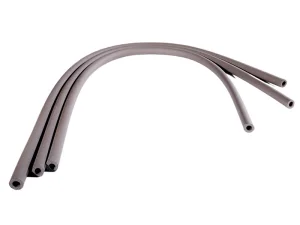
Using a combination of Kingflex rubber foam insulation pipe and high-temperature Rock Wool blankets, manufacturers insulate the high-heat exhaust system, preventing thermal radiating loads inside the acoustic canopy.

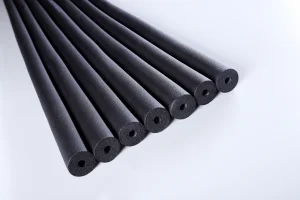
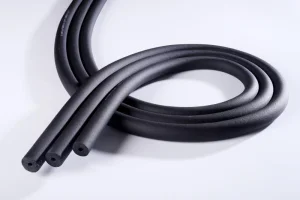
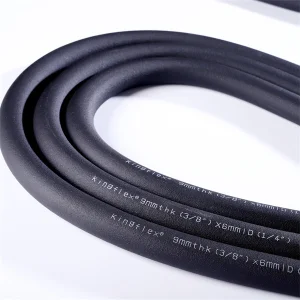
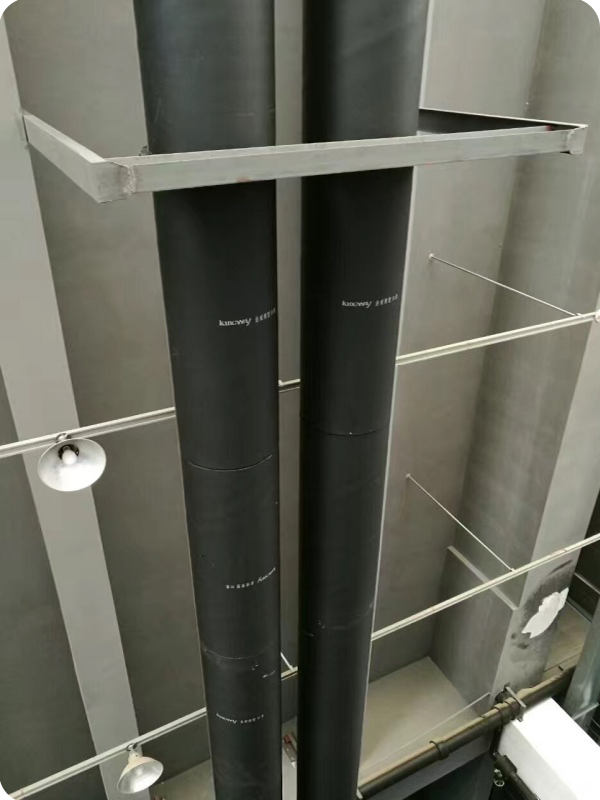
Black Rubber Foam Pipe Insulation on Generator Piping

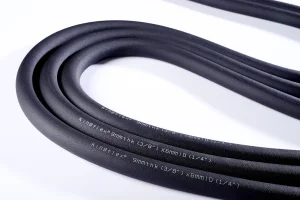
Kingflex elastomeric thermal insulation pipe tubing application

5. Multi-Layer Custom Composites

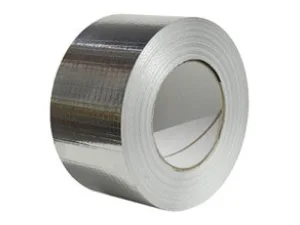
For demanding applications (e.g., hospital standby generators), Kingflex products can be laminated with mass-loaded vinyl (MLV) and aluminum foil. The foil surface protects against oil sprays, cleanable by simple wiping, while the MLV boosts the Sound Transmission Class (STC) rating.

Explore Sound Panels

Wholesale Pricelist Mechanics & Purchasing Guide

Understanding the variables that shape bulk procurement costs for generator manufacturers.

Thickness & Density Factors

We supply material thicknesses from 6mm to 50mm. Standard 10mm-20mm sheets are typical for canopy lining, whereas thicker 40mm-50mm options are selected for high-intensity low-frequency dampening. Pricing scales directly with the volume of NBR/PVC polymer compound per square meter.

Adhesive & Foil Lamination Options

Applying self-adhesive backing (acrylic-based pressure-sensitive adhesive) at our factory reduces application times on your assembly line. Adding protective layers, such as fiberglass scrim or aluminum foil, changes the base cost but improves durability and cleanability.

Order Volume & Logistics Optimization

Our pricing model supports tier-based pricing. Full Container Load (FCL) orders benefit from optimized loading configurations, maximizing roll volume while minimizing cubic-meter sea freight costs. We offer custom container packing strategies to protect materials from compression damage during long ocean transits.

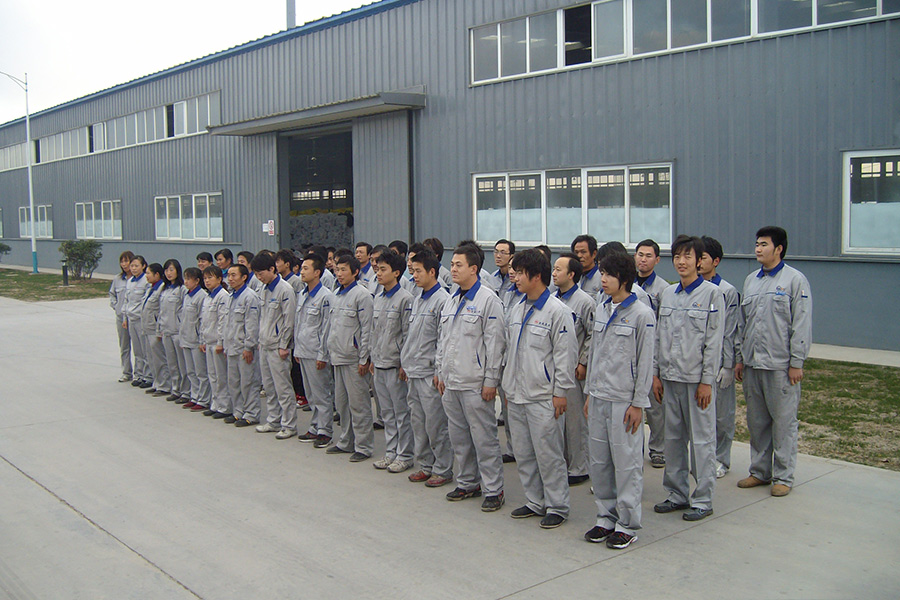
Kingflex Corporate Team Packing Global Shipments

Rigorous Quality Control & Customer Endorsements

Ensuring every shipment matches international standards through rigorous testing and documentation.

Advanced R&D Testing

Our QC laboratory checks every raw material batch for density, cell consistency, and flame retardancy. Kingflex maintains 8 R&D engineers focused on optimizing formulation resilience, keeping our materials durable when exposed to fuel vapor and high temperatures.

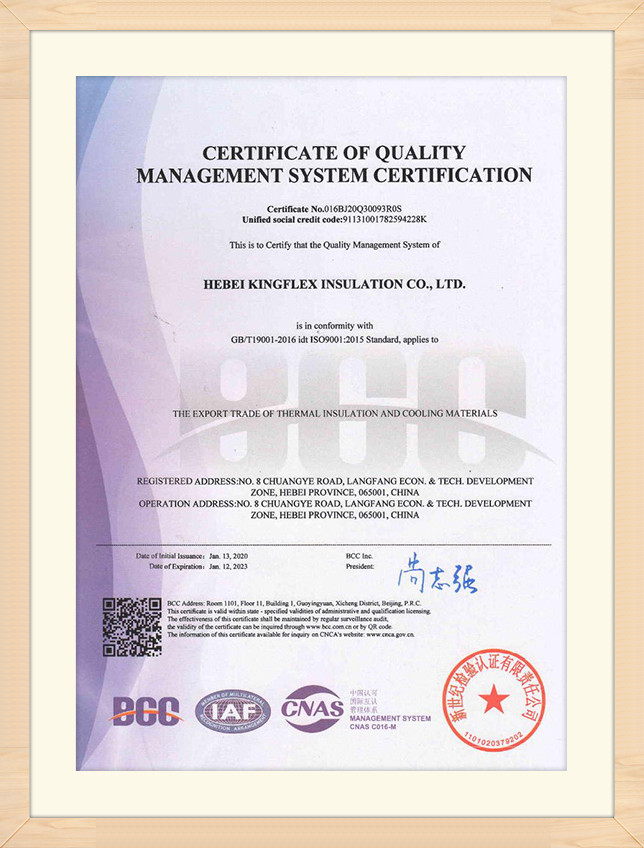
We supply material traceability certificates with every shipment, allowing generator manufacturers to confirm that the insulation installed on their machines complies with relevant fire and acoustic performance standards.

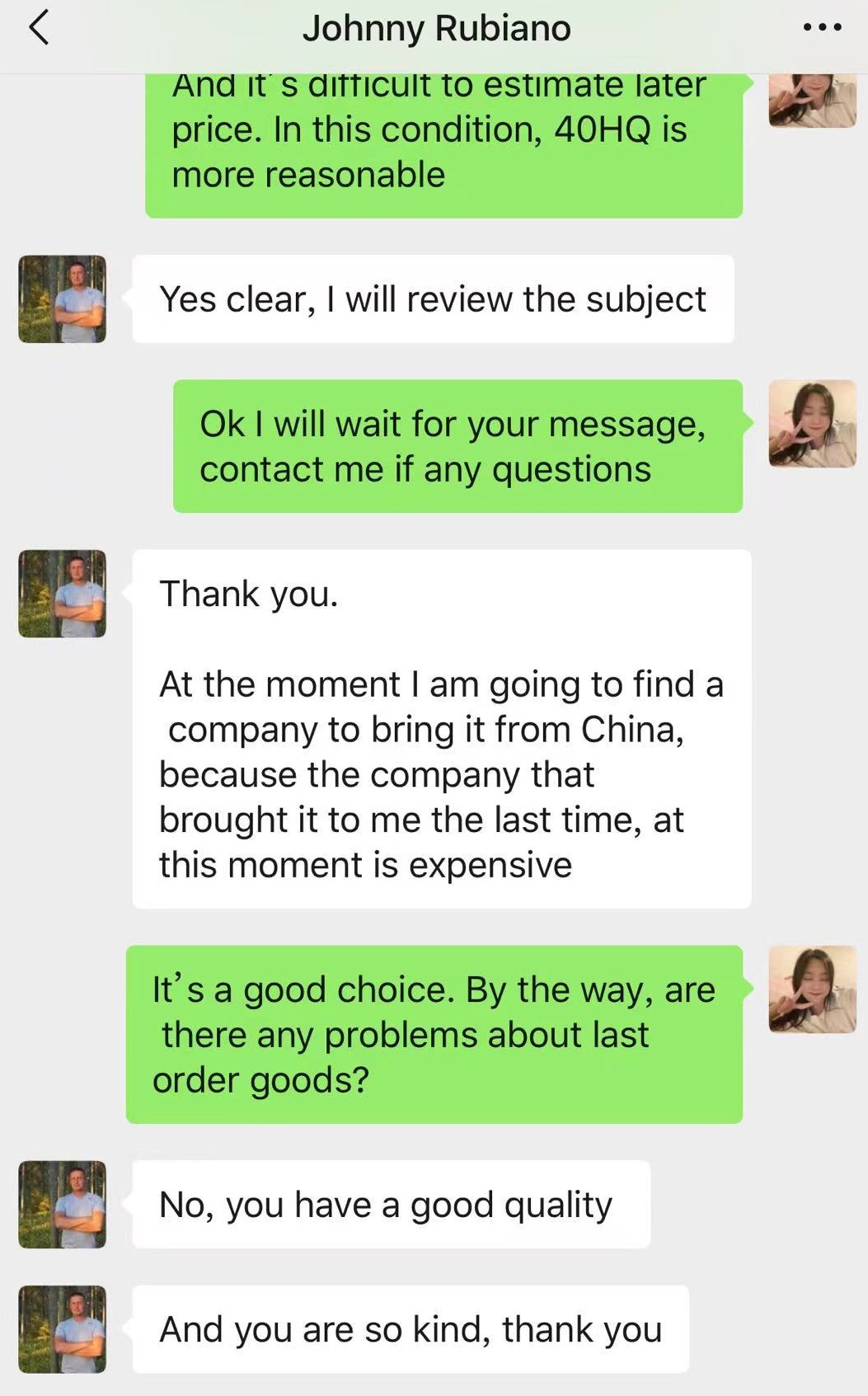
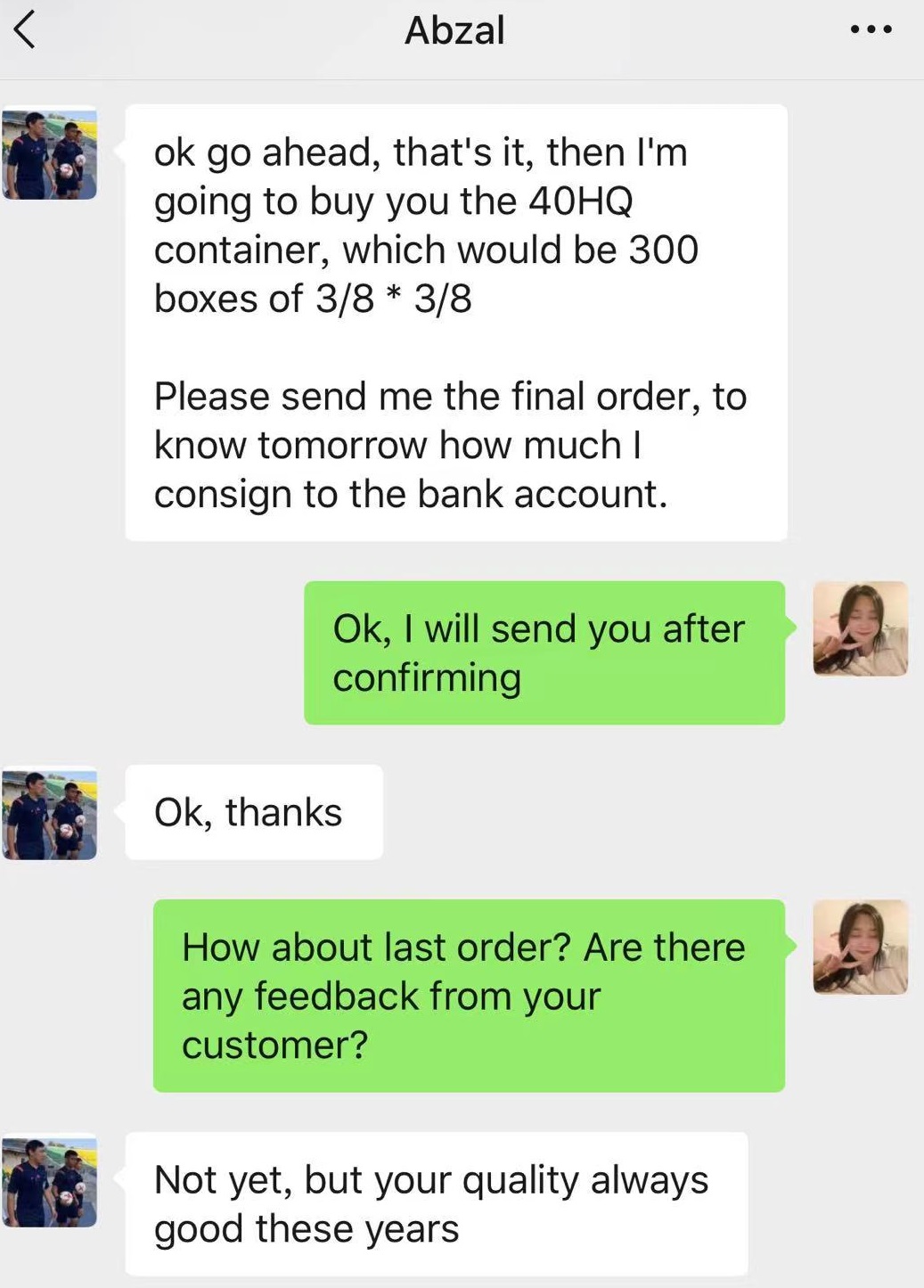
Client Chat Screenshot Confirming Delivery & High Product Quality

Customer Communications & Transparency

Our commitment to clarity extends from technical specifications to customer support. We maintain transparent communications regarding lead times, shipping arrangements, and custom clearance documentation.

"By partnering directly with the manufacturing facility, generator OEMs eliminate middleman markups, gain access to specialized engineering support, and maintain reliable material supply lines."

We work closely with shipping agencies to optimize container volumes, helping to control landed costs and maintain margins on large-scale generator production runs.

Technical Q&A (FAQ)

Answering common questions about the application, performance, and sourcing of Kingflex rubber foam insulation.

Q1: What is elastomeric rubber foam insulation used for?

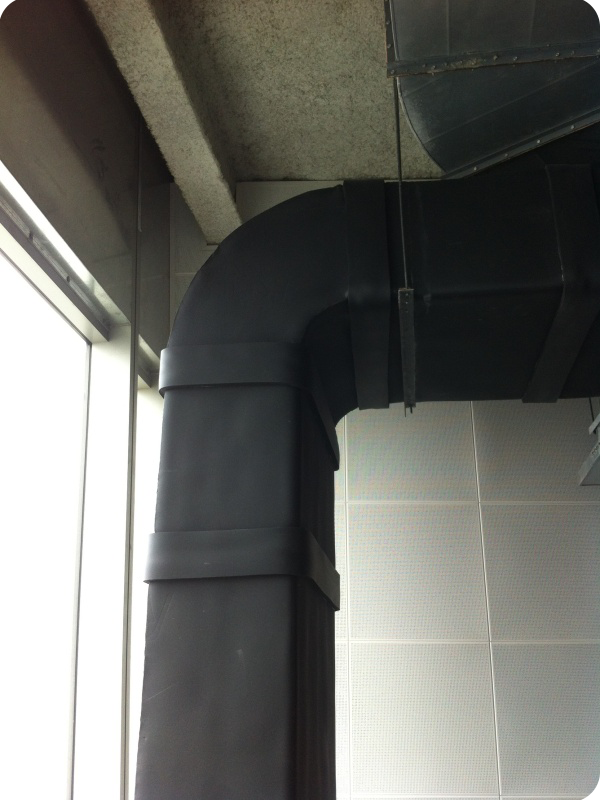
A1: It is mainly used for HVAC ducts, air conditioning pipes, building thermal insulation, industrial pipeline cold insulation, and sound insulation. Within generator configurations, it acts as a primary canopy lining for sound absorption, structural vibration dampening, and compartment thermal containment.

Q2: Is Kingflex rubber foam insulation fire resistant?

A2: Yes, our rubber foam insulation products are fire retardant, meeting BS 476 (Class 0 and Class 1), UL94 V-0, and ASTM E84 safety standards, making them suitable for commercial building systems and industrial applications.

Q3: What is the difference between rubber foam and rock wool insulation?

A3: Rubber foam is flexible, closed-cell, and moisture-proof, suitable for HVAC, building insulation, and direct noise dampening in generators. Rock wool is high-temperature resistant and fireproof, making it suitable for high-heat areas like exhaust pipes and steam lines.

Q4: Do you provide customized insulation products?

A4: Yes, we offer OEM services. We can supply custom thicknesses, roll widths, sheet sizes, and self-adhesive or foil laminations to meet specific manufacturing requirements.

Q5: What certifications do your products have?

A5: Our products have passed BS 476, CE, REACH, RoHS, UL94, and ASTM certifications, ensuring compliance with global regulatory and safety standards.

Q6: Does Kingflex products have traceability?

A6: Yes, all Kingflex products have full manufacturing traceability. Batch codes are printed on packaging and materials, allowing us to track the production history and quality control records back to the raw material stage.

Q7: What thickness of Rubber foam insulation sheet roll can you produce?

A7: We produce thicknesses ranging from 6mm to 50mm, allowing generator manufacturers to select the appropriate thickness for their specific sound absorption and thermal goals.

Q8: What is the service life of rubber plastic pipe and board?

A8: The typical service life of our elastomeric foam is 10 to 15 years in standard indoor and sheltered outdoor environments, thanks to its moisture resistance and structural stability.

Q9: How does the NBR/PVC blend perform compared to polyurethane foam in generator canopies?

A9: Polyurethane foam is open-celled, meaning it absorbs moisture, oil mist, and fuel vapor, creating a fire hazard. Kingflex NBR/PVC is closed-cell (>98%), resisting liquid penetration. It also offers superior resistance to weathering, diesel vapors, and oil splashes.

Q10: Can your self-adhesive layer withstand the high temperatures inside an engine compartment?

A10: Yes, we use specialized acrylic adhesive backings rated for continuous exposure to temperatures up to 90℃-100℃. For higher temperature areas near the engine block, mechanical fastening is recommended alongside the adhesive.