As the primary maritime gateway of Germany and a major logistical hub for Northern Europe, Hamburg requires advanced, high-specification elastomeric rubber foam insulation solutions. Our precision-engineered accessories guarantee thermal efficiency, prevent condensation, and resist marine moisture ingress across maritime fleets, district heating pipelines, and architectural projects.
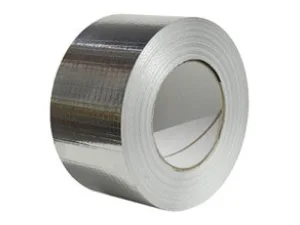
Robust vapor barrier sealing tape with reinforced acrylic adhesive, optimized for cold humid port climates.
View Specs
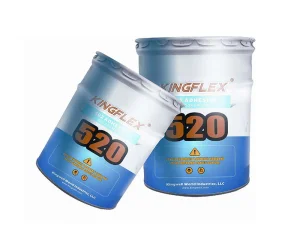
Fast-curing, high-tack adhesive formulated to form a waterproof bond on flexible elastomeric materials.
View Specs
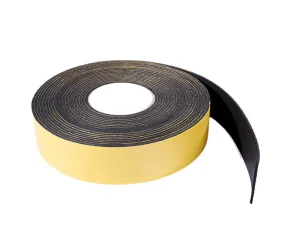
Highly flexible self-adhesive insulation tape to eliminate thermal bridging on intricate pipe fittings.
View Specs
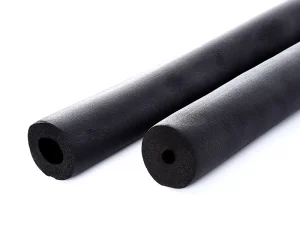
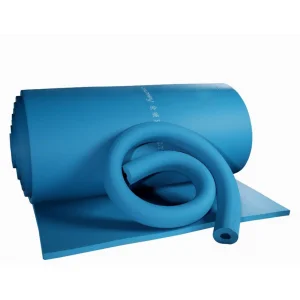
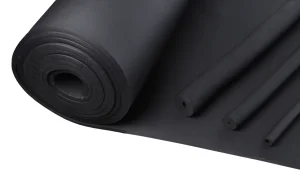
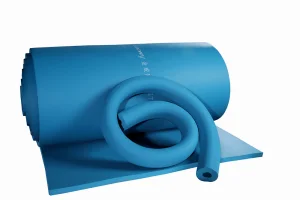
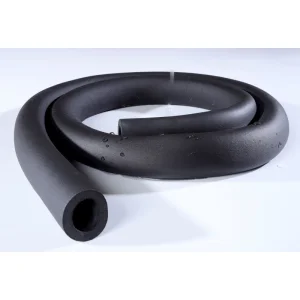
Closed-cell structure pipe insulation featuring low thermal conductivity for industrial pipeline systems.
View SpecsHamburg is striving for complete climate neutrality by 2040. Under this mandate, commercial buildings, municipal district heating (Fernwärme), and marine vessels docking at the port must drastically reduce operational energy losses. Implementing premium Closed-Cell Nitrile Butadiene Rubber (NBR/PVC) thermal insulation is one of the most effective mechanical methods to suppress thermal radiation, conduction, and convection losses.
Ocean-going container ships and cruise liners require heavy-duty thermal materials that resist salt spray corrosion, vibrations, and continuous temperature fluctuations. Our insulation rolls and adhesives meet the strict fire protection safety guidelines outlined by German Lloyd's registers.
With the expansion of liquified natural gas (LNG) terminals and hydrogen infrastructure across Northern Germany, flexible elastomeric foam (FEF) designed for ultra-low temperature cryogenic environments is vital. Standard materials crack at low levels; our specialized systems maintain elasticity down to -200°C.
Hamburg's relative humidity routinely exceeds 80%. When refrigeration lines run without adequate closed-cell thickness, ambient moisture condenses on the pipe surface, leading to structural water damage, rust under insulation (CUI), and dangerous mold growth.
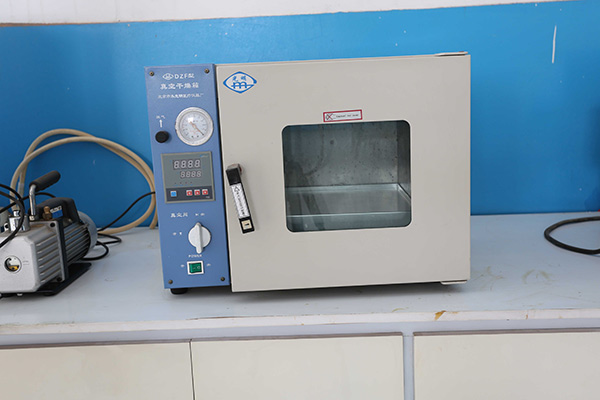
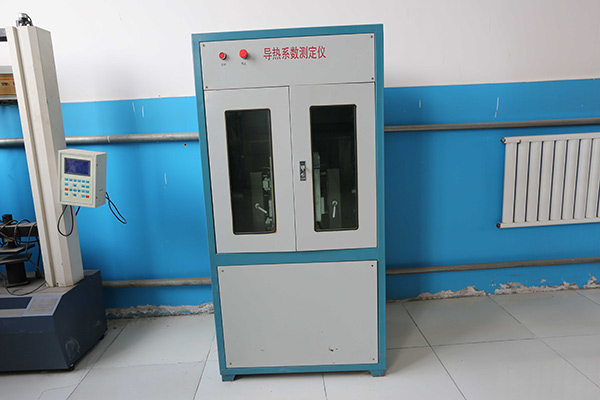
For energy efficiency, mechanical engineers in Hamburg reference German DIN standards (such as DIN 1988 for drinking water installations and DIN 4108 for structural thermal isolation). Our closed-cell rubber plastic products undergo rigid structural testing using gas pycnometer arrays to ensure cell integrity exceeds 98%.
| Technical Characteristic | Standard Reference Value | Kingflex Elastomeric Performance | Engineering Benefit for Hamburg Projects |
|---|---|---|---|
| Thermal Conductivity (λ) | ≤ 0.038 W/(m·K) at 0°C | 0.034 W/(m·K) at 0°C | Reduces wall thickness requirements, conserving structural space in shipyards. |
| Water Vapor Permeability (μ) | ≥ 7,000 | ≥ 10,000 | Eliminates external vapor barrier wraps, minimizing structural degradation. |
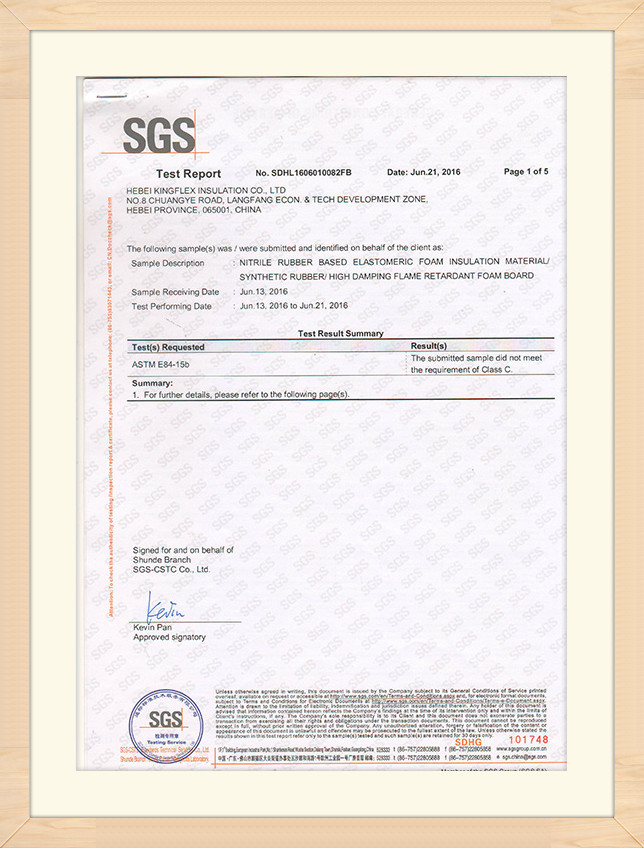
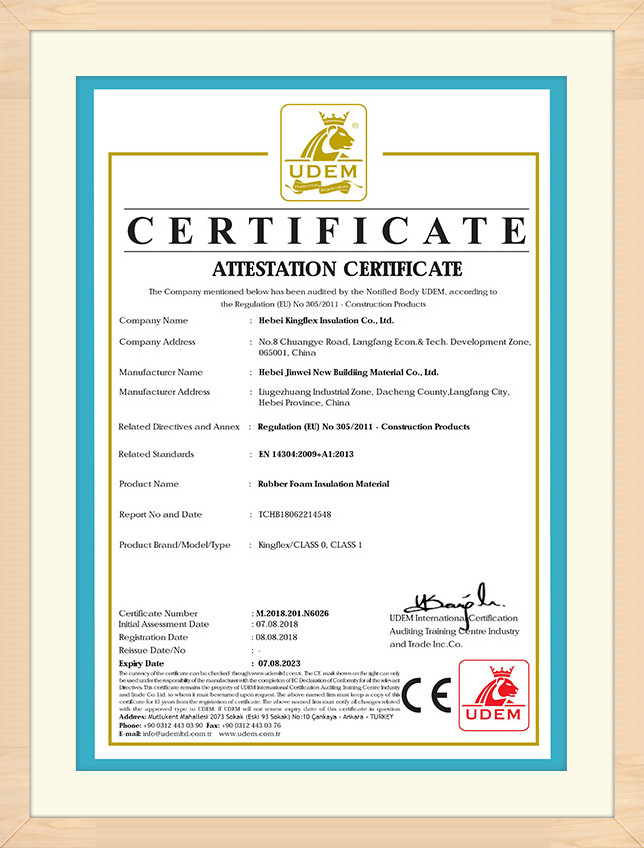
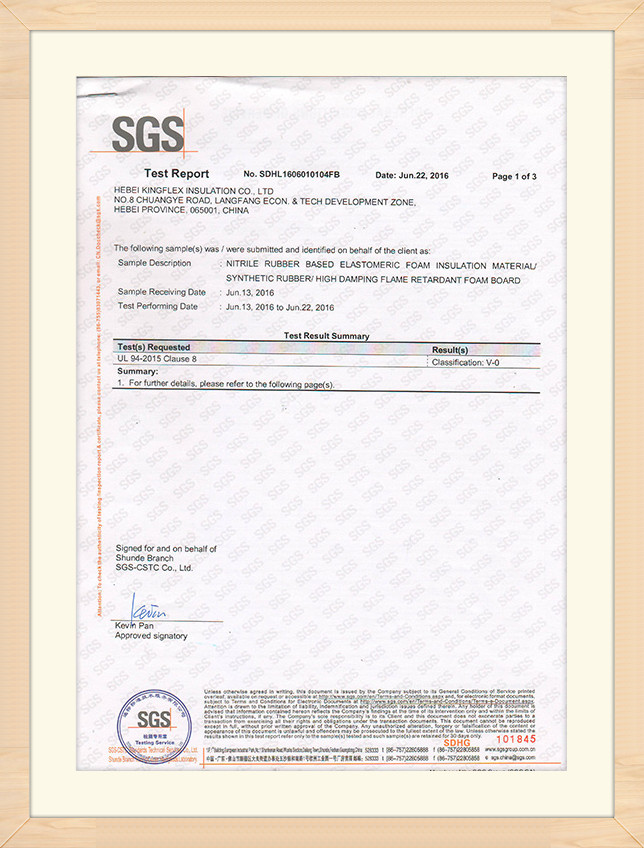
| Fire Classification | EN 13501-1 (Class B-s3, d0) | Class 0 / Class 1 (BS 476) / UL94 V-0 | Self-extinguishing chemistry protects cabling tunnels and machinery rooms. |
| Service Temperature | -40°C to 105°C | -40°C to 105°C (Specialty ≤ -200°C) | Covers dual hot/cold applications from district steam back to glycol lines. |
Modern commercial construction, shipbuilding, and petrochemical logistics demand a progressive supply chain. We are modernizing our manufacturing lines with AI-based monitoring to assure consistency in cellular foaming density. Over the next decade, the focus of mechanical insulation is shifting toward high-performance materials featuring ultra-low VOC emissions and sustainable vulcanization processes.
In compliance with progressive EU circular economy initiatives, our engineering division is developing bio-attributed nitrile blends. These compounds substitute petrochemical polymers with renewable bio-mass resources without sacrificing elasticity or insulation metrics.
Fires inside closed ship hulls or skyscrapers present high toxicity risks from dense smoke. Our future NBR formulations utilize smoke-suppressive mineral additives that slow flame progression while limiting the generation of toxic carbon monoxide and hydrochloric gases.
By embedding aerogel particles within the rubber foam matrix, we aim to lower thermal conductivity to under 0.025 W/(m·K). This hybrid barrier serves cryo-logistics and cryogenic systems with unprecedented efficiency.
Procurement processes inside the European Union require deep documentation. Our structural accessories comply with standard environmental directives:
No SVHC substances (Substances of Very High Concern) are used during the polymerization of our elastomeric foam compounds, ensuring total safety inside enclosed HVAC spaces.
Our rubber foam products are 100% free of heavy metals and brominated flame retardants (PBB/PBDE), eliminating toxic leaching risks during disposal.
Through our close integration with shipping networks at the Port of Hamburg, we provide direct ocean transport schedules, customs clearance clearance help, and localized warehousing configurations.
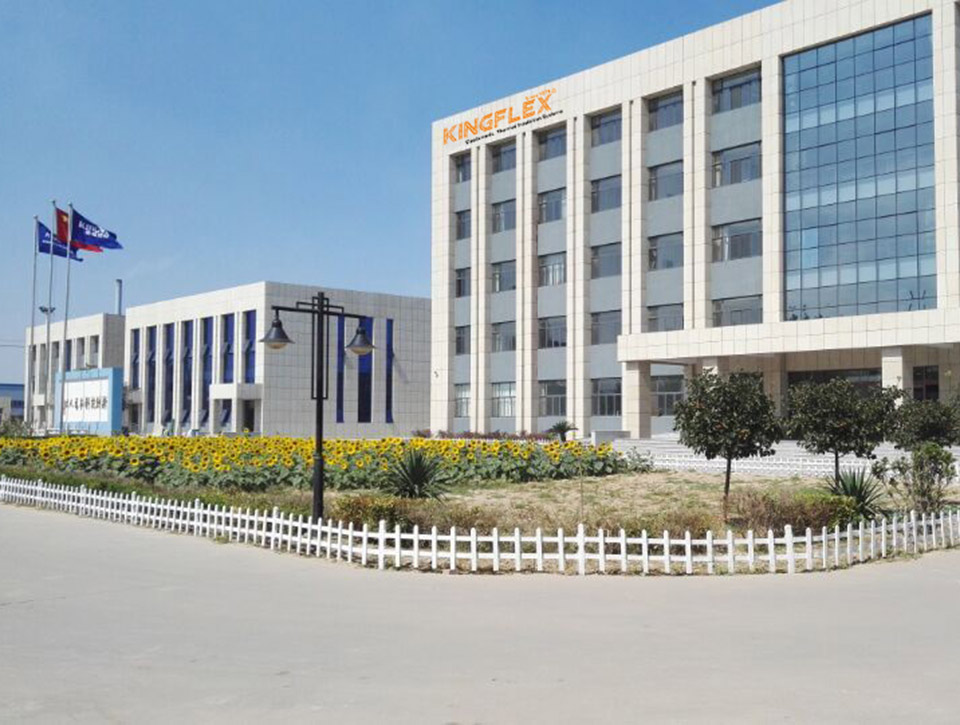
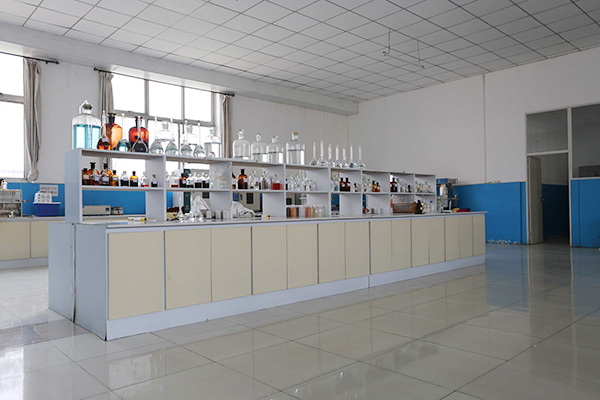
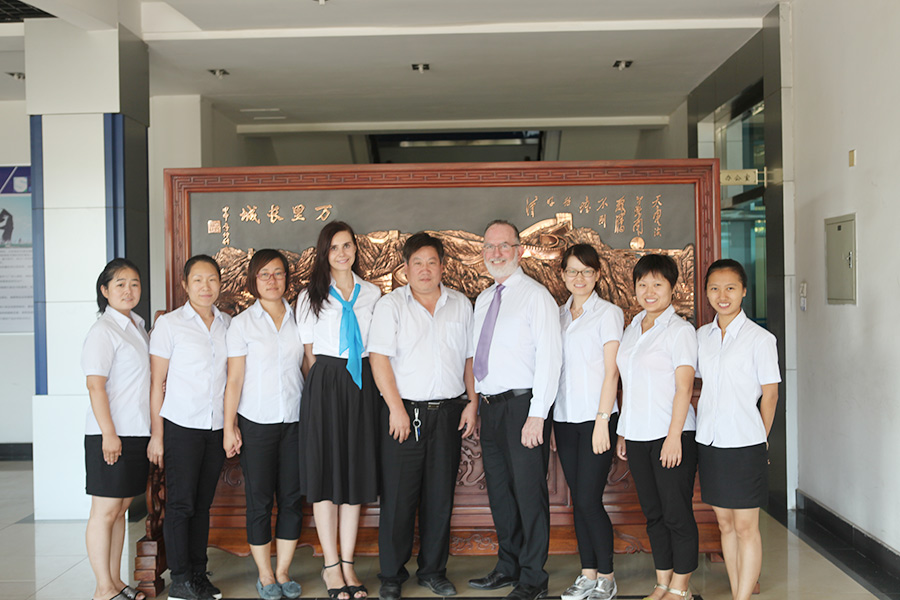
Kingflex Insulation Co., Ltd. is a professional manufacturing and trading combo for thermal insulation products. Kingflex research development and production department is located in the well-known capital of green building materials in Dacheng, China. It is an energy-saving environmentally friendly enterprise concentrating on research, development, production, and sales. In operation, Kingflex takes energy saving and consumption reduction as its core concept. We provide insulation solutions by means of consultation, research, development, production, installation guidance, and post-sale service to lead the development of the global building materials industry.
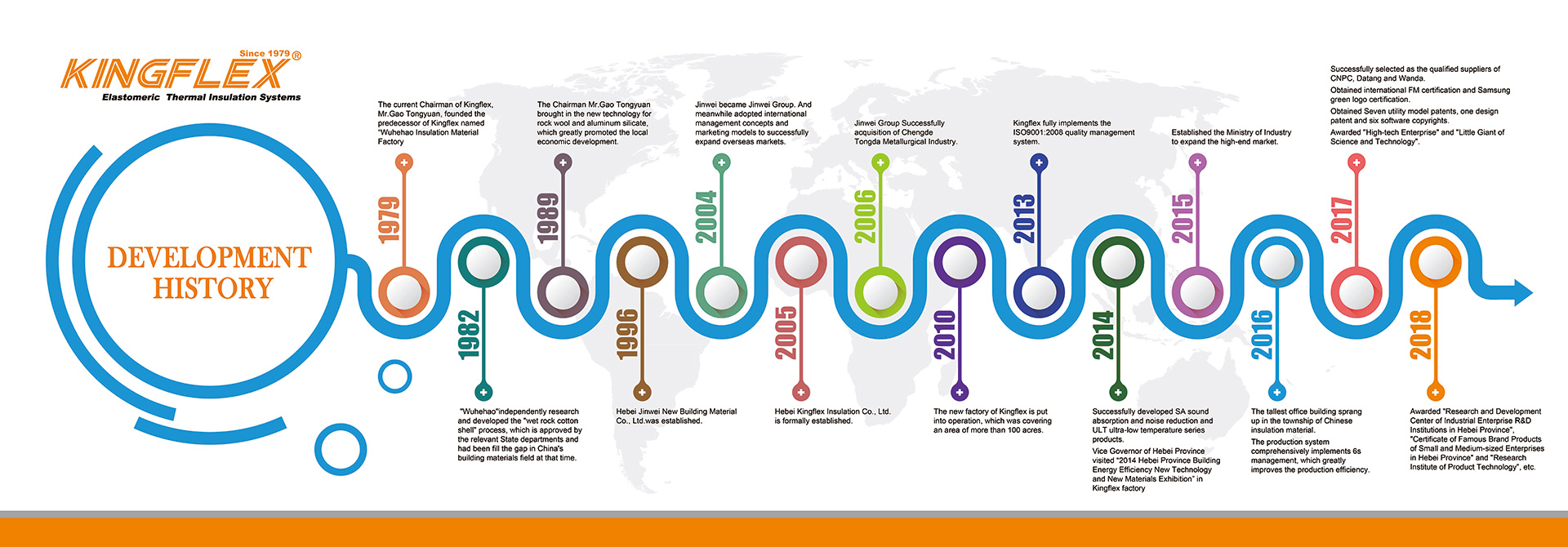
Kingflex was established by the Jinwei Group, which possesses a history of more than 40 years. The Kingway Group was established in 1979. It was the first manufacturer of thermal insulation materials north of the Yangtze River. Over four decades, we have scaled our production technology to meet strict modern performance requirements.
At present, Kingflex operates 5 large automatic assembly lines with an annual production capacity exceeding 600,000 cubic meters. We have become a designated production enterprise designated by the Ministry of Energy, the Ministry of Electric Power, and the Ministry of Chemical Industry.
Our products have been exported to more than sixty-six foreign countries all over the world in the past 16 years, serving key industries such as construction, petroleum, chemical, national defense, and aerospace.
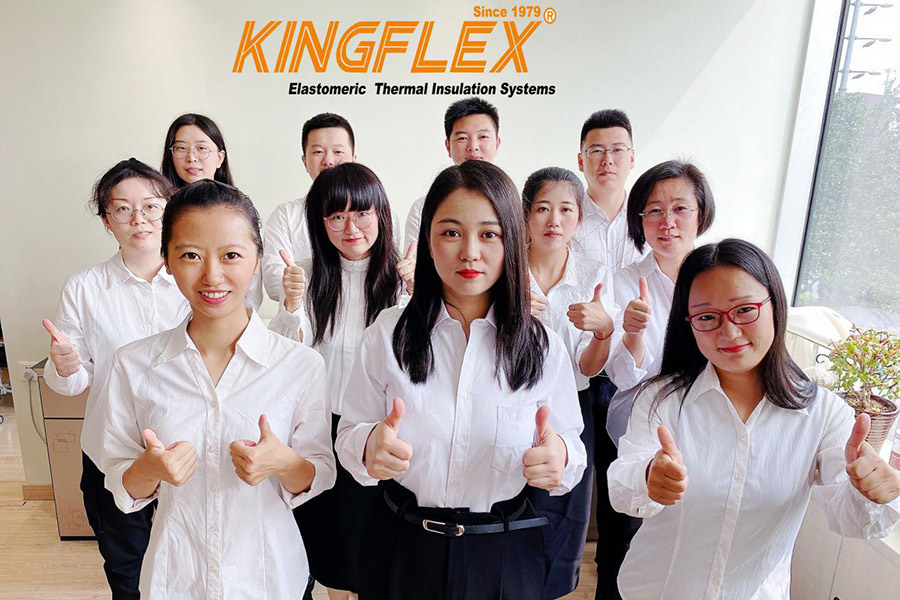
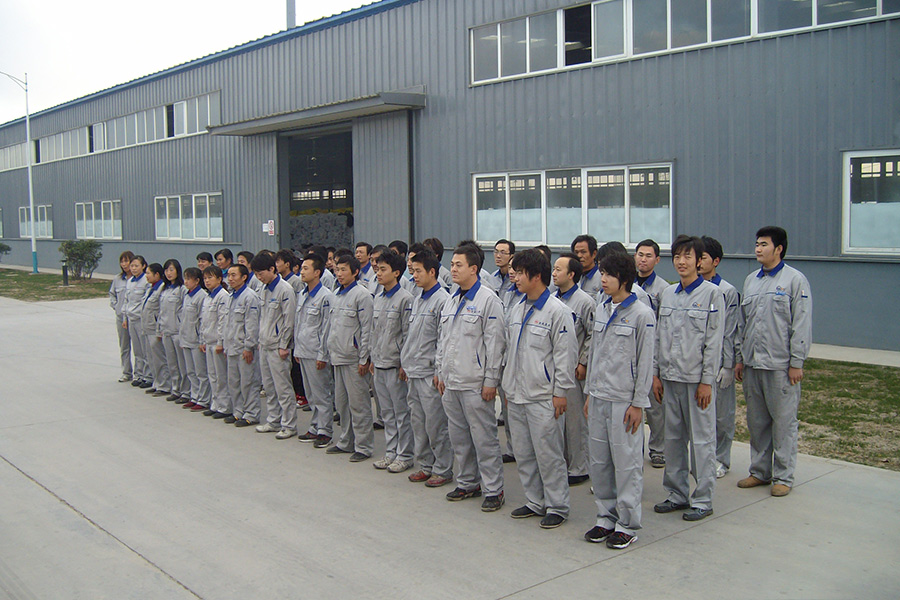
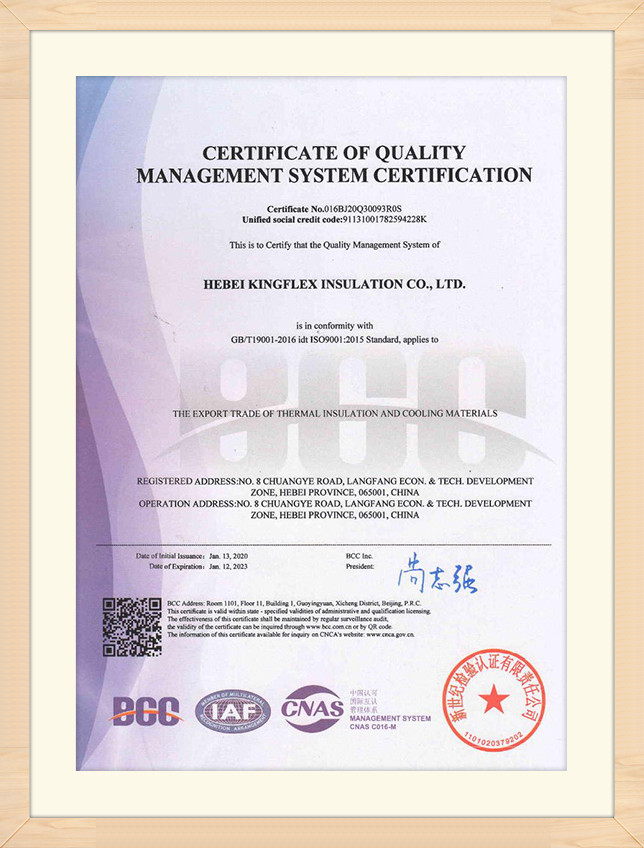
Kingflex has eight professional engineers in our R&D Department, 6 professional international sales, and 230 workers in the production department. Our products have passed BS 476, CE, REACH, ROHS, UL94, ASTM, and other international certifications, ensuring global compliance, product quality, and full material traceability.
Below is our core industrial elastomeric portfolio. Each solution is engineered for long-term thermal isolation, water vapor transmission resistance, and mechanical resilience under harsh environments.
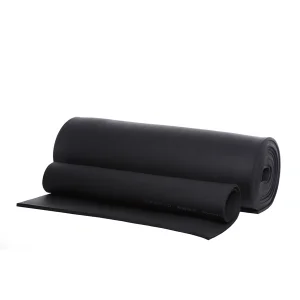
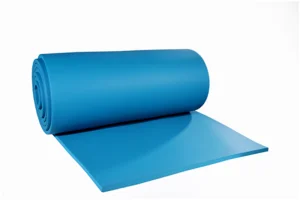
High-density thermal insulation sheets ideal for large ventilation ducts and mechanical chambers.
Request Quotes
Specially synthesized elastomeric foam for ultra-low temperature cryogenic logistics.
Request Quotes
Excellent water vapor resistance prevents corrosion under insulation on ship structures.
Request Quotes
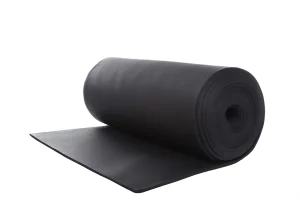
Easy-to-install rolls designed to provide comprehensive thermal and acoustic shielding.
Request Quotes
Engineered specifically to limit convective heat transfer on cryo-valves and cooling loops.
Request Quotes
Excellent performance under high operating temperatures, resisting thermal degradation.
Request Quotes
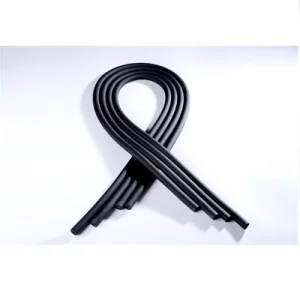
Versatile tube insulation meeting diverse architectural specification standards.
Request Quotes
Color-coded pipelines for safe identification of hot/cold fluid distribution networks.
Request QuotesGet in touch with our engineering team for complete specifications, certification test reports, and customized bulk pricing quotes for the Hamburg market.
Send Inquiry Now