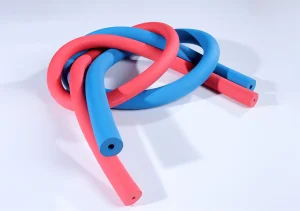
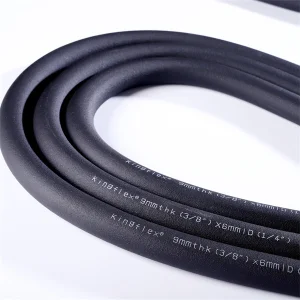
Premium Sound Absorption Systems (Featured Hungary Projects)
Our top-tier elastomeric configurations designed to meet Central European acoustic absorption codes (MSZ standards) and building energy efficiency directives.
Hungary has positioned itself as the preeminent hub for the European electric vehicle (EV) supply chain, alongside a robust expansion of logistics parks, precision machinery, and food production plants. Heavy investments in industrial corridors such as Debrecen, Göd, and Győr have elevated the structural performance demands for noise suppression and thermal conservation inside advanced industrial facilities.
In accordance with OTÉK (Országos Településrendezési és Építési Követelmények) and local occupational health regulations, managing structural noise levels is mandatory. Standard factories and production cleanrooms are subject to severe regulations detailing maximum permissible sound propagation. This regulatory environment creates a critical need for high-performance sound absorption and thermal insulation materials.
Hungary Market Entry Compliance
Our elastomeric sound absorption panels and piping systems fully satisfy standard European structural fire behavior parameters (classified as B-s3, d0 according to EN 13501-1), ensuring streamlined engineering approvals across Hungarian municipalities.
600K+
Annual Capacity (m³)
98%+
Closed Cell Ratio
15+ Yrs
Expected Lifetime
-200°C
Cryogenic Threshold
Localized Application Scenarios in Hungary
🏢
Commercial HVAC Systems & Ducting
In metropolitan Budapest, multi-story offices and historical property renovations require quiet ventilation networks. Closed-cell NBR/PVC panels prevent structural condensation while dampening high-frequency mechanical fan noise.
🔋
Lithium Battery Gigafactories
Advanced battery production requires extremely low humidity and cleanroom conditions. Our elastomeric materials prevent particulate shedding and feature anti-microbial surfaces, maintaining ISO-class cleanliness levels.
🧪
Chemical and Cryogenic Pipelines
Supporting petrochemical plants along the Danube, our low-temperature systems provide structural thermal insulation down to -200°C, avoiding energy leakage and frost propagation.
Our Corporate Profile & Legacy
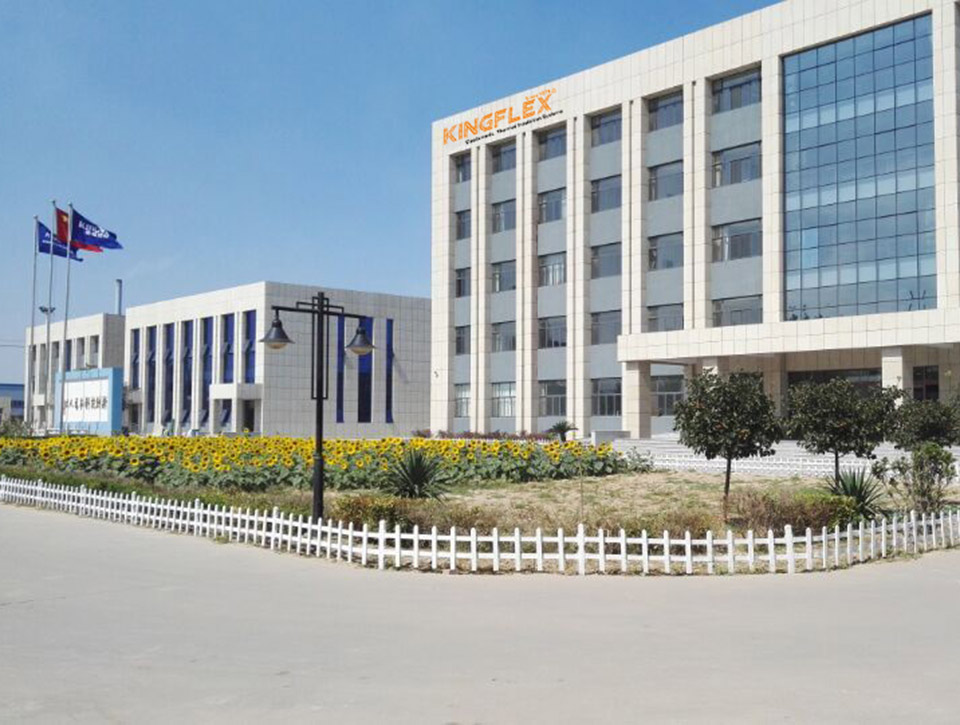
Kingflex Insulation Co., Ltd. is a professional manufacturing and trading combo for thermal insulation products. Our research, development, and production center is situated in Dacheng, China—a well-known capital of green building materials. As an energy-saving, environmentally friendly enterprise, we concentrate on R&D, precision production, and global sales. Kingflex takes energy saving and consumption reduction as its core concept.
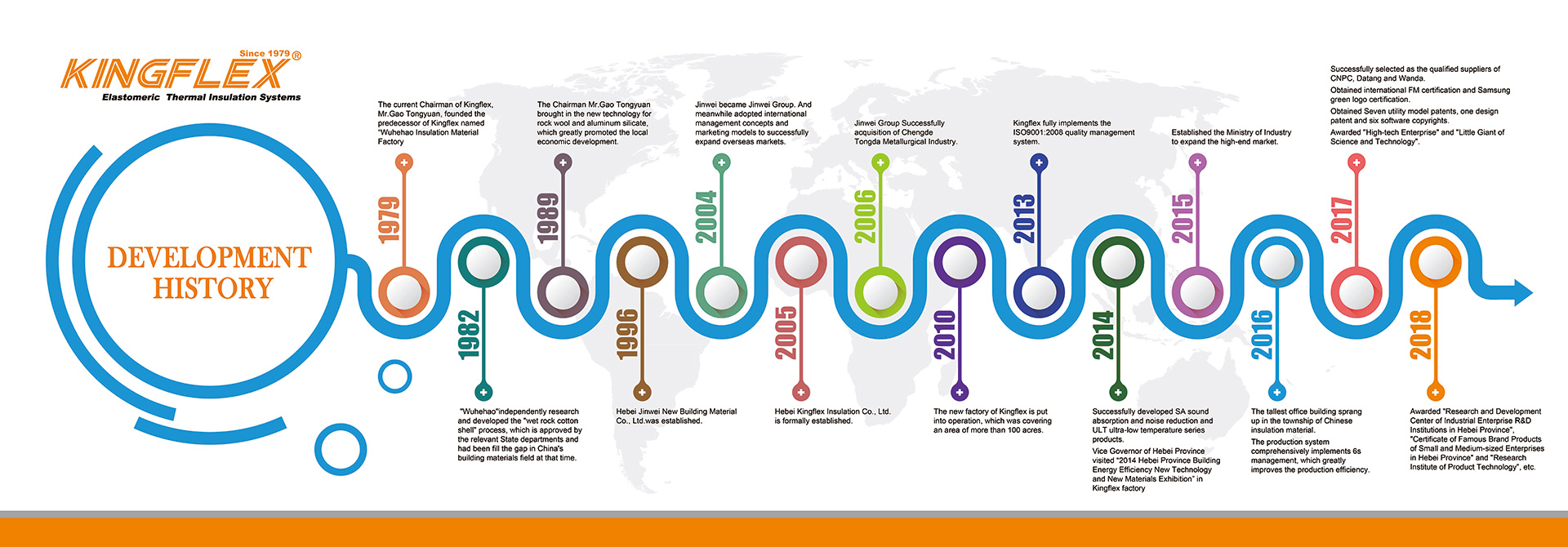
Established by the Jinwei Group, which possesses more than 40 years of manufacturing history, our legacy dates back to 1979. It was the first manufacturer of thermal insulation materials north of the Yangtze River. We provide complete solutions regarding thermal insulation by means of consulting, research and development, installation guidance, and post-sale service.
Technical R&D Capability:
Our specialized team consists of 8 professional engineers in the R&D Department, 6 international sales consultants, and 230 skilled production technicians, ensuring stable material chemistry and reliable supply chain execution.
Technical Specification Matrix
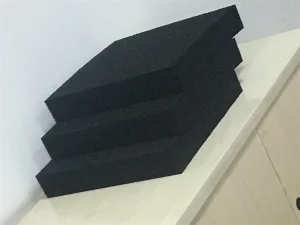
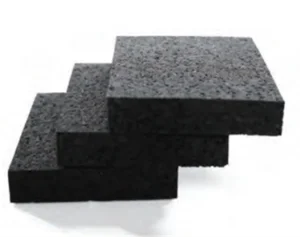
Our sound absorption and thermal barrier products are built using closed-cell elastomers (NBR/PVC) formulated to meet strict acoustic dampening thresholds and structural resilience values:
Material Standard Property
Standard Specification (NBR/PVC)
European (EN) Test Standard Reference
Density Range
40 - 55 kg/m³
EN ISO 845
Thermal Conductivity (λ)
≤ 0.034 W/(m·K) at 0°C
EN 12667 / ASTM C518
Moisture Resistance Factor (μ)
≥ 10,000 (Closed-cell structure)
EN 12086
Service Temperature Range
-50 °C to +105 °C (Standard) / Down to -200 °C (Cryogenic)
EN 14706 / EN 14707
Fire Behavior Classification
Class B-s3, d0 (Self-extinguishing)
EN 13501-1 / UL 94 V-0
Sound Transmission Class (STC)
Up to 32 dB (System Integrated)
ASTM E90
Acoustic Damping & Physics
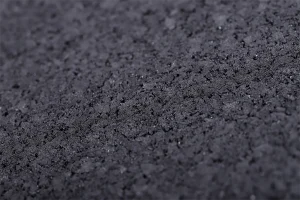
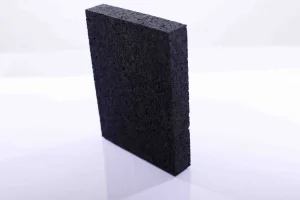
Traditional acoustic barriers use fiber structures which are prone to moisture absorption, reducing thermal performance. Our closed-cell rubber foam incorporates air chambers within the elastomer grid. This structure targets middle-to-low frequency resonance, typical of industrial pumps and air handling units (AHUs).
Condensation Control
For cold-water installations in humid spaces, ambient moisture can condense on pipe surfaces, causing structural decay. Our high moisture resistance factor (μ ≥ 10,000) eliminates the need for additional vapor barriers, ensuring structural longevity.
China Supply Chain Strengths & European Distribution
Located in the Dacheng green building materials industrial zone, our production base leverages concentrated supply chains for polymer raw materials, energy, and localized tooling. By operating five automated high-speed extrusion lines, we achieve an annual output exceeding 600,000 cubic meters. This scale provides a significant cost advantage over fragmented European fabricators.
For transport to Hungary and neighboring CEE countries, we coordinate with major shipping and rail routes. Orders are shipped from Tianjin port via direct ocean lines to European maritime hubs (Koper, Rijeka, or Piraeus), then moved inland via express rail directly to logistics yards in Budapest or Debrecen. This system maintains predictable delivery schedules for major construction projects.
Global Logistics Performance Metrics
✓
Raw material inventory buffered for 90 days of continuous operation.
✓
Production capacity scaling: up to 50 containers processed per week.
✓
Direct freight coordination with customs clearance agents in Central Europe.
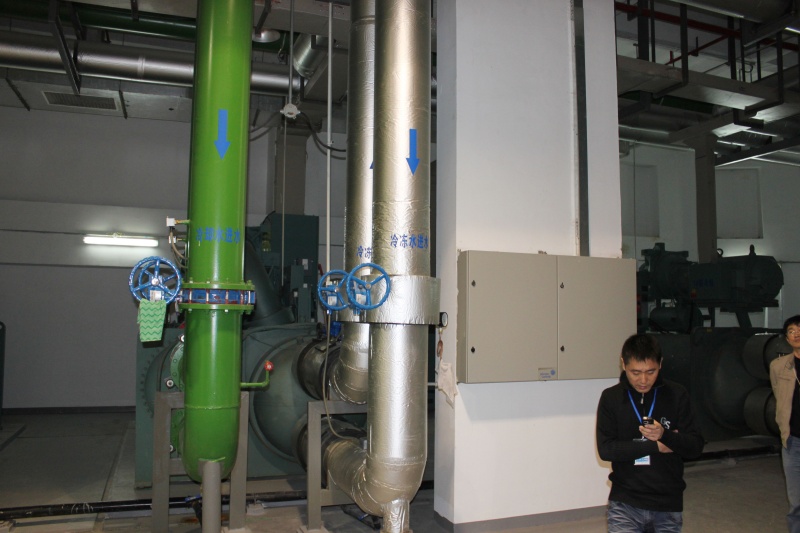
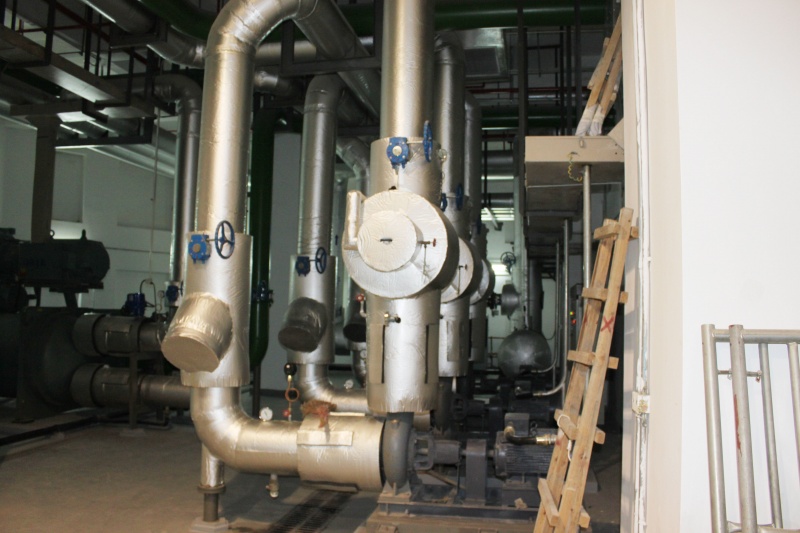
Project References & Application Galleries
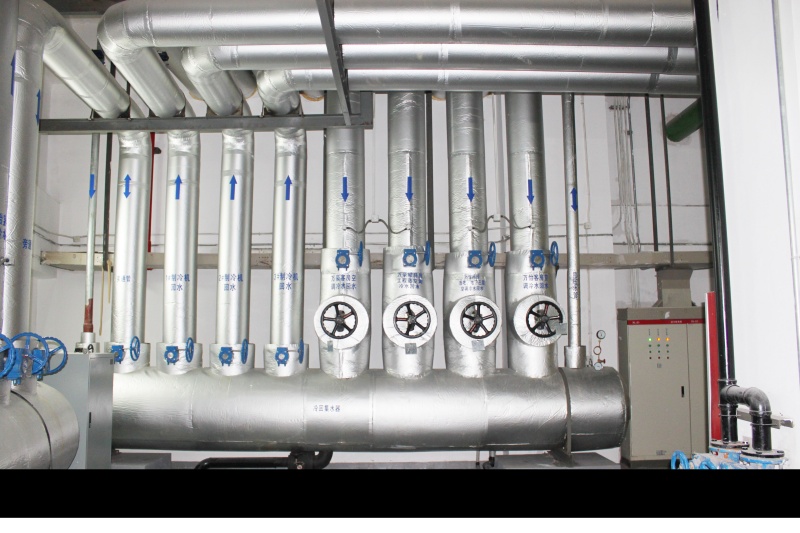
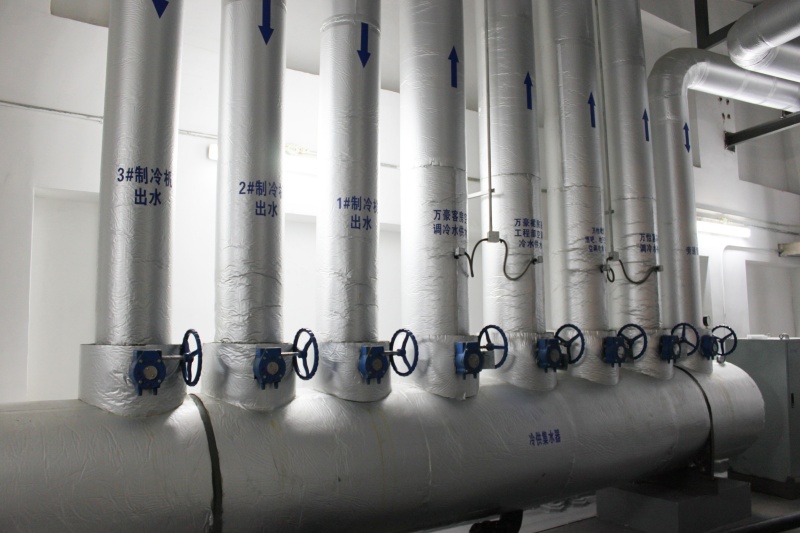
Real-world examples of our rubber foam systems in industrial and commercial installations.
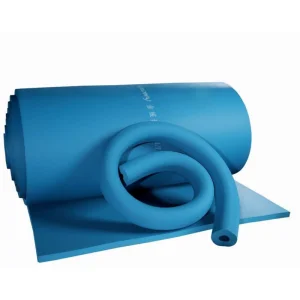
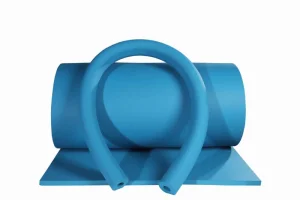
Standard Dimensions for Sheet Rolls
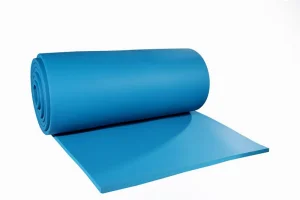
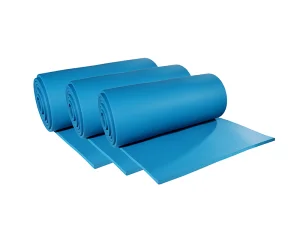
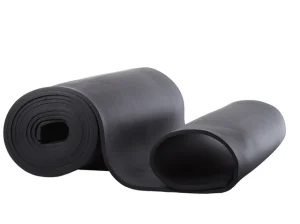
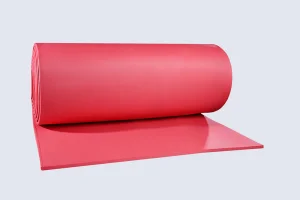
Material Structure: Flexible NBR/PVC elastomer matrix with closed cells.
Thickness Availability: Ranges from 6mm up to 50mm to meet thermal designs.
Density: 40-55 kg/m³ for optimal balance of structure and thermal performance.
Service Temperature Limits: -40°C to +105°C (special formulations extend down to -200°C).
Standard Dimensions for Insulation Pipes
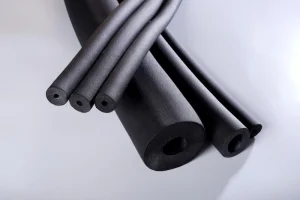
Inner Diameter Options: Available from 6mm up to 114mm for standard pipes.
Wall Thickness: 9mm to 40mm options to prevent external condensation.
Primary Advantages: Elastic recovery (>80%), low water absorption, and fire retardant.
Application Focus: Cold water pipelines, solar hot water lines, and chemical processing facilities.
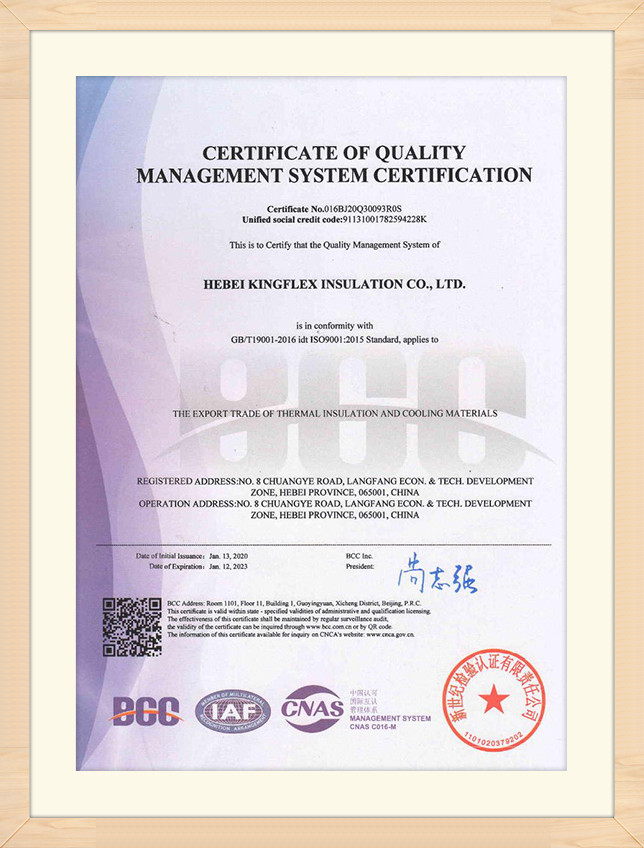
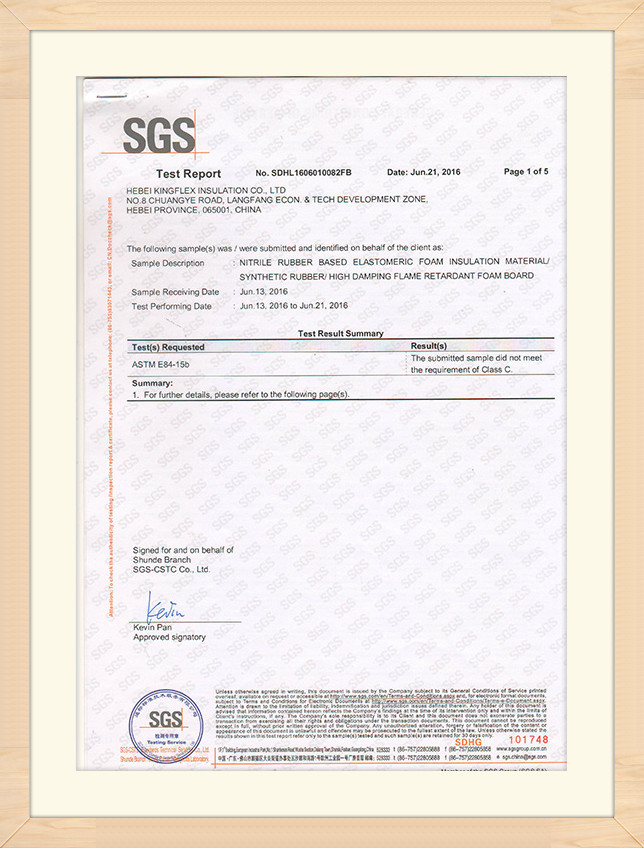
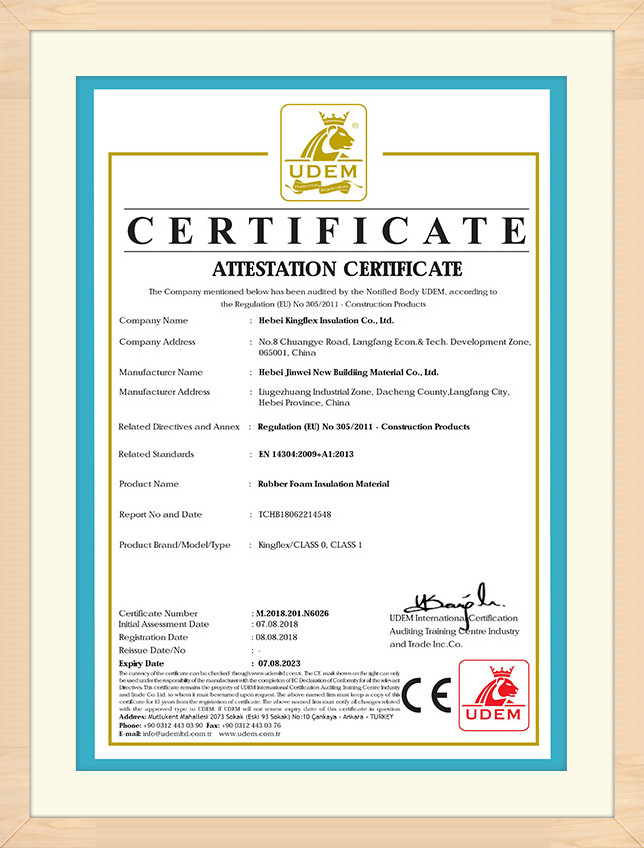
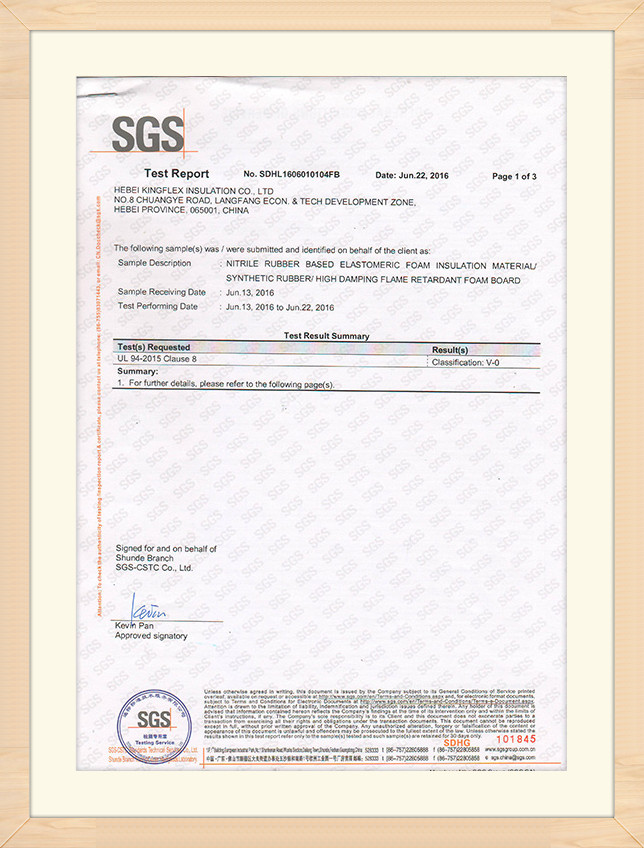
Product Certifications & Quality Control Systems
We maintain a comprehensive certification portfolio to verify material performance and safety.
Detailed answers to technical questions regarding installation, performance characteristics, and compliance standards.
Q1: What is elastomeric rubber foam insulation used for?
It is mainly used for HVAC ducts, air conditioning pipes, building thermal insulation, industrial pipeline cold insulation, and acoustic damping systems. Its flexibility makes it well-suited for complex pipe runs and equipment profiles.
Q2: Is Kingflex rubber foam insulation fire resistant?
Yes, our rubber foam insulation is formulated with flame retardants. It is self-extinguishing and meets building safety standards, including Class B-s3, d0 according to European EN 13501-1 standards.
Q3: What is the difference between rubber foam and rock wool insulation?
Rubber foam features a flexible, closed-cell structure with built-in moisture resistance, making it suitable for HVAC condensation control and acoustic dampening. Rock wool is a fibrous material with high-temperature resistance, typically used for thermal protection on high-heat industrial steam lines.
Q4: Do you provide customized insulation products?
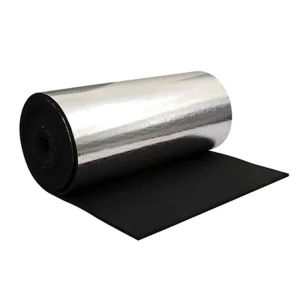
Yes, we support comprehensive OEM services. We can adjust the thickness, inner diameter, density, and backing (such as self-adhesive layers or protective aluminum foil cladding) to meet specific design requirements.
Q5: What certifications do your products have?
Our products have passed BS 476, CE, REACH, RoHS, UL94, ASTM, and other international certifications, verifying compliance with building safety and environmental regulations in global markets.
Q6: Does Kingflex products have traceability?
Yes, all Kingflex shipments include batch tracking numbers. This documentation links raw material reports, line logs, and quality check sheets to verify material origin and consistency.
Q7: What thickness of Rubber foam insulation sheet roll can you produce?
We produce standard sheet thicknesses from 6mm up to 50mm. Thicker sheets are available for applications requiring higher thermal resistance or sound absorption.
Q8: What is the service life of rubber plastic pipe and board?
With proper installation and within designated temperature limits, the material has a service life of approximately 10 to 15 years in typical indoor industrial and commercial settings.
Q9: How does the material perform in humid Central European environments?
Due to its high water vapor diffusion resistance (μ ≥ 10,000), the material resists moisture penetration in humid river basin environments, maintaining its thermal conductivity (λ) over time.
Get a Custom Project Quote for Hungary
Contact our engineering and sales department for physical material samples, technical data sheets, and custom pricing for your project.
 Kingflex