1. Thermal and Acoustic Dynamics in the Caribbean Climate of Castries
In Castries, Saint Lucia, building materials must withstand a unique set of challenges. High relative humidity (often exceeding 80%), persistent salt-laden sea air, and intense solar radiation create an aggressive environment. When chilled water pipes and HVAC ductwork operate in these conditions, the temperature difference between the transport fluid and the ambient air causes rapid, severe surface condensation. This calls for high-quality insulation materials.
If moisture penetrates an insulation system, it destroys its thermal properties, causes Corrosion Under Insulation (CUI), and fosters toxic mold growth. Ordinary insulation materials like fiberglass often fail in coastal tropical zones because they absorb moisture. Closed-cell NBR/PVC elastomeric rubber foam insulation solves this problem. It has a built-in water vapor barrier and a high resistance factor (μ ≥ 10,000), keeping moisture out and maintaining consistent thermal performance for over 10 to 15 years.
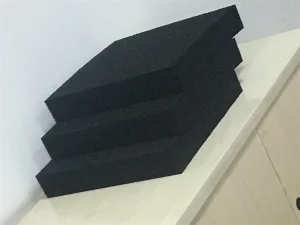
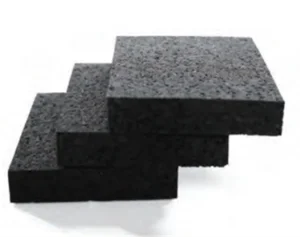
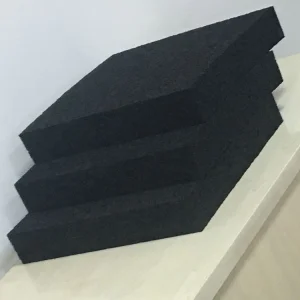
For noise control, Castries' commercial spaces—such as hotels along Vigie Beach, administrative buildings in downtown Castries, and cruise ship facilities at Pointe Seraphine—require sound absorption materials. HVAC equipment, water pumps, and air handling units produce low-to-medium frequency noise that can disrupt occupants. Our open-cell elastomeric rubber foam panels combine sound damping and thermal insulation in a single, high-performance product.
40+ Yrs
Industrial History
μ ≥ 10,000
Moisture Resistance
2. Acoustic Performance: Open-Cell vs. Closed-Cell Elastomer Technology
It is important to understand the difference between open-cell and closed-cell structures to choose the right product for your application:
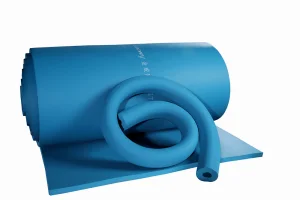
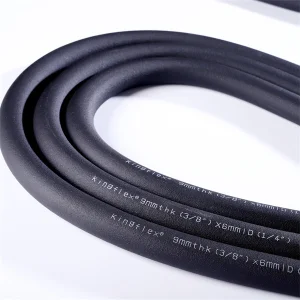
- Closed-Cell Elastomeric (e.g., Kingflex Thermal Pipes and Sheets): The independent cell chambers contain dry air, preventing the transfer of moisture and heat. With a thermal conductivity (λ) of ≤ 0.034 W/m·K at 0°C, these products prevent condensation on chilled water pipes and air ducts.
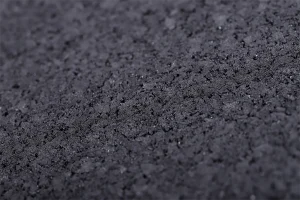
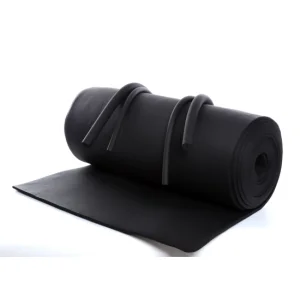
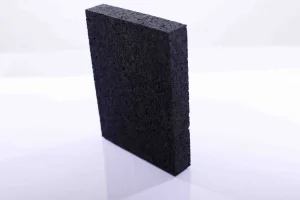
- Open-Cell Elastomeric (e.g., Kingflex Sound Absorption Panels): These products feature interconnected cell networks. Sound waves enter the material and lose energy through friction inside the pore network, converting sound energy into heat. They are ideal for lining duct interiors, plant rooms, and engine compartments to reduce system noise.
Kingflex Rubber Foam Technical Parameters
| Property |
Test Standard |
NBR/PVC Elastomeric Rubber Foam Value |
| Thermal Conductivity (λ) |
ASTM C518 / ISO 8301 |
≤ 0.034 W/(m·K) at 0 °C |
| Water Vapor Permeability (μ) |
BS EN 12086 / ASTM E96 |
≥ 10,000 (Up to 20,000 for specialized grades) |
| Fire Performance |
BS 476 Part 7 / UL 94 |
Class 1 / V-0 self-extinguishing |
| Density Range |
ASTM D1622 |
40 - 55 kg/m³ (Formulated for mechanical strength) |
| Service Temperature Limit |
ASTM C411 |
-40 °C to +105 °C |
| Noise Reduction Coefficient (NRC) |
ASTM C423 (Open-Cell) |
Up to 0.85 (Depending on layer thickness) |
3. Localized Applications in Castries' Commercial and Marine Sectors
The Saint Lucian economy requires robust, specialized insulation solutions for key industries:
A. Luxury Hotels and Eco-Resorts
Guest comfort is a priority in hotels and resorts. Loud air conditioning units can lead to negative reviews. Wrapping chilled water lines, condensate lines, and air ducts in closed-cell elastomeric insulation prevents condensation and dripping, while open-cell elastomeric liners reduce fan noise from HVAC units.
B. Marine Vessels & Coastal Port Infrastructure
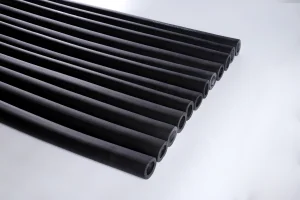
Castries is a busy Caribbean port. Vessels and yachts operating in warm coastal waters require insulation that can withstand saltwater exposure. Our halogen-free and corrosion-resistant rubber foam insulation tubes protect copper and stainless steel piping from galvanic corrosion and salt spray damage.
C. Commercial Offices and Public Buildings
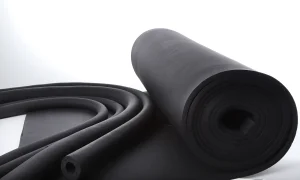
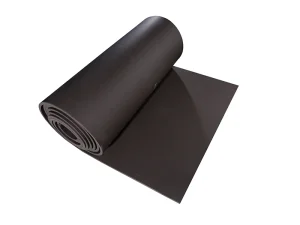
Hospitals, banks, and public administrative centers in Castries rely on chilled water systems for climate control. Kingflex elastomeric insulation sheets and pipe wraps prevent energy loss along primary duct routes, lowering utility costs and carbon emissions.
Why Choose NBR/PVC for Caribbean Coastal Climates?
Unlike mineral wool or fiberglass, NBR/PVC elastomeric rubber foam does not absorb moisture, decay in high humidity, or break down when exposed to salt-laden air. It retains its structure and performance, offering long-term reliability in tropical marine environments.
4. The China Supply Chain Edge: Kingflex Manufacturing Capabilities
Kingflex Insulation Co., Ltd. is part of the Jinwei Group, which has over 40 years of industry experience since its founding in 1979. We run five fully automated assembly lines with an annual output exceeding 600,000 cubic meters. This large capacity allows us to supply major construction projects, shipyards, and municipal developments worldwide.
Our facility operates under strict quality management systems (ISO 9001, ISO 14001, OHSAS 18001). Our team includes 8 R&D engineers and 230 production specialists. We formulate our products to meet international standards such as BS 476, CE, REACH, RoHS, UL94, and ASTM. This ensures our insulation meets building regulations and safety standards in the Caribbean.
5. Global Logistics & Shipping to the Castries Port
We provide comprehensive logistics support for shipments to Saint Lucia. From our manufacturing facility in Dacheng, China, we coordinate container loading, customs clearance, and ocean transport to the Port of Castries. We pack our insulation sheets and pre-formed tubes in moisture-resistant vacuum packaging to protect them from high humidity during transit, ensuring they arrive dry and ready for installation.
 Kingflex