Engineered technical solutions supporting mechanical safety, thermal performance protection, and absolute water vapour barrier integrity.
Analyzing global requirements, mechanical integrity, and modern thermal management across industrial piping systems.
Modern industrial facilities—including chemical processing plants, refineries, marine assets, and commercial HVAC networks—depend heavily on thermal piping systems. In these environments, insulation is constantly threatened by mechanical damage, UV degradation, weather events, and chemical exposure. Aluminium cladding serves as an essential external armor. The global market is rapidly shifting toward integrated, factory-jacketed solutions that minimize onsite labor costs and guarantee a hermetically sealed barrier against atmospheric elements.
Decarbonization policies, strict energy conservation audits, and safety mandates (such as ASTM, CE, BS 476, and UL94) are reshaping material selection. Today's specifications demand systems that prevent Corrosion Under Insulation (CUI). Specifiers increasingly require factory-applied moisture barriers, precision corrugated structures for high-diameter lines, and combinations of NBR/PVC elastomeric foam with heavy-duty metal jacketing to resolve both acoustic and thermal demands.
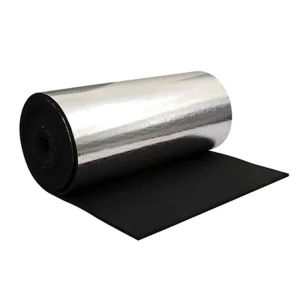
The industry's technical roadmap points toward smarter prefabricated composite systems. Emerging processes combine closed-cell elastomeric rubber insulation with thin, highly ductile aluminum foils or structural cladding directly on the automated assembly line. Looking ahead, digital design software (BIM) combined with factory-customized, pre-rolled aluminum skins will eliminate onsite adjustments, reducing construction schedules and optimizing material usage.
Industrial piping operates across extreme temperature ranges, from deep cryogenic phases to high-pressure superheated steam. A failure in cladding integrity allows water and moisture vapor to enter the system, which spikes thermal conductivity and leads to rapid pipe degradation.
Cryogenic & LNG Networks: Requires combining ultra-low temperature elastomeric materials (like Dolefin) with highly resilient aluminum jacketing to handle extreme thermal contraction cycles.
Marine & Coastal Assets: Saltwater environments demand corrosion-resistant alloys (such as Al 3003 or 5005) paired with factory-applied moisture barriers (polysurlyn/polyethylene liners) to block corrosive galvanic reactions.
Commercial HVAC & Urban Infrastructure: Focuses on clean installations, visual aesthetics, fire safety (BS 476 compliance), and structural defense against environmental damage.
A professional manufacturing and trading combo for thermal insulation systems.
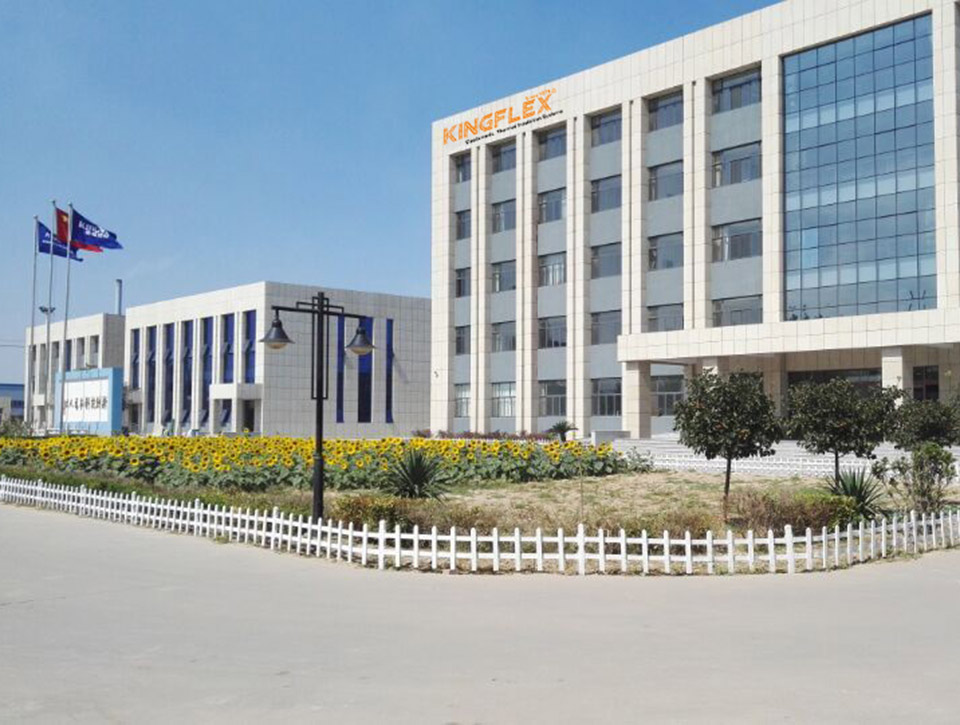
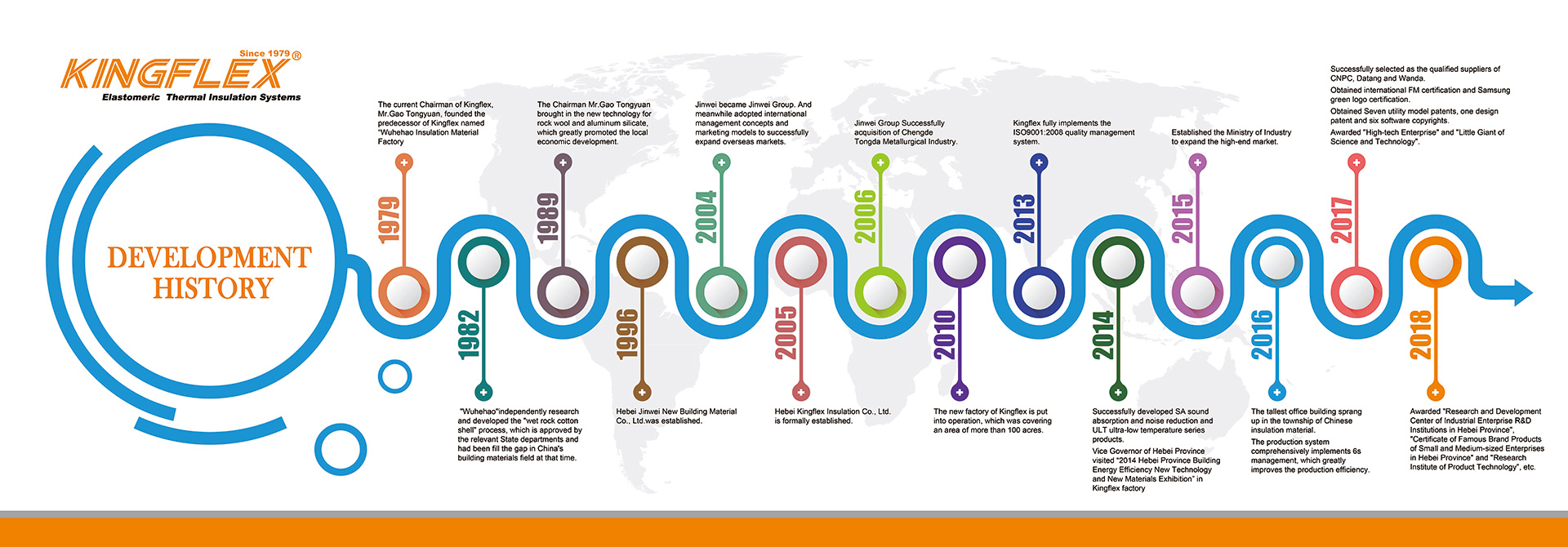
Established by Jinwei Group, which holds more than 40 years of industry history dating back to 1979, Kingflex is a major pioneer of thermal insulation materials north of the Yangtze River. The company is a certified production enterprise designated by the Ministry of Energy, the Ministry of Electric Power, and the Ministry of Chemical Industry in China.
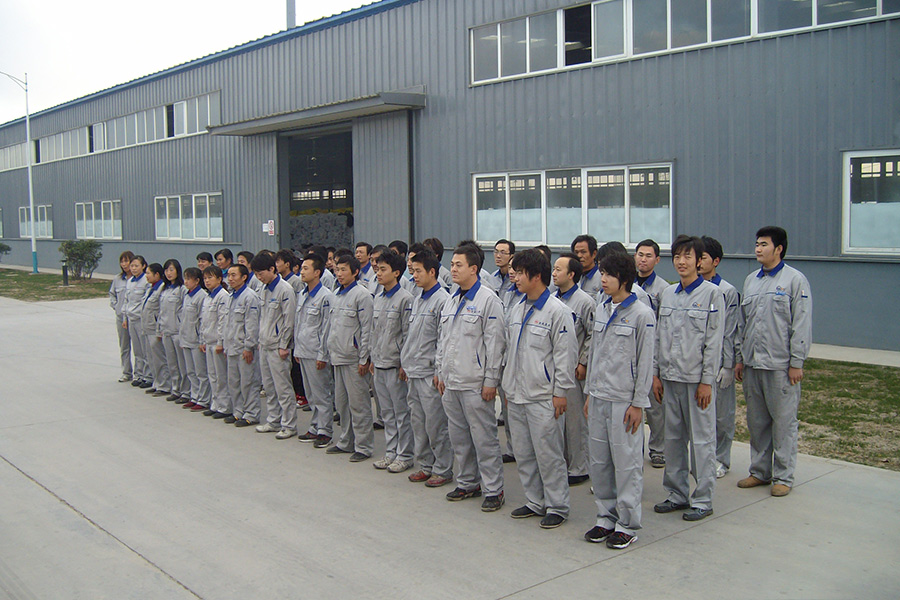
Our team consists of 8 professional R&D engineers, 6 experienced international sales specialists, and 230 skilled production workers dedicated to providing energy-saving and environmentally friendly solutions.
Kingflex provides complete energy-saving insulation systems. We act as an integrated provider of thermal insulation, cold insulation, and noise reduction for buildings and heavy industries. By focusing on energy savings and carbon reduction, our R&D department continues to develop new materials for extreme environments.
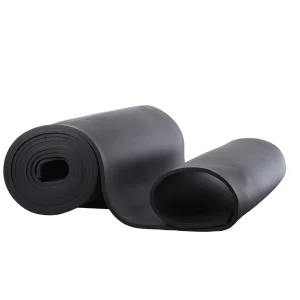
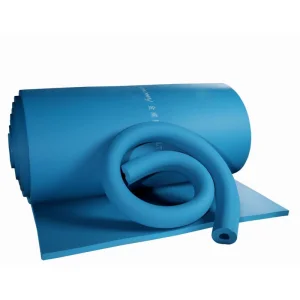
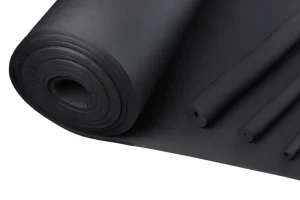
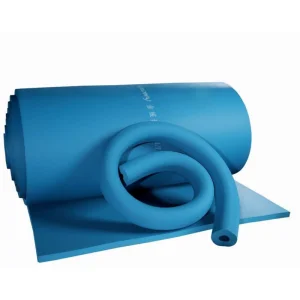
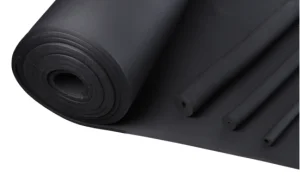
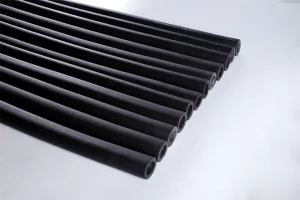
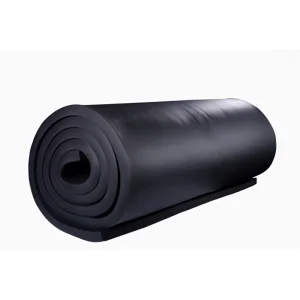
Technical benchmarks for elastomeric rubber foam sheets, rolls, and pipes.
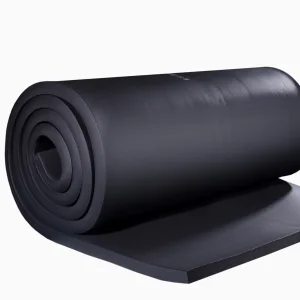
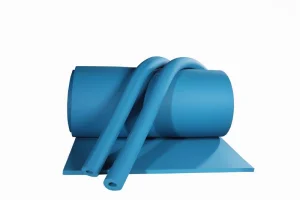
Key Advantages: High closed-cell rate (>98%), low thermal conductivity, and high moisture resistance.
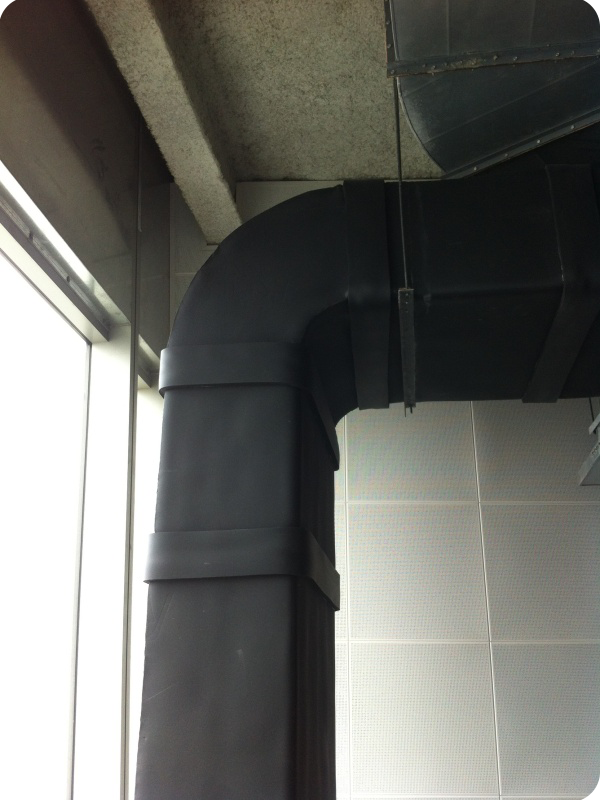
Primary Applications: Air conditioning ducts, wall/roof thermal insulation, and process tank insulation.
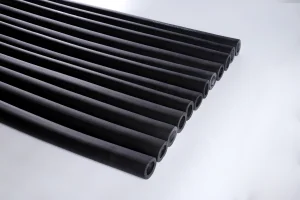
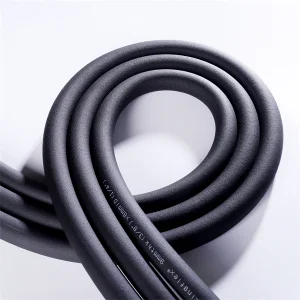
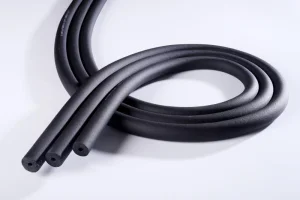
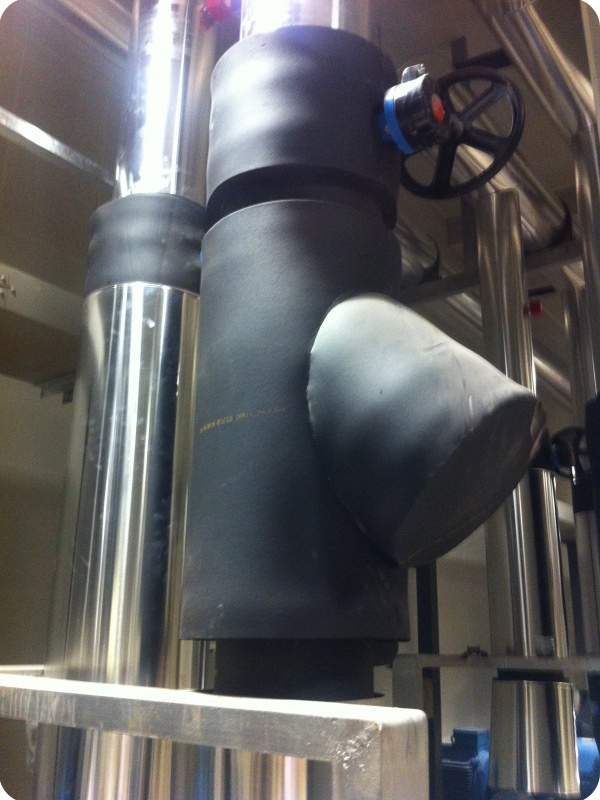
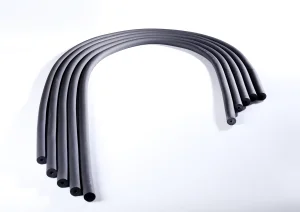
Key Advantages: Uniform tube spraying, excellent flame retardancy, and reduced risk of line freezing/cracking.
Primary Applications: Chilled/hot water lines, solar thermal piping, and chemical process piping.
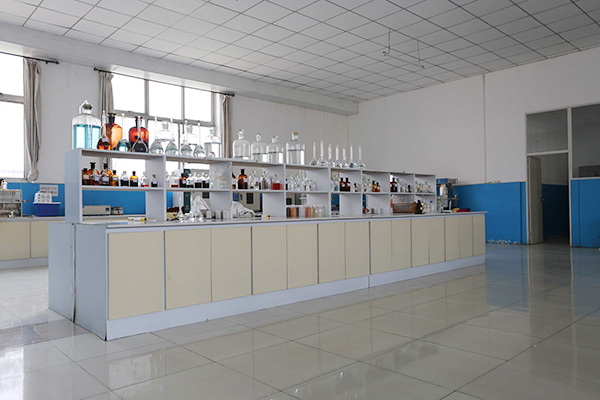
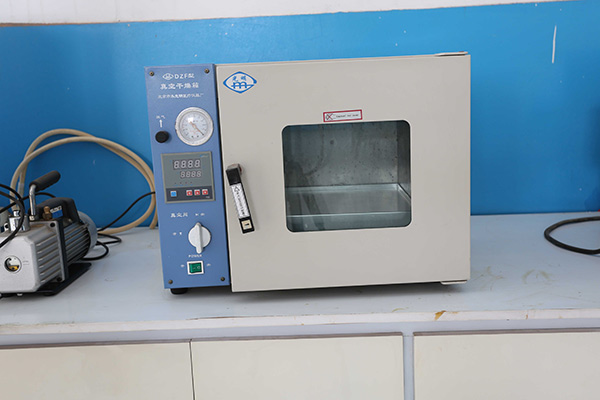
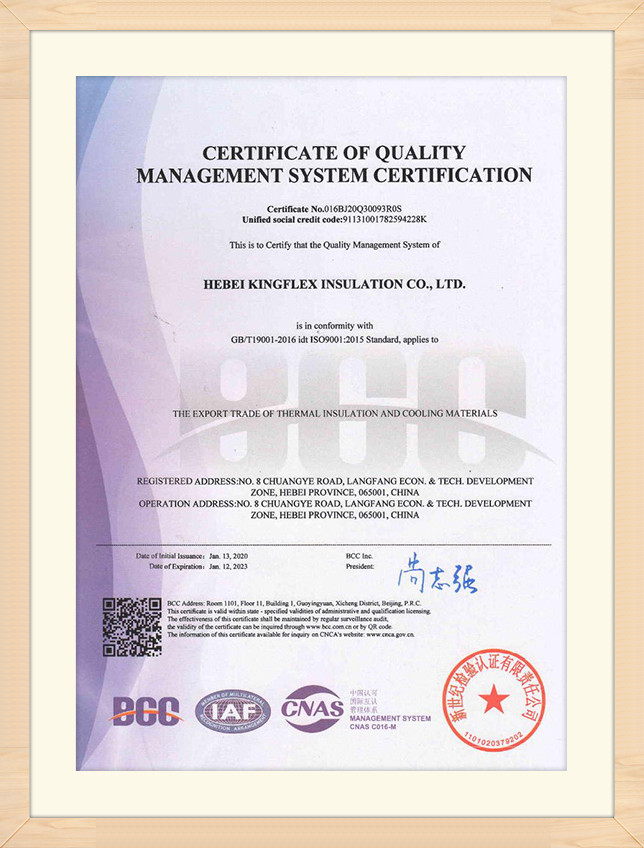
Our manufacturing and quality assurance programs match rigorous international criteria:
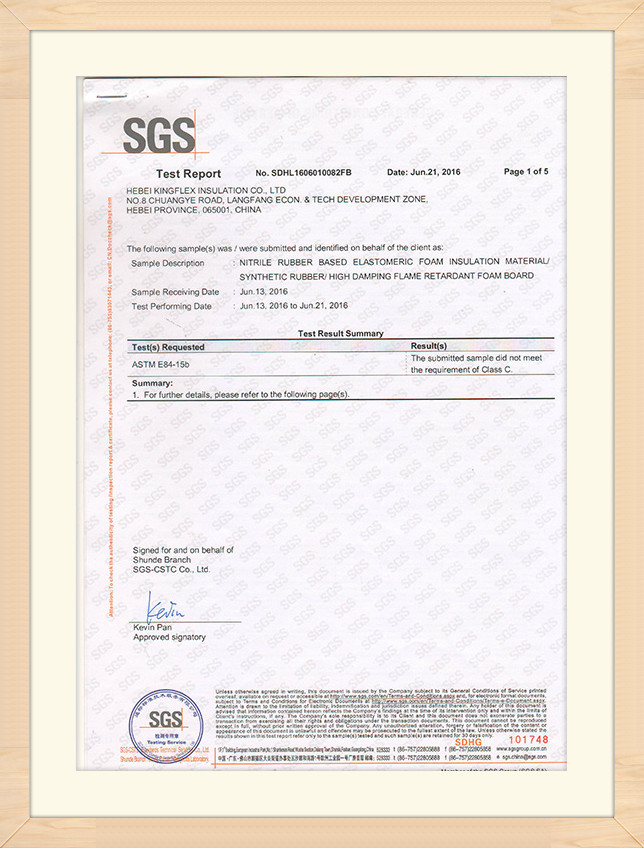
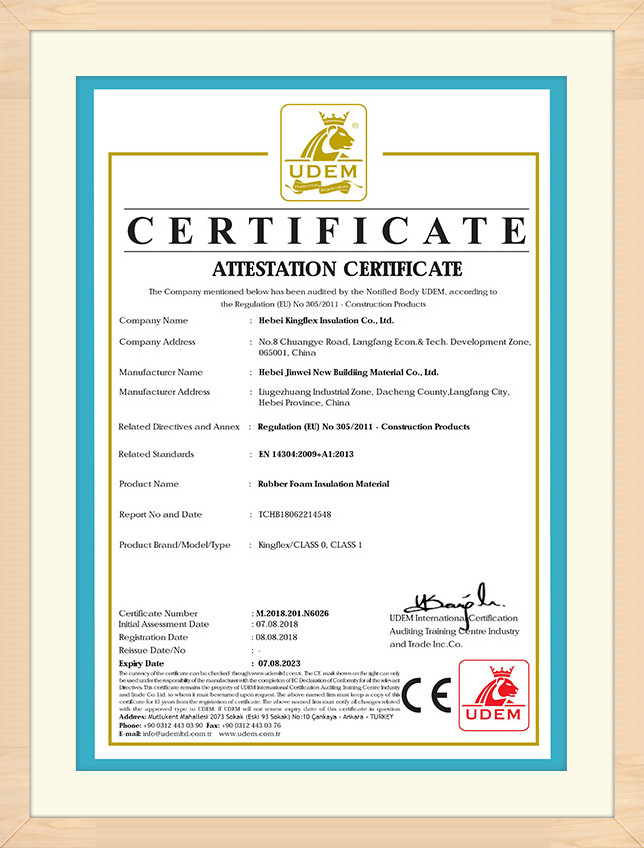
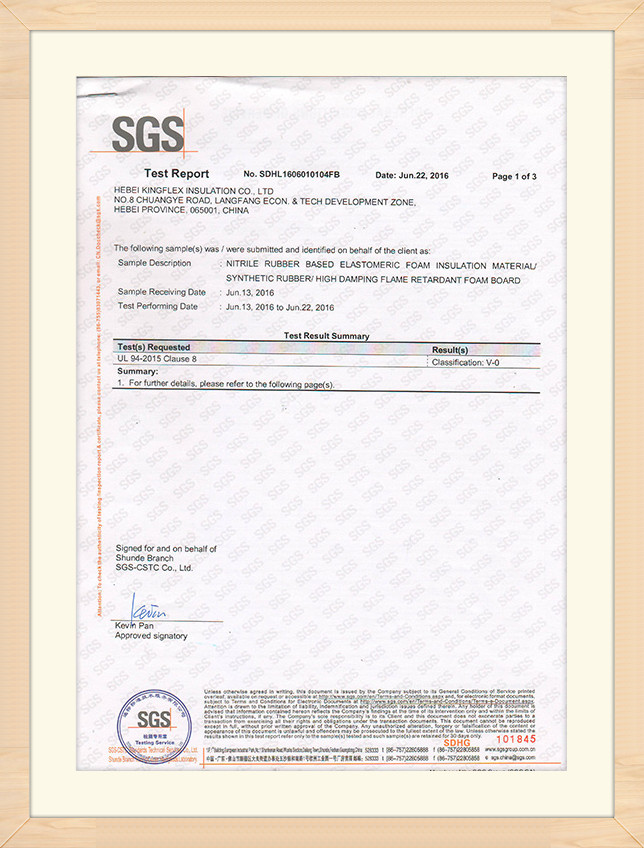
Fully certified for BS 476, CE, REACH, RoHS, UL94, and ASTM standards.
We believe transparent documentation is critical for international projects. Every production batch of Kingflex elastomeric materials and aluminum cladding systems has full manufacturing traceability. This ensures compliance with structural site specifications for engineering contractors.
Technical answers to common questions about industrial insulation, rubber foam performance, and cladding installation.
It is mainly used for HVAC ducts, air conditioning pipes, building thermal insulation, and industrial pipeline cold insulation and sound insulation.
Yes, our rubber foam insulation products are fire retardant and meet safety standards for commercial and industrial projects (such as Class 0 / Class 1 BS 476 and UL94 ratings).
Rubber foam is flexible, closed-cell, and naturally moisture-resistant, making it ideal for HVAC, refrigeration, and cold systems. Rock wool is high-temperature resistant and fireproof, making it suitable for high-temperature industrial steam lines.
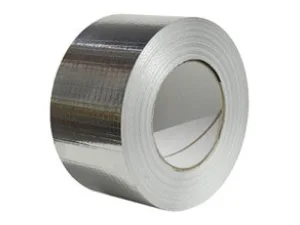
Yes, we offer full OEM services, including custom thicknesses, sheet widths, and factory-applied adhesive backings or protective foil/metal skins.
Our products have passed BS 476, CE, REACH, RoHS, UL94, ASTM, and other international certifications to ensure compliance with global engineering and building standards.
Yes, all Kingflex shipments include batch-traceable raw material logs and quality control records to support professional project handovers.
We can manufacture standard and custom rolls in thicknesses ranging from 6mm to 50mm.
With correct installation and regular maintenance, the typical service life ranges from 10 to 15 years, depending on environmental exposure and cladding integrity.
Explore our complete range of flexible rubber insulation tubes, sheet rolls, and corrosion-resistant systems.