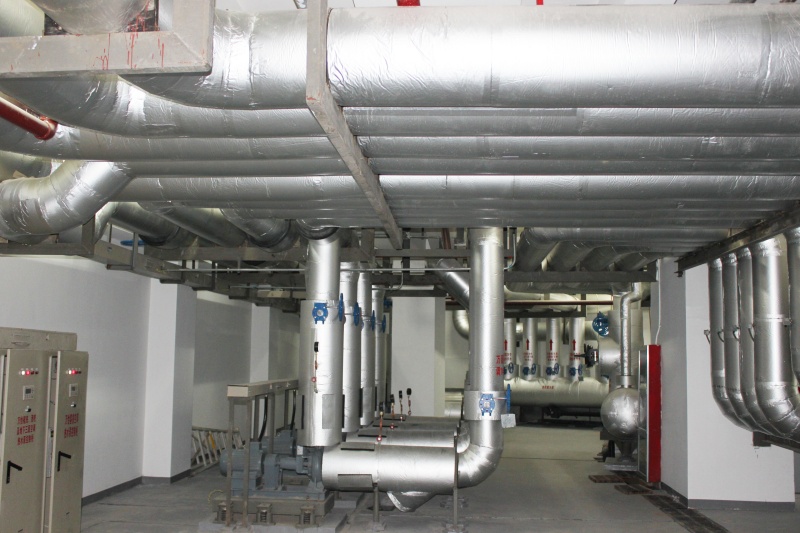
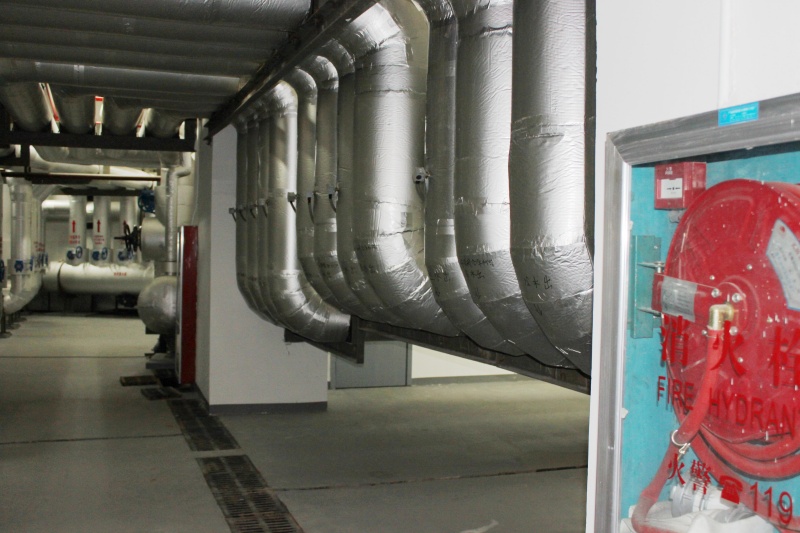
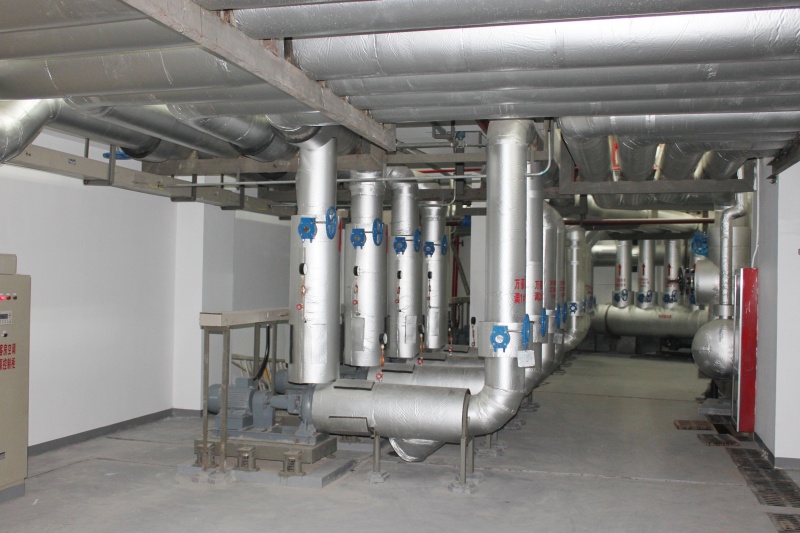
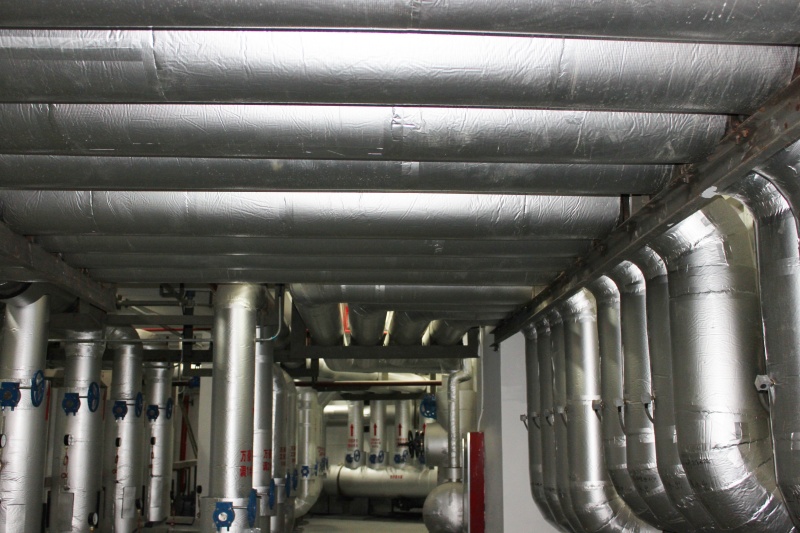
Marine vessels operate in the harshest environments on Earth. High humidity, constant salt spray, extreme temperature shifts, and aggressive mechanical vibration expose vessels to constant material degradation threats. Choosing the right boat insulation materials is not merely a question of maintaining comfortable cabin temperatures; it is a critical engineering decision affecting vessel safety, energy efficiency, acoustic dampening, and the prevention of Corrosion Under Insulation (CUI).
Traditional open-cell materials often act like sponges, absorbing ambient saltwater vapor and trapping moisture against steel or aluminum hulls. This leads to accelerated corrosion and a loss of insulating capacity. To prevent this, modern shipyards specify high-density, closed-cell elastomeric NBR/PVC foam and marine-grade rock wool with engineered hydrophobic barriers. These materials ensure long-term thermal resistance, prevent condensative moisture buildup, and provide class-certified passive fire protection.
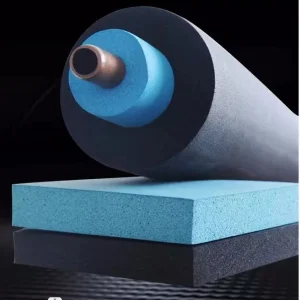
A closed-cell structure encapsulates tiny, gas-filled pocket chambers. This geometry restricts moisture movement through the material, achieving a high vapor resistance factor (μ-value ≥ 10,000) and preventing the capillary absorption that destroys the performance of fibrous alternatives.
Selecting the optimal boat insulation material requires analyzing physical performance parameters under load, humidity, and fire conditions. Below, our technical team highlights key attributes across various product lines:
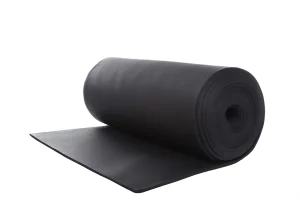
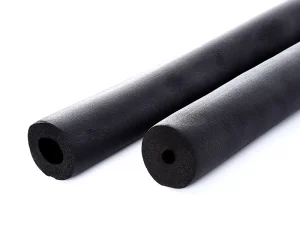
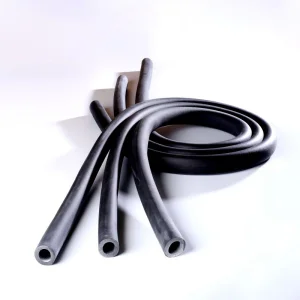
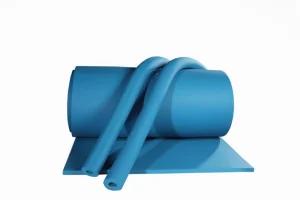
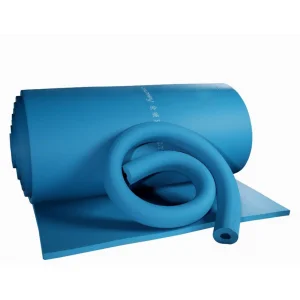
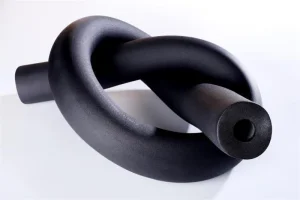
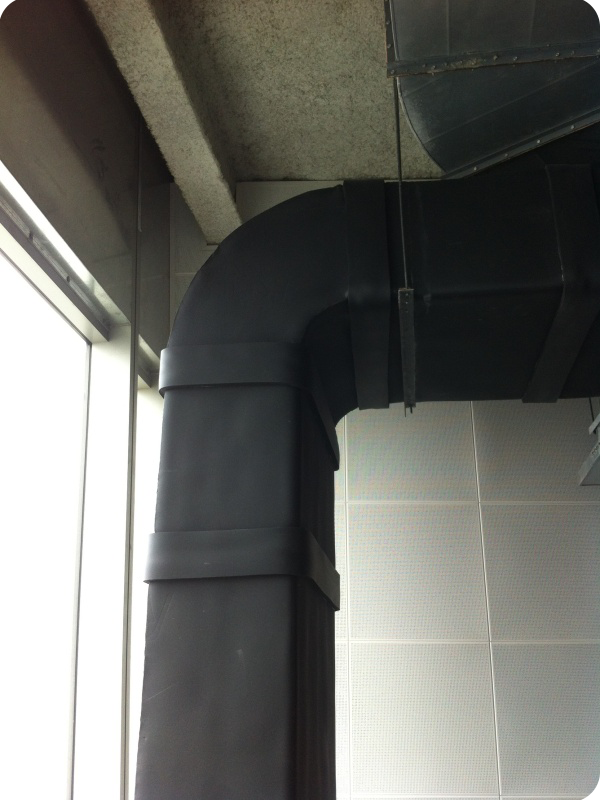
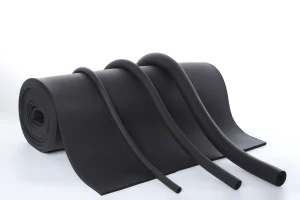
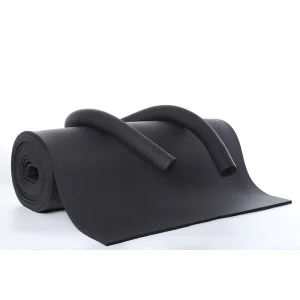
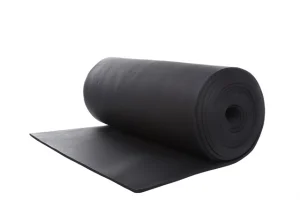
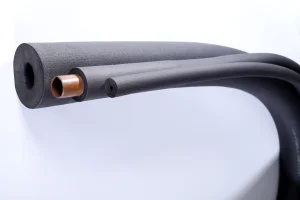
High flexible formulation featuring a closed-cell matrix. Features exceptionally low thermal conductivity (λ ≤ 0.034 W/m·K at 0°C) and excellent condensation prevention. Perfect for HVAC ducts, marine piping, engine compartment linings, and hull walls.
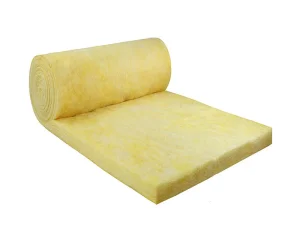
A lightweight fibrous blanket ideal for large-surface hull sections, structural voids, and suspended ceilings. Delivers outstanding sound absorption and thermal performance at higher operational temperature thresholds.
Specially designed for structural bulkheads requiring class A-60 fire ratings. Resists extreme temperatures (up to 1000°C), making it the primary choice for thermal engine zones and fire barriers.
| Property | NBR/PVC Elastomeric Foam | Marine Glass Fiber Wool | High-Density Rock Wool |
|---|---|---|---|
| Thermal Conductivity (λ) | ≤ 0.034 W/(m·K) (at 0°C) | ≤ 0.039 W/(m·K) (at 25°C) | ≤ 0.040 W/(m·K) (at 25°C) |
| Moisture Resistance (μ-value) | ≥ 10,000 (Impermeable vapor barrier) | 1 (Requires external vapor barrier) | 1 (Requires external vapor barrier) |
| Fire Classification | Class 0 / Class 1 (BS 476), UL94 V-0 | Non-combustible (IMO FTP Pt 1) | Non-combustible (IMO FTP Pt 1, Class A-60) |
| Density Range | 40 - 55 kg/m³ | 16 - 48 kg/m³ | 60 - 150 kg/m³ |
| Service Temp. Range | -40°C to +105°C | -120°C to +400°C | -250°C to +850°C |
The global shipping and yacht manufacturing sectors are undergoing rapid changes. Stricter environmental rules, such as the IMO Decarbonization Targets, require optimized heating, ventilation, and air conditioning (HVAC) systems. Modern insulation materials must help lower fuel consumption and carbon footprints by preventing thermal losses in chilled water and HVAC duct loops.
Additionally, green shipbuilding guidelines dictate the phase-out of halogenated flame retardants. The next generation of Kingflex marine insulation materials focuses on halogen-free closed-cell elastomers. These products reduce smoke toxicity in a fire while maintaining high flame resistance and mechanical flexibility.
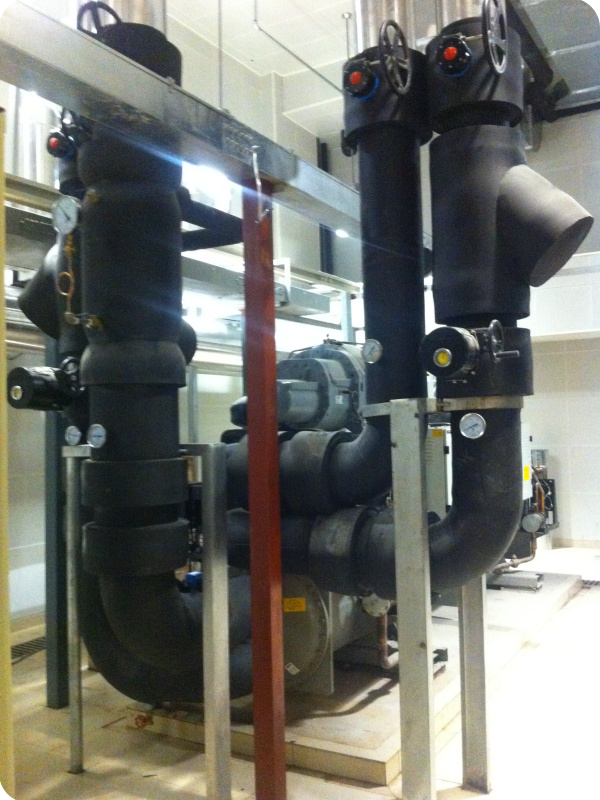
Developing standardized closed-cell materials with built-in moisture barriers. These products prevent water ingress and oxidation on vessel hulls, reducing structural repair costs.
Introducing non-halogenated systems and low-toxicity materials that meet international marine fire standards, ensuring passenger safety in enclosed cabins.
Developing ultra-thin, highly insulating composite materials for space-restricted areas like cruise ship cabins and engine room bulkheads.
Modern ships require specialized insulation strategies for different onboard areas. Kingflex provides customized solutions that protect critical marine infrastructure:
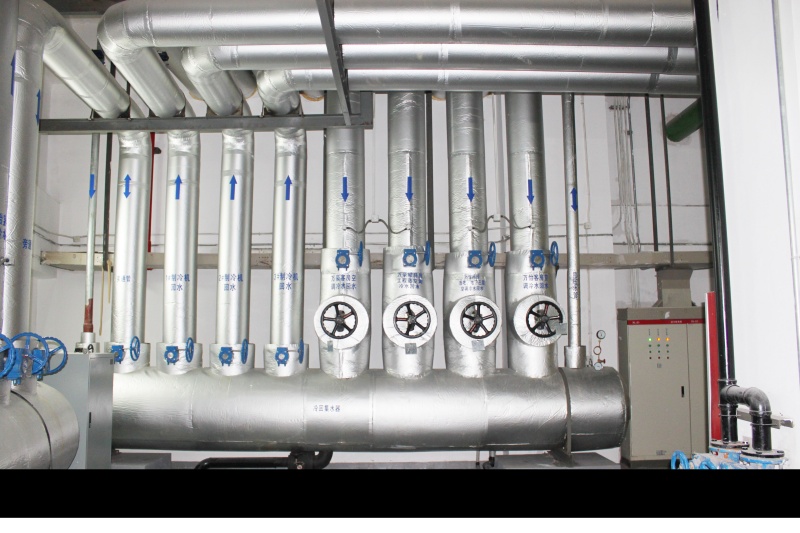
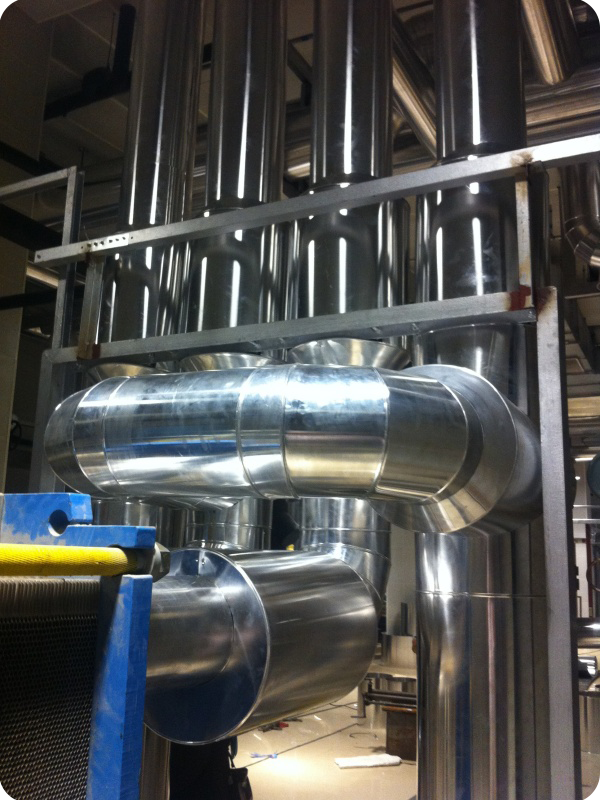
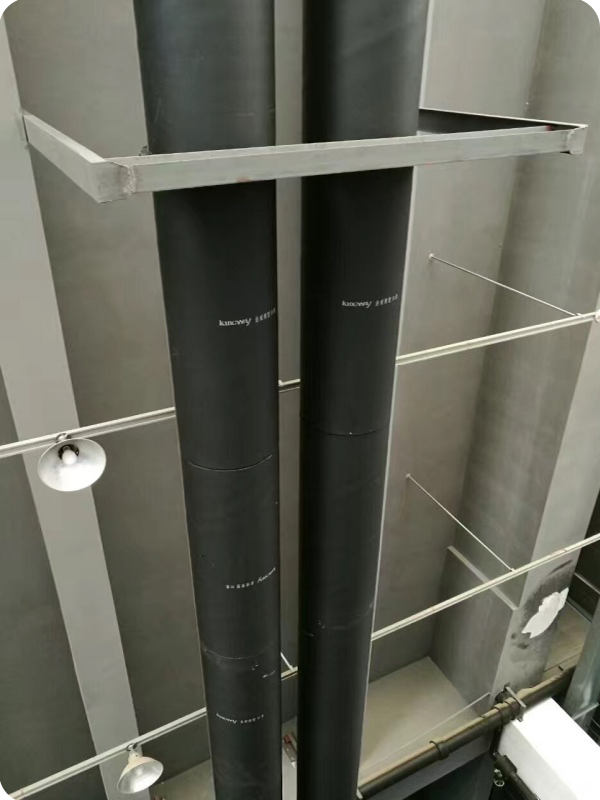
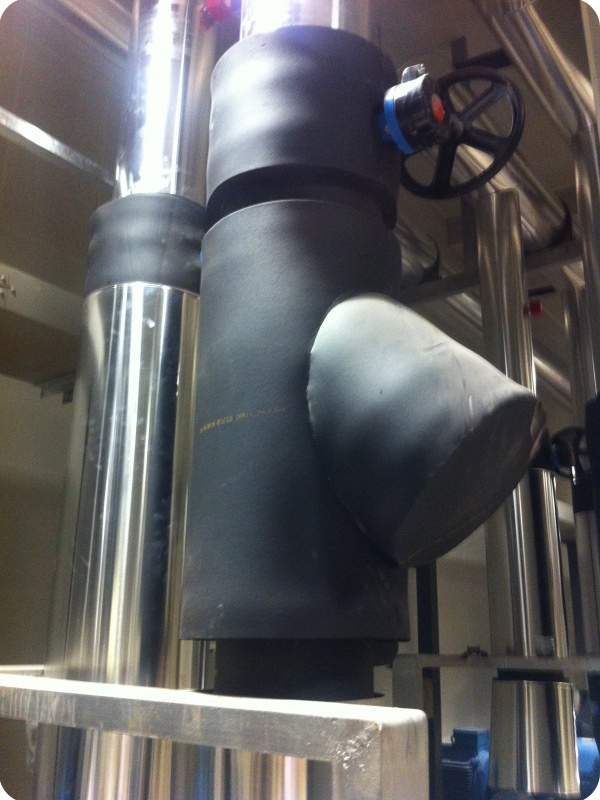
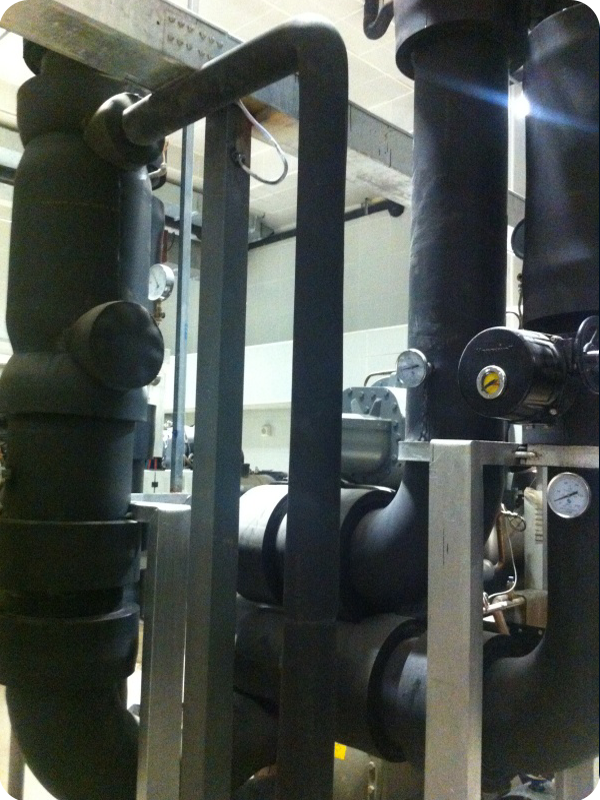
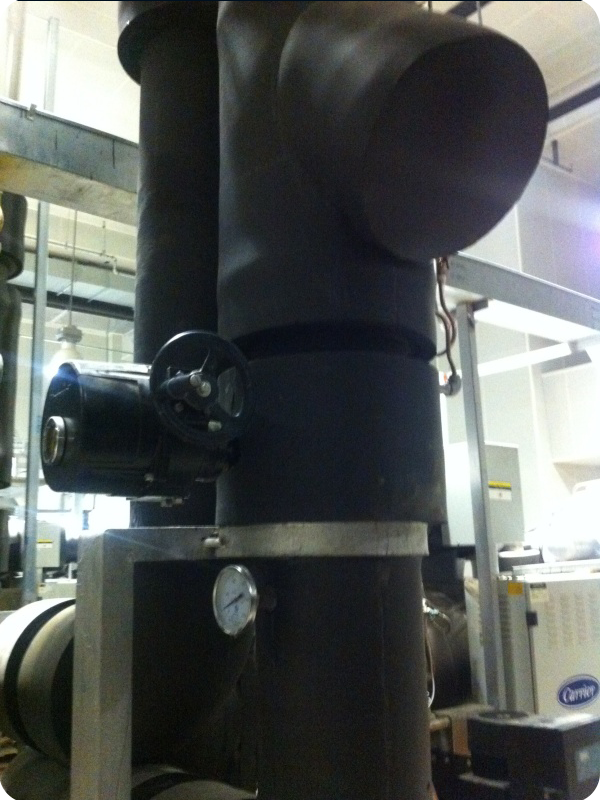
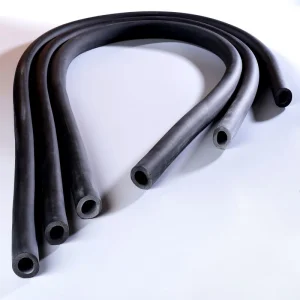
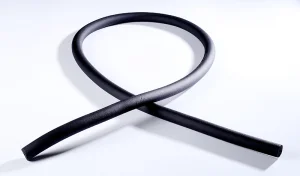
Chilled water pipelines on vessels run through hot cargo spaces and machinery decks. Kingflex elastomeric closed-cell pipes prevent condensation, mold growth, and corrosion under insulation.
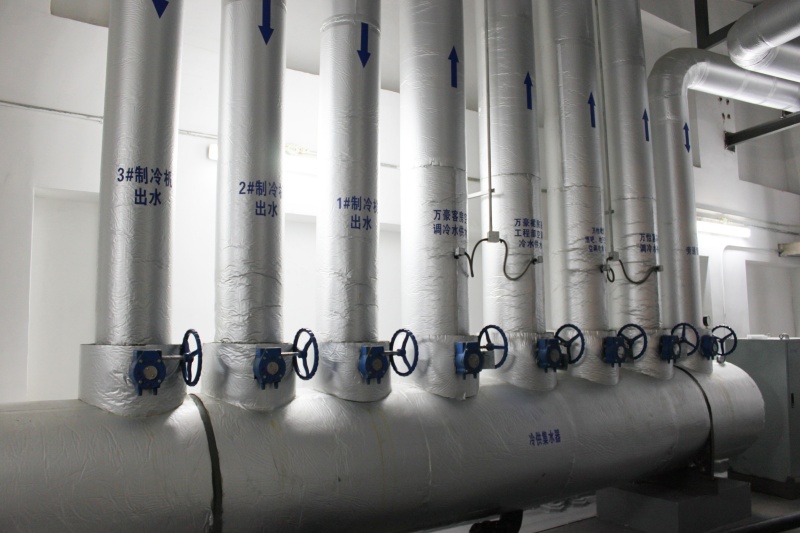
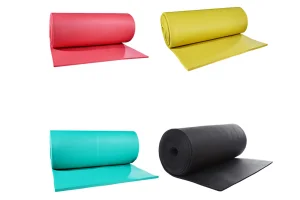
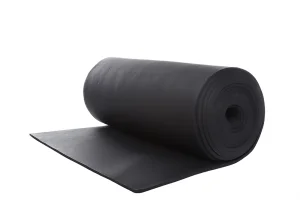
Engine rooms generate significant heat and noise. Kingflex high-density sheets block heat transfer and help absorb low-frequency engine vibrations, creating a quieter onboard environment.
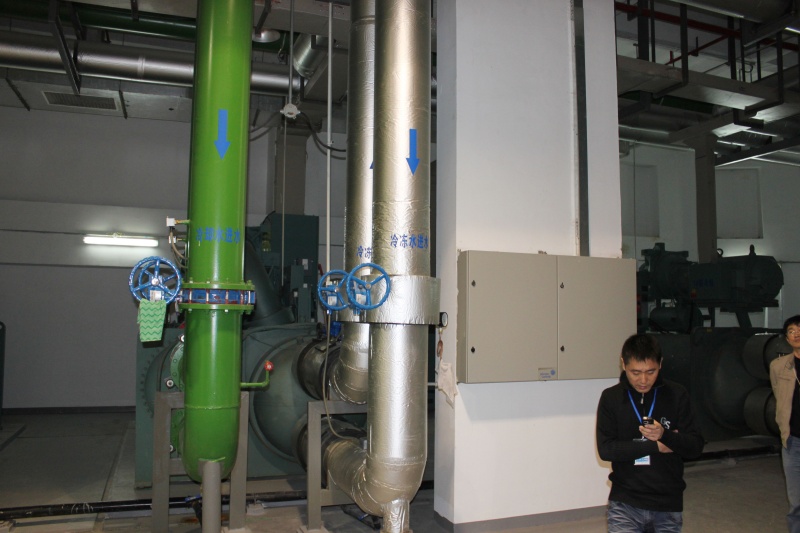
Modern ships using LNG fuel require insulation that handles temperatures down to -162°C. Kingflex cryogenic systems combine specialized elastomeric foam layers to manage cold contraction and thermal stress.
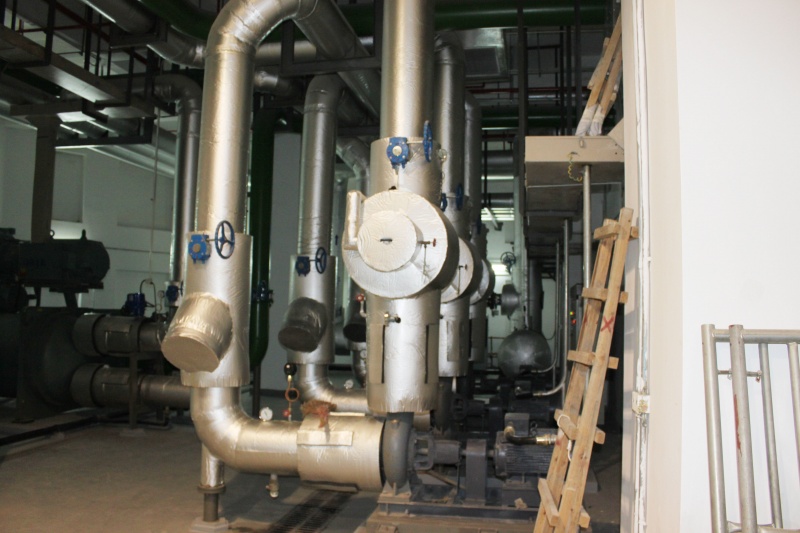
Using structural materials that resist fire is crucial for passing maritime safety checks. Our Class 0 elastomeric insulation and rock wool products help vessels meet strict fire safety rules.
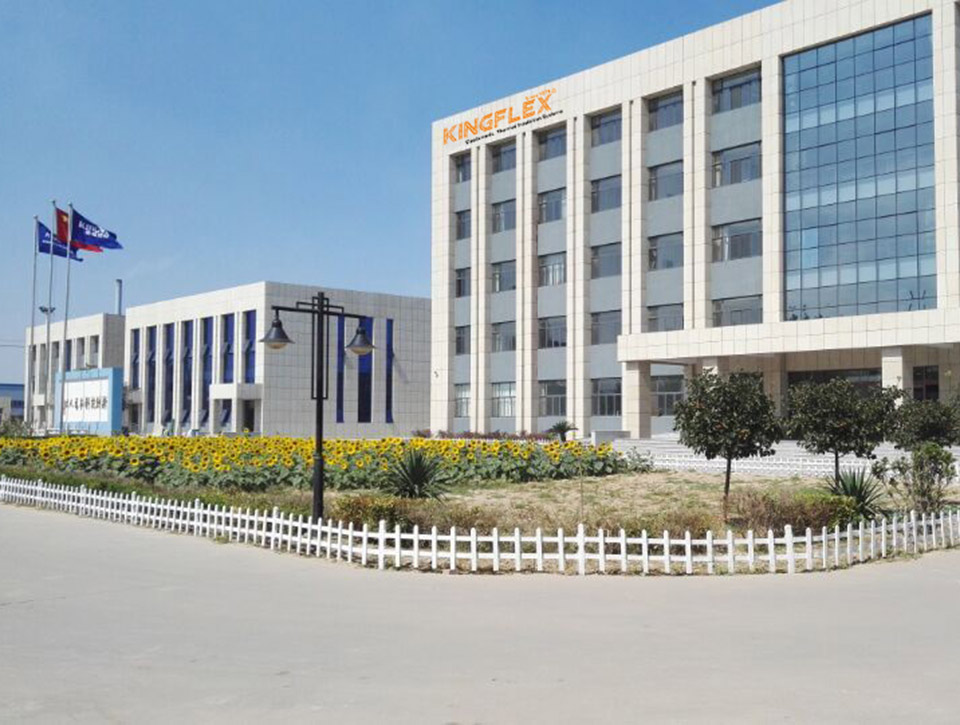
Kingflex Insulation Co., Ltd. is a professional manufacturing and trading combo for thermal insulation products. Located in Dacheng, China—a hub for green building materials—our energy-saving, environmentally friendly enterprise focuses on research, development, production, and sales.
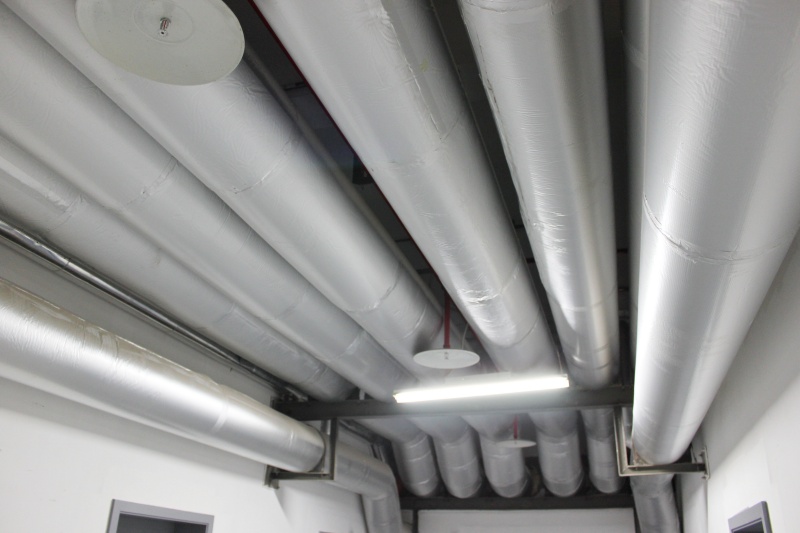
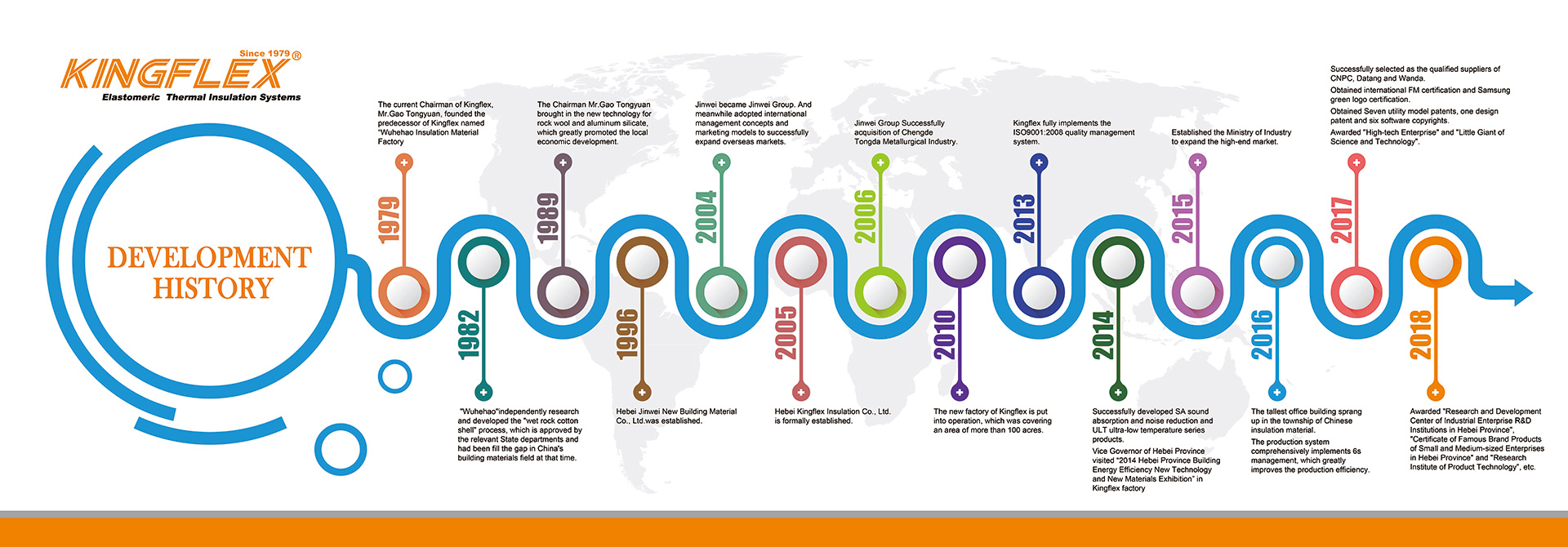
Kingflex is established by the Jinwei Group, which has a history of more than 40 years. Founded in 1979, Jinwei Group was the first manufacturer of thermal insulation materials north of the Yangtze River. Today, Kingflex features 5 automated assembly lines yielding an annual production capacity exceeding 600,000 cubic meters. This scale allows us to serve as a designated supplier for major energy, power, and chemical infrastructure projects worldwide.
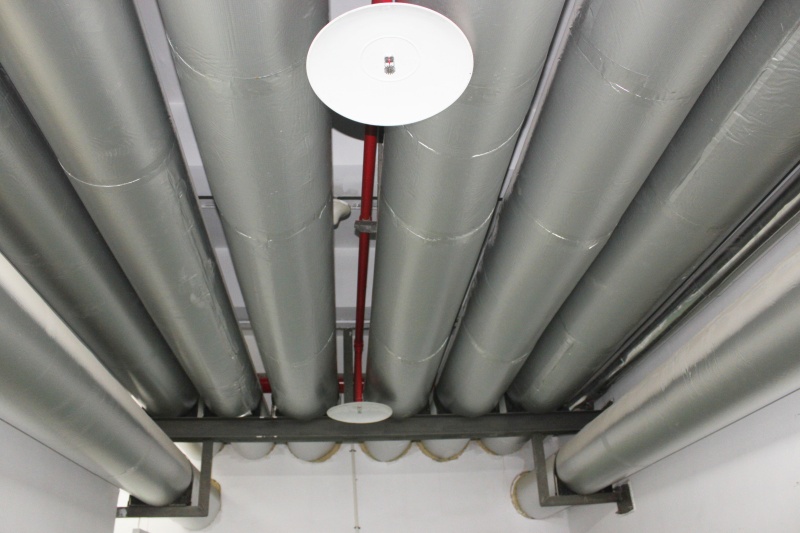
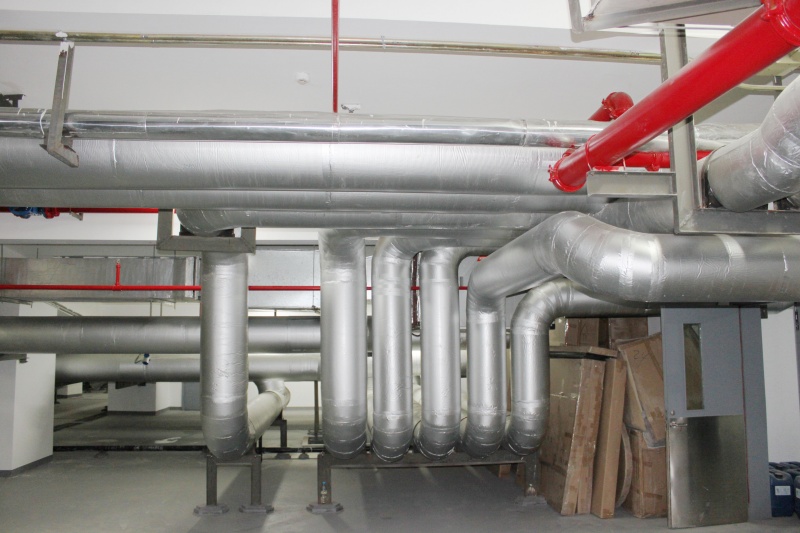
Our operation prioritizes energy conservation and consumption reduction. We support clients through consultation, R&D production, installation guidance, and post-sale service.
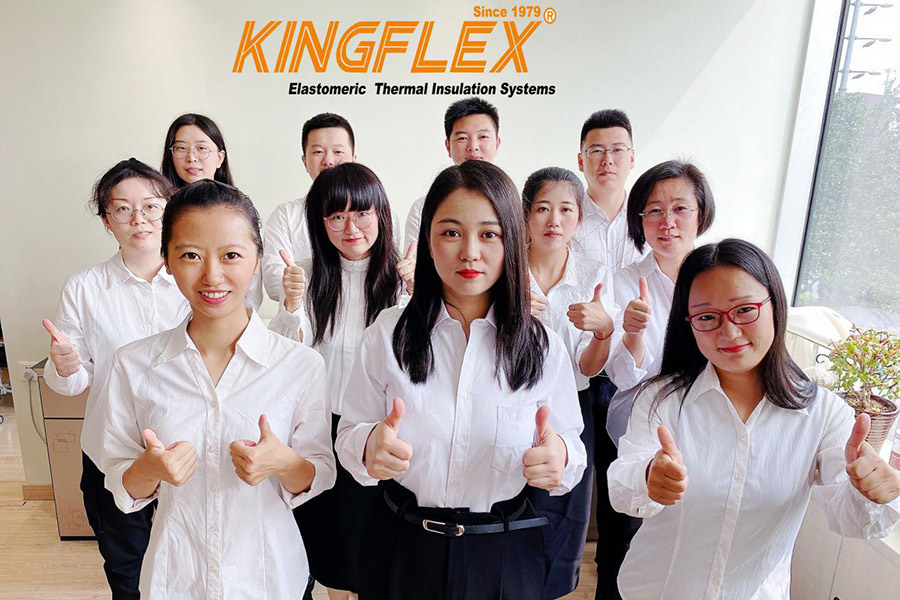
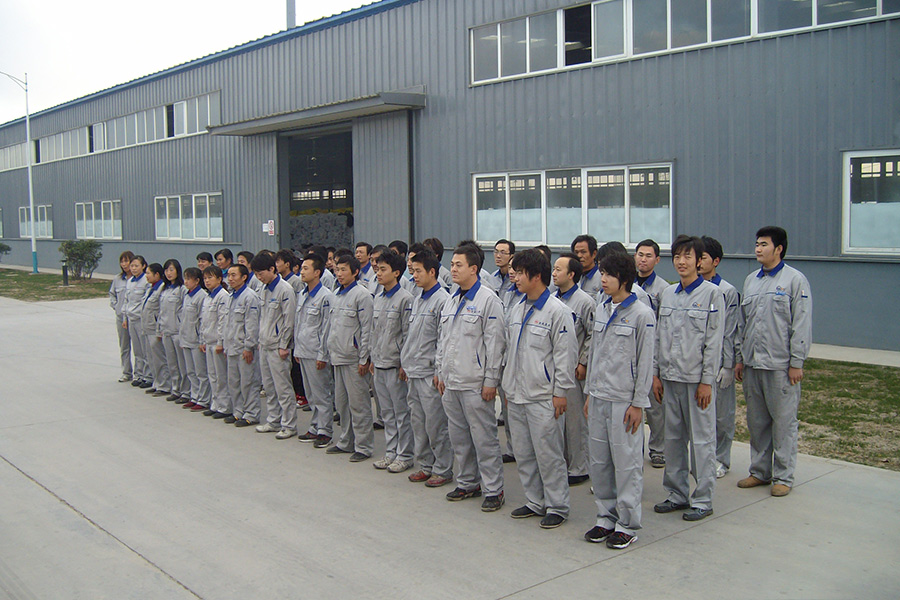
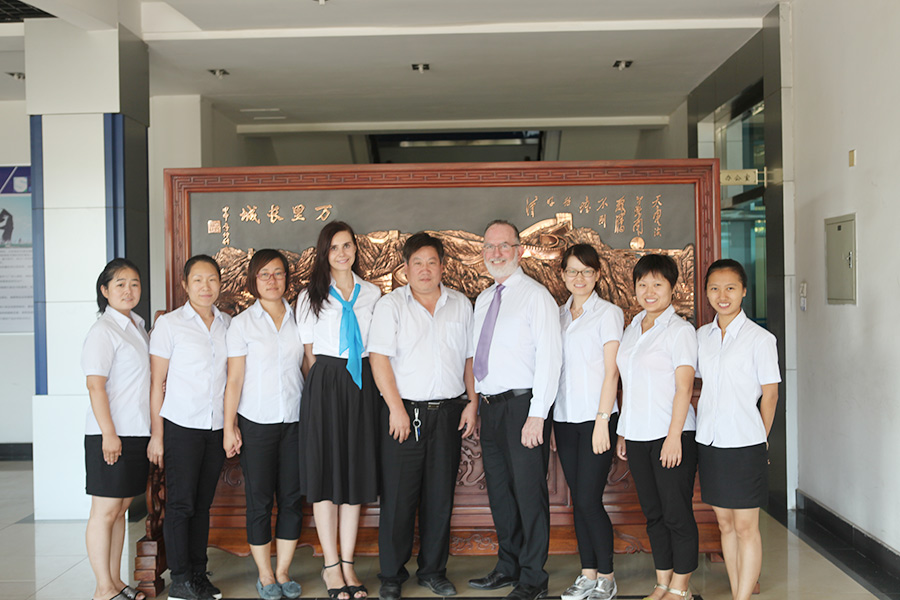
Our employees make Kingflex a rewarding and productive place to work. Our team is a tight-knit, talented group focused on delivering reliable service to clients. Kingflex employs 8 R&D engineers, 6 international sales specialists, and 230 production department workers.
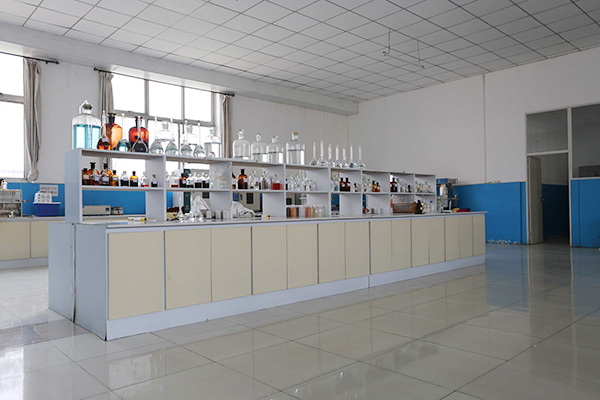
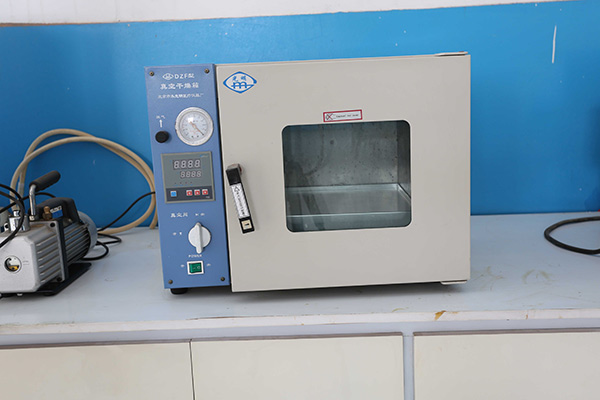
This combined workforce ensures that raw material testing, foaming processes, precision cutting, and packaging meet international standards before shipment.
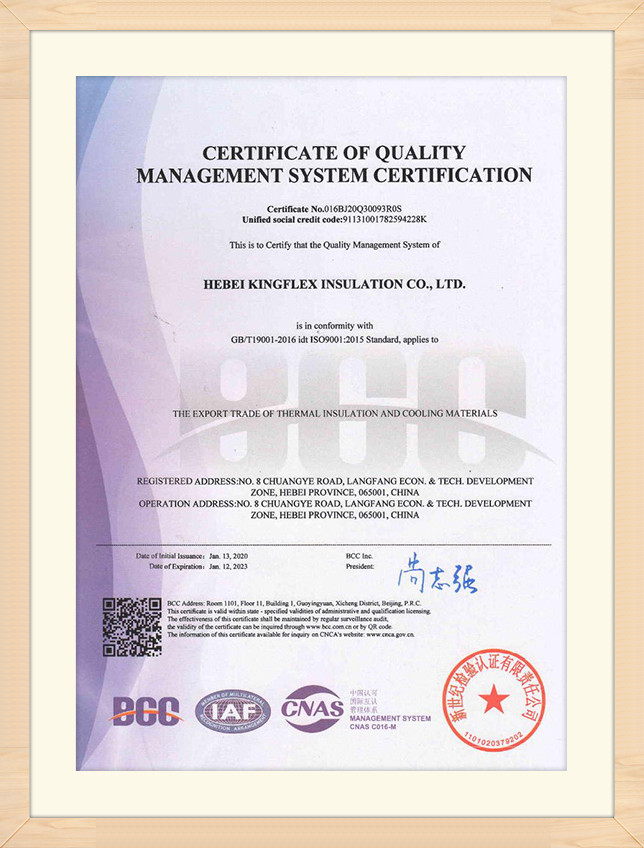
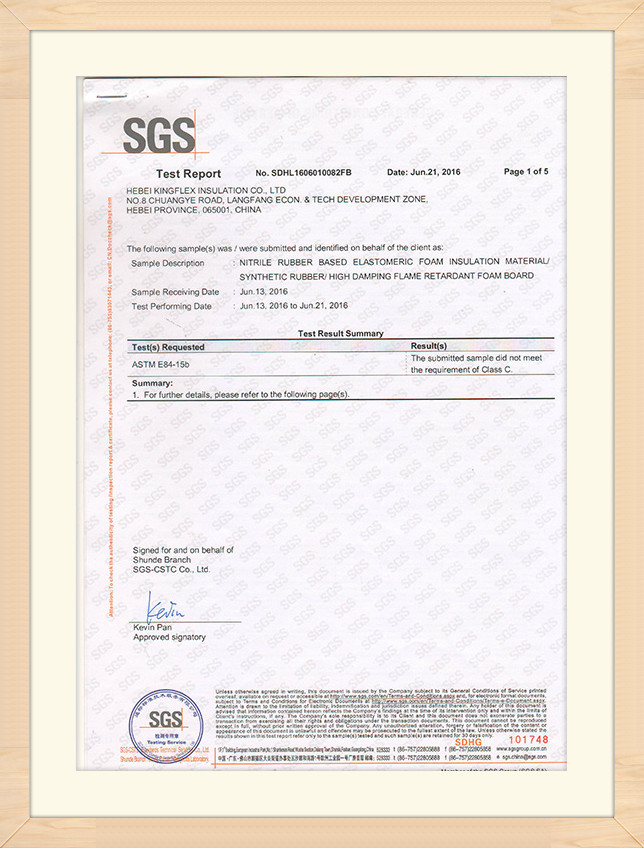
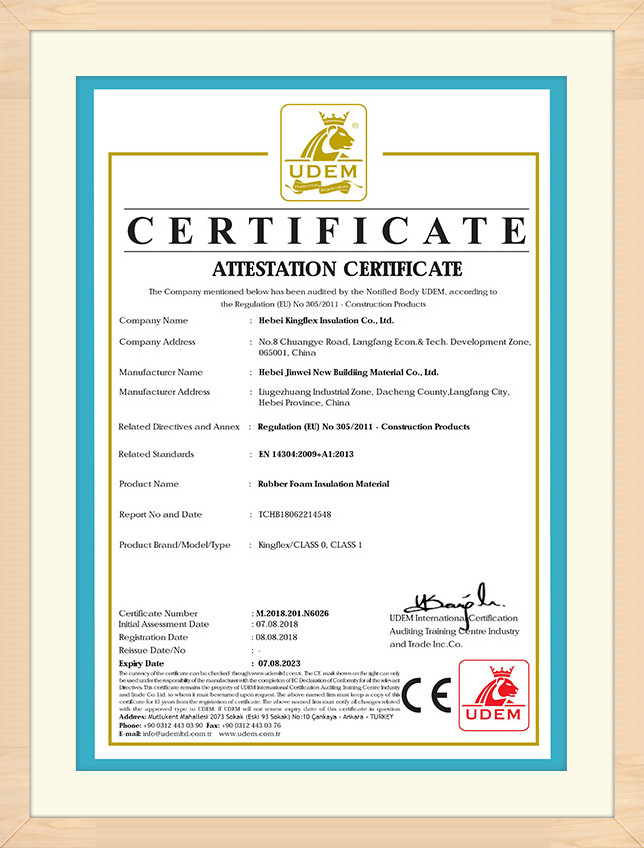
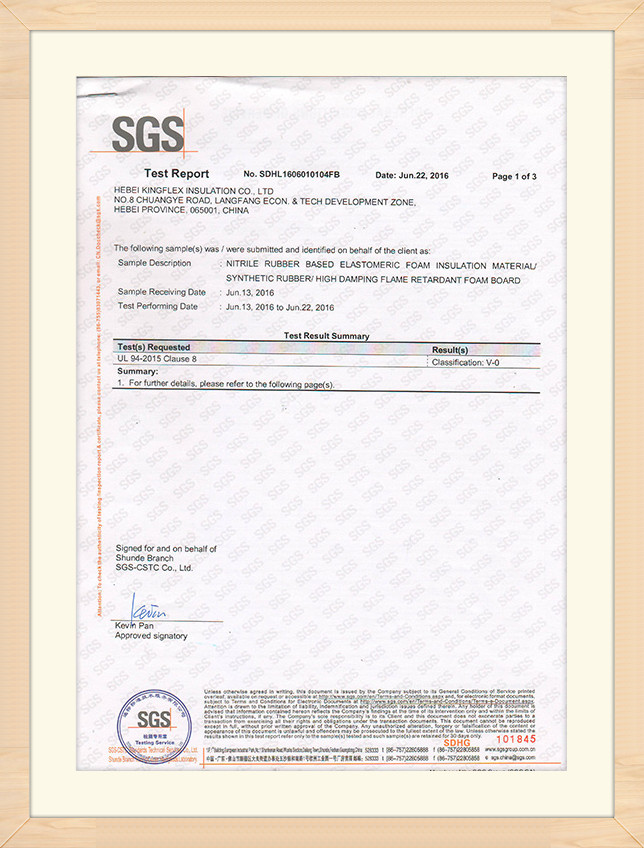
Safety is the primary consideration in ship design. Kingflex boat insulation materials undergo rigorous testing by third-party laboratories. Our products carry international certifications, confirming they meet fire safety, environmental, and toxicity regulations:
By maintaining these certifications, Kingflex helps marine architects and builders streamline vessel approvals. We ensure complete product traceability from raw materials to the finished insulation roll.
Buying direct from a Chinese factory helps optimize project budgets. However, understanding the factors that affect the pricing of boat insulation materials is essential for accurate forecasting:
The ratio of NBR (Nitrile Butadiene Rubber) to PVC determines flexibility and temperature resistance. Higher NBR content improves low-temperature performance but increases production costs.
Marine specifications typically require densities of 40–55 kg/m³. Custom, high-density sheets designed for acoustic dampening require more raw material per cubic meter, adjusting the unit price.
Adding self-adhesive backings or protective skins (like aluminum foil or fiberglass cloth coatings) increases mechanical resistance and changes the base pricing structure.
For large-scale projects, we provide custom quotes that factor in thickness (6mm to 50mm), pipe inner diameters (6mm to 114mm), and packaging designs. Reach out to our sales department with your specifications for a detailed price estimate.
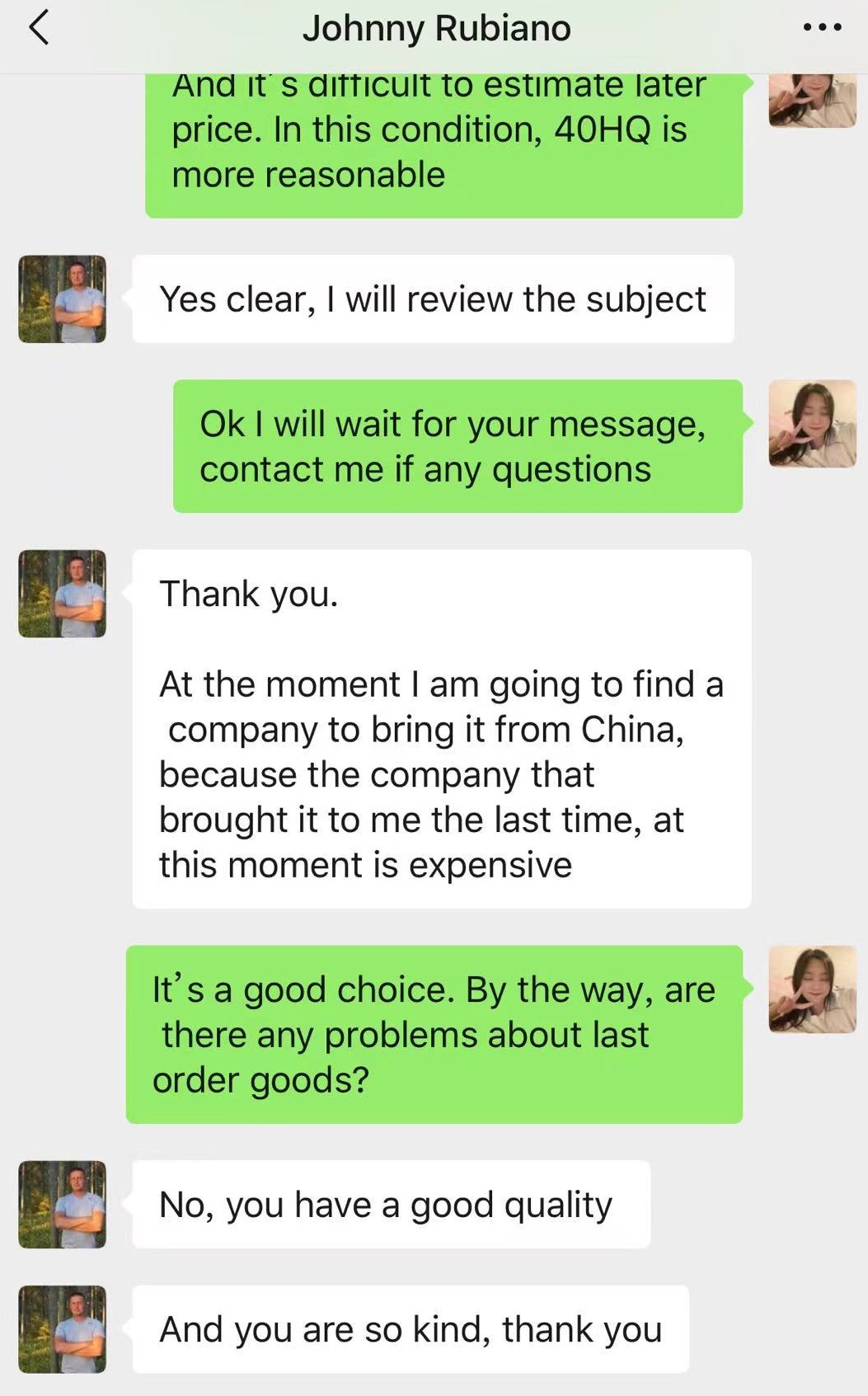
Kingflex exports products to over 66 countries. Our international sales and engineering teams work closely with global buyers to coordinate logistics, custom orders, and technical compliance: