Direct sourcing from certified manufacturing lines with verified performance and international standards.
In modern commercial, industrial, and residential architecture, the performance of the HVAC (Heating, Ventilation, and Air Conditioning) system is the single largest determinant of a building's overall operational energy efficiency. In the search for optimal energy preservation, engineered ductwork stands as the vital vascular system of any structure.
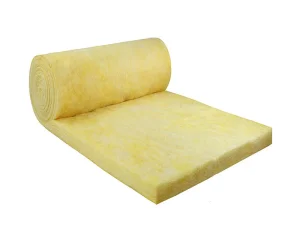
Historically, fiberglass air ducts and elastomeric rubber foam wraps have served as the twin pillars of structural thermal management. Fiberglass air duct boards (typically complying with ASTM C1071 standards) provide exceptional thermal resistance (R-value) alongside unparalleled acoustic dampening capabilities. The porous fibrous matrix of glass wool dissipates low- and mid-frequency sound waves generated by air handling equipment, providing silent ventilation that is highly desired in hotels, concert halls, hospitals, and high-rise office developments.
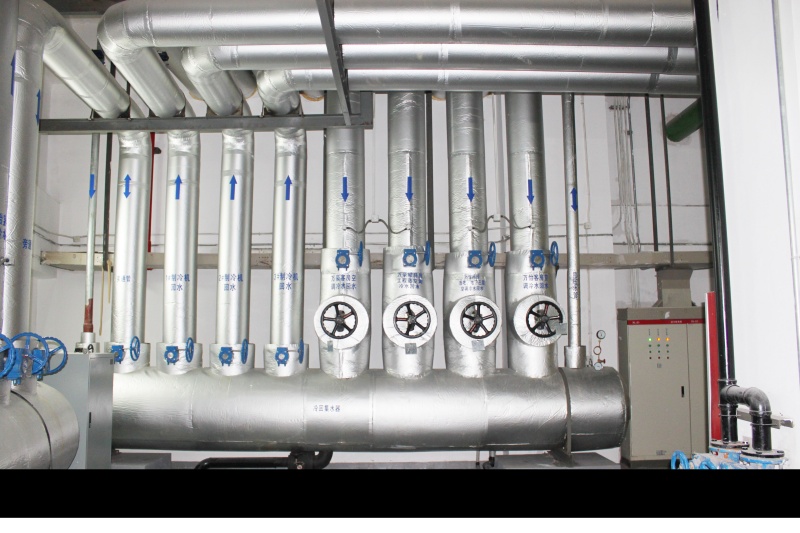
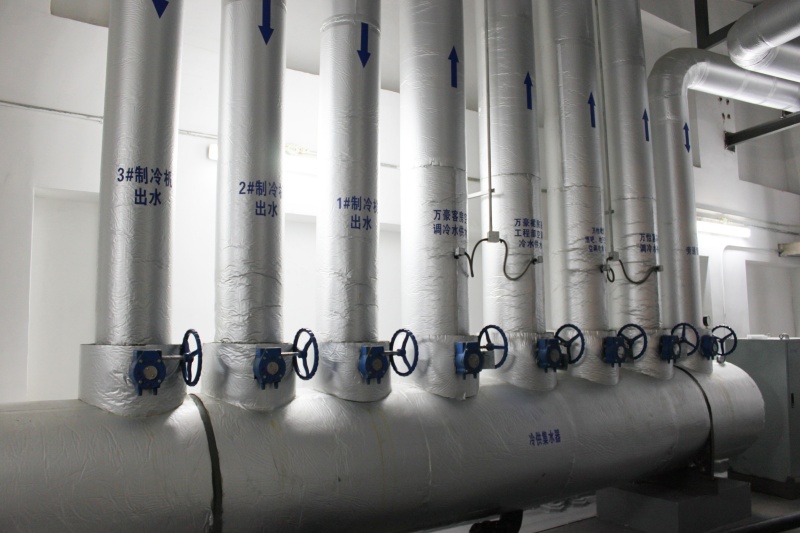
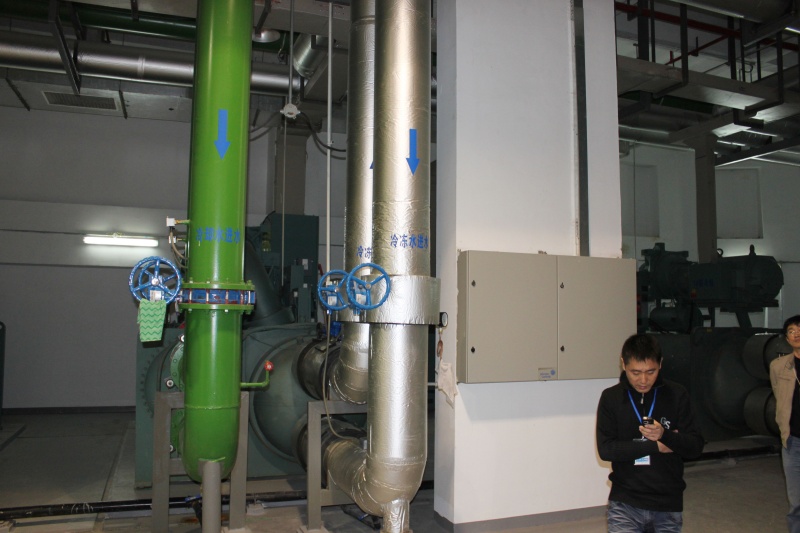
Conversely, elastomeric closed-cell rubber foams (such as NBR/PVC blends) offer superior resistance to water vapor transmission. By sealing moisture out entirely, they prevent condensation in chilled water lines and cooling ducts, mitigating the threat of mold formation and structural rot. Modern engineering often integrates these two technological pathways, employing fiberglass inside the air distribution chambers for acoustic performance and structural stiffness, and utilizing flexible rubber foam on surrounding pipework and mechanical interfaces.
The global push for green building certifications, such as LEED (Leadership in Energy and Environmental Design) and BREEAM (Building Research Establishment Environmental Assessment Method), has transformed the sourcing criteria for insulation materials. Architects and engineering consultants no longer look for simple cost per square meter; they require comprehensive environmental product declarations (EPD), verified thermal resistance profiles, and long-term durability metrics.
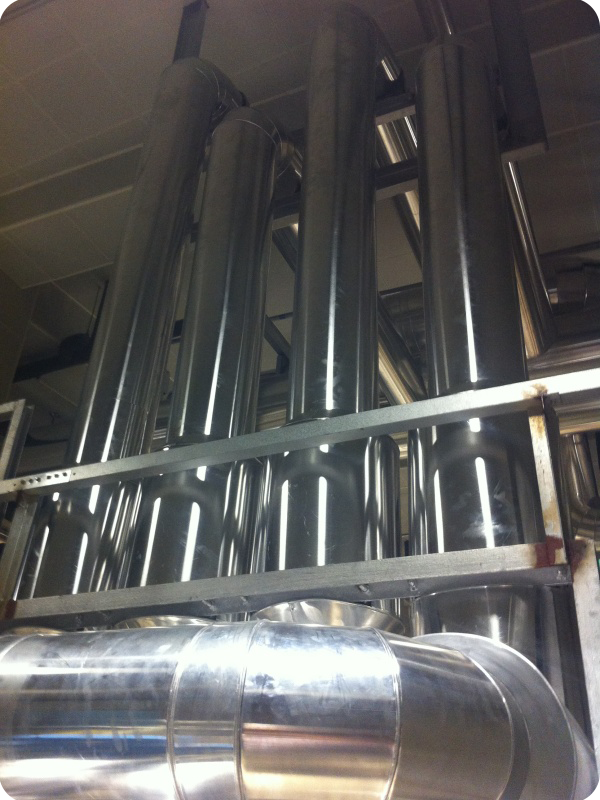
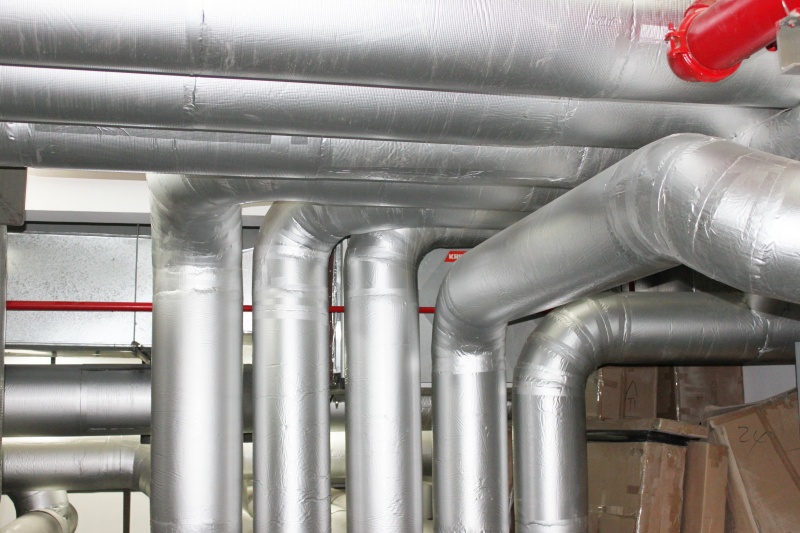
Effective thermal control prevents thermal losses through extensive sheet metal and composite air duct networks, maintaining constant delivery temperatures at diffusers.
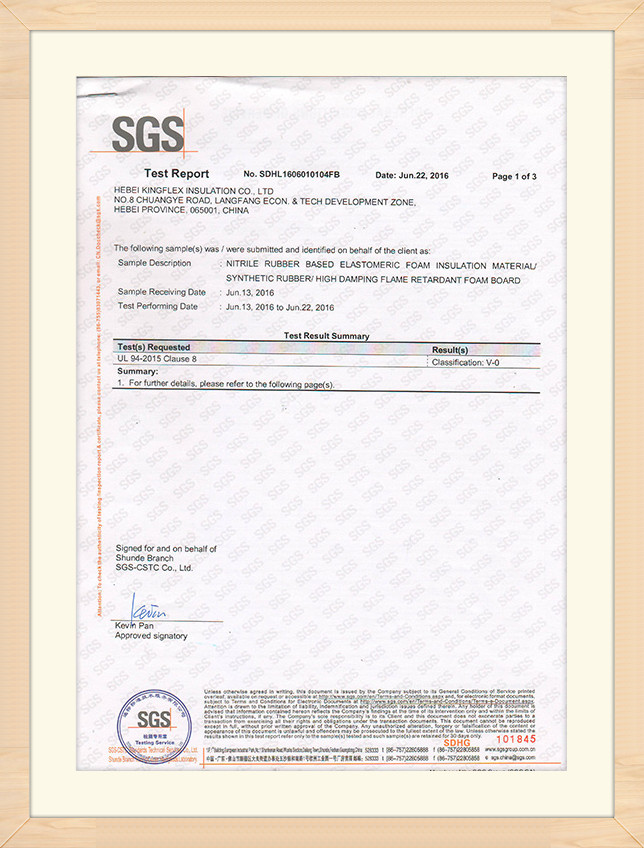
Under BS 476 and UL94 testing protocols, our products exhibit class-leading flame-retardant properties, self-extinguishing immediately upon removal of the ignition source.
By absorbing the high-frequency motor hum and turbulent air noise inside duct systems, glass wool linings ensure compliance with international noise criterion (NC) curves.
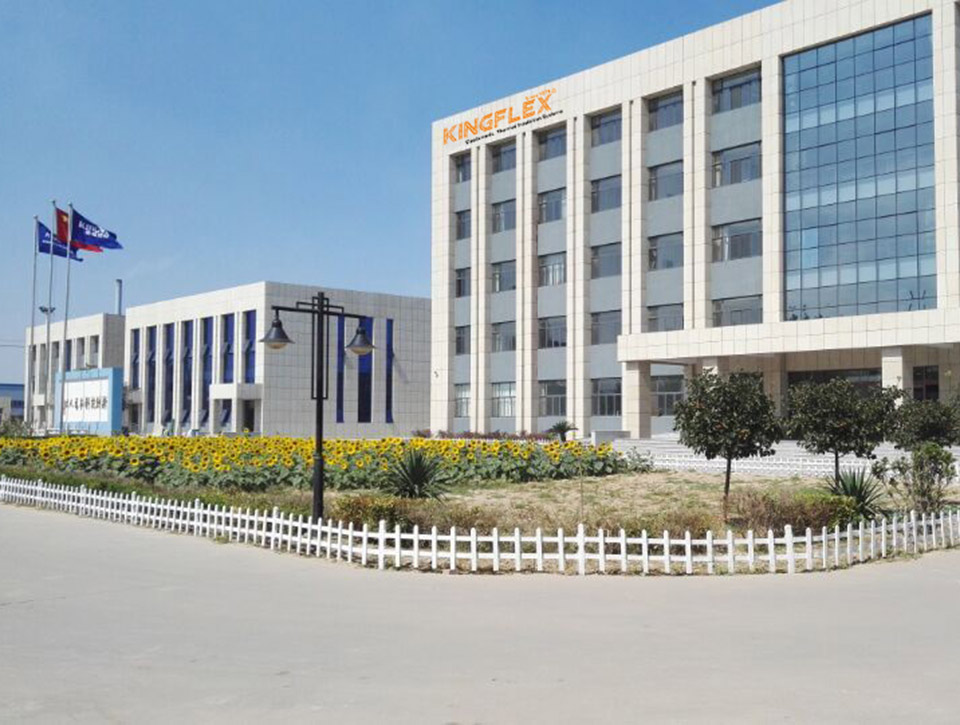
To meet this global demand, Chinese manufacturers have upgraded their production technologies. Our factory runs 5 large-scale automatic assembly lines, producing over 600,000 cubic meters of high-density thermal insulation material annually. By exporting to over 66 countries across Europe, North America, the Middle East, and Asia-Pacific, we provide localized support that bridges regional code compliance and logistics.
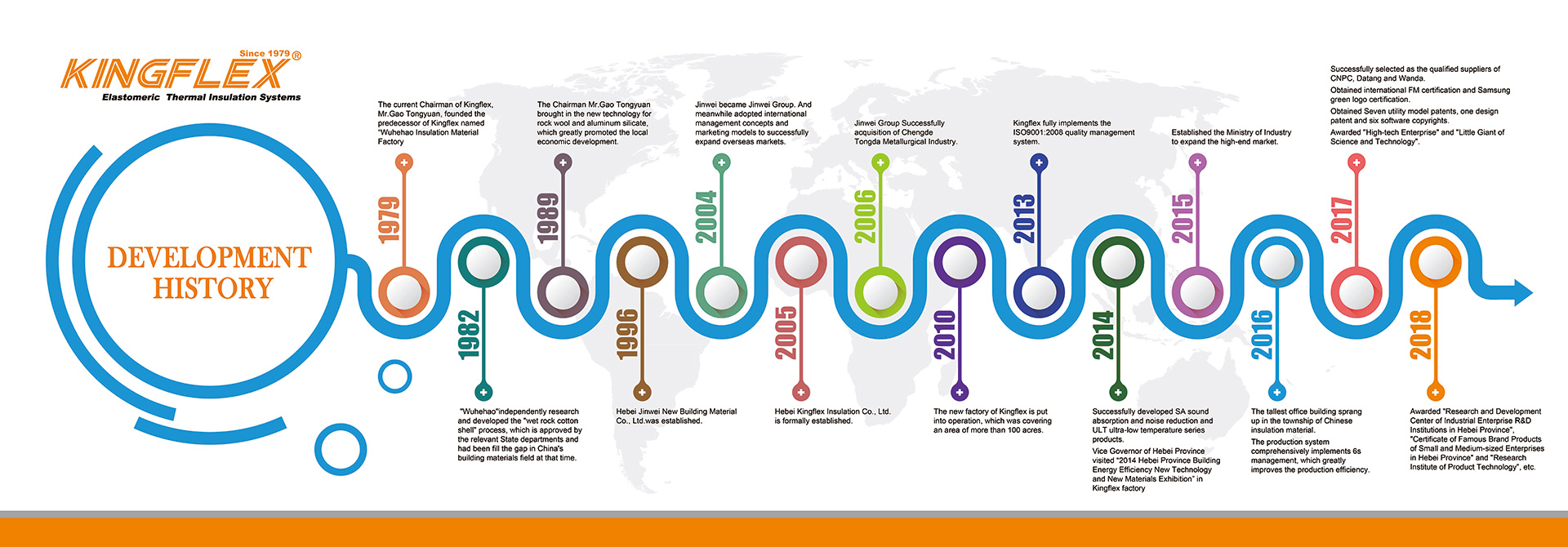
Established by the Jinwei Group, a pioneer with a history spanning more than 40 years, Kingflex Insulation Co., Ltd. has developed deep roots in the global building materials sector. Jinwei Group, founded in 1979, was historically recognized as the first thermal insulation manufacturer north of the Yangtze River.
Today, Kingflex operates as a professional manufacturing and trading combo, focusing on energy-saving and environmentally friendly thermal insulation products. Nestled in Dacheng, China—widely celebrated as the capital of green building materials—our R&D department continues to push the boundaries of materials science.
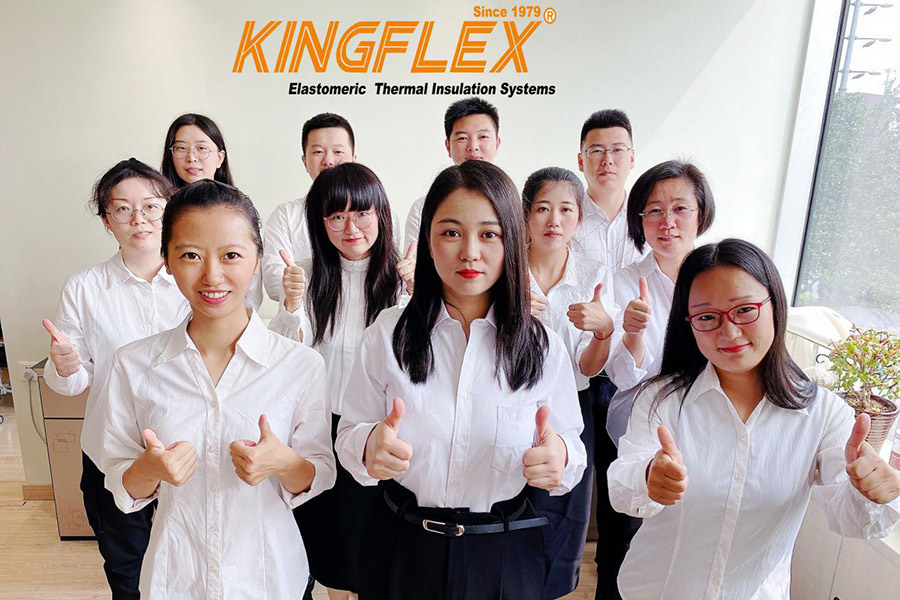
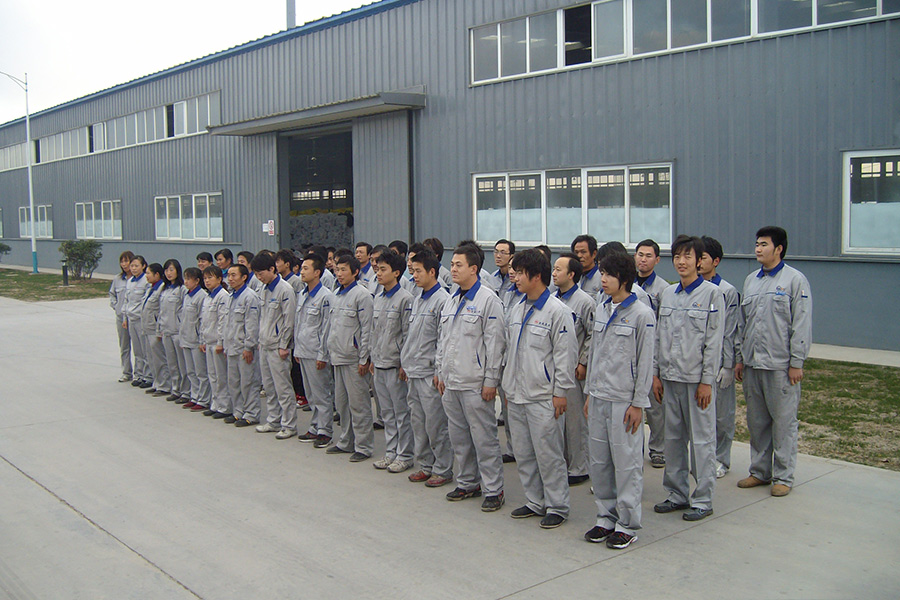
With 8 professional R&D engineers, 6 dedicated international sales representatives, and 230 highly skilled factory technicians, we offer full lifecycle consultation, custom production runs, structural design alignment, and post-sale technical guidance.
Industrial mechanical systems require strict adherence to dimensional tolerances and chemical compositions. We fabricate both standard elastomeric rubber foam sheets/pipes and robust fiberglass configurations designed to function in extreme temperature environments. Below are the key characteristics of our core product lines:
| Insulation Parameter | NBR/PVC Elastomeric Foam | Fiberglass Duct Board (Glass Wool) | Rock Wool Thermal Blanket |
|---|---|---|---|
| Primary Application | Condensation Prevention, Chilled Water, Low Temp Air Ducts | Acoustic Lining, Hot/Cold Air Distribution, Attenuation | Extreme Heat Piping, Boiler Rooms, Fire Walls |
| Thermal Conductivity (W/mK) | 0.034 - 0.036 (Very Low) | 0.038 - 0.042 (Low) | 0.040 - 0.044 (Low) |
| Moisture Absorption | Negligible (Closed-cell, μ ≥ 10,000) | High if unprotected (Requires vapor barrier foil) | Moderate (Requires external cladding) |
| Acoustic Performance (NRC) | 0.15 - 0.30 | 0.75 - 0.90 (Excellent) | 0.80 - 0.95 (Excellent) |
| Operating Limits | -40°C to +105°C | Up to +250°C | Up to +650°C |
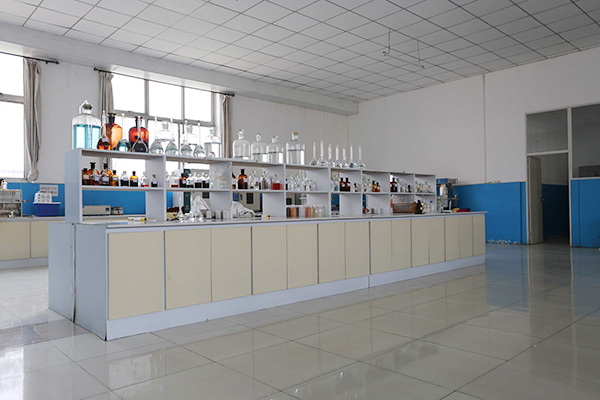
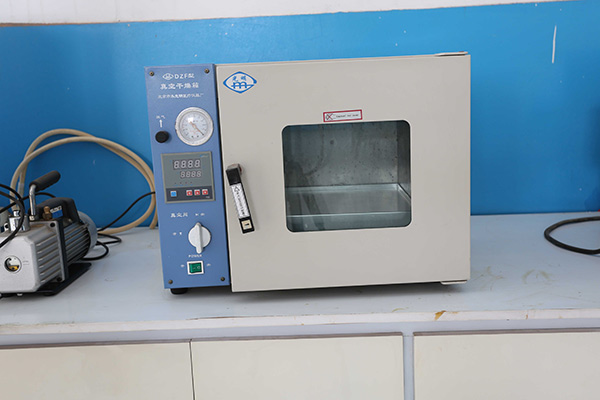
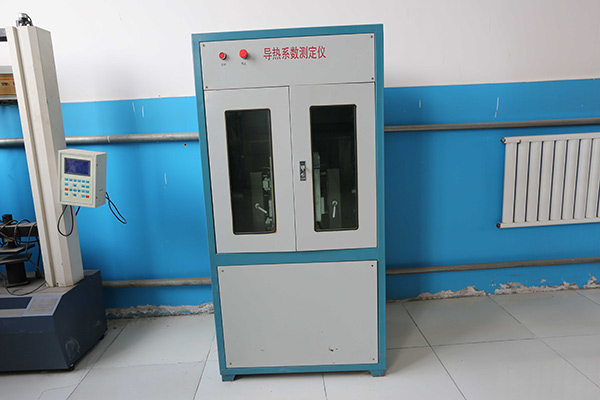
Quality control is built directly into our manufacturing processes. At each stage of NBR foaming and glass wool carding, advanced sensors check for density consistency, cell structure uniformity, and thickness tolerances. Our dedicated laboratory routinely carries out thermal tests and fire tests using state-of-the-art testing equipment.
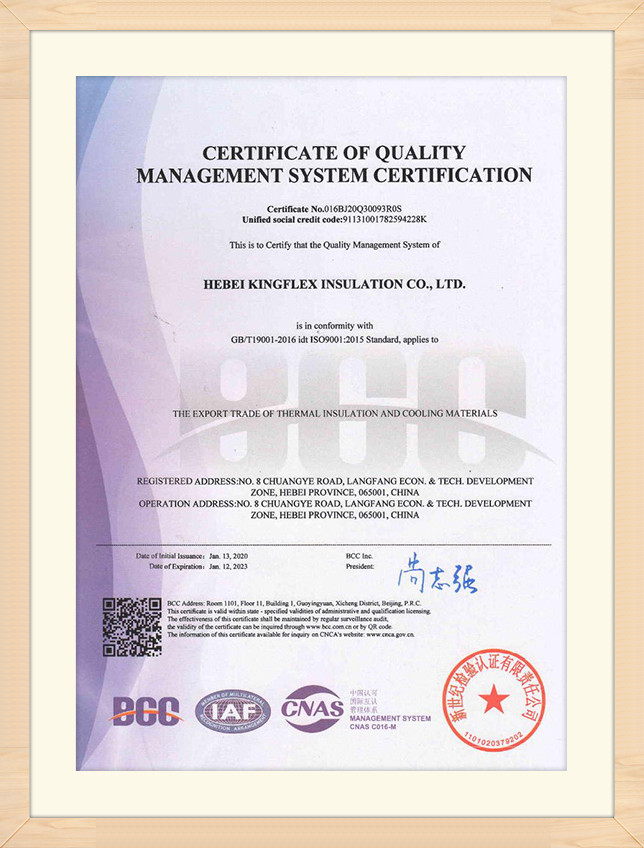
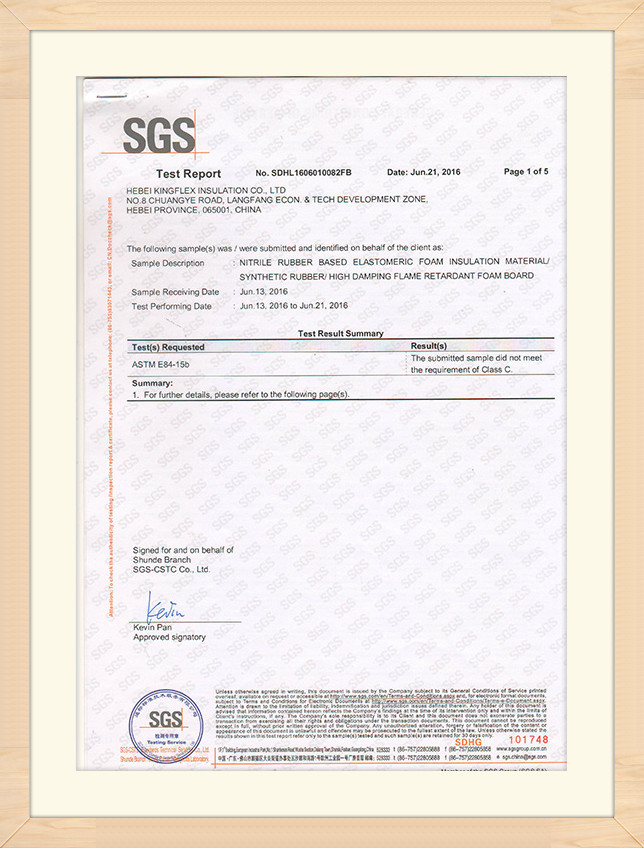
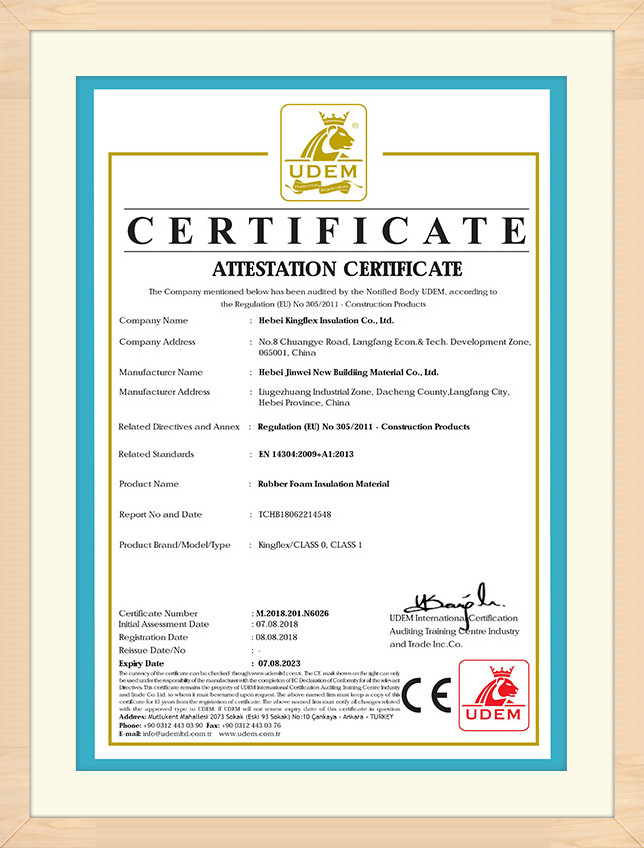
Building regulations vary significantly across territories. A major challenge in sourcing insulation globally is ensuring local safety compliance. Kingflex insulation products carry a robust set of internationally recognized third-party test certifications, proving their suitability for high-occupancy commercial and industrial projects:
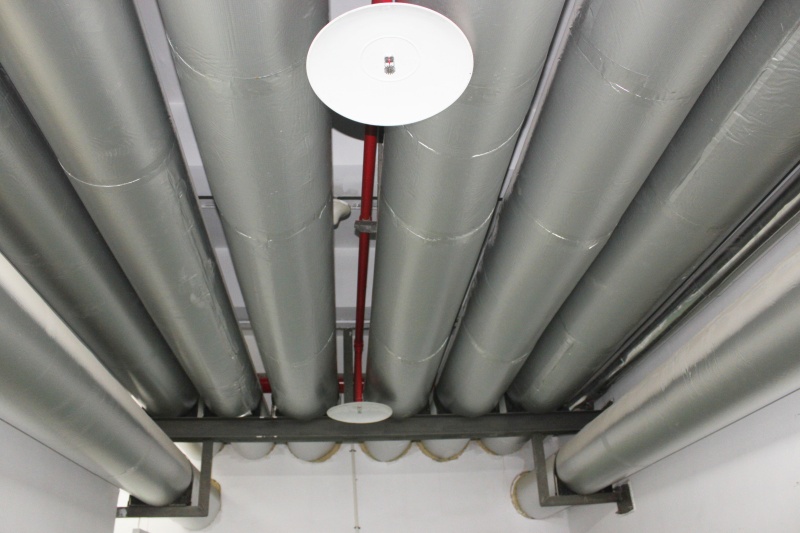
Insulation is not a one-size-fits-all product. Different engineering environments pose distinct physical challenges. We design solutions tailored to these specialized applications:
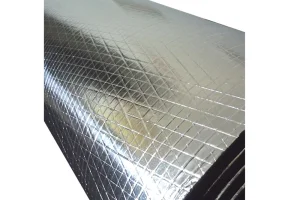
Microelectronics and pharmaceutical cleanrooms require zero fiber shedding and extremely low outgassing. Foil-faced rubber foam systems prevent structural particulate generation, maintaining class-100 cleanroom environments.
Corrosion Under Insulation (CUI) causes major structural failures in heavy industries. Using closed-cell materials that do not trap atmospheric moisture prevents acidic electrolyte buildup on steel pipes.
For liquefied natural gas (LNG) pipelines and ultra-low temperature chemical processing, our elastomeric cryogenic foam insulation prevents rapid thermal bridging and freezing structural fractures.
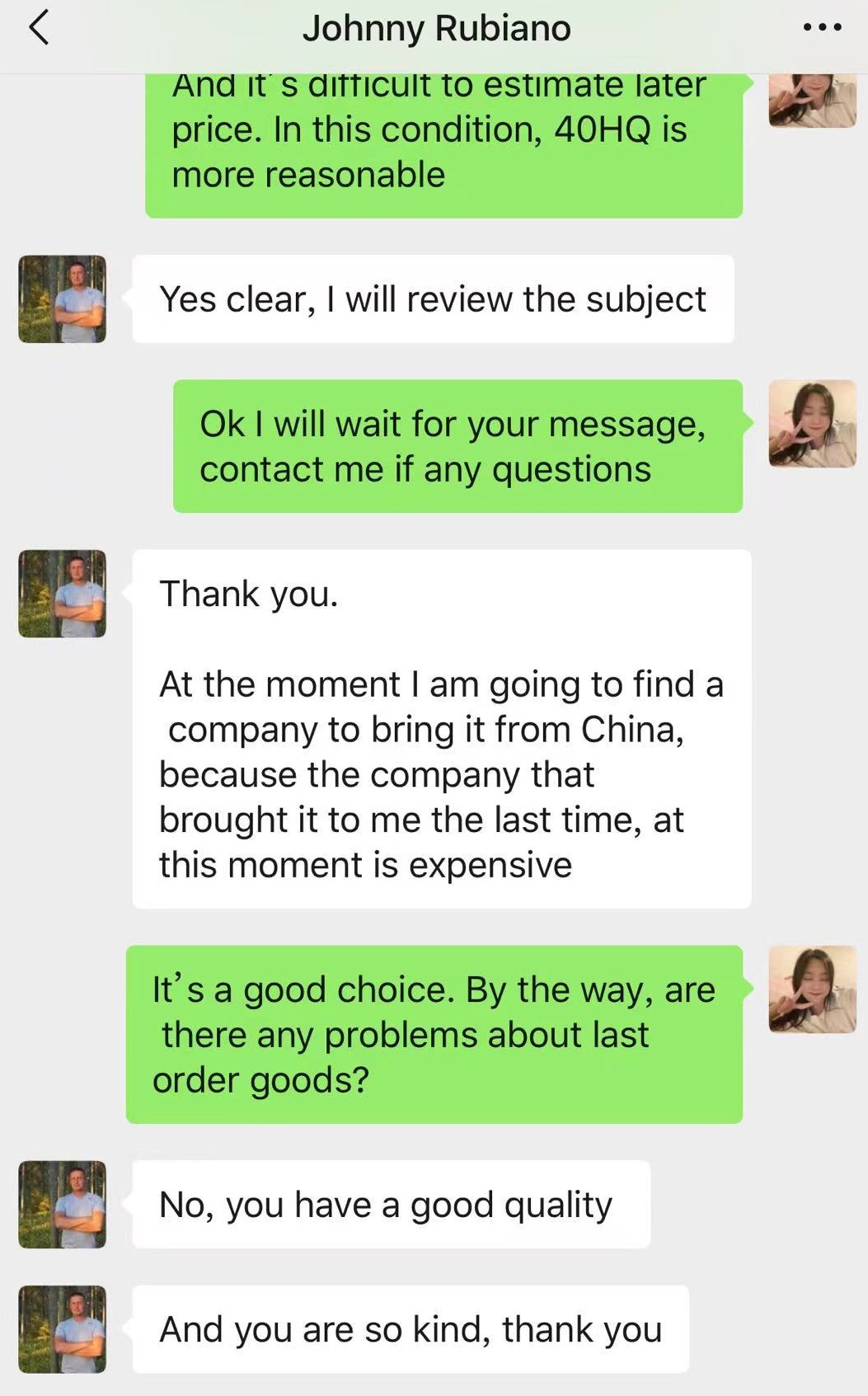
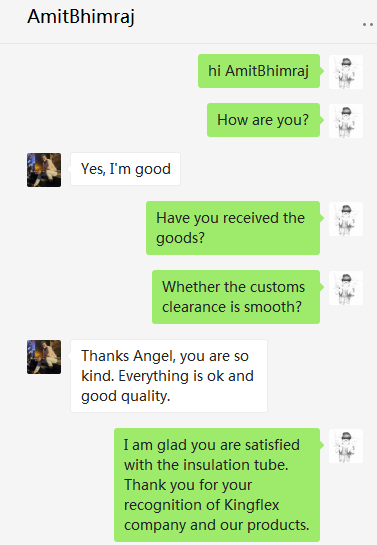
Transparency is key to building trust. Here are a few snapshots of real-time communication with international mechanical contractors confirming our material specifications and delivery times.
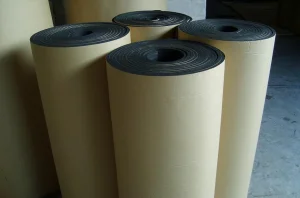
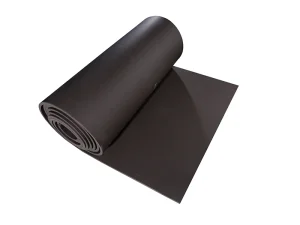
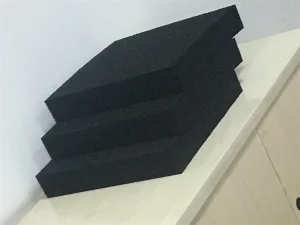
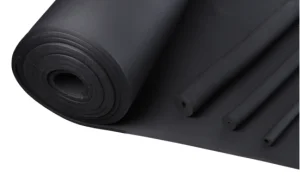
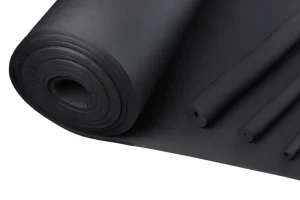
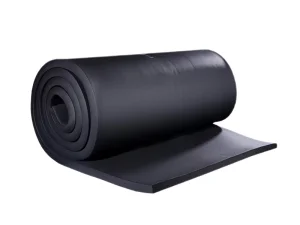
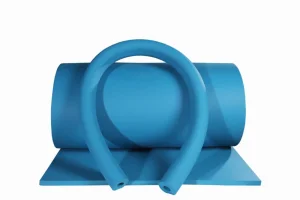
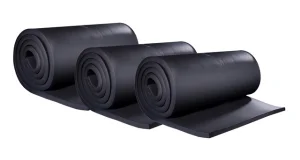
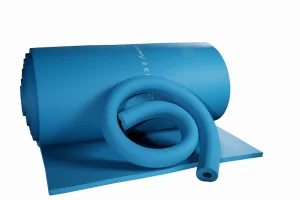
Our sheet rolls are optimized for large-diameter pipes, ventilation ducts, and storage tanks. By foaming uniformly, we guarantee a closed-cell rate exceeding 98%.
Material Matrix: Elastomeric NBR/PVC blend with integrated flame retardant additives.
Thickness Range: 6mm to 50mm, allowing precision design in varied thermal zones.
Density Control: 40 to 55 kg/m³ to provide structural elasticity without crushing cell walls.
Acoustic Isolation: Helps damp low-frequency structural resonance in HVAC systems.
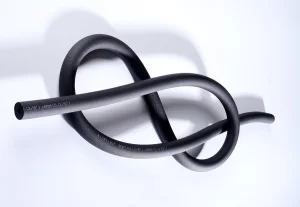
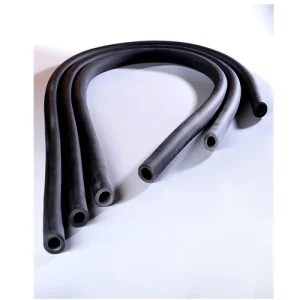
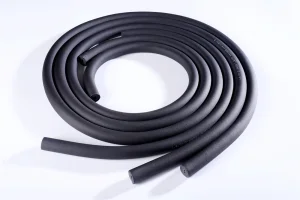
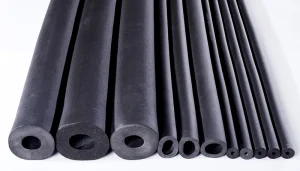
Engineered for direct installation on copper refrigeration pipes and carbon steel water lines, our tubes prevent ambient humidity from reaching cold metal surfaces.
Inside Diameter Range: 6mm to 114mm (compatible with international standard line sets).
Coating Consistency: Made using modern extrusion dies that ensure uniform wall thickness.
Elasticity: Over 80% compression recovery, simplifying installation around complex turns.
Condensation Safeguard: Significantly reduces moisture penetration risk, protecting metal from corrosion.
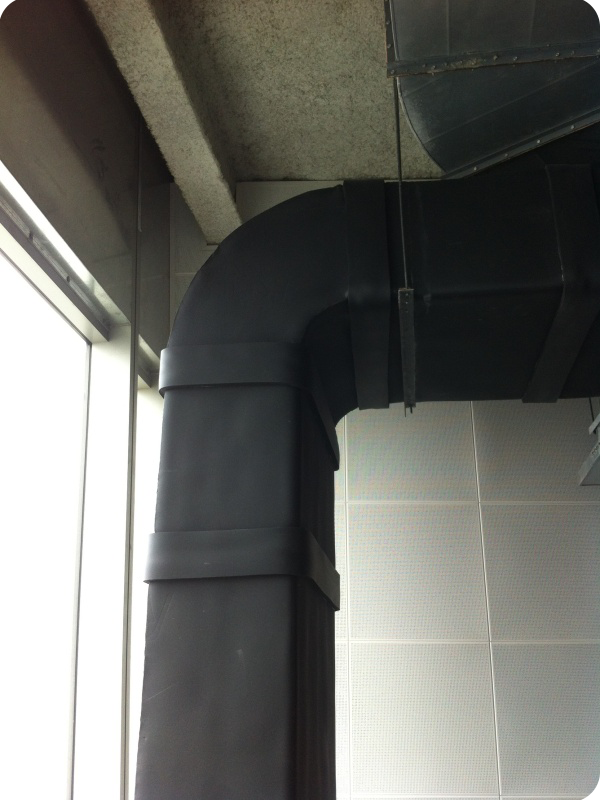
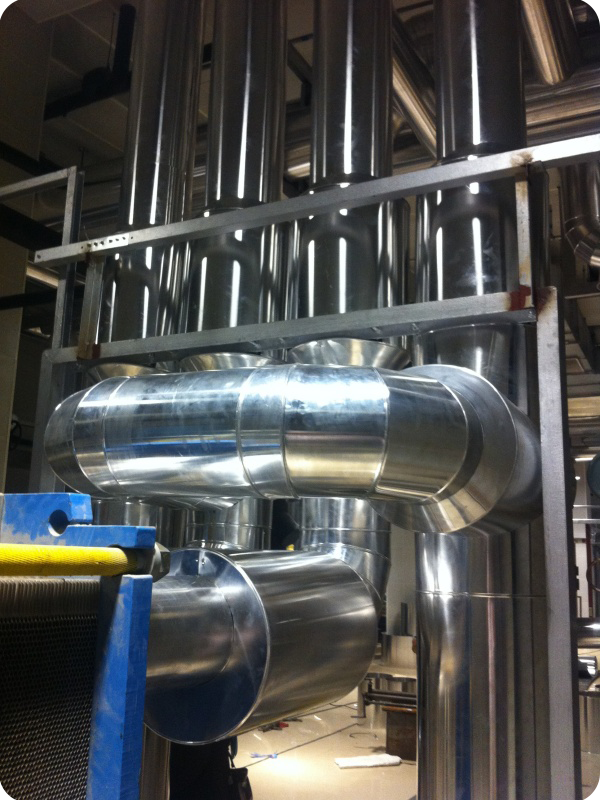
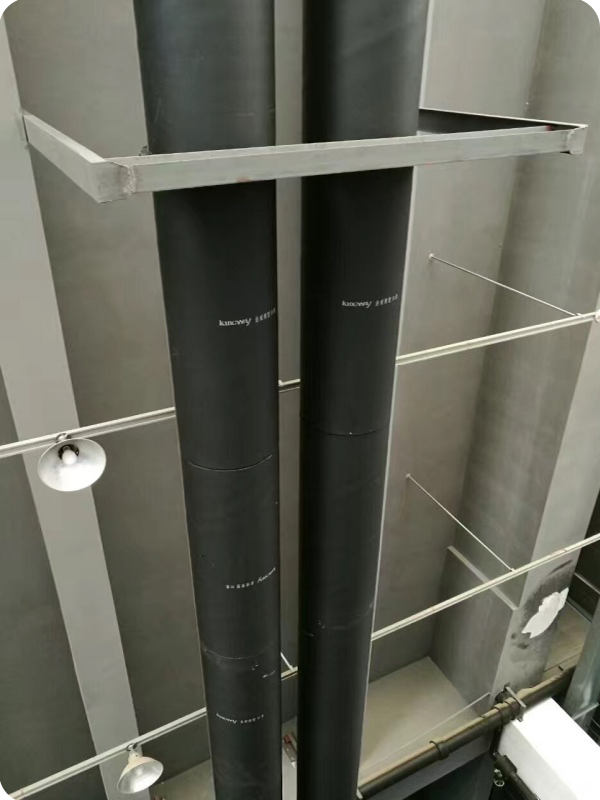
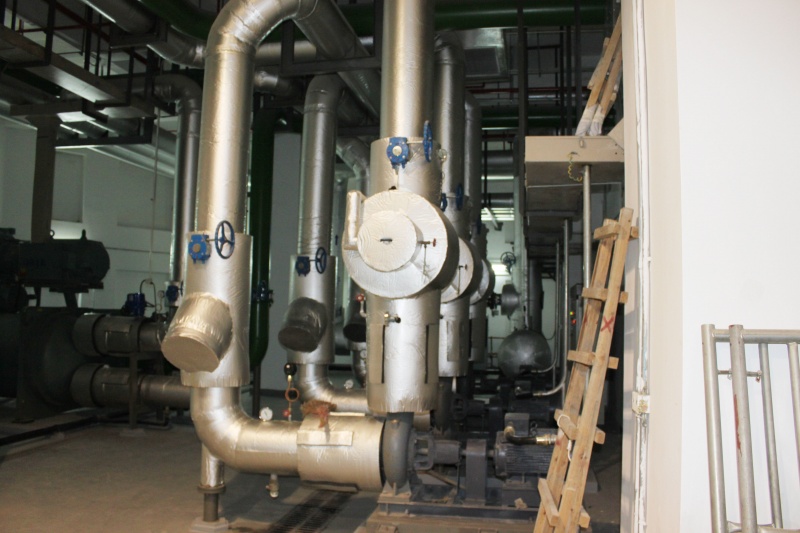
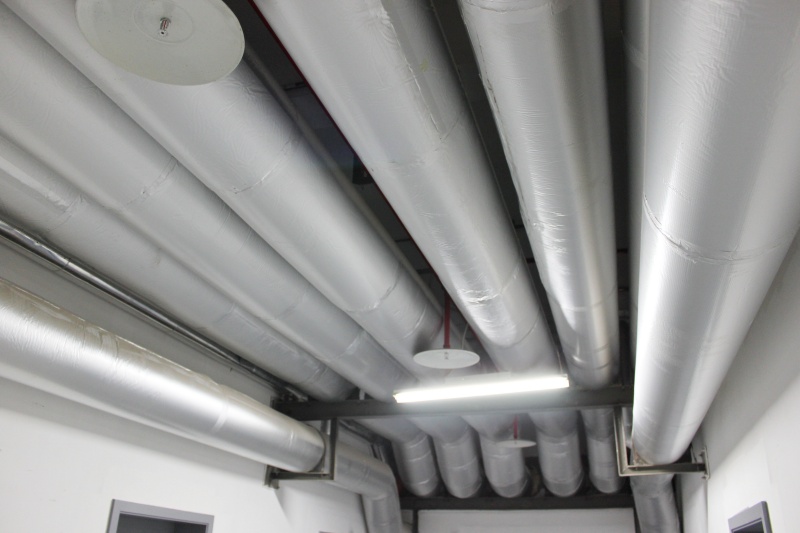
From modern commercial properties in Southeast Asia to cryogenic processing facilities in northern Europe, our materials are specified by structural engineering teams around the world. These case studies highlight the versatility of our insulation product lines:


The HVAC insulation sector is moving towards higher environmental and safety standards. At Kingflex, we align our R&D efforts with three major industry developments:
Traditional elastomeric materials release chlorine and bromine compounds during thermal decomposition. Our next-generation halogen-free sheet rolls prevent toxic gas emissions in the event of a fire, providing safety in public transport hubs and healthcare facilities.
As global temperatures rise, local energy codes are increasing minimum insulation thicknesses. Our manufacturing lines are configured to produce single-layer 50mm elastomeric sheets, eliminating the labor and material costs of multi-layer laminations on site.
We are actively researching bio-based polymers and glass wool structures with high recycled cullet content. This helps engineering projects meet circular economy requirements and minimize carbon footprints.
Common questions and technical clarifications regarding the use, certification, and customization of Kingflex elastomeric and fiberglass insulation products:
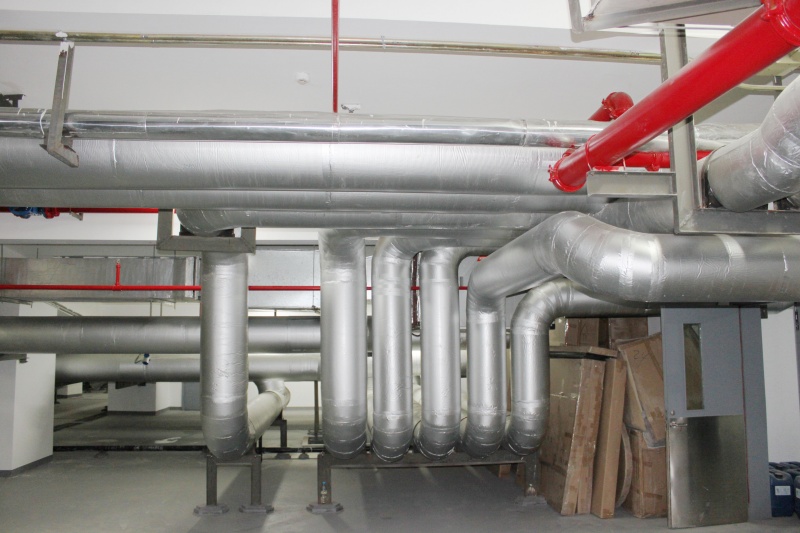
Complete your procurement cycle with our certified line of insulation sheets, tubes, and specialty products.