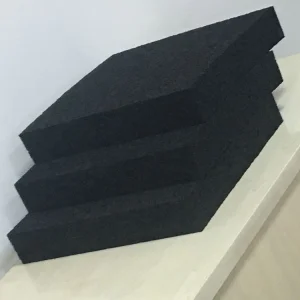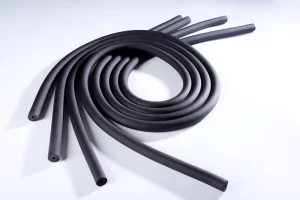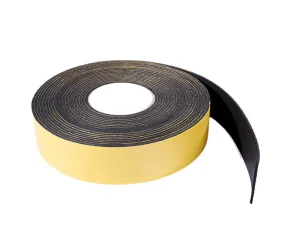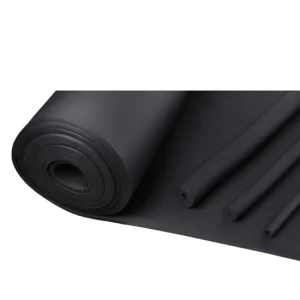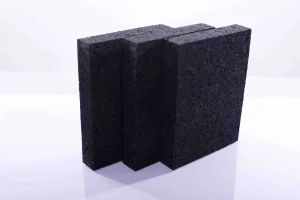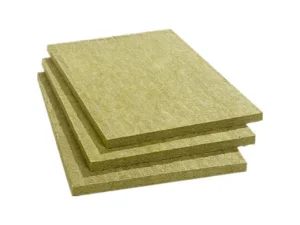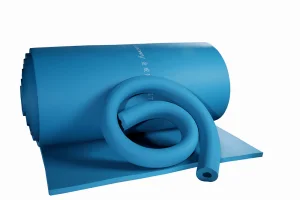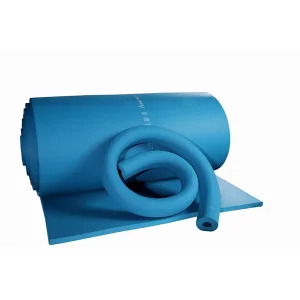
Explore our selection of commercial-grade insulation materials, designed to meet rigorous HVAC, refrigeration, and structural engineering specifications.
Understanding thermodynamic optimization, vapor permeance mechanics, and global infrastructure code standards.
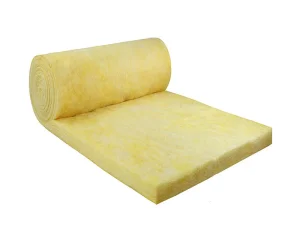
Glass wool felt with FSK (Foil-Scrim-Kraft) is a composite thermal control material engineered by bonding high-density glass fibers with a thermodynamic barrier wrap. The fiberglass base consists of fine, inorganic glass fibers woven into a high-tensile mesh matrix, offering low thermal conductivity and acoustic dampening. The FSK facing acts as a multi-layered barrier against moisture intrusion, chemical deterioration, and mechanical wear.
The structural makeup of the FSK facing is highly specialized:
In high-humidity environments, a vapor barrier is critical to prevent condensation on ductwork. When warm air meets cold ducts, moisture can condense inside the glass wool matrix. Without an FSK barrier, moisture accumulates, leading to microbial growth, loss of thermal resistance ($\lambda$-value degradation), and structural corrosion. The FSK jacket provides a low vapor permeance rating (typically less than 0.02 perm), protecting the integrity of the underlying insulation.
Analyzing vertical manufacturing integration, regional resource concentration, and global logistics capability.
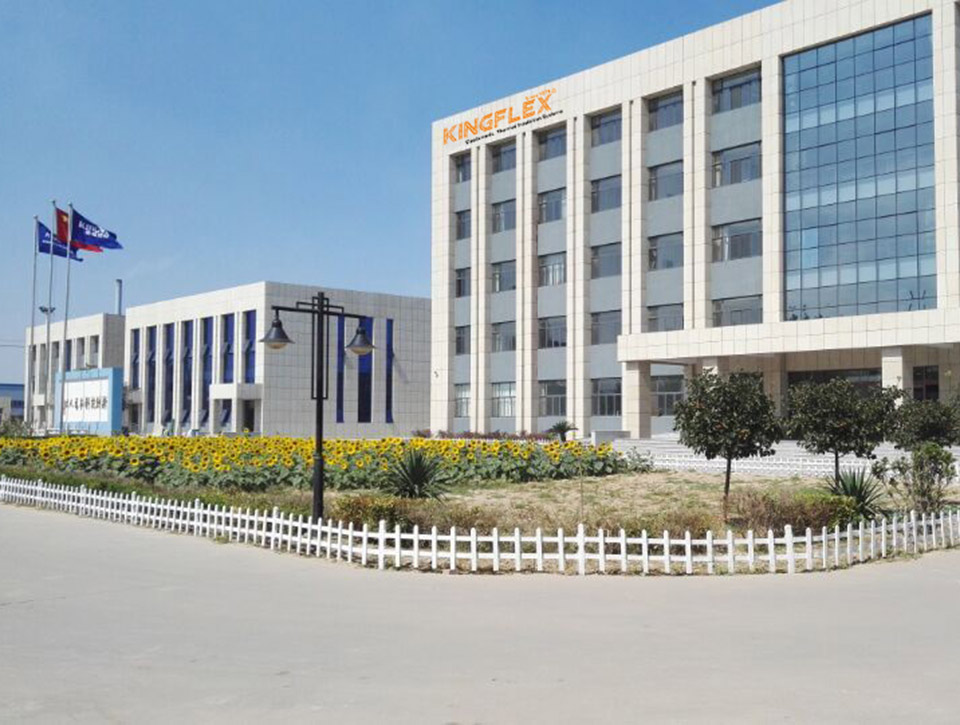
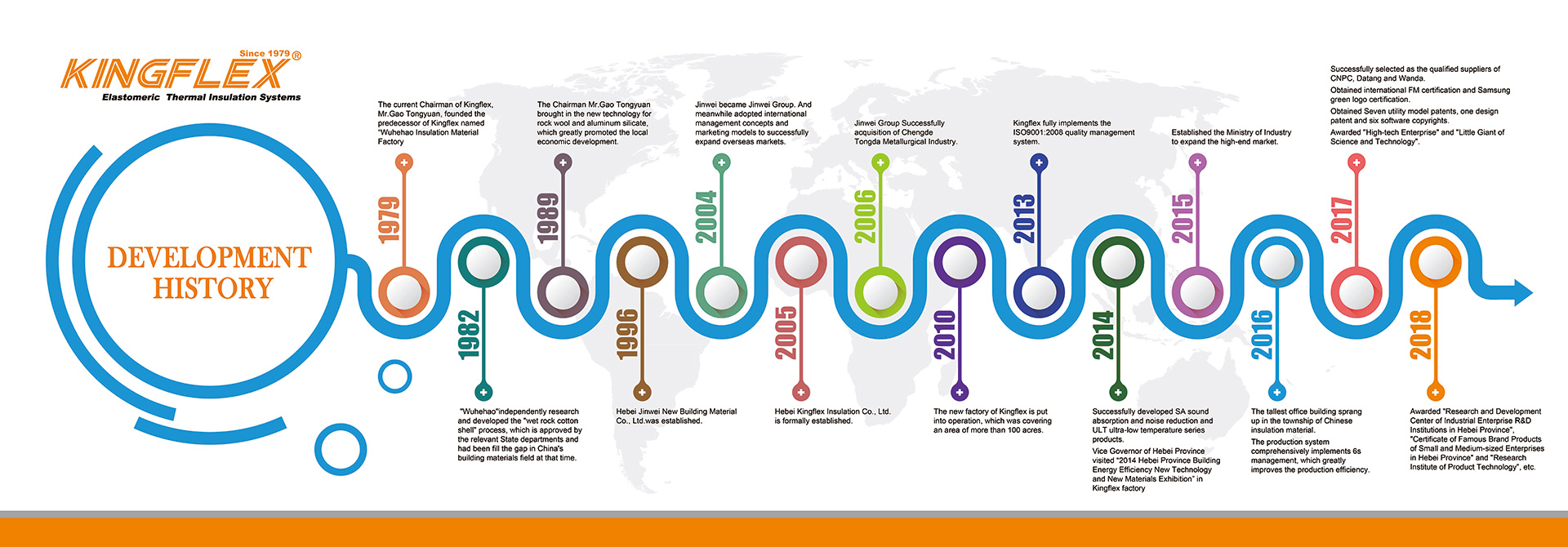
Kingflex Insulation Co., Ltd. operates in Dacheng, China—a hub for green building material manufacturing. Founded by the Jinwei Group, which holds a heritage dating back to 1979, Kingflex was the first manufacturer of thermal insulation materials north of the Yangtze River. Over the last four decades, the company has transitioned from regional supply to global distribution.
Today, Kingflex operates five large automated assembly lines, yielding an annual capacity of over 600,000 cubic meters. This scale allows us to maintain consistent material quality and supply security, meeting the requirements of national ministries, global engineering procurement groups, and municipal construction companies alike.
Technical performance specifications for Kingflex insulation materials across structural applications.
| Performance Property | Glass Wool with FSK Felt | NBR/PVC Elastomeric Foam | Rock Wool Board |
|---|---|---|---|
| Thermal Conductivity ($\lambda$ W/m·K) | 0.033 - 0.038 (at 25℃) | 0.031 - 0.035 (at 0℃) | 0.038 - 0.044 (at 25℃) |
| Service Temperature Limit | -120℃ to 400℃ | -40℃ to 105℃ | -260℃ to 650℃ |
| Fire Classification Standard | Class A (Non-combustible) | Class 1 / Class 0 (BS 476 Part 7/6) | Class A1 (Non-combustible) |
| Vapor Transmission Resistance | Low (Highly dependent on FSK jacket) | Outstanding ($\mu \ge 10,000$ closed cell) | High Permeability (Needs external vapor barrier) |
| Acoustic Absorption Coefficient | Excellent NRC (0.80 - 0.95) | Moderate Sound Barrier | Excellent Sound Attenuation |
| Key Applications | HVAC ducts, large-span ceilings | Chilled lines, HVAC/R pipe runs | High-temp furnaces, power plants |
In warm coastal regions, high relative humidity can cause condensation on air conditioning supply ducts. Combining Glass Wool with a reinforced FSK vapor barrier protects the building structure from dampness, rot, and mold growth.
Data centers require precise, uninterrupted temperature control. Glass wool felt with FSK is used to wrap main air supply plenums and ducting networks, reducing energy consumption and preventing condensation-induced electrical faults.
For airports, shopping malls, and hospitals, Class A fire protection is required. FSK-faced glass wool blocks provide fire protection and sound absorption, lowering the noise generated by air distribution fans.
Kingflex is committed to continuous R&D and quality control to ensure product reliability.
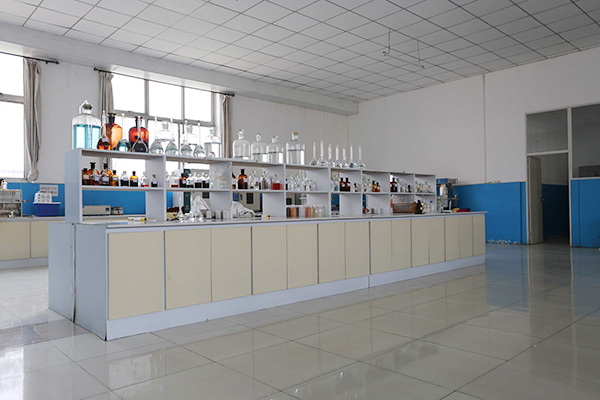
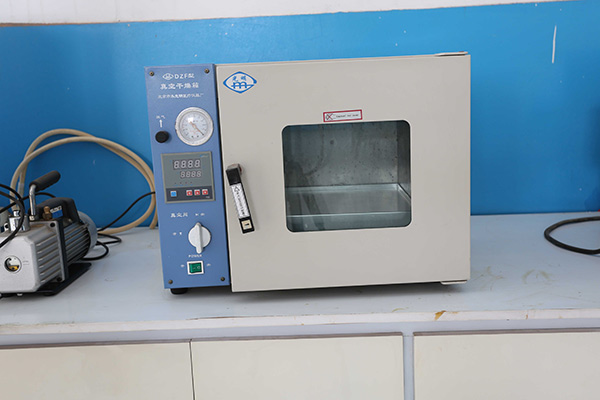
Our testing laboratory tracks raw material inputs through finished product output. We conduct regular testing for thermal conductivity, closed-cell ratios, shear strength, and smoke density to maintain consistent product standards.
Our facility operates an automated raw material feeding system. Standardizing the blending process for raw polymer and inorganic silicate minerals ensures uniform fiber distribution and cell structure across all batches.


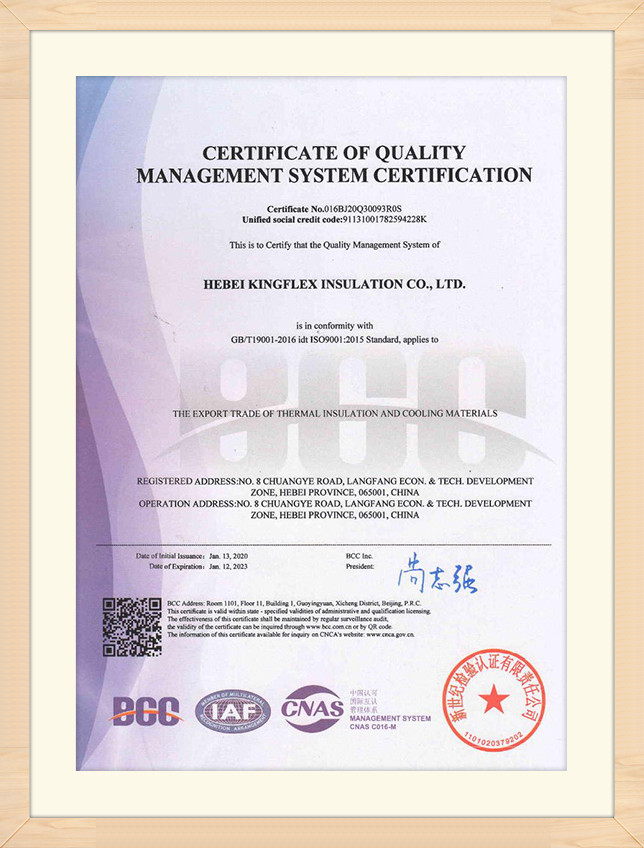
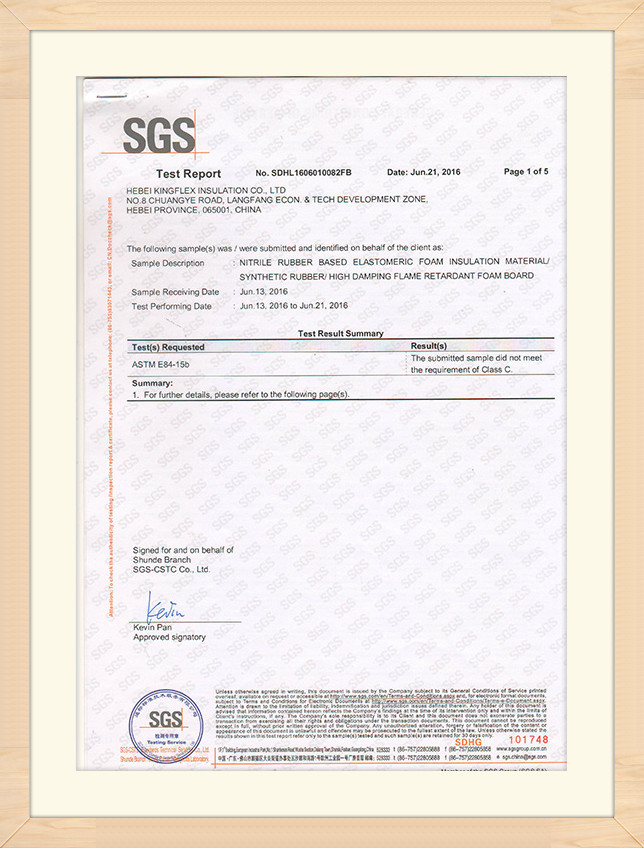
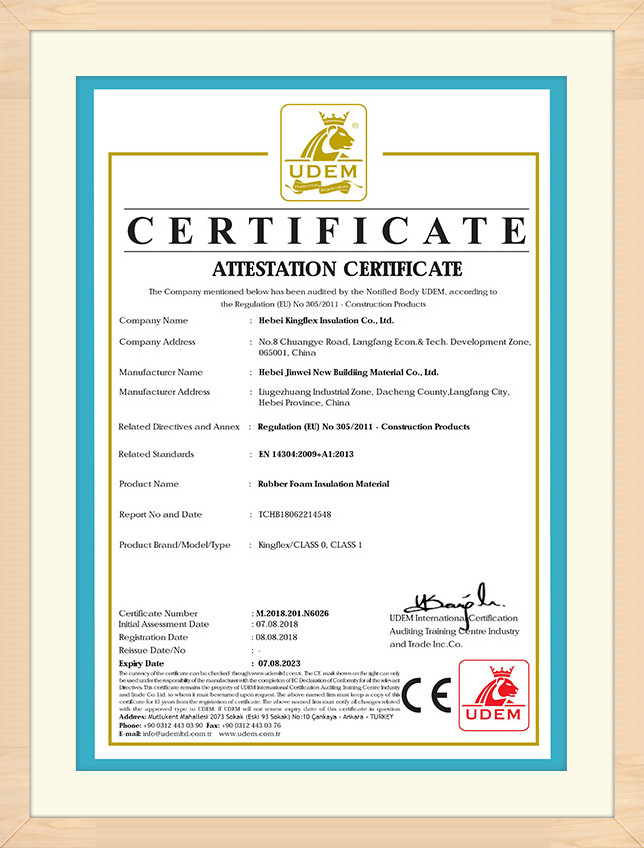
Kingflex materials are manufactured to comply with international regulations, including BS 476 fire safety protocols, CE European conformity standards, REACH, ROHS, and UL94 flammability ratings.


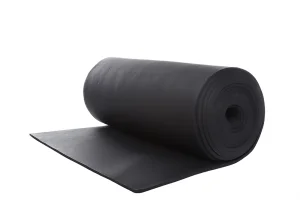
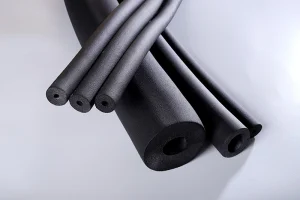
Material dimensions, temperature ranges, and physical properties for Kingflex core product lines.
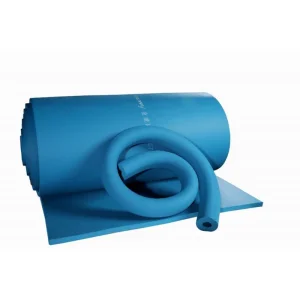
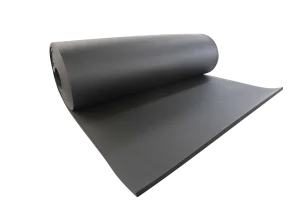
| Material | NBR/PVC Elastomeric Foam |
| Thickness | 6mm - 50mm |
| Density Range | 40 - 55 kg/m³ |
| Service Temperature | -40℃ to 105℃ |
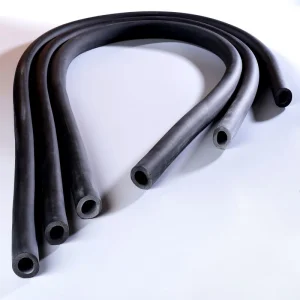
| Material | NBR/PVC Elastomeric Foam |
| Wall Thickness | 9mm - 40mm |
| Inner Diameter (ID) | 6mm - 114mm |
| Service Temperature | -40℃ to 105℃ |

Find technical details on thermal performance, system configuration, and certification criteria below.
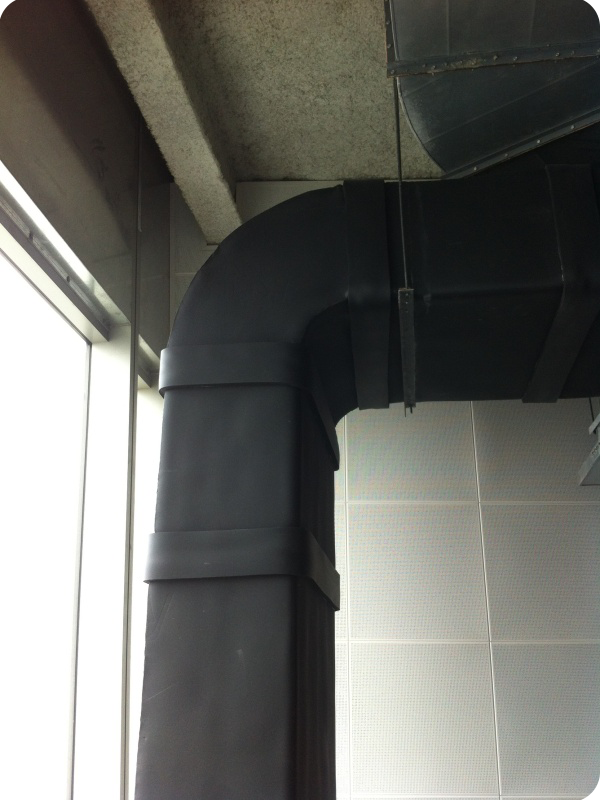
It is mainly used for HVAC ducts, air conditioning pipes, building thermal insulation, industrial pipeline cold insulation, and sound insulation in commercial systems.
Yes, our rubber foam insulation products contain flame-retardant additives, meeting building code safety standards for flame spread and smoke development limits.
Rubber foam has a flexible, closed-cell structure that resists moisture, making it suitable for HVAC and refrigeration lines. Rock wool has higher temperature resistance and is designed for high-temperature industrial steam lines.
Yes, we provide OEM manufacturing services, allowing for custom dimensions, varying densities, and custom foil facing systems.
Our products are tested to comply with international standards, including BS 476, CE, REACH, ROHS, UL94, and ASTM guidelines.
Yes, each batch of Kingflex insulation is labeled with a tracking number for material and quality control trace-back.
We produce elastomeric rolls in thicknesses ranging from 6mm to 50mm, matching standard mechanical specifications.
Under standard operating conditions within our specified temperature limits, our products provide an expected service life of 10 to 15 years.
FSK facing provides a vapor barrier and mechanical protection, preventing moisture from condensing inside the fiberglass matrix and maintaining its thermal performance.
Dacheng is an industrial cluster for green building materials, offering raw material access, concentrated production capacity, and streamlined logistics to lower overall manufacturing costs.
Explore our selection of glass wool, rock wool, and elastomeric foam insulation materials.