High-Performance Thermal Insulation under Global Green Building Frameworks
Modern architectural engineering demands structural envelope materials that balance thermodynamic efficiency with long-term ecological sustainability. In the context of global climate mitigation strategies, building insulation materials are no longer evaluated solely on initial thermal resistance values. They are now scrutinized based on life-cycle assessment (LCA), ozone depletion potential (ODP), global warming potential (GWP), and volatile organic compound (VOC) emissions profiles. Kingflex closed-cell elastomeric NBR/PVC foam products represent a sophisticated engineering solution, designed to achieve maximum carbon-reduction points under LEED, BREEAM, DGNB, and the domestic China Green Building Evaluation Standard (GB/T 50378-2019).
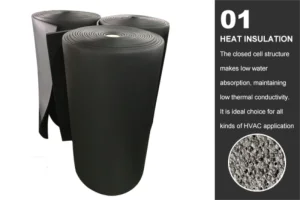
Key Industry Standard Alignment: High-density elastomer formulations from Kingflex maintain a closed-cell ratio exceeding 98%. This high ratio functions as a continuous thermodynamic barrier, significantly minimizing moisture ingress and mitigating the risks associated with Corrosion Under Insulation (CUI) in chilled-water and industrial process pipe networks.
Global Enterprise Procurement Demands
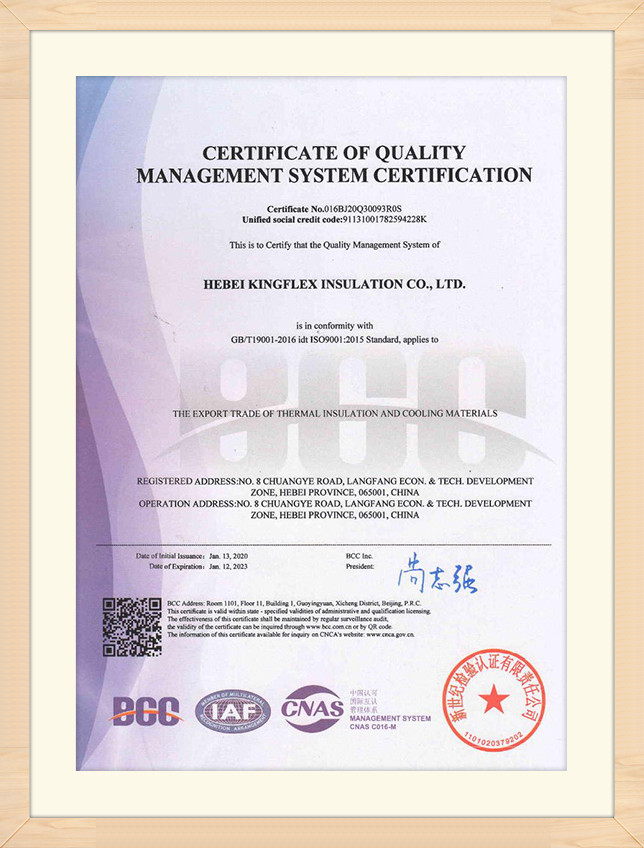
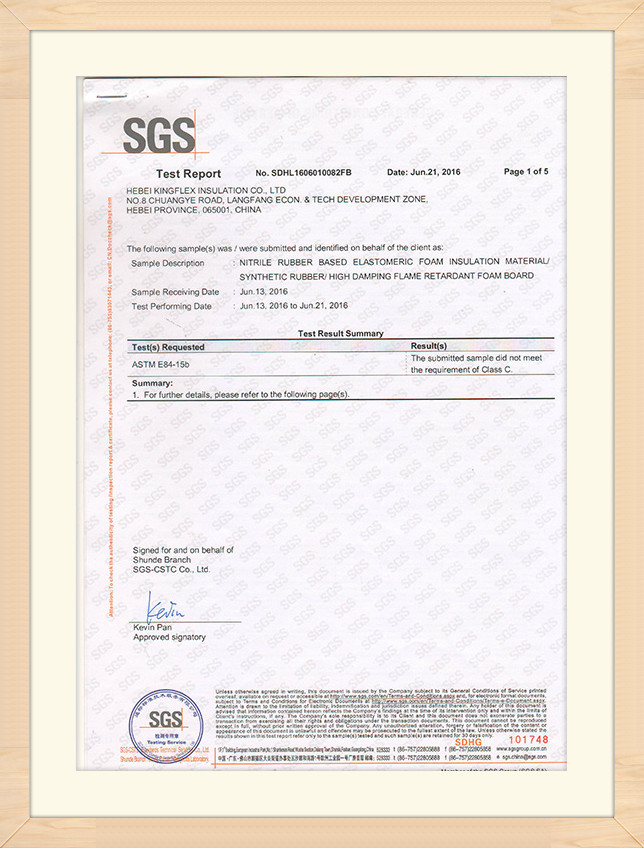
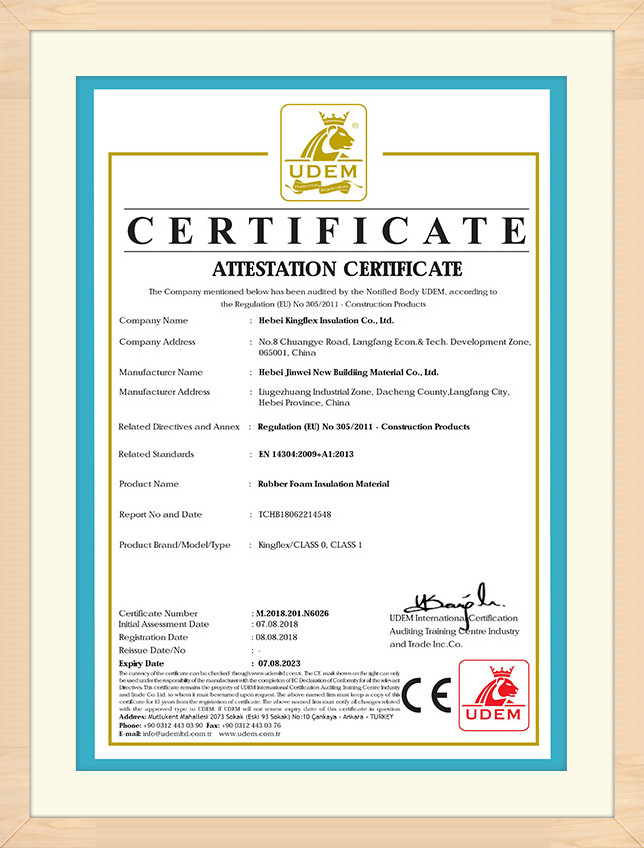
For international Engineering, Procurement, and Construction (EPC) contractors, securing suppliers that satisfy green building certifications involves managing complex supply-chain compliance. Enterprise procurement matrices prioritize materials with third-party verified environmental declarations. Kingflex supports global sustainable purchasing objectives by offering thermal insulation systems certified under BS 476, CE, REACH, RoHS, UL94, and ASTM standards. This verification guarantees that our products do not release harmful halogenated compounds, formaldehyde, or heavy metals during operational lifespans, meeting stringent indoor air quality (IAQ) and safety protocols.
Macro-Level HVAC and Process Pipe Solutions
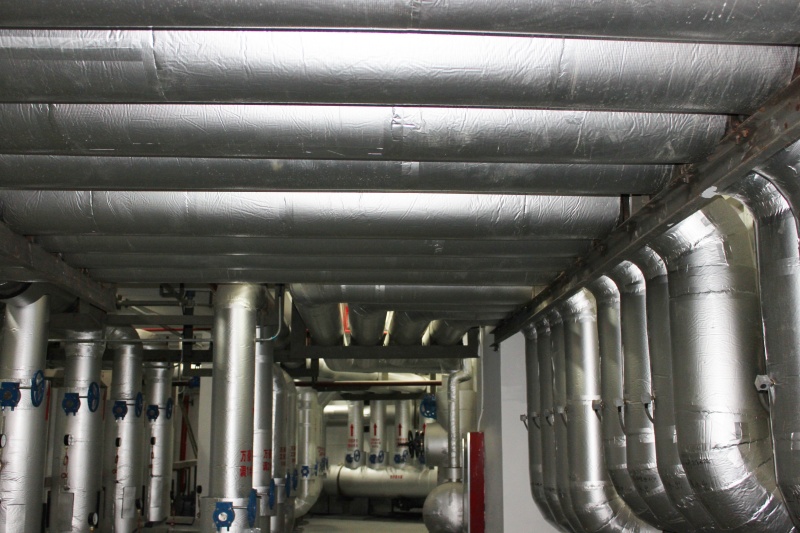
In large-scale commercial, institutional, and industrial facility developments, heating, ventilation, and air conditioning (HVAC) systems can consume up to 40% of a building's operational energy. Proper insulation of air distribution ducts, chilled-water pipes, and steam lines is essential to limit heat gain and loss. Our premium NBR/PVC elastomer foam boards and pre-formed pipe sections ensure thermodynamic stability, maintaining low thermal conductivity (λ ≤ 0.034 W/m·K at 0°C) across operational temperature envelopes ranging from -40°C up to 105°C. For industrial environments, these systems prevent surface condensation and minimize thermal bridging, protecting building infrastructure from systemic degradation.
Kingflex products are manufactured under strict environmental controls, prioritizing minimized energy consumption and reduced raw material waste in our assembly lines.
BS 476CE MarkREACHRoHSUL94ASTM
Industrial Scaling
With 5 automated production lines operating at our Dacheng manufacturing hub, we provide global logistics infrastructure and volume capacities to support major engineering projects.
600,000 m³
Annual Production Output Capacity
40+ Yrs
Industrial History
66+
Exporting Countries
5 Lines
Automatic Assembly
98%+
Closed Cell Rate
Corporate Legacy & Production Capability
Providing reliable global supply chains for architectural and industrial projects
Kingflex Insulation Co., Ltd.
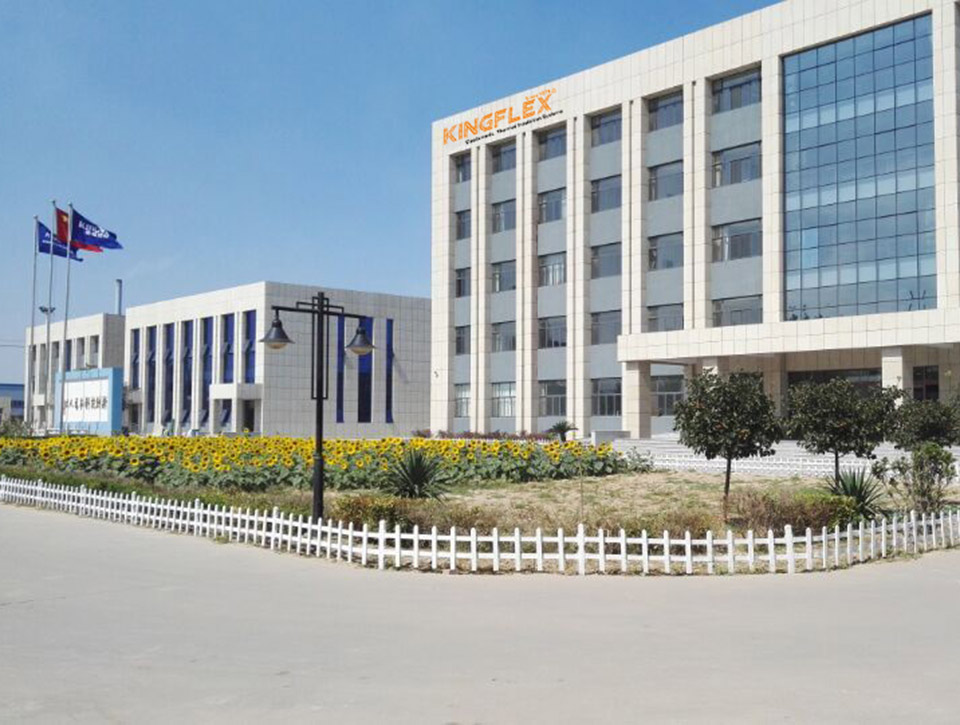
Kingflex Insulation Co., Ltd. is a specialized manufacturing and trading consortium dedicated to high-performance thermal insulation systems. Our research, development, and advanced manufacturing operations are situated in Dacheng, China—a recognized hub for green-building material production. As an energy-efficient enterprise, Kingflex focuses on research and development, manufacturing, and commercial distribution of sustainable products.
Our core philosophy centers on minimizing operational energy consumption and environmental impact. We deliver integrated insulation solutions encompassing technical consultation, specialized R&D, manufacturing quality control, and post-sale field support to advance insulation technologies worldwide.
Our Historical Foundation
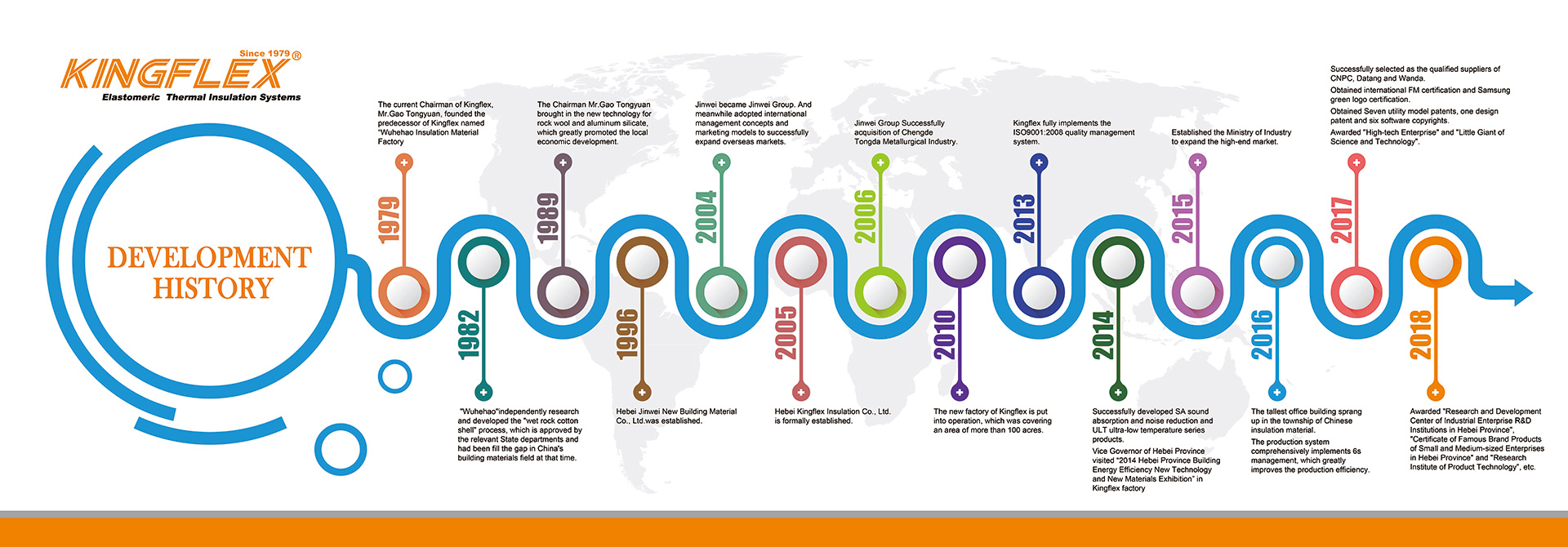
Kingflex was established by the Jinwei Group (also known as the Kingway Group), which has a heritage spanning more than 40 years. Founded in 1979, the group was one of the earliest thermal insulation material manufacturers established north of the Yangtze River, contributing decades of manufacturing expertise to modern elastomeric formulations.
State-of-the-art manufacturing plant executing automated compounding, extrusion, and expansion processes.
Experienced R&D Team
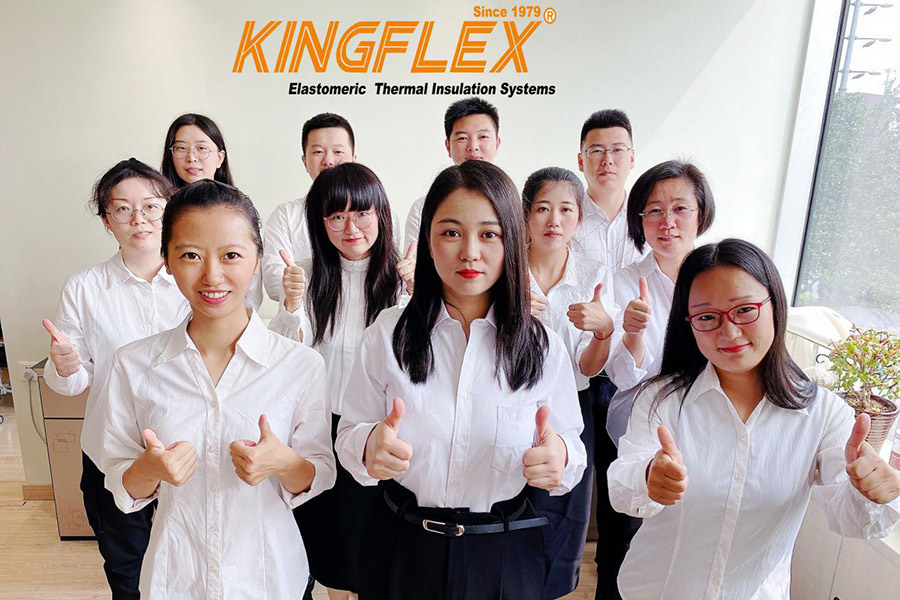
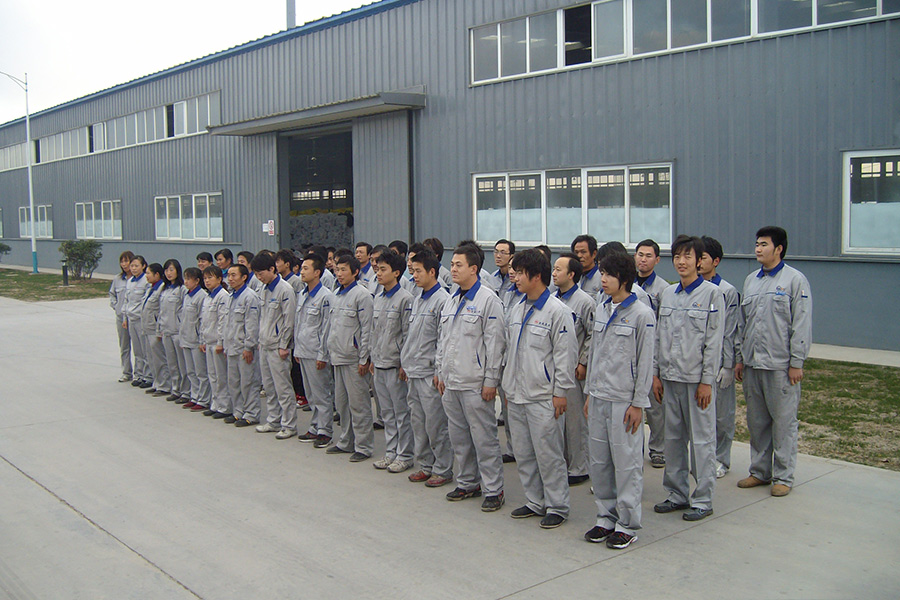
Our team consists of 8 professional engineers in the R&D Department, 6 international sales specialists, and 230 manufacturing staff, all working together to deliver consistent quality and service to our clients.
Quality Assurance
We are a designated production enterprise certified by the Ministry of Energy, the Ministry of Electric Power, and the Ministry of Chemical Industry, ensuring adherence to national regulatory guidelines.
Technical Solutions
We supply thermal insulation, cold insulation, and noise reduction systems tailored for buildings and industrial facilities, helping to reduce operational emissions.
Technical Performance Profiles
Precision formulations for complex thermal environments
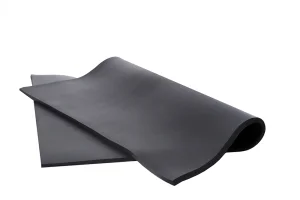
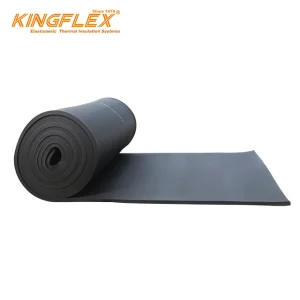
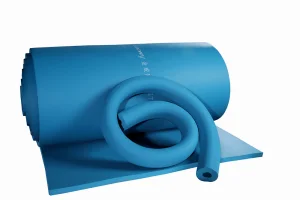
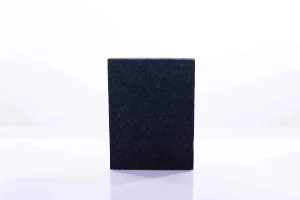
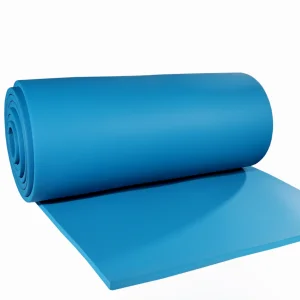
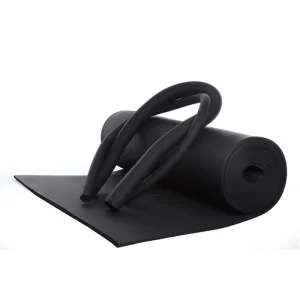
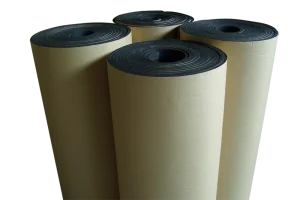
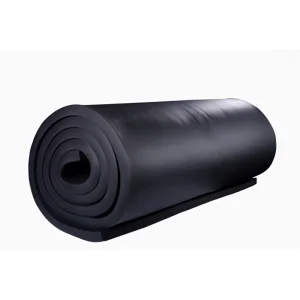
Black Rubber Foam Insulation Sheet Roll
Material base: NBR/PVC elastomeric compound.
Available thickness options: 6mm to 50mm.
Material density: 40 to 55 kg/m³.
Service temperature: -40°C to 105°C.
Key Advantages:
Homogeneous expansion structure with closed-cell rates exceeding 98%.
Resilience recovery exceeding 80% under compression load.
Flame-retardant formulation designed to self-extinguish.
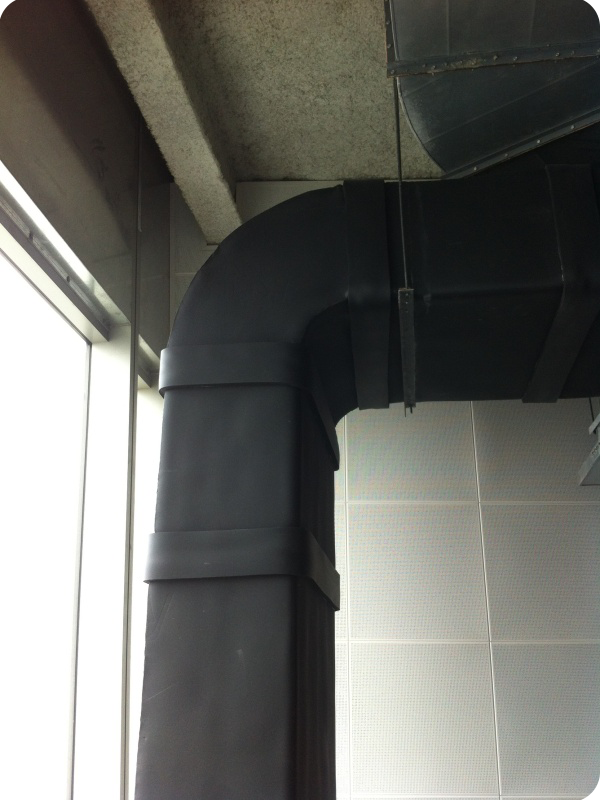
Typical Applications: Air distribution ducts, building envelope wall and roof components, mechanical equipment insulation, storage tanks, and rail carriage structures.
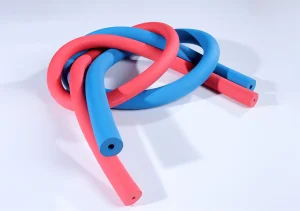
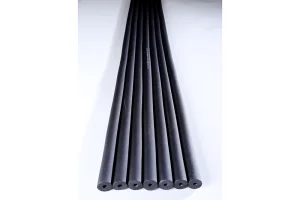
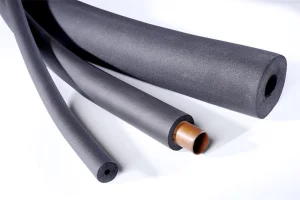
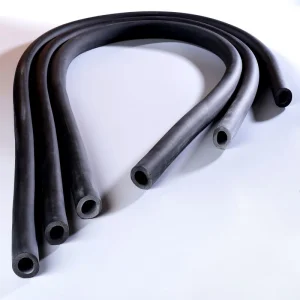
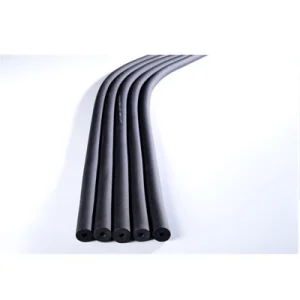
Black Rubber Foam Insulation Pipe / Tube
Material base: NBR/PVC elastomeric compound.
Wall thickness options: 9mm to 40mm.
Inner diameter (ID) range: 6mm to 114mm.
Material density: 40 to 55 kg/m³.
Service temperature: -40°C to 105°C.
Key Advantages:
Uniform pipe profiles manufactured via extrusion.
Precise inner-diameter control for close contact with copper and steel pipes.
Reduces thermal loss and condensation risks on chilled water lines.
Helps protect piping systems from freeze damage in low temperatures.
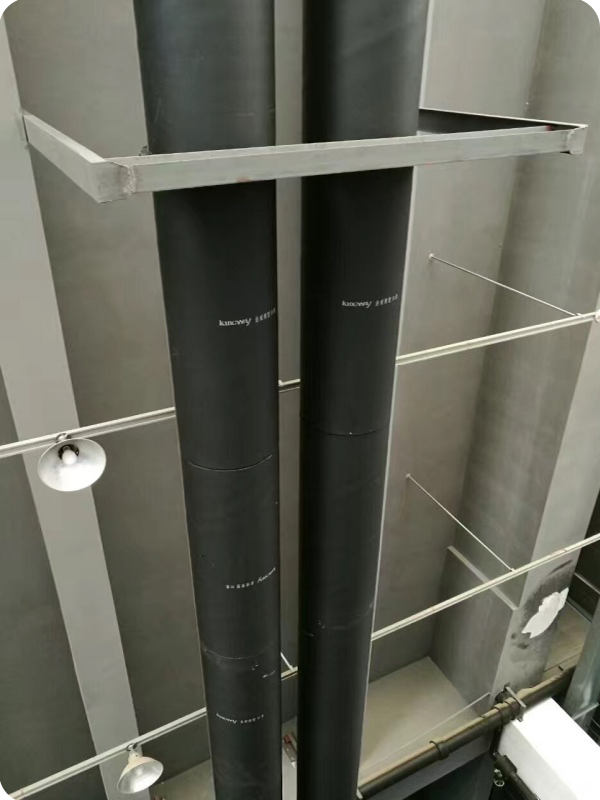
Typical Applications: Central air conditioning chilled water lines, domestic hot and cold water pipes, refrigeration plant piping, and process chemical pipe runs.
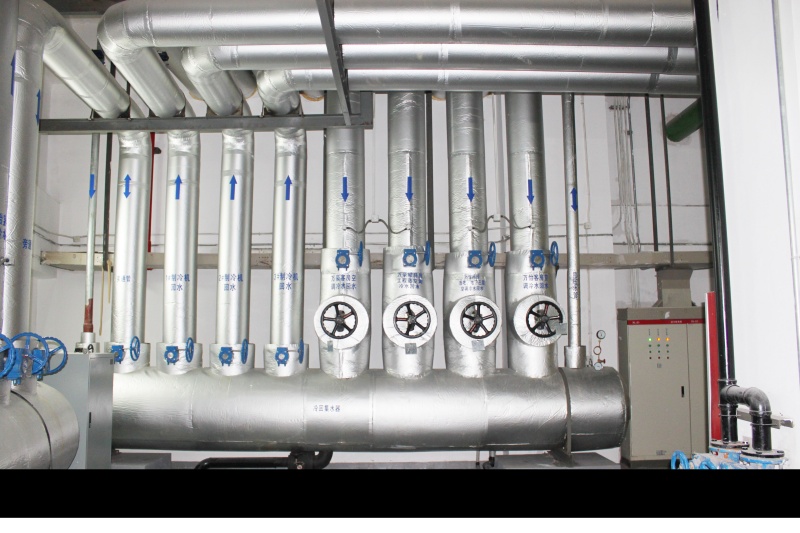
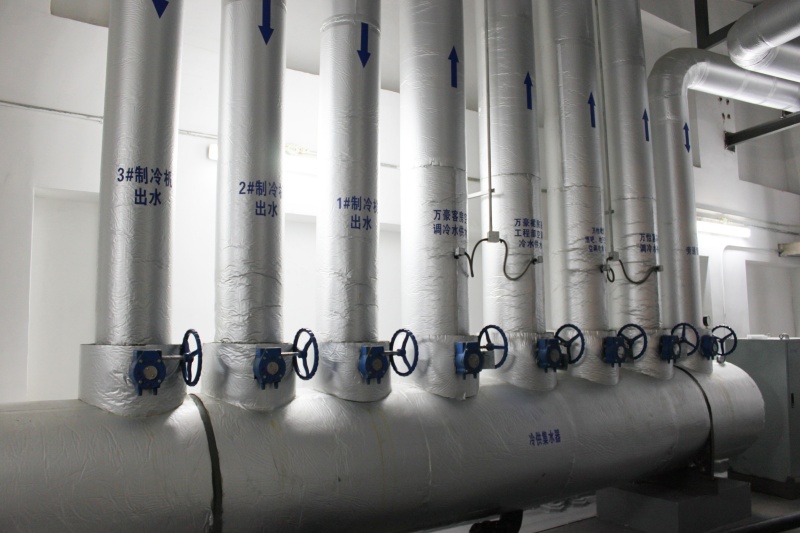
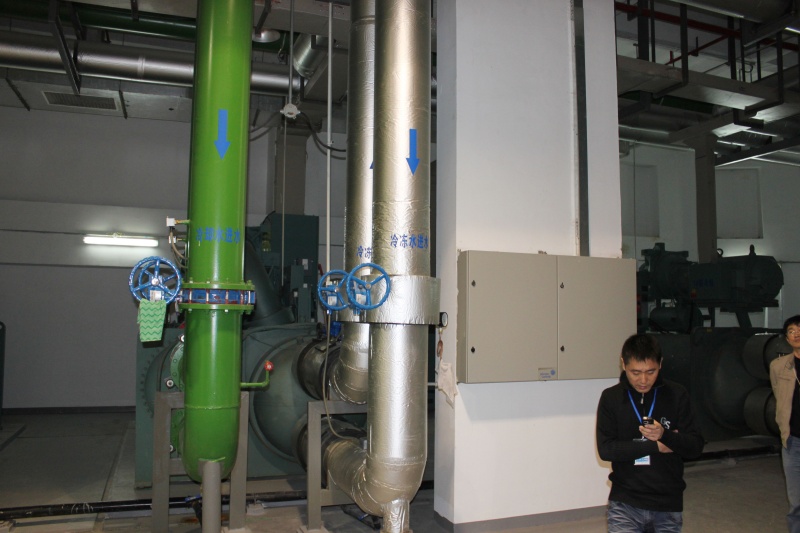
Project Applications & Manufacturing Site Evidence
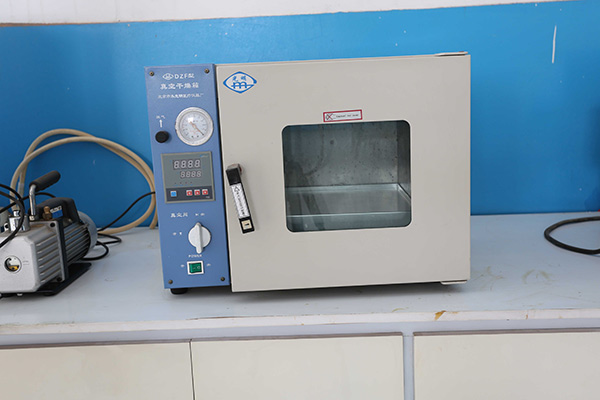
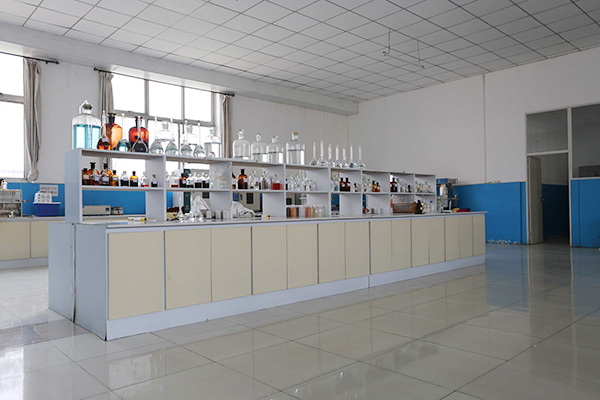
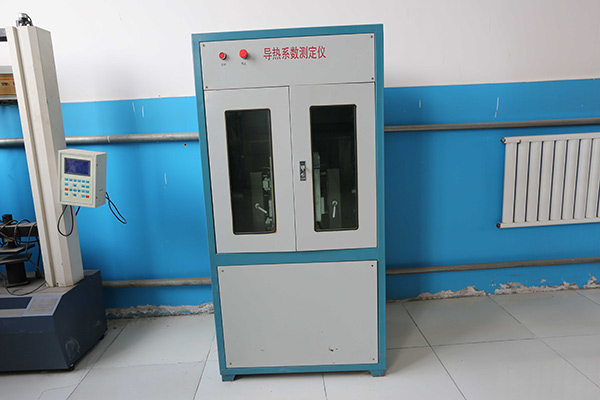
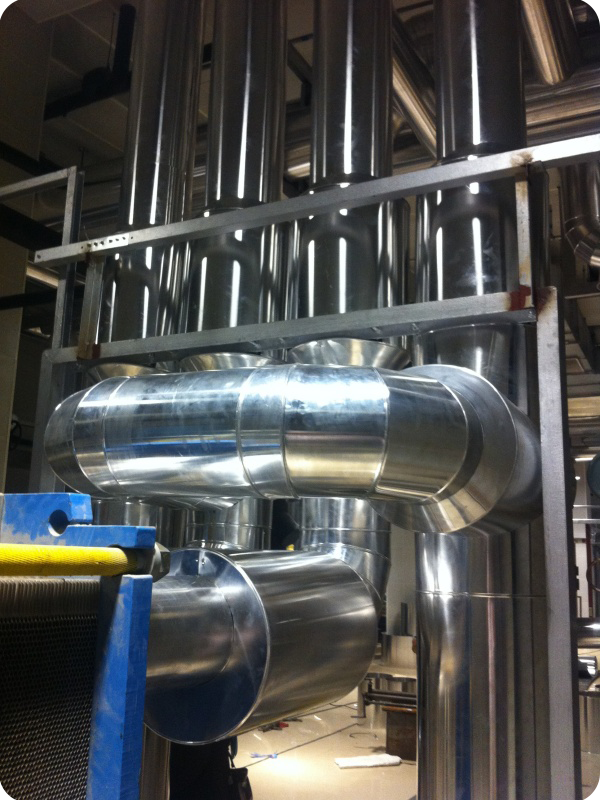
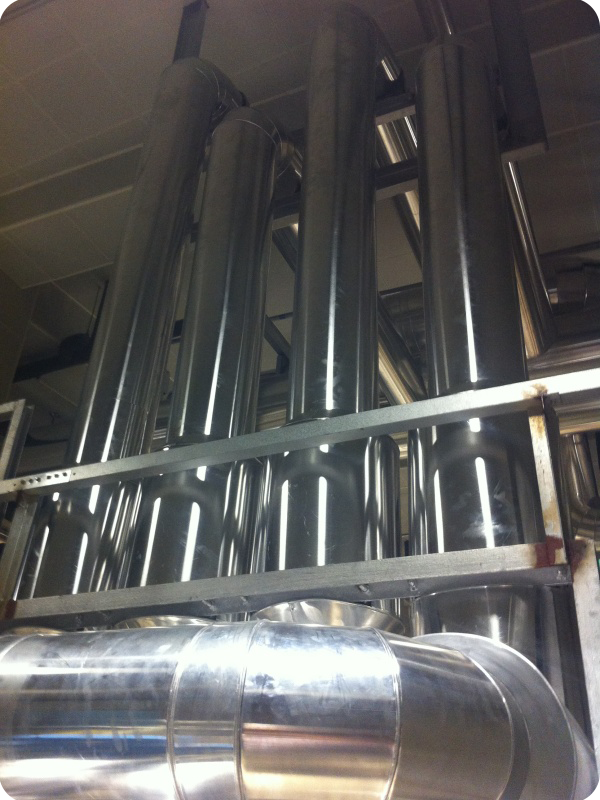
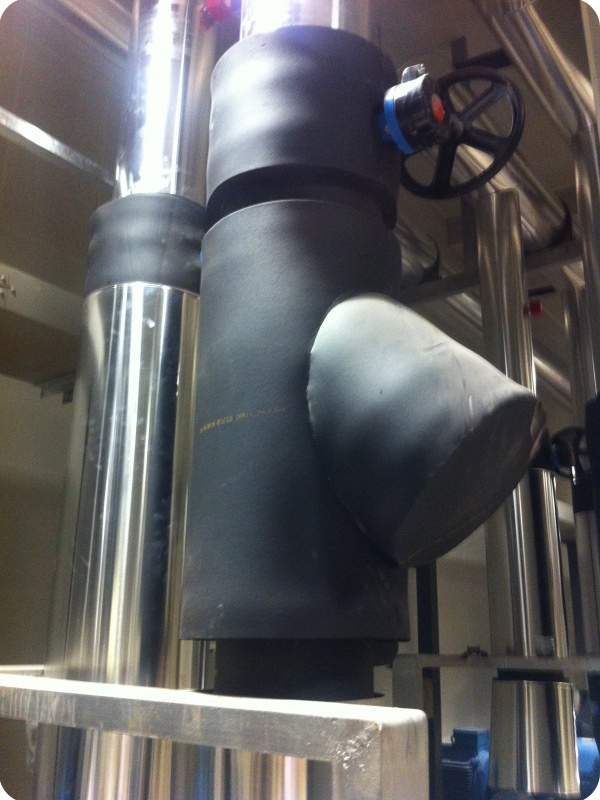
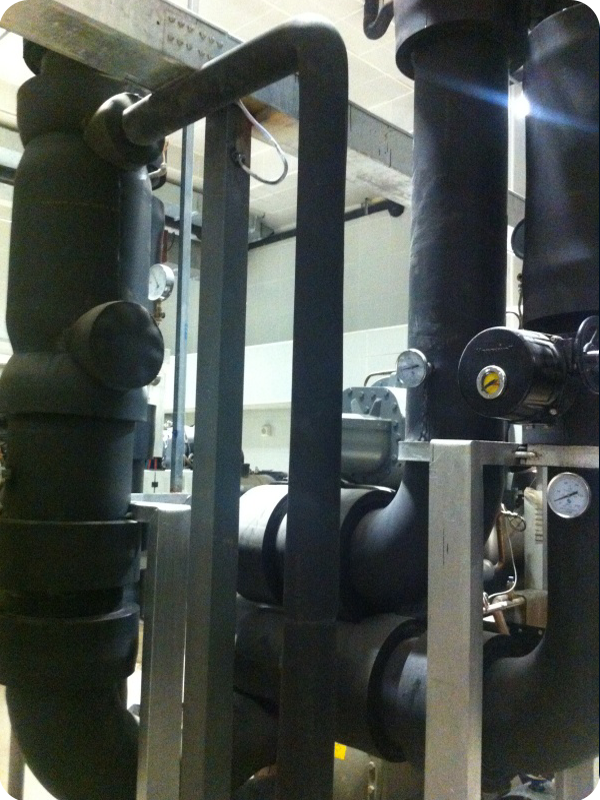
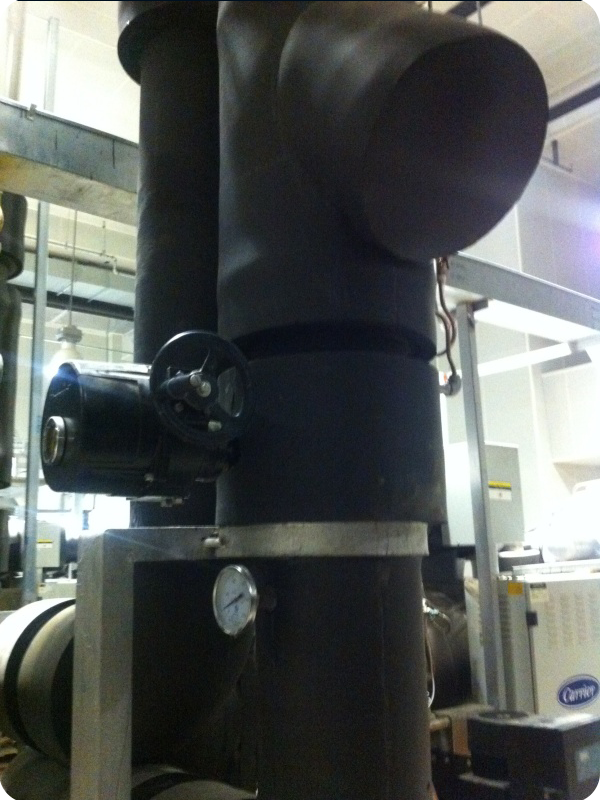
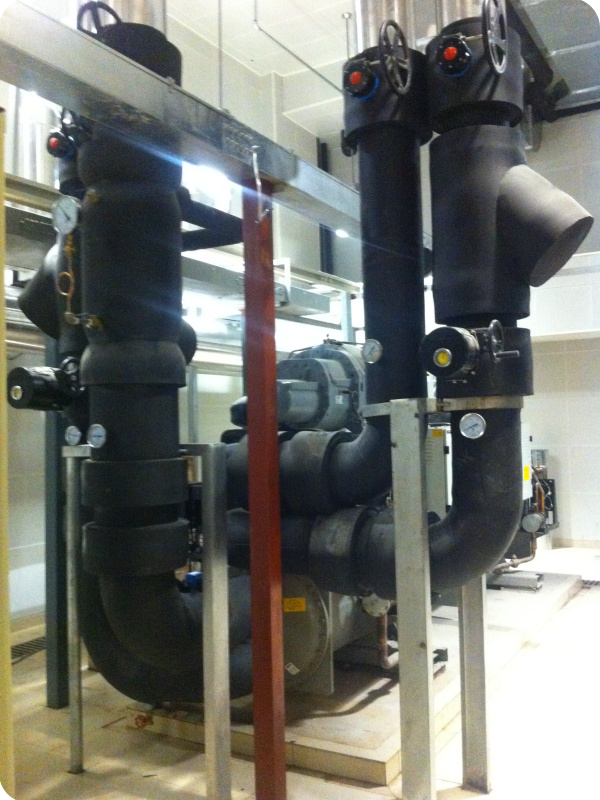
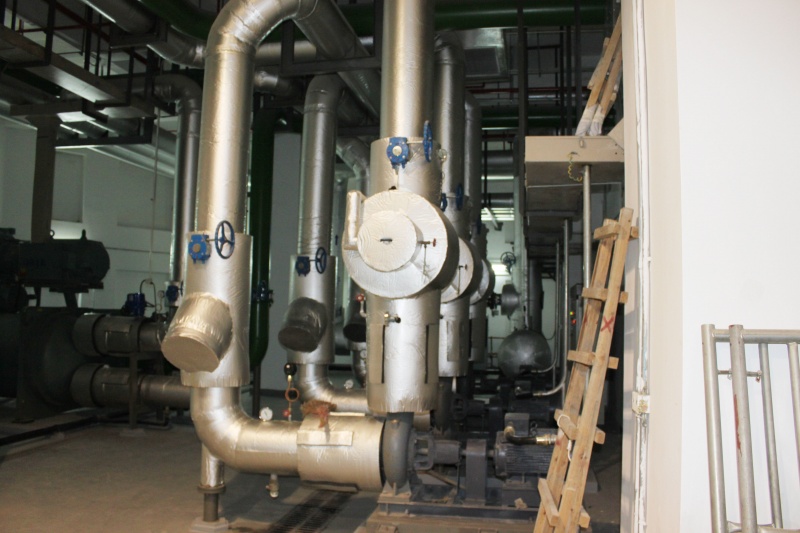
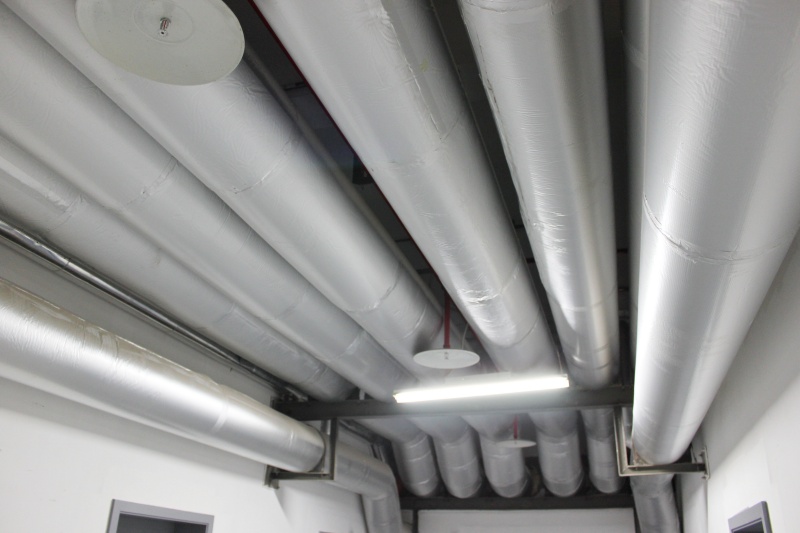
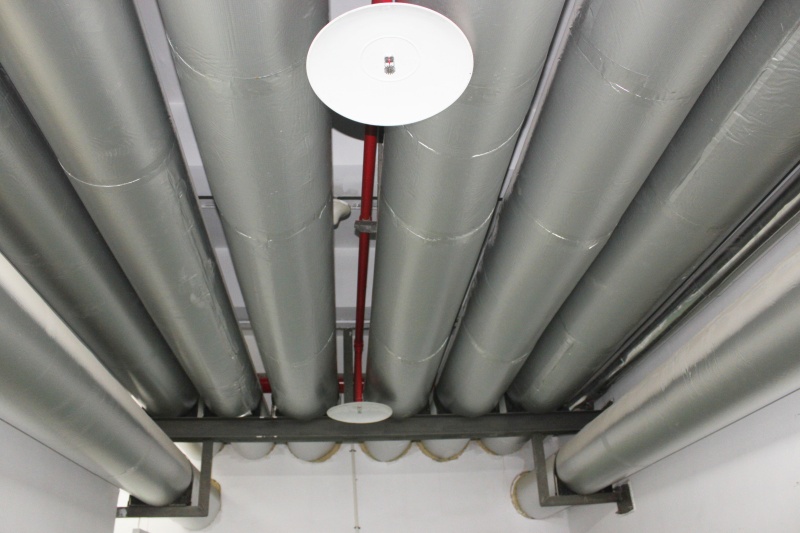
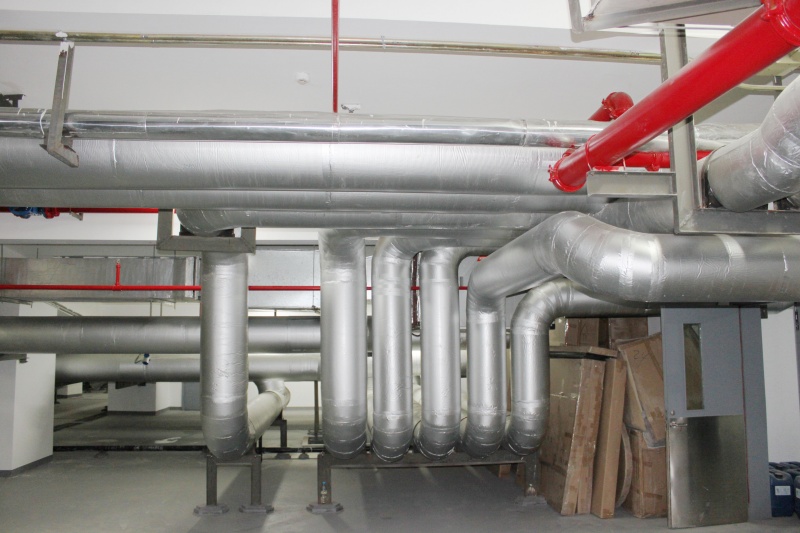
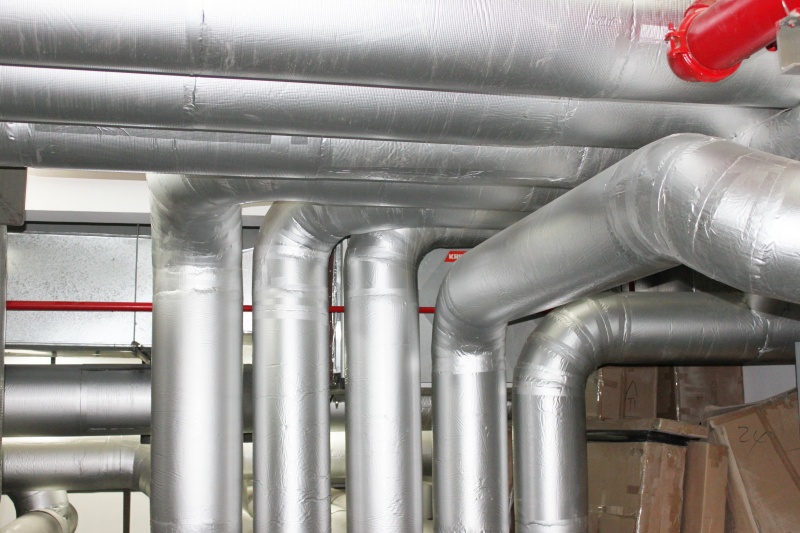
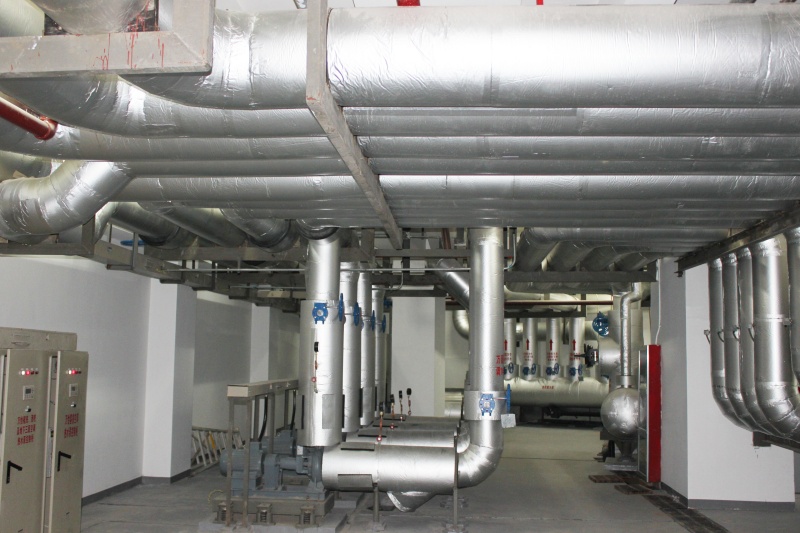
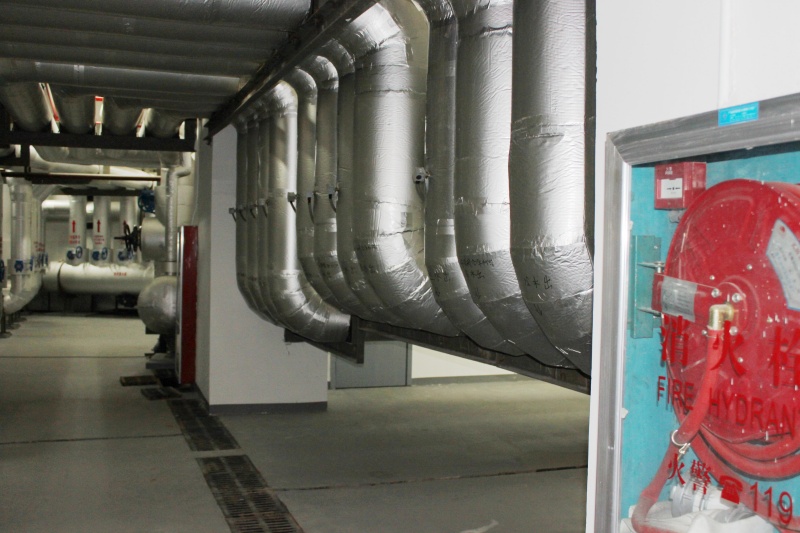
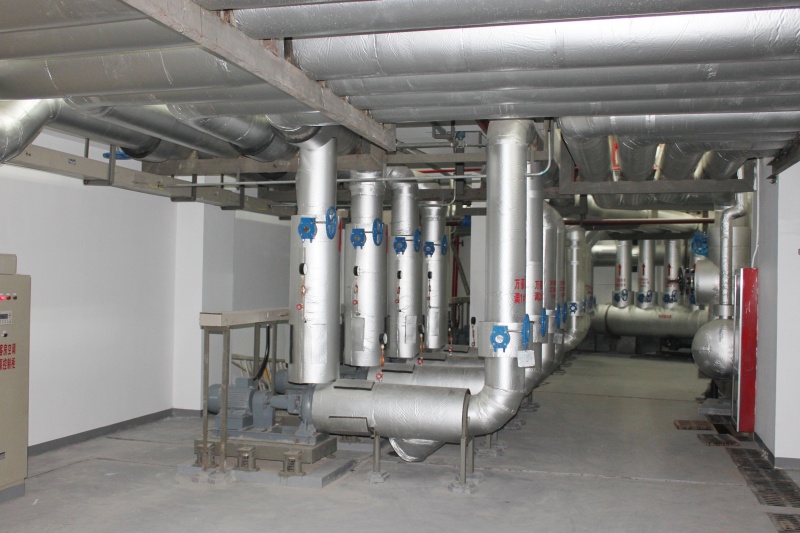
Our insulation systems are implemented in mechanical and thermal projects internationally. Below is a overview of our product application details, material testing, and logistical processes:
Commercial Validation & Quality Traceability
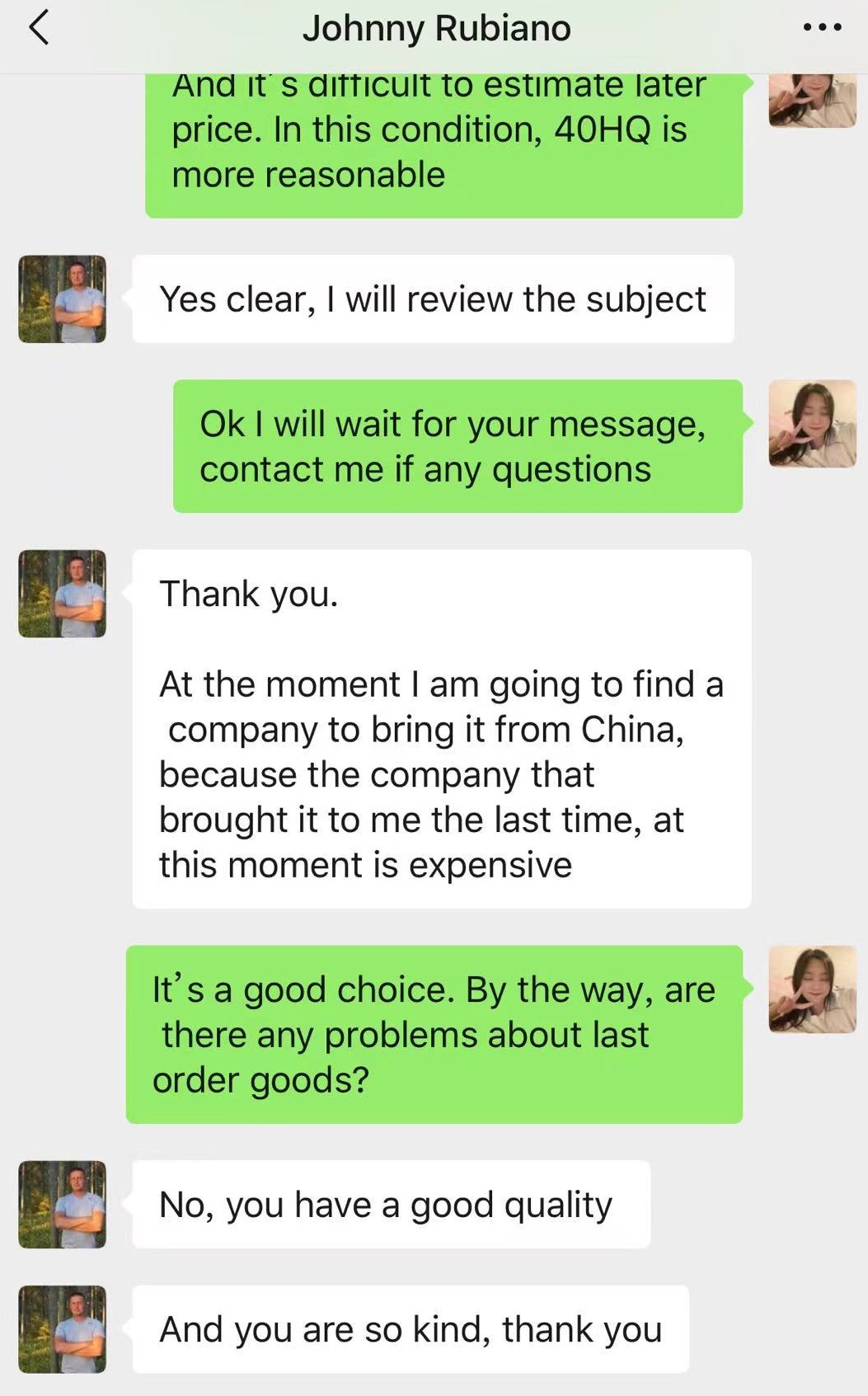
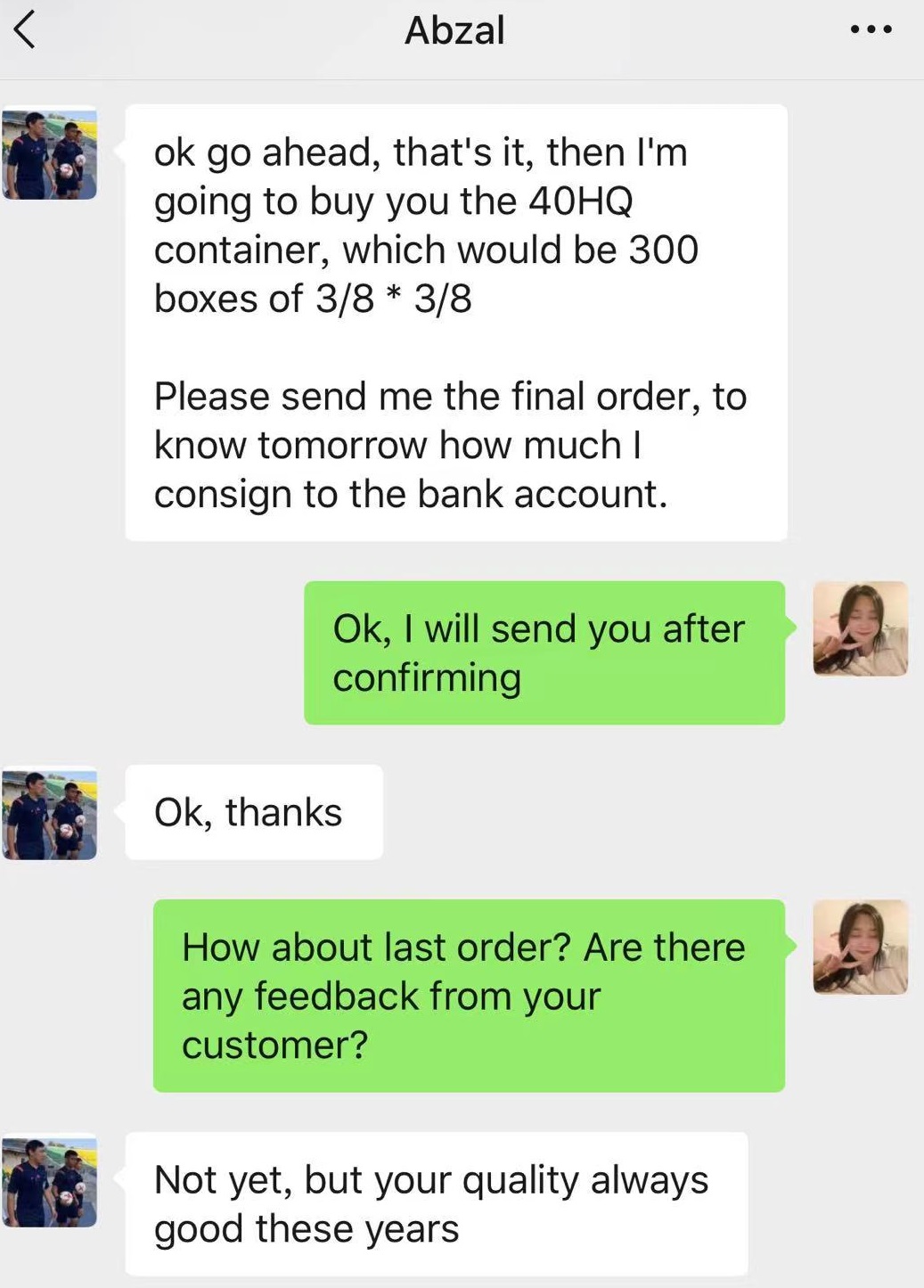
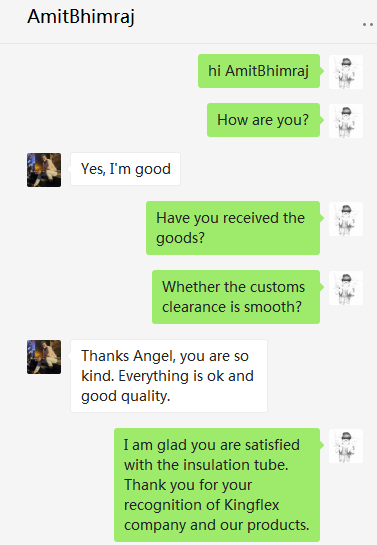
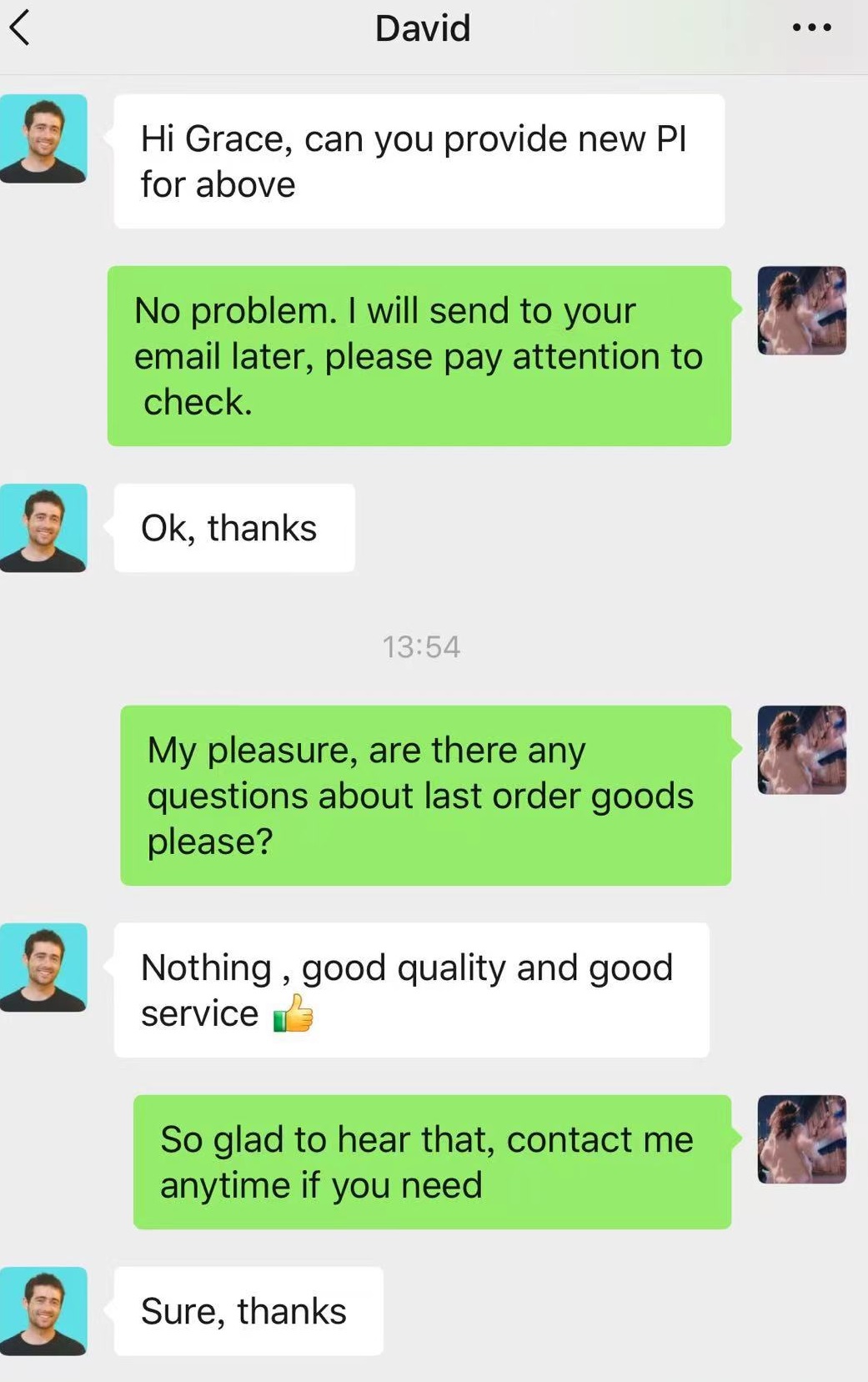
Client communication records demonstrating compliance and logistics follow-through
We maintain open channels of communication with international purchasing agents and project contractors. The following records illustrate our support for custom project specifications, order tracing, and regulatory compliance.
Detailing product dimensions and packaging specifications for overseas container transport.
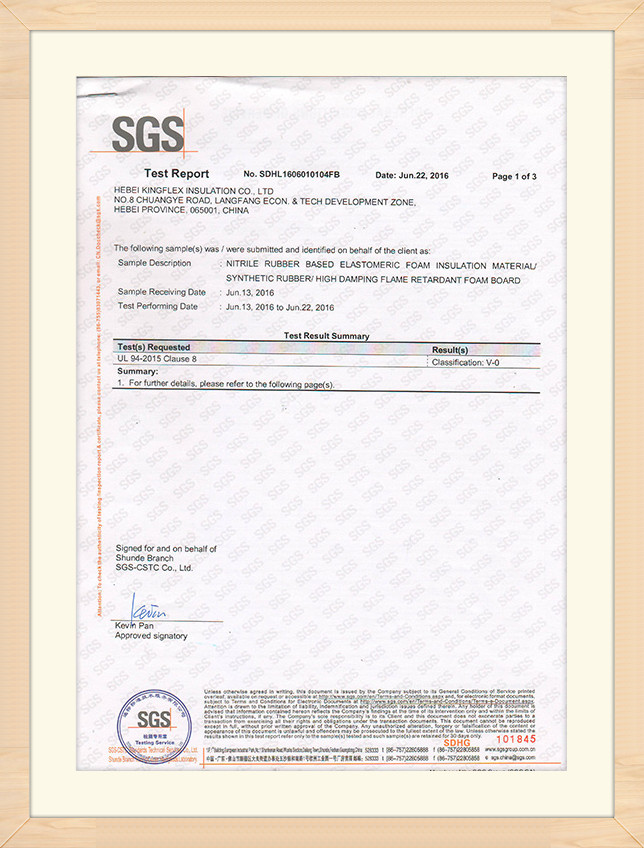
Confirming certified laboratory test results for flame retardancy Class 0 standards.
Scheduling production runs and arranging port delivery schedules.
Addressing customization options for specialized cryogenic facility insulation.
Processing trace documentation to verify raw material compliance.
Direct Communication Channel
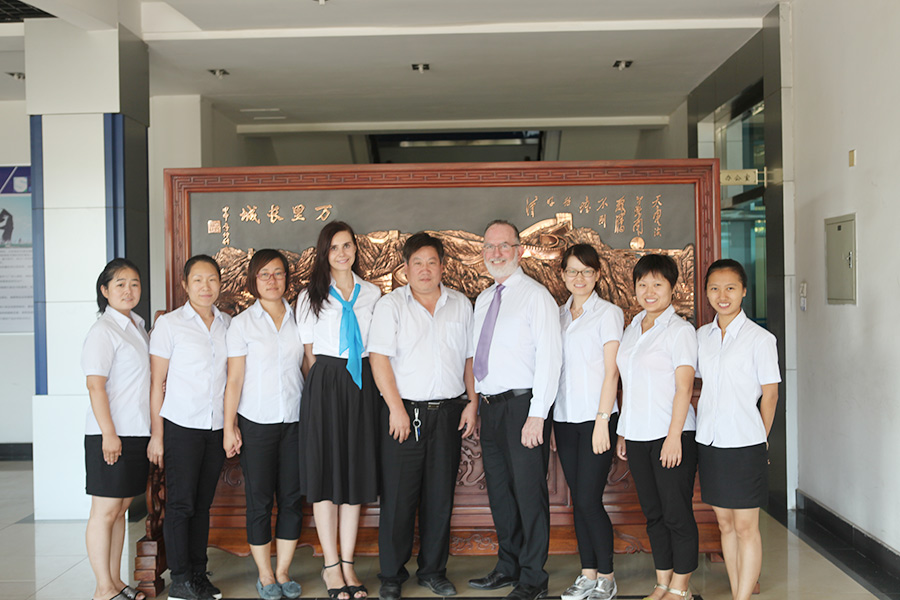
Our international sales division provides direct technical support and project quotation coordination.
Advanced Production Line Operations
Continuous vulcanization and expansion processes ensuring density uniformity
Operating five automated extrusion and horizontal expansion ovens, our production facility maintains process stability for density, cell size distribution, and wall thickness. Continuous thickness monitoring systems automatically reject components deviating from target dimensions, providing dimensional consistency for on-site installers.
Technical Roadmap & Future Outlook
Developing advanced technologies for high-performance insulation
Halogen-Free Formulations
Our research focuses on developing halogen-free expanding elastomers. This reduces smoke toxicity and corrosive emissions in building fire events, aligning with global green building safety guidelines.
Bio-Based Raw Materials
We are studying the integration of biological and recycled content within our polymer feedstocks. This initiative aims to lower the embodied carbon footprint of our finished elastomeric insulation systems.
Aerogel-Elastomer Composites
By incorporating aerogel technologies, we aim to lower thermal conductivity limits down to λ ≤ 0.026 W/m·K, allowing for thinner profiles in space-constrained installations.
Regulatory & Application FAQ
Addressing technical and compliance queries for engineering and procurement
Q1: What is elastomeric rubber foam insulation used for?
+
It is primarily used for insulating HVAC ducts, air conditioning piping, building envelopes, industrial process lines, and low-temperature cold storage pipelines. It provides both thermal barrier control and acoustic attenuation.
Q2: Is Kingflex rubber foam insulation fire resistant?
+
Yes, our rubber foam products are formulated with flame-retardant additives to meet fire protection guidelines, including BS 476 Class 0, UL94 V-0, and ASTM E84 surface burning specifications.
Q3: What is the difference between rubber foam and rock wool insulation?
+
Rubber foam is a flexible, closed-cell material that provides inherent moisture resistance without requiring external vapor barriers, making it suitable for HVAC and chilled water lines. Rock wool is a high-temperature mineral fiber insulation suitable for high-heat industrial applications, but it requires protection from moisture ingress.
Q4: Do you provide customized insulation products?
+
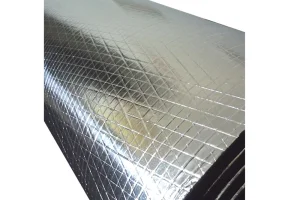
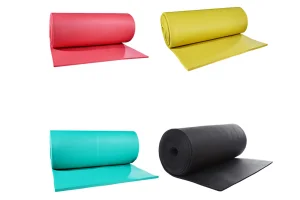
Yes, we provide OEM customization services, including custom wall thicknesses, inner diameters, colors, self-adhesive backing options, and aluminum foil protective claddings.
Q5: What certifications do your products have?
+
Our products carry verified test reports and certifications for CE Mark, BS 476 Parts 6 & 7, REACH, RoHS, UL94, and ASTM. These certifications verify low chemical emissions and suitability for international green building specifications.
Q6: Does Kingflex products have traceability?
+
Yes, we maintain a production tracing protocol. Each batch is assigned a serial number referencing raw material quality checks, vulcanization parameters, and laboratory test outputs.
Q7: What thickness of Rubber foam insulation sheet roll can you produce?
+
We manufacture flexible elastomeric insulation sheets and rolls in nominal thicknesses ranging from 6mm to 50mm, accommodating a wide range of thermal protection requirements.
Q8: What is the service life of rubber plastic pipe and board?
+
When installed correctly and maintained under standard operating conditions, our elastomeric foam systems provide an operational service life of approximately 10 to 15 years.
Specialized Architectural & Industrial Insulation Systems
Elastomeric boards and preformed pipes for mechanical applications
 Kingflex