High-Performance Engineering Insulation Solutions

China HVAC Duct Insulation Calculator Suppliers & Pricelist

HVAC Duct Insulation Design & Calculator Methodology

An Industry Whitepaper on Thermal Dynamics, Material Optimization, and Cost Forecasting.

The Importance of Precise Insulation Calculations

In modern commercial building envelopes, HVAC duct systems represent one of the most critical avenues for potential energy loss. Designing these networks requires a rigorous understanding of thermodynamic principles. A precise HVAC duct insulation calculator is not just a convenience—it is a vital mechanism to prevent condensation, guarantee indoor air quality (IAQ), satisfy regional energy codes (such as ASHRAE 90.1 and EN 12097), and scale down operating expenditures (OPEX).

When warm, humid air contacts an uninsulated or poorly insulated cold air duct, condensation forms. This moisture runoff causes systemic damage, compromises structural integrity, and catalyzes microbial growth. Through exact calculation of the target surface dew point and heat flow rates, engineers determine the exact thickness of elastomeric rubber foam or rock wool needed to maintain system efficiency.

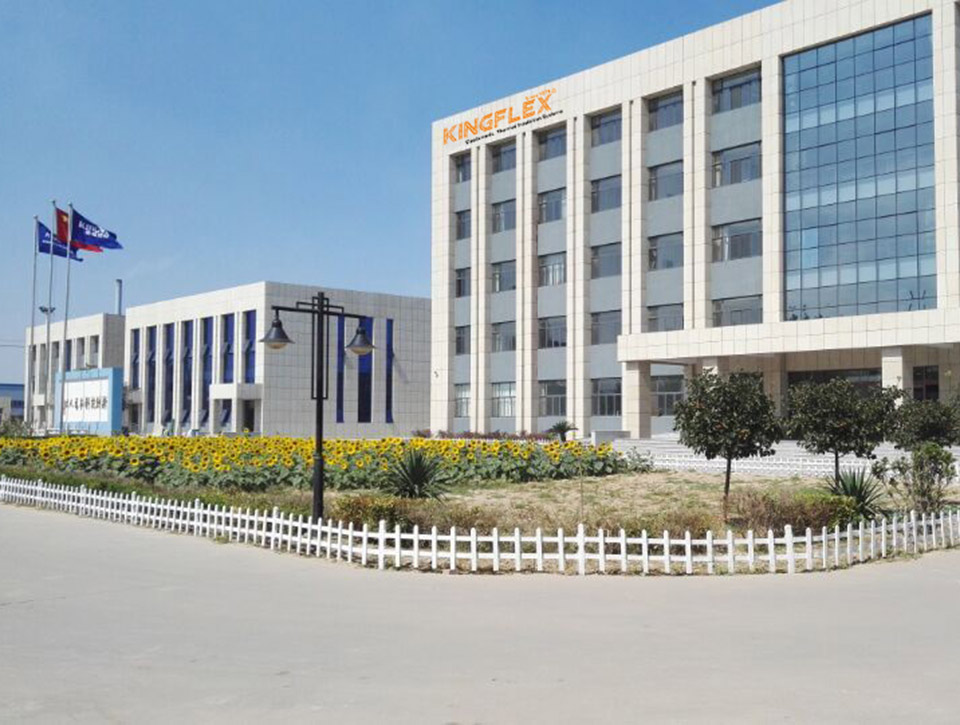
Kingflex Advanced Insulation Factory Production

"Thermal efficiency is defined by the containment of energy. Our closed-cell NBR/PVC elastomeric formulations achieve a thermal conductivity (λ) value of ≤0.034 W/(m·K) at 0°C, providing excellent resistance to heat transfer and vapor transmission."

Understanding the Mathematical Formula Behind the Calculator

An HVAC duct insulation calculator operates using the fundamental heat transfer equations. To calculate the minimum thickness required to prevent condensation, designers use the following equation:

x = λ * (Tp - Ta) / [f * (Ta - Td)]

Where:

  • x = Required insulation thickness (meters)
  • λ (k-value) = Thermal conductivity of the insulation material (W/m·K)
  • Tp = Temperature inside the duct or pipe (°C)
  • Ta = Ambient surrounding air temperature (°C)
  • Td = Dew point temperature of the ambient air (°C), calculated based on Relative Humidity (RH)
  • f = Surface heat transfer coefficient (W/m²·K) which is dependent on wind speed, emissivity of the jacket, and orientation of the duct.
Ambient Temp (°C) Relative Humidity (%) Duct Operating Temp (°C) Calculated Dew Point (°C) Recommended Rubber Foam Thickness (mm)
30°C 70% 12°C 23.9°C 13mm to 19mm
35°C 80% 7°C 31.0°C 25mm to 32mm
25°C 60% 15°C 16.7°C 9mm to 13mm
40°C (High Humidity Industrial) 85% 5°C 37.1°C 38mm to 50mm

Global HVAC Insulation Market Dynamics & Commercial Outlook

Analysis of regulatory compliance, manufacturing technology, and supply chain scalability.

600K+ m³
Annual Production Capacity
40+ Yrs
Group Heritage (Since 1979)
66+
Exporting Countries Worldwide

Globally, building codes are tightening to support decarbonization and net-zero targets. For instance, the European Union's Energy Performance of Buildings Directive (EPBD) and the United States' ASHRAE 90.1 standard demand stringent thermal performance metrics for distribution ducts. This regulatory push has positioned China as a pivotal manufacturing hub for high-performance insulation materials. Dacheng, recognized as the capital of green-building materials in China, stands at the forefront of this industrial output.

Kingflex Insulation Co., Ltd., utilizing research and production facilities within this green hub, has developed a reputation for supplying consistent, reliable materials. By integrating large automatic assembly lines and rigorous quality inspection protocols, the company matches international specifications, making it a reliable resource for MEP contractors, distributors, and global procurement departments.

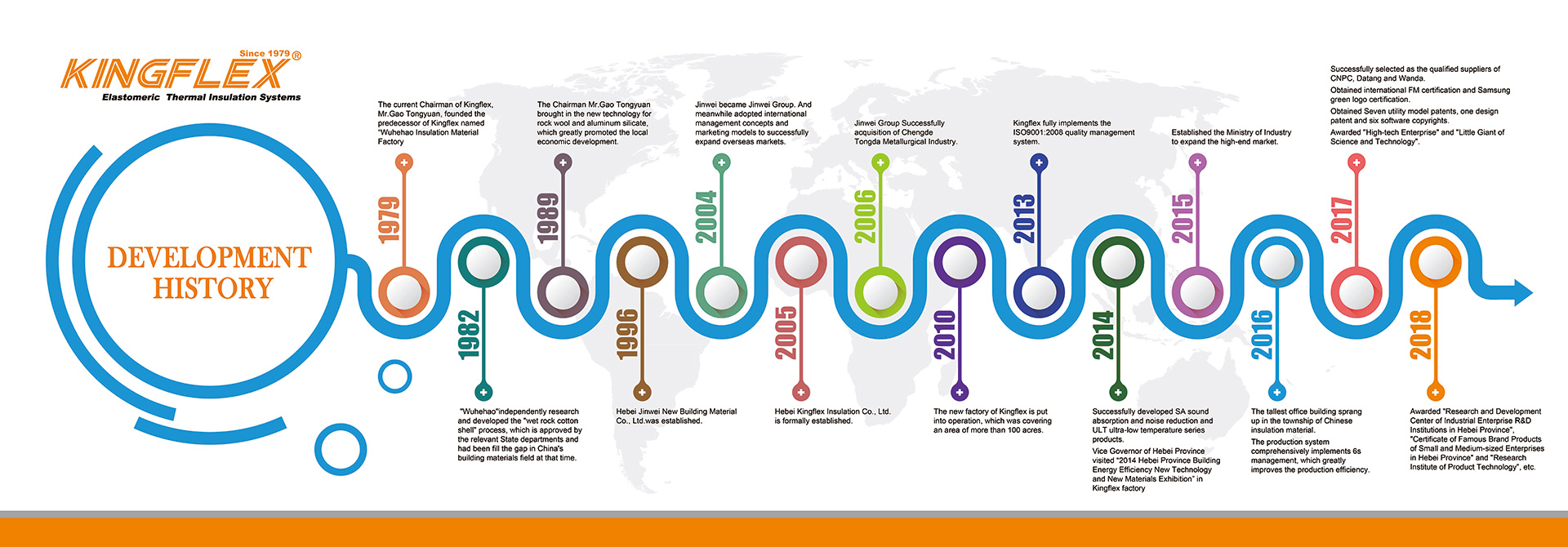
Kingflex Jinwei Group History and Industrial Plants

Elastomeric NBR/PVC Rubber Foam vs. Rock Wool Insulation

Critical selection metrics for building service engineers and procurement managers.

Parameter Elastomeric NBR/PVC Rubber Foam Rock Wool (Stone Wool)
Structure Closed-cell structure (Rate > 98%) Open-fibrous matrix structure
Thermal Conductivity (λ at 0°C) ≤ 0.034 W/(m·K) (Highly stable) ~ 0.038 to 0.044 W/(m·K)
Water Vapor Permeability (μ) ≥ 10,000 (Built-in vapor barrier) Low resistance (Requires external vapor barrier)
Service Temperature Limit -40°C to 105°C (Excellent for HVAC & Cryogenics) Up to 650°C (Excellent for high-temp steam)
Acoustic Performance Good structural sound damping Excellent air-borne sound absorption
Fire Performance Class Class 0 / Class 1 (BS 476), Flame Retardant Non-combustible (Class A1)

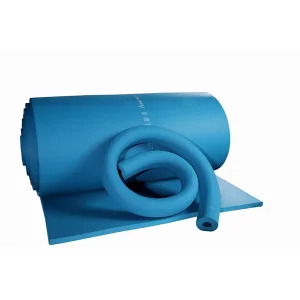
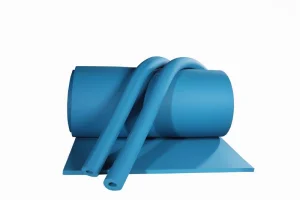
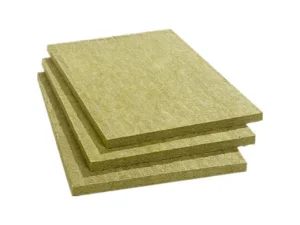
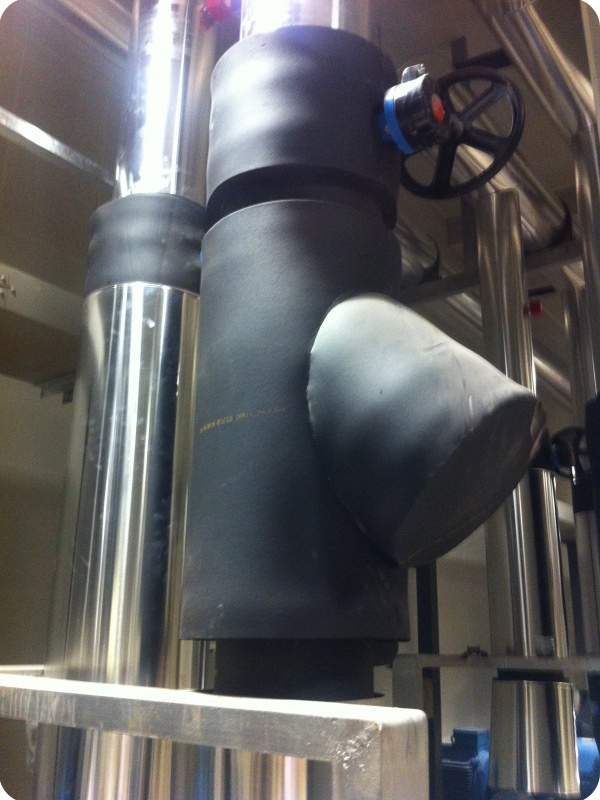
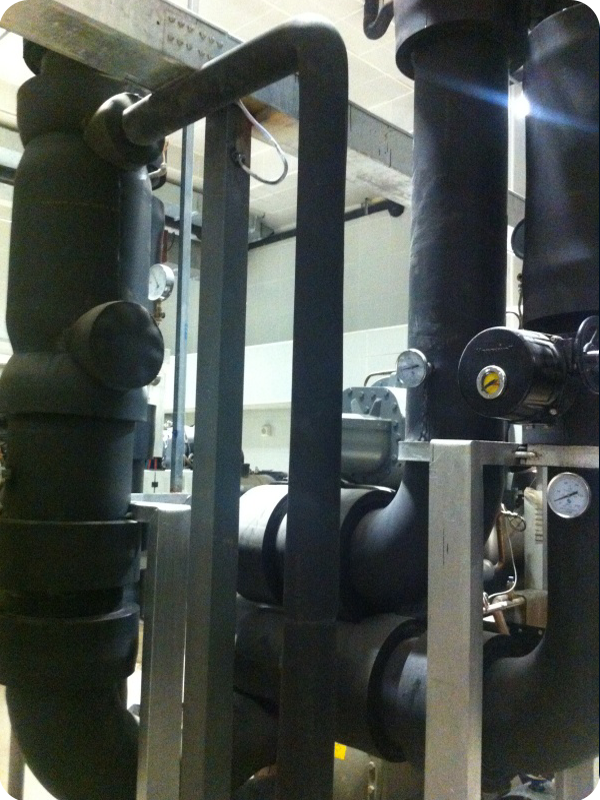
NBR/PVC Elastomeric Foam is typically selected for chilled water pipelines, refrigeration circuits, and HVAC air handling unit (AHU) supply/return air ducts because of its built-in resistance to moisture vapor. Because it does not require an additional vapor barrier jacket, it simplifies installation in tight ceiling voids, reducing labor costs. Conversely, Rock Wool Boads and blankets are preferred for high-temperature steam distribution lines, exhaust flues, and fire-rated walls where structural integrity under extreme heat is required.

Production Capability, Quality Verification & Certificates

Ensuring global safety compliance and continuous material innovation through research.

Industrial Heritage & Production Capacity

Established under the Jinwei Group, which possesses over 40 years of manufacturing heritage (dating back to 1979 as a pioneer of thermal insulation north of the Yangtze River), Kingflex has grown to house 5 large-scale automated assembly lines. Our annual production capacity exceeds 600,000 cubic meters of high-density elastomeric rubber foam sheets and pipe sections. This capacity makes it a designated supplier for major energy, petrochemical, and electrical infrastructure projects across Asia and Europe.

The manufacturing process uses automated compounding, extrusion, and controlled foaming to guarantee uniform cell distribution, ensuring thermal conductivity values remain stable over a decade-long service life.

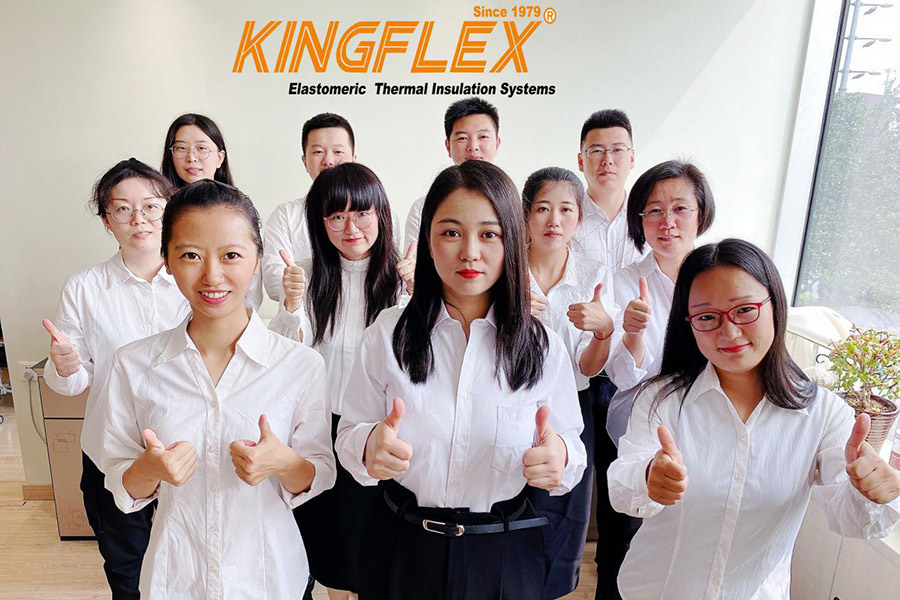
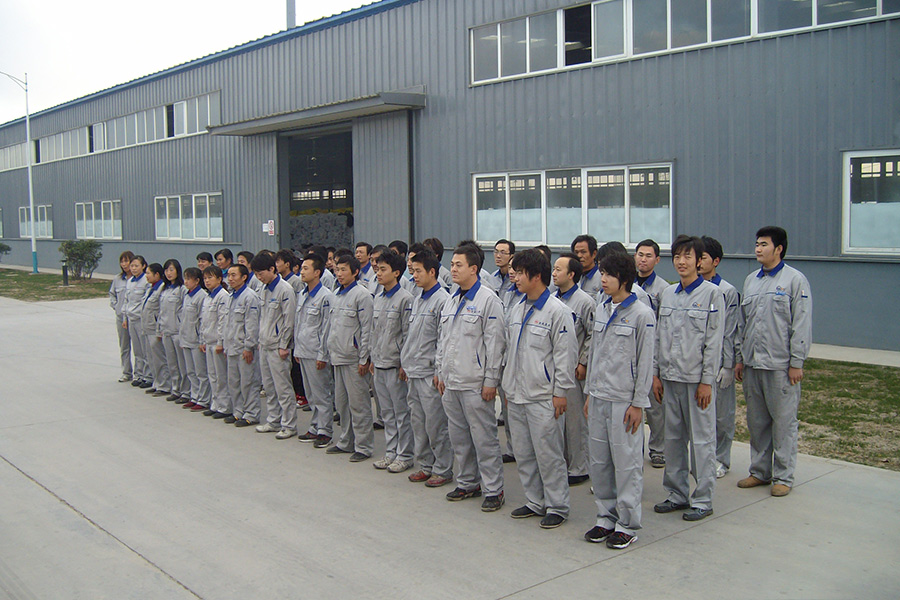
Kingflex R&D Team and Quality Inspection Engineers

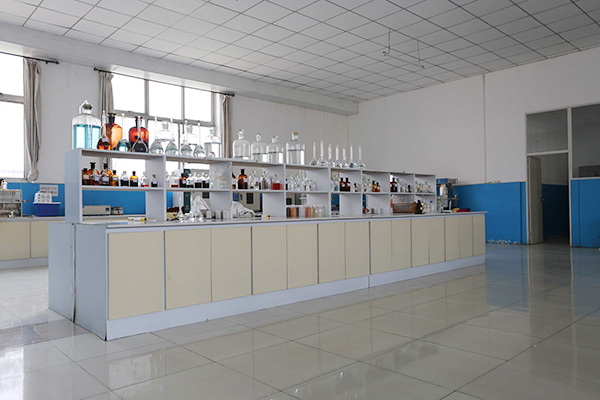
Research, Development & Test Operations

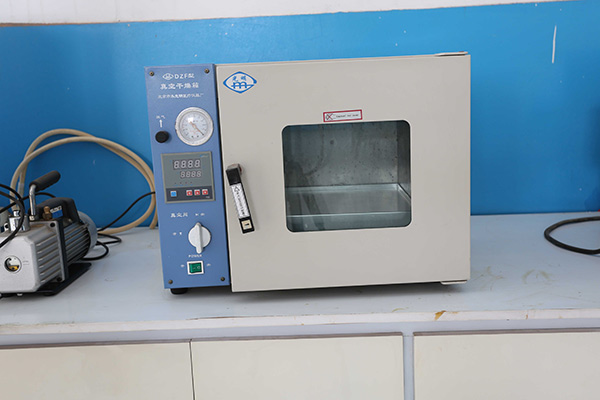
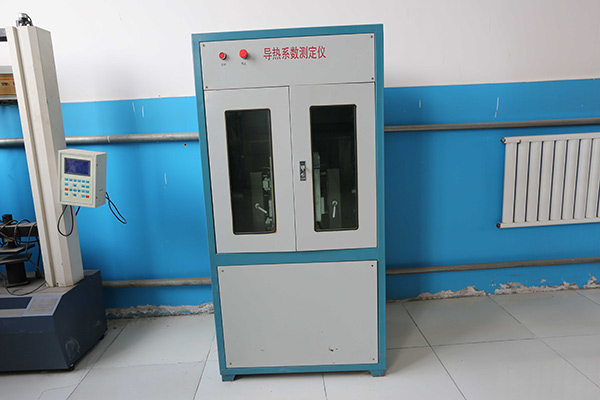
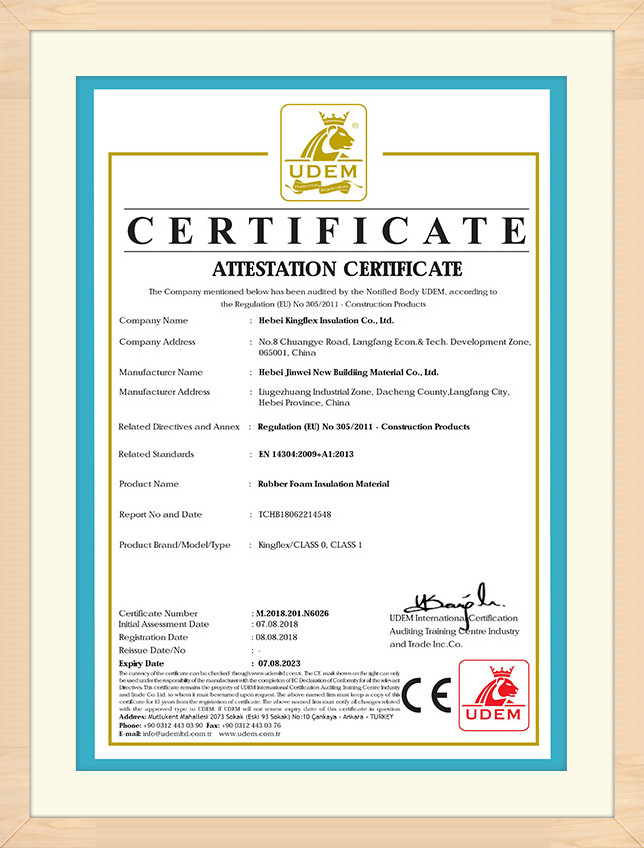
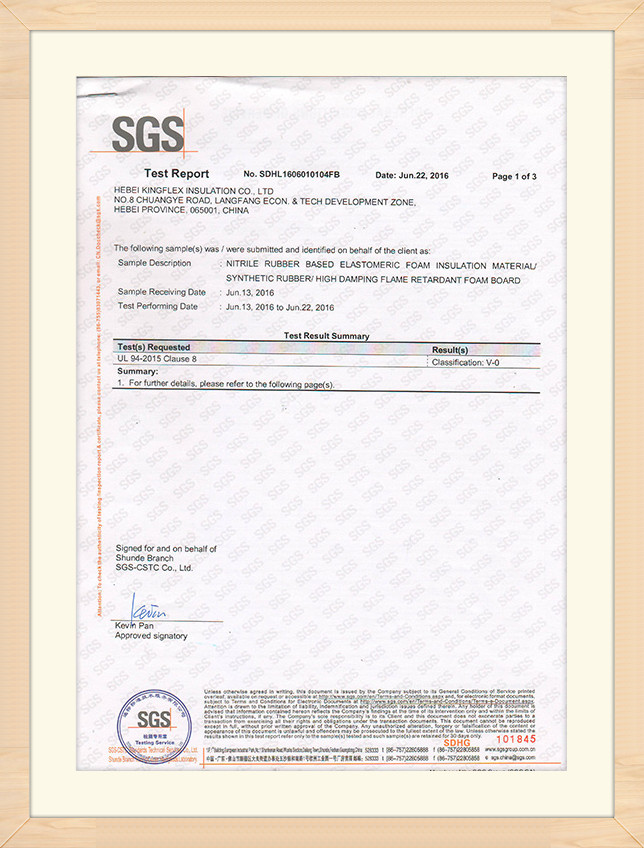
Our dedicated R&D department is led by 8 professional insulation engineers who continuously optimize formula compositions to meet international fire testing criteria. This includes achieving Class 0/1 ratings under British Standard BS 476, as well as UL 94, REACH, and RoHS environmental compliance.

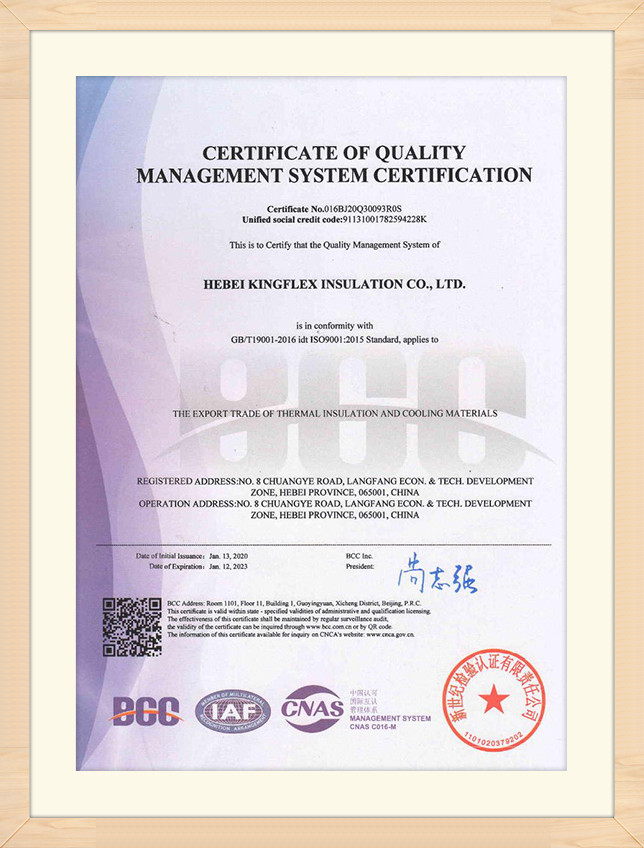
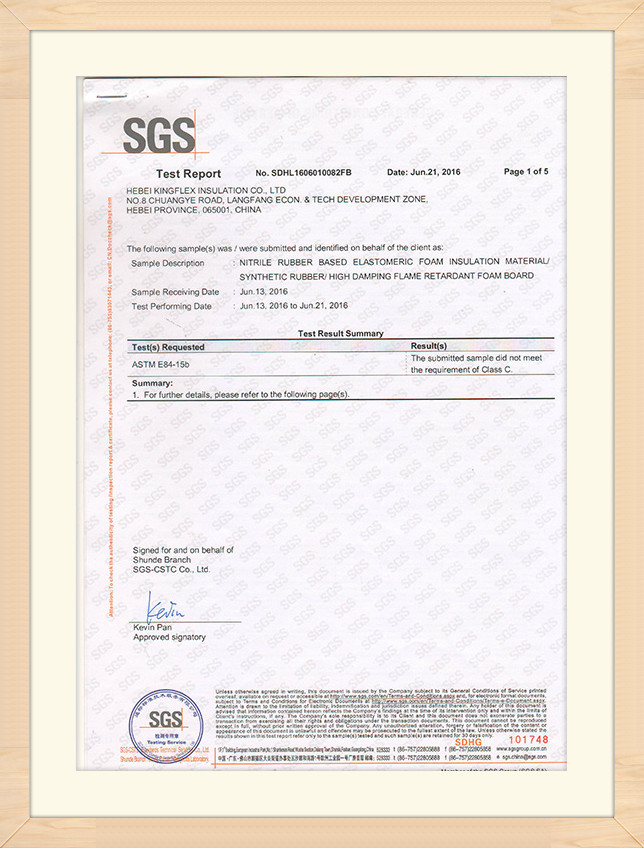
International Compliance & Certification Portfolio

Global architectural and industrial projects require standardized testing parameters. Kingflex products carry certifications from international testing agencies, allowing easy integration into commercial MEP submittals.

Application Scenarios & Engineering Project Case Studies

Analyzing physical installations in commercial centers, industrial plants, and low-temperature environments.

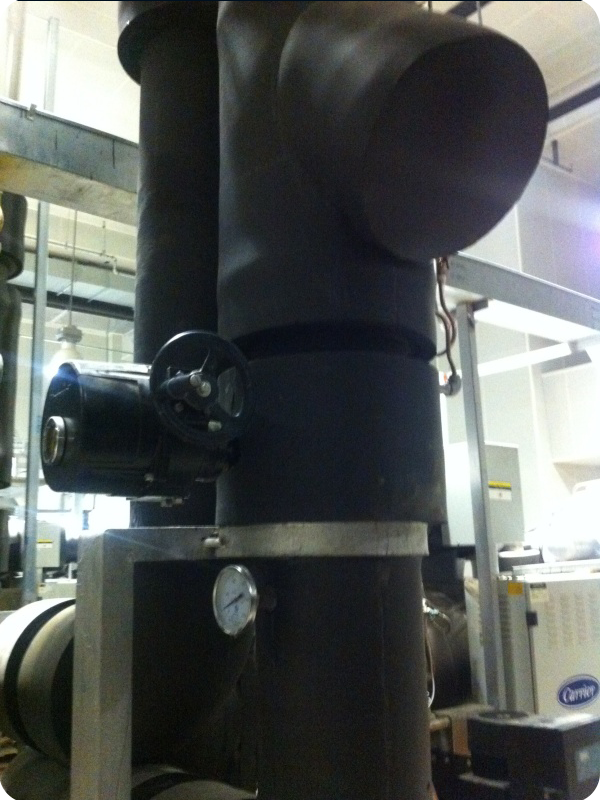
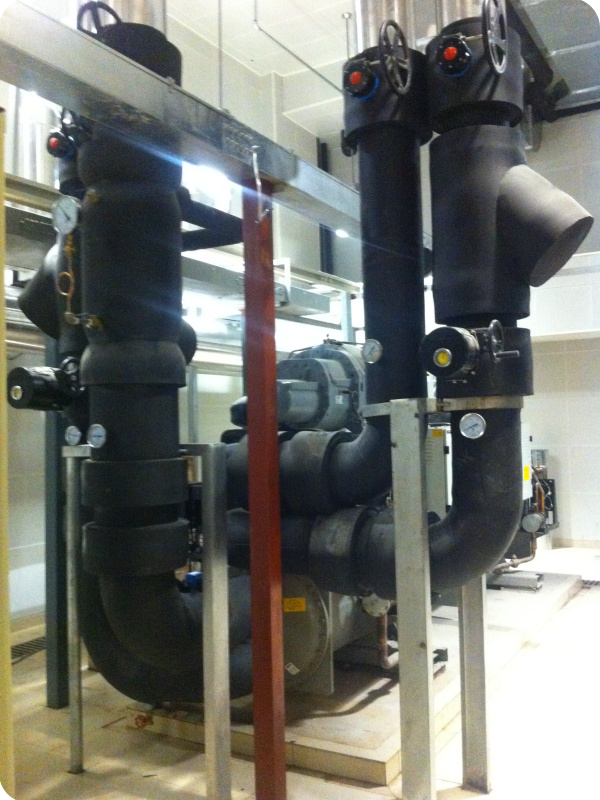
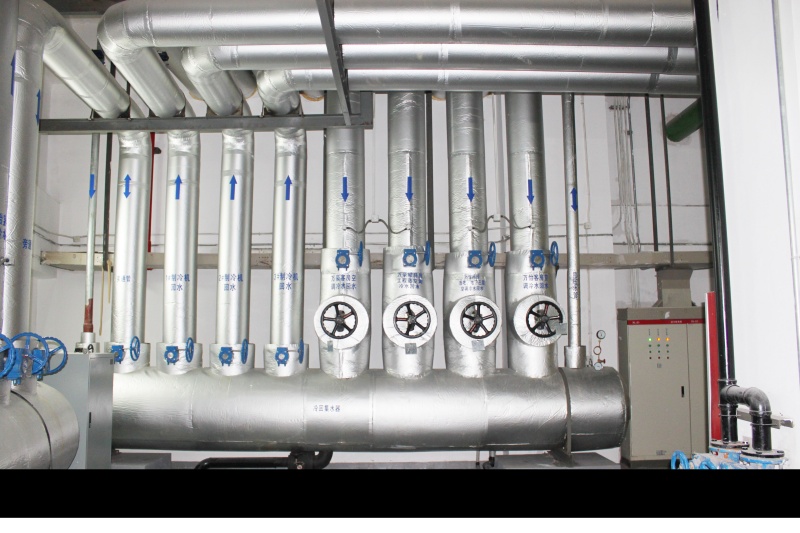
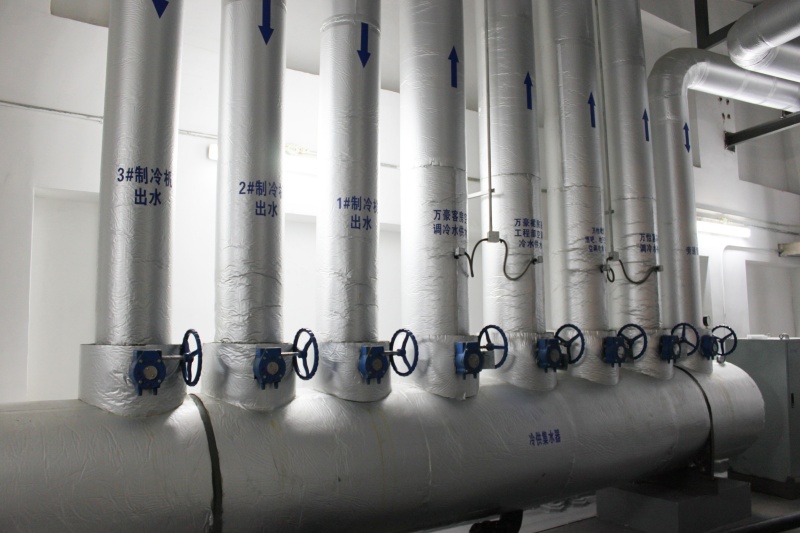
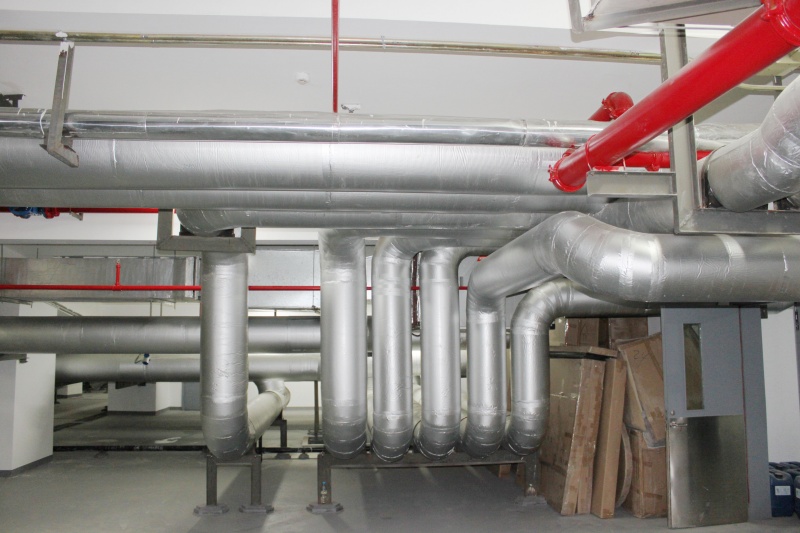
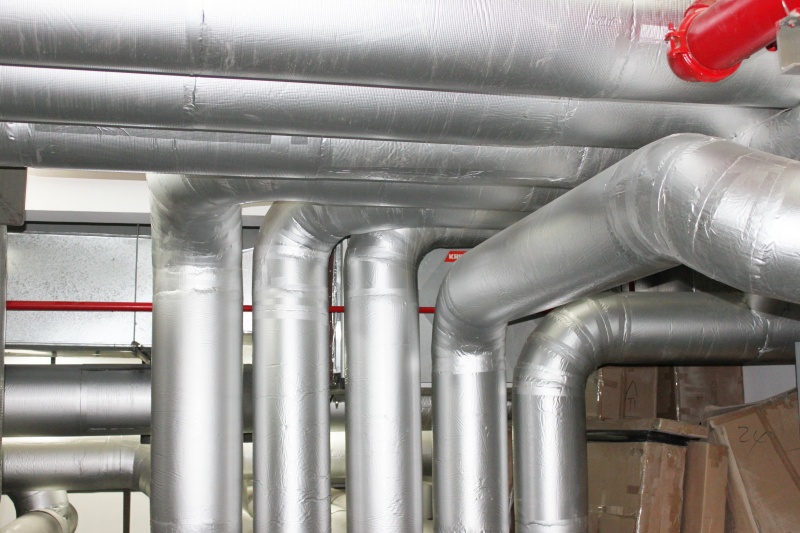
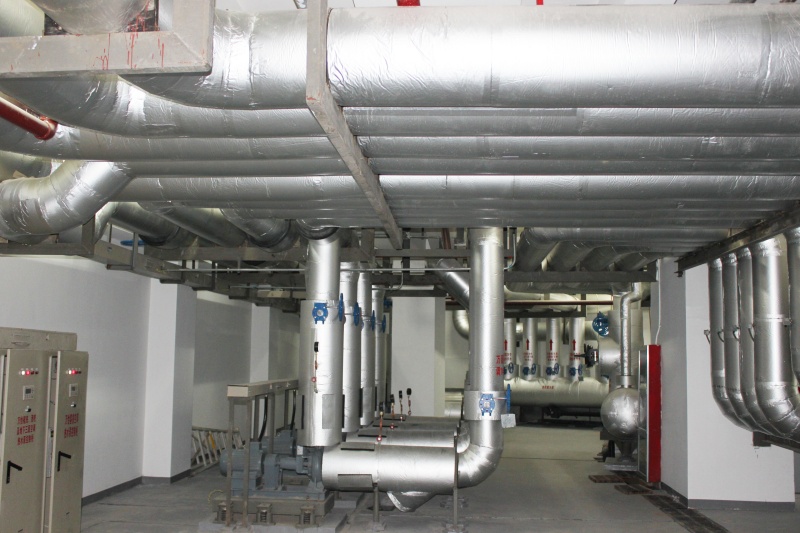
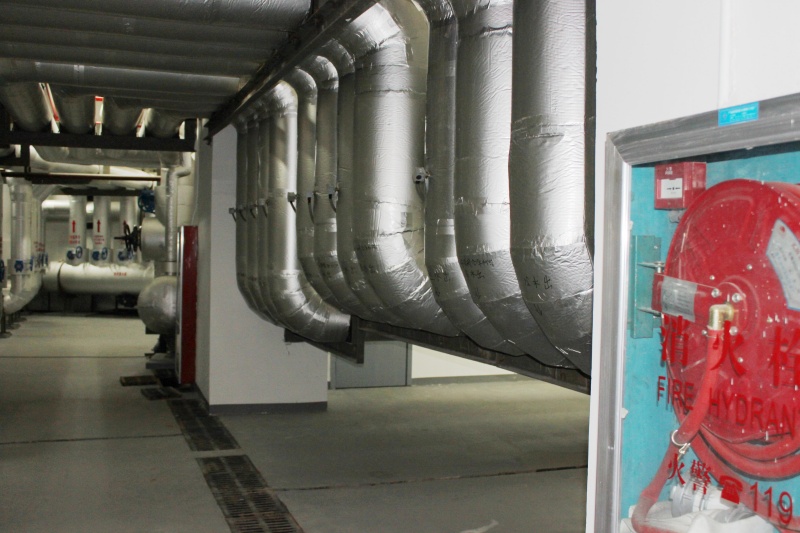
Global HVAC Project Execution Site

1. Commercial Building HVAC Systems

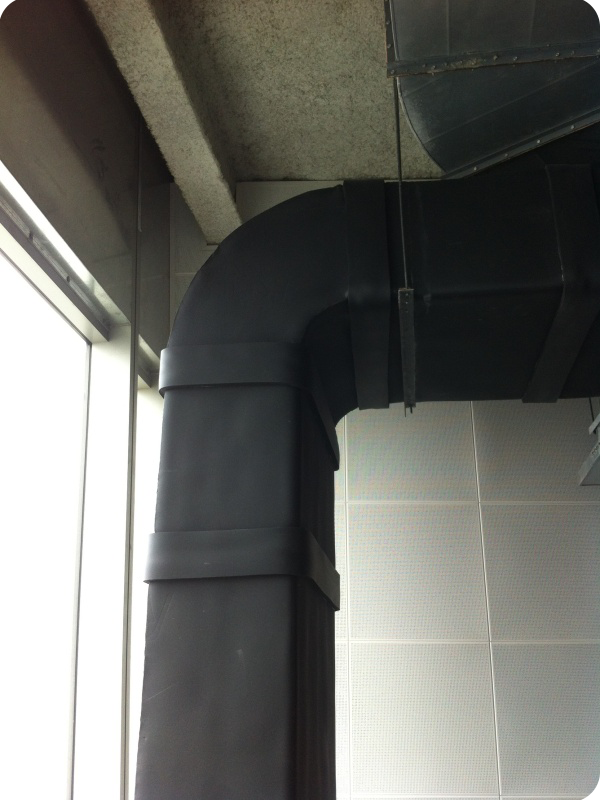
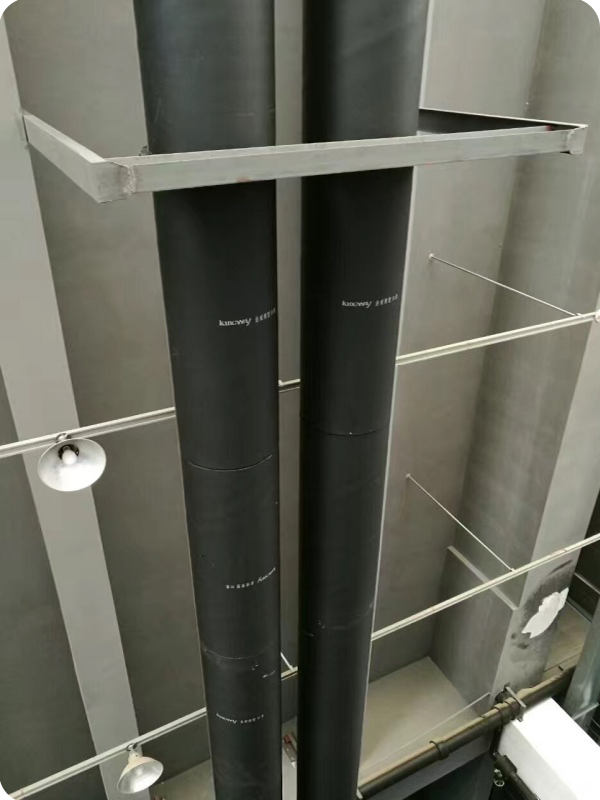
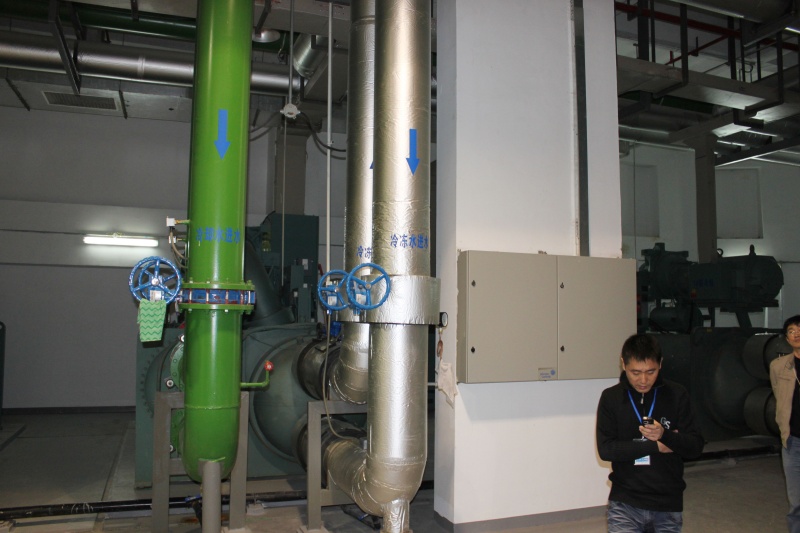
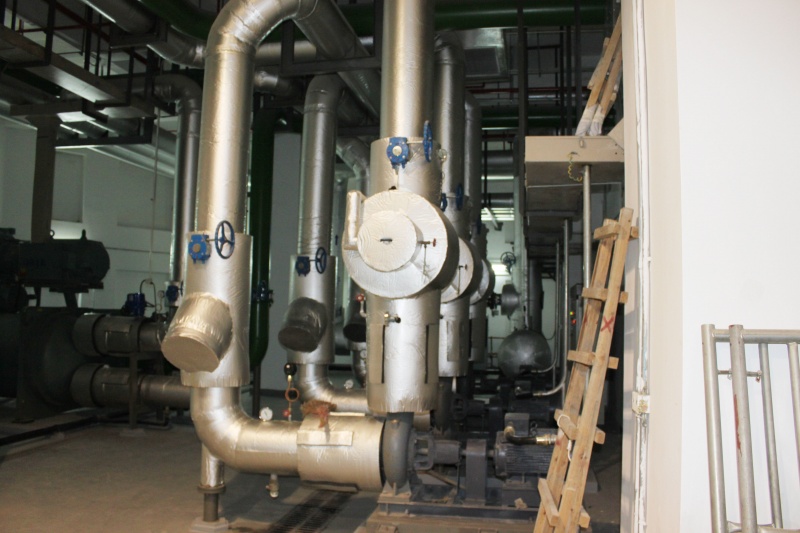
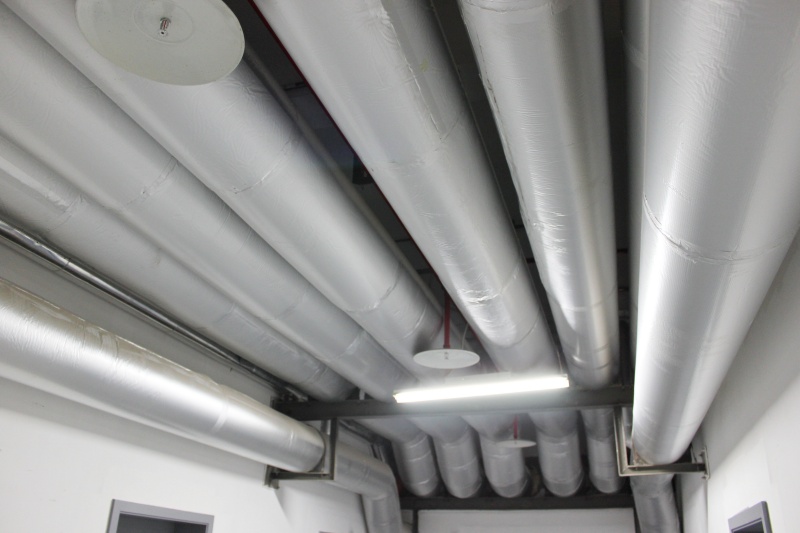
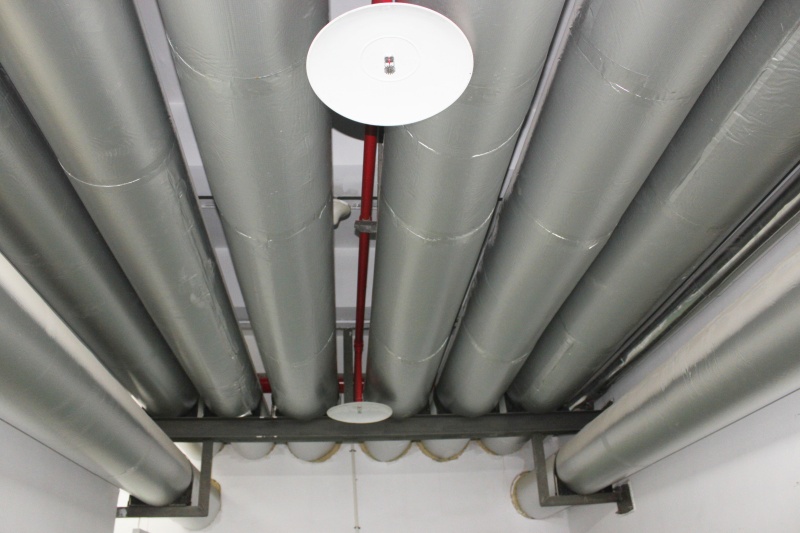
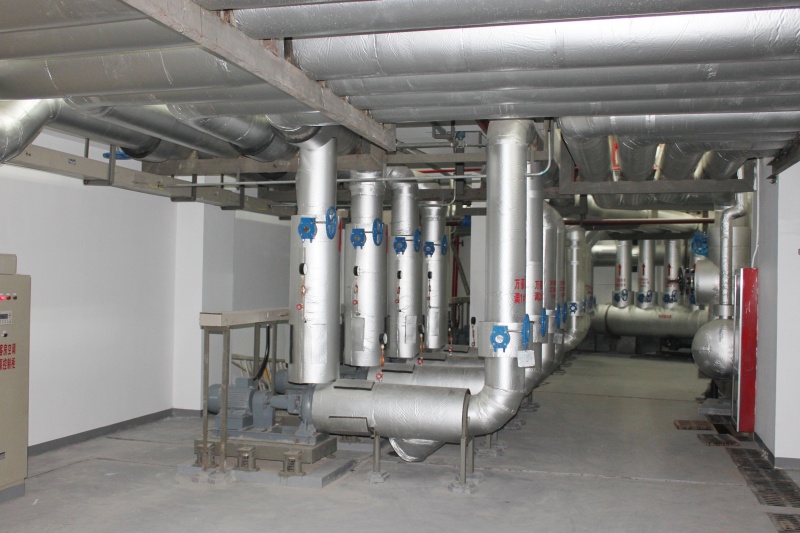
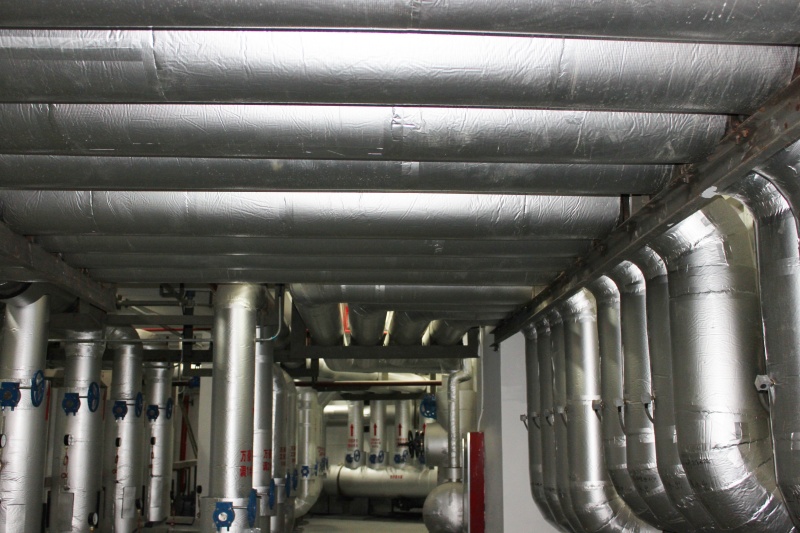
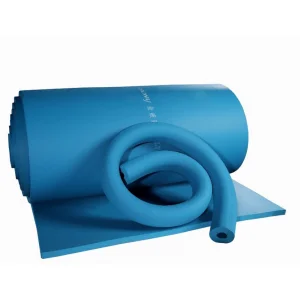
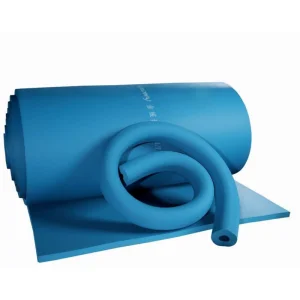
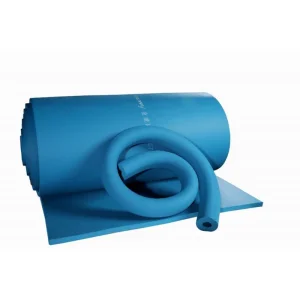
In retail malls, hospitals, and high-rise office towers, space limitations in ceiling voids require insulation materials with high thermal resistance-to-thickness ratios. Kingflex elastomeric sheet rolls protect the distribution ductwork without requiring excessive space, preventing condensation and helping control indoor humidity levels.

2. Cryogenic Systems & LNG Terminals

For temperatures descending down to -196°C, specialized elastomeric systems are required to prevent structural thermal shock and heavy ice accumulation. Diolefin and synthetic rubber formulations provide flexibility at extremely low temperatures, preventing cracking caused by thermal contraction.

3. Cleanrooms & Pharmaceutical Facilities

Unlike fibrous insulation materials, NBR/PVC closed-cell rubber foam does not release fibers or support dust accumulation. This makes it suitable for cleanroom environments (ISO Class 5 and above) where mechanical integrity and air purity are critical.

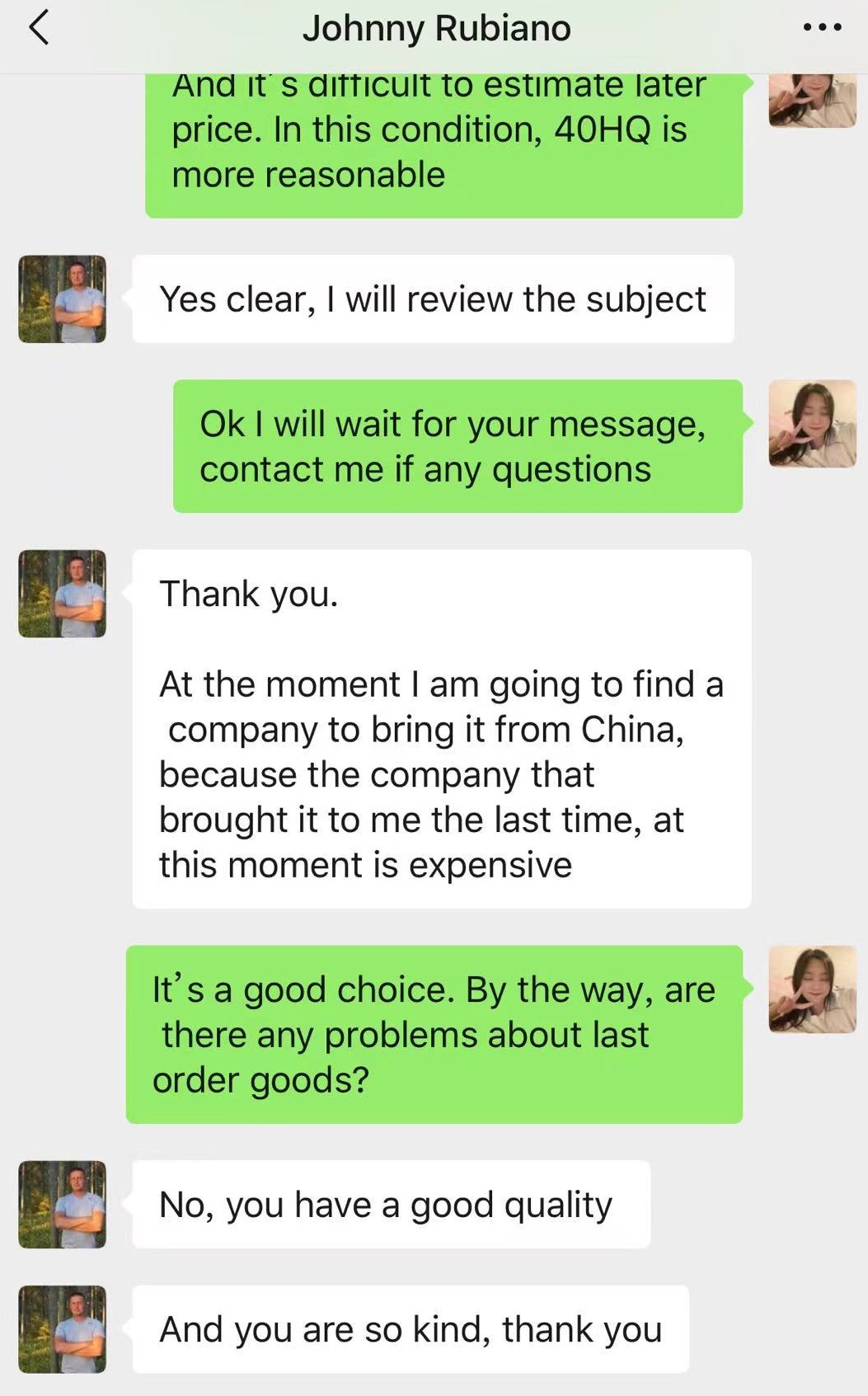
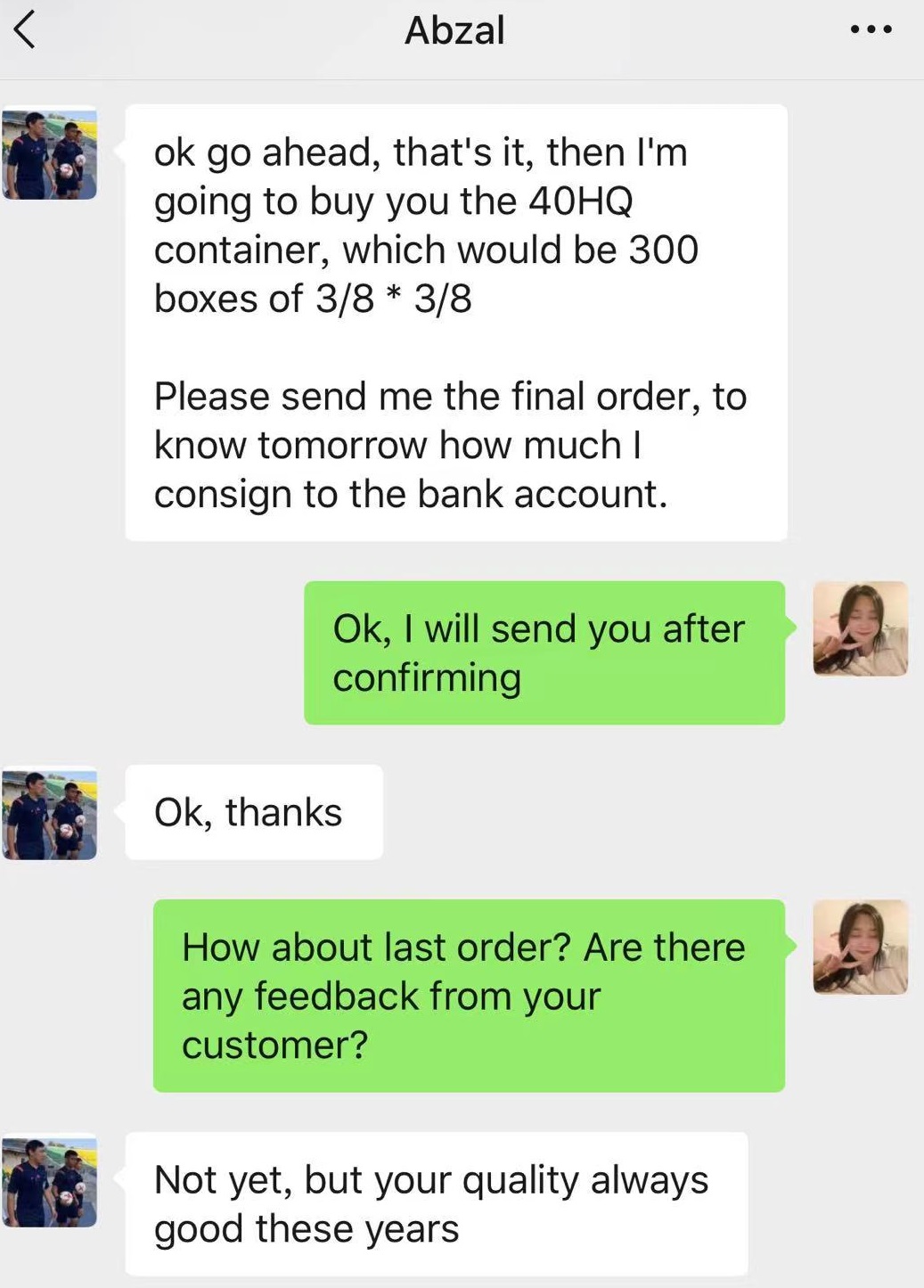
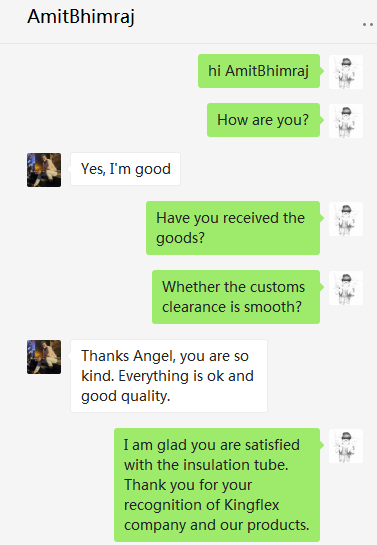
To verify the global application of these systems, we share transparent communication screenshots with our international procurement partners, showing our dedication to meeting technical specifications and logistical timelines.

Site Project Gallery & Field Applications

Product Datasheets & Dimensional Guidelines

Standard engineering configurations for rubber foam sheets and pre-formed pipeline sleeves.

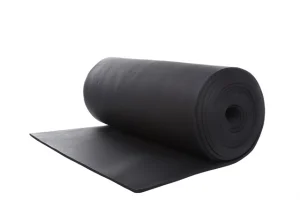
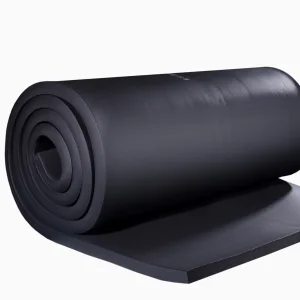
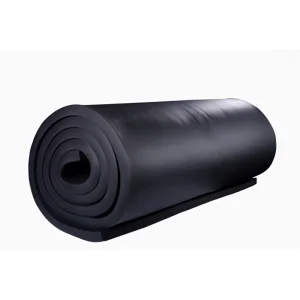
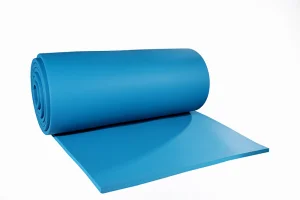
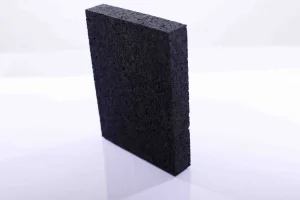
Black Rubber Foam Insulation Sheet Roll

Optimized for flat surfaces, large diameter ventilation air ducts, storage tanks, and irregular fittings.

MaterialNBR / PVC Nitrile Rubber Blends
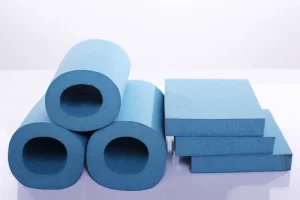
Thickness Range6mm, 9mm, 13mm, 19mm, 25mm, 32mm, 40mm, 50mm
Density Matrix40kg/m³ to 55kg/m³
Operating Temperature-40°C to 105°C
Moisture Absorption≤ 1.5% by weight
Sheet Roll Surface Detail Sheet Roll Packing

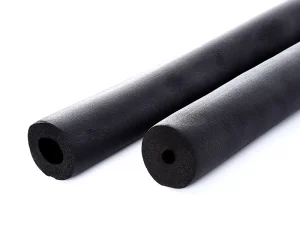
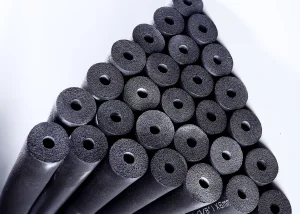
Black Rubber Foam Insulation Pipe Sleeve

Designed for immediate application over copper, steel, and PPR pipe layouts to minimize condensation risk.

MaterialNBR / PVC Elastomeric Base
Thickness Range9mm, 13mm, 19mm, 25mm, 30mm, 40mm
Inner Diameter (ID)6mm to 114mm (Standard nominal pipe sizes)
Density Matrix40kg/m³ to 55kg/m³
Flexibility RatioCompression resilience over 80%
Pipe Sleeve Profile Pipe Sleeve Installation

Production Process Gallery

The Digitalization Roadmap of Insulation Engineering

Integrating cloud computing and IoT monitoring with physical insulation parameters.

Modern building engineering is shifting away from static tables toward dynamic digital models. Real-time monitoring systems embedded in ductwork can track temperature changes and alert building operators before condensation forms. Cloud-integrated HVAC duct insulation calculators can retrieve local weather data to dynamically adjust the required safety margins for insulation projects. Additionally, using Building Information Modeling (BIM) allows designers to calculate insulation requirements directly within the 3D model, reducing estimating errors and material waste.

"By pairing high-quality elastomeric materials with predictive environmental calculations, modern systems can reduce annual cooling losses by up to 25% compared to traditional, uncalculated setups."

Technical Q&A & Expert Insights

Detailed answers to common engineering, commercial, and installation questions.

Q1: What is elastomeric rubber foam insulation used for?
A1: It is primarily used for insulating HVAC ducts, chilled and hot water pipes, building structures, industrial refrigeration processes, and acoustics. Its closed-cell structure helps control heat transfer and prevent condensation on cold piping systems.
Q2: Is Kingflex rubber foam insulation fire resistant?
A2: Yes, our elastomeric products are formulated with flame-retardant additives. They achieve high ratings under international standards (such as BS 476 Part 6 & 7 Class 0/Class 1 and UL 94 VO), which means they resist flame propagation and self-extinguish when the flame source is removed.
Q3: What is the difference between rubber foam and rock wool insulation?
A3: Elastomeric rubber foam is a flexible, closed-cell material that resists water vapor, making it well-suited for cold systems like refrigeration and chilled water. Rock wool is a fibrous, open-structure mineral material that handles high temperatures (up to 650°C), making it a good fit for steam lines and high-heat industrial applications.
Q4: Do you provide customized insulation products?
A4: Yes, we offer OEM and ODM services. We can produce custom thicknesses, inner diameters, colors, and self-adhesive backings to meet specific project guidelines.
Q5: What certifications do your products have?
A5: Kingflex products are tested and certified to comply with standards including BS 476, CE, REACH, RoHS, UL 94, and ASTM C534, supporting compliance with local building regulations.
Q6: Does Kingflex products have traceability?
A6: Yes. Every production run undergoes quality checks, and each batch is marked with an identification code. This allows us to trace raw materials, production times, and laboratory testing results.
Q7: What thickness of Rubber foam insulation sheet roll can you produce?
A7: We manufacture elastomeric sheet rolls in thicknesses ranging from 6mm up to 50mm to meet different thermal resistance requirements.
Q8: What is the service life of rubber plastic pipe and board?
A8: When properly installed and maintained under standard operating conditions, our high-density NBR/PVC rubber foam has an expected service life of 10 to 15 years.
Q9: How does an HVAC duct insulation calculator help reduce project costs?
A9: It helps engineers specify the precise thickness needed for environmental conditions. This avoids over-specifying (which increases material costs) and under-specifying (which risk moisture damage and condensation).
Operational & Factory Logistics Verification

A window into the high-volume production, packing, and dispatch processes at Kingflex plants.