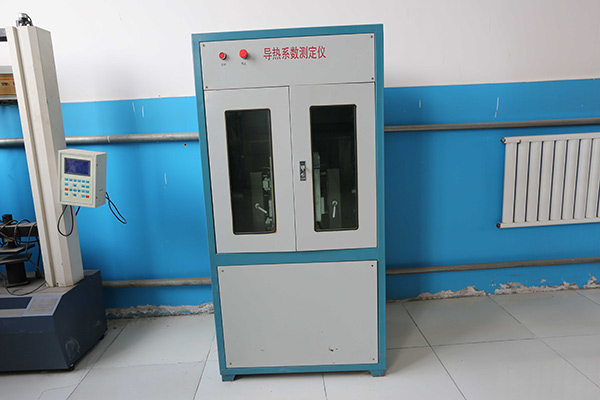
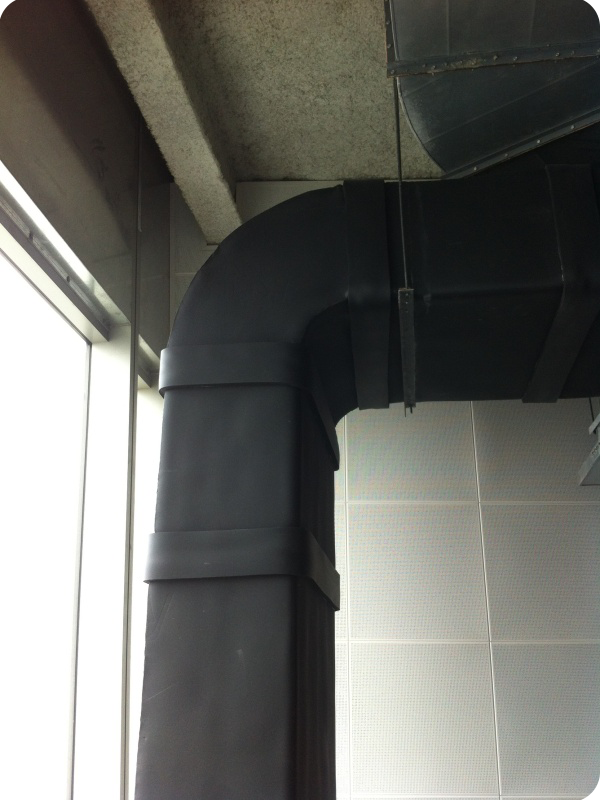
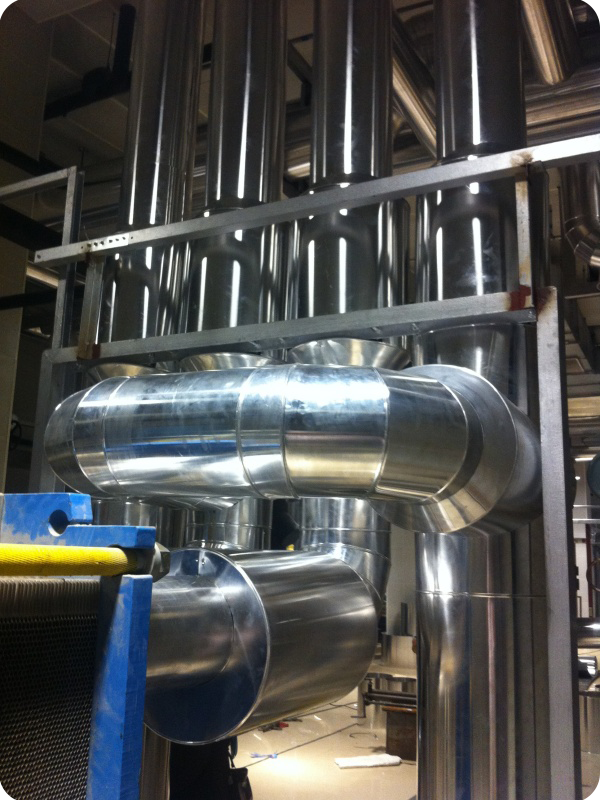
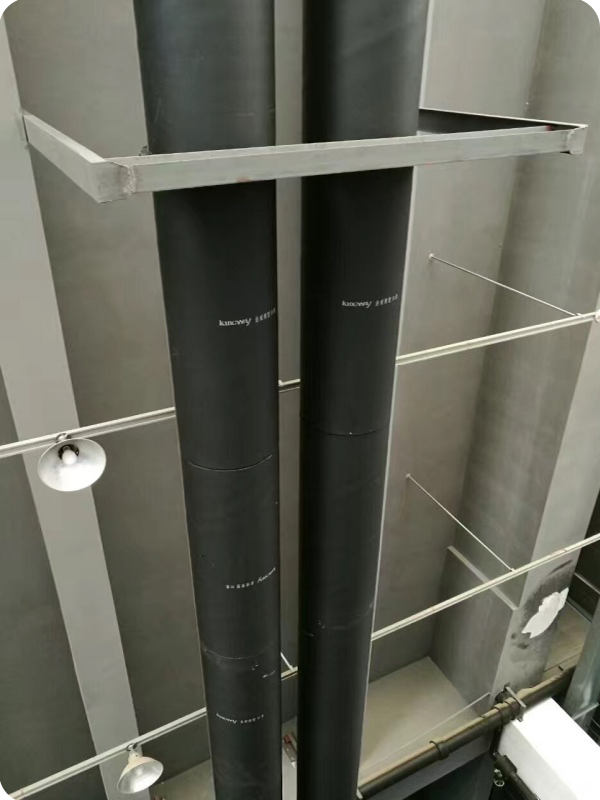
China Insulation In Air Vents Manufacturer & Supplier

Pioneering High-Efficiency Closed-Cell Elastomeric Thermal Insulation Systems for Global HVAC, Air Distribution, and Industrial Networks

Global HVAC & Vent Insulation: Market Status & Regulatory Drivers

A technical whitepaper overviewing structural energy conservation, thermal performance, and compliance benchmarks in modern ventilation duct designs.

In contemporary building design and mechanical engineering, insulation in air vents serves as a critical defense against energy degradation, thermal bridging, and structural failures. Ventilation networks act as the circulation system of any modern facility, carrying conditioned hot or cold air. If left uninsulated or insulated with substandard materials, these networks suffer massive thermal losses and create cold exterior surfaces. When warm, humid ambient air touches these cold surfaces, moisture condenses, triggering a cascade of failures including structural rot, water stains, mold colonization, and severe Indoor Air Quality (IAQ) degradation.

Globally, building codes have shifted to address energy conservation with renewed urgency. Frameworks like the ASHRAE Standard 90.1, the International Energy Conservation Code (IECC), and European Union EN standards mandate strict thermal envelope values for all ductworks passing through unconditioned spaces. Under these frameworks, the selection of insulation is no longer merely a budget consideration, but a regulatory compliance imperative. High-performance closed-cell elastomeric foams, pioneered by leading manufacturers like Kingflex Insulation Co., Ltd., have established a dominant position in the global supply chain, outperforming mineral fiber wraps in key performance indexes including moisture vapor transmission, installer efficiency, and lifetime performance stability.

40+
Years of Industry Heritage (Since 1979)
600K+
Annual Capacity (Cubic Meters)
66+
Countries Globally Supplied
98%+
Uniform Closed-Cell Structure
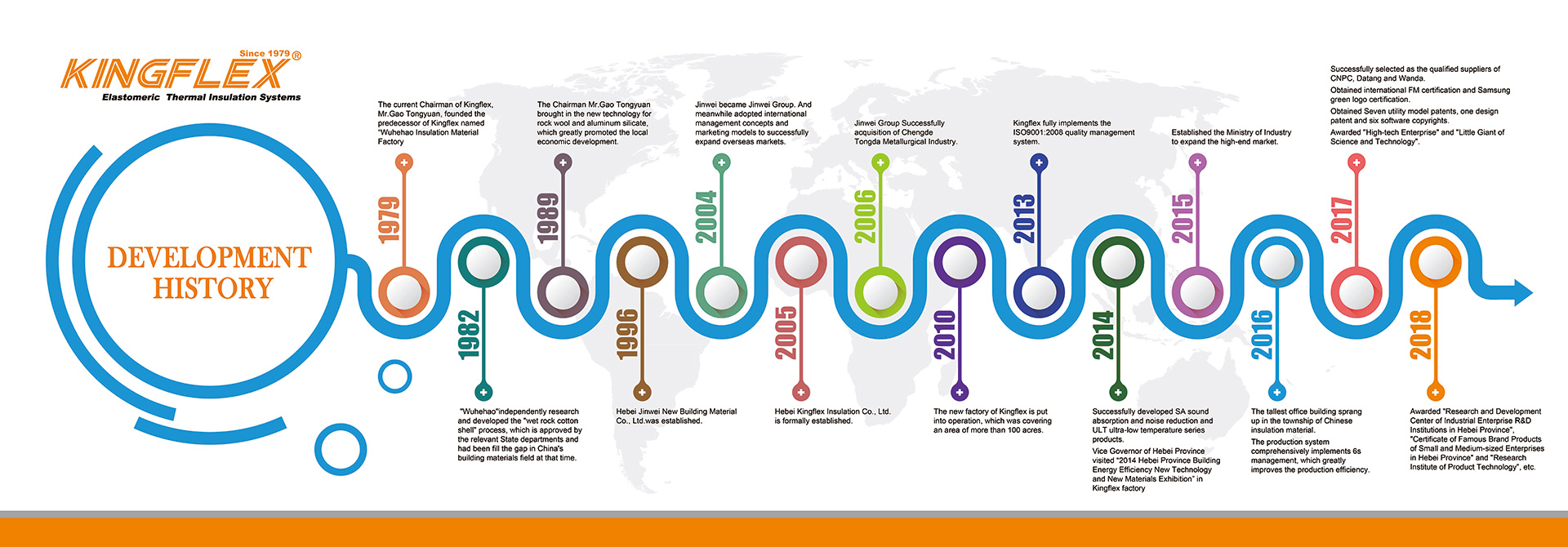
Corporate Legacy: Kingflex & The Jinwei Group
Decades of continuous manufacturing innovation and rigorous quality control systems under northern China's premier insulation conglomerate.

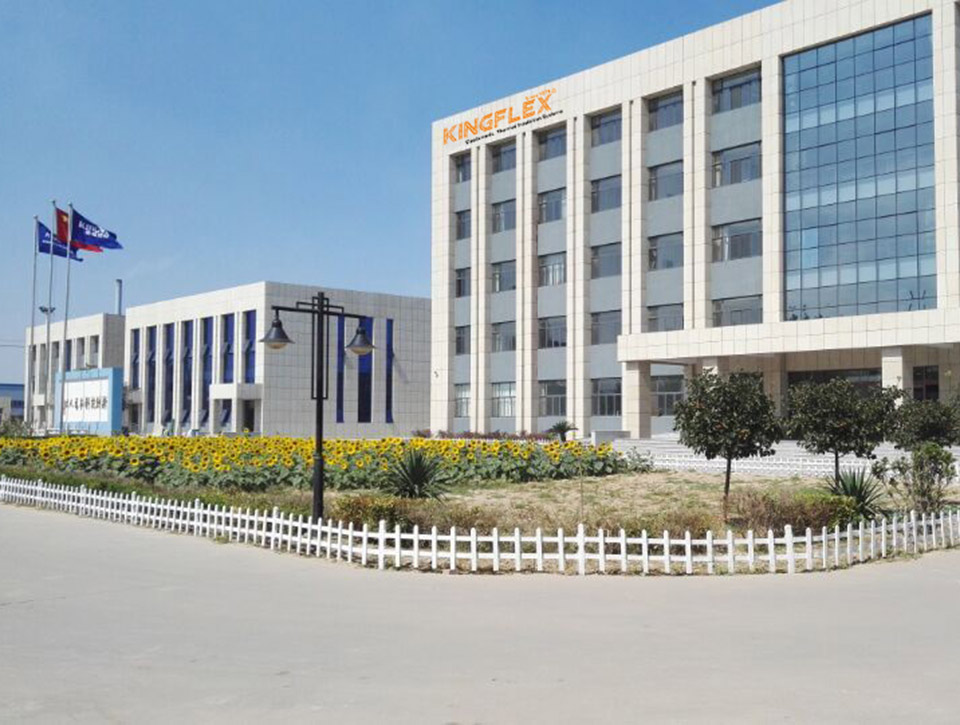
Kingflex Corporate Manufacturing Facility
Pioneering Sustainable HVAC Solutions

Kingflex Insulation Co., Ltd. is a professional manufacturing and trading combo for thermal insulation products. Located in Dacheng, China—the recognized capital of green-building materials—our facility integrates advanced research and development, smart production, and a comprehensive sales network. We prioritize energy conservation and consumption reduction as core operating values. Kingflex delivers holistic thermal management systems through specialized consultation, tailored R&D, structural installation guidance, and dedicated post-sale engineering support.
Our foundation rests on the legacy of the Jinwei Group, established in 1979. Boasting more than 40 years of continuous growth, Jinwei Group was the first manufacturer of thermal insulation materials north of the Yangtze River. Today, Kingflex carries this legacy forward, utilizing state-of-the-art facilities and automated manufacturing networks to service industrial contracts worldwide.
Automated Production Floor

Advanced Engineering and Team Capabilities

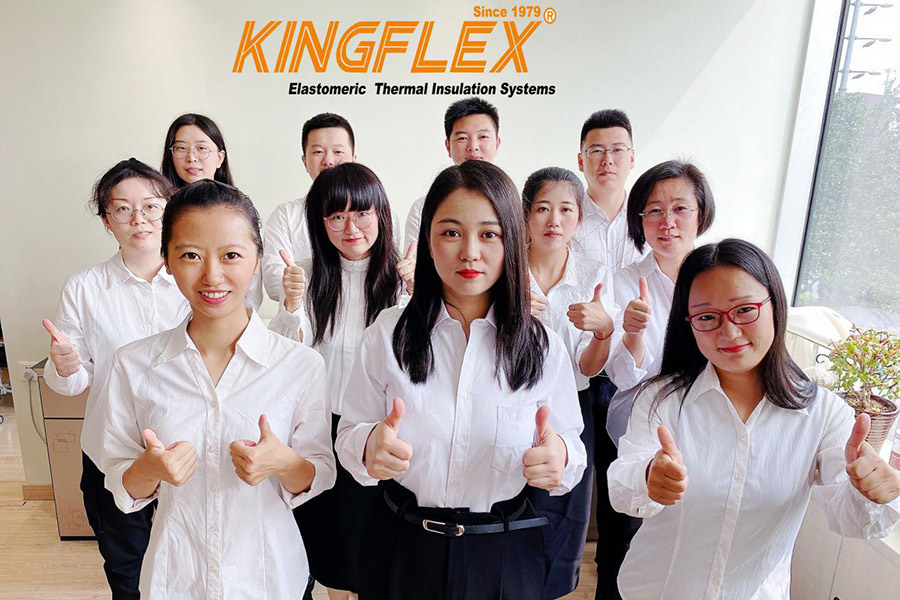
The strength of Kingflex resides in our integrated engineering team. Our personnel share a unified goal: providing first-class thermal performance solutions. Our team comprises 8 professional research and development engineers, 6 international logistics and sales experts, and 230 highly skilled factory technicians.
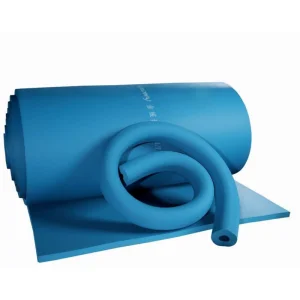
Equipped with 5 large automatic assembly lines, Kingflex has achieved an annual production capacity exceeding 600,000 cubic meters. This scale has earned us designation as a certified contract manufacturer for the Ministry of Energy, the Ministry of Electric Power, and the Ministry of Chemical Industry in China. Our structural insulation systems are engineered for diverse environments, ranging from high-rise building ducts to deep aerospace mechanical installations.
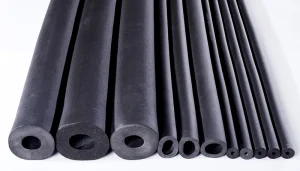
China's Manufacturing Supremacy: The Dacheng Industrial Advantage

Why sourcing from Kingflex Dacheng facilities guarantees exceptional efficiency, cost optimization, and localized system integration.
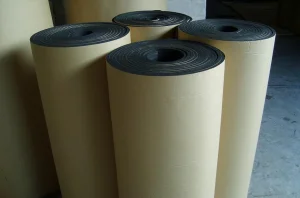
1. Direct Raw Material Access & Vertical Integration

Our strategic placement in Dacheng grants us direct access to regional petrochemical clusters. This geographical advantage minimizes logistics costs for critical polymers, including high-grade Nitrile Butadiene Rubber (NBR) and Polyvinyl Chloride (PVC). By controlling raw materials from feedstocks to finished products, we insulate our clients from volatile market spikes while ensuring chemical consistency across all production runs.

2. Unmatched Economies of Scale

Operating 5 continuous vulcanization lines allows Kingflex to run dedicated campaigns for specific thicknesses and diameters without downtime. This scale translates into shorter lead times, lower energy consumption per unit, and price-to-performance ratios that cannot be matched by smaller European or North American operations.
3. Customized Formulations & Technical Traceability

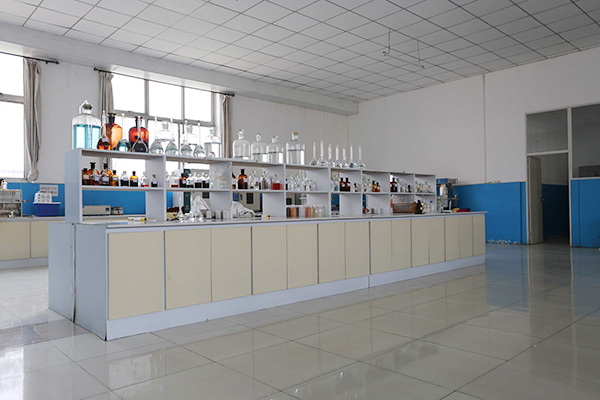
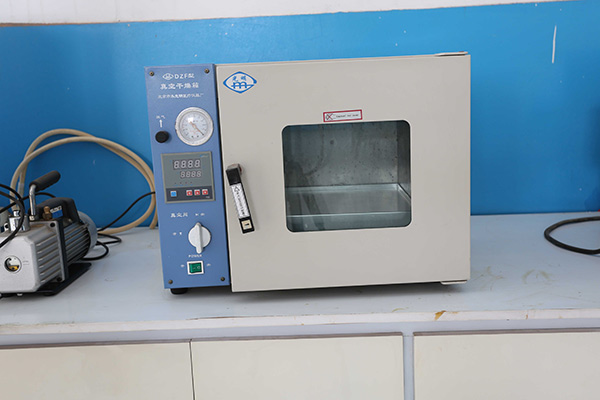
Every batch of Kingflex rubber foam is stamped with a tracking identifier, providing complete transparency. Whether an industrial contract requires enhanced flame retardancy, low toxic outgassing properties, or specialized cryogenic resilience (e.g., our Dolefin cryogenic range), our R&D lab quickly adjusts curing profiles and additives to meet local regulatory approvals.

Product Classifications & High-Performance Specifications

A technical catalog of our core elastomeric foam sheet, roll, and tube variations engineered for comprehensive air vent application scenarios.

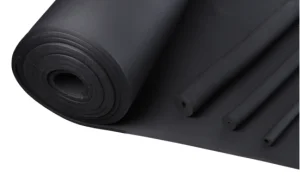
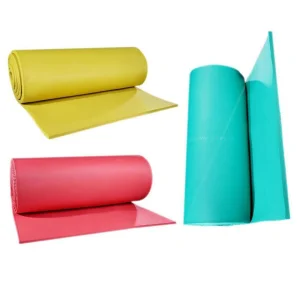
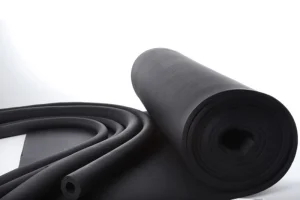
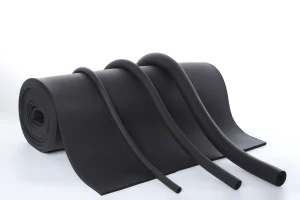
Black Rubber Foam Insulation Sheet & Roll

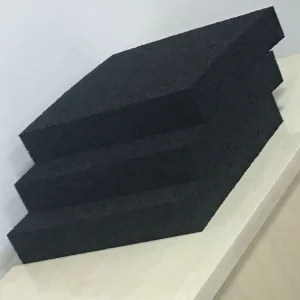
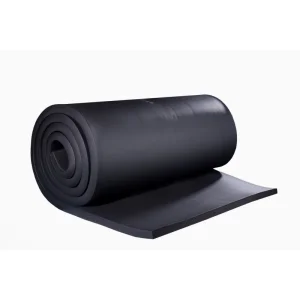
Kingflex sheet rolls are designed for large rectangular ducts, air handling unit (AHU) casings, and large-diameter transition joints. Their highly flexible composition allows them to wrap around complex fitting profiles with minimal waste.

Property Technical Metric / Specification Normative Standards Reference
Material Composition NBR/PVC Synthetic Elastomeric Blend ASTM C534 Type II
Thickness Range 6mm to 50mm Factory Standard
Density Range 40 - 55 kg/m³ ASTM D1622 / EN 1602
Thermal Conductivity (λ) ≤ 0.034 W/m·K at 0°C ASTM C177 / EN 12667
Water Vapor Permeability (μ) ≥ 10,000 (Built-in Vapor Barrier) ASTM E96 / EN 12086
Service Temperature Limit -40°C to +105°C EN 14706
Fire Safety Rating Class 0 / Class 1 / V-0 self-extinguishing BS 476 Part 6 & 7 / UL 94

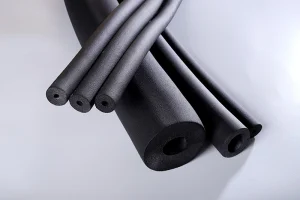
Standard Dimension Tube & Pipe Insulation

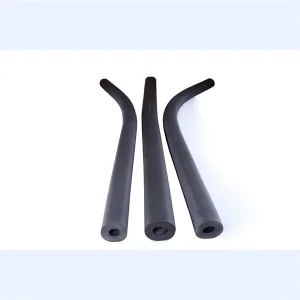
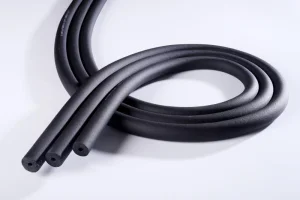
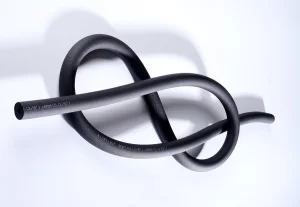
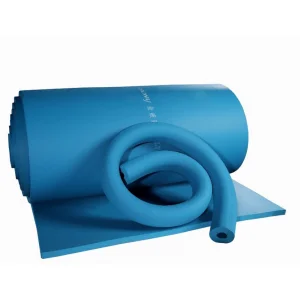
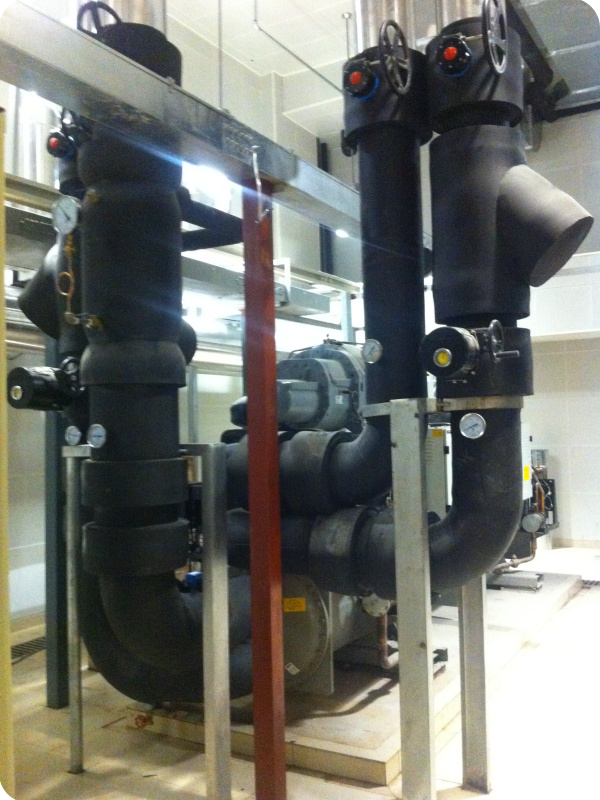
For round air vents, ventilation branch pipes, and HVAC lines, Kingflex NBR/PVC tubes offer pre-formed protection. The high flexibility of our closed-cell structures permits easy slipping onto pipes during installation, or lengthwise slitting and gluing for retrofitted systems.

  • Wall Thicknesses: Available in 9mm, 13mm, 19mm, 25mm, 32mm, and 40mm profiles.
  • Inner Diameters (ID): Sized from 6mm to 114mm to match industrial copper and steel pipe schedules.
  • Condensation Prevention: Prevents sweating on air supply lines carrying chilled air down to -40°C.
Black Rubber Foam Tube Application

Localized Applications & Project Implementations

Analyzing how Kingflex materials are specified for specialized HVAC environments globally, from commercial structures to low-temperature cryogenic systems.

Commercial Offices & Hotels

Duct Acoustics & Heat Control

Our materials provide thermal barrier protection inside wall cavities, preventing energy leakage. In hotels and office complexes, the closed-cell configuration reduces structural vibration and dampens low-frequency noises within air supply vents.

Hospitals & Cleanrooms

Hygienic IAQ and Mold Mitigation

Unlike fiber-based insulation, Kingflex NBR/PVC products are free from formaldehyde and particulates. The smooth skin will not shed fibers or harbor dust, meeting cleanroom requirements and ensuring sterile air supply channels.

Industrial Plants & Cryogenics

Corrosion Control & Extreme Cold

Our specialized cryogenic formulations (Dolefin series) prevent ice formation and pipe cracking at temperatures as low as -200°C, offering physical protection against corrosion under insulation (CUI).

Project Gallery & Factory Verification Documents

Global Procurement Demands: Compliance & Material Certification

A procurement-level breakdown of essential compliance documentation, flame propagation ratings, and product verification processes.

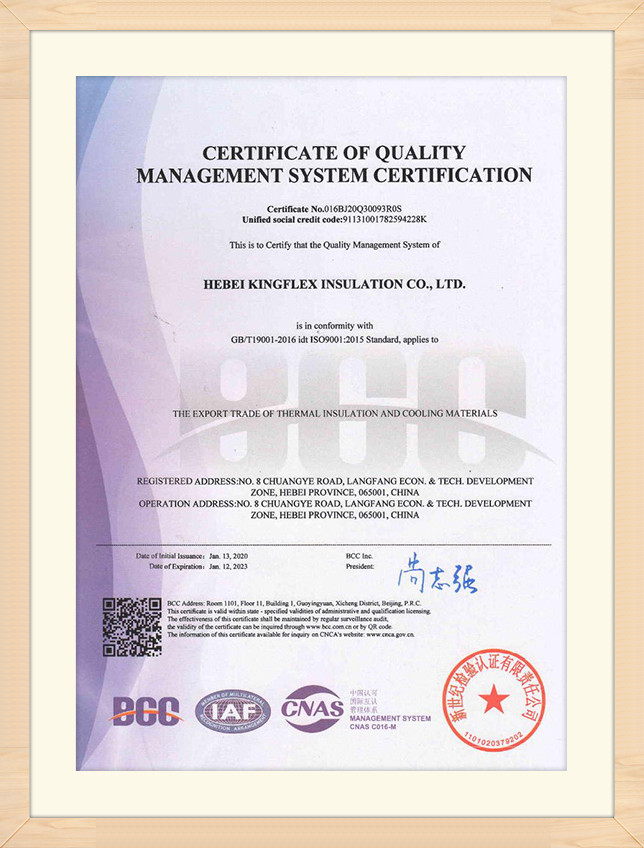
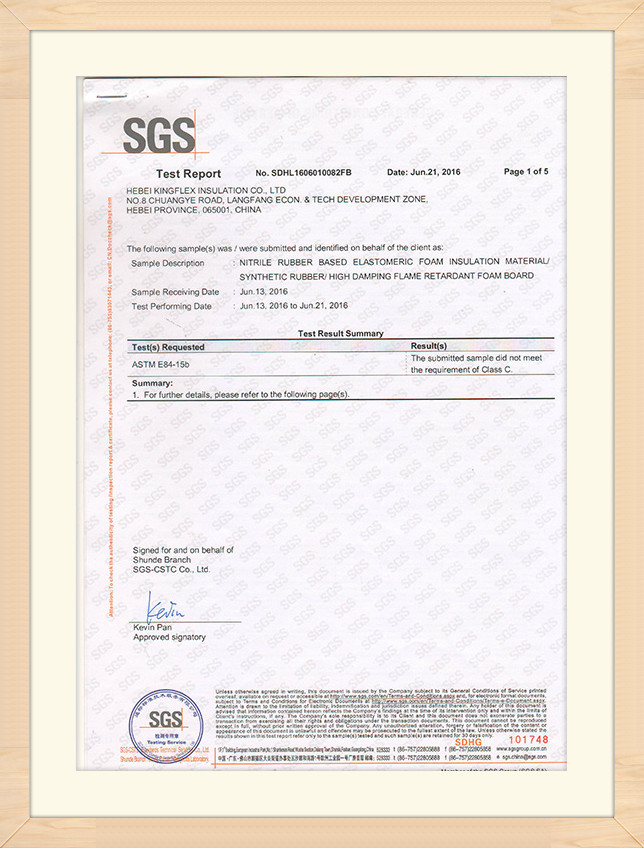
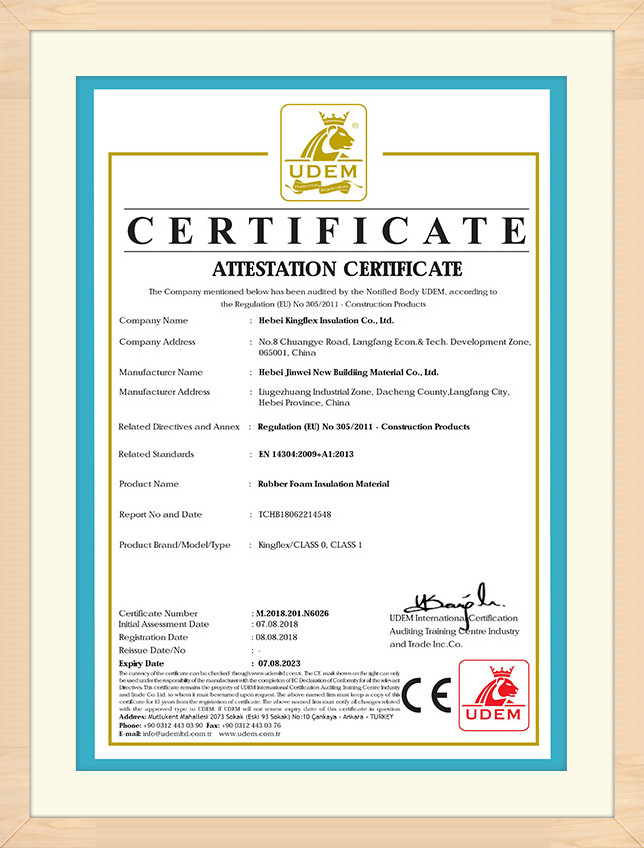
For international MEP contractors and procurement agents, the main bottleneck in sourcing materials from China is regulatory compliance. Kingflex addresses this concern through exhaustive third-party verification. Our materials are fully tested and certified under global standards, including BS 476 (Class 0 & Class 1) for flame retardancy, CE Mark compliance for European building envelopes, REACH and RoHS certificates for environmental safety, and UL 94, ASTM, and FM approvals.

This certification level ensures our products pass import customs inspections and satisfy municipal building inspectors. Furthermore, Kingflex provides full system traceability—every pallet shipped is backed by raw material analysis, density profiling, and batch-curing records.

CE Certificate Reference
UL Certificate Reference

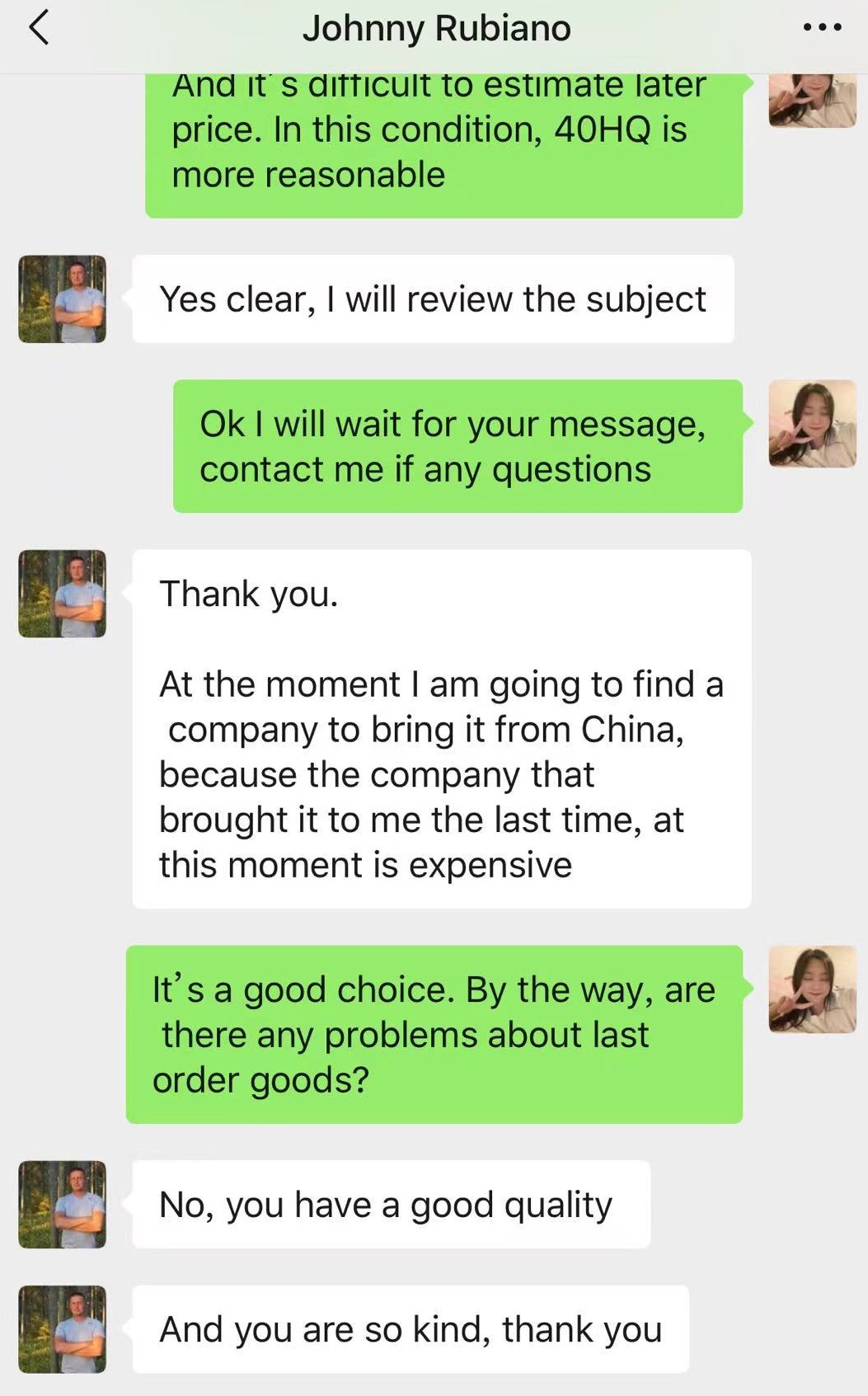
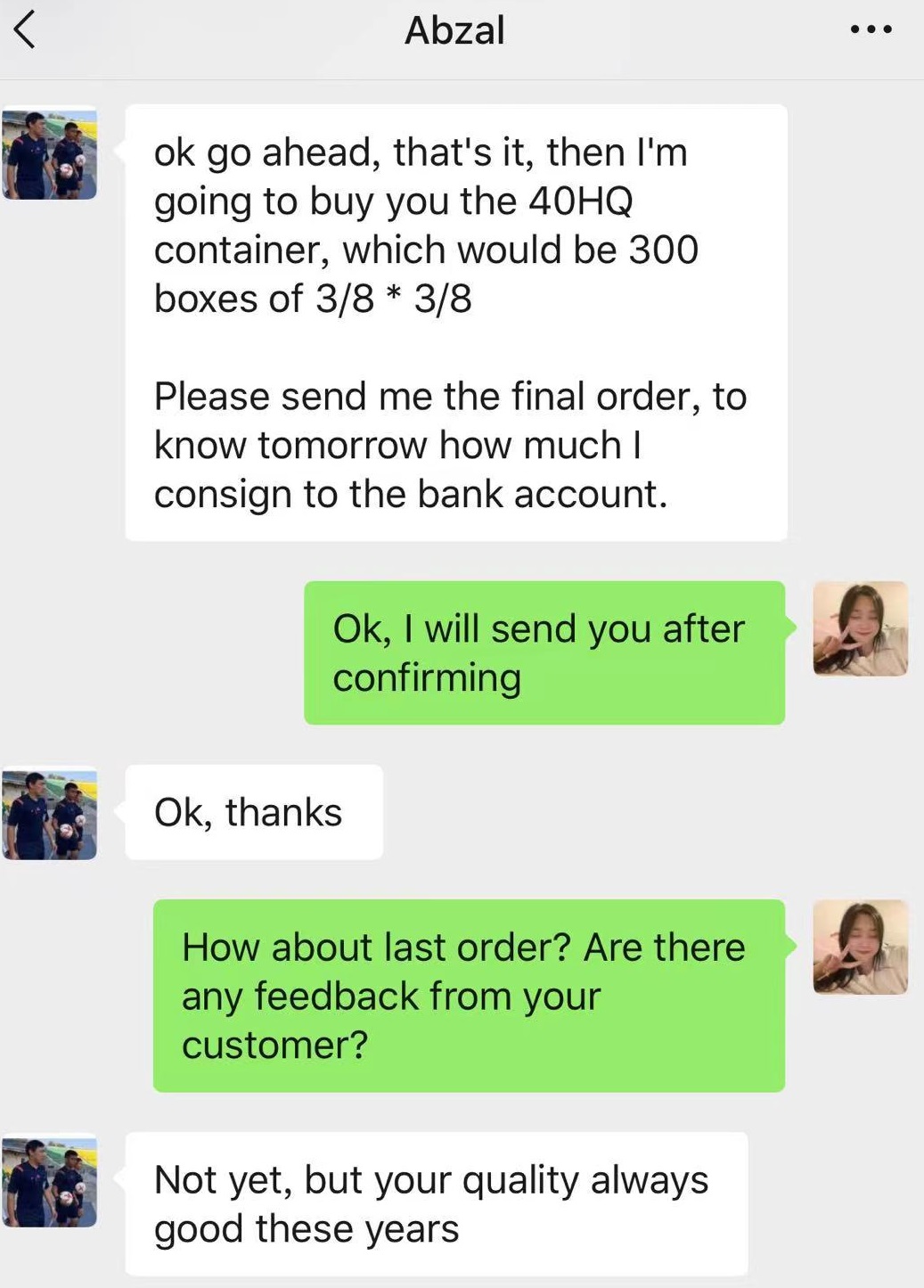
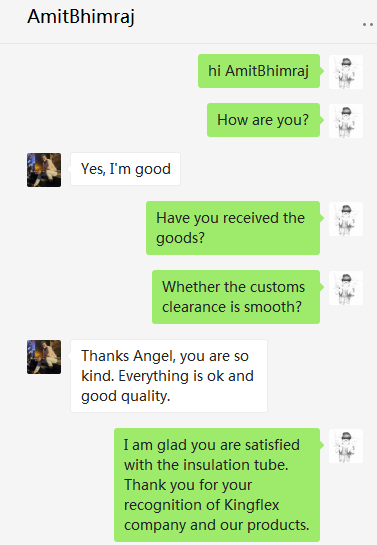
Procurement Verification Chat Screenshots

Client Communication Screenshot 1 Client Communication Screenshot 2 Client Communication Screenshot 3 Client Communication Screenshot 4 Client Communication Screenshot 5

Expert Q&A / Frequently Asked Questions

Addressing core technical concerns, material selections, and performance benchmarks for project engineers and procurement professionals.

Q1What is elastomeric rubber foam insulation used for?

It is mainly used for HVAC ducts, air conditioning pipes, building thermal insulation, industrial pipeline cold insulation, and sound insulation. Its closed-cell structure prevents moisture ingress and thermal losses.

Q2Is Kingflex rubber foam insulation fire resistant?

Yes, our rubber foam insulation products are fire retardant, meeting BS 476 Part 6 & 7 Class 0, UL94 V-0, and ASTM E84 flame spread and smoke development safety standards.

Q3What is the difference between rubber foam and rock wool insulation?

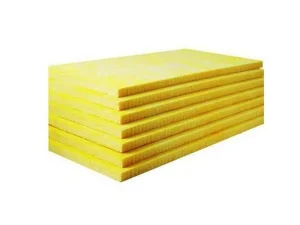
Rubber foam features a flexible, closed-cell, moisture-proof structure, making it ideal for HVAC condensation control and refrigeration pipes. Rock wool is a high-density fiber structure that excels in high-temperature industrial pipelines and acoustic absorption applications.

Q4Do you provide customized insulation products?

Yes, we support comprehensive OEM/ODM services, including custom thicknesses (6mm to 50mm), specific pipe inner diameters, custom colors, self-adhesive backings, and aluminum foil face laminations.

Q5What certifications do your products have?

Our products have passed BS 476, CE, REACH, RoHS, UL94, ASTM, and other international certifications, ensuring compliance with building and industrial regulations worldwide.

Q6Does Kingflex products have traceability?

Yes. Every production run is marked with serial codes, allowing us to trace manufacturing dates, raw materials, batch curing profiles, and quality control reports.

Q7What thickness of Rubber foam insulation sheet roll can you produce?

We can produce thicknesses ranging from 6mm to 50mm, allowing engineers to design insulation systems to meet precise dew point requirements.

Q8What is the service life of rubber plastic pipe and board?

When installed in accordance with manufacturer guidelines, the structural service life spans between 10 to 15 years, depending on ambient exposures and mechanical protection systems.

Q9How does the built-in vapor barrier protect air vents from corrosion?

Because the closed cells contain dry, trapped air, water molecules cannot penetrate the insulation body. This eliminates condensation on the metal duct surface, preventing Corrosion Under Insulation (CUI).

Q10What is your annual manufacturing capacity for global distribution?

Operating 5 fully automated assembly lines in Dacheng, China, we maintain an annual capacity exceeding 600,000 cubic meters. This volume ensures stable pricing and consistent supply schedules for large industrial developments.