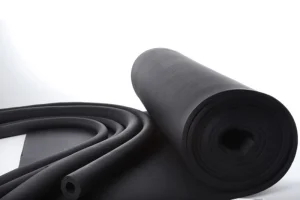
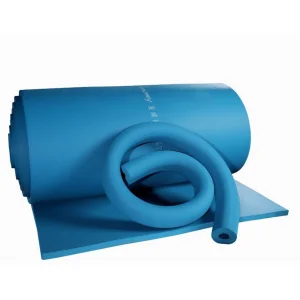
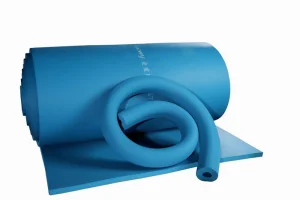
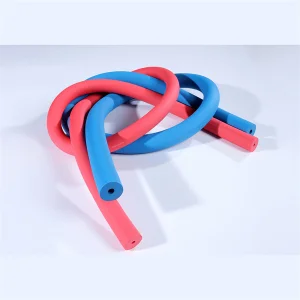
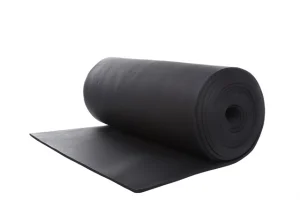
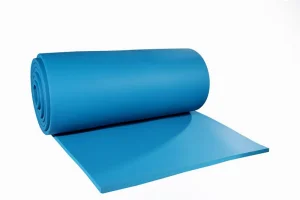
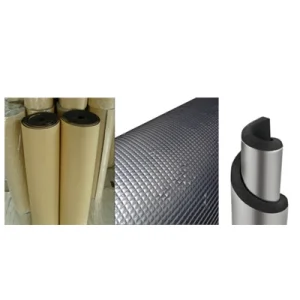
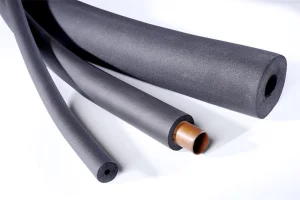
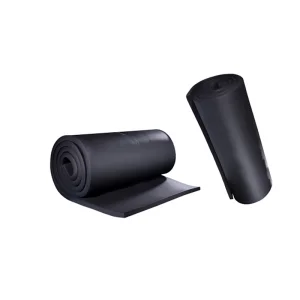
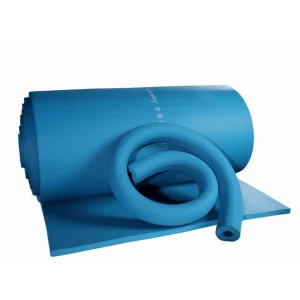
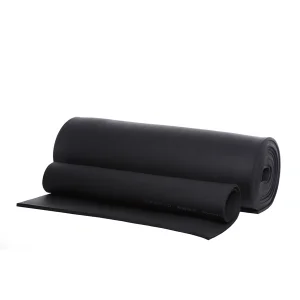
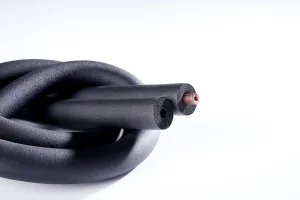
Explore our core high-performance elastomeric and cryogenic thermal insulation systems deployed worldwide.
Understanding the engineering calculations that prevent energy loss and pipe condensation in HVAC and process piping.
In modern HVAC design, chemical process plants, and low-temperature cryogenics, calculating the exact thickness of insulation required is not merely a matter of general recommendation—it is a critical science based on the thermodynamics of heat transfer. The fundamental purpose of insulation is to restrict the rate of thermal transfer between a pipe or vessel and the ambient atmosphere. Underestimating this thickness leads to energy waste, thermal degradation, condensation, and corrosion under insulation (CUI). Overestimating it increases procurement costs and spatial requirements.
Calculating the required thickness depends heavily on three physical limits: the economic thickness, the condensation prevention thickness, and the personnel protection thickness. Depending on the installation environment, engineers must calculate thermal performance using equations that incorporate the thermal conductivity (k-value) of the elastomeric rubber foam, surface heat transfer coefficients, relative humidity, and ambient temperature margins.
How algorithmic design, composite materials, and real-time modeling are reshaping global thermal systems.
Traditional calculation formulas relied on static tables (such as ASTM C680 or ISO 12241 standard models). The trend is shifting toward integrated BIM-enabled calculation algorithms that automatically adjust insulation variables in real-time, accounting for aging factors, localized humidity spikes, and dynamic thermal cycles.
Modern elastomeric materials are engineered with micro-cellular variations. By structuring a higher cell-density (exceeding 98% closed cells), manufacturers reduce the overall required thickness for critical applications, allowing lightweight, compact designs that achieve the same thermal performance as thicker historical products.
As standard liquid natural gas (LNG) systems operate at -162°C, and ultra-cold research facilities approach -196°C, the formulas must adapt to variable thermal conductivities that spike at low temperatures. Material suppliers must provide verified dynamic thermal conductivity curves under strict ISO protocols.
Deciphering the verification, testing, and compliance benchmarks demanded by tier-1 global engineering firms.
Global procurers of thermal insulation require extensive documentation validating that structural performance matches theoretical formulas. For large projects, an insulation error of even 2mm across miles of piping can result in millions of dollars in thermal loss or plant shutdowns due to ice accumulation and subsequent line leaks.
Standardized purchase agreements require compliance with the following international frameworks:
| Compliance Code | Application Target | Technical Expectation |
|---|---|---|
| BS 476 Part 7 / Class 0 | HVAC & Commercial Building Safety | Flame spread limits, low smoke toxicity, and high-temperature integrity. |
| ASTM C518 / ASTM C177 | Thermal Performance Measurement | Standard tests for steady-state heat flux and thermal transmission properties. |
| CE / EN 14304 | European Industrial Standard | Mandatory certification for manufactured elastomeric foam products. |
| REACH & RoHS | Eco-compatibility Requirements | Elimination of halogenated additives, heavy metals, and toxic blowing agents. |
| UL 94 (V-0 / 5VA) | Electrical & Industrial Enclosures | Strict plastic flammability testing for component configurations. |
In addition to these regulations, procurers evaluate physical aging factors. Elastomeric rubber foam is prone to structural shrinkage and moisture absorption over decadal cycles. Procuring high-quality material from certified manufacturers ensures that the actual performance of the insulation remains stable across its 15-year lifecycle.
How modern manufacturing facilities in Dacheng achieve unmatched cost-efficiencies and performance consistency.
Kingflex Insulation operates 5 fully automated continuous-foaming production lines. These facilities integrate automated material dosing, internal compound mixing under pressurized thermal controls, continuous extruding, and automated temperature profile foaming. This technology produces over 600,000 cubic meters annually, delivering uniform cellular structures with stable density parameters.
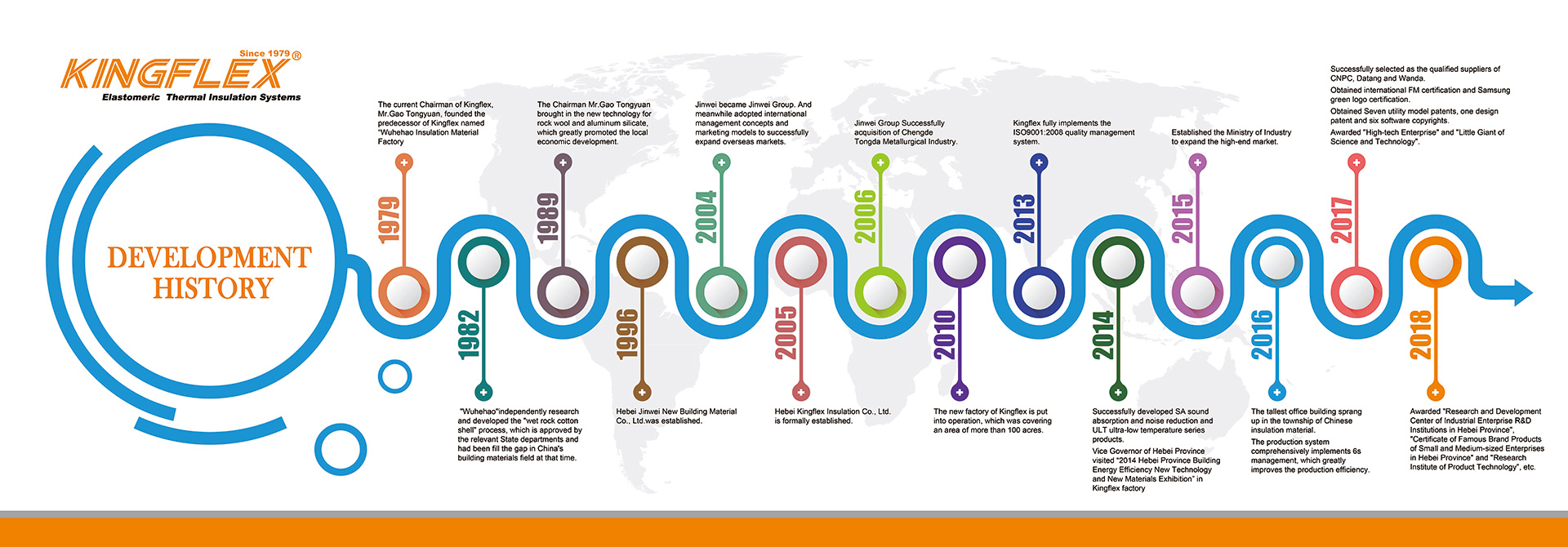
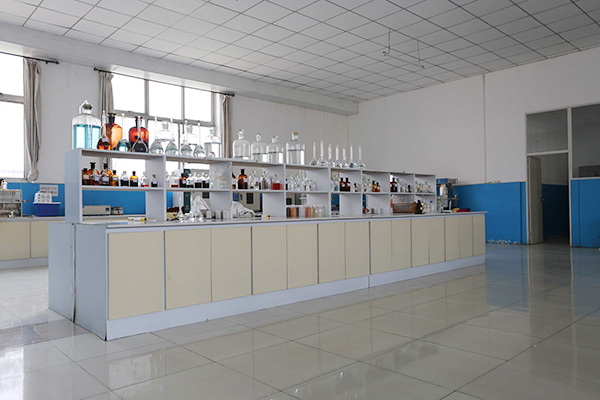
Backed by decades of experience via the Jinwei Group (originating in 1979 as Northern China's pioneer in insulation manufacturing), our facilities house advanced materials labs. Our engineers assist global buyers in calculating optimal thickness requirements, utilizing custom-developed modeling software to predict heat retention, energy savings, and condensation potential.
To guarantee that our NBR/PVC and EPDM elastomeric products align with calculated values, every production run undergoes testing for density (40–55 kg/m³), cell distribution (>98% closed cells), and thermal conductivity values. Full product traceability ensures consistent performance from raw material processing to installation.
Custom calculations and material specifications tailored to demanding operational environments.
At temperatures below -160°C, traditional insulation fails due to atmospheric moisture absorption and subsequent freezing. Cryogenic systems require multi-layer elastomeric insulation designed with strict density gradients. The calculation formula must account for thermal contraction and high external humidity levels to ensure the surface temperature remains safely above the ambient dew point.
In tropical and coastal industrial facilities, relative humidity frequently exceeds 85%. Without proper thickness calculations, cold-water pipelines suffer from condensation and dripping water, causing safety hazards and system component degradation. Our NBR/PVC closed-cell structures block water vapor transmission, ensuring consistent thermal resistance over decades of service.
For chemical and process piping operating between 50°C and 105°C, energy retention is the main priority. Calculations are optimized for the most cost-effective thickness, balancing initial procurement costs against energy-saving returns. This maintains stable fluid temperatures and protects personnel from contact burns.
Building energy-saving insulation solutions with a global network of partners since 1979.
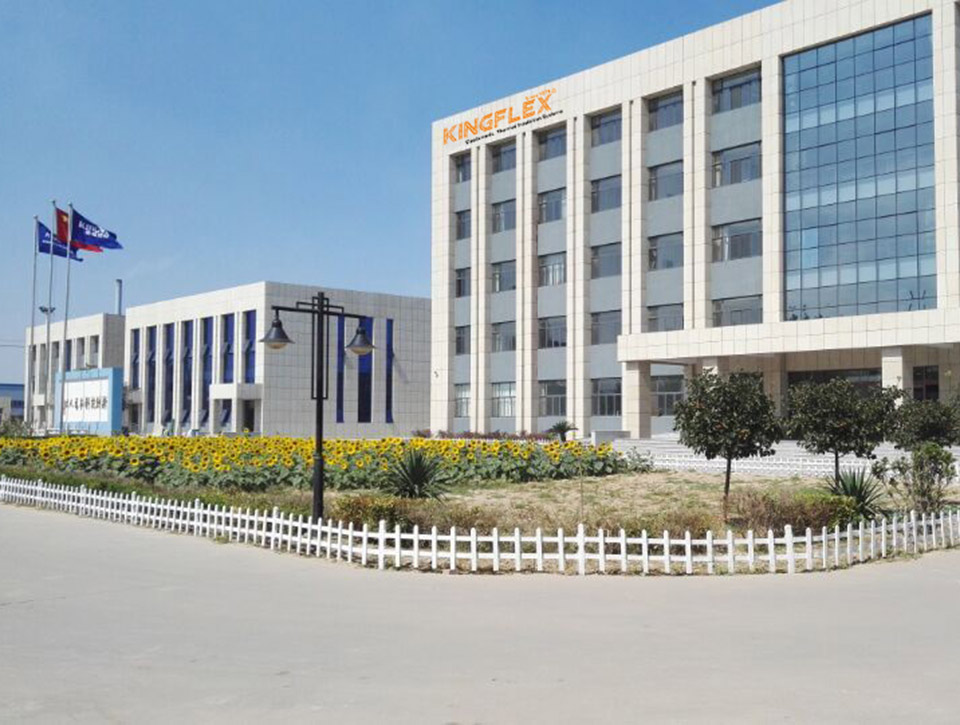
Kingflex Insulation Co., Ltd. is a leading manufacturing and trading combo for high-quality thermal insulation products. Our research, development, and production departments are located in Dacheng, China, a major hub for green building materials. As an energy-saving, environmentally friendly enterprise, we specialize in the research, development, production, and sale of advanced insulation materials.
In operation, Kingflex prioritizes energy conservation and energy-efficiency. We provide comprehensive thermal solutions through expert technical consultation, customized R&D production, detailed installation guidance, and responsive post-sale service to support building and industrial development worldwide.
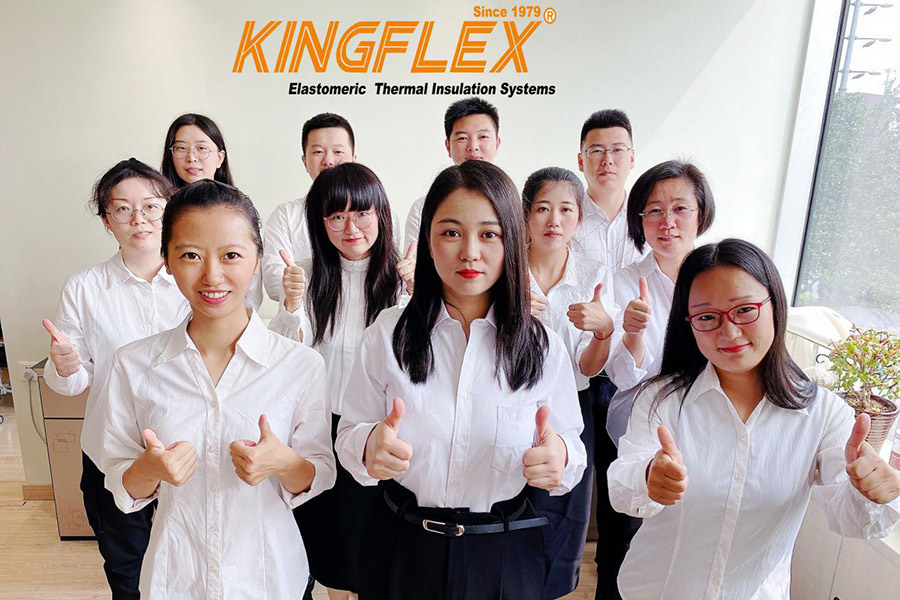
Today, our team of eight professional R&D engineers, six dedicated international sales representatives, and 230 production personnel work together to deliver reliable service and performance for our clients.
Expert technical answers regarding elastomeric calculations, performance, and international standards.
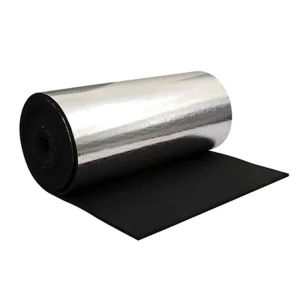
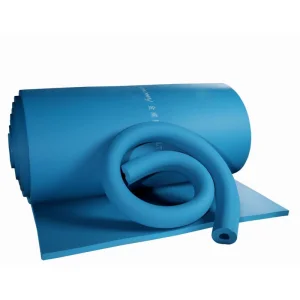
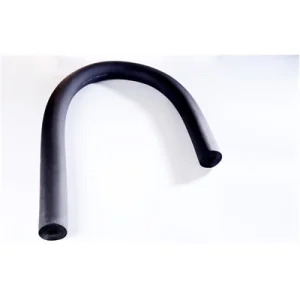
Explore our full line of elastomeric closed-cell tubes, sheet rolls, and cryogenic insulation materials.