China Lt Insulation Tube Supplier & Suppliers

Global Benchmark in Closed-Cell Elastomeric NBR/PVC Thermal & Cryogenic Insulation Solutions

Understanding Low-Temperature (Lt) Thermal Control Science

In thermal engineering, low-temperature systems (often abbreviated as Lt systems, which encompass chilled water, refrigeration, and cryogenic setups ranging from -40°C down to -196°C) represent the most critical and challenging environments. Unlike high-temperature steam systems, where the core threat is energy loss and safety hazards, Lt systems fight a persistent, invisible thermodynamic enemy: atmospheric humidity and water vapor diffusion.

When the temperature of media flowing through pipelines drops below the ambient dew point, water vapor in the air naturally migrates towards the pipe surface. Under standard thermodynamic pressure gradients, water vapor acts as a gas that can penetrate open-cell or fibrous materials. If moisture enters the insulation structure, it displaces air (which has a thermal conductivity of $\approx 0.026$ W/m·K) with water ($\approx 0.6$ W/m·K) or ice ($\approx 2.2$ W/m·K). This transition increases the material's thermal conductivity by up to 100-fold, rendering the thermal barrier useless and causing critical pipe corrosion (CUI) and energy structural failure.

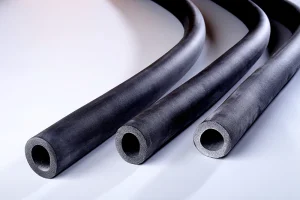
Our specialized Lt Insulation Tubes utilize a high-density, closed-cell NBR/PVC (Nitrile Butadiene Rubber / Polyvinyl Chloride) matrix to overcome this thermodynamic bottleneck. Built around a cellular micro-structure featuring over 98% closed cells, these tubes possess an inherent "built-in" water vapor barrier. The diffusion resistance factor ($\mu$-value) is extremely high ($\geq 10,000$), eliminating the need for external protective vapor jackets in most indoor and standard outdoor installations.
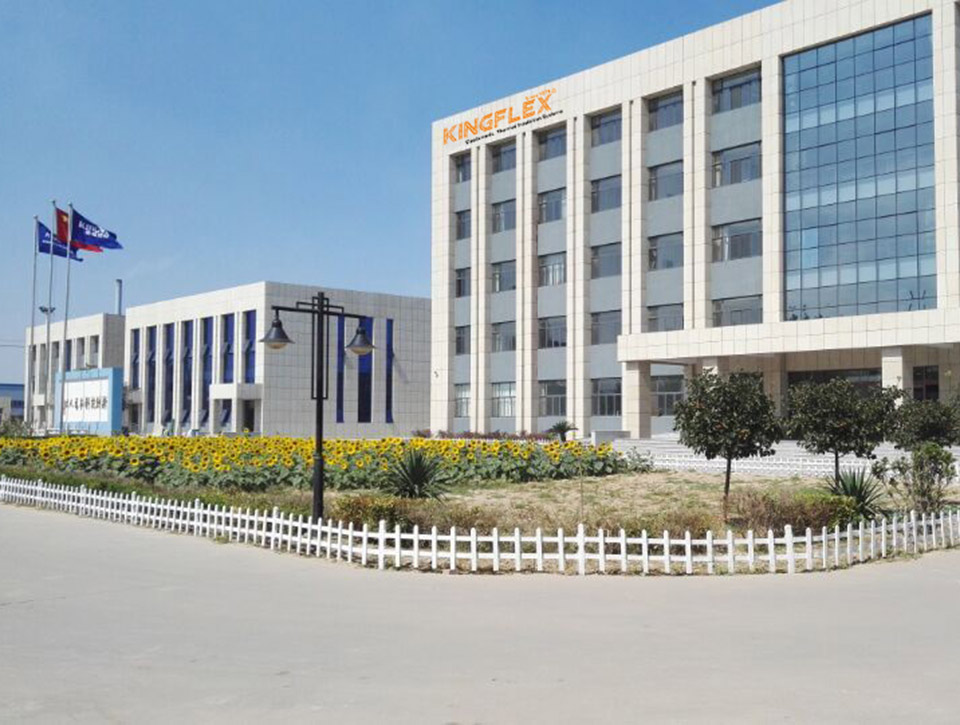
Kingflex elastomeric production facility and raw materials
Decentralized Cost, Centralized Quality: The Chinese Factory Advantage

Automated Kingflex elastomeric extrusion lines in Dacheng
Operating out of Dacheng, China—globally recognized as the premier manufacturing capital for energy-saving, green building insulation materials—Chinese suppliers have developed an integrated supply ecosystem. Dacheng's unique industrial concentration brings together raw materials suppliers, chemical compounding laboratories, specialized processing machinery manufacturers, and global logistic hubs in close proximity. This geographic advantage results in significant structural benefits for global procurement teams:

  • Economy of Scale & Capacity: Kingflex runs 5 high-speed, fully automated continuous extrusion assembly lines with an annual output exceeding 600,000 cubic meters. This automated scale dampens per-unit labor costs while ensuring complete batch-to-batch structural uniformity.
  • Advanced Compound Formulations: Our R&D labs have pioneered custom polymer matrices, integrating flame retardants, anti-aging compounds, and structural plasticizers directly into the elastomer mix. This allows our products to easily pass strict global compliance testing (BS 476, CE, REACH, UL 94, ASTM).
  • Total Quality Control & Traceability: Every batch is tested for density, flame propagation, and thermal conductivity. With digital system tracking, every shipment is completely traceable back to its production run, guaranteeing consistency.

About Kingflex: Decades of Pioneer Performance

40+ Years Industry Experience
600K m³ Annual Production Capacity
66+ Countries Exported To
230+ Skilled Craftspeople

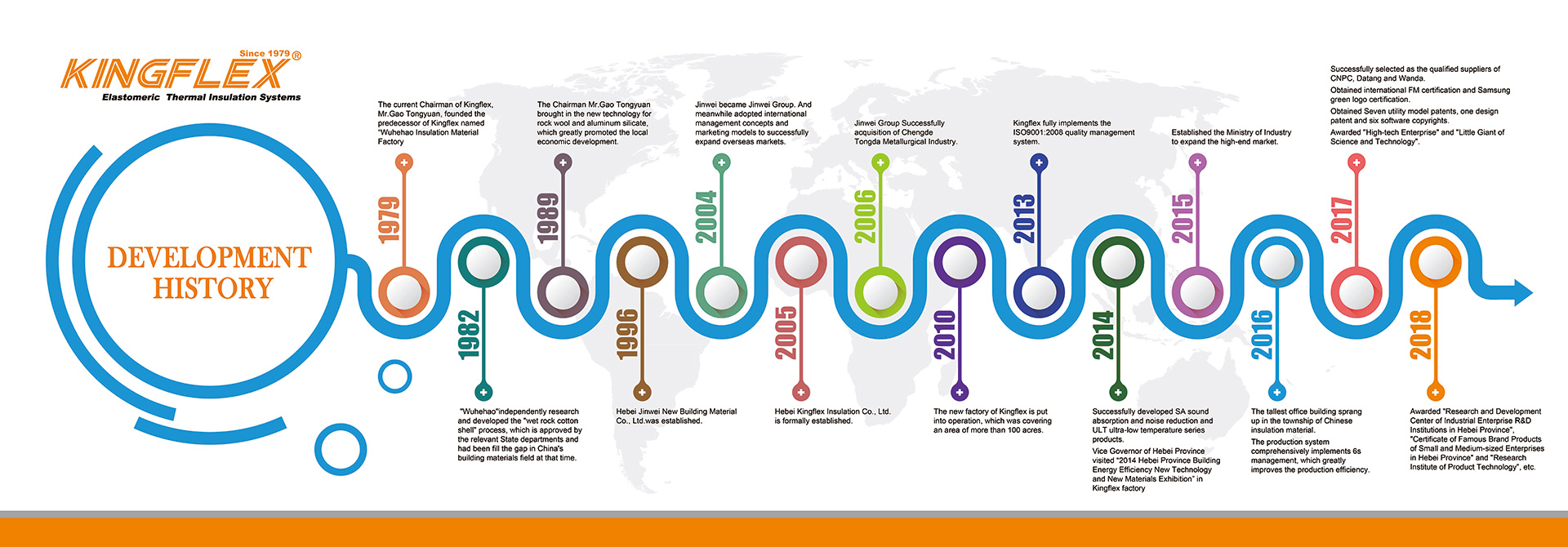
Established under the parent banner of the Jinwei Group, which traces its manufacturing legacy back to 1979, Kingflex is the pioneer manufacturer of thermal insulation materials north of the Yangtze River. For over four decades, our company has evolved alongside global industrial developments. We are not just a manufacturer; we are a dedicated insulation solution provider that integrates consultation, product design, custom manufacturing, testing certification, and installation guidance.
Our staff of 8 full-time research and development engineers works to push the boundaries of polymer chemistry, looking for ways to lower the thermal conductivity values ($\lambda$-value) of our products while improving their safety profile and flame-retardant capabilities. Today, Kingflex is recognized as a designated supplier of key materials to the Chinese Ministry of Energy, Ministry of Electric Power, and Ministry of Chemical Industry, with our products being exported to more than 66 countries worldwide.
Kingflex history, Jinwei Group established in 1979
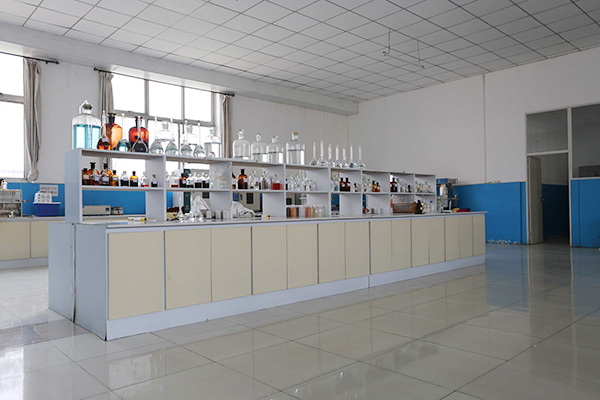
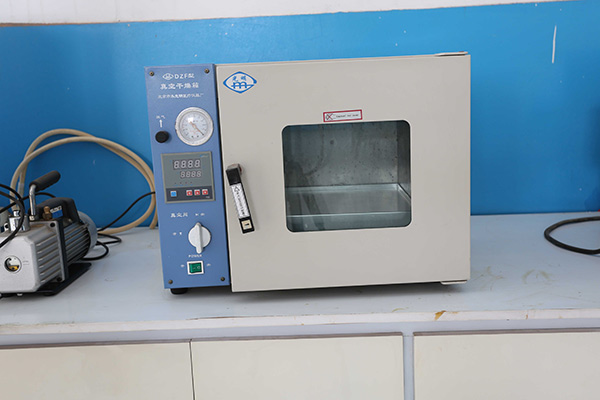
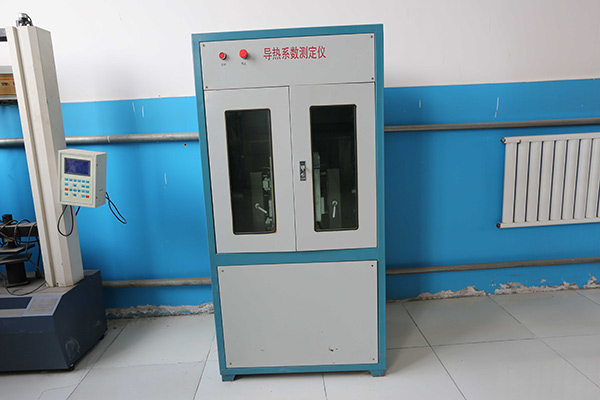
Advanced R&D Testing & Compliance Setup

Macro-Industry Applications & Project Implementations

Low-temperature insulation systems require unique technical specifications based on the industry they are deployed in. Below are the core sectors where Kingflex systems have been installed successfully:
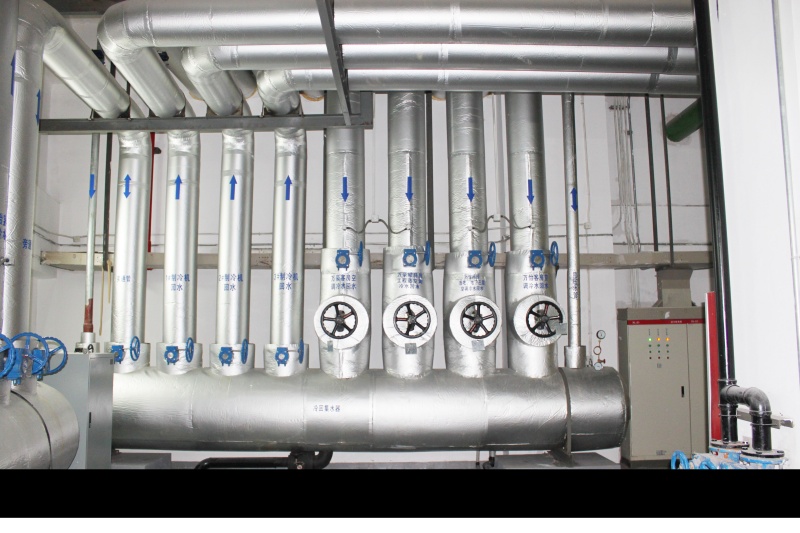
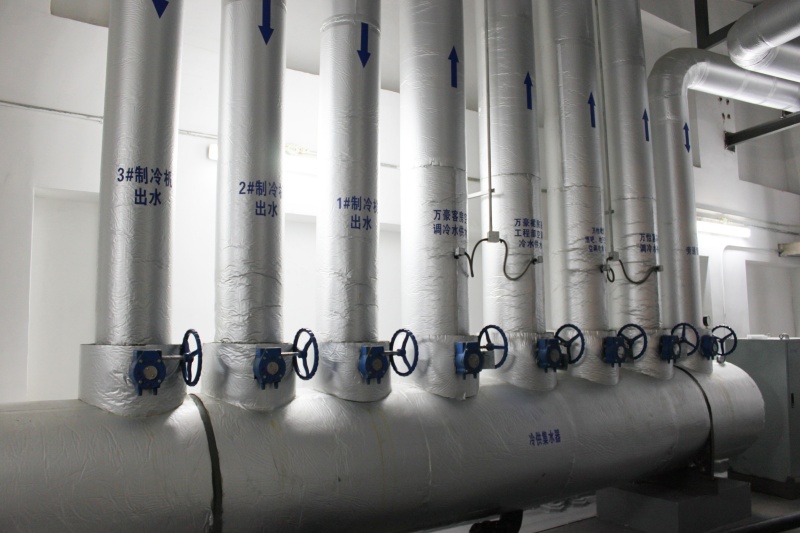
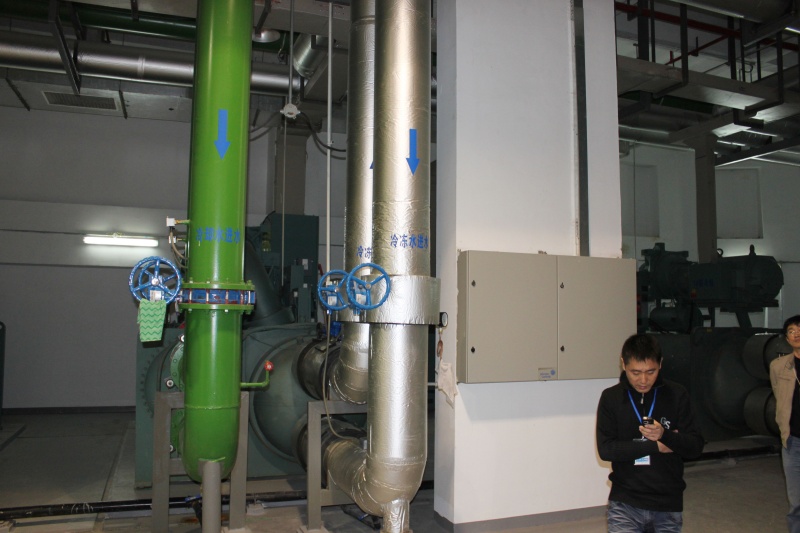
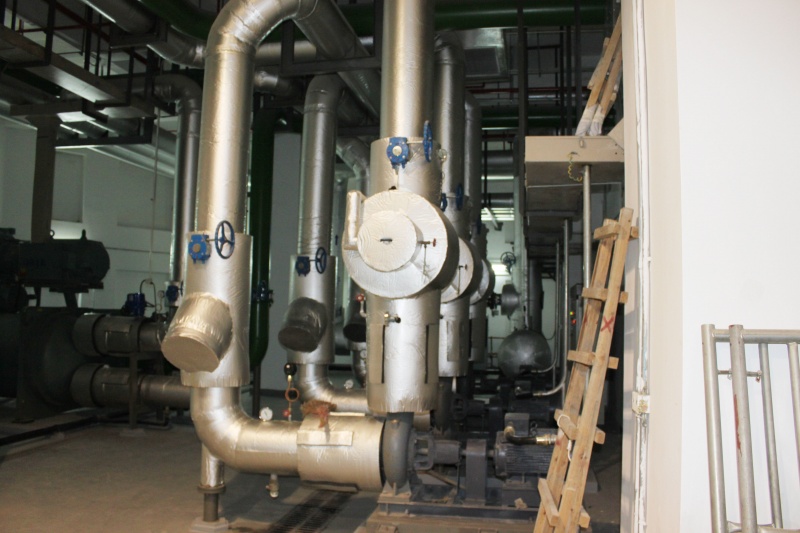
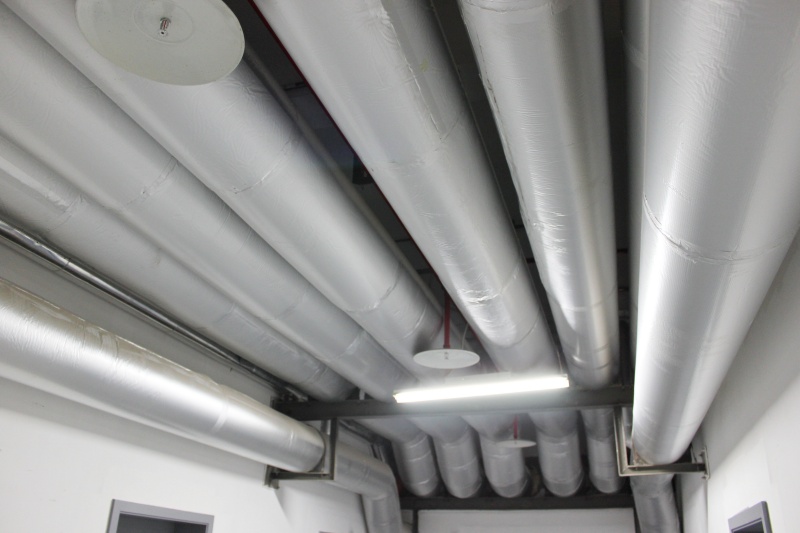
1. Commercial HVAC & District Cooling Systems: In large-scale systems like central chilled-water pipelines and air handling units (AHUs), maintaining a stable temperature profile is critical. Our Lt insulation tubes prevent surface sweating and dripping in high-humidity areas, saving energy and preventing water damage to ceiling structures.

2. Industrial Process Piping & Chemical Plants: Chemical manufacturing processes require precise thermal control over fluid transport. Closed-cell rubber foam provides a barrier that prevents corrosion under insulation (CUI) while protecting the pipe from ambient heat spikes.

3. Cryogenic & Low-Temperature Systems: In extreme environments (such as LNG processing and distribution pipelines operating below -40°C), our multi-layered flexible cryogenic foam systems are designed to absorb thermal shock, mitigate stress concentrations, and prevent system freeze-ups.

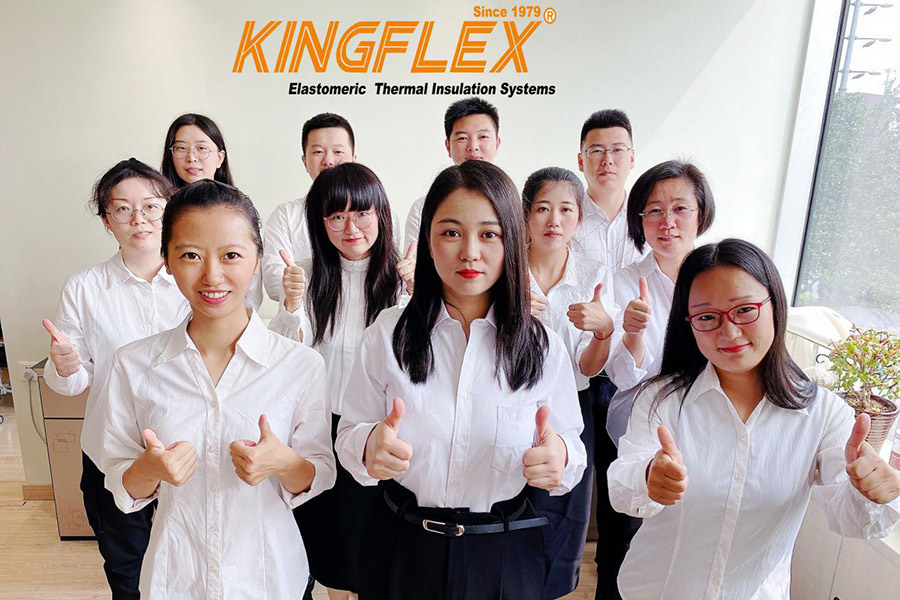
Kingflex R&D engineers and technical experts team
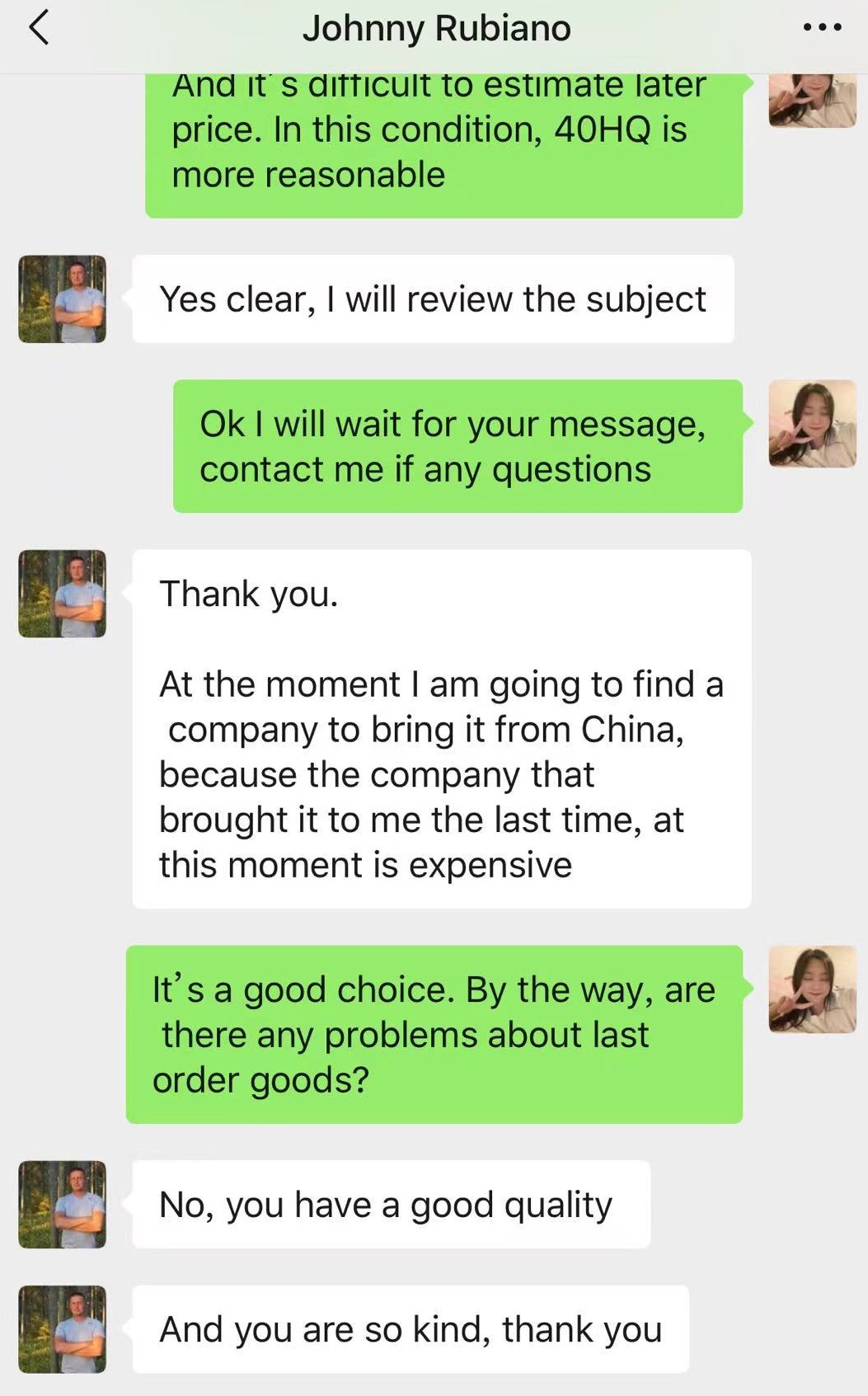
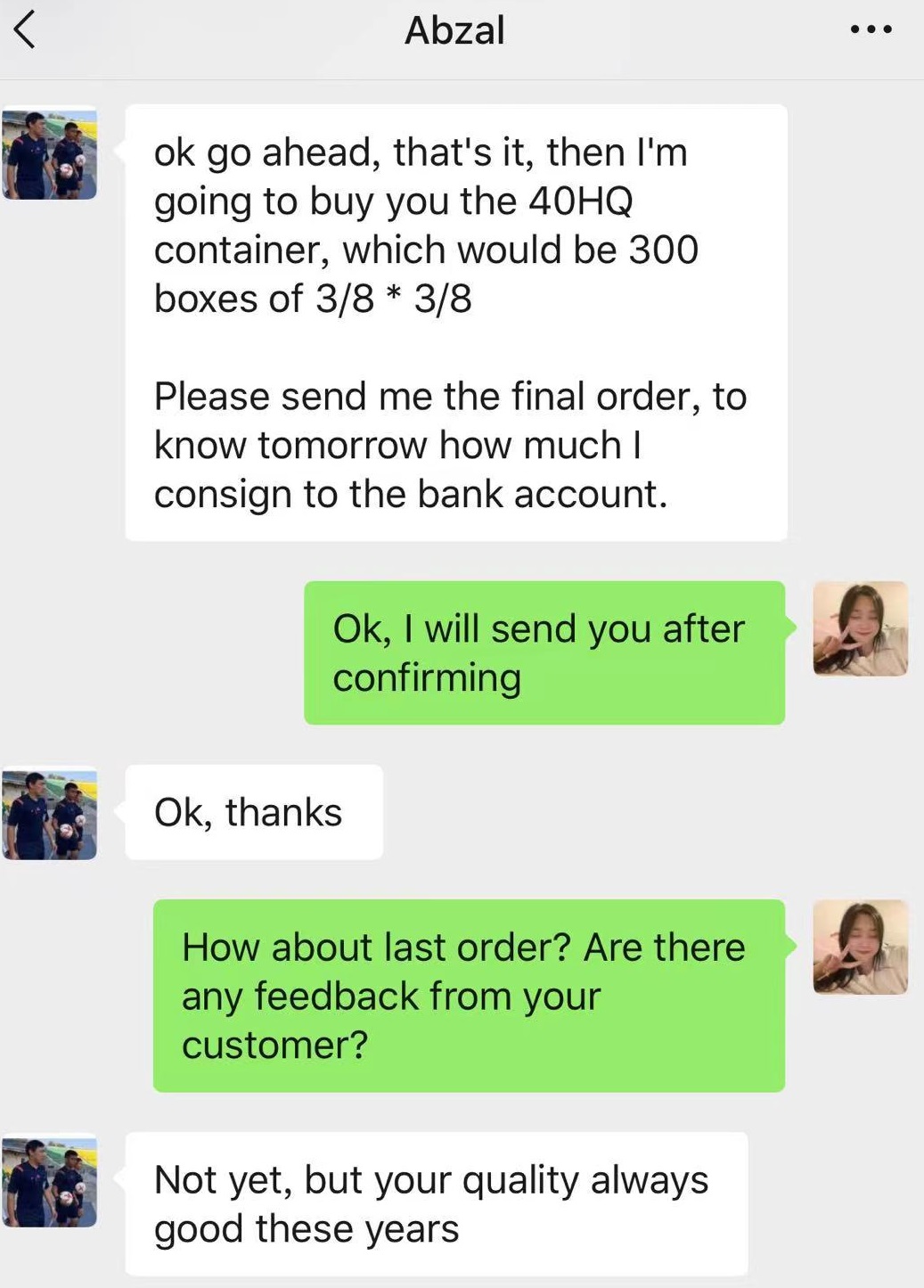
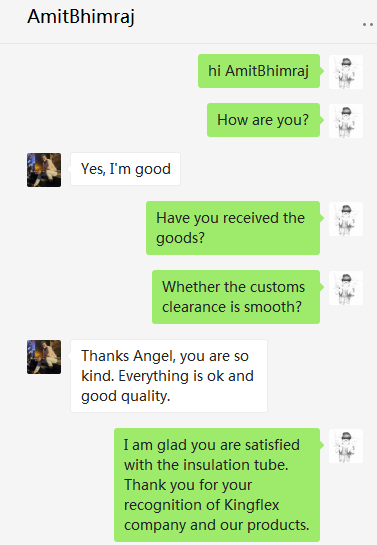
Client Communication & Site Implementations

Technical Parameters & Materials Engineering

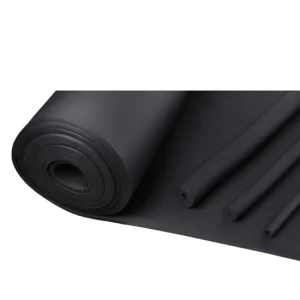
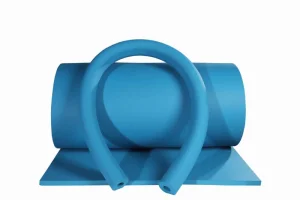
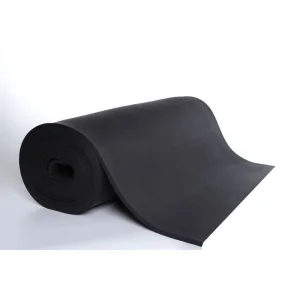
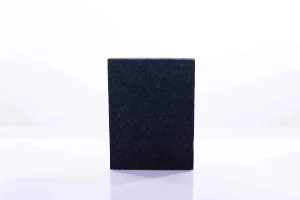
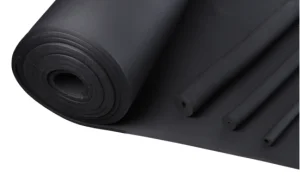
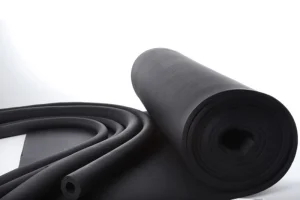
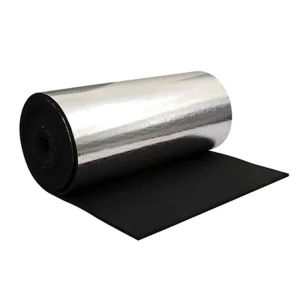
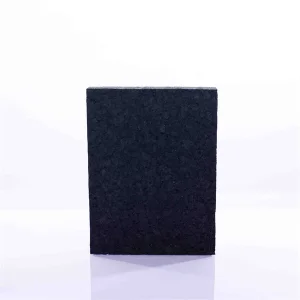
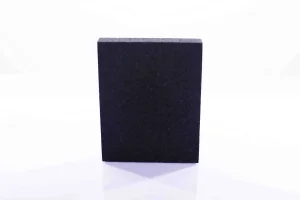
Black Rubber Foam Insulation Sheet Roll

Engineered for large ducts, flat surfaces, high-diameter piping, and irregular structural geometry.

  • Core Material Base Premium Elastomeric NBR/PVC Blend
  • Available Thicknesses 6.0mm to 50.0mm
  • Apparent Density Matrix 40 to 55 kg/m³
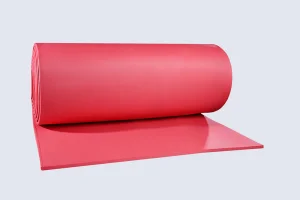
  • Working Temperature Limits -40°C to +105°C
  • Closed Cell Ratio ≥ 98%
  • Water Vapor Diffusion Resistance μ ≥ 10,000

Black Rubber Foam Insulation Pipe

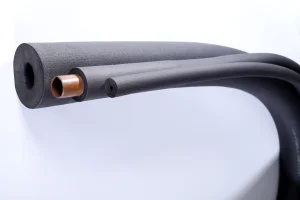
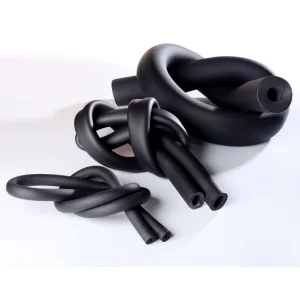
Extruded tube format designed for quick installation on hot/cold pipes and HVAC copper tubes.

  • Material Formulation NBR/PVC closed-cell foam
  • Available Wall Thickness 9.0mm to 40.0mm
  • Inside Diameter (ID) 6.0mm to 114.0mm
  • Thermal Conductivity ($\lambda$ at 0°C) ≤ 0.034 W/(m·K)
  • Reaction to Fire Ratings BS 476 Class 0, UL94 V-0
  • Compression Resilience ≥ 80% recovery

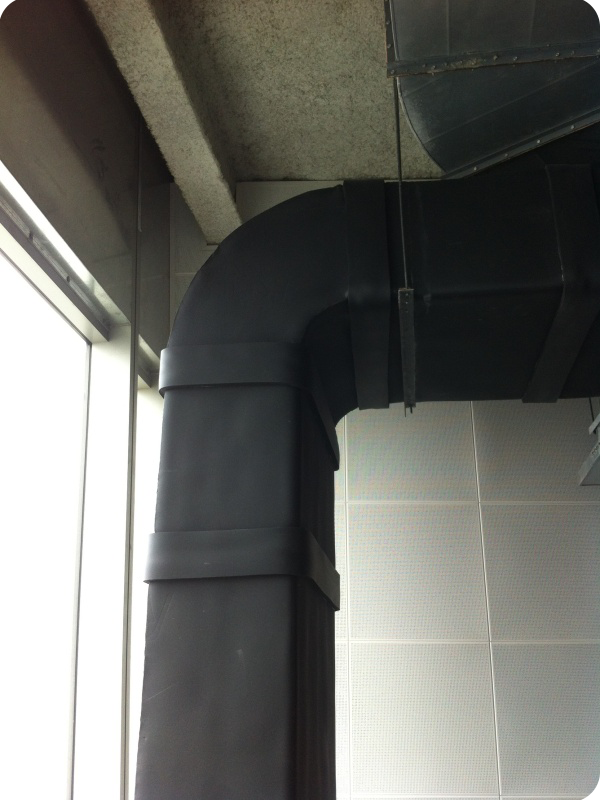
Installation Scenarios & Project Site Support

Navigating Global Procurement & Technical Compliance

Kingflex client consultation department

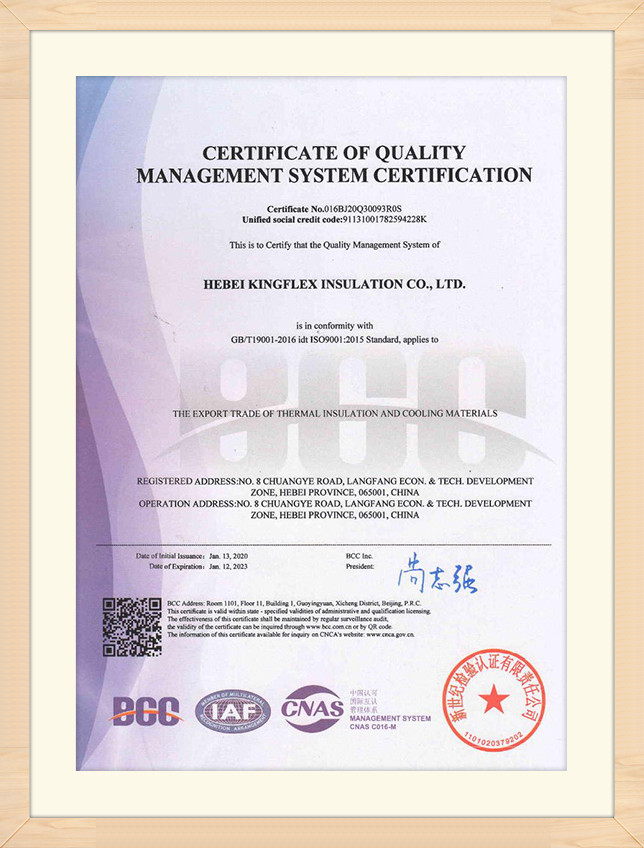
For international procurement managers, sourcing technical insulation materials requires strict verification of testing standards. To help streamline the approval process, Kingflex maintains a comprehensive set of testing certifications, ensuring our materials meet standard regional codes:

  • British Standard 476 (BS 476 Parts 6 & 7): Essential for Commonwealth markets. Our materials consistently pass Class 0 and Class 1 standards, indicating low flame spread and minimal heat release under fire exposure.
  • CE & EN 14304 Certification: Mandatory for all European Union projects. Every shipment carries CE marking with complete declaration of performance indexes.
  • UL 94 & ASTM Standards: For North and South American markets, our elastomer compound is certified to UL 94 V-0 flame classification and ASTM C534 specification standards.
  • RoHS & REACH Declarations: We certify that our NBR/PVC foam is manufactured without CFCs, HCFCs, heavy metals, or toxic chemical outgassing agents.

Production Scale, Warehousing & Export Delivery

Technical & Procurement FAQ

Q1: What is elastomeric rubber foam insulation used for?
A1: It is mainly used for HVAC ducts, air conditioning pipes, building thermal insulation, industrial pipeline cold insulation, and sound insulation.
Q2: Is Kingflex rubber foam insulation fire resistant?
A2: Yes, our rubber foam insulation is fire retardant and meets global safety standards, including BS 476 Class 0, CE, and UL 94 V-0 flame ratings.
Q3: What is the difference between rubber foam and rock wool insulation?
A3: Rubber foam features a flexible, closed-cell structure with built-in moisture resistance, making it ideal for HVAC and low-temperature systems. Rock wool has an open, fibrous structure designed for high-temperature resistance and fire protection.
Q4: Do you provide customized insulation products?
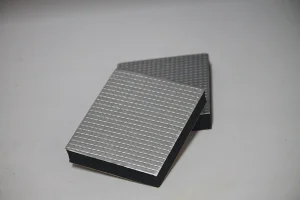
A4: Yes, we offer OEM services to support custom wall thicknesses, inside diameters, roll lengths, and laminations (like aluminum foil or self-adhesive backings) to match specific project requirements.
Q5: What certifications do your products have?
A5: Our products are certified under BS 476, CE, REACH, ROHS, UL 94, and ASTM standards, ensuring compliance with global building and industrial codes.
Q6: Do Kingflex products have traceability?
A6: Yes, every batch is registered and tracked in our quality system, allowing for complete raw material and production run traceability.
Q7: What thickness of rubber foam sheet rolls can you produce?
A7: We can produce sheet rolls in thicknesses ranging from 6mm to 50mm, accommodating various thermal design limits.
Q8: What is the typical service life of your rubber foam insulation?
A8: When properly installed and maintained under standard operating conditions, our elastomeric rubber foam insulation provides a service life of 10 to 15 years.