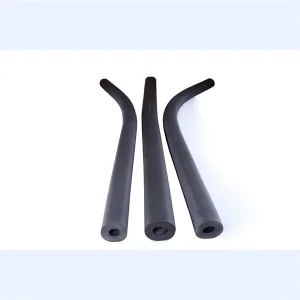
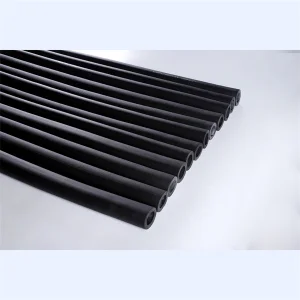
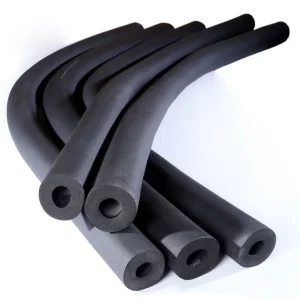
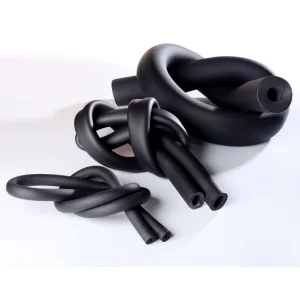
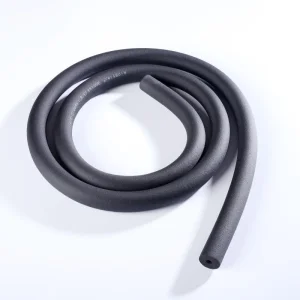
Key Features & Benefits
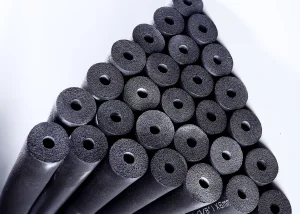
Close and even bubble structure
Low water vapor transmissibility
Low water absorbtive capacity
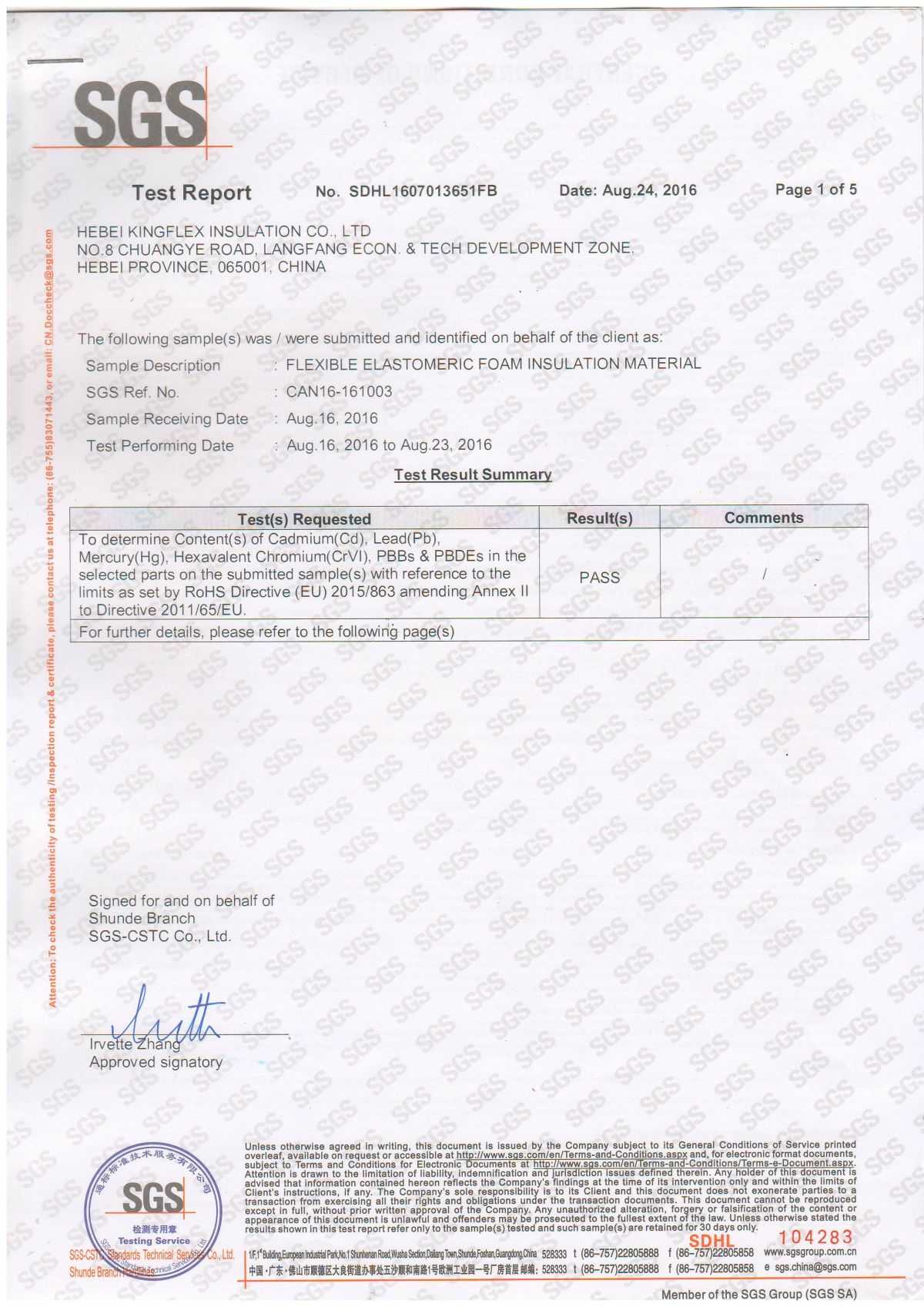
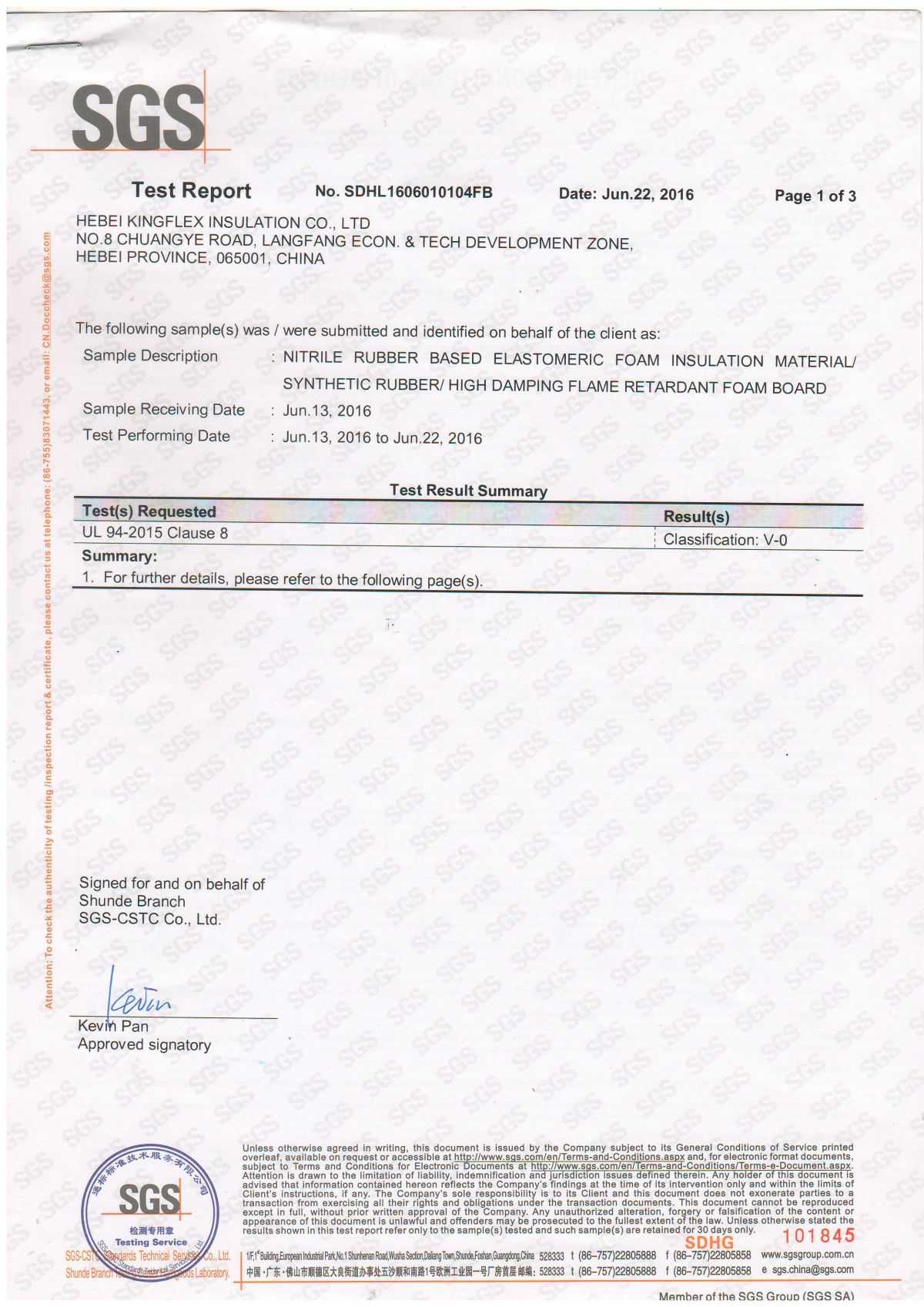
Great fireproof performance
Superior anti-age performance
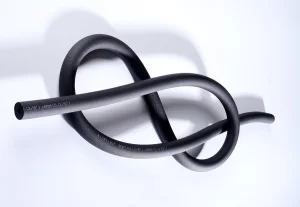
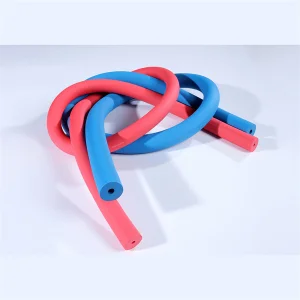
Good flexibility & High elasticity
Smooth surface & No formaldehyde
Wide temp range: -40℃ to 120℃
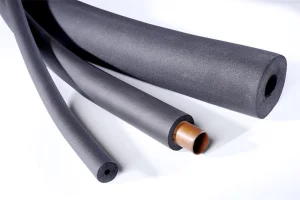
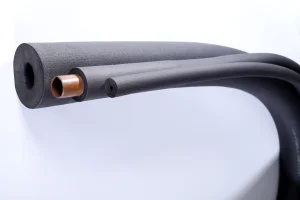
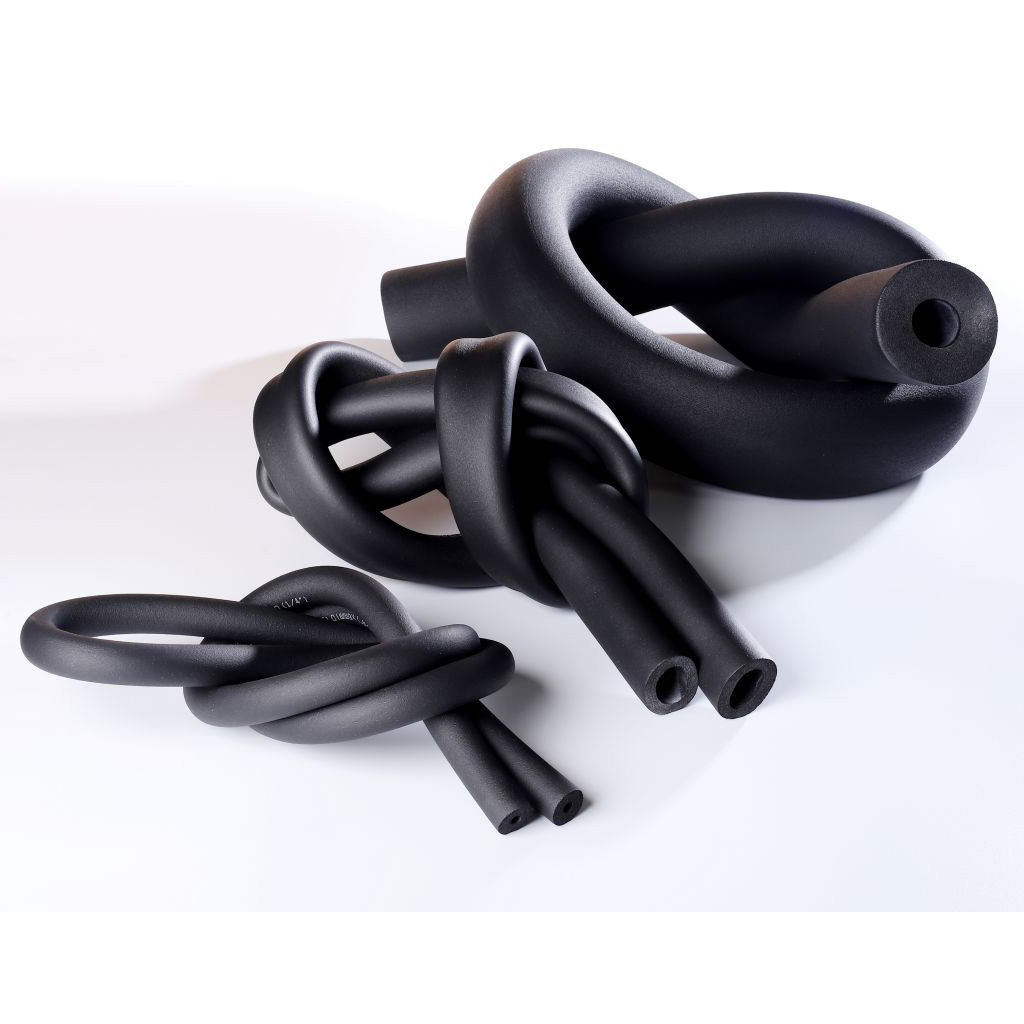
Rubber foam pipe is widely used for every kind of cold or hot medium piping and containers in central control air condition, construction, chemical industry, medicine, light industry, textile process, metallurgy, boat, vehicle, electrical apparatus and other fields to reduce cold/hot loss.
Technical Data Sheet
| Technical Data |
| Property |
Unit |
Value |
Test Method |
| Temperature range |
°C |
(-50 - 110) |
GB/T 17794-1999 |
| Density range |
Kg/m³ |
45-65Kg/m³ |
ASTM D1667 |
| Water vapor permeability |
Kg/(m.s.pa) |
≤0.91×10 ﹣¹³ |
DIN 52 615 / BS 4370 Part 2 1973 |
| μ |
- |
≥10000 |
- |
| Thermal Conductivity |
W/(m.k) |
≤0.030 (-20°C) |
ASTM C 518 |
| ≤0.032 (0°C) |
| ≤0.036 (40°C) |
| Fire Rating |
- |
Class 0 & Class 1 |
BS 476 Part 6 part 7 |
| Flame Spread and Smoke Developed Index |
- |
25/50 |
ASTM E 84 |
| Oxygen Index |
- |
≥36 |
GB/T 2406, ISO4589 |
| Water Absorption, %by Volume |
% |
20% |
ASTM C 209 |
| Dimension Stability |
- |
≤5 |
ASTM C534 |
| Fungi resistance |
- |
Good |
ASTM 21 |
| Ozone resistance |
Good |
GB/T 7762-1987 |
| Resistance to U.V. and weather |
Good |
ASTM G23 |
Product Application & Details
Frequently Asked Questions
What are the primary applications of elastomeric rubber foam pipe insulation?
It is widely used for hot or cold piping systems and containers in central air conditioning, construction, chemical industries, medicine, metallurgy, shipbuilding, and vehicles to effectively reduce cold and heat losses.
What temperature range can this rubber foam pipe withstand?
The material performs exceptionally well within a wide temperature range, typically from -50°C up to 110°C, making it suitable for varying climate conditions and industrial environments.
Is the rubber foam pipe fire resistant?
Yes. It has superior fire safety properties, achieving BS 476 Part 6 and Part 7 Class 0 and Class 1 fire ratings, and exhibits high oxygen index and low smoke density.
How does the close bubble structure help in moisture prevention?
The close and even bubble structure yields extremely low water vapor transmissibility and minimal water absorption capacity. This effectively keeps moisture from penetrating, preventing condensation on cold lines.
Does the material contain formaldehyde?
No, the rubber foam material is manufactured without formaldehyde, making it safe for indoor installations and environmental protection.
Is the insulation pipe easy to install?
Yes. Because of its high elasticity, flexibility, and smooth surface finish, the pipe easily slips over lines or bends, reducing labor costs and installation time.
 Kingflex