China Noise Control Insulation Supplier & Pricelist

High-Density Viscoelastic Elastomeric Solutions for Global Acoustics, Structural Damping, and HVAC System Optimization

Acoustic Engineering Whitepaper

1. Advanced Technical Roadmap & Acoustic Engineering Outlook

Modern noise control solutions require a comprehensive understanding of polymer physics and acoustic wave attenuation. In industrial facilities, HVAC mechanical rooms, and civil construction setups, sound propagates through both airborne paths and structural vibration pathways. High-density elastomeric rubber foam insulation plays a critical role in addressing these paths by offering dual-function capabilities: sound absorption and structural damping.

Our research and development departments leverage NBR/PVC matrix polymerization to control the distribution and size of the foam cells. Closed-cell configurations act as a thermal barrier and prevent moisture absorption, while open-cell and semi-open structures are optimized to capture and dissipate high-frequency noise within the porous matrix. Sound energy enters the elastomeric structure, causing localized friction within the polymer chains, which effectively converts acoustic waves into harmless, low-grade thermal energy.

Looking Toward the Future: The next generation of acoustic barriers focuses on smart, multi-layered composites. By combining elastomer matrices with high-mass sound barriers (such as mass-loaded vinyl) or micro-perforated foils, we are achieving higher Sound Transmission Class (STC) ratings with thinner materials. This evolution is essential for space-constrained applications like railway transit corridors, defense, aerospace, and high-performance cleanroom enclosures.

  • Optimized Sound Transmission Loss (STL) across low, mid, and high-frequency bands.
  • Elimination of Structural Resonance through high viscoelastic damping coefficients.
  • Advanced NBR/PVC polymer formulations resisting microbial degradation and physical compaction.
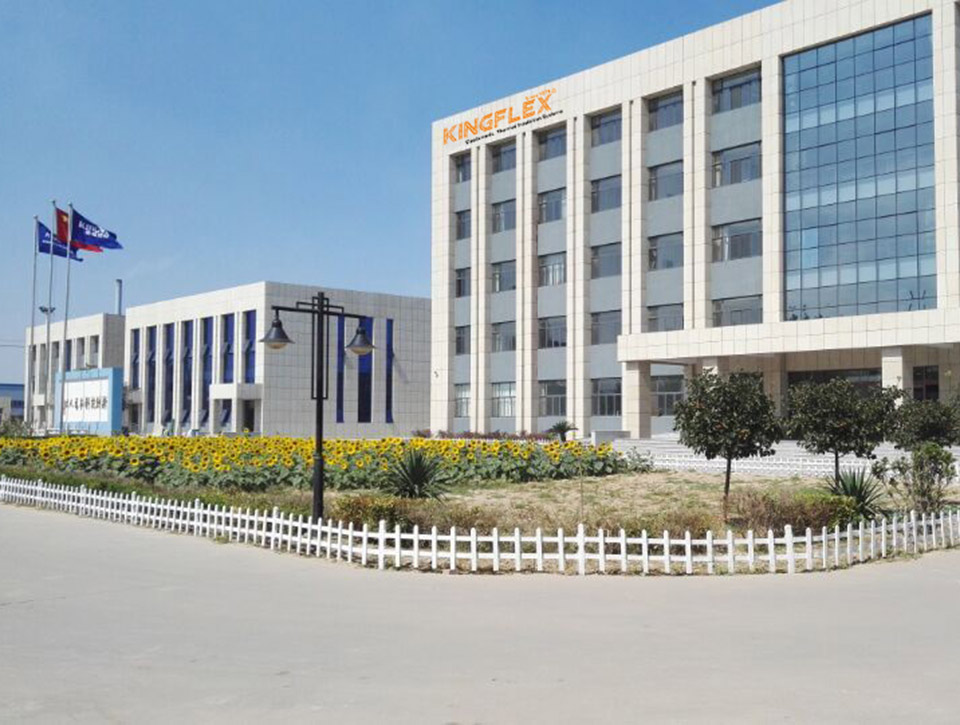
Kingflex Manufacturing Facility and Research Hub
Corporate Profile

Kingflex Insulation Co., Ltd.

Kingflex Insulation Co., Ltd. operates as a specialized manufacturing and trading combo for high-performance thermal and acoustic insulation systems. Located in Dacheng, China—a well-known capital of green building materials—our facility focuses on research and development, manufacturing, and global sales. Our operational core is built around energy conservation and consumption reduction, helping to guide advancements in global building materials.

We work closely with engineering consultants, architectural specifiers, and procurement managers to deliver customized solutions. From the consulting stage and custom formula development to manufacturing, on-site installation guidance, and post-sale technical support, we help ensure your project’s thermal and acoustic requirements are met.

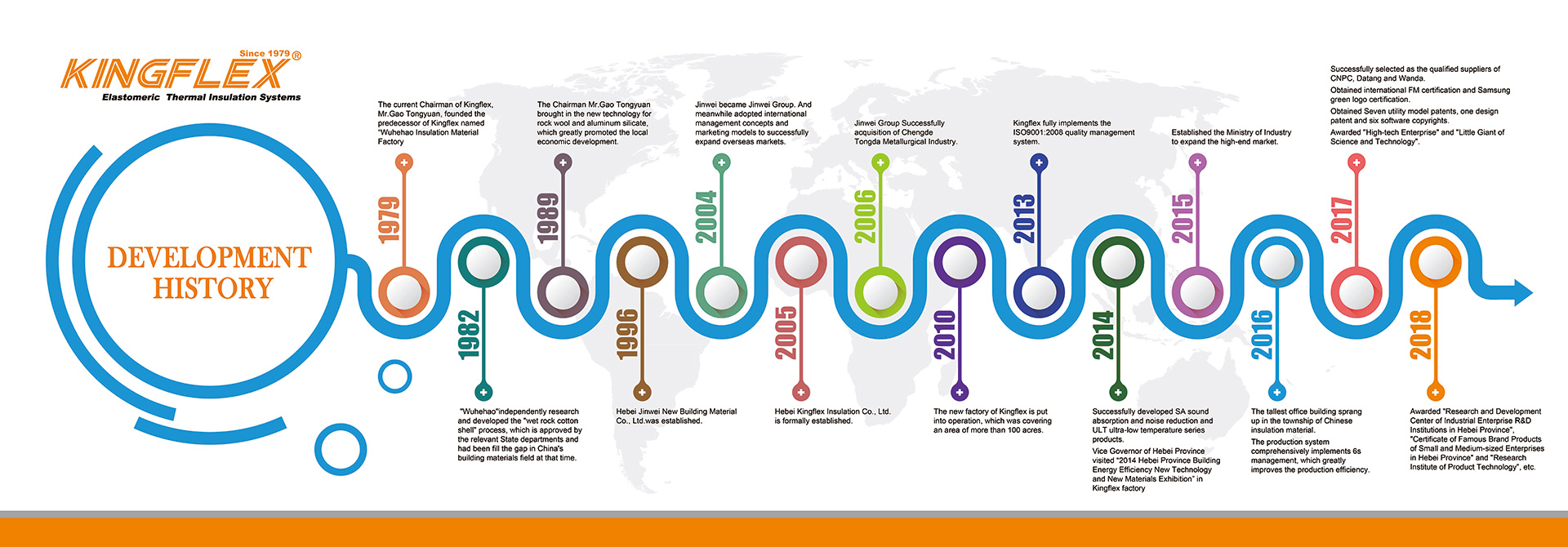
Corporate History & Growth: Kingflex was established by the Jinwei Group, which brings over 40 years of manufacturing experience. Founded in 1979, the group was the first major manufacturer of thermal insulation materials north of the Yangtze River, paving the way for decades of polymer science innovation.

Automated Production Facility at Dacheng
600K+
Annual Capacity (m³)
40+
Years Industry Heritage
66+
Exporting Countries
5
Automatic Assembly Lines

Technical Specification & Dimension Reference Matrix

Review our standard sizing, density, thermal limits, and acoustic characteristics designed for HVAC systems, piping, and industrial complexes.

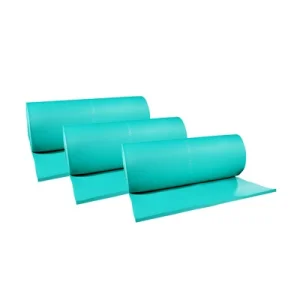
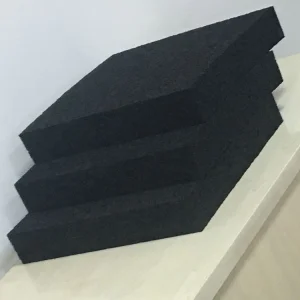
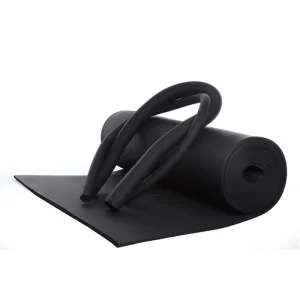
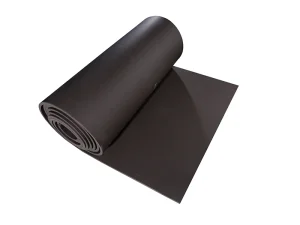
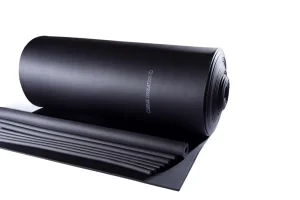
Black Rubber Foam Insulation Sheet Roll

Material Base NBR/PVC Elastomeric Polymer Blend
Available Thickness 6mm to 50mm
Density Range 40 - 55 kg/m³
Service Temperature Limit -40℃ to 105℃
Closed-Cell Ratio > 98% for consistent thermal and moisture barrier performance
Compression Resilience Over 80% recovery under standard compression cycles
Fire Safety Rating Flame retardant, self-extinguishing upon source removal

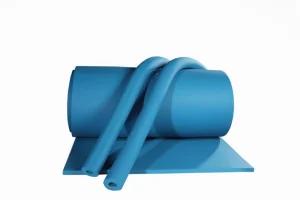
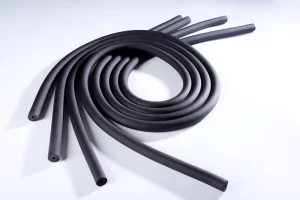
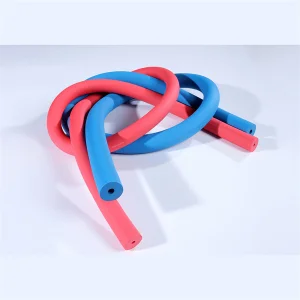
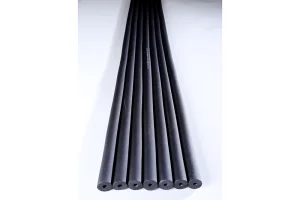
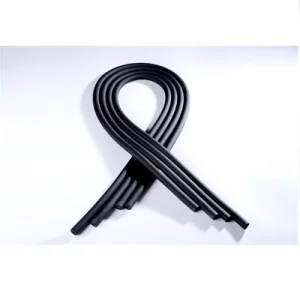
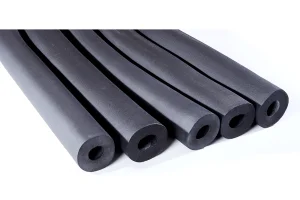
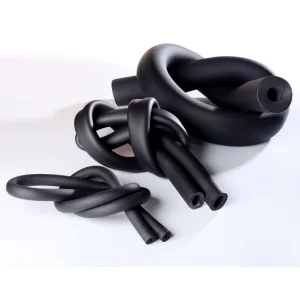
Black Rubber Foam Insulation Pipe

Material Base NBR/PVC Elastomeric Polymeric Matrix
Inner Diameter (ID) 6mm to 114mm
Wall Thickness 9mm to 40mm
Density Range 40 - 55 kg/m³
Service Temperature Limit -40℃ to 105℃
Moisture Resistance High moisture resistance factor (µ ≥ 7,000)
Coating Process Automated, uniform continuous pipe extrusion
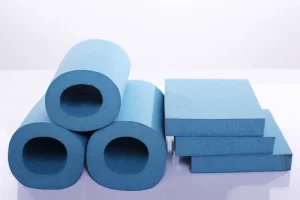
Technical Drawing Sheet Dimensions Insulation Pipe Cross Sections Microcellular Foam Structure Close Up Advanced Thermal Profiling System

Macro Industry Applications & Noise Abatement Solutions

From deep cryogenics to large commercial HVAC infrastructure, explore how our material configurations solve specific environmental challenges.

HVAC/R & Commercial Building Networks

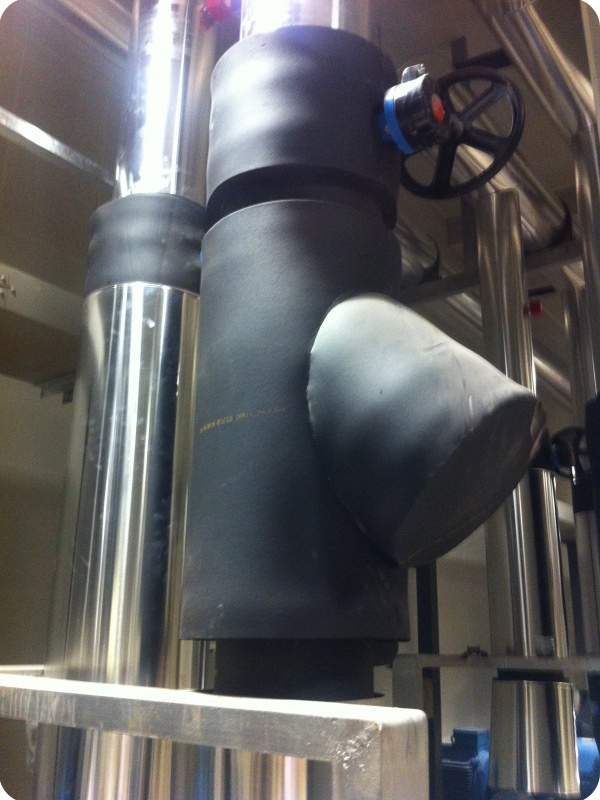
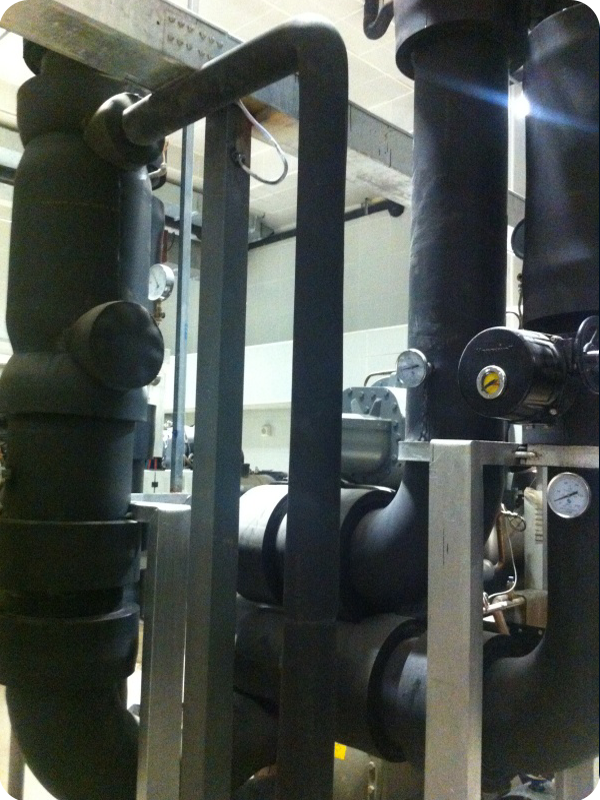
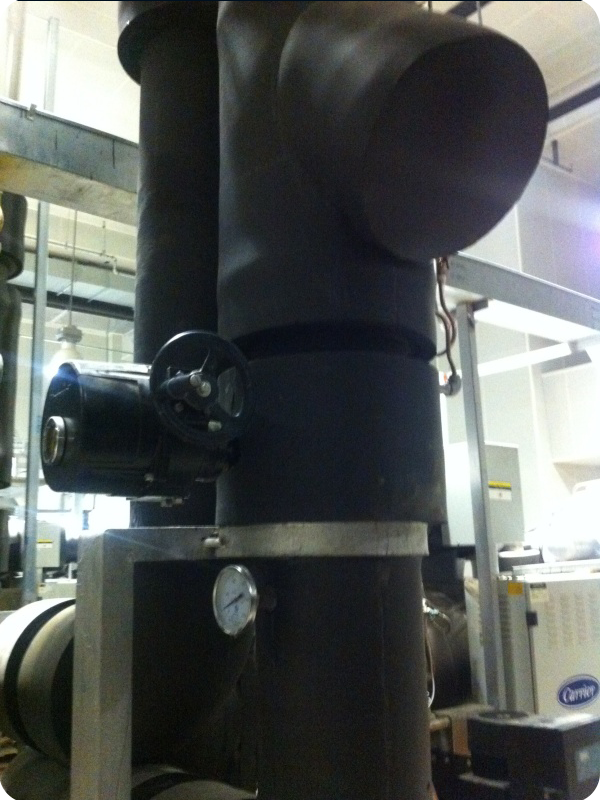
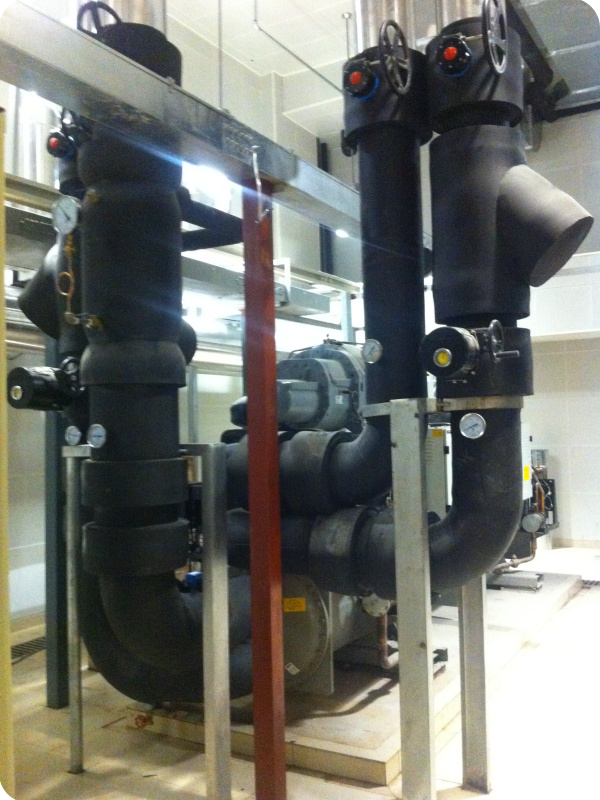
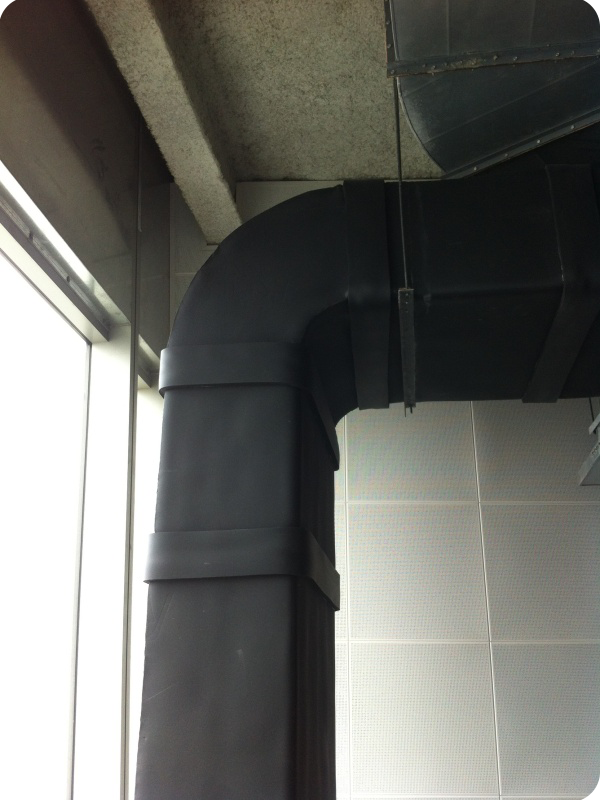
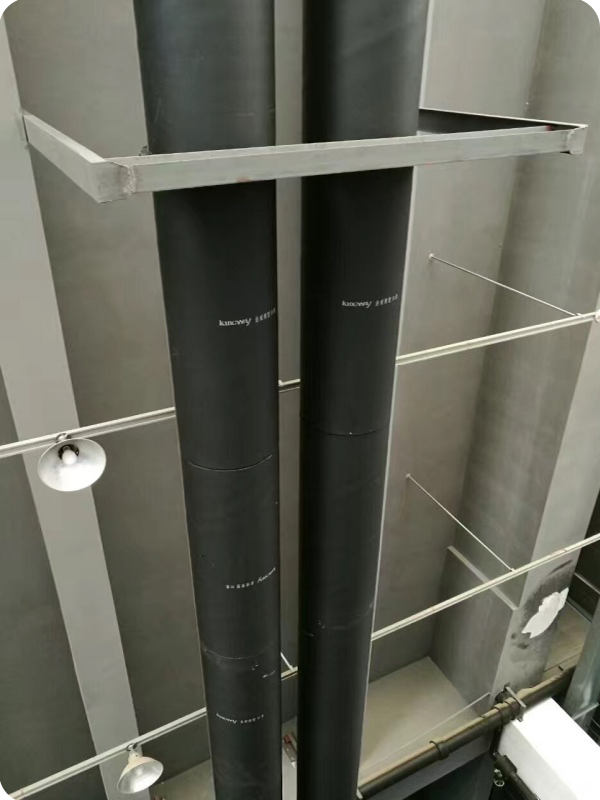
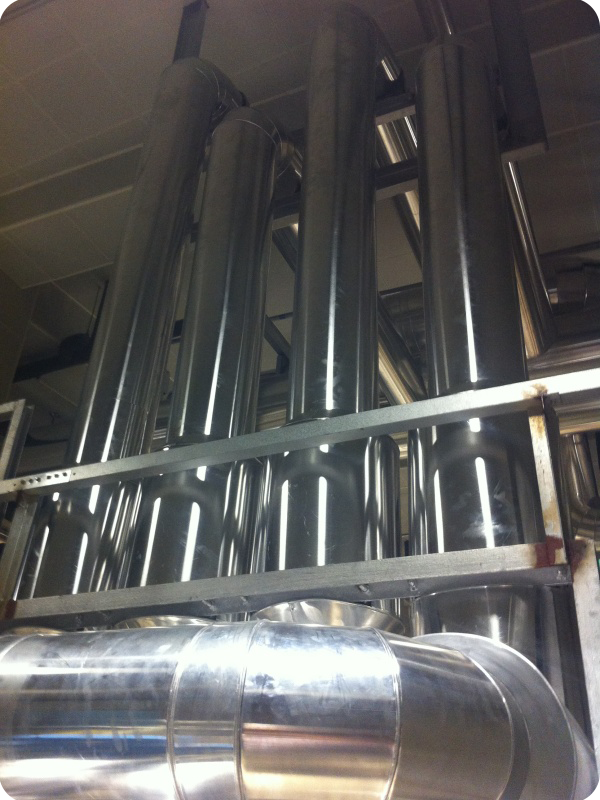
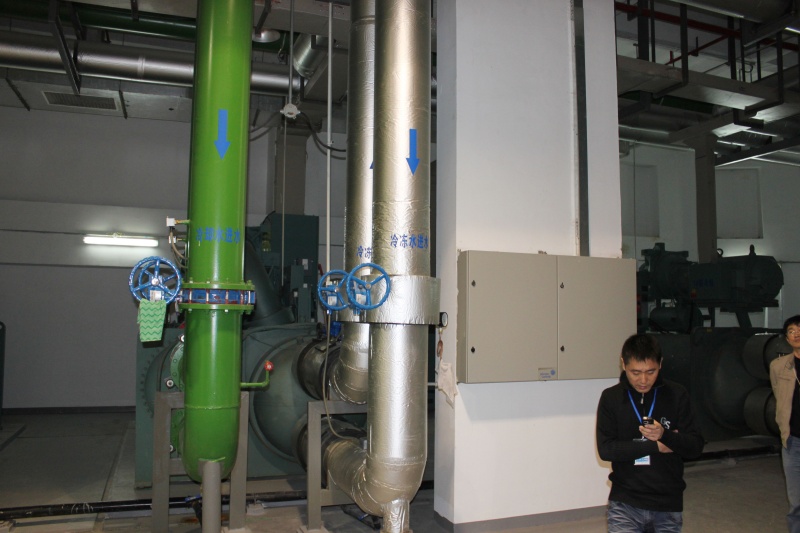
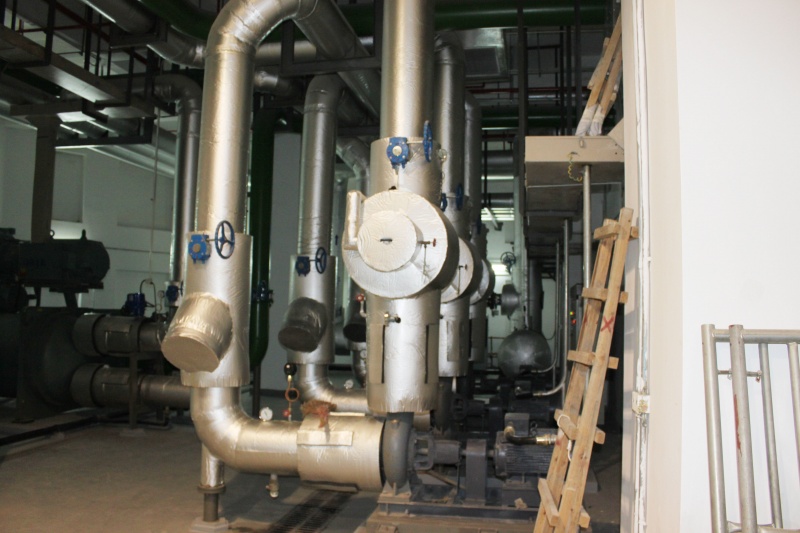
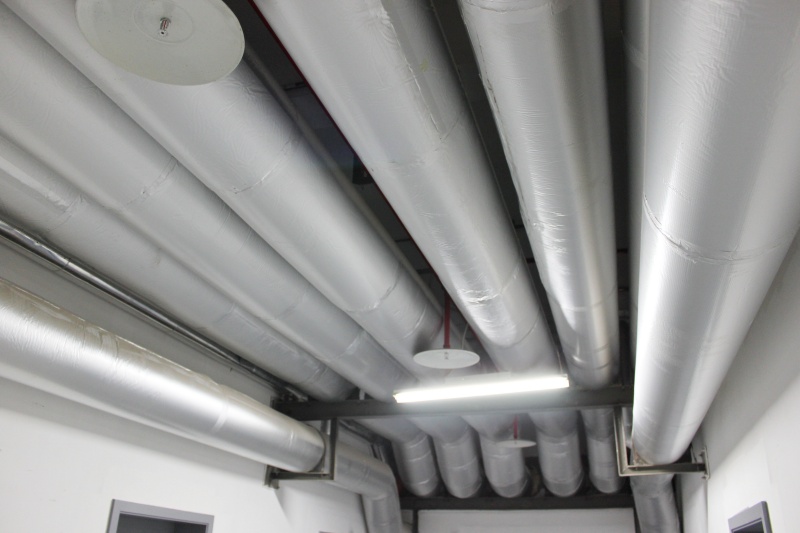
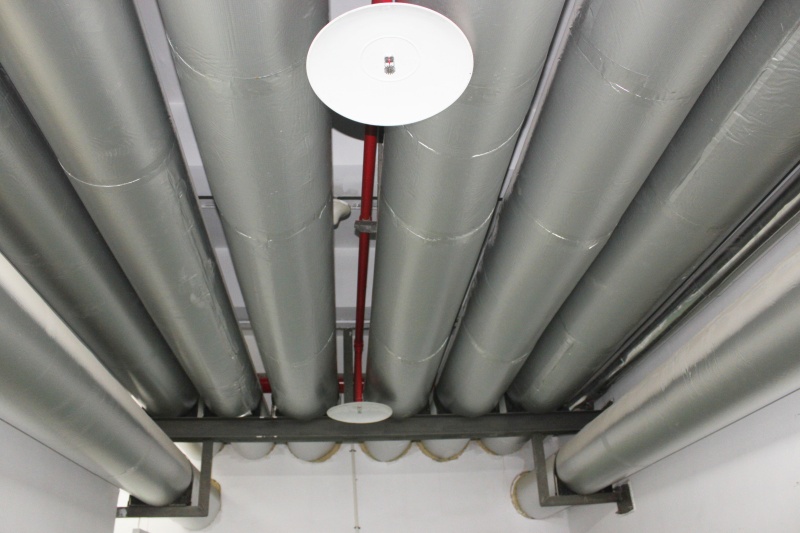
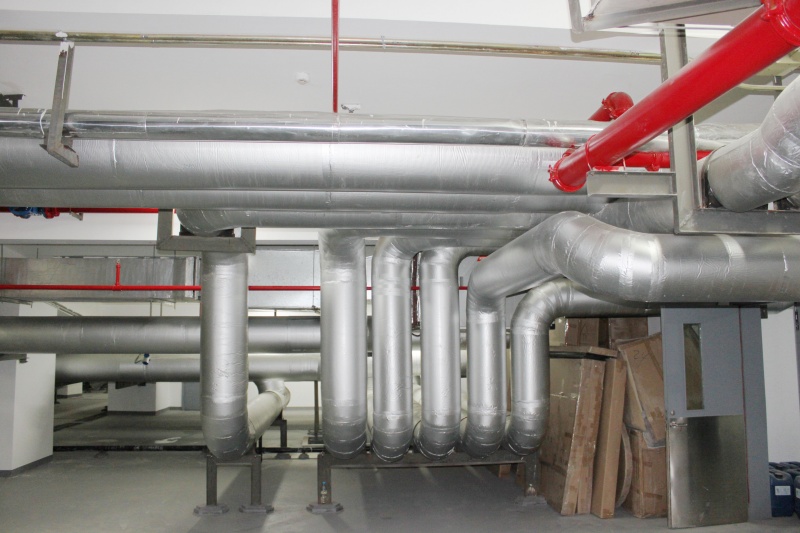
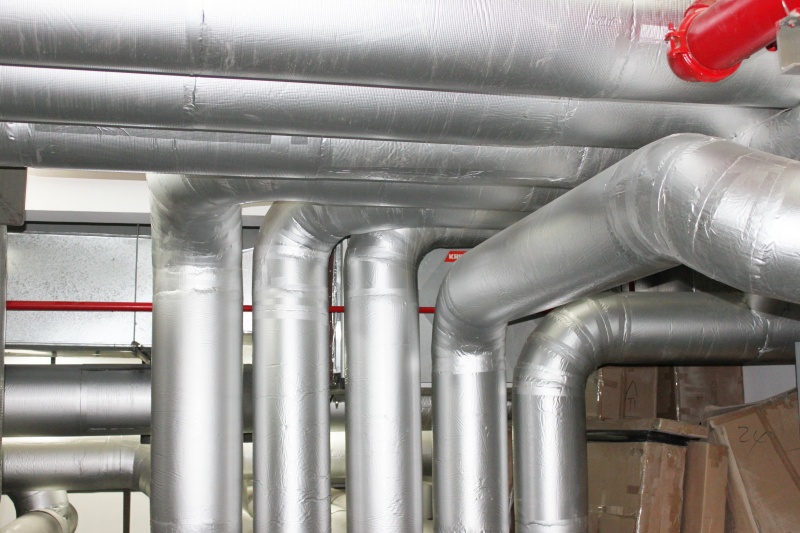
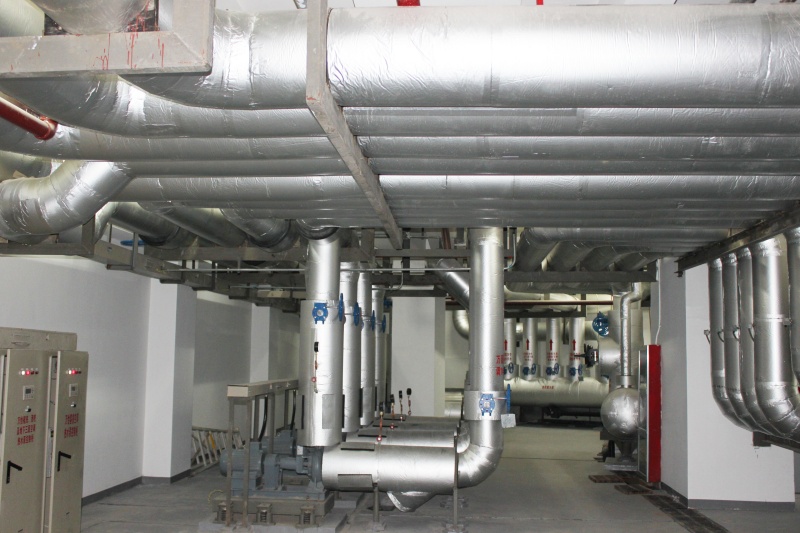
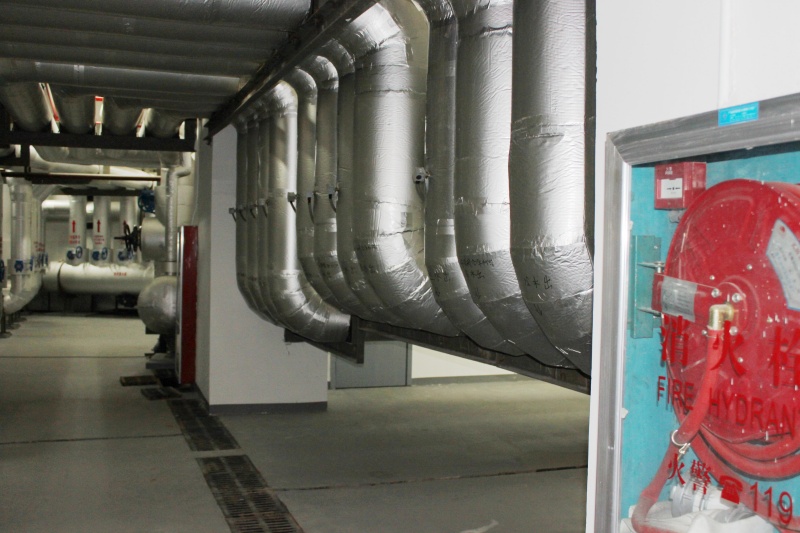
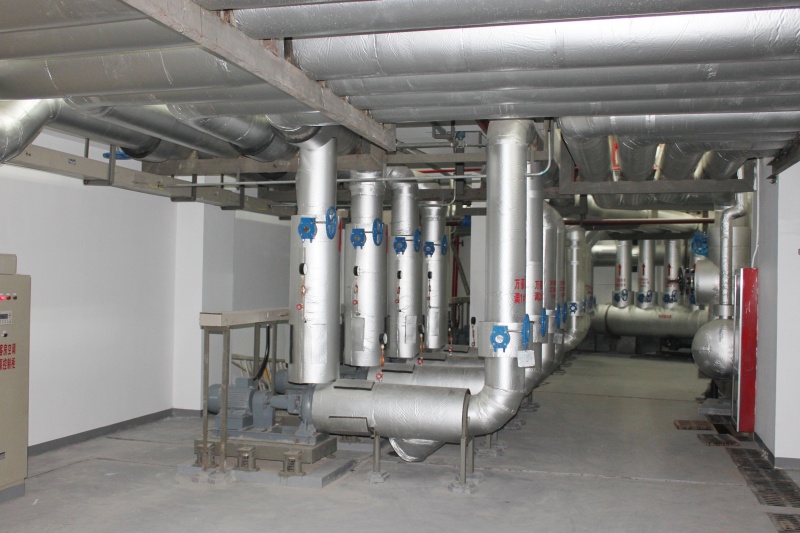
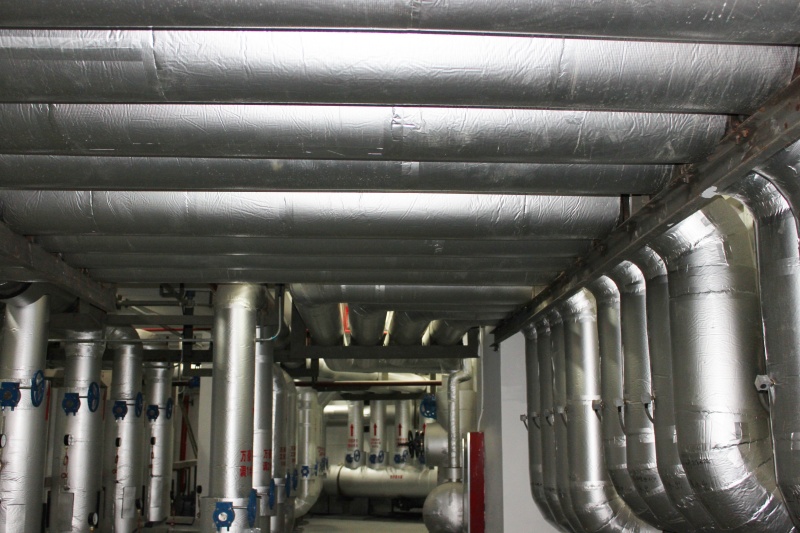
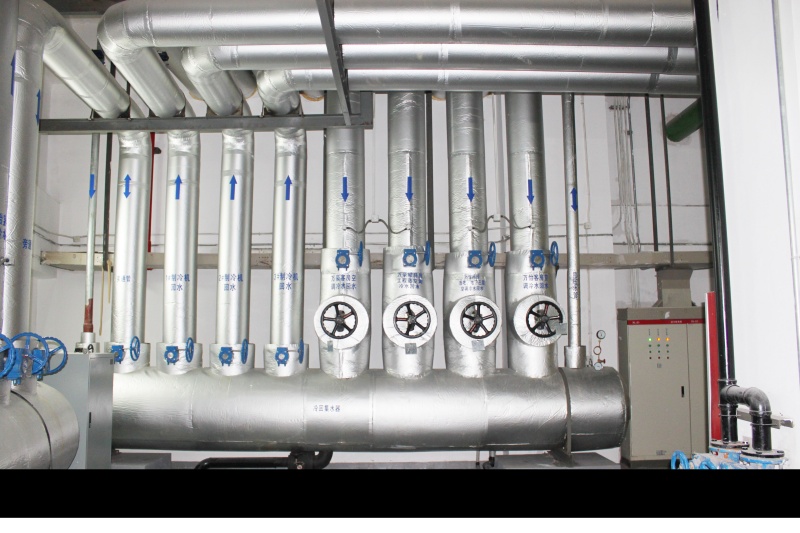
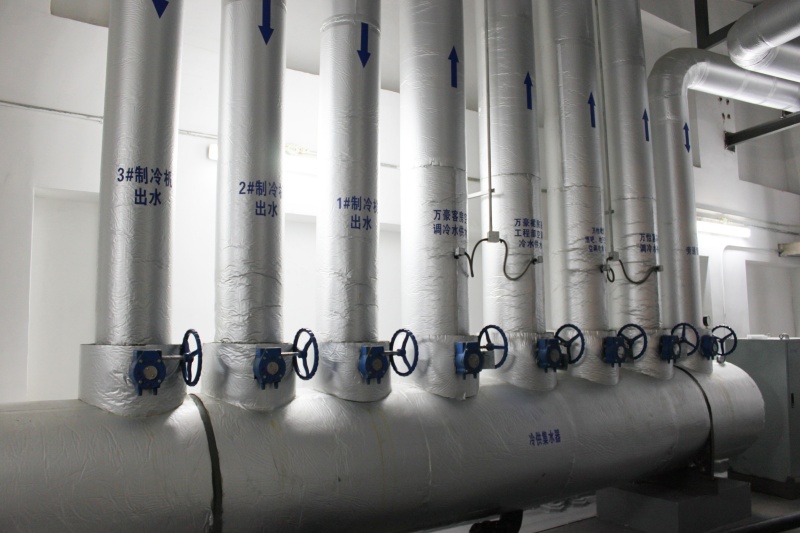
In modern multi-story buildings, hospitals, and hotels, the air distribution system can serve as a conduit for noise. Air handlers, chillers, and fast-flowing air generate structural and airborne vibrations. Utilizing our elastomeric foam inside ventilation ducts and wrapping chilled water pipe networks serves a dual purpose: preventing condensation and reducing fan and motor hum throughout the ductwork.

Industrial Process & Chemical Piping

In chemical and refining operations, pipelines carry gases and fluids under high pressure. These conditions can cause acoustic fatigue, which may damage welds or structural components. By applying our high-density NBR/PVC insulation, operators establish a viscoelastic barrier that dampens high-frequency flow noise and protects the system from corrosion under insulation (CUI).

Cryogenics & Cold Chain Logistics

At ultra-low temperatures, standard insulation materials can become brittle and fracture. Our cryogenic rubber foam formulation remains flexible down to temperature thresholds, preventing cracking and managing heat-leak rates. This flexibility helps protect critical components in LNG infrastructure, cold chain facilities, and deep-freeze logistics networks.

Transit Systems & Heavy Equipment

Vehicles, train compartments, and motor enclosures generate continuous low-frequency vibrations. Applying our sound-absorbing sheets to structural panels dampens surface resonance, lowering decibel levels within the passenger cabin or operator station.
HVAC Pipe Noise Abatement Installation Industrial Liquid Line Chilled Wrapper Cryogenic Pipeline Cold Insulation Wrapping Acoustic Enclosure Interior Insulation Liners

China Industry 4.0: Supply Chain Resilience & Manufacturing Scale

How we utilize advanced process automation and strategic regional sourcing to optimize production and manage lead times.

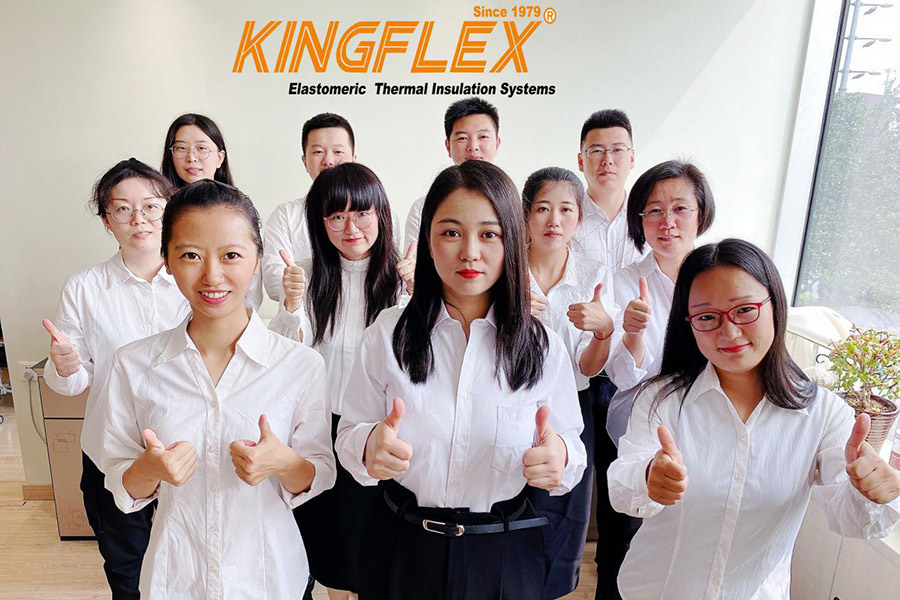
Kingflex R&D Team & Materials Testing Chemists
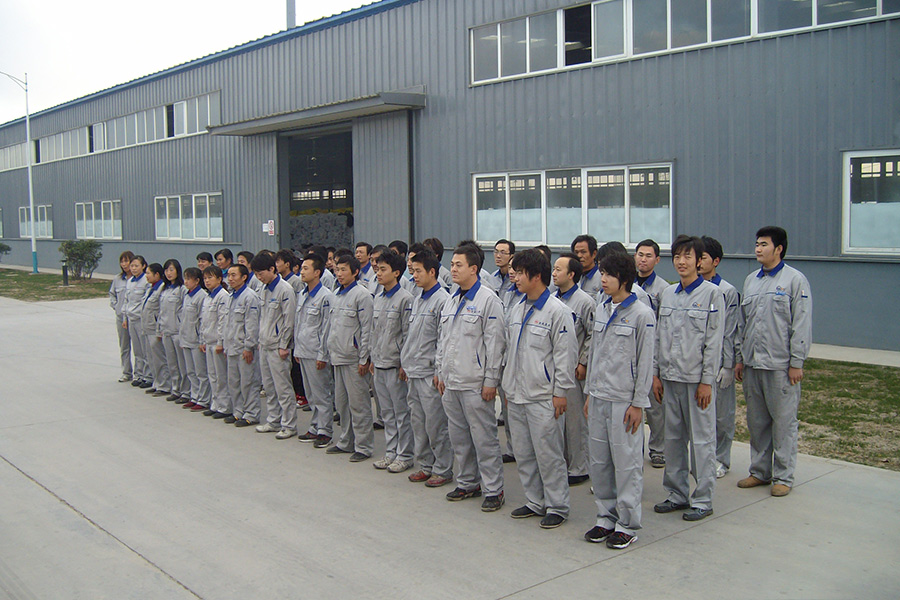
Our manufacturing complex features 5 continuous automated assembly lines capable of producing over 600,000 cubic meters of insulation materials annually. Automation helps maintain uniform density, cell structure, and fire performance throughout production, reducing variation between batches.

By integrating our quality management systems directly with major chemical suppliers in China, we secure consistent raw materials even during market fluctuations. Our team includes 8 professional R&D engineers, 6 international customer service leads, and over 230 technicians on the production floor, working to align output with global standards.

As a designated supplier for major energy, power generation, and chemical projects, Kingflex adheres to rigorous inspection and batch-traceability standards. Each production run is cataloged, and raw materials are tracked from arrival to delivery, helping to ensure compliance with project specifications.

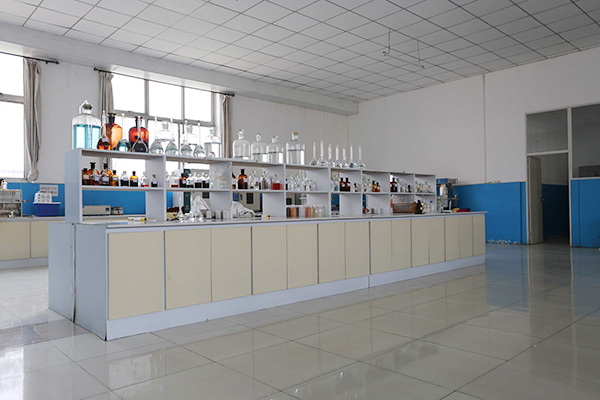
Research, Development, and Quality Control Laboratories

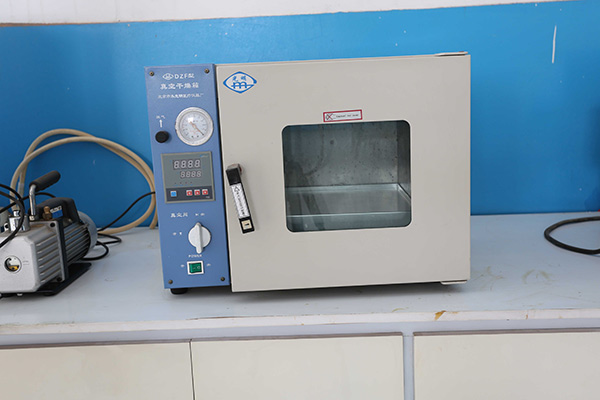
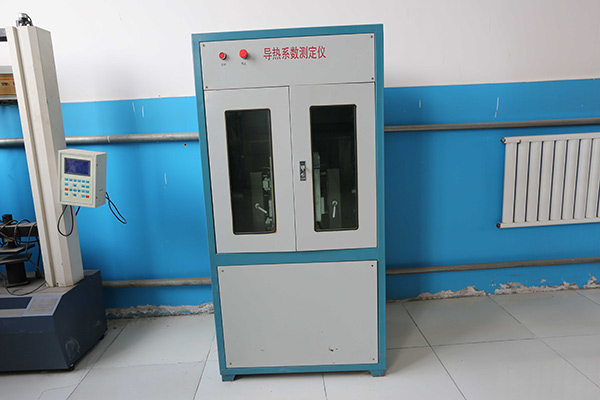
Acoustic Transmission Testing Setup Thermal Conductivity Guarded Hot Plate Apparatus Environmental Aging & Humidity Testing Chambers

Global Certification, Structural Safety, & Compliance Matrix

Our materials undergo third-party validation to meet international fire safety, environmental, and thermal standards.

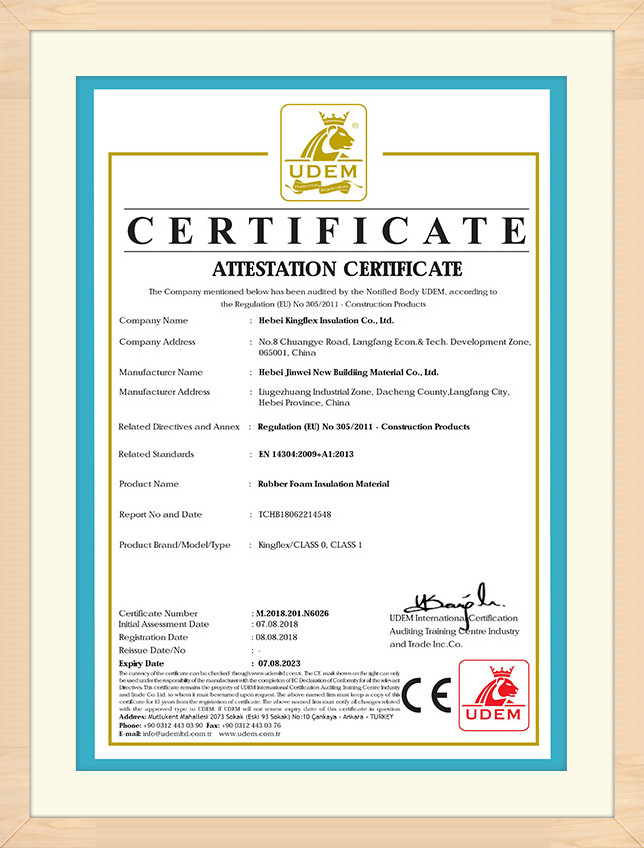
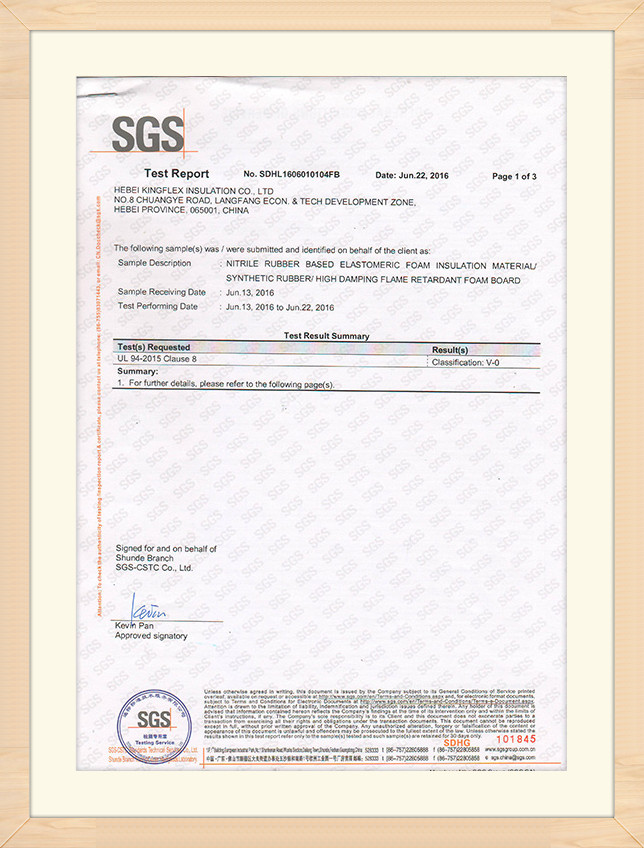
We submit our elastomeric materials to independent testing agencies to verify compliance with global safety standards. Our products have earned certifications across key international performance indicators:

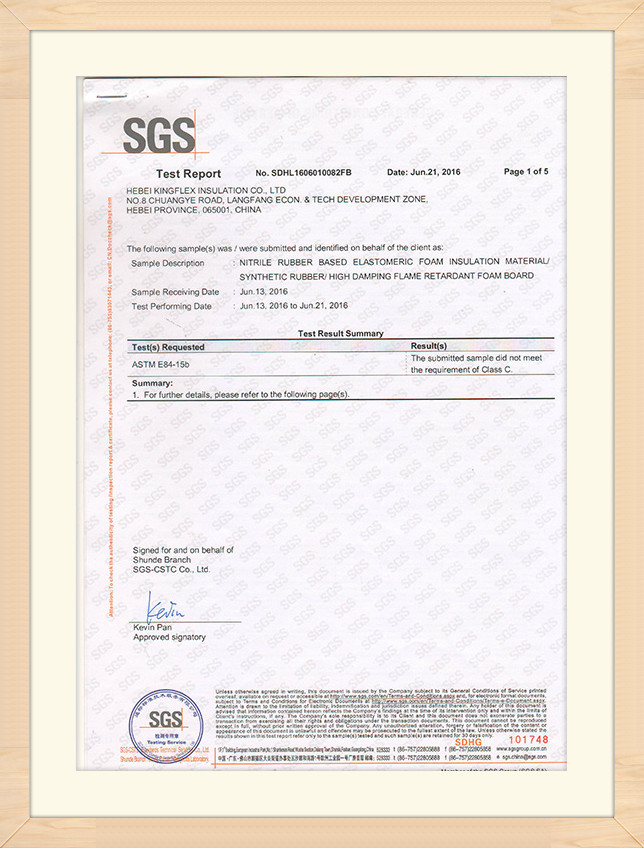
  • Fire Propagation & Surface Flammability: Tested under BS 476 Part 6 & 7 (Class 0 and Class 1), and ASTM E84 to verify flame-spread and smoke-developed indexes.
  • Environmental Safeguards: Fully compliant with EU REACH and RoHS regulations, confirming the absence of hazardous brominated compounds or heavy metals.
  • Material Safety: Certified under UL94 for flame retardancy, and ASTM standards for moisture resistance and thermal conductivity.
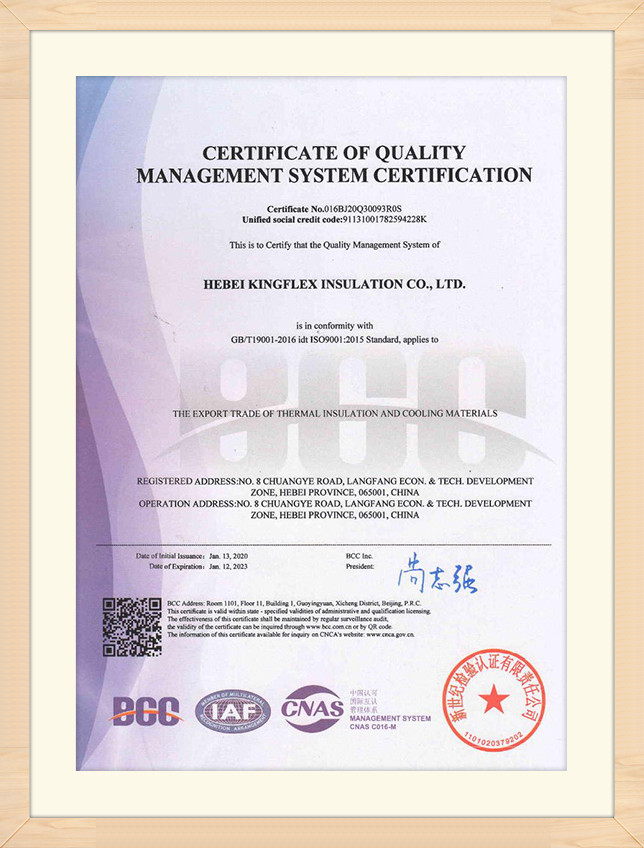
  • Production Systems: Operating under ISO 9001:2015 and ISO 14001:2015 frameworks to maintain manufacturing consistency and environmental accountability.
Quality Standard Certificate Document Fire Safety BS 476 Compliance Report Environmental REACH Compliance Certificate ISO 9001 System Registration Document

Global Enterprise Procurement & Pricelist Structure

Understanding cost variables, volumetric discounts, and customization options for bulk commercial orders.

Our pricing model is designed to provide transparency for procurement managers, structural estimators, and wholesale distributors. Prices are structured based on material volume, customization specifications, and the complexity of additional coatings (e.g., self-adhesive layers or aluminum foil facings).

Below is a general reference matrix outlining how product categories, thickness levels, and density profiles correlate with baseline pricing ranges. For final project quotes incorporating volume discounts or customized specifications, please contact our team directly.

Material Category Thickness Spec Density Range Optional Facings Baseline FOB Price Range (Est.)
Standard Elastomeric NBR/PVC Roll 6mm - 13mm 40 - 45 kg/m³ None / Color Painted Contact Sales for Latest Rates
High-Density NBR/PVC Roll 19mm - 50mm 45 - 55 kg/m³ Self-Adhesive backing / ALU foil Request Customized Commercial Quote
Standard Piping Tubes 9mm - 25mm (Wall) 40 - 50 kg/m³ Reinforced outer barrier film Priced by Linear Meter / Volume
Cryogenic Low-Temp Tubing 19mm - 40mm (Wall) 50 - 55 kg/m³ Multi-layer vapor barrier wrapper Project-Specific Custom Price Structure
Halogen-Free Environmental Foam 10mm - 32mm 42 - 48 kg/m³ Optional flame barrier laminates Available on Direct Inquiry

Note: The price ranges shown above fluctuate with raw material costs (nitrile monomer, PVC resin, blowing agents) and order quantities. Standard production lead time is 14 to 21 working days from deposit confirmation.

Customer Interaction & Project Validation

A look at customer feedback, order updates, and field implementation details from around the world.

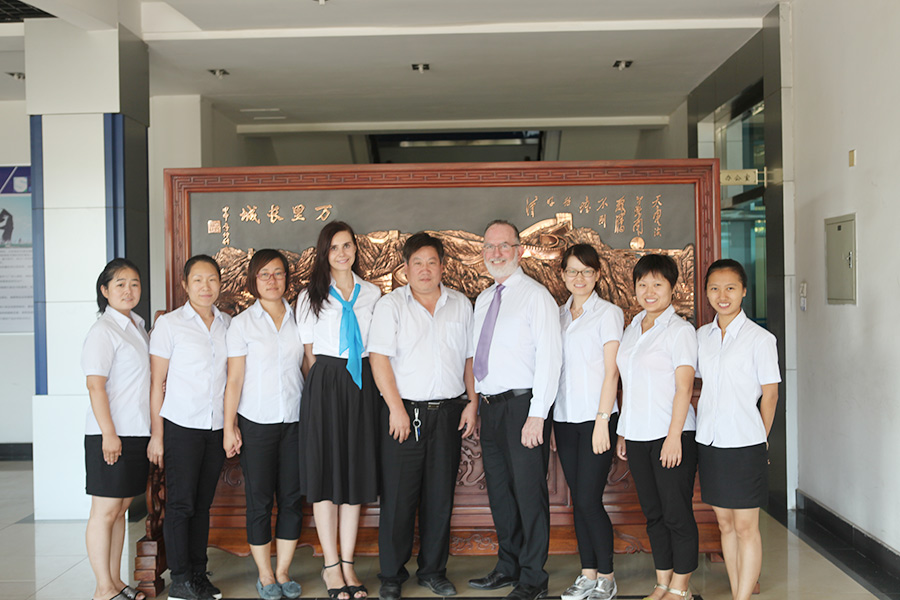
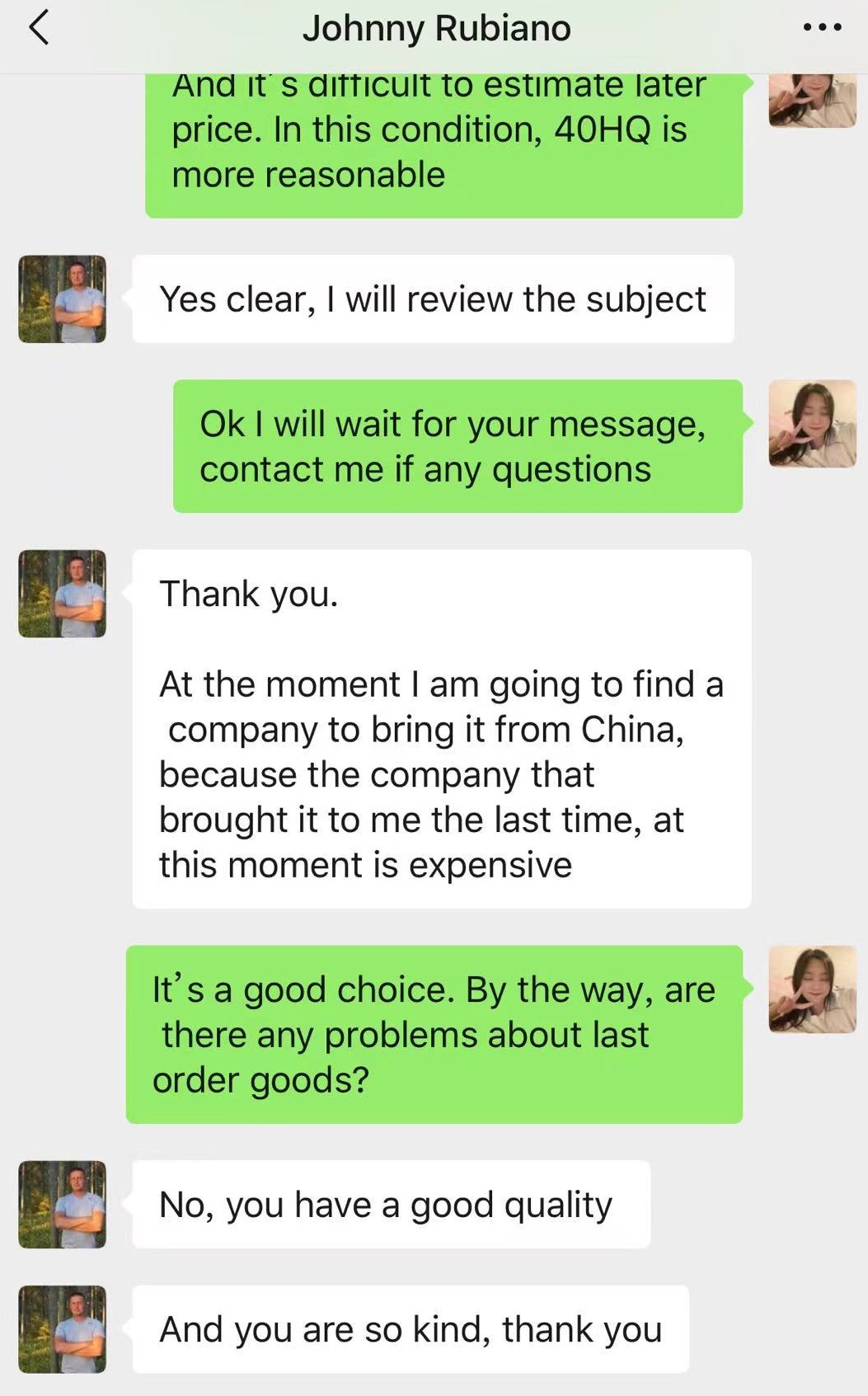
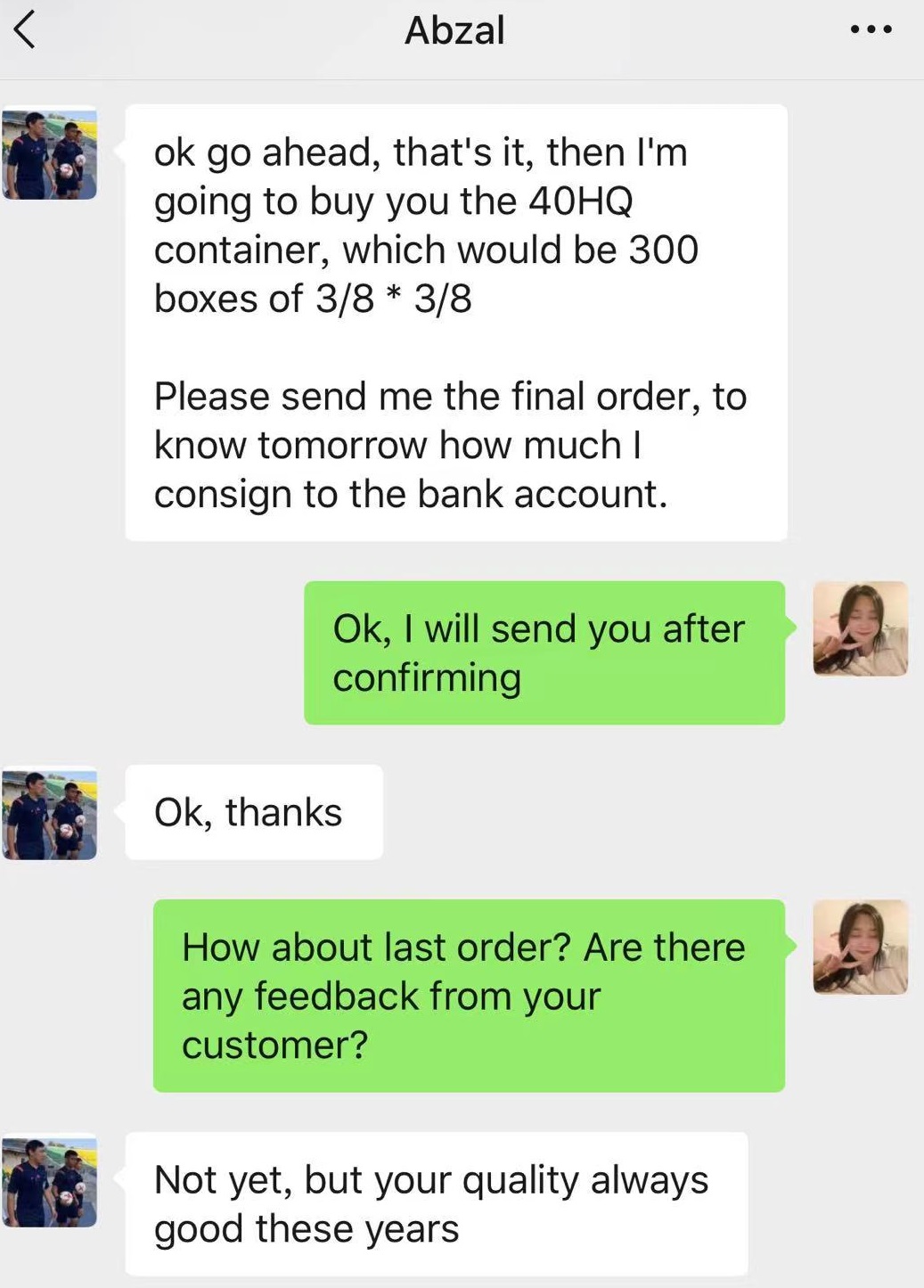
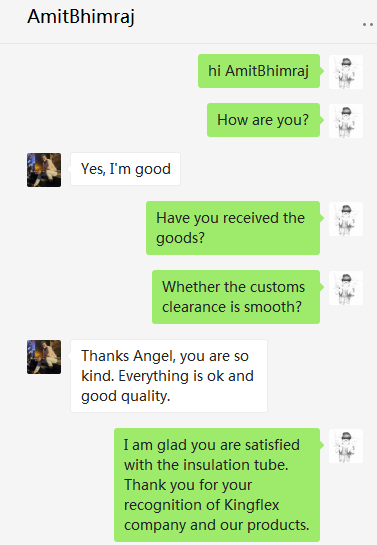
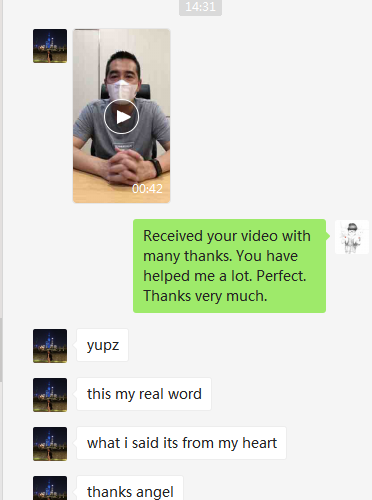
We work to maintain clear communication with our international partners from initial engineering review through final customs clearance. By providing design mock-ups, dimensional verifications, and quality assurance records, we help resolve challenges before cargo dispatch.

Our logistics team handles customs paperwork, export compliance, packaging protection, and shipping schedules to ensure cargo arrives intact and ready for installation. Below are verified records of order completions, site approvals, and feedback from our global clients.

Production Team Quality Check Warehouse Storage Area Global Delivery Logistics
Client Communication Screenshot 1 Client Communication Screenshot 2 Client Communication Screenshot 3 Client Communication Screenshot 4

Continuous Production Line & Raw Material Storage

A visual overview of our continuous mixing, extruding, vulcanizing, and packaging operations at our Dacheng facility.

Expert Engineering FAQ: Technical Q&A

Detailed answers to common questions regarding material selection, fire performance, acoustic dampening, and procurement.

Q1: What is elastomeric rubber foam insulation primarily used for?
It is primarily used for thermal insulation and noise control in HVAC ducts, air conditioning lines, cold/hot water piping, process industry networks, and acoustic damping inside building wall structures and machinery enclosures. Its closed-cell elastomeric design helps prevent moisture penetration, condensation, and corrosion under insulation (CUI) while reducing structural vibration transmission.
Q2: Is Kingflex rubber foam insulation fire resistant?
Yes, our rubber foam products incorporate flame retardants and are self-extinguishing. They meet fire safety standards such as BS 476 (Class 0 and Class 1), EN 13501-1, and UL94, making them suitable for commercial construction and industrial projects with strict fire safety codes.
Q3: What is the main difference between rubber foam and rock wool insulation?
Rubber foam is flexible, closed-cell, and highly resistant to moisture, making it suitable for HVAC, chilled piping, and structural vibration dampening. Rock wool is a fibrous material with high temperature resistance, making it suitable for high-temperature industrial steam lines and high-temperature fire protection applications.
Q4: Do you provide customized OEM or laminated insulation products?
Yes, we provide complete OEM services, including custom sizes, wall thicknesses (up to 50mm), specific density options, and surface laminations (such as reinforced aluminum foil, fiberglass mesh coatings, and self-adhesive backings) to meet project specifications.
Q5: What certifications do your products have?
Our products have passed testing and hold certifications including BS 476, CE, REACH, RoHS, UL94, and ASTM. These certifications verify the material’s thermal conductivity, fire ratings, environmental compliance, and long-term durability.
Q6: Does Kingflex maintain material traceability for large-scale projects?
Yes, all Kingflex production batches are logged, and raw material inputs are fully traceable. We can provide standard testing reports, factory conformity certificates, and raw material traceability documents for municipal and industrial projects.
Q7: What thickness of rubber foam insulation sheets can you produce?
We manufacture sheet rolls and boards in thicknesses ranging from 6mm to 50mm, allowing engineering teams to specify the correct thickness based on their thermal resistance (R-value) and acoustic design requirements.
Q8: What is the typical service life of rubber plastic pipes and boards?
Under standard operating conditions within our specified temperature limits (-40℃ to 105℃), the typical service life is 10 to 15 years. Lifespan can vary depending on UV exposure, environmental conditions, and the quality of the installation. We recommend UV-resistant coatings or aluminum cladding for outdoor installations.