Explore our engineered range of rubber foam insulation solutions designed to meet strict international standards for low-temperature containment, HVAC performance, and commercial construction.
Operating piping networks across varying temperature spectra requires absolute safety, moisture defense, and optimized thermal efficiency. Understanding global pipe insulation requirements is essential for consulting engineers, MEP specifiers, and procurement managers in industrial environments.
Modern building and process piping codes dictate strict criteria governing materials parameters. Major standards specify:
By designing insulation profiles with a 98% closed-cell structure, Kingflex insulation limits ambient dampness absorption, preventing microbial growth and retaining structural insulation efficiency across ambient and sub-ambient systems.
Chilled water lines operating between 4°C and 15°C require continuous moisture defense. If the surface temperature falls below the local dew point, condensation will occur. Elastomeric foam acts as an integrated vapor barrier to mitigate this issue.
Piping lines within plant mechanical rooms often transmit structural noise. The elastomeric matrix cushions structural vibrations and reduces ambient decibel projection, contributing to overall noise abatement.
Engineered to resist harsh environments, our NBR/PVC elastomer formulation withstands industrial chemical exposure, organic oils, and ambient ozone weathering without degrading.
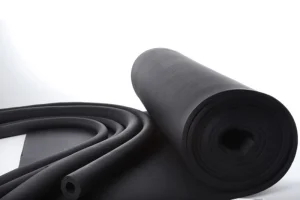
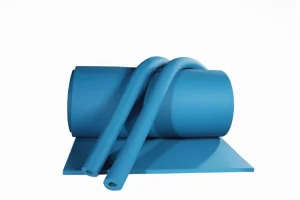
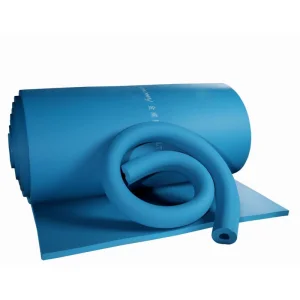
To ensure compatibility with international projects, we supply technical data sets mapped against standard elastomeric performance metrics. The following matrix highlights standard configurations for sheet rolls and pre-formed pipe insulation.
| Performance Characteristic | Standard Elastomeric Sheet Roll | Pre-formed Pipe Insulation Tubing | Test Standard Compliance |
|---|---|---|---|
| Base Composition | Acrylonitrile Butadiene / PVC Blend | NBR / PVC Flexible Elastomeric Foam | ASTM C534 Type I / II |
| Thermal Conductivity (λ) | ≤ 0.034 W/(m·K) at 0°C | ≤ 0.033 W/(m·K) at -10°C | ASTM C177 / EN 12667 |
| Water Vapor Resistance (μ) | ≥ 10,000 | ≥ 10,000 | EN 12086 / ASTM E96 |
| Temperature Ranges | -40°C to +105°C | -40°C to +105°C | ASTM C411 |
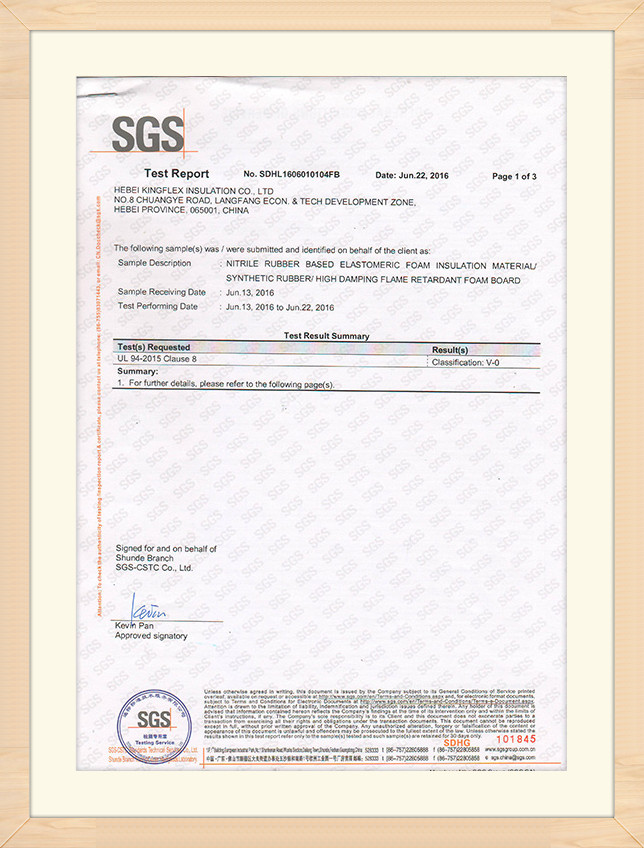
| Flammability Index | Class 0 / Class 1 | Self-extinguishing, V-0 Rating | BS 476 Part 6 & 7 / UL 94 |
| Vapor Permeability | ≤ 1.96 × 10¹¹ g/(Pa·s·m) | ≤ 1.96 × 10¹¹ g/(Pa·s·m) | ASTM E96 Procedure A |
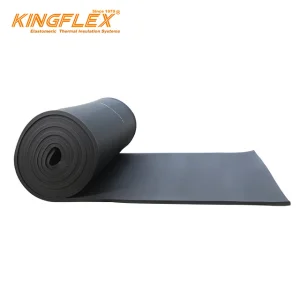
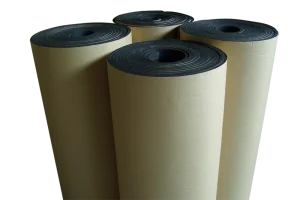
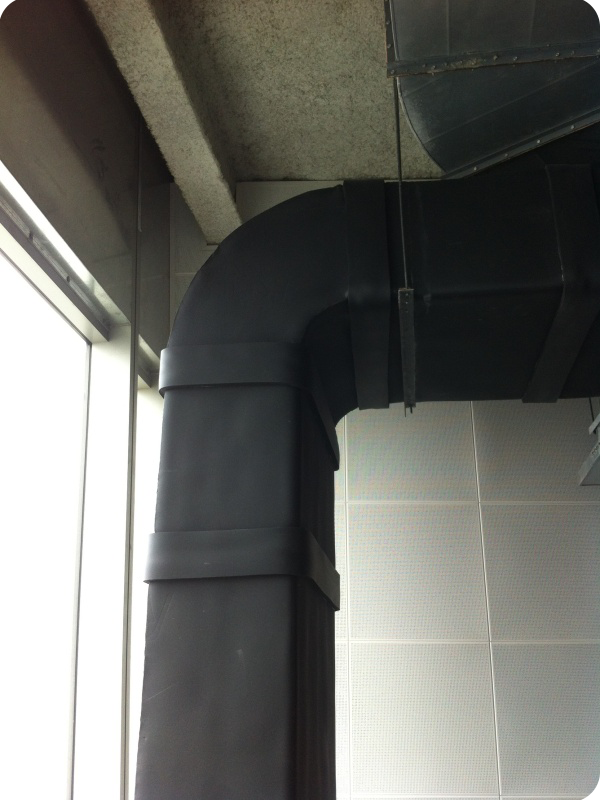
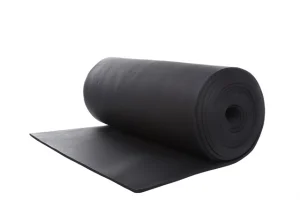
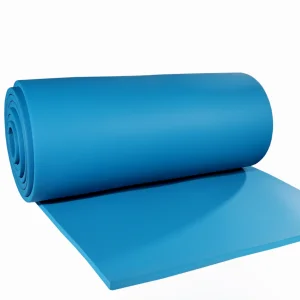
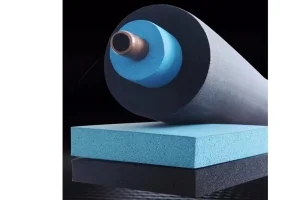
Available in continuous rolls, this configuration is suitable for large-diameter ductwork, tanks, valves, and complex fittings. It features a micro-cell structure that maintains its thermal properties under mechanical pressure.
The elasticity of the material facilitates installation around curved contours, reducing labor time while ensuring a continuous seal that prevents thermal bridging.
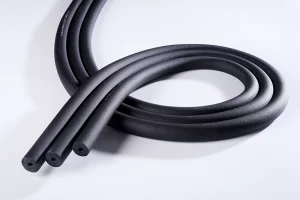
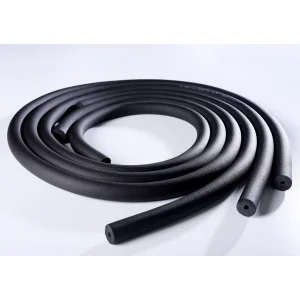
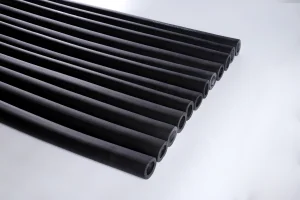
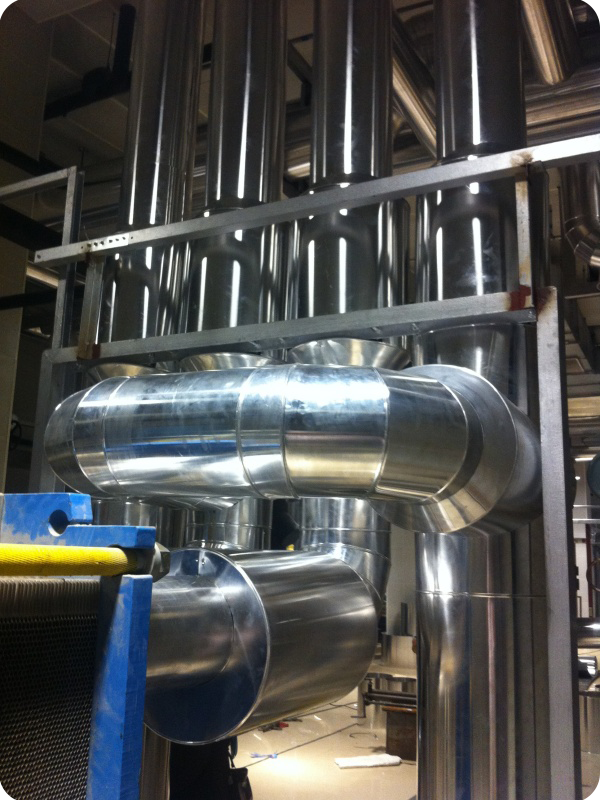
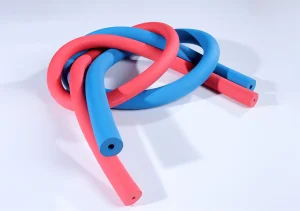
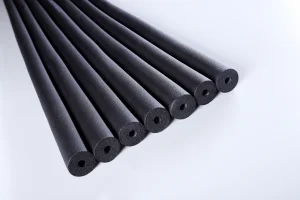
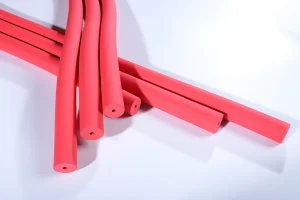
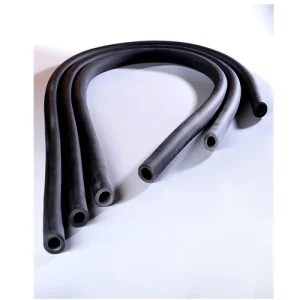
Designed for quick installation over copper, steel, and plastic lines, our pre-formed pipes offer uniform wall thickness and concentricity, reducing air pockets at the joints.
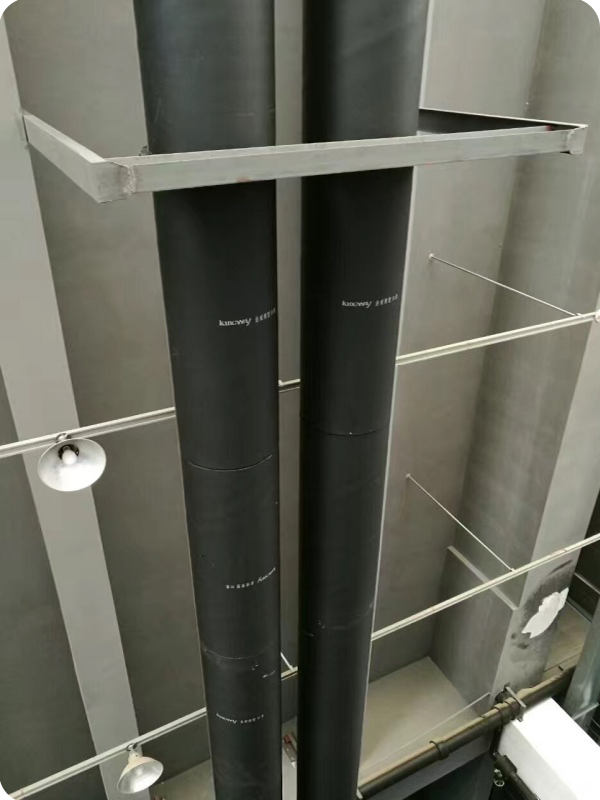
The dense outer skin provides abrasion protection and resists tearing during installation in confined building shafts or overhead service corridors.
Our insulation materials are designed for specialized applications, from building HVAC systems to industrial cryogenic terminals.
Prevents condensation on chilled water pipes and maintains temperatures in hot/cold domestic water systems, reducing overall building energy consumption.
Specifically formulated for extreme temperature ranges. Used in LNG piping, pharmaceutical cold storage, and scientific laboratories operating down to -200°C.
Protects chemical, petrochemical, and manufacturing process lines from ambient energy losses, chemical degradation, and corrosion under insulation.
At ultra-low temperatures, standard organic materials can become brittle and crack due to thermal contraction. Kingflex cryogenic systems utilize multi-layered, low-density elastomeric configurations.
By combining high elasticity with specialized outer protective vapor barriers, our cryogenic systems handle extreme thermal contractions while preventing ambient moisture from migrating toward the cold pipe surface. This minimizes the risk of CUI and systemic icing failures in LNG and liquid nitrogen applications.
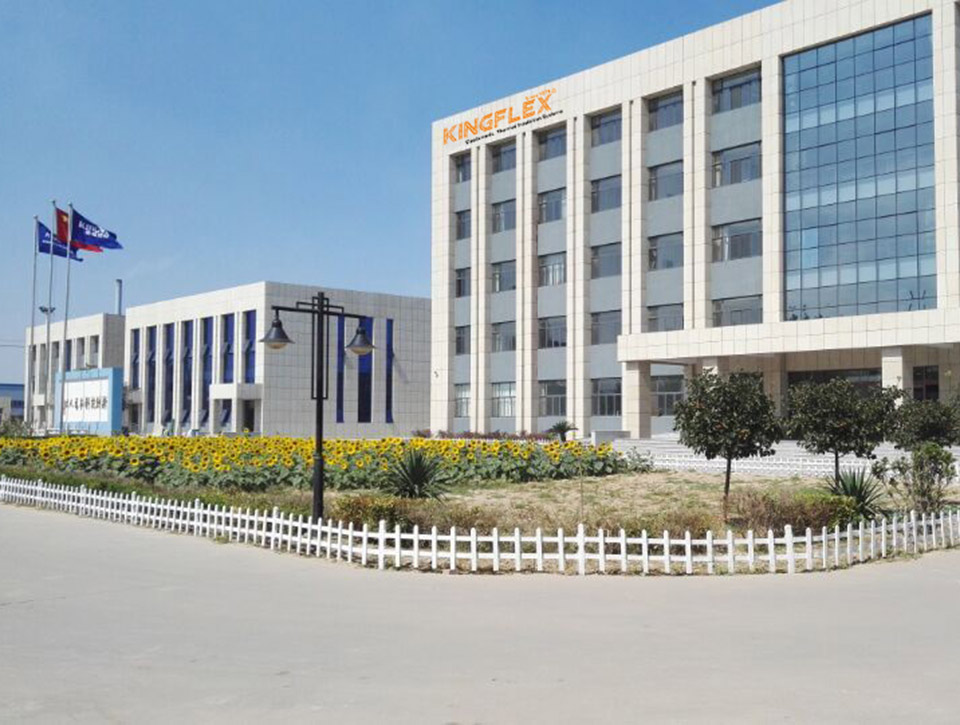
Leveraging advanced automation, raw material access, and a strategic location in Dacheng, China—the capital of green building materials.
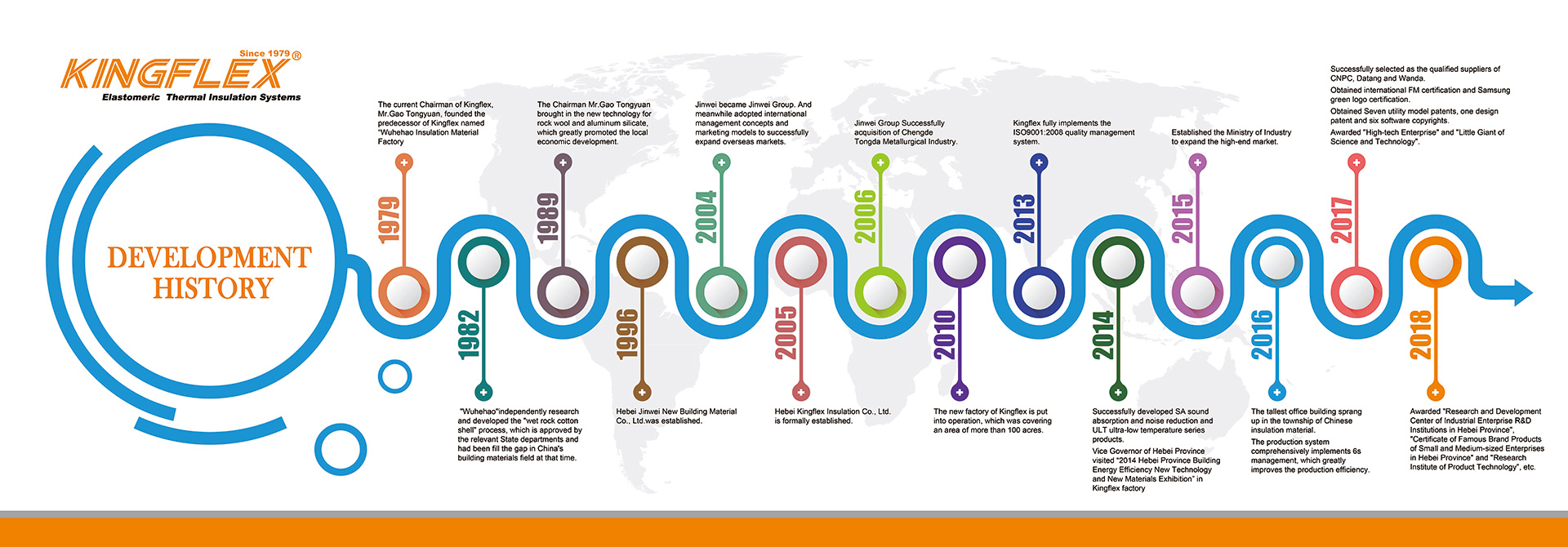
Established by the Jinwei Group (originating in 1979 as a pioneer of thermal insulation materials north of the Yangtze River), Kingflex has grown into a modern manufacturing and trading setup.
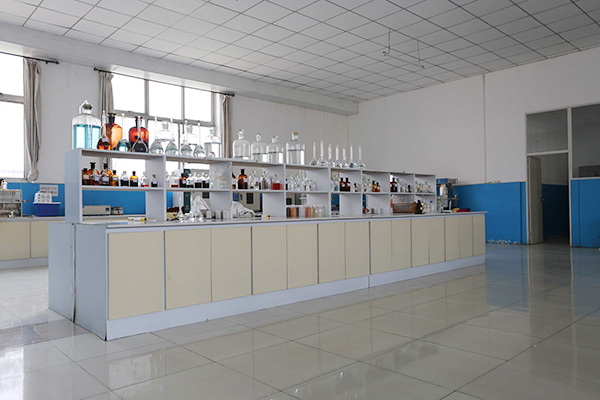
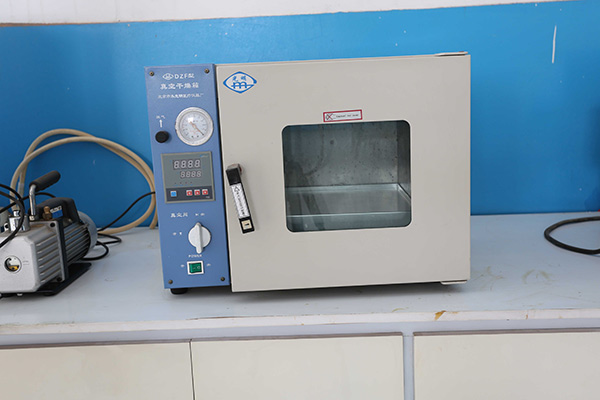
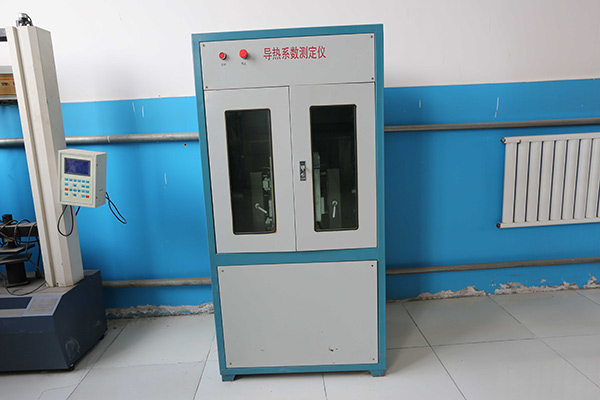
Our facility integrates advanced chemical processing systems that manage foaming parameters in real time. This ensures a consistent closed-cell ratio and uniform density distributions.
We maintain structured quality control records for raw material batches and processing temperatures, allowing for batch traceability across our production runs.
Our dedicated R&D department features eight professional engineers focused on material performance under extreme temperatures, flame retardant chemistry, and chemical aging resistance.
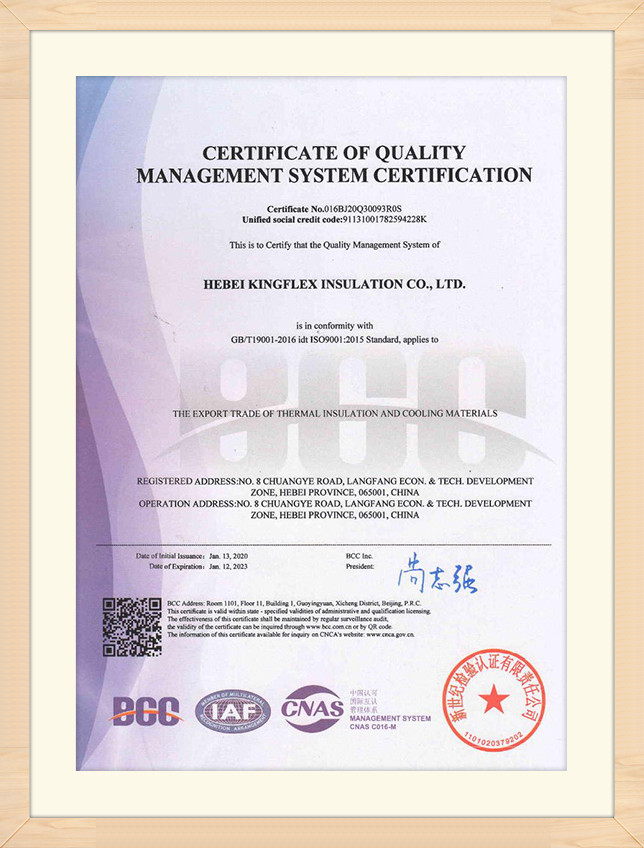
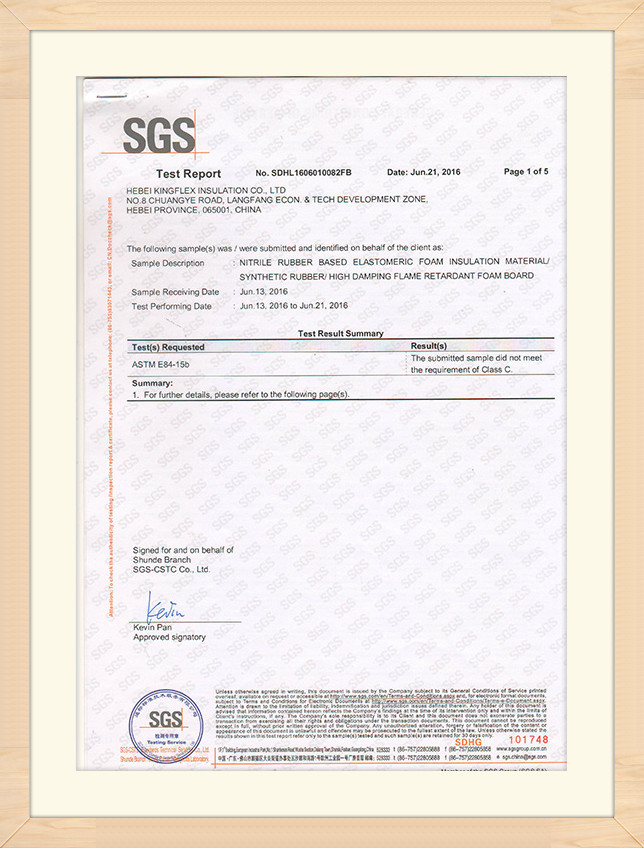
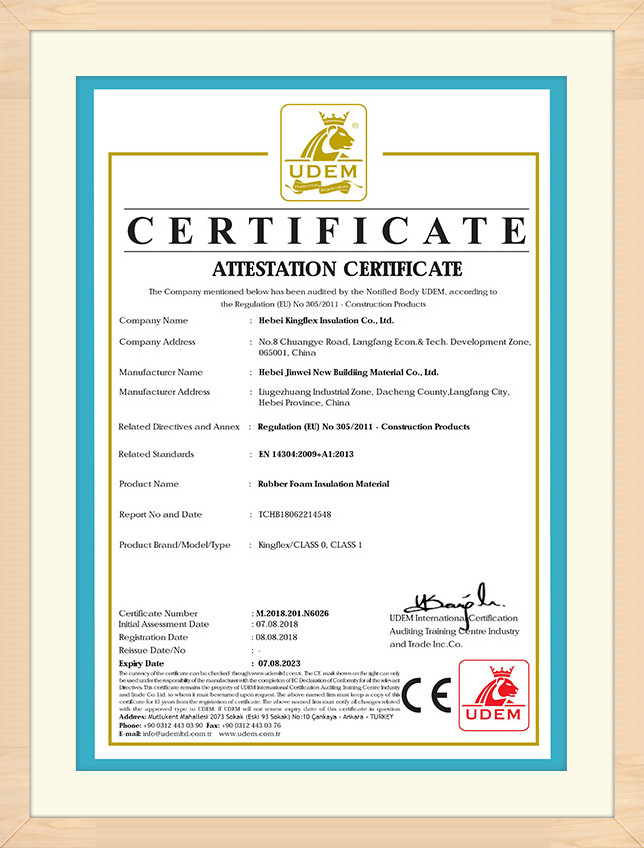
To support international projects, we work alongside major testing bodies. Kingflex products carry certifications including BS 476, CE, REACH, RoHS, UL 94, and ASTM, meeting standard global compliance protocols.
We assist procurement departments with custom dimensional specifications, customized packaging, and direct logistics coordination to streamline project timelines.


Find answers to technical and procurement questions regarding elastomeric rubber foam insulation properties.
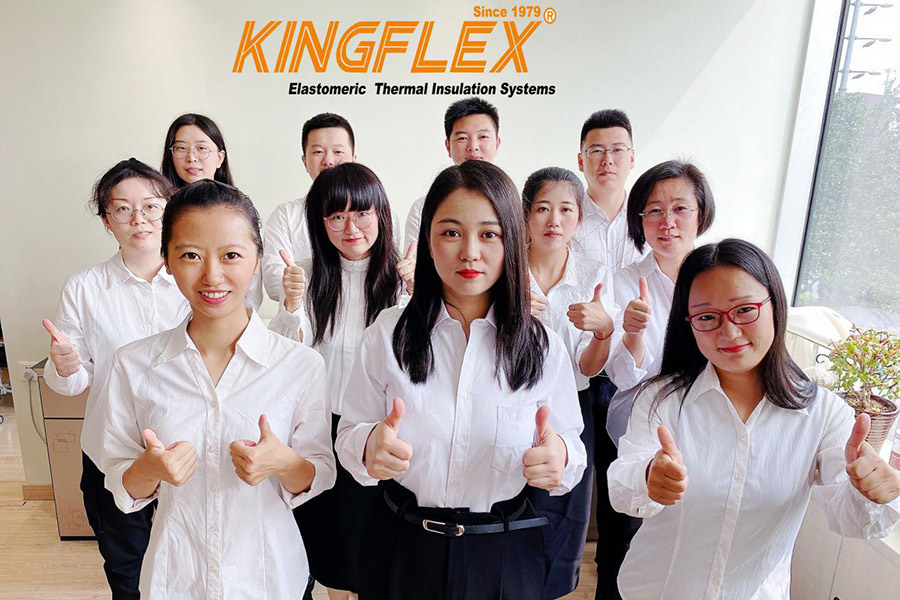
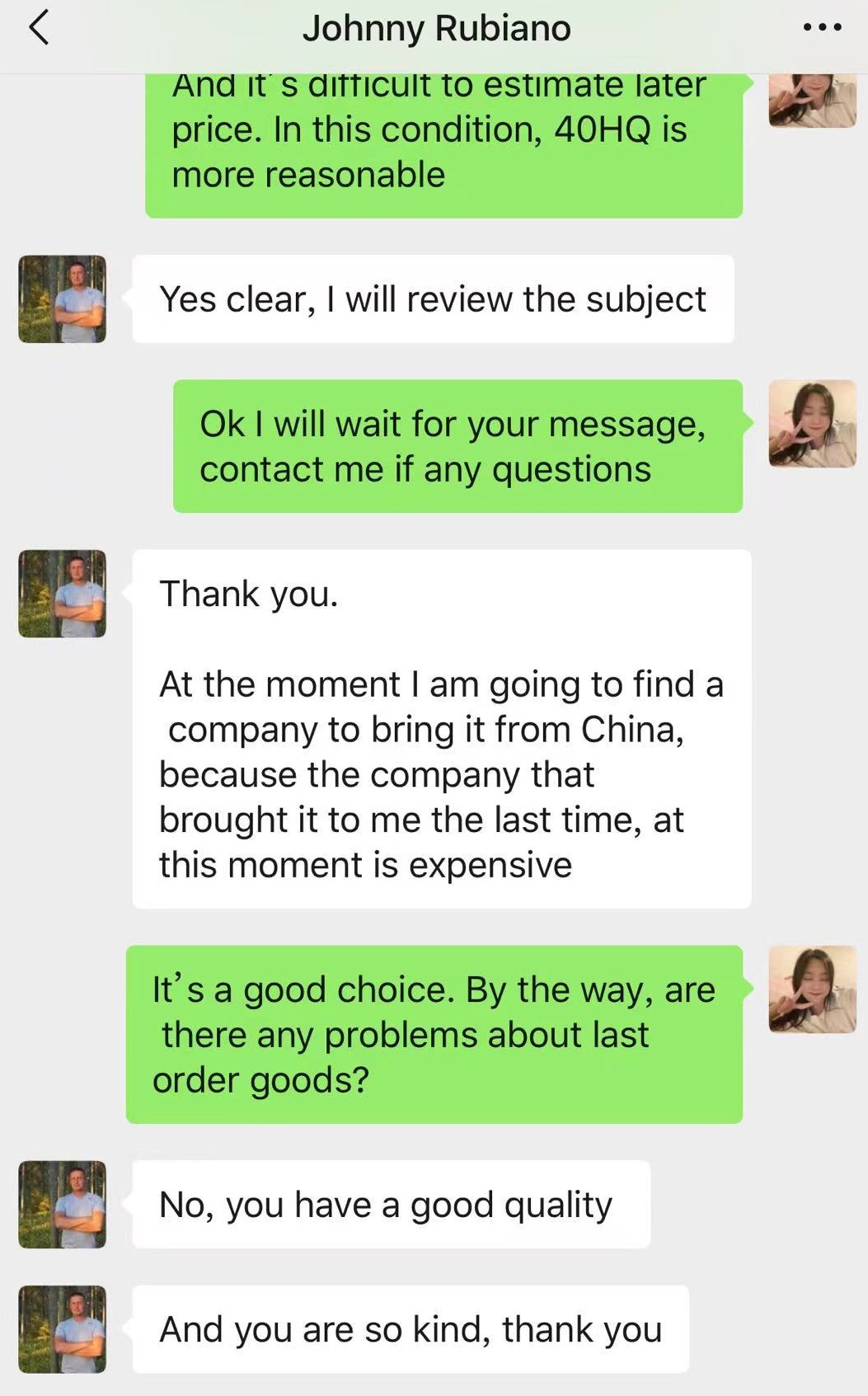
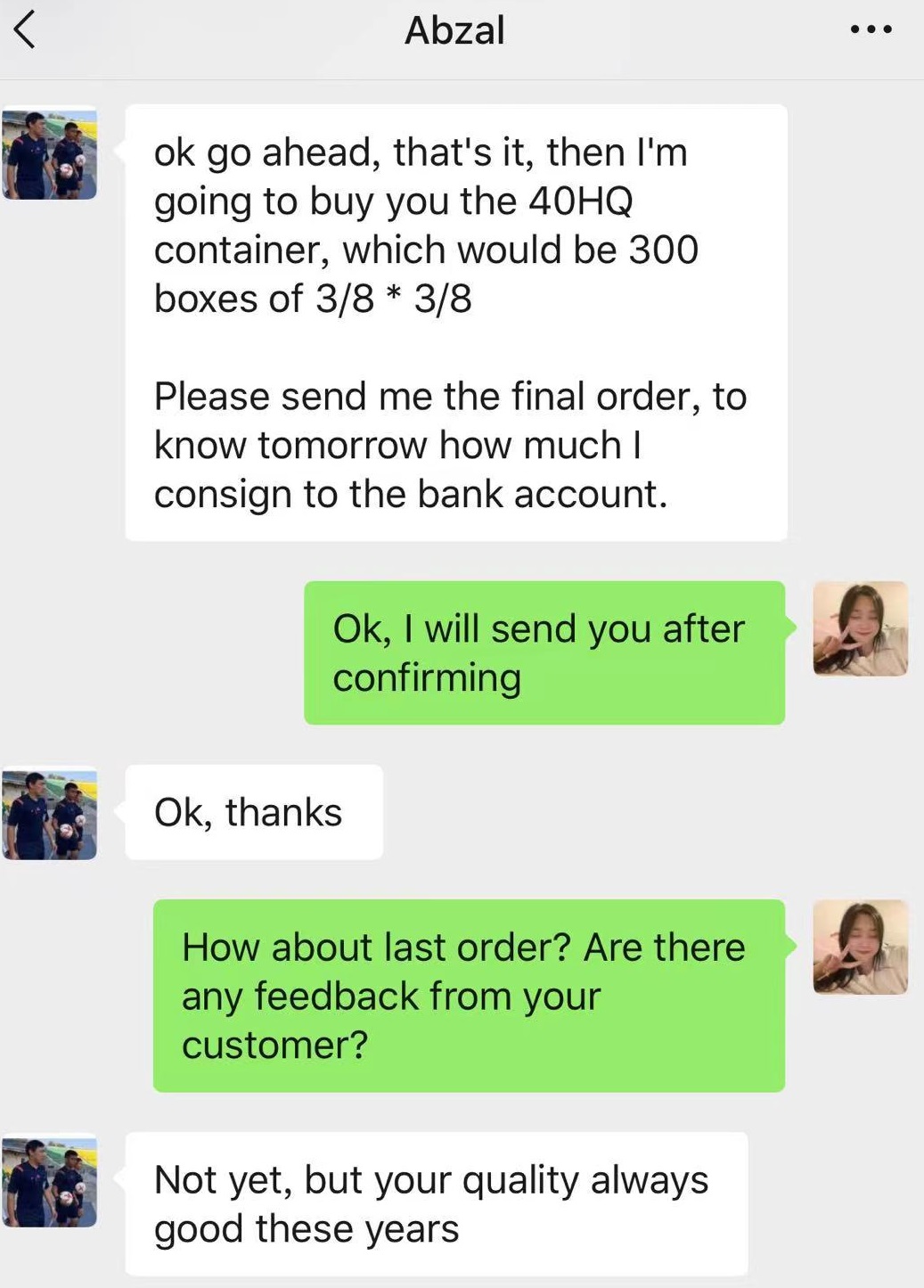
We maintain open channels with international engineering departments to ensure order accuracy and material performance.


Our insulation materials are used across major industrial, commercial, and cryogenic pipeline installations worldwide.


Select from our certified product lines below to view detailed specifications, technical datasheets, and to request project pricing.