China UV Insulation for Refrigerant Pipes Supplier & Factories

Global Benchmark in High-Performance UV-Resistant Elastomeric Thermal Insulation Systems for HVAC-R Applications

Executive Analysis: UV Degradation and Outdoor HVAC-R Efficiency

In modern industrial and commercial refrigeration infrastructure, outdoor refrigerant piping represents a critical point of vulnerability. Standard elastomeric insulation materials, when subjected to solar radiation, undergo a process known as photo-oxidative degradation. The ultraviolet (UV) spectra—primarily UV-A and UV-B wavelengths—initiate homolytic bond scission within the polymer chains of standard NBR (Nitrile Butadiene Rubber) or PVC blends. This molecular breakdown manifests as surface cracking, hardening, and progressive loss of physical thickness, which leads to structural collapse of the insulation's closed-cell matrix.

When the closed-cell matrix is damaged, moisture permeation increases exponentially. Because water has a thermal conductivity coefficient ($\approx 0.6 \text{ W/m}\cdot\text{K}$) that is vastly higher than dry air ($\approx 0.026 \text{ W/m}\cdot\text{K}$), even a minor moisture accumulation within the insulation material will lead to a rapid increase in the overall thermal conductivity ($k$-value). This leads to continuous thermal transfer losses, condensation dripping, structural mold development, and corrosion under insulation (CUI) on copper or steel piping.

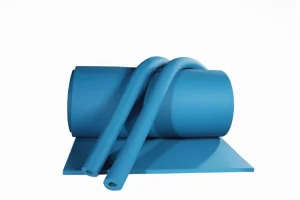
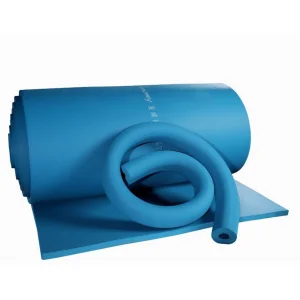
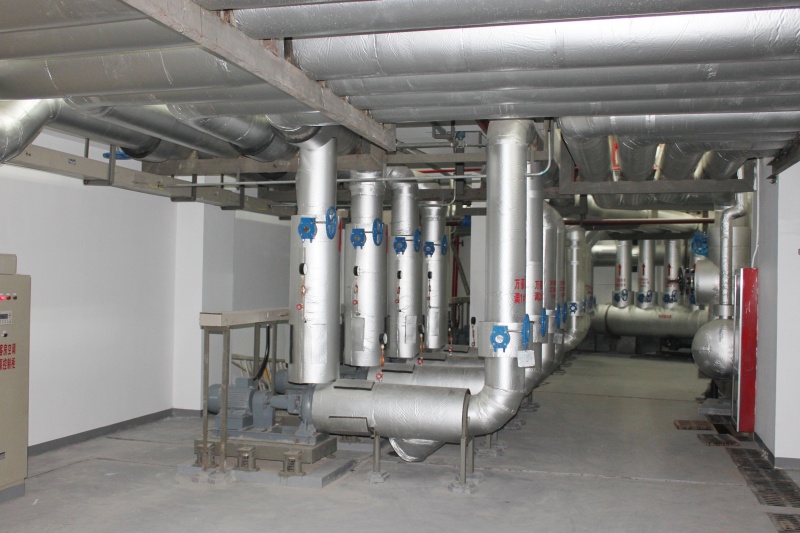
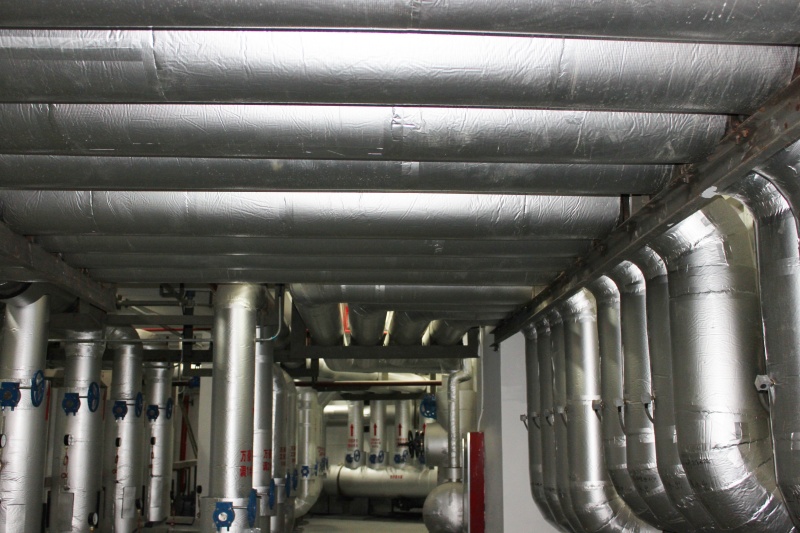
To solve this problem, Kingflex Insulation Co., Ltd. has developed specialized UV-resistant elastomeric rubber foam insulation. By using a co-extruded, high-density weather-resistant outer skin combined with built-in UV stabilizers and antioxidants, our insulation systems maintain their thermal properties and structural integrity even under constant outdoor solar exposure.
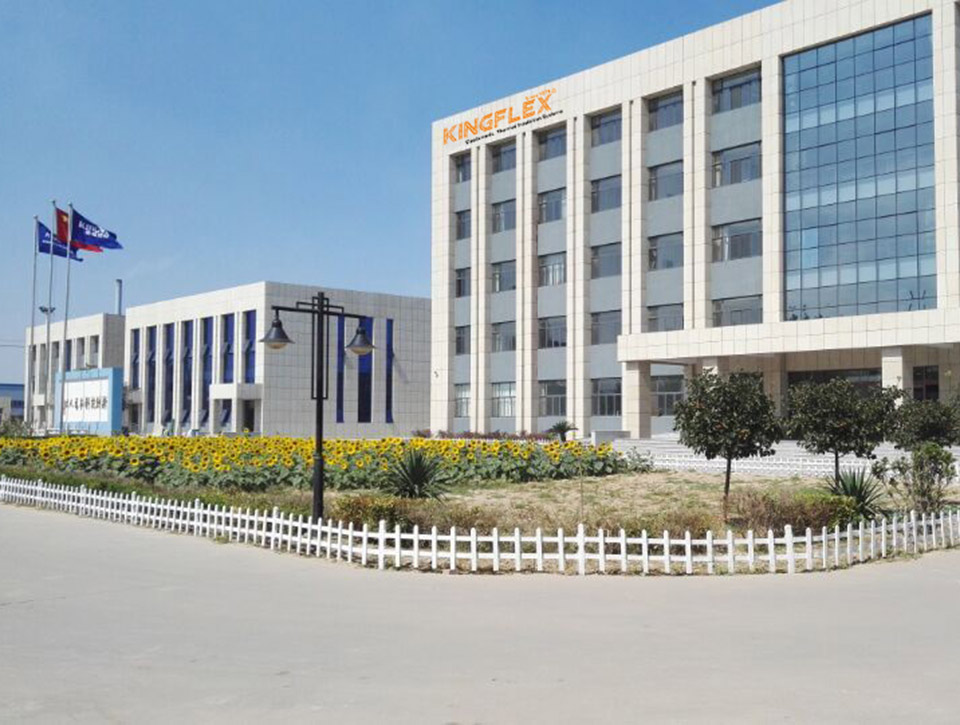
Kingflex Factory Manufacturing Site
Global Industrial Status & Energy Conservation Demands

How global sustainability frameworks and demanding climatic shifts drive the necessity for advanced outdoor piping insulation.

Severe Climate Performance

The expansion of mega-scale commercial HVAC systems in regions like the Middle East (high solar load), Southeast Asia (extreme humidity), and Northern Europe (extreme thermal cycling) requires piping insulation that resists environmental degradation. Without UV protection, materials fail within 24 to 36 months, leading to high maintenance costs.

System Energy Conservation

Strict energy efficiency guidelines (such as ASHRAE 90.1, LEED v4, and BREEAM) require building envelopes and mechanical systems to minimize thermal losses. Unprotected outdoor refrigeration lines lose thermal resistance over time, which increases compressor load and building operating costs.

Extended Operational Lifespan

Industrial installations are designed for a 15-to-25-year service life. Our UV-resistant elastomeric rubber foam preserves its material properties for 10 to 15 years in typical environments, reducing replacement downtime and extending the lifetime of the underlying copper or carbon-steel piping.

Advanced Polymers & Protective Layer Engineering

Kingflex UV insulation is formulated by compounding high-grade Nitrile Butadiene Rubber (NBR) and Polyvinyl Chloride (PVC) with organic UV absorbers and Hindered Amine Light Stabilizers (HALS). This creates a chemistry that converts harmful UV radiation into heat energy at the molecular scale, protecting the elastomer's main chain links.
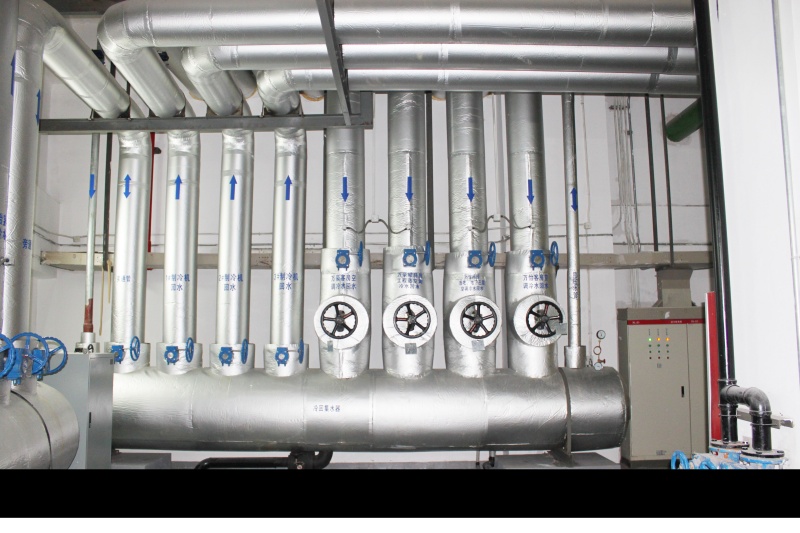
The manufacturing process uses an advanced co-extrusion technology. While the core is expanded to create a dense closed-cell matrix (closed-cell rate >98%), the outer surface is cured into a dense, smooth protective skin. This skin acts as a barrier against solar radiation and water vapor.

Unlike traditional rubber insulation that requires manually painting a protective coating after installation, Kingflex UV-resistant insulation works immediately out of the box. This built-in protection reduces labor costs on-site and avoids the risk of uneven coating thickness.
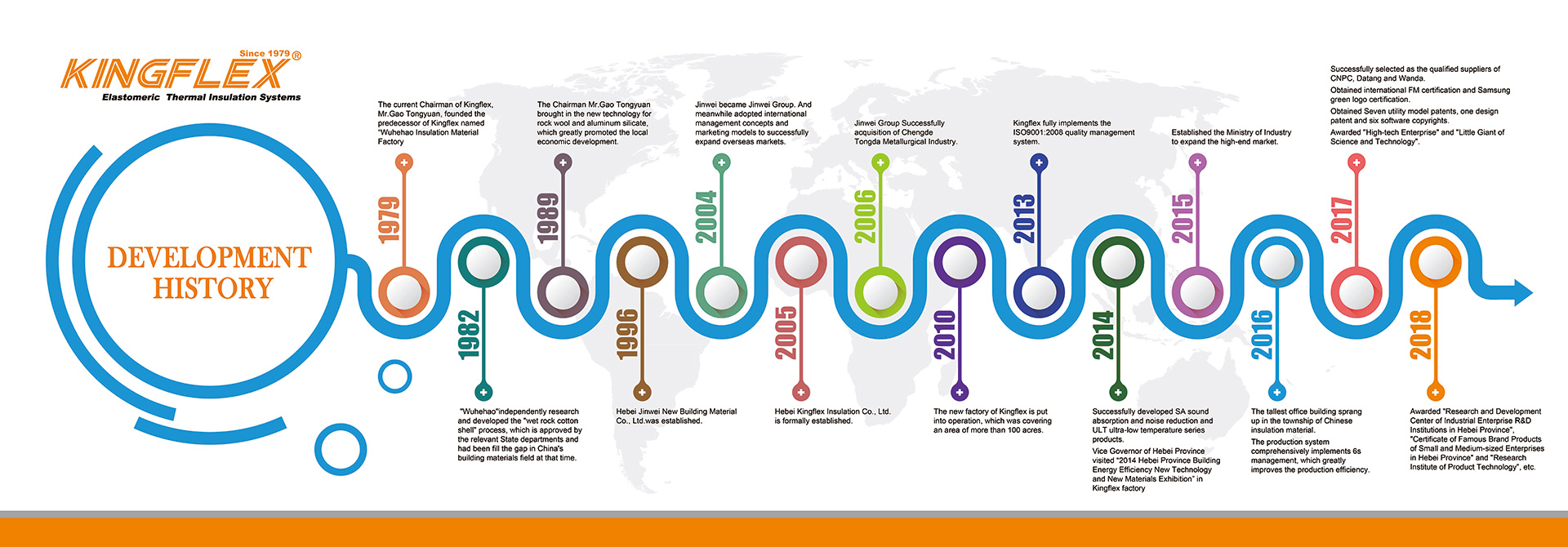
Kingflex R&D and Historical Milestones
Localized Applications & Environmental Adaptations

Engineered for diverse local industrial and commercial applications across distinct climate zones.

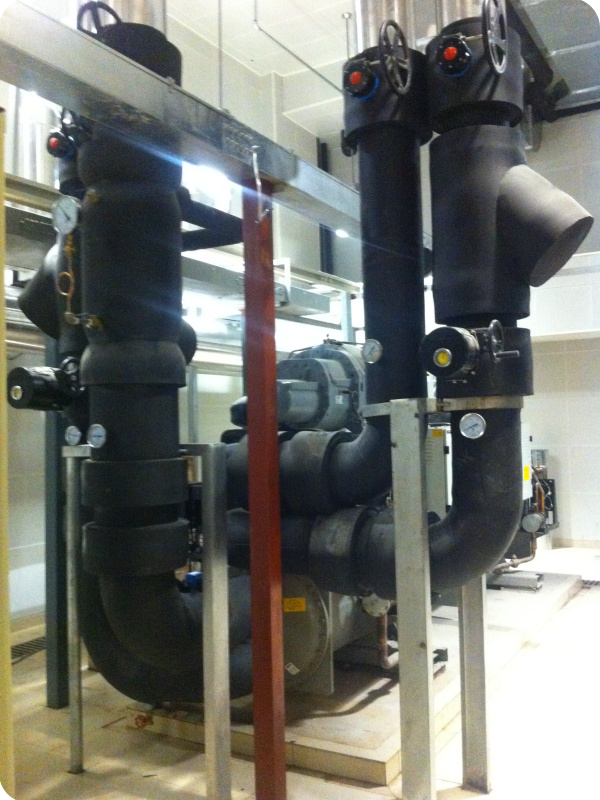
Commercial Rooftop VRV/VRF Systems

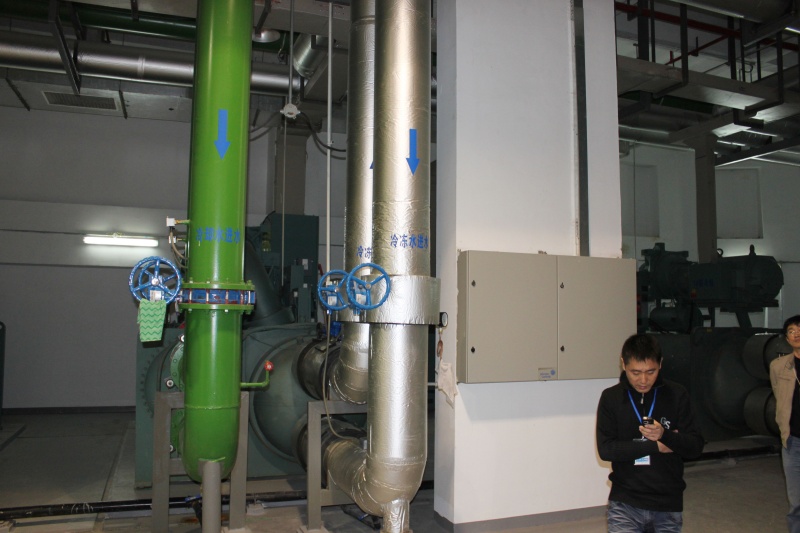
Rooftop air conditioning systems are exposed to direct sunlight year-round. Our UV-resistant insulation prevents piping condensation and preserves system efficiency, protecting lines on hotels, shopping malls, and office towers.

Industrial Cold Storage & Food Processing

Low-temperature refrigeration systems require high resistance to vapor intrusion. Kingflex NBR/PVC closed-cell structures prevent frost formulation and maintain a stable internal temperature, supporting clean and reliable operations.
District Cooling & Marine Operations

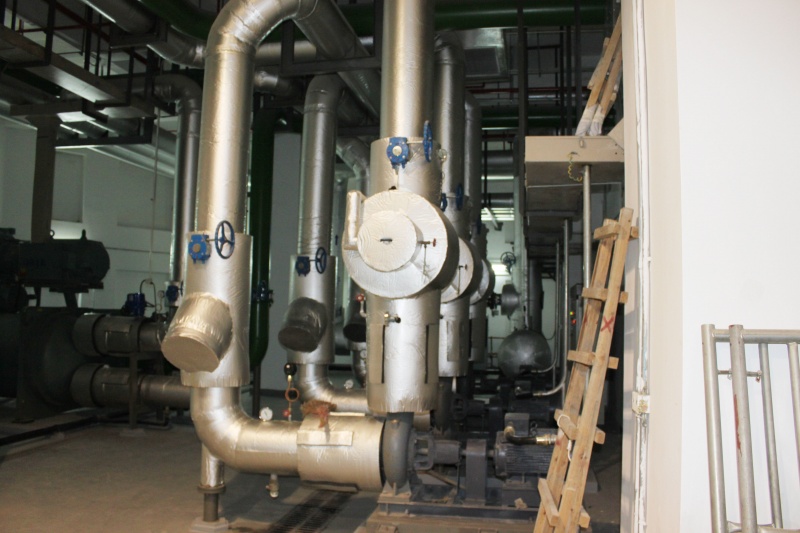
Coastal and marine environments feature high salinity, high moisture levels, and intense UV exposure. Our corrosion-resistant, closed-cell insulation materials protect chemical and utility pipelines from early wear.

Technical Specification & Material Standards

Verified physical performance parameters for Kingflex UV elastomeric insulation systems.
Performance Indicator Reference Standards Nitrile/PVC UV Elastomeric Value Traditional Uncoated Rubber Foam
Thermal Conductivity ($\lambda$) ASTM C518 / EN 12667 ≤ 0.034 W/(m·K) at 0 °C ≤ 0.038 W/(m·K) at 0 °C (degrades rapidly outdoors)
Water Vapor Resistance (μ-factor) BS EN 12086 / DIN 52615 ≥ 10,000 ≤ 5,000 (absorbs water over time)
UV Exposure Aging Test ASTM G154 (cycle of UV light & moisture) No cracks, minimal hardness drift after 1,000 hrs Severe cracking and surface powdering within 300 hrs
Operating Temperature Range ASTM C534 -40 °C to +105 °C -40 °C to +100 °C
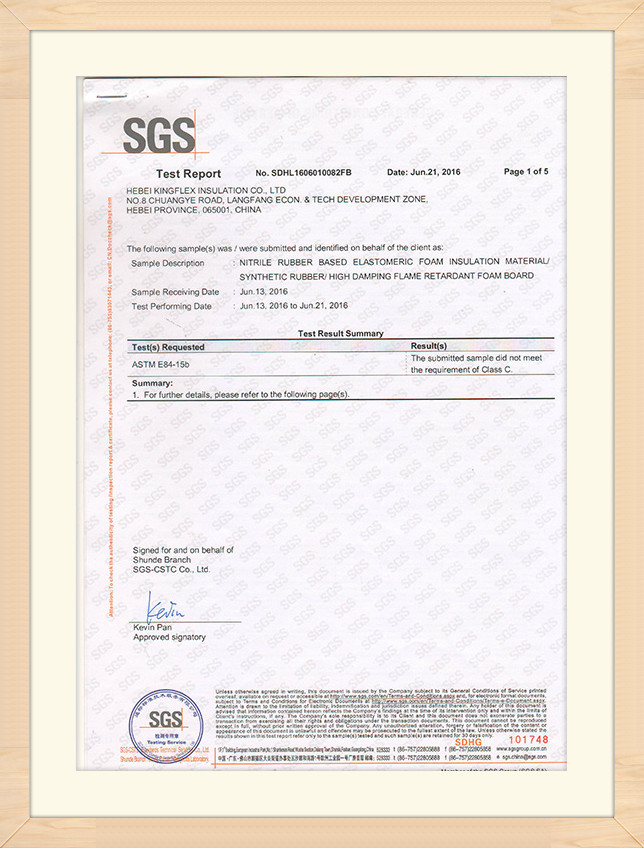
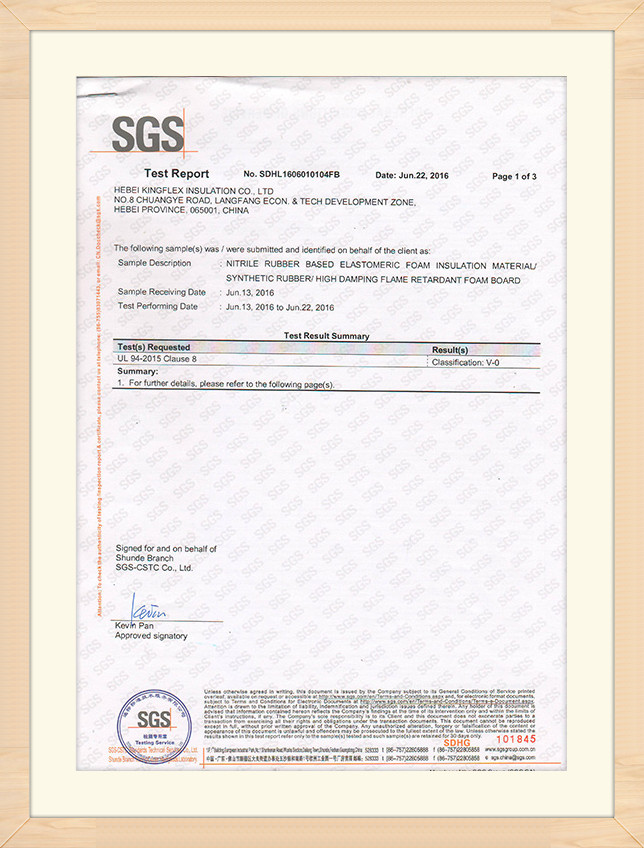
Fire Safety Rating BS 476 Part 6 & 7 / UL 94 Class 0 (BS 476) / V-0 self-extinguishing (UL 94) V-1 / V-2 dependent on blend quality
Product Density ASTM D1622 40 - 55 kg/m³ (Uniform distribution) 35 - 45 kg/m³ (Non-uniform distribution)
Environmental Safety REACH / RoHS Compliance Zero PBDEs, Lead, or Halogenated biphenyls Varies (many trace materials present)

40+ Years of Manufacturing and Innovation

Kingflex Insulation Co., Ltd. is a manufacturer and trader specializing in thermal insulation products. Our research, development, and manufacturing facility is located in Dacheng, China, a recognized hub for green building materials. Founded by the Jinwei Group—which started in 1979 as one of the first thermal insulation manufacturers north of the Yangtze River—we build on more than 40 years of industry experience.
Our operations focus on energy efficiency and waste reduction. We provide support at every stage, including technical consulting, customized research and development, manufacturing, installation guidance, and after-sales support. We design our systems to meet the requirements of modern HVAC-R projects.

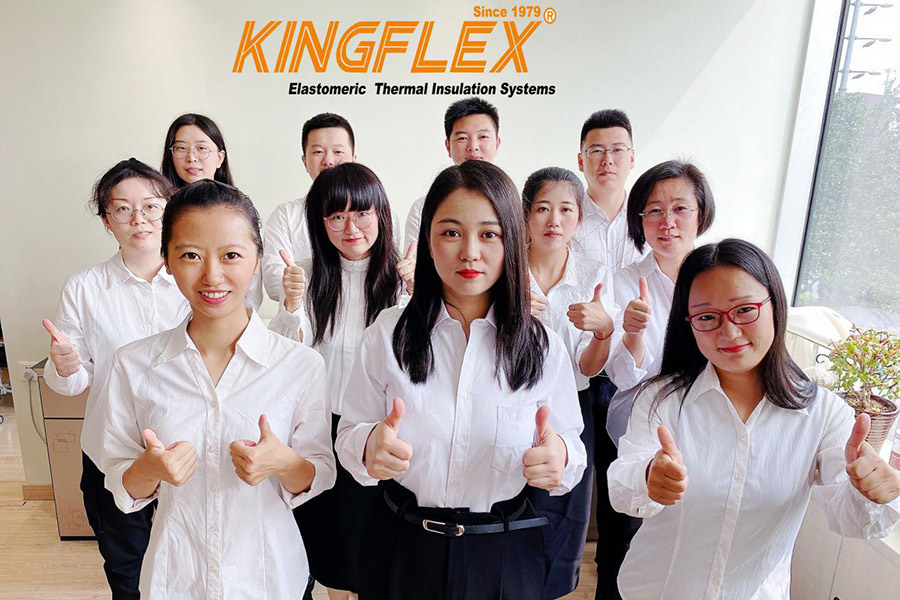
Our team includes 8 professional R&D engineers, 6 international sales representatives, and 230 production workers. With 5 automated assembly lines, we produce over 600,000 cubic meters of insulation materials annually. Kingflex is a certified production partner for major industrial and governmental projects.
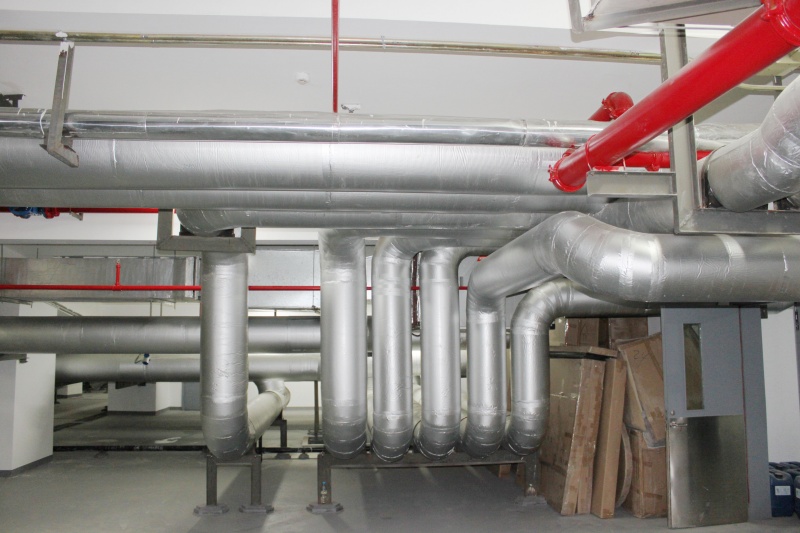
Kingflex Factory Operation and Team
1979
Year Established
600K+ m³
Annual Capacity
66+
Countries Exported
8
Patent R&D Engineers

Certified Safety & Quality Compliance

Kingflex products comply with international safety, environmental, and performance standards.

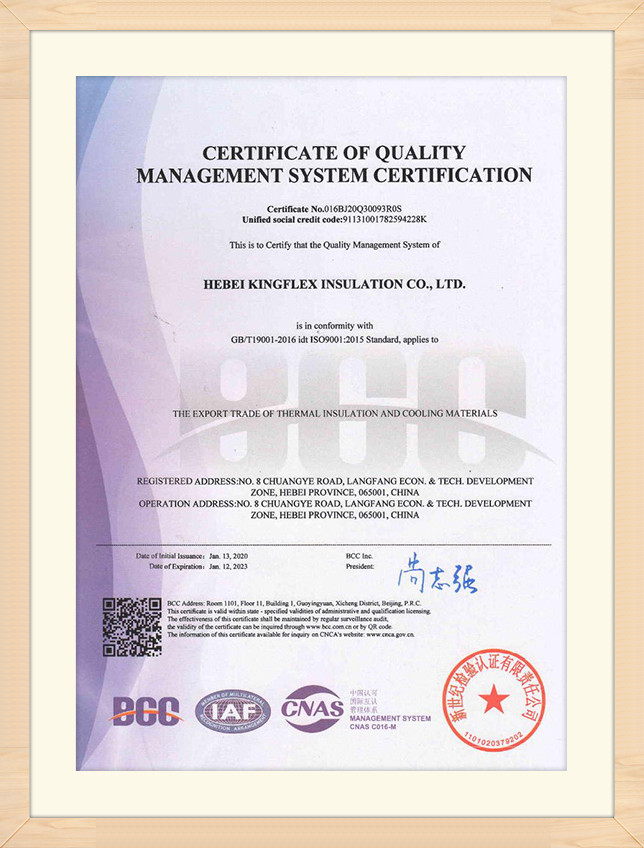
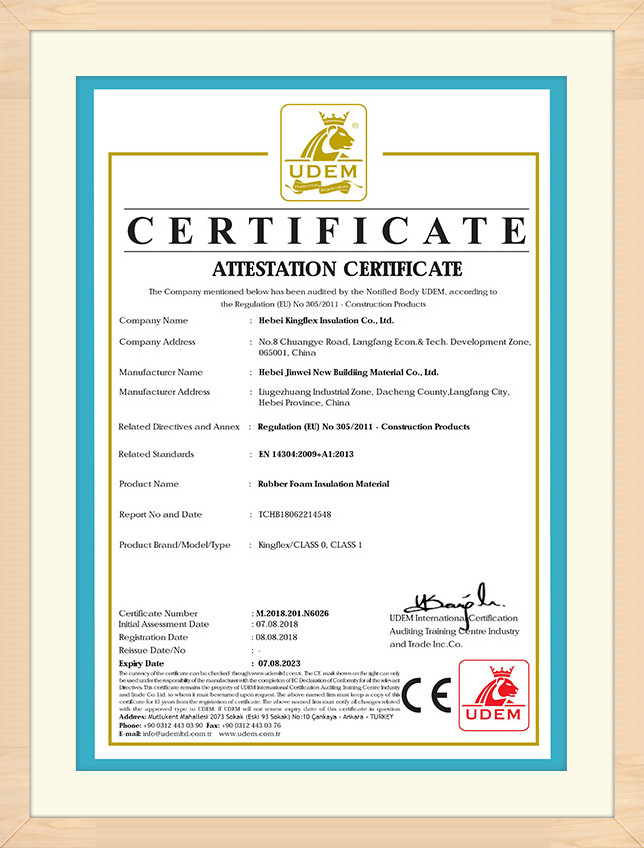
Our manufacturing processes comply with ISO 9001:2015 Quality Management Systems, and our insulation products are certified under BS 476, CE, REACH, RoHS, UL 94, and ASTM standards. We also maintain raw material tracing systems to ensure consistent quality in every production run.

Advanced Chemistry R&D for Long-Term Durability

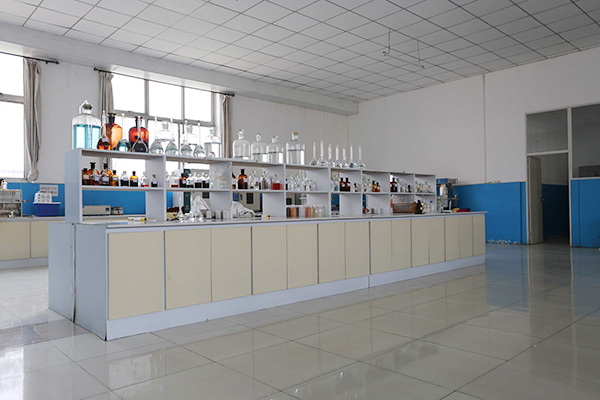
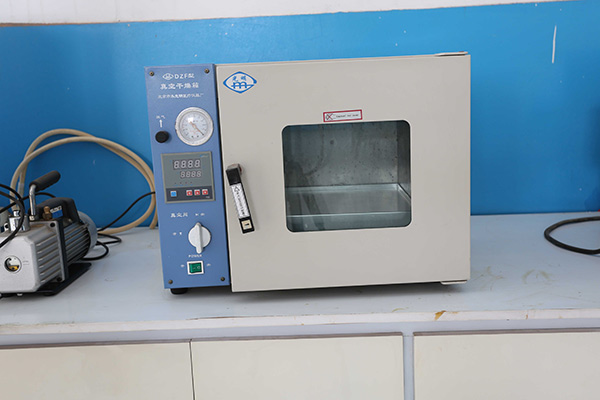
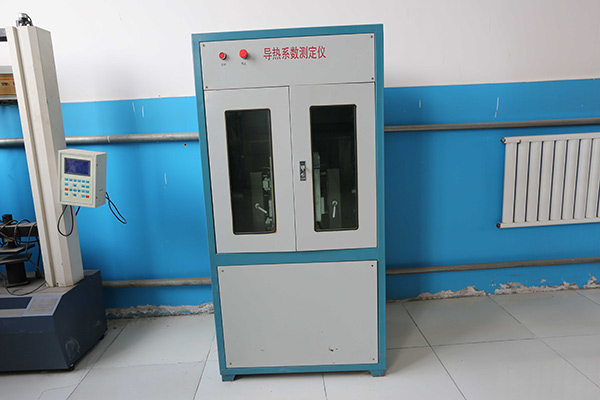
Our chemistry laboratory tests and refines new elastomer formulations. We simulate severe environmental conditions using accelerated weathering chambers (fluorescent UV lamps and condensation cycles) to verify that our insulation performs reliably over time.

We focus on balancing fire-retardant performance with thermal efficiency. By using halogen-free materials and combining them with our UV-resistant protective layers, we create insulation products that satisfy strict fire safety standards while preventing energy loss.

Material Standard Specifications & Features

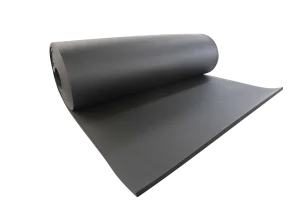
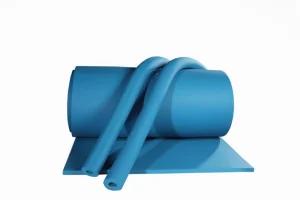
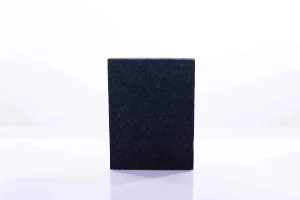
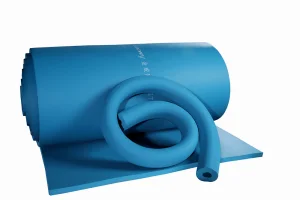
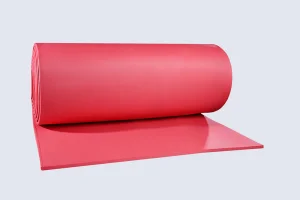
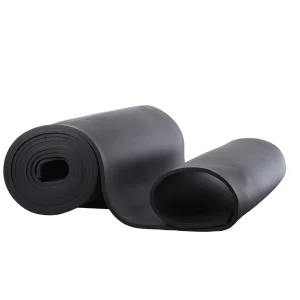
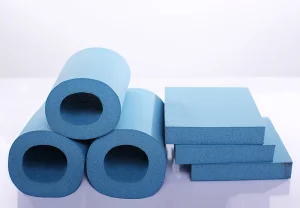
Detailed physical property and application profiles for Black Rubber Foam Insulation Sheet Rolls and Pipes.

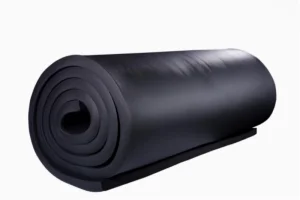
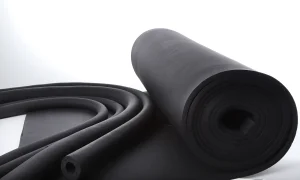
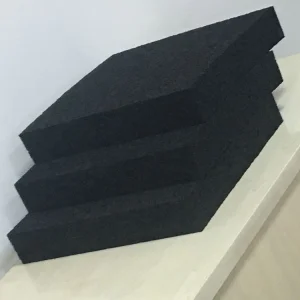
Black Rubber Foam Insulation Sheet Roll

Material: Nitrile Rubber (NBR) / Polyvinyl Chloride (PVC) blend.

Thickness: 6mm - 50mm available.

Density: 40 - 55 kg/m³.

Service Temperature: -40 °C to +105 °C.

Primary Advantages:
  • Uniform foaming with a closed-cell rate exceeding 98% for optimal thermal performance.
  • Closed-cell design prevents moisture absorption and maintains stable thermal conductivity.
  • Compression resilience above 80%, resisting damage during shipping and installation.
  • Flame retardant, self-extinguishing behavior for enhanced safety.

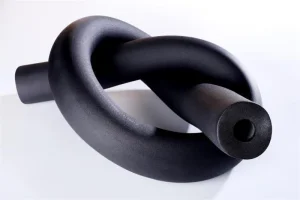
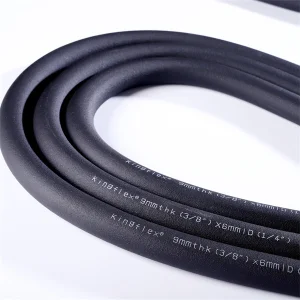
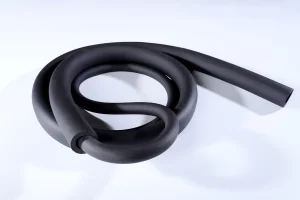
Black Rubber Foam Insulation Pipe

Material: Nitrile Rubber (NBR) / Polyvinyl Chloride (PVC) blend.

Thickness: 9mm - 40mm.

Inner Diameter (ID): 6mm - 114mm.

Density: 40 - 55 kg/m³.

Primary Advantages:
  • Extrusion sizing ensures a snug fit on copper pipes to prevent air gaps.
  • Consistent density and wall thickness maintain uniform thermal resistance.
  • Flexible formulation allows easy routing around elbows and tees, reducing installation time.
  • Reduces the risk of pipe freezing and bursting in cold conditions.

Global Partnerships & Customer Verification

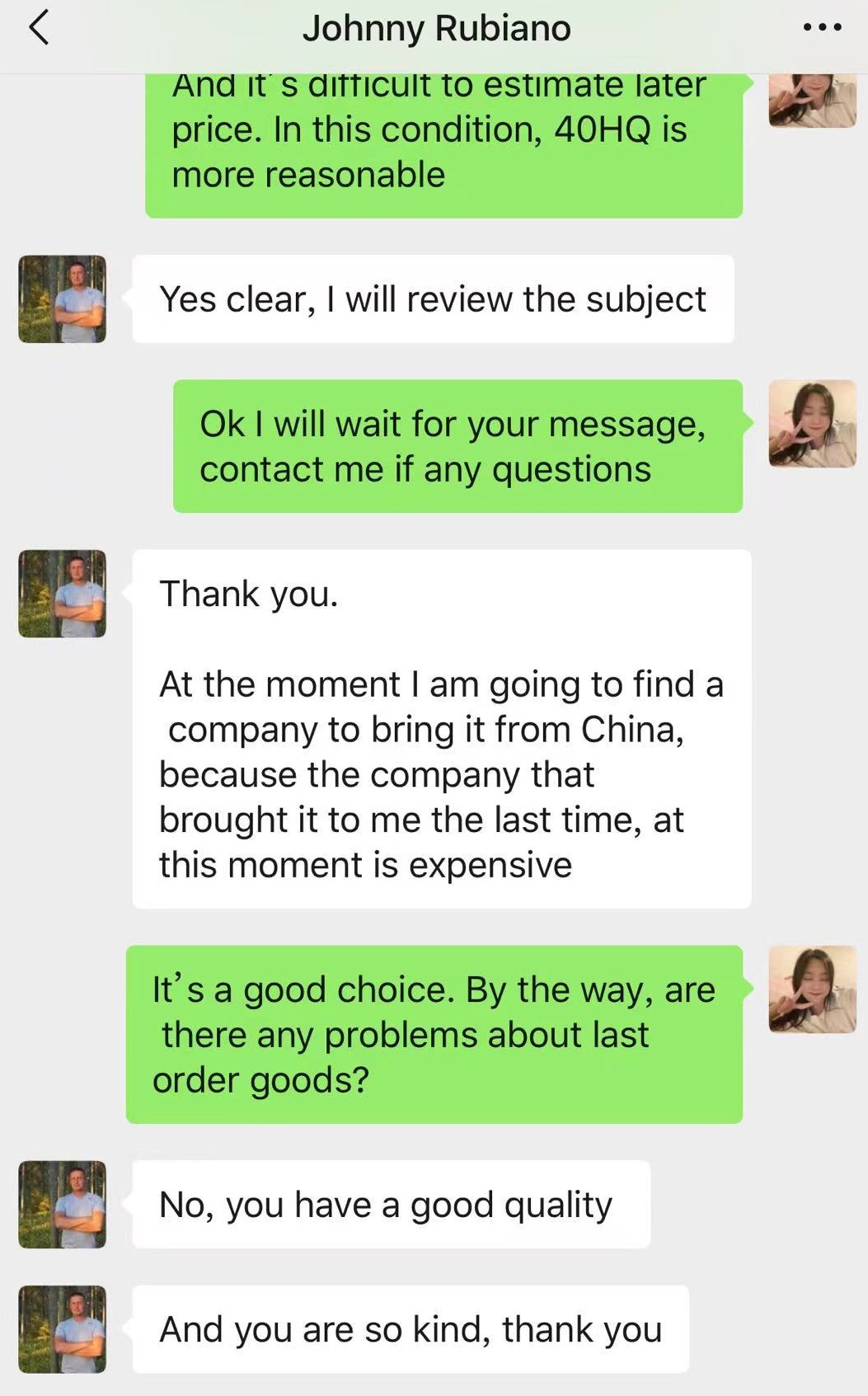
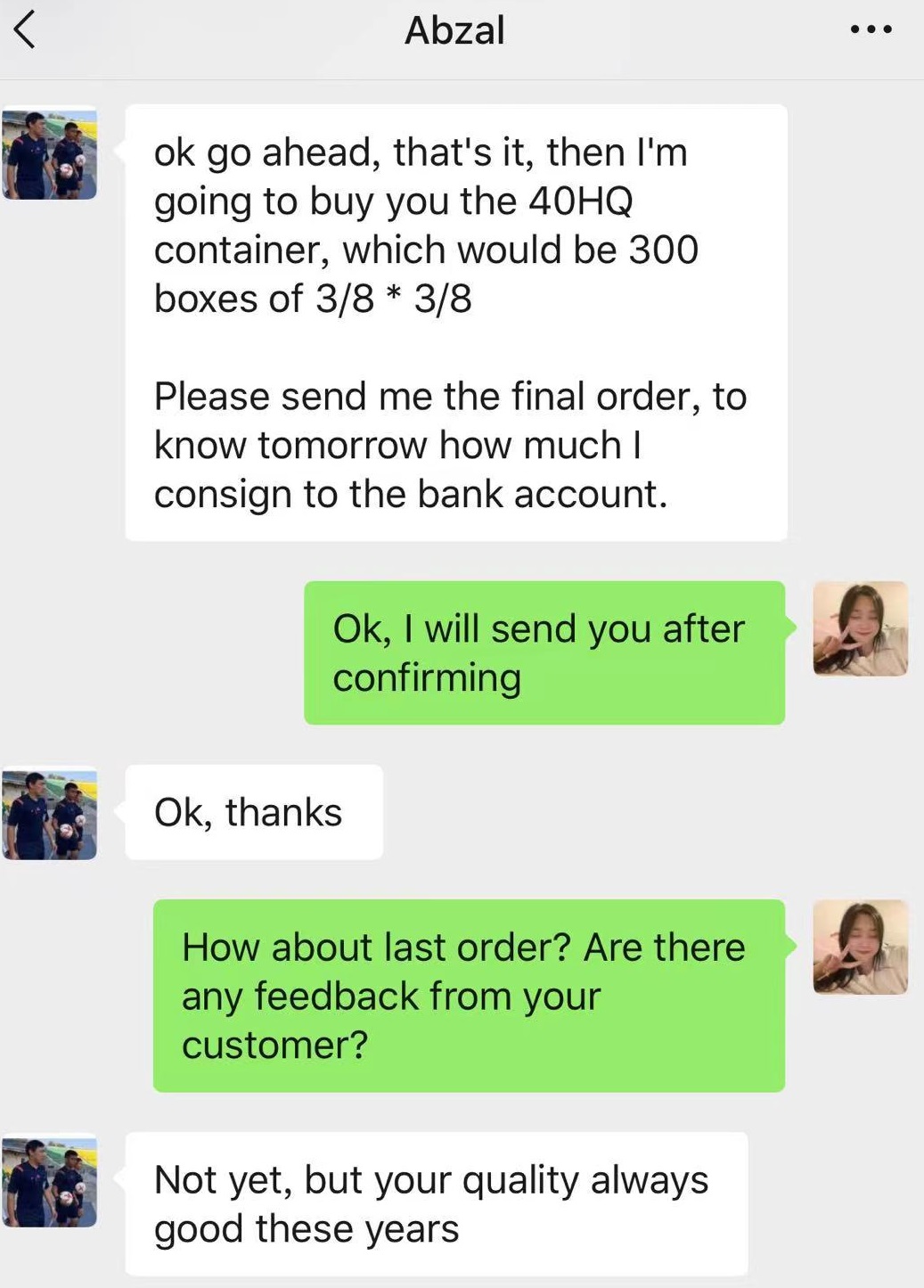
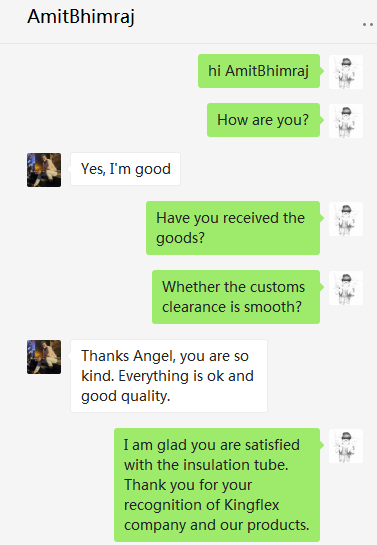
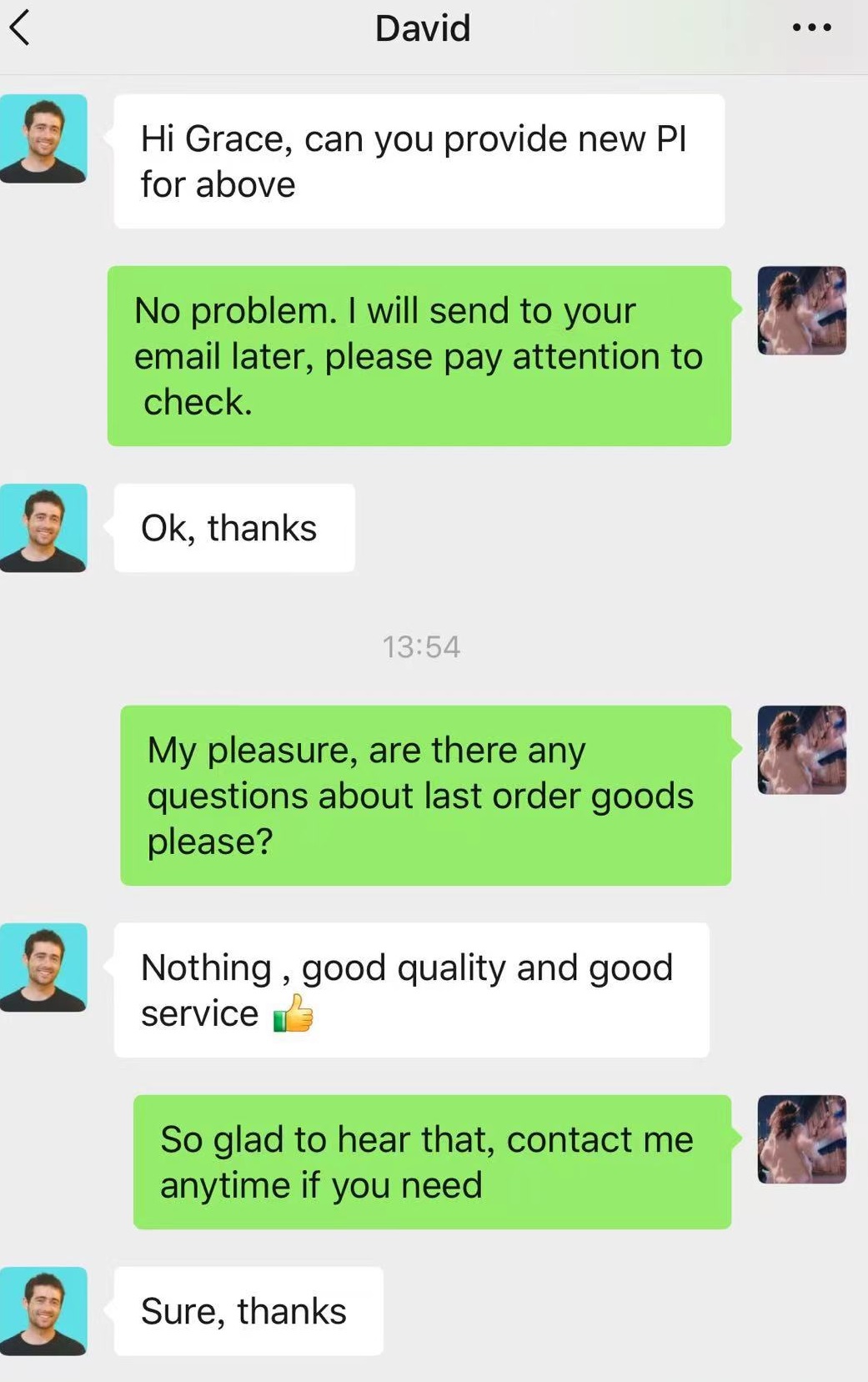
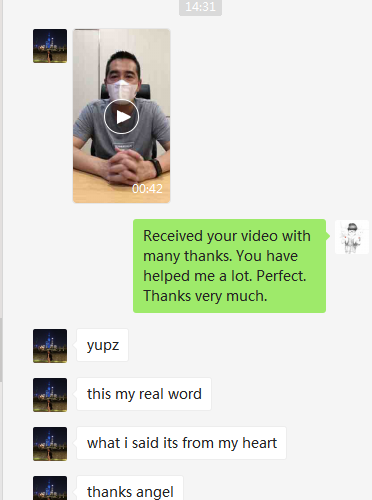
Direct client feedback and project communication records showcasing our service quality and supply reliability.

Global Project Installations

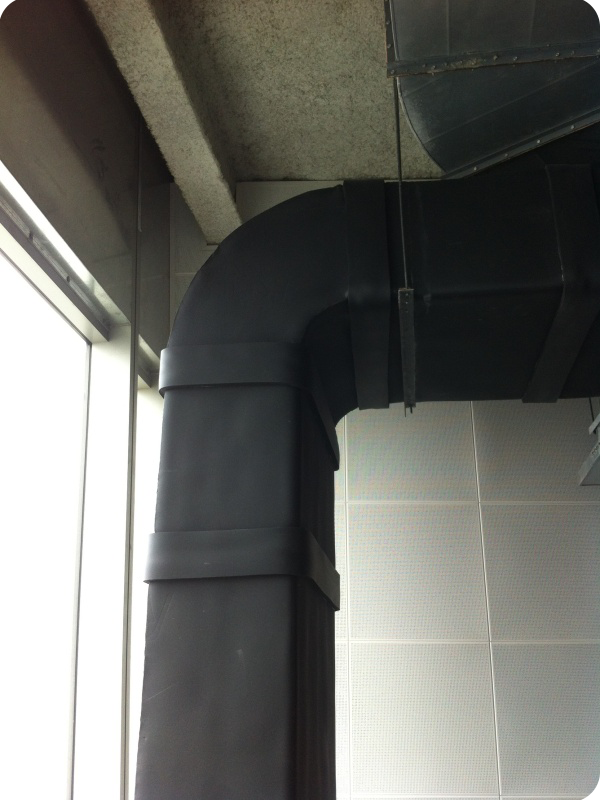
Our insulation materials are installed in energy-efficient construction, chemical storage, and HVAC systems worldwide.

Advanced Production Lines & Inventory Capacity

With 5 automated production lines, we support international deliveries with consistent supply capability.

Expert QA: Frequently Asked Technical Questions

Technical guidance regarding physical properties, compliance, and application of Kingflex UV insulation.

Q1: What is elastomeric rubber foam insulation used for?
It is primarily used for HVAC ducts, air conditioning piping, building thermal insulation, industrial process piping, cold preservation, and acoustic isolation systems. By preventing thermal transfer and water vapor intrusion, it maintains process temperature control and prevents pipe corrosion.
Q2: Is Kingflex rubber foam insulation fire resistant?
Yes. Our insulation materials meet international fire safety regulations. They are certified class 0 under BS 476 and achieve a V-0 self-extinguishing rating under UL 94, making them suitable for commercial, high-occupancy, and industrial structures.
Q3: What is the difference between rubber foam and rock wool insulation?
Elastomeric rubber foam is a flexible, closed-cell material with low permeability, making it well-suited for cold pipelines, chilled water lines, and outdoor HVAC applications where moisture resistance is critical. Rock wool is a fibrous, open structure that is highly fireproof and heat-resistant, making it suitable for high-temperature industrial steam lines, hot-water systems, and fire barriers.
Q4: Do you provide customized insulation products?
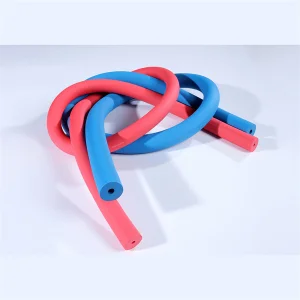
Yes, we provide OEM and ODM services. We customize dimensions, thicknesses (from 6mm to 50mm), internal pipe diameters (ID 6mm to 114mm), and colors, and we supply self-adhesive backing options to meet specific project guidelines.
Q5: What certifications do your products have?
Our products are tested and certified to meet international standards, including BS 476, CE EN 14304, REACH, RoHS, UL 94, and ASTM. This compliance supports import and installation in major global markets.
Q6: Does Kingflex products have traceability?
Yes, every production batch is logged. Raw material sourcing, extrusion batch data, curing processes, and QA test metrics are tied to production tracking codes for quality assurance.
Q7: What thickness of Rubber foam insulation sheet roll can you produce?
We manufacture elastomeric sheet insulation rolls in thicknesses ranging from 6mm up to 50mm, supporting diverse thermal and acoustic specifications.
Q8: What is the service life of rubber plastic pipe and board?
When installed correctly and maintained, our UV-resistant rubber insulation lasts for 10 to 15 years, even in typical outdoor environments.
Q9: How does UV-degraded insulation affect the COP of HVAC systems?
As UV degradation damages the cell structure, thermal conductivity increases. This allows ambient heat to transfer into the cold suction line, raising the superheat of the refrigerant vapor entering the compressor. As a result, the compressor runs at higher temperatures and pressures, increasing electricity consumption and reducing the system's Coefficient of Performance (COP).