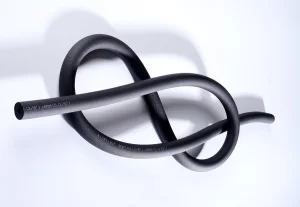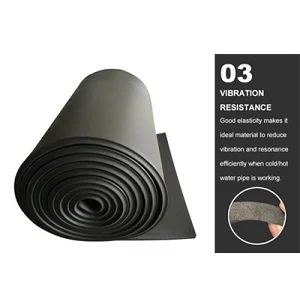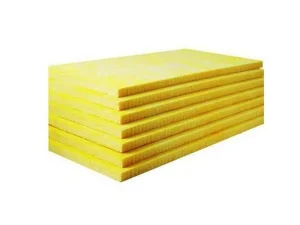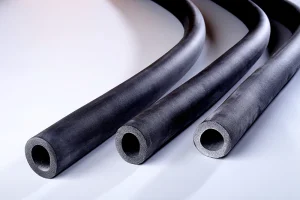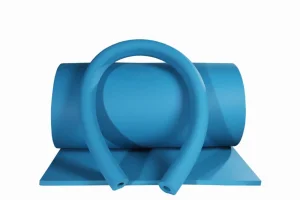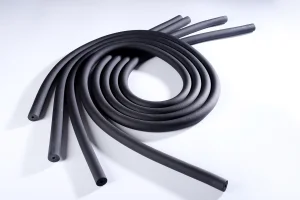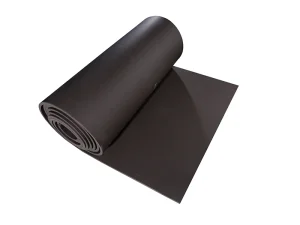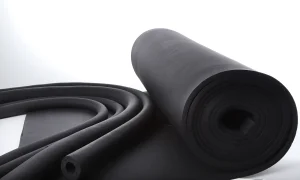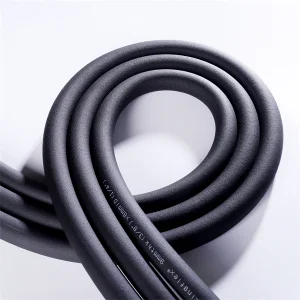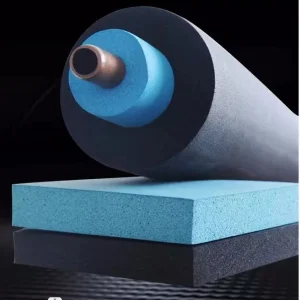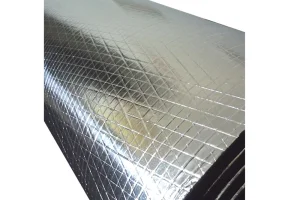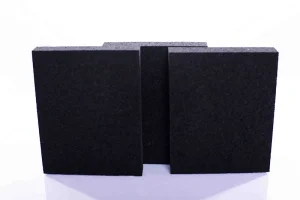
Explore our core thermal insulation pipes, sheets, and specialty accessories designed for high-efficiency HVAC and industrial processing lines.
As global energy conservation policies tighten, structural thermal efficiency has evolved from a regulatory checkbox to a core element of high-performance engineering. Heating, Ventilation, and Air Conditioning (HVAC) systems represent up to 40% of building energy consumption globally. Uninsulated or poorly insulated pipelines lead to massive thermal leakage, system strain, and structural degradation via moisture condensation.
At Kingflex Insulation Co., Ltd., we design and manufacture closed-cell elastomeric rubber foams that serve as critical defense barriers. Engineered for wide temperature ranges (-40℃ to 105℃) and extreme environments, our NBR/PVC matrix exhibits superior resistance to water vapor transmission, dramatically lowering the Risk of Corrosion Under Insulation (CUI) and ensuring thermal stability across decades.
Deep-rooted expertise and advanced automated production capacities that support critical infrastructures worldwide.
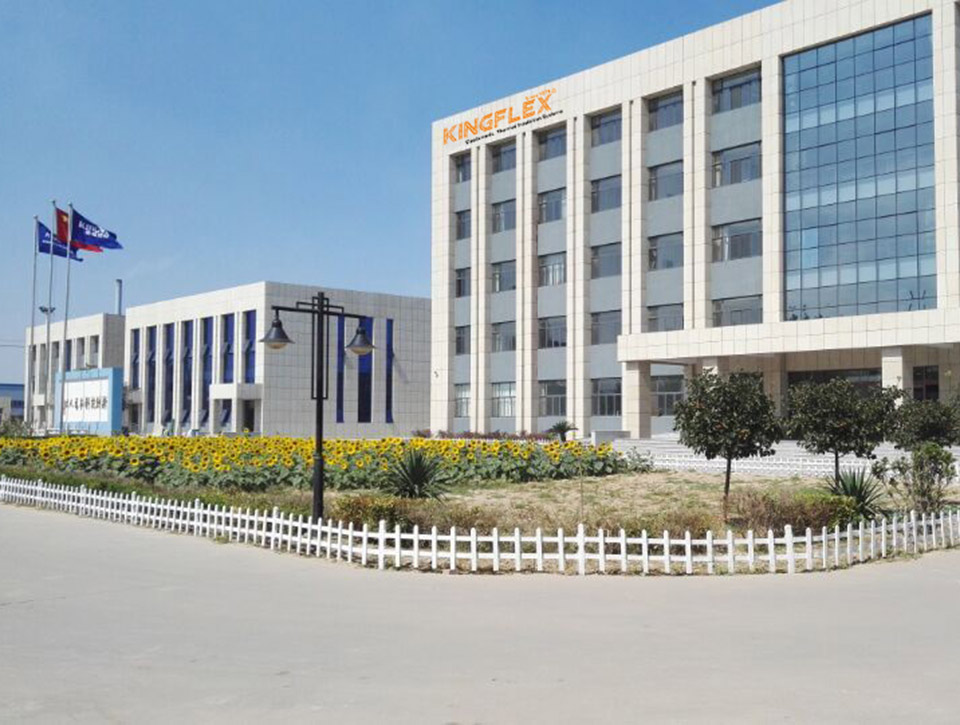
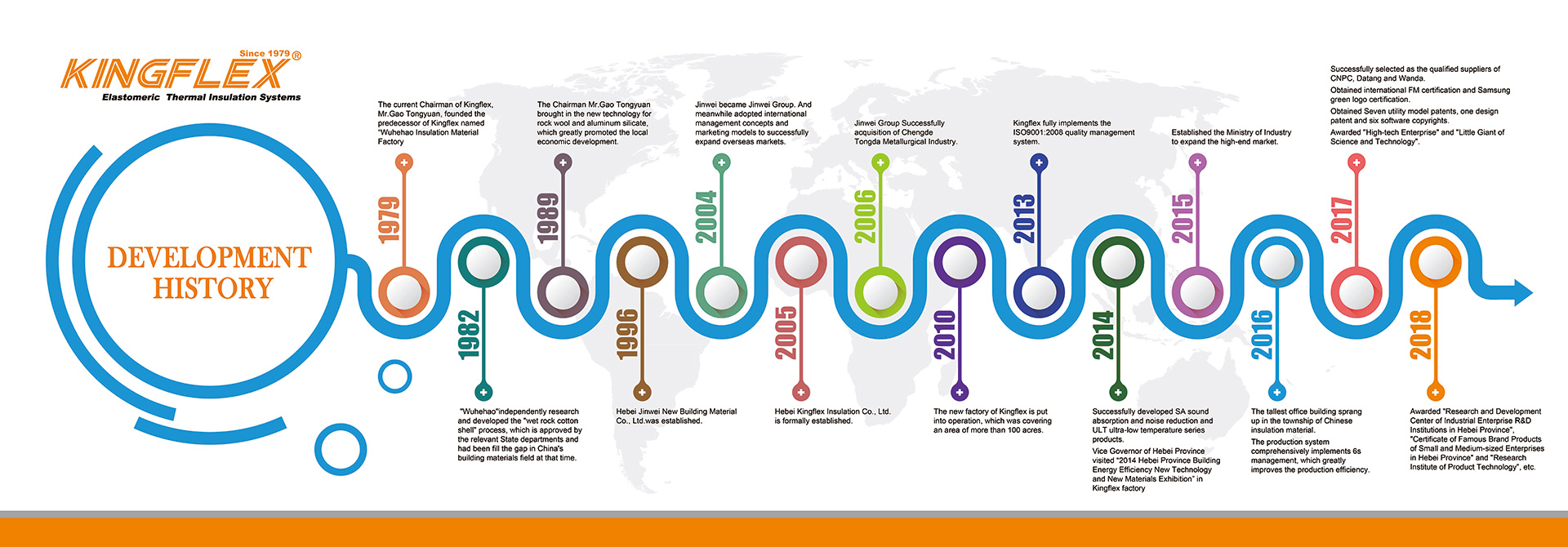
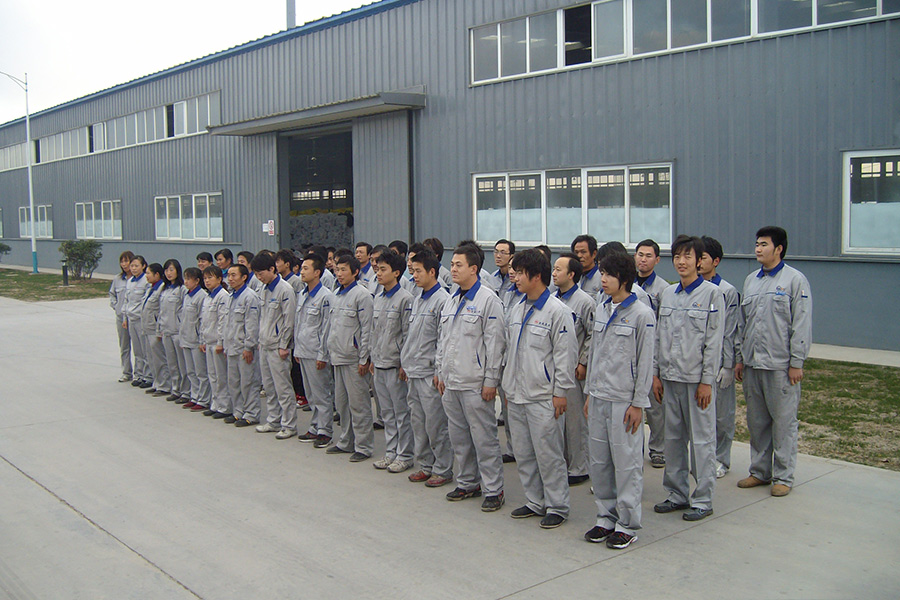
Kingflex is established by the Jinwei/Kingway Group, which holds more than 40 years of industrial history dating back to 1979. We were the pioneering manufacturer of thermal insulation materials north of the Yangtze River. Today, our research and manufacturing operations reside in Dacheng, China—nationally recognized as the capital of green-building materials.
We operate 5 fully automated, continuous extrusion assembly lines. This high-precision system yields an annual output of over 600,000 cubic meters of insulation foam. Kingflex is designated as a certified manufacturing supplier for key national entities including the Ministry of Energy, the Ministry of Electric Power, and the Ministry of Chemical Industry.
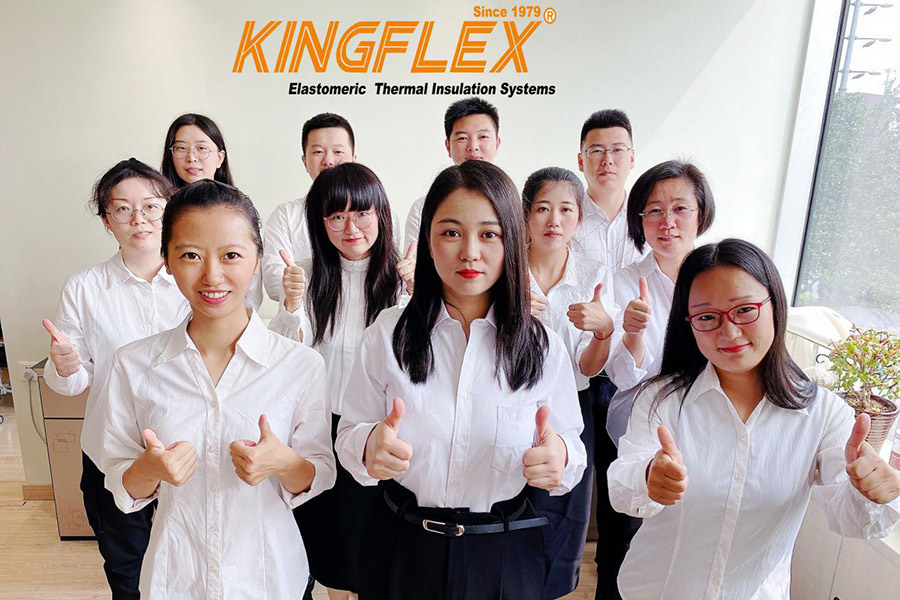
Behind our high-quality materials sits a dedicated workforce: 230 specialized production technicians, 8 professional research and development engineers focusing on advanced polymer chemistry, and a service-driven global distribution team serving over 66 countries.
The core difference between open-cell fibrous products (like glass wool) and Kingflex Elastomeric Foam is the micro-cellular geometry. By using high-pressure gas injection during extrusion, we achieve an even, closed-cell rate exceeding 98%.
This dense network of isolated micro-pockets acts as an impassable barrier for heat transfers and moisture molecules. Liquid water cannot easily migrate through the matrix. The low thermal conductivity (≤ 0.034 W/(m·K) at 0℃) remains stable throughout the life of the system, without the sharp performance declines that occur when open-cell materials are exposed to ambient humidity.
| Technical Property | Kingflex Standard Spec | HVAC Project Benefit |
|---|---|---|
| Material Base | Premium NBR/PVC Rubber Blend | Excellent elasticity, ozone & UV resistance |
| Thickness Range | 6mm to 50mm (Sheets) / 9mm-40mm (Pipes) | Customizable for local climatic dew points |
| Service Temperature | -40℃ to 105℃ | Protects both hot water and cryogenic runs |
| Foam Density | 40 - 55 kg/m³ | Optimized weight-to-thermal performance ratio |
| Moisture Resistance | High Moisture Resistance Factor (μ ≥ 10,000) | Eliminates external vapor barriers/jacketing |
Deploying targeted thermal and acoustic solutions across heavy industries, commercial systems, and extreme transport environments.
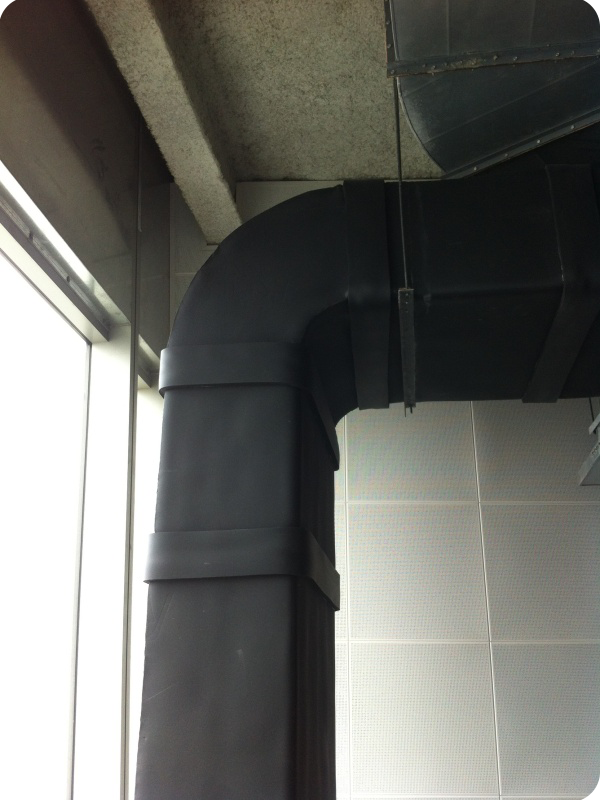
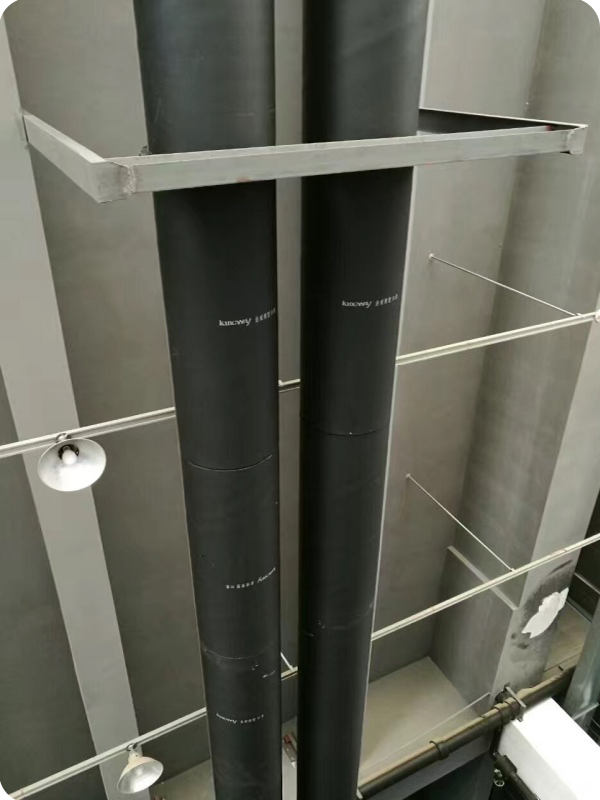
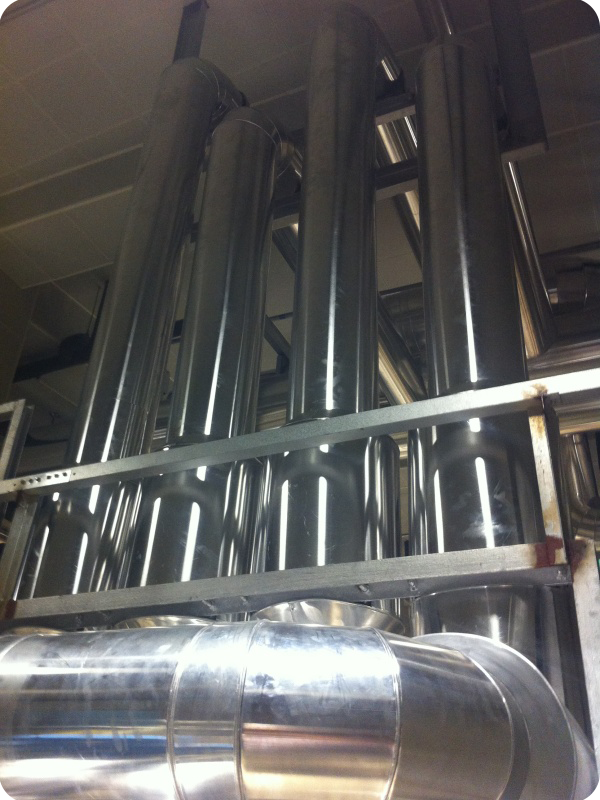
Used extensively in modern skyscrapers, hotels, medical centers, and shopping malls. Our sheets line air handling units and large rectangular duct branches, insulating against heat loss and mitigating standard fan/blower noise.
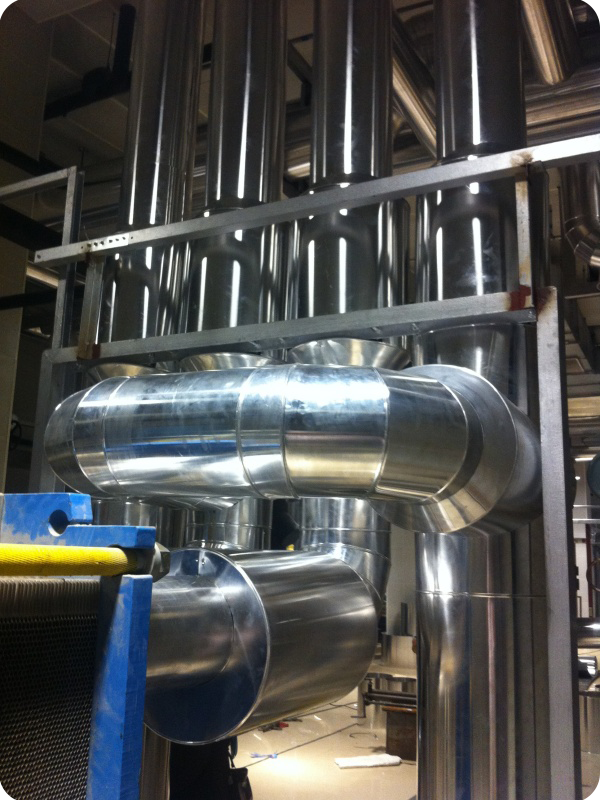
Prevents freezing and bursting risks in cold water loops, and thermal decay in boiler feed lines. The flexibility of the foam makes it easy to slide onto pipes during installation or wrap around valves and elbows.
Specially designed multi-layered cryogenic rubber configurations handle environments down to ultra-low temperatures, preventing rapid thermal shocks, condensation, and structural stress on cryogenic gas lines.
Protects storage vessels and process reactors against temperature spikes. High chemical resistance ensures long lifespan when exposed to industrial fumes, minor acid splashes, and environmental pollutants.
Insulation solutions for transit vehicle structures and boat hulls where weight, flame resistance, toxic smoke emission, and space-saving profiles are critical parameters.
Combining open-cell structures with dense backing configurations, our high-density acoustic rubber foam panels absorb sound waves, preventing sound leakage from noisy generator rooms and mechanical shafts.
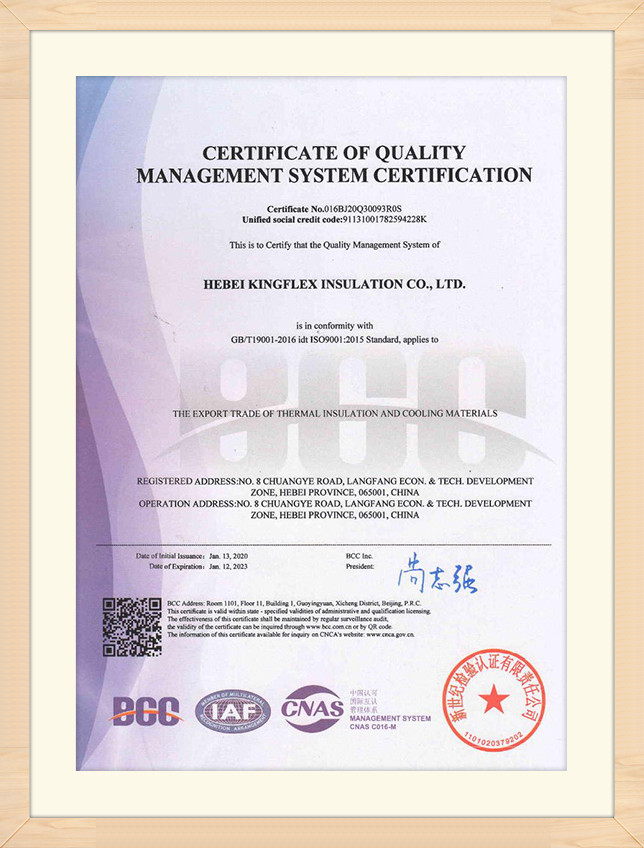
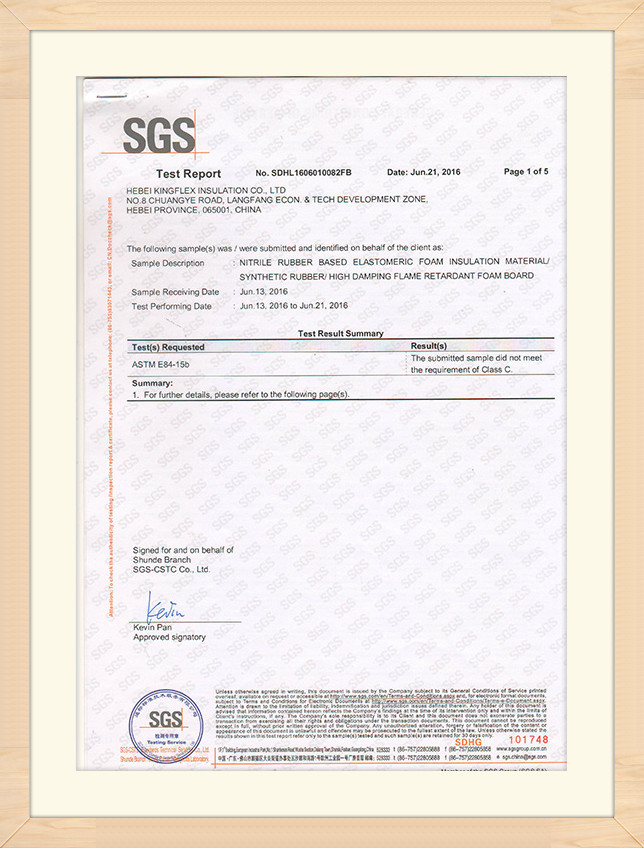
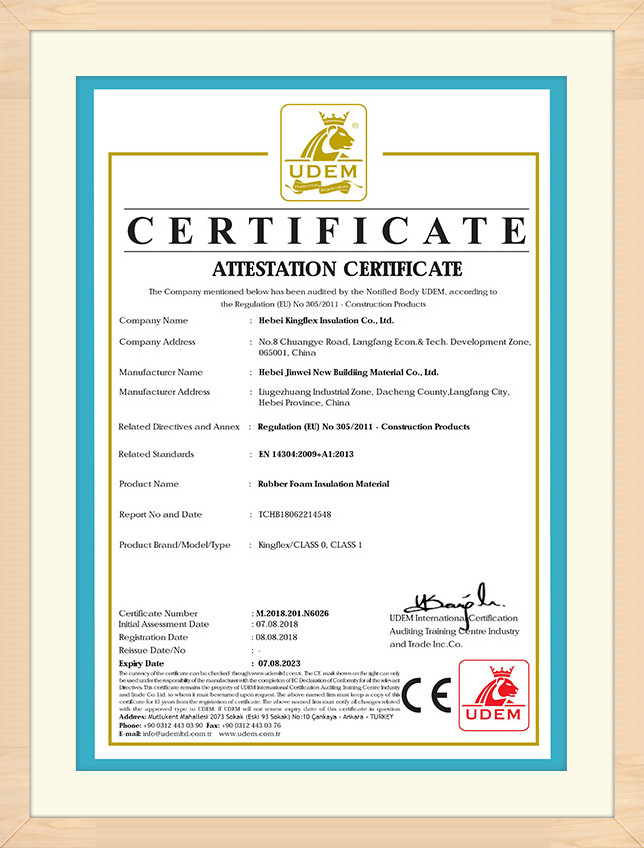
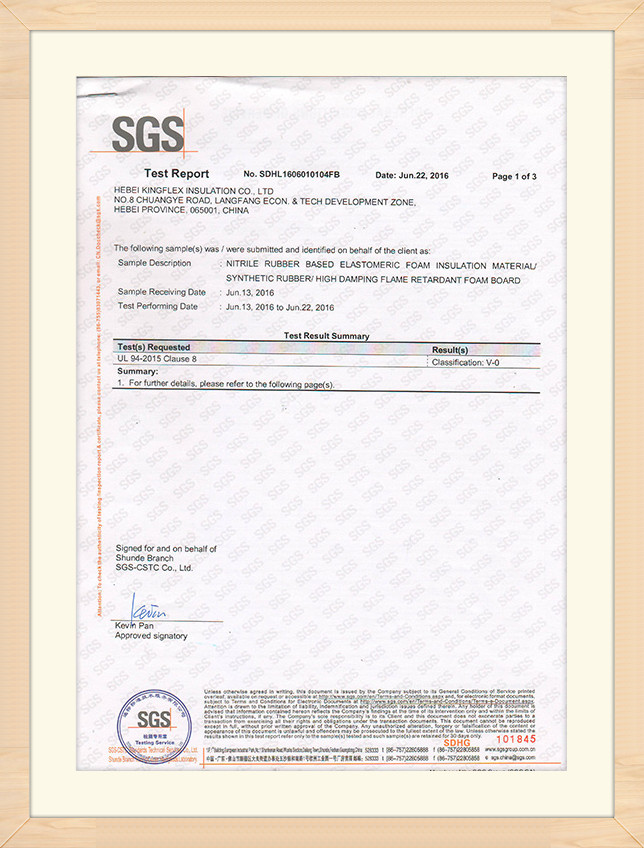
To satisfy building safety codes worldwide, insulation materials must meet strict fire behavior, toxicity, and environmental standards. Kingflex products undergo regular audits and hold a comprehensive suite of international credentials.
Our fire retardant formulations meet class-leading safety codes globally. This ensures that in the event of fire, the material limits flame spread, exhibits high charcoal formation, and self-extinguishes upon removal of the ignition source.


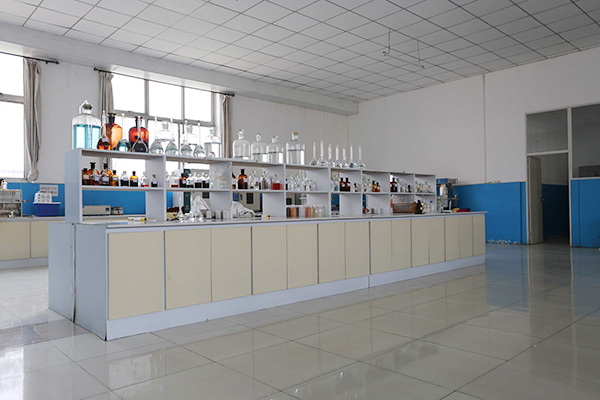
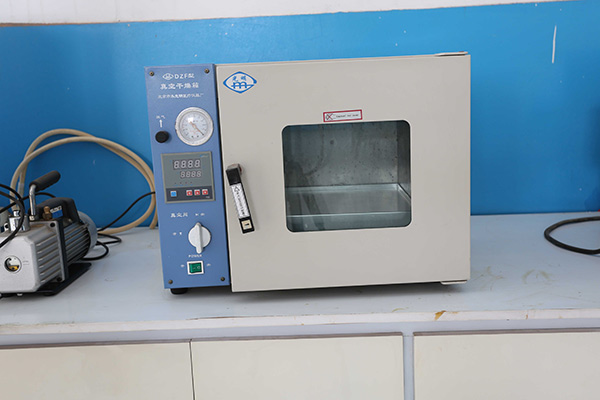
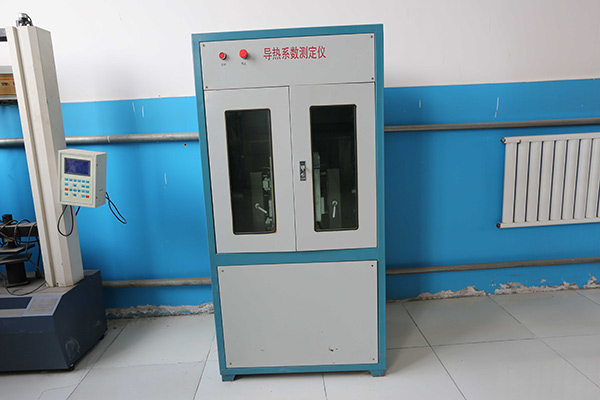
Inside our laboratory and manufacturing plants where raw elastomer materials are compounded and extruded under rigorous QC protocols.
The insulation industry is moving towards strict sustainability benchmarks. Our R&D facility focuses on three core developmental paths to meet the needs of green building certifications like LEED and BREEAM:
Developing non-halogenated elastomeric foams that limit toxicity and dark smoke development in high-occupancy transit hubs and data centers.
Infusing silica aerogel particles into our rubber formulas to reduce thermal conductivity below standard limits, enabling thinner profiles on tight installations.
Researching natural plasticizers and plant-derived polymer components to decrease the embodied carbon of products without compromising durability.
In-depth answers to technical questions commonly raised by consulting engineers, HVAC contractors, and procurement departments.
Elastomeric rubber foam is optimized for cold-system and dual-temperature piping applications. Its high moisture resistance prevents condensation in HVAC chilled lines, refrigeration setups, and air conditioning ducting. It is also utilized for acoustic damping in air handling plenums and cold insulation for low-temperature process lines.
Yes. Kingflex formulations incorporate halogenated fire retardants (and halogen-free options for special setups) designed to achieve self-extinction in fires. The materials are tested under BS 476 Class 0, CE EN 14304, and international UL94 standards to guarantee fire compliance on commercial and industrial job sites.
Closed-cell rubber foam is flexible and forms an integrated barrier against liquid water and vapor, making it ideal for systems prone to condensation like chilled water and refrigeration loops. Rock wool/mineral wool is rigid, has an open-cell structure, and resists very high temperatures, which makes it suitable for hot industrial boilers, steam lines, and structural fire stops.
Yes. As a factory supplier, we offer OEM services to tailor outer diameters (OD), wall thicknesses, colors, sheet dimensions, and adhesive backings to your specific mechanical drawings and specifications.
Yes. Every production run has a registered batch identification code. We maintain test specimens and production data logs for up to 5 years, providing full accountability for raw materials and line operating settings.
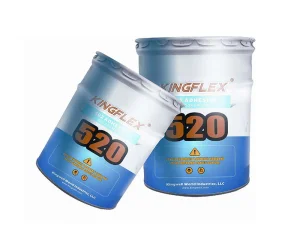
Under recommended operating temperature limits and installed according to standard guidelines (using our specialized insulation adhesive 520), our NBR/PVC structures boast an operational life expectancy of 10 to 15 years, resisting structural fatigue and maintaining thermal conductivity.
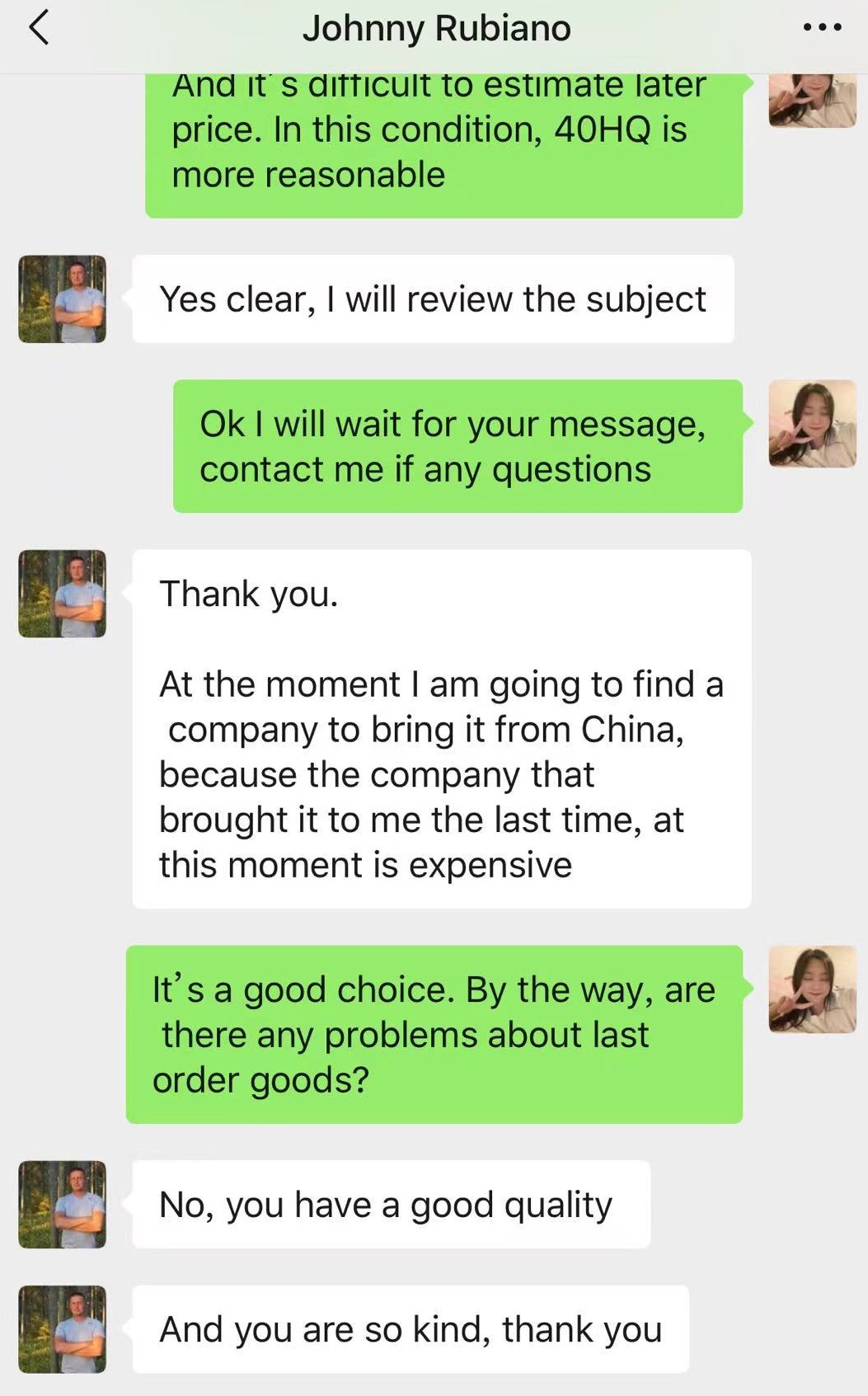
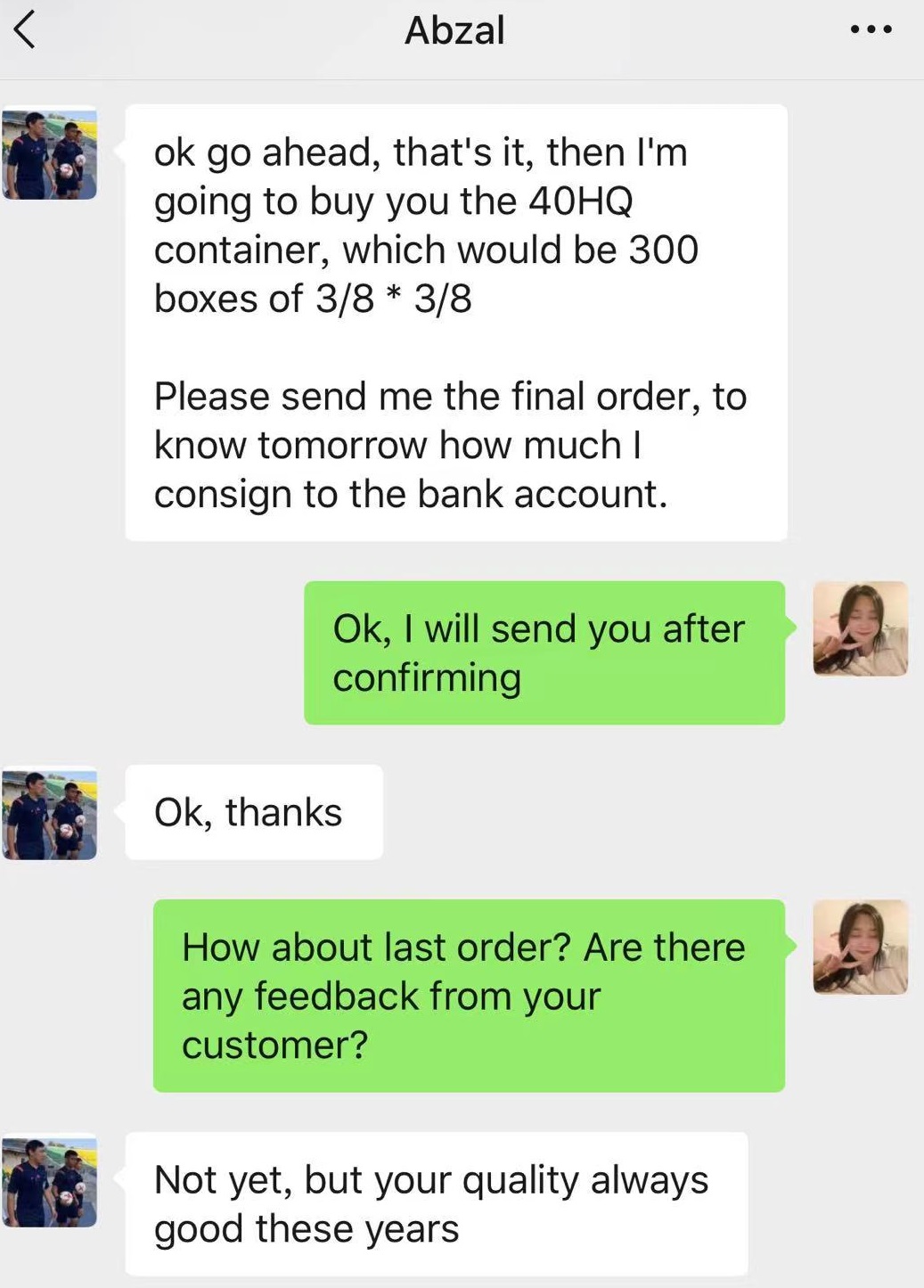
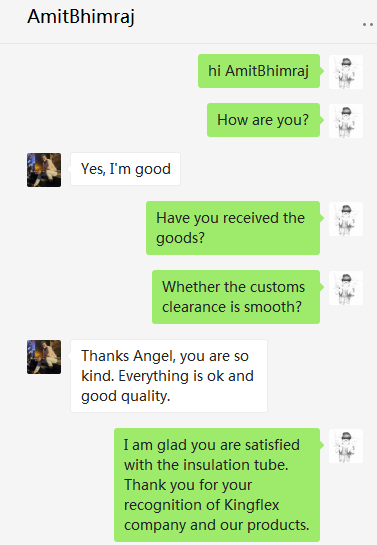
Real-world feedback and application images from partners in Europe, the Americas, and Southeast Asia.
High performance halogen-free, cryogenic, and acoustic shielding variations manufactured in our Dacheng facility.