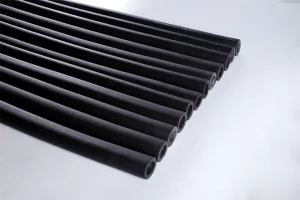
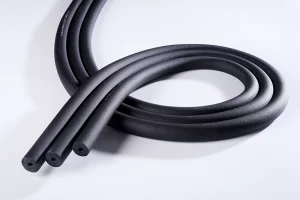
Direct supply from industrial manufacturing lines ensuring rigorous E-E-A-T compliance and high-performance materials.
Understanding the physics of sound absorption, vibration dampening, and the advantages of engineered cell structure.
Sound energy propagation requires a medium. In raw building structures, sound waves strike surfaces and reflect back, causing echoes and high reverberation times. Traditional acoustic solutions utilize either porous materials or dense damping substrates. High-performance cork board sound absorption systems rely on the natural cellular structure of cork—which contains roughly 40 million air-filled cells per cubic centimeter. These micro-cavities act as natural resonators, converting acoustic energy into thermal dissipation.
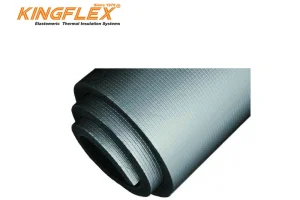
Similarly, Kingflex's specialized open-cell elastomeric acoustic insulation performs on a parallel thermodynamic level. By engineering open paths between cells, sound wave energy enters the matrix, undergoes frictional resistance against the cell walls, and dissipates. This makes it an ideal alternative or complementary product for industrial acoustic envelopes.
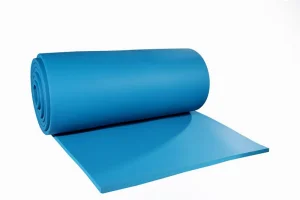
While natural cork board provides outstanding organic visual appeal and structural rigidity for underlayment, synthetic rubber-based elastomeric foams (like NBR/PVC) excel in harsh environmental installations. Rubber foam is inherently flexible, moisture-resistant, and can achieve higher flame-retardant ratings (such as Class 0 and Class 1 standards) crucial for complex building codes.
For combined project scenarios, designers often integrate natural cork-substrate panels with elastomeric damping layers to create highly optimized multi-barrier assemblies. This method addresses both impact noise transmission (STC) and airborne noise reflection (NRC).
How Dacheng's green-building material cluster delivers unmatched value and precision engineering to global enterprises.
Located in Dacheng, China—widely recognized as the capital of green building and insulation materials. This strategic positioning provides access to a highly optimized supply chain, raw chemical materials, specialized technical talent, and adjacent shipping ports (Tianjin Port), reducing transit overheads and lead times.
Kingflex boasts 5 massive automatic production lines with an annual capacity exceeding 600,000 cubic meters. Real-time computerized control systems monitor thickness, foaming ratio, and density profile, ensuring consistent batch-to-batch quality that meets high international regulatory standards.
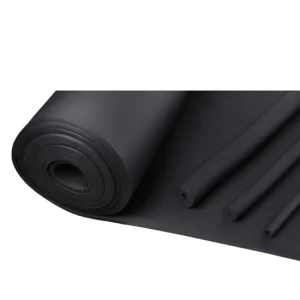
As an energy-saving enterprise, Kingflex prioritizes low-emission chemistry. Our manufacturing process minimizes VOC releases, does not rely on CFCs/HCFCs, and conforms to modern green building standard metrics. Our commitment is aligned with low-carbon footprints requested by EU and US markets.
A look at the shifting demands of green building certification, urban noise control, and industrial HVAC requirements.
Globally, fire safety and environmental compliance have become non-negotiable. Building regulators demand compliance with fire safety parameters like BS 476, CE, REACH, RoHS, UL94, and ASTM. Acoustic insulation materials must not only suppress sound but also prevent toxic smoke emission in the event of an outbreak.
Modern architectural structures emphasize dual-purpose materials. There is a strong rise in products that can insulate thermally (reducing HVAC load and carbon emissions) while serving as acoustic dampening structures for HVAC ducts, piping systems, and mechanical plant rooms.
As off-site construction gains momentum, manufacturers are requested to supply prefabricated, self-adhesive, and perfectly sized acoustic sheets or pipe coverings. This minimizes install times on-site and reduces waste, driving the need for precise OEM sizing capabilities.
Where acoustic control meets thermodynamic efficiency. Explore our standard implementation profiles.
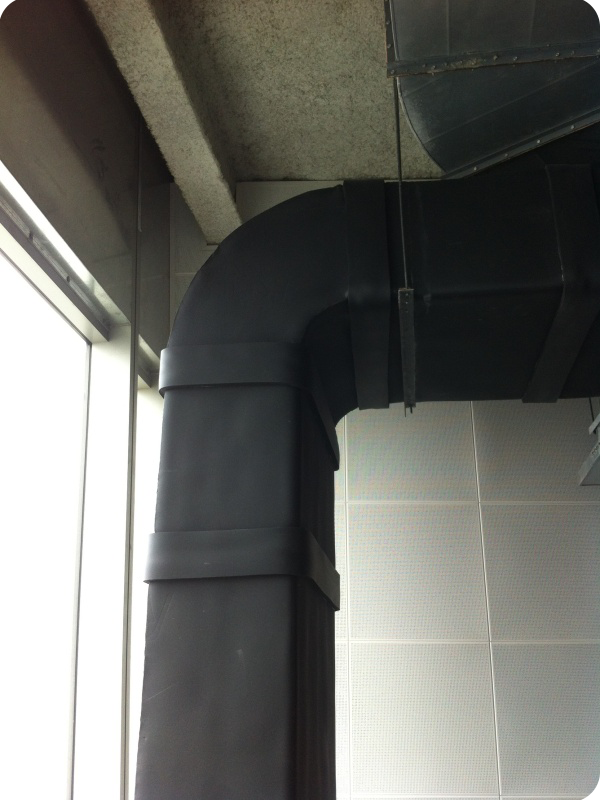
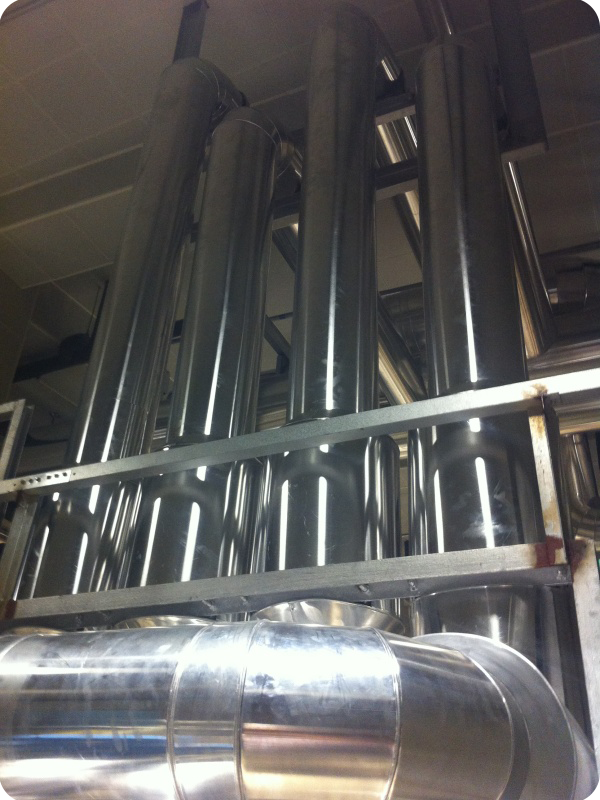
Scenario: Large air duct networks in commercial malls, luxury hotels, and modern hospitals generate loud fan and airflow noises.
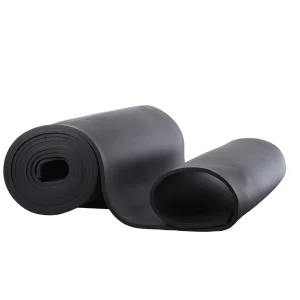
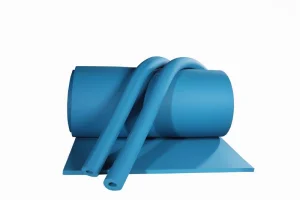
Solution: Application of Kingflex Nitrile Rubber foam insulation sheets internally or externally. The open-cell variant reduces duct air rush sounds, while the closed-cell sheet prevents condensation formation, eliminating structural mold risks.
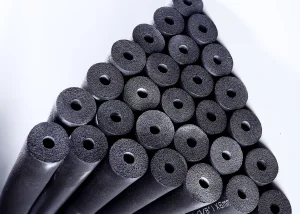
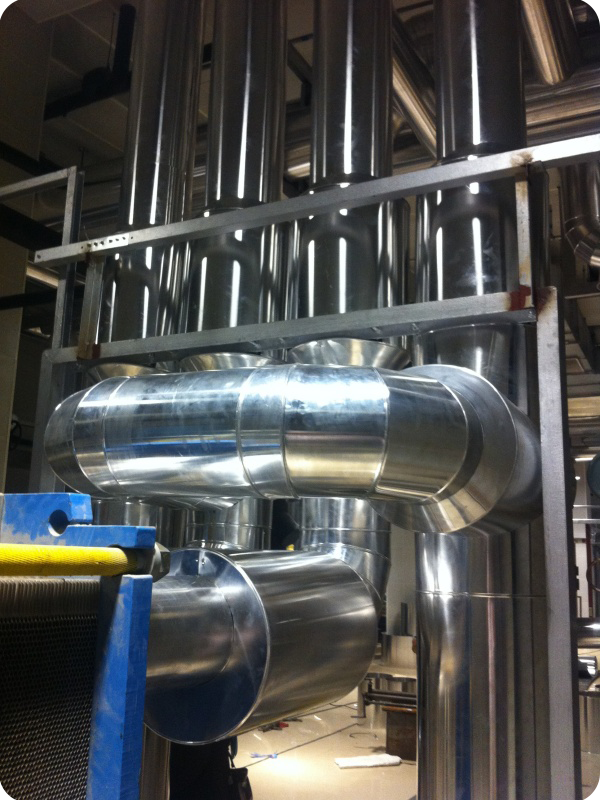
Scenario: High-pressure steam pipelines, cryogenic storage tubes, and petrochemical processing lines operate at intense decibels and extreme temperatures.
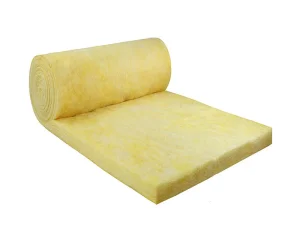
Solution: Dual-layer protection using glass wool or rock wool blankets wrapped with high-density NBR/PVC elastomeric pipe sections. This hybrid design controls thermal runaway and isolates high-frequency vibration.
Scenario: High-density housing, commercial complexes, and recording studios demanding minimal sound transfer between adjacent rooms.
Solution: Structural lining using composite cork board sound absorption underlayments paired with low-density rubber foam sheets. This decoupling method interrupts impact sound waves through the building frame.
| Product Category | Primary Material Base | Standard Thickness | Target Density | Effective Temp Range | Key Certifications |
|---|---|---|---|---|---|
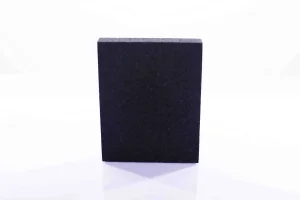
| Black Rubber Foam Insulation Sheet | NBR/PVC Composite | 6mm - 50mm | 40 - 55 kg/m³ | -40℃ to 105℃ | CE, RoHS, REACH, BS476 |
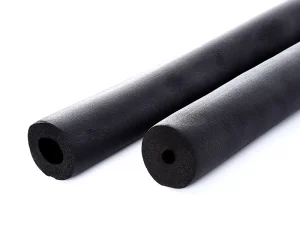
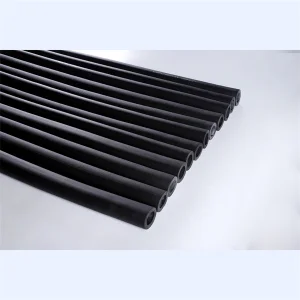
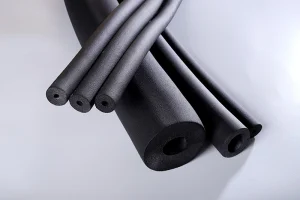
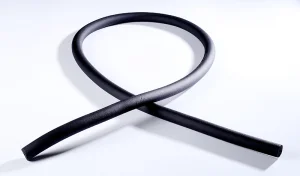
| Black Rubber Foam Insulation Pipe | Nitrile Elastomeric | 9mm - 40mm (ID: 6-114mm) | 40 - 55 kg/m³ | -40℃ to 105℃ | CE, UL94, ASTM |
| Acoustic Insulation (Open Cell) | High Damping NBR | 6mm - 30mm | 50 - 65 kg/m³ | -40℃ to 85℃ | BS476 Class 0, CE |
| Cryogenic Insulation Systems | Synthetic Elastomer | 13mm - 50mm | 60 - 75 kg/m³ | -200℃ to 125℃ | ASTM, REACH |
A division of Jinwei Group: Leading the thermal & acoustic control industry with a legacy built on technical expertise.
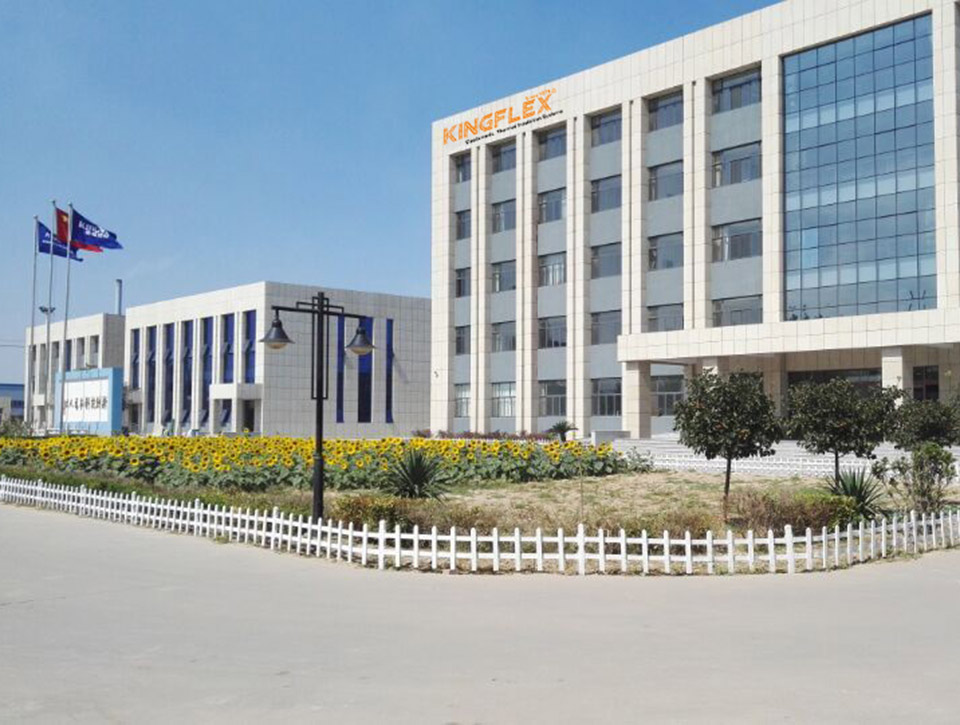
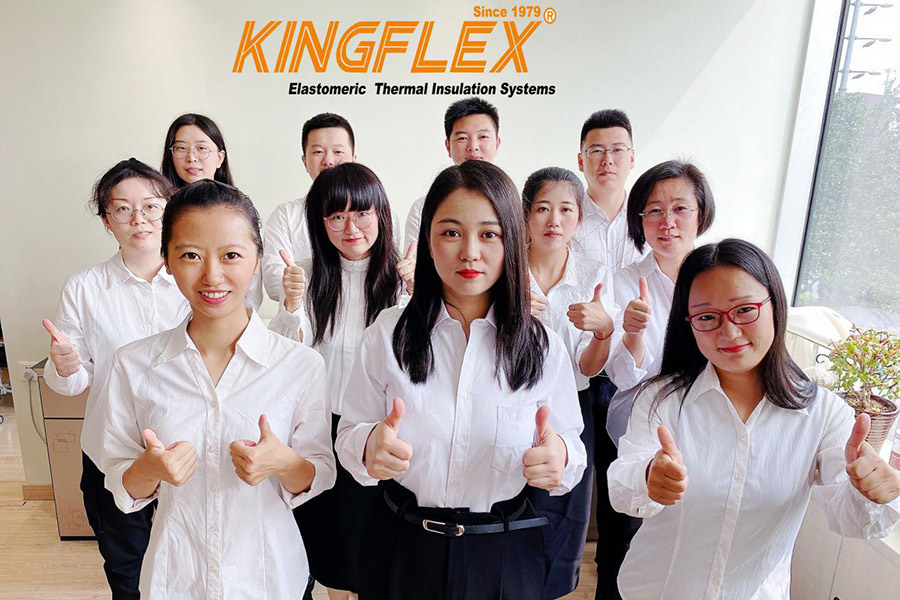
Kingflex Insulation Co., Ltd. is a professional manufacturing and trading combo specializing in premium thermal and acoustic insulation products. Located in Dacheng, China, the renowned capital of green-building materials, we operate as an energy-saving, environmentally friendly enterprise focusing on integrated R&D, mass production, global sales, and reliable field installation guidance.
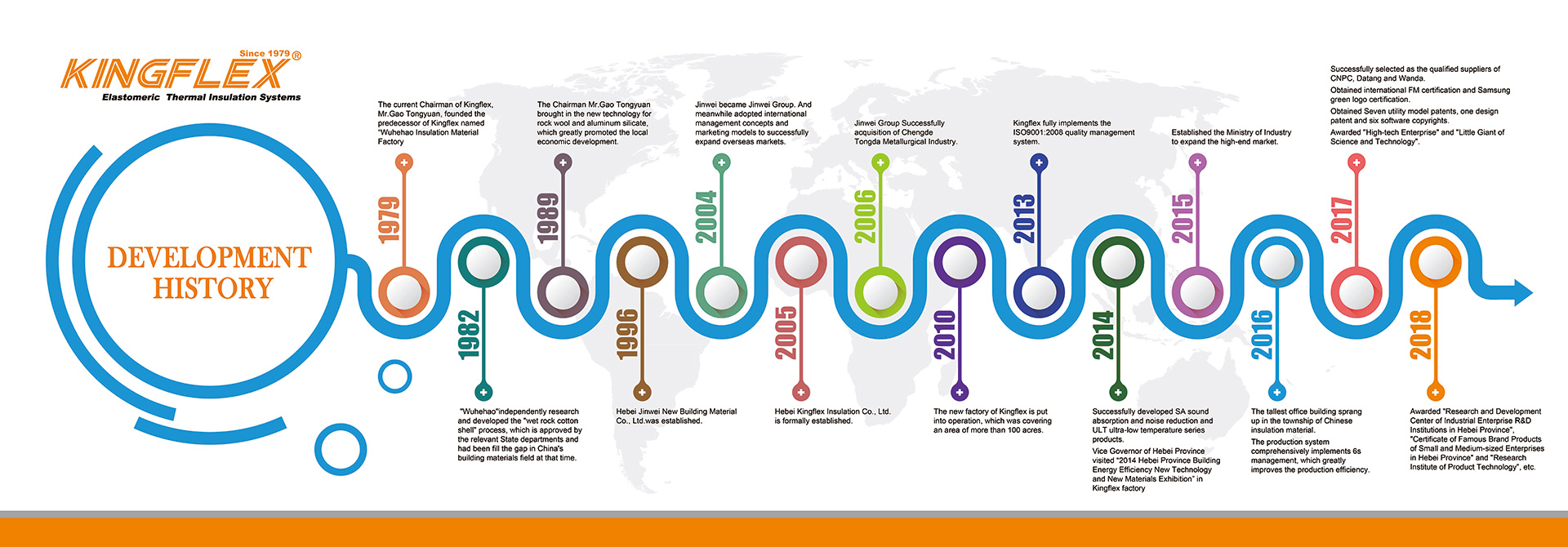
Established by the Jinwei Group, which commands a history of more than 40 years (founded in 1979), Kingflex inherits the legacy of being the first manufacturer of thermal insulation materials north of the Yangtze River. We take energy conservation and consumption reduction as our core operational philosophy, delivering comprehensive, end-to-end insulation systems to clients globally.
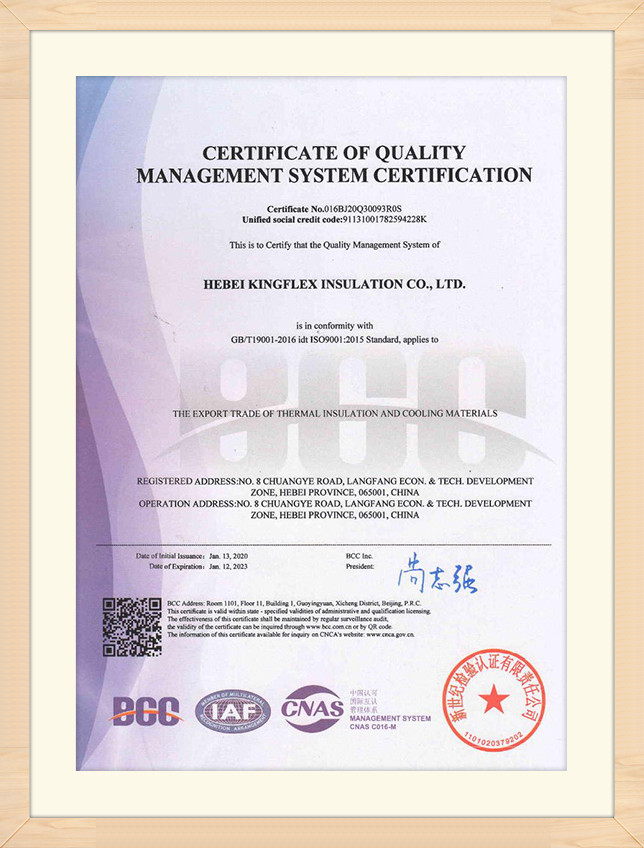
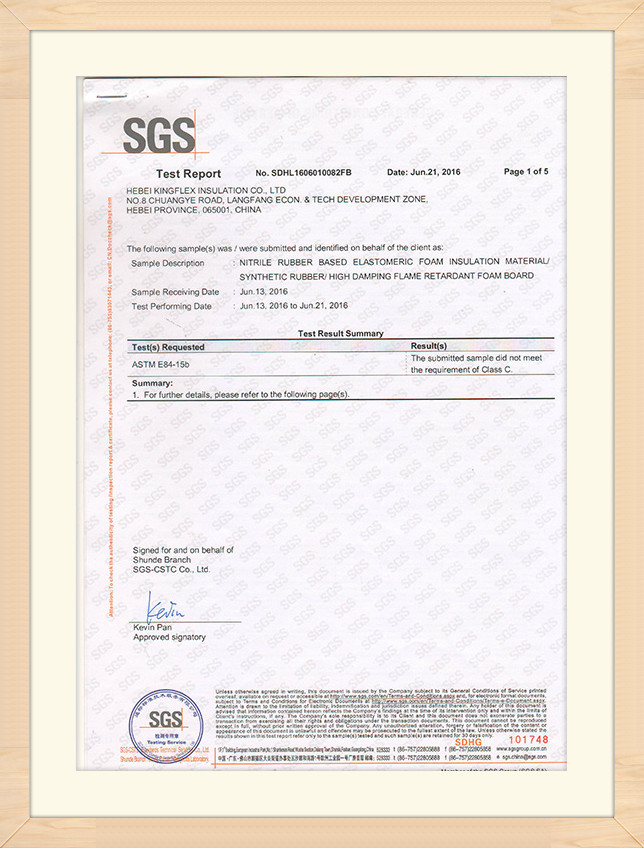
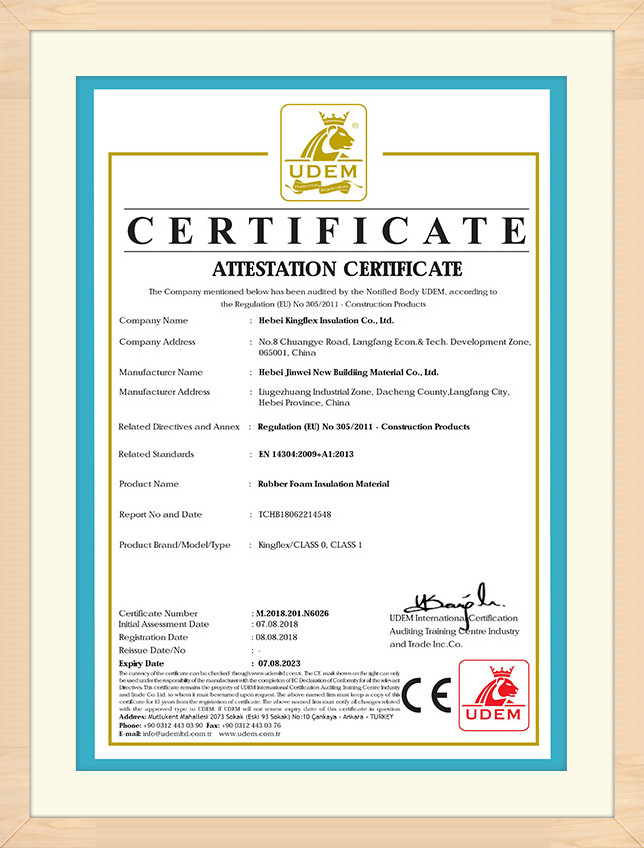
To ensure global compatibility and safety in complex industrial and residential projects, all Kingflex products undergo continuous testing. We maintain certifications including BS 476, CE, REACH, ROHS, UL94, and ASTM. This documentation guarantees that our products maintain traceability and perform exactly as specified under high-pressure applications.
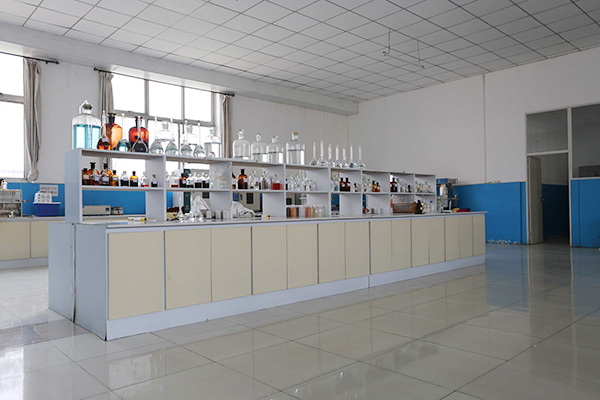
Our facility houses 8 professional engineers in our dedicated Research and Development wing. They continually innovate, testing cell structure variations to optimize sound absorption and thermal resistance profiles.
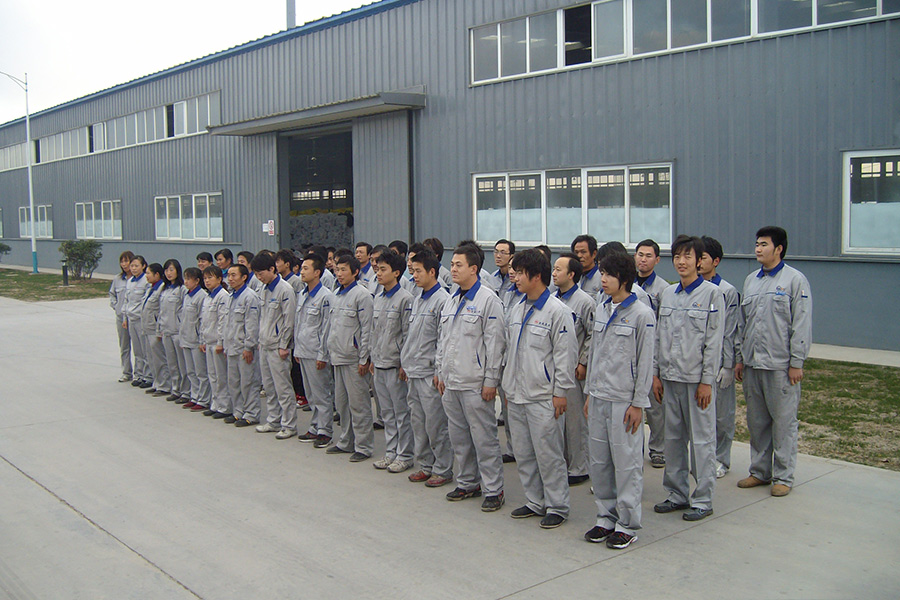
With a workforce of 230 skilled production professionals, our automated assembly lines run continuously to guarantee rapid fulfillment of large industrial wholesale consignments.
Supported by 6 professional international sales specialists, we facilitate end-to-end logistics, documentation compliance, and custom clearance, delivering to more than 66 countries.
Real project applications and client success validations demonstrating global procurement trust.
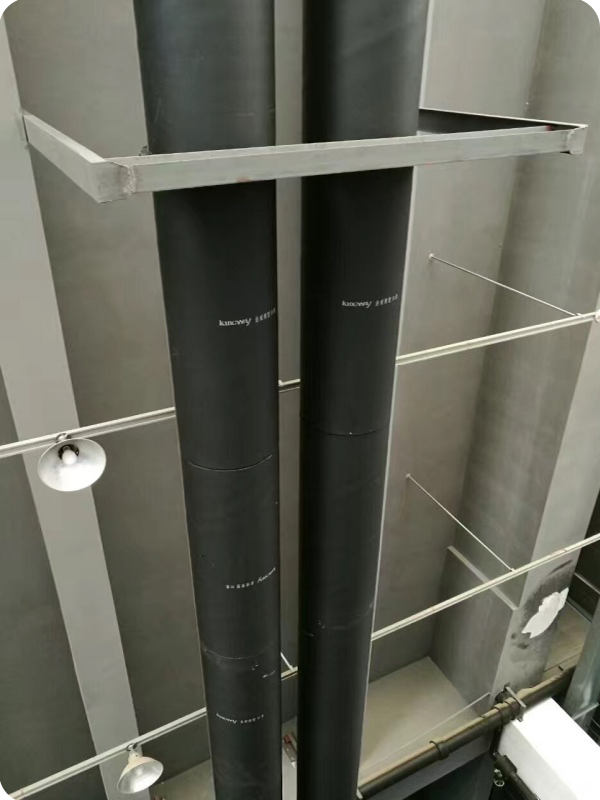
Kingflex materials are widely deployed across challenging HVAC, cold chain storage, and urban infrastructural works. By providing high-density structural stability, our insulation maintains functional integrity under high humidity and varying structural pressures.
Our commitment to transparent cooperation is highlighted by real-time client communication and rapid feedback cycles on custom requirements, dimensions, and container shipments.
Detailed explanations regarding chemical properties, thermal dynamics, acoustic engineering, and commercial terms.
Select from our complete range of certified acoustic and thermal insulation systems.