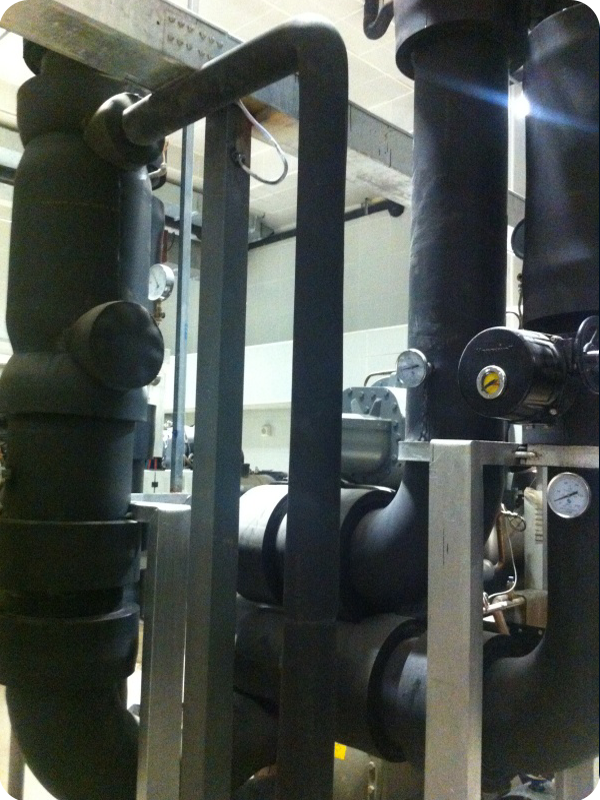
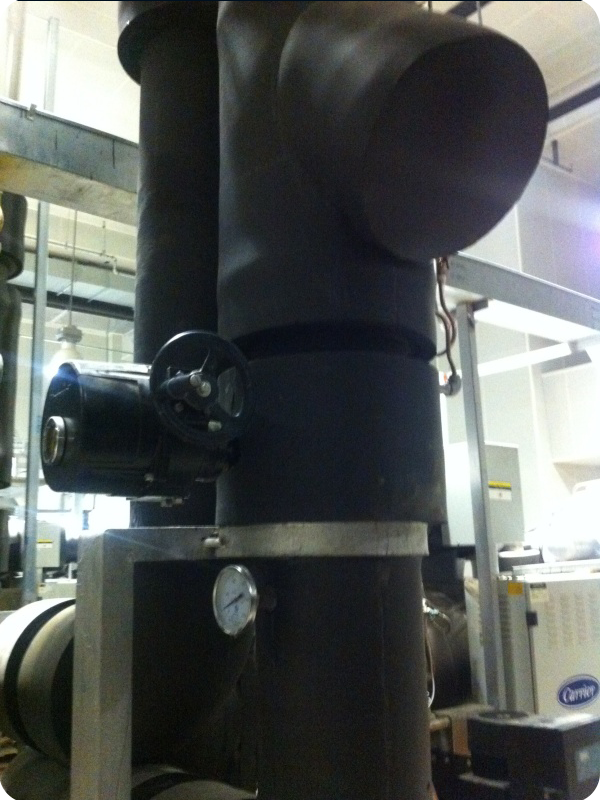
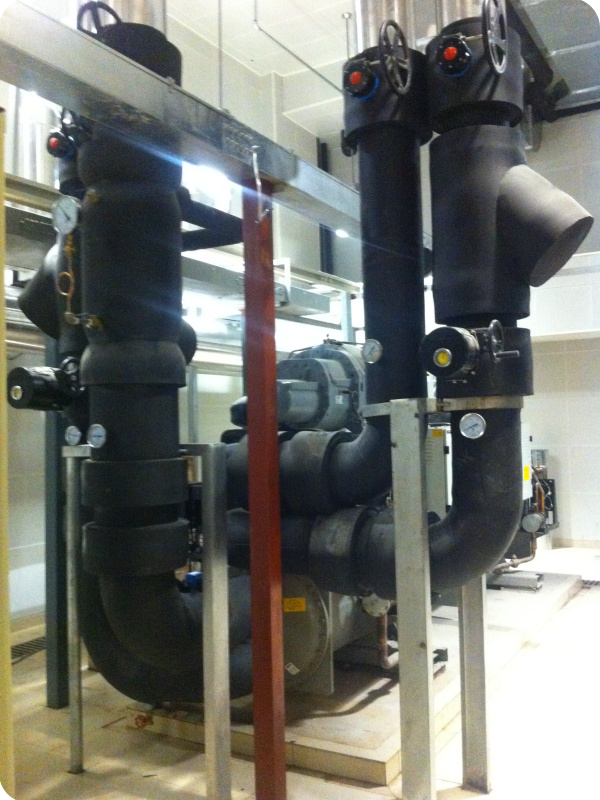
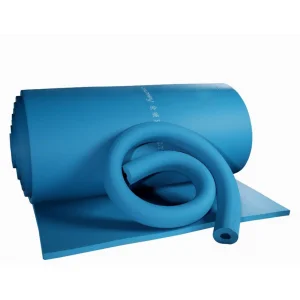
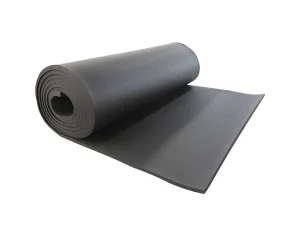
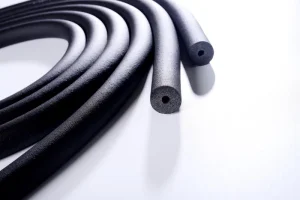
Engineered rubber-foam profiles designed for critical mechanical pipelines, providing advanced thermodynamic barrier stability.
Understanding the physics behind low-permeability elastomeric polymers in structural energy management
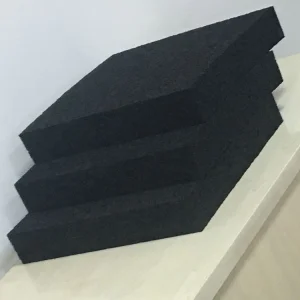
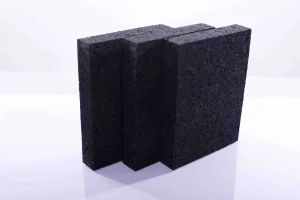
The efficiency of Elastomeric Closed Cell Foam Pipe Insulation lies in its unique micro-cellular structural geometry. In contrast to open-cell alternatives, each microscopic cell is completely enclosed by a thin polymeric boundary. This configuration prevents the free movement of gases and liquids, minimizing convective heat transfer and blocking water vapor diffusion.
By locking out moisture, the material eliminates the risk of "wet-insulation failure." When traditional fibrous structures get wet, their thermal performance drops drastically because water conducts heat far more easily than dry air. Closed-cell elastomers prevent this, ensuring long-term thermal efficiency.
For critical infrastructure specification, the materials must meet strict global performance indicators. Below is the mechanical dataset for Kingflex standard NBR/PVC systems:
| Property Parameter | Tested Metric Values | Reference Compliance Standards |
|---|---|---|
| Thermal Conductivity ($\lambda$) | ≤ 0.034 W/(m·K) at 0°C | ASTM C518 / ISO 8301 |
| Moisture Resistance Factor (μ) | ≥ 10,000 (μ-value) | EN 12086 / DIN 52615 |
| Density Profile (p) | 40 - 55 kg/m³ | ASTM D1622 |
| Operational Range | -40°C to +105°C (Specialized to -200°C) | ASTM C534 |
| Compression Resilience | ≥ 80% recovery under load | ASTM D1667 |
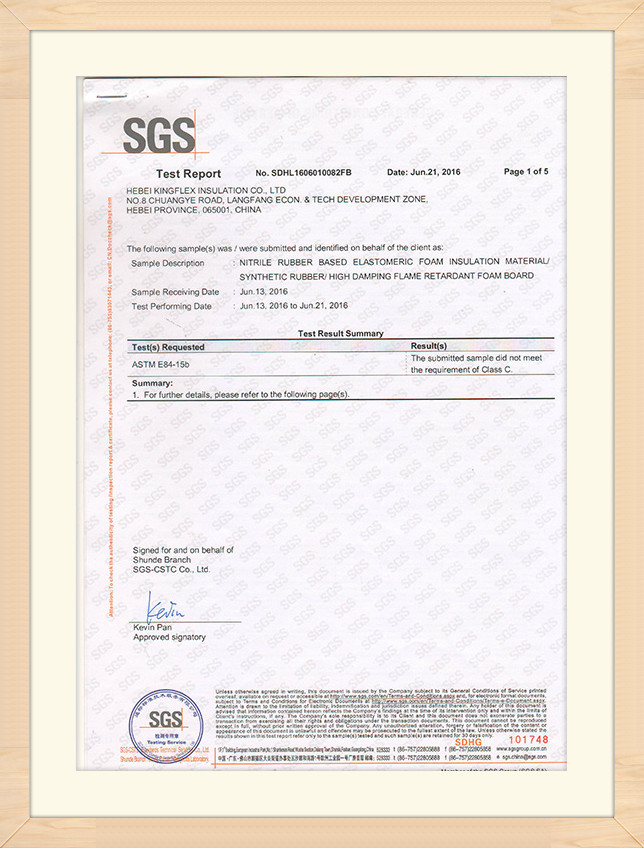
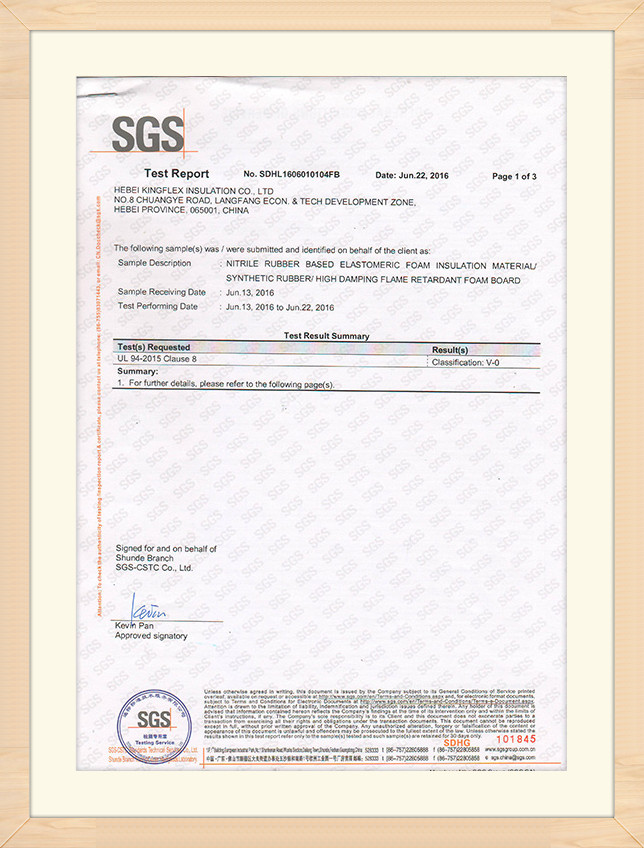
| Fire Behavior Assessment | Class 0 / Class 1, Self-extinguishing | BS 476 Part 7 / UL 94 V-0 / ASTM E84 |
Built-in fire retardants ensure the material meets UL 94 V-0 and BS 476 standards. In a fire, it will not fuel flame spread and is self-extinguishing.
A closed-cell rate of over 98% keeps water vapor from penetrating. This prevents corrosion under insulation (CUI) and maintains stable thermal barrier performance.
Excellent compression recovery (≥80%) makes it highly flexible. It is easy to fit around complex pipe shapes, reducing installation labor and time.
Strategic high-capacity automated production delivering cost-effective and globally certified insulation systems
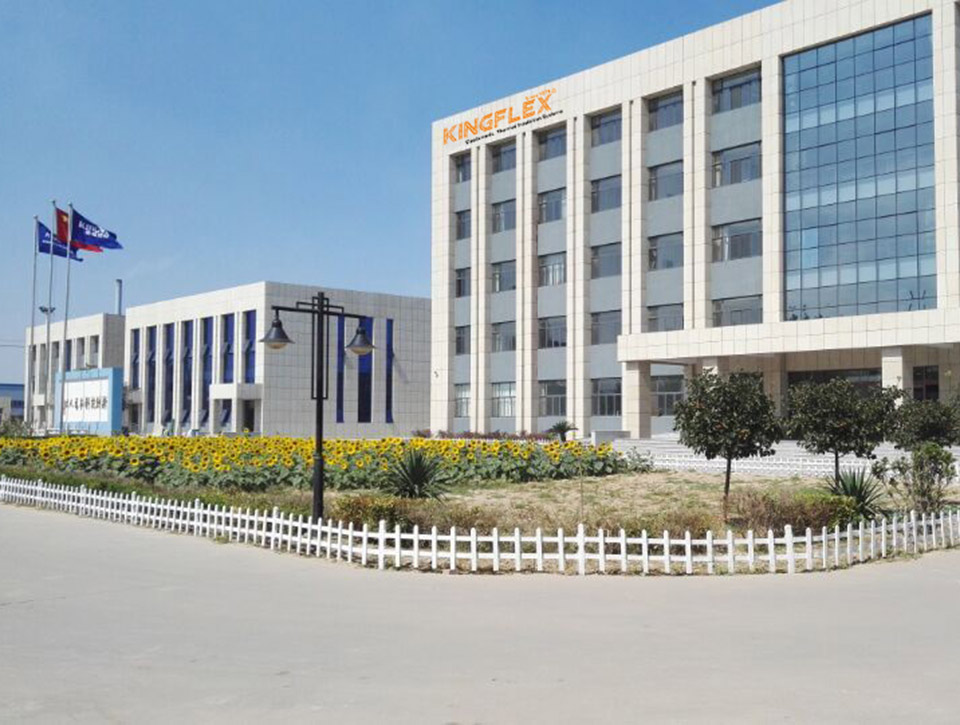
Our main manufacturing facility is located in Dacheng, China, a global hub for green building material manufacturing. This industrial cluster provides convenient access to local raw materials, including nitrile-butadiene polymers and organic fire-retardant compounds, allowing us to keep production costs highly competitive.
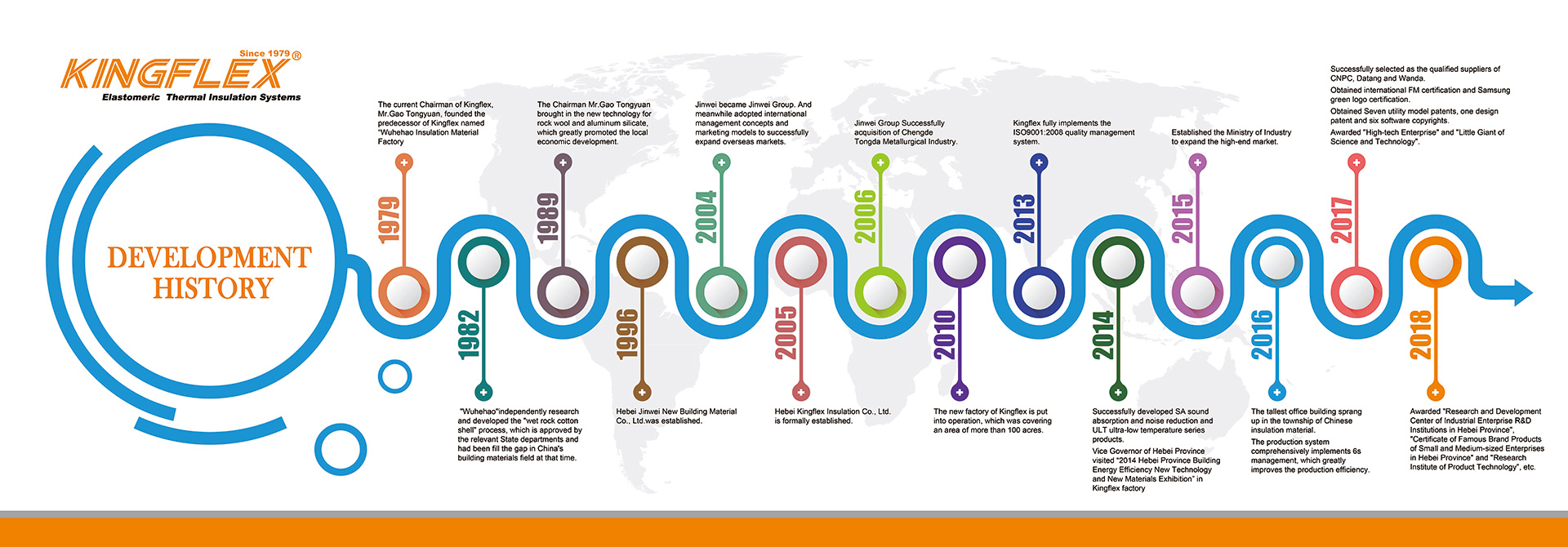
As a key subsidiary of the Jinwei Group, which was founded in 1979 as a pioneer in northern China's thermal materials sector, Kingflex operates five fully automated extrusion lines. These lines run 24/7 to produce over 600,000 cubic meters of high-density insulation sheets and pipes annually. This capacity ensures stable, consistent lead times for large-scale global construction projects.
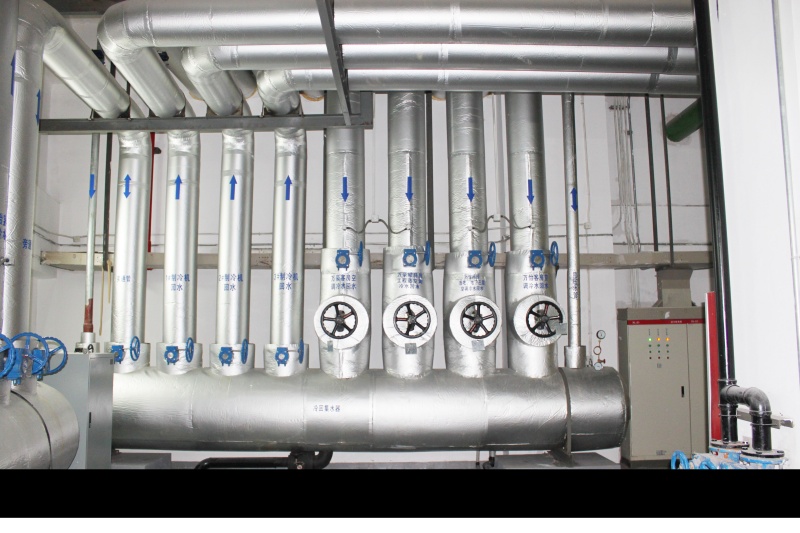
Comprehensive specifications for Kingflex insulation rolls, sheets, and pre-formed elastomeric piping systems
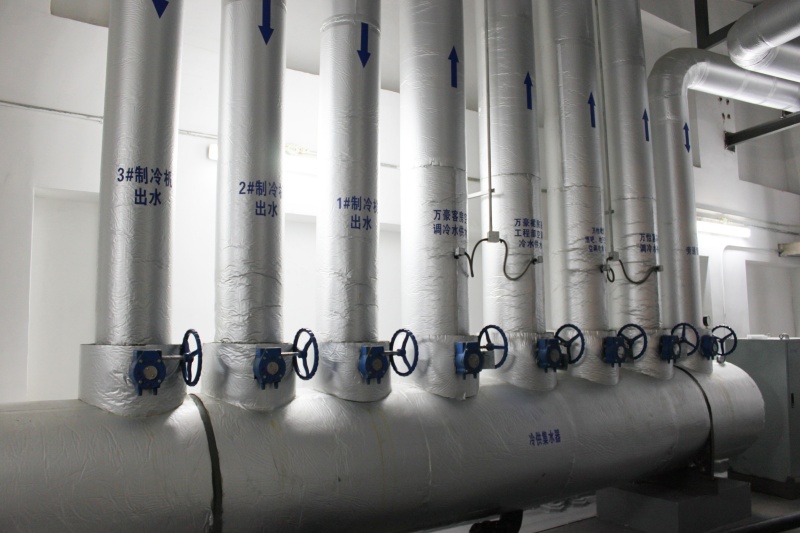
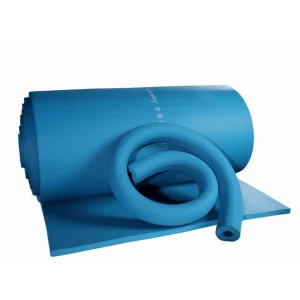
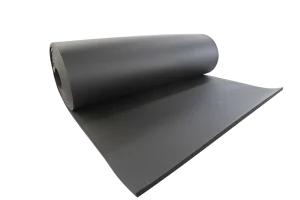
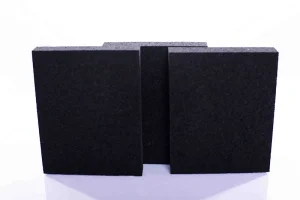
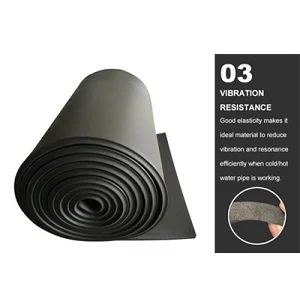
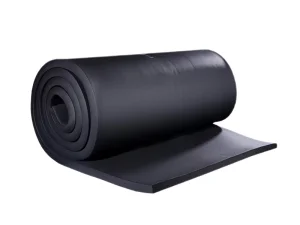
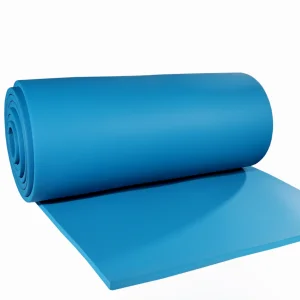
Designed for flat profiles, large diameter ducts, and air handling equipment, our sheet rolls provide clean coverage over broad surfaces, minimizing joint seams.
Primary Benefits: Full closed-cell system limits heat gain, blocks moisture ingress, and features strong elasticity to absorb structure-borne vibrations.
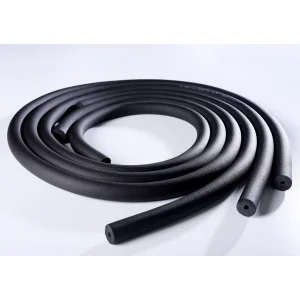
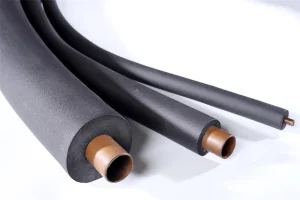
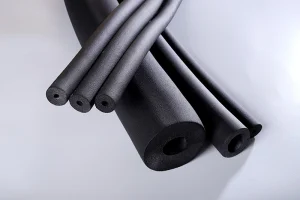
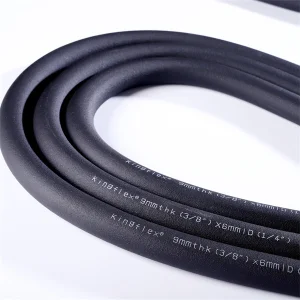
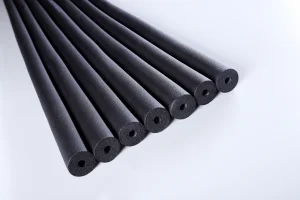
Pre-formed tubular sleeves designed for fast slide-on fitting or slit-and-seal installation over existing copper and steel pipe arrays.
Primary Benefits: Even, machine-sprayed inner surface slides easily onto pipes. Provides excellent condensation control for cold-water lines and protects against pipe freezing in cold environments.
Targeted insulation designs engineered for heavy commercial and industrial piping environments
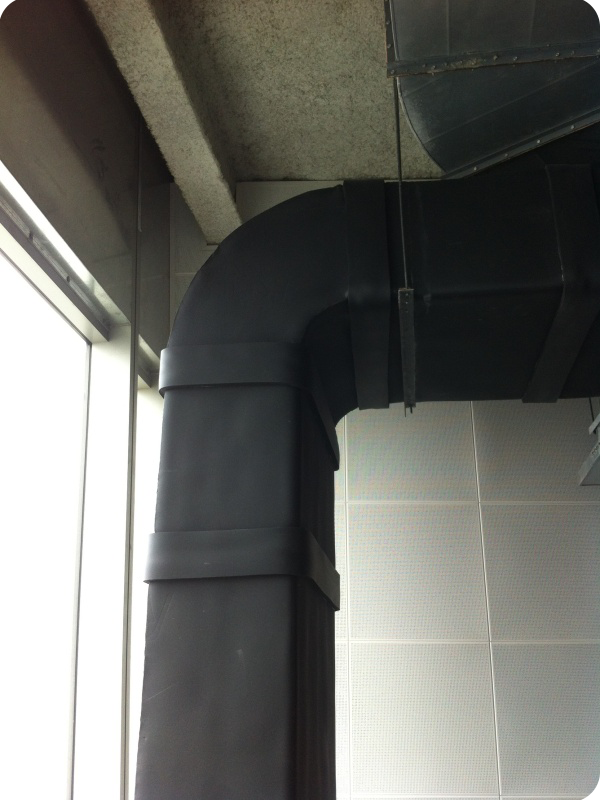
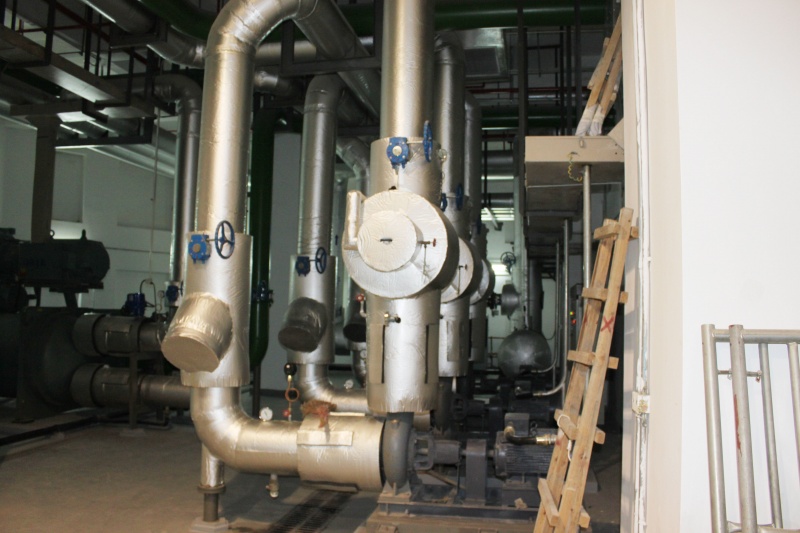
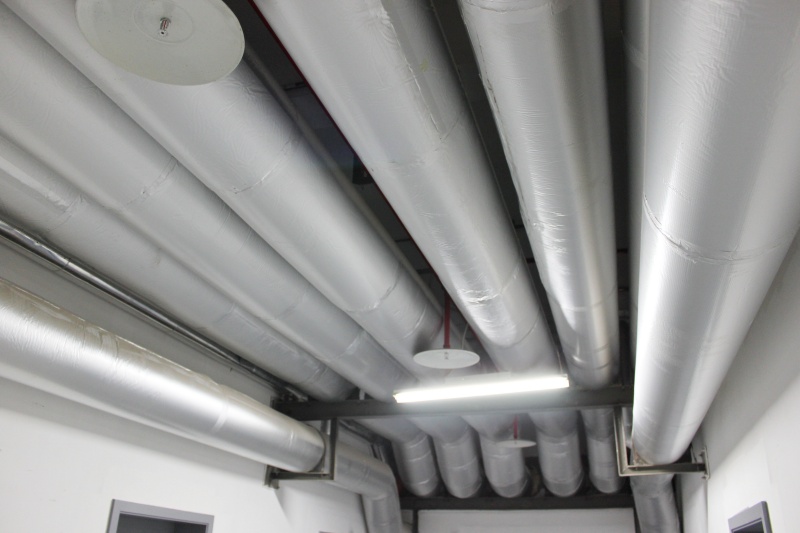
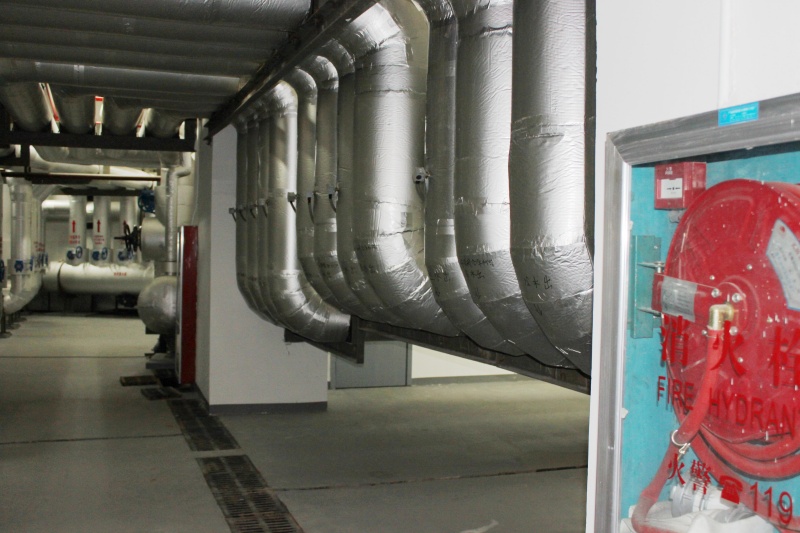
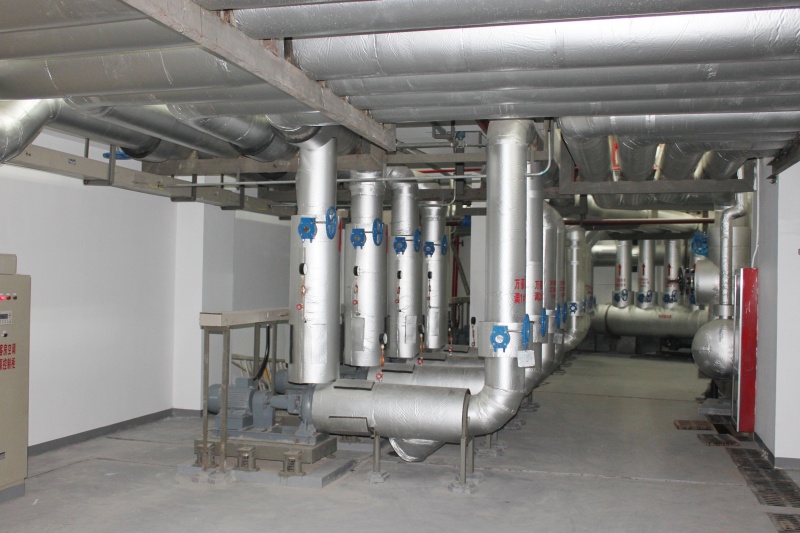
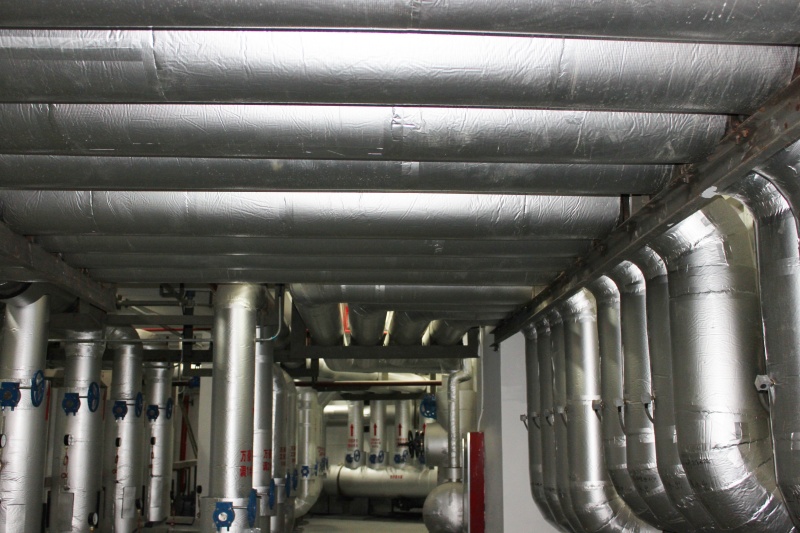
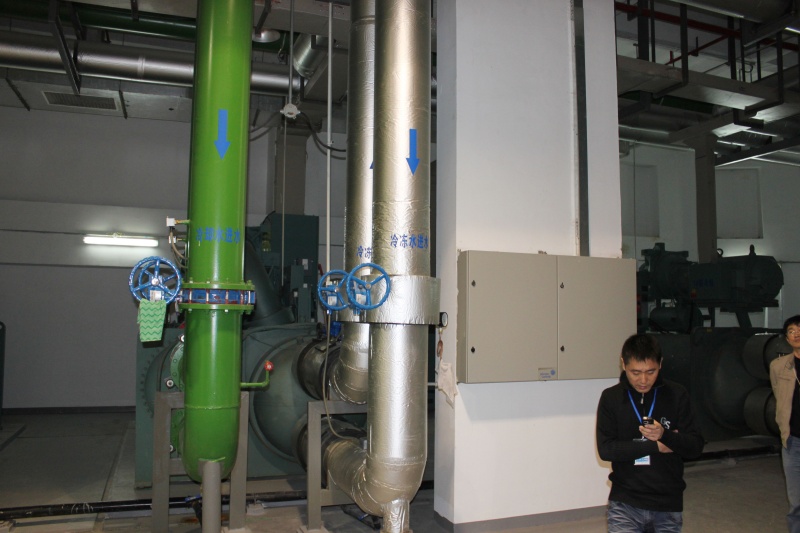
Optimized for chilled water systems, air handling units (AHU), and supply ductwork in large public buildings. It controls condensation, maintains stable temperatures, and improves overall system efficiency.
Specially manufactured elastomer blends designed to withstand extreme cold. Recommended for LNG processing, chemical liquid transfer lines, and industrial refrigeration projects operating at very low temperatures.
Perfect for hospital, hotel, and server room piping, where sound control is as important as temperature regulation. It helps dampen pump noise and structural vibrations.
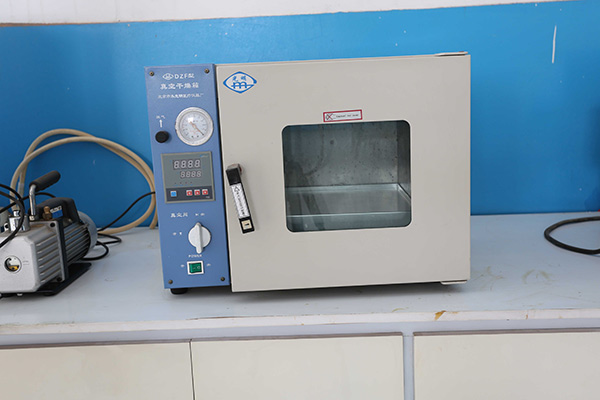
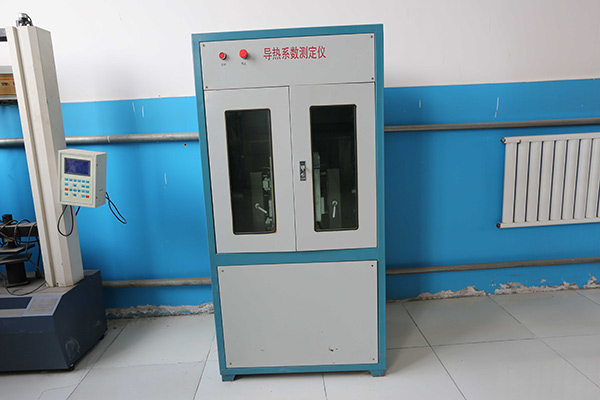
Continuous laboratory testing and certification guarantees the reliability of our insulation systems
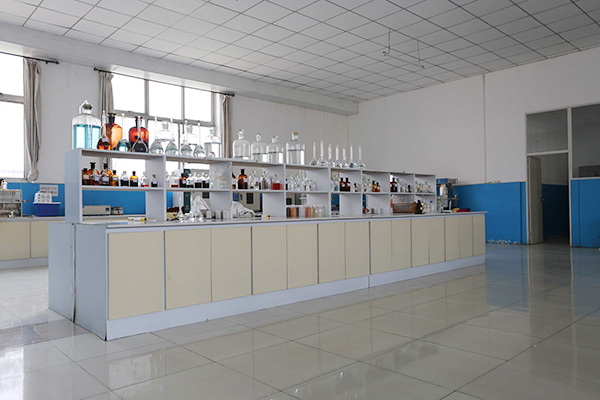
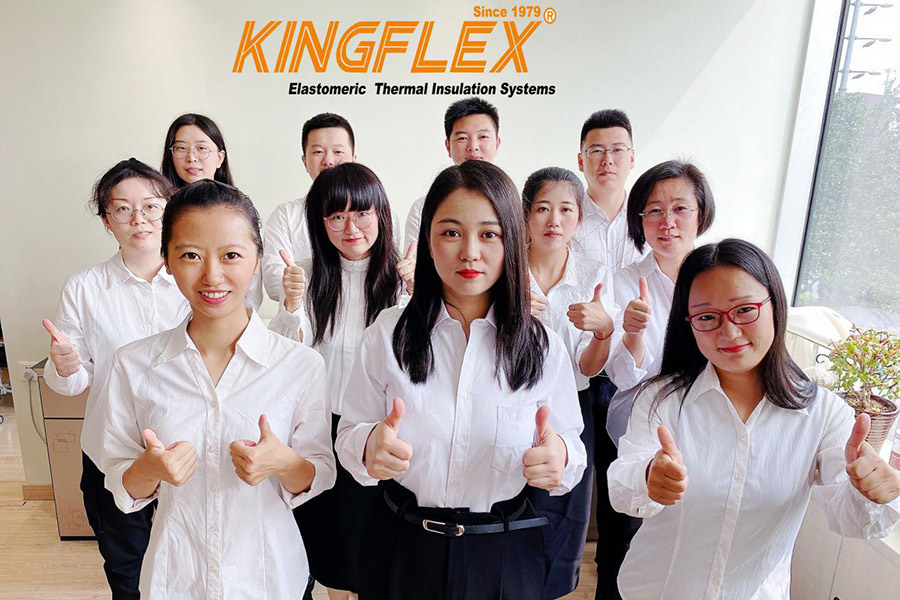
Our dedicated Research and Development department is staffed by eight senior chemical engineers. The R&D team focuses on improving thermal resistance, lowering smoke toxicity during fire events, and extending the material's service life in humid climates.
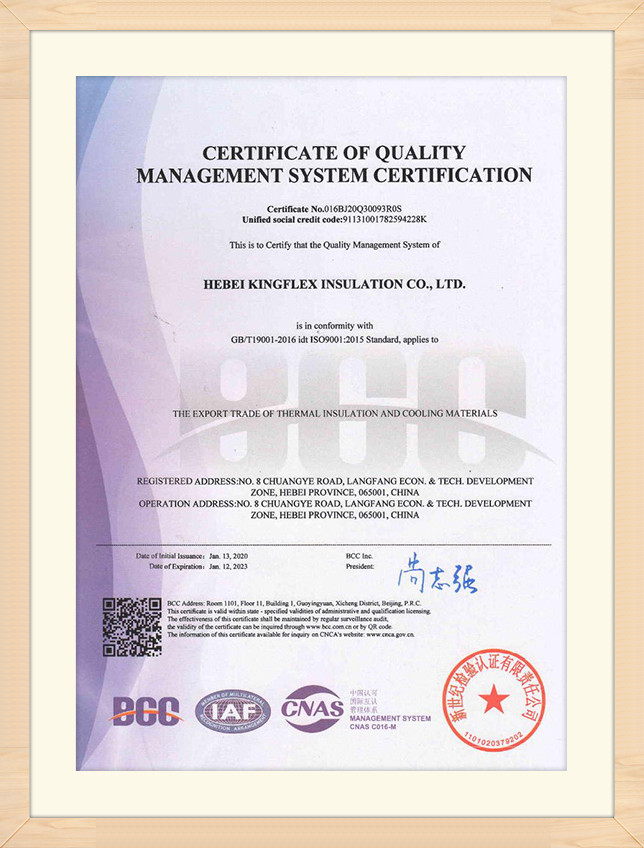
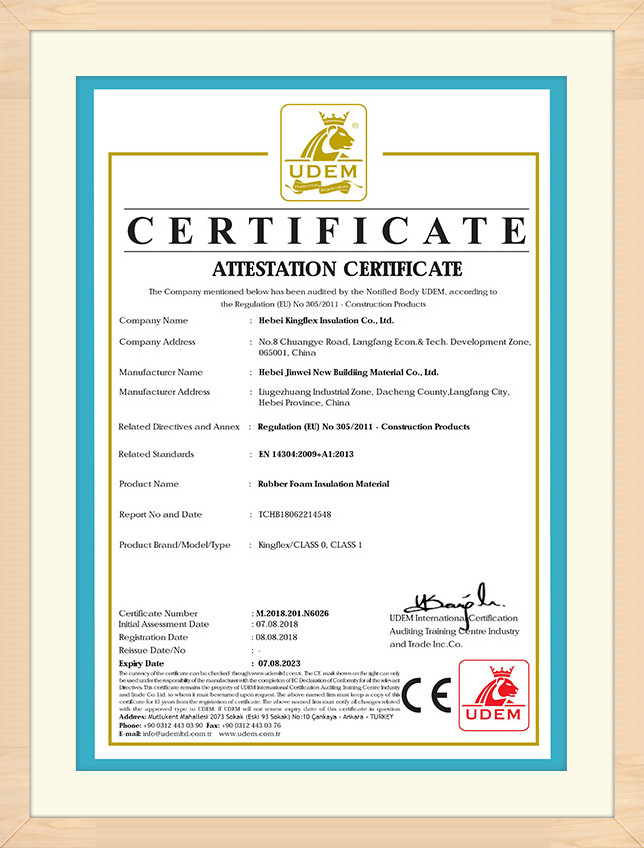
To ensure smooth customs clearance and compliance on international job sites, Kingflex materials are tested and certified to meet European and American regulatory standards, including BS 476, CE, REACH, RoHS, UL 94, and ASTM.
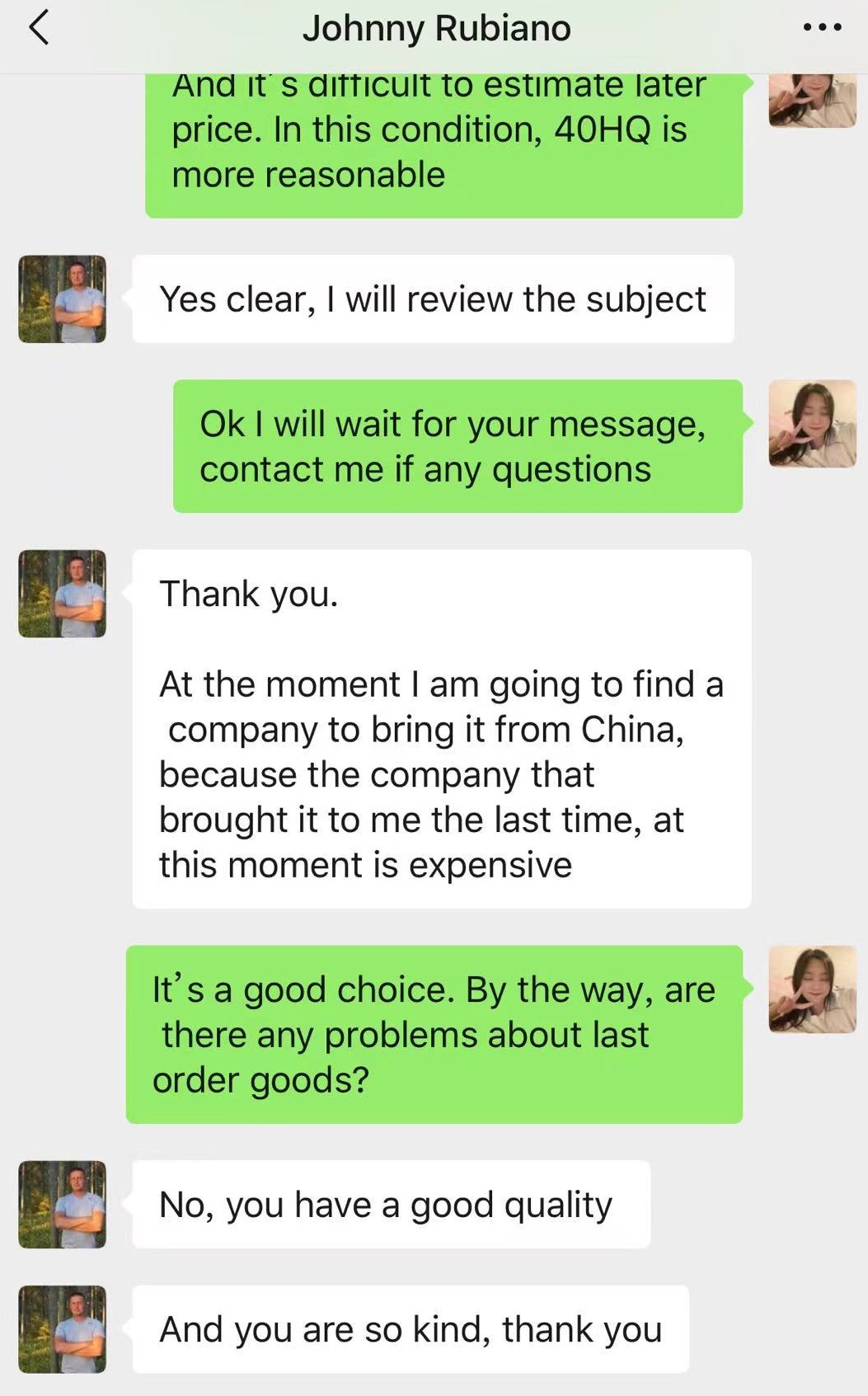
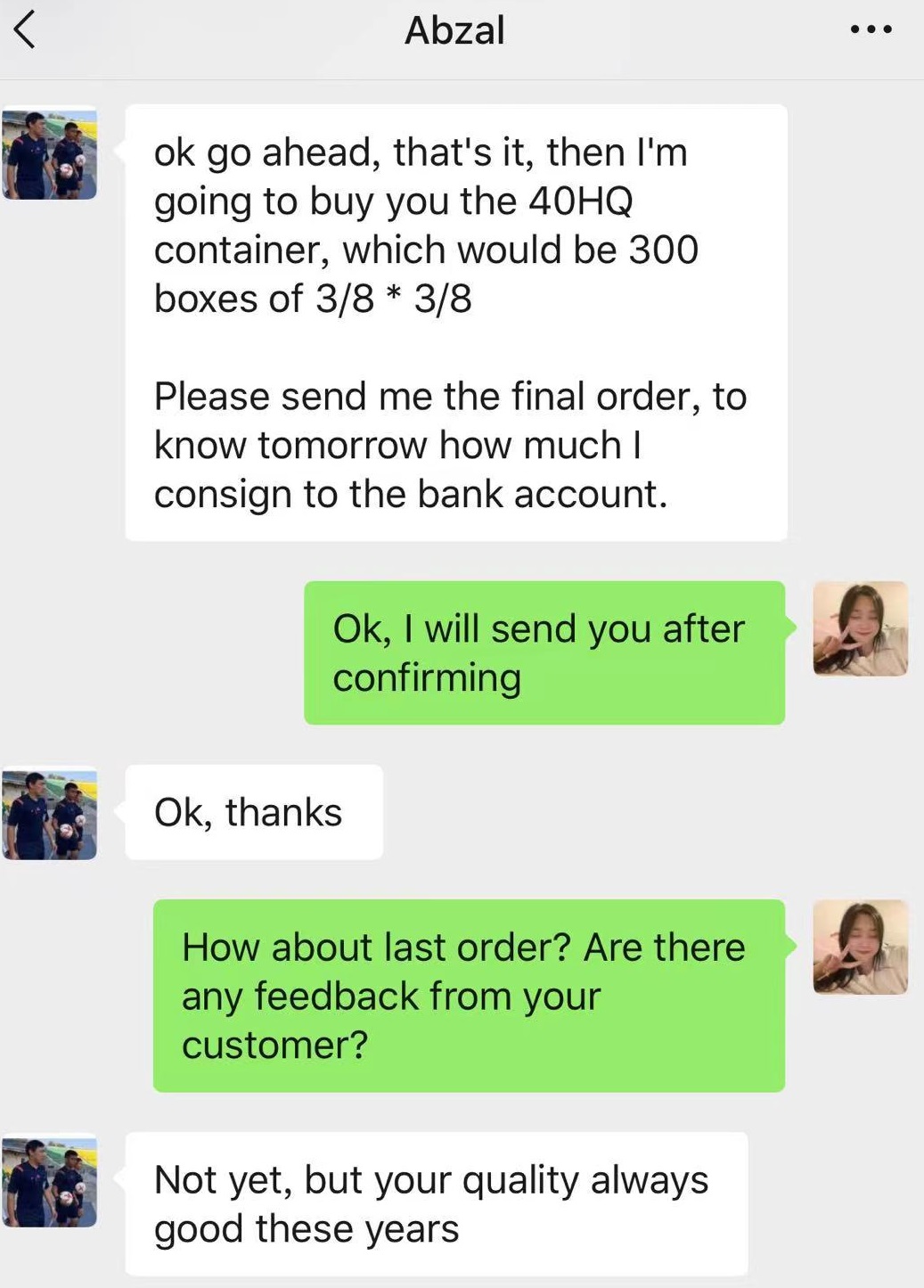
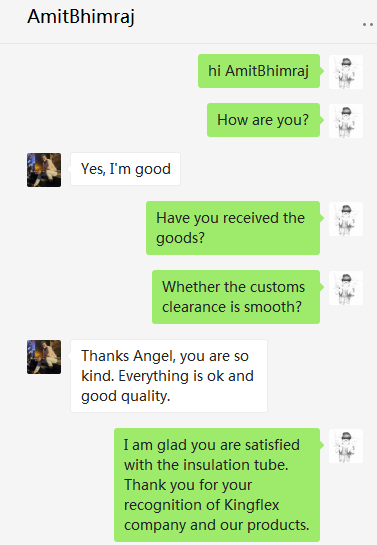
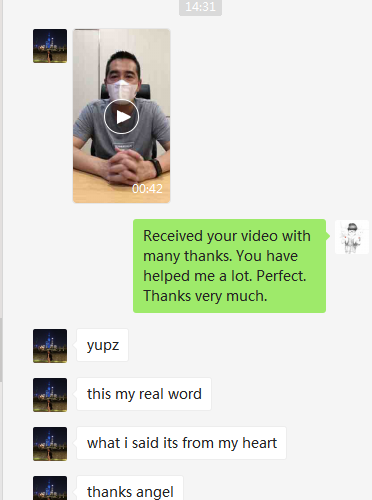
Real-time customer feedback screenshots showcasing global supply reliability and quality control tracking
A look inside our automated production areas, raw material storage, and shipping zones


Common questions regarding elastomeric closed-cell insulation specification, application, and supply
It is mainly used for HVAC ducts, air conditioning pipes, building thermal insulation, industrial pipeline cold insulation, and sound insulation in mechanical systems.
Yes, our rubber foam insulation is fire-retardant. It meets BS 476 (Class 0/1) and UL 94 V-0 safety standards for building and industrial installations.
Rubber foam is flexible, closed-cell, and moisture-proof, making it ideal for HVAC and condensation control. Rock wool is high-temperature resistant and fireproof, designed primarily for high-heat industrial applications.
Yes, we support comprehensive OEM/ODM services, allowing customization of thicknesses, inner diameters, and outer foil coatings to match specific project requirements.
Our products have passed BS 476, CE, REACH, RoHS, UL 94, ASTM, and other major international tests, ensuring compliance with global building codes.
Yes. Every batch has production codes printed directly on the material, providing full traceability from raw polymer mixing to final packaging.
We can manufacture continuous rubber foam insulation sheets in thicknesses ranging from 6mm up to 50mm.
When installed according to specifications, our insulation systems have a typical operational lifespan of 10 to 15 years.
Further configurations including cryogenic-rated and foil-faced elastomeric insulation profiles