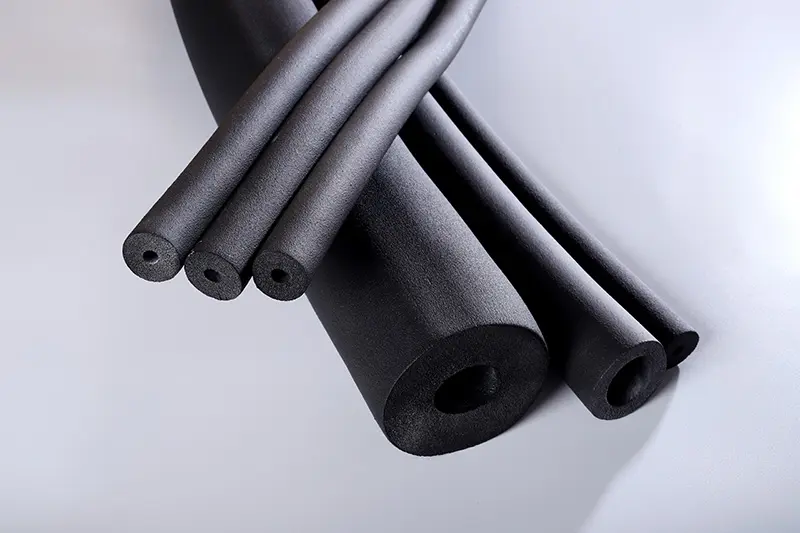
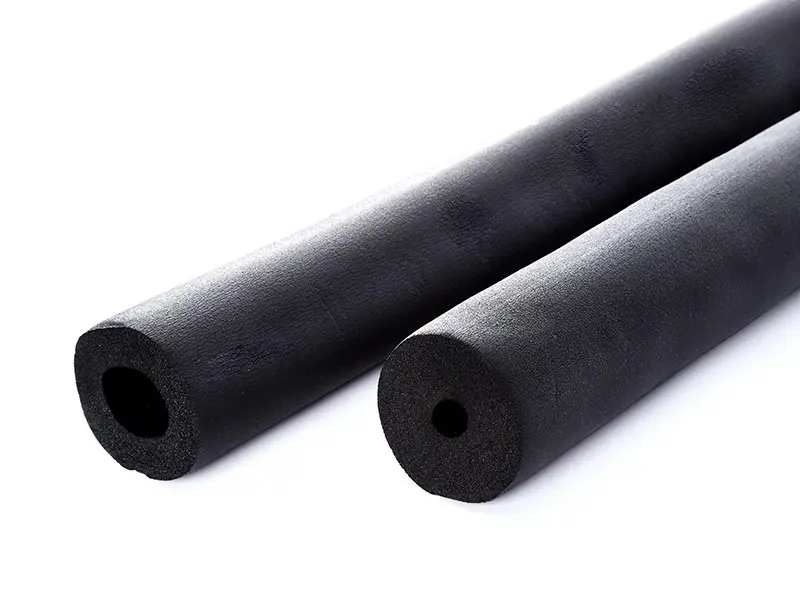
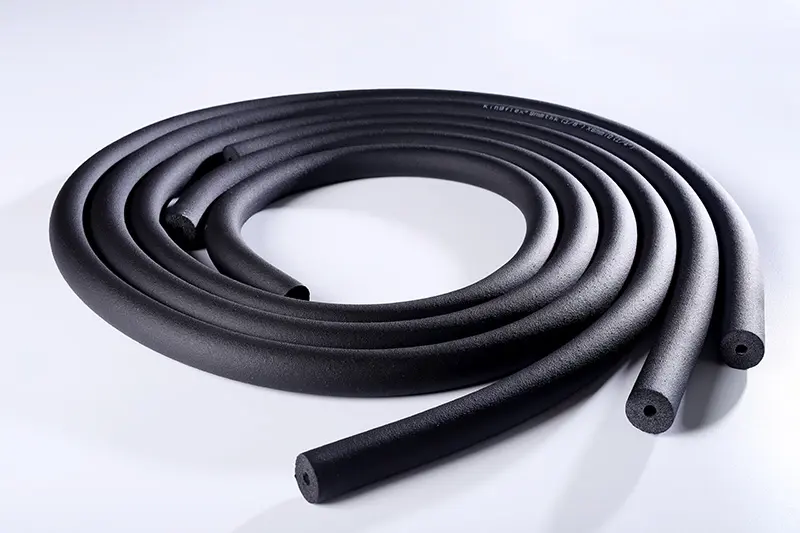
In modern industrial design, architecture, and chemical processing, mechanical piping systems represent the circulatory network of the plant. Without adequate thermal protection, sound insulation, and fire-resistant wrapping, these systems face chronic structural risks. These risks range from energy leakage and surface condensation to rapid flame propagation during catastrophic plant emergencies. As prime manufacturers of elastomeric NBR/PVC closed-cell insulation materials, Kingflex Insulation Co., Ltd. presents this comprehensive industry guide covering technical standards, application architectures, and the global macroeconomic roadmap for industrial insulation solutions.
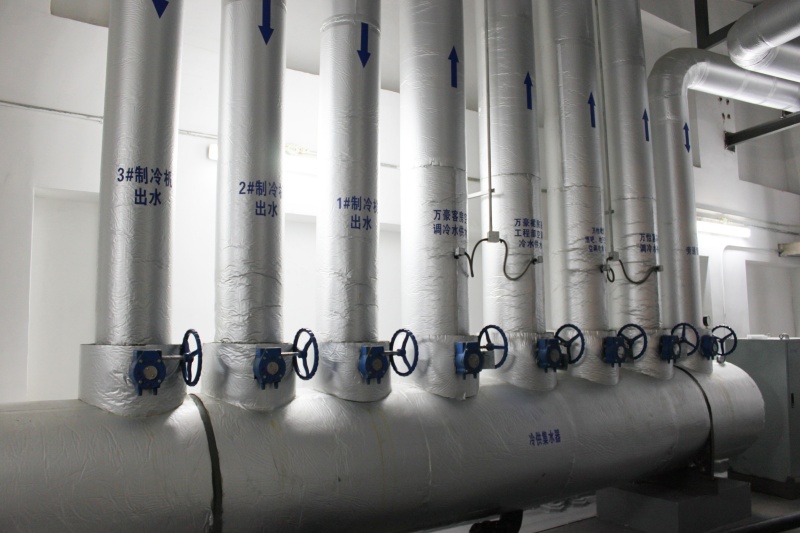
A fireproof pipe wrap is not designed simply to withstand intense heat; its objective is dual-purpose: to prevent critical temperature transfer to volatile transport fluids inside the piping, and to eliminate the propagation of fire along thermal insulation runs (a critical pathway for fire spreading across different compartments in high-rise buildings and marine platforms).
The demand for highly engineered fireproof wraps has surged due to stringent regional building and industrial safety regulations. Globally, the adoption of closed-cell elastomeric technology is outpacing traditional fibrous wools in commercial HVAC and low-temperature process pipe architectures. Fibrous systems, while fire-resistant, are prone to moisture absorption, leading to "Corrosion Under Insulation" (CUI) and loss of thermal efficacy.
According to construction safety parameters across the EU, North America, and the Asia-Pacific region, mechanical installations must satisfy rigid flame spread indices (such as ASTM E84 Class A or BS 476 Part 7 Class 1). Key industries like oil & gas, pharmaceuticals, commercial real estate, and public rail transport systems require certified fireproof pipe wraps. These materials must prevent flame progression and generate negligible smoke toxicity, safeguarding occupants and critical infrastructure during a fire event.
Kingflex insulation materials are manufactured with an optimized NBR/PVC copolymer blend, producing an uniform cellular matrix. The structural integrity relies heavily on high closed-cell ratios, preventing moisture ingress and ensuring stable thermal resistance throughout the product life cycle.
| Product Category | Base Composition | Available Thickness | Density Range | Service Temperature | Fire Rating Compliance |
|---|---|---|---|---|---|
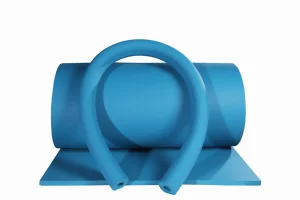
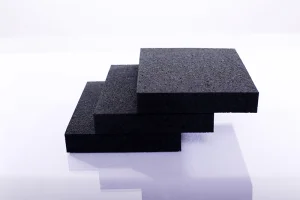
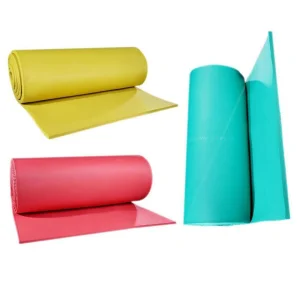
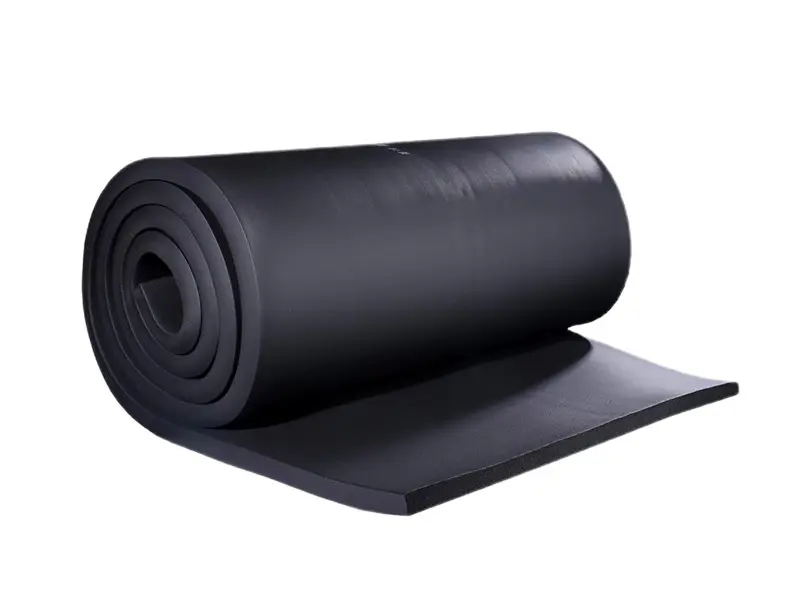
| Black Rubber Foam Sheet Roll | NBR/PVC Composite | 6mm to 50mm | 40 - 55 kg/m³ | -40℃ to 105℃ | BS 476, UL94, ASTM |
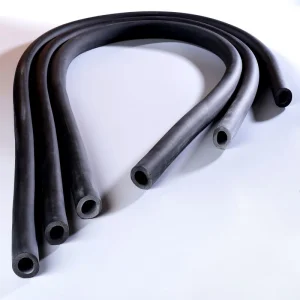
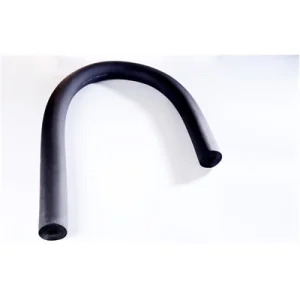
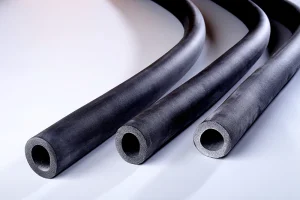
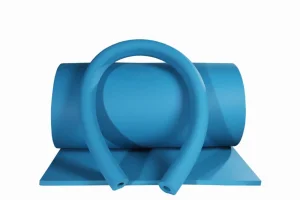
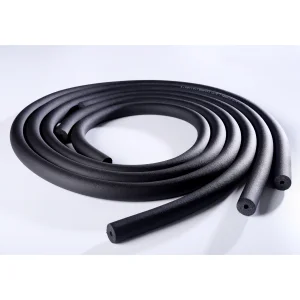
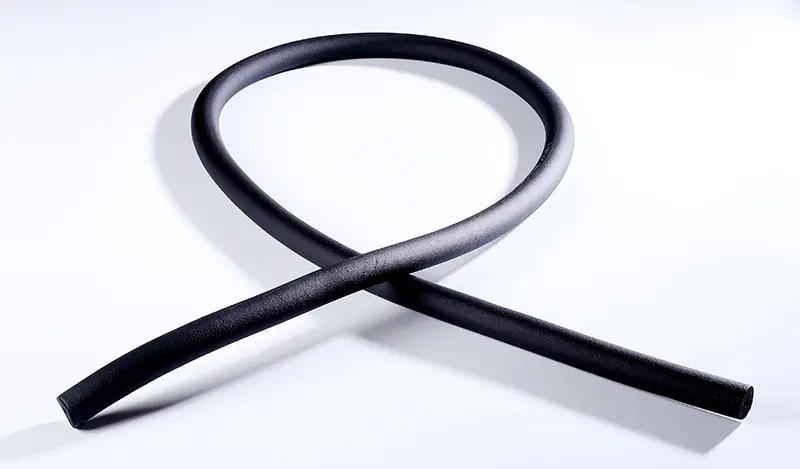
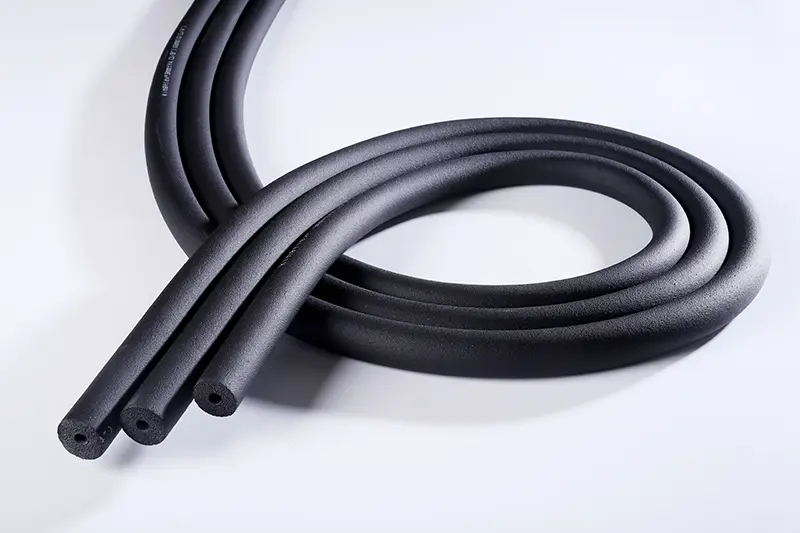
| Black Rubber Foam Pipe Tube | NBR/PVC Elastomeric | 9mm to 40mm (ID: 6-114mm) | 40 - 55 kg/m³ | -40℃ to 105℃ | BS 476 Class 0 / Class 1 |
| Cryogenic Insulation Systems | Ultra-Low Nitrile Blend | Custom Multi-layered | 50 - 65 kg/m³ | -200℃ to 125℃ | ASTM C534 Grade 1, CE |
Kingflex elastomeric thermal insulation is highly versatile. Our products are engineered for diverse industrial and structural environments globally:
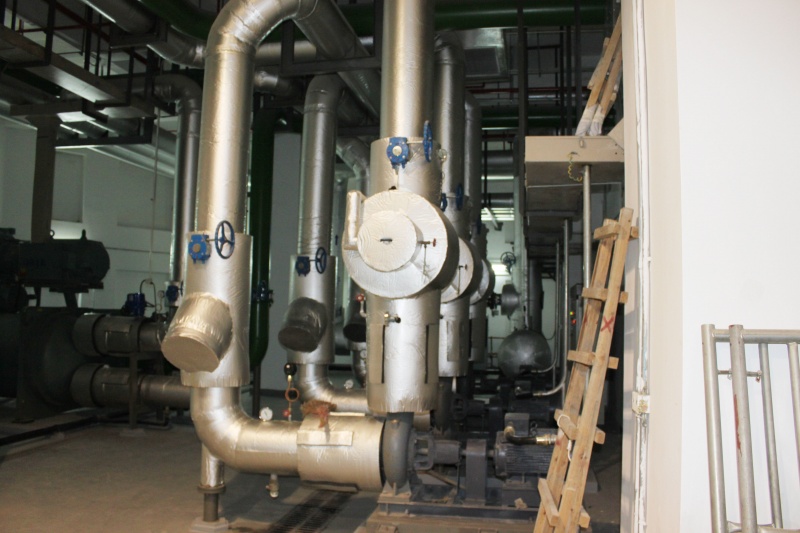
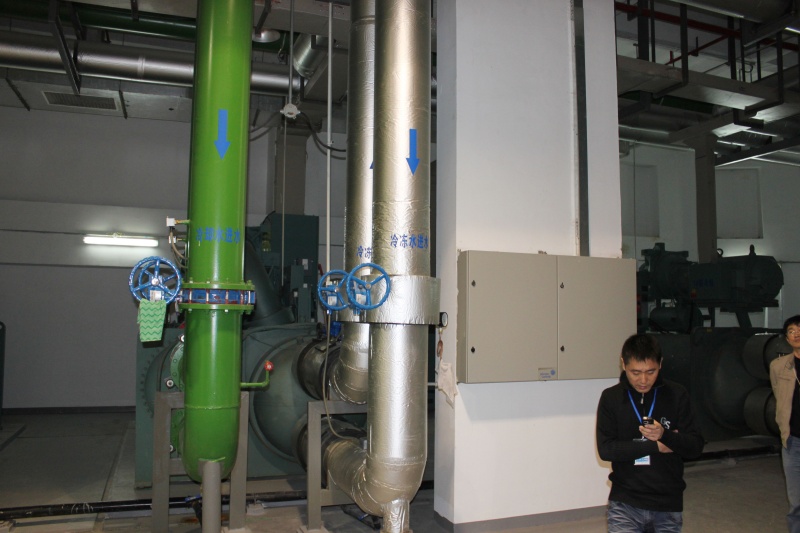
Installed on chilled water lines, dual-temperature piping, and air ducts in luxury hotels, high-rise office blocks, hospitals, and shopping malls. The material prevents condensation and mold growth while complying with building fire codes (Class 0 rating under BS 476).
Provides thermal and corrosion protection for steam lines, processing pipe networks, and chemical storage vessels. The material resists chemical exposure and retains mechanical properties under vibration.
Protects ultra-low temperature cooling lines, liquid CO₂ operations, and cold chain shipping. Prevents extreme thermal transfer and limits outer surface ice formation.
CUI is a major maintenance expense in the chemical processing sector. Fibrous insulations absorb moisture and trap corrosive compounds against steel pipe surfaces. Kingflex’s closed-cell elastomerics do not absorb water, keeping the pipe surface dry and preventing galvanic or chemical corrosion.
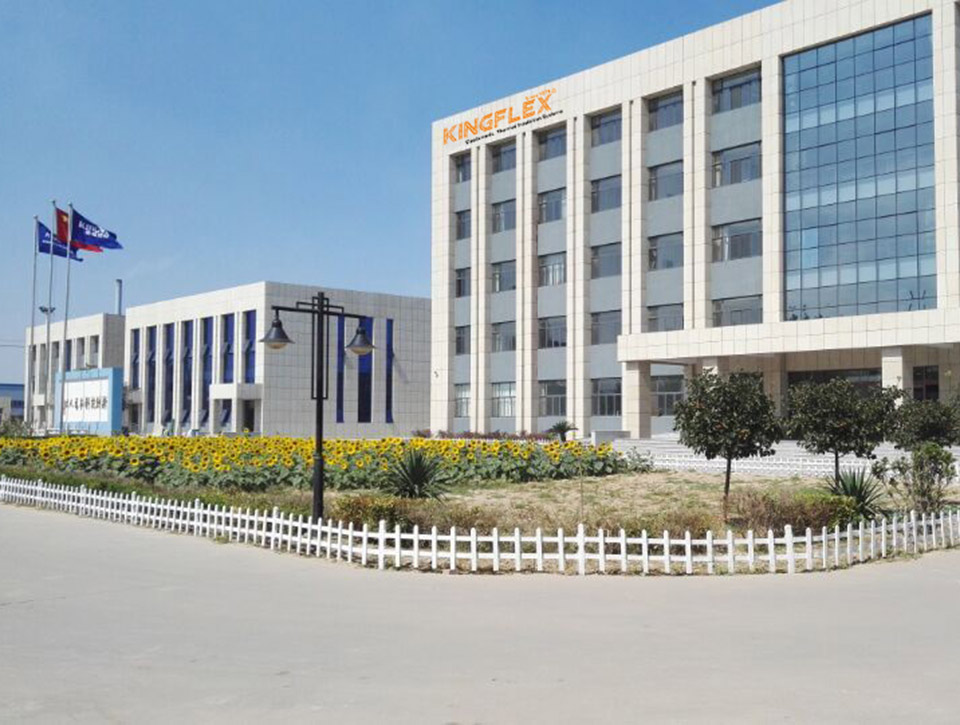
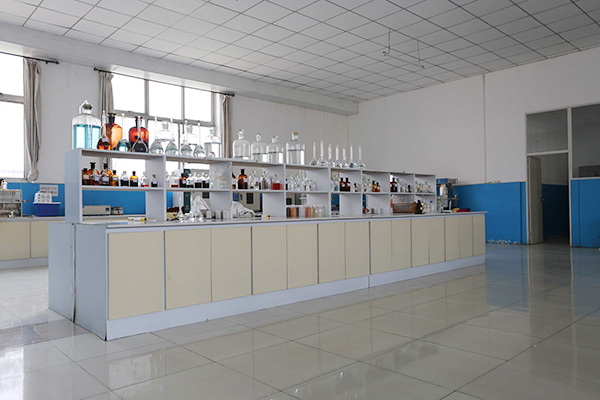
Kingflex Insulation Co., Ltd. is an established manufacturer of thermal and acoustic insulation products. Located in Dacheng, China—a hub for green building materials—our facility spans research, high-capacity production, and global trade operations. We specialize in energy-saving, environmentally sustainable insulation solutions.
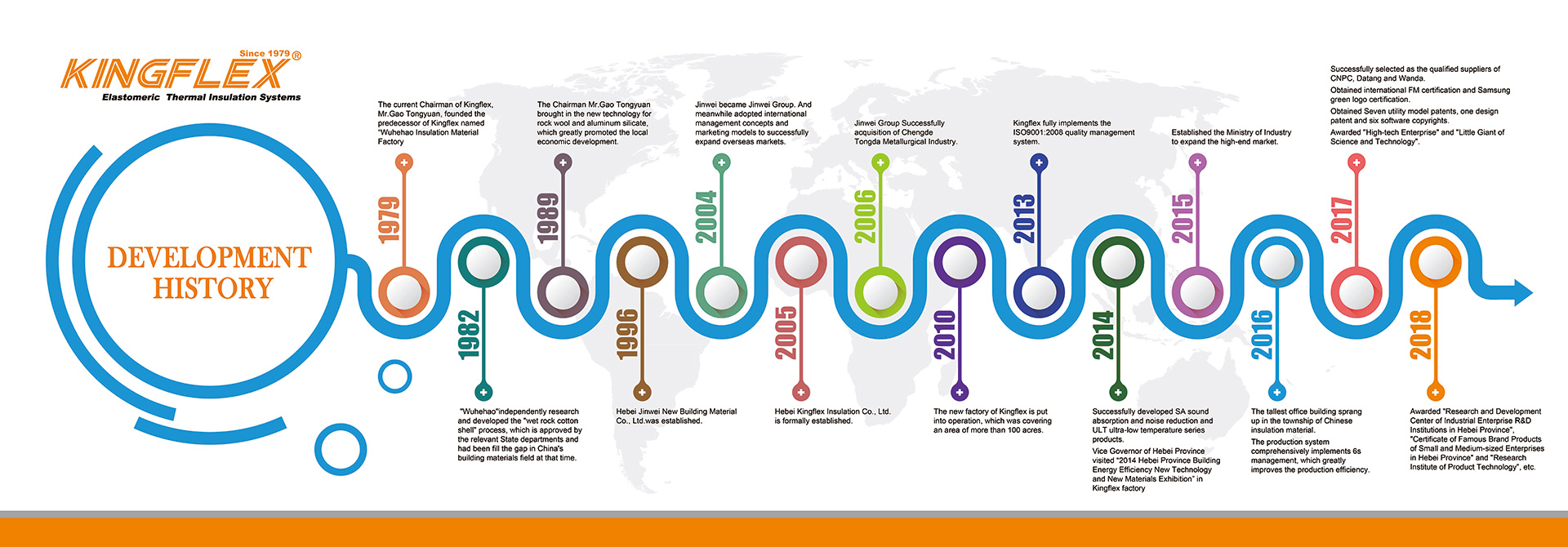
Established under the Jinwei Group, which possesses a 40-year history since its founding in 1979, Kingflex is built on decades of thermal engineering expertise. Jinwei Group was the pioneer of industrial thermal insulation manufacturing north of the Yangtze River. Today, Kingflex runs 5 automated assembly lines, achieving an annual capacity of 600,000 cubic meters. We are a designated production enterprise for the Ministry of Energy, the Ministry of Electric Power, and the Ministry of Chemical Industry.
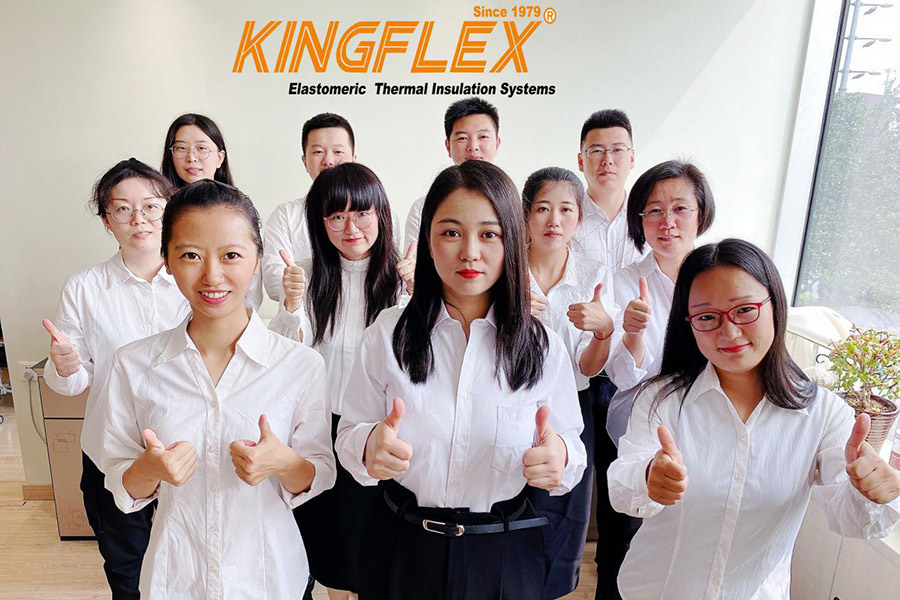
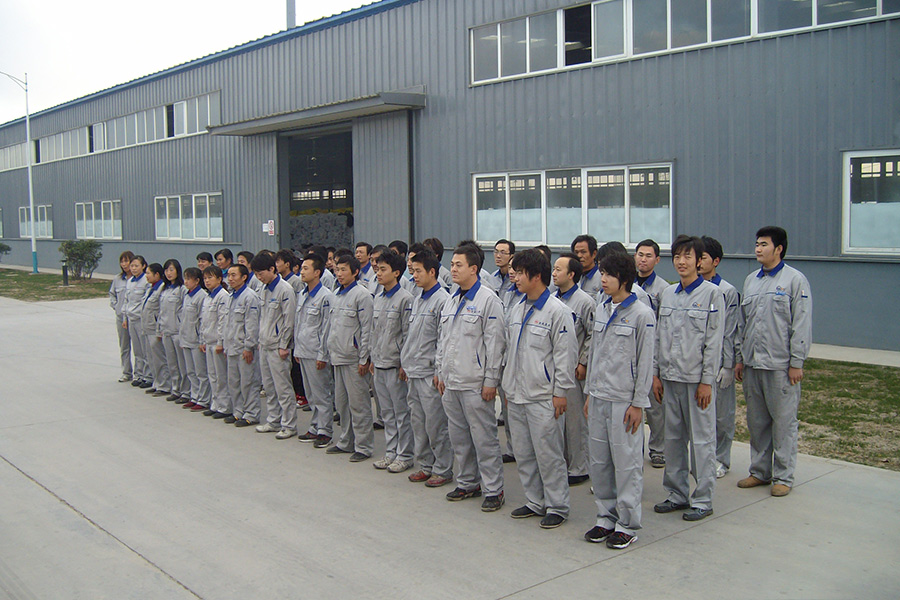
Our operation is supported by 8 dedicated R&D engineers, 6 international trade specialists, and 230 manufacturing staff.
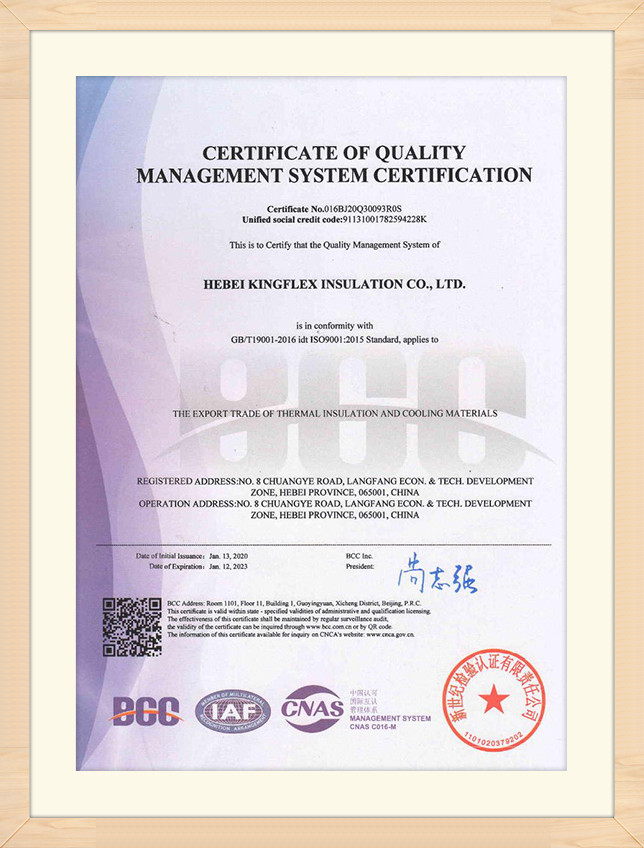
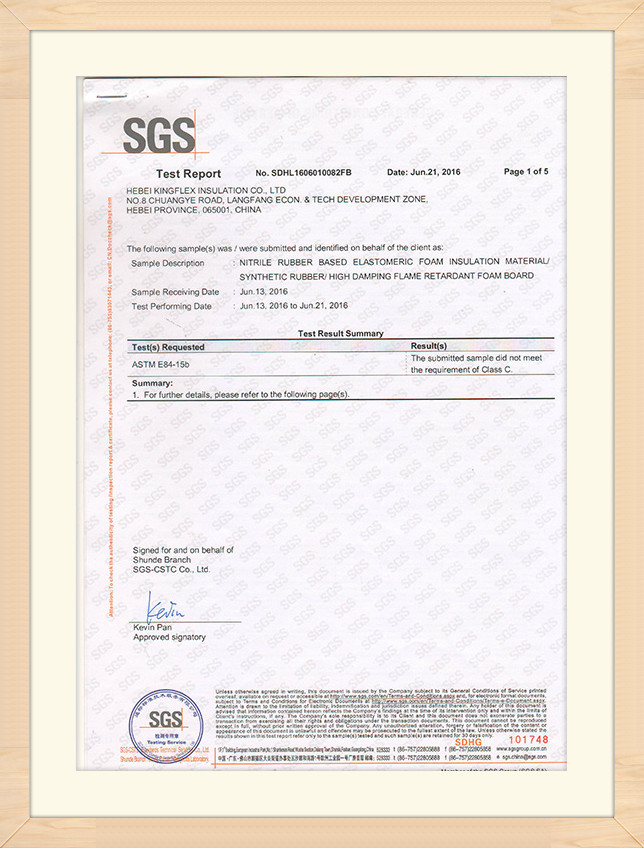
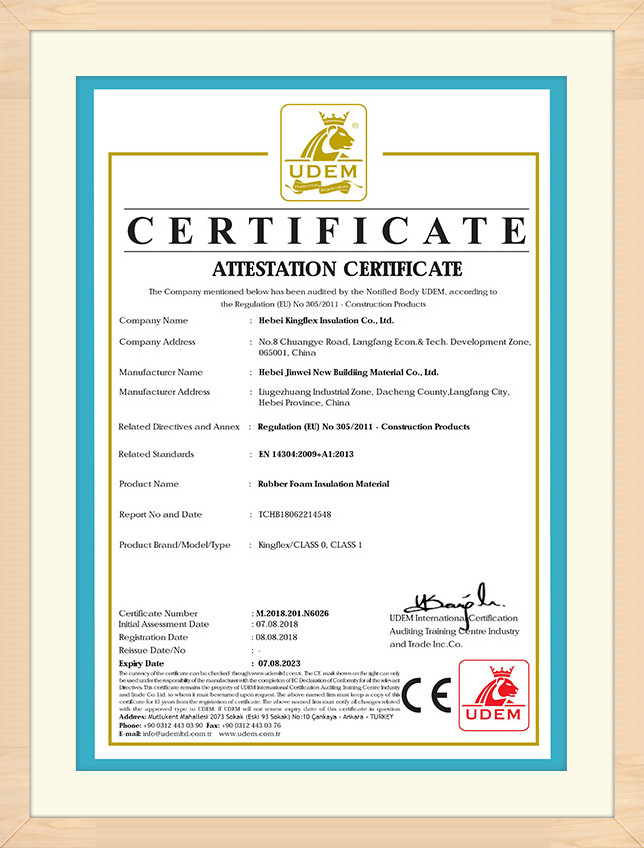
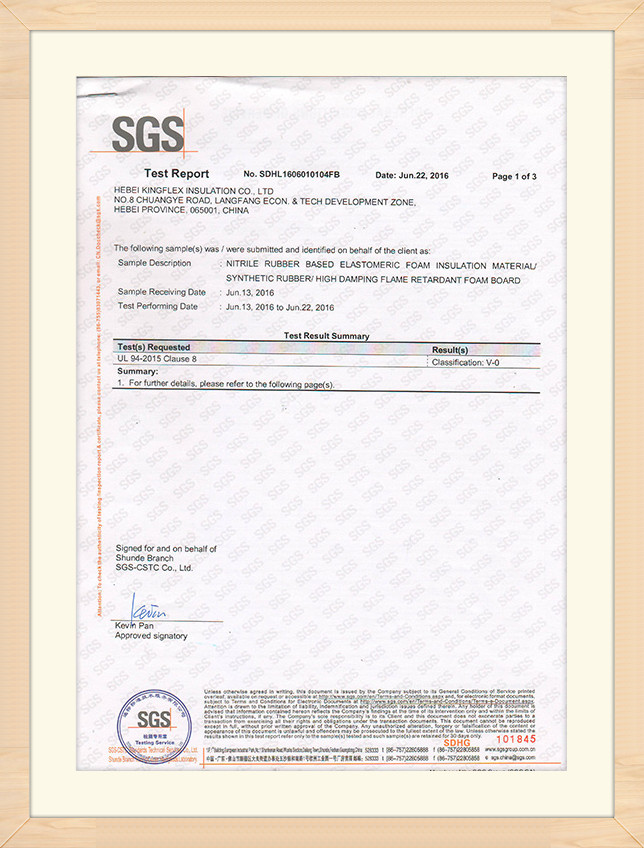
Kingflex products are certified to international standards to ensure performance and code compliance for global construction and industrial projects.
Our materials are certified to international standards including BS 476, CE, REACH, ROHS, UL94, and ASTM.
The industrial insulation sector is evolving to meet higher safety, environmental, and thermal efficiency requirements. Kingflex’s R&D team targets several key developmental areas:
We are researching aerogel-impregnated elastomeric compounds. This hybrid approach aims to lower thermal conductivity ($\lambda \le 0.028$ W/m·K) while reducing overall installation thickness in space-constrained layouts.
We are transitioning our production lines to utilize next-generation hydrofluoroolefin (HFO) foaming agents. This eliminates global warming potential (GWP) and ozone depletion potential (ODP) without compromising cellular structure or fire resistance.
Developing elastomeric wraps embedded with thin-film moisture and temperature sensors. This technology allows real-time monitoring of insulation integrity and fluid temperatures, enabling predictive maintenance for CUI prevention.


Kingflex insulation solutions are specified for complex industrial and municipal projects worldwide. We maintain communication with engineering partners to verify performance, durability, and ease of installation.
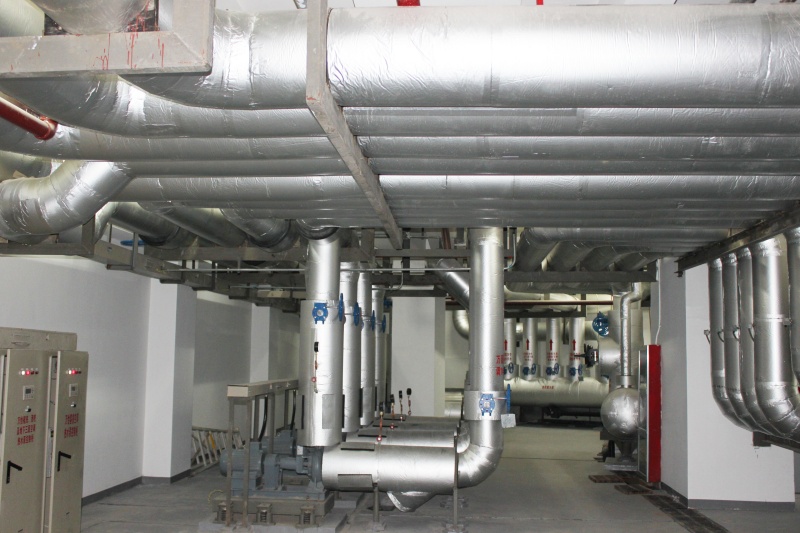
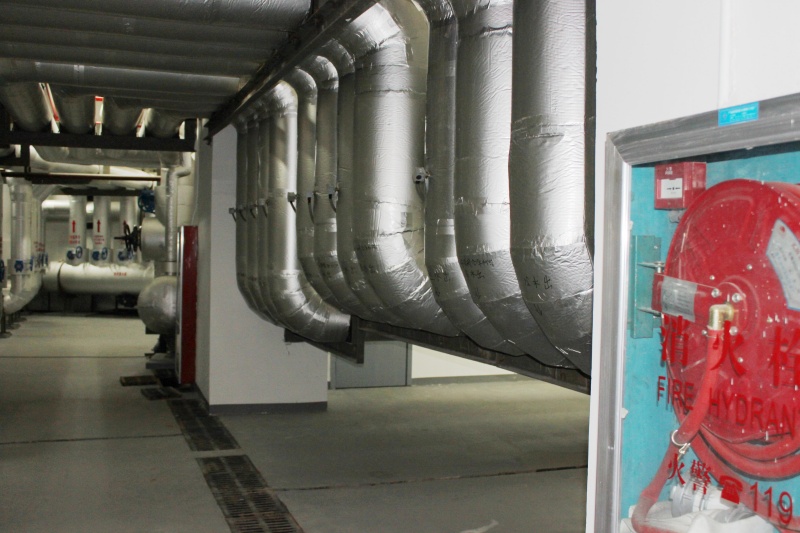
Our international support team provides project consultation, material estimation, installation training, and technical documentation. This helps mechanical contractors achieve the specified thermal performance and fire safety compliance on site.


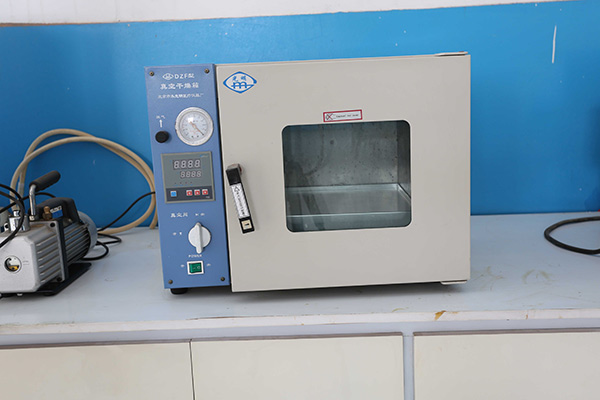
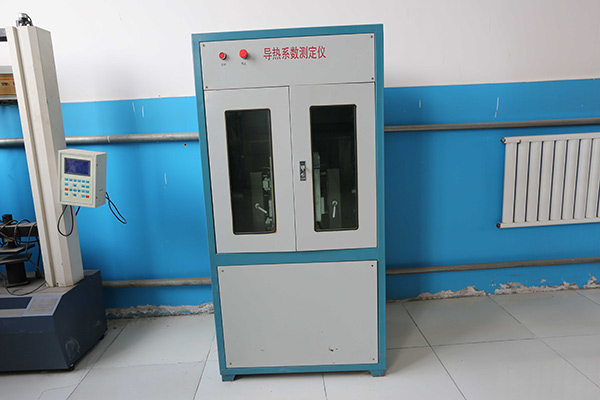
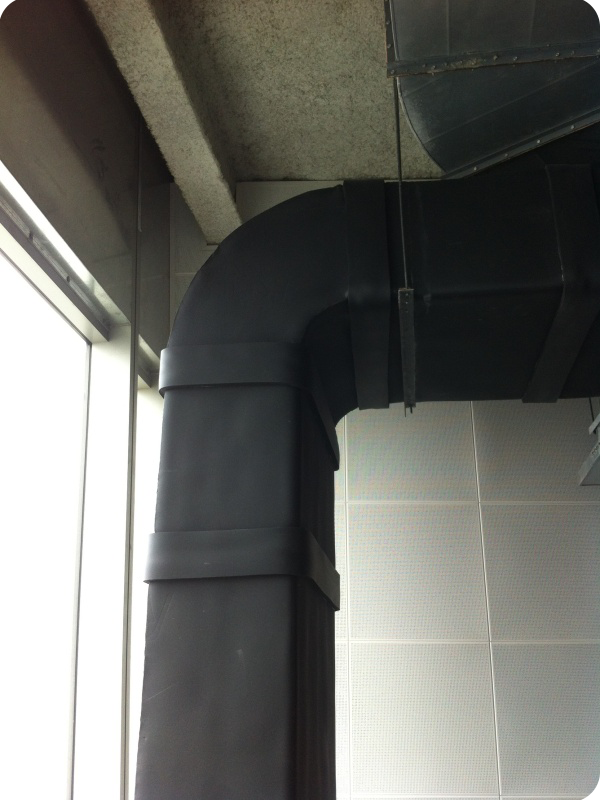
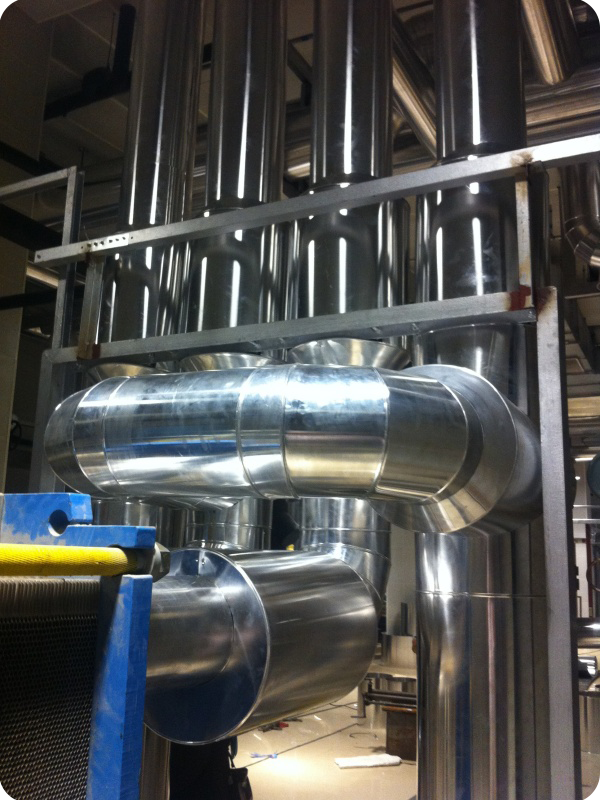
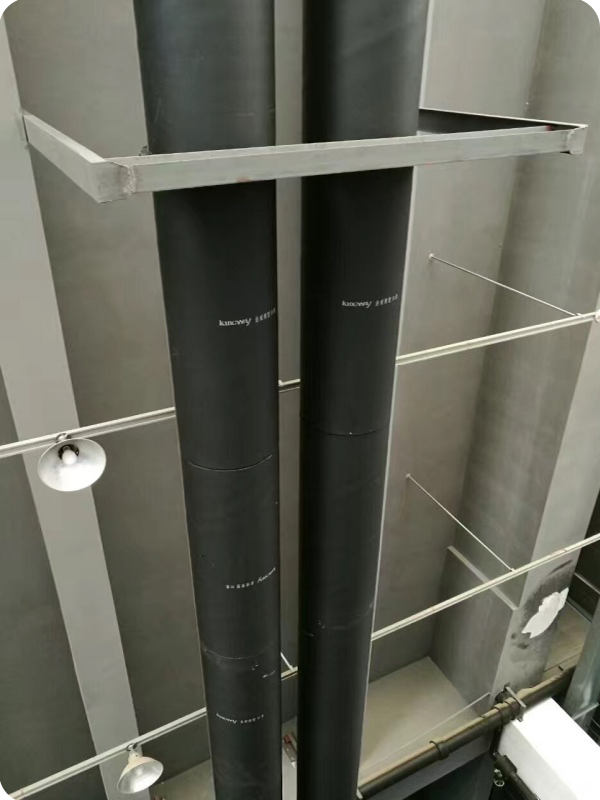
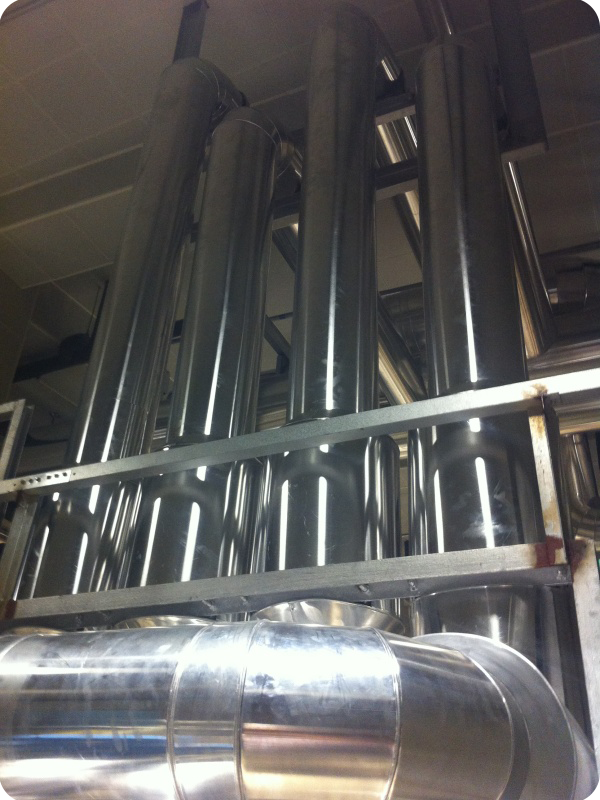
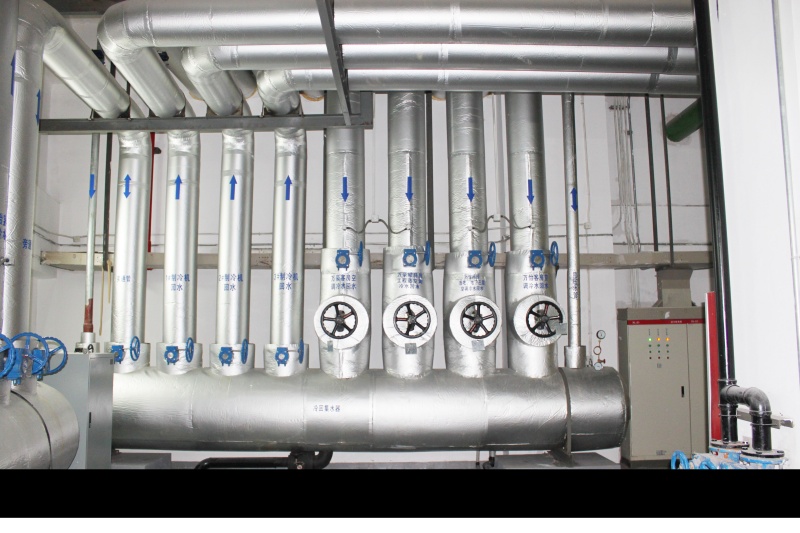
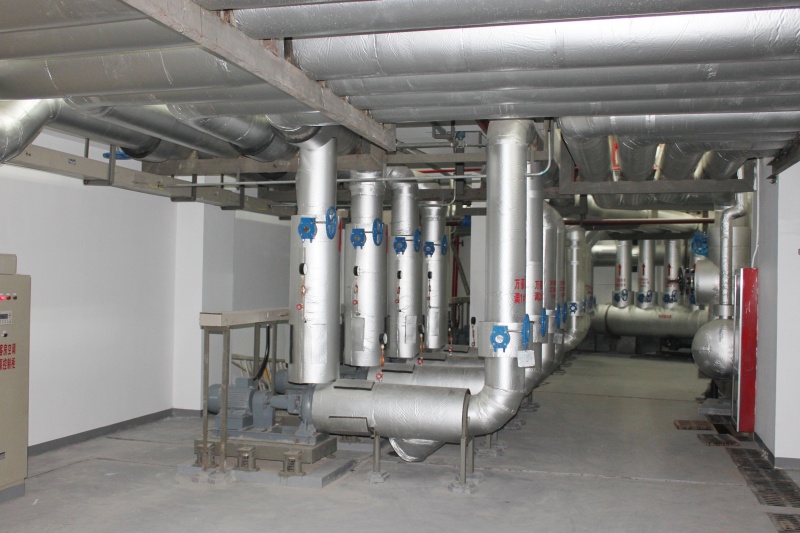
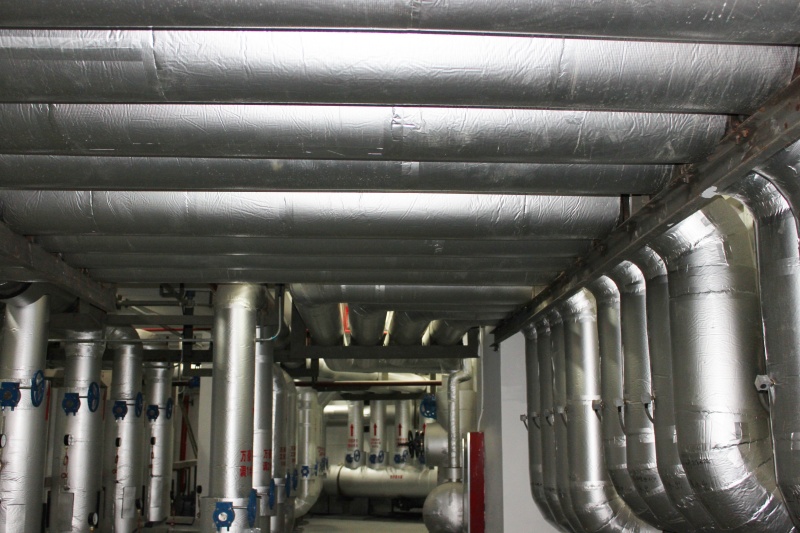
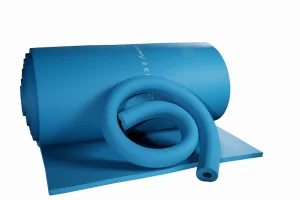
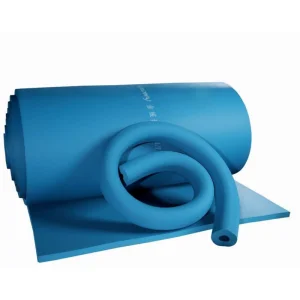
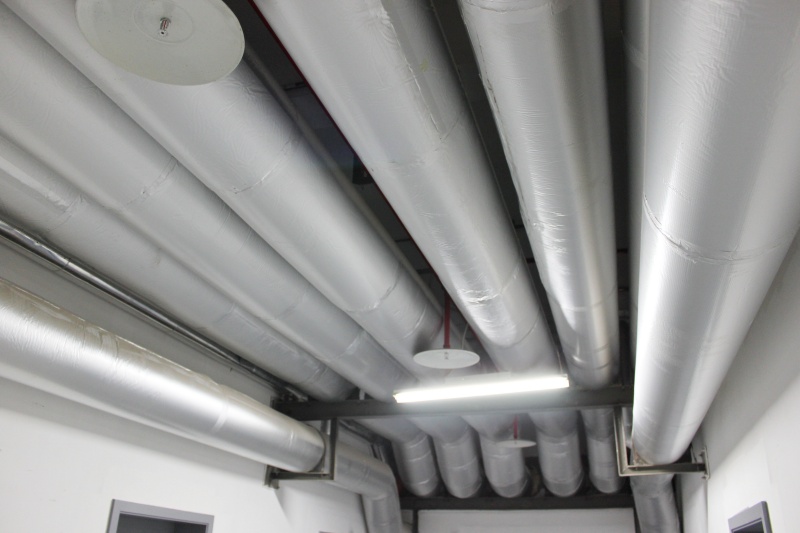
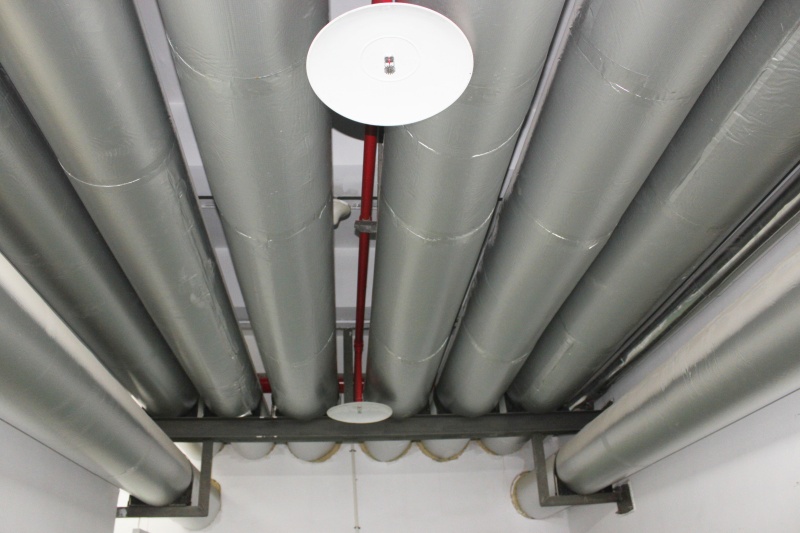
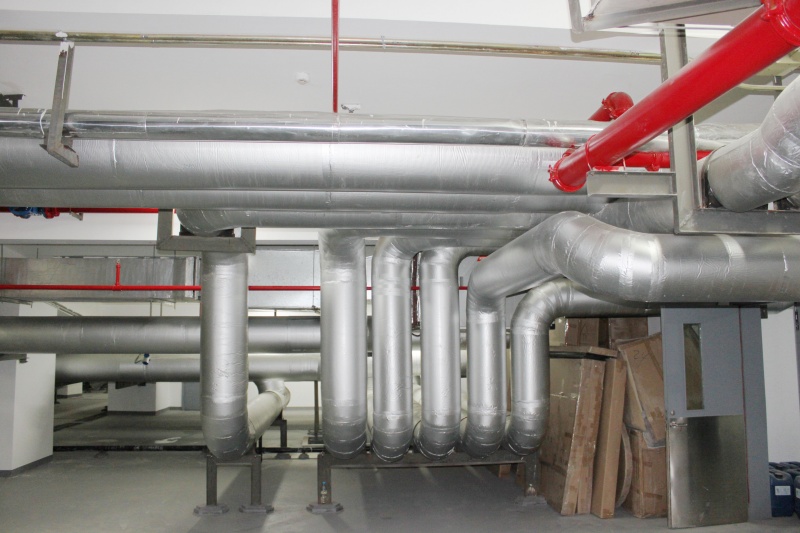
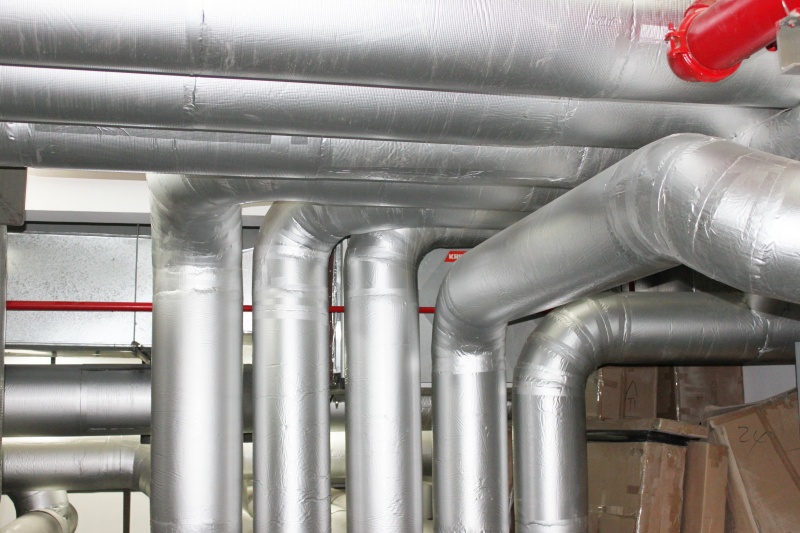
View installations of Kingflex elastomeric closed-cell sheets and pipes in central HVAC stations, processing lines, and marine facilities.


Below is a summary of the technical specifications and application guidance for our primary product lines:
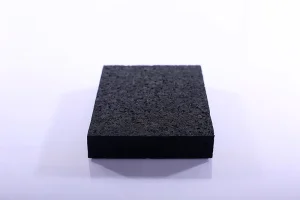
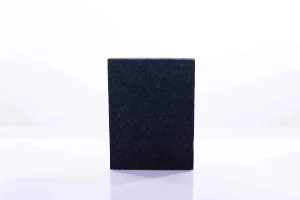
Standard Dimensions: Material: NBR/PVC | Thickness: 6mm-50mm | Density: 40-55kg/m³ | Service Temperature Range: -40℃ to 105℃
Key Advantages: Foams evenly with a closed-cell rate exceeding 98%. Low moisture absorption maintains stable thermal conductivity. High elasticity offers compression resilience over 80%. Flame retardant and self-extinguishing.
Primary Applications: Thermal insulation for central air conditioning ducts, wall and roof systems, industrial process pipes, storage tanks, transport carriages, and chemical facility pipe networks.
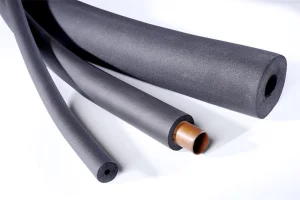
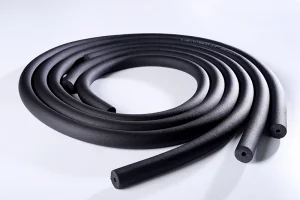
Standard Dimensions: Material: NBR/PVC | Thickness: 9mm-40mm | ID: 6mm-114mm | Density: 40-55kg/m³ | Service Temperature Range: -40℃ to 105℃
Key Advantages: Uniform foaming via specialized pipe spraying equipment. High compression resilience. Self-extinguishing fire performance. Low thermal conductivity and high moisture resistance to prevent pipe freezing and cracking.
Primary Applications: HVAC chilled/hot water and condensate lines, commercial building water pipes, hot water systems, and cold insulation for logistics and process pipelines.