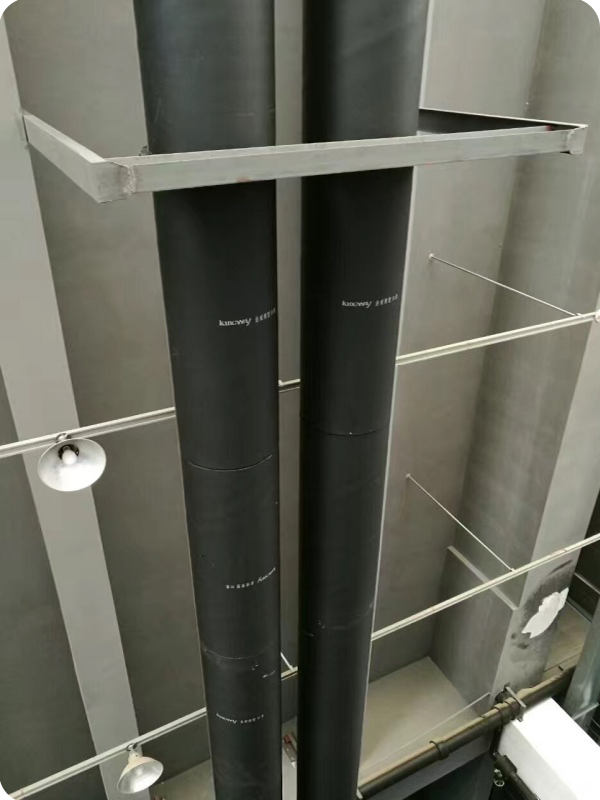
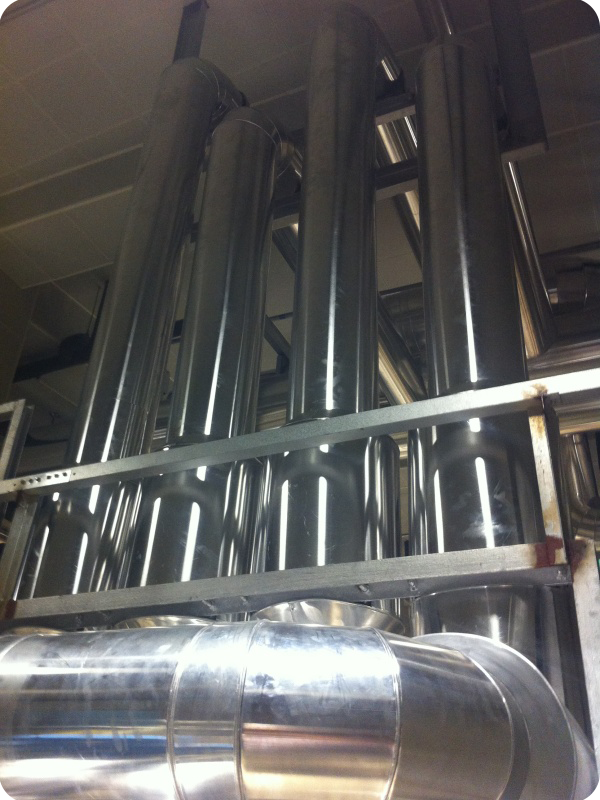
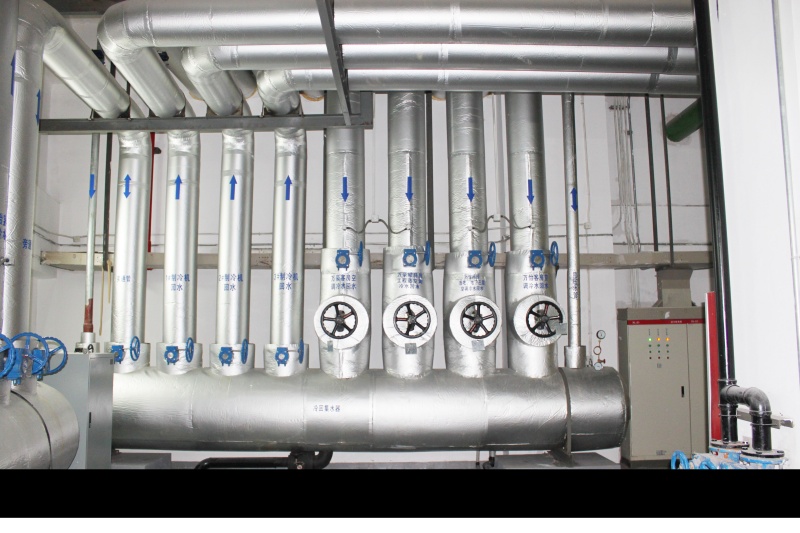
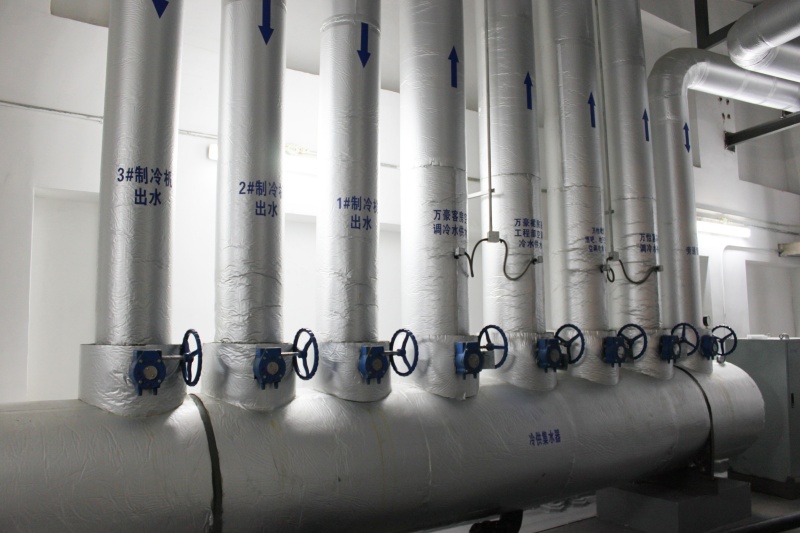
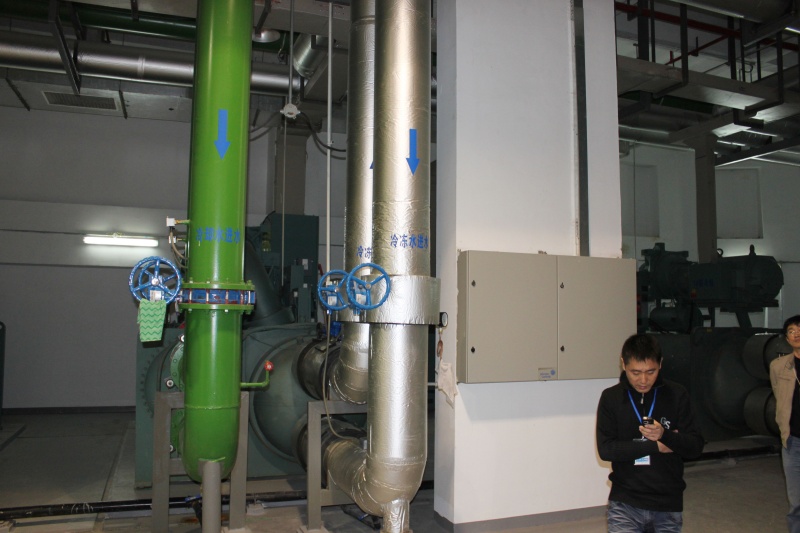
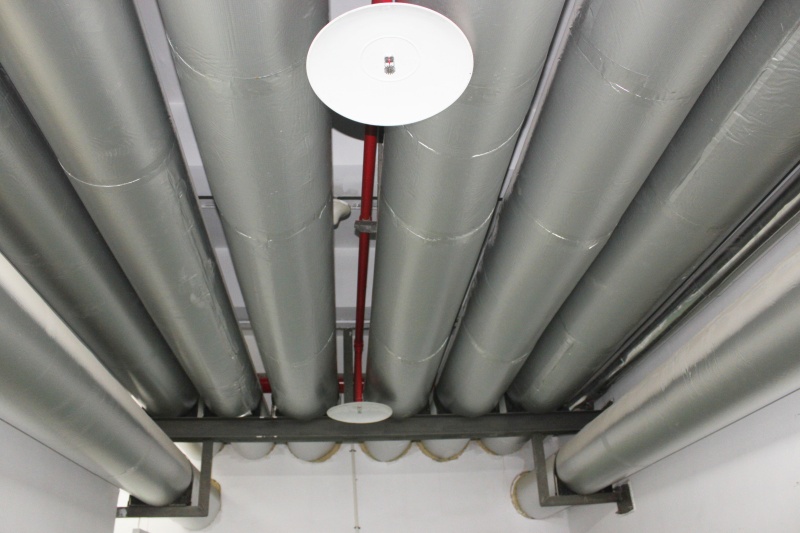
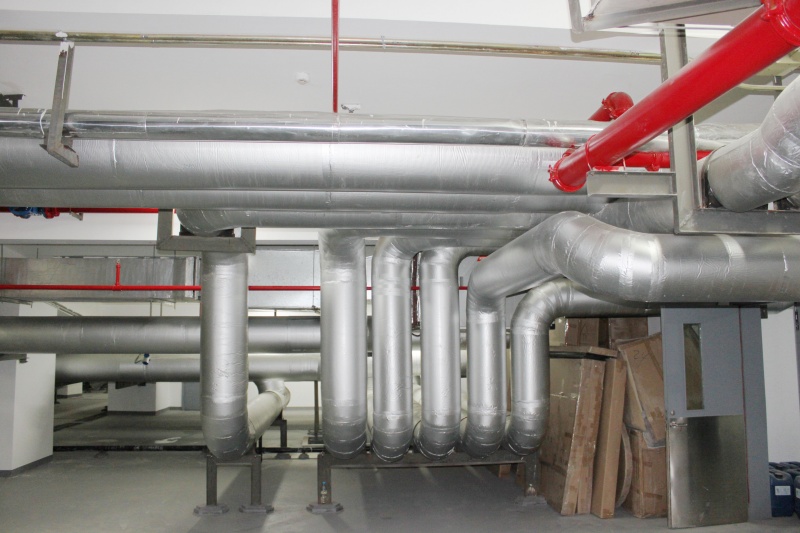
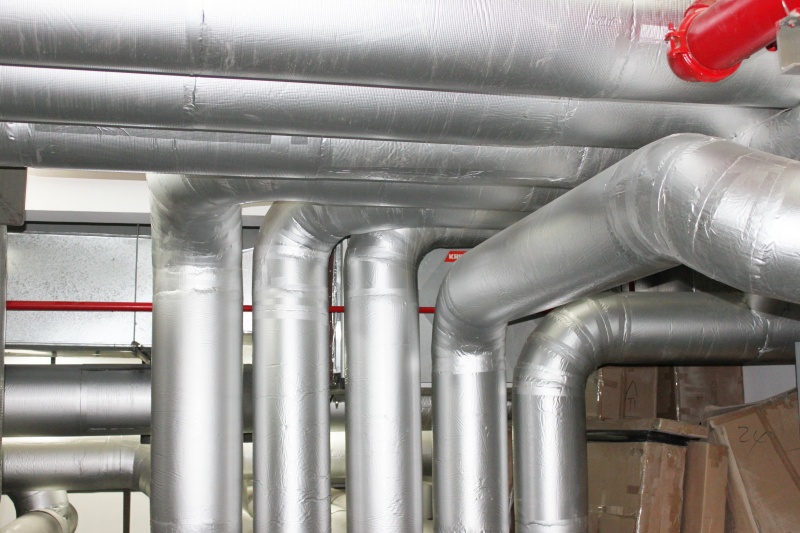
Explore our diverse portfolio of engineering-grade rubber foam, rock wool, and glass wool solutions tailored for global HVAC and industrial plants.
In an era dominated by decarbonization initiatives and rigid energy conservation codes (such as ASHRAE 90.1 and the EU Energy Performance of Buildings Directive), selection of high-performance thermal barriers has shifted from a commodity purchase to a precise engineering science. Glass Wool Insulation Felt with Aluminum Foil on One Side stands at the critical intersection of thermal containment, vapor mitigation, and structural adaptability.
Globally, industrial glass wool insulation (often categorized under refined mineral fiber categories) has experienced surging demand within HVAC, commercial building shells, marine vessels, and industrial processing plants. The application of a single-sided aluminum foil facing, commonly referred to as FSK (Foil-Scrim-Kraft) or reinforced foil jacket, serves a dual functional purpose: it functions as a highly durable, low-permeance water vapor barrier while concurrently reflecting up to 97% of radiant heat transfer.
For international distributors, procurement specialists, and structural design engineers, obtaining direct factory access to wholesale glass wool sheets represents a significant strategic advantage. Standardizing glass wool insulation with certified aluminum foil facing ensures projects comply with strict Class 0 fire standards (such as BS 476 Part 6 & Part 7) and maintains consistent thermal conductivity (K-value) under varying humidity and structural stresses.
How engineering designs leverage single-sided foil glass wool across complex industrial ecosystems.
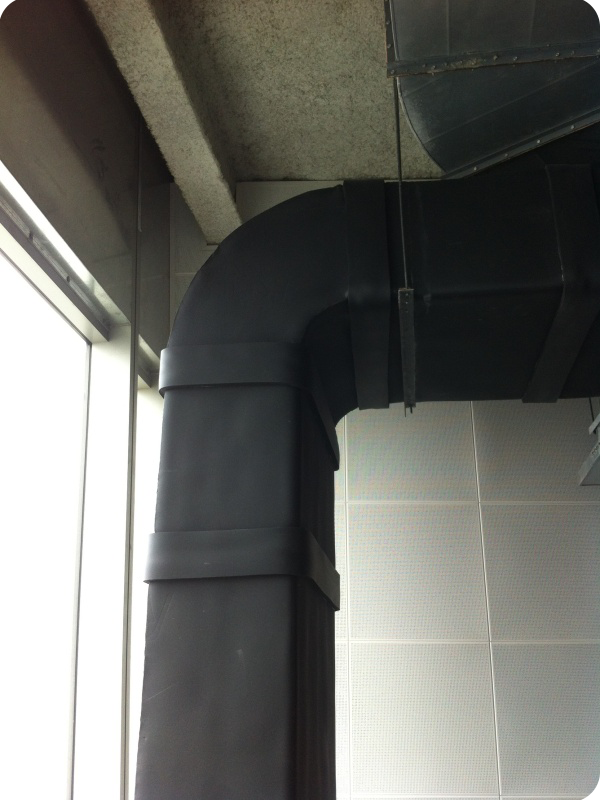
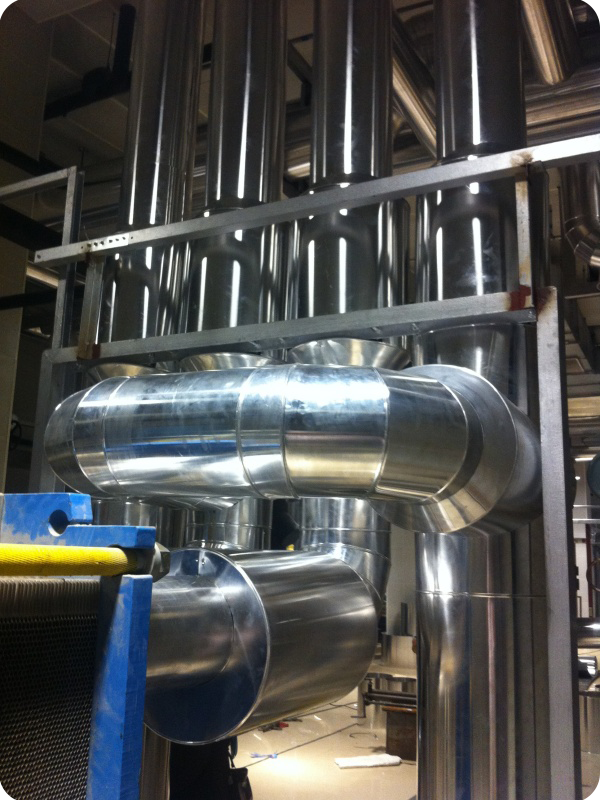
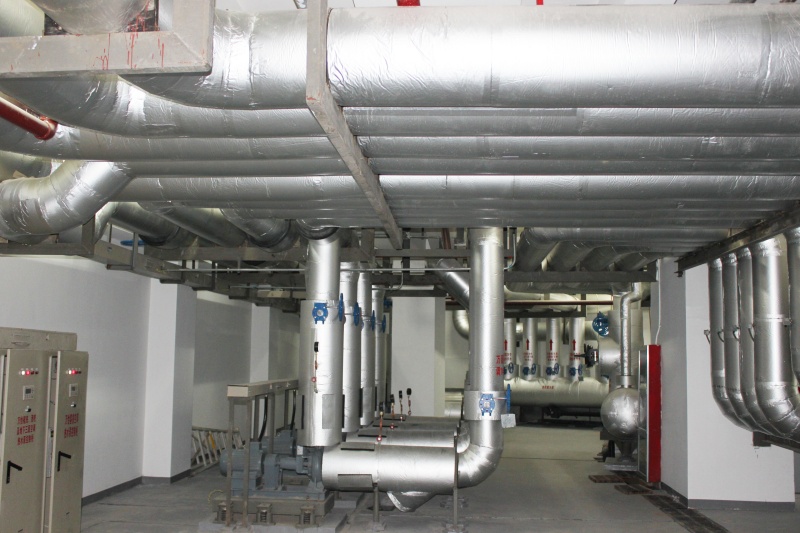
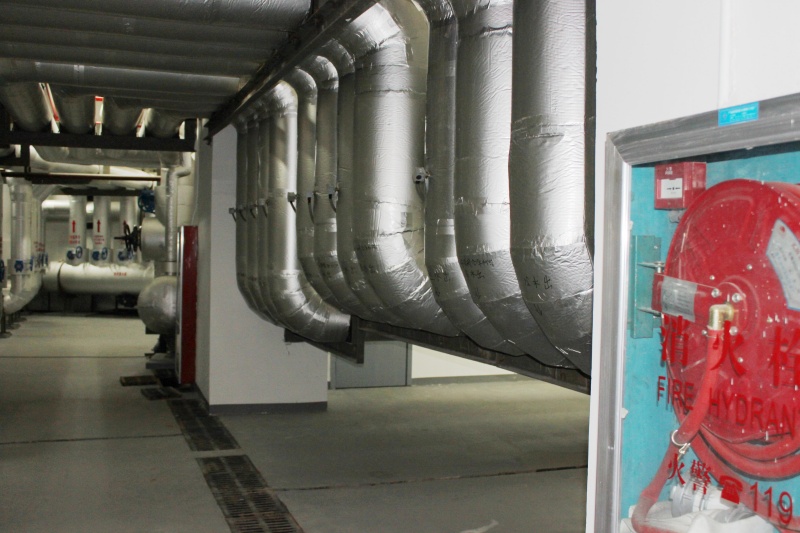
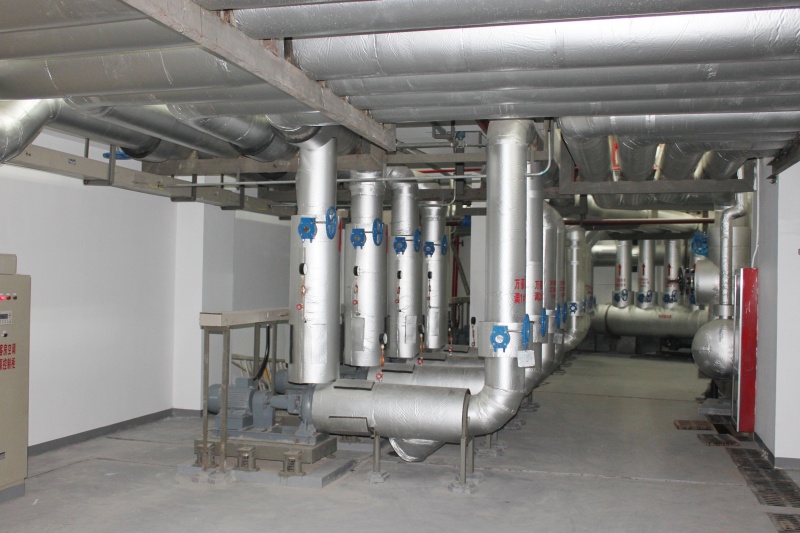
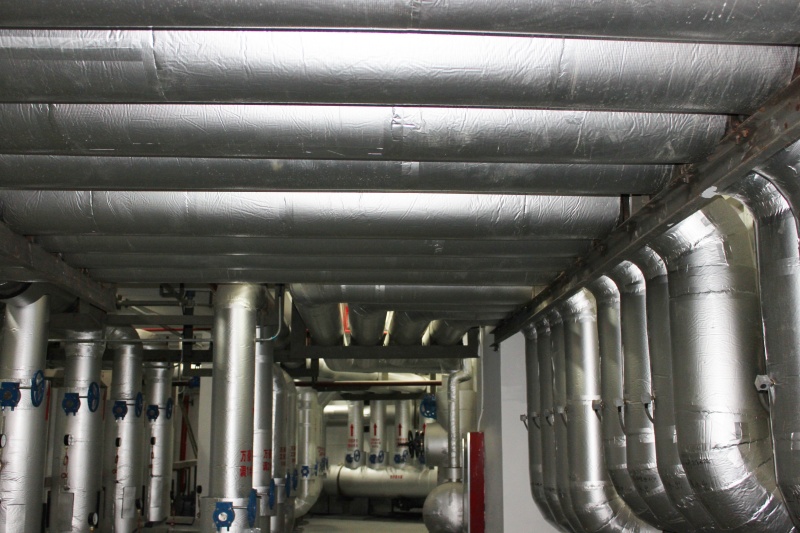
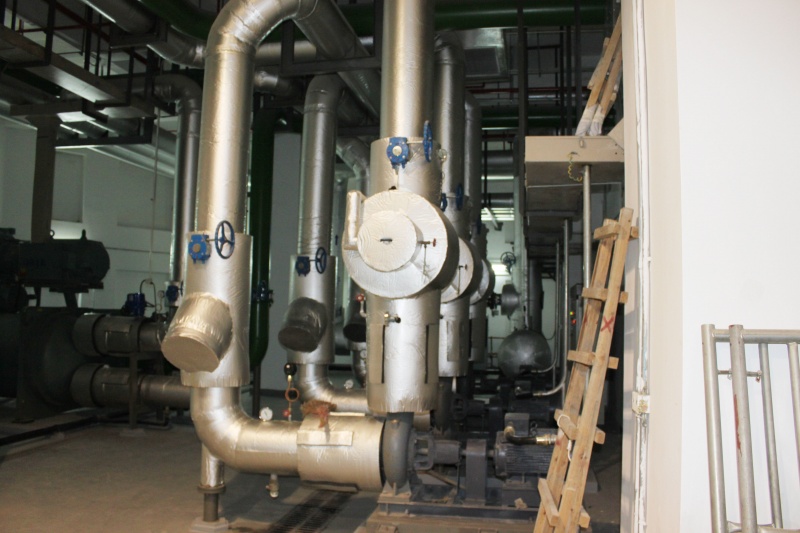
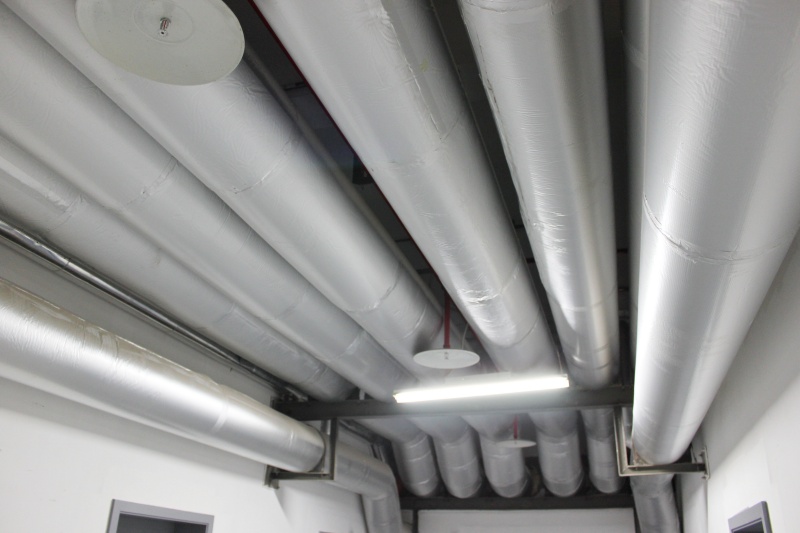
In central air conditioning and mechanical ventilation, commercial air ducts are prone to heat gain and structural condensation. Applying aluminum-foil-faced glass wool felt wrapping provides an immediate external insulation layer. The foil facing ensures no humid ambient air breaches the fibrous insulation core, preventing structural sagging, mold formation, and deterioration of the glass fibers.
For large industrial warehouses, sports complexes, and agricultural centers, metal roofs and walls absorb massive amounts of radiant solar energy. Installing a continuous layer of foil-backed glass wool felt under the metal cladding restricts conductive and radiant heat entry. The facing provides a clean, bright, and reflective interior surface that reduces artificial lighting energy requirements.
Beyond thermal performance, the highly porous structure of glass fibers absorbs acoustic waves. Mechanical rooms housing large chillers, generators, or pumps utilize aluminum-faced glass wool panels on walls and ceilings to control reverberation times and maintain building noise criteria (NC) ratings.
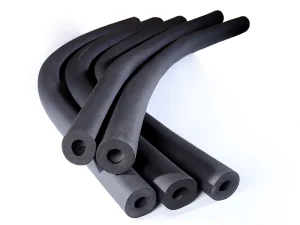
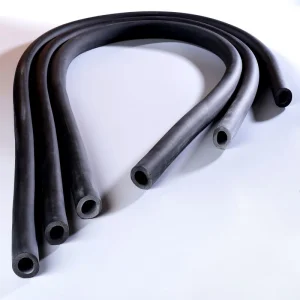
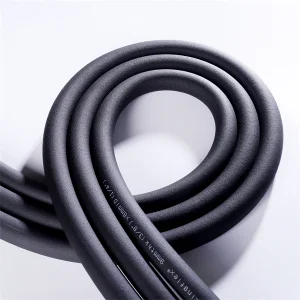
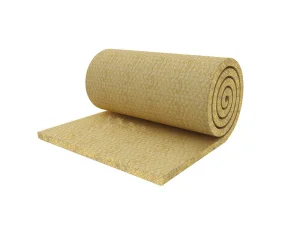
To ensure transparency and help buyers make informed decisions, we have compared the parameters of our Glass Wool Insulation Felt (with one side aluminum foil) with alternative thermal barriers manufactured by Kingflex. This enables designers to select materials that correspond precisely to operating temperature, fire safety, and structural requirements.
| Performance Criteria | Glass Wool Felt (with Foil Facing) | Elastomeric NBR/PVC Rubber Foam | Rock Wool Thermal Blanket |
|---|---|---|---|
| Core Density | 12 to 48 kg/m³ | 40 to 55 kg/m³ | 60 to 150 kg/m³ |
| Service Temperature | -120℃ to 400℃ | -40℃ to 105℃ | -250℃ to 650℃ |
| Thermal Conductivity (K-value) | 0.033 to 0.042 W/(m·K) (at 25℃) | 0.032 to 0.035 W/(m·K) (at 0℃) | 0.034 to 0.045 W/(m·K) (at 25℃) |
| Vapor Barrier Performance | Excellent (via Aluminum Foil layer) | Inherent (Closed-cell structure) | Low (Requires external cladding) |
| Fire Classification | Class A / Class 0 Non-Combustible | Class 0 / Class 1 Flame Retardant | Class A1 Non-Combustible |
| Primary Applications | HVAC Ducts, Steel Roofs, Industrial Tanks | Chilled Water Pipes, Cold Systems, HVAC | High-temp Steam Pipes, Furnace Walls |
For over four decades, Jinwei Group and Kingflex Insulation have led the green building materials sector with reliable engineering quality.
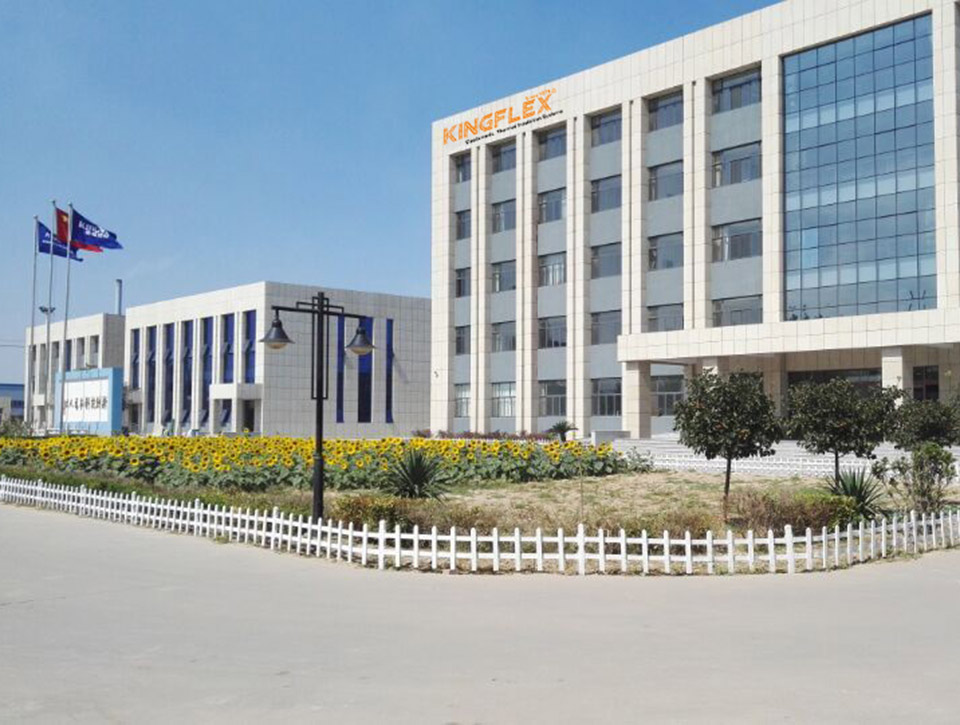
Kingflex Insulation Co., Ltd. is a professional manufacturing and trading combo for high-end thermal insulation products. Our research, development, and state-of-the-art production departments are situated in Dacheng, China—recognized globally as the capital of energy-efficient and green building materials.
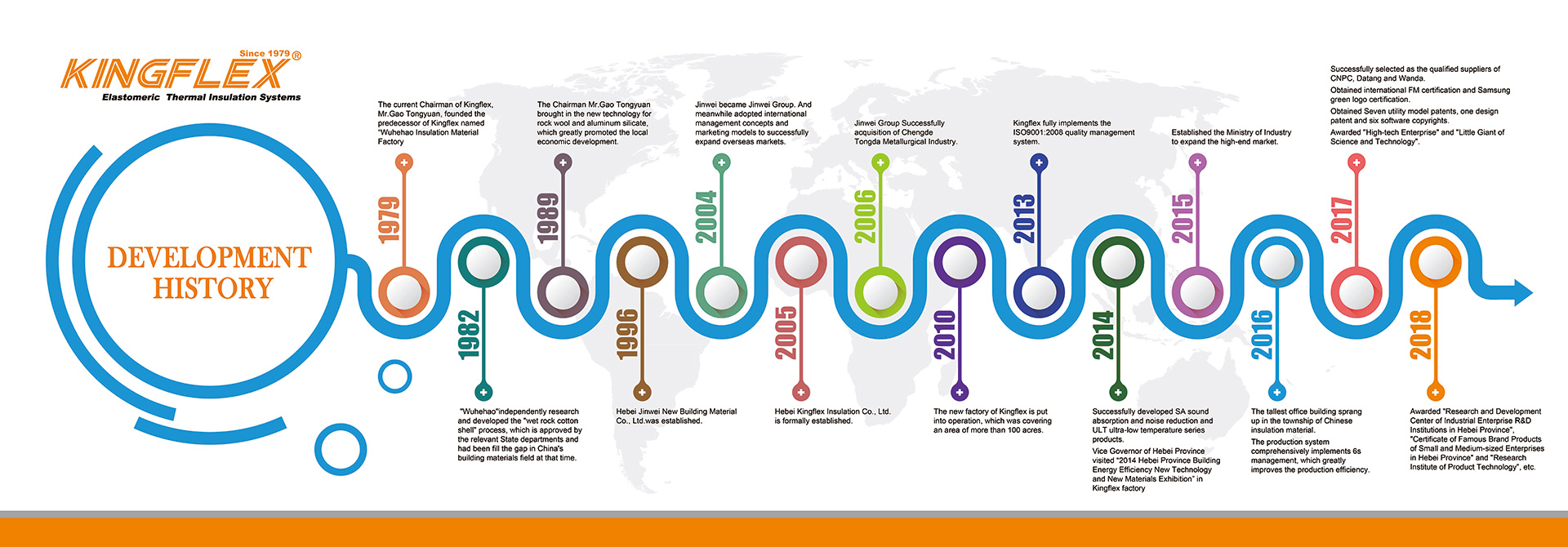
Established by the Jinwei Group, which boasts a rich heritage spanning more than 40 years since its inception in 1979, we were the first manufacturer of thermal insulation materials north of the Yangtze River. Today, we supply custom thermal, cold, and acoustic insulation solutions globally, incorporating consulting, R&D, structural guide design, and responsive post-sale services.
At present, Kingflex operates 5 large automatic assembly lines, yielding an annual production capacity of more than 600,000 cubic meters. This robust infrastructure has earned us designated production partner status from the Ministry of Energy, the Ministry of Electric Power, and the Ministry of Chemical Industry in China.
Years of Manufacturing Heritage
M³ Annual Output Capacity
Exporting Countries Globally
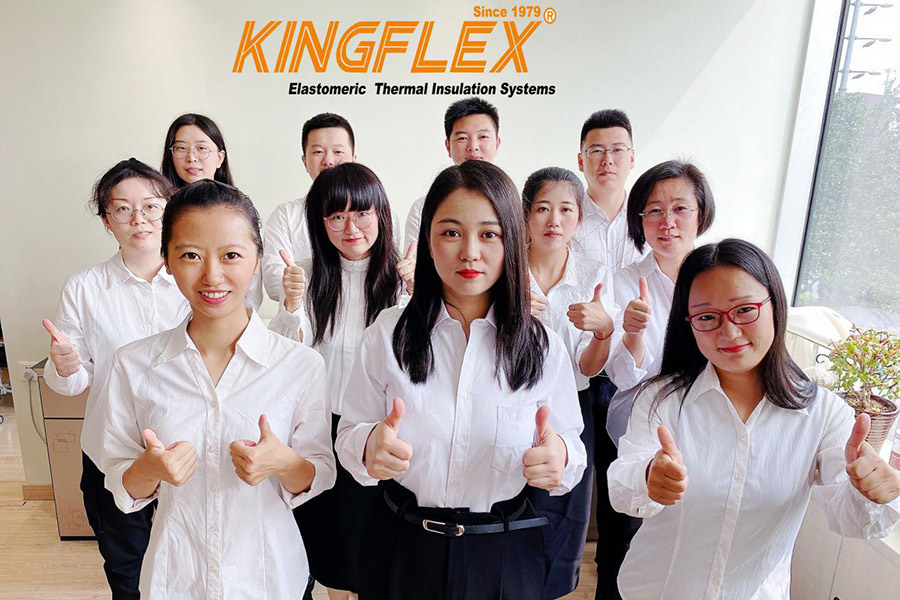
Senior R&D Engineers
Certified insulation materials that guarantee traceablity, strict fire safety performance, and adherence to international environmental laws.
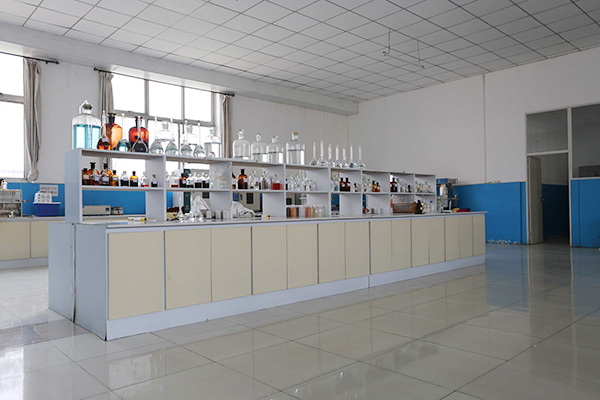
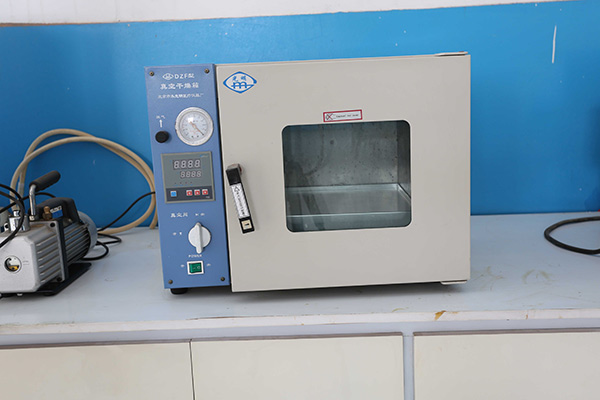
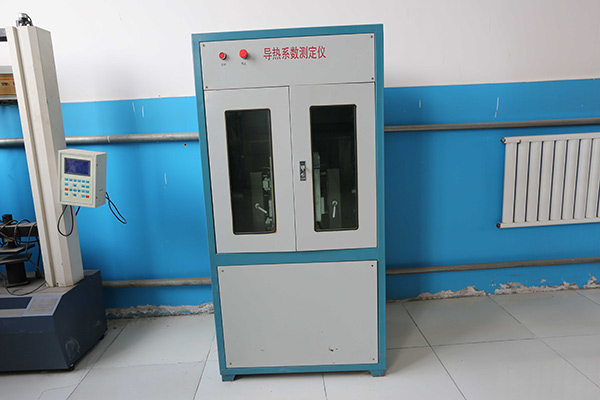
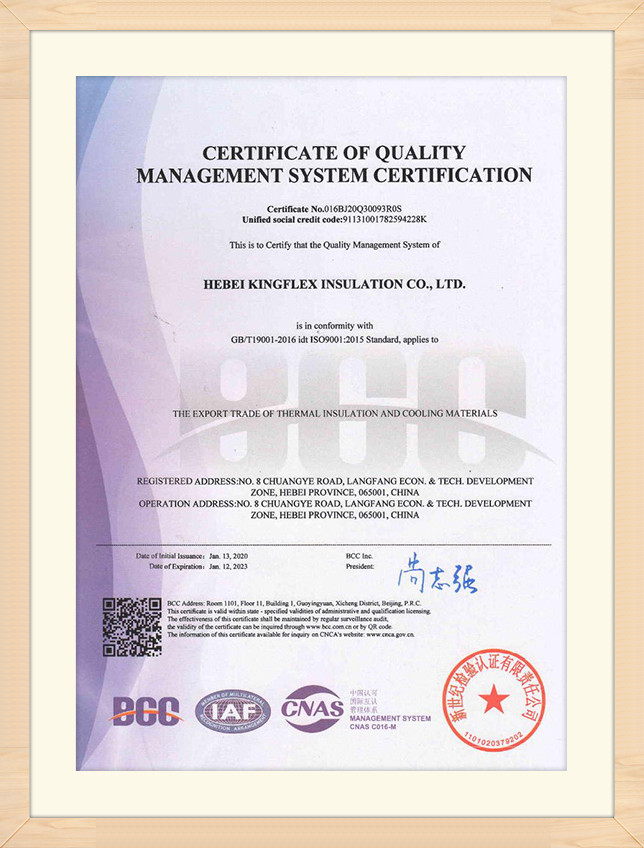
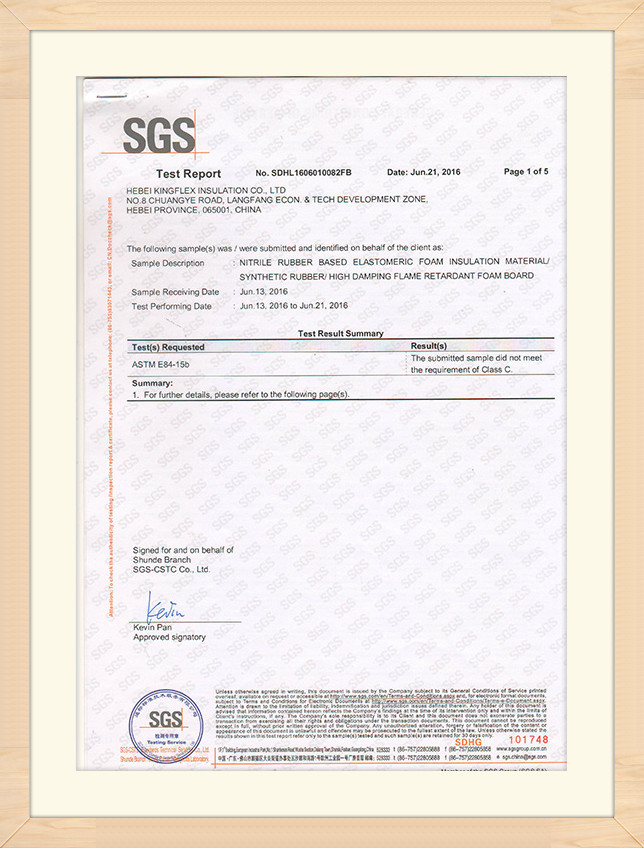
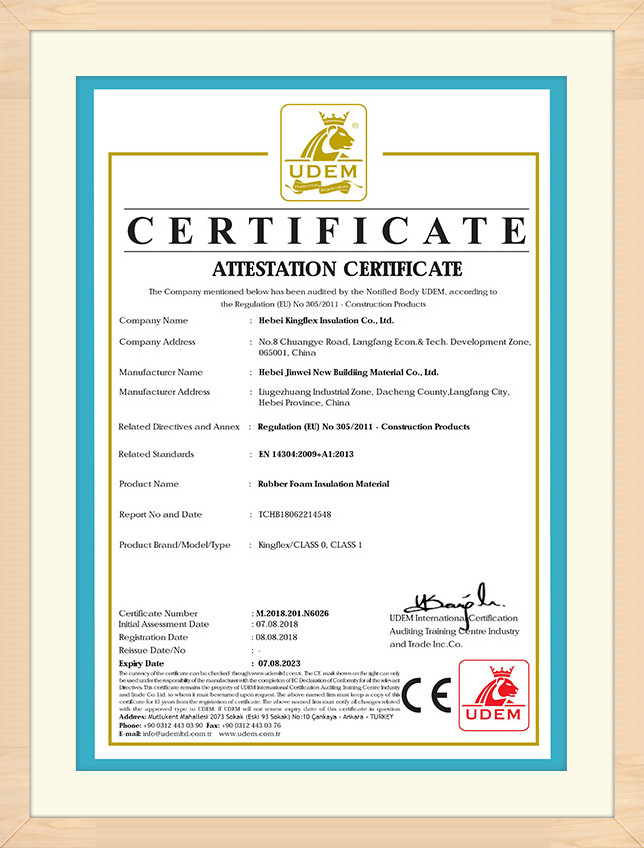
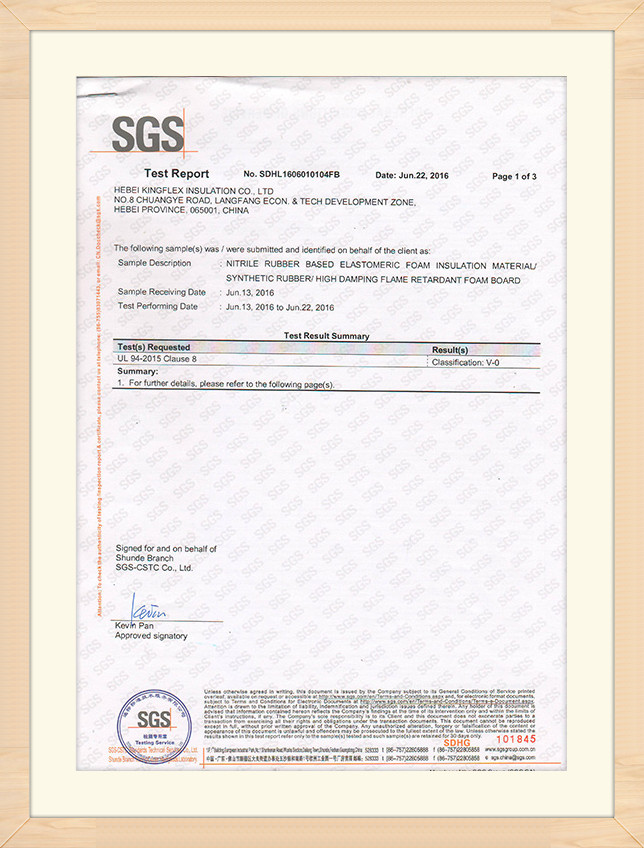
At Kingflex, we believe that compliance is non-negotiable. Our complete line of glass wool, rock wool, and elastomeric rubber foam insulation products undergo systematic third-party testing. We hold approvals validating conformance to British Standard BS 476 Parts 6 & 7 (Class 0 and Class 1), CE marking for European distribution, REACH and RoHS compliance for hazardous chemical restriction, and UL94 / ASTM material ratings.
To support high-tier commercial installations, our plant employs a digital traceability mechanism. Every production roll is marked with manufacturing timestamps, line identifiers, and material grade stamps. In the rare event of a performance variation, trace records enable immediate structural investigations, ensuring minimal downtime on job sites.
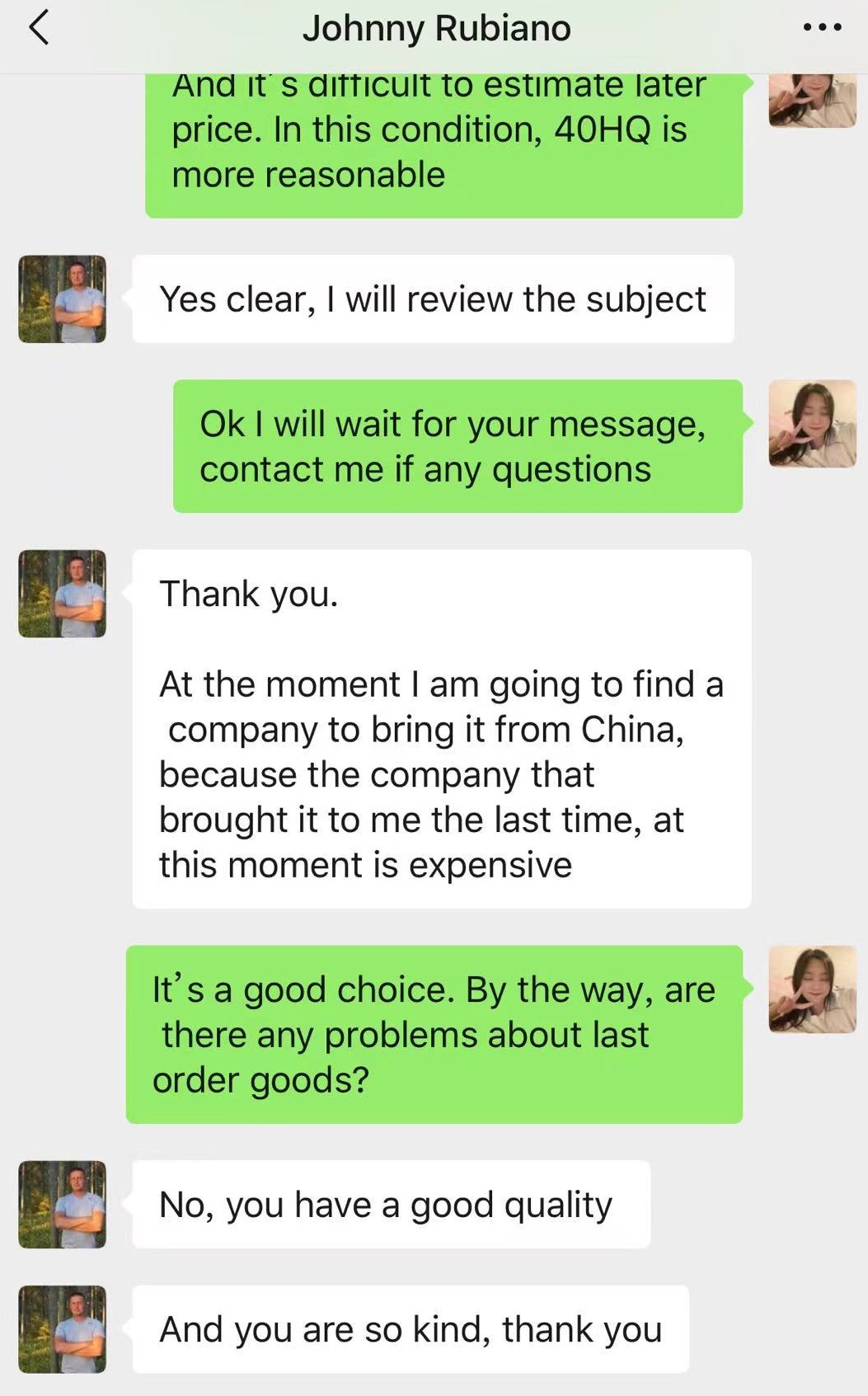
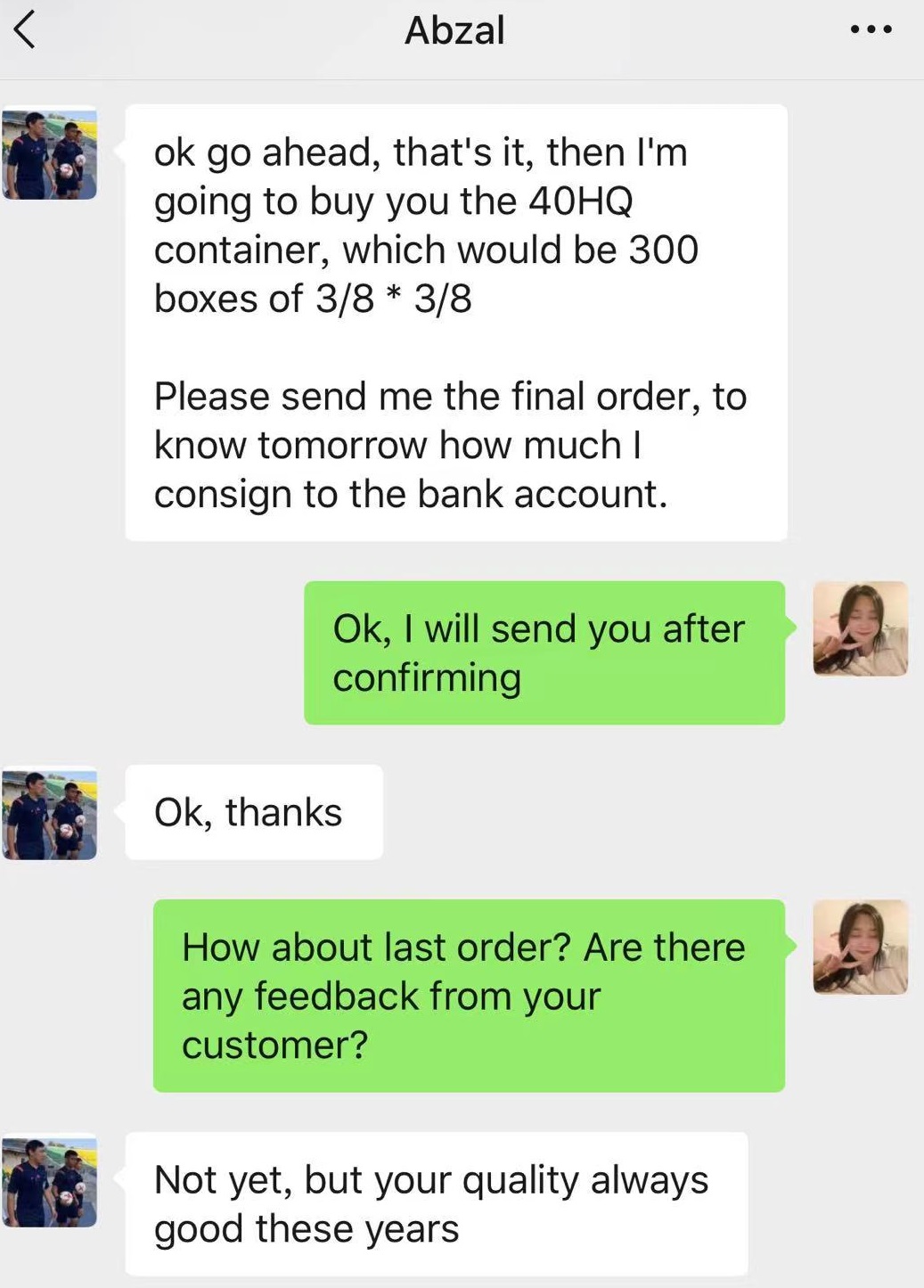
Over the past 16 years, we have exported to more than 66 countries, maintaining long-term partnerships through prompt communication, transparent technical support, and competitive FOB/CIF shipping arrangements.
The global insulation industry is moving towards low-carbon manufacturing, high-density fiber composites, and zero-VOC binder systems. As regulatory compliance deepens, the research and development pipeline at Kingflex focuses on three specific technological horizons:
Transitioning from traditional urea-formaldehyde binders to bio-soluble plant extract starch resins. This transition reduces emission rates during installation and ensures complete safety for HVAC air supply loops.
Developing thick composite metallic films combining aluminum, high-strength scrim, polyester base films, and UV inhibitors to increase tear resistance, outdoor survival lifetime, and mechanical durability.
Upgrading gas-fired melting cupolas to hybrid electrical induction furnaces. Incorporating up to 80% recycled container glass and flat glass cullet into the raw batch material to reduce carbon footprint.
Review the dimension guidelines, performance limits, and site installation layouts utilized by our technical division.
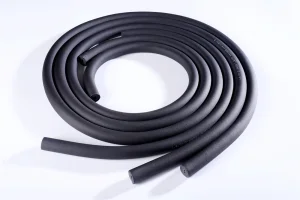
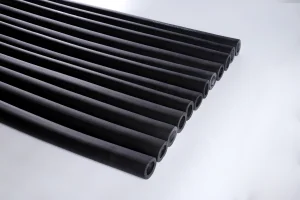
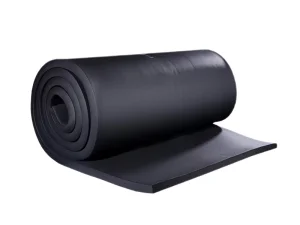
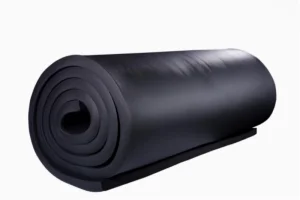
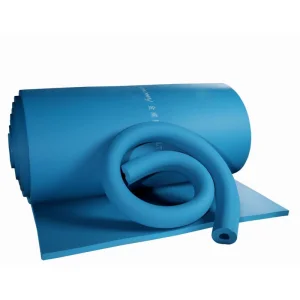
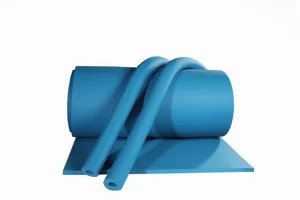
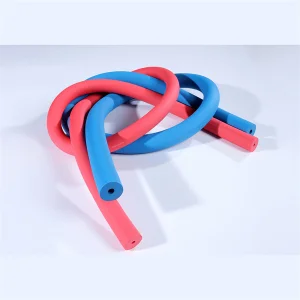
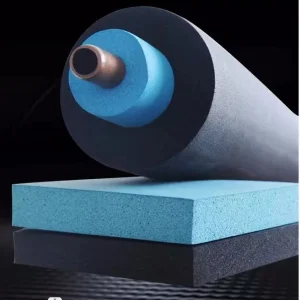
In addition to glass wool felt, we produce closed-cell elastomeric rubber foam sheets to meet comprehensive project criteria.
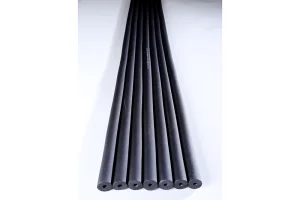
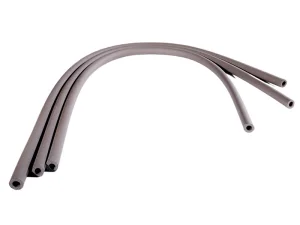
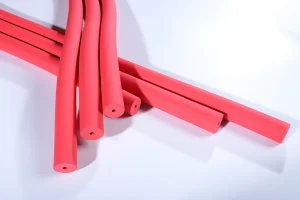
Designed for pipeline thermal protection and anti-freezing configurations across HVAC and industrial plants.
Technical answers supporting engineering design, purchasing compliance, and bulk import processes.
Ensure complete engineering coverage with additional Kingflex certified insulation assemblies, cryogenic foils, and rock wool blankets.
High closed-cell density elastomer sheets, tubing, and soundproofing composites for civil HVAC projects.
Aluminum foil faced rolls and acoustic insulation materials for high-span steel frame halls.
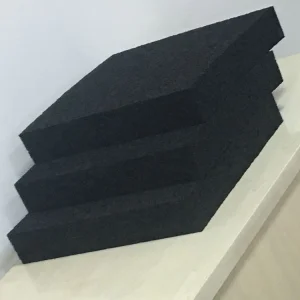
High density rigid insulation boards and wire mesh thermal blankets for chemical heat process pipelines.