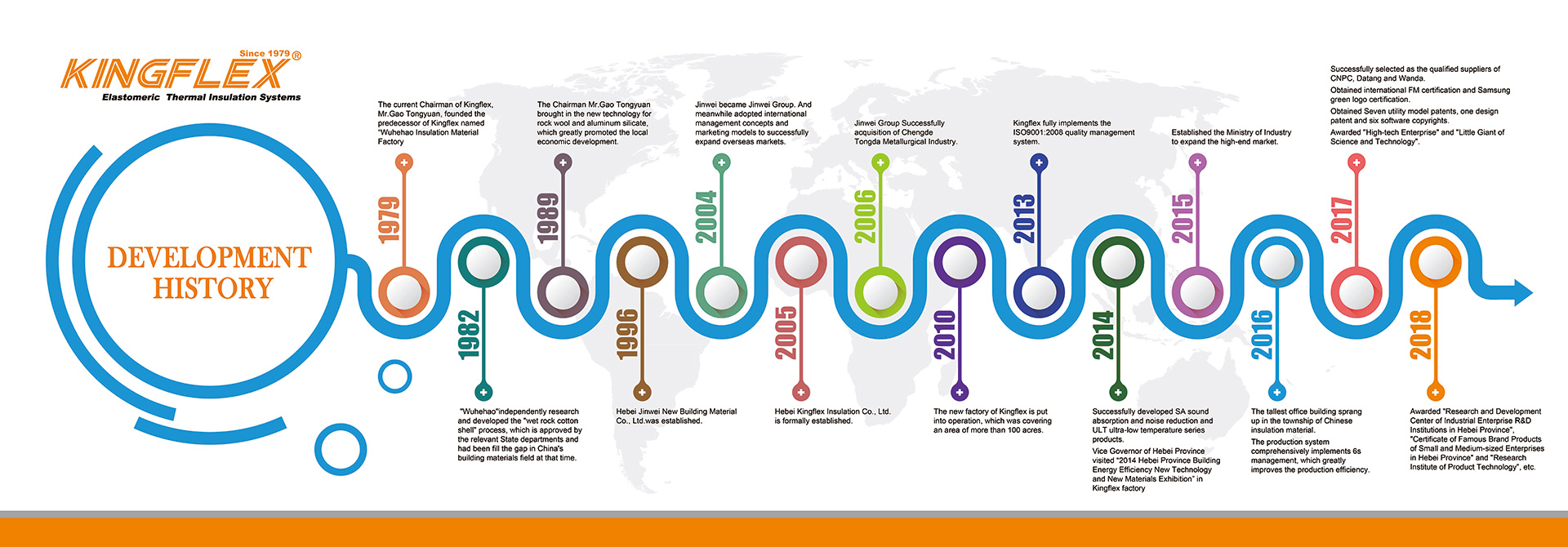
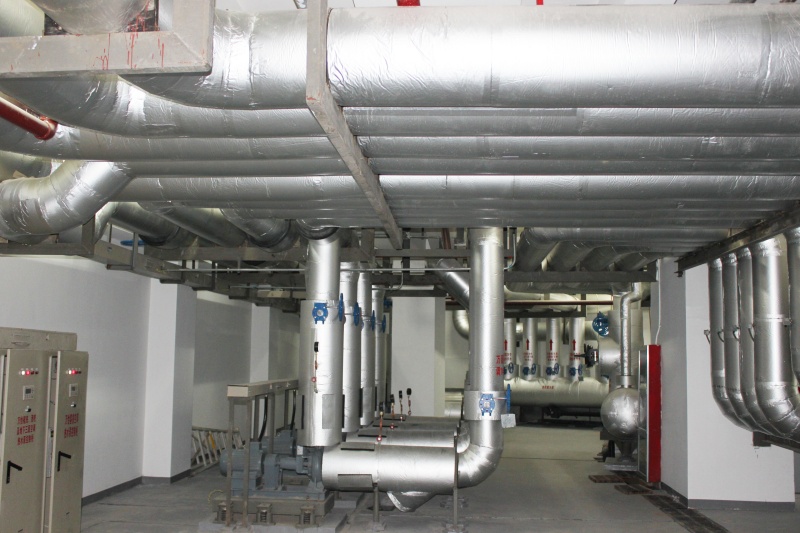
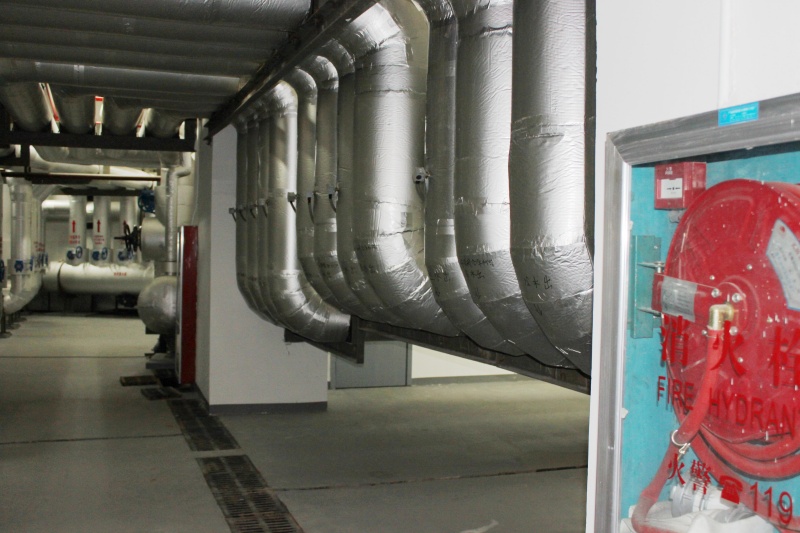
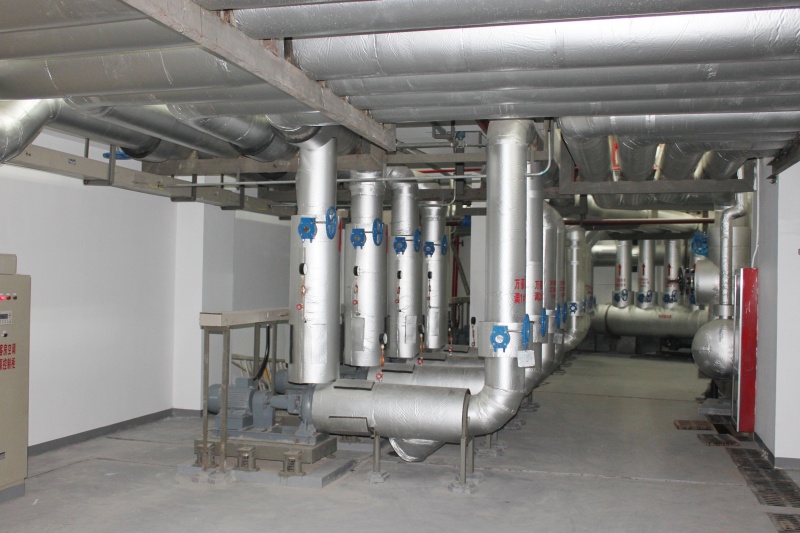
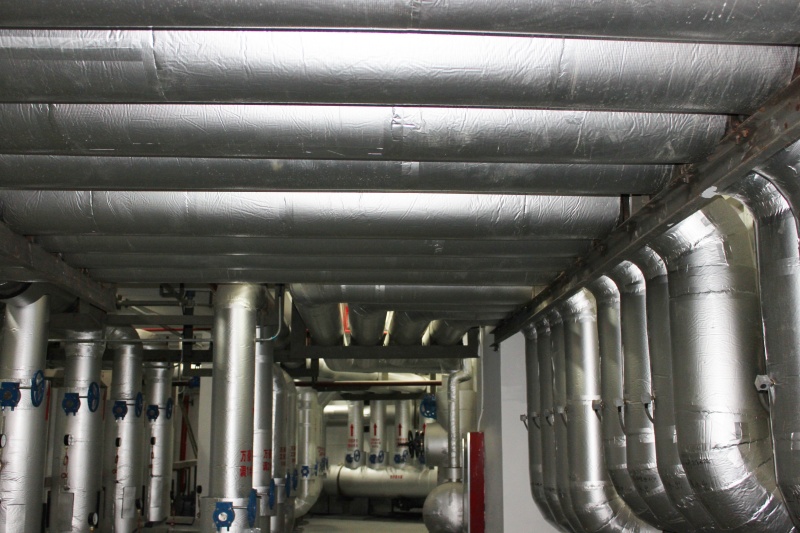
In the era of rapid global climate transition and strict environmental regulations, mechanical insulation has evolved from a simple construction standard to a vital engineering tool for carbon mitigation. Kingflex Insulation Co., Ltd., drawing from over 40 years of manufacturing experience under the Jinwei Group (founded in 1979), stands at the forefront of this industrial revolution.
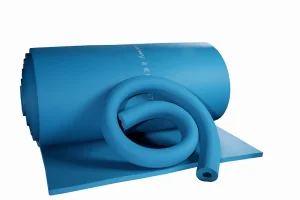
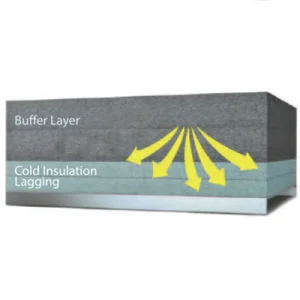
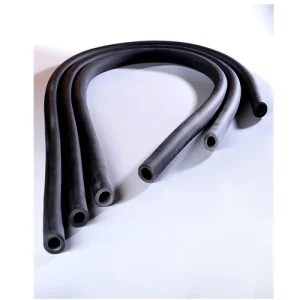
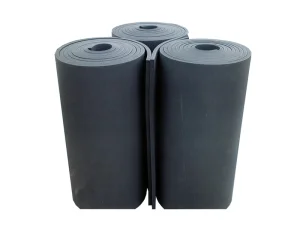
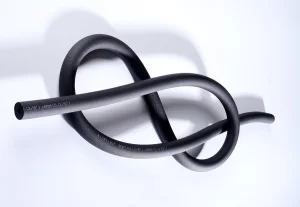
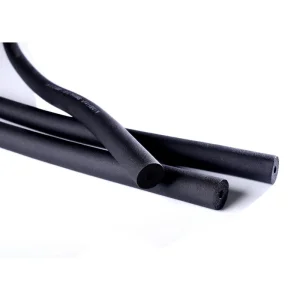
While Glass Wool insulation provides outstanding thermal resistance (R-value), non-combustibility, and acoustic damping for high-temperature and structural applications, closed-cell elastomeric rubber foam excels in moisture control, sub-zero protection, and flexible duct lining. Together, these technologies cover the complete range of modern industrial and commercial insulation requirements.
"Thermal efficiency is not just about temperature control; it is about systemic resource conservation, structural security, and acoustic control in high-stress industrial environments."
International regulations like the EU Green Deal and ASHRAE Standard 90.1 drive the demand for high-performance insulation. Mechanical systems in buildings account for nearly 40% of energy usage; optimization using Glass Wool and Elastomeric materials directly reduces baseline operational carbon emissions.
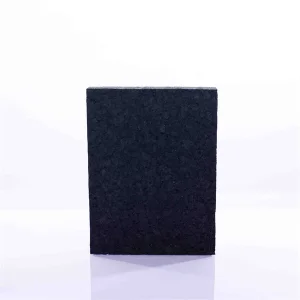
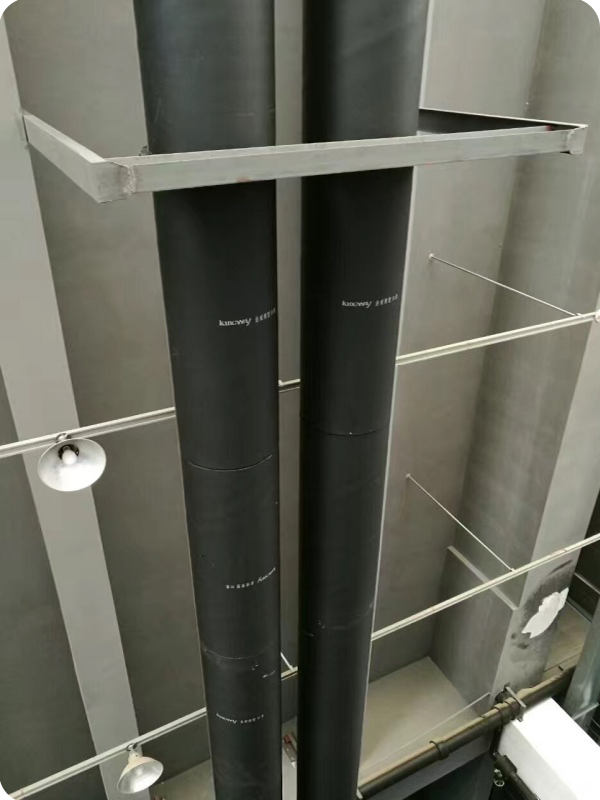
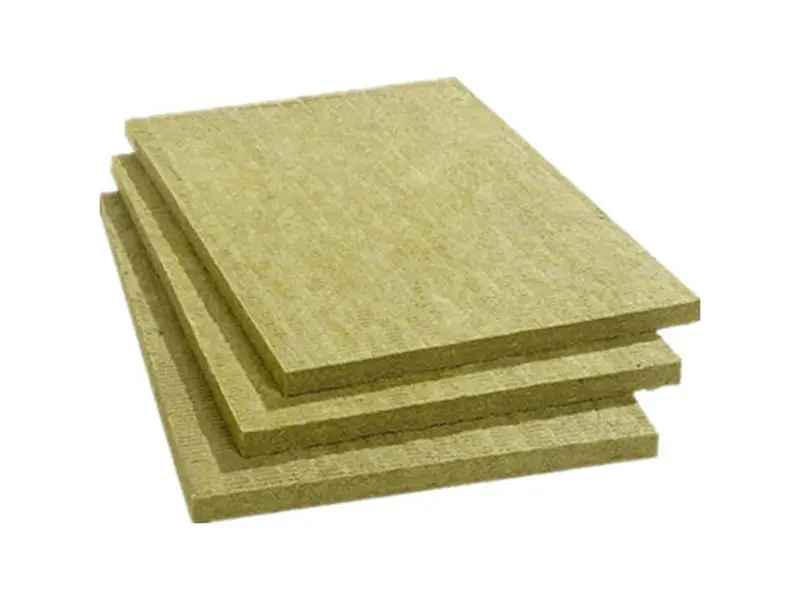
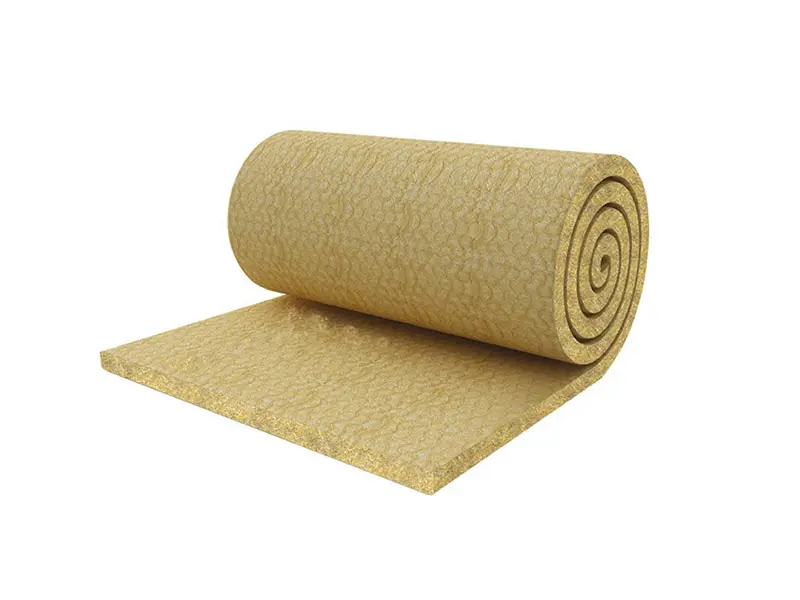
In heavy process industries—petrochemical refining, steam transport, and electrical generation—operating temperatures often exceed 300°C. High-density Glass Wool blankets, reinforced with specific binders, maintain structural integrity and low thermal conductivity (k-value) under extreme thermal stress.
Modern buildings require quiet indoor spaces. The open, fibrous matrix of Kingflex Glass Wool delivers sound absorption performance, with a Noise Reduction Coefficient (NRC) exceeding 0.85, making it suitable for HVAC duct liners, drywall partitions, and mechanical room enclosures.
To optimize mechanical systems, engineers must understand the specific properties of different insulation materials. Below is a comparative technical analysis of Glass Wool and Elastomeric Rubber Foam.
| Technical Property | Kingflex Glass Wool Insulation | Kingflex Elastomeric Rubber Foam |
|---|---|---|
| Basic Material Composition | Inorganic glass fibers bonded with thermosetting resins | Closed-cell Nitrile Butadiene Rubber / Polyvinyl Chloride (NBR/PVC) |
| Operating Temp Range | -120°C up to +400°C (depending on backing and density) | -40°C to +105°C (special formulations for cryogenic use down to -200°C) |
| Thermal Conductivity (λ) | 0.032 - 0.040 W/(m·K) at 20°C | 0.031 - 0.035 W/(m·K) at 0°C |
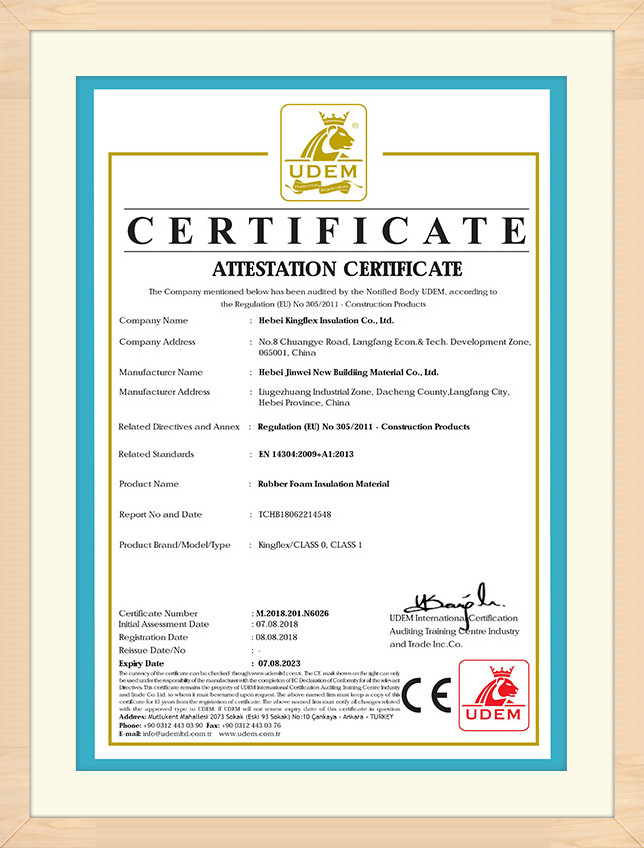
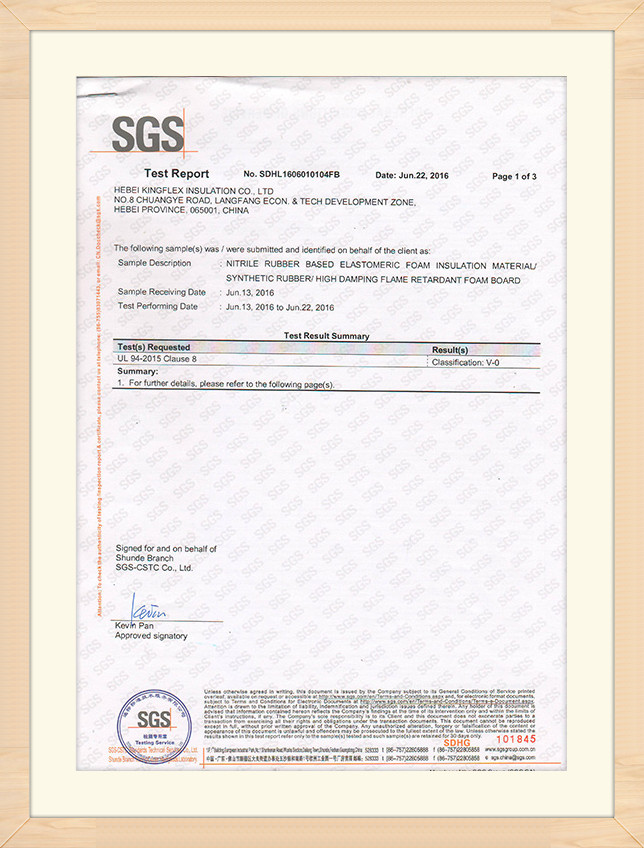
| Fire Performance Class | Class A1 / Class 0 (Non-combustible core) | Class 1 / Class 0 (Self-extinguishing, flame-retardant) |
| Moisture Permeability | High (requires external vapor barrier/foil jacket) | Very High Resistance (Built-in water vapor barrier, μ ≥ 10,000) |
| Acoustic Performance | Excellent sound absorption (NRC 0.85 - 0.95) | Moderate absorption (mainly used for vibration damping & sound barrier) |
| Primary Usage Scenario | Large-diameter steam pipes, high-temperature ducts, drywall panels | HVAC refrigerant lines, chilled water pipes, condensate drains |
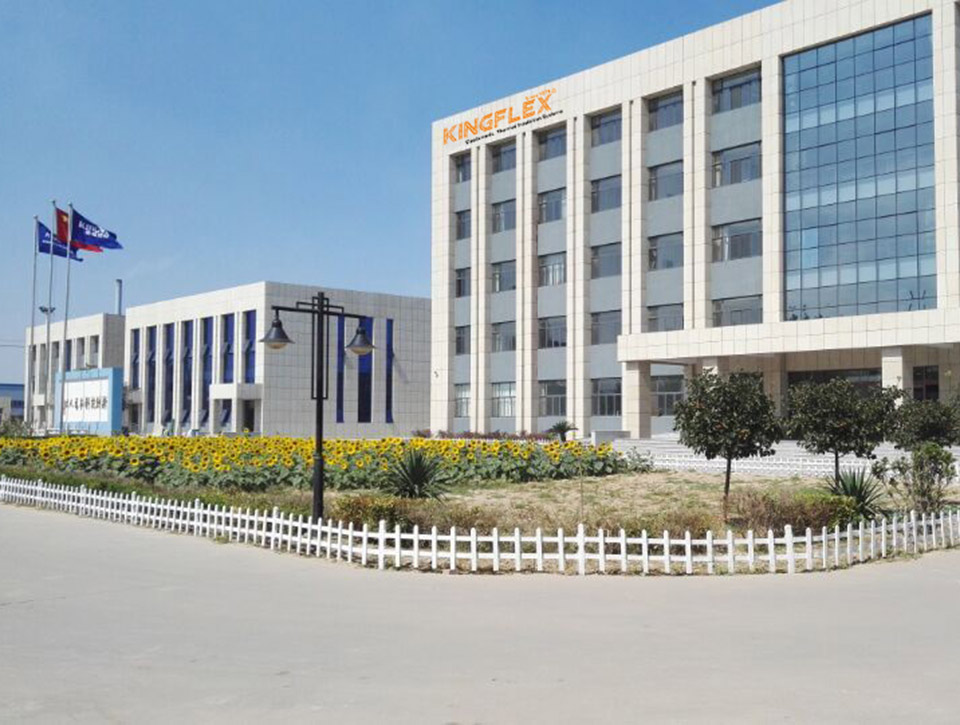
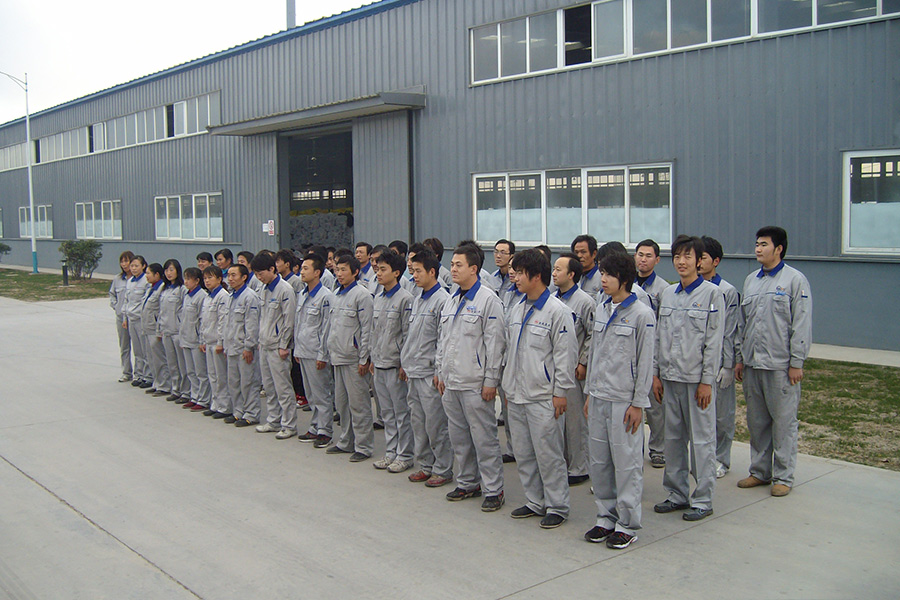
Kingflex’s manufacturing facility in Dacheng, China, features 5 large automatic assembly lines. The production process integrates high-temperature electric melting, precise centrifugal fiber formation, and advanced curing ovens to produce uniform glass fibers.
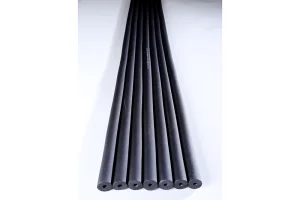
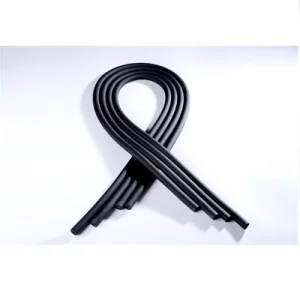
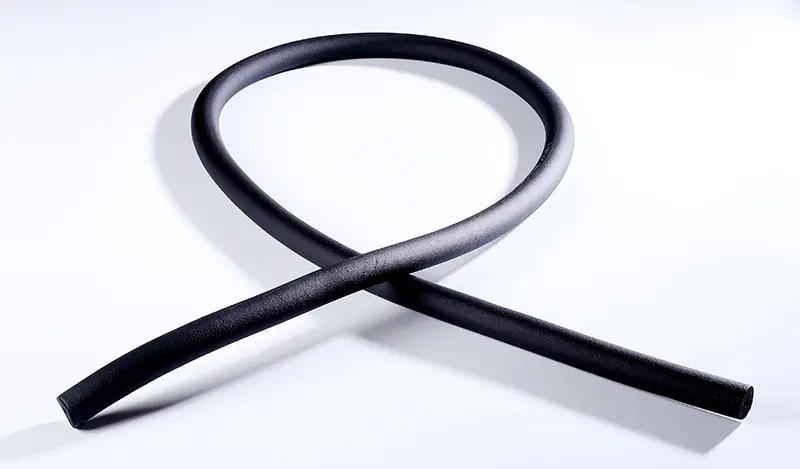
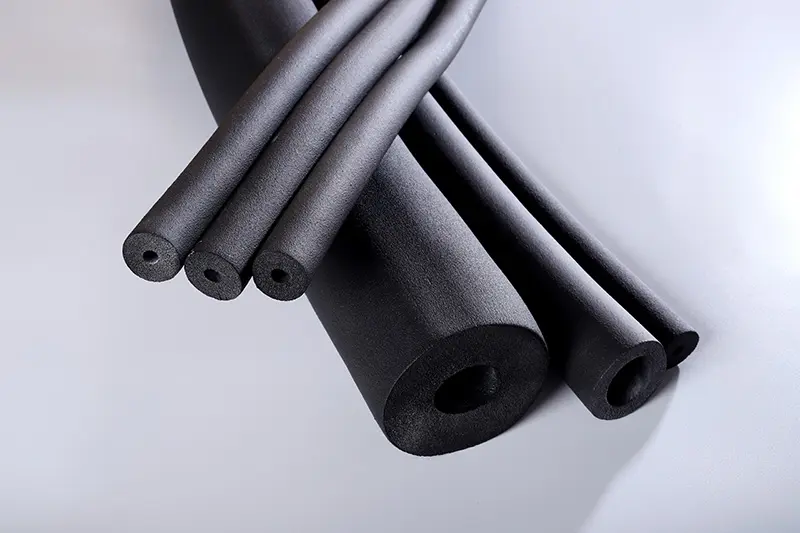
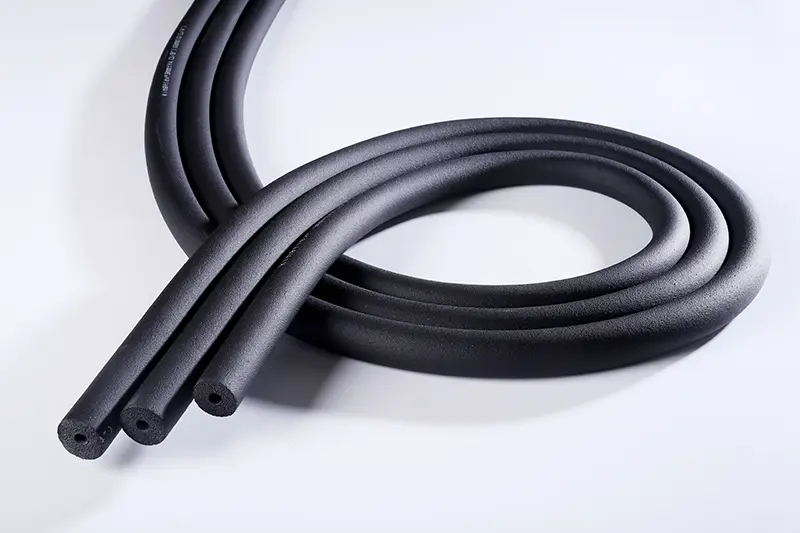
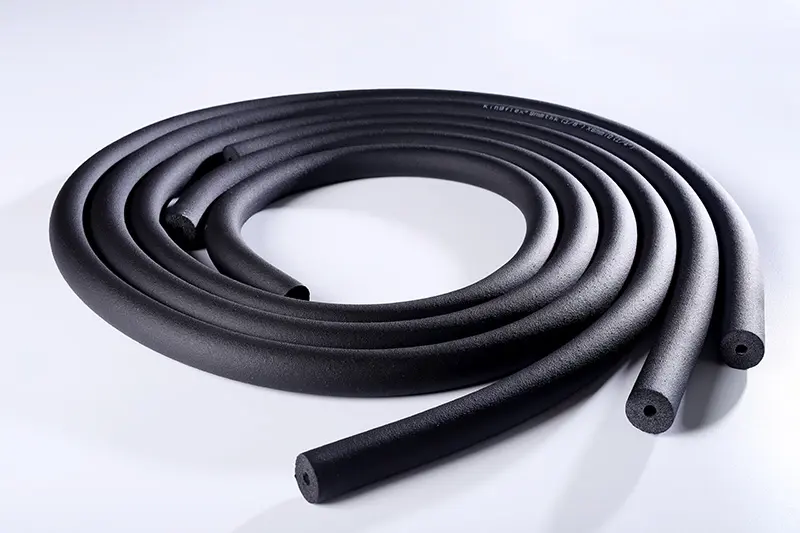
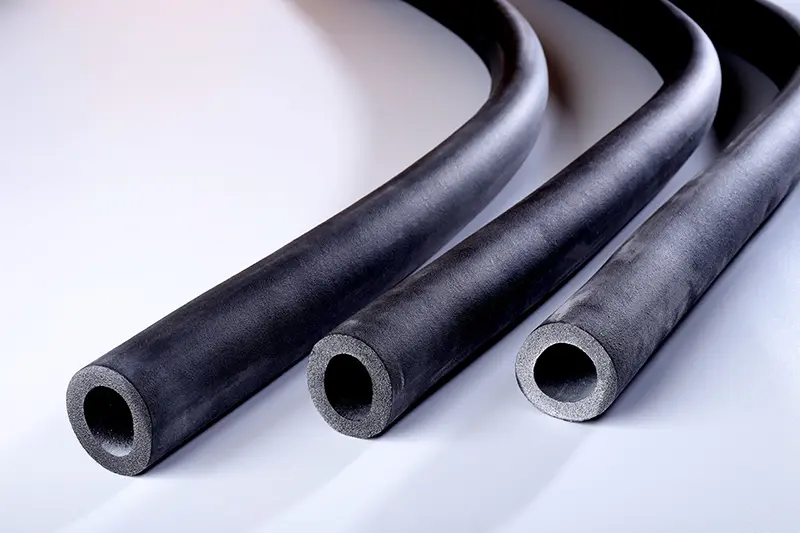
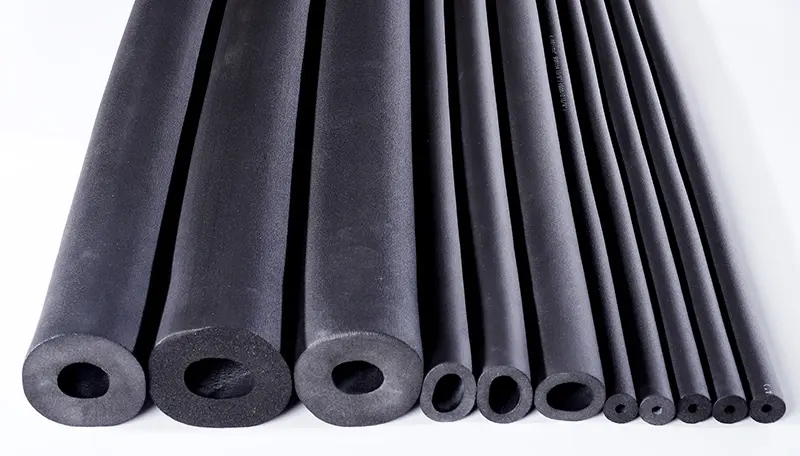
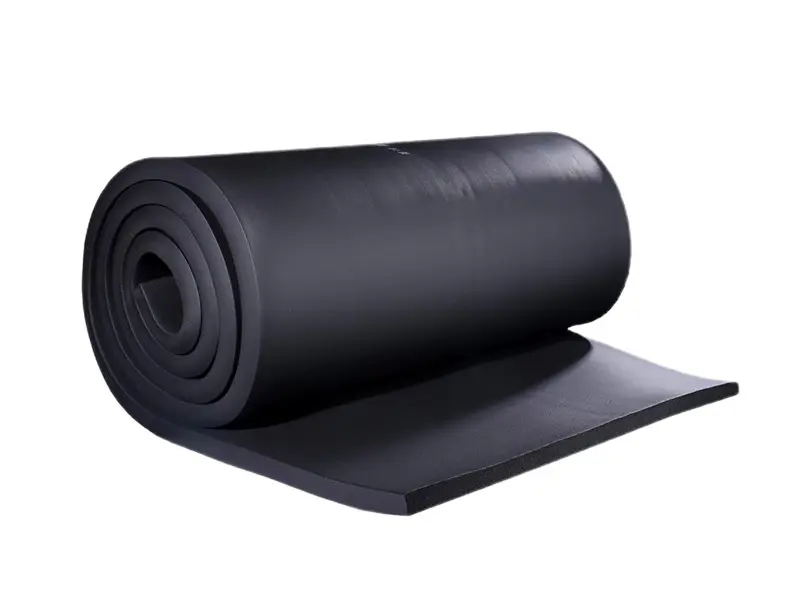
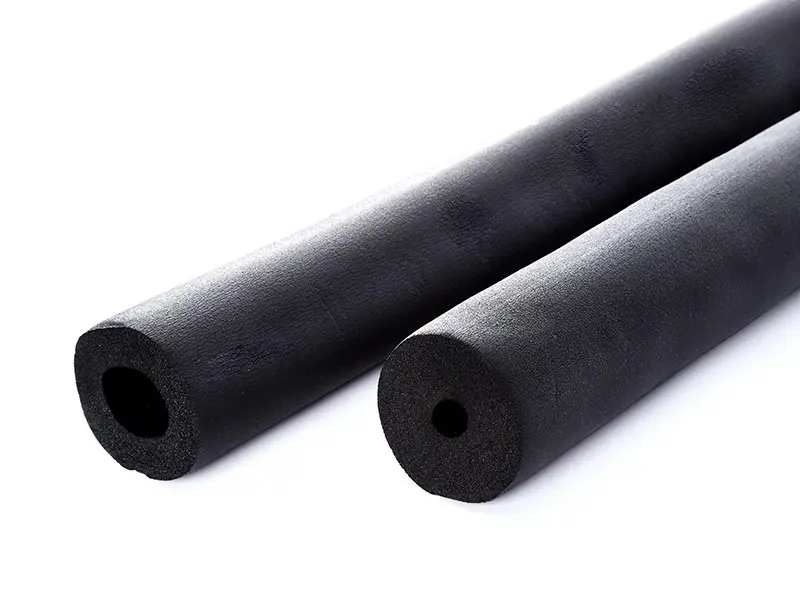
For our elastomeric rubber foam lines, we use a continuous vulcanization process. This system maintains cell structure control, ensuring a closed-cell rate of over 98%. This high rate is essential for prevention of water vapor intrusion and consistent thermal insulation performance.
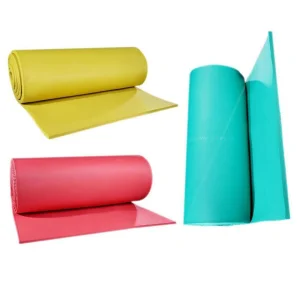
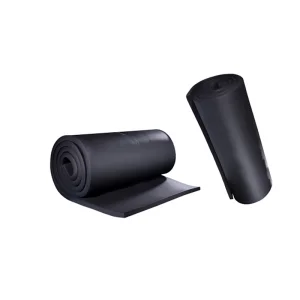
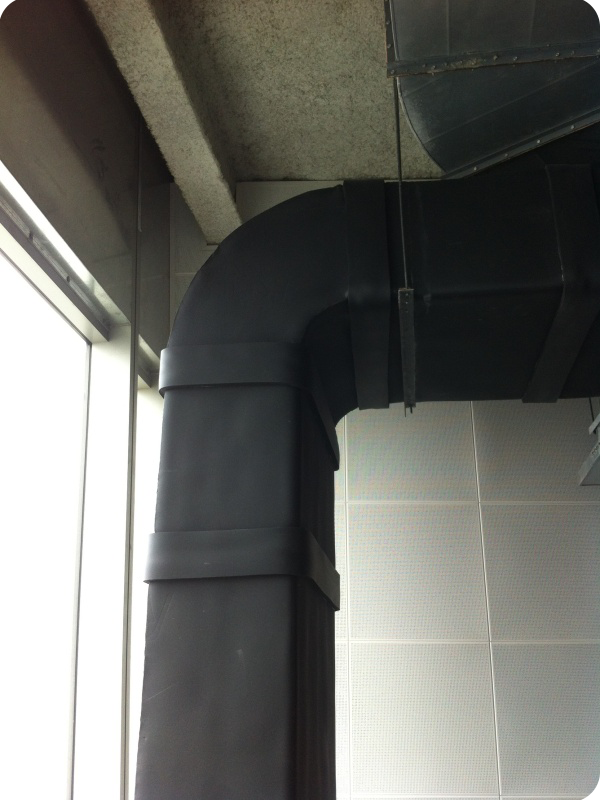
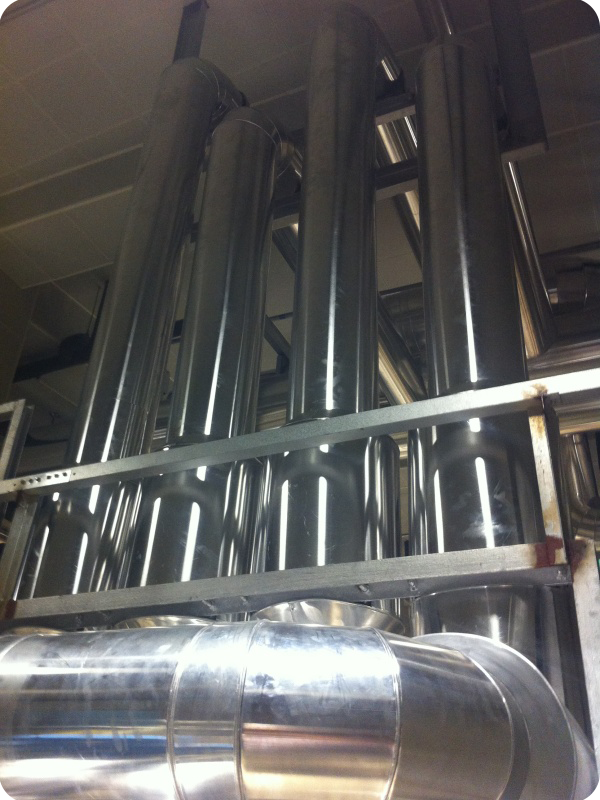
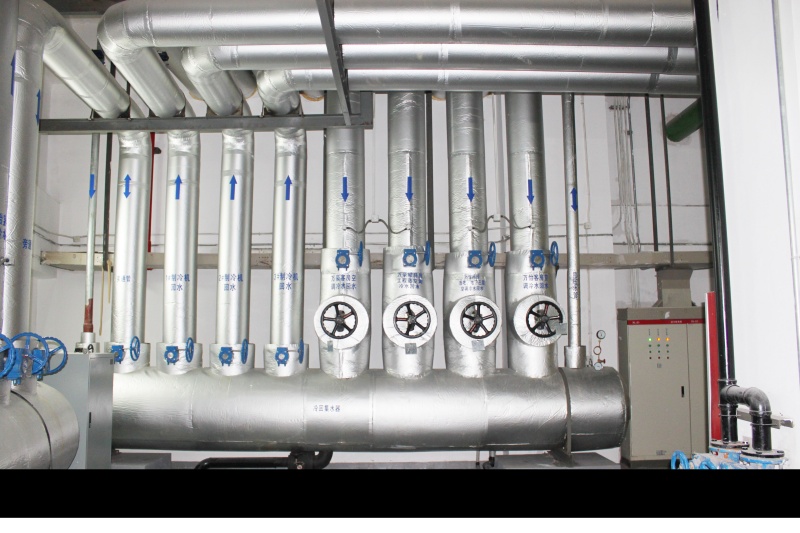
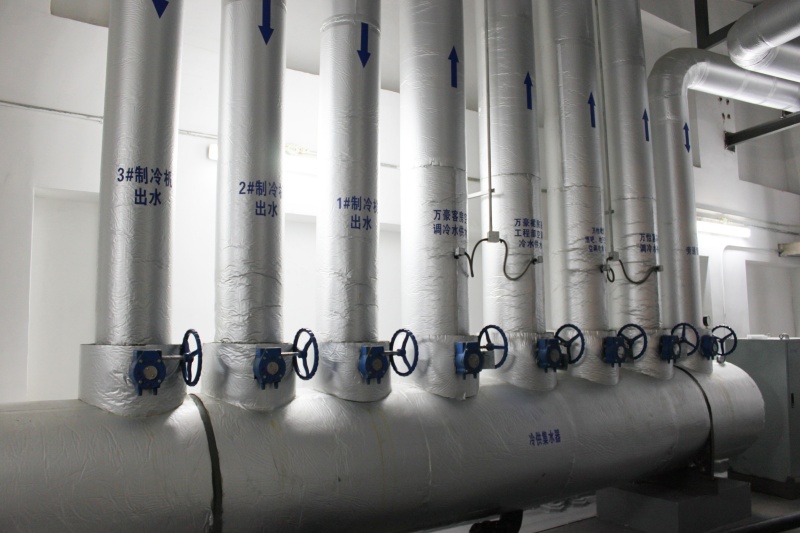
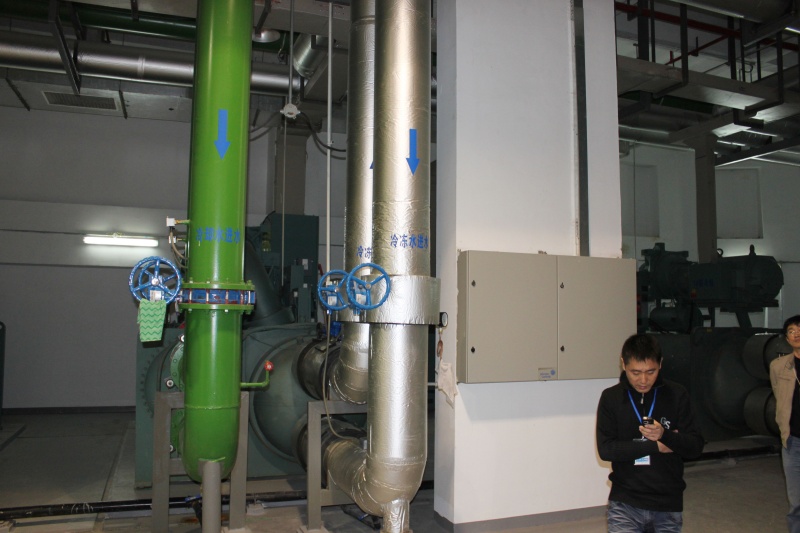
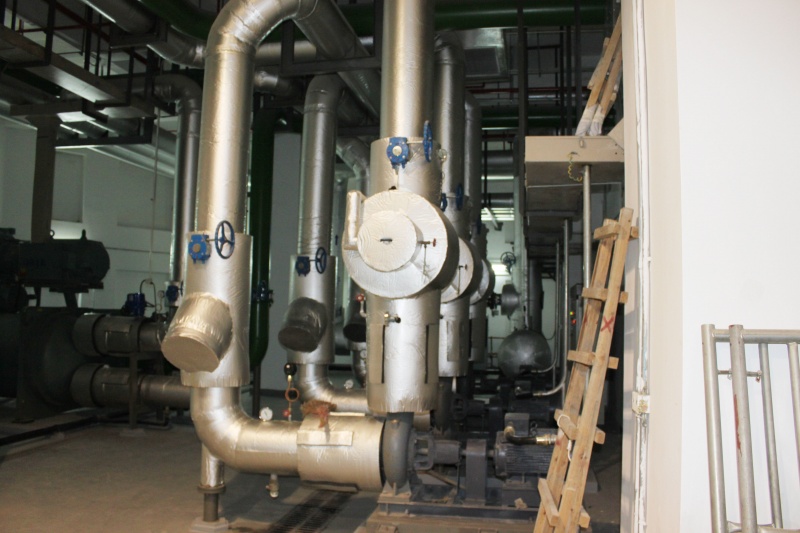
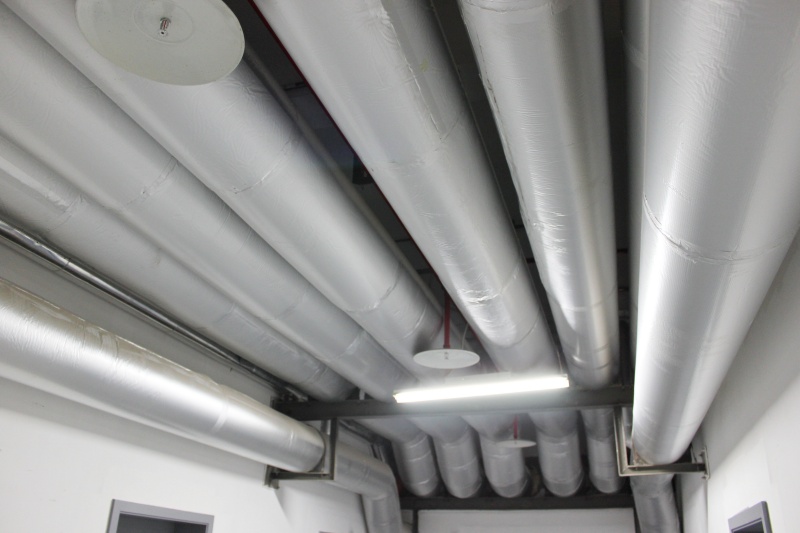
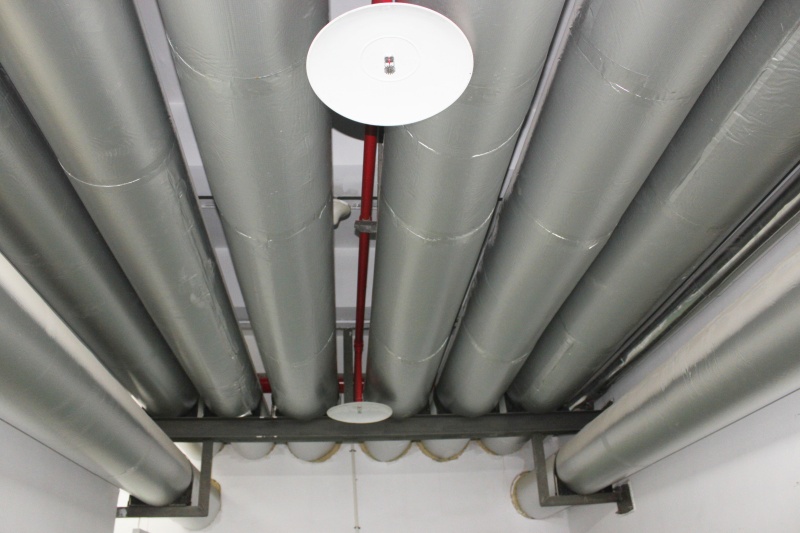
In hot and humid climates, HVAC duct systems can collect condensation quickly, which can lead to structural damage and mold growth. Kingflex closed-cell rubber sheets and pipes block ambient moisture migration. Additionally, our formaldeyhde-free glass wool boards provide acoustic dampening within double-walled supply ducts.
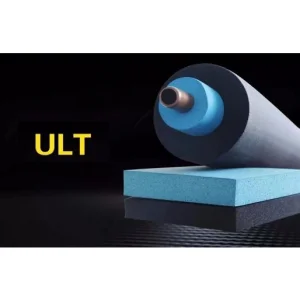
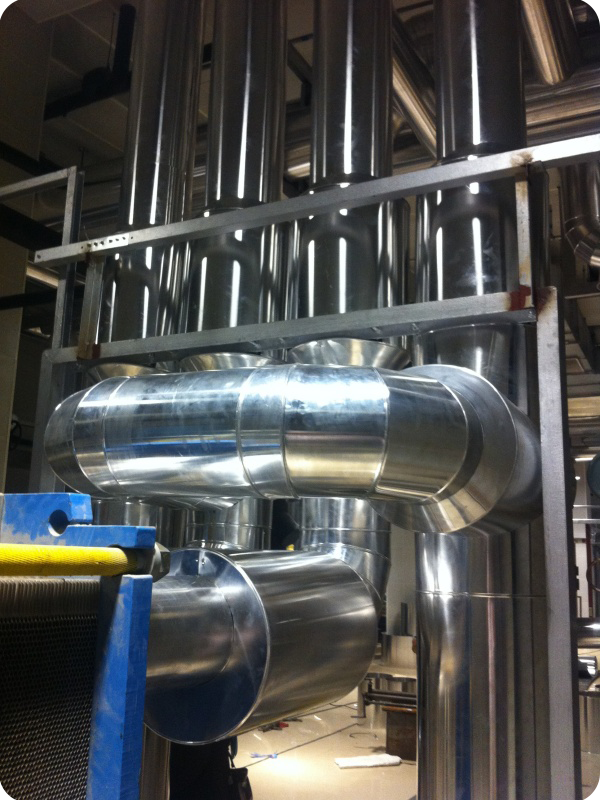
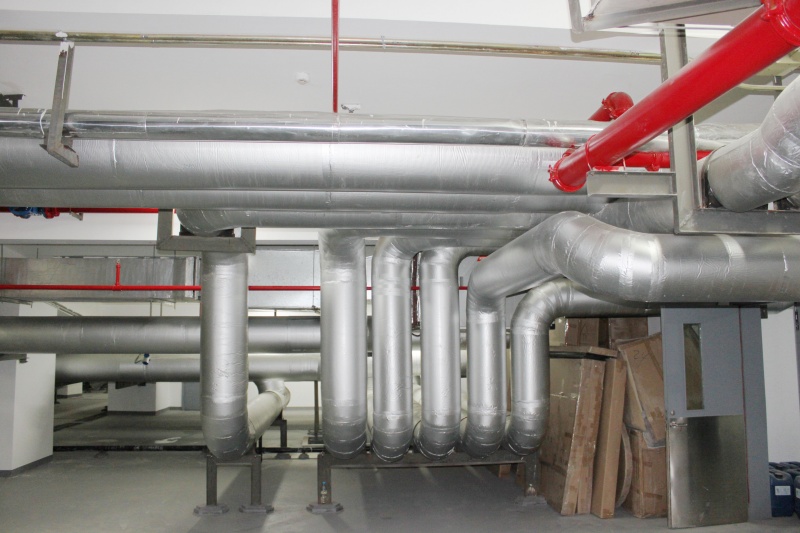
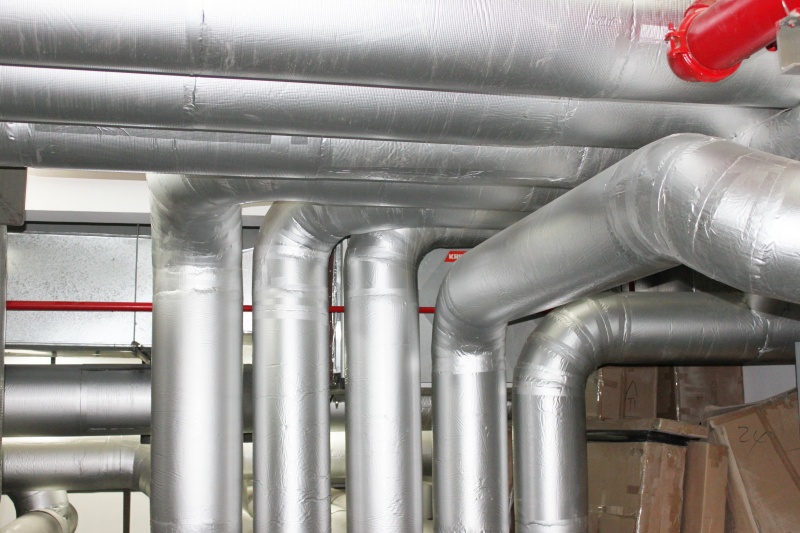
High-temperature steam lines in district energy networks require robust protection against thermal loss. Kingflex high-density Glass Wool blankets, wrapped in reinforced aluminum foil (FSK), reduce heat loss over long distances. In sub-zero pipeline sections, we integrate our specialized Cryogenic Insulation Systems.
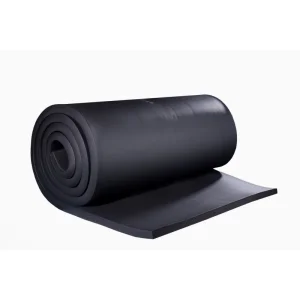
Safety at sea requires non-combustible building materials. Kingflex rock wool and glass wool products meet IMO (International Maritime Organization) fire codes. They serve as thermal and acoustic insulation in bulkheads, engine rooms, and structural decks, while maintaining low weight profiles.
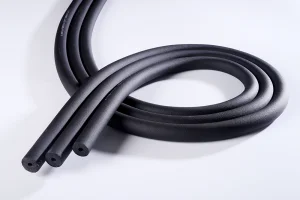
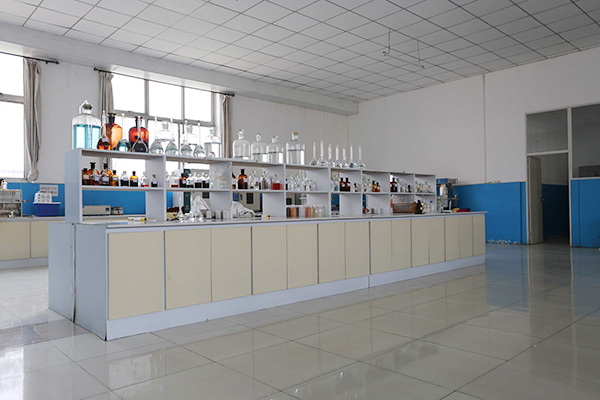
Kingflex's R&D department is focused on sustainable chemistry. Traditional glass wool depends on phenol-formaldehyde binders. Our next-generation line uses plant-derived bio-binders, reducing VOC emissions to near zero while maintaining structural strength and thermal performance.
By combining glass wool fiber frameworks with silica aerogel structures, our experimental insulation blankets achieve thermal conductivity values as low as 0.018 W/(m·K). This allows for space-saving insulation designs in high-value industrial and aerospace applications.
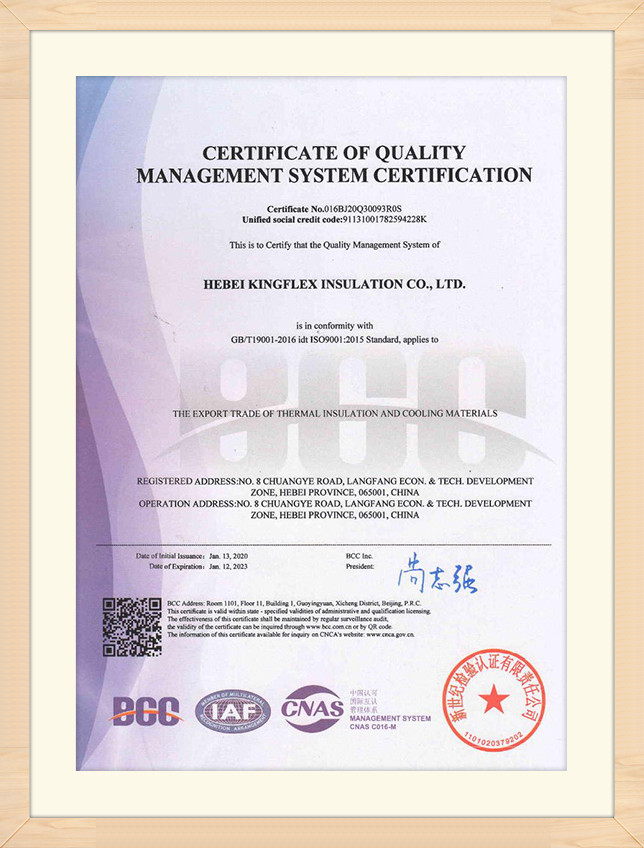
To support modern green building certification programs like LEED and BREEAM, all Kingflex production batches are logged in a database. This system offers complete visibility from raw material sourcing through manufacturing to final delivery, ensuring quality compliance on site.
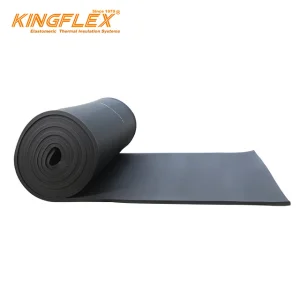
With an annual output exceeding 600,000 cubic meters, Kingflex is a qualified supplier for key regional infrastructure projects managed by ministries of energy, chemical industries, and electric power. Our logistical setup supports consistent supply for large-scale operations.
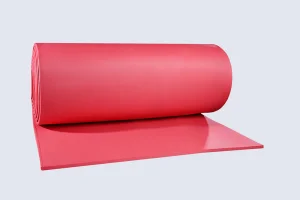
In our international markets, which span 66 countries, we provide complete engineering documentation and custom packaging to protect products during long-distance transit.
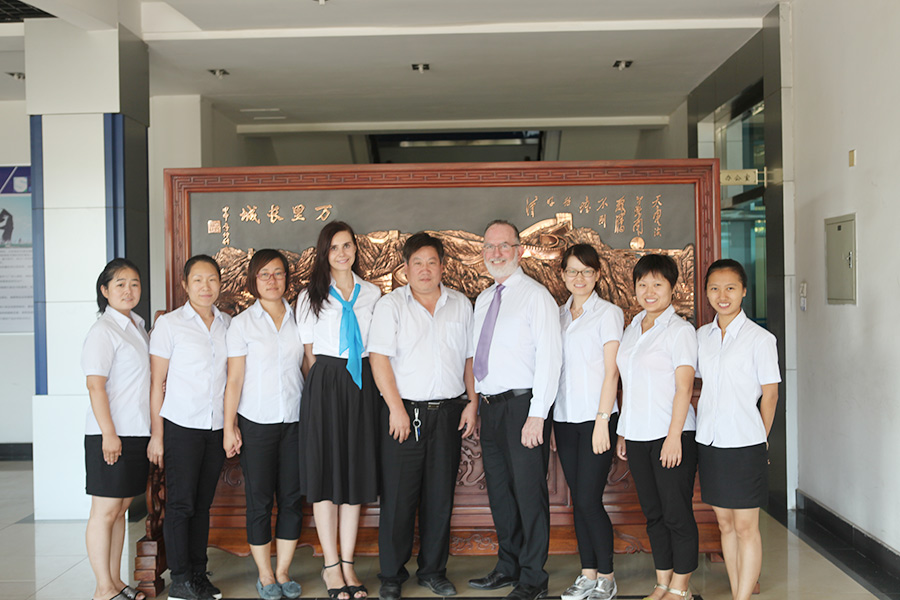
Kingflex maintains transparent client communications. Our technical sales engineers resolve application questions promptly to ensure successful on-site installation.