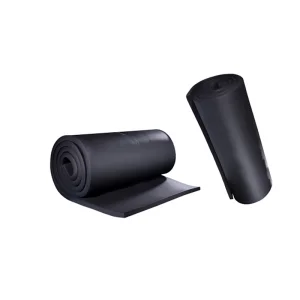
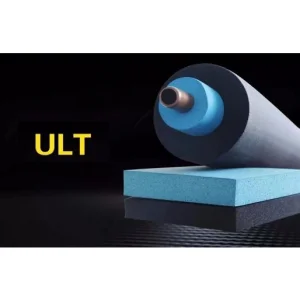
Engineered for extreme performance, anti-condensation, and low temperature retention. Browse our core product lists.
Thermal conductivity (λ) represents the rate at which heat transfers through a material. For industrial plants, commercial construction, and cryogenic facilities, lowering this value is paramount. Minimizing thermal conductivity translates directly to reduced energy waste, mitigation of hazardous condensation, protection against pipe corrosion, and decreased greenhouse gas emissions.
As standard systems face increasingly severe climate fluctuations and demanding performance criteria, typical high-density materials fall short. Specialized closed-cell elastomeric cellular structures engineered by leading manufacturers provide critical thermal resistance. By trapping dry air inside billions of independent cells, these foams achieve thermal conductivity values down to ≤ 0.034 W/(m·K) at 0°C.
"Deploying advanced low thermal conductivity NBR/PVC elastomeric matrixes reduces operational energy expenditure by up to 28% in central HVAC loops compared to non-optimized standard rubber insulation."
An analytical overview of cell dynamics, gas containment, and the long-term integrity of elastomeric structures.
Every cubic millimeter of our elastomeric foam contains countless independent microscopic cells. The high boundary wall density blocks convection current loops inside the matrix, forcing heat to pass through solid cellular barriers, significantly delaying heat movement.
Moisture ingress is the primary cause of insulation degradation. Since water has a thermal conductivity over 20 times higher than air, wet insulation fails immediately. Our NBR/PVC matrix features an inherently high moisture resistance factor (μ ≥ 10,000), eliminating the need for separate vapor barriers.
Standard open materials decay rapidly, leaking internal structural gases and letting ambient moisture seep in. Kingflex closed-cell rubber systems maintain their low thermal conductivity profile continuously over a 10 to 15-year operational service window.
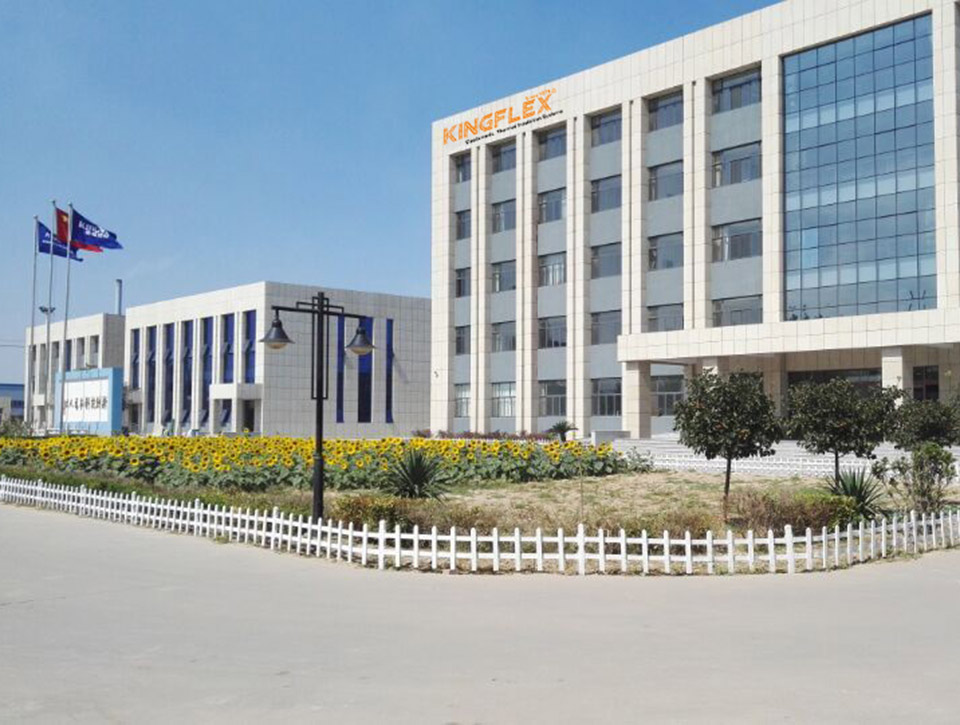
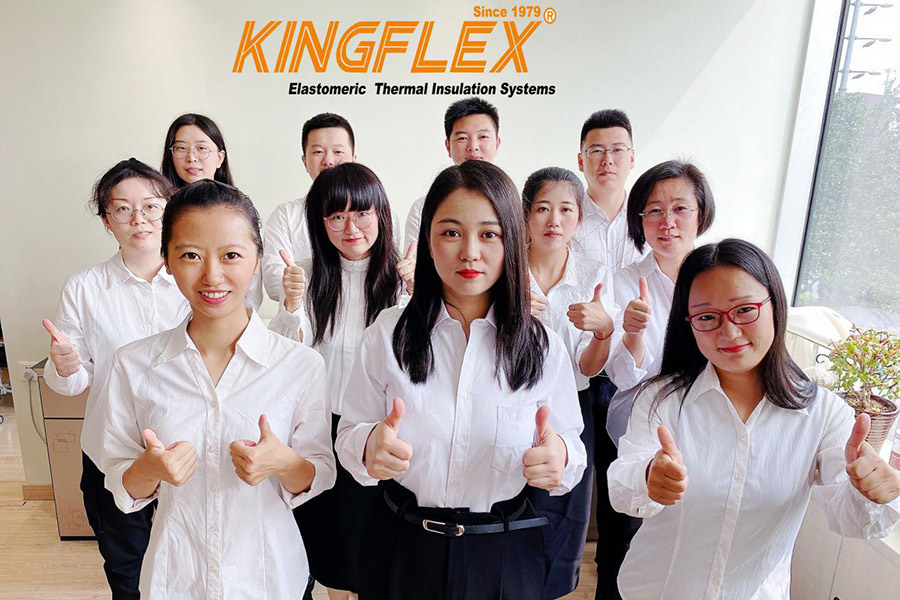
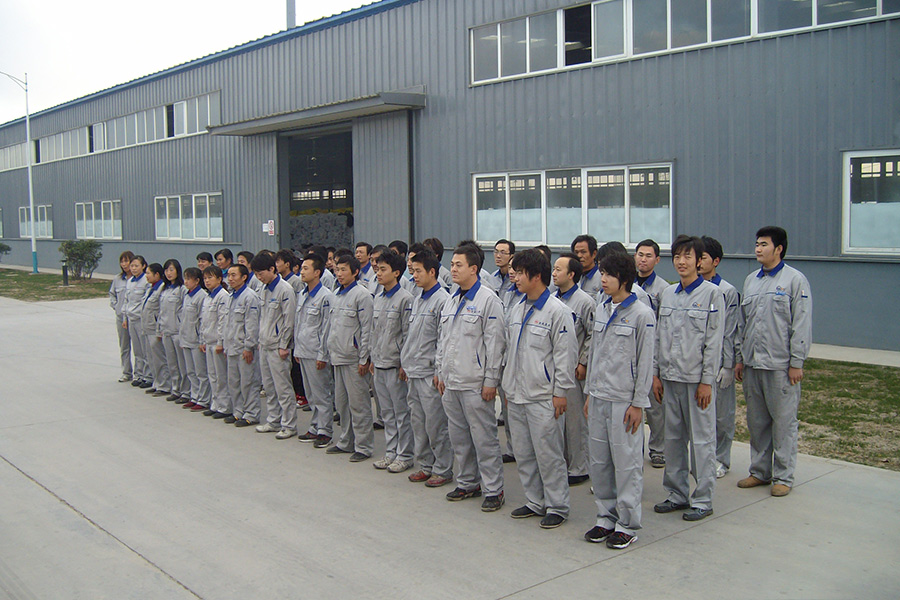
Kingflex Insulation Co., Ltd. is a premier manufacturing and trading combo for thermal insulation products. Located in Dacheng, China—the capital of green building materials—our production and research departments drive industrial energy-saving and environmental solutions. We support our partners with comprehensive services: initial technical consultation, high-capacity R&D production, precise configuration planning, installation guidance, and dedicated post-sale engineering support.
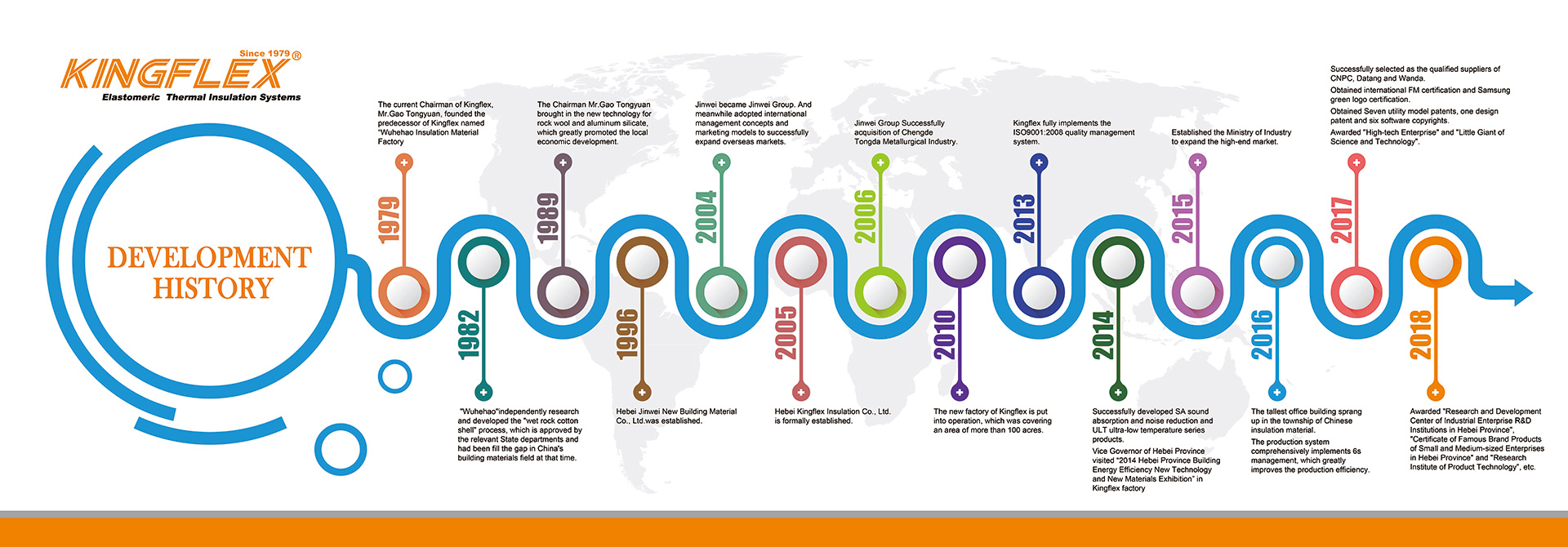
Born from the Jinwei Group, which possesses over 40 years of pioneering history dating back to 1979, Kingflex was built on a foundation of excellence. As the first major manufacturer of thermal insulation materials north of the Yangtze River, we have scaled our production to match global demand without sacrificing precision.
How next-generation thermal engineering standards shape procurement for energy managers worldwide.
Worldwide decarbonization mandates have forced general contractors and industrial energy managers to reevaluate traditional piping insulation. Modern engineering briefs prioritize lower operational carbon footprints alongside safety. This shift has accelerated the replacement of mineral wool and fiberglass with high-resiliency elastomeric rubber foam systems due to their superior moisture and sound-barrier properties.
Furthermore, the rapid expansion of clean energy logistics, such as LNG transport and hydrogen piping, has fueled a surging demand for cryogenic insulation. Standard rubber formulations fail under the severe thermal shock of liquid gases. As a result, factories have developed specialized elastomeric cryogenic compounds that remain flexible down to -200°C without micro-cracking.
Kingflex is continuously advancing material performance. Our current R&D initiative focuses on hybrid aerogel-elastomer matrices that will reduce thermal conductivity to ≤ 0.028 W/(m·K) at 0°C. Additionally, we are working to integrate bio-based nitrile rubbers derived from renewable agricultural sources to lower the Embodied Carbon (EC) values of our thermal solutions.
Our commitment extends beyond green chemistry. We are optimizing our vulcanization systems to eliminate VOC emissions during production, supporting compliance with strict LEED and BREEAM certifications.
Rigorous engineering dimensions and material behavior metrics for our core elastomeric range.
The performance profile of our elastomeric line is designed to cover extreme heating, cooling, and mechanical stress environments. Standard sheet and tubing systems display high flexibility, exceptional density control, and structural stability across a wide temperature range.
| Property | NBR/PVC Sheets (Standard Roll) | NBR/PVC Tubes / Pipes | Cryogenic Elastomeric Systems |
|---|---|---|---|
| Thermal Conductivity (λ) | ≤ 0.034 W/(m·K) at 0°C | ≤ 0.034 W/(m·K) at 0°C | ≤ 0.032 W/(m·K) at -150°C |
| Service Temperature | -40°C to +105°C | -40°C to +105°C | -200°C to +125°C |
| Density | 40 - 55 kg/m³ | 40 - 55 kg/m³ | 65 - 85 kg/m³ |
| Water Vapor Resistance (μ) | ≥ 10,000 | ≥ 10,000 | ≥ 20,000 |
| Fire Safety Rating | BS 476 Part 7 Class 1 / Part 6 Class 0 | BS 476 Class 0, UL94 V-0 | ASTM E84 25/50 rated, DIN 4102 B1 |
| Standard Thicknesses | 6mm to 50mm | 9mm to 40mm (ID: 6mm - 114mm) | 13mm, 19mm, 25mm, 32mm, 50mm |
Our solutions are used globally in HVAC systems, cryogenic pipelines, commercial infrastructure, and processing plants.
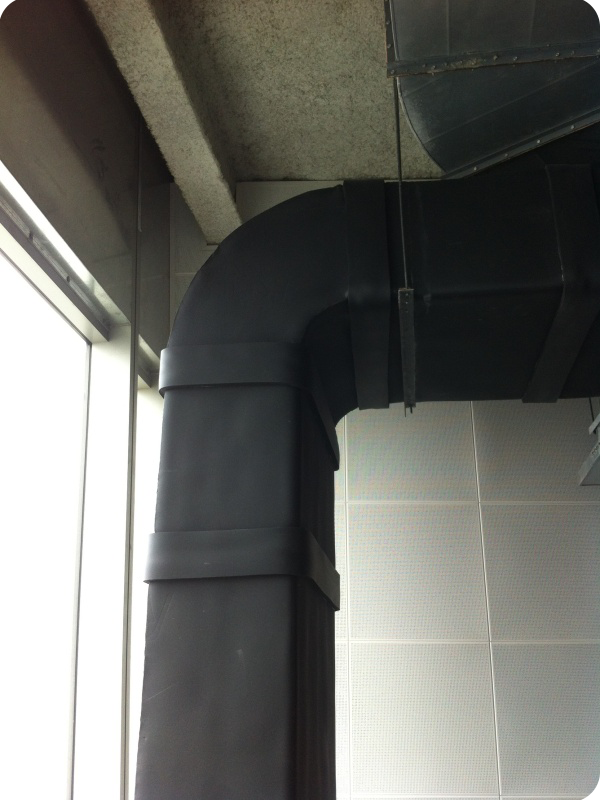
In large commercial spaces, hotel machine rooms, and hospitals, HVAC loops operate continuously. Condensation on chilled water and refrigerant pipes can cause water damage, mold growth, and metal corrosion. Installing closed-cell NBR/PVC sheets and pre-slit tubes effectively limits heat exchange, preventing condensation and reducing system workloads.
Handling liquefied nitrogen, oxygen, or natural gas requires robust cold insulation. Standard materials can crack and lose structural integrity under extreme cold. Kingflex cryogenic systems use multi-layered elastomeric membranes to manage thermal expansion stresses and prevent moisture build-up at temperatures down to -200°C.
Chemical processing plants rely on precise temperature control for raw chemical flows. Our insulation systems feature excellent chemical resistance, UV protection, and mechanical flexibility, shielding pipes from corrosion under insulation (CUI) and reducing heat loss in high-temperature lines.
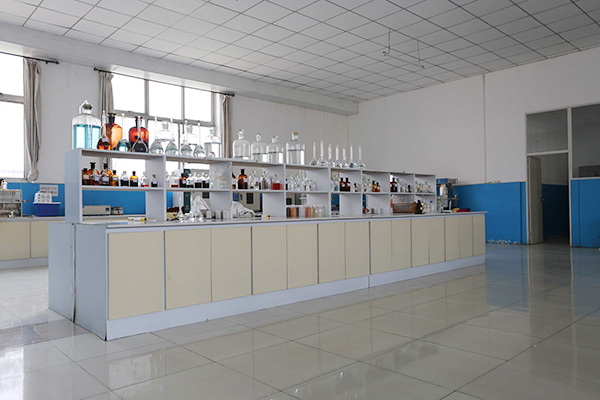
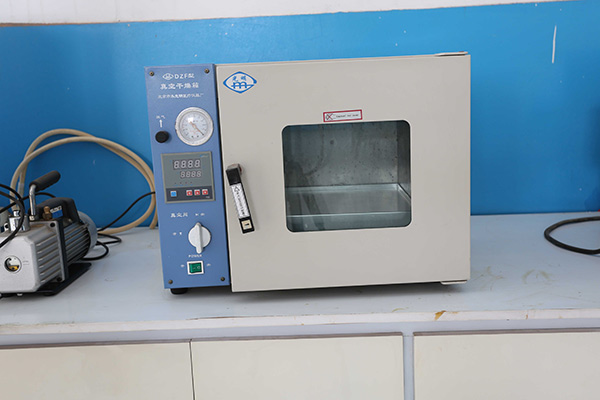
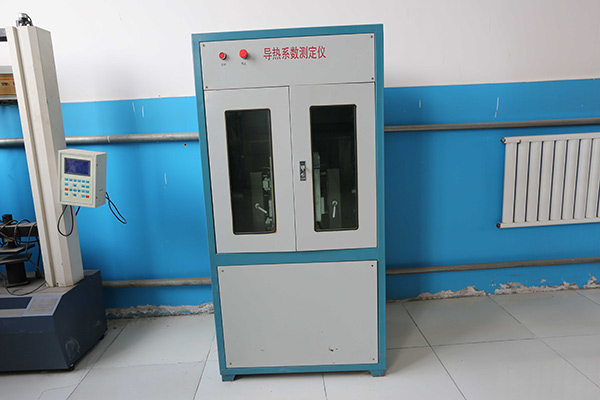
We operate dedicated testing labs to verify thermal properties, flame resistance, and density uniformity before shipping.
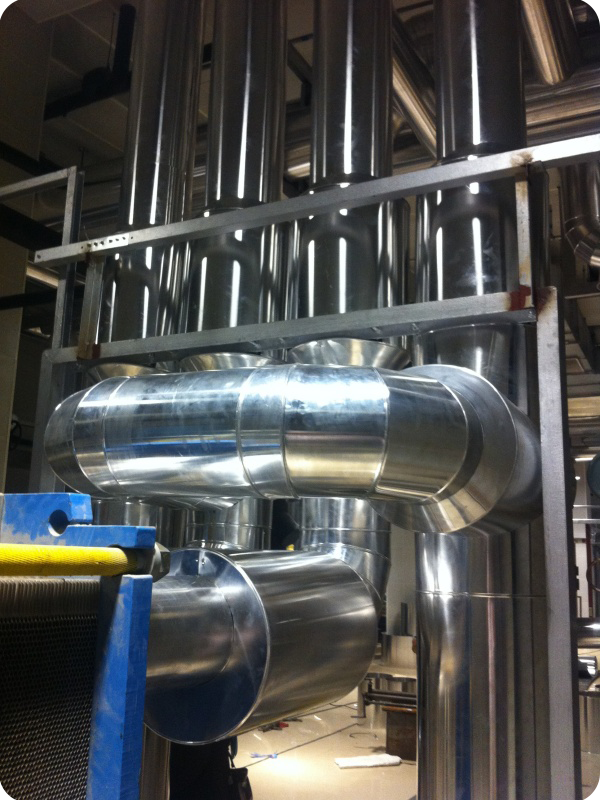
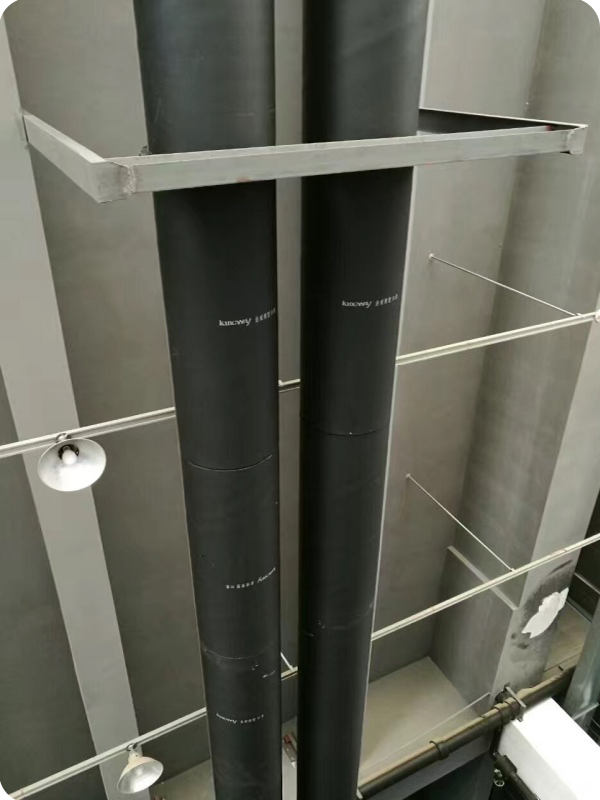
Our solutions are used in high-efficiency installations worldwide. Explore project sites and client feedback.
Chilled Water Pipeline Systems
High-Density Process Tubing
Cryogenic Gas Processing Facility
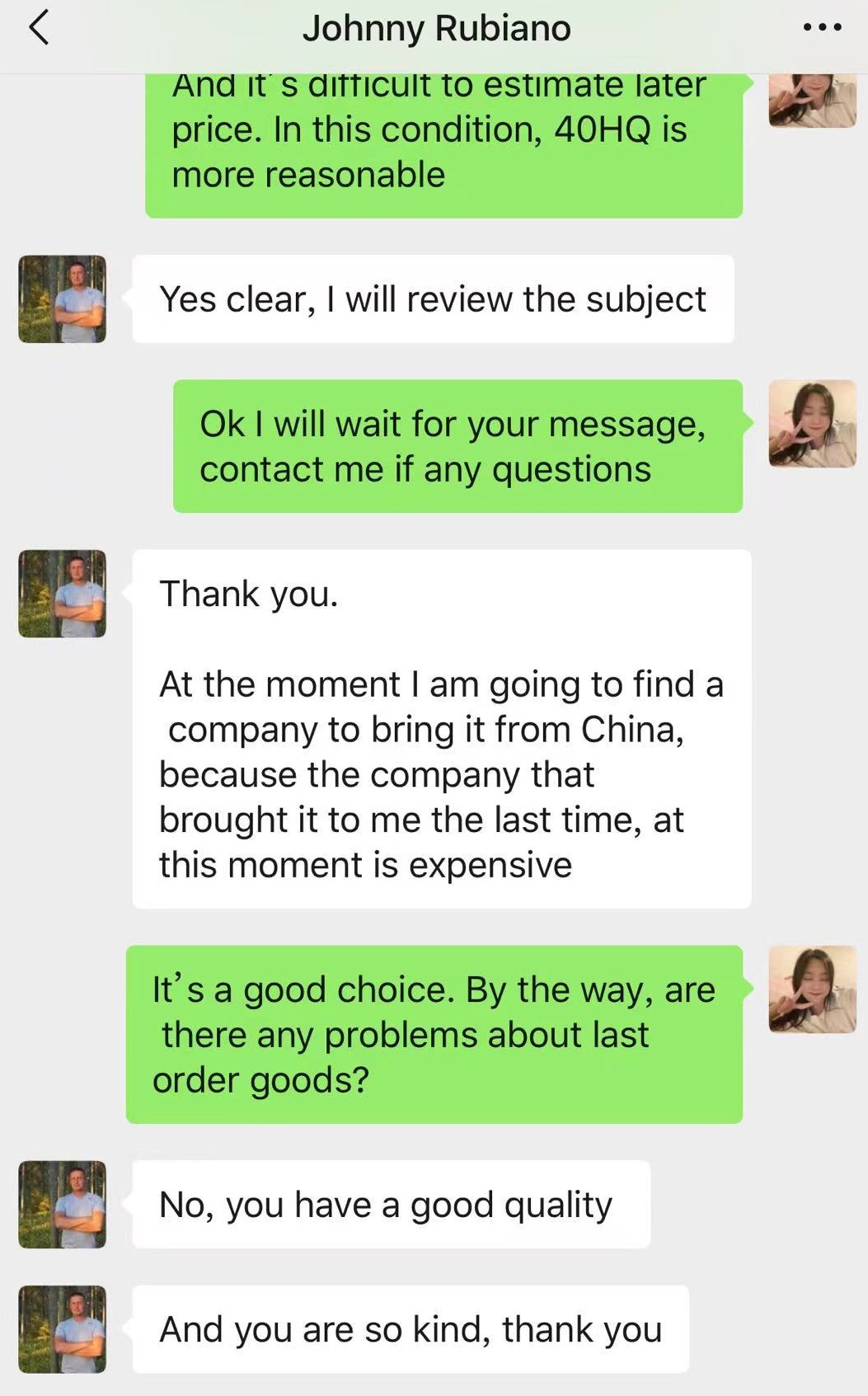
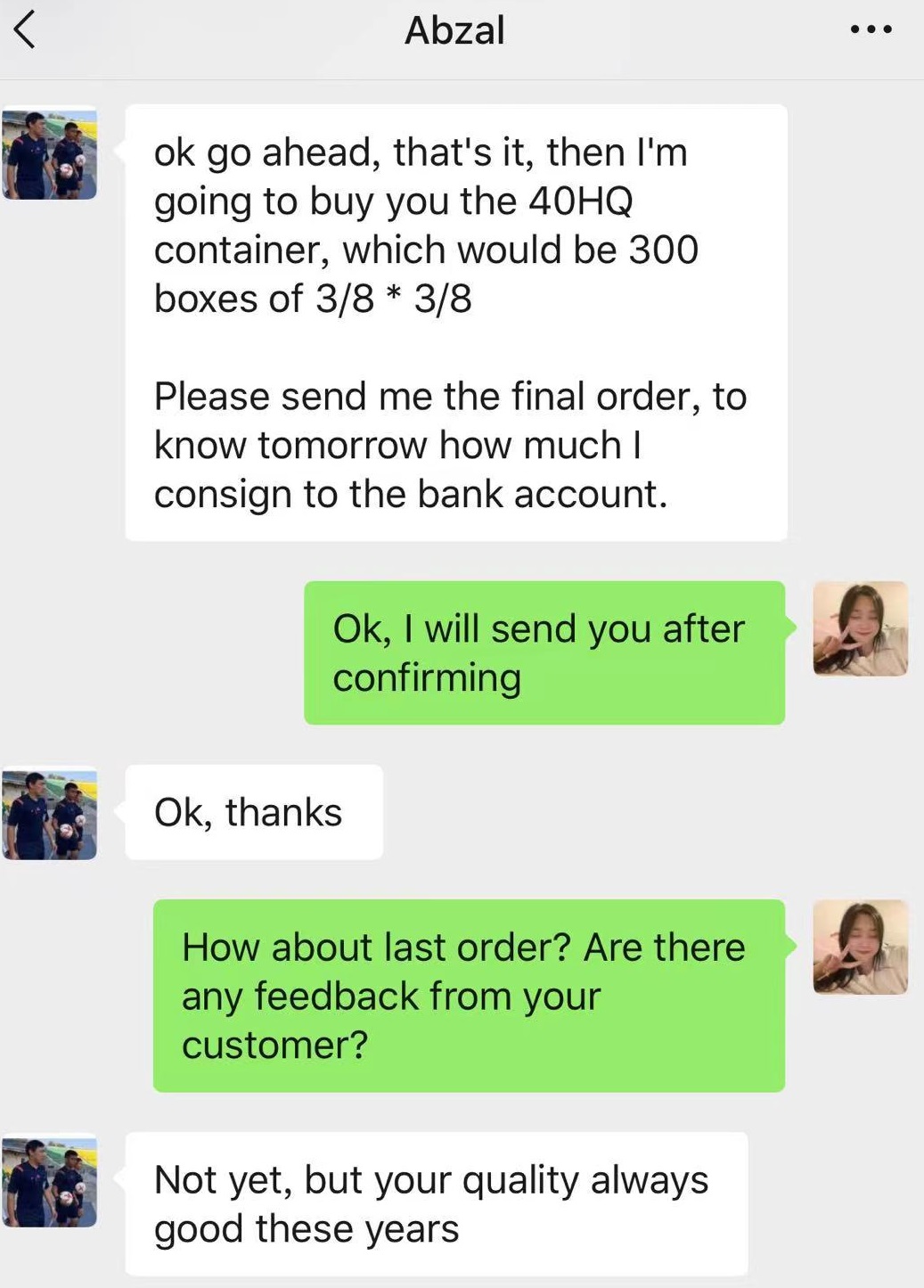
Our global engineering partners consistently report positive feedback on our structural density and thickness tolerances.
In-depth breakdown of sizing, features, and target applications for our two primary product lines.
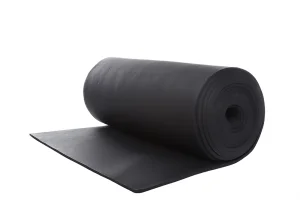
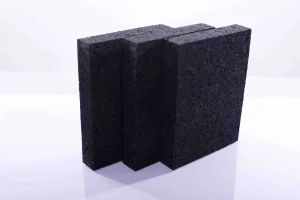
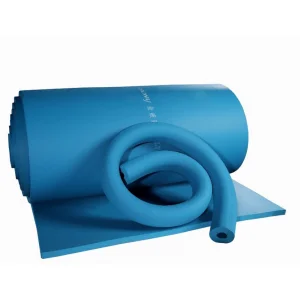
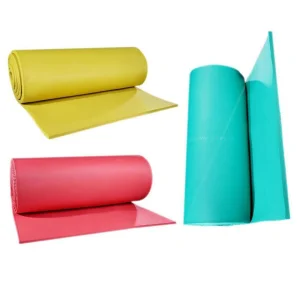
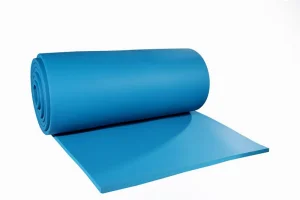
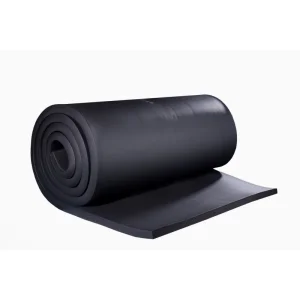
Kingflex Standard Sizing: Made from high-grade NBR/PVC. Thicknesses range from 6mm to 50mm, with density levels between 40-55 kg/m³. Rated for service temperatures from -40°C to 105°C.
Key Advantages:
Primary Applications: Core insulation for large HVAC ducts, roofing systems, deep basement water piping, rail transit carriages, cold chain storage facilities, and chemical storage tanks.
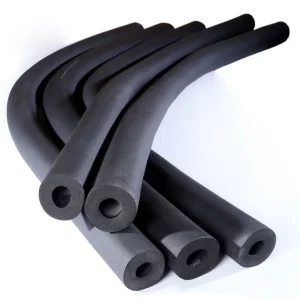
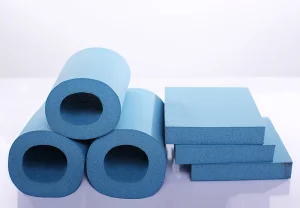
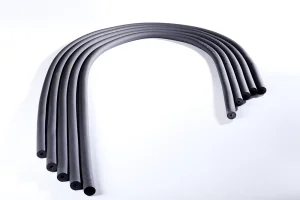
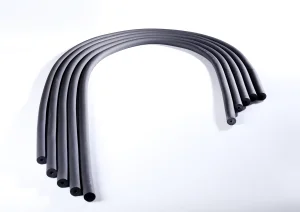
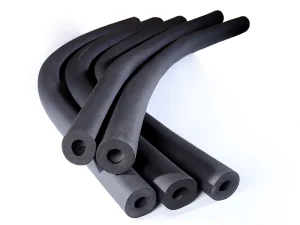
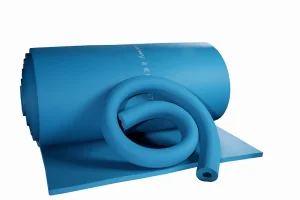
Kingflex Standard Sizing: Formulated from NBR/PVC. Sizing options include wall thicknesses of 9mm to 40mm and inner diameters (ID) from 6mm to 114mm. Densities range between 40-55 kg/m³.
Key Advantages:
Primary Applications: Chilled and hot water piping in central HVAC systems, sanitary water pipelines, processing lines in chemical plants, refrigeration transport systems, and residential solar loops.
Clear, detailed answers regarding the properties, installation, and performance of our rubber insulation systems.
It is primarily used for HVAC duct wrapping, commercial air conditioning piping, thermal insulation in buildings, noise attenuation, and cold insulation for industrial steam or cryogenic pipelines. The closed-cell structure makes it exceptionally good at preventing condensation on cold surfaces.
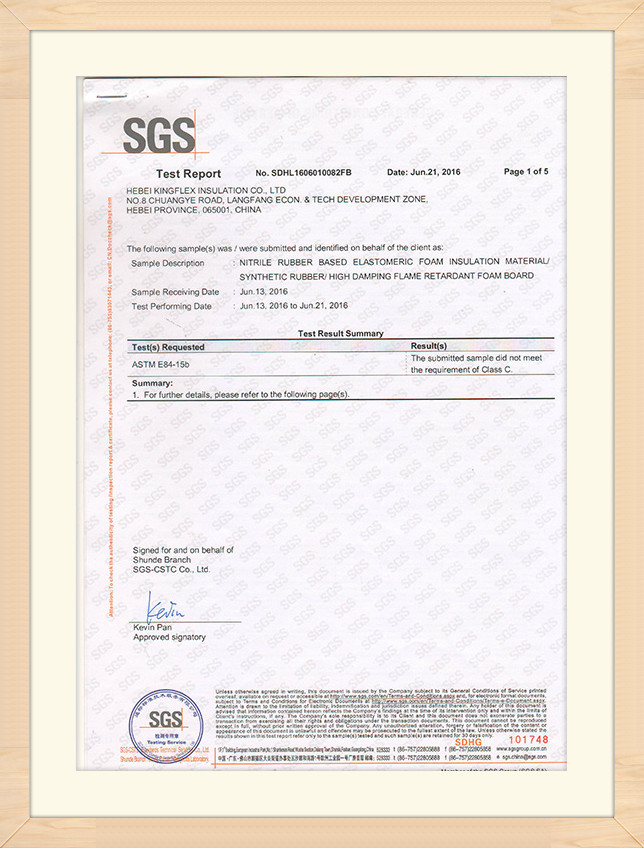
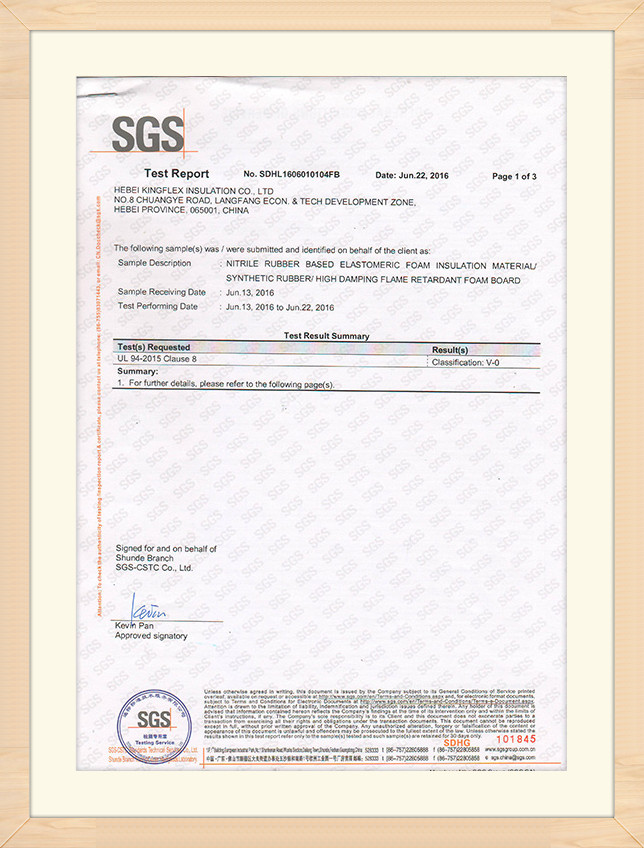
Yes, our rubber foam products are fire retardant, conforming to strict safety standards such as BS 476 (Class 0 and Class 1), UL94 (V-0 rating), and ASTM E84, ensuring they do not produce flaming droplets or accelerate flame propagation in residential or industrial configurations.
Elastomeric rubber foam is highly flexible, closed-cell, and moisture-proof, making it ideal for HVAC, refrigeration, and cold system lines where moisture control is vital. Rock wool is a fibrous material suited for high-temperature applications (above 150°C to 600°C) and heavy structural firewalls, but it requires a separate vapor barrier to prevent moisture absorption.
Yes. We offer professional OEM and ODM services. We can adjust the thickness, inner diameter, density, color, and adhesive backing of our rubber sheets and tubes to meet specific project demands.
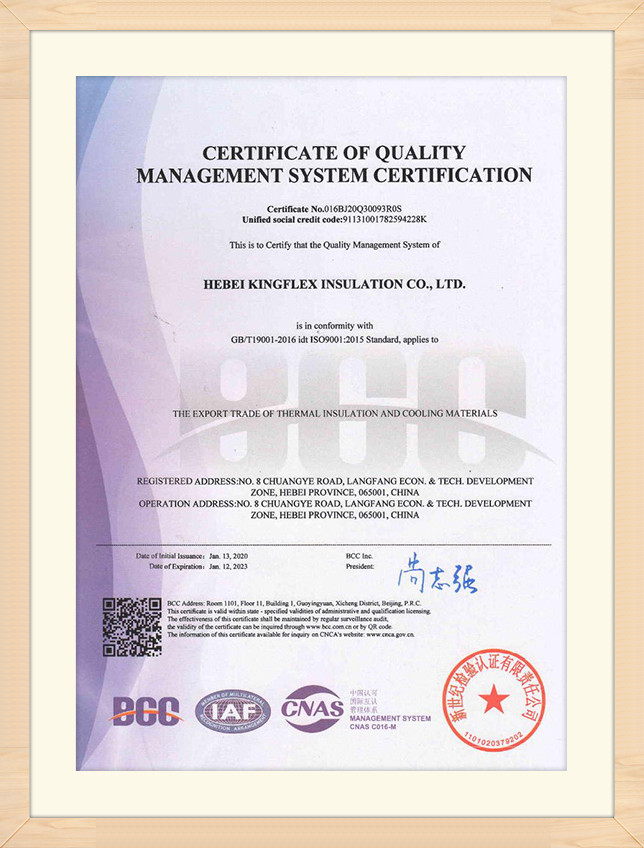
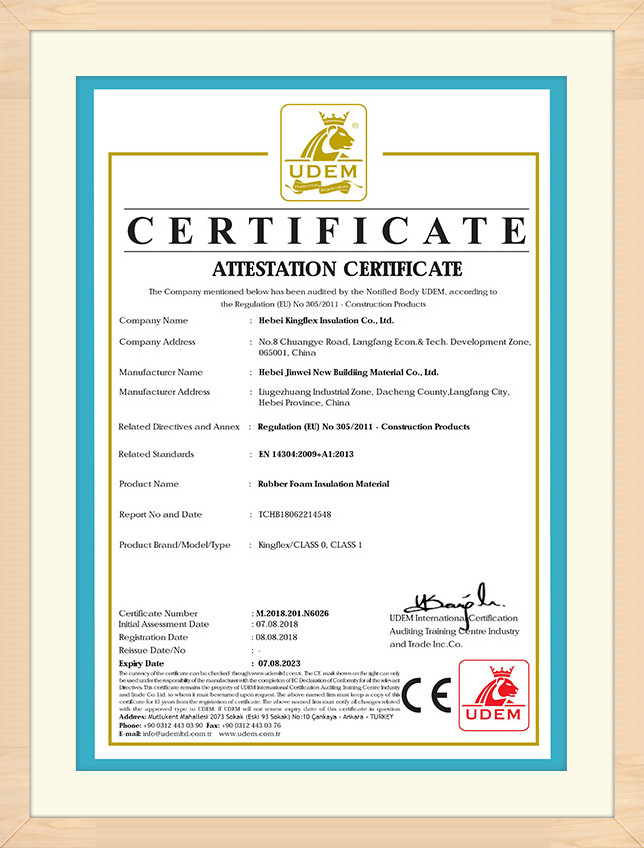
Kingflex products have successfully passed international compliance checks, including BS 476, CE, REACH, RoHS, UL94, and ASTM. This guarantees compliance with construction safety and environmental requirements across Europe, the Americas, and Asia.
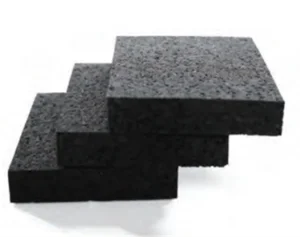
Yes. Every batch of our products is stamped with unique production run numbers. We document our raw materials, factory processing conditions, and QC test scores for every batch to ensure complete traceability.
Our automated production lines can manufacture sheets from 6mm up to 50mm thick. For thicker applications, multiple sheets can be layered using specialized technical adhesives.
When properly installed and maintained under standard operating conditions (-40°C to +105°C), our systems provide reliable performance for 10 to 15 years.
Required thickness depends on line operating temperature, ambient relative humidity, ambient dry-bulb temperature, and the thermal conductivity of the insulation. We offer diagnostic calculation guides based on local relative humidity levels to prevent surface condensation.
Yes. However, outdoor installations require protective paint or weather-resistant jacketing (such as aluminum cladding or polymer coatings) to protect the rubber from UV degradation and bird damage.
High-performance configurations for specialized low-temperature, HVAC, and industrial piping applications.