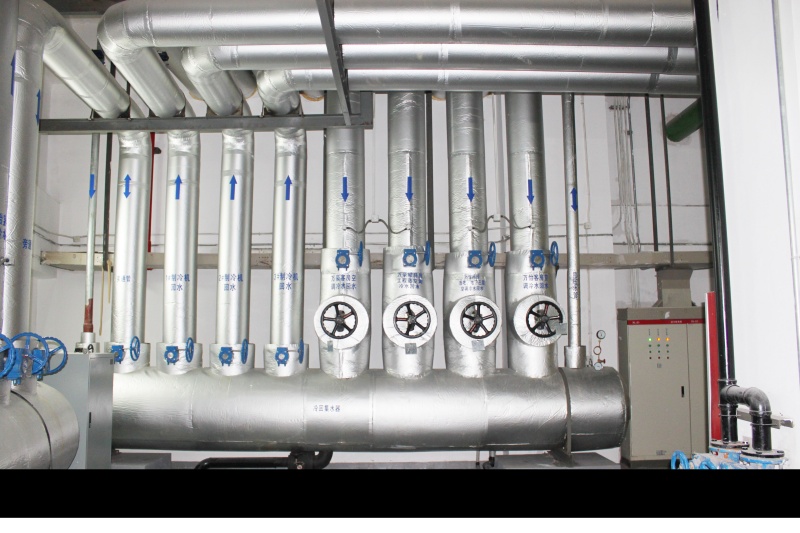
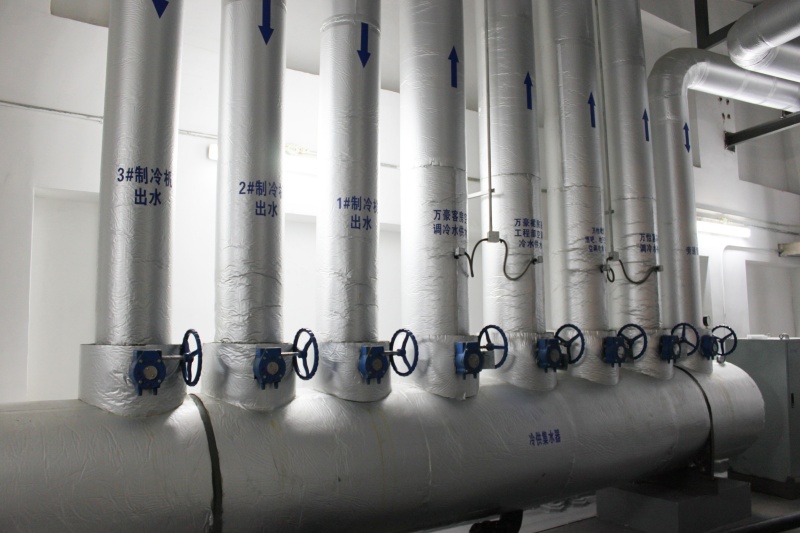
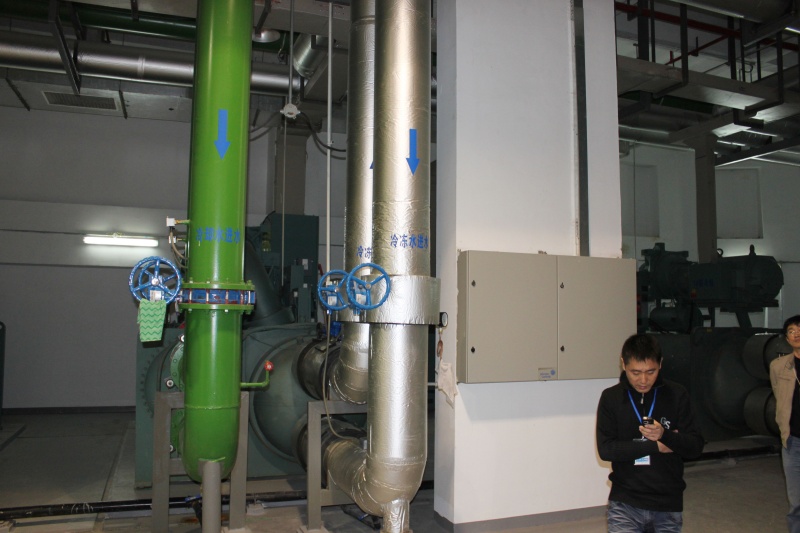
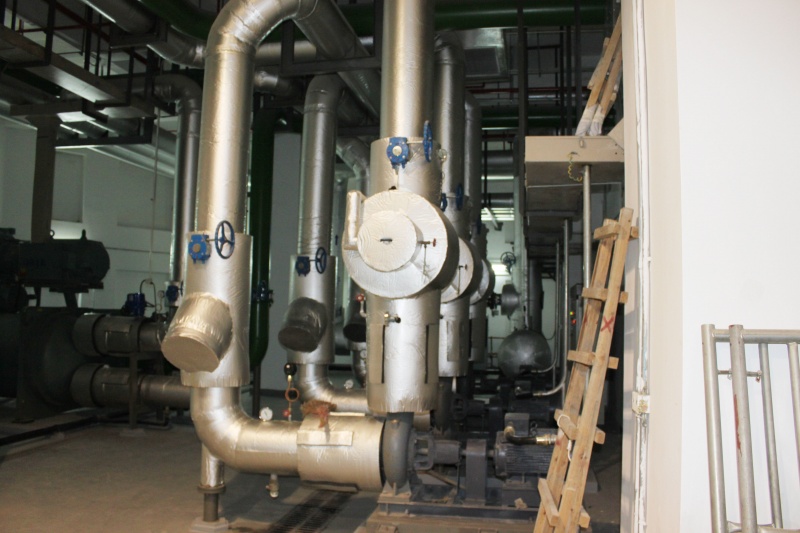
Wholesale Pipe Insulation R Value Manufacturers & Quotes
Expert Engineering Guide to Closed-Cell Elastomeric Thermal Systems, Energy Code Compliance & Global Procurement Specifications
Featured Industrial Insulation Systems
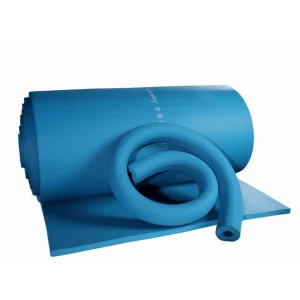
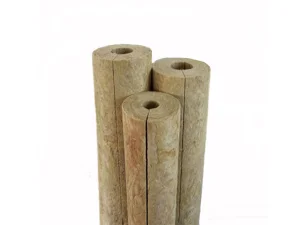
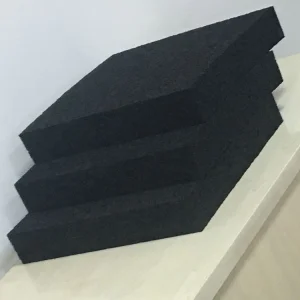
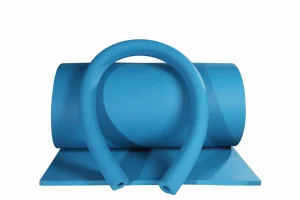
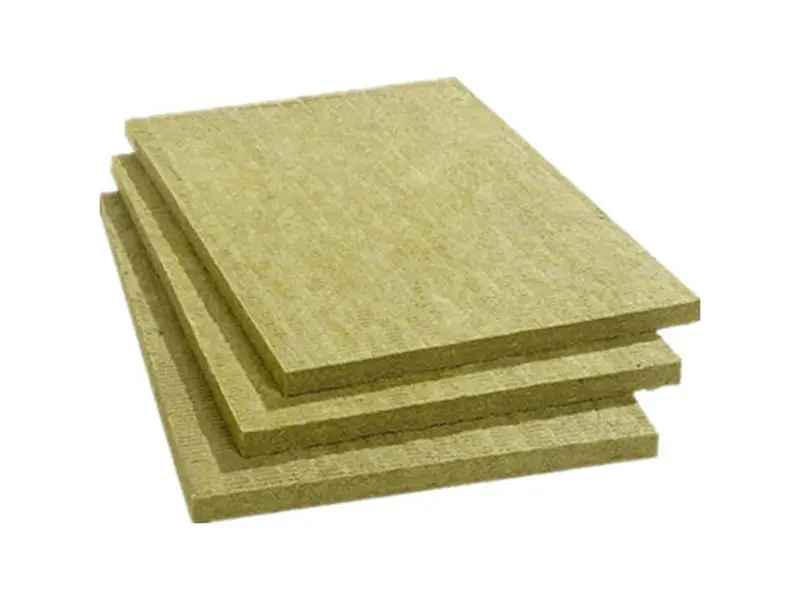
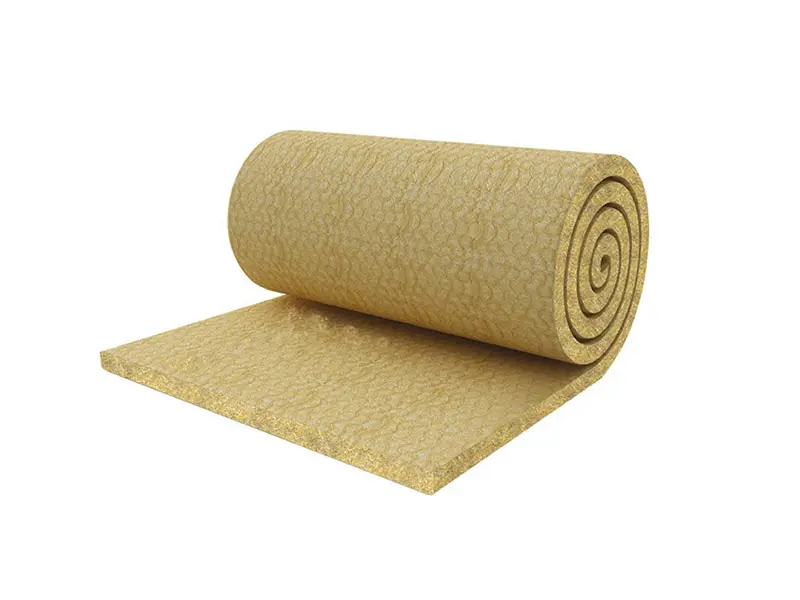
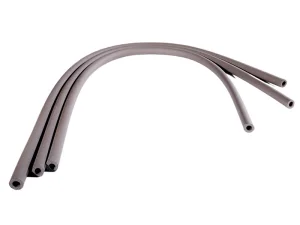
Select from our globally certified range of high-performance closed-cell elastomeric rubber foam and rock wool pipe insulation components designed to maximize energy efficiency and thermal control.
An authoritative exploration of thermal dynamics, materials physics, and regulatory compliance standards for engineering and project design.
1. Understanding the Physics of R-Value in Pipe Insulation
In the context of industrial and building thermal management, the R-value measures a material's resistance to conductive heat flow. The higher the R-value, the greater the insulation efficacy. For planar surfaces, R-value is calculated directly as the thickness ($t$) of the material divided by its thermal conductivity ($k$-value). However, in cylindrical geometries (like piping systems), the math must account for the ratio of the outer diameter to the inner diameter of the insulation, giving rise to the concept of equivalent R-value.
For pipes, heat transfer is radial. As insulation thickness increases, the outer surface area also increases, leading to higher convective and radiative heat losses from the exterior. Therefore, calculating thermal performance requires evaluating the radial heat flow equation (according to ASTM C680), which accounts for:
The temperature differential ($\Delta T$) between the pipe wall and the ambient air.
The material’s mean temperature thermal conductivity.
The convective and radiative heat transfer coefficients of the outer surface cladding or jacket.
In cold-temperature and cryogenic applications down to -200 °C, managing thermal conductivity is not merely about energy conservation; it is critical for preventing moisture ingress. In cold installations, vapor pressure drives moisture from the warm ambient air towards the cold pipe. If the insulation material absorbs moisture, its thermal conductivity climbs exponentially (water has a thermal conductivity approximately 20 times higher than typical elastomeric foam), reducing the effective R-value to near zero and promoting Corrosion Under Insulation (CUI).
SEO Insight & Information Gain: When specifying pipe insulation, engineering teams should evaluate the long-term R-value under actual operational humidity and temperature ranges rather than baseline dry conditions. This is where closed-cell elastomeric foams (like NBR/PVC structures with >98% closed cells) demonstrate significant advantages over open-cell or fibrous materials.
2. Global Regulatory Codes and Standardizations
Globally, building codes and industrial environmental standards dictate the minimum R-values or maximum heat loss rates allowed for HVAC and process piping. Key regional systems include:
ASHRAE 90.1 & IECC (USA)
ASHRAE 90.1 details mandatory minimum pipe insulation thickness based on operating temperature ranges and pipe sizes, aiming to reduce energy demand in commercial buildings.
EN 14304 (Europe)
This standard governs flexible elastomeric foam (FEF) products for building equipment and industrial installations, establishing testing parameters for thermal conductivity, water vapor transmission, and reaction to fire.
BS 476 (UK/Commonwealth)
BS 476 focuses on fire tests on building materials and structures, where Class 0 rating indicates superior resistance to spread of flame and low heat release.
Material Class
Operating Temperature Range
Thermal Conductivity (λ at 0°C)
Moisture Resistance Factor (μ)
Fire Classification Standards
Kingflex Closed-Cell FEF
-40°C to +105°C
≤ 0.034 W/(m·K)
≥ 10,000
BS 476 Class 0, UL94 V-0, CE
Kingflex Cryogenic FEF
-200°C to +125°C
≤ 0.032 W/(m·K)
≥ 20,000
ASTM C534, ASTM E84, REACH
Kingflex Industrial Rock Wool
Up to +650°C
≤ 0.040 W/(m·K) (at 70°C)
Non-hydrophobic (needs vapor barrier)
Class A1 Non-combustible
About Kingflex Insulation Co., Ltd.
Leading the global building and industrial sector with state-of-the-art thermal and acoustic insulation manufacturing technology.
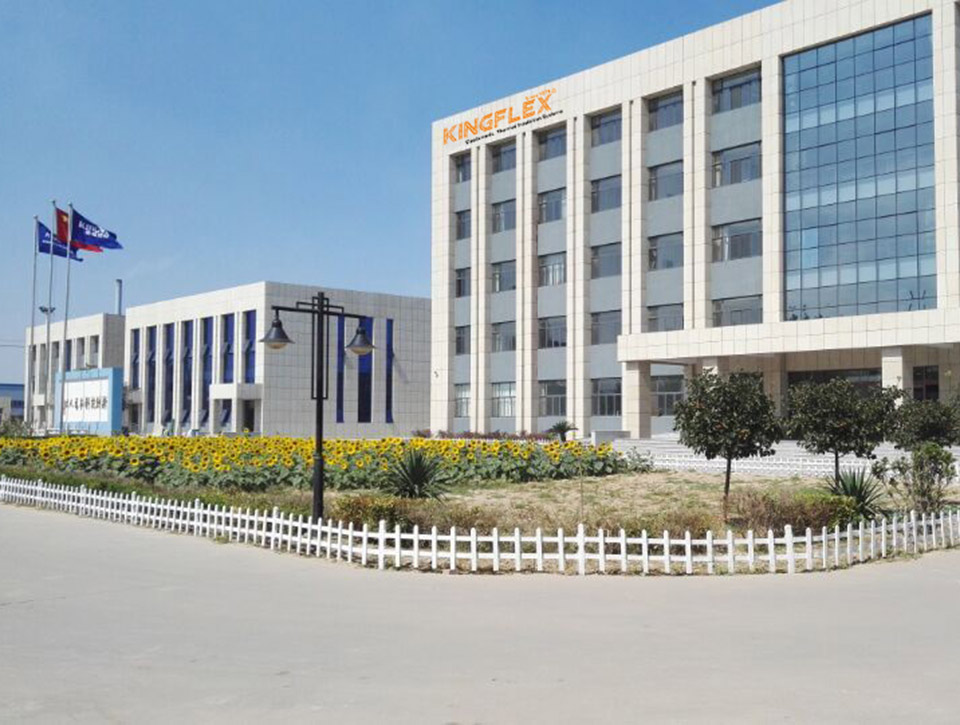
Kingflex Insulation Co., Ltd. is a professional manufacturing and trading combo for thermal insulation products. Our research development and production departments are located in Dacheng, China—the globally recognized capital of green-building materials. As an energy-saving, environmentally friendly enterprise, we concentrate on the research, development, production, and sales of high-performance elastomeric and mineral-based insulation systems.
In operation, Kingflex takes energy saving and consumption reduction as the core concept. We provide solutions regarding thermal insulation by means of consulting, research and development, custom production, installation guidance, and comprehensive post-sale service. We continue to lead the development of the global building materials industry through technical innovation and rigorous quality control.
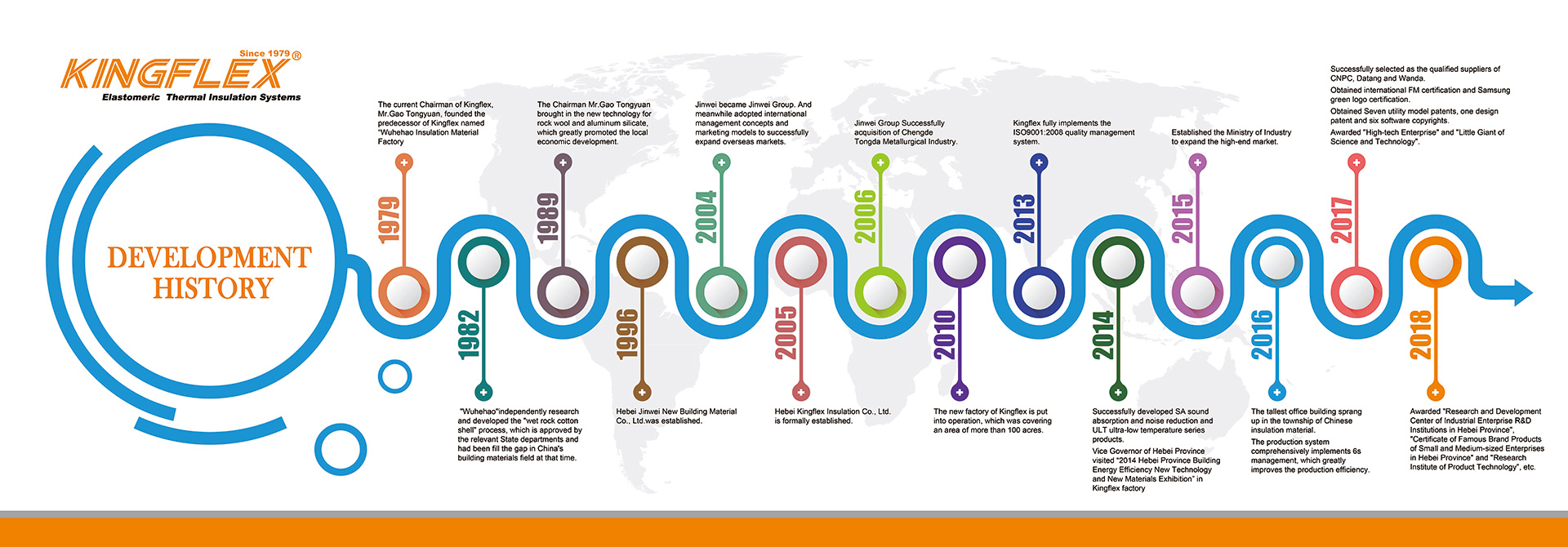
Established by the Jinwei Group (Kingway Group), which has a heritage spanning more than 40 years since its inception in 1979, Kingflex stands as a pioneer. Kingway Group was the first manufacturer of thermal insulation materials north of the Yangtze River, paving the way for advanced energy-saving materials in regional and global markets.
5+ Lines
Automated Assembly
Equipped with advanced European technology to ensure consistent cell configuration and density.
>600,000 m³
Annual Capacity
Meeting high-volume requirements for global infrastructure projects efficiently.
66+ Countries
Export Network
Delivering solutions to North America, Europe, Southeast Asia, and the Middle East for over 16 years.
8 R&D Engineers
Technical Experts
Dedicated to pioneering materials science and specialized formulations.
R & D, Quality Controls & Certifications
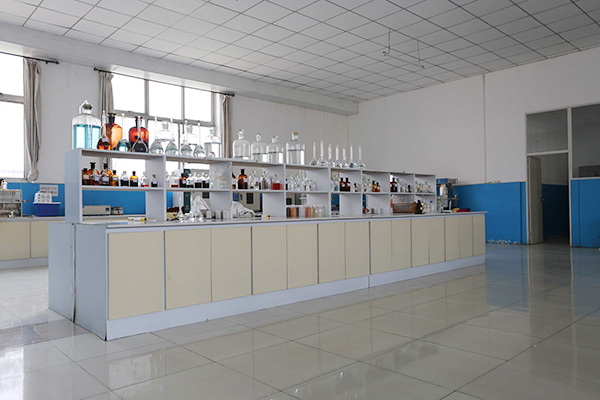
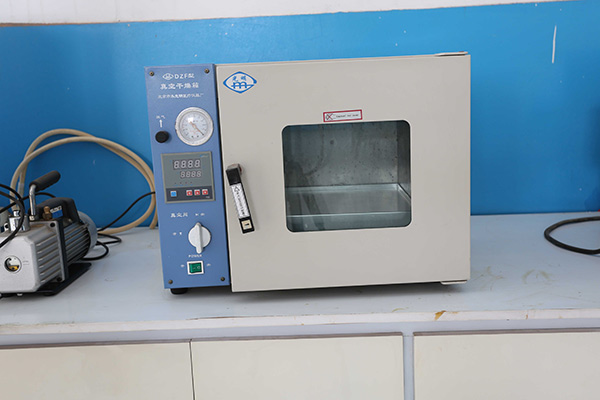
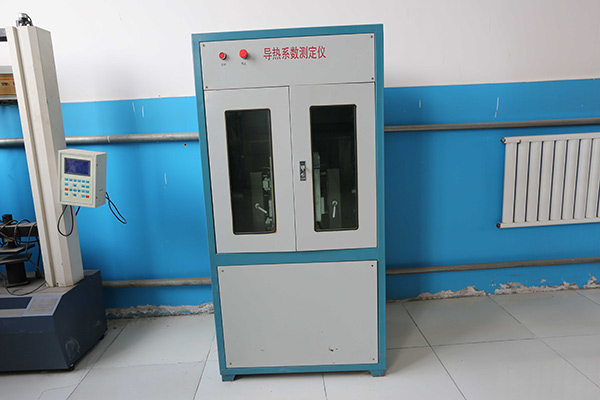
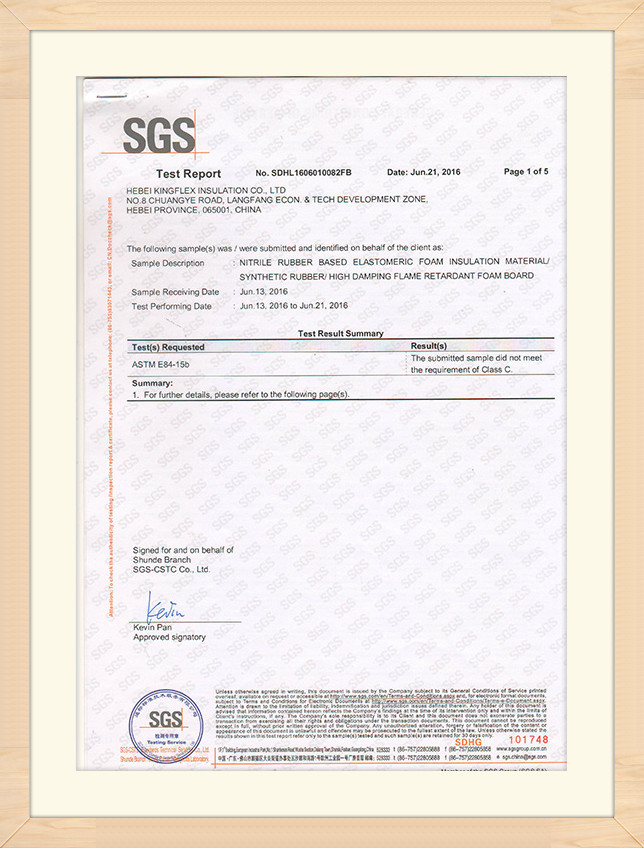
We perform rigorous thermal performance, fire testing, and material aging tests to guarantee project compliance and system longevity.
At Kingflex, we believe that compliance is the foundation of reliability. Our products are engineered and tested in accordance with international standards. We maintain strict control over our raw materials (NBR/PVC polymer bases) and monitor every step of our foaming process. The dynamic interaction of curing temperatures and foaming agents determines the structure of the closed cells. Our factory lines achieve an even foam distribution with a closed-cell rate exceeding 98%.
Accredited Global Certifications
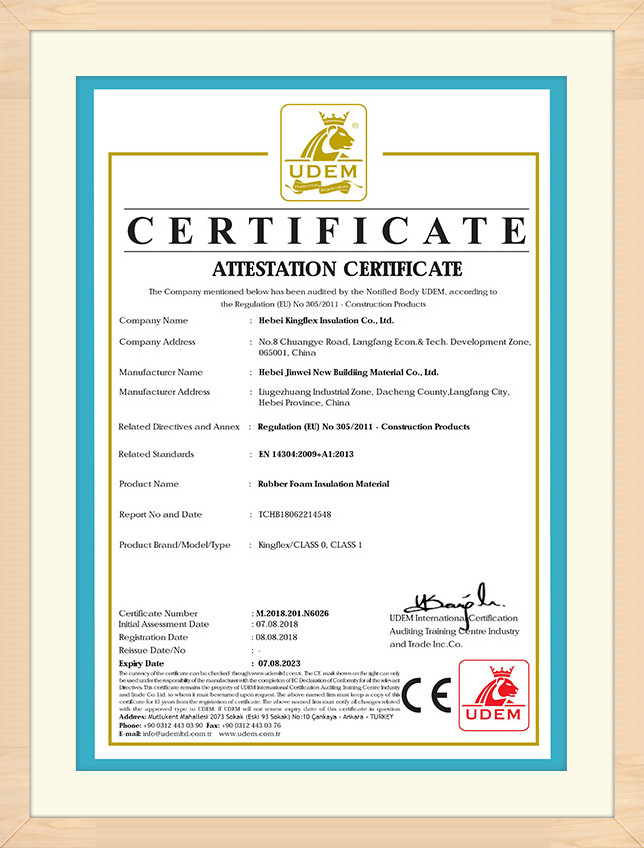
BS 476 Part 6 & 7 Fire Testing Certification
CE Compliance for European Markets
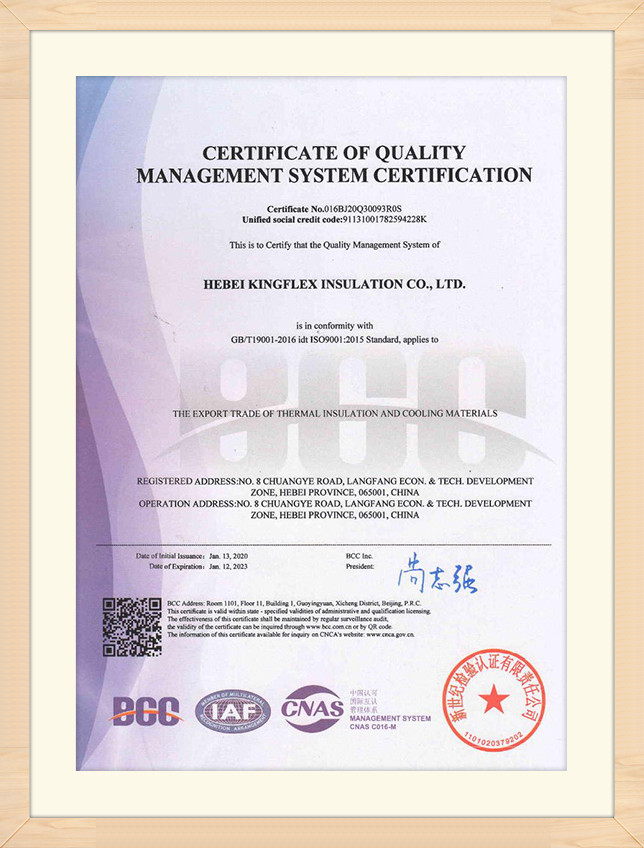
ISO Quality and Environmental System Certification
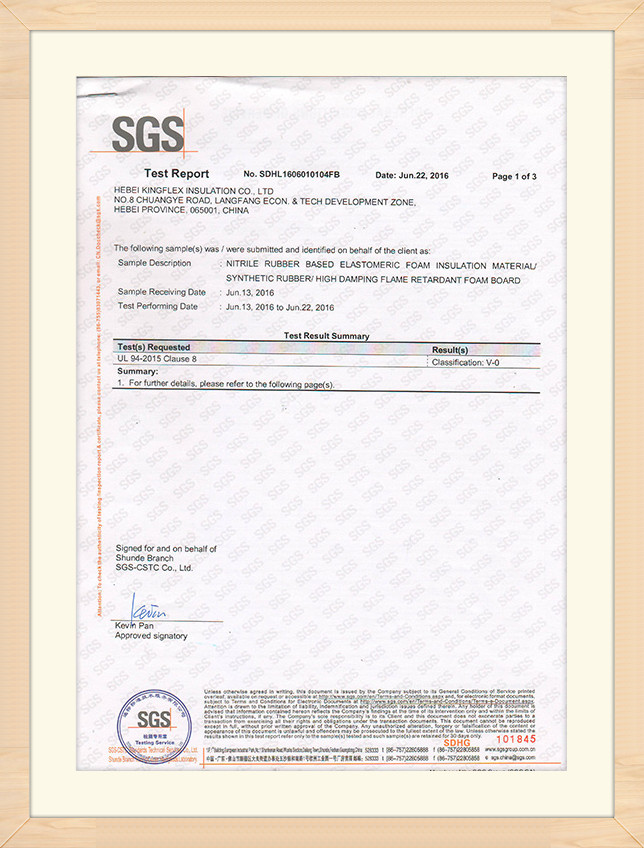
FM Approved / UL 94 Flame Retardant Standards
Product Specifications & Material Analysis
Detailed dimensional and performance parameters for Kingflex Standard Elastomeric Rubber Foam lines.
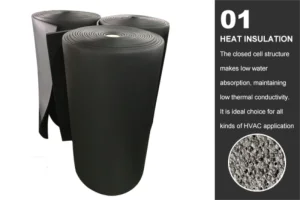
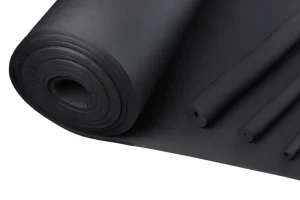
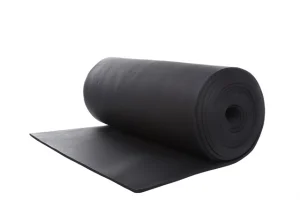
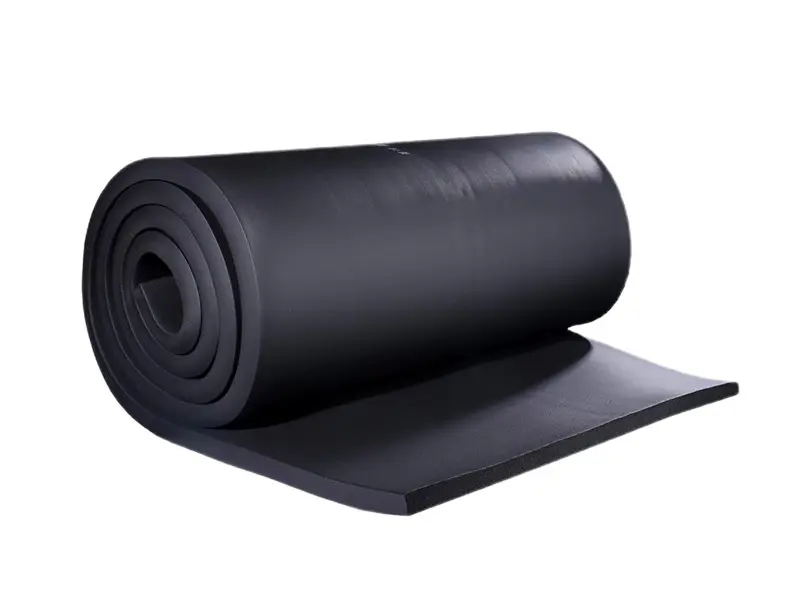
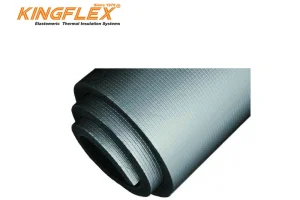
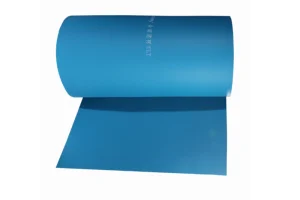
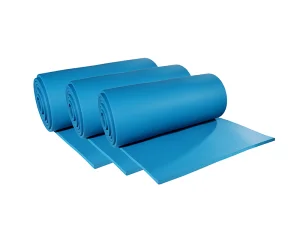
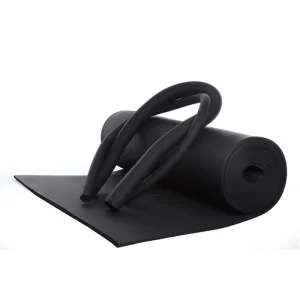
Kingflex Black Rubber Foam Insulation Sheet Roll
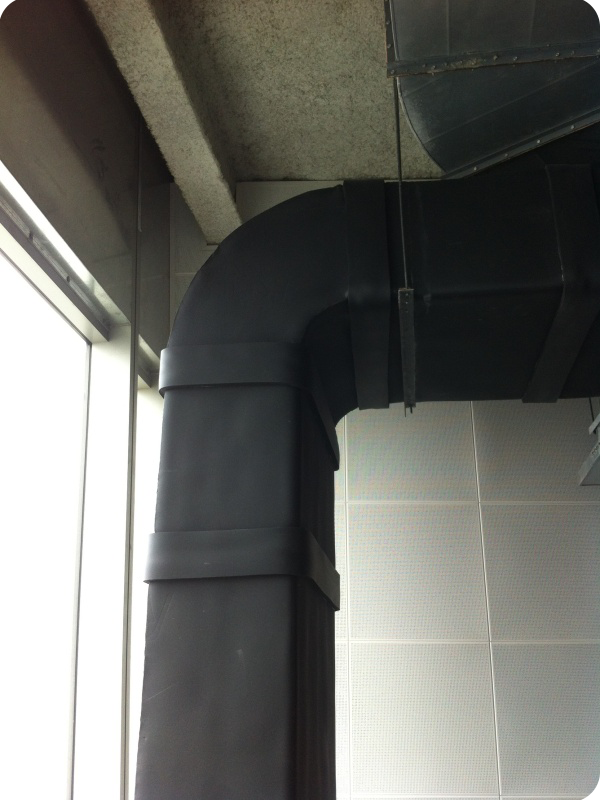
Engineered for larger diameter pipes, air conditioning ducts, vessels, and flat surface insulation. Its highly flexible structure allows for clean wrapping and cutting, minimizing joints where moisture could ingress.
Property
Technical Specification Details
Material Composition
High-grade NBR (Nitrile Butadiene Rubber) / PVC compound base
40 - 55 kg/m³ (optimized for dynamic mechanical structural integrity)
Service Temperature Limit
-40 °C up to +105 °C
Closed-Cell Content
≥ 98% (providing excellent resistance to water vapor transmission)
Compression Resilience
Over 80% recovery under standard compression test cycles
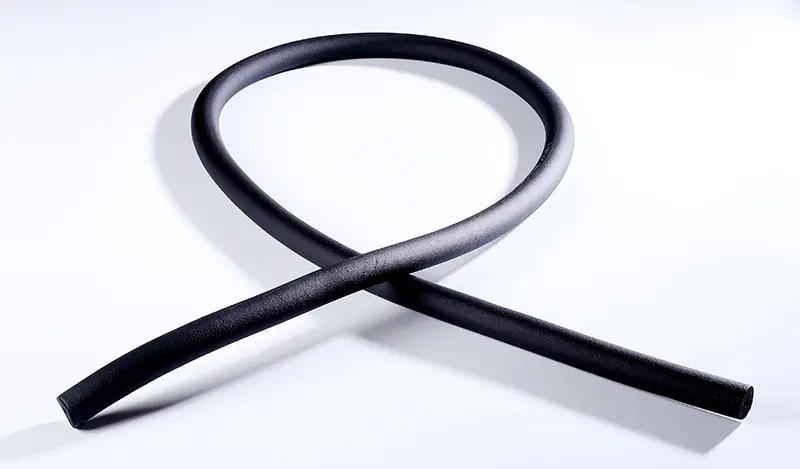
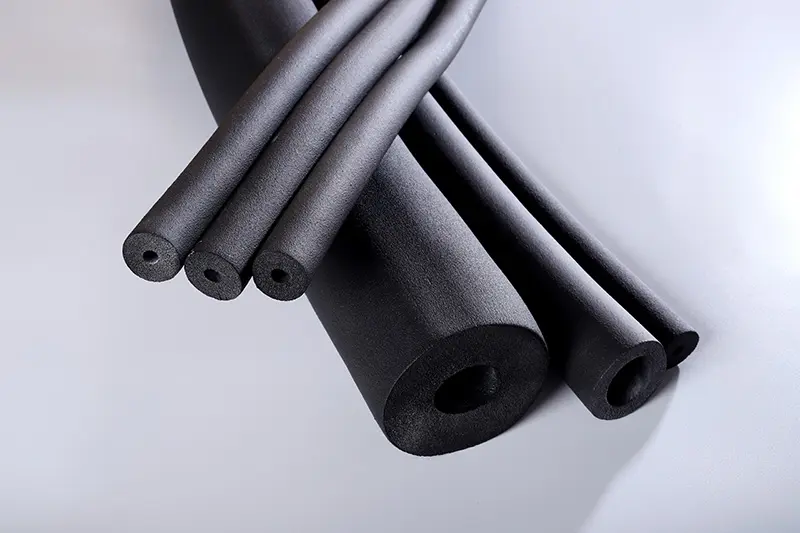
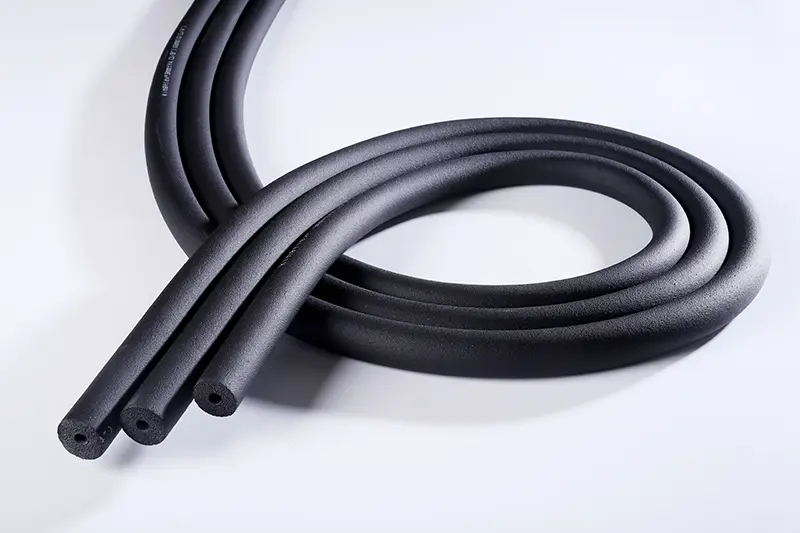
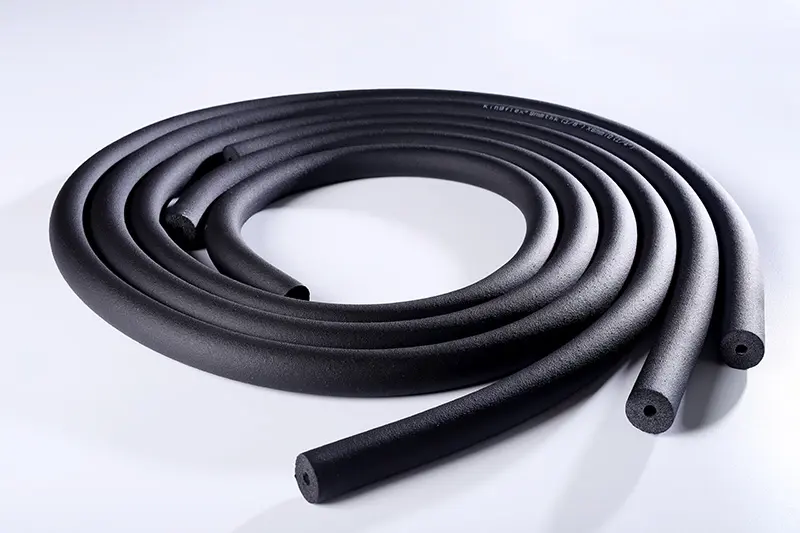
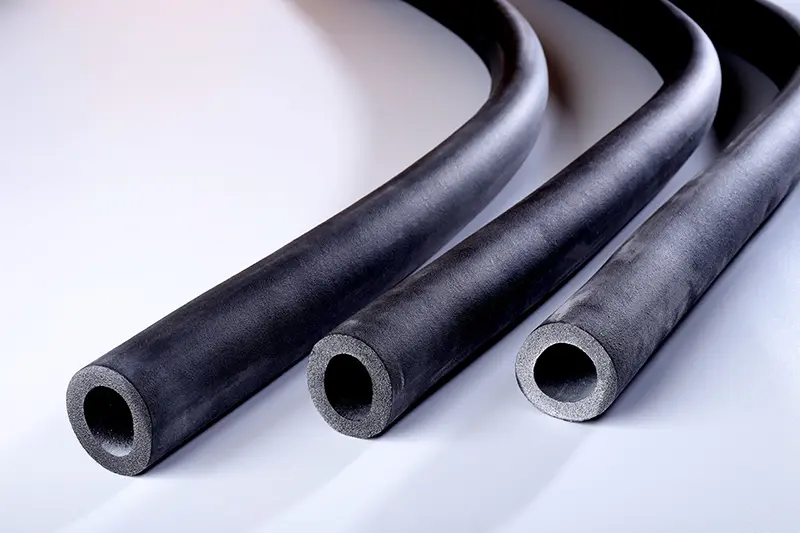
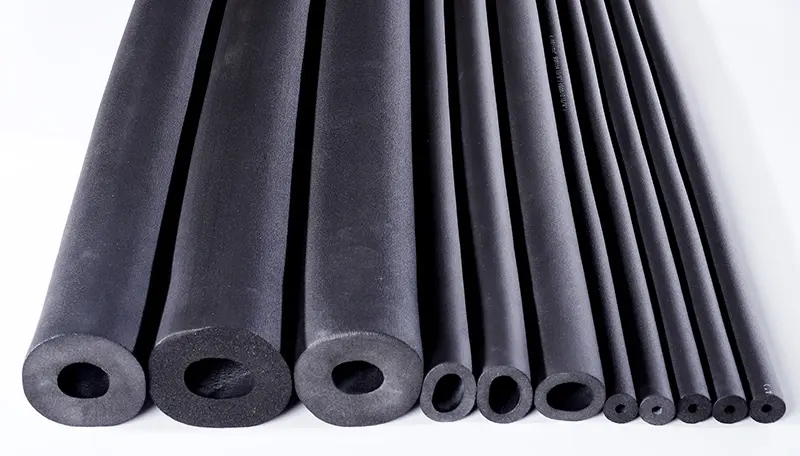
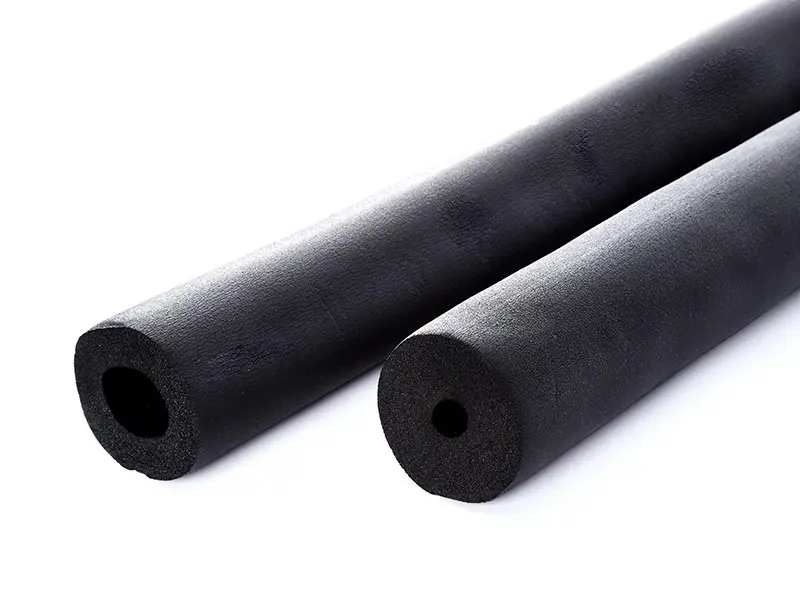
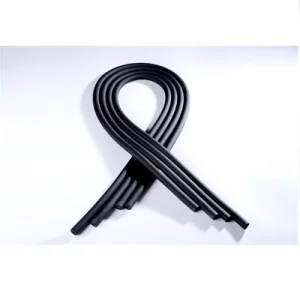
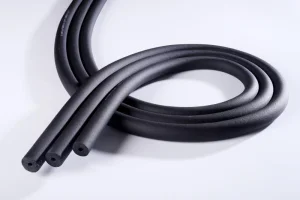
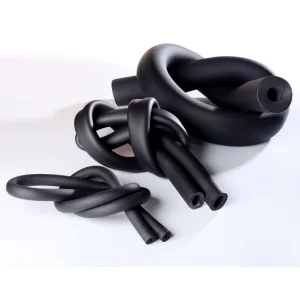
Kingflex Black Rubber Foam Insulation Pipe
Pre-formed extruded tubes designed to slide over copper, iron, and steel piping. The factory pipe-spraying process ensures uniform inner wall coating, reducing friction during installation and providing consistent radial thermal resistance.
Property
Technical Specification Details
Inner Diameter (ID) Range
6mm to 114mm (compatible with standard industrial pipe sizes)
Available Thicknesses
9mm, 13mm, 15mm, 19mm, 25mm, 32mm, 40mm
Density Range
40 - 55 kg/m³
Flame Spread Rating
Self-extinguishing; meets UL94 V-0 and BS 476 Class 0
Special Features
Reduces freezing and cracking risks in industrial and outdoor piping
Thermal Conductivity
Low heat conductivity factor keeps performance stable over decades
Macro-Industry Solutions & Application Scenarios
Analyzing the commercial and industrial demand for thermal efficiency across global projects.
1. HVAC and Building Service Systems
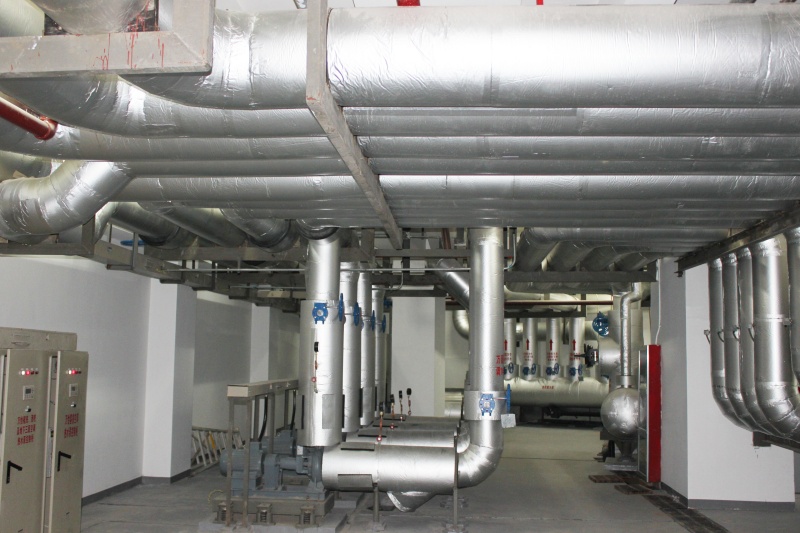
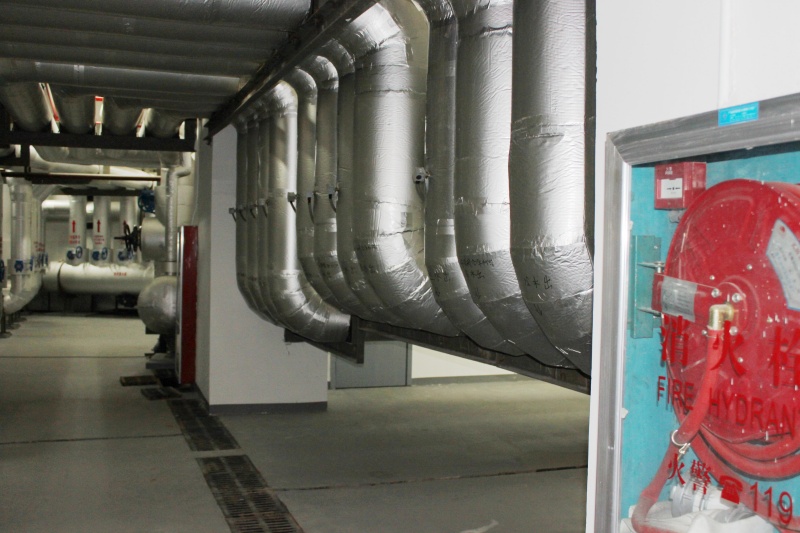
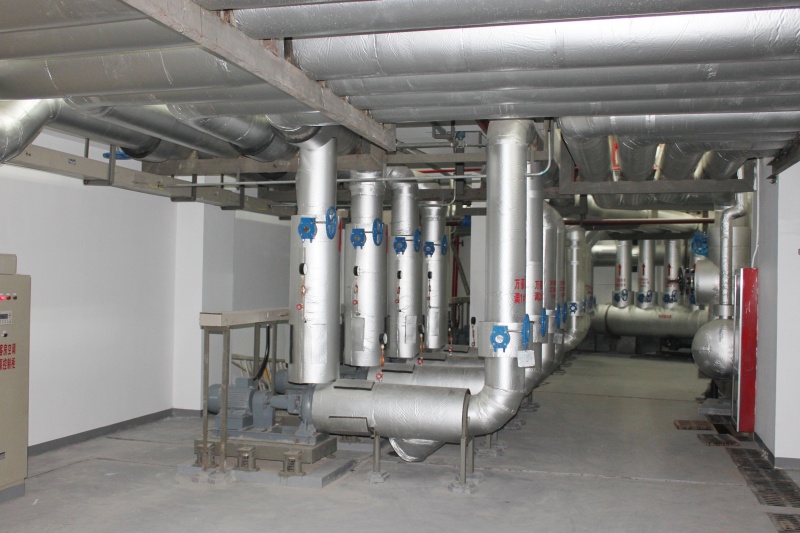
In modern commercial architecture, energy efficiency is a key driver for design. Chilled water pipe systems and duct networks running through unconditioned spaces require precise R-value calculation. Standard installations in hot, humid climates run the risk of surface condensation. Applying NBR/PVC closed-cell foam with a water vapor diffusion resistance ($\mu \ge 10,000$) establishes a barrier against moisture migration, preventing mold growth and protecting indoor air quality.
2. Industrial Pipelines and Cryogenic Operations
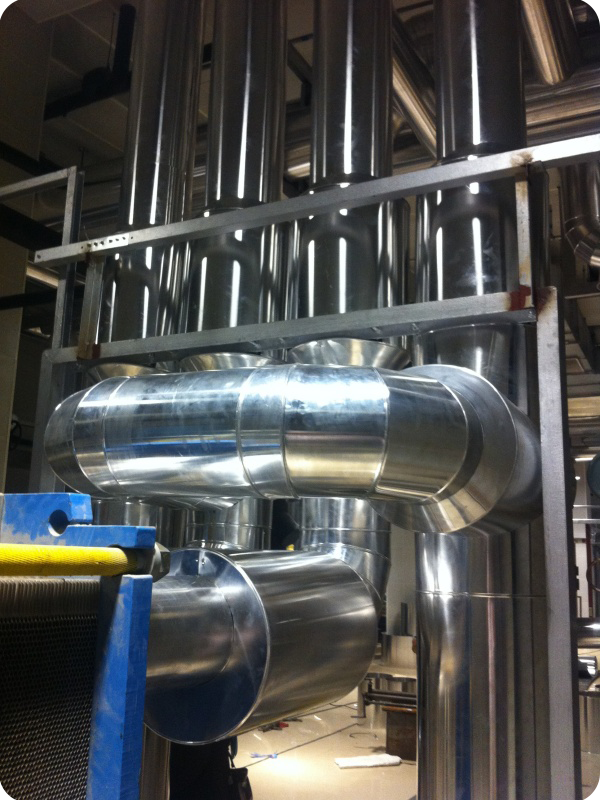
In chemical processing plants and cryogenic industries (LNG storage and transport down to -200 °C), thermal demands are strict. Traditional insulation materials like fiberglass or polyurethane can crack under extreme thermal contraction. Kingflex specialized ultra-low-temperature cryogenic elastomeric foams maintain flexibility at sub-zero temperatures, absorbing thermal expansion and contraction cycles while maintaining structural integrity and preventing thermal bridging.
3. Technology Roadmap and Sustainable Future
The global insulation industry is moving towards halogen-free, zero-VOC, and low-smoke formulations. As part of our environmental responsibility, Kingflex is researching bio-based raw materials and next-generation green blowing agents that have zero Ozone Depletion Potential (ODP) and Global Warming Potential (GWP) of less than 1. This helps developers achieve LEED, BREEAM, and DGNB certifications.
Phase 1: Advanced Foaming Science
Ultra-High Closed-Cell Density Development
Increasing the closed-cell matrix ratio to 99% to lower base thermal conductivity while maintaining flexible mechanical properties.
Phase 2: High Safety Compounds
Halogen-Free Flame Retardant Materials
Developing non-halogenated systems that meet strict flame resistance codes with low toxic smoke density, suitable for rail transit, marine, and underground tunnels.
Phase 3: Smart Integration
IoT Sensor Coated Insulation Layers
Integrating non-invasive fiber-optic and thermal sensors within insulation systems to monitor moisture ingress and detect Corrosion Under Insulation (CUI) in real-time.
Our Primary Product Categories
Discover our main product categories, ranging from standard elastomeric foams to heavy-duty mineral wool solutions.
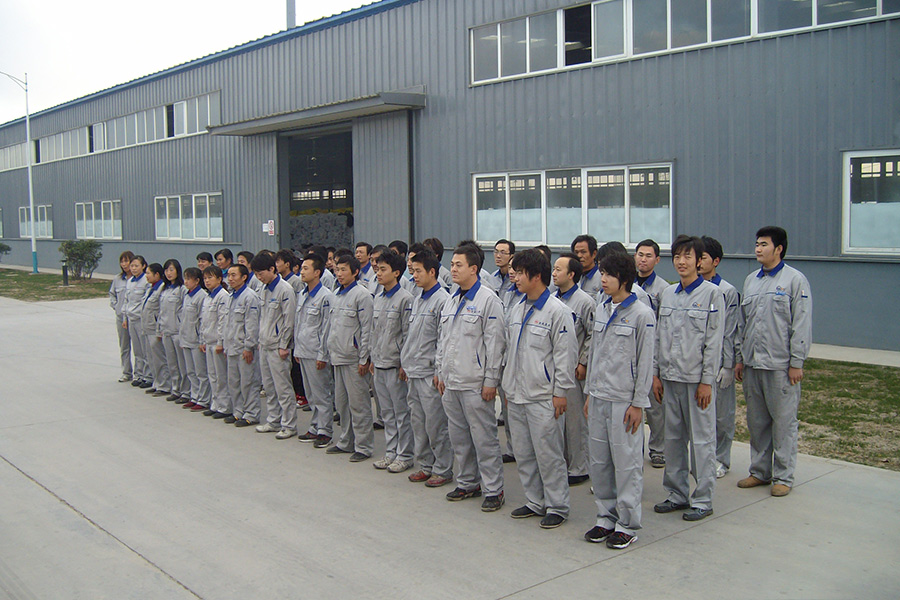
A visual overview of our manufacturing processes, global distribution logistics, and on-site applications.
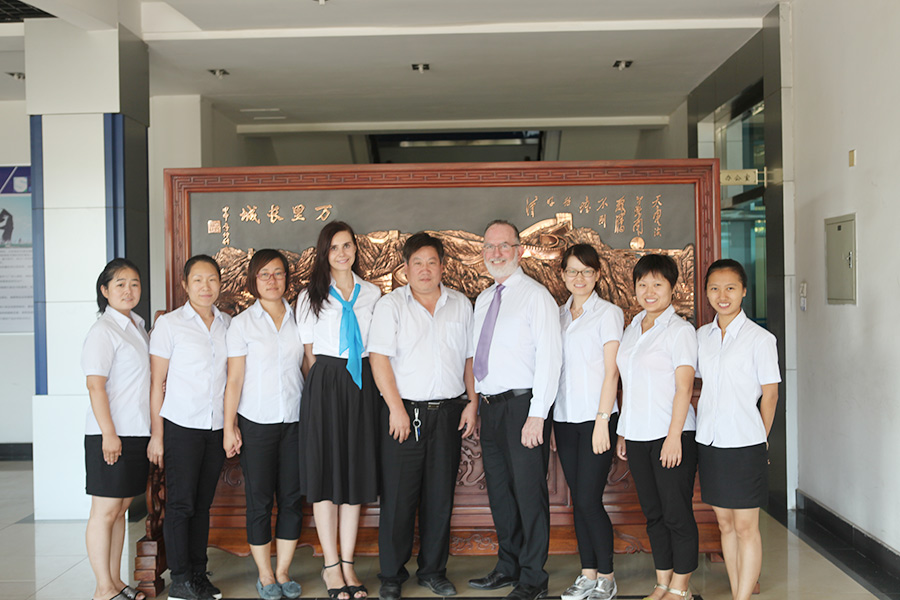
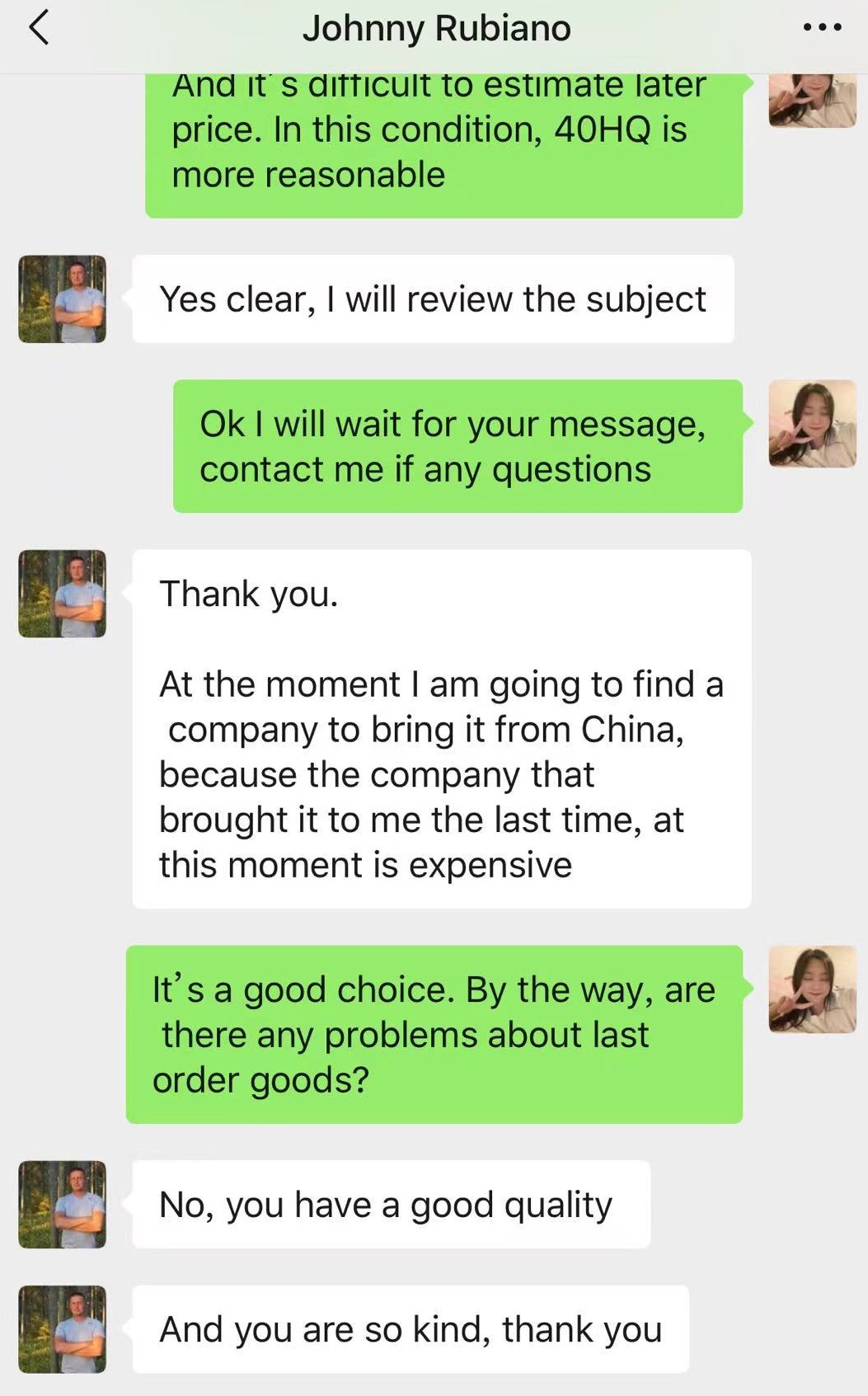
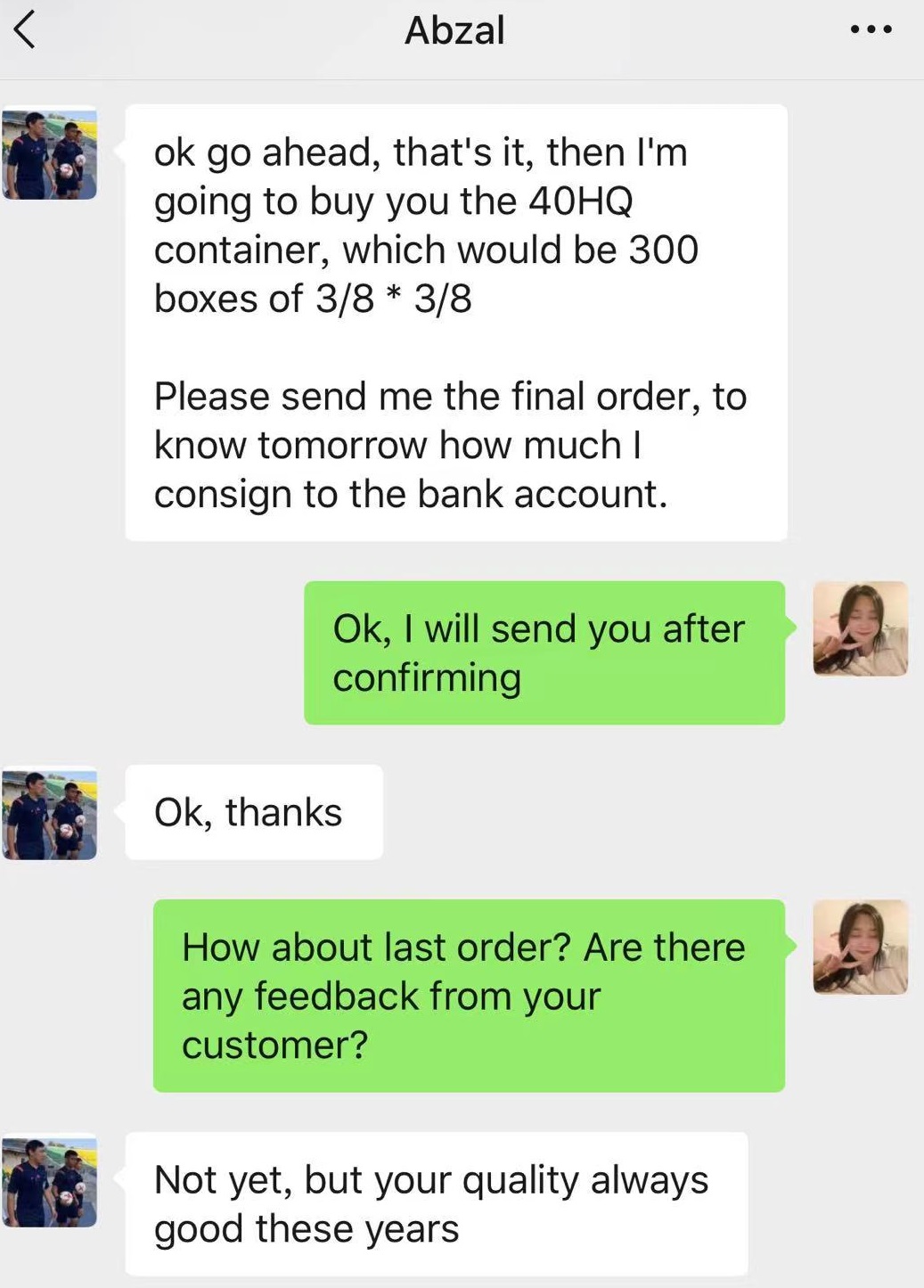
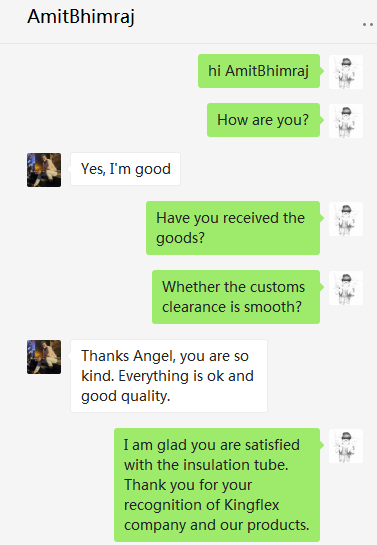
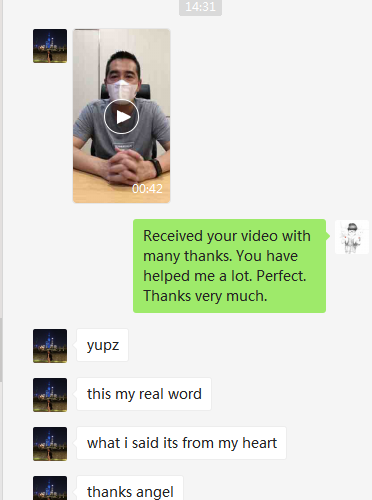
E-E-A-T Validation: Global Customer Engagements
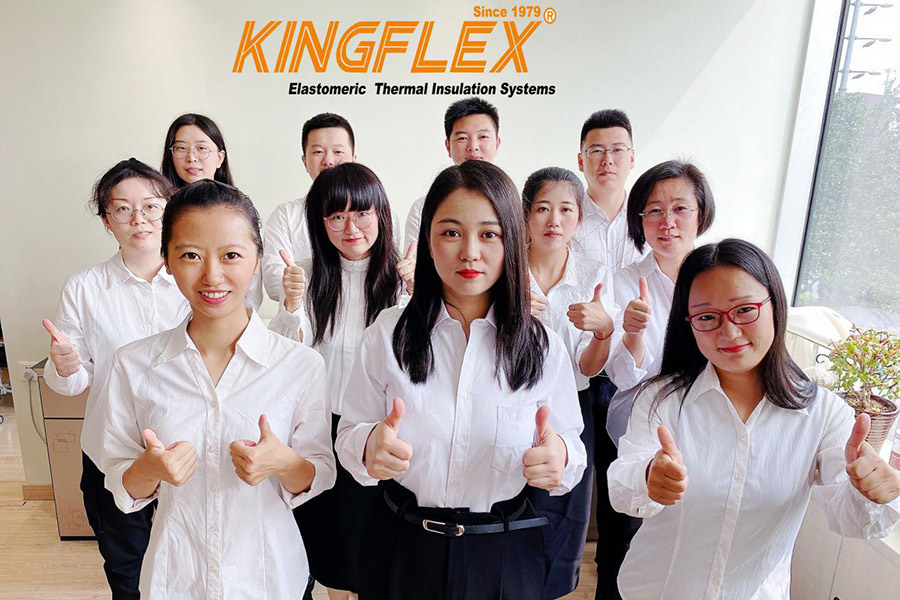
Verified interactions showing our daily communication and support for international engineering projects.
Frequently Asked Questions (FAQ)
Clear, technically accurate answers regarding standard and specialized applications for our insulation systems.
Q1: What is elastomeric rubber foam insulation used for?
It is mainly used for HVAC ducts, air conditioning pipes, building thermal insulation, industrial pipeline cold insulation, and sound insulation. Its closed-cell elastomeric structure is highly effective at preventing moisture vapor transmission, which is crucial for cold-water piping systems.
Q2: Is Kingflex rubber foam insulation fire resistant?
Yes, our rubber foam insulation products are fire retardant. They are engineered to meet global safety standards, including the BS 476 Class 0 rating and UL94 V-0 flame retardant specifications, ensuring safety compliance for commercial and industrial projects.
Q3: What is the difference between rubber foam and rock wool insulation?
Rubber foam is flexible, closed-cell, and highly moisture-resistant, making it ideal for HVAC systems and low-temperature applications. Rock wool is a fibrous mineral material that is non-combustible and can withstand higher temperatures (up to 650°C), making it suitable for high-temperature steam lines and industrial furnace systems.
Q4: Do you provide customized insulation products?
Yes, we provide OEM services, allowing you to customize product density, dimensions, thickness, and color coding. We can also add specialized aluminum foil or self-adhesive backings to meet your specific project requirements.
Q5: What certifications do your products have?
Our products are tested and certified under BS 476, CE, REACH, RoHS, UL94, and ASTM standards. This ensures that they meet environmental, performance, and safety criteria globally.
Q6: Does Kingflex products have traceability?
Yes, all Kingflex products have production traceability codes printed on the packaging. We track raw materials, production line logs, quality inspection results, and shipping manifests for every batch.
Q7: What thickness of Rubber foam insulation sheet roll can you produce?
We produce standard thicknesses from 6mm to 50mm. Thicker specifications can be laminated upon request to meet custom R-value requirements.
Q8: What is the service life of rubber plastic pipe and board?
Under typical operating conditions and with proper installation, Kingflex products have a service life of 10 to 15 years. Using protective UV-resistant coatings or aluminum cladding on outdoor installations can further extend their service life.
Explore Additional Specialized Solutions
We offer a wide range of specialized insulation materials designed to perform in challenging operational environments.
 Kingflex