Thermodynamic Core Specifications & Engineering Principles of Closed-Cell Elastomeric Foams
In the fields of commercial HVAC, process piping, and cryogenic storage, selecting the correct pipe insulation specification is critical to system longevity and operational efficiency. The primary function of thermal insulation is to reduce heat transfer rate through piping surfaces. This is governed by Fourier’s Law of Heat Conduction, where the heat flow rate is directly proportional to thermal conductivity (λ) and temperature delta (ΔT), and inversely proportional to the thickness of the insulation layer.
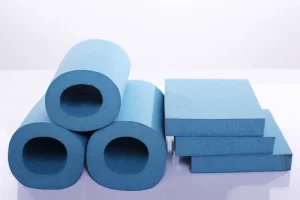
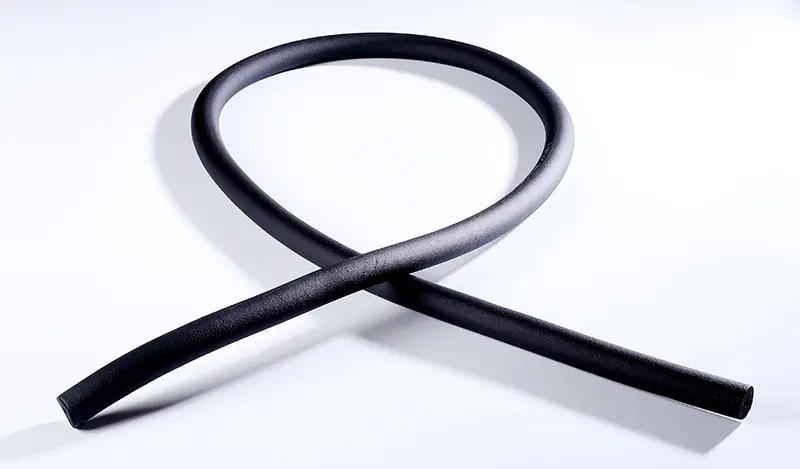
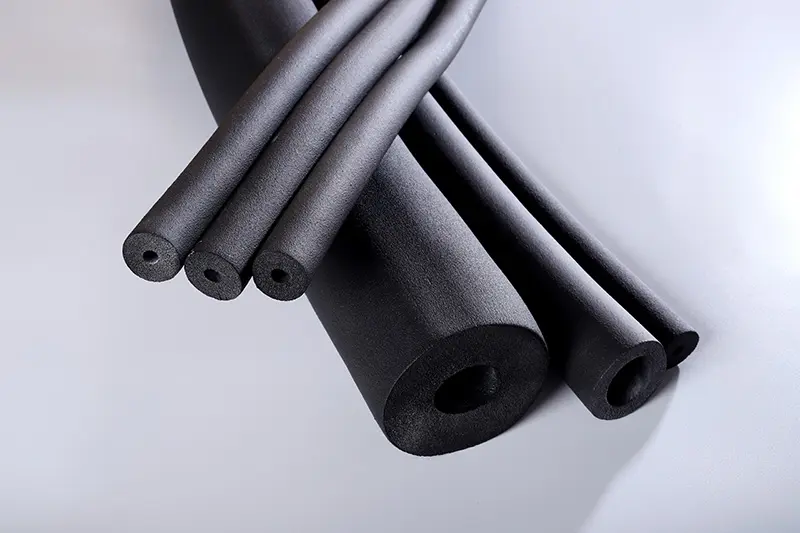
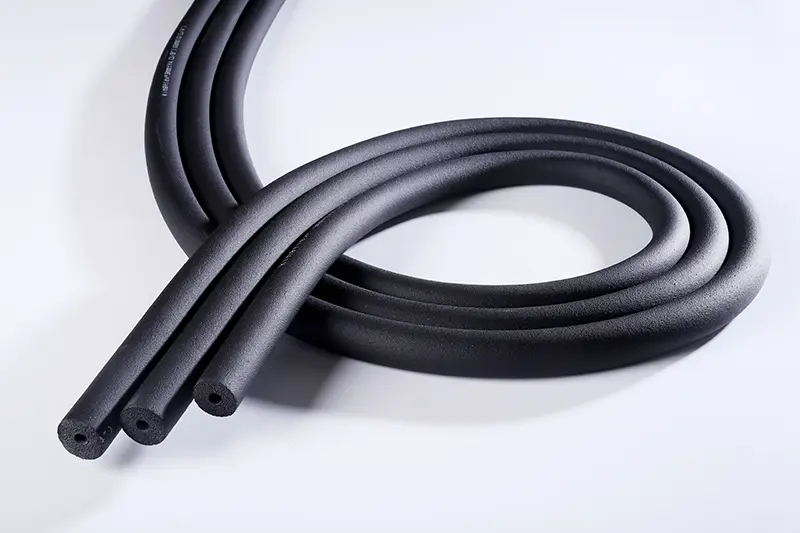
Elastomeric NBR/PVC rubber foam operates on the closed-cell structural paradigm. Unlike open-cell products or fibrous materials such as glass wool and rock wool, elastomeric foam encapsulates tiny pockets of gas inside millions of non-communicating cells. This design ensures that the thermal conductivity remains low and stable over time, even in environments with high moisture levels. Water vapor ingress is the leading cause of insulation degradation. Liquid water has a thermal conductivity approximately 24 times higher than air, which means that any moisture intrusion will rapidly decrease the thermal resistance of the insulation layer.
Vapor Permeability and the μ-Value
The resistance factor against water vapor transmission (μ-value) defines the longevity of cold service insulation. A standard closed-cell NBR/PVC insulation sheet boasts a μ-value ≥ 10,000, creating an inherent vapor barrier. This eliminates the need for external vapor jacket installations in standard commercial application environments.
Comparison of Critical Technical Parameters
Engineers must compare various material classes depending on the operating temperature limits and environmental exposure. The table below outlines the primary specification differences between elastomeric rubber foam, rock wool, and glass wool systems.
Insulation Material
Service Temperature Range
Thermal Conductivity (λ) at 0°C
Water Vapor Resistance (μ)
Fire Performance Rating
Closed-Cell NBR/PVC Rubber Foam
-40°C to 105°C (Cryogenic: -196°C)
≤ 0.034 W/(m·K)
≥ 10,000
Class 0 (BS 476), Class V-0 (UL94)
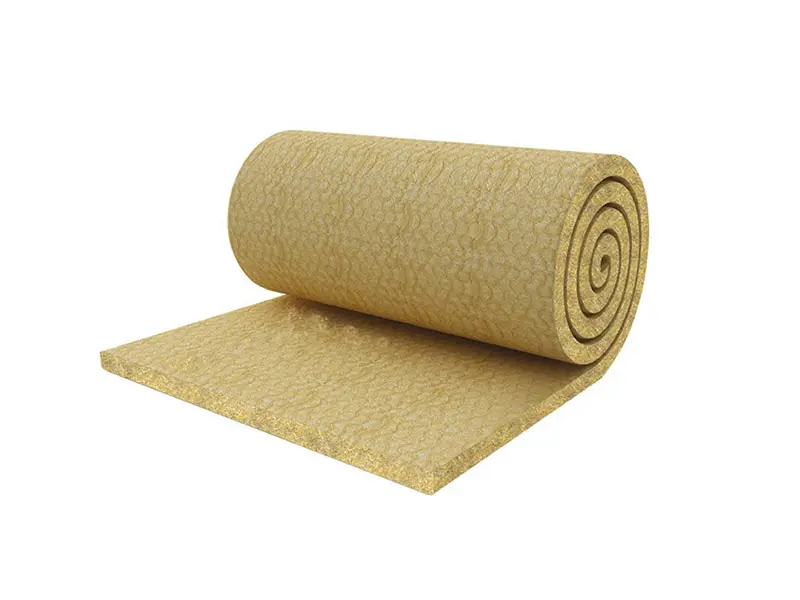
Rock Wool Insulation Board/Pipe
Up to 650°C
≤ 0.040 W/(m·K)
1 (Requires external jacket)
Non-combustible (Class A1)
Glass Wool Insulation
-120°C to 350°C
≤ 0.036 W/(m·K)
1 (Requires external jacket)
Non-combustible (Class A1)
Global Deployments
Localization Engineering & Specific Industrial Scenarios
Industrial installations require tailored insulation specs. How environmental factors, chemical exposures, and localized building codes dictate the design of thermal systems.
Commercial HVAC & Condensation Prevention
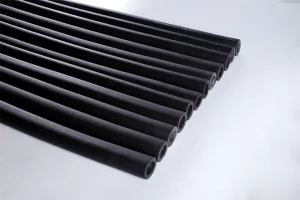
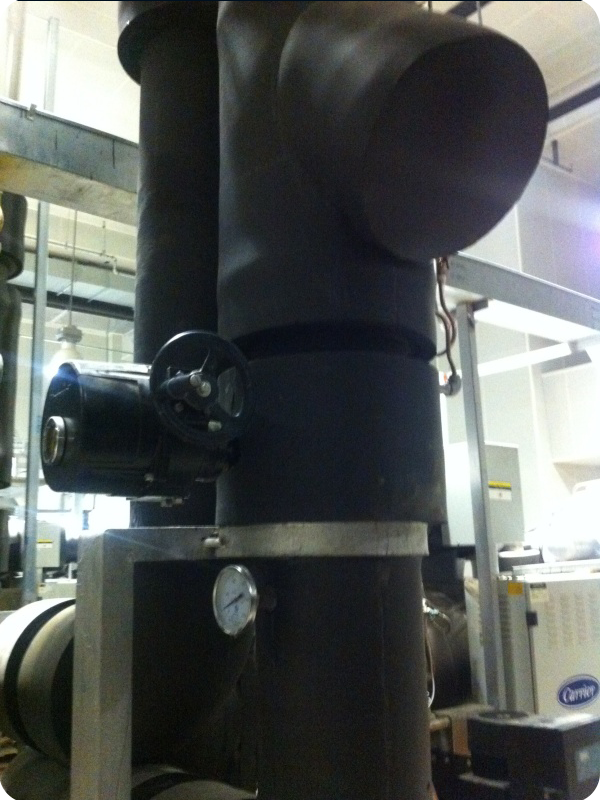
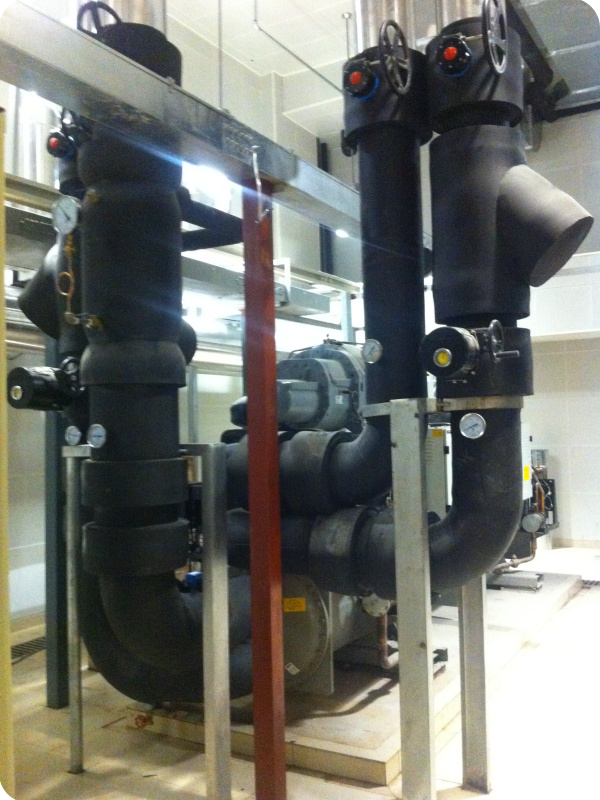
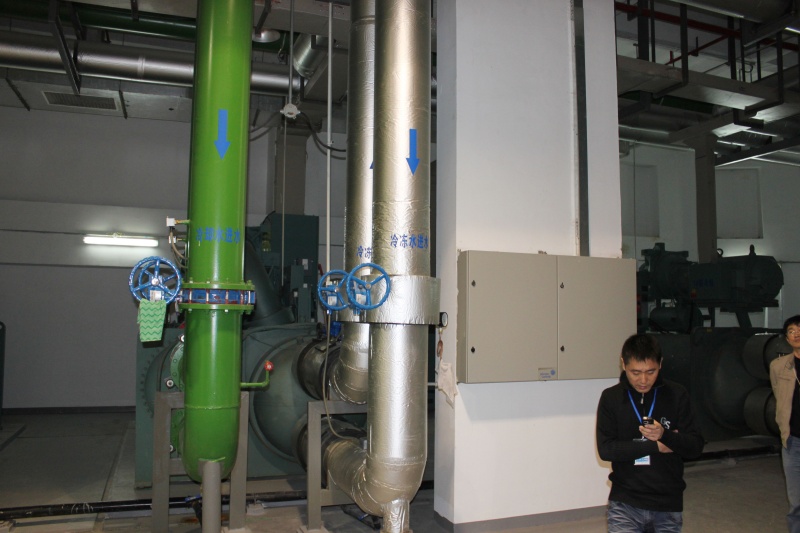
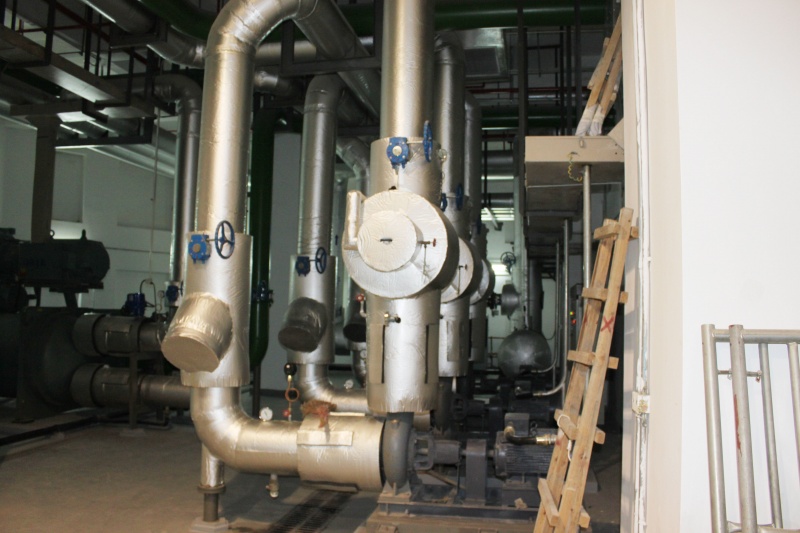
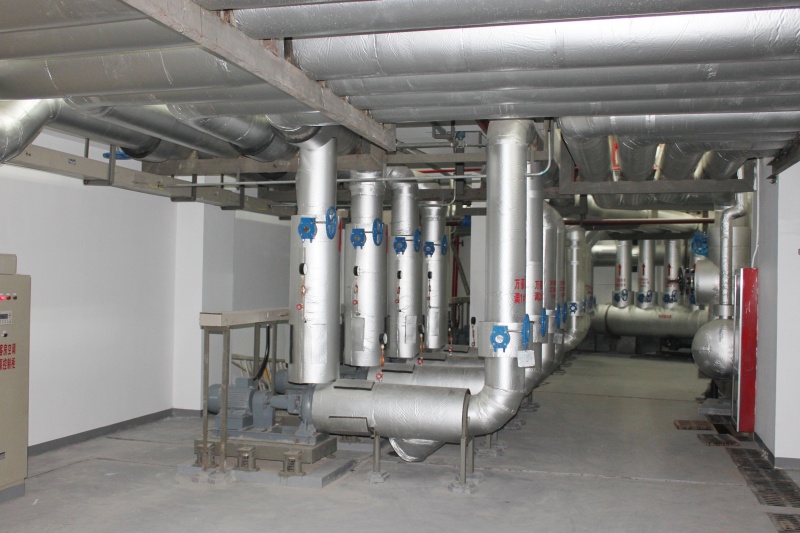
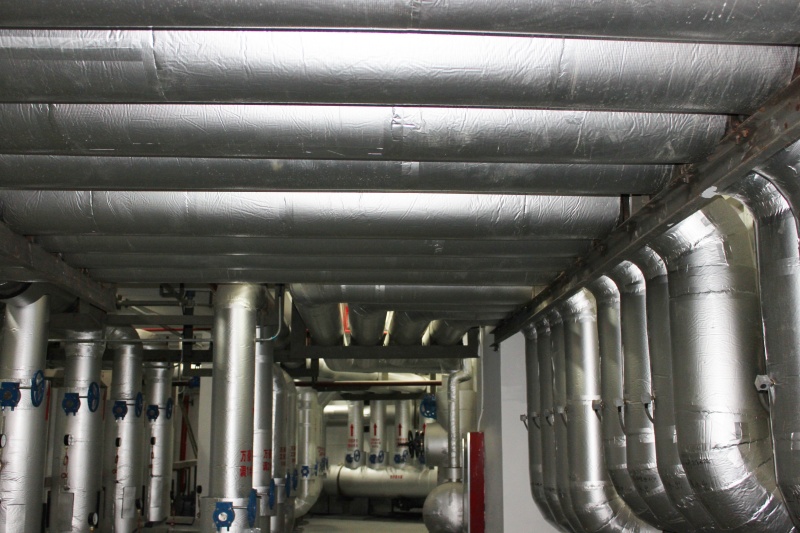
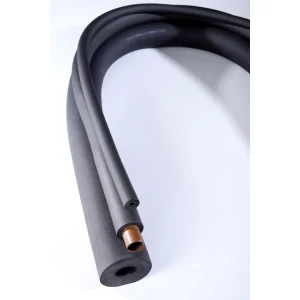
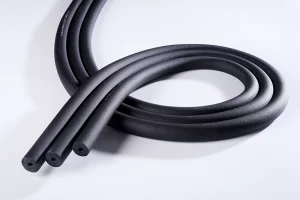
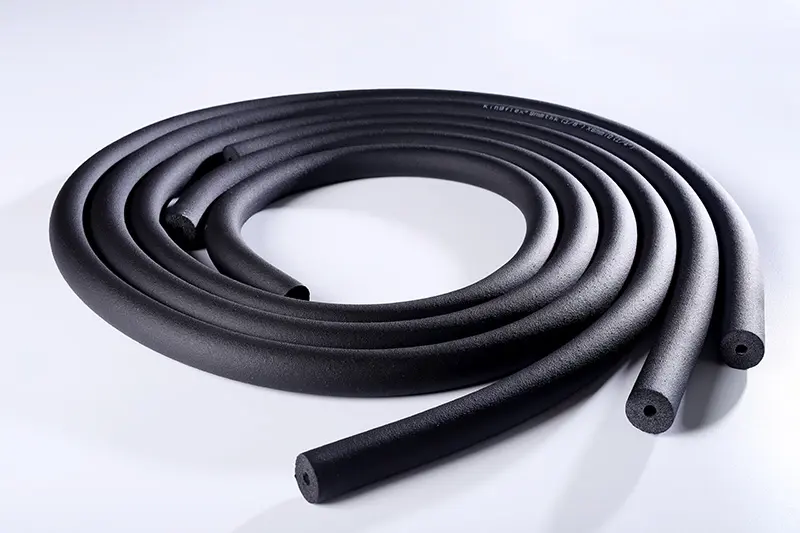
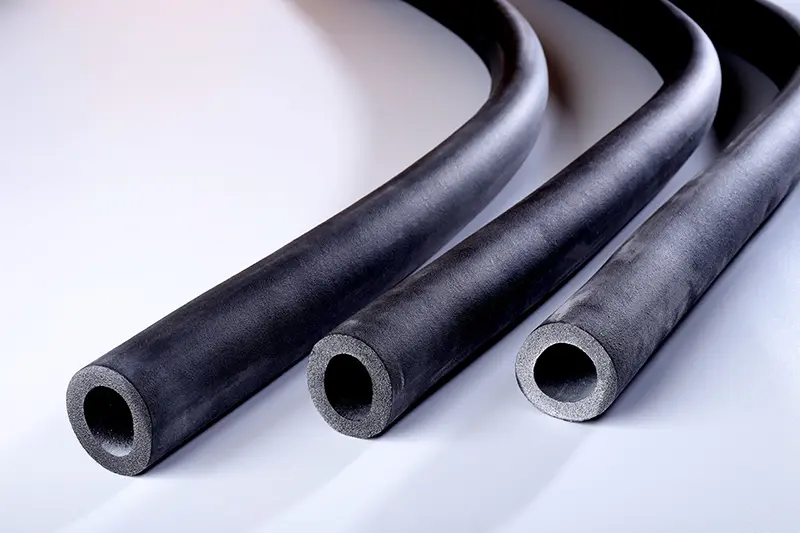
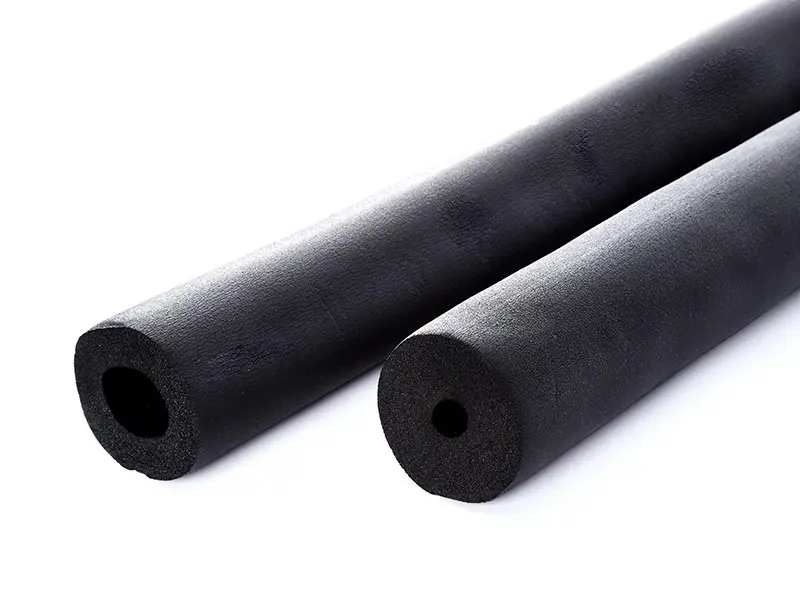
In hot and humid sub-tropical climates, chilled water lines operating at 4°C to 7°C are highly susceptible to surface condensation. If the outer surface temperature of the insulation drops below the ambient dew point, liquid water will collect, resulting in dripping, ceiling damage, and mold growth. Standardizing on Kingflex NBR/PVC insulation pipes with a nominal thickness of 19mm to 25mm guarantees that the outer surface stays above the dew point, keeping the mechanical room dry.
Cryogenic & LNG Industrial Pipelines
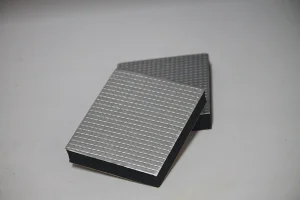
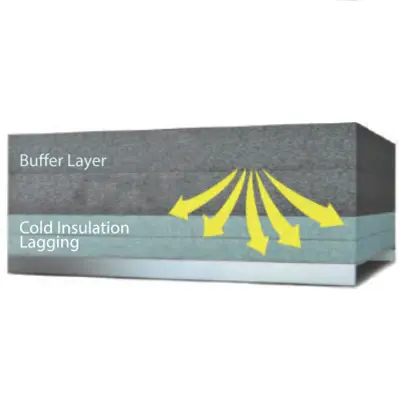
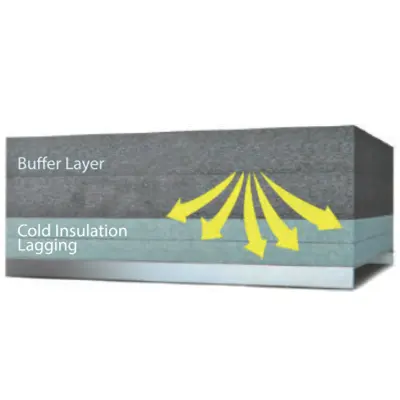
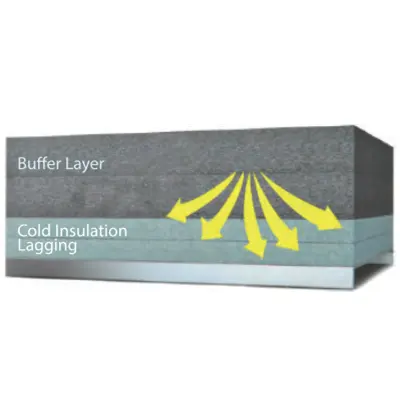
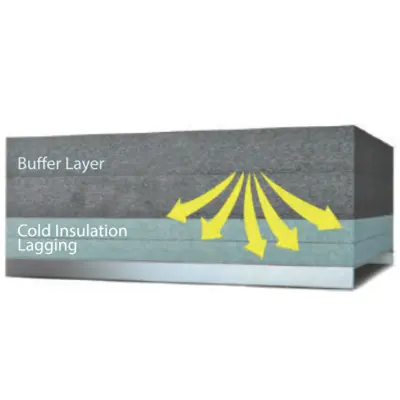
For cryogenic applications down to -196°C, specialized flexible cryogenic systems are mandatory. Standard rubber foam would turn brittle and crack under such thermal contraction stress. Our multi-layer cryogenic insulation configurations utilize low-density, highly elastic outer barriers coupled with dense elastomeric core sheets. This configuration absorbs thermal expansion and contraction cycles without micro-cracking, preserving the integrity of the vacuum jacketed piping system.
High-Rise Acoustic & Fire Protection
In high-density commercial spaces like hotels and hospitals, building plumbing and ventilation ducts generate significant structural noise. The Kingflex sound insulation rubber foam system serves a dual purpose: it dampens structural vibrations from fluid movement while meeting fire retardancy requirements. Formulated to meet BS 476 Class 0, this system has very low smoke toxicity and zero flaming droplets, conforming to strict local municipal fire safety protocols.
Supply Chain Optimization
China Factory Logistics & Manufacturing Efficiency
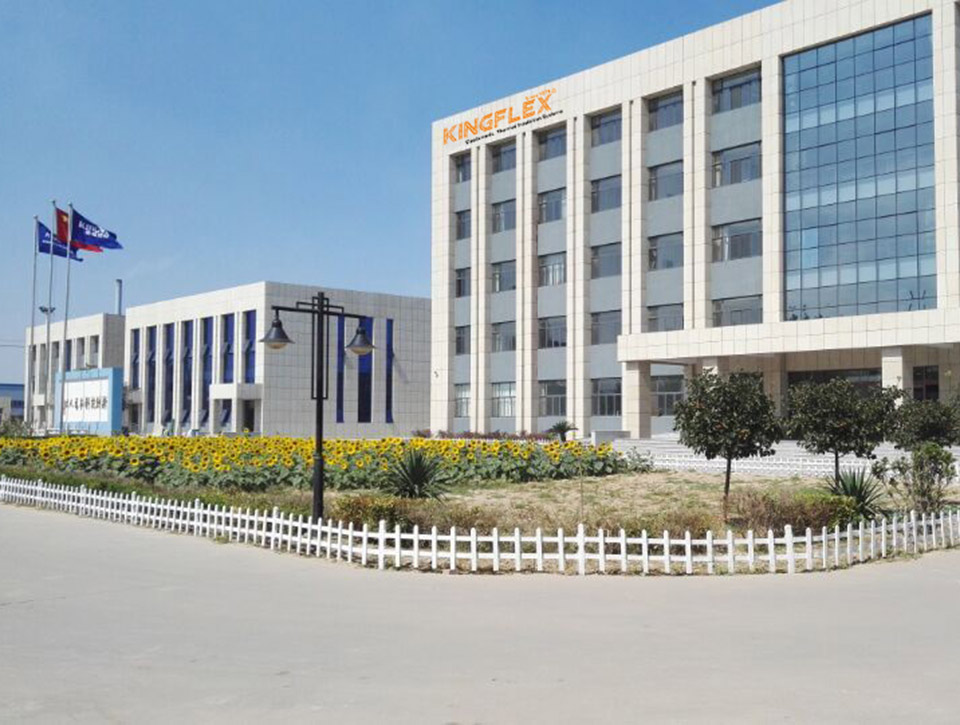
Kingflex Insulation Co., Ltd. is located in Dacheng, China, the premier industrial cluster for green building materials. This geographic centralization provides distinct competitive advantages for global procurement managers, including localized raw material access, integrated supply chains, and highly optimized freight consolidation routes.
Operating 5 high-speed, fully automated continuous extrusion and foaming lines, Kingflex maintains an annual production capacity exceeding 600,000 cubic meters. Our strategic proximity to major shipping ports (such as Tianjin Xingang) guarantees short transit times and minimized logistics costs, ensuring a reliable supply chain for large-scale construction schedules worldwide.
600K+
Annual Capacity (m³)
5
Automatic Lines
16+
Years Export Experience
Our Legacy
40+ Years of Manufacturing Excellence
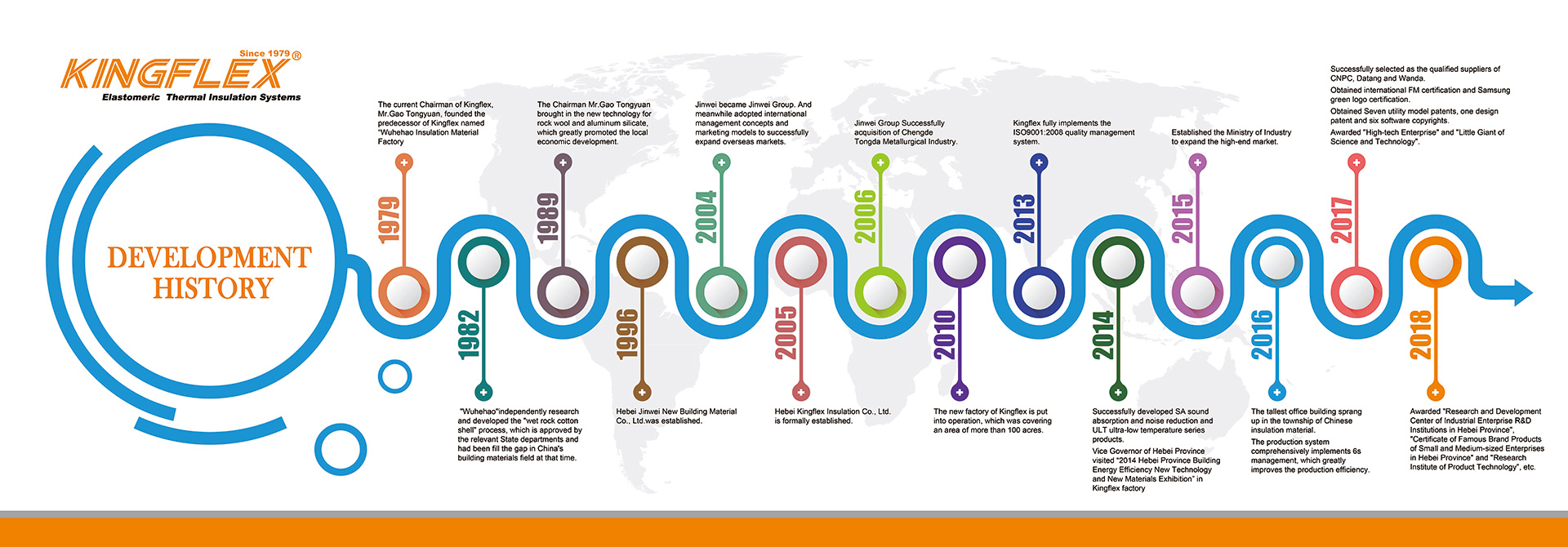
Kingflex was established by the Jinwei Group, which has a manufacturing history of more than 40 years dating back to 1979. Jinwei Group was the first manufacturer of thermal insulation materials north of the Yangtze River, laying the groundwork for regional thermal insulation technological development.
Today, Kingflex operates as a combined manufacturing and trading company, providing fully integrated solutions that cover initial consulting, R&D, custom product sizing, installation guidance, and post-sale technical support.
Innovation Hub
Research, Development & Technical Expertise
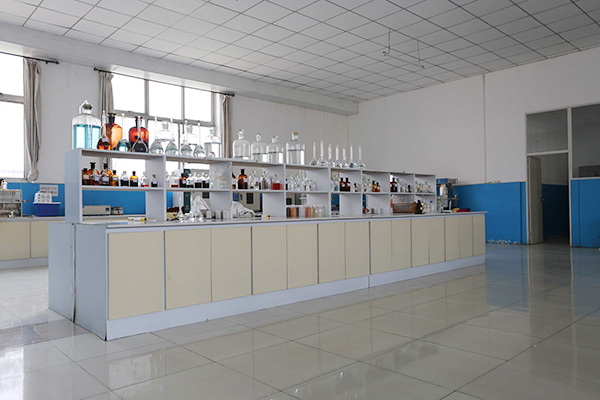
Our dedicated engineering department focuses on materials science, refining formulations to optimize thermal insulation and smoke performance.
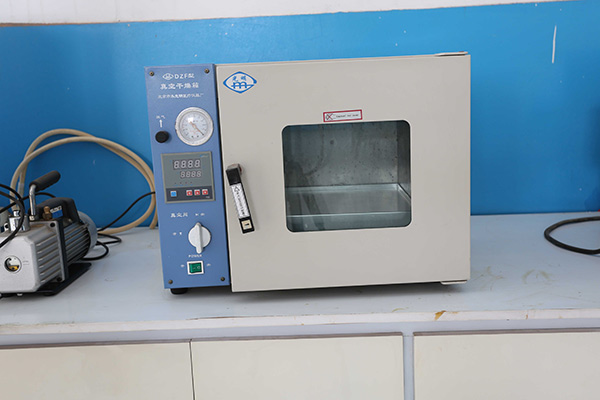
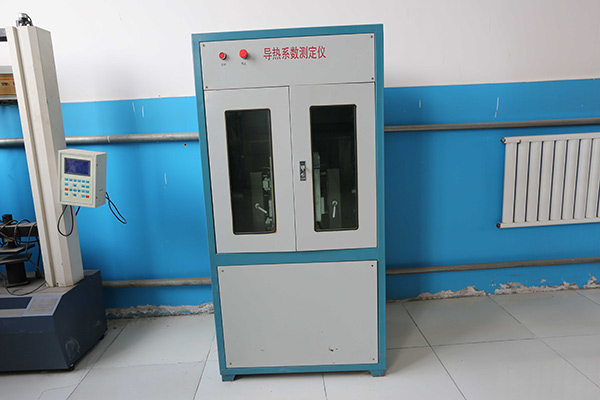
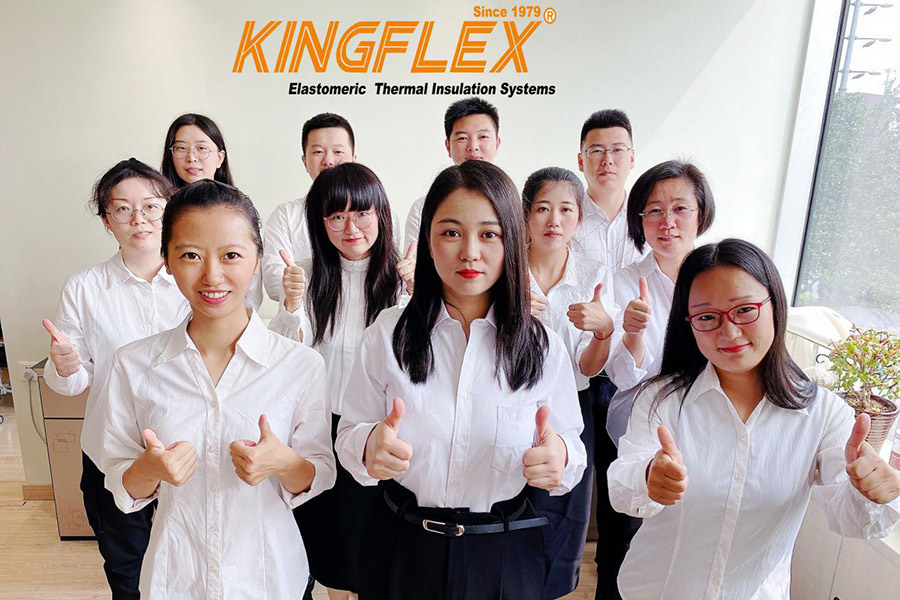
Our R&D department is led by 8 professional materials science engineers, supported by 6 international trade specialists and 230 skilled production workers. This integrated structure ensures that custom specifications are verified by laboratory testing before scaling up to mass production.
Compliance & Certifications
Strict Adherence to International Standards
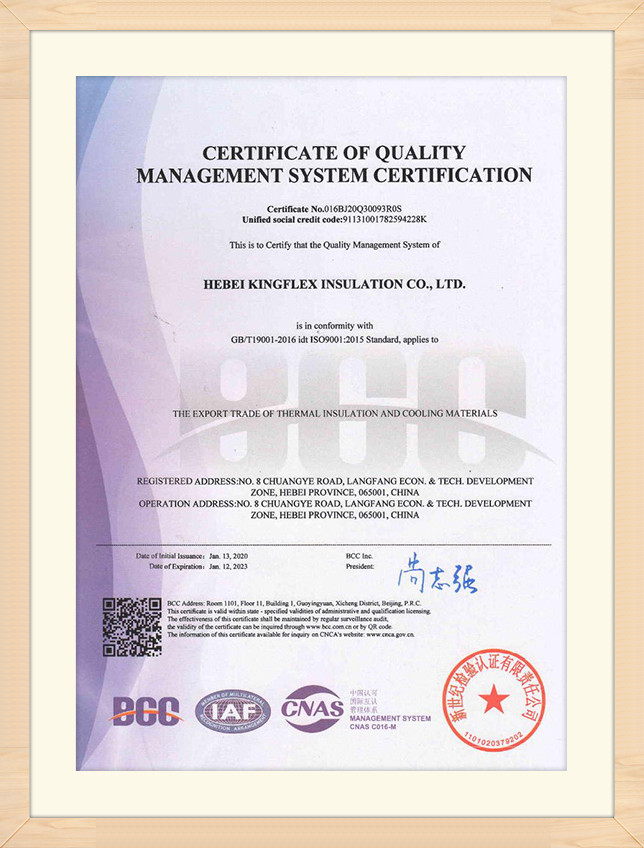
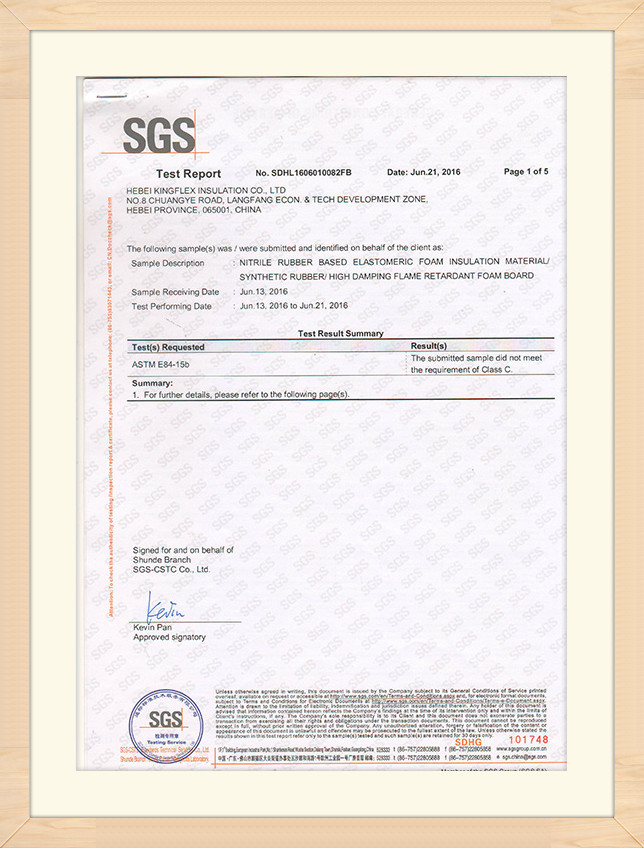
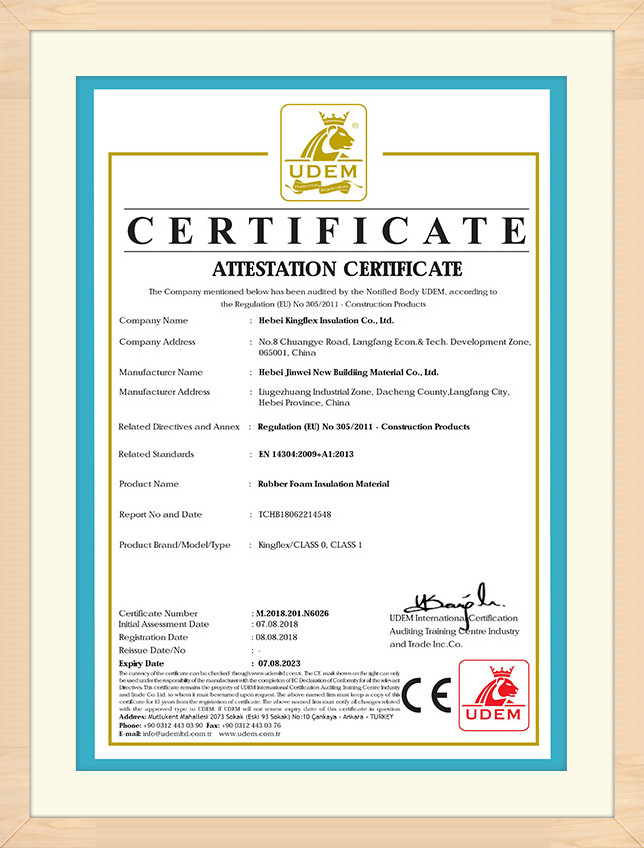
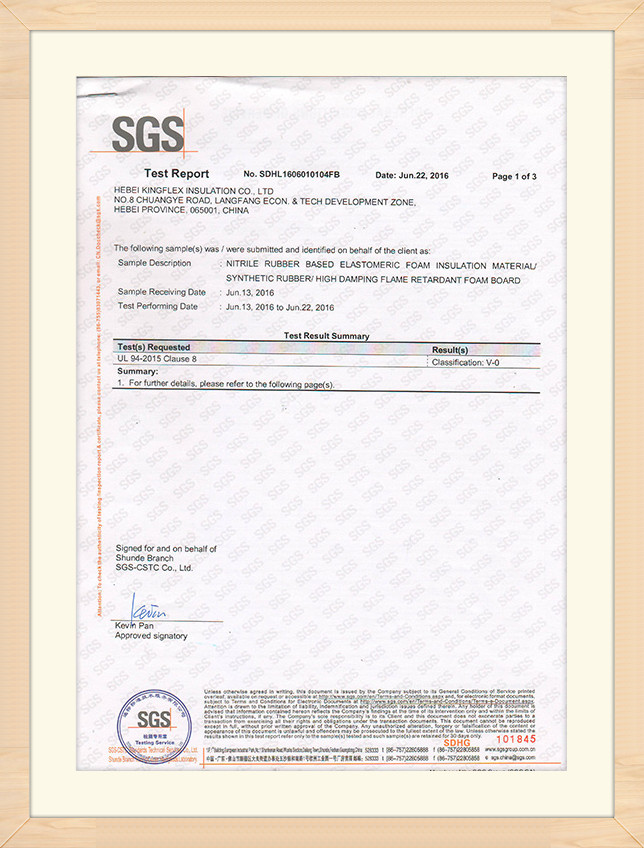
Kingflex insulation products are regularly audited by independent third-party laboratories to ensure full compliance with international safety and building codes.
Our certifications include BS 476 (Parts 6 & 7 for Class 0/Class 1 flame propagation), CE, REACH, RoHS, UL94, and ASTM standards. These credentials ensure that our materials meet global compliance requirements for public building projects, petrochemical industrial plants, and maritime construction.
Strategic Future Roadmap
Technical Roadmap & Future Outlook (2025–2030)
The global demand for high-performance insulation is shifting toward low-VOC, carbon-neutral, and smart-integrated systems. Kingflex’s R&D team is actively pursuing research in three primary areas:
1. Bio-Based Elastomeric Foams
To reduce dependence on petroleum products, we are developing rubber matrix compositions containing up to 25% bio-derived polyols and plant-based rubber compounds, lowering the carbon footprint while maintaining fire retardancy.
2. Aerogel-NBR Hybrid Composites
By infusing silica aerogels into the elastomeric closed-cell structure, our next-generation prototypes achieve a thermal conductivity of λ ≤ 0.027 W/(m·K), providing superior insulation performance in a thinner profile.
3. IoT Leak-Detection Layers
For industrial piping networks, we are engineering sheet systems with integrated moisture-sensing smart strips. These sensors detect early condensation or pipeline leaks beneath the insulation layer, transmitting alerts directly to facility control systems.
Proven Track Record
Global Project Case Studies & Performance Records
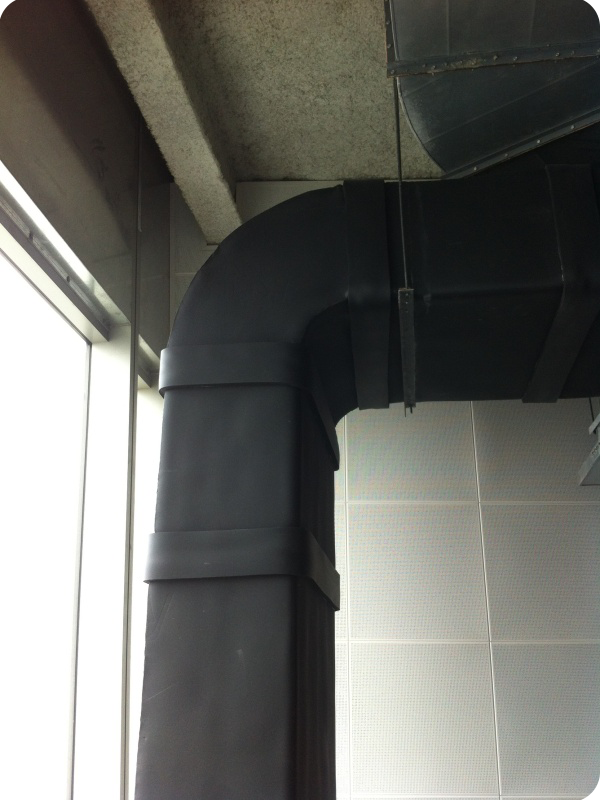
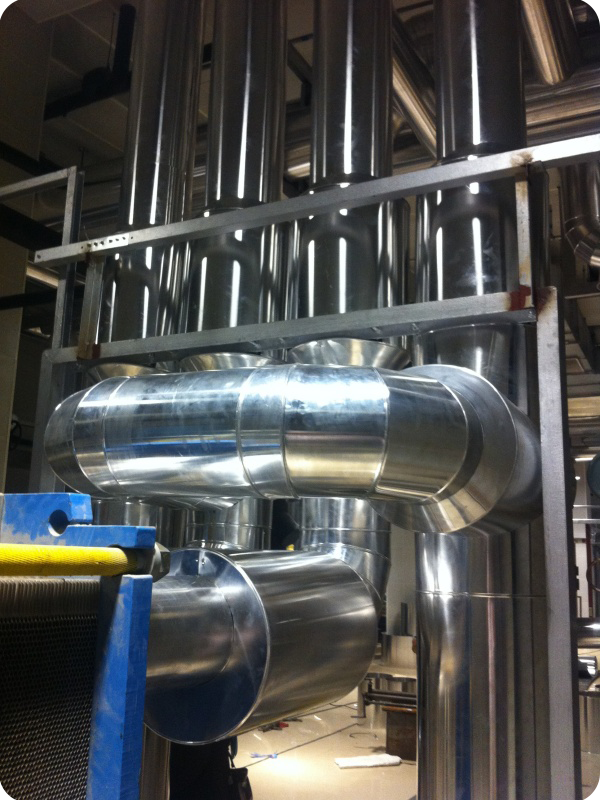
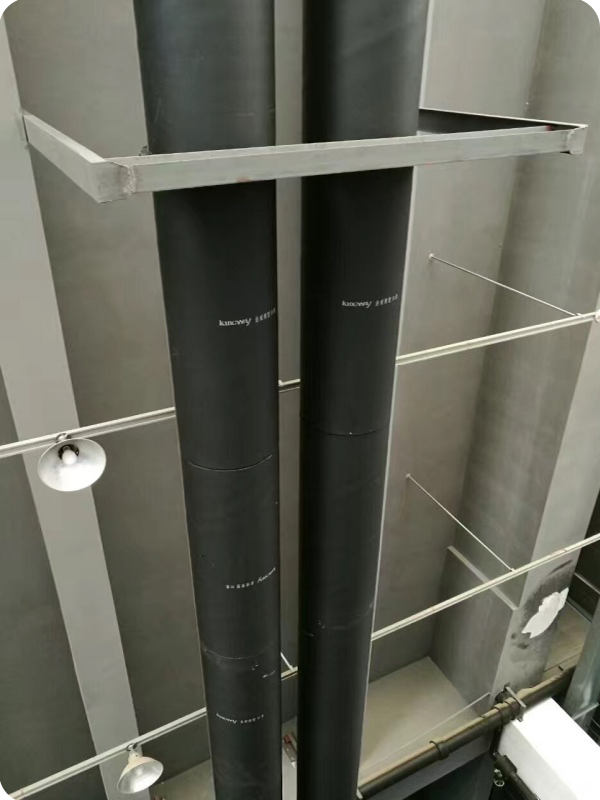
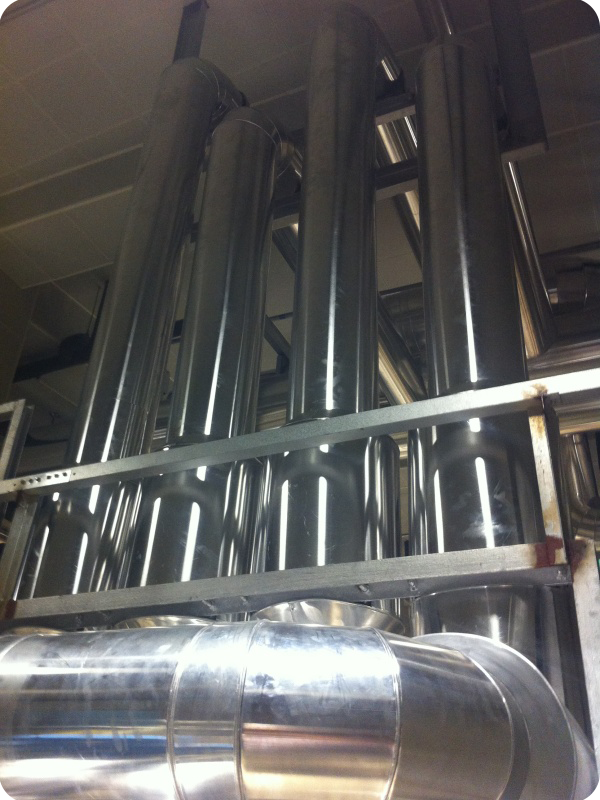
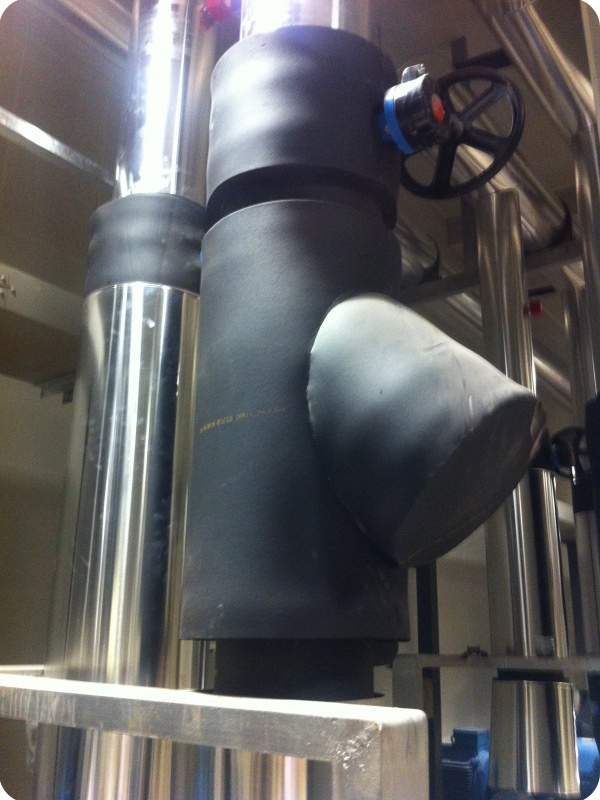
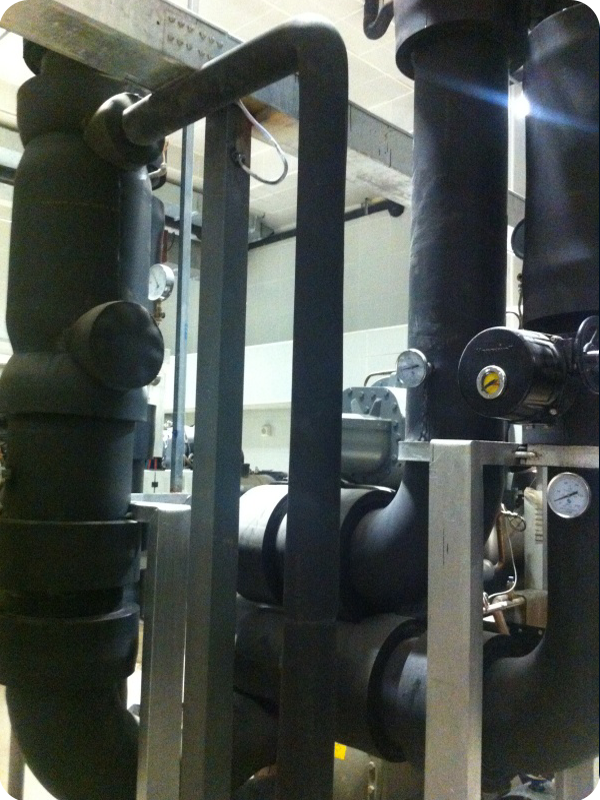
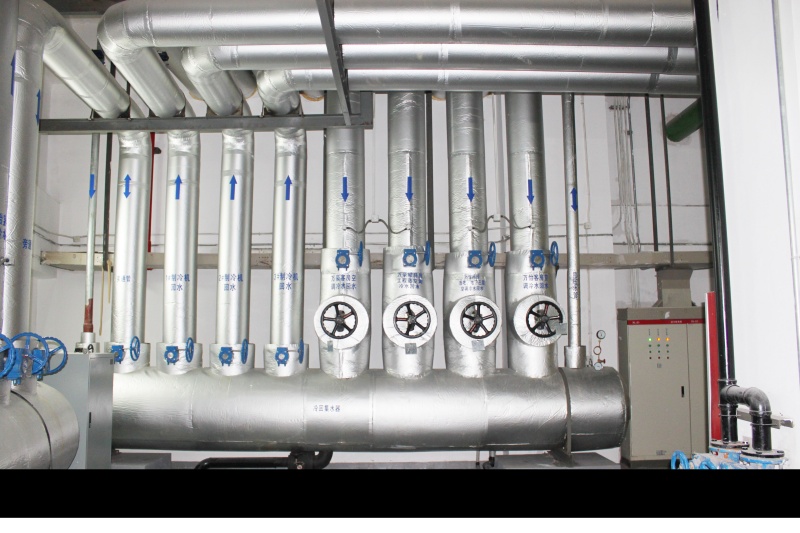
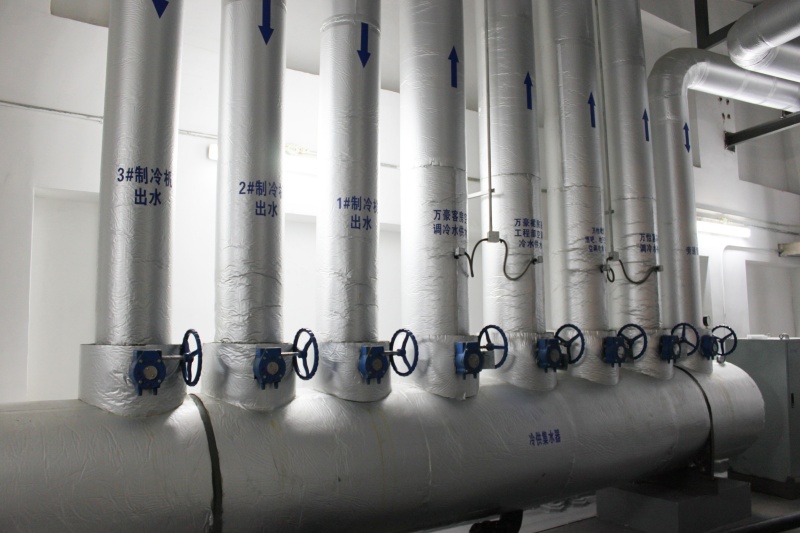
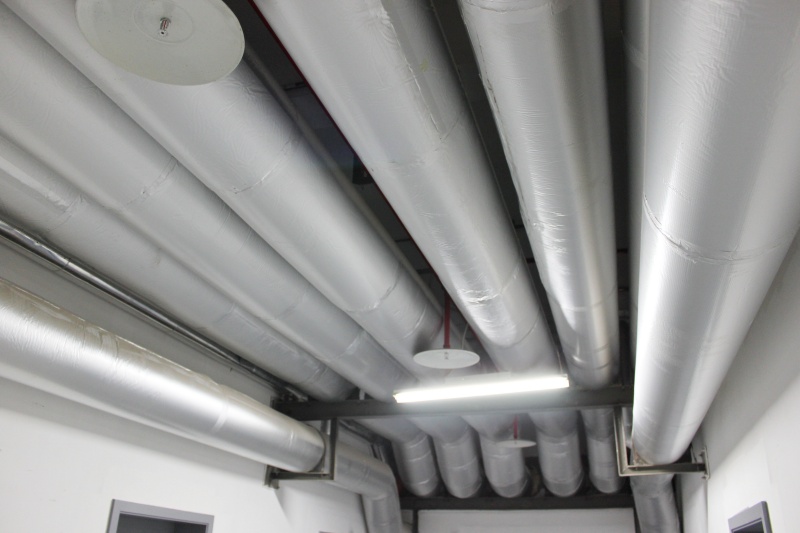
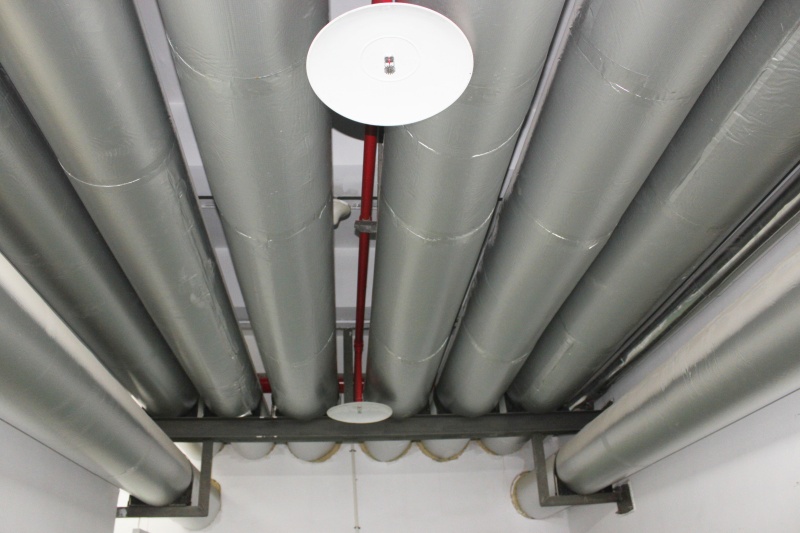
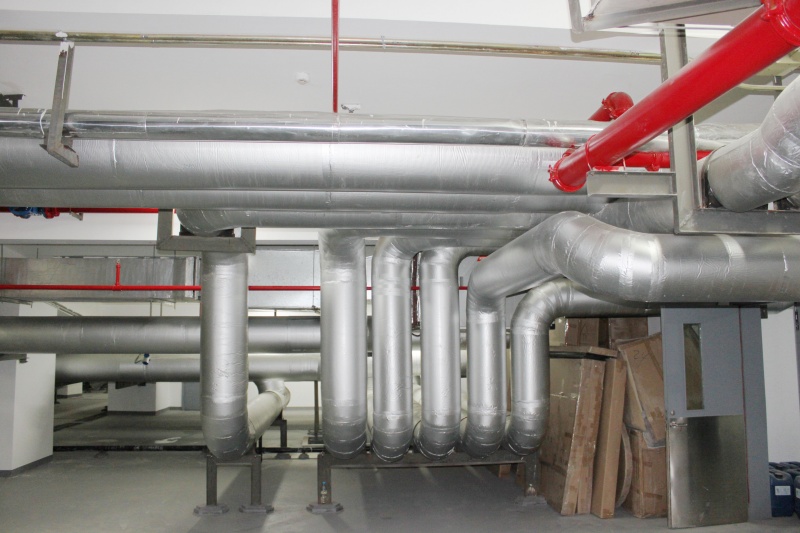
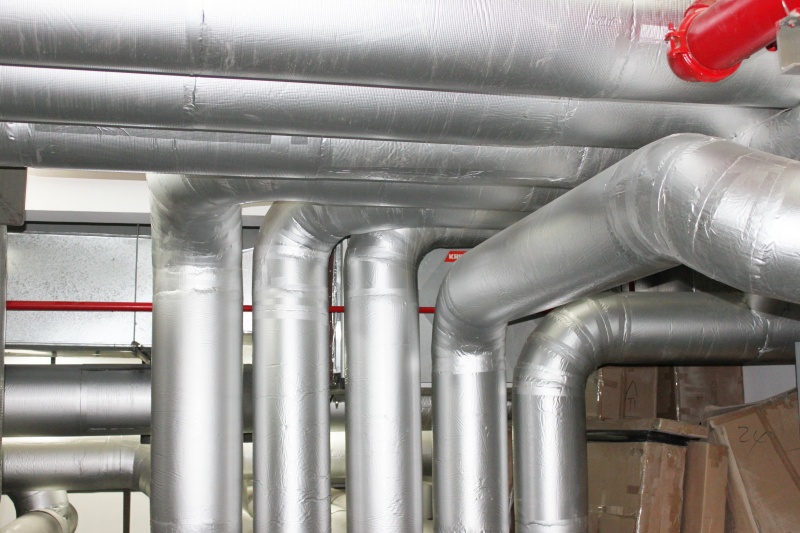
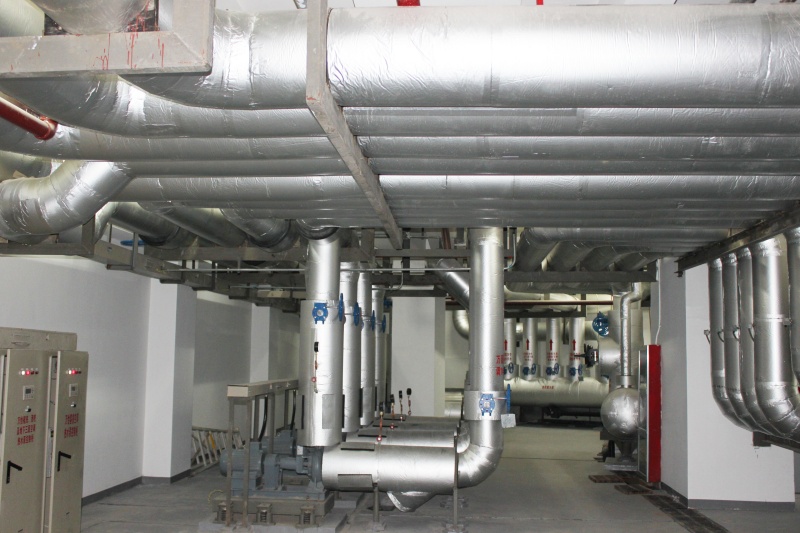
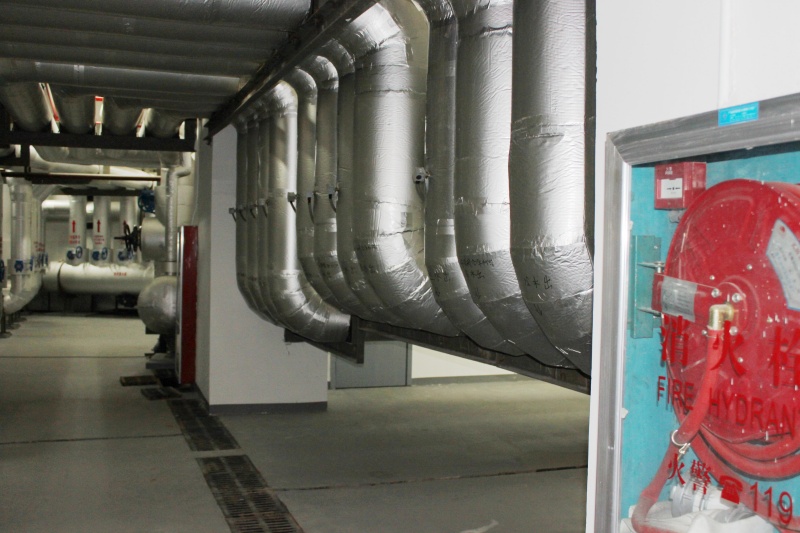
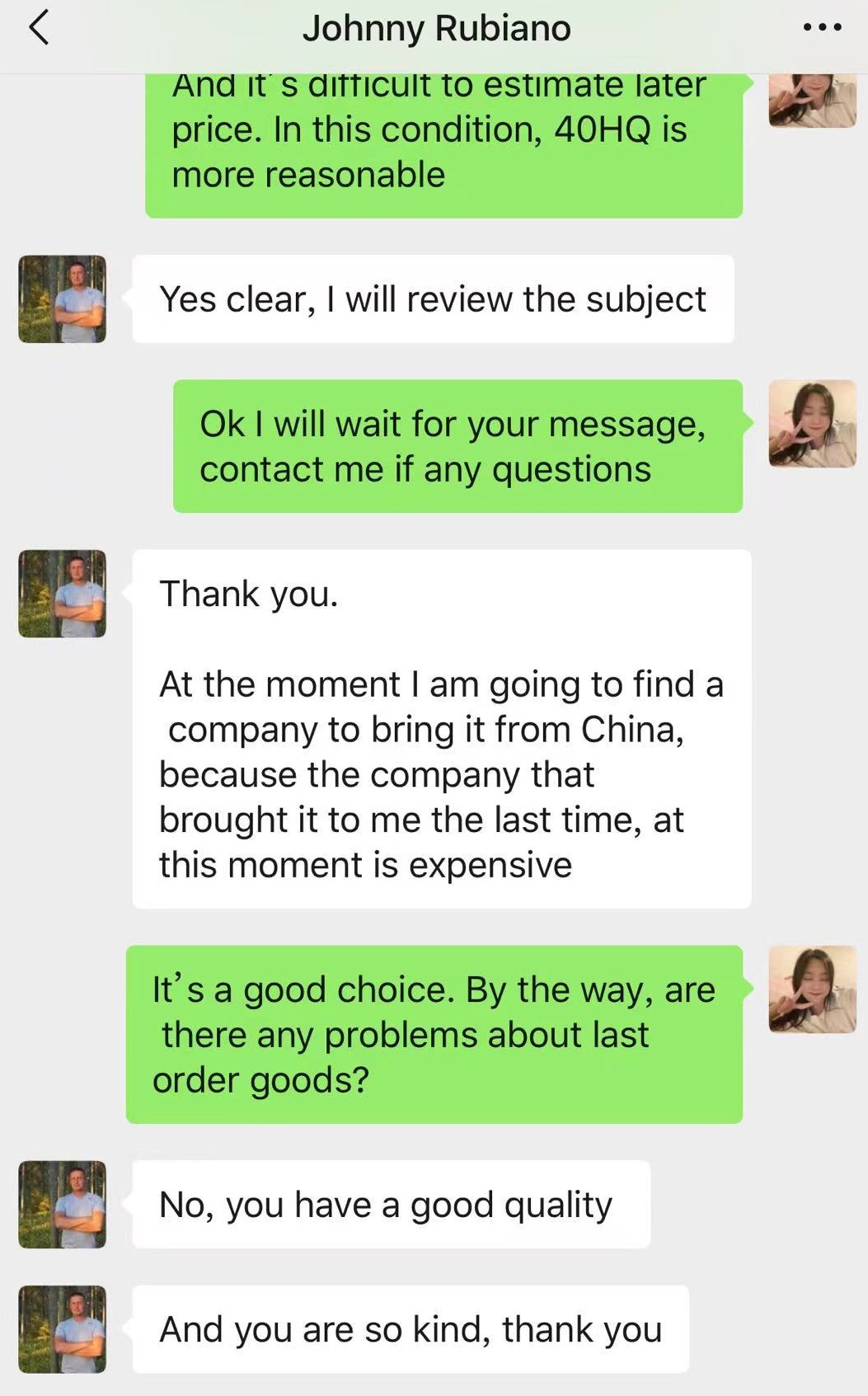
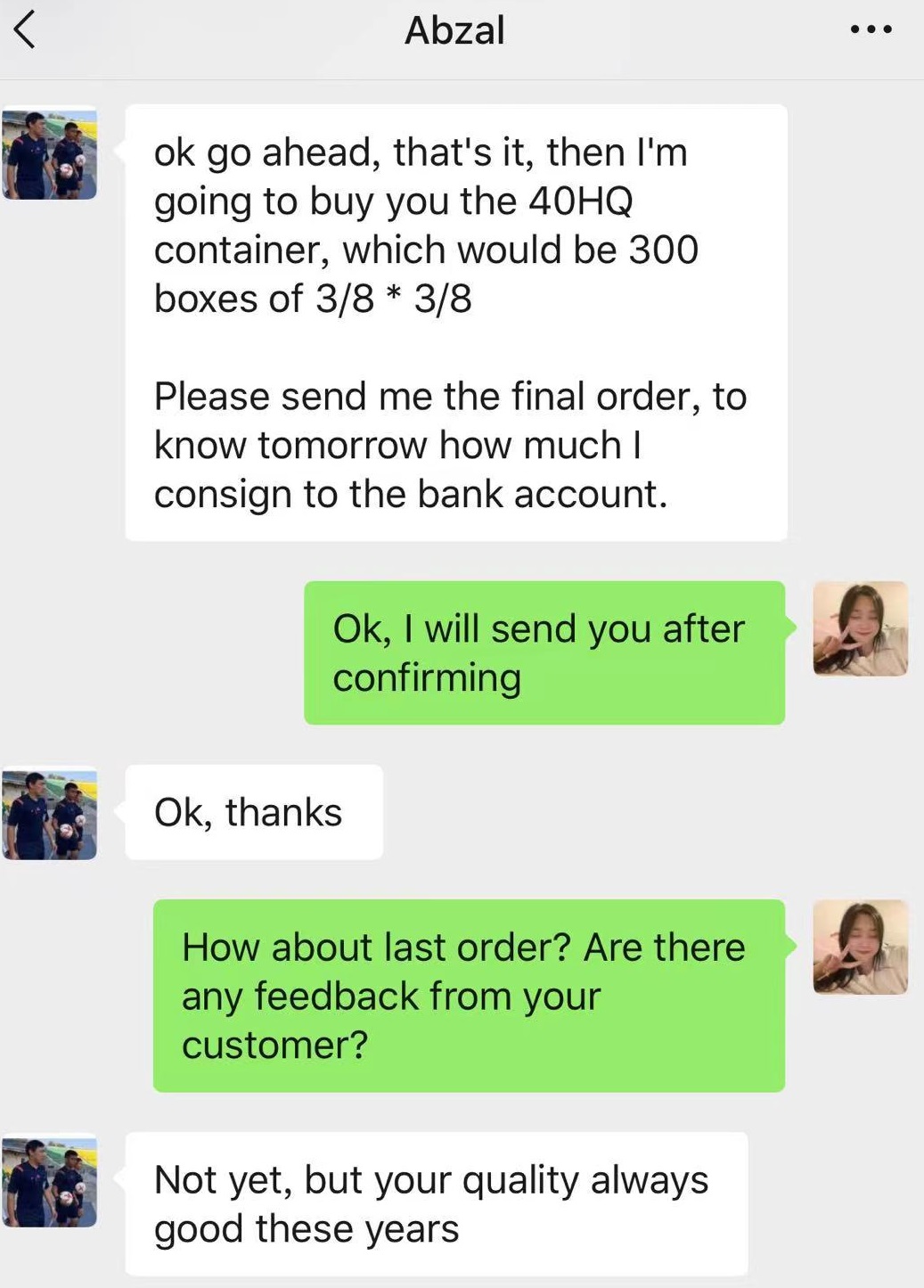
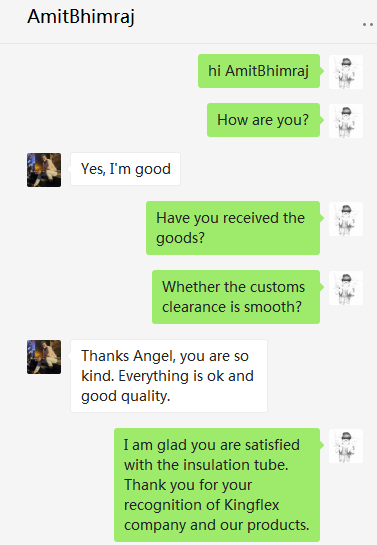
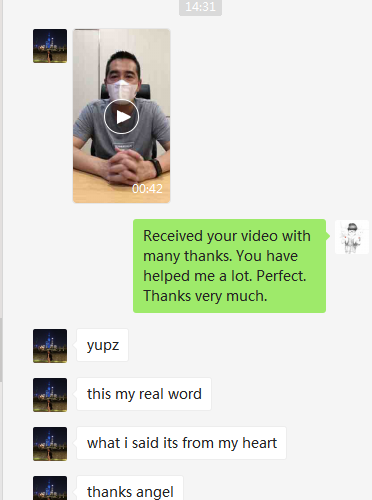
Our products have been exported to over 66 countries. Below is a gallery showcasing the practical application and installation of Kingflex insulation systems across commercial buildings, HVAC systems, and cold storage units.
Standard Specifications for Project Applications
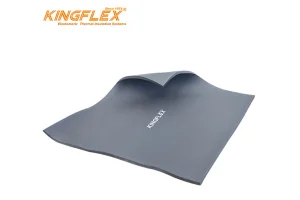
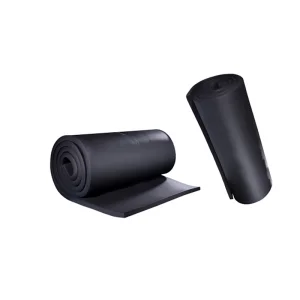
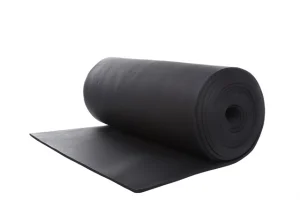
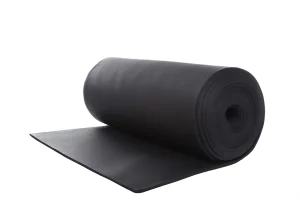
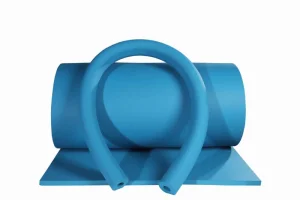
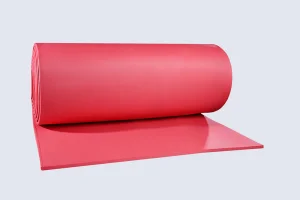
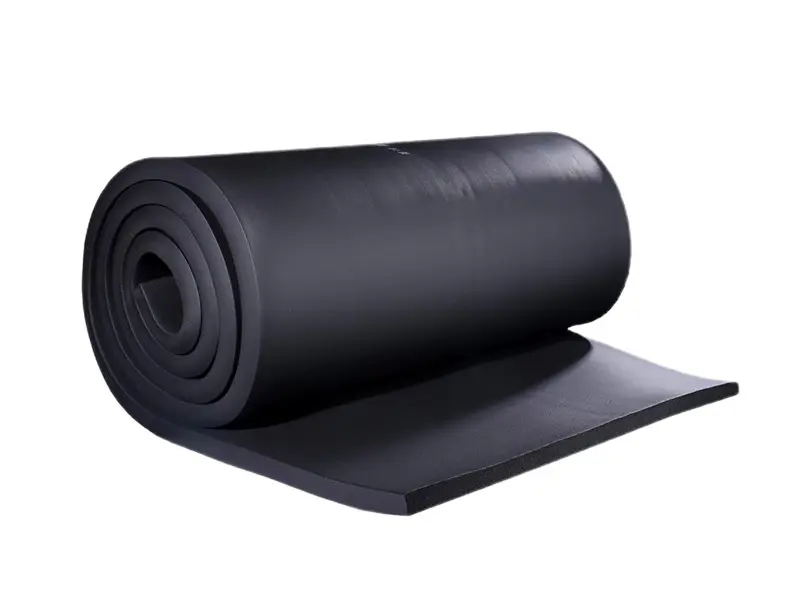
Black Rubber Foam Insulation Sheet Roll
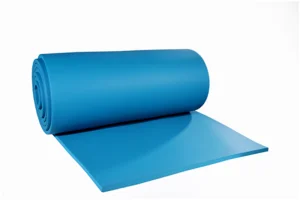
Material: NBR/PVC Blend Thickness: 6mm - 50mm Density: 40 - 55 kg/m³ Service Temperature Range: -40°C to 105°C Key Advantages: Even cell structure, low moisture absorption, >98% closed-cell ratio, high compression resilience (>80%).
Our quality assurance protocol includes inspection steps at raw material intake, continuous monitoring during foaming, and mechanical testing of finished batches.
Global Technical Collaboration Records
FAQ Center
Technical Specification FAQ
Detailed technical answers addressing common engineering questions regarding the application, properties, and limits of elastomeric insulation.
Q1: What is elastomeric rubber foam insulation used for?
A1: It is primarily used for central air conditioning HVAC ducts, chilled and hot water pipes, industrial pipeline cold and sound insulation, process piping, and moisture-controlled condensation prevention.
Q2: Is Kingflex rubber foam insulation fire resistant?
A2: Yes, our elastomeric rubber foam materials are fire-retardant and conform to international fire testing standards, including BS 476 Class 0 and UL94 V-0, which minimize fire spread and smoke generation.
Q3: What is the difference between rubber foam and rock wool insulation?
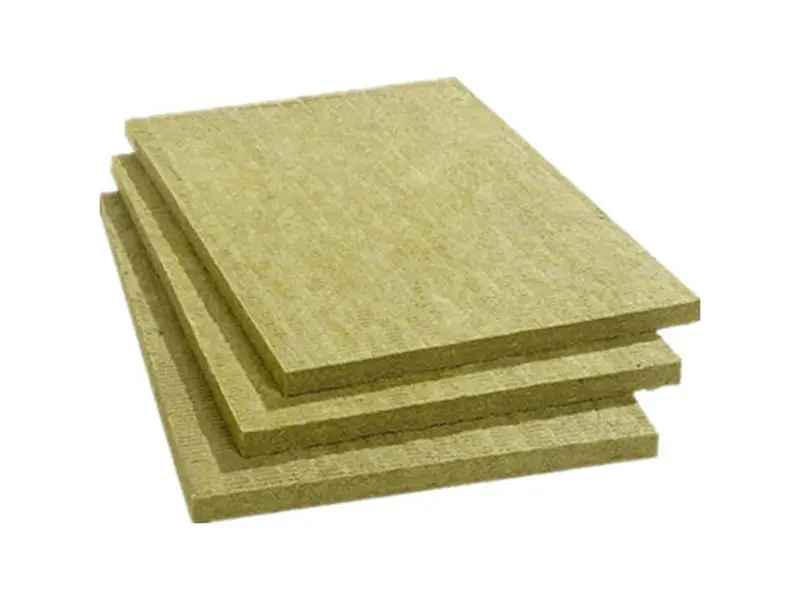
A3: Rubber foam is flexible, closed-cell, and vapor-impermeable, making it ideal for HVAC condensation control and cold piping service. Rock wool is a fibrous material with high temperature resistance, typically applied to high-temperature industrial steam lines where fireproofing is the primary requirement.
Q4: Do you provide customized insulation products?
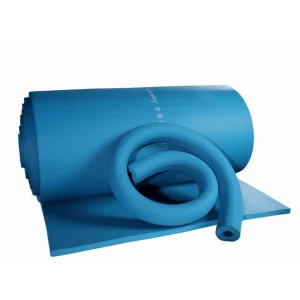
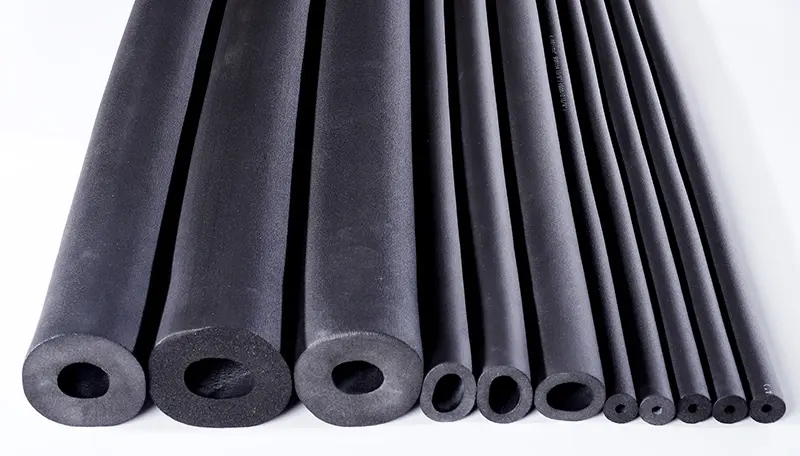
A4: Yes, we offer comprehensive OEM services, allowing customers to customize thickness (6mm to 50mm), pipe inner diameter (6mm to 114mm), density, and color to meet specific engineering standards.
Q5: What certifications do your products have?
A5: Our products are certified by BS 476, CE, REACH, RoHS, UL94, and ASTM. This guarantees compliance with global requirements for mechanical safety, environmental safety, and thermal performance.
Q6: Does Kingflex products have traceability?
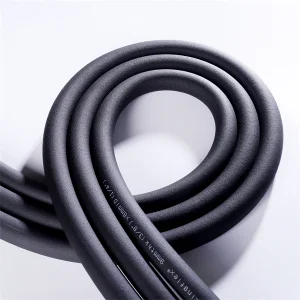
A6: Yes, all Kingflex products have a complete quality control batch code printed on the sheet or pipe interior. This allows us to track manufacturing records, raw material inputs, and QC test signatures for up to 10 years.
Q7: What thickness of Rubber foam insulation sheet roll can you produce?
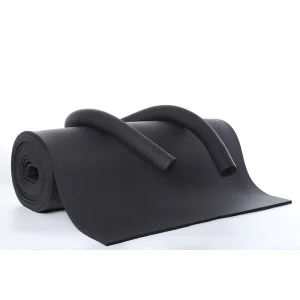
A7: We can manufacture roll insulation sheets from 6mm to 50mm thickness. For custom industrial cryogenic projects, multiple sheets can be layered or custom-molded to thicker specifications.
Q8: What is the service life of rubber plastic pipe and board?
A8: Under standard operational conditions within the certified temperature limits (-40°C to 105°C) and protected from direct UV rays, the estimated service life ranges from 10 to 15 years.
Product Catalog
Complete Thermal & Cryogenic Solutions
Review our specialized elastomeric product offerings, from standard pipe insulation to high-density cryogenic formulations.
 Kingflex