Wholesale Polyethylene & Elastomeric Thermal Insulation Suppliers & Factories

High-Density Closed-Cell Technical Foams for Commercial HVAC, Industrial Pipelines, Cryogenic Systems, and Structural Efficiency

Industry Whitepaper

Evaluating Polyethylene vs. NBR/PVC Elastomeric Foams

Within modern industrial insulation architectures, the selection of thermal barriers dictates long-term thermal retention, systemic safety, and moisture mitigation. Polyethylene thermal insulation (often structured as cross-linked polyethylene, or XLPE) and Elastomeric Nitrile Butadiene Rubber/Polyvinyl Chloride (NBR/PVC) represent the dual pillars of modern mechanical system isolation.

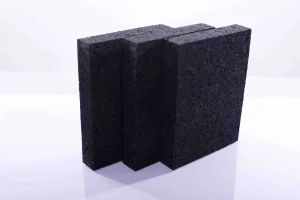
Polyethylene-based solutions feature a highly closed-cell topology, offering outstanding structural rigidity, chemistry-inert matrices, and minimal water transmission rates. These structures are optimized for structural sound absorption, high moisture exposure, and environments where fiber-free installations are mandated, such as microelectronics cleanrooms and hospital HVAC networks.

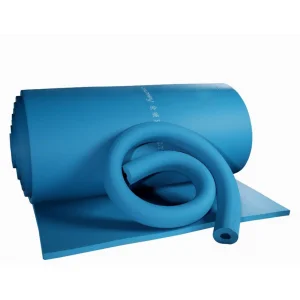
Concurrently, NBR/PVC elastomeric materials provide unmatched flexibility and superior flame-retardant properties, adapting dynamically to complex pipe runs and tight geometries. Understanding the specific material matrices enables EPC (Engineering, Procurement, and Construction) companies and global buying agencies to select products that guarantee maximum energy efficiency and systemic protection.
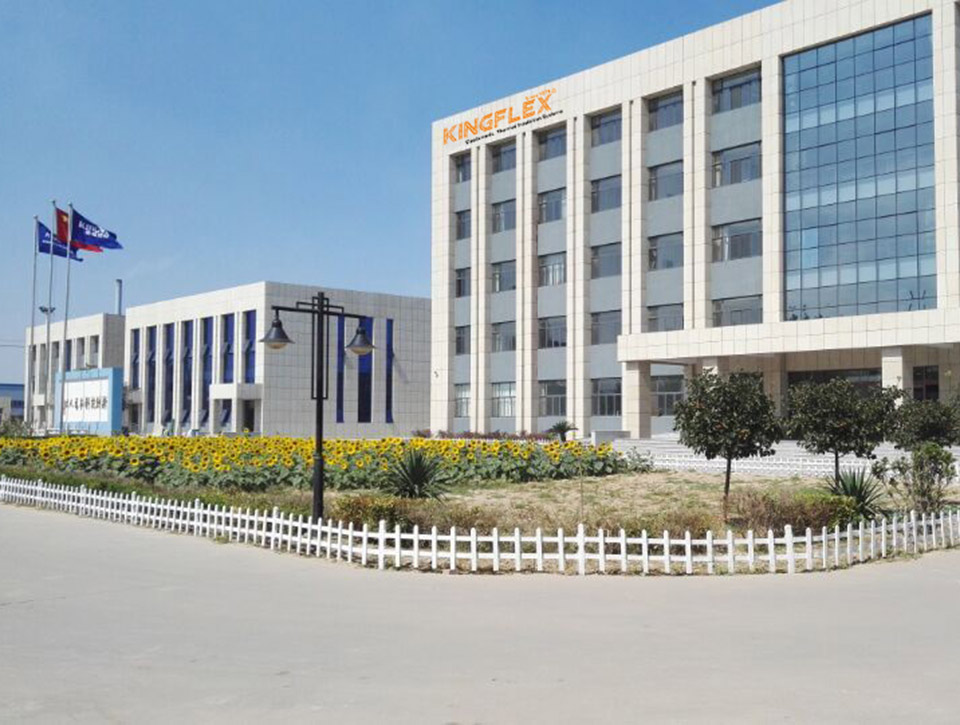
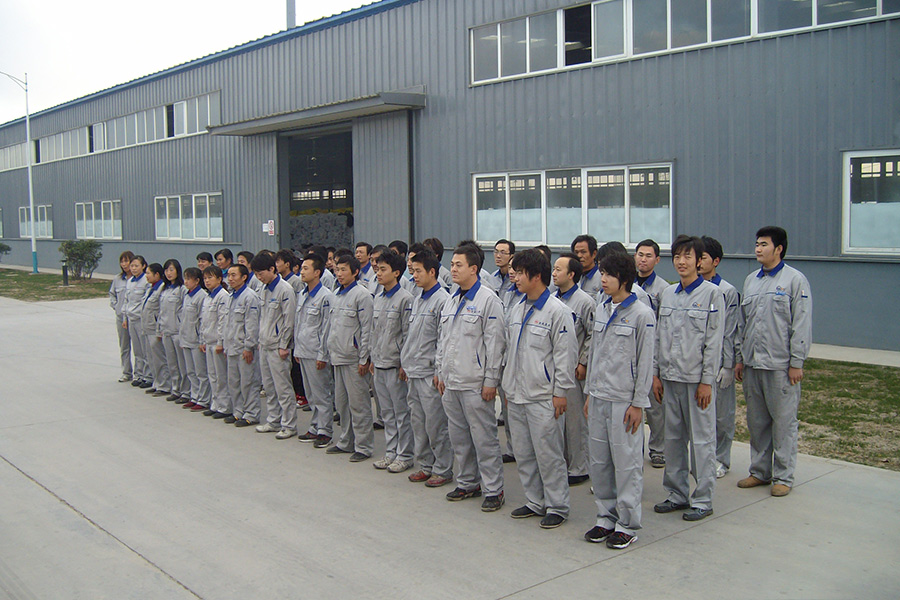
Kingflex Factory Overview
Key Performance Benchmark:

Closed-cell formulations display a thermal conductivity range of 0.032 to 0.035 W/(m·K) at 0°C, ensuring that systemic cooling and heating losses are minimized across extended pipeline architectures.

Enterprise Production Infrastructure & Group History

Decades of continuous manufacturing scaling, advanced research matrices, and certified process validation.

600K+
Annual Cubic Meters Capacity
5
Continuous Automated Assembly Lines
40+
Years of Group Industrial Heritage
66+
Export Destination Countries

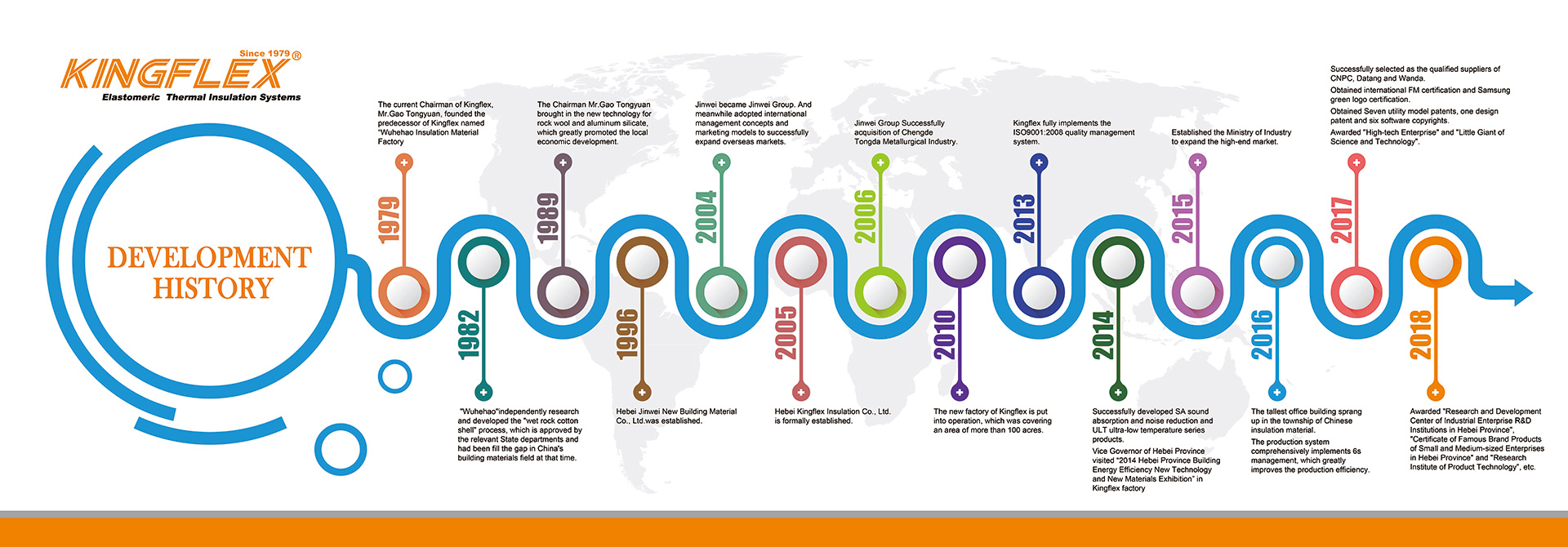
Established originally under the Jinwei Group (founded in 1979 as a pioneer of thermal isolation products north of the Yangtze River), Kingflex Insulation Co., Ltd. represents a globally focused manufacturing and trading combination. Located in Dacheng, China—recognized globally as the premier manufacturing center for green building thermal materials—Kingflex integrates sustainable chemical engineering with commercial volume scale.
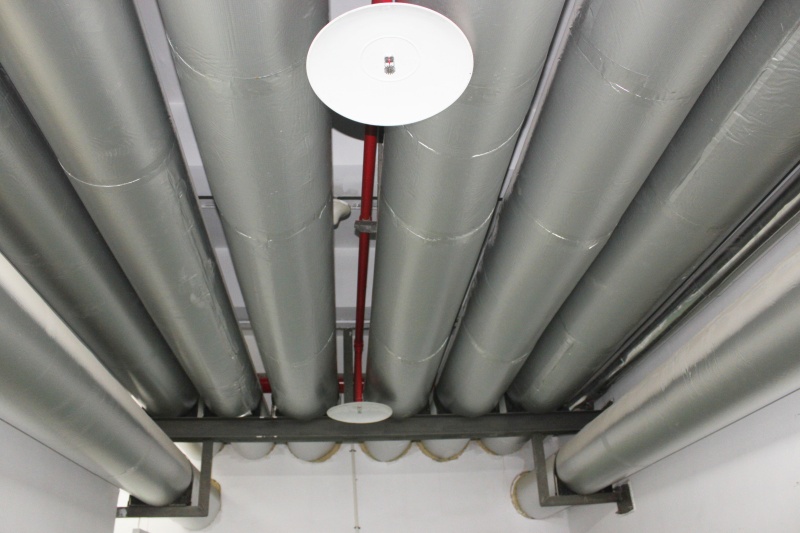
Our operation specializes in systemic insulation integration, spanning thermodynamic analysis, tailored density formulations, continuous profile extrusion, and installation guidance. As an authorized production entity certified by national petrochemical and electrical networks, we optimize our lines for uninterrupted supply consistency, ensuring bulk orders are delivered on tight schedules.

Jinwei Group History

Why Source from Dacheng, China? The Factory Cluster Advantages

How spatial grouping, supply-chain integration, and automated processing drive global price-to-performance benchmarks.

Localized Supply Chains

Operating in Dacheng offers direct access to key petrochemical inputs and specialized foaming agents. This close integration reduces transit costs, keeps raw materials steady, and shields partners from market volatility.

Advanced Automation

Our facility runs five continuous extrusion lines with real-time temperature, gas injection, and density monitoring. This automated layout ensures uniform density, precise dimensions, and constant cell distribution across production runs.

Economies of Scale

By producing over 600,000 cubic meters annually, we lower unit production costs. These savings are passed to wholesale distributors, offering competitive pricing margins for large mechanical installations worldwide.

Material Matrix & Standard Dimensions

Certified specifications for NBR/PVC elastomeric structures and flexible insulation sheet rolls.

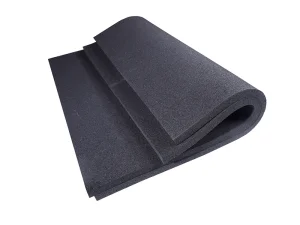
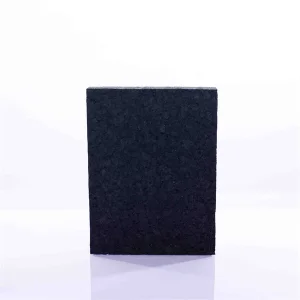
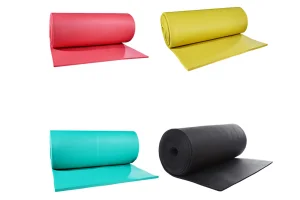
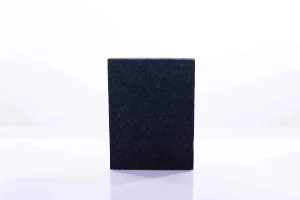
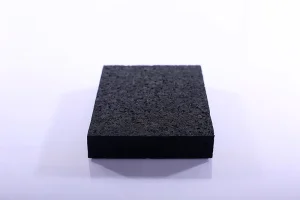
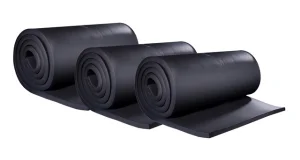
Black Rubber Foam Insulation Sheet Roll

Manufactured from premium elastomeric NBR/PVC, these sheets are designed to isolate large flat surfaces, ductwork, and broad storage tanks. The closed-cell matrix prevents moisture penetration and condensation build-up in high-humidity zones.

Parameters Value / Specifications
Material Composition Premium Nitrile Butadiene Rubber / Polyvinyl Chloride (NBR/PVC)
Standard Thickness Range 6mm to 50mm
Apparent Density 40 to 55 kg/m³
Service Temperature Range -40°C to 105°C
Water Vapor Diffusion Index μ ≥ 7,000 (Closed cell rate > 98%)

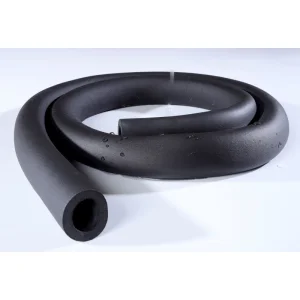
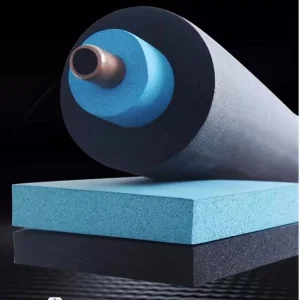
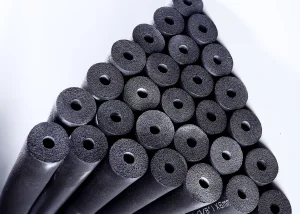
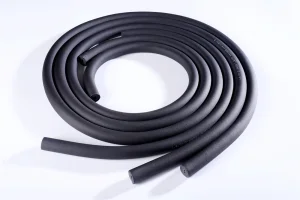
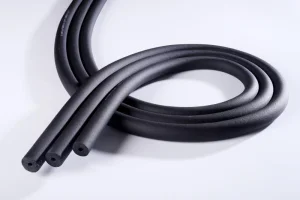
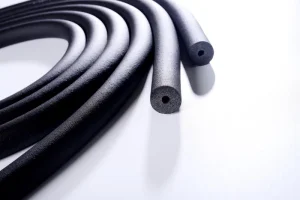
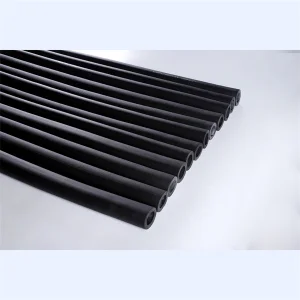
Black Rubber Foam Insulation Pipe / Tubing

Specifically profile-extruded for direct installation on copper, steel, and multi-layer pipes. Designed to fit standard pipeline diameters, minimizing installation labor while optimizing thermal barriers.

Parameters Value / Specifications
Material Composition NBR/PVC Elastomeric Foam with internal slip coatings
Thickness Range 9mm to 40mm
Inner Diameter (ID) Range 6mm to 114mm
Compression Resilience Over 80% recovery rate under typical structural loads
Fire Safety Rating Flame retardant, self-extinguishing (Class 0 / Class 1)

Localized Applications & Engineering Solutions

Targeted thermal configurations designed to meet specific global regulatory and ambient criteria.

HVAC Duct Systems

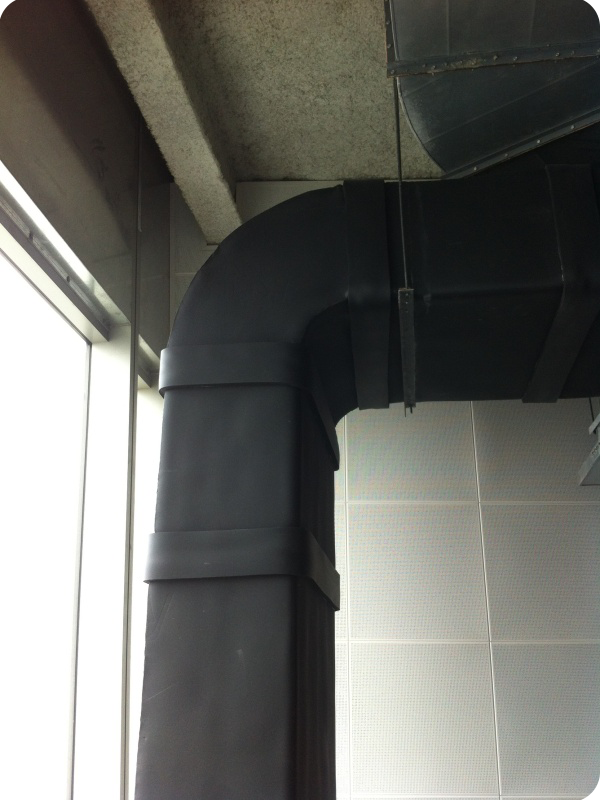
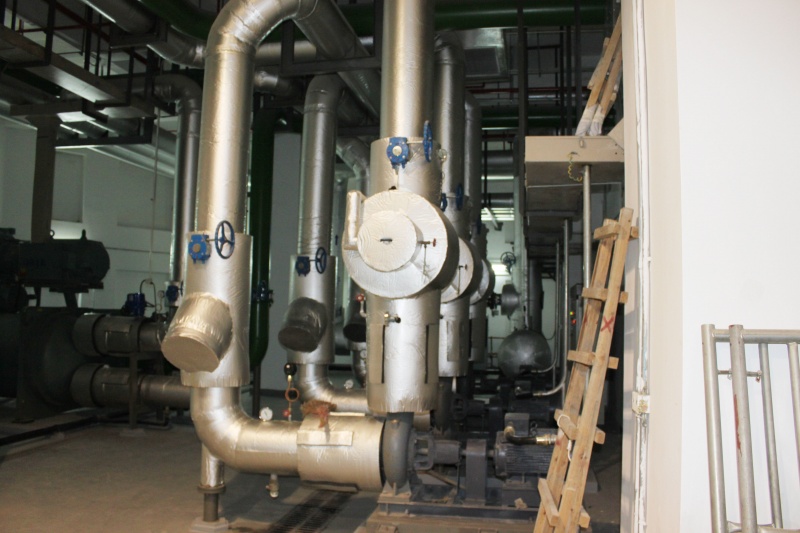
Condensation control is critical in HVAC design. Our closed-cell rubber sheets block cold air ducts from ambient moisture, eliminating dripping, ceiling damage, and structural mold issues.

Acoustic Dampening

With an open-cell and hybrid micro-structure, our sound-absorbing sheets damp structural vibrations, fan noises, and fluid turbulence in pipelines. Perfect for high-density residential and commercial shafts.

Cryogenic & Cold Chain

Our low-temperature pipeline insulation prevents vapor intrusion down to -40°C (and cryogenic designs below that), preserving thermal stability in refrigeration plants, LNG processing, and chemical transport pipelines.

Global Project Footprints

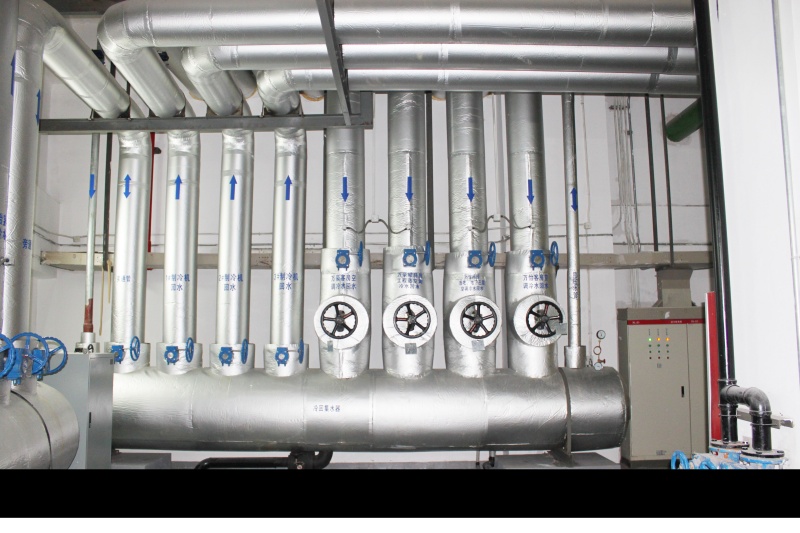
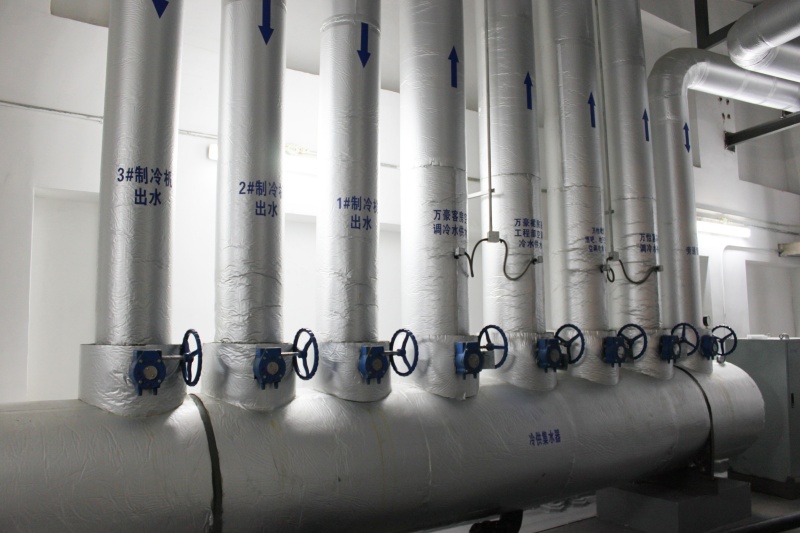
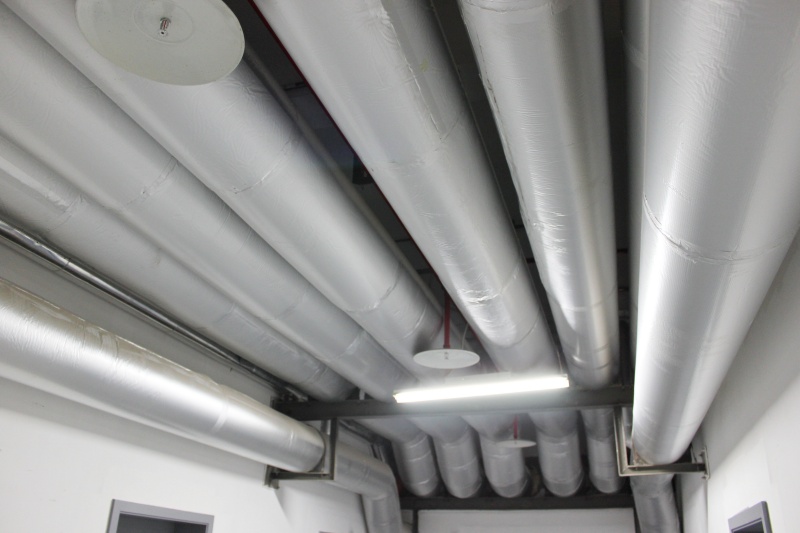
Kingflex insulation solutions are actively deployed in high-performance structures globally, including commercial office complexes, international airports, heavy industrial process factories, and public medical networks. Our materials are formulated to comply with regional fire and safety codes, ensuring seamless project approvals.
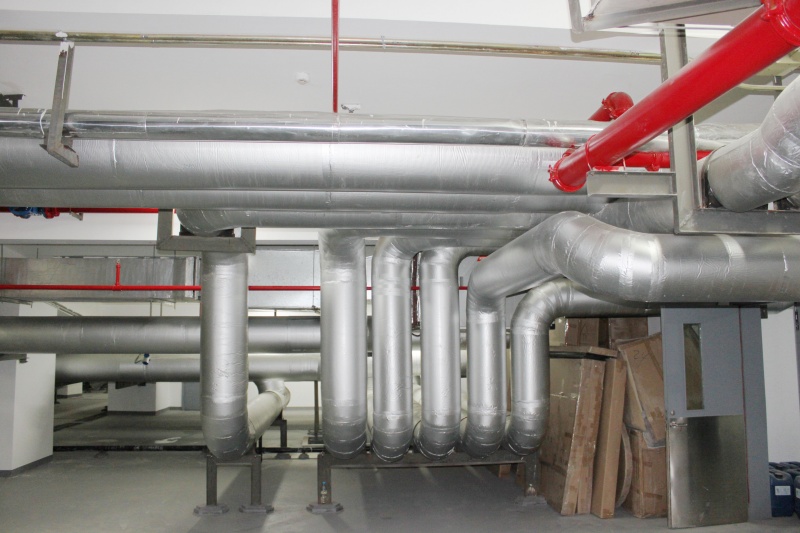
By offering customized lengths, pre-split profiles, and specialized adhesive backing, we significantly reduce on-site installation times, enabling mechanical contractors to deliver projects ahead of schedule.

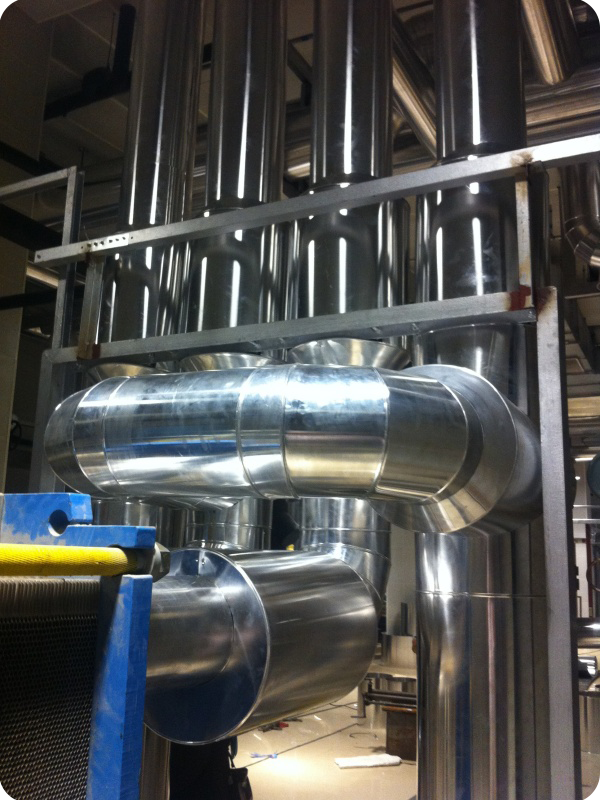
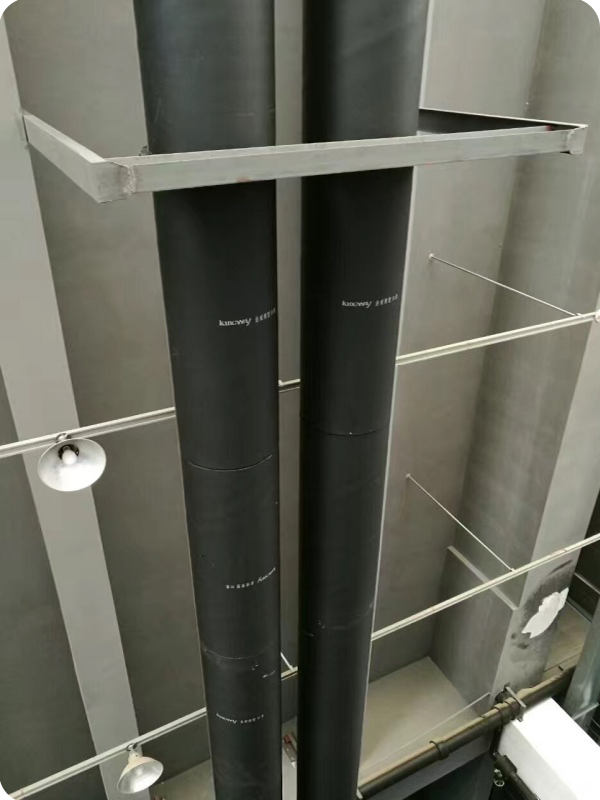
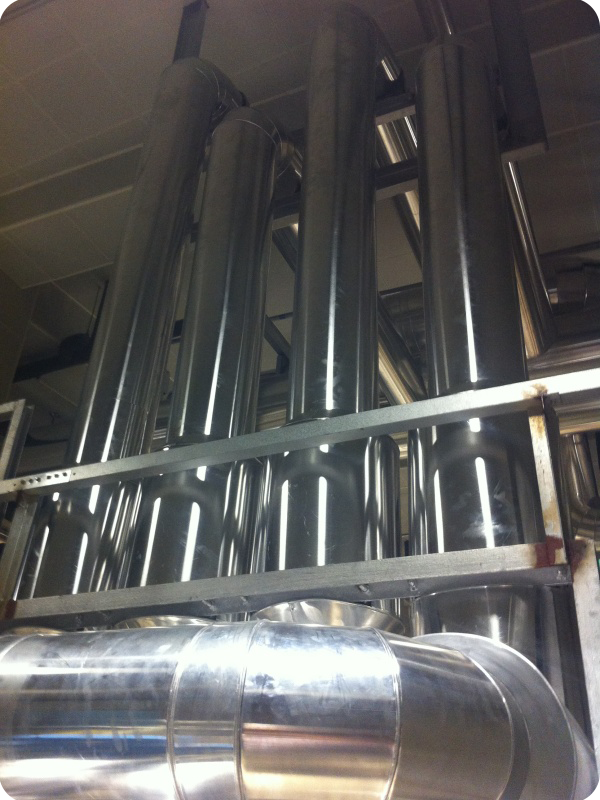
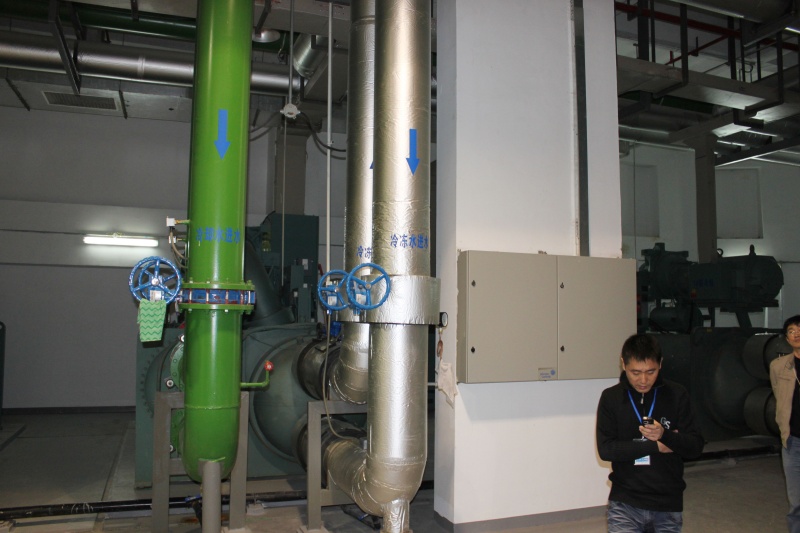
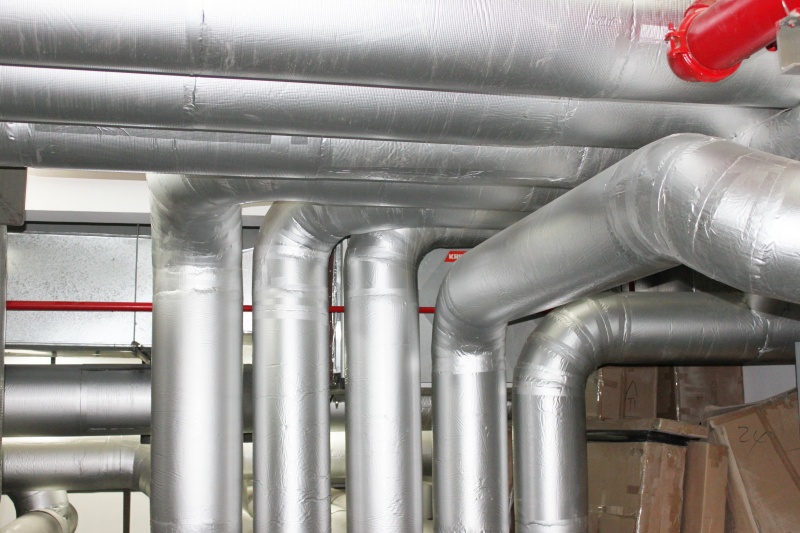
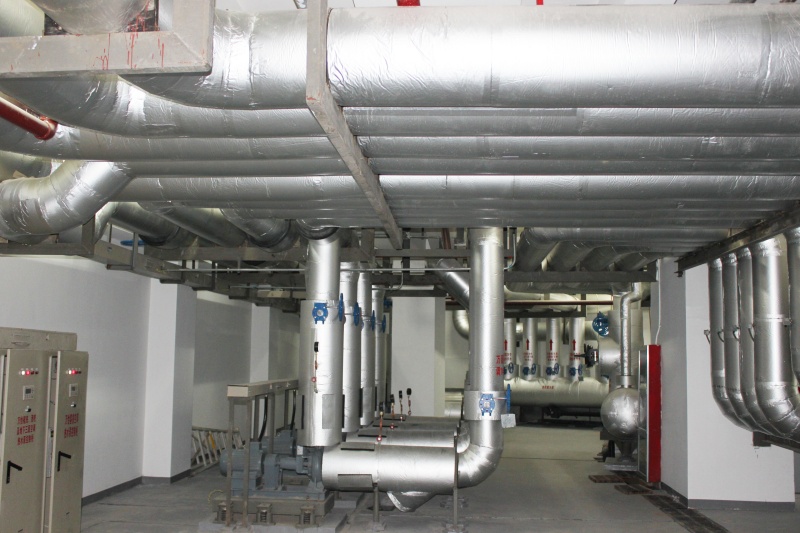
Project Site HVAC Insulation Industrial Insulation Project Pipeline Isolation Install Insulated Cold System
R&D Excellence

Systemic Compliance & Certificate Matrices

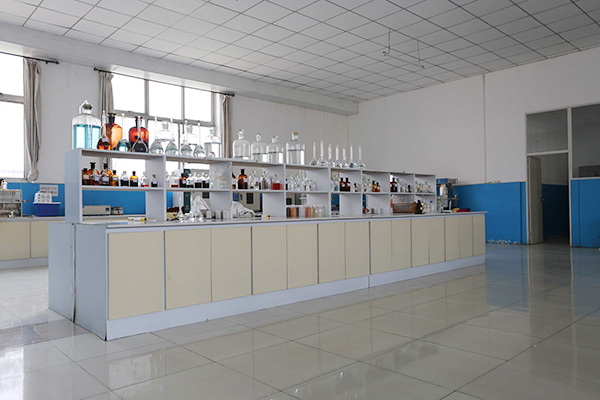
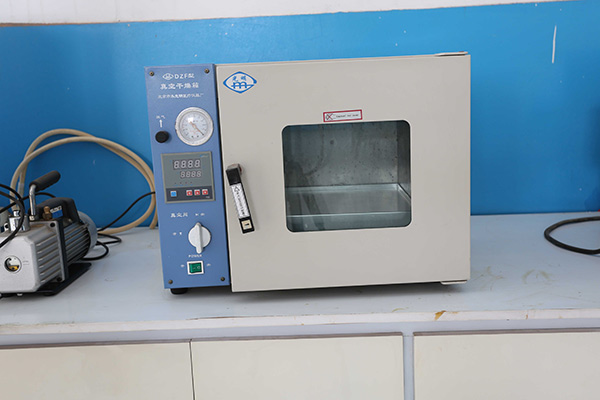
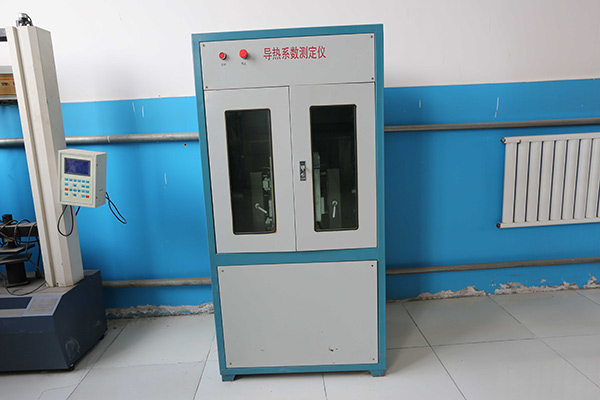
At Kingflex, quality assurance is embedded in our manufacturing process. Our dedicated laboratory team comprises eight professional research and development engineers who monitor chemical configurations, expansion ratios, and fire resistance parameters.

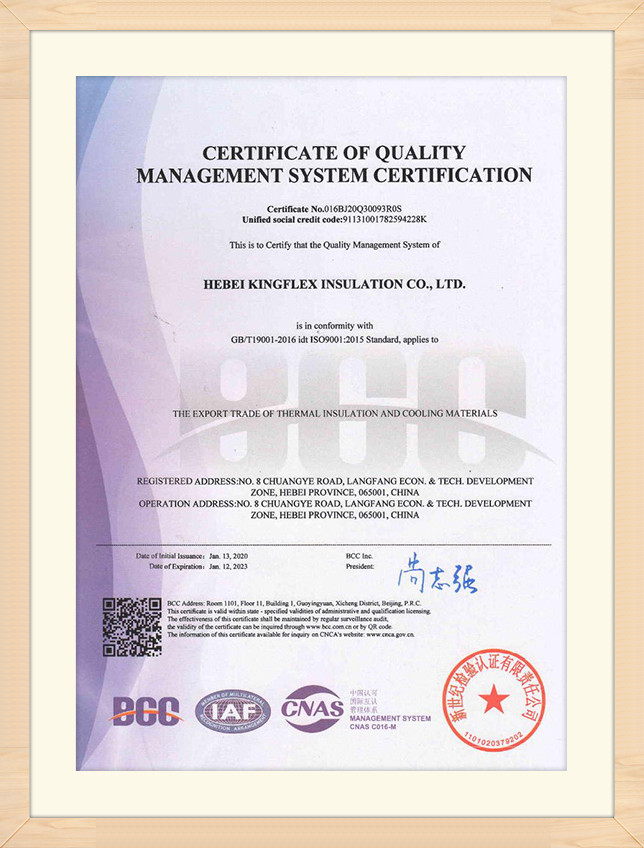
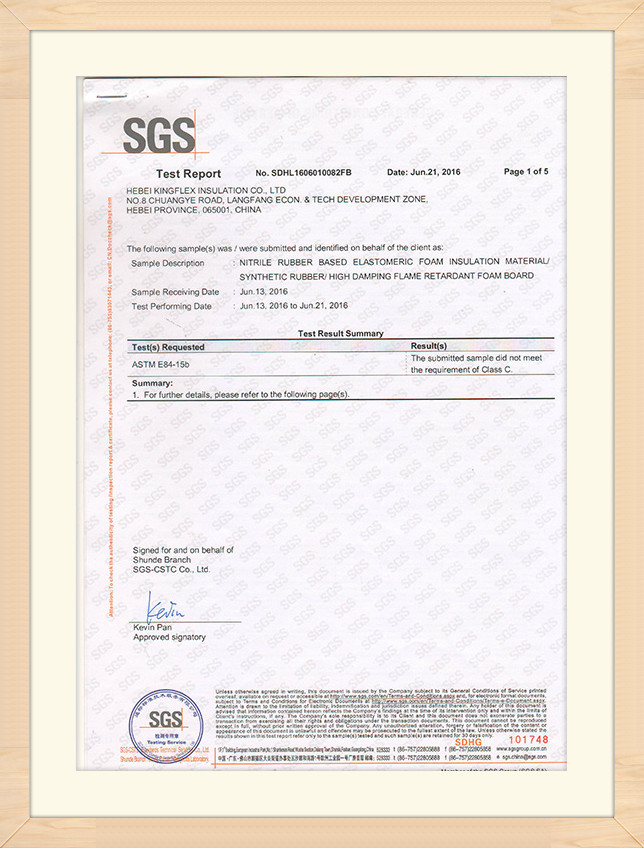
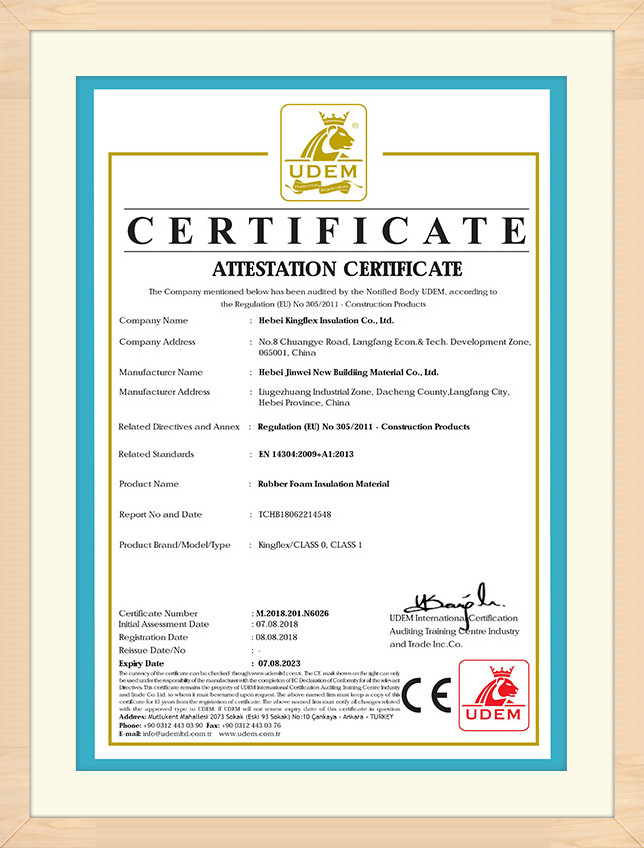
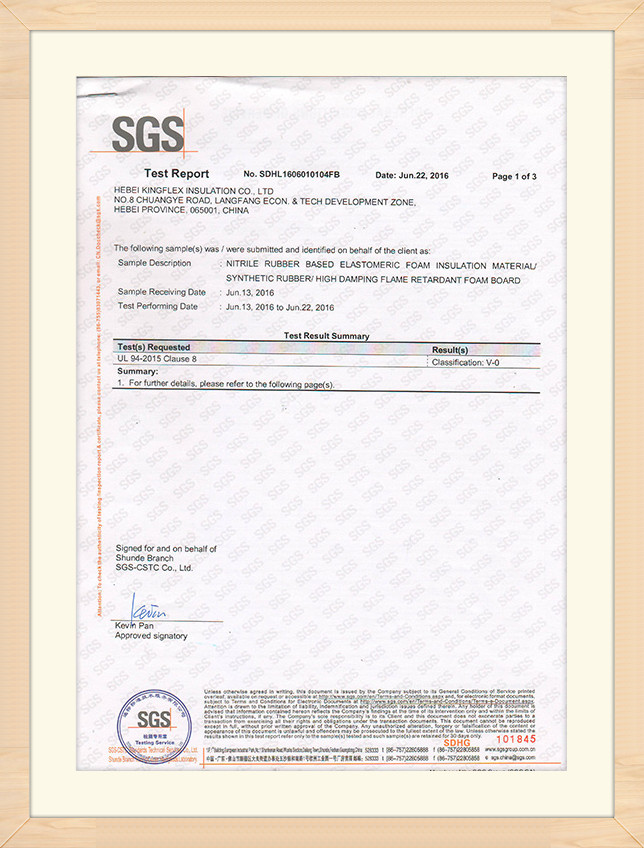
Our products undergo testing to meet global quality standards. Kingflex elastomeric materials are certified compliant with BS 476 (Part 6 & 7), CE (European Conformity), REACH, RoHS, UL94 (flammability standards), and ASTM C534. Every batch is trackable from raw material entry to final dispatch.
R&D Lab Test Quality Inspection Cell Analysis

Accredited Certification Profiles

We support third-party inspection (SGS, TUV, Intertek) to verify product specifications before dispatch.

Global Procurement Communication & Support

Clear communication, transparent orders, and verified logistics trace reports.

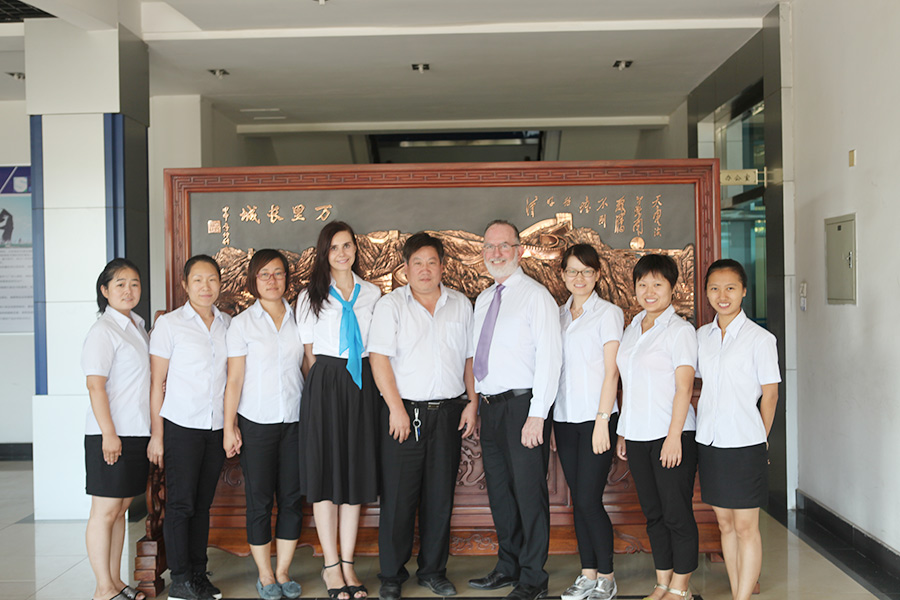
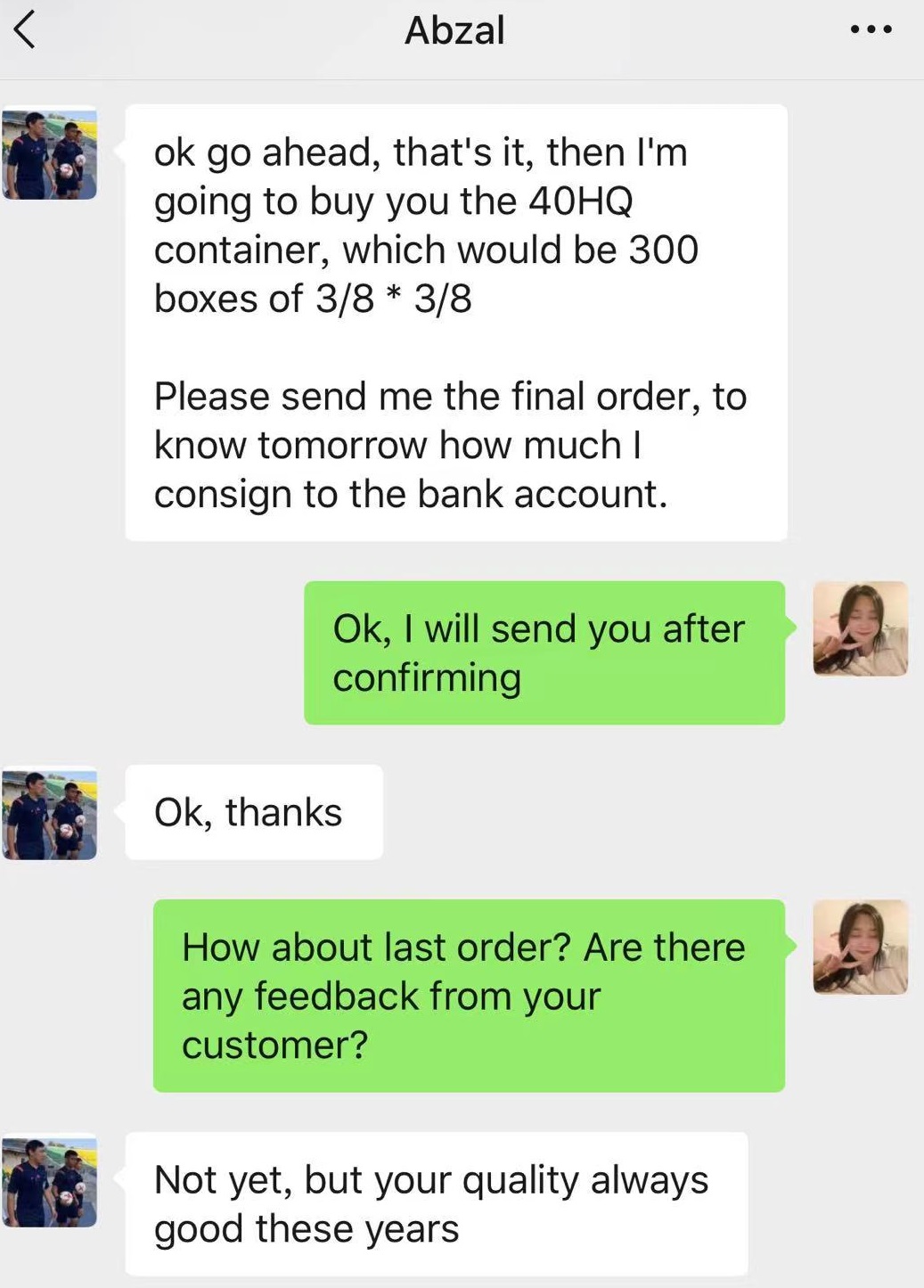
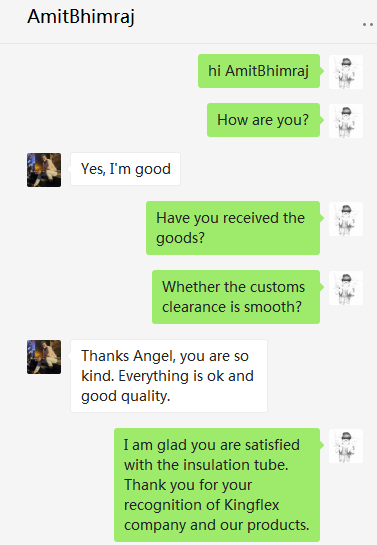
Kingflex Sales Office Logistics Team coordination Client Feedback Chat Production Tracking Screen
Collaborative Logistics & Export Systems

With six professional international trade managers, Kingflex ensures clear communication across English, Spanish, and Russian. We assist wholesale partners with freight booking, customs clearance, and local compliance certification.
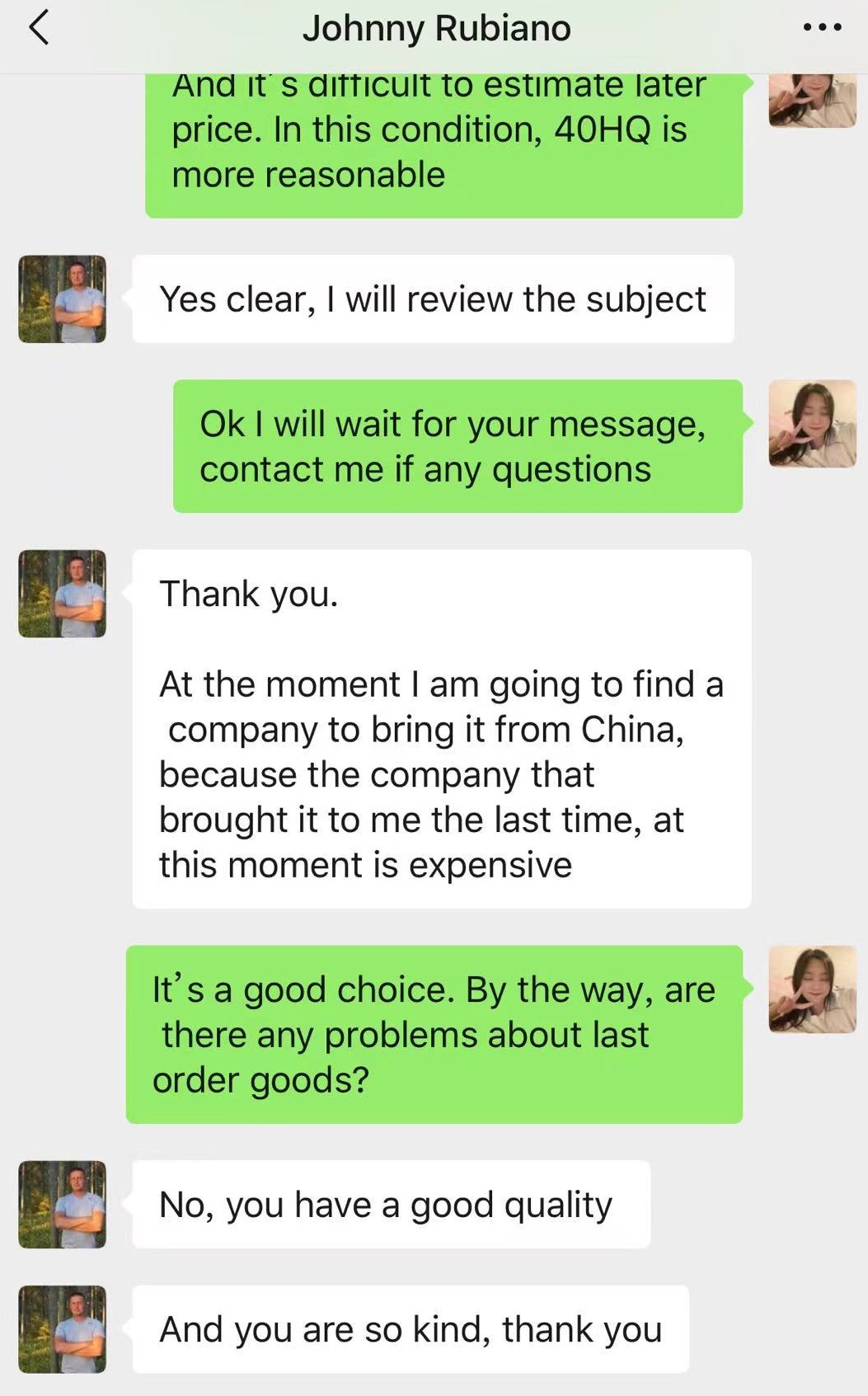
Our order flow includes full traceability. Clients receive continuous production updates, quality control reports, and shipping milestones, supported by automated inventory systems that help prevent project delays.

Real-time Client Communication Log Shipment Inspection Log

Warehouse Logistics & Loading Efficiency

Large-scale loading protocols that maximize container volume and protect materials during shipping.

Future Trends in Technical Insulation & Green Buildings

Insights into shifting environmental mandates, chemistry evolutions, and smart building integration.

1. Low VOC & Halogen-Free Formulations

Global green building standards like LEED v4 and BREEAM push for low-VOC emission profiles. Modern insulation lines are moving away from traditional halogen flame retardants, shifting toward advanced organophosphorus or inorganic compounds that meet flame safety requirements while minimizing toxicity in fires.

2. Thermal Conductivity Stability Under Humidity

Thermal systems are increasingly measured by their long-term aged thermal conductivity rather than just day-one values. Because open-cell fiber products lose insulating value when wet, closed-cell elastomeric rubber foams (which boast a high water vapor diffusion resistance factor of μ ≥ 7,000) are becoming preferred for underground installations and cold water systems.

3. Circular Economy & Recycled Polymers

Sustainable material cycles are changing manufacturing sourcing. Factories are exploring ways to reuse clean production scrap and incorporate bio-based feedstocks into NBR and PVC matrices. This reduces the carbon footprint without degrading physical properties like compression set or flame resistance.

4. Optimized Installation Layouts

Rising field labor costs are driving demand for pre-slit pipe insulation featuring double-sided self-adhesive seams. Prefabricated elbow joints and custom-cut branch wraps reduce installation time, helping control overall labor costs on large project sites.

Technical FAQ - Mechanical Insulation Guidelines

In-depth responses to engineering and logistical questions commonly raised during procurement.

What is elastomeric rubber foam insulation typically used for?

Elastomeric rubber foam is a flexible, closed-cell material designed to isolate HVAC ducts, air conditioning lines, cold water systems, process piping, and industrial systems. Its closed-cell structure prevents moisture condensation on cool surfaces and maintains thermal stability.

Is Kingflex rubber foam insulation fire resistant?
Yes, our formulations meet flame retardancy standards. They comply with fire classifications like BS 476 Part 6 & Part 7 (Class 0/1), UL94, and DIN 4102, ensuring compliance with local building safety codes.

What is the difference between rubber foam and rock wool insulation?

Rubber foam is flexible, has a closed-cell structure, and resists moisture, making it ideal for HVAC, chilled water lines, and condensation control. Rock wool is a fibrous mineral material with high temperature resistance, suitable for high-heat industrial steam lines and heavy fire safety barriers.

Do you provide customized insulation products?

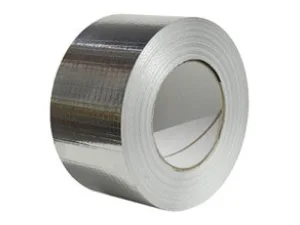
Yes. We support custom dimensions, including special inner diameters for pipes, tailored thicknesses, specific color coding, and factory-applied adhesive backing or aluminum foil coverings.

What certifications do your products hold?

Our products are certified by BS 476, CE, REACH, RoHS, UL94, and ASTM. This documentation simplifies customs and local building approvals for global infrastructure projects.

Does Kingflex maintain trace verification for production runs?
Yes. Every production run is marked with batch codes linked to raw material test logs, extrusion process parameters, and packaging checks. This provides traceability for quality audit requirements.

What thicknesses of sheet roll can your facilities produce?

Our continuous lines produce sheet rolls in thicknesses ranging from 6mm to 50mm, matching standard thickness steps for different regional insulation designs.

What is the typical service life of NBR/PVC elastomeric board and pipe?

Under standard indoor design conditions and following manufacturer installation rules, the service life ranges from 10 to 15 years. For outdoor systems, using a protective coating or jacketing shield is recommended to prevent UV degradation.