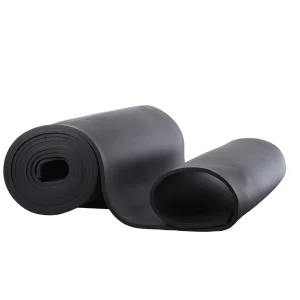
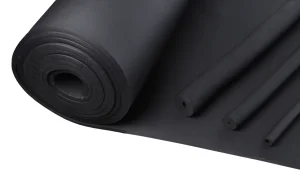
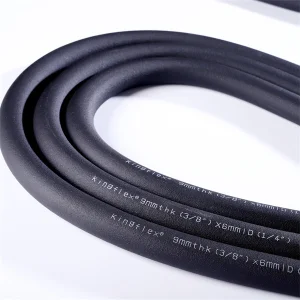
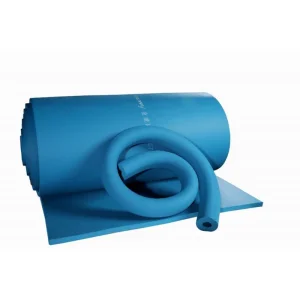
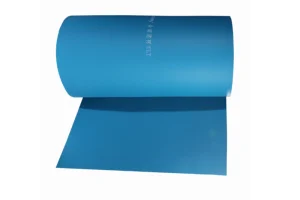
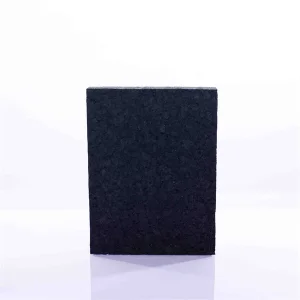
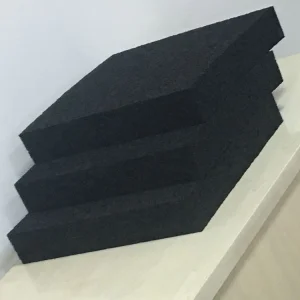
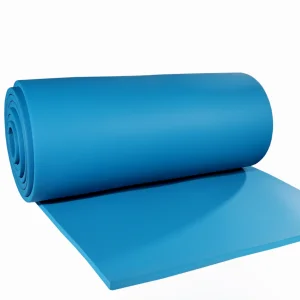
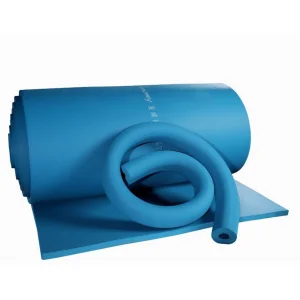
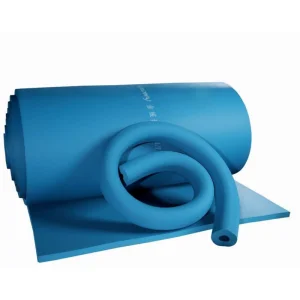
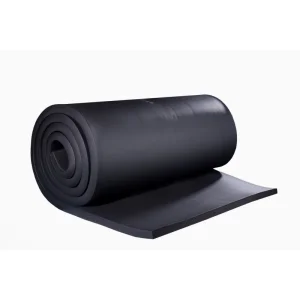
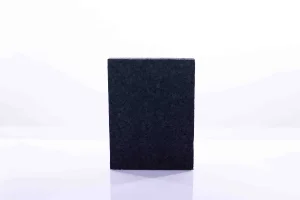
Explore our heavy-duty elastomeric and closed-cell NBR rubber foam insulation systems, engineered for structural resilience and thermal precision.
A comprehensive analysis of thermodynamic behavior, regulatory alignment, and supply chain strategies in the global elastomeric market.
In modern industrial and building architecture, the management of thermal transmission, condensation mitigation, and acoustic damping has evolved from simple thermal insulation to a critical science of environmental efficiency. Rubber foam insulation tape, historically developed to solve the simple gaps of insulation pipe jackets, has become a core asset in building and mechanical design. Characterized by its closed-cell structure and synthesized from Nitrile-Butadiene Rubber (NBR) combined with Polyvinyl Chloride (PVC), this high-performance elastomeric foam boasts an exceptional resistance to moisture vapor transmission and heat ingress.
As sustainability regulations tighten globally—including the European Union’s Energy Performance of Buildings Directive (EPBD) and the United States' ASHRAE 90.1 guidelines—the demand for highly reliable insulation solutions has surged. Contractors and procurement officers no longer seek simple tape barriers; they require high-precision materials that prevent energy losses, reduce carbon footprints, and actively limit structural degradation. Choosing a certified manufacturer who offers competitive, transparent pricing is essential for large-scale operations to maintain long-term structural and financial viability.
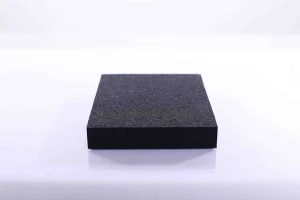
Standard open-cell or fibrous materials rely on external vapor barriers that can tear or fail over time. Our NBR/PVC closed-cell elastomeric system integrates a high-density, uniform cell layout (exceeding 98% closed cells). This structure forms a built-in vapor retardant layer, eliminating the risk of performance loss from moisture intrusion. This is critical for HVAC systems operating in high-humidity areas, preventing micro-condensation and safeguarding mechanical elements against Corrosion Under Insulation (CUI).
A legacy of manufacturing excellence, specialized R&D, and complete control over production quality.
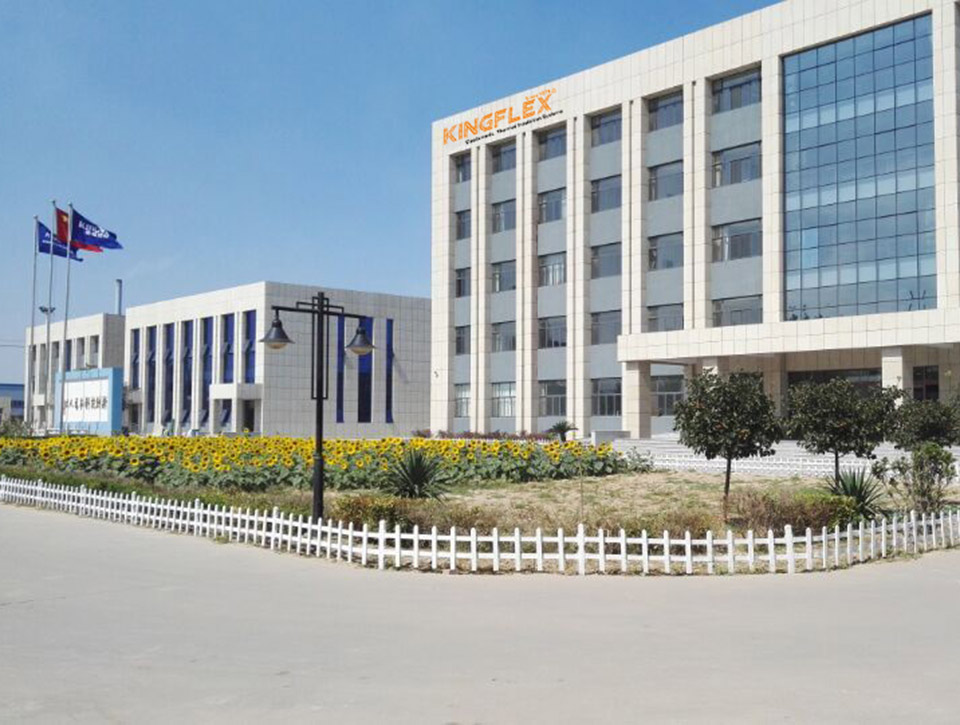
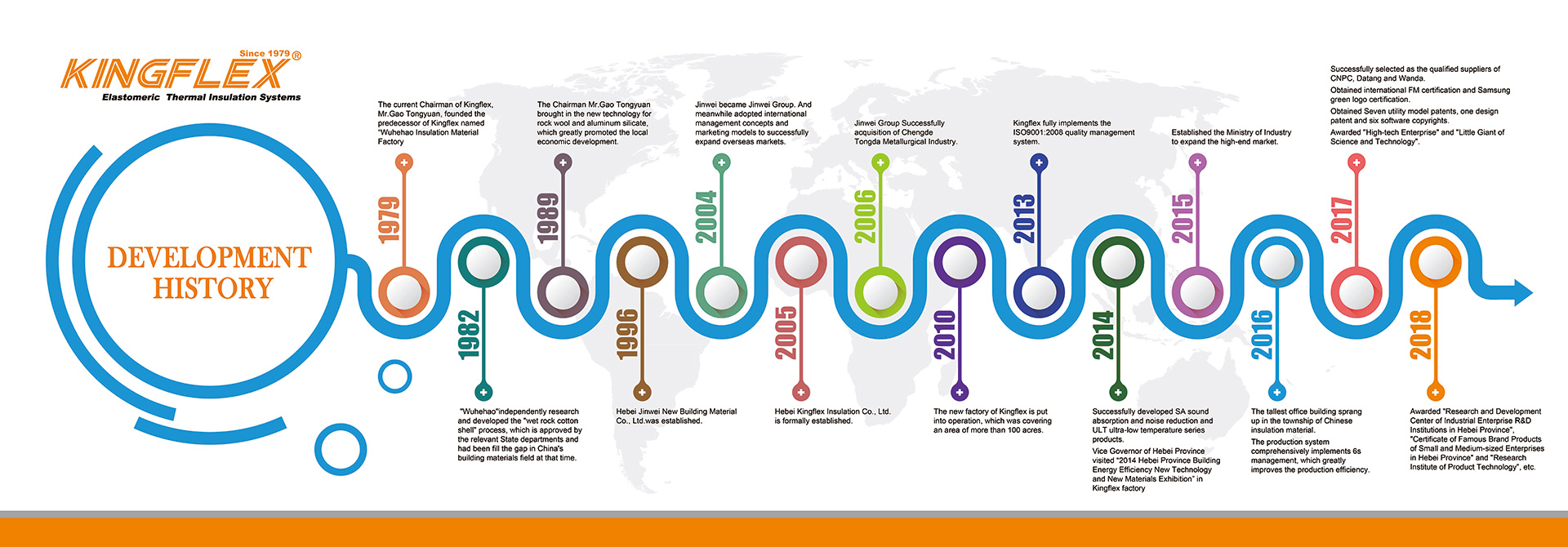
Kingflex was established by the Jinwei Group, which holds more than 40 years of manufacturing history. Established in 1979, the group was the first major manufacturer of thermal insulation materials north of the Yangtze River. Over four decades, this foundation has enabled us to optimize chemical formulas, scaling production to supply global distribution channels.
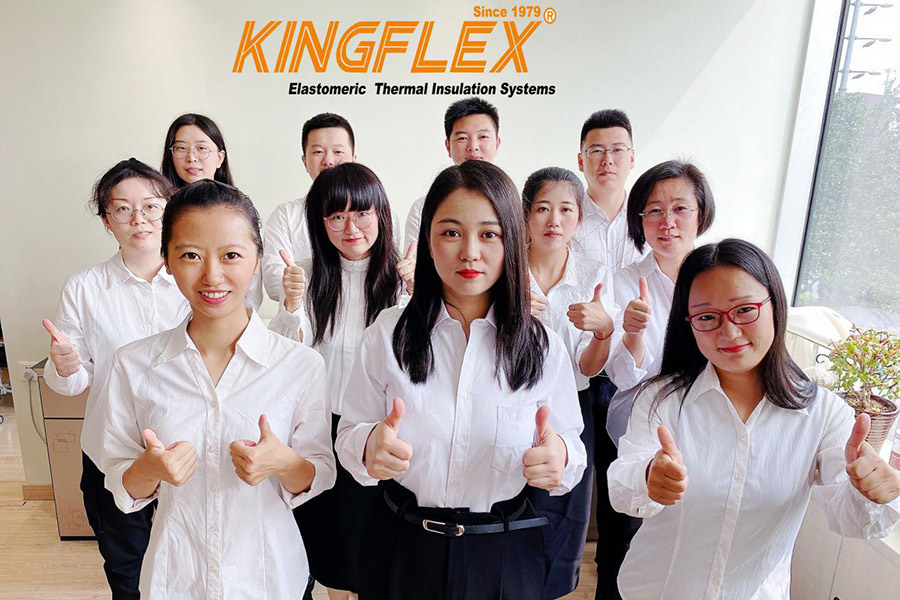
Our operational strength is built on collaboration. The Kingflex team features 8 dedicated R&D engineers, 6 international sales specialists, and 230 technicians in our production facilities. This combined expertise ensures that custom thickness runs, testing procedures, and project requirements are handled with complete precision.
Operating 5 large-scale automated assembly lines in Dacheng, China, we produce over 600,000 cubic meters annually. Recognized as a key supplier for energy and chemical initiatives, Kingflex has exported NBR foam tubes, sheets, and tape products to 66 countries over the past 16 years.
Combining advanced automation with a resilient supply chain to deliver high-quality, cost-effective insulation materials globally.
Located in Dacheng, the heart of China's green building materials sector, Kingflex benefits from a comprehensive industrial ecosystem. China’s Industry 4.0 strategy allows us to combine automated manufacturing with real-time quality control. Our 5 fully automated extrusion lines maintain consistent density and cell structures across every batch, ensuring reliable performance for both large orders and custom specifications.
This automated approach keeps production highly efficient. Computer-controlled compounding ensures the NBR and PVC blend is mixed precisely, stabilizing the raw material ratio and reducing chemical variance. This reliable production model allows us to offer competitive wholesale pricing for global markets, maintaining strict quality control and ensuring clear traceability for every shipment.
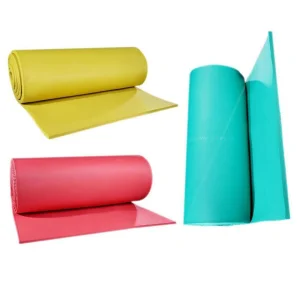
A closer look at the physical properties and design standards of our sheet rolls and pipe insulation systems.
How our high-density elastomeric materials support demanding thermal environments around the globe.
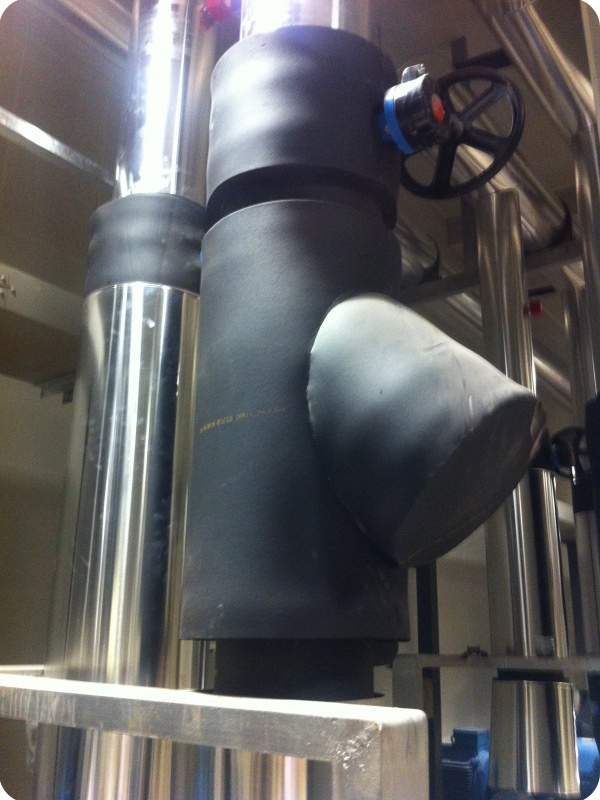
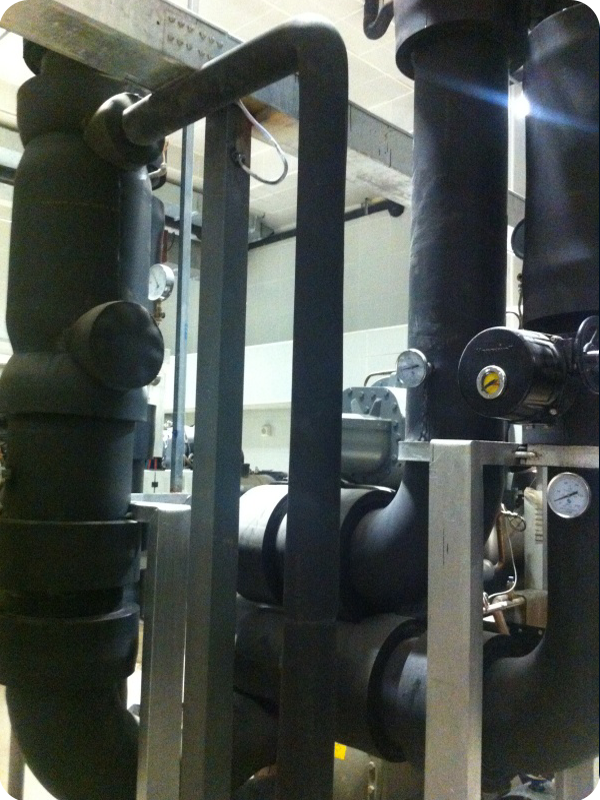
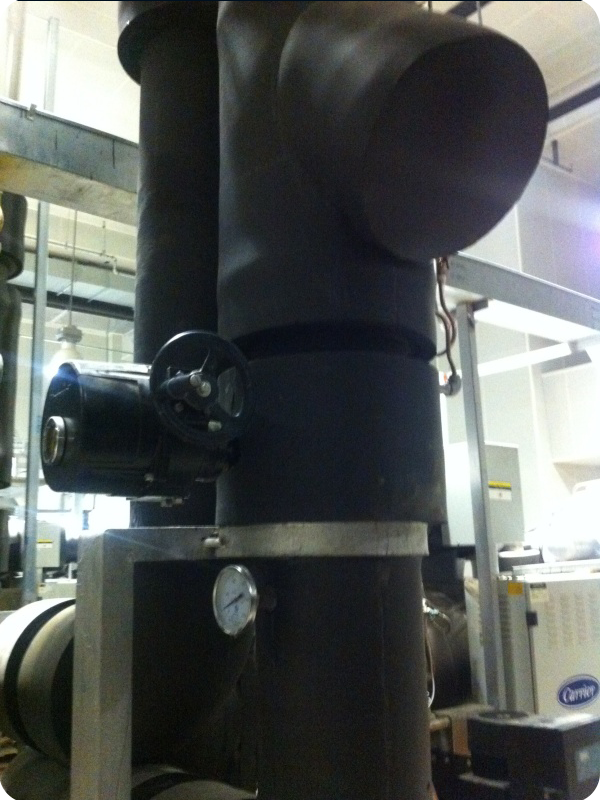
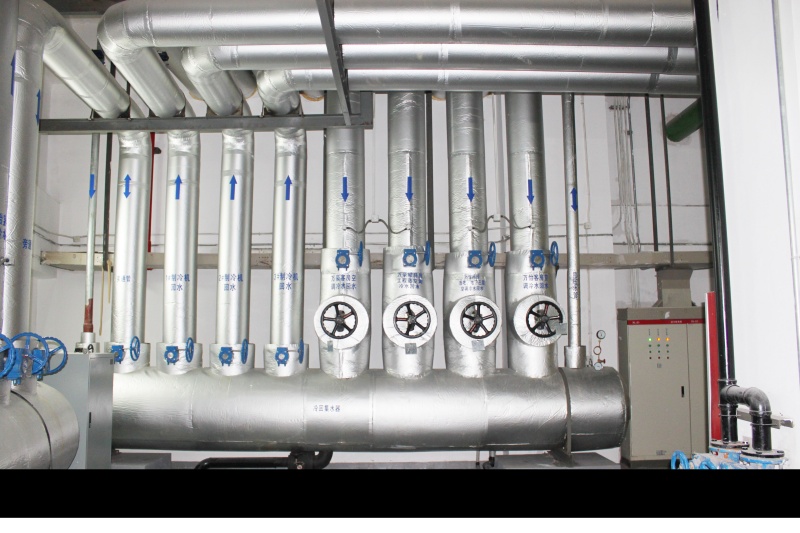
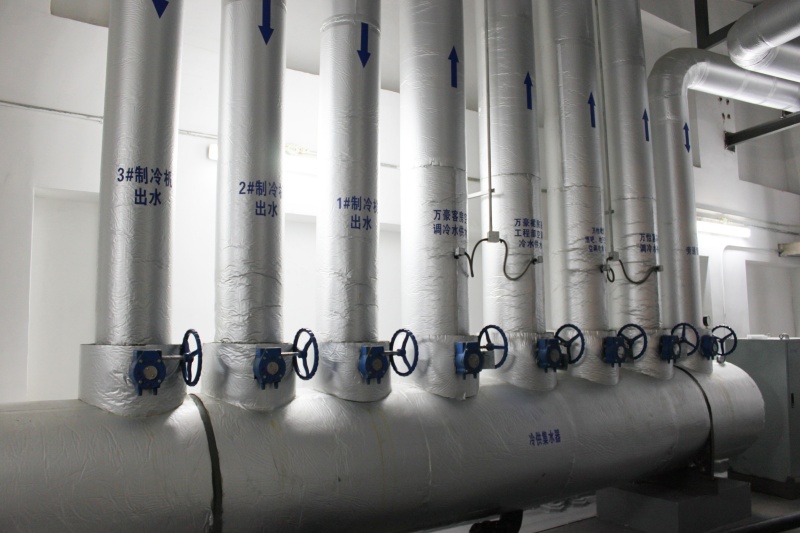
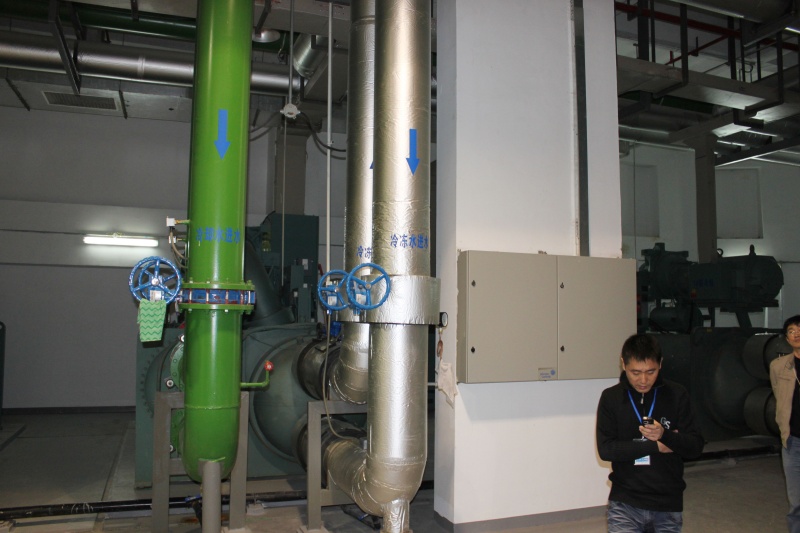
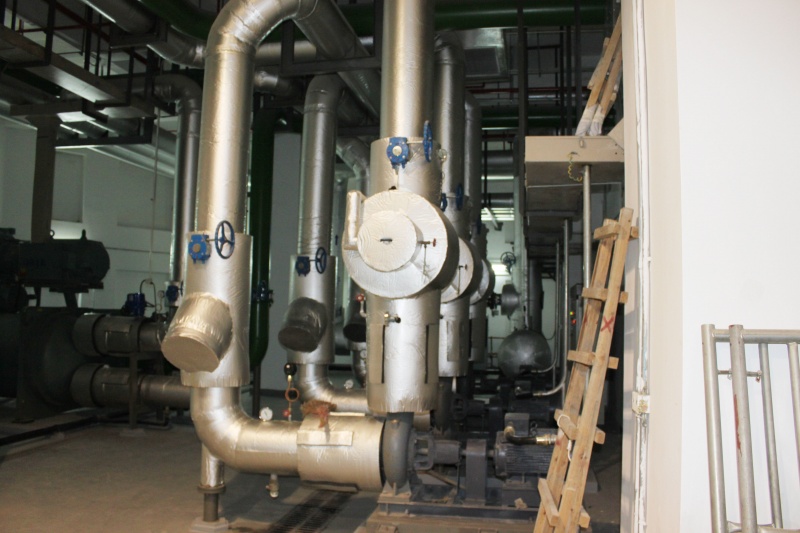
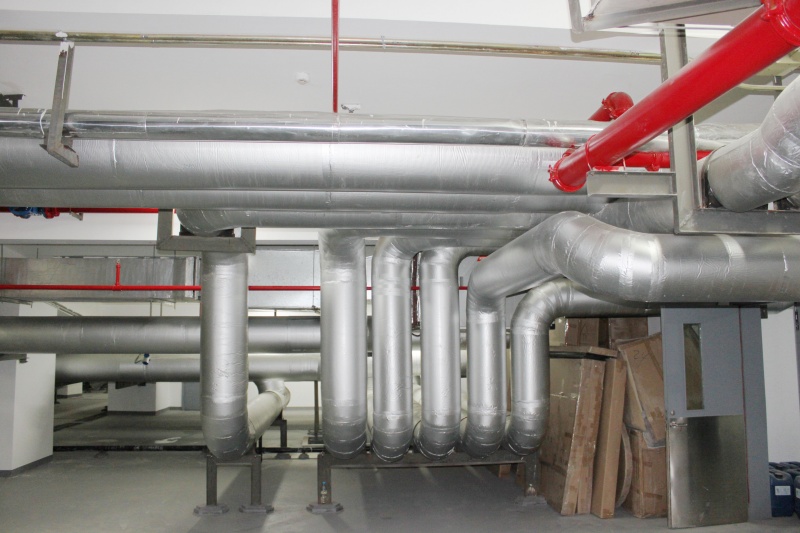
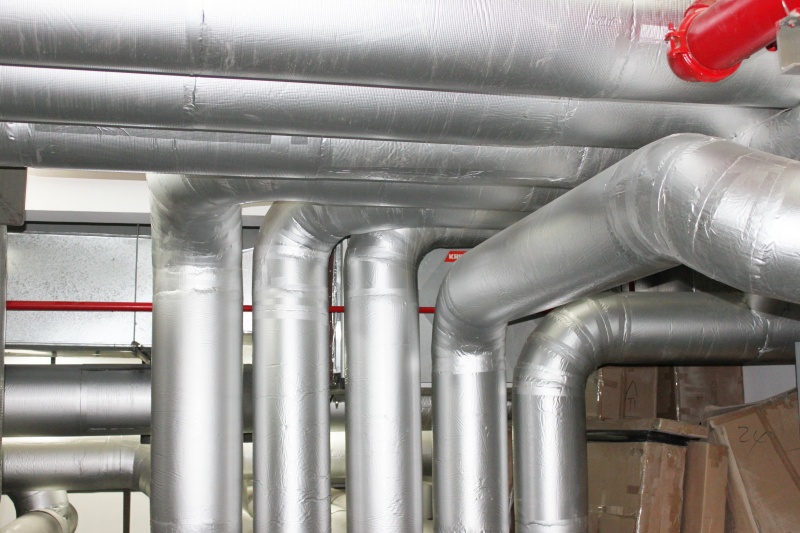
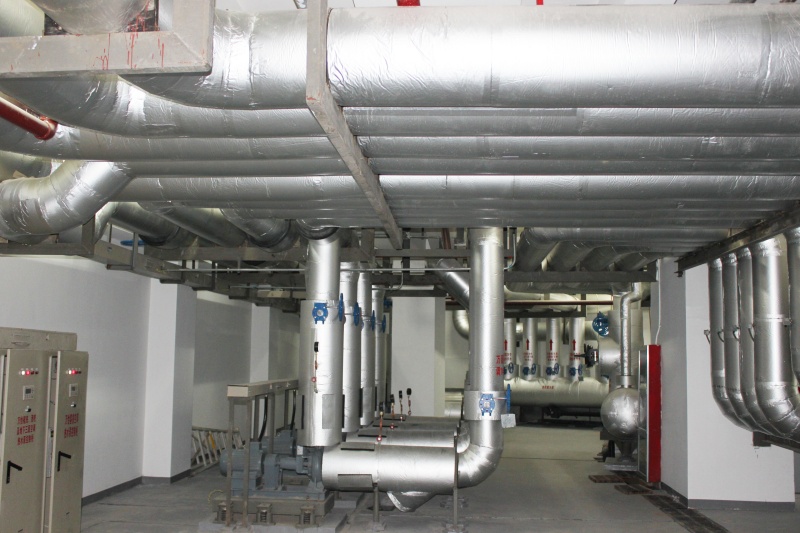
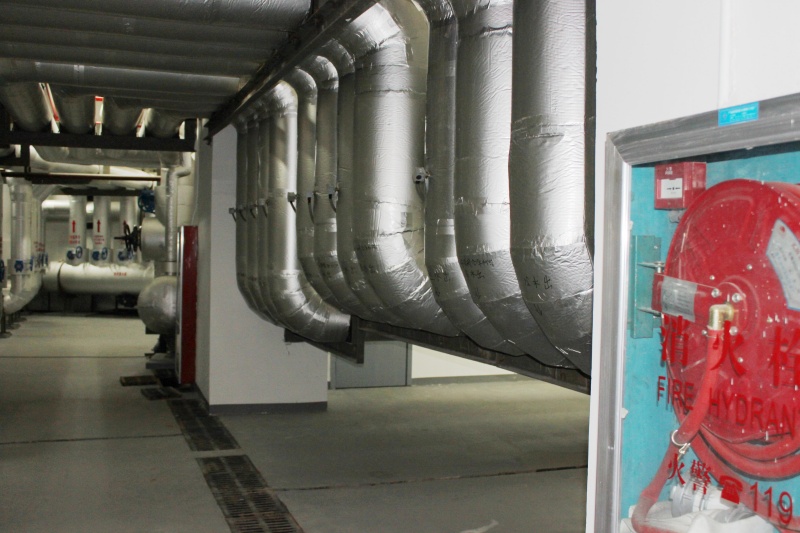
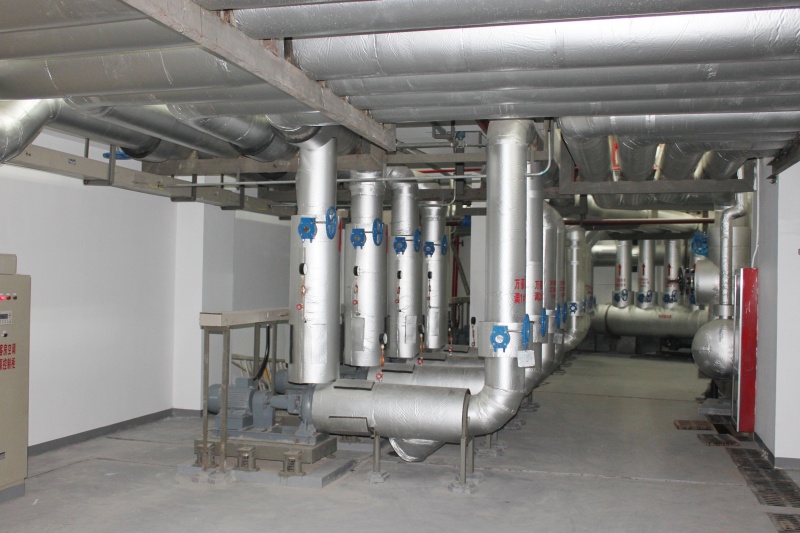
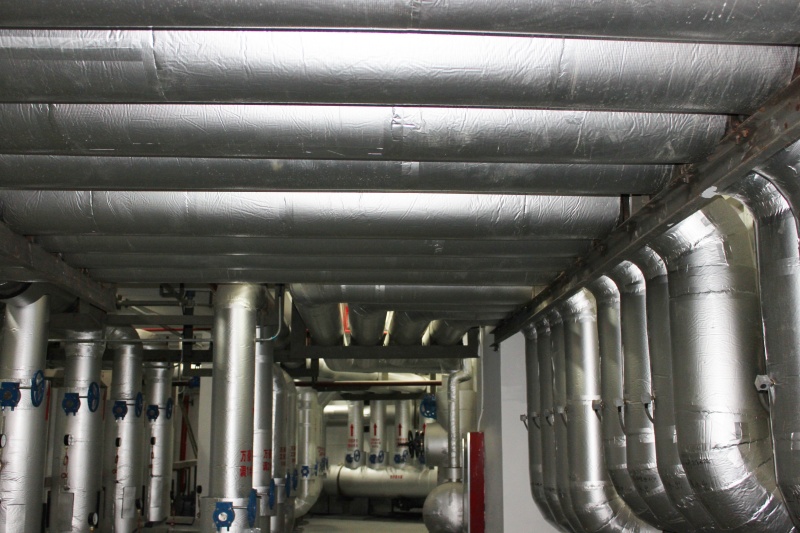
Thermal insulation requirements vary significantly across different projects and environments. In commercial buildings, HVAC systems require materials that prevent heat gain and condensation while maintaining indoor air quality by preventing fiber shedding. NBR/PVC closed-cell rubber foam insulation tape is ideal for sealing joints, valves, and elbows in these systems, ensuring a continuous thermal barrier.
In contrast, heavy industrial settings, such as petrochemical refineries, chemical processing plants, and marine environments, require protection against mechanical strain, high temperatures, and chemical exposure. For cryogenic systems operating down to -200°C, like those in LNG transport and storage, specialized low-temperature elastomeric formulations are critical to prevent thermal stress and system failures.
| Application Scenario | Primary Thermal Challenge | Critical Material Property Required | Recommended Kingflex Configuration |
|---|---|---|---|
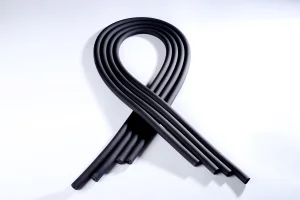
| HVAC & AC Chilled Water Pipes | Condensation and sweating | High resistance to moisture transmission (μ value) | Standard NBR/PVC Rubber Foam Pipe (9mm - 19mm) |
| Cryogenic Systems & LNG (-200°C) | Extreme temperature drops & cracking | Retained flexibility at ultra-low limits | Elastomeric Cryogenic Series (25mm - 50mm) |
| Acoustic Enclosures & Engine Bays | Structure-borne and high-frequency noise | Sound absorption with open/closed cell mix | Open Cell Soundproof Panel / NBR/PVC Panels |
| Industrial Process Piping | Chemical aging and thermal fluctuations | Broad chemical resistance & high density | Corrosion Resistant & High-Density Tubing (up to 40mm) |
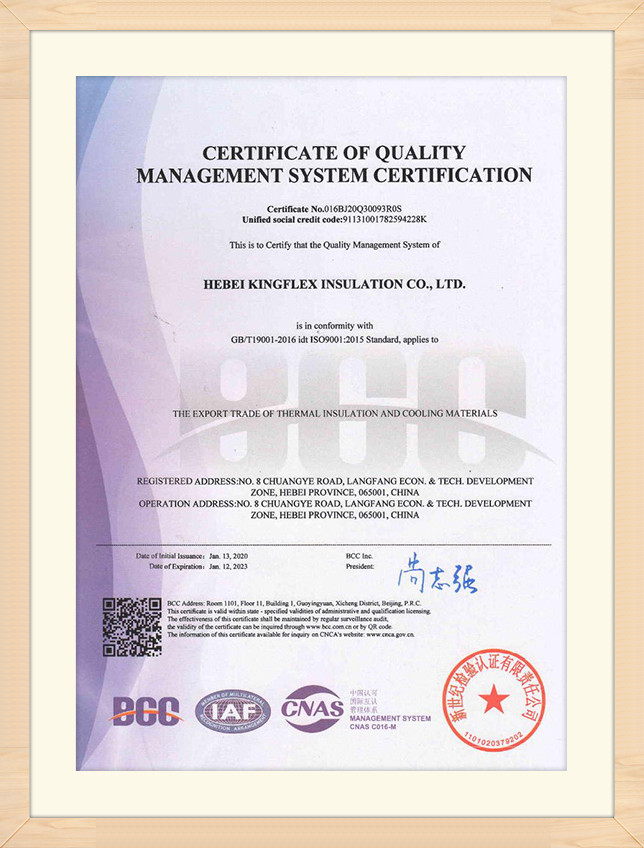
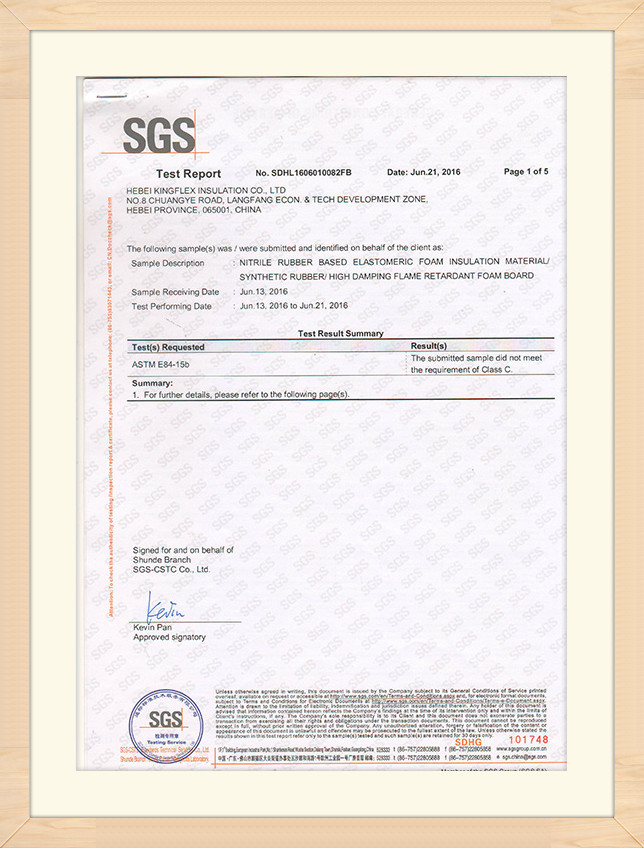
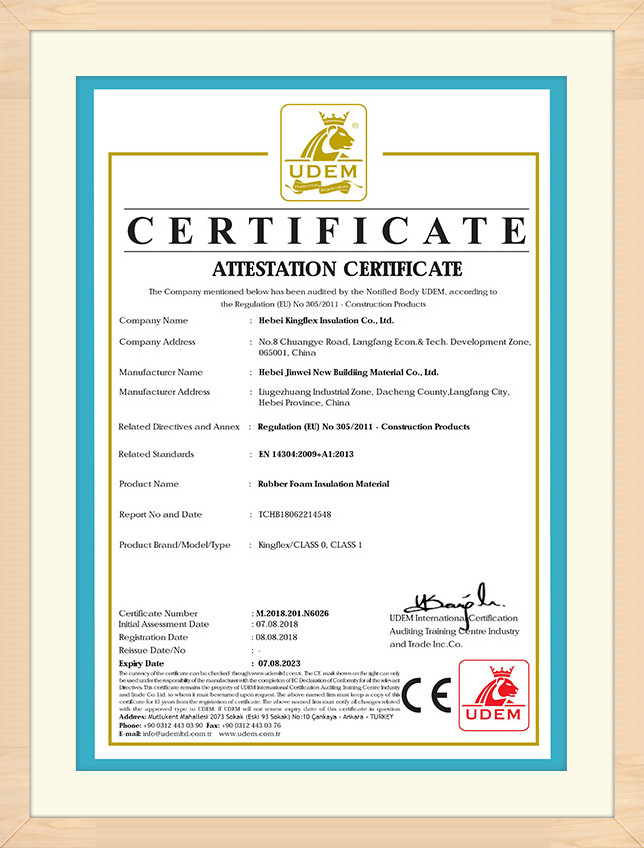
Our products are tested and certified to meet demanding safety and performance standards worldwide.
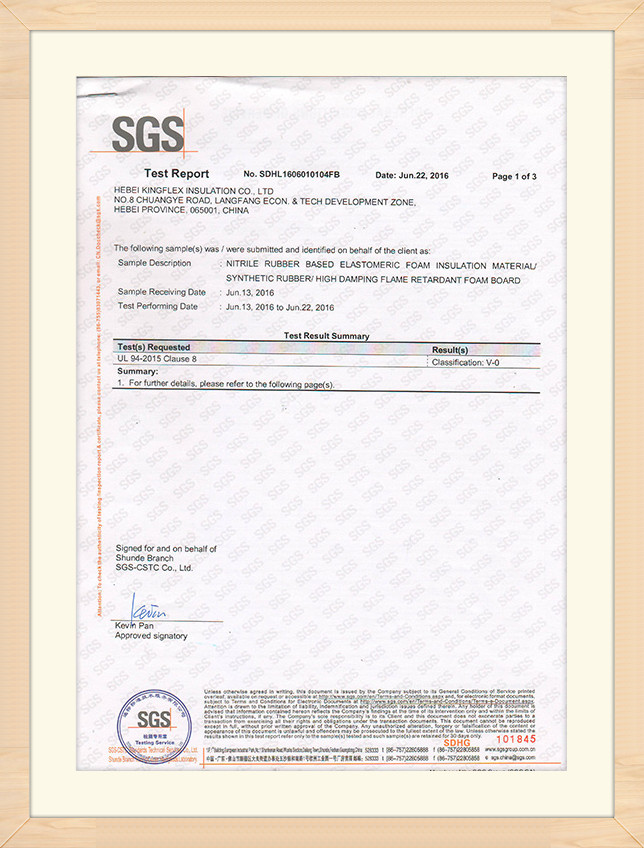
Fully compliant with BS 476 Part 6 & 7 Class 0 and UL94 flammability ratings. Engineered for self-extinguishing performance to prevent flame spread in commercial and residential buildings.
Tested under REACH and RoHS directives to ensure our products are free from harmful volatile organic compounds (VOCs) and ozone-depleting substances, supporting green building goals.
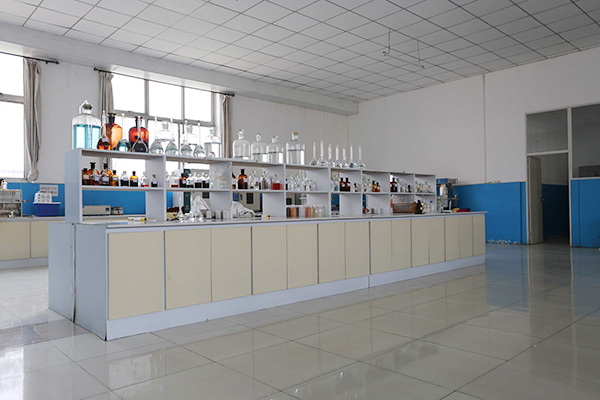
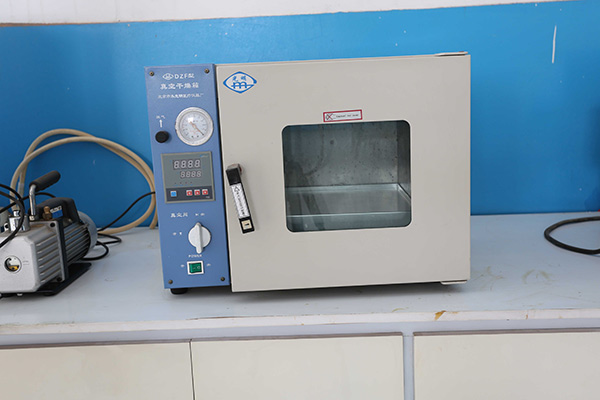
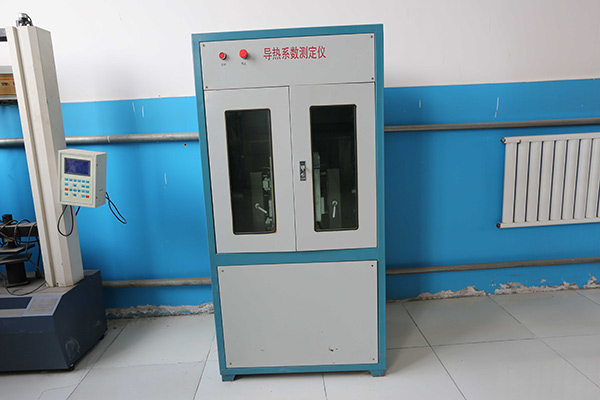
Our materials undergo strict testing under ASTM C534 standards to verify thermal conductivity, moisture absorption, and physical density metrics across all production runs.
Every shipment includes batch-tracked documentation, linking the final product back to the chemical formulation and processing details for complete QA visibility.
Transparency in action: direct client communications, packaging methods, and site installation details.
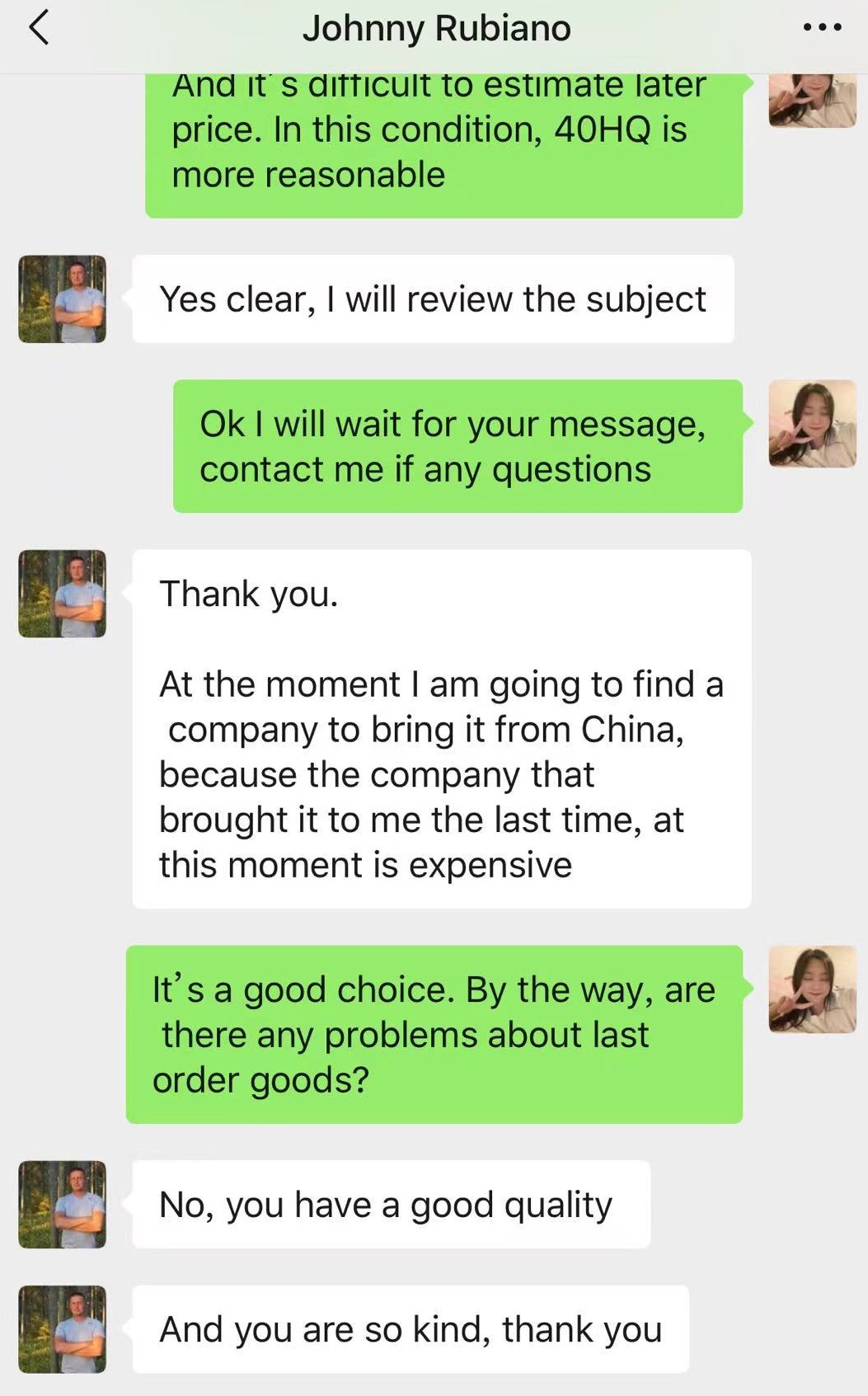
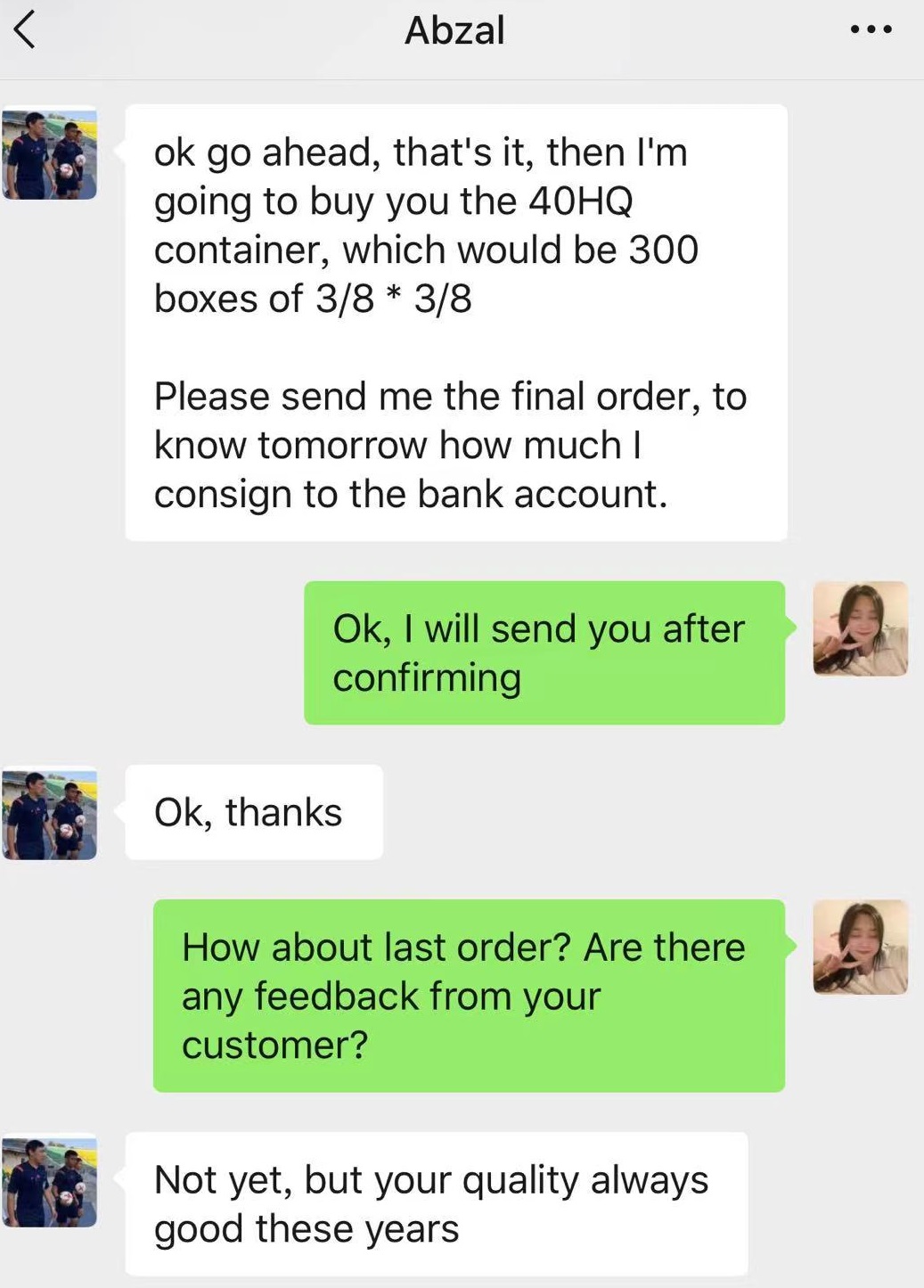
We maintain open communication with our global distribution partners, providing regular updates on container load plans, shipping schedules, and production status to ensure reliable logistics.
Our packaging lines are configured to compress and wrap material safely, protecting sheets and tubes during transit while maximizing container space efficiency.
With shipping routes extending to more than 66 countries, our logistics team coordinates with international ports to handle customs documentation and ensure timely delivery.
Find answers to common questions about thermal conductivity, installation, certifications, and wholesale ordering.
Explore our complete product catalog, featuring acoustic treatments, ultra-low-temperature systems, and heavy-duty pipe insulation.