Understanding the Threat: Why Thermal Systems Get Compromised
A compromised system thermal solution is one of the most critical failures in industrial HVAC, petrochemical piping, and building design. When insulation fails, the consequences manifest as rapid energy dissipation, moisture condensation, and corrosive damage.
The thermodynamic efficiency of any pipe or air-handling system depends entirely on keeping a stable barrier between the fluid temperature and the ambient environmental conditions. Thermal solutions are frequently "compromised" due to three main issues: structural cell deterioration, poor vapor barrier sealing, and chemical degradation. Traditional fiberglass and low-density open-cell materials permit water vapor to permeate through the matrix. Because water has a thermal conductivity (k-value) roughly 25 times higher than dry air, even a minor 1% moisture absorption by volume can degrade thermal efficiency by up to 85%.
Kingflex Insulation Co., Ltd. addresses these core vulnerabilities. By engineering our premium closed-cell NBR/PVC elastomeric rubber foam insulation with over 98% closed cells, we establish an integrated vapor barrier. This ensures long-term operational performance, protecting critical pipelines and structural systems from thermal failure.
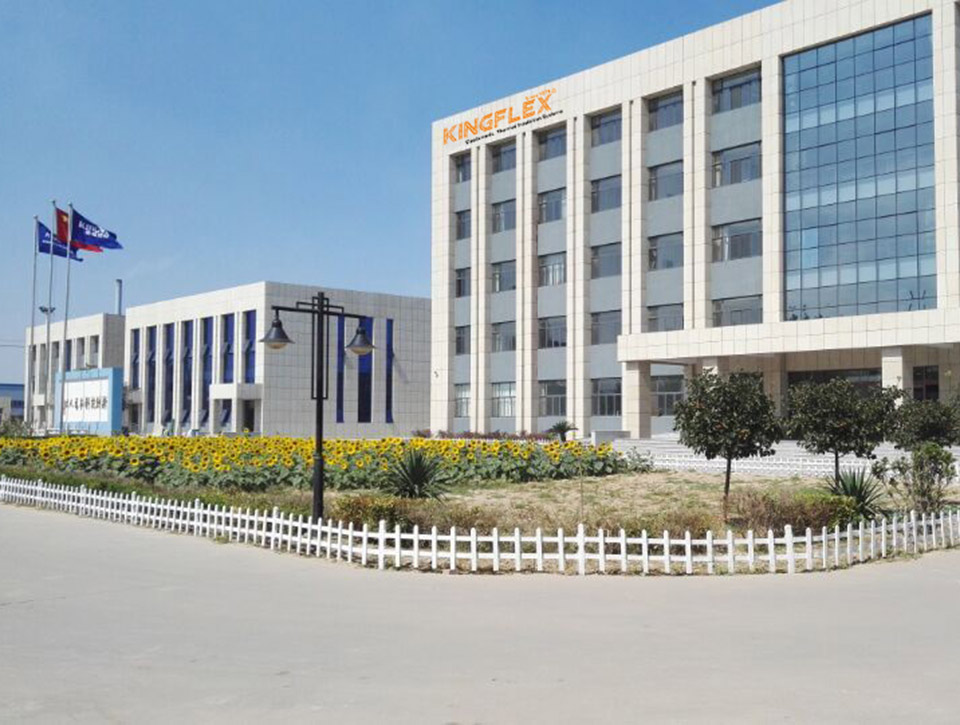
As a professional manufacturing and trading combo, Kingflex has established a leading role in energy conservation. Located in Dacheng, China—widely recognized as the green building materials capital—our facility integrates research and development, manufacturing, and global sales channels. We design our solutions to prevent compromised thermal setups via expert consultancy, precise material engineering, installation guidance, and dedicated support.
40+
Years Industry Heritage (Established 1979)
600K+
Cubic Meters Annual Capacity
5
Large Automatic Assembly Lines
66+
Export Destination Countries
Proven History & Professional R&D Team
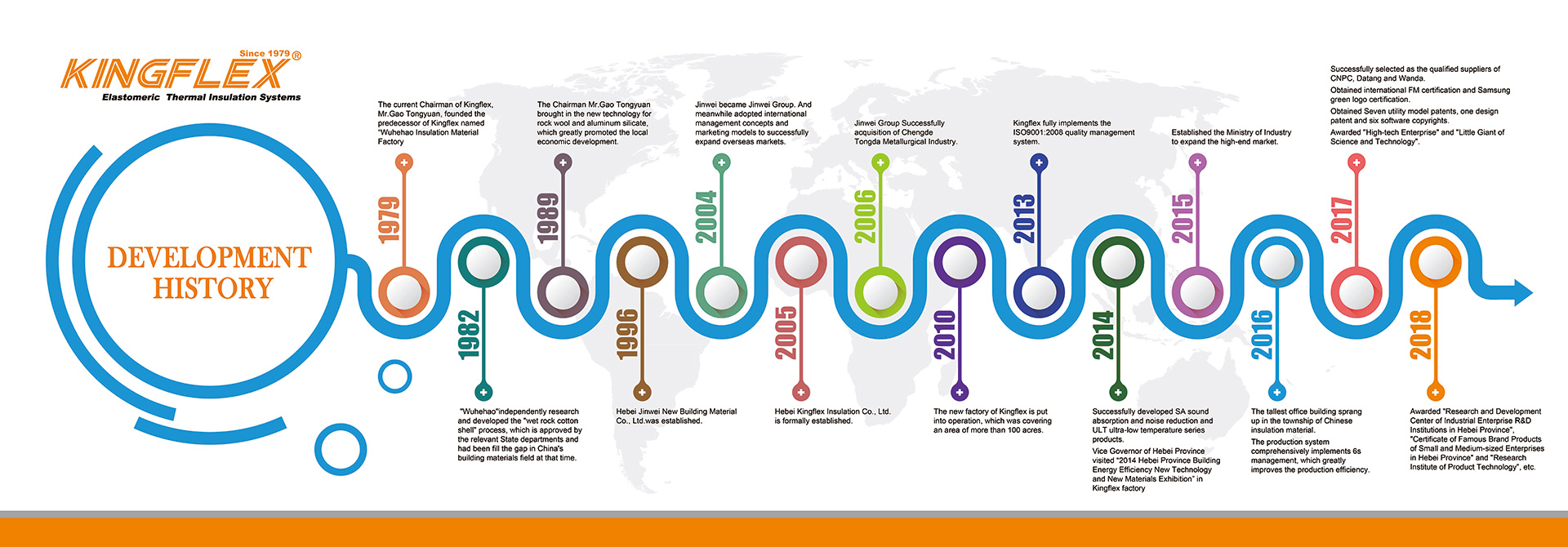
Established by the Jinwei Group, which holds a rich manufacturing history dating back to 1979, Kingflex was the first producer of thermal insulation products north of the Yangtze River. Decades of specialized manufacturing allow us to build systems that reliably withstand extreme environments.
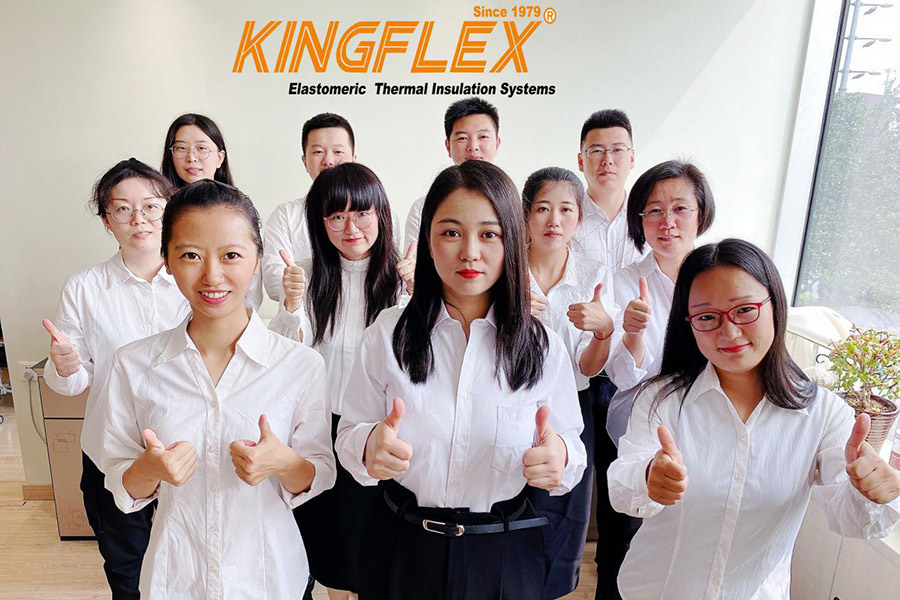
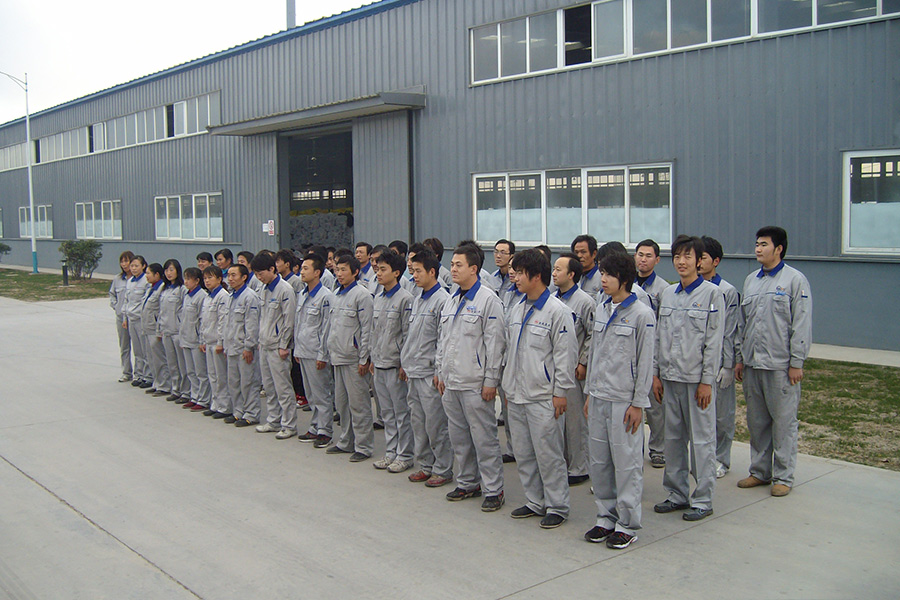
Our organizational strength comes from a dedicated workforce focused on zero-defect outputs. Our factory relies on a skilled group of 230 production workers, 8 R&D engineers, and 6 international trade specialists. This team works continuously to refine the formulation of our NBR/PVC elastomeric matrix, improving flexible properties and low-temperature durability.
Uncompromising Technical Standards: Material Spec Sheet
To guarantee a non-compromised thermal setup in heavy-duty HVAC, construction, and cooling applications, our factory maintains tight tolerances on dimensions and performance parameters. Below are the physical criteria for our core NBR/PVC elastomeric rubber foam materials:
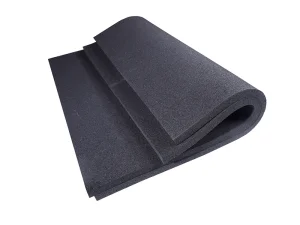
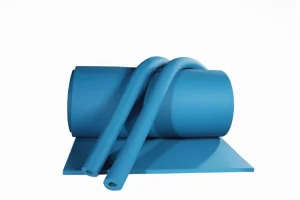
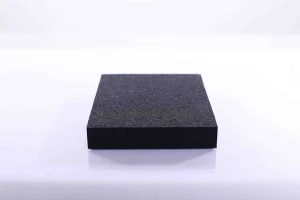
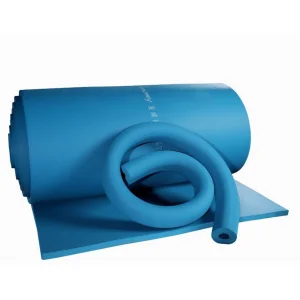
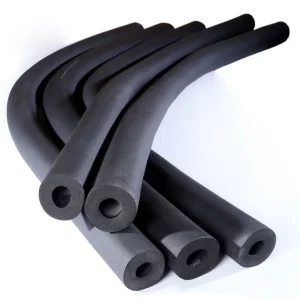
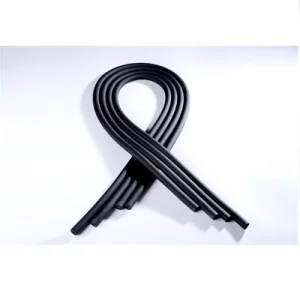
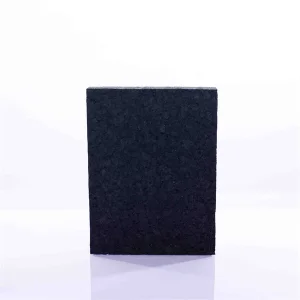
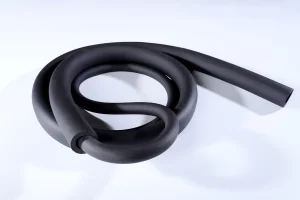
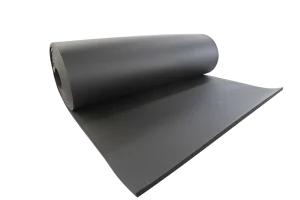
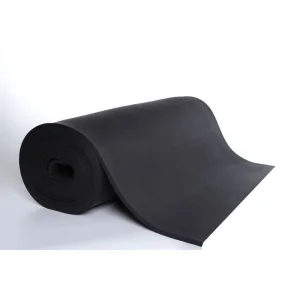
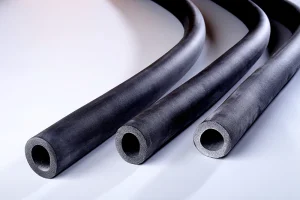
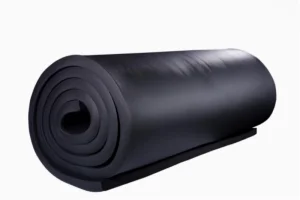
Black Rubber Foam Insulation Sheet Roll & Pipe Specs
Over 80% recovery under standard structural stress
Insulation Sheet Thickness Range
6mm to 50mm
Insulation Pipe Inner Diameter (ID)
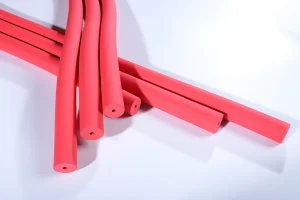
6mm to 114mm (with 9mm to 40mm thickness)
The Advantage of Closed Cell Structures
Open-cell or poorly configured foam products let moisture penetrate deep inside the material over time. This ruins insulation values and leads to Corrosion Under Insulation (CUI). Kingflex's closed-cell design resists water ingress, protecting pipes from oxygen and moisture. This keeps thermal performance stable over a lifespan of 10 to 15 years.
Additionally, our production lines utilize automated spraying systems for pipes, ensuring clean dimensions, easy installation, and snug fits around complex layouts without buckling.
China's Advanced Manufacturing Advantages & Global Industry Trends
Global demand is shifting toward high-performing, traceable insulation materials that help buildings meet carbon-neutral goals. Working with a Chinese factory offers key strategic advantages for global buyers:
Integrated Supply Clusters
Our factory is located in Dacheng, the heart of China’s thermal materials cluster. This gives us direct access to raw NBR/PVC polymers, stabilizers, and agents, protecting us from sudden resource shortages.
Economies of Scale & Automation
Operating 5 high-speed, continuous-vulcanization assembly lines allows us to produce consistent quality at volume. This scaling keeps our wholesale prices competitive without compromising performance.
Flexible Customization (OEM/ODM)
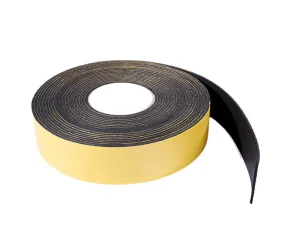
Our engineering team designs custom sheet thicknesses, adhesive Backings, and jacket modifications. This ensures our products integrate smoothly into specialized global industrial systems.
Continuous Innovation in R&D
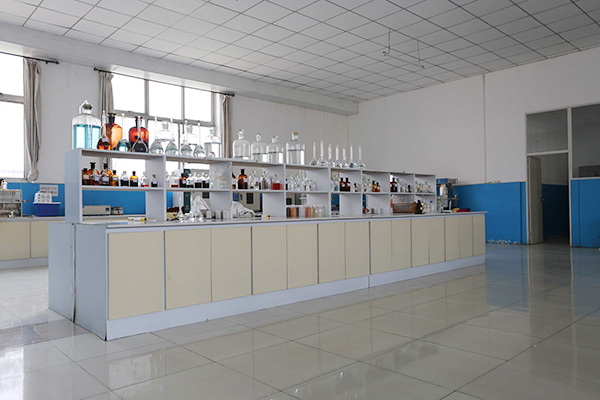
The energy sector is moving away from basic thermal barriers toward active protection systems. Kingflex invests in material science to produce low-smoke, halogen-free, and flame-retardant elastomers that exceed standard fire safety guidelines. Our R&D lab uses testing rigs to simulate decade-long wear and extreme weather cycles, helping us prevent potential failures before our products ship.
Targeted Application Scenarios & System Integrations
Whether resolving issues in standard commercial HVAC setups or specialized cooling systems, our elastomeric materials provide reliable insulation across diverse projects:
1. HVAC & Central Air Conditioning systems
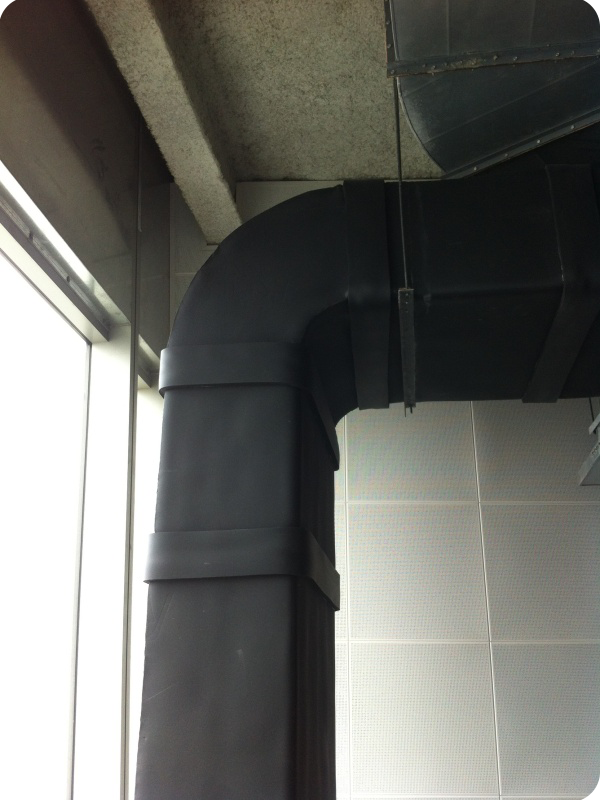
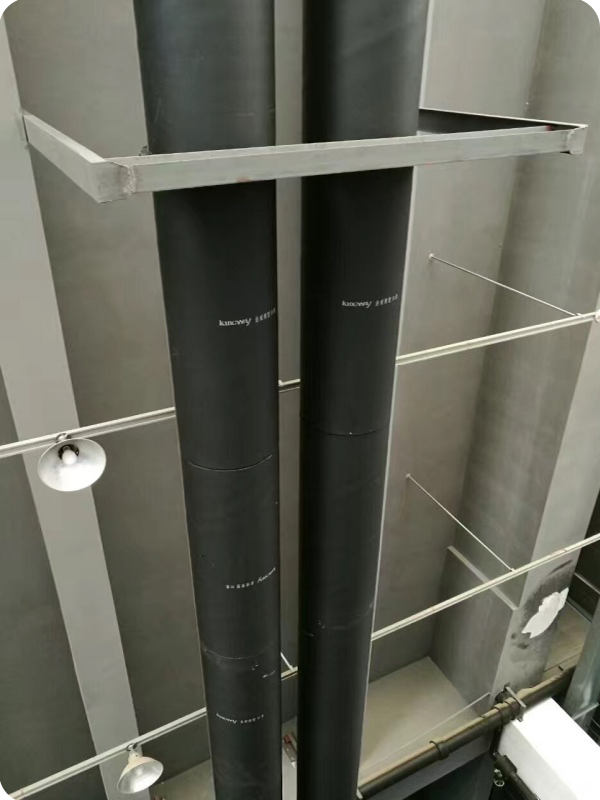
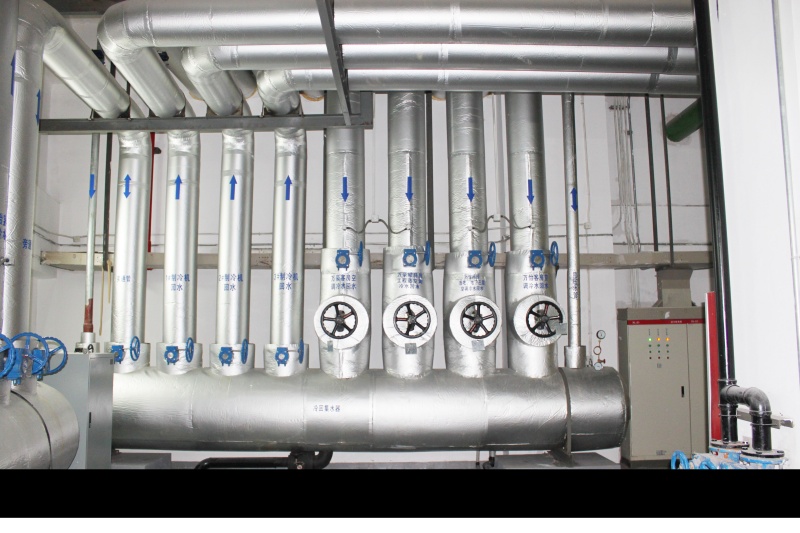
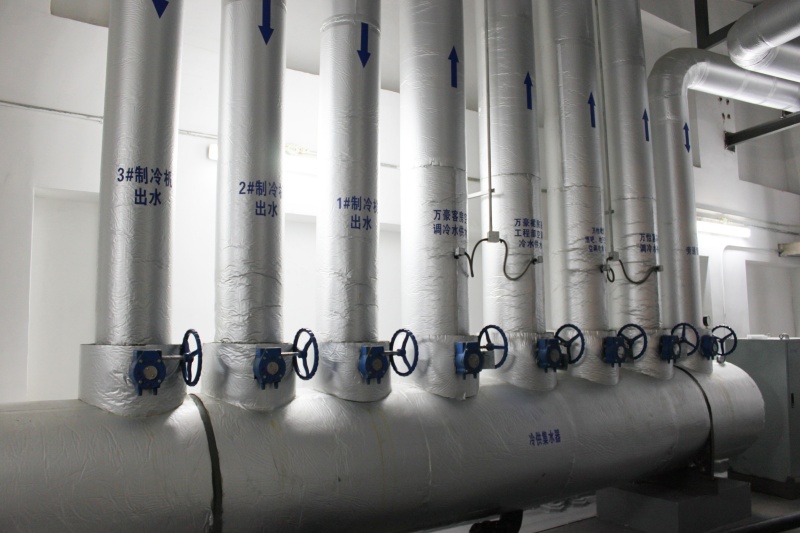
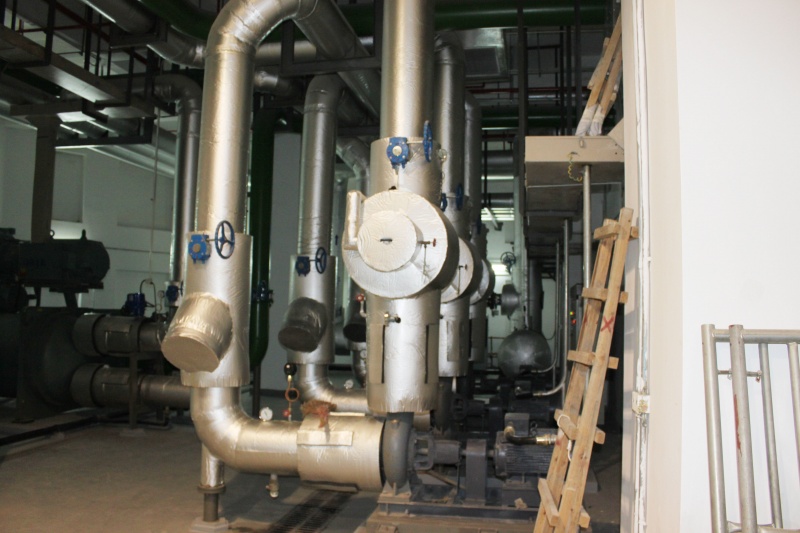
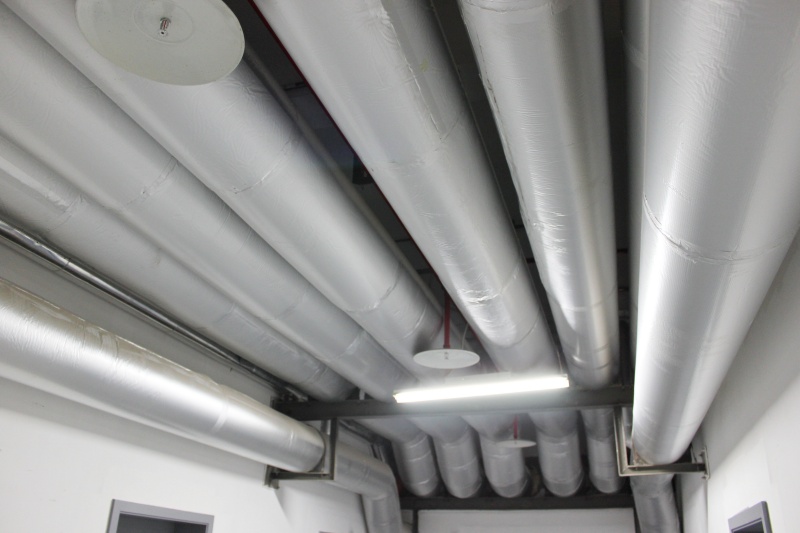
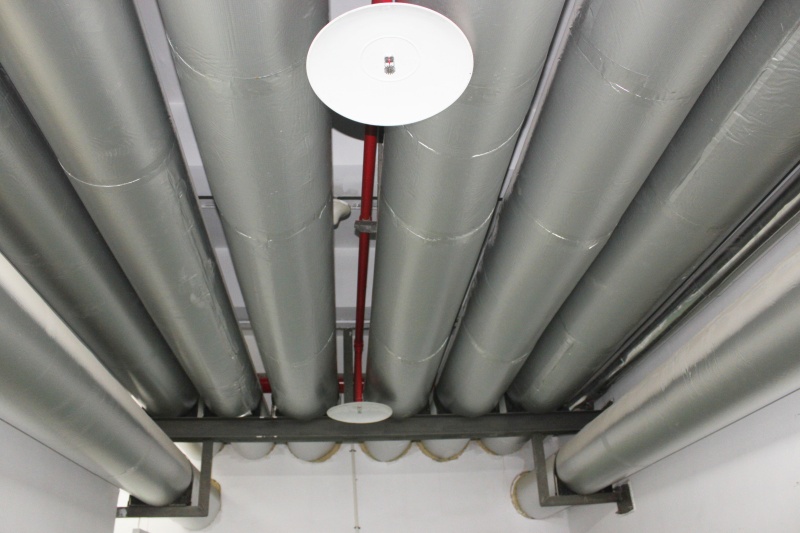
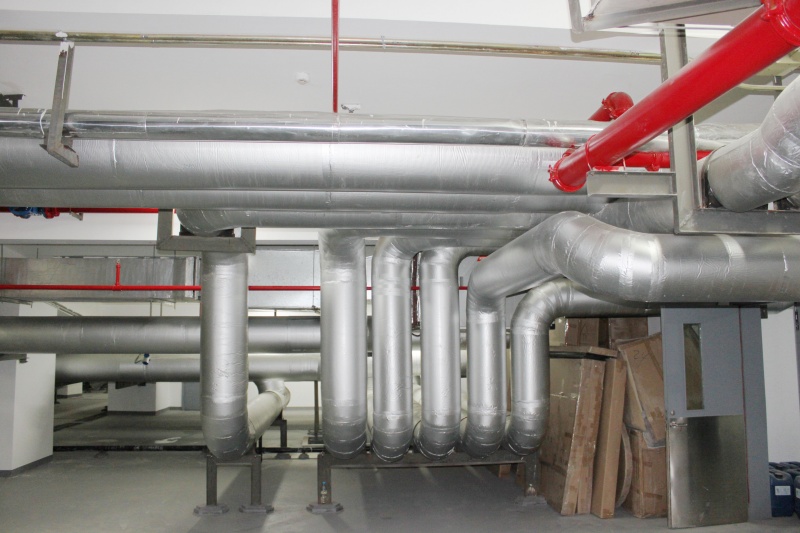
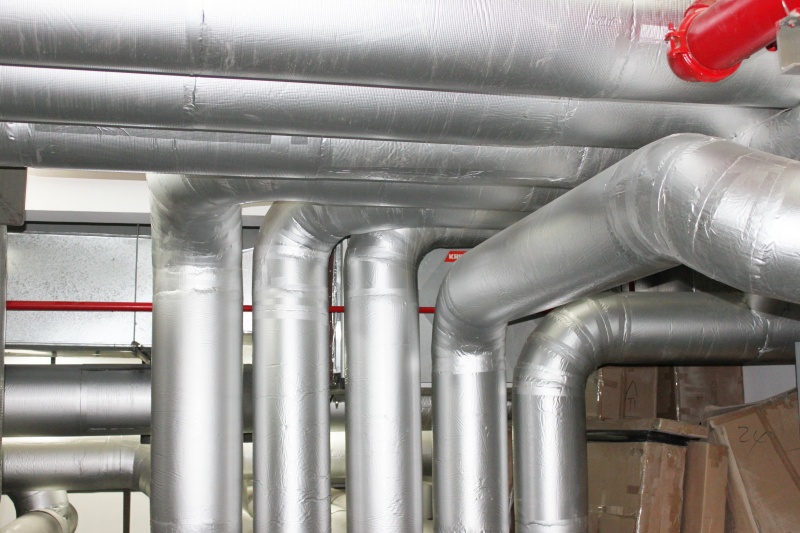
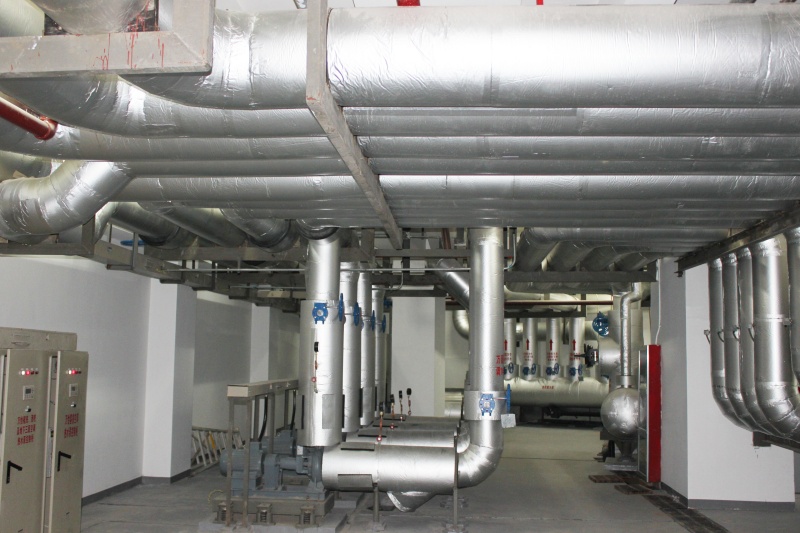
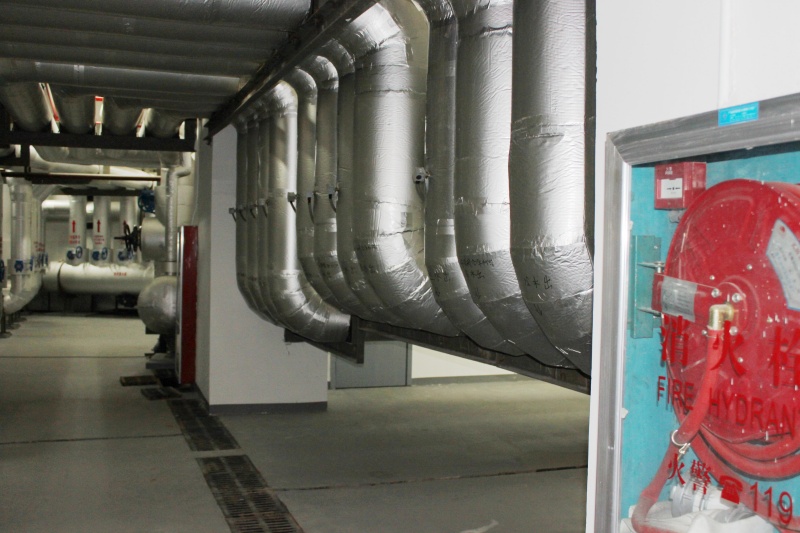
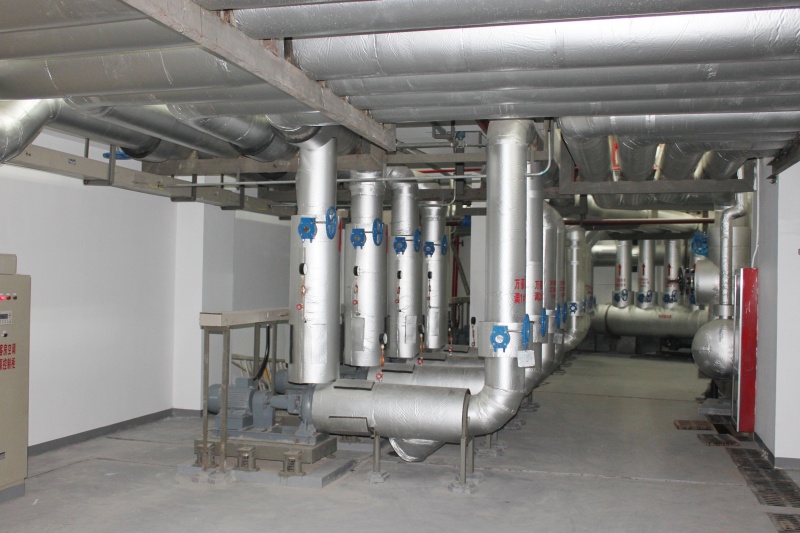
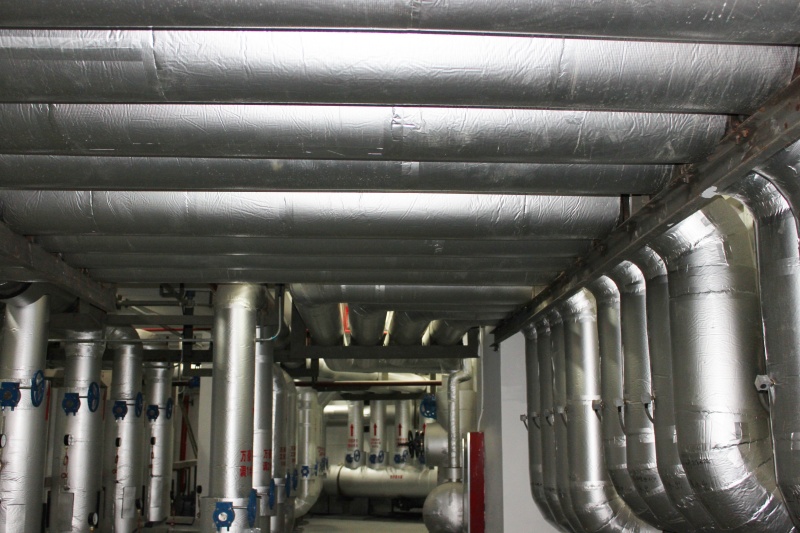
Condensation on cold ducts causes water stains, mold, and ceiling damage. Wrapping ducts and piping with Kingflex NBR/PVC sheets prevents moisture buildup. The material's flexibility makes it easy to wrap around T-joints, elbows, and valves.
2. Cryogenic Systems & Low-Temperature Processing
Ultra-low temperature systems need insulation that won't crack or fail under thermal shock. Our cryogenic formulations maintain flexibility down to extreme temperatures. They limit heat transfer, helping to prevent ice buildup and save energy.
3. Industrial Plant Pipes & Storage Tanks
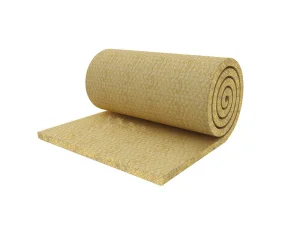
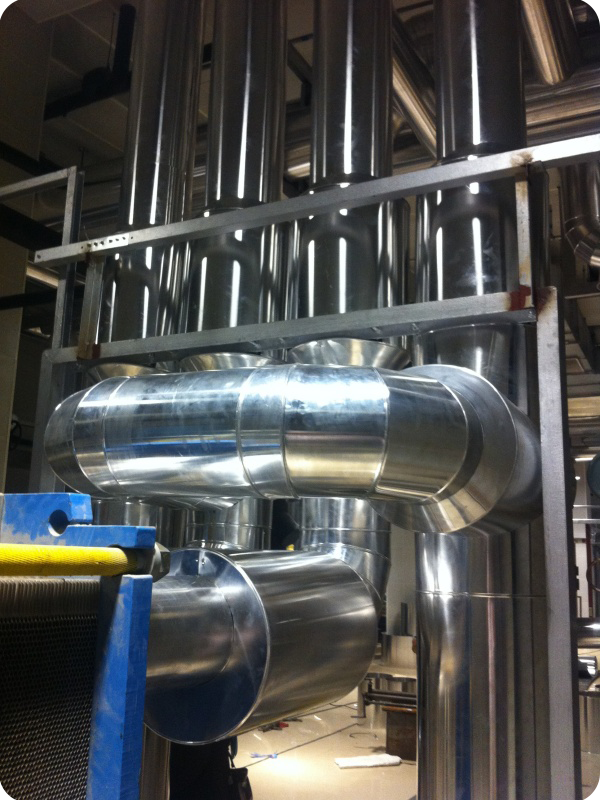
High-pressure steam pipes and chemical storage systems face constant weather exposure. Kingflex rock wool blankets and high-density rubber foam protect these setups from UV degradation, chemical spills, and outdoor temperature swings.
4. Sound Dampening in High-Traffic Facilities
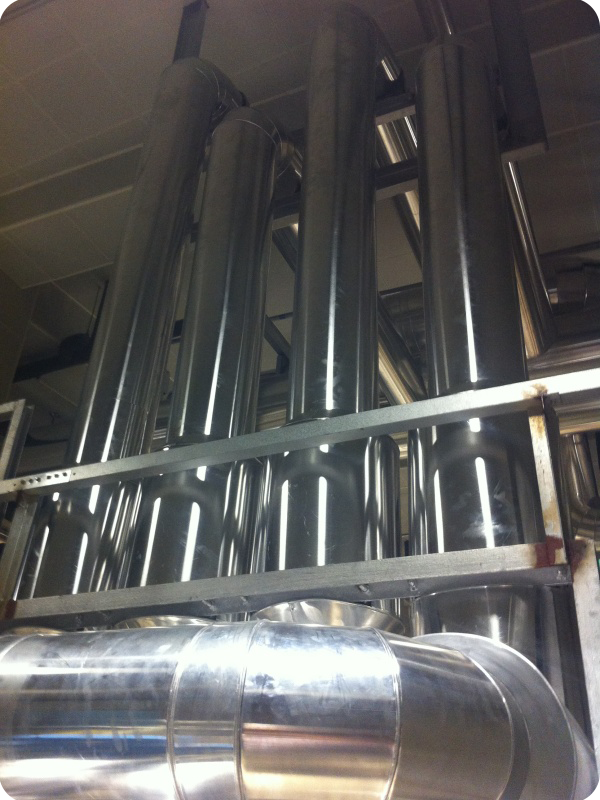
Air systems in hotels, hospitals, and shopping centers can transmit fan and fluid noise. Using our open-cell acoustic foam panels inside machine rooms and ventilation shafts absorbs sound waves, helping to lower building decibel levels.
Global Certification & Traceable Quality Standards
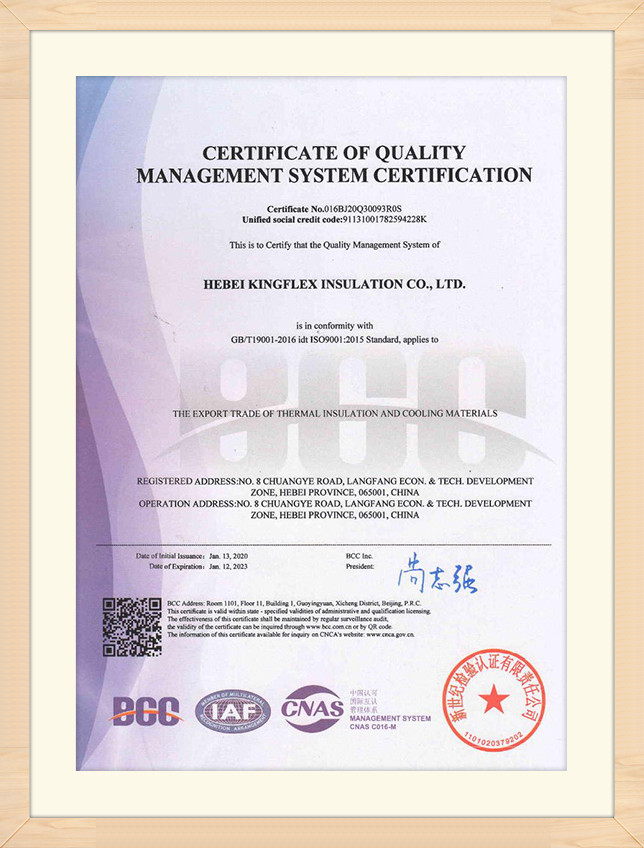
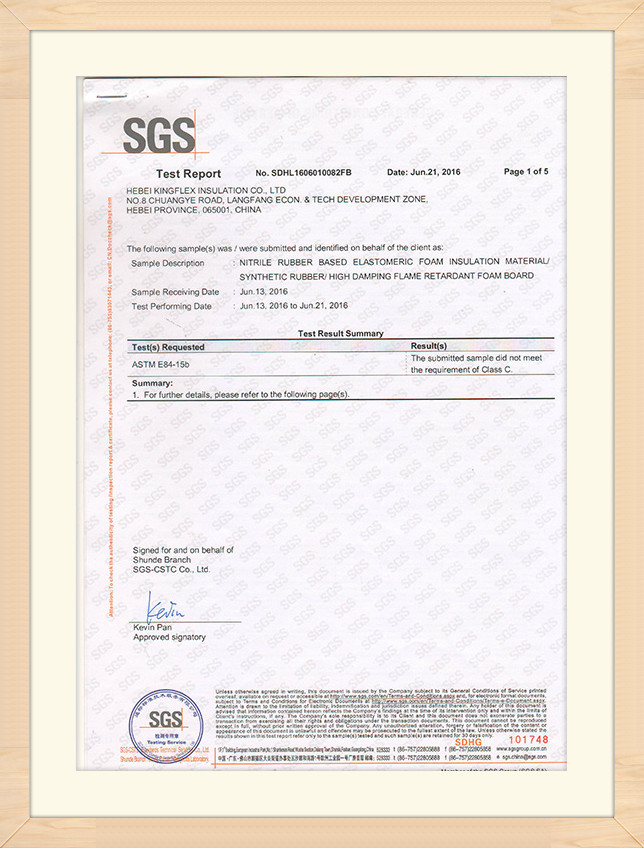
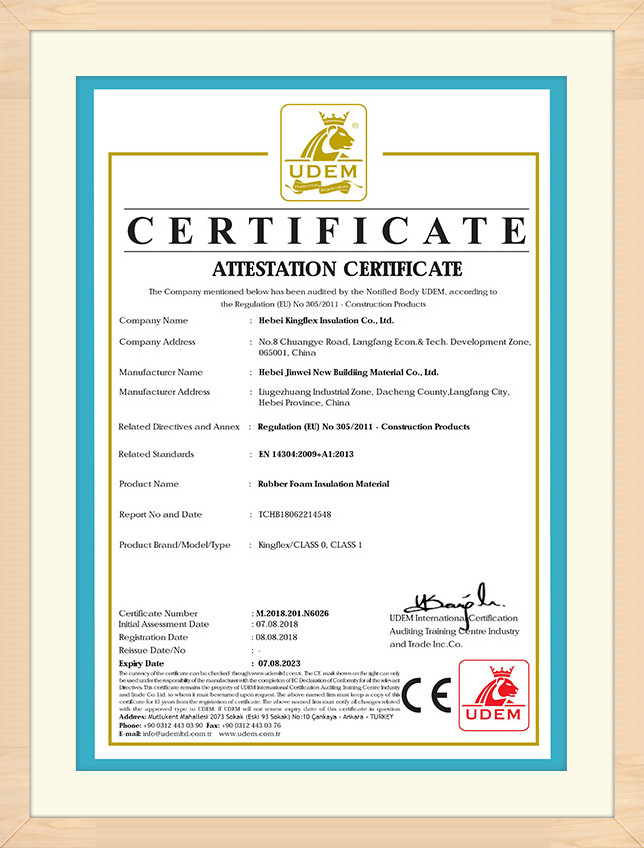
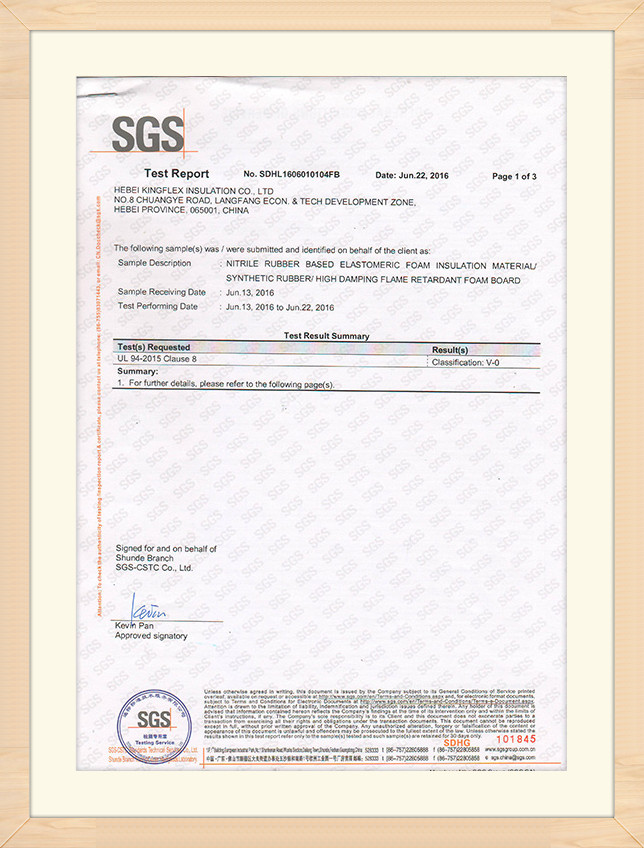
We understand that global procurement managers look for third-party compliance to verify material quality. Kingflex insulation products undergo regular testing to meet strict environmental and fire safety requirements. Our materials hold certifications including BS 476, CE, REACH, RoHS, UL94, and ASTM, ensuring they comply with building codes worldwide.
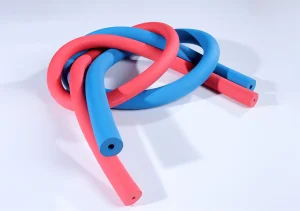
For peace of mind during procurement, we offer full traceability on our manufacturing batches. Every shipment of rubber foam rolls or insulation tubes can be traced back to its raw material source, cure settings, and quality inspector. This level of oversight helps prevent common installation issues and protects large projects from system failures.
Our sales department handles international inquiries promptly, providing shipping coordinates, freight quotes, and custom documentation. We work closely with our partners to ensure timely, transparent deliveries.
Worldwide Client Interactions & Communications
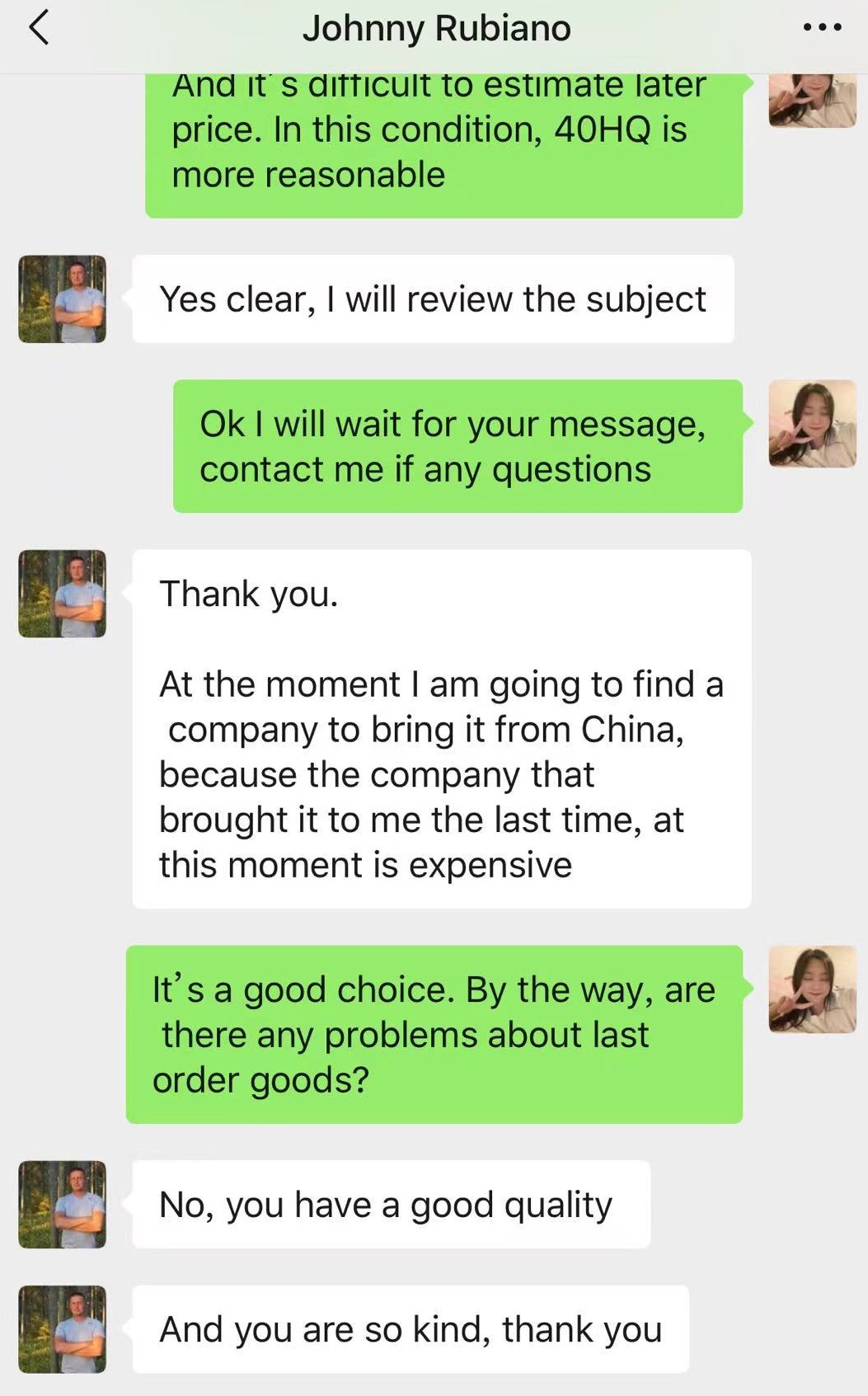
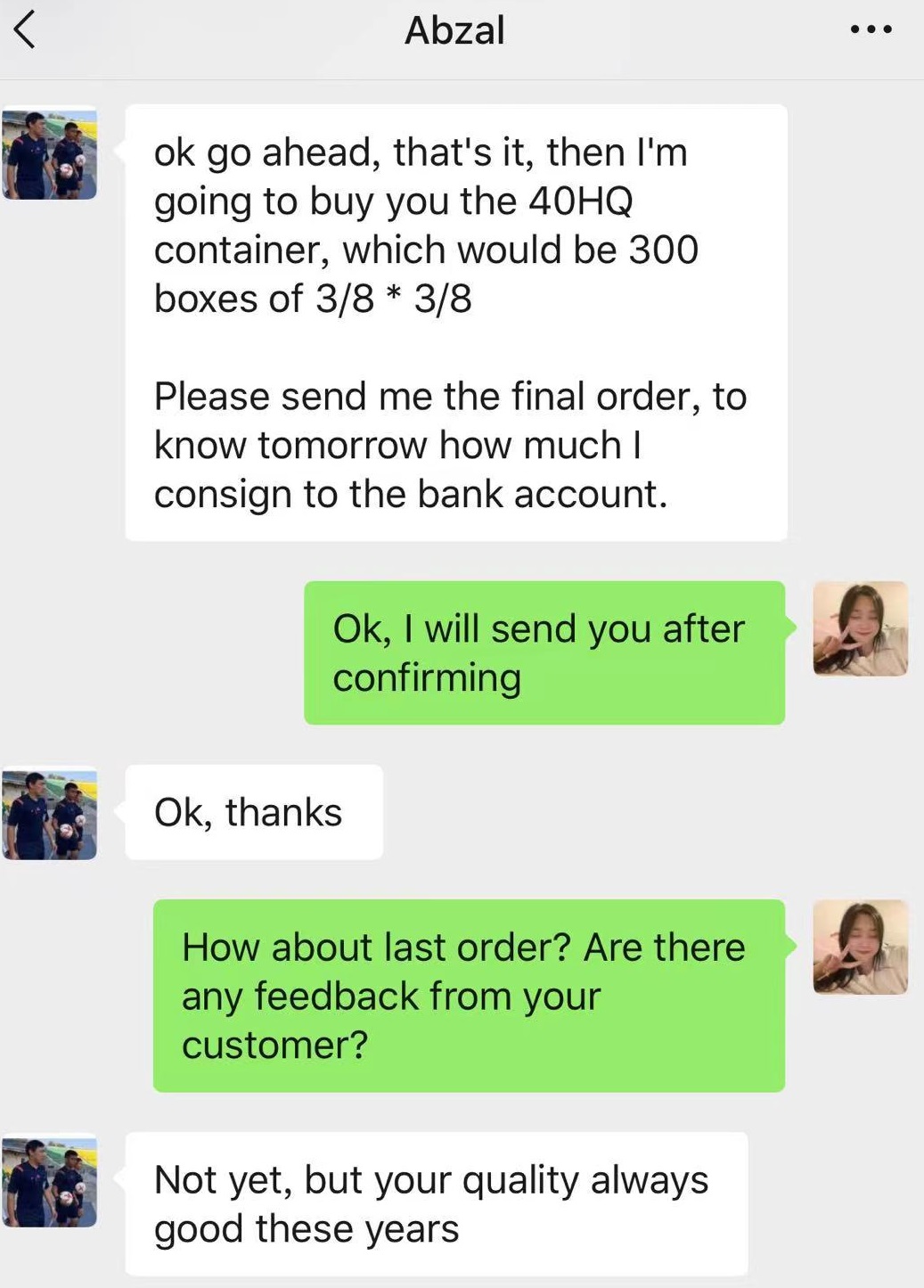
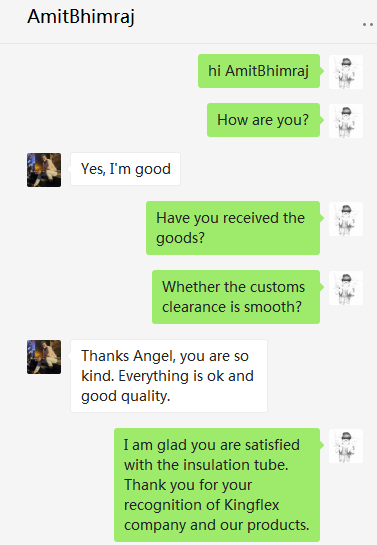
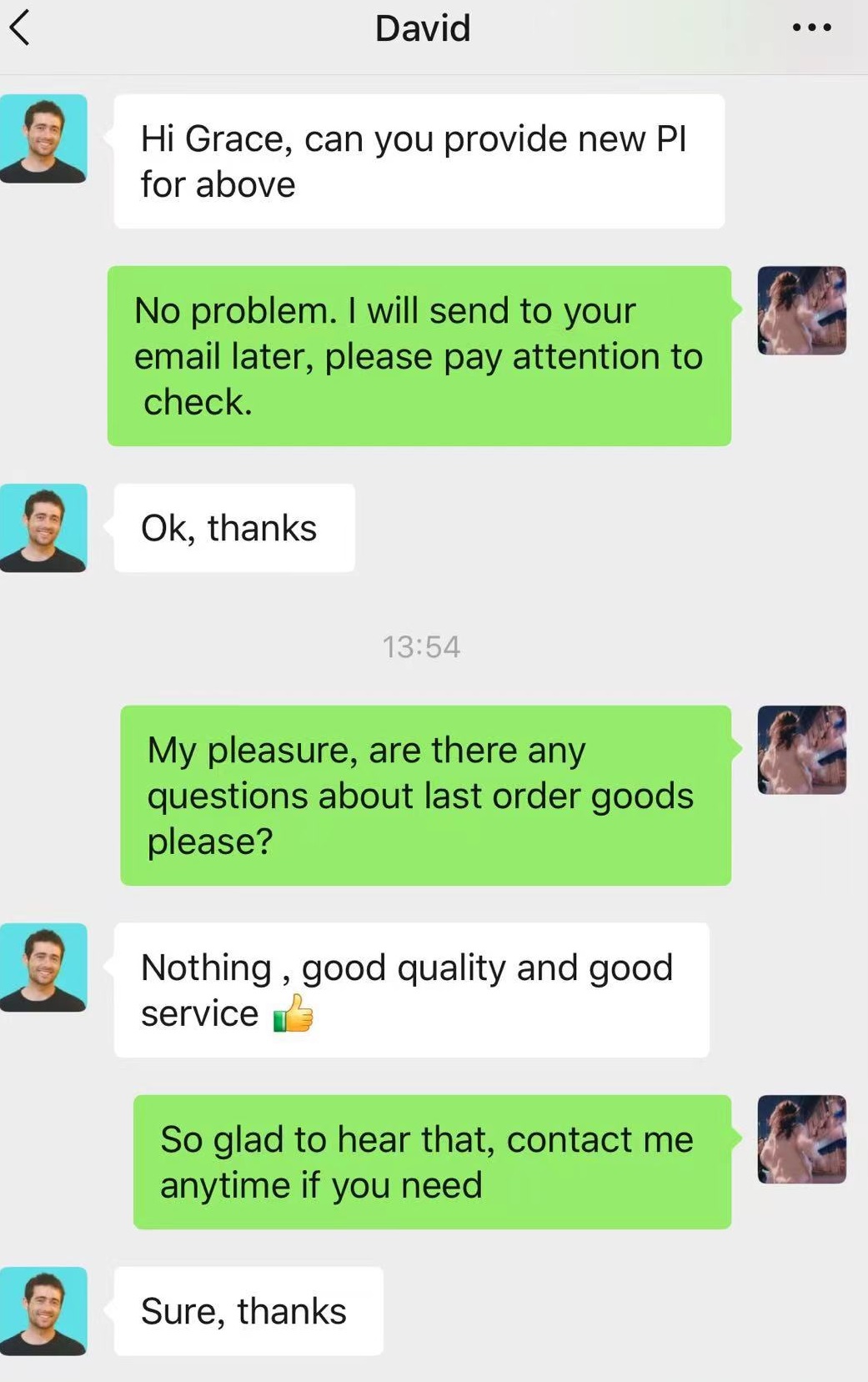
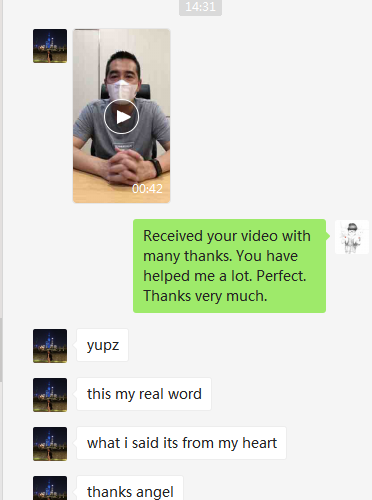
We build long-term relationships with clients in over sixty-six countries by focusing on responsive communication and reliable product delivery. Below are verified logs and interactions showing our team addressing specialized supply requirements:
Our Production Lines and Warehousing Facility
Equipped with 5 continuous automatic assembly lines, our factory keeps production run rates steady while maintaining a clean, controlled vulcanization environment. Our facility is designed to fulfill large-scale wholesale orders quickly and reliably:
Answers to Key Technical Questions
Review detailed answers to common technical and logistics questions about our systems:
Q1: What is elastomeric rubber foam insulation used for?
Elastomeric rubber foam insulation is mainly used to insulate HVAC ducts, air conditioning lines, and industrial process piping. Its closed-cell structure blocks moisture vapor, helping to prevent condensation and minimize energy loss on cold-water and low-temperature fluid lines.
Q2: Is Kingflex rubber foam insulation fire resistant?
Yes, our rubber foam products are formulated to be flame-retardant and self-extinguishing. They meet fire safety standards like BS 476 (Class 0 and Class 1) and UL94, making them suitable for use in high-density commercial buildings and industrial facilities.
Q3: What is the difference between rubber foam and rock wool insulation?
Rubber foam is a flexible, closed-cell material that offers high moisture resistance, making it ideal for HVAC, chilled-water, and refrigeration lines. Rock wool is a fibrous, high-density mineral structure that excels at handling high-temperature steam lines and providing heavy-duty structural fire proofing.
Q4: Do you provide customized insulation products?
Yes. We support full OEM and ODM customization services. We can adjust the wall thickness, modify inner diameters, apply special self-adhesive backings, or wrap the foam in protective aluminum jackets to match your project specifications.
Q5: What certifications do your products have?
Our materials are tested and certified to comply with international standards including BS 476, CE, REACH, RoHS, UL94, and ASTM. This compliance simplifies the engineering approval process for builders, contractors, and municipal planners.
Q6: Do Kingflex products have traceability?
Yes. We maintain a quality tracking system. Every production batch of NBR/PVC sheets or tubes is labeled with a tracking number that links back to raw material inputs, processing times, curing conditions, and QA lab reports.
Q7: What thickness of rubber foam insulation sheet roll can you produce?
Our standard production lines produce sheet rolls in thicknesses ranging from 6mm to 50mm. This variety lets you specify the right thickness to achieve your target k-value and prevent condensation in different climates.
Q8: What is the service life of rubber plastic pipe and board?
When installed correctly and maintained under standard operating conditions, Kingflex NBR/PVC elastomeric rubber insulation provides a typical service life of 10 to 15 years, maintaining its physical shape and thermal efficiency over time.
 Kingflex