China AC Insulated Duct Manufacturer & Factories

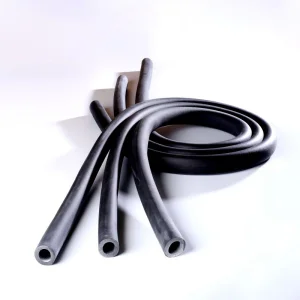
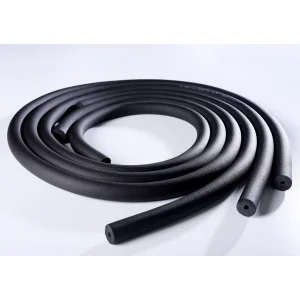
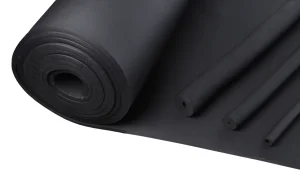
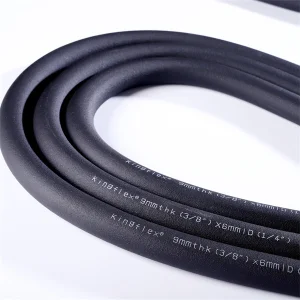
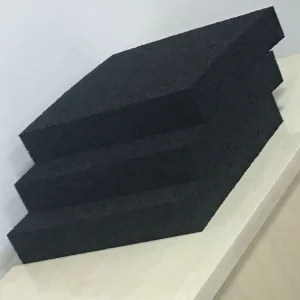
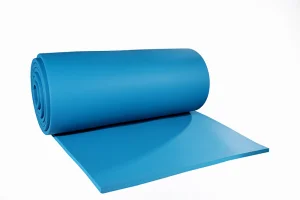
Premium Elastomeric Closed-Cell Rubber Foam Insulation Systems for Global HVAC, Industrial, and Cryogenic Engineering Projects.

The Blueprint of Next-Gen HVAC Insulation: China AC Insulated Duct Manufacturing

In modern industrial and commercial infrastructure, central air conditioning and HVAC systems represent the largest share of operational energy consumption. Thermal loss from inefficient ductwork and piping structures is the leading contributor to system degradation, higher emissions, and elevated operational costs.

Key Market Insight: High-performance elastomeric NBR/PVC closed-cell foam technology provides a comprehensive solution to these challenges, combining low thermal conductivity ($\lambda \le 0.034$ W/m·K at 0°C) with an exceptional water vapor transmission resistance index ($\mu \ge 10,000$).

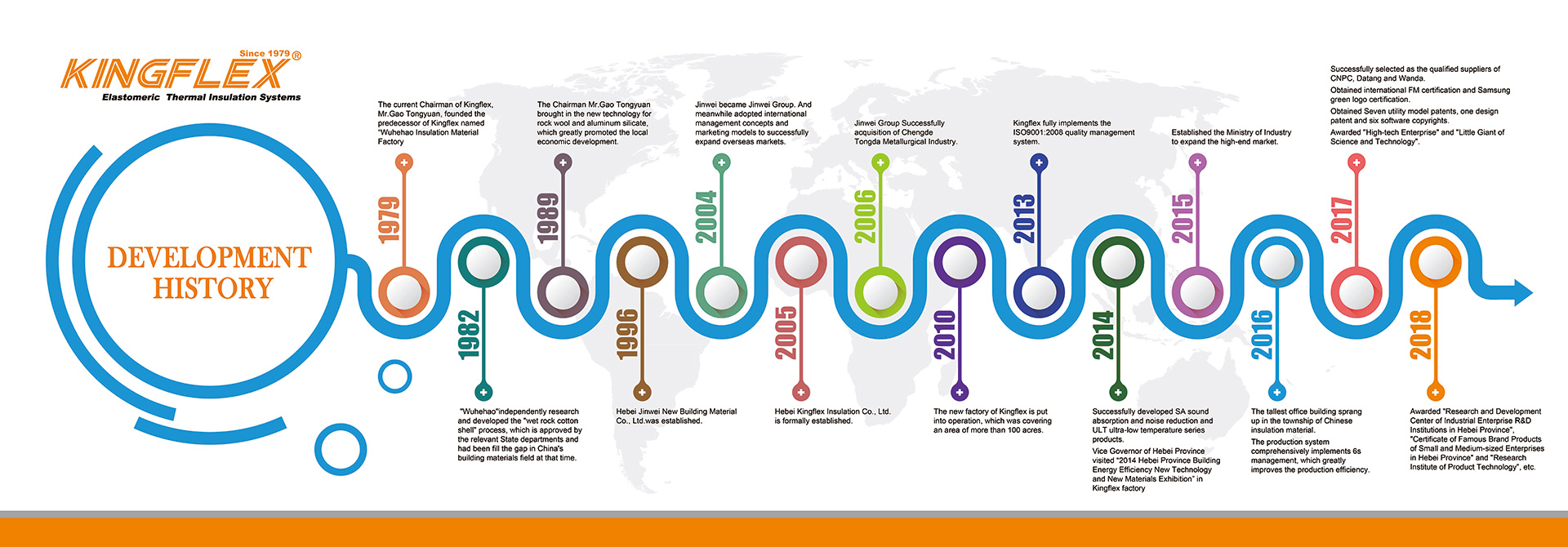
As a leading Chinese manufacturer, Kingflex Insulation Co., Ltd. (an affiliate of the Jinwei Group, established in 1979) stands at the forefront of this technological shift. We provide custom-formulated, energy-saving thermal, cold, and acoustic insulation systems to commercial HVAC contractors, industrial plant engineers, and global distributors across sixty-six countries.
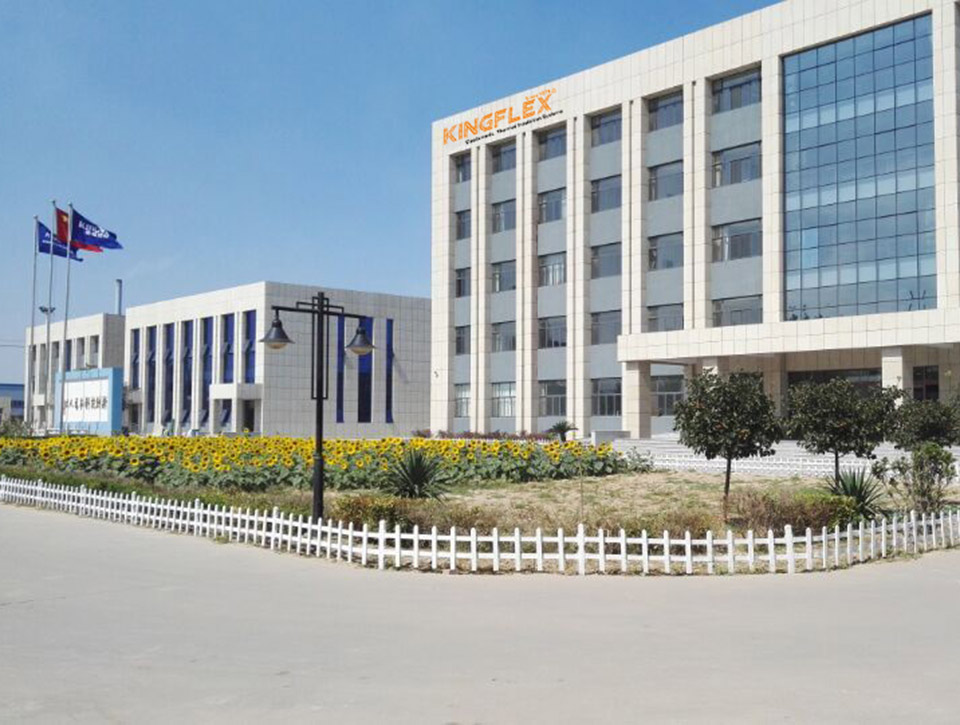
Kingflex Factory Production Workshop

Global HVAC & AC Insulated Duct Industrial Landscape

Analyzing key macroeconomic drivers, sustainability policies, and high-efficiency material selection in modern industrial cooling systems.

Strict Condensation Control

When moist air contacts uninsulated or poorly insulated chilled water pipelines, immediate condensation occurs. This leads to dripping, mold cultivation, drywall damage, and corrosion under insulation (CUI). Kingflex's closed-cell configuration prevents moisture ingress, protecting asset longevity.

Decarbonization & Green Regulations

International environmental guidelines (including ASHRAE 90.1, EN 14304, and LEED green building rating protocols) place strict caps on allowable thermal leakage. Using high-density NBR/PVC elastomeric structures is a direct path to meeting these sustainability compliance standards.

Acoustic Mitigation in HVAC Ducts

HVAC blowers and high-velocity air movement generate significant structured noise. High-elasticity rubber foam absorbs low-to-mid-range frequencies. This guarantees compliance with municipal noise emission limits inside commercial spaces like hospitals and hotels.

600,000+

M³ Annual Output

40+ Years

Heritage Since 1979

66+

Global Export Markets

8 Dedicated

R&D Lead Engineers

Automatic Production Line Equipment

Uncompromising Quality: Material Formulations & Technical Specifications

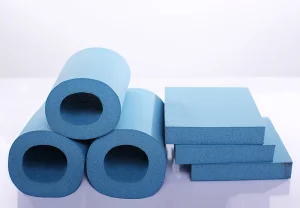
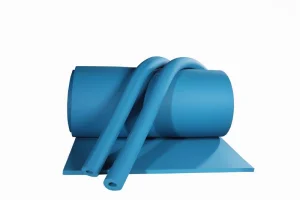
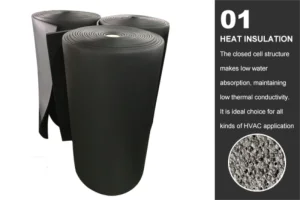
The performance of AC insulated ductwork relies on the micro-cellular geometry of its rubber matrix. Our proprietary NBR/PVC blend goes through a continuous vulcanization and gas-expansion process. This achieves an even closed-cell structure with a high density of microscopic gas pockets.

Key technical specifications of Kingflex standard configurations include:

  • Vulcanized Closed-Cell Structure: Over 98% closed cell rate, providing a built-in vapor barrier that prevents water absorption even if the outer skin is punctured.
  • Low Thermal Conductivity ($\lambda$): Excellent thermal retention with values down to $\le 0.034$ W/m·K at 0°C.
  • Broad Service Temperatures: Operates efficiently across a wide temperature range, from -40°C up to +105°C (specialized cryogenic variants perform down to -200°C).
  • Exceptional Fire Retardancy: Engineered to meet international fire codes, self-extinguishing without generating toxic smoke.

Comparison Matrix: Elastomeric Rubber Foam vs. Alternatives

Choosing the correct insulation material based on thermal performance, moisture resistance, installation efficiency, and fire safety ratings.

Performance Metrics Kingflex Elastomeric NBR/PVC Traditional Glass Wool Industrial Rock Wool
Thermal Conductivity (0°C) ≤ 0.034 W/(m·K) (Excellent) ≤ 0.038 W/(m·K) (Moderate) ≤ 0.040 W/(m·K) (Moderate)
Moisture Resistance Factor (μ) ≥ 10,000 (Built-in Vapor Barrier) μ ~ 1 (Requires External Jacket) μ ~ 1 (Vulnerable to Moisture)
Flexibility & Installation Highly flexible; easy to wrap and seal Rigid/Semi-rigid; irritates skin Very rigid; heavy handling
Max Service Temperature Range -40°C to +105°C (Standard) Up to +250°C Up to +650°C (High Temp focus)
Fiber Emission & Air Safety Zero emissions; fiber-free High risk of glass fibers in airflow Potential for airborne dust particles

Localized Engineering Solutions & Custom Applications

How Kingflex insulation formulations adapt to different commercial, municipal, and industrial conditions worldwide.

High-Humidity Climates

In tropical regions, standard insulation quickly becomes waterlogged. Kingflex NBR/PVC sheets resist moisture absorption, preventing thermal performance loss and mold growth in humid environments.

Cleanrooms & Hospitals

These environments require strict particulate control. Unlike fibrous glass wool, our elastomeric foam is fiber-free and does not release particles, maintaining sterile, clean air quality.

Marine & Offshore Projects

Salt spray and constant moisture degrade standard materials. Kingflex marine-grade formulations provide salt-spray and UV resistance, keeping offshore air conditioning systems operating reliably.

The R&D Pipeline: Shaping the Future of HVAC Materials

Kingflex runs a dedicated testing center to improve the thermal stability of our products. Our R&D team works with regional universities to research next-generation polymers and blowing agents.

1
Zero-GWP Agents

Eliminating ozone-depleting substances from the gas-expansion manufacturing phase.

2
Bio-Based NBR

Replacing petroleum polymers with plant-derived, renewable organic alternatives.

3
Precision Extrusion

Using real-time laser monitoring to ensure consistent cell size and density across all runs.

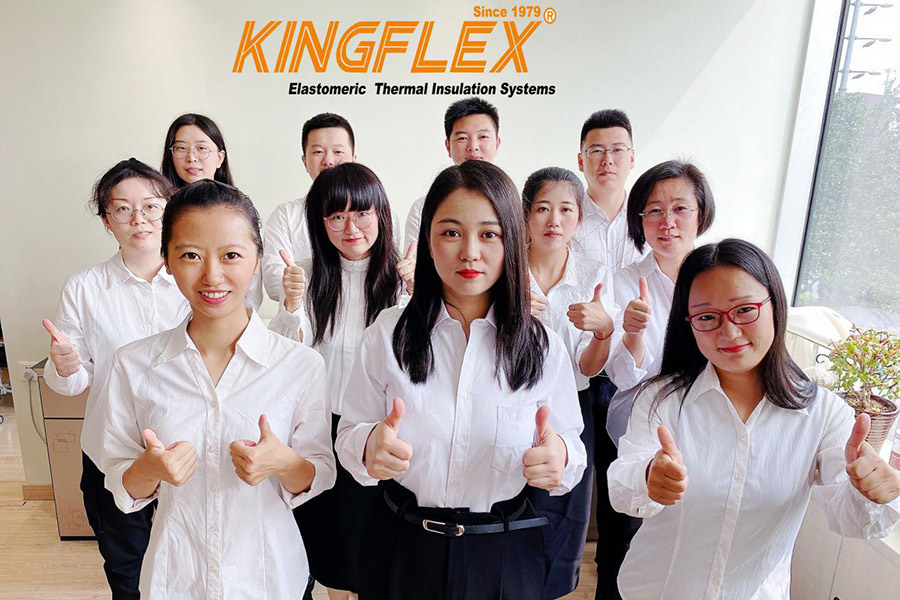
Kingflex R&D Team and Testing Center

Global Certifications & Quality Compliance Standards

Our products are certified by international testing agencies to meet strict building safety and environmental regulations.

BS 476 Certification
BS 476 Class 0

British standard for fire propagation index and surface spread of flame.

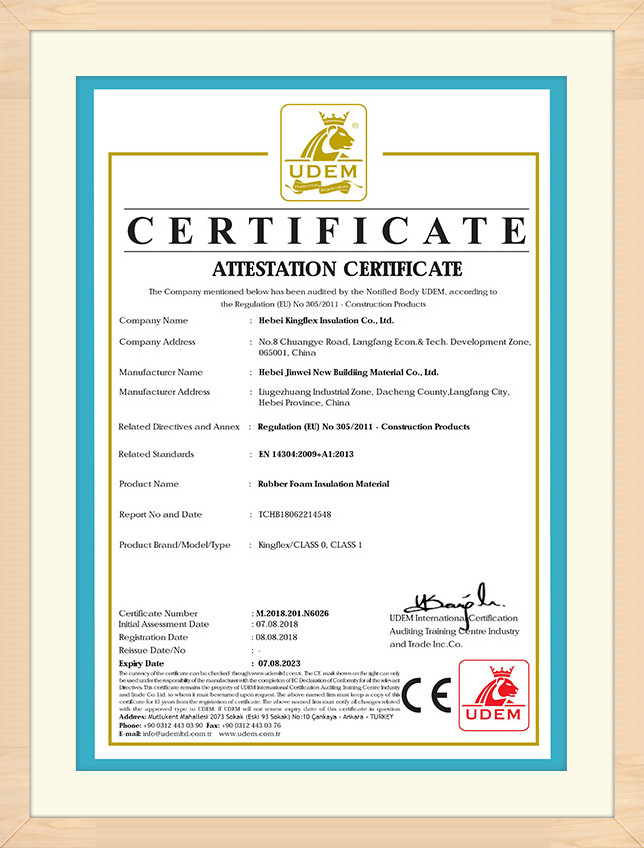
CE Mark Certification
CE Compliance

European Union compliance certification for thermal insulation products.

FM Approved Certification
FM Approved

Global industrial standard for fire safety and environmental durability.

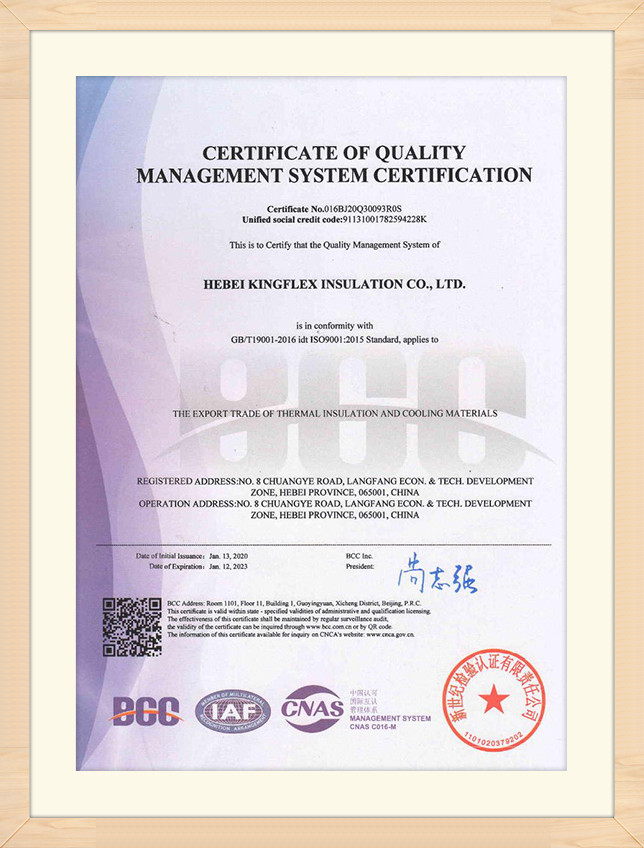
ISO Certification
ISO 9001:2015

International quality management system certification for factories.

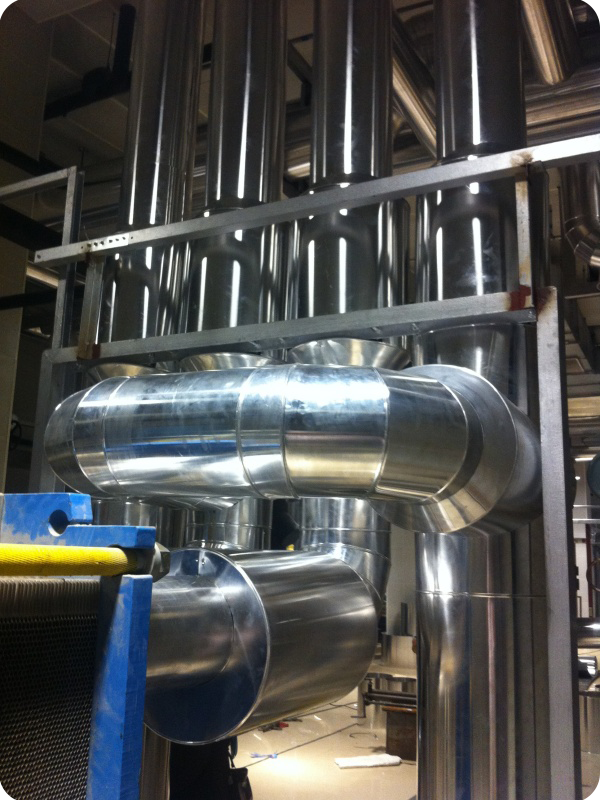
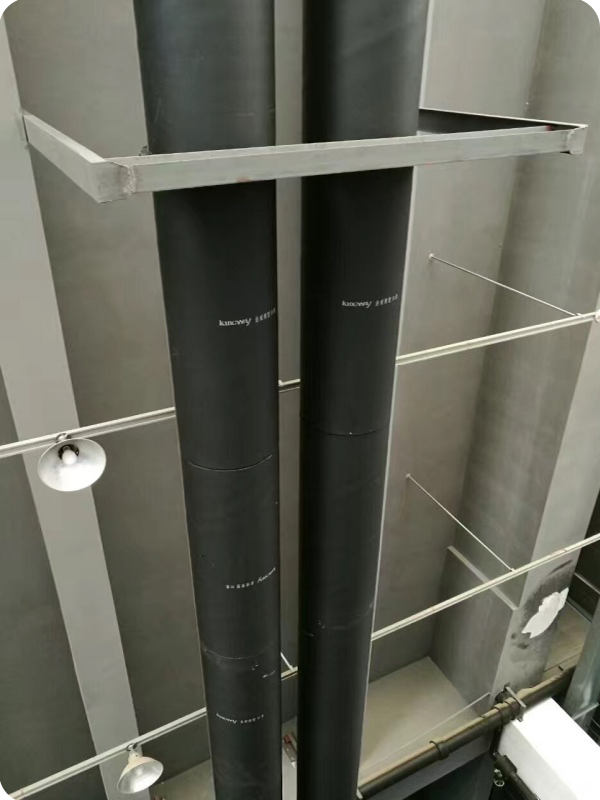
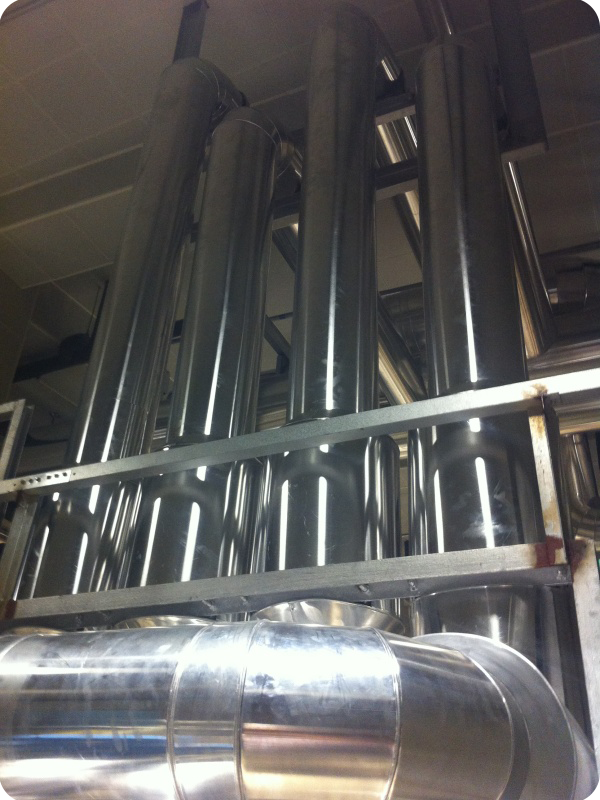
Engineering Gallery & Global HVAC Reference Projects

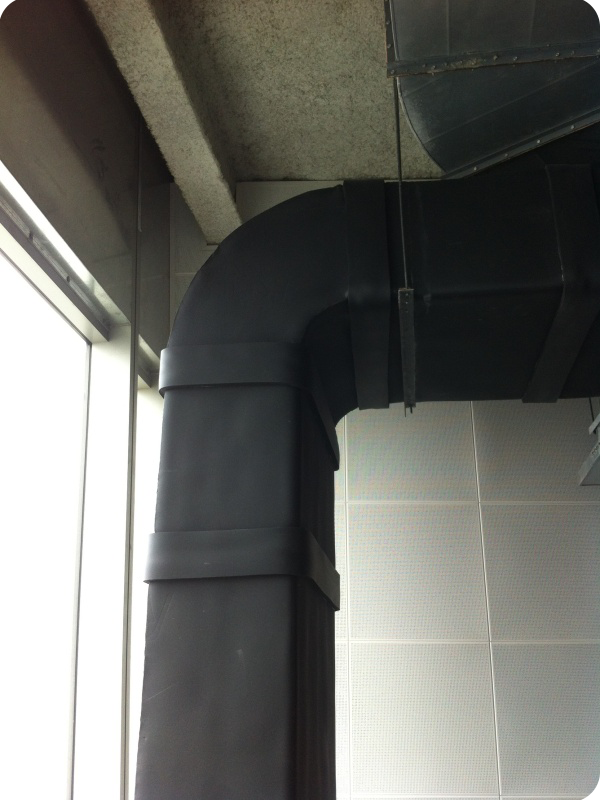
Proof of field performance: view our thermal insulation materials installed in commercial buildings, industrial facilities, and cold chain systems.

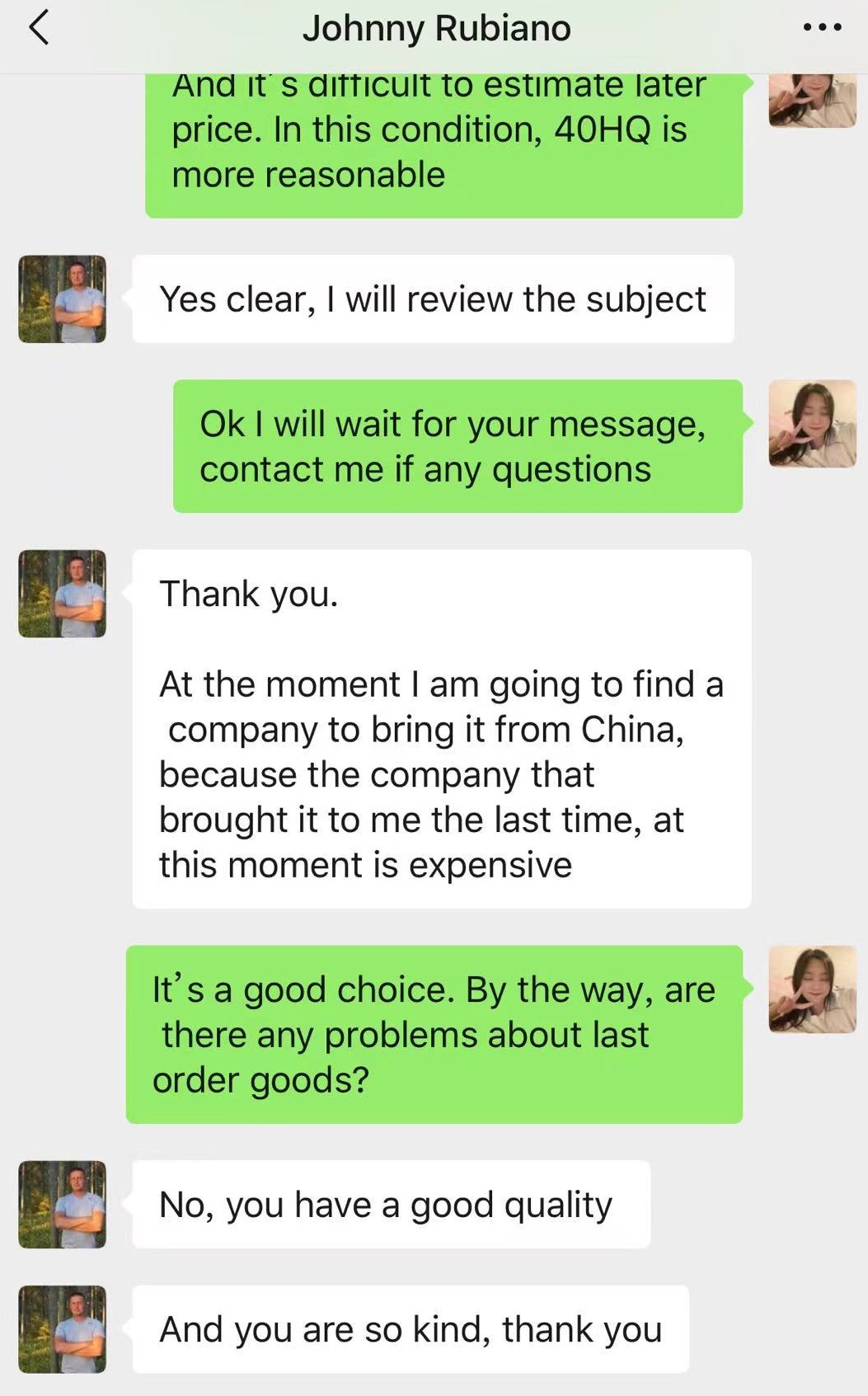
Verified Customer Satisfaction Feedback

Client Communication Screenshot

Expert Q&A: HVAC Insulation Demystified

Our technical team answers common questions about NBR/PVC elastomeric rubber foam insulation design, installation, and performance.

Q1: What is elastomeric rubber foam insulation used for?

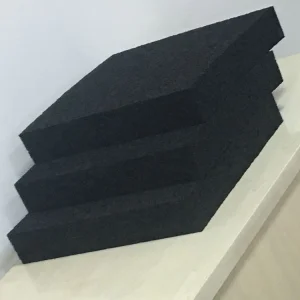
It is mainly used for HVAC ducts, air conditioning pipes, building thermal insulation, industrial pipeline cold insulation, and sound insulation. Its closed-cell structure makes it particularly effective in preventing condensation on chilled water pipes and ductwork.

Q2: Is Kingflex rubber foam insulation fire resistant?

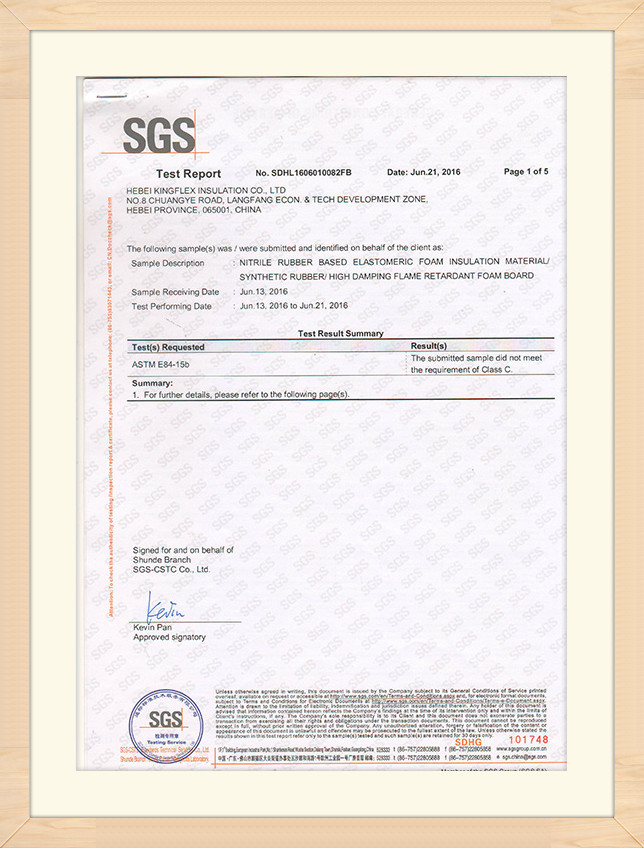
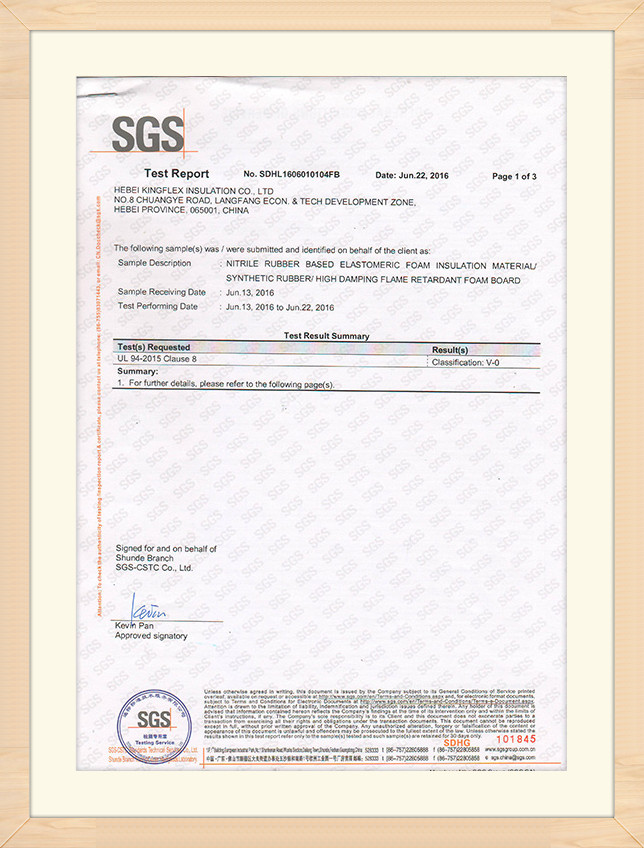
Yes, our rubber foam insulation is fire-retardant and meets BS 476 Class 0, CE, REACH, RoHS, UL94, and ASTM safety standards, making it safe for use in commercial buildings and industrial projects.

Q3: What is the difference between rubber foam and rock wool insulation?

Rubber foam is flexible, closed-cell, and moisture-resistant, making it ideal for HVAC ducts, chilled lines, and building insulation. Rock wool is high-temperature resistant and fireproof, making it better suited for industrial high-temperature pipelines.

Q4: Do you provide customized insulation products?

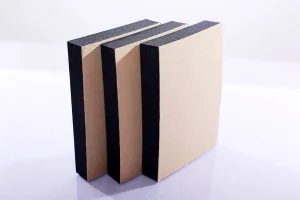
Yes, we offer full OEM services to customize thickness, dimensions, densities, and adhesive backings to meet specific project design requirements.

Q5: What certifications do your products have?

Our products have passed BS 476, CE, REACH, RoHS, UL94, ASTM, and other international certifications, ensuring compliance with global environmental and building safety standards.

Q6: Does Kingflex have batch traceability for its products?

Yes. Every production run has a batch number printed on the insulation wrap and packaging, allowing full traceability back to the raw material formulation and manufacturing line.

Q7: What thickness ranges can you produce for rubber foam sheet rolls?

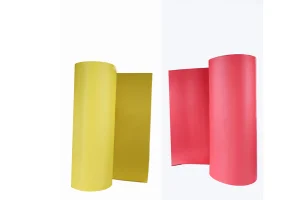
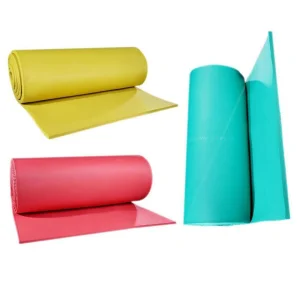
We produce sheet rolls in standard thicknesses from 6mm up to 50mm to meet different insulation level requirements.

Q8: What is the typical service life of your elastomeric insulation products?

When installed correctly according to our guidelines, Kingflex rubber foam pipes and boards typically have a service life of 10 to 15 years in standard operating conditions.