China Best Sound Absorbing Insulation Supplier & Quotes

Advanced Elastomeric Acoustics & High-Efficiency Thermal Containment Solutions for Global Industrial Procurement

Global Architectural & Industrial Acoustic Trends

Analyzing key structural shifts in industrial sound absorption, environmental mandates, and materials science.

In modern industrial and commercial construction, the control of ambient noise and mechanical vibration has shifted from a secondary luxury to a mandatory compliance criterion. Driven by stringent municipal noise pollution control guidelines and green building rating protocols like LEED (Leadership in Energy and Environmental Design) and BREEAM, structural engineers are specifying multi-functional materials. The modern baseline demands materials that deliver high-performance sound absorption while simultaneously offering excellent thermal barrier protection.

Key Engineering Shift: The transition from traditional open-fibrous insulation (such as standard fiberglass) to modern, elastomeric closed-cell structures represents a major advancement. This engineering change provides complete immunity to moisture ingress, eliminates particulate shedding, and delivers superior sound dampening at critical structural frequencies.

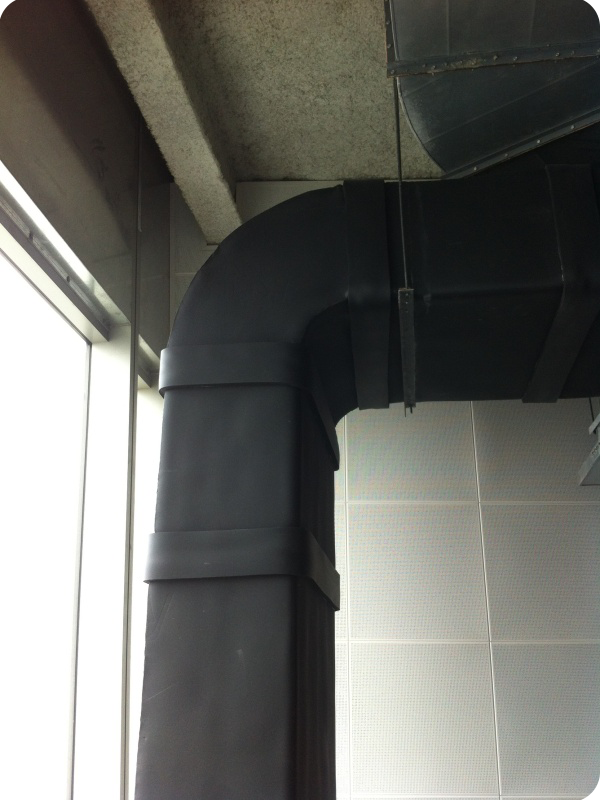
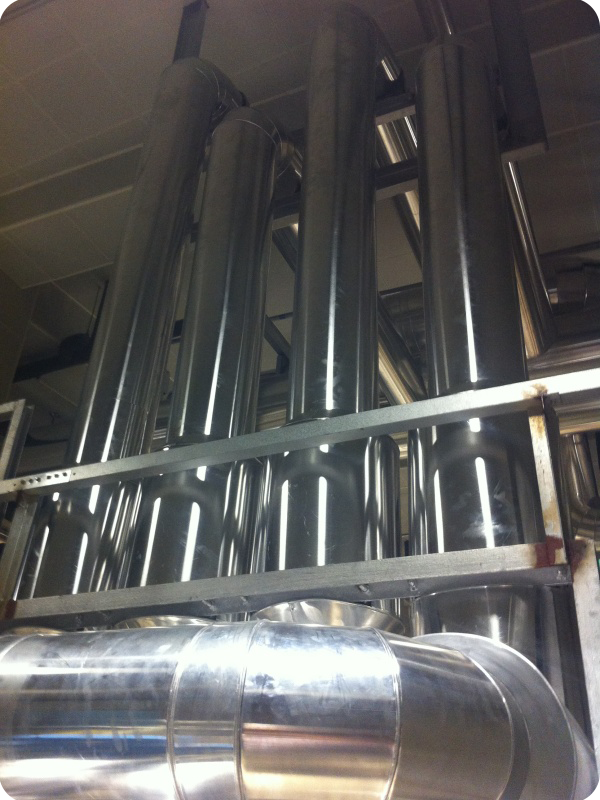
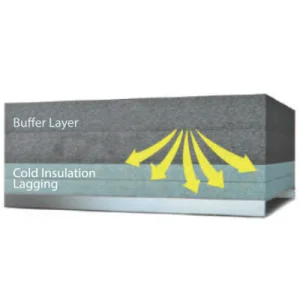
Furthermore, global commercial developments in HVAC infrastructure require noise dampening directly inside air ducts. Without specialized elastomeric sheeting, fan speed resonance and air friction noise travel unimpeded through metal duct channels. Using high-performance Nitrile Butadiene Rubber (NBR) insulation sheets solves two problems at once: it stops thermal energy loss and dampens acoustic resonance across low-to-mid frequency spectrums.

40+
Years Manufacturing History
600K+
Annual Capacity (Cubic Meters)
66+
Global Export Countries
5
Large Automatic Lines

China Factory 4.0: Supply Chain Resilience & Efficiency

How automation and raw material logistics combine to guarantee volume pricing and reliable global delivery.

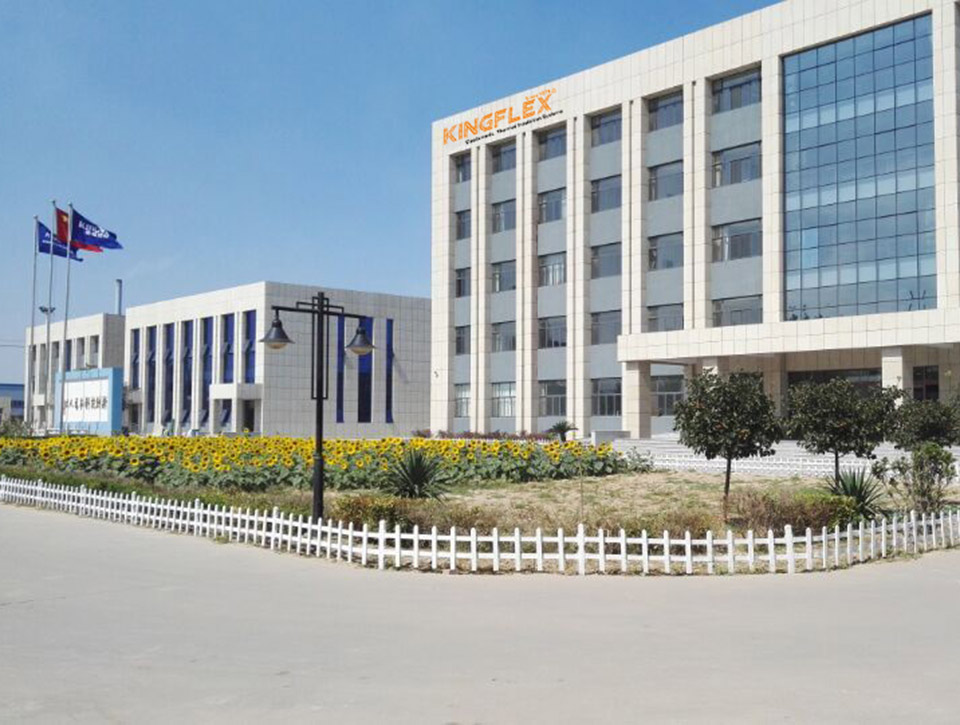
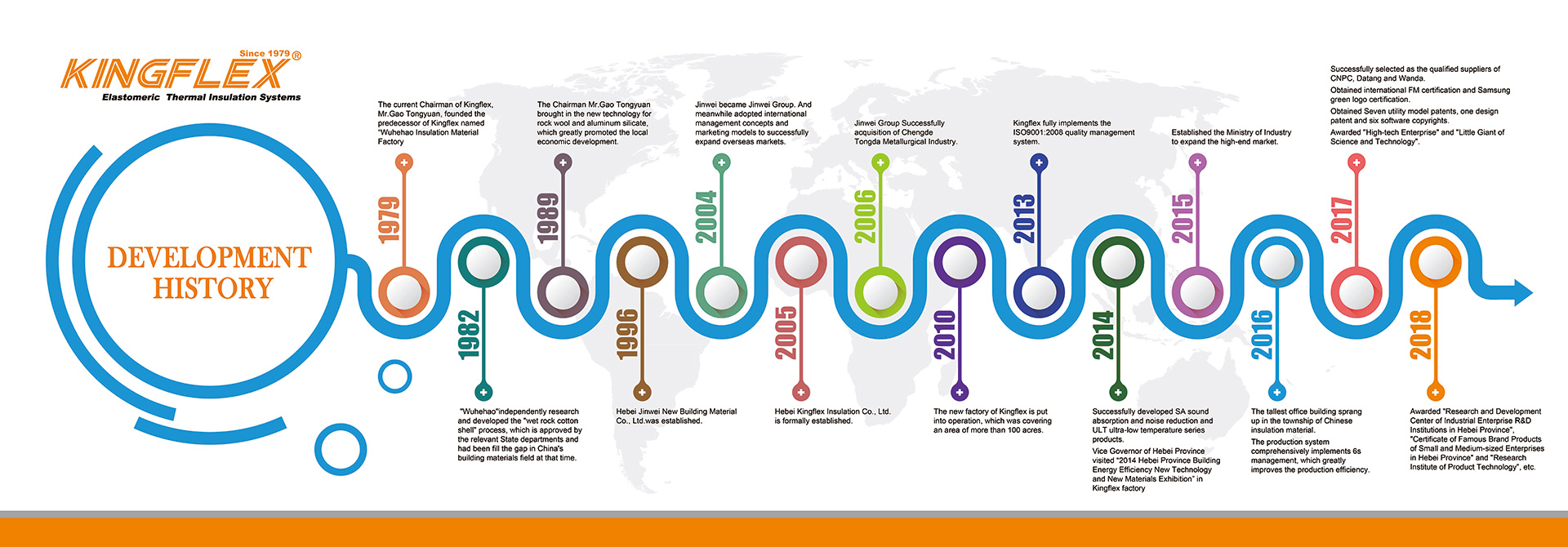
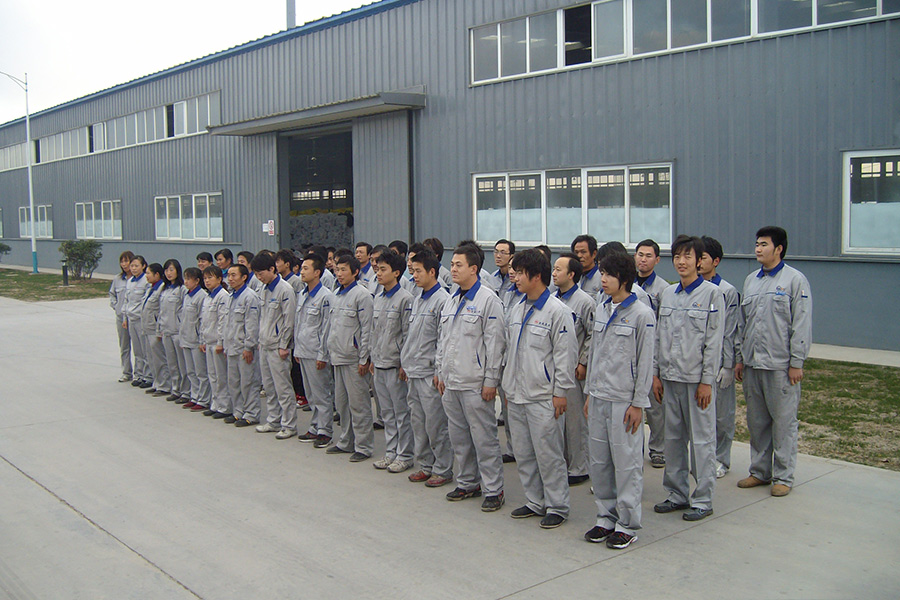
Based in Dacheng, China—historically recognized as the capital of green-building materials—Kingflex Insulation Co., Ltd. stands as a premier enterprise in industrial supply-chain optimization. Leveraging the massive legacy of the Jinwei Group (established in 1979 as a pioneer in thermal insulation manufacturing north of the Yangtze River), Kingflex has digitized its production floor. This integration enables real-time tracking, quality controls, and precise control over raw material composition.

With five large-scale automated assembly lines, Kingflex achieves an annual output exceeding 600,000 cubic meters. This production scale provides global procurement teams with several distinct advantages:

Integrated Logistics Hub

Direct connection to China's major deepwater ports speeds up ocean freight and lowers container shipping costs for international bulk orders.

End-to-End Compliance

Every production batch features raw material traceability. Our formulations comply with strict EU standards including REACH, RoHS, and CE certifications.

Agile OEM & Customization

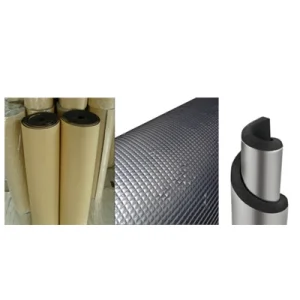
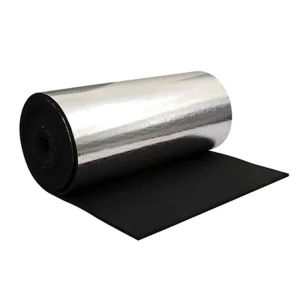
Quick calibration allows our plant to easily adjust sheet thicknesses (from 6mm up to 50mm) and integrate aluminum foils or double-sided self-adhesive backings.

Engineering Specifications & Core Advantages

Physical parameters and performance limits of our primary elastomeric acoustic range.

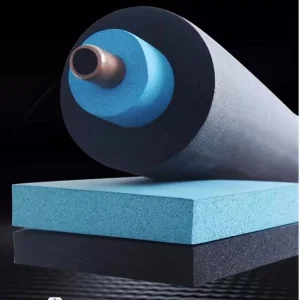
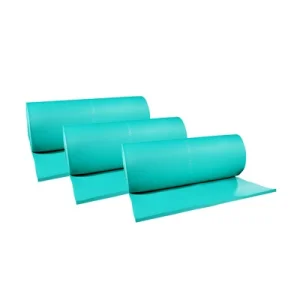
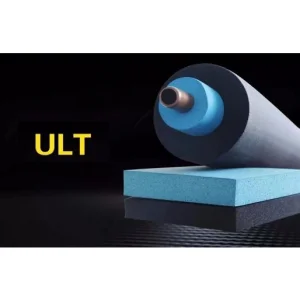
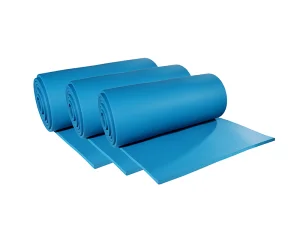
Kingflex Rubber Foam Sheet Production

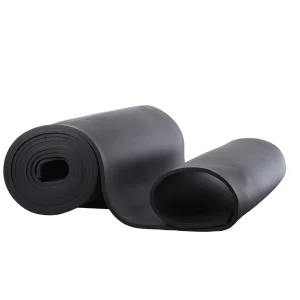
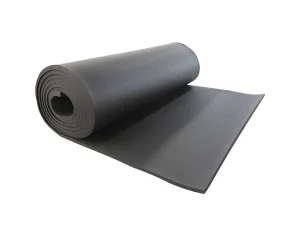
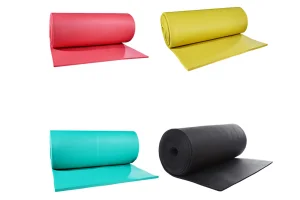
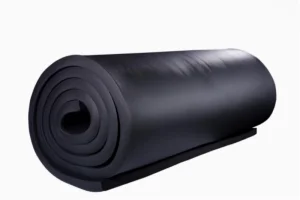
Black Rubber Foam Insulation Sheet Roll

  • Material Base: NBR / PVC premium elastomeric compound.
  • Standard Thickness: 6mm to 50mm customization options.
  • Density Rating: 40 to 55 kg/m³ for optimal acoustic and structural damping.
  • Operational Temperature: Efficient thermal stability from -40℃ up to 105℃.
  • Thermal Conductivity: Highly stable closed-cell design prevents convection heat transfer.

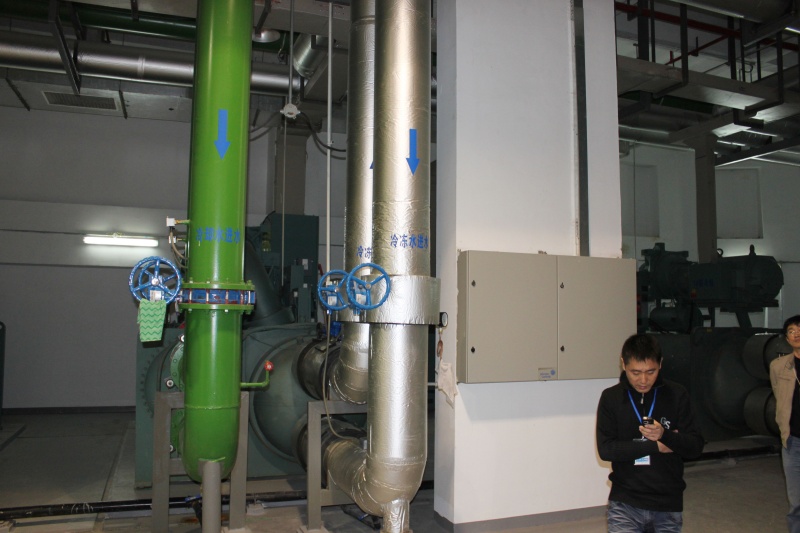
Ideal for walls, commercial ducting systems, large-scale plant machine rooms, subways, and structural concrete acoustic insulation.

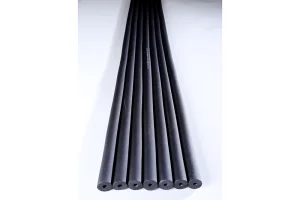
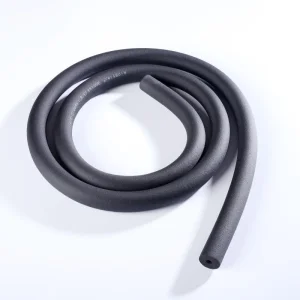
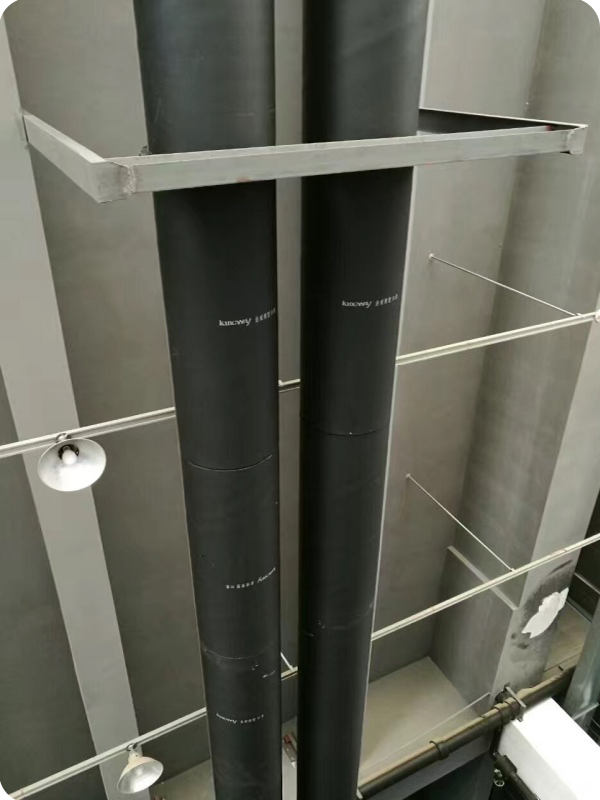
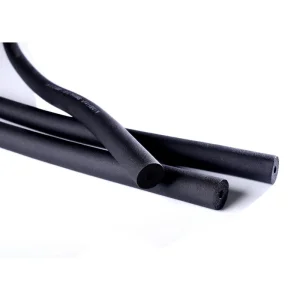
Black Rubber Foam Insulation Pipe & Tubes

  • Internal Diameter Limit: Extensive range starting from 6mm to 114mm ID.
  • Wall Thickness: 9mm to 40mm options.
  • Structural Strength: Compression resilience exceeds 80% under standard load cycles.
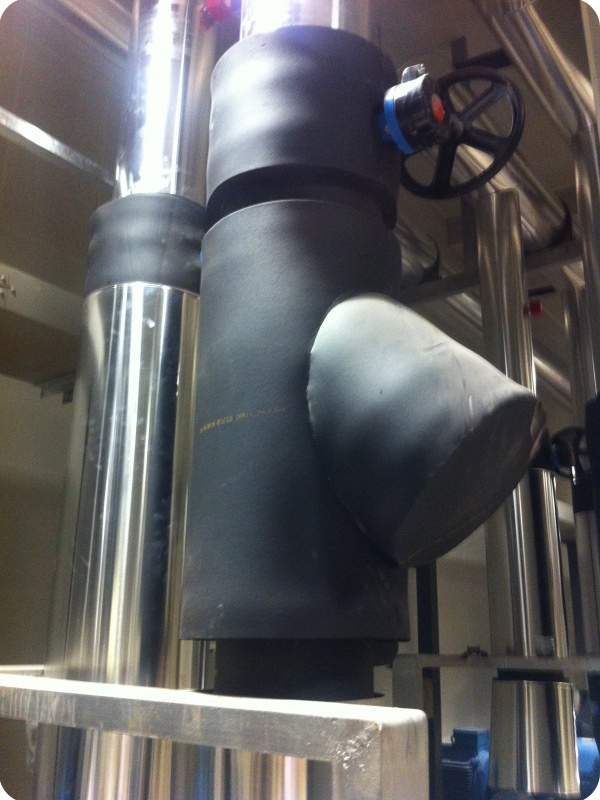
  • Condensation Protection: Highly resistant to water vapor transmission, preventing pipeline corrosion.

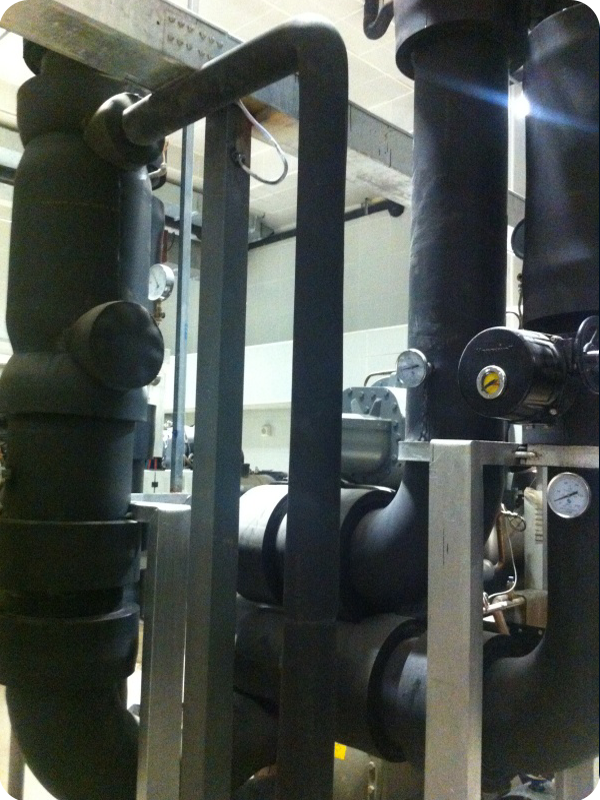
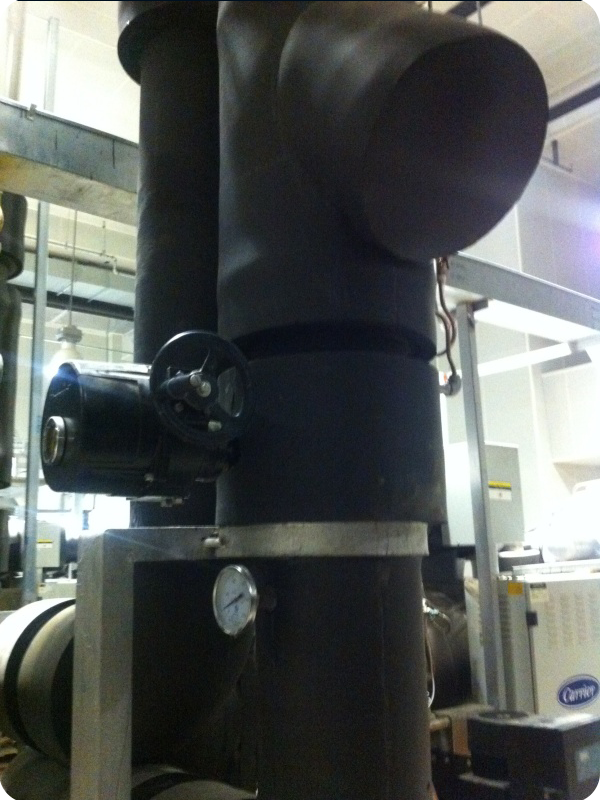
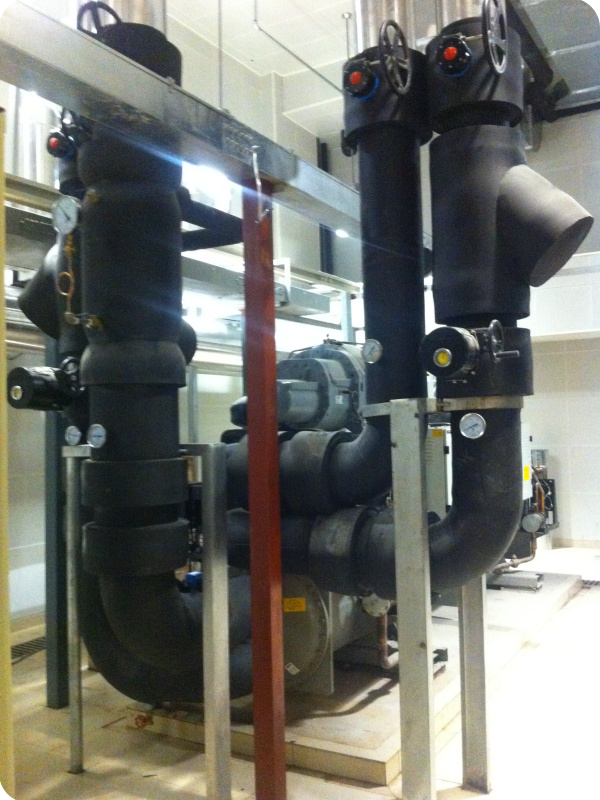
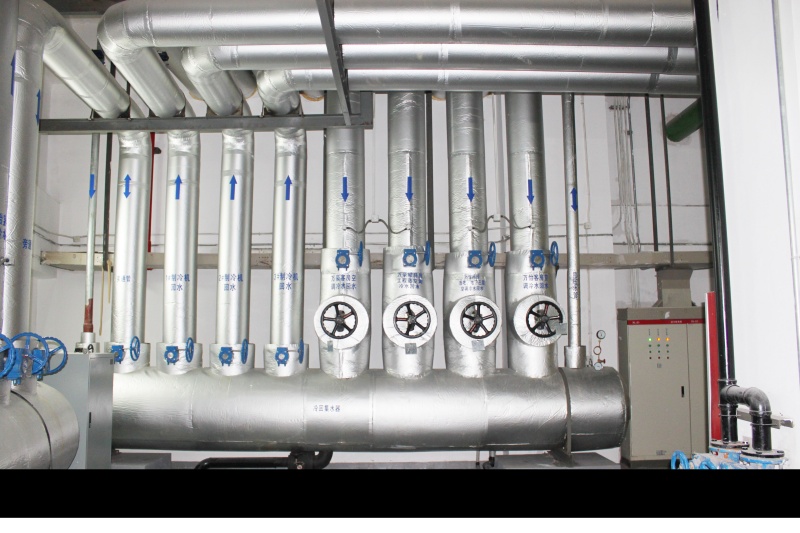
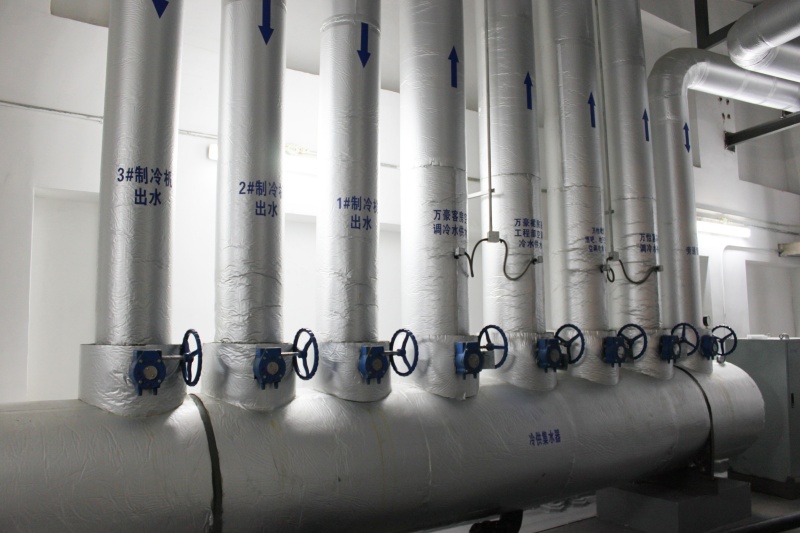
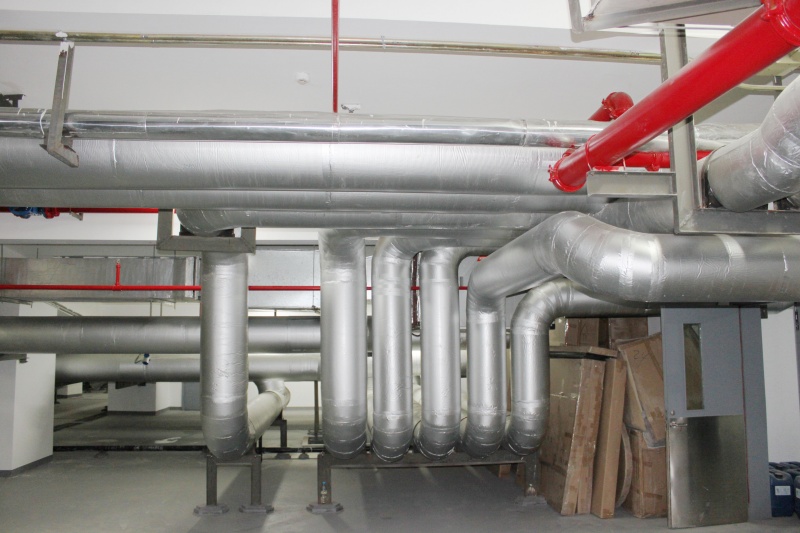
Widely integrated across central HVAC water systems, sub-zero refrigeration pipelines, industrial gas transport lines, and solar hot water systems.

Kingflex Rubber Insulation Pipe Production

Localized Applications & Targeted Project Deployments

Where acoustic dampening meets thermal performance. Explore primary field use cases.

Acoustic design and thermal engineering are highly application-specific. In commercial construction like hospital mechanical rooms, shopping mall HVAC setups, and high-rise office towers, structural noise can spread quickly. Closed-cell NBR/PVC elastomer sheets serve as an effective sound and thermal barrier, stopping structural vibrations and preventing energy loss.

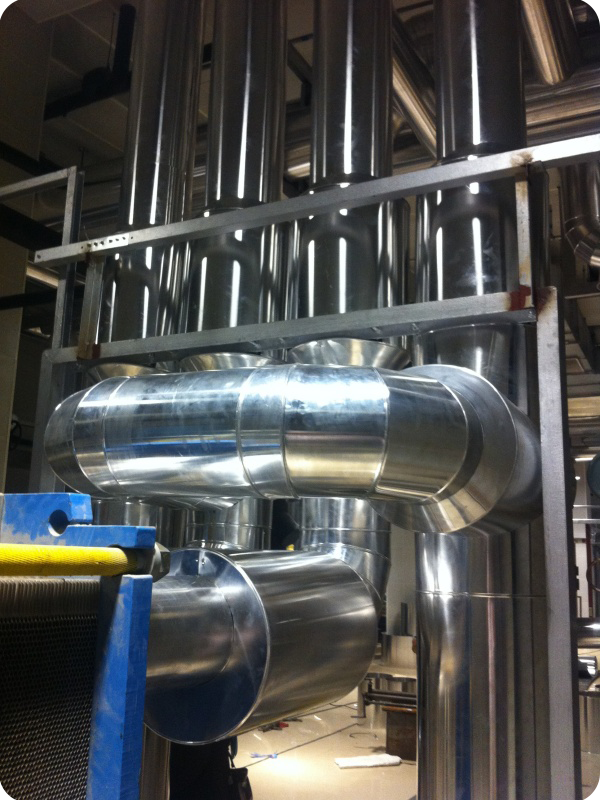
In petrochemical plants and heavy chemical processing facilities, pipelines operate under high pressure and rapid thermal cycles. Our specialized low-temperature and cryogenic elastomeric formulations prevent condensation, pipe freezing, and low-temperature corrosion, while providing effective sound isolation for workers.

Additionally, transportation infrastructure, including light rails, subways, and marine engine compartments, relies on sound insulation with strict fire ratings. Kingflex products feature self-extinguishing flame-retardant properties (compliant with BS 476 and Class 0 standards), making them ideal for high-safety environments.
R&D Excellence & International Certification

Our commitment to rigorous testing and certified quality control.

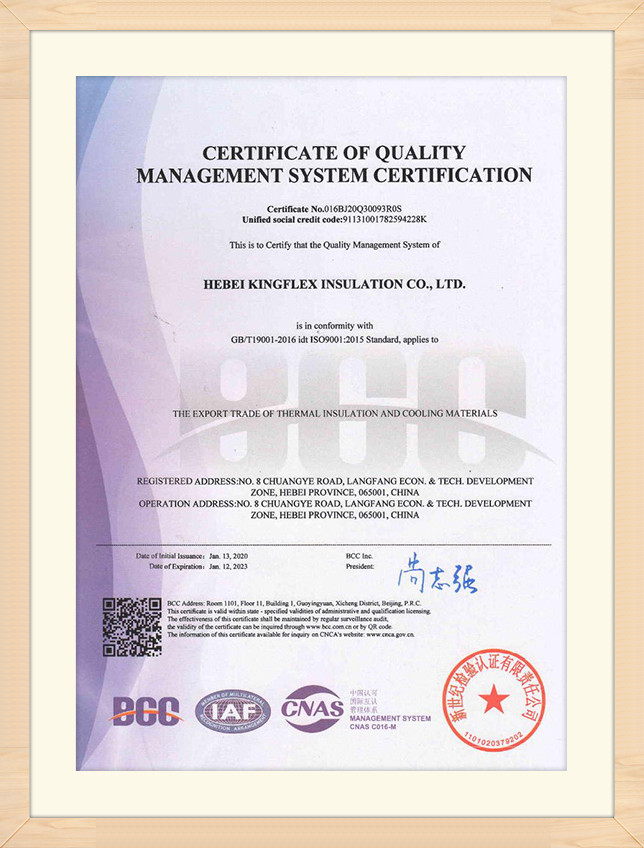
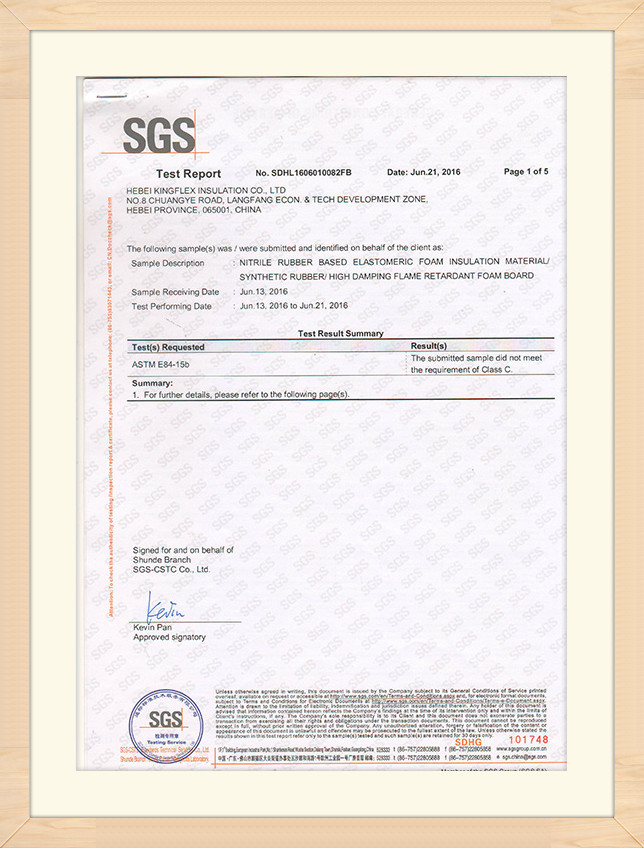
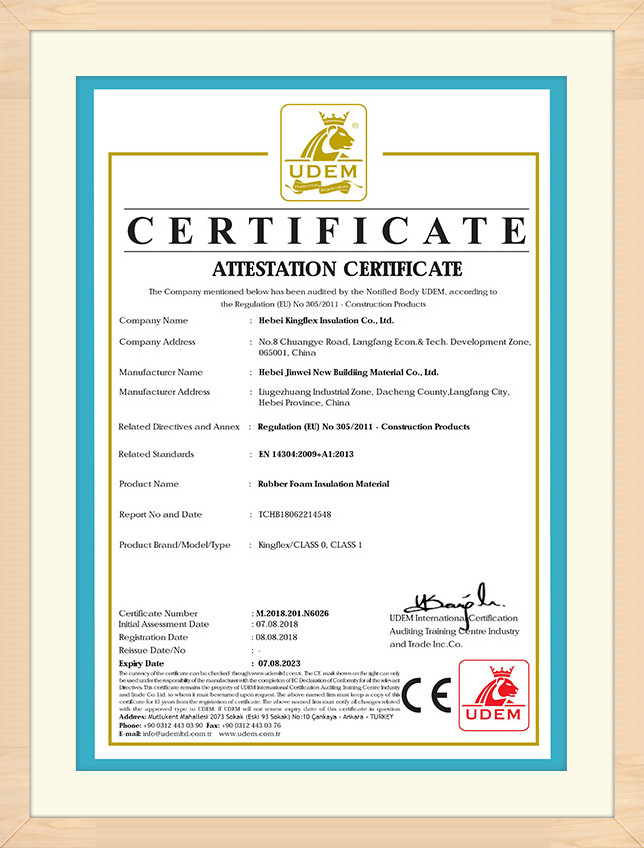
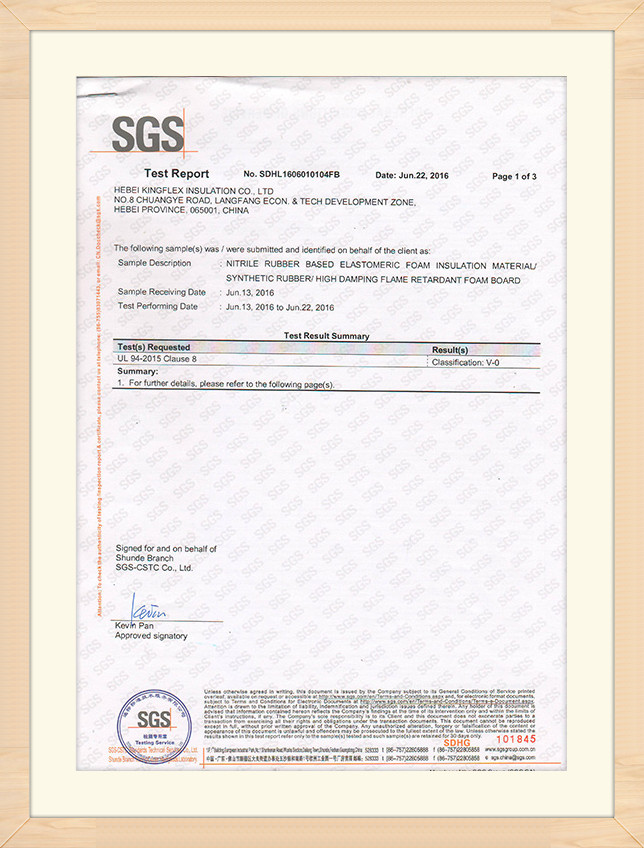
True E-E-A-T (Experience, Expertise, Authoritativeness, Trustworthiness) starts with rigorous, verified performance data. Our dedicated R&D department features eight specialized materials engineers who continuously refine chemical formulations. We maintain key industry certifications, including BS 476, CE, REACH, RoHS, UL94, and ASTM, to ensure compliance in demanding markets across Europe, North America, the Middle East, and Asia.

Our international operations team of 6 sales professionals coordinates global supply agreements with developers and engineers, ensuring seamless custom requirements, shipping logistics, and technical documentation.

Materials Optimization & Performance Metrics

Detailed performance properties of NBR/PVC elastomeric foam.

Our elastomeric NBR/PVC structures feature uniform closed cells with an average cell diameter under 100 micrometers. This structure limits air convection pathways, providing a low thermal conductivity rating. The closed-cell structure also forms a continuous physical barrier against water vapor, ensuring long-term thermal efficiency in high-humidity installations.

For sound control, the flexible matrix design acts as a damping layer, converting acoustic energy into heat. When sound waves hit the NBR structure, the micro-cell walls flex and absorb the vibration, dampening structural resonance across key frequencies.

Direct Procurement: Verification & Interaction

Real-time quotes, technical consulting, and order processing.

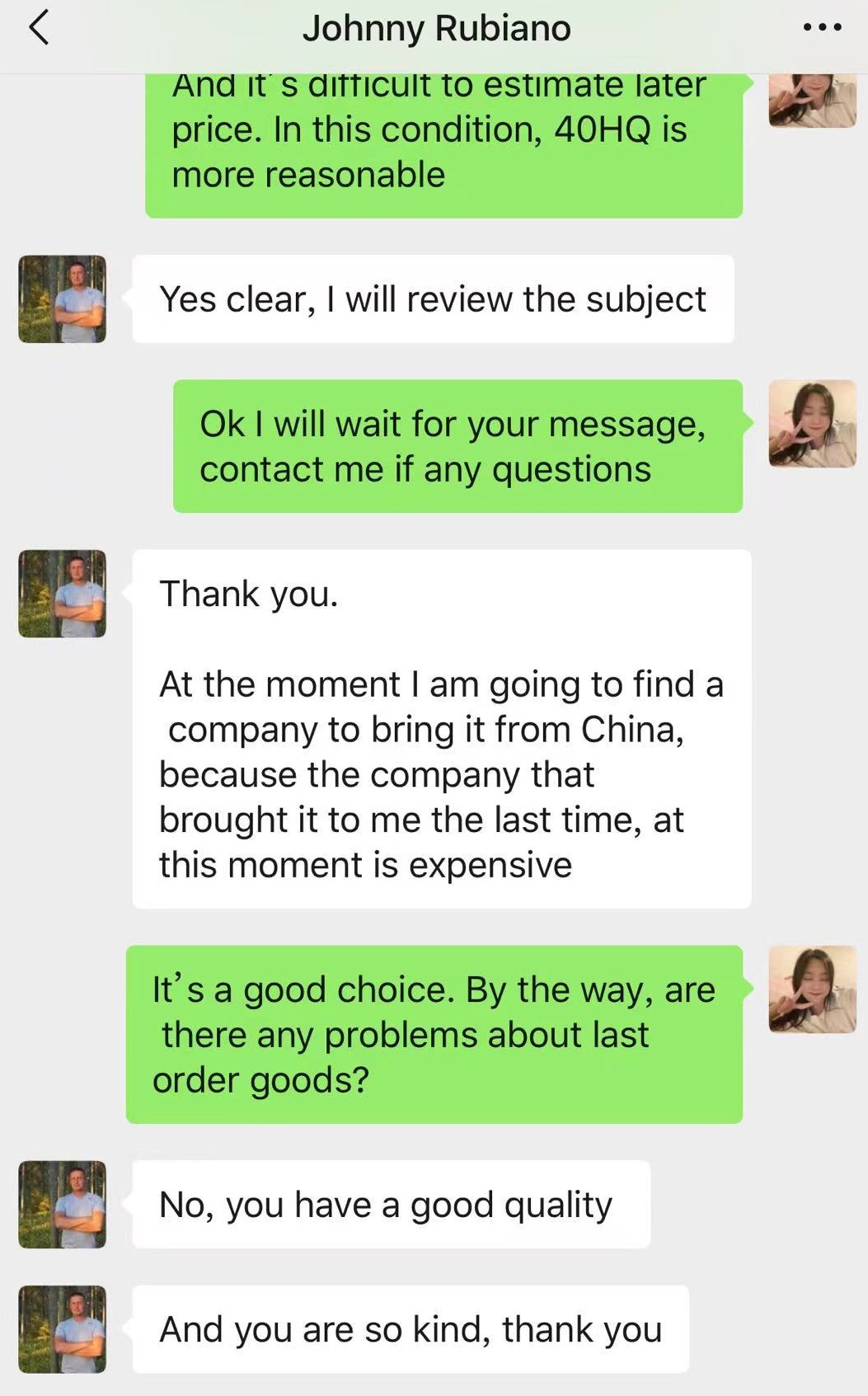
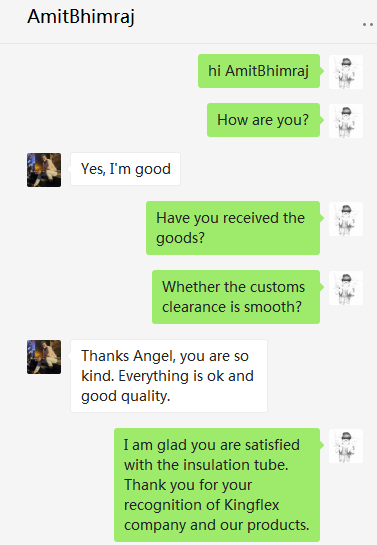
To ensure transparent client partnerships, we provide direct communication channels, rapid RFQ processing, and complete order tracing from production to delivery.

Global Project Gallery

Proven reliability in major international developments and industrial facilities.

Expert Engineering FAQ

Technical answers to common procurement and structural design queries.

Q1: What is elastomeric rubber foam insulation used for?
A1: It is primarily specified for commercial and residential HVAC ducting, air conditioning pipes, building thermal & sound insulation, and low-temperature industrial pipeline systems. It controls condensation, minimizes heat transfer, and dampens structural noise.
Q2: Is Kingflex rubber foam insulation fire resistant?
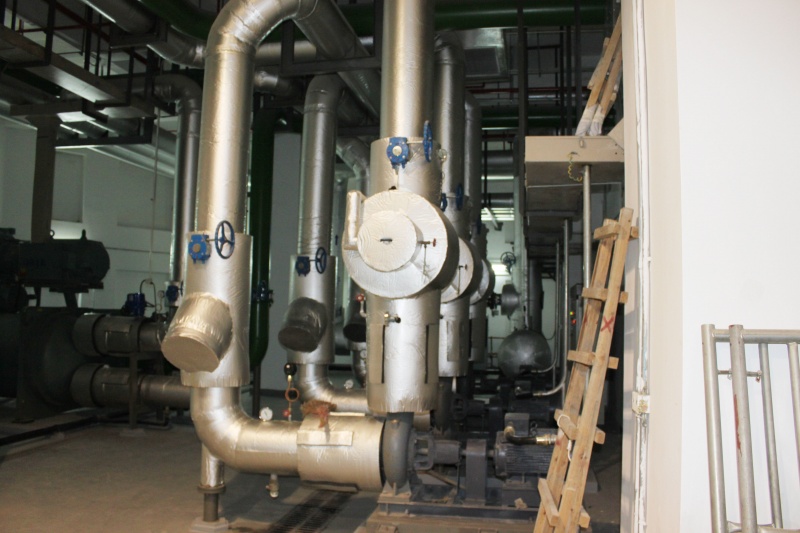
A2: Yes. Our products are formulated with flame-retardants that meet strict international fire safety standards, including BS 476, CE, and UL94 ratings. They are self-extinguishing and will not spread fire.
Q3: What is the difference between rubber foam and rock wool insulation?
A3: Rubber foam is a flexible, closed-cell material with excellent moisture and condensation resistance, making it ideal for HVAC and cold-temperature pipelines. Rock wool is a fibrous material designed for high-temperature resistance, making it suitable for high-heat industrial applications.
Q4: Do you provide customized insulation products?
A4: Yes, we offer comprehensive OEM and ODM services. We can customize density, wall thickness (from 6mm to 50mm), pipe diameters, and apply protective layers like aluminum foils and self-adhesive backings to meet specific project needs.
Q5: What certifications do your products have?
A5: Our materials are certified to international standards including BS 476, CE, REACH, RoHS, UL94, and ASTM. These certifications ensure reliable performance and regulatory compliance for global projects.
Q6: Does Kingflex products have traceability?
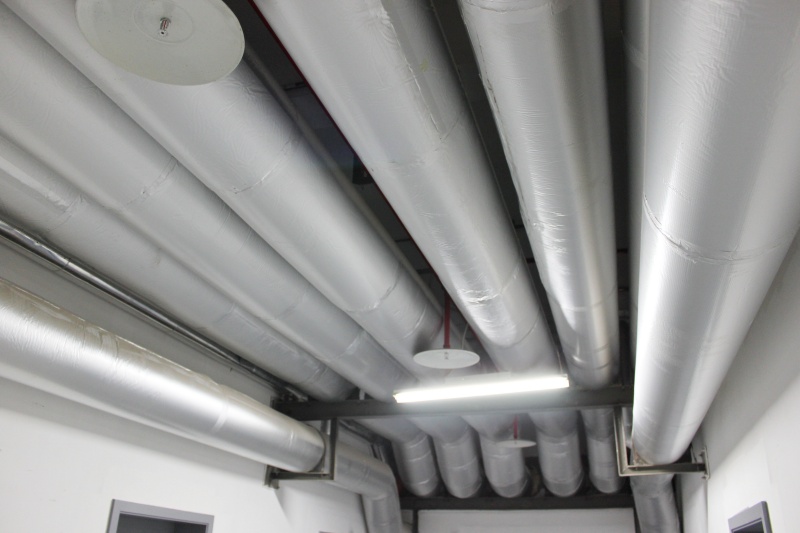
A6: Yes, we trace every batch of raw materials from receipt through automated mixing, extrusion, vulcanization, and packaging to maintain consistent quality control.
Q7: What thickness of Rubber foam insulation sheet roll can you produce?
A7: Our standard automated production lines can manufacture sheets with thicknesses ranging from 6mm to 50mm.
Q8: What is the service life of rubber plastic pipe and board?
A8: When installed according to manufacturer guidelines, our products have a service life of 10 to 15 years in typical environments, retaining their thermal and acoustic properties over time.
Q9: How does the material perform in cryogenic or ultra-low temperature applications?
A9: Our specialized cryogenic range remains flexible at low temperatures, resisting thermal contraction cracks and keeping moisture out of LNG and cold transport lines.
Q10: Can this insulation be exposed to outdoor environments?
A10: For outdoor installations, we recommend choosing sheets laminated with aluminum foil. This facing provides UV protection and mechanical defense against weathering.