Global Trends in Copper Coil & HVAC Piping Insulation
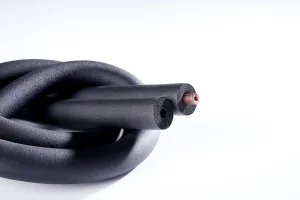
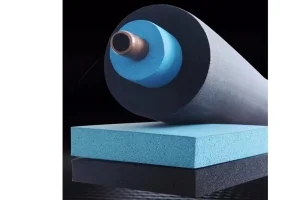
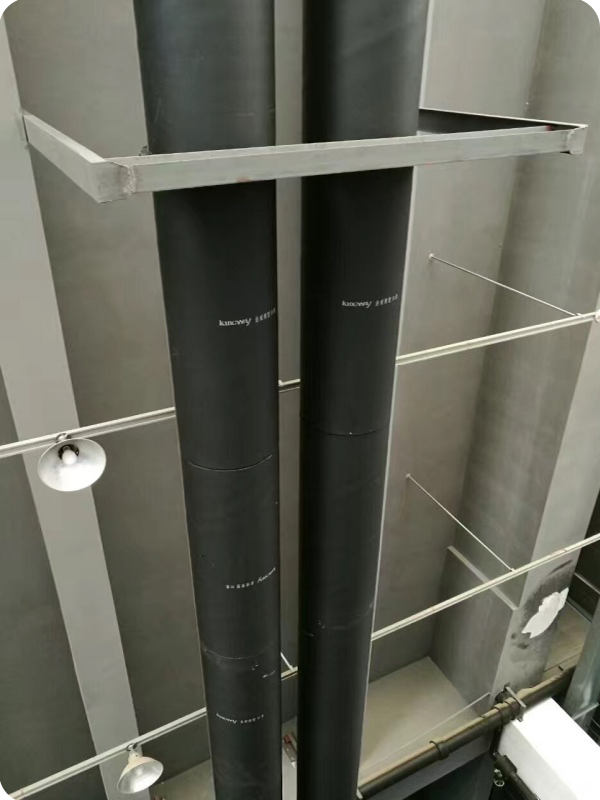
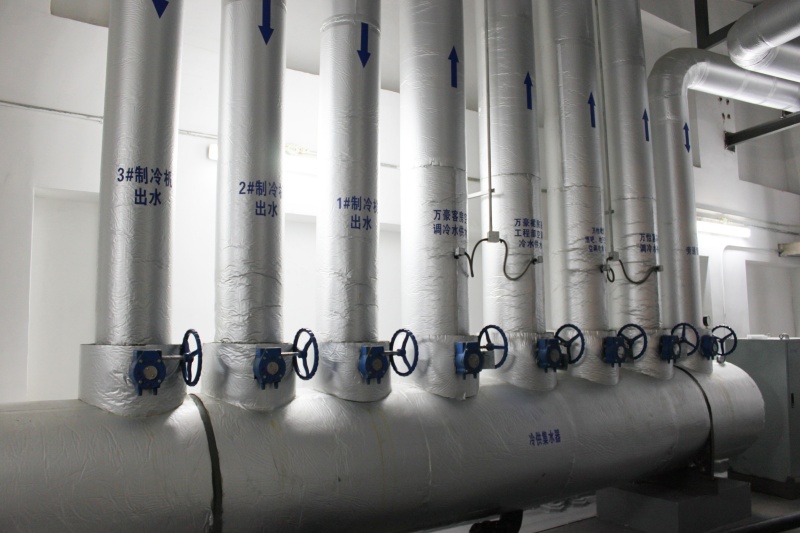
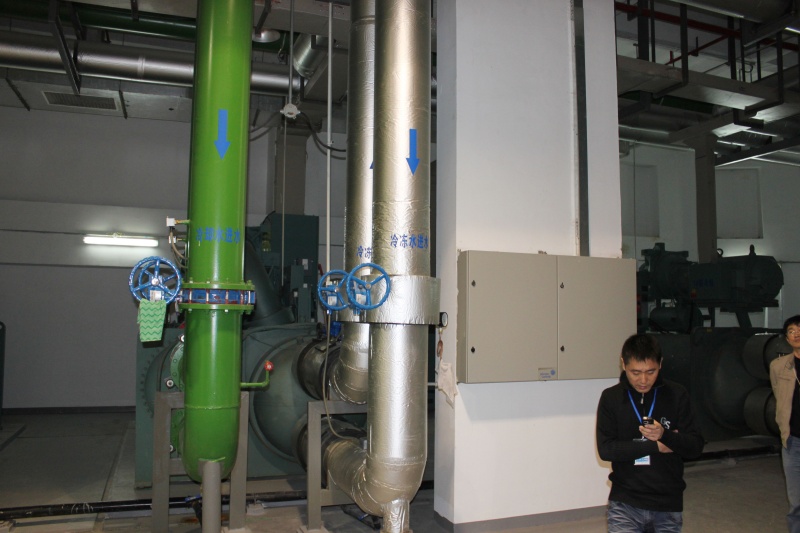
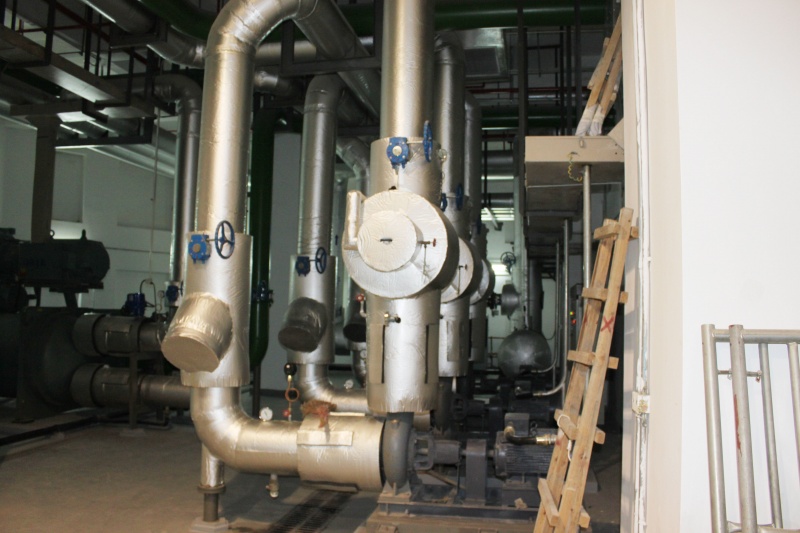
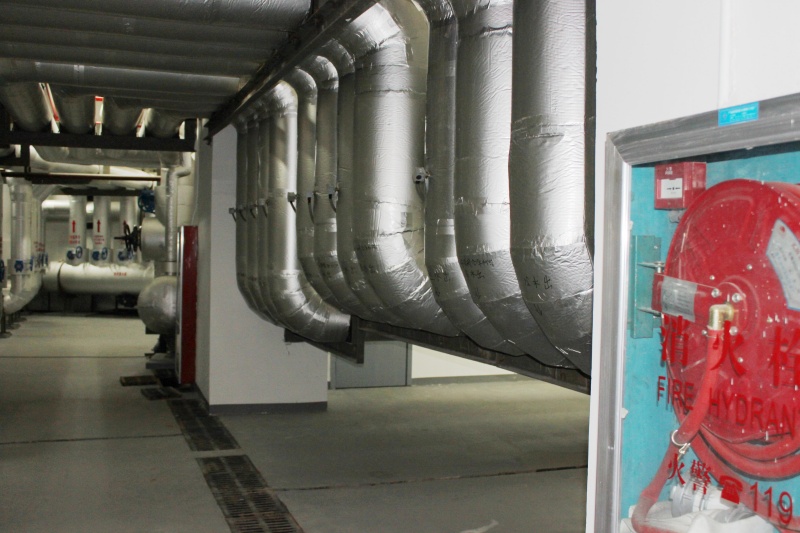
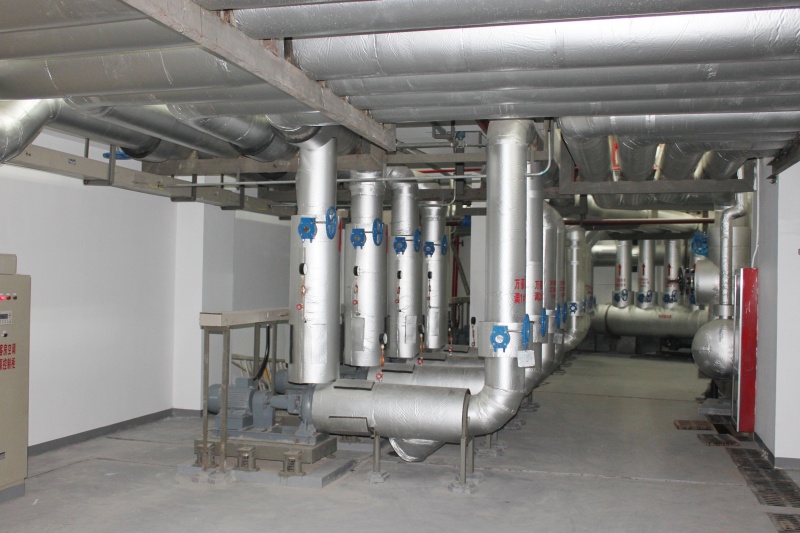
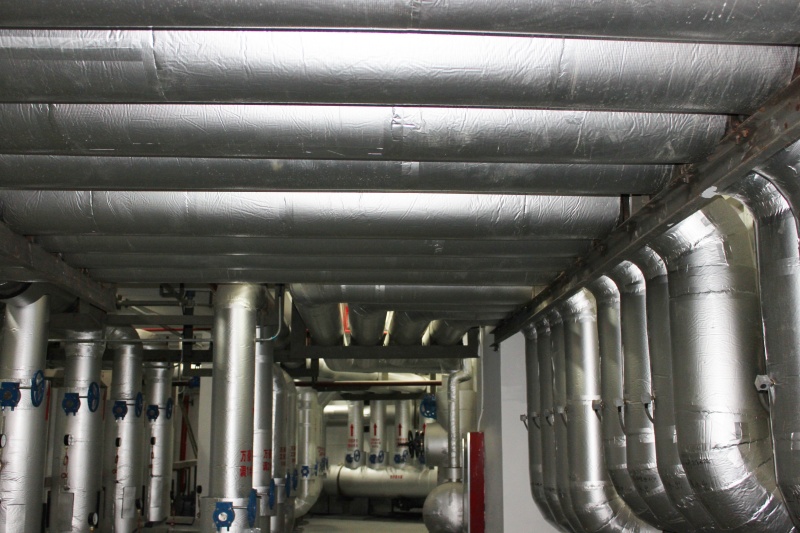
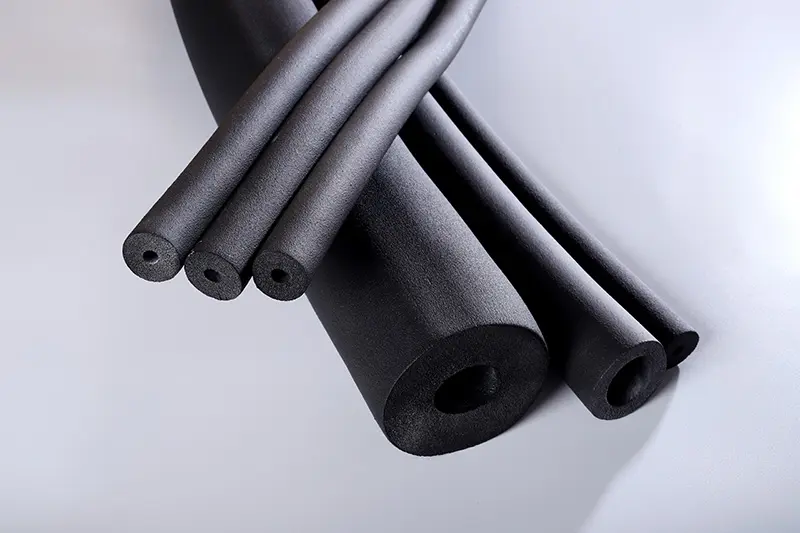
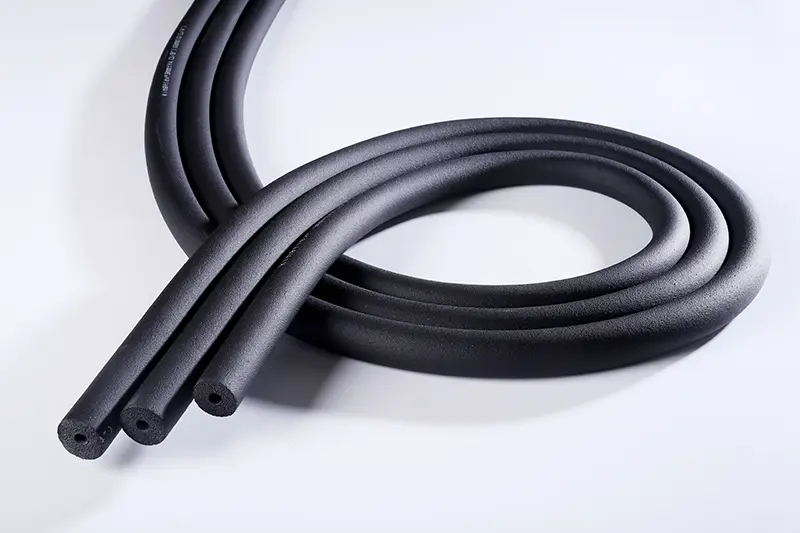
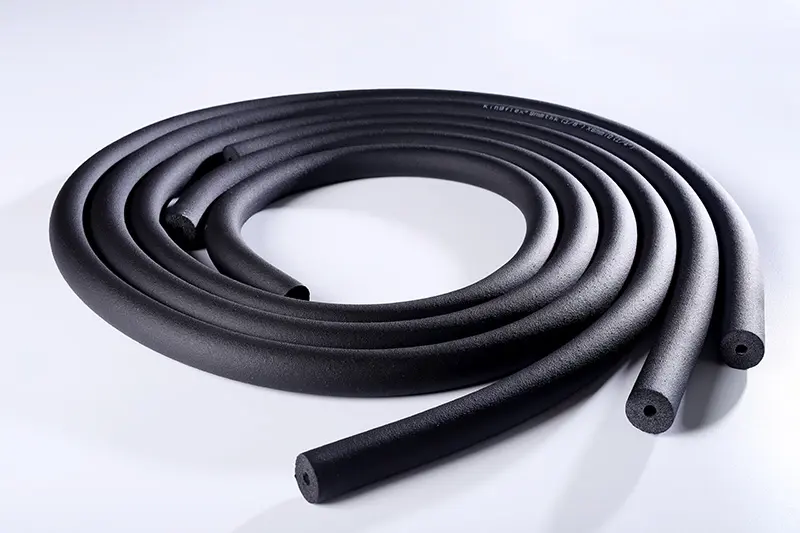
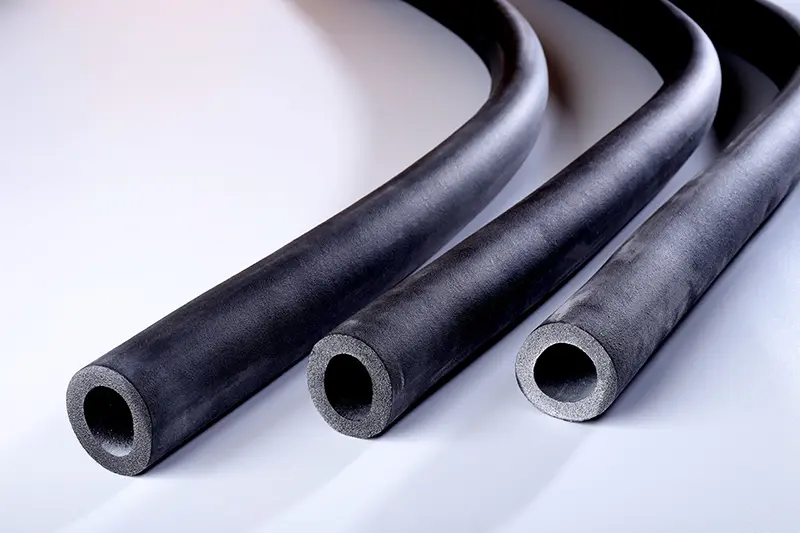
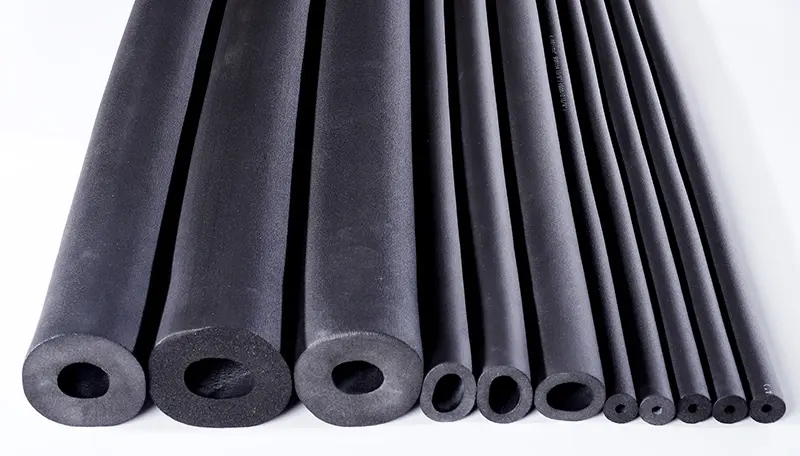
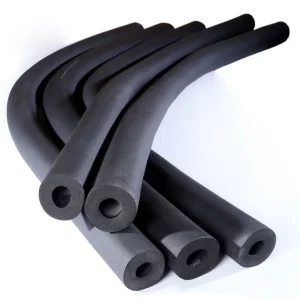
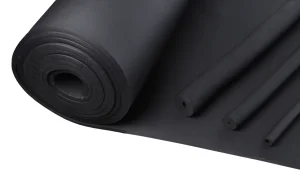
Modern HVAC/R applications demand thermal insulation systems that do more than prevent heat transfer. Today's global industry trends focus on long-term structural stability, high moisture vapor resistance, and exemplary fire protection performance. Copper pipes, due to their excellent heat transfer rate, are prone to condensation and energy loss if unshielded or under-insulated. This is where high-density closed-cell elastomeric rubber foam insulation takes a paramount role.
Decarbonization & Building Efficiency Standards
Under international frameworks like the European Green Deal and ASHRAE Standard 90.1, thermal performance has shifted from a compliance requirement to a primary financial lever. By mitigating heat loss or heat gain along the entire copper line, commercial refrigeration and central AC units operate at peak energy efficiency, reducing operational carbon emissions.
600K+
Annual Production Capacity (m³)
40+
Years of Jinwei Group Heritage
66+
Countries Exported Globally
98%
Closed Cell Rate (Minimum Benchmark)
ESTABLISHED 1979
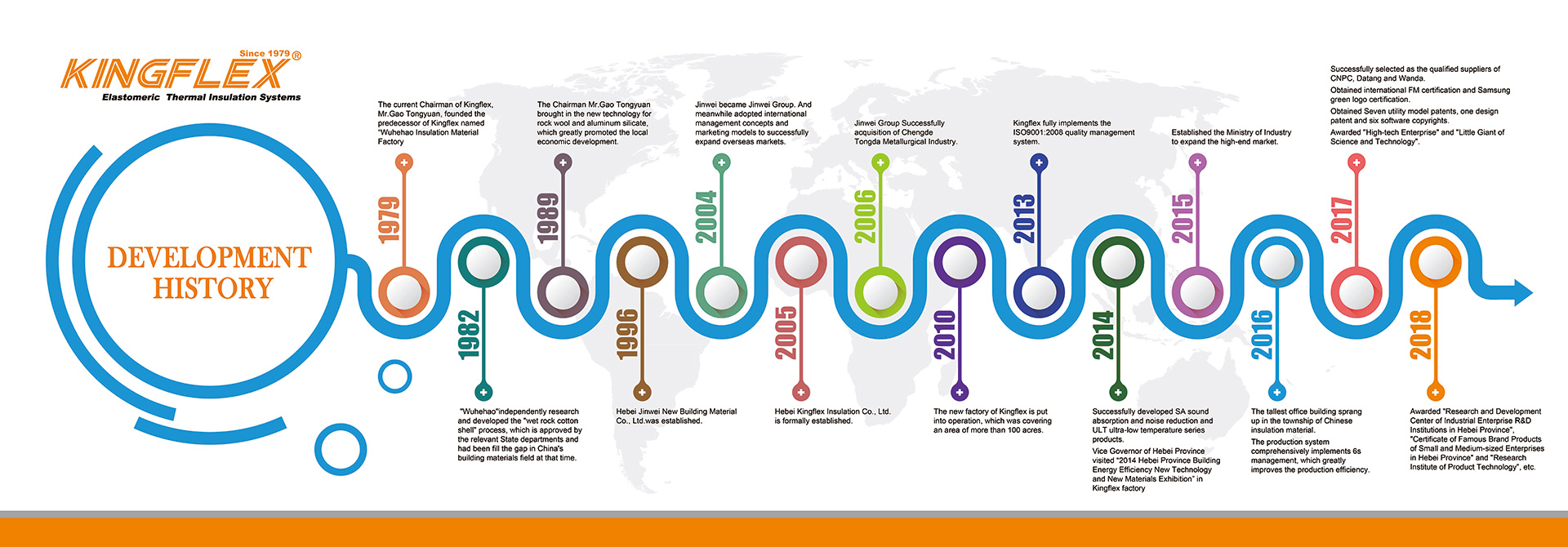
Our Legacy: Kingflex Insulation & Jinwei Group
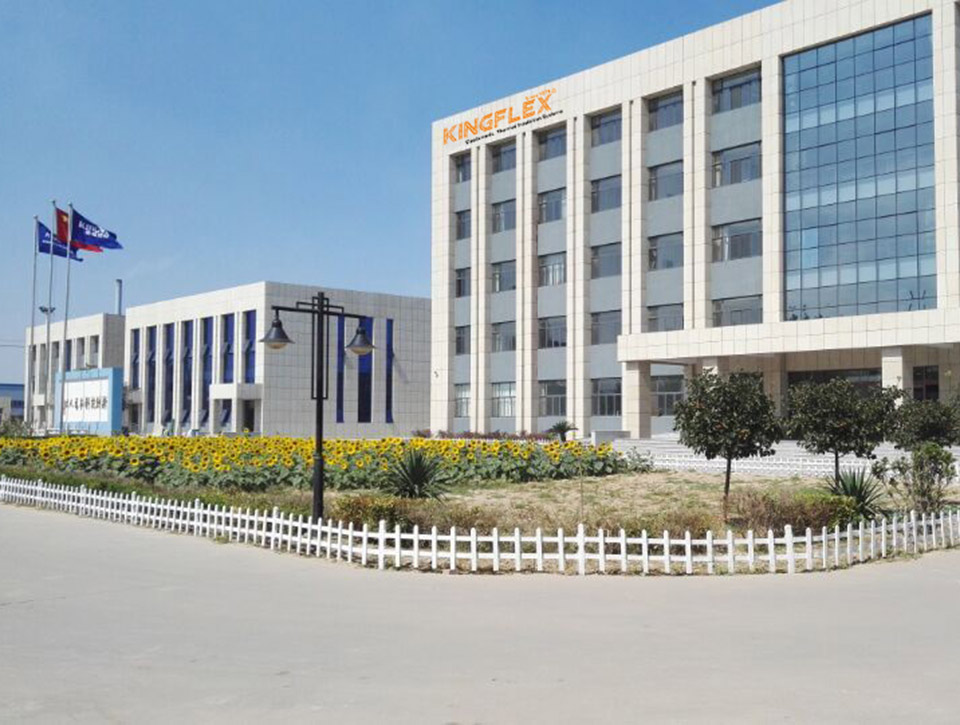
Kingflex Insulation Co., Ltd. represents a premium, high-tech engineering joint manufacturing and trading combo. Strategically located in Dacheng, China—historically regarded as the green building materials capital—Kingflex operates with a unified philosophy: integrating energy conservation with environmental compliance.
Our foundation rests on the formidable legacy of the Jinwei Group, established in 1979 as the pioneering manufacturer of high-caliber thermal insulation materials north of the Yangtze River. Over forty years of material science evolution has granted Kingflex an unmatched database of thermal performance insights.
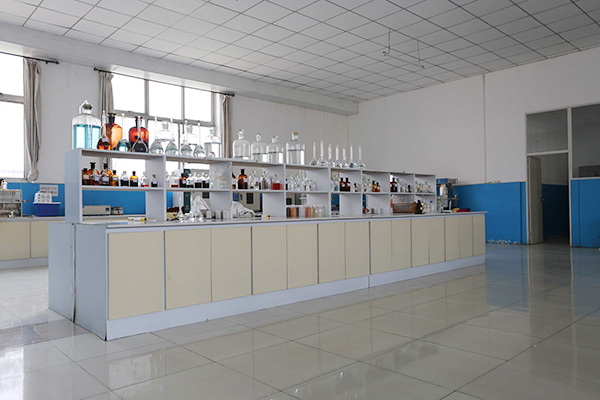
Expert R&D Team: Supported by 8 dedicated thermodynamic and chemical engineers.
Traceable Quality: End-to-end material certification tracking from raw nitrile-butadiene rubber to shipped rolls.
Black Rubber Foam Specifications & Material Analysis
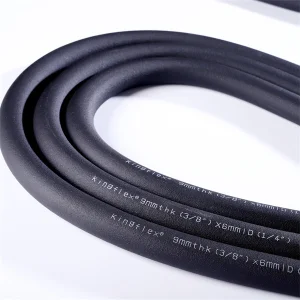
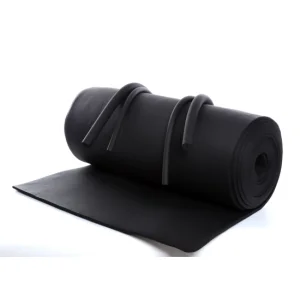
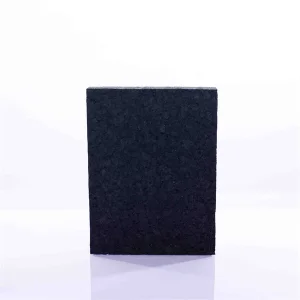
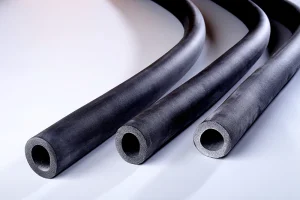
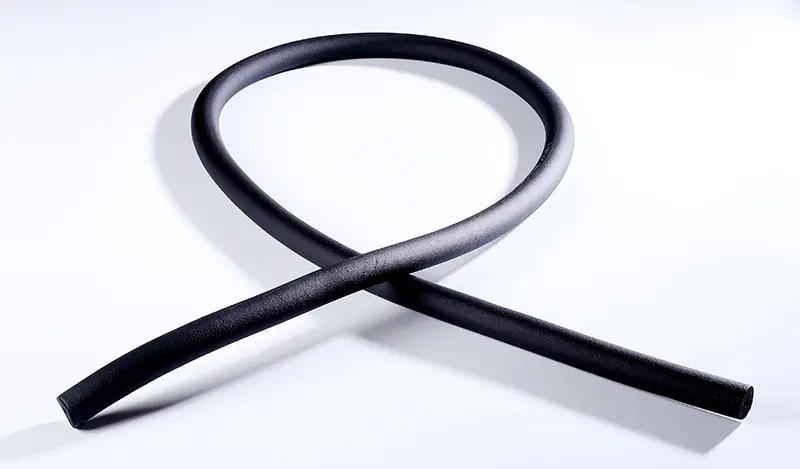
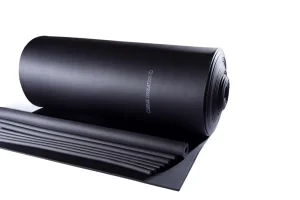
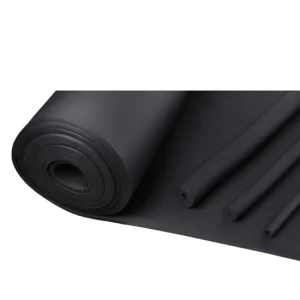
Choosing the correct physical dimension and density of elastomeric NBR/PVC rubber foam directly influences the prevention of moisture condensation on copper coil assemblies. Below are the engineering standards from Kingflex's production line:
Macro Industry Solutions & Engineered Application Scenarios
Kingflex's elastomeric insulation products are highly customized to address thermal bridging and acoustic concerns in complex architectural layouts.
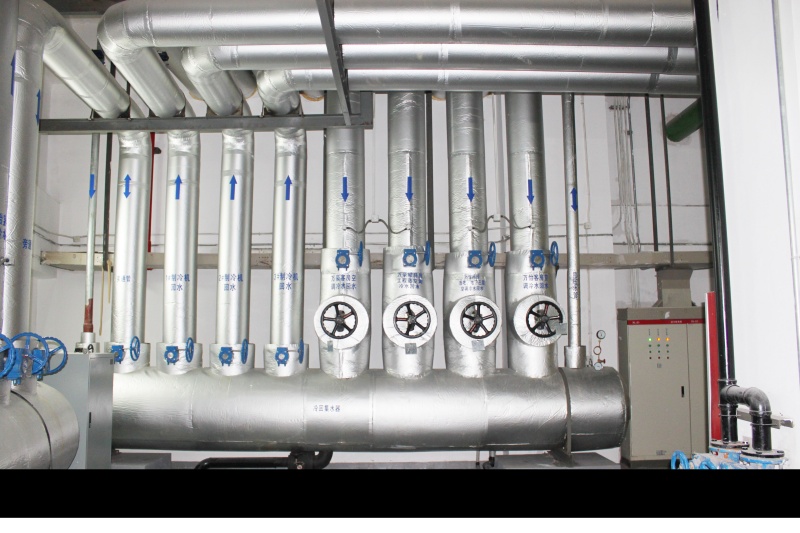
1. High-Demand Commercial HVAC Systems
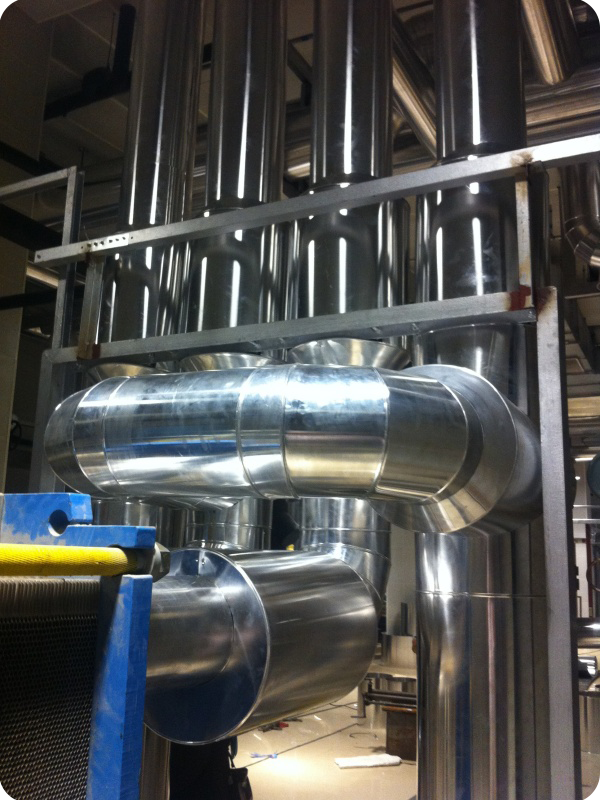
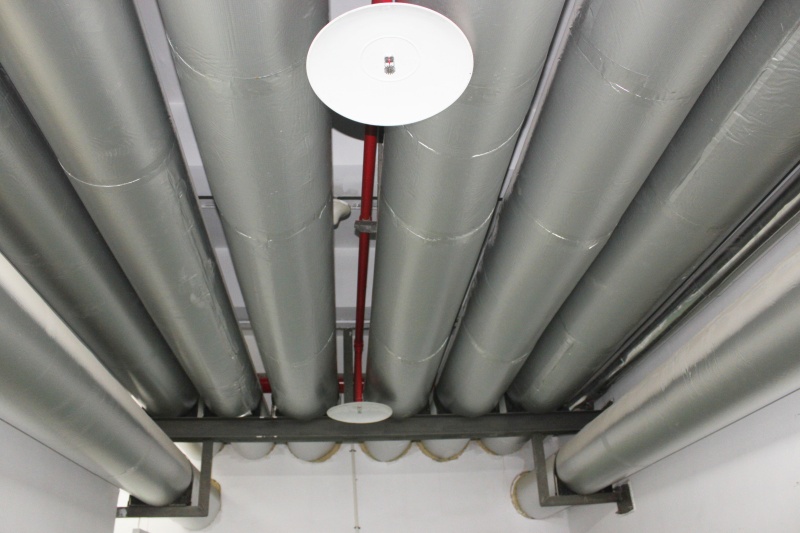
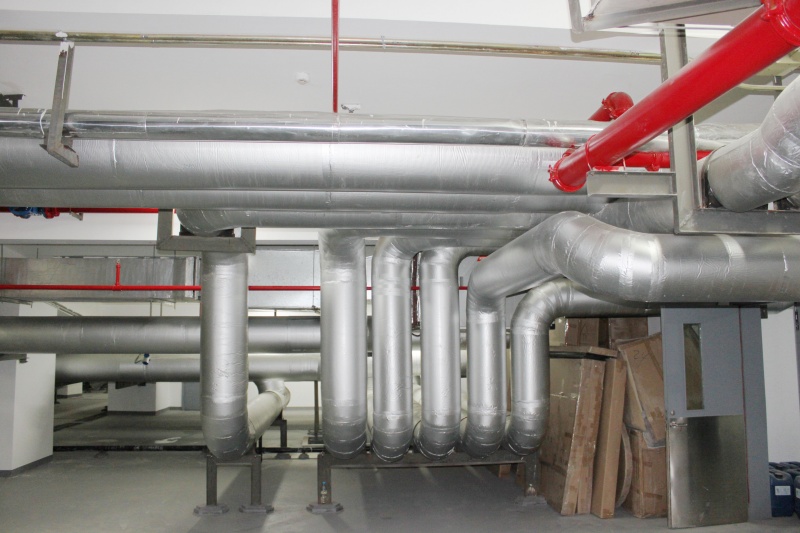
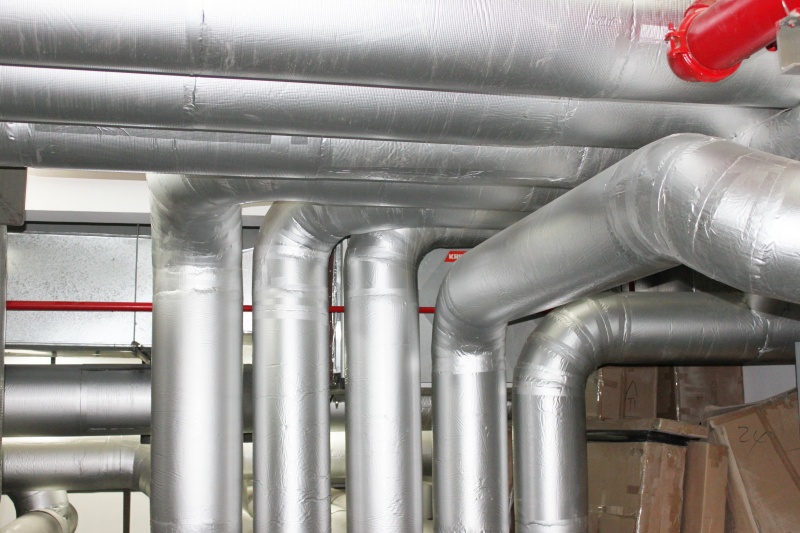
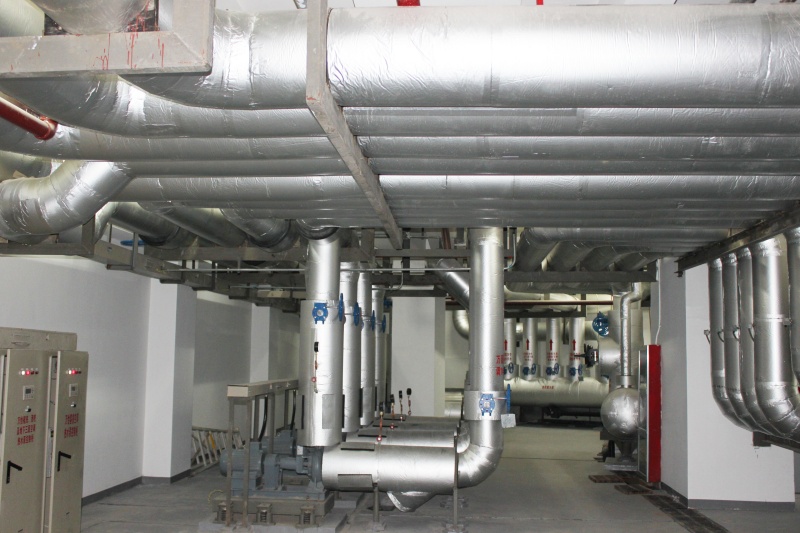
Used on central air conditioning chilled/hot water pipes and condensate lines to block condensation, preventing mold outbreaks and ceiling water damage in massive commercial structures.
2. Cryogenic Process Engineering
Engineered low-temperature closed-cell foams maintain mechanical elasticity at extremely low ranges (-40℃ or below), safeguarding heavy petrochemical and gas processing lines.
3. High-Occupancy Structural Acoustics
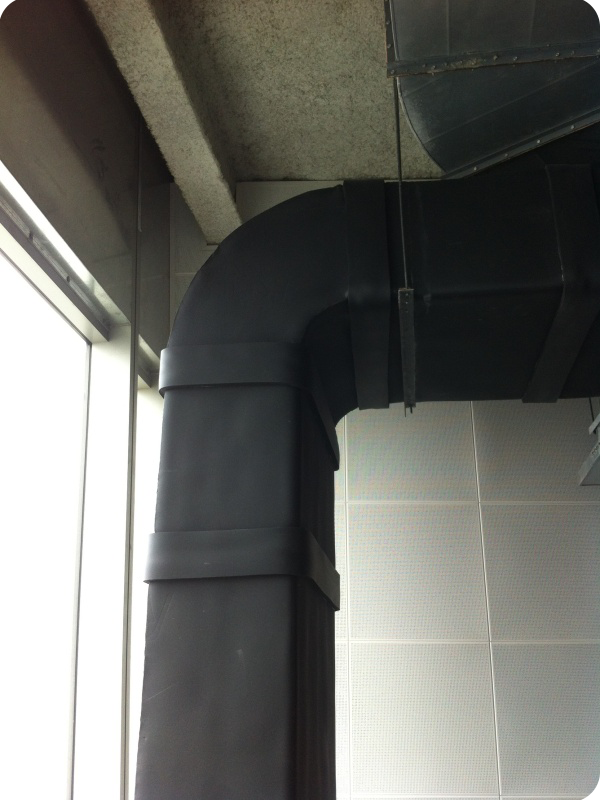
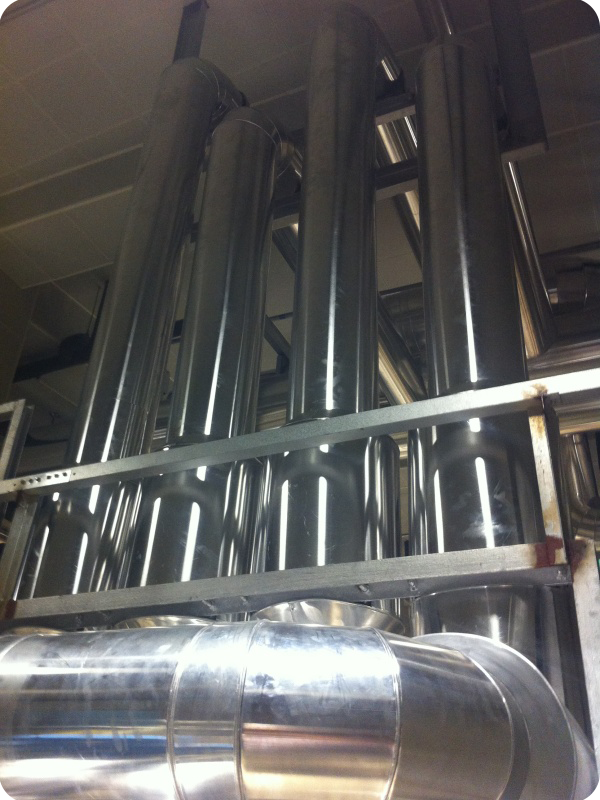
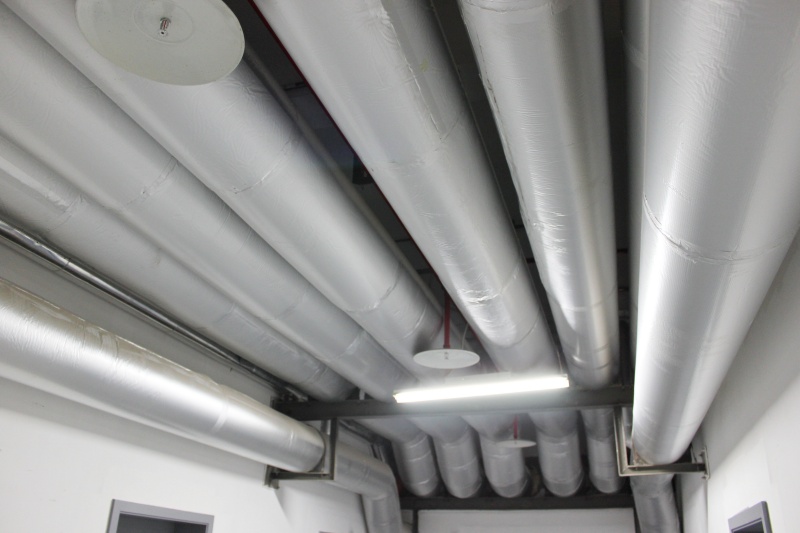
Installed in hotels, regional hospitals, and government offices to attenuate fluid flow noise inside copper pipe lines and large-scale ventilation ducting networks.
Compliance, Traceability, & Global Certifications
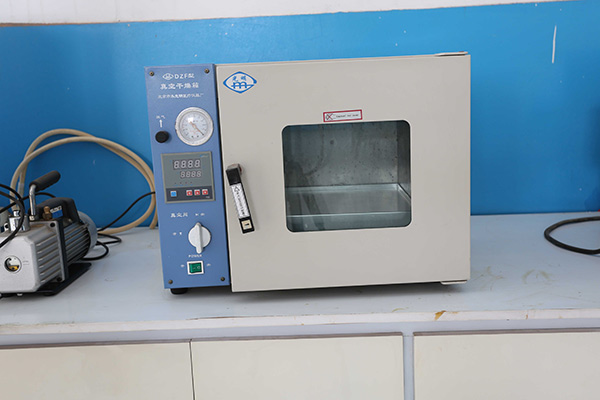
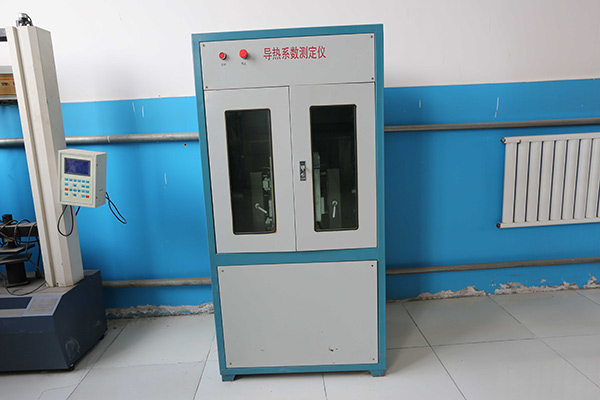
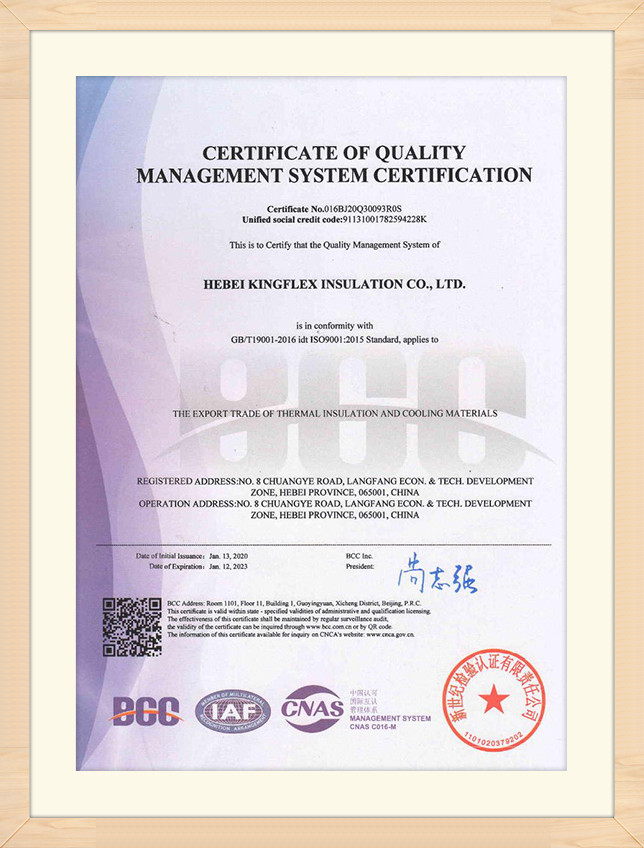
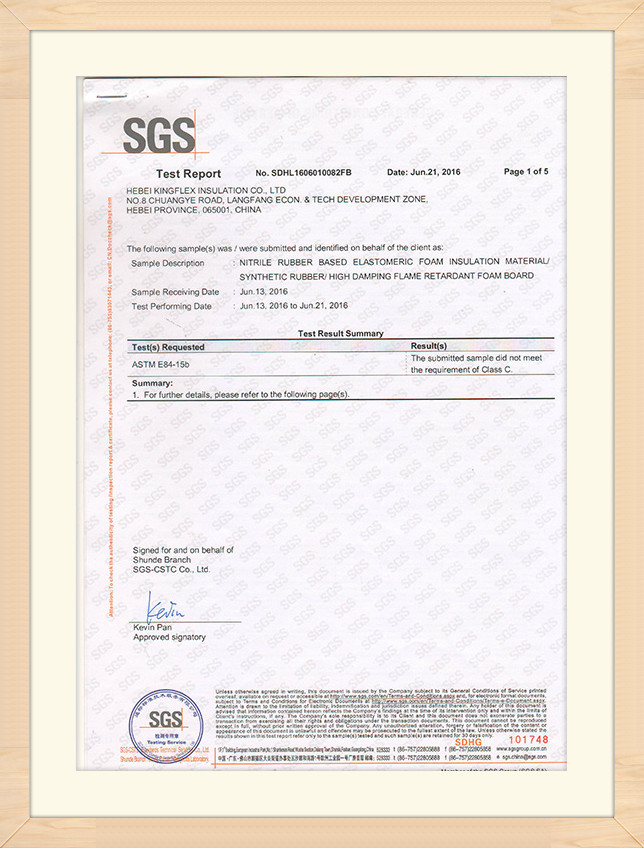
Global engineering distributors and general contractors cannot risk material failures due to non-compliant thermal insulations. To guarantee absolute compliance in European, American, and Asian jurisdictions, Kingflex maintains a rigorous batch testing protocol.
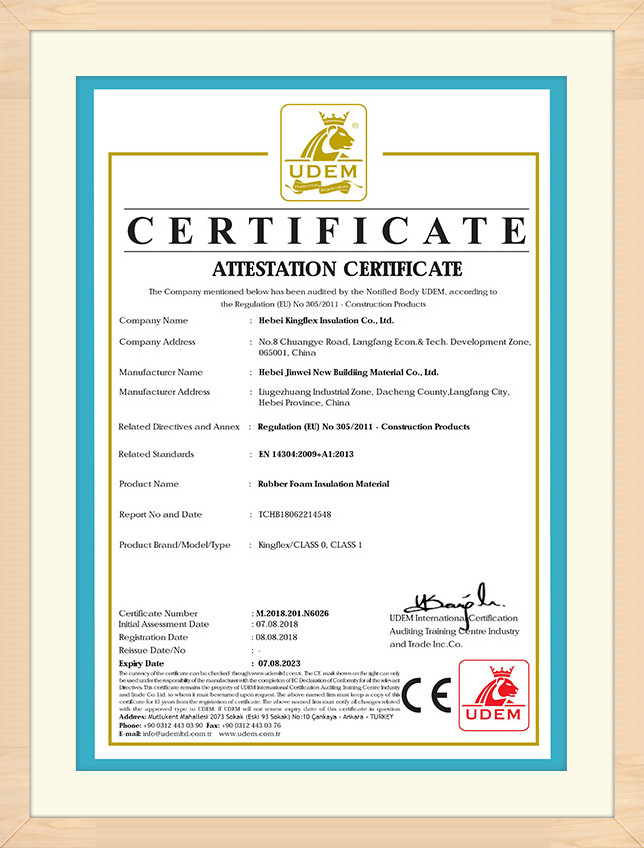
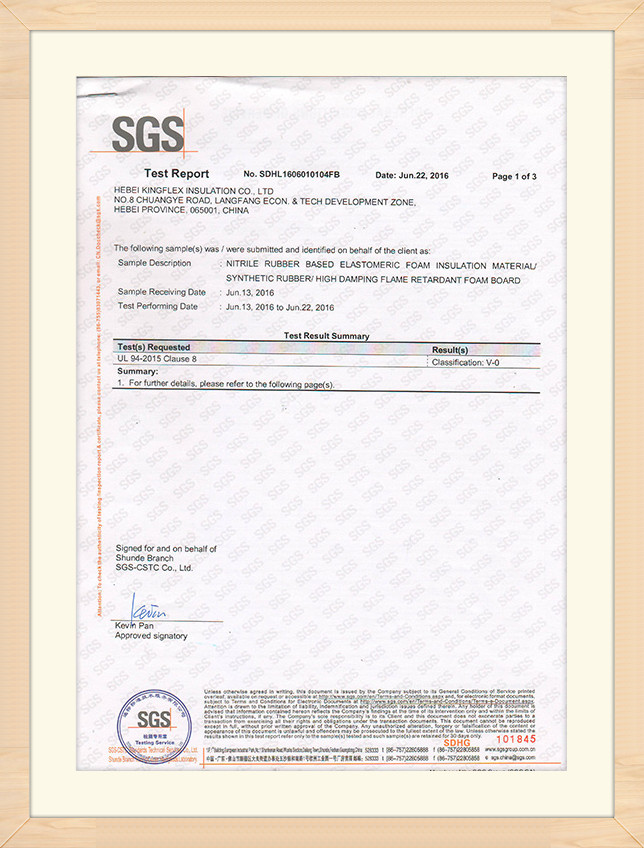
Our elastomeric NBR/PVC systems have earned certifications from independent auditing boards:
BS 476: Part 6 and Part 7 class ratings for low flame propagation and spread limits.
UL94 Rating: Standardized flammability verification for electrical and building safety.
RoHS & REACH Compliance: Verification of zero halogenated heavy compounds or toxic blowing agents.
ASTM Standards: Rigorous validation of water vapor permeability and thermal performance durability.
Pricelist Dynamics & Global Sourcing Optimization
Purchasing high-density copper coil insulation directly from Chinese manufacturers provides significant savings, but optimization requires an understanding of wholesale cost drivers.
Wholesale Pricing Core Factors:
Raw Polymer Index: Prices fluctuate based on the cost of NBR polymer and PVC compounds.
Thickness & ID Customization: Thicker profiles (25mm to 50mm) increase the density per linear meter, shifting shipping weight brackets.
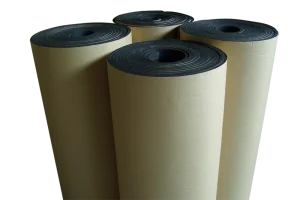
Anti-UV and Adhesive Add-ons: Integrated self-adhesive backings or metallic foils increase initial material costs but reduce on-site labor times by up to 45%.
By leveraging Jinwei Group's large bulk contracts, Kingflex offers stable pricing agreements. Contact our international sales team for custom project quotes.
Frequently asked technical questions regarding the specification, installation, and procurement of elastomeric foam insulation.
Q1: What is elastomeric rubber foam insulation used for?
A1: It is primarily used for HVAC ducts, air conditioning lines, structural building thermal insulation, industrial process piping cold insulation, and acoustic absorption.
Q2: Is Kingflex rubber foam insulation fire resistant?
A2: Yes, our rubber foam products are fire retardant, meeting BS 476 (Class 0 and Class 1), UL94, and international construction safety standards.
Q3: What is the key difference between rubber foam and rock wool insulation?
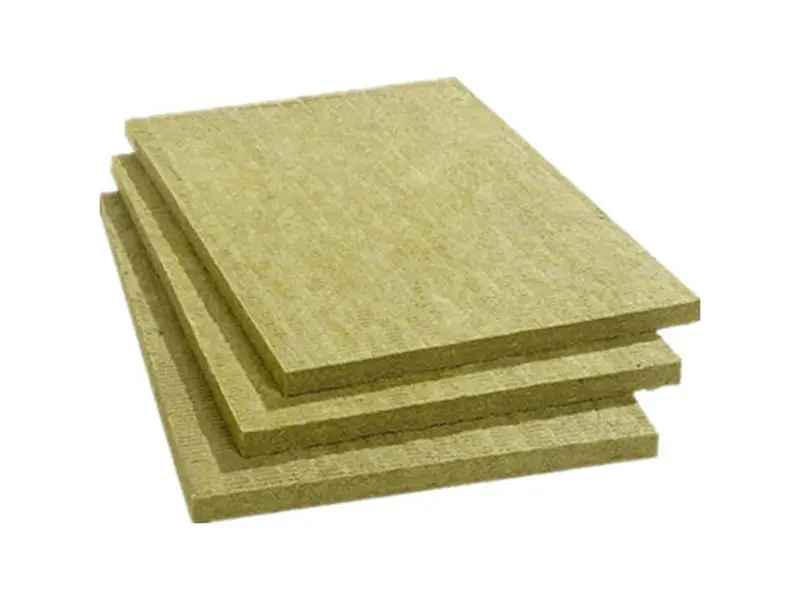
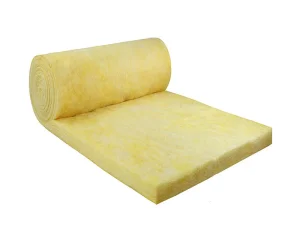
A3: Rubber foam is a flexible, closed-cell material that prevents moisture intrusion without a vapor barrier. It is ideal for HVAC and cold water pipes. Rock wool is high-temperature resistant and fireproof, suited for industrial steam lines.
Q4: Do you provide customized insulation products?
A4: Yes. We offer comprehensive OEM/ODM services to accommodate custom physical profiles, dimensions, wall thicknesses, and adhesive configurations.
Q5: What certifications do your products have?
A5: Our products have passed BS 476, CE, REACH, RoHS, UL94, and ASTM standards, which guarantees compliance with global construction and environmental regulations.
Q6: Does Kingflex products have traceability?
A6: Yes, each production run has a distinct batch code printed on the packaging, linking to raw material logs and vulcanization records.
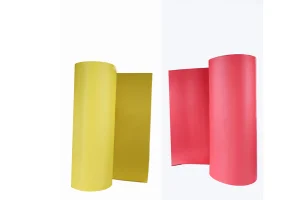
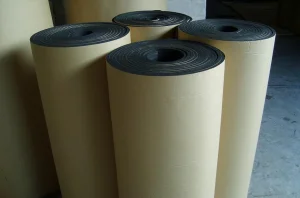
Q7: What thickness of Rubber foam insulation sheet roll can you produce?
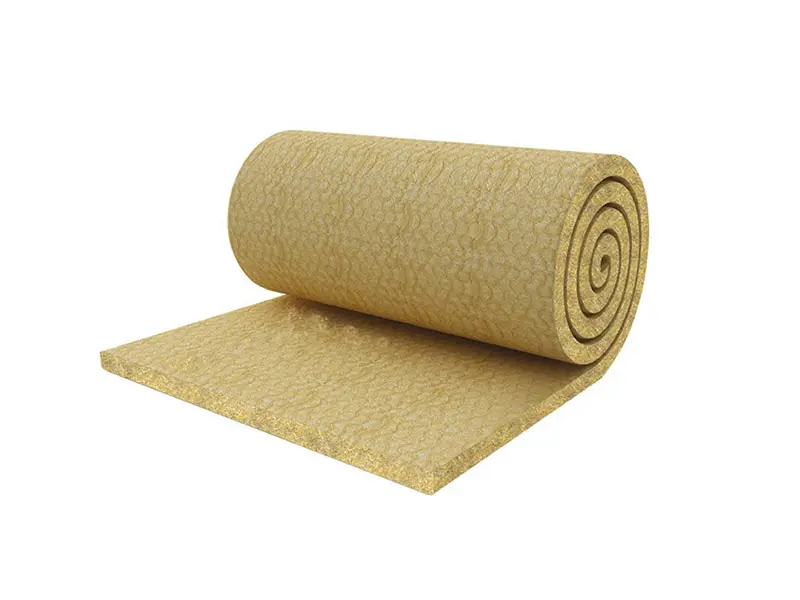
A7: We produce sheet rolls in thicknesses ranging from 6 mm to 50 mm to meet various thermal performance requirements.
Q8: What is the service life of rubber plastic pipe and board?
A8: When installed according to manufacturer guidelines, the material has a service life of approximately 10 to 15 years in typical environments.
Full Thermal Insulation Product Catalogue
China Kingflex aluminum foil thermal insulation tape Supplier, Pricelist
 Kingflex