China Cryogenic Insulation Thickness Calculation Manufacturer & Supplier
Industry-Leading Mathematical Thickness Optimization and Thermal Preservation Systems for LNG, Ethylene, and Petrochemical Plants Worldwide.
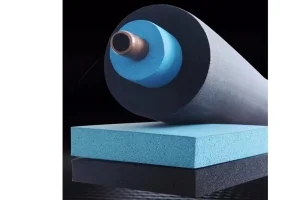
Featured Premium Cryogenic & Thermal Insulation Products
Explore our engineering-grade flexible closed-cell rubber foam solutions designed to withstand extreme thermal stresses and prevent CUI (Corrosion Under Insulation).
Executive Summary: The Science of Cryogenic Thickness Optimization
In industrial cryogenic engineering, thermal performance is not merely a matter of material selection; it is a complex balancing act of thermodynamic properties. The calculation of insulation thickness determines the survival of processing equipment running down to -196°C (-320°F). Accurate calculation prevents surface condensation, keeps heat gain below critical limits, and ensures the continuous liquid state of precious industrial media such as Liquefied Natural Gas (LNG) and liquefied ethylene.
Underestimating the thickness leads to massive thermal ingress, boil-off gas (BOG) accumulation, and condensation forming on outer jackets, which accelerates catastrophic Corrosion Under Insulation (CUI). Conversely, over-designing the thickness drastically increases the capital expenditure (CAPEX) on structural steel supports and piping spaces. Kingflex provides the industry-leading mathematical solution based on ASTM C680 standards, allowing global partners to match precise mechanical demands with cost-effective elastomeric insulation systems.
40+
Years of Group History
600K+
Annual Capacity (m³)
66+
Countries Exported
>98%
Closed Cell Rate
The Physics and Engineering of Cryogenic Insulation Thickness Calculation
Calculating the appropriate thickness for sub-zero and cryogenic systems requires analyzing the Heat Transfer coefficient through multi-layer systems. The fundamental criteria to solve for are:
1. Condensation Prevention (Dew Point Criterion)
The outer surface temperature of the insulation cladding must remain higher than the dew point of the ambient air at all times. If the ambient relative humidity is 90% and the temperature is 35°C, the surface temperature margin is extremely narrow, necessitating sophisticated calculations to determine the exact millimeter of insulation required to prevent liquid water accumulation.
2. Heat Influx Limitation (BOG Prevention)
For cryogenic pipelines containing volatile media like liquid ethylene or ammonia, heat gain is kept strictly below specified limits (e.g., 15 W/m² or 20 W/m²) to prevent costly pressure buildups and phase changes. This calculation controls the boil-off gas rate inside the containment tanks.
3. Variable Thermal Conductivity (k-Value)
Unlike high-temperature systems where thermal conductivity is relatively stable, cryogenic k-values drop significantly at lower mean temperatures. Calculations must treat k-value as a dynamic curve, integrating localized temperatures along the radial cross-section of the insulation.
Parameter for Thickness Equations
Relevant Standard Reference
Critical Variables Analyzed
Calculation Impact
Dew Point Control Surface Temp
ISO 12241 / ASTM C680
Relative Humidity (RH%), Wind Speed, Ambient Temp
Prevents moisture collection on cladding surface
Linear and Radial Heat Influx
ASTM C335 / EN ISO 8497
Inner Pipe OD, Thickness Layer Boundaries, Delta T
Maintains volatile liquid phase, reduces BOG
Compressive Elasticity Factor
ASTM C165
Density, Young’s Modulus at Cryogenic Extremes
Ensures layers do not compress under pipe movement
Water Vapor Permeability
EN 12086 / ASTM E96
Vapor resistance factor (μ), water absorption %
Determines lifetime degradation rate of thermal properties
Global Enterprise Procurement Dynamics & Industrial Applications
Procurement departments in top-tier EPC (Engineering, Procurement, and Construction) companies and industrial end-users face continuous stress when sourcing cryogenic insulation materials. The typical requirements for procurement optimization revolve around cost-to-performance ratio, logistic footprint, material compliance certifications, and long-term durability.
Petrochemical & LNG Infrastructure
Liquid Natural Gas systems transport liquefied methane at -162°C (-260°F). Our high-density elastomeric closed-cell rubber sheets provide structural stability and reduce the required number of expansion loops because the material contractility matches pipe movement patterns.
Aerospace and Defense Applications
Liquid oxygen (-183°C) and liquid nitrogen (-196°C) loading lines require highly stable insulation that does not react with liquid oxygen. Kingflex formulations pass strict material safety tests, providing reliable vapor barriers to prevent dangerous oxygen enrichment in the insulation.
Industrial Deep-Freeze Facilities
From pharmaceutical blast freezers to large food cold-chain terminals, maintaining operating efficiency is key. Calculations prevent cold bridges at hangers and structural penetrations, preventing ice buildup that can cause structural failures.
Our Legacy & Advanced Production Capabilities
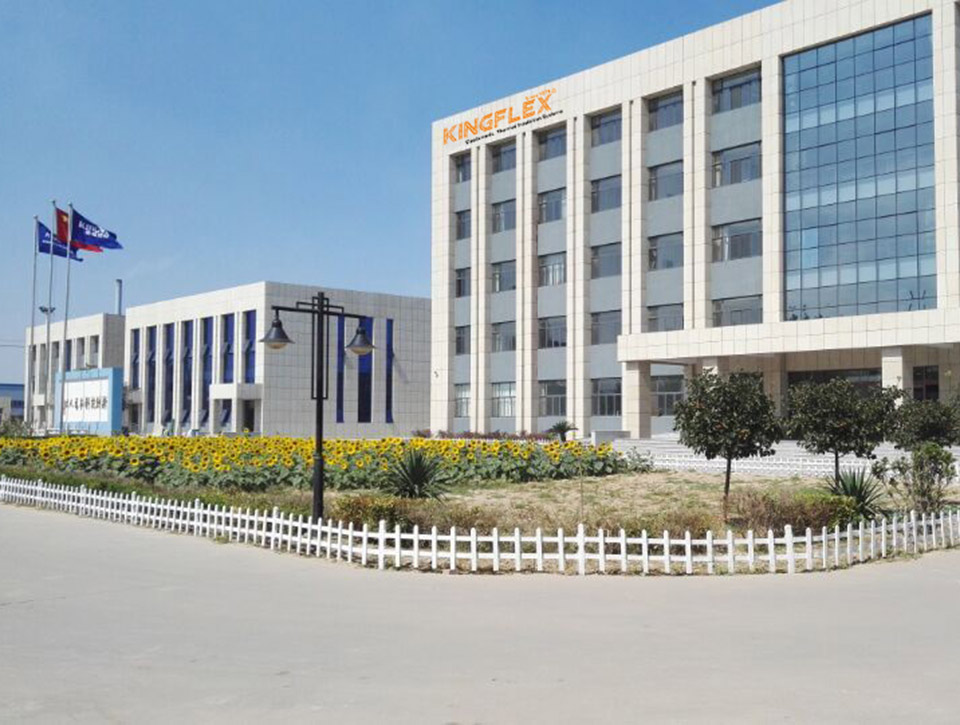
Kingflex Insulation Co., Ltd. is a professional manufacturing and trading combo for high-performance thermal and cryogenic insulation products. Our R&D and manufacturing facility is located in Dacheng, China—widely recognized as the capital of green building materials. As an energy-saving, environmentally friendly enterprise, we integrate research, production, and global sales under one unified roof.
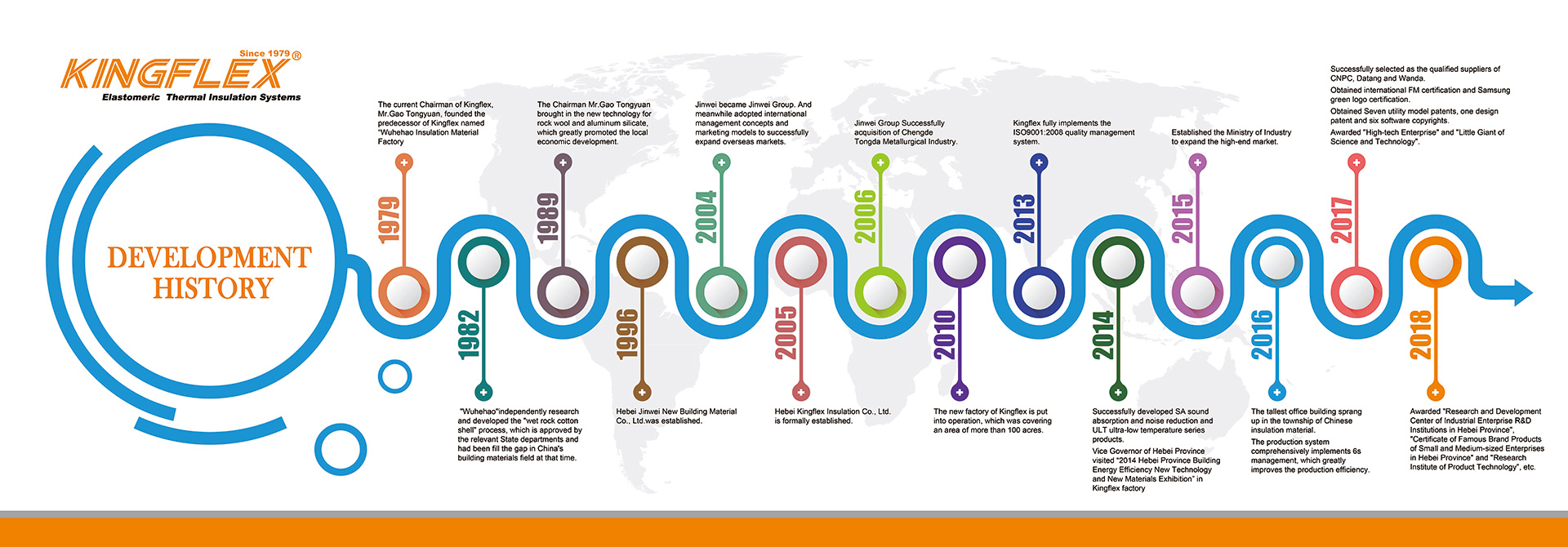
Established by the Jinwei Group, which boasts over 40 years of history since its foundation in 1979, Kingflex stands as the pioneer of modern thermal insulation material manufacturing north of the Yangtze River. Currently, we operate 5 large automatic assembly lines, generating an annual production capacity exceeding 600,000 cubic meters. Our consistent quality has earned us designated supplier status from the Ministry of Energy, the Ministry of Electric Power, and the Ministry of Chemical Industry.
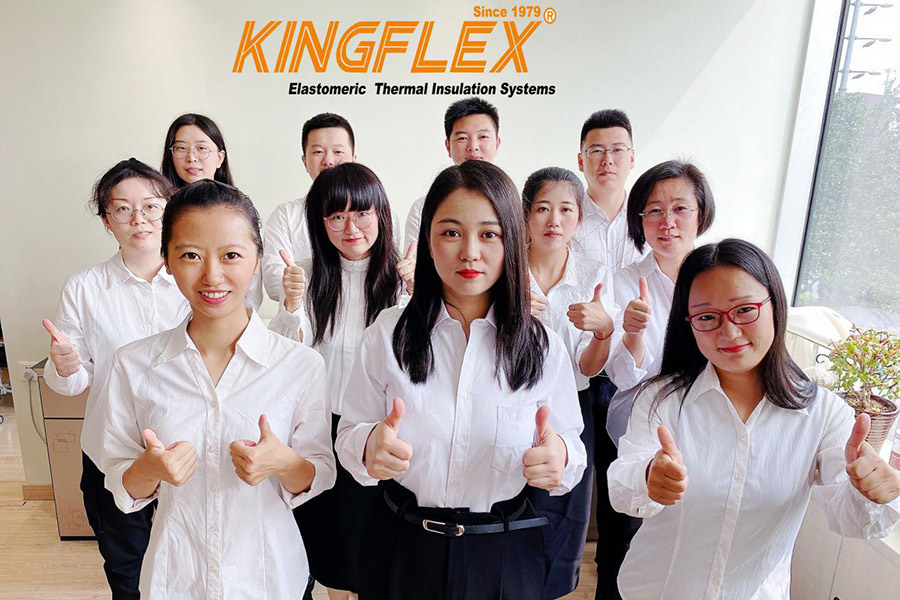
At the core of Kingflex is a highly integrated engineering division designed to translate mathematical thickness calculations into tangible chemical compound solutions. We employ 8 professional R&D engineers, 6 professional international sales engineers, and a dedicated team of 230 manufacturing specialists.
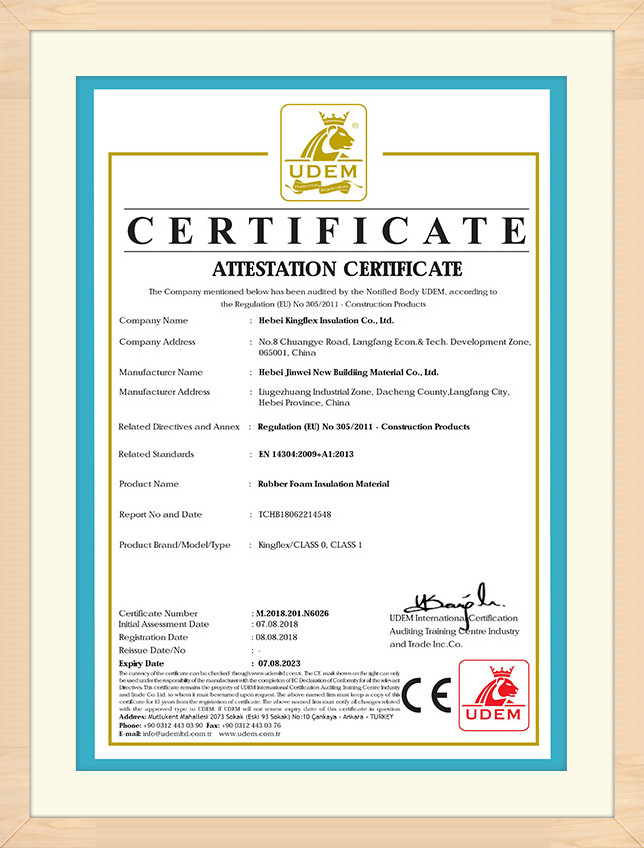
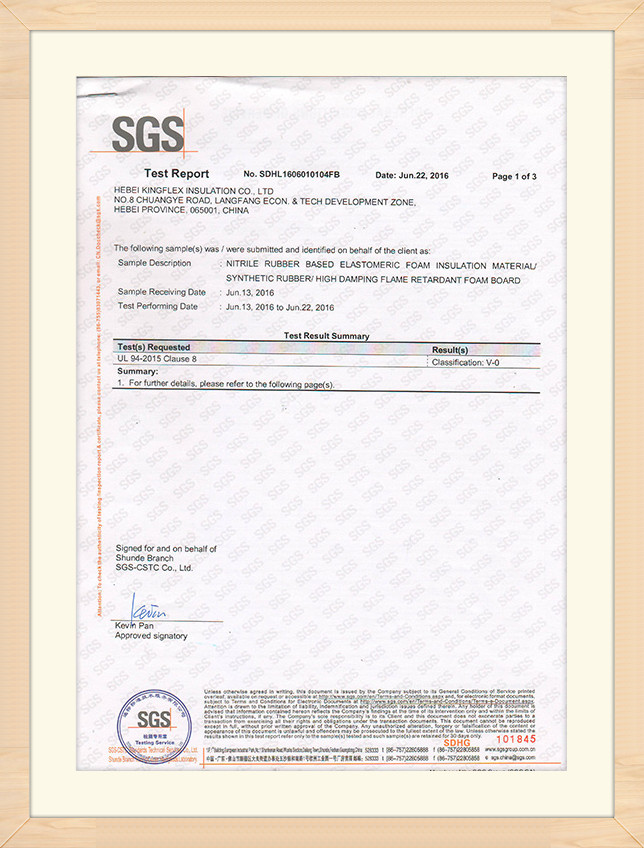
Every shipment is traced back to its raw material batch number, assuring complete accountability. Our cryogenic series has successfully passed key tests required by major international inspection bodies:
BS 476 & Fire Retardancy
Fully tested under British Standards BS 476 Class 0 and Class 1, ensuring low flame spread and minimal smoke emission. This is critical for enclosed offshore platforms and confined LNG terminal facilities.
REACH & RoHS Compliant
Kingflex elastomer materials are free of brominated flame retardants, CFCs, HCFCs, and fibers. They comply with strict EU ecological requirements, preventing environmental outgassing during operations.
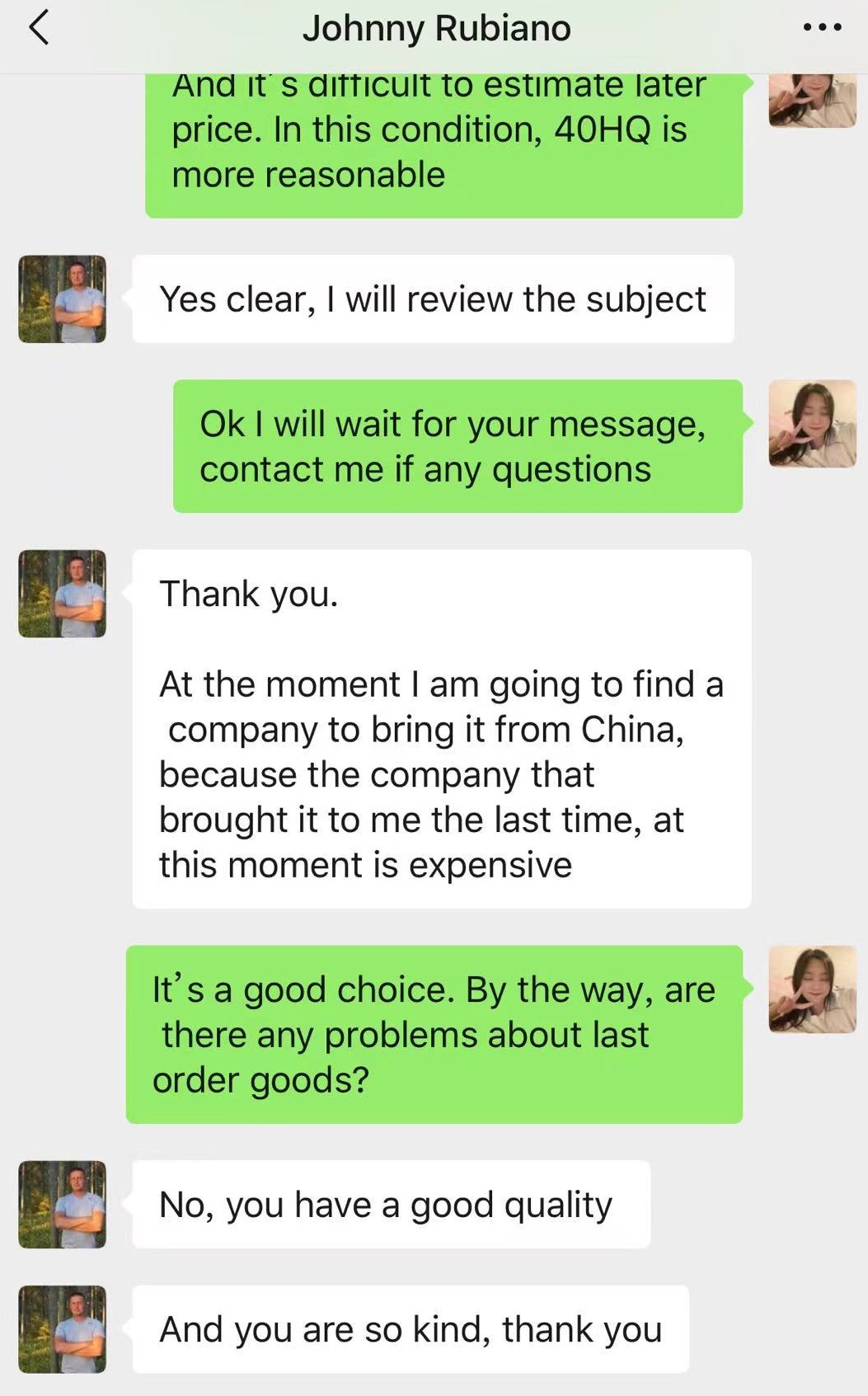
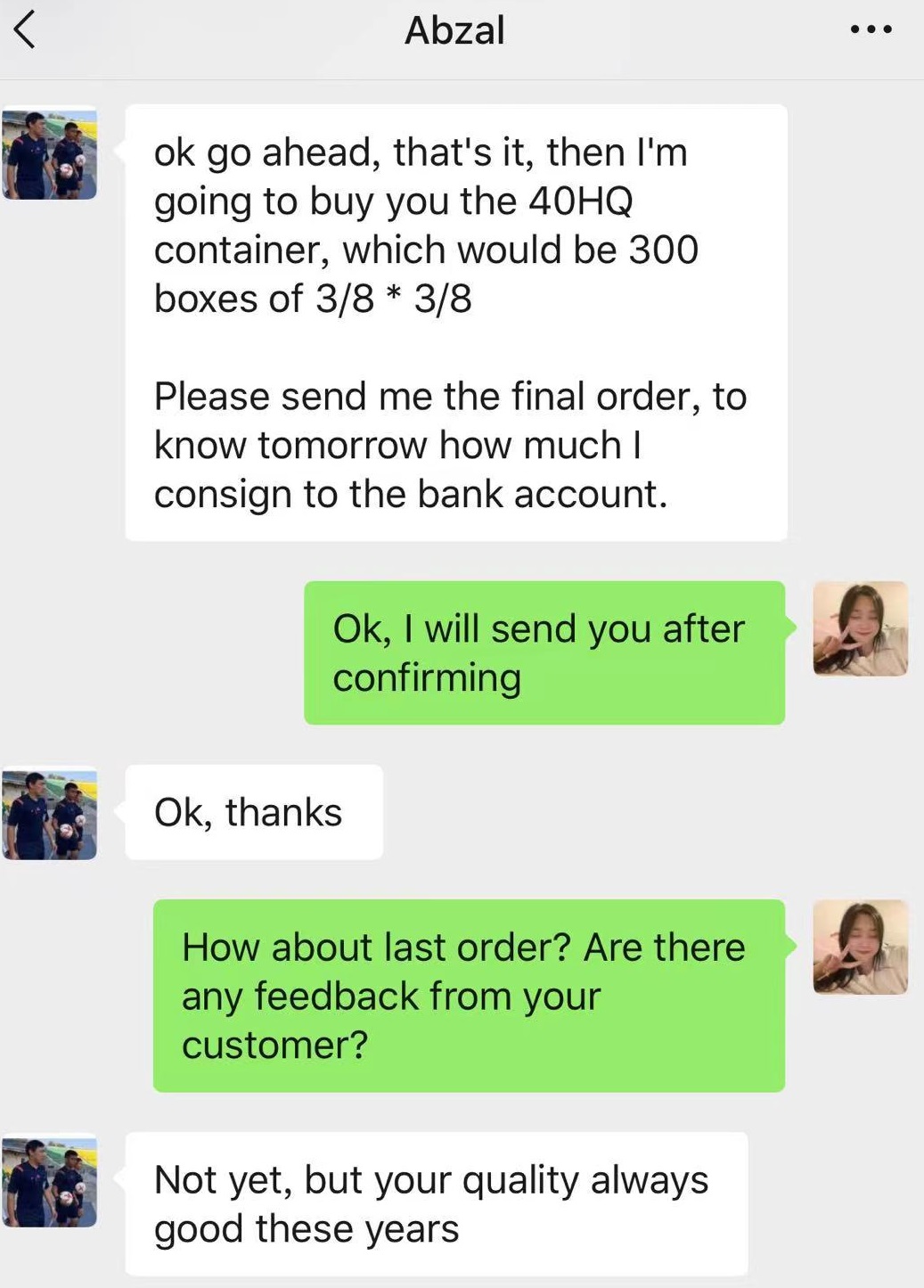
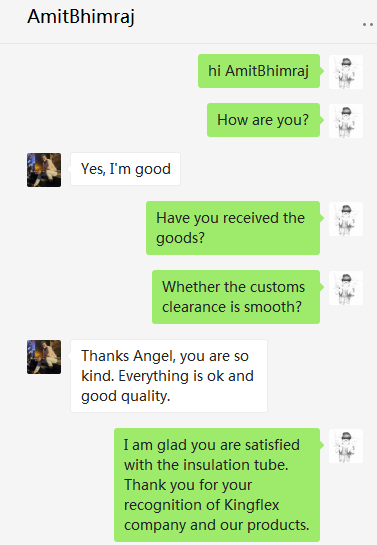
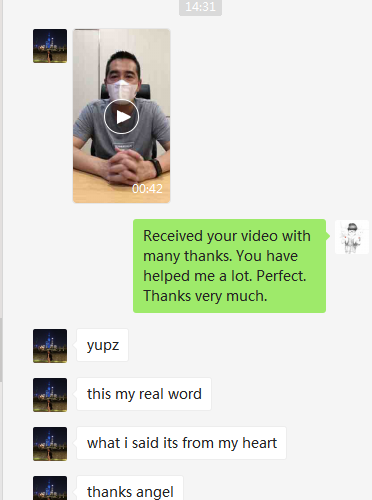
Verified Enterprise Communication & Feedback
Detailed Technical Specifications for Critical Product Lines
Our core products feature standard parameters engineered to meet strict HVAC, commercial plumbing, and heavy cryogenic application requirements.
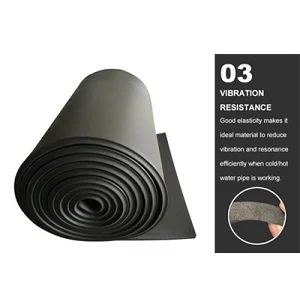
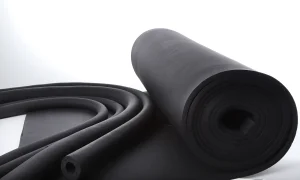
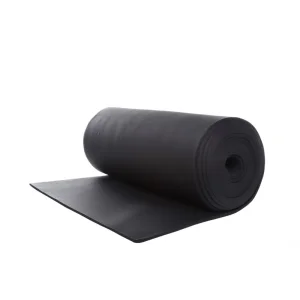
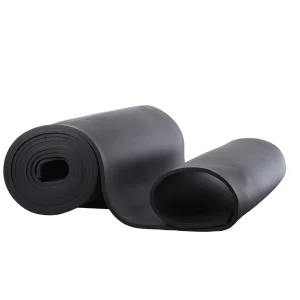
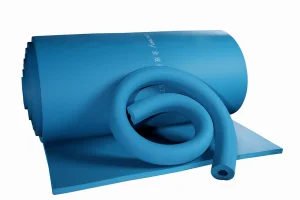
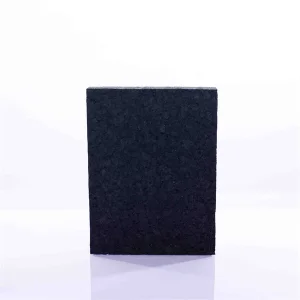
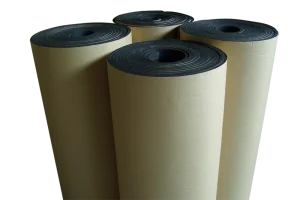
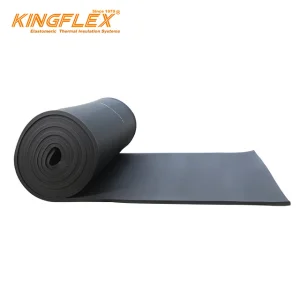
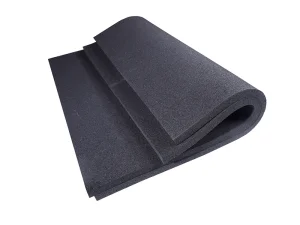
Black Rubber Foam Insulation Sheet Roll
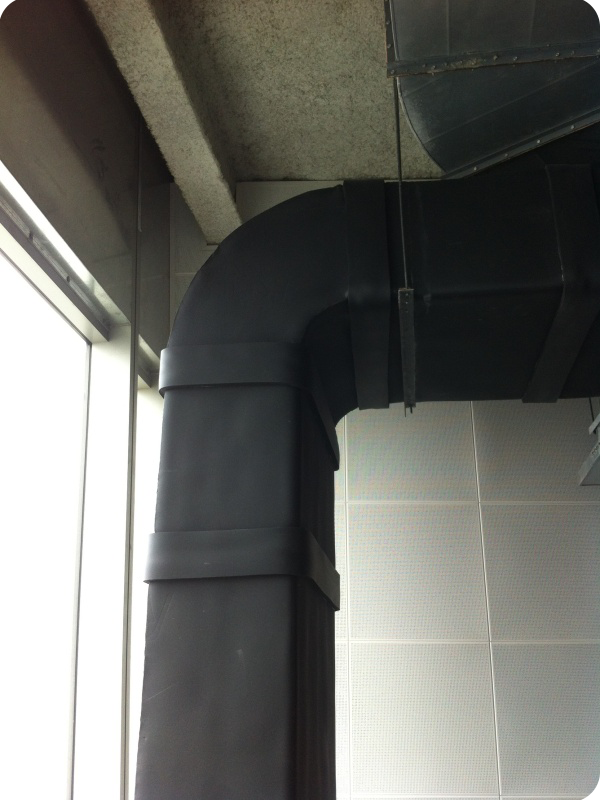
Designed for high-area flat surfaces, air ducts, machinery housings, and large vessel insulation. Excellent noise attenuation properties coupled with low vapor permeability.
Attribute
Technical Metric / Value
Material Base
NBR / PVC Blends
Thickness Range
6mm to 50mm
Apparent Density
40 - 55 kg/m³
Temperature Range
-40℃ to 105℃ (Suitable down to -196℃ with correct layering)
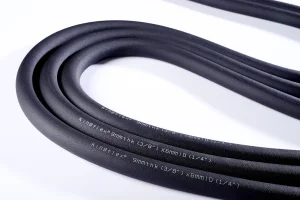
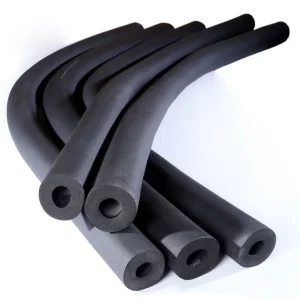
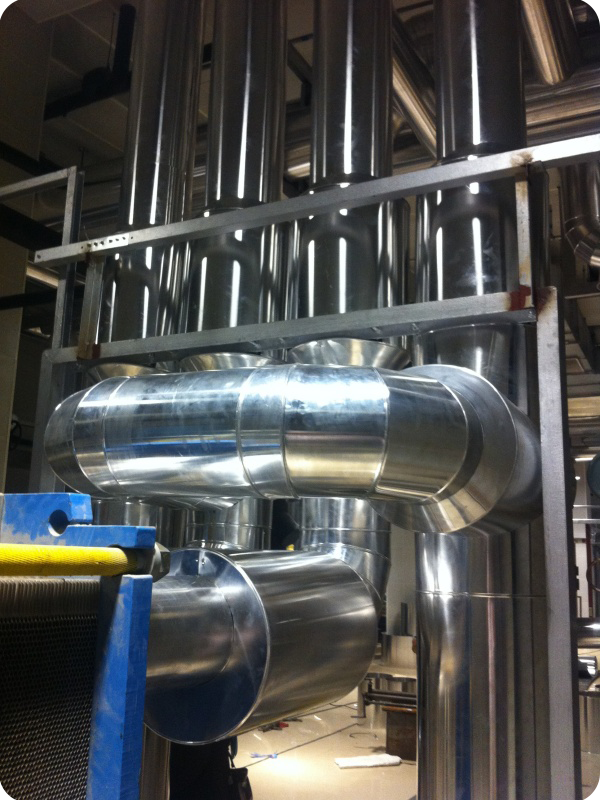
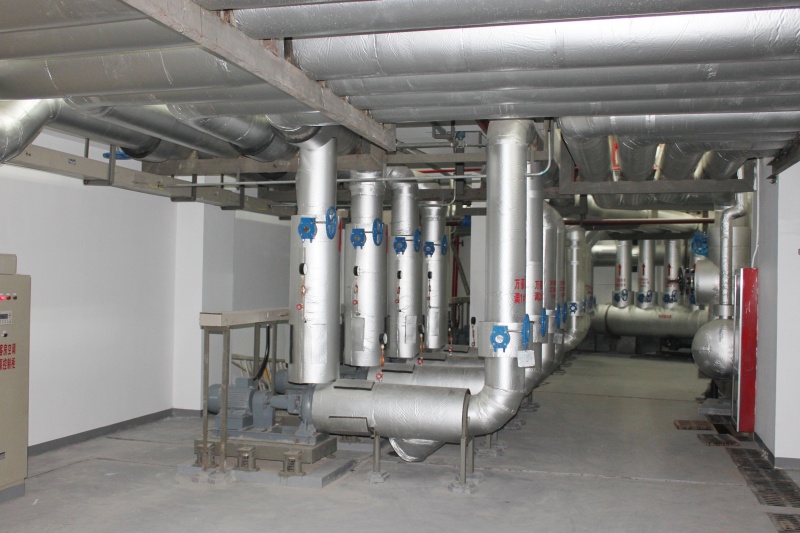
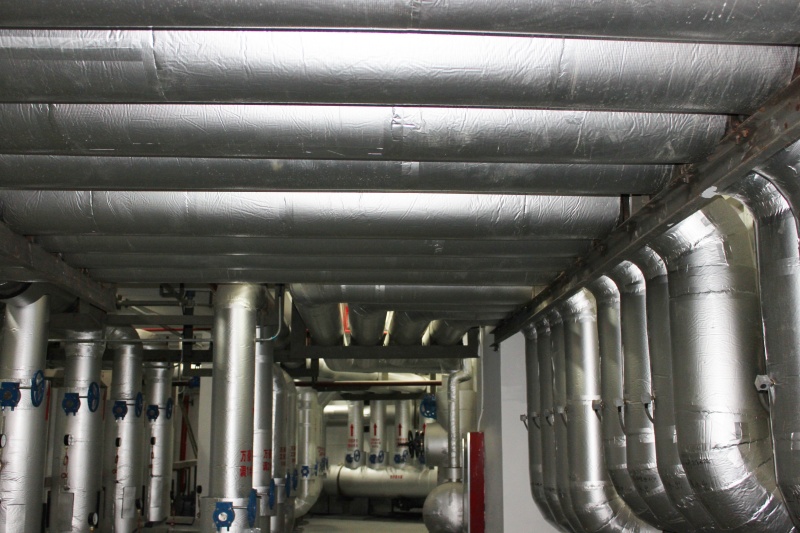
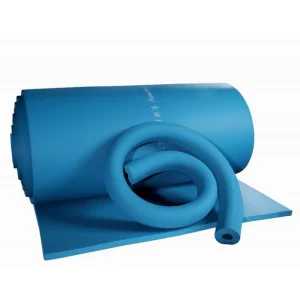
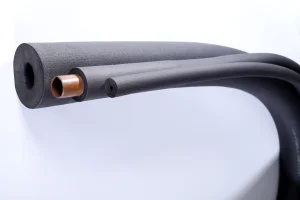
Ideal for central AC cooling pipe setups, steam lines, petrochemical transportation pipes, and solar collectors. High flexibility allows rapid fitting on elbows and tees.
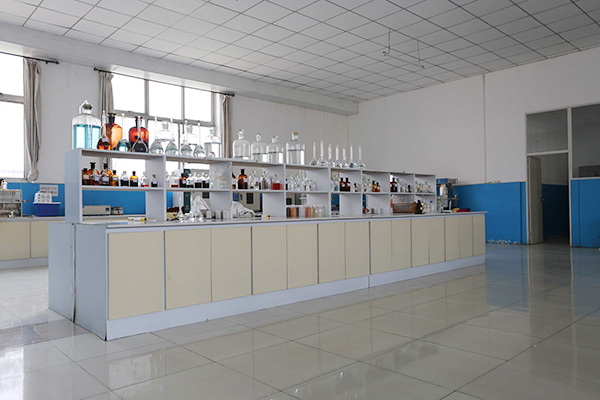
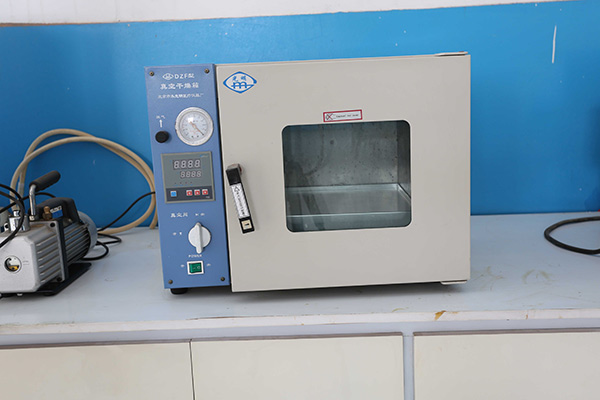
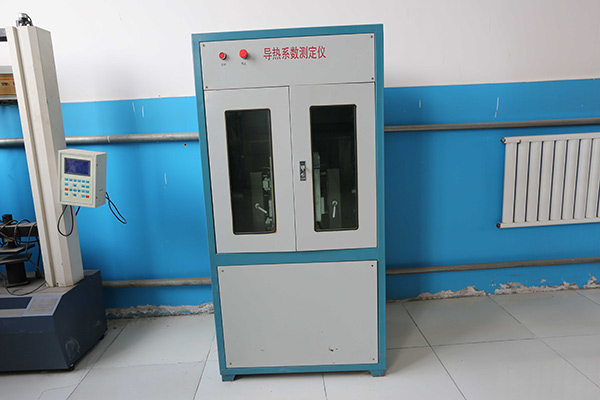
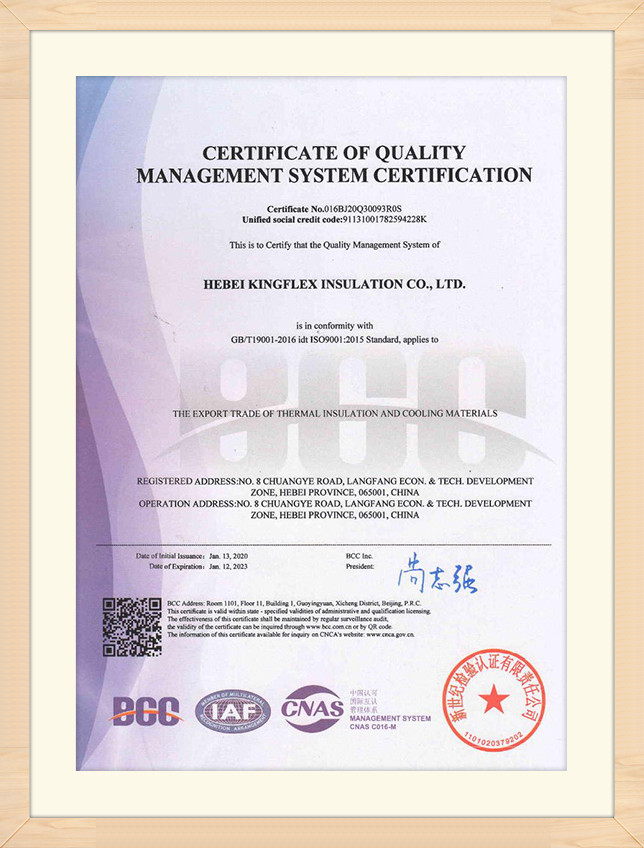
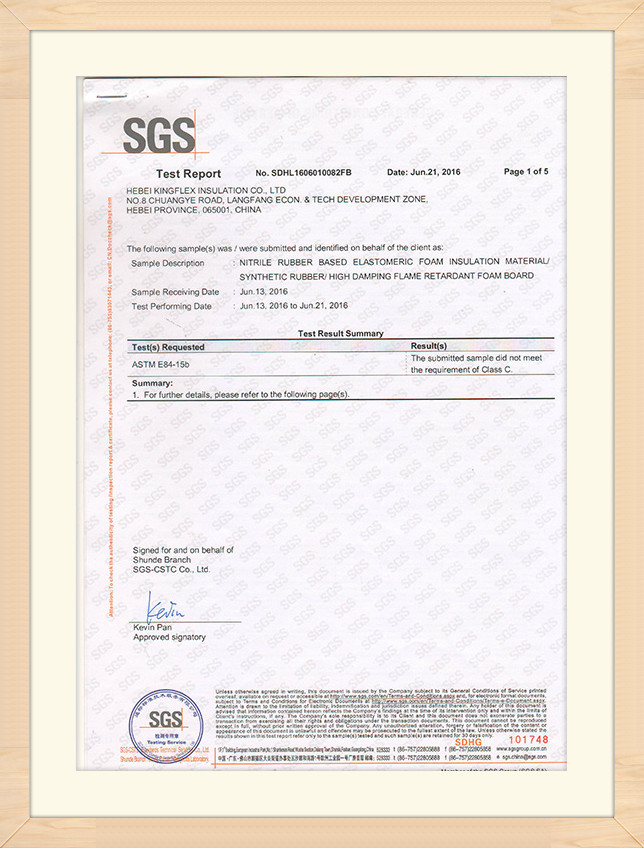
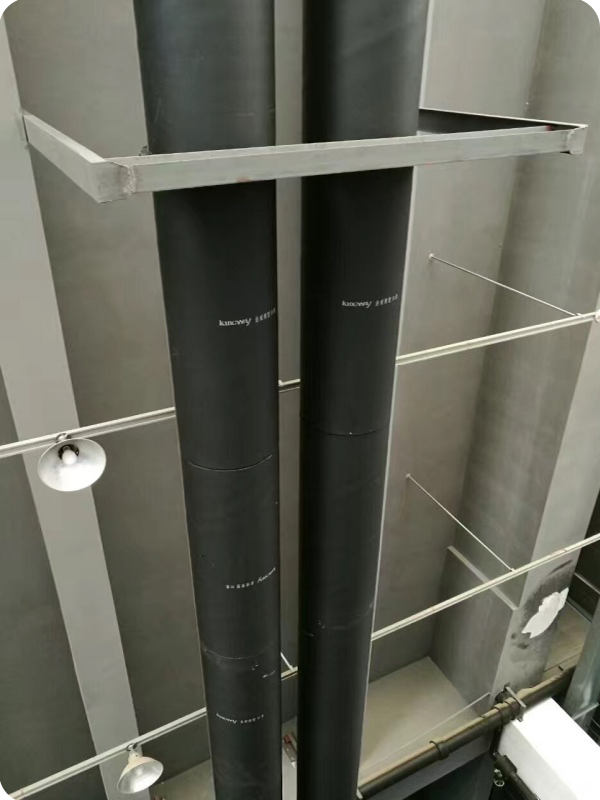
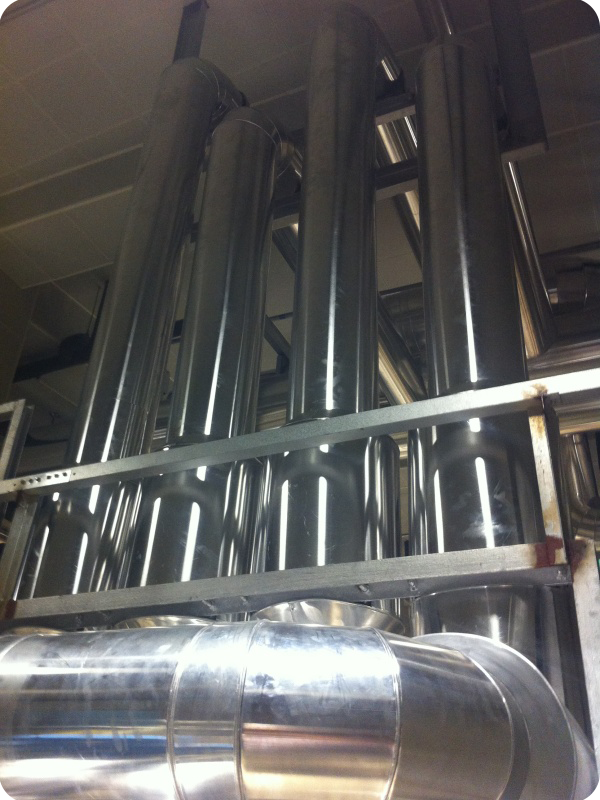
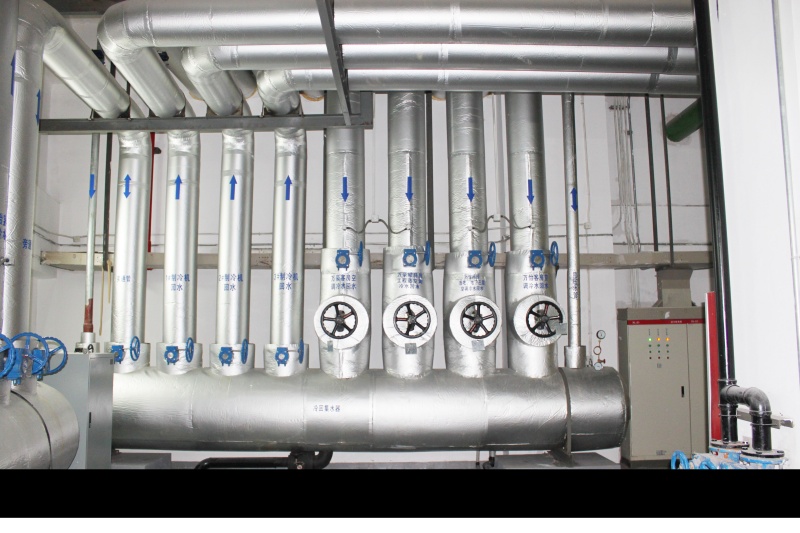
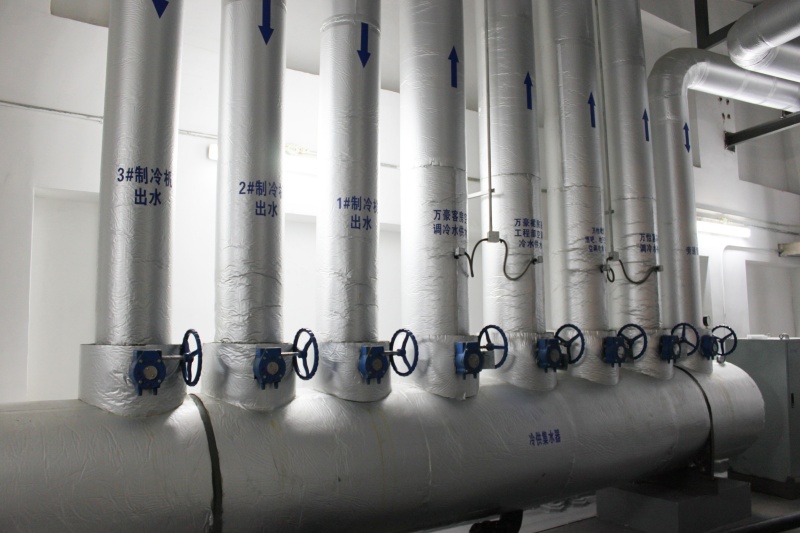
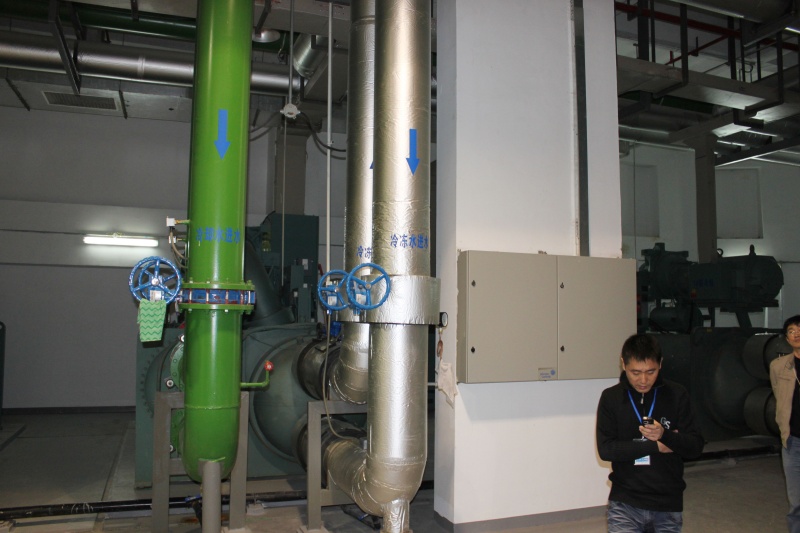
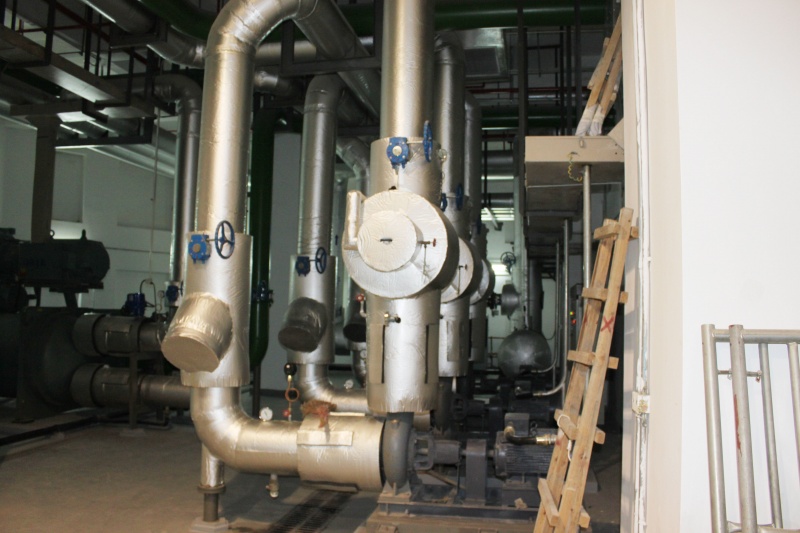
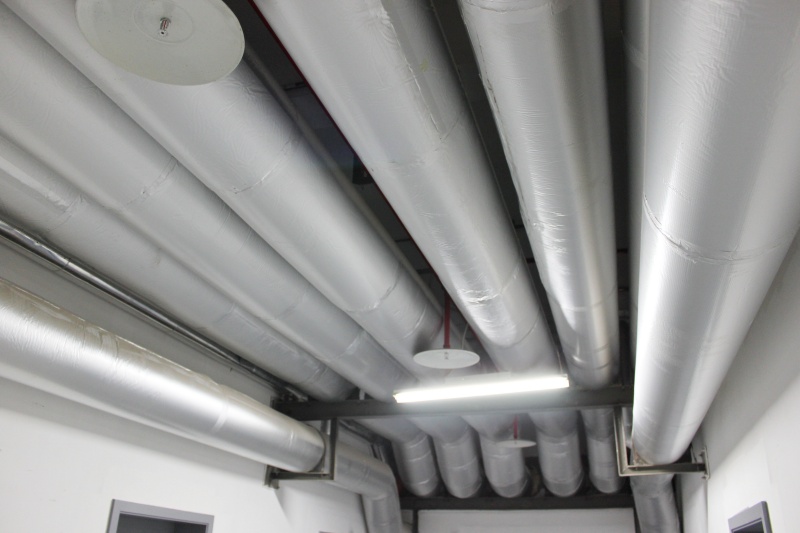
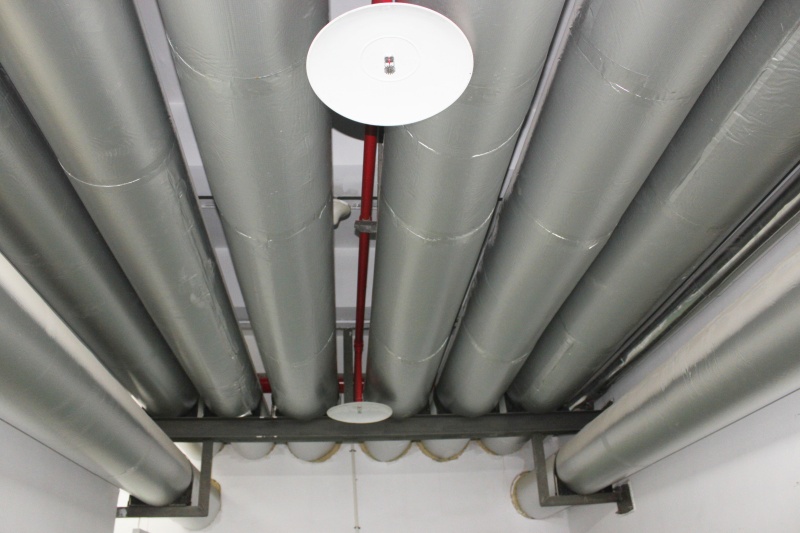
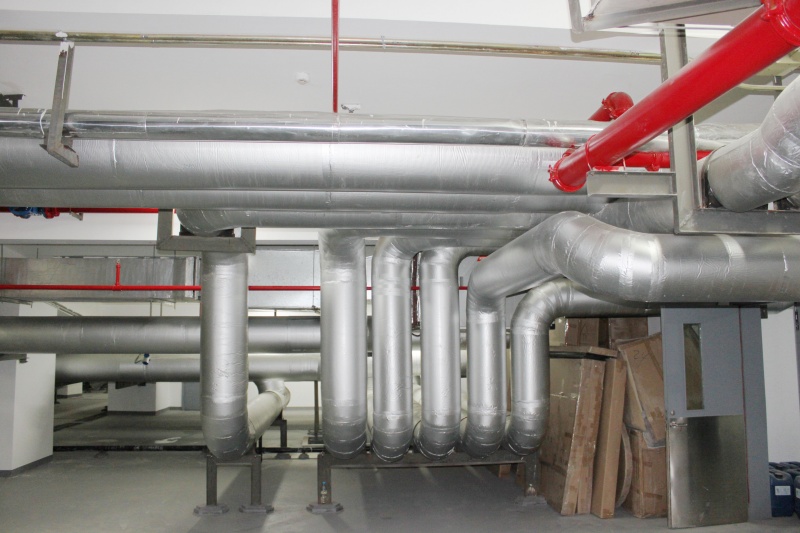
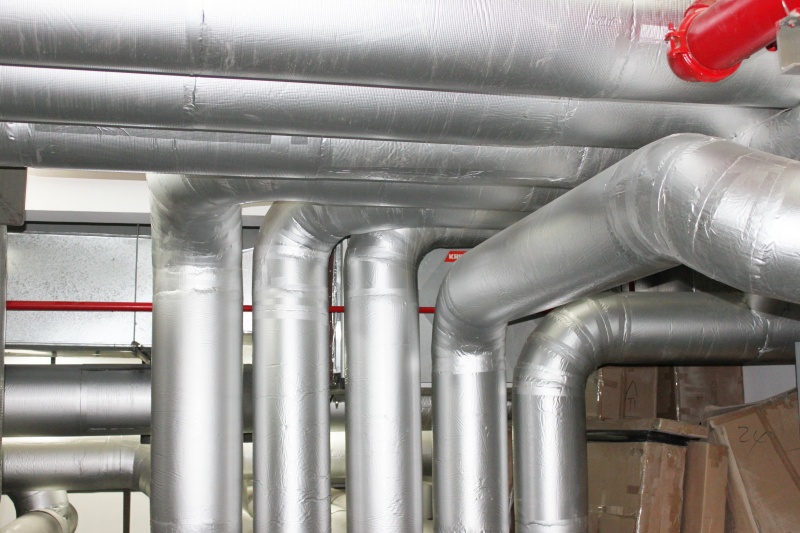
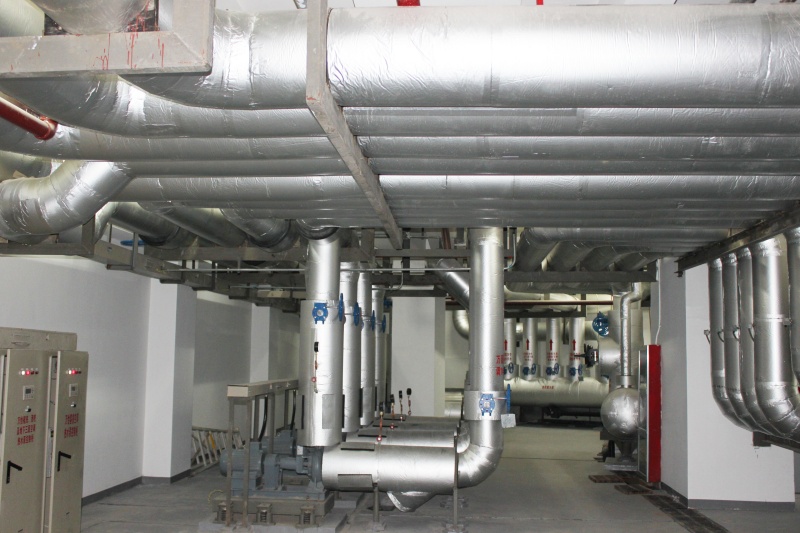
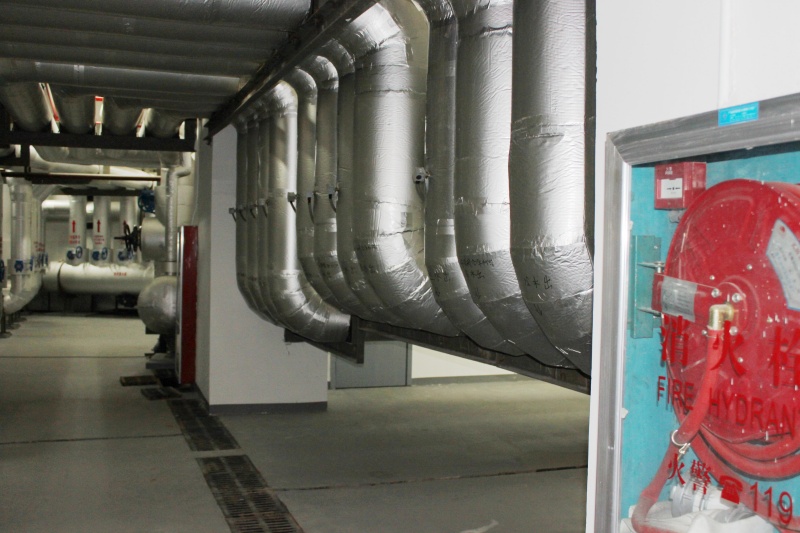
Kingflex products are deployed in major commercial and civil engineering initiatives. Here are verified snapshots from our production, quality verification, and transport systems.
Technical Roadmap & Future Innovations in Cryogenic Materials
As the world transitions to carbon-neutral infrastructures, cryogenic systems are expanding rapidly to transport Liquid Hydrogen (-253°C) and utilize Carbon Capture, Utilization, and Storage (CCUS). Standard elastomers reach their glass transition phase under such extreme conditions.
Next-Gen Aerogel Composites: Kingflex is currently scaling testing protocols for incorporating silica aerogel matrices into our closed-cell NBR/PVC polymers. This creates an extremely thin barrier with a thermal conductivity coefficient lower than static air (≤ 0.015 W/m·k). By minimizing the cross-sectional area, we reduce the required insulation thickness by up to 50%, saving significant structural piping space in modular offshore LNG platforms.
Our roadmap also focuses on eliminating all traces of volatile organic compounds (VOCs) from adhesives and vapor barrier sealants, promoting green building practices.
Q1: What is elastomeric rubber foam insulation used for?
It is primarily used for central HVAC duct systems, chilled water lines, commercial heating and plumbing networks, industrial process lines, and cryogenic systems. The highly flexible closed-cell material prevents ambient heat gain and condensation in cold environments.
Q2: Is Kingflex rubber foam insulation fire resistant?
Yes, our elastomeric compounds contain high levels of fire-retardant elements. They meet international fire safety criteria, including BS 476 Class 0, CE class regulations, and UL94 vertical burn tests, making them suitable for commercial structures.
Q3: What is the difference between rubber foam and rock wool insulation?
Rubber foam is flexible, closed-cell, and vapor-impermeable, preventing moisture ingress without requiring a separate vapor barrier. It is ideal for HVAC and cryogenic lines. Rock wool is a high-density, fibrous open-cell material that offers high fire resistance for high-temperature pipelines (up to 650°C), but it must be protected against moisture ingress to prevent corrosion.
Q4: Do you provide customized insulation products?
Yes, we offer fully customized OEM solutions, adjusting sheet thickness, tube diameters, adhesive layers, and protective outer claddings (such as aluminum or UV-resistant PVC jackets) to meet specific project criteria.
Q5: What certifications do your products have?
Kingflex products are certified under BS 476, CE, REACH, RoHS, UL94, and ASTM. We test our batches in-house and through third-party organizations like SGS and Intertek.
Q6: Does Kingflex products have traceability?
Yes, every roll and box features a production barcode containing raw material source details, processing time, batch testing stats, and QC signatures to verify quality control.
Q7: What thickness of Rubber foam insulation sheet roll can you produce?
We produce single-layer rolls with thicknesses ranging from 6mm to 50mm. For deeper cryogenic needs, multiple layers can be wrapped sequentially using our customized joint adhesives.
Q8: What is the service life of rubber plastic pipe and board?
Under normal operating conditions and with proper installation, Kingflex products maintain their thermal performance and integrity for 10 to 15 years, resisting structural degradation.
Q9: Why are wind speed and relative humidity critical for cryogenic thickness calculations?
Higher relative humidity raises the dew point temperature, reducing the margin before condensation forms. Wind speed affects the surface heat transfer coefficient; low wind speeds reduce surface convection, requiring thicker insulation to prevent condensation.
Comprehensive Cryogenic Portfolio
Select from our complete range of specialized low-temperature and sound absorption sheets, certified to international standards.
China NBR/PVC Rubber Foam Insulation For Cryogenic System
 Kingflex