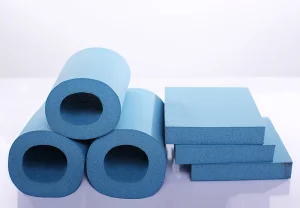
Executive Summary: The Macroeconomics of Thermal Control & Cost Estimation
In modern building construction, industrial fluid transport, and cryogenic logistics, heat insulation is no longer just a regulatory safety requirement—it is a critical driver of structural operational efficiency and environmental sustainability. For global HVAC design firms, plant operators, and structural consultants, understanding the direct costing metrics of insulation materials is central to accurate budget forecasting.
The China Pipe Insulation Cost Calculator acts as an analytical bridge, converting raw chemical formulation variables, structural dimensions, and logistical coefficients into clear financial projections. By understanding the underlying cost components of NBR/PVC elastomeric rubber, rock wool, and synthetic polymer options, project engineers can optimize specifications for maximum return on investment (ROI).
Information Gain Analysis: While standard estimators only compute linear running foot dimensions, professional-grade cost models evaluate thermal energy losses alongside installation expenses. A comprehensive calculation includes structural density (40-55 kg/m³), wall thicknesses (6mm to 50mm), and continuous operating limits (-40°C to 105°C) to prevent system failure due to surface condensation or heat escape.
Global Market Landscape of Elastomeric Insulation
The global market for elastomeric foam insulation is growing rapidly due to strict energy codes and the expansion of the cold chain sector. Elastomeric rubber, especially nitrile-butadiene rubber (NBR) and polyvinyl chloride (PVC) blends, is preferred for low-temperature applications. Unlike open-cell products, closed-cell structures have a higher resistance to moisture absorption, preventing condensation-induced corrosion (CUI) in industrial steel pipelines.
China remains the leading hub for these specialized materials. Factories in Dacheng, the heart of China’s green building materials sector, have integrated upstream petrochemical supply chains with advanced automated continuous extrusion lines. This lets them offer high-end Class 0 and Class 1 flame-retardant materials at competitive price points compared to regional distributors in North America or Western Europe.
600K+
Annual Capacity (m³)
40+
Years Industry Expertise
66+
Global Export Markets
98%
Closed Cell Rate
Calculating the Real Costs: A Structural Breakdown
Calculating insulation costs requires assessing three core variables: raw material cost, thickness requirements, and physical shape/form factors. The table below highlights how specific attributes affect standard factory pricing matrices:
Insulation Type
Density Range
Thickness Options
Core Application
Price Index Factor
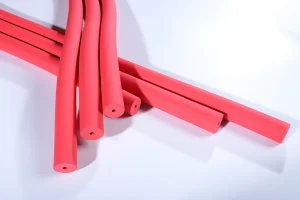
NBR/PVC Elastomeric Foam Pipe
40 - 55 kg/m³
9mm - 40mm
HVAC, Chilled/Hot Water Lines
Baseline Standard (1.0x)
Cryogenic Low-Temp Elastomer
50 - 65 kg/m³
13mm - 50mm
LNG Pipelines, Cold Chain Labs
High-Performance (1.6x)
Acoustic Shock Pad Panels
60 - 80 kg/m³
6mm - 25mm
Gym Floors, Mechanical Rooms
Moderate Specialty (1.2x)
Industrial Rock Wool Blankets
80 - 120 kg/m³
30mm - 100mm
High-Temp Steam Pipes (>250°C)
Thermal Capacity Focus (1.1x)
Industrial Applications & Localized Use Cases
Thermal insulation needs vary significantly depending on the application context:
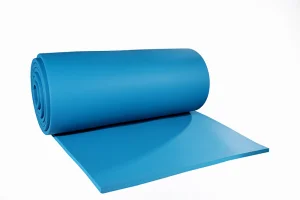
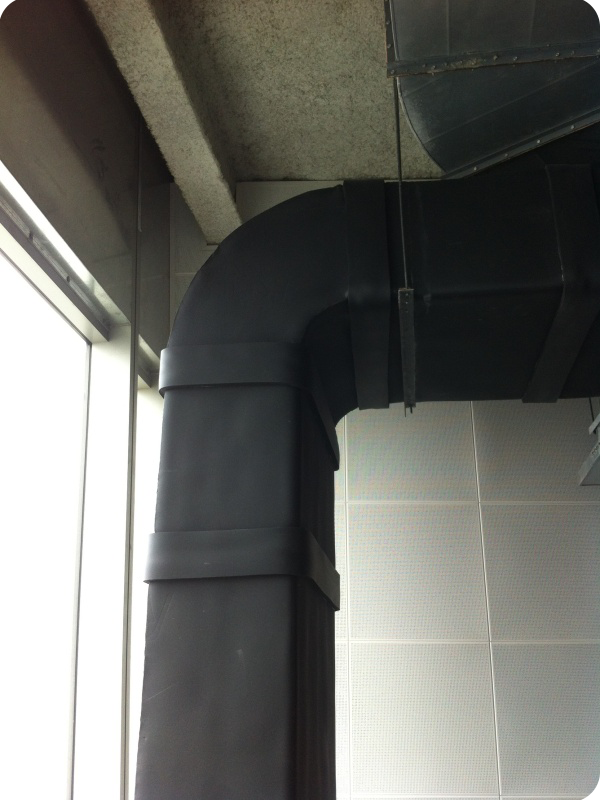
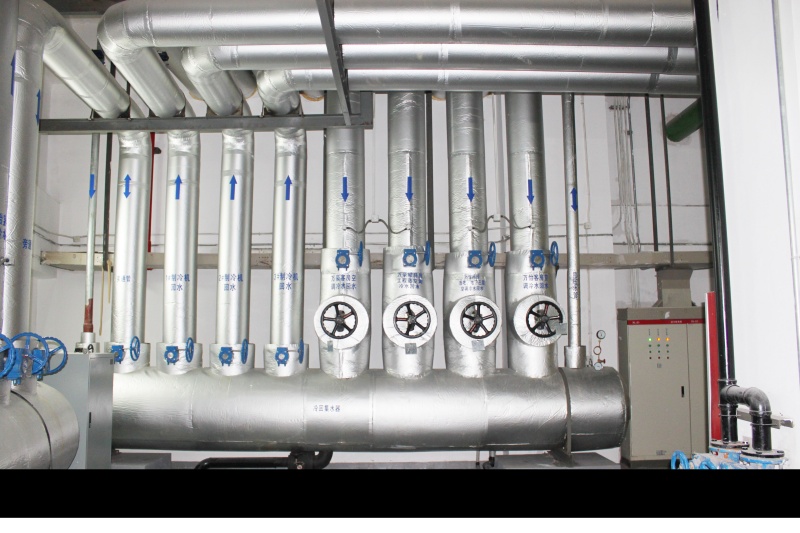
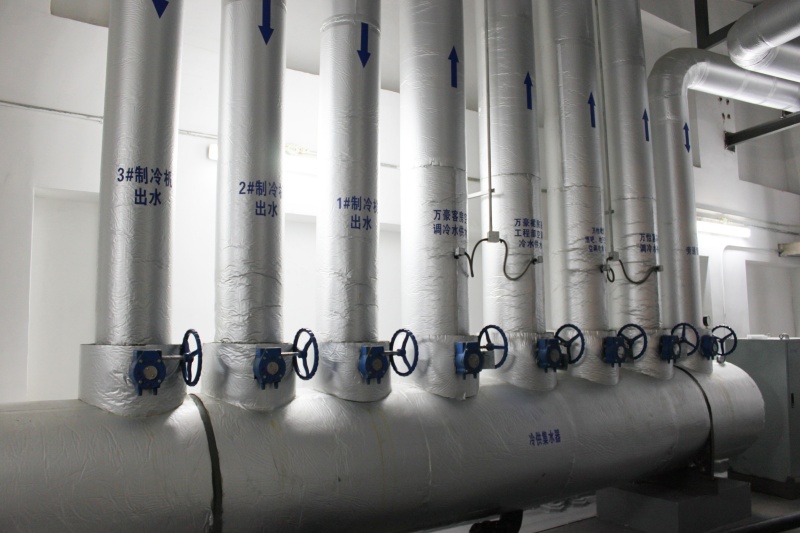
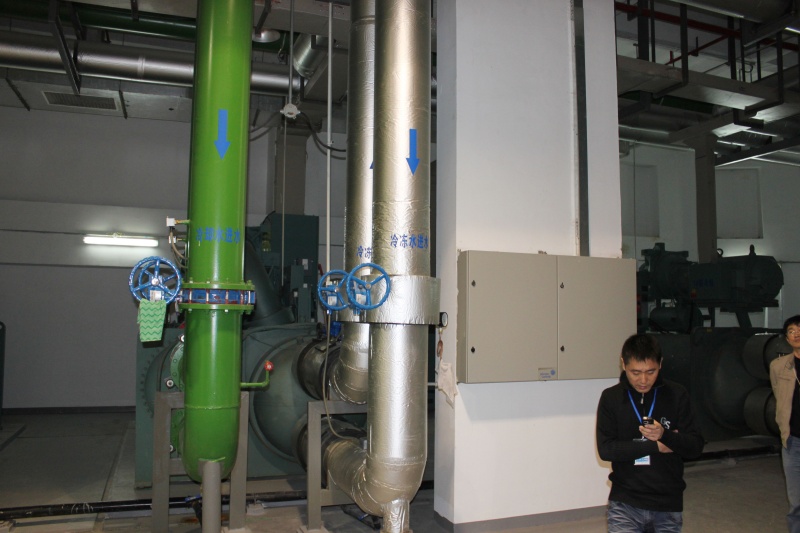
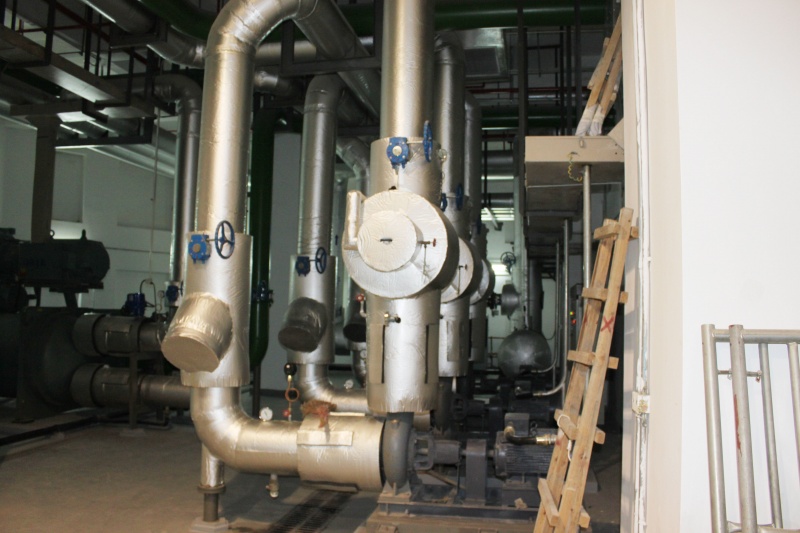
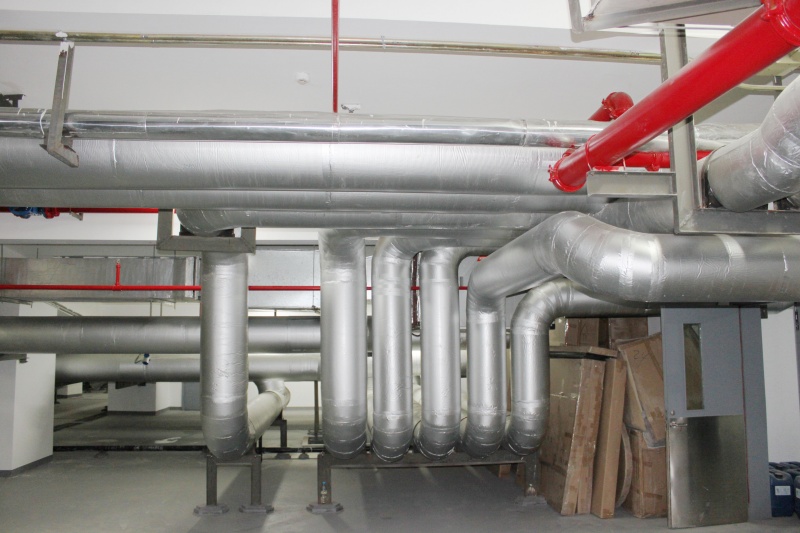
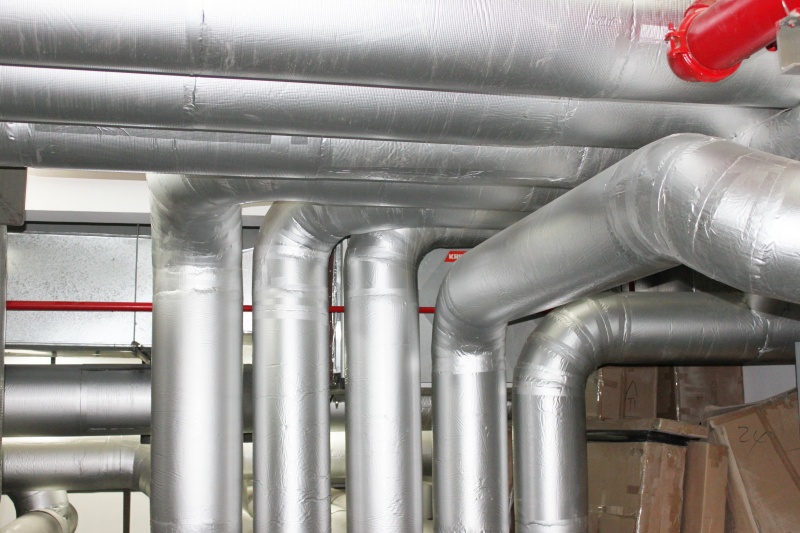
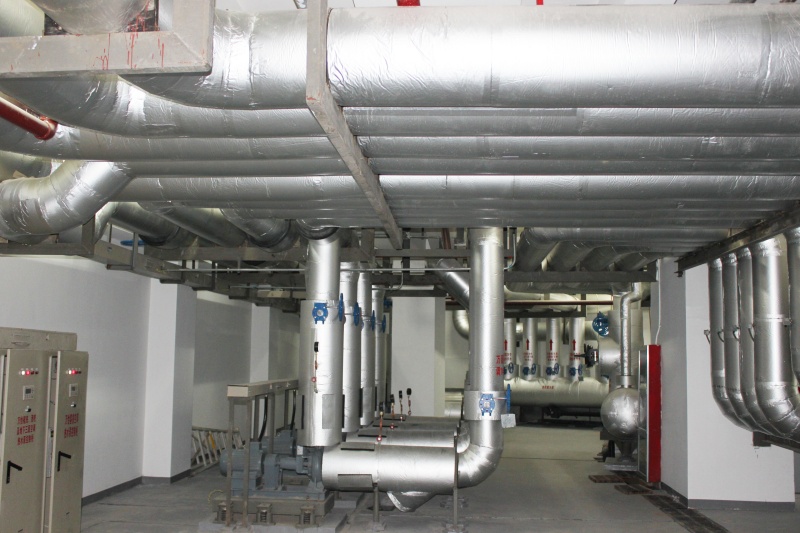
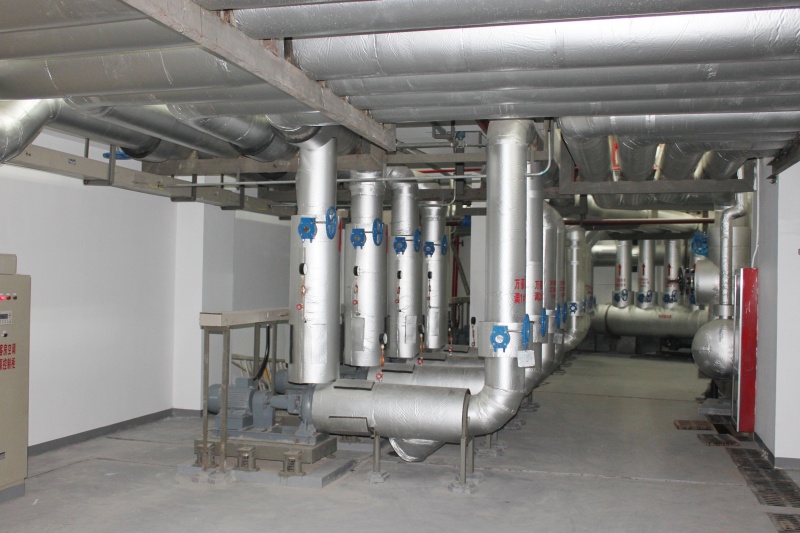
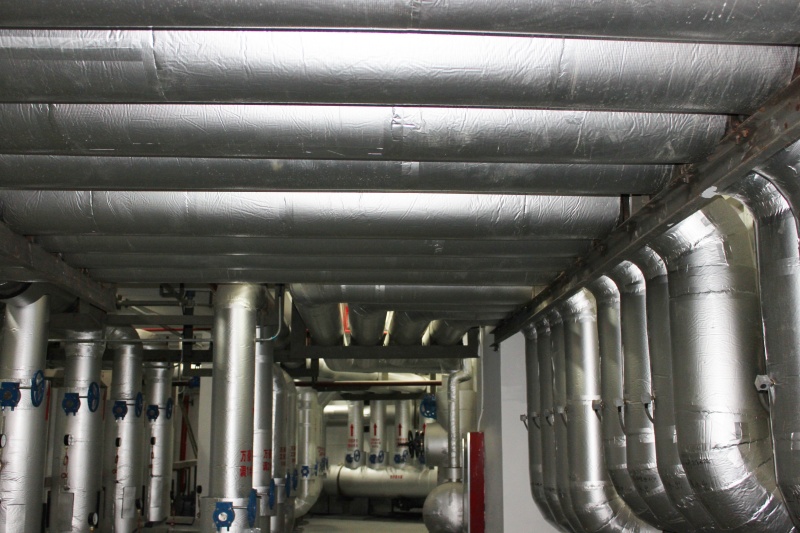
HVAC & Commercial Real Estate: Prevention of condensation on chilled water pipes is critical. Here, closed-cell NBR/PVC sheets and pre-formed tubes are used to limit moisture accumulation, which can lead to mold development.
Heavy Petrochemical & Cryogenics: When dealing with liquefied natural gas (LNG) at temperatures down to -196°C, specialized low-temperature elastomeric sheets are layered on pipelines to prevent thermal shock and rapid energy gain.
Acoustic & Mechanical Dampening: High-density gym shockproof pads and acoustic panels block noise in central mechanical rooms and multi-family residential structures.
Kingflex Manufacturing & R&D Capacity
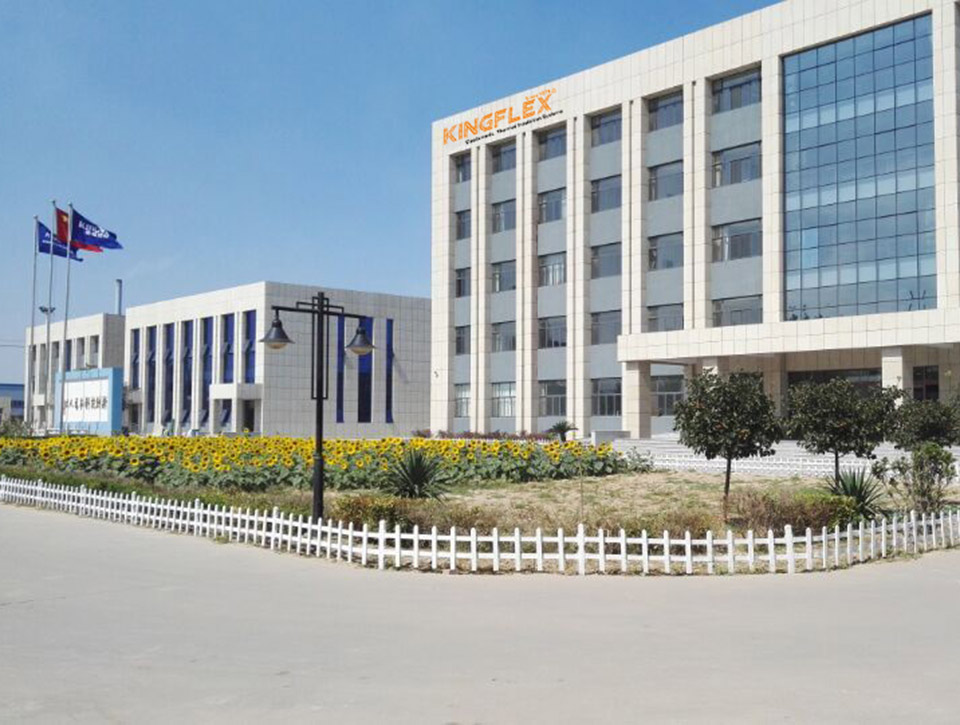
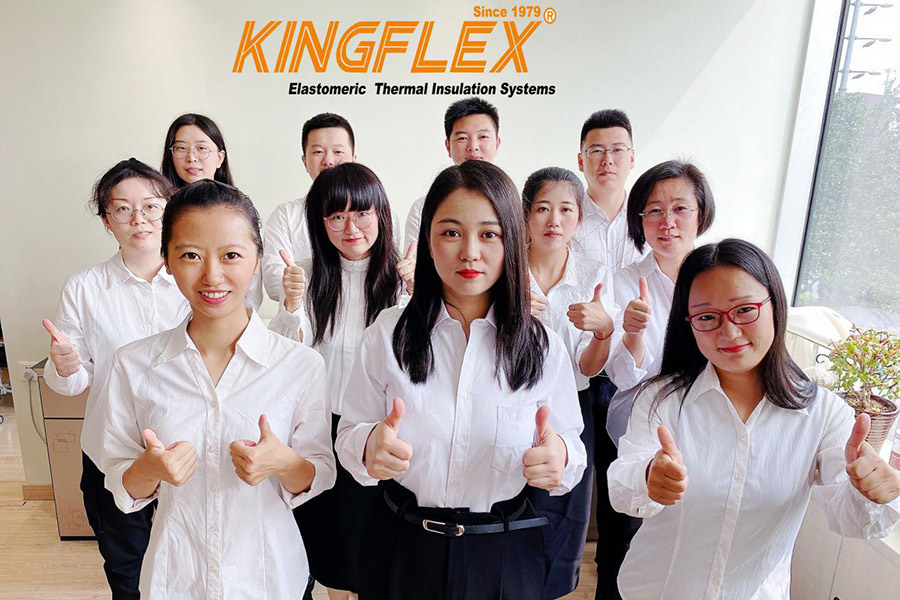
Located in Dacheng, China—a hub for energy-saving green building materials—Kingflex Insulation Co., Ltd. operates as a leading manufacturing and trading combo. With 5 large automatic assembly lines and an annual capacity exceeding 600,000 cubic meters, Kingflex is a designated supply enterprise for chemical and power ministries.
Our production process relies on state-of-the-art continuous foaming and extrusion equipment, ensuring uniform cell distribution and consistent wall thicknesses. Backed by 8 R&D engineers, we specialize in high-end OEM thermal management solutions exported to over 66 countries.
Technical Performance Standards
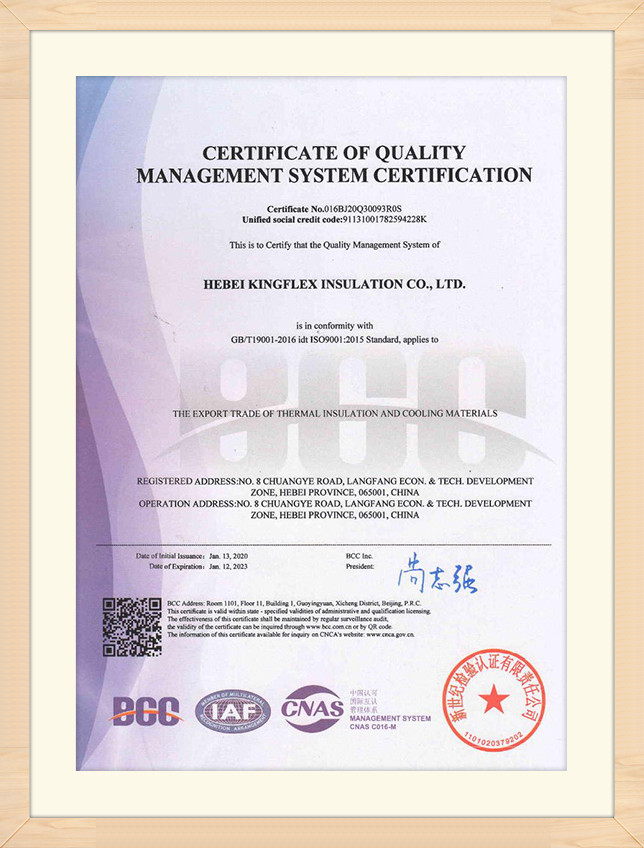
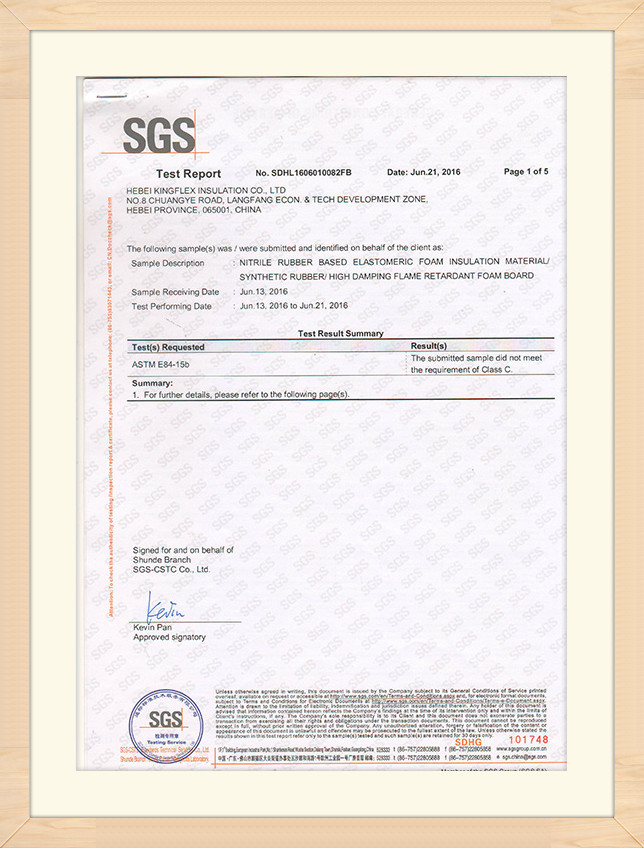
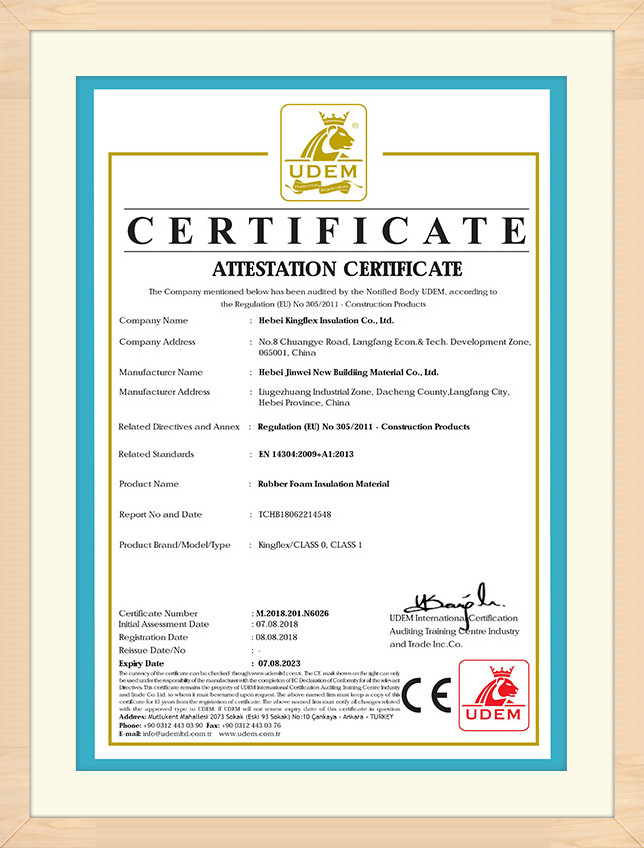
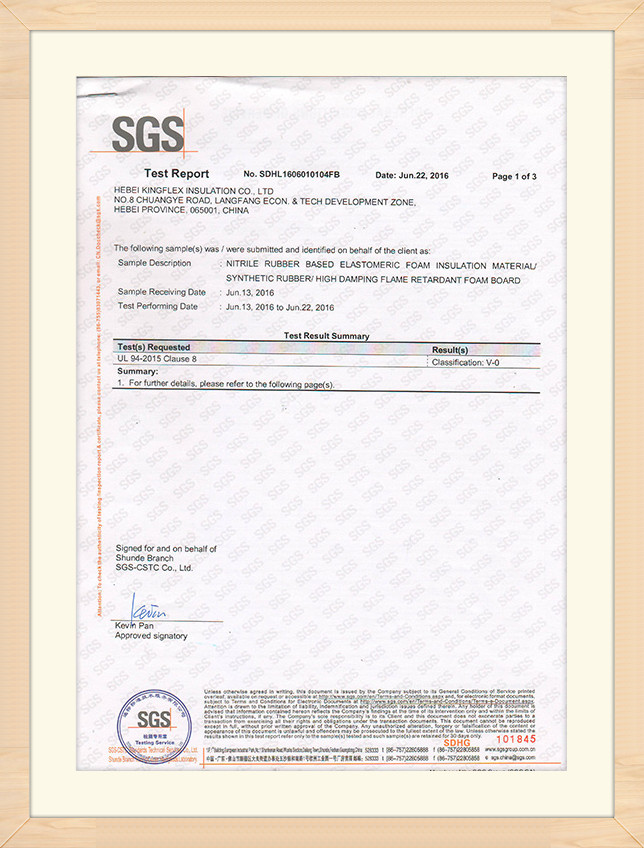
Industrial safety regulations require compliance with international fire, chemical safety, and smoke toxicity codes. Kingflex products undergo rigorous testing and carry certifications including BS 476, CE, REACH, RoHS, UL94, and ASTM.
Future Outlook & Material Technology Roadmap
The next generation of insulation focuses on environmental sustainability and advanced thermal properties. The industry is moving from standard petrochemical bases to bio-based polymers and zero-ODP (Ozone Depletion Potential) foaming agents. At the same time, real-time monitoring sensors are being integrated under insulation layers to alert maintenance teams to any moisture penetration or pipeline corrosion (CUI) before failure occurs.
Product Specifications: Sheet Rolls & Pipe Tubes
Product Profile
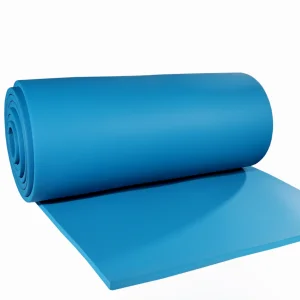
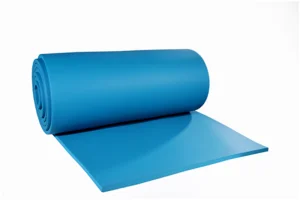
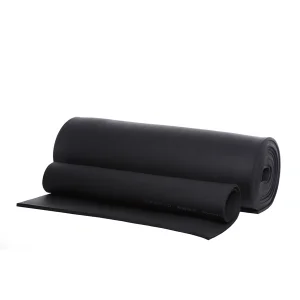
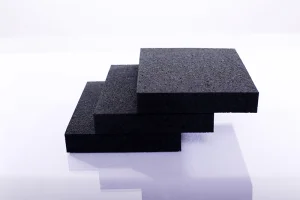
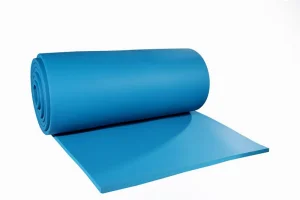
Black Rubber Foam Insulation Sheet Roll
An engineered solution designed for wide-diameter ducts, tanks, and structural panels. Made from NBR/PVC elastomeric rubber.
Thickness Range: 6mm - 50mm
Density Range: 40 - 55 kg/m³
Service Temperature: -40℃ to 105℃
Key Advantages: High closed-cell rate (>98%), low moisture absorption, low thermal conductivity, and Class 0/1 flame retardancy.
Product Profile
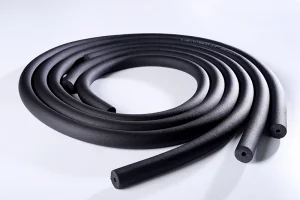
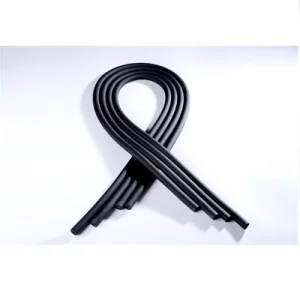
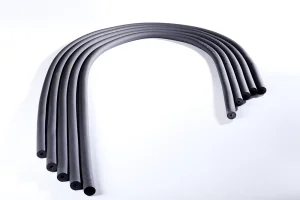
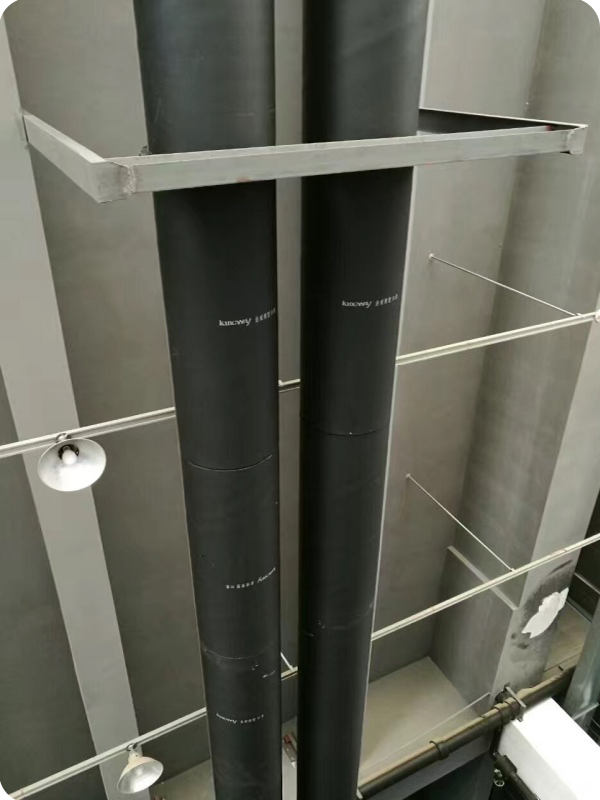
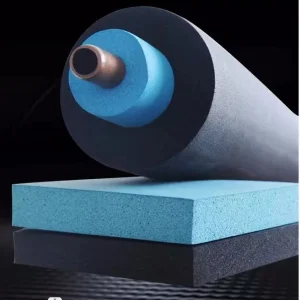
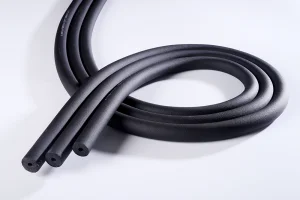
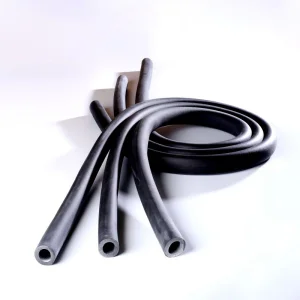
Black Rubber Foam Insulation Pipe
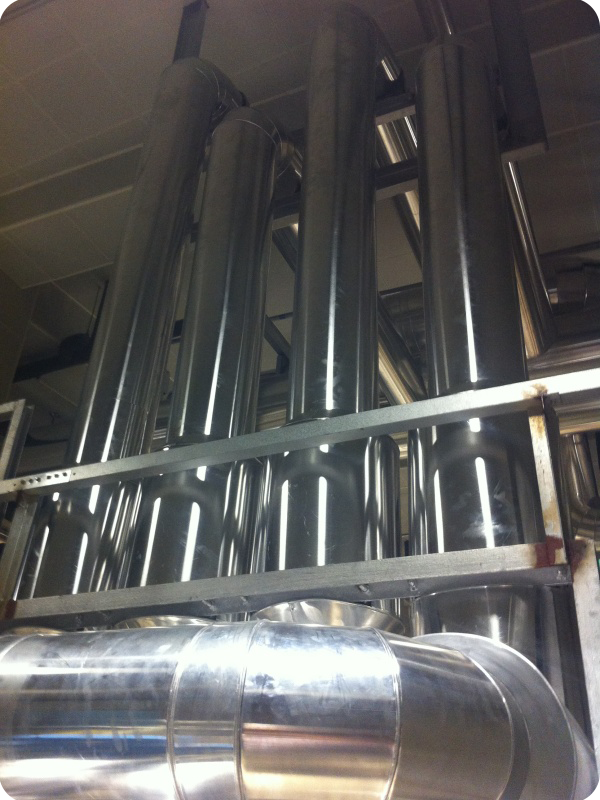
Pre-slit and pre-formed cylindrical insulation tubes, designed for quick installation on plumbing and HVAC copper lines.
Internal Diameter (ID): 6mm - 114mm
Wall Thickness: 9mm - 40mm
Density Range: 40 - 55 kg/m³
Key Advantages: Uniform wall thickness, easy application, highly flexible, and protects pipes against freezing and cracking.
Our Global History & Legacy
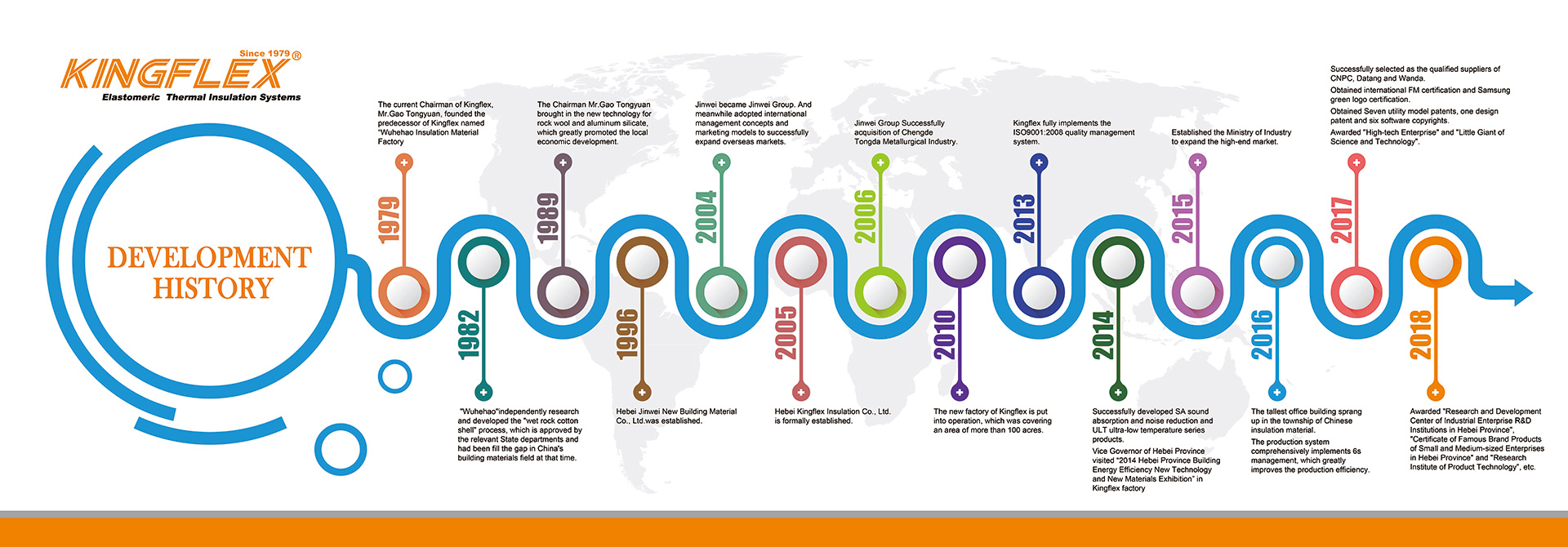
Established by the Jinwei Group, which has a manufacturing history spanning more than 40 years, Kingflex was built on a foundation of reliability. Founded in 1979, Jinwei Group was the first manufacturer of thermal insulation materials north of the Yangtze River. This decades-long experience supports our manufacturing processes, raw material selection, and quality management.
Verified Customer Engagement & Sourcing Success
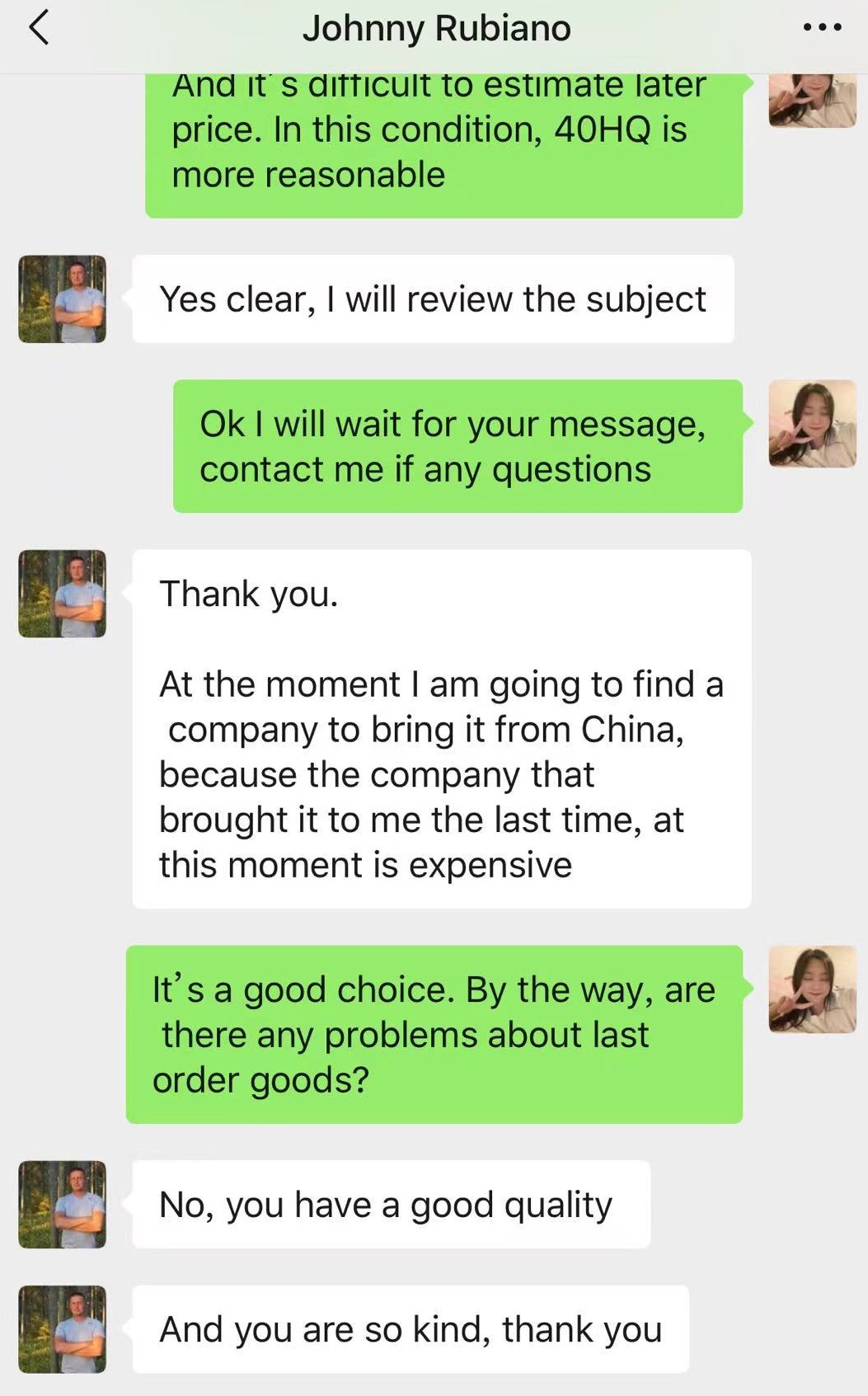
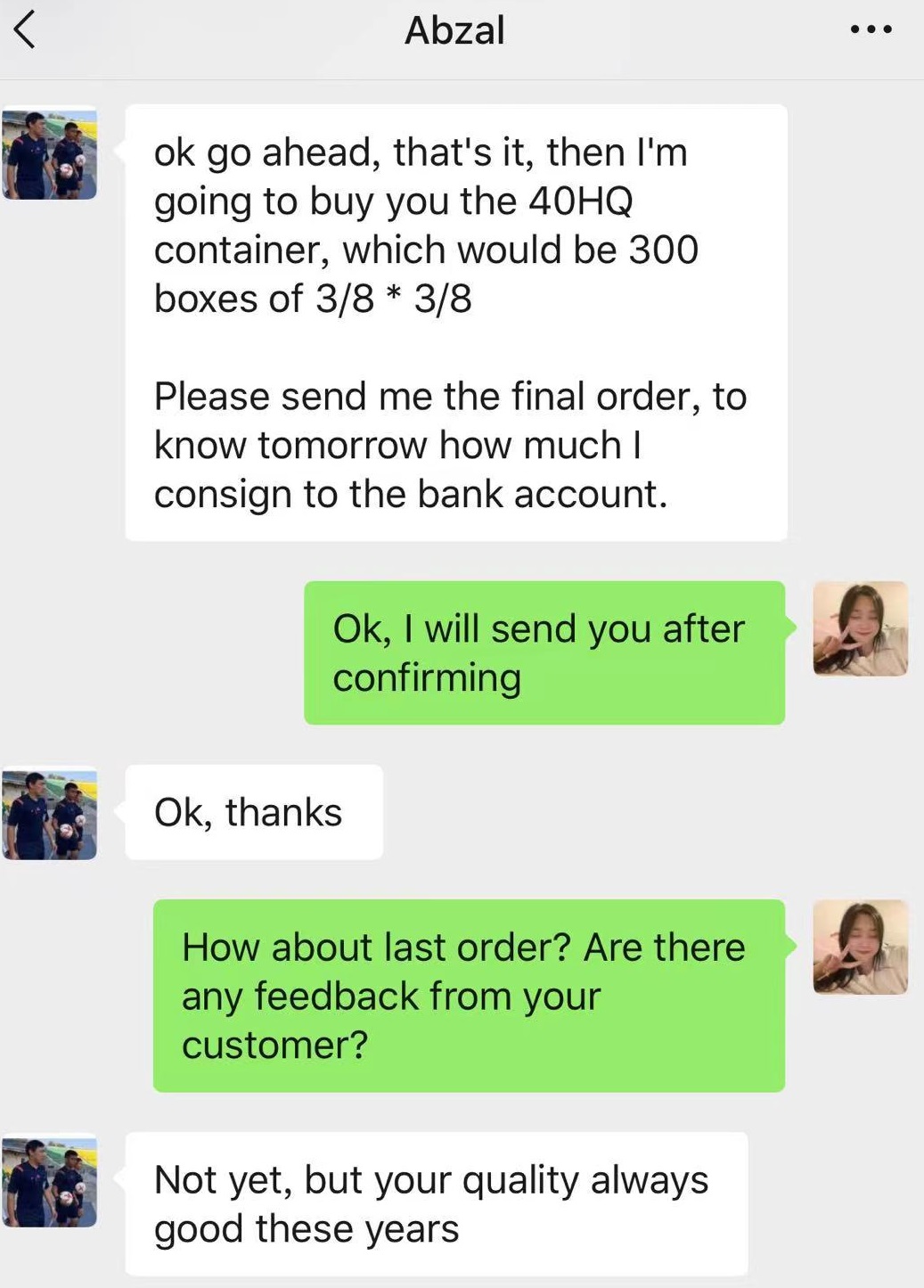
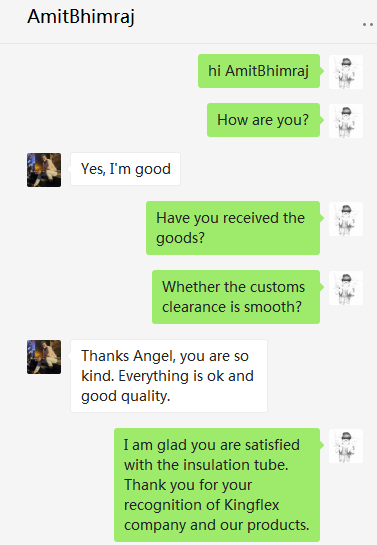
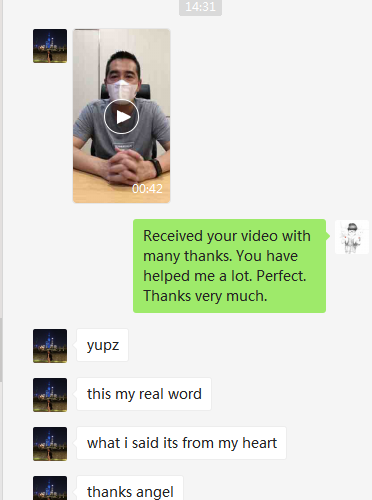
We work closely with structural design engineers and material buyers to ensure clear technical parameters, accurate quotes, and reliable delivery times. Below are direct insights into our client communication and project support workflows:
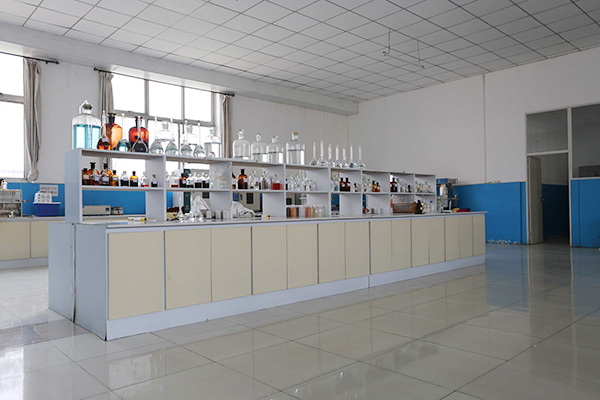
Advanced Research & Cleanroom Testing
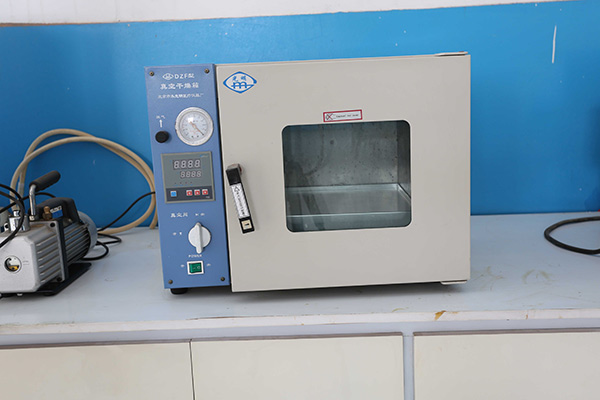
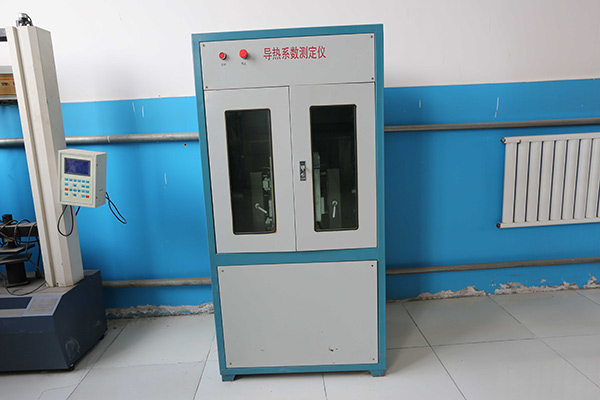
Continuous investment in testing facilities allows us to measure thermal conductivity under varied environments, verifying that batch performance aligns with ASTM C534 guidelines.
Frequently Asked Questions (FAQ)
Q1: What is elastomeric rubber foam insulation used for?
A1: It is primarily used to control heat flow and prevent condensation on HVAC ducts, air conditioning lines, cold chain piping, and industrial systems. Its closed-cell structure also provides sound attenuation properties, making it useful for reducing noise in mechanical installations.
Q2: Is Kingflex rubber foam insulation fire resistant?
A2: Yes, our elastomeric products are formulated with flame-retardant additives. They achieve Class 0 and Class 1 ratings under BS 476 testing, meaning they resist ignition and self-extinguish when flame exposure stops, complying with international building codes.
Q3: What is the difference between rubber foam and rock wool insulation?
A3: Rubber foam is flexible and features a closed-cell structure that acts as an integrated vapor barrier, making it ideal for HVAC and low-temperature systems. Rock wool has high heat resistance, suitable for industrial steam systems operating above 200°C, but it requires a separate external vapor barrier to prevent moisture accumulation.
Q4: Do you provide customized insulation products?
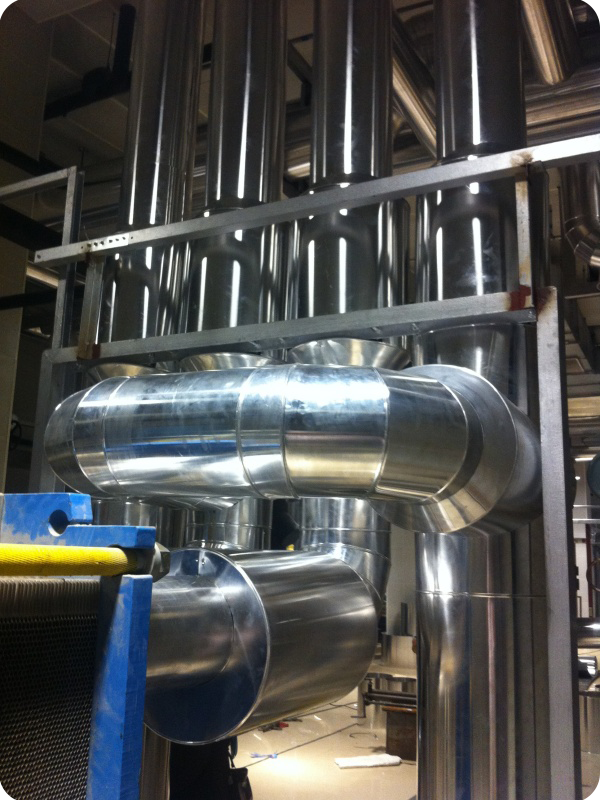
A4: Yes, we offer full OEM services. We can adjust the internal diameter (ID), wall thickness, color, surface finish (including aluminum cladding), and density to meet specific project needs.
Q5: What certifications do your products have?
A5: Our materials are certified under BS 476, CE, REACH, RoHS, UL94, and ASTM. This documentation ensures the safety and performance standards required by public infrastructure and large commercial construction projects.
Q6: Does Kingflex products have traceability?
A6: Yes. Every production run is coded, allowing us to trace materials back to their specific production dates, raw material batches, and quality control tests.
Q7: What thickness of Rubber foam insulation sheet roll can you produce?
A7: Our automated continuous lines can manufacture elastomeric sheets in thicknesses ranging from 6mm to 50mm, accommodating a wide range of industrial applications.
Q8: What is the service life of rubber plastic pipe and board?
A8: When properly installed and maintained within its design temperature range (-40°C to 105°C), the insulation has an expected service life of 10 to 15 years.
Q9: How does the Pipe Insulation Cost Calculator estimate total project pricing?
A9: The calculator processes variables including pipe diameter, insulation thickness, ambient humidity, fluid temperature, local labor rates, and shipping costs. This calculation balances material costs against thermal efficiency requirements to determine the optimal insulation solution.
Kingflex Factory & Operations Portfolio
A comprehensive view of our production lines, raw materials, shipping procedures, and project sites globally.
 Kingflex