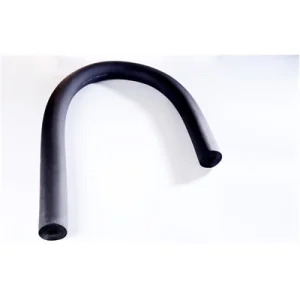
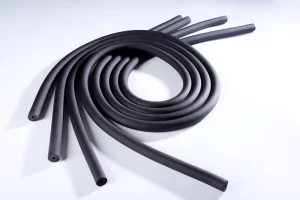
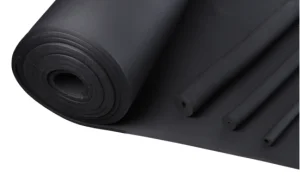
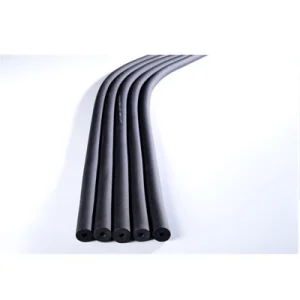
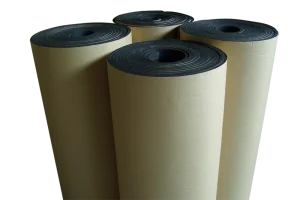
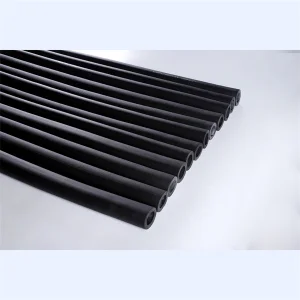
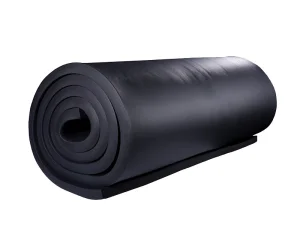
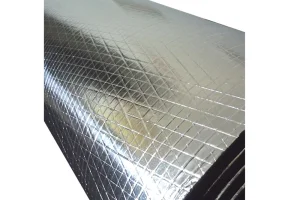
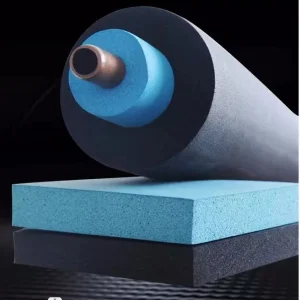
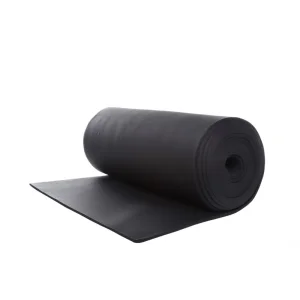
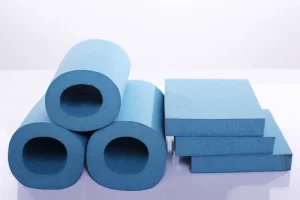
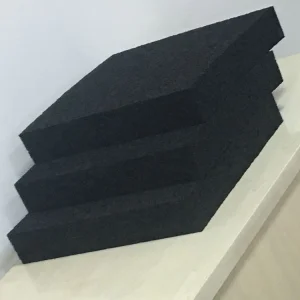
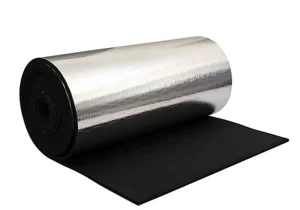
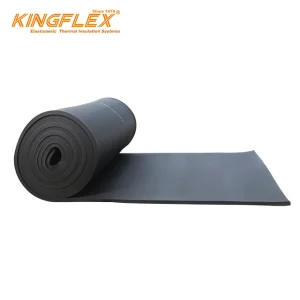
In thermal engineering, calculating the appropriate wall thickness of elastomeric insulation is critical to achieving two main goals: minimizing heat transfer (energy efficiency) and preventing moisture condensation on the insulation outer surface. For refrigeration and HVAC pipelines operating below ambient temperature, surface condensation can lead to structural damage, mold development, and severe system efficiency decay.
Using high-grade NBR/PVC closed-cell elastomeric foam insulation (such as Kingflex Elastomeric Insulation Systems) is an industry-standard solution. However, selecting the precise thickness requires understanding the interplay between fluid temperature, ambient temperature, relative humidity (RH), pipe sizing, and the thermal conductivity (λ-value) of the selected insulation material.
Condensation occurs when the surface temperature of the pipe insulation drops below the dew point of the surrounding air. The minimal thickness required to avoid condensation can be derived using the Fourier Law of heat conduction paired with ambient convective heat transfer formulas. Achieving the balance means designing thickness parameters based on maximum ambient temperatures and relative humidity levels.
Our standard manufacturing guidelines for NBR/PVC elastomeric rubber foam materials deliver uniform performance across a wide service temperature window. The parameters below reflect the standard operating characteristics of our baseline elastomer sheets and tubes:
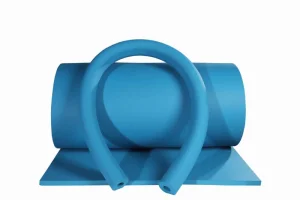
Advanced Closed-Cell NBR/PVC Elastomeric Rubber Foam. Developed with over 98% closed-cell rating for maximum moisture vapor resistance.
Precisely controlled between 40 kg/m³ to 55 kg/m³ to balance thermal resistance with structural flexibility and tear resistance.
Maintains stable mechanical and thermal properties over a broad range of -40℃ to +105℃, making it suitable for hot water systems, refrigeration, and low-temperature process lines.
The table below provides recommended nominal thicknesses (in mm) for elastomeric foam insulation on carbon steel and copper pipes under standard ambient operating conditions (Ambient Temp: 30°C, relative humidity percentages as marked).
| Nominal Pipe Size (NPS) | Outer Diameter (mm) | Cold Lines (0°C to 10°C) @ 75% RH |
Chilled Water (-5°C to 0°C) @ 80% RH |
Low-Temp Process (-20°C to -6°C) @ 85% RH |
Cryogenic Systems (-40°C to -21°C) @ 85% RH |
|---|---|---|---|---|---|
| 1/4" to 1/2" | 13.7 mm - 21.3 mm | 9 mm | 13 mm | 19 mm | 25 mm |
| 3/4" to 1-1/4" | 26.7 mm - 42.2 mm | 13 mm | 19 mm | 25 mm | 32 mm |
| 1-1/2" to 2" | 48.3 mm - 60.3 mm | 19 mm | 25 mm | 32 mm | 38 mm |
| 2-1/2" to 4" | 73.0 mm - 114.3 mm | 25 mm | 32 mm | 38 mm | 50 mm |
| 5" to 8" | 141.3 mm - 219.1 mm | 32 mm | 38 mm | 50 mm | Dual layer (25 + 32 mm) |
| 10" and above | 273.0 mm + | 38 mm | 50 mm | Dual layer (32 + 32 mm) | Consult Engineering Dept |
When calculating thickness for extreme conditions not listed in standard tables, engineering teams apply the following heat balance formula:
q = (Tp - Ta) / [ (D_out * ln(D_out / D_in)) / (2 * λ) + 1 / (hc * D_out) ]
Where:
In highly humid regions like the Gulf Cooperation Council (GCC) area, outdoor ambient conditions frequently reach 45°C dry bulb temperatures and 90% relative humidity. Standard thickness parameters fail in these regions, causing massive pipeline sweating. Kingflex designs dual-layer systems and high-density NBR tubes with aluminum jacketing to resist extreme solar loading and prevent external condensation on chilled water pipes.
European design standards (EN 14304) place strict requirements on flame spread and smoke development indices. Kingflex NBR/PVC elastomeric foam complies with BS 476 Part 7 (Class 1) and European Class B fire classifications. The low flame spread rating prevents toxic flame propagation in mechanical rooms, stairwells, and structural pathways.
For systems handling liquid natural gas (LNG) or industrial gases operating between -40°C and -165°C, moisture ingress can result in ice formation that crushes the cell structure of ordinary insulation. We specialize in custom-engineered multilayer cryogenic systems that feature specialized vapor barriers and outer structural armor to maintain thermal integrity over years of continuous operation.
The global insulation market is undergoing a transition driven by carbon reduction goals and environmental legislation. At Kingflex, our R&D roadmap focuses on:
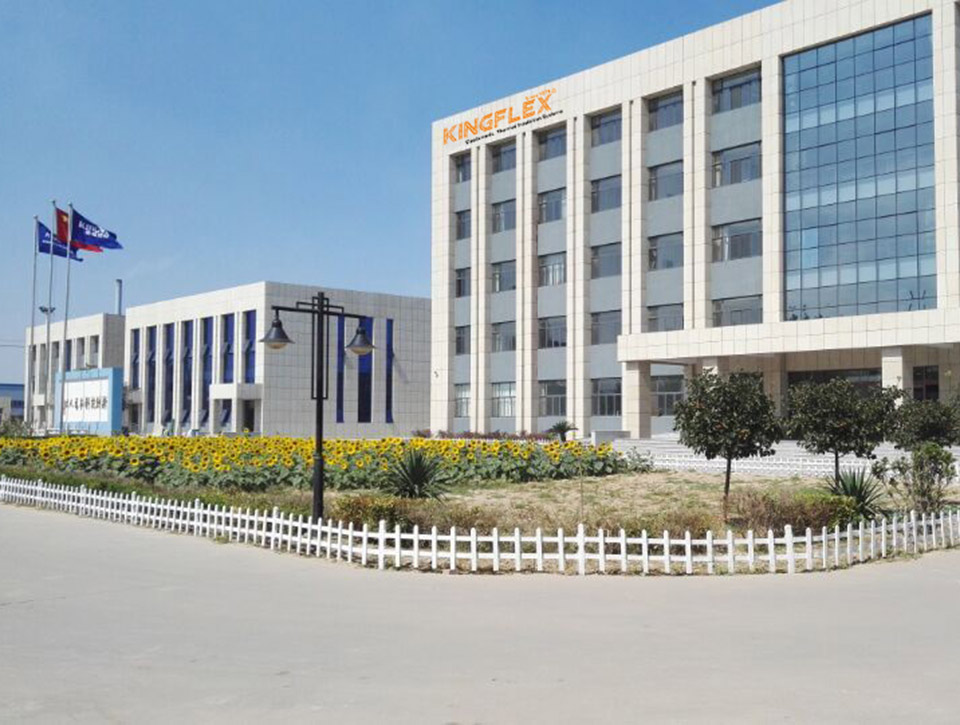
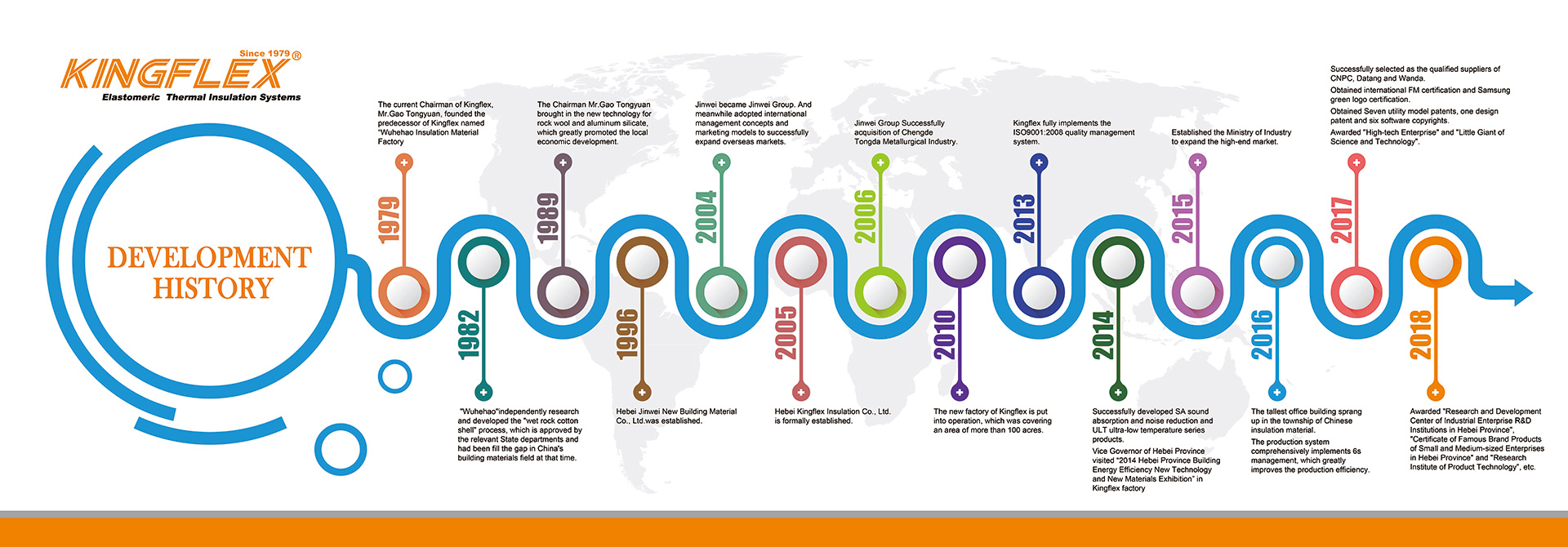
Kingflex Insulation Co., Ltd. operates a high-capacity manufacturing facility in Dacheng, China—a hub for green building materials. Backed by the Jinwei Group, which has a heritage spanning back to 1979 as a pioneer of northern thermal insulation materials, we offer robust supply chain reliability to global markets.
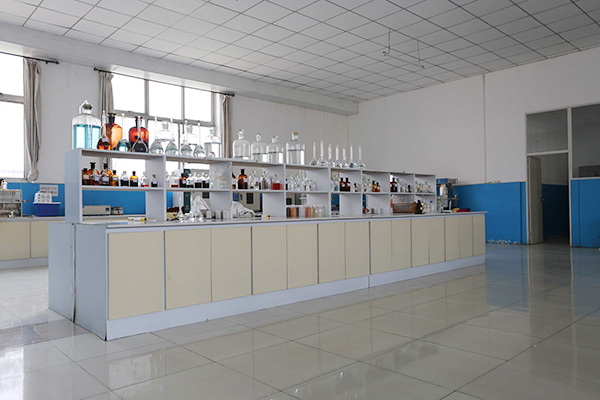
Operating 5 high-speed automated extrusion and foaming lines, we deliver an annual production capacity exceeding 600,000 cubic meters. This automated setup ensures consistent cell geometry, dimensional stability, and stable thermal conductivity values across large production runs.
Our raw material sourcing network is vertically integrated, mitigating the price volatility of synthetic rubber and foaming polymers. This allows us to offer competitive global quotes while maintaining compliance with international standards.
Our quality assurance system tracks every production batch, from raw compound mixing to final packaging. Each product carries a tracking code to confirm its origin and compliance with international mechanical and structural performance codes.
Meets the stringent British Standard for Class 1 flame spread resistance, verifying low surface flame spread in high-risk zones.
Fully compliant with European thermal insulation standards under EN 14304, allowing seamless distribution across the European Union.
Formulated without harmful brominated flame retardants, plasticizers, or ozone-depleting heavy metals, aligning with global green building standards.
Meets the physical property requirements of ASTM C534, ensuring appropriate design values for thermal conductivity and moisture absorption.
It is primarily used for HVAC ducts, chilled water systems, air conditioning pipes, building thermal insulation, industrial process line cold insulation, and sound attenuation applications. Its closed-cell structure makes it particularly effective in preventing condensation on cold surfaces.
Yes, our rubber foam products are formulated with fire-retardant additives. They meet international standards such as BS 476 Part 7 Class 1 and UL94, ensuring low flame spread and self-extinguishing behavior in case of fire.
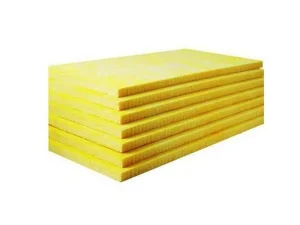
Rubber foam is a flexible, closed-cell, moisture-proof material ideal for HVAC, refrigeration, and low-to-medium temperature applications. Rock wool is a high-temperature, open-cell fibrous material best suited for high-heat industrial pipes and applications requiring structural fire protection.
Yes, we provide comprehensive OEM and ODM services. This includes customizing insulation tube wall thicknesses, internal diameters, sheet configurations, self-adhesive backings, and exterior protective aluminum foils.
Kingflex products have passed multiple global certification protocols, including BS 476, CE, REACH, RoHS, UL94, and ASTM, verifying quality and regulatory compliance in different project environments.
Yes. Every production batch is logged with tracking data that references raw material lots, extrusion profiles, foaming parameters, and QA checks, providing transparent traceability from factory to project site.
We can manufacture continuous sheet rolls and flat boards in thicknesses ranging from 6 mm to 50 mm. If a project requires thicker profiles, multi-layered installations are recommended.
Under typical indoor operating conditions and proper installation, the material maintains its performance for approximately 10 to 15 years. Direct outdoor exposure without jacketing or protective coatings will shorten the service life due to UV radiation.