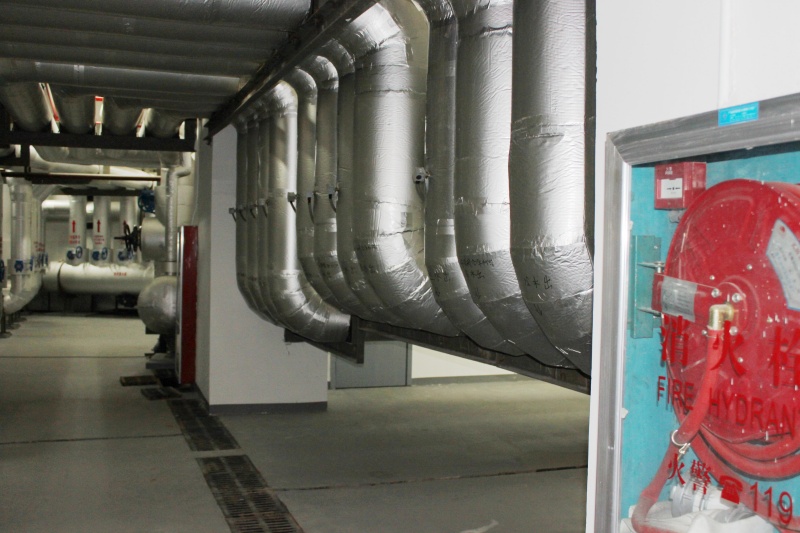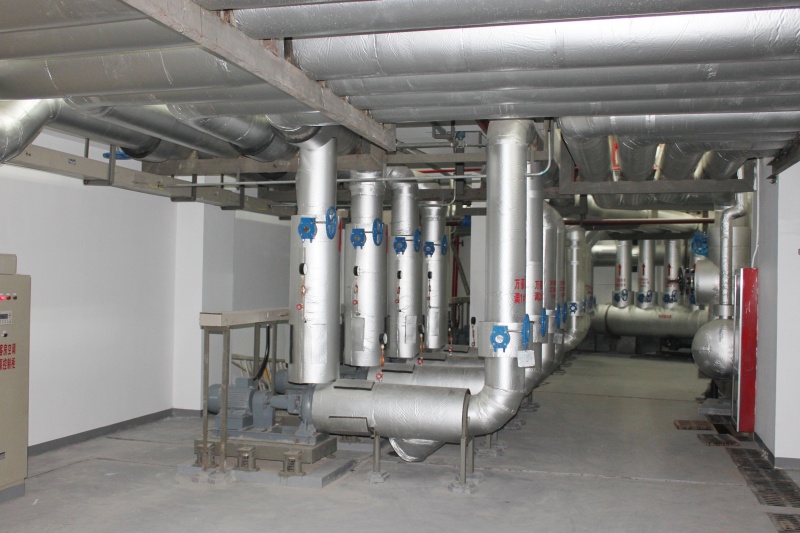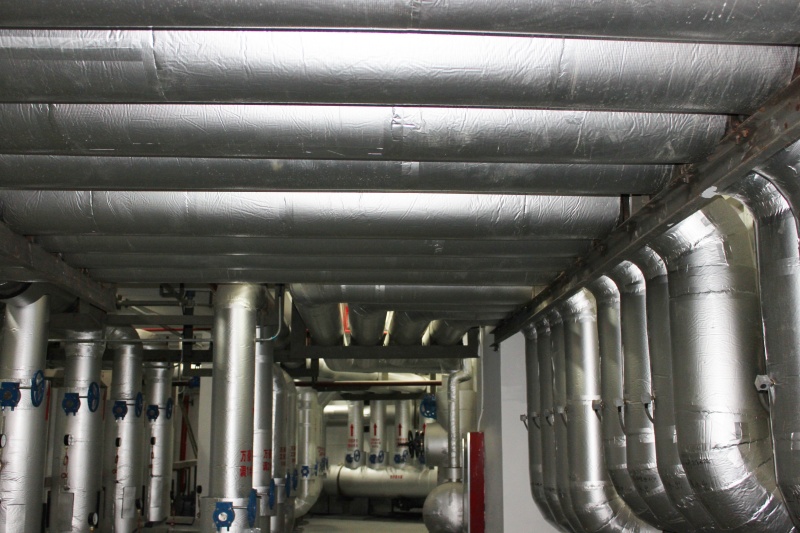
China Piping Insulation Procedure: Technical Whitepaper & Pricelist
Mastering Thermodynamic Efficiency & Moisture Control in HVAC, Industrial, and Cryogenic Fluid Systems with Closed-Cell Rubber Foam Tech

Standard Piping Insulation Procedure: Engineering Manual

A meticulous step-by-step structural methodology for thermal insulation applications on process, chemical, and building pipelines.

Phase 1: Surface Treatment

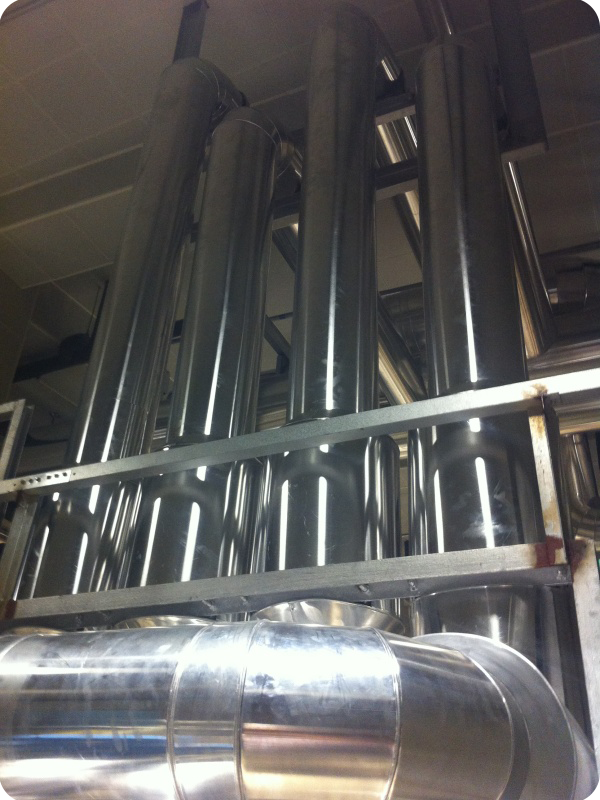
Before executing any piping insulation procedure, pipelines must be free of moisture, corrosion, oil, and dust. Steel structures must receive a dual anti-corrosive primer coating. The pipeline must pass its hydrostatic pressure and integrity tests prior to thermal cladding wrapping.

Phase 2: Sizing & Cutting

Utilize precise layout templates to cut NBR/PVC elastomeric rubber foam sheets or tubes. When insulating elbows, tees, and flanges, make miter-cut sections using specialized layout tools. Avoid compressing or pulling the material to prevent changes in wall thickness.

Phase 3: Adhesive Bonding

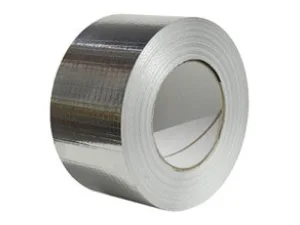
Apply a uniform coat of specialized contact adhesive on both joint surfaces. Allow the adhesive to become tacky (the dry-touch rule) before joining the seams. Press the edges together with firm pressure. Use aluminum foil thermal tape on joints to create a secure vapor barrier.

Controlling Condensation

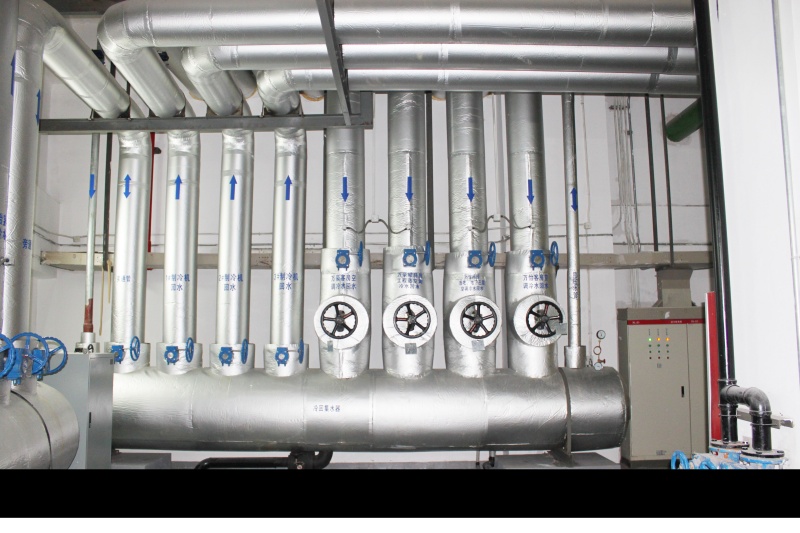
On chilled-water and refrigeration pipes, the primary failure mode is vapor infiltration. Keep the closed-cell rate above 98% to prevent condensation. This stops moisture from penetrating the system and causing corrosion under insulation (CUI).

Expanding & Contracting

Piping systems expand and contract during thermal cycles. Make sure elastomeric insulation tubes are installed with a slight axial compression. This prevents joints from separating during cold contraction cycles.

Quality Inspection

Once installation is complete, visually inspect all seams and joints. Perform physical checks to ensure there are no gaps, voids, or compressed sections. Pay special attention to hangers and support sleeves.

Global Industry Trends in Mechanical Pipe Cladding

Analyzing the shift toward energy-efficient, fire-safe, and low-VOC elastomeric structures.

The Evolution of Closed-Cell Microstructure Technology

In modern HVAC and industrial engineering, insulation material choice is based on long-term thermal stability. Traditional open-cell materials are vulnerable to moisture, which raises thermal conductivity (λ) when wet.

Modern elastomeric rubber foam production now relies on advanced micro-foaming technology. This creates a high closed-cell density (>98%), ensuring stable thermal resistance in high-humidity conditions.

Additionally, regulatory focus on green buildings has driven demand for halogen-free and low-VOC insulation products. This shift reduces toxic smoke emission risks during industrial fires.

R&D Lab Research
600K+
Annual Output (Cubic Meters)
66+
Global Exporting Countries
40+
Years of Group History
5
Automatic Production Lines

Procurement Intelligence & Pricelist Structure

Understanding cost drivers, specification metrics, and sourcing strategies for large projects.

Density vs. Material Cost

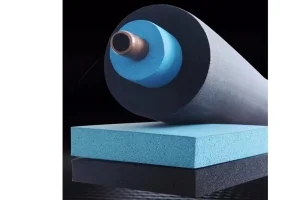
Raw material formulation directly determines market prices. Premium NBR/PVC elastomeric rubber foam uses high-grade synthetic rubber, which maintains density between 40-55 kg/m³. Lower-cost options often cut back on critical polymer content.

Fire Classification Compliance

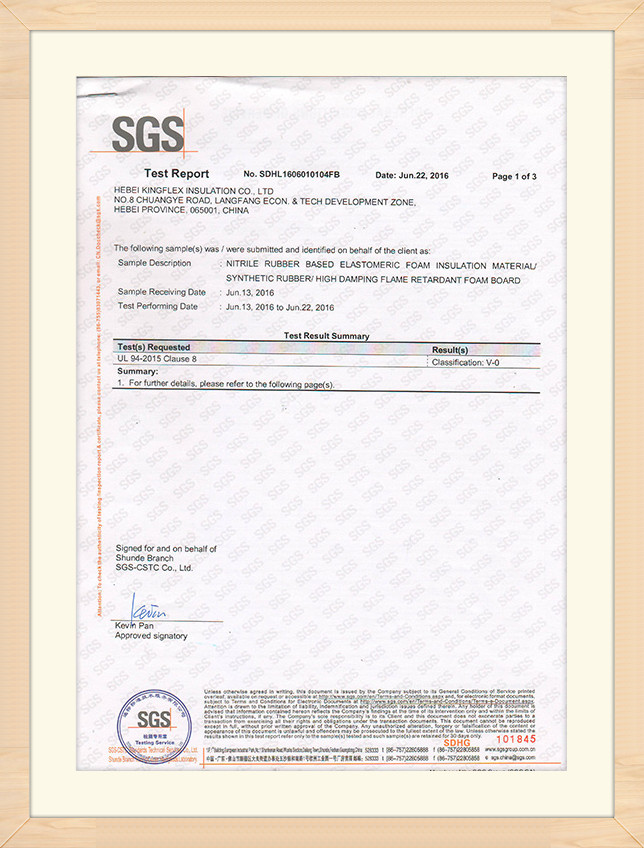
Safety compliance affects project pricing. Standard products meet Class 1 building codes. Projects requiring high-end flame retardancy demand products certified to BS 476 Class 0, ASTM E84, or UL 94 V-0 standards.

Lamination Customization

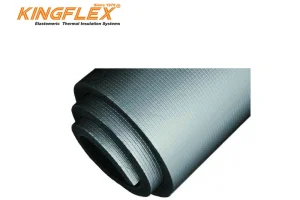
Outdoor or harsh environments require protective outer jackets. Adding factory-applied aluminum foil, glass cloth coatings, or PVC protection shields pipes from mechanical wear, UV degradation, and weather damage.

Kingflex Standard Dimensional Parameters

Product Form Core Material Thickness Range Inner Diameter (ID) Service Temp
Insulation Sheets & Rolls NBR / PVC Elastomer 6mm - 50mm N/A (Flat sheet) -40℃ to 105℃
Insulation Tubes & Pipes NBR / PVC Elastomer 9mm - 40mm 6mm - 114mm -40℃ to 105℃
Cryogenic Insulation Modified Elastomeric Foam 13mm - 50mm Customizable -200℃ to 125℃

Our Corporate Legacy & Industrial Capabilities

An integrated production and sales system backed by decades of thermal engineering experience.

Kingflex Insulation Co., Ltd.

Kingflex Insulation Co., Ltd. is a professional manufacturing and trading combo for thermal insulation products. Kingflex research development and production department is located in the well-known capital of green-building materials in Dacheng, China. It is an energy-saving, environmentally friendly enterprise concentrating on research and development, production, and sales. In operation, Kingflex takes energy saving and consumption reduction as its core concept.

We provide comprehensive insulation solutions, including project consulting, customized R&D, production, installation guidance, and dedicated post-sales service, to lead the development of the global building materials industry.

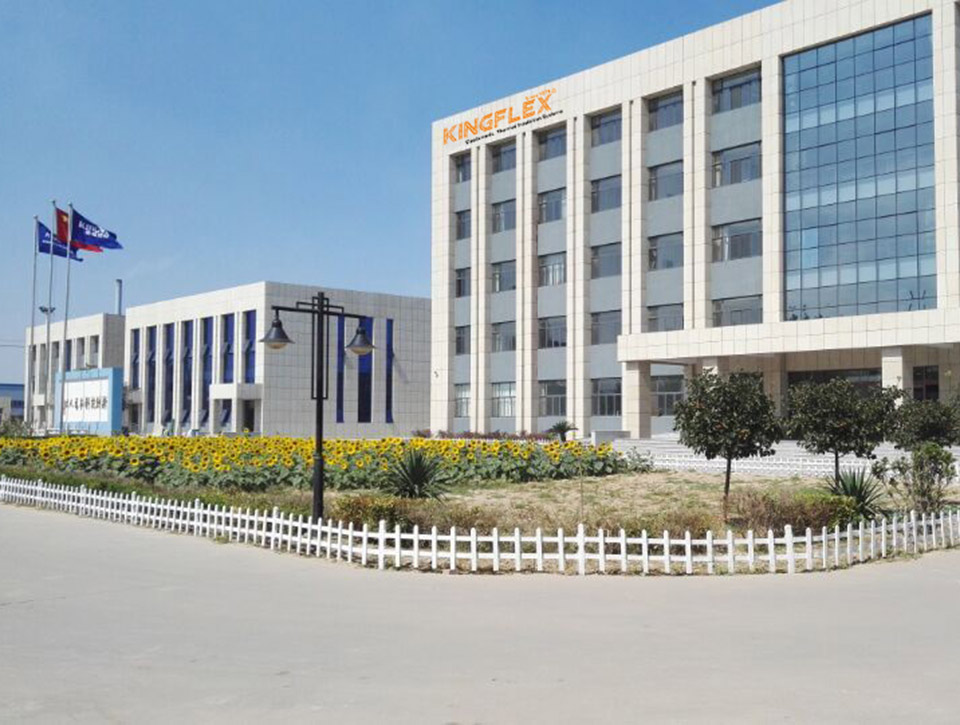
Kingflex Production Plant
Kingflex Team & Factory History

Our History & Team Structure

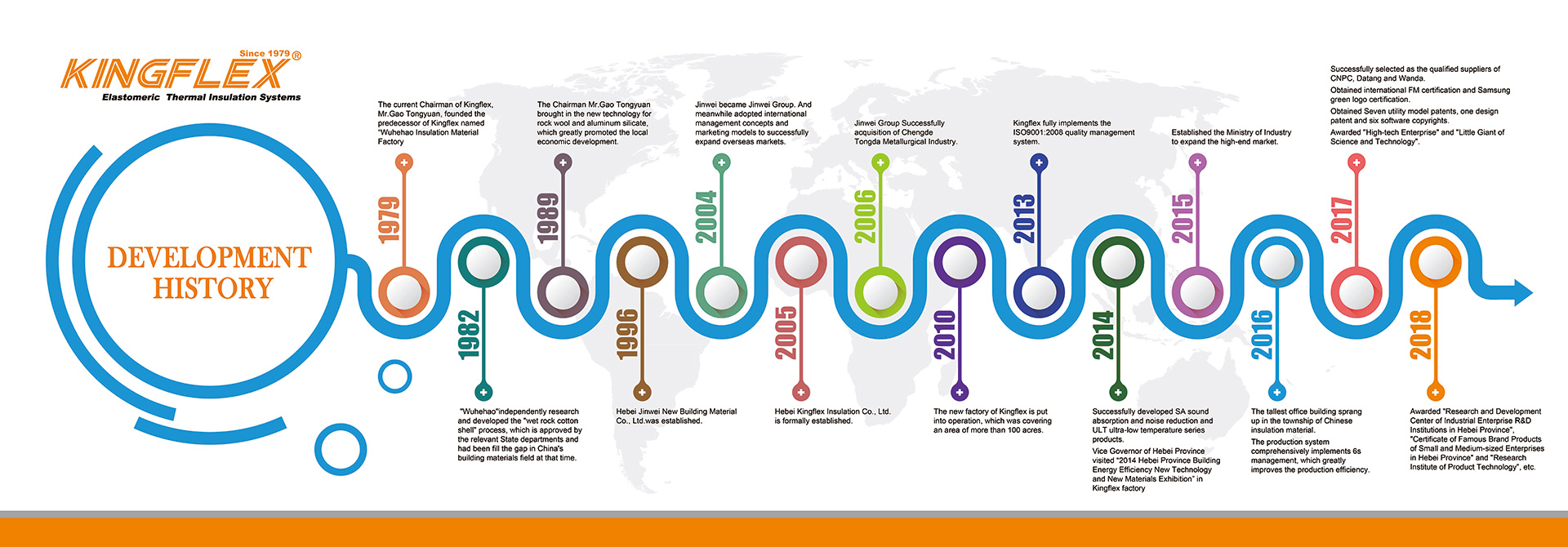
Kingflex was established by the Jinwei Group, which has more than 40 years of history. The Kingway Group, established in 1979, was the first manufacturer of thermal insulation materials north of the Yangtze River.

Our employees are amazing in their own right, but together they are what makes Kingflex such a fun and rewarding place to work. The Kingflex team is a tight-knit, talented group with a shared vision of giving consistently first-class service to our clients. Kingflex has eight professional engineers in our R&D Department, 6 professional international sales specialists, and 230 workers in our production department.

Precision Manufacturing & Processing Flow

Visualizing quality-controlled manufacturing steps from chemical formulation to extrusion and curing.

Production Process Step 1
Production Process Step 2
Production Process Step 3
Production Process Step 4
Production Process Step 5
Production Process Step 6
Production Process Step 7
Production Process Step 8
Production Process Step 9
Production Process Step 10
Production Process Step 11
Production Process Step 12

Technical Roadmap & Future Outlook (2025–2030)

Strategic directions in material sciences, smart monitoring, and low-carbon production.

Phase 1

Ultra-Low Thermal Conductivity Formulations

R&D focusing on decreasing current conductivity limits down to 0.030 W/(m·K) at 0°C. This will be achieved by using advanced polymer crosslinking and blowing agent technologies.

Phase 2

Bio-based Polymers and Decarbonization

Integrating bio-derived rubbers and non-halogen flame retardants. This alignment helps projects comply with global carbon-neutrality initiatives and green certification standards.

Phase 3

Smart Pipes with Embedded Leakage Detection Sensors

Integrating thin-film moisture sensors beneath cladding sheets. This system connects directly to building management portals to warn operators of early vapor barrier failure or local condensation.

R&D Precision & Globally Verified Certificates

Ensuring compliance, reliability, and fire safety ratings across international markets.

Advanced Testing Equipment & Labs

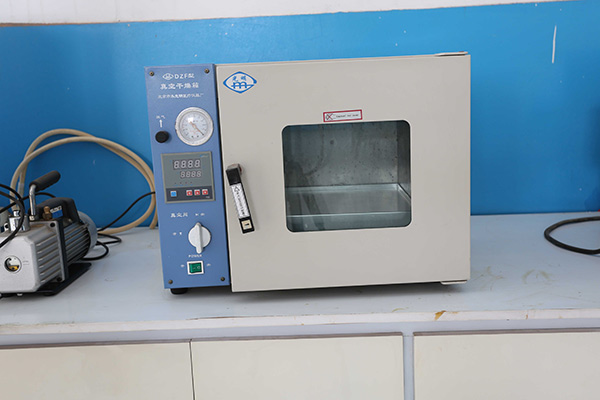
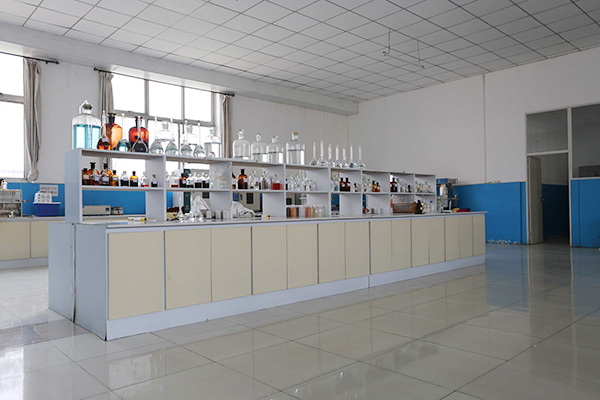
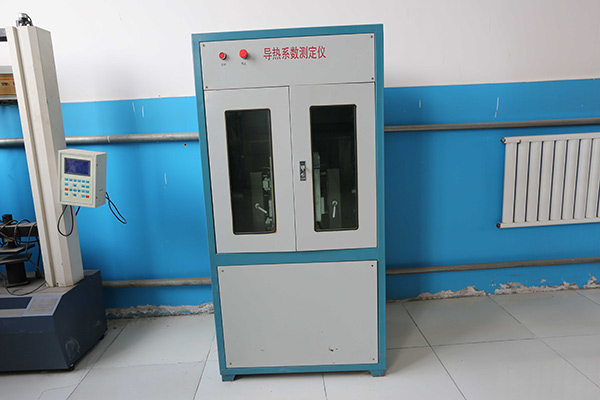
At Kingflex, materials undergo comprehensive evaluation before shipment. Our labs verify cell structure, tensile strength, vapor barrier performance, and fire safety ratings.

Lab Testing Foam Material Testing QC Control Room

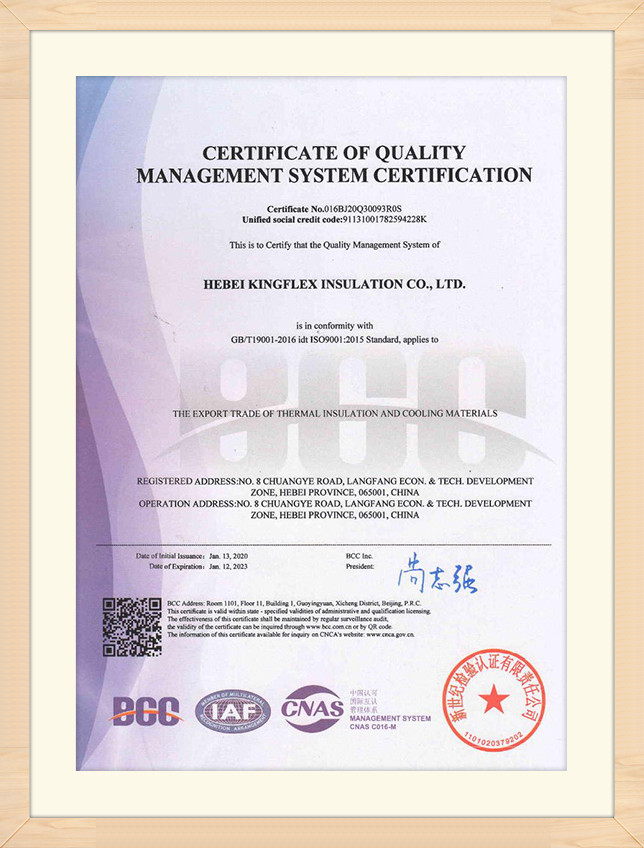
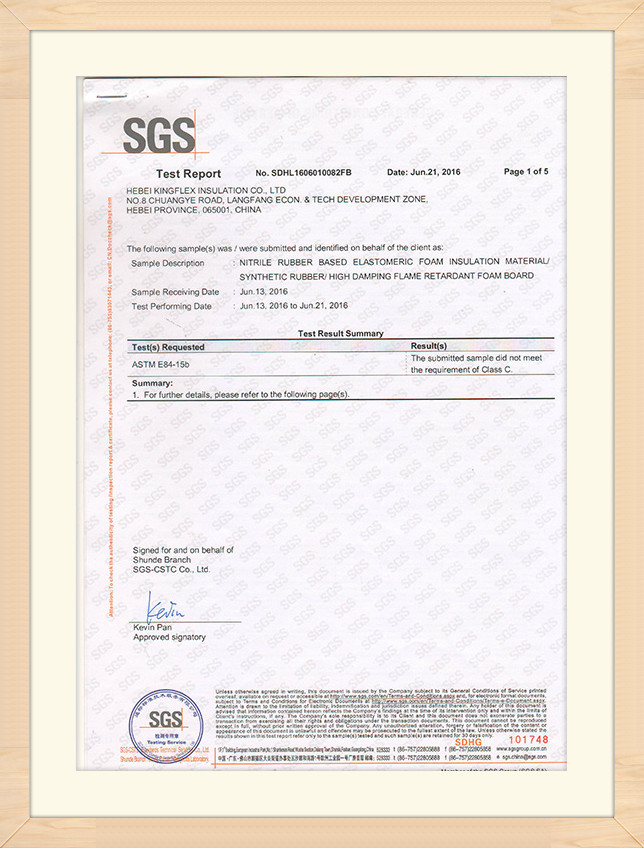
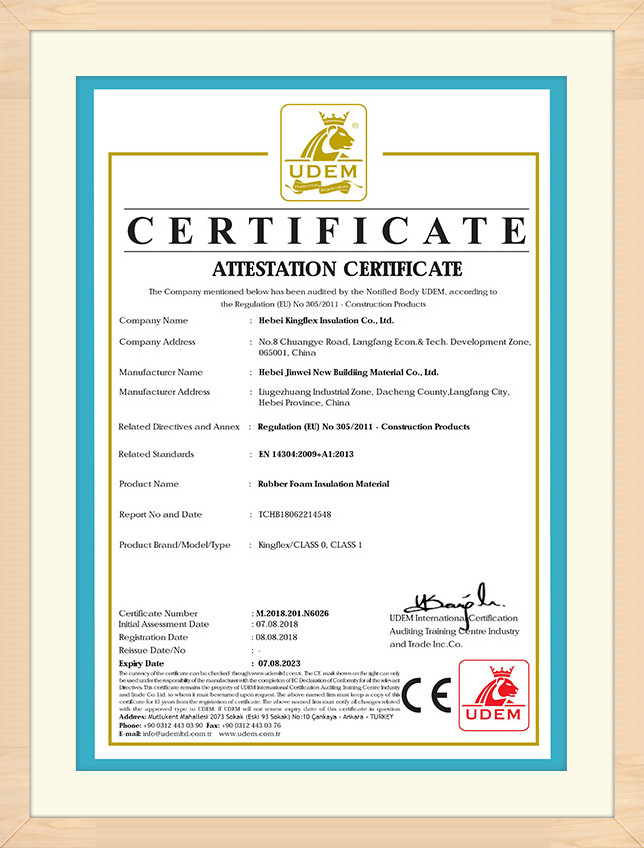
Certificates & Compliance Records

Our solutions comply with BS 476, CE, REACH, RoHS, UL 94, and ASTM standards, which guarantees safety and long-term project performance.

Certificate 1 Certificate 2 Certificate 3 Certificate 4

Real-World Project Cases & Client Testimonials

Demonstrating global reliability with verified communications and site snapshots.

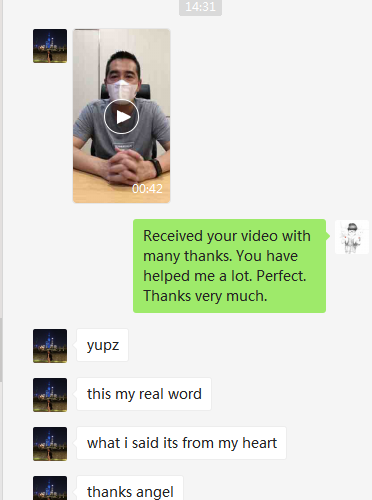
Client Communication Proofs

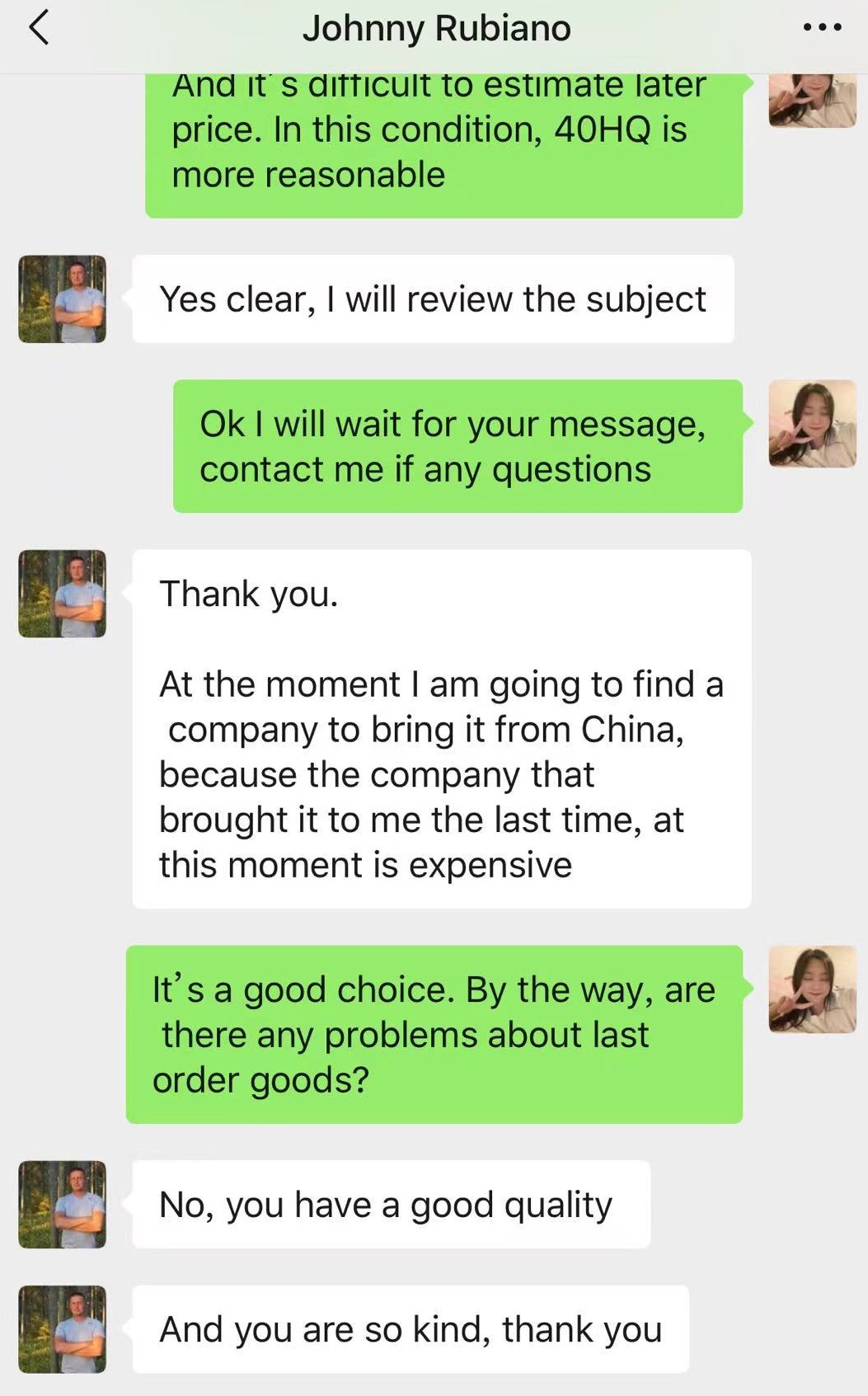
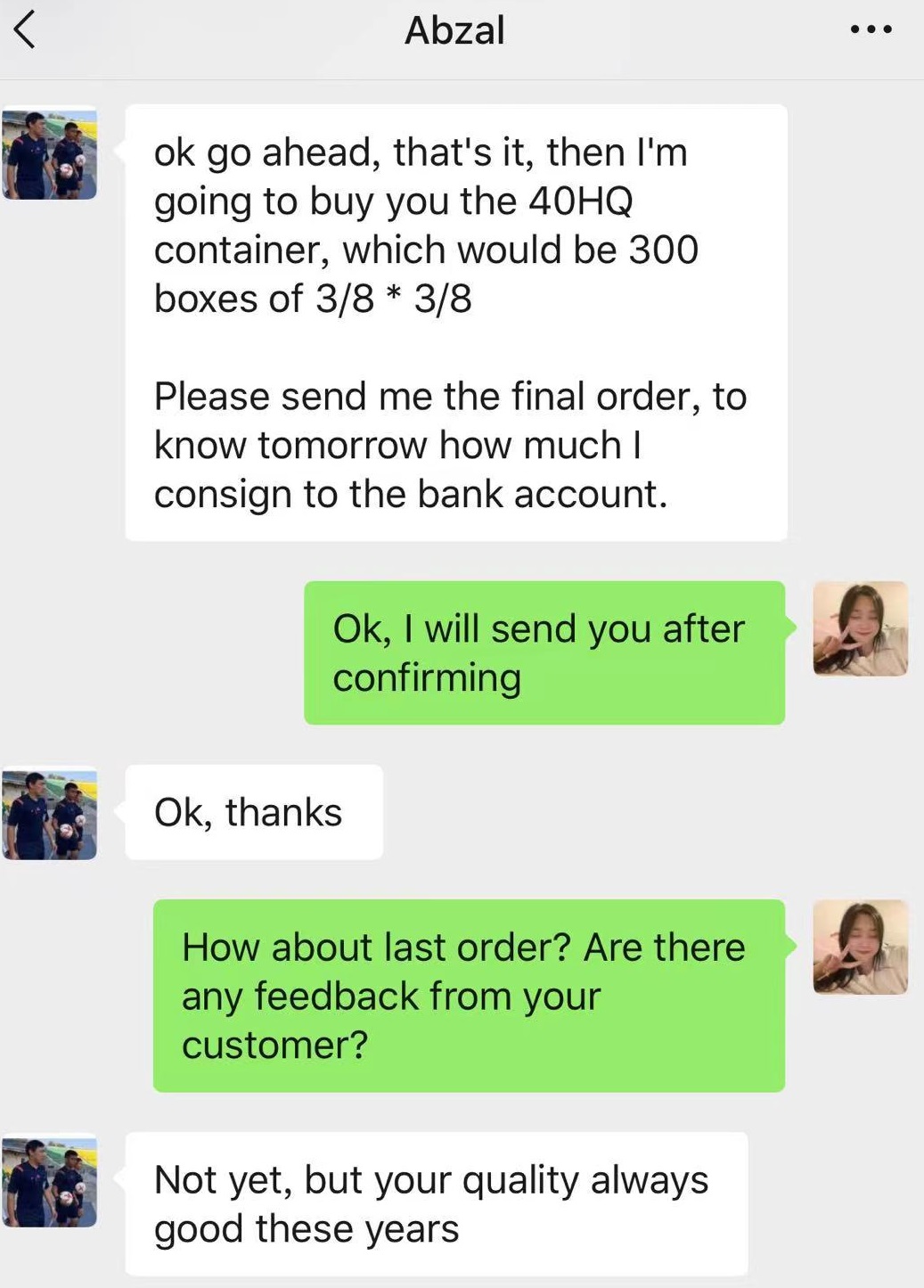
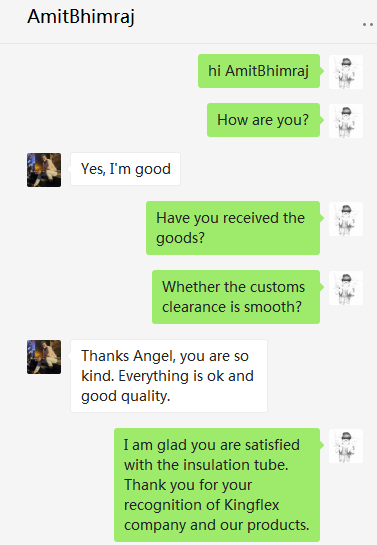
We work closely with engineering and procurement teams around the world, from technical parameters to final delivery logistics.

Chat Screenshot 1 Chat Screenshot 2 Chat Screenshot 3 Chat Screenshot 4 Chat Screenshot 5

Large-Scale Project Snapshots

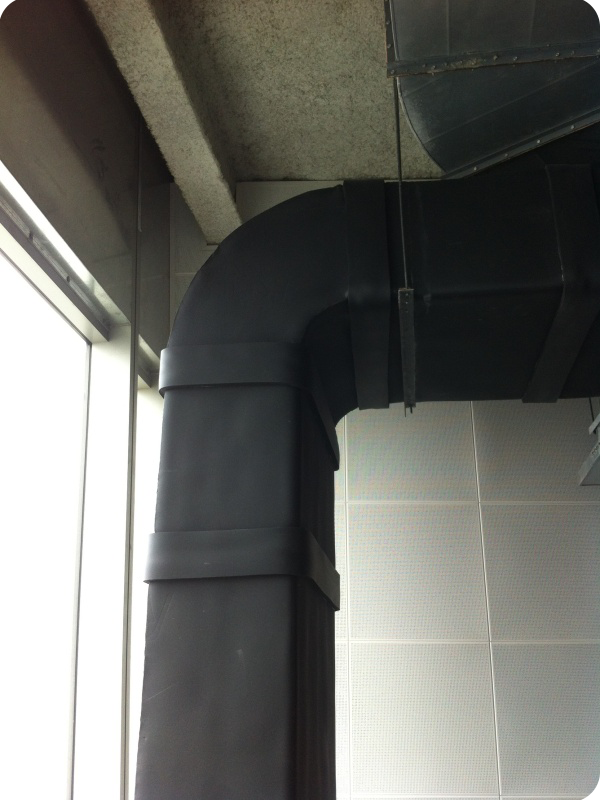
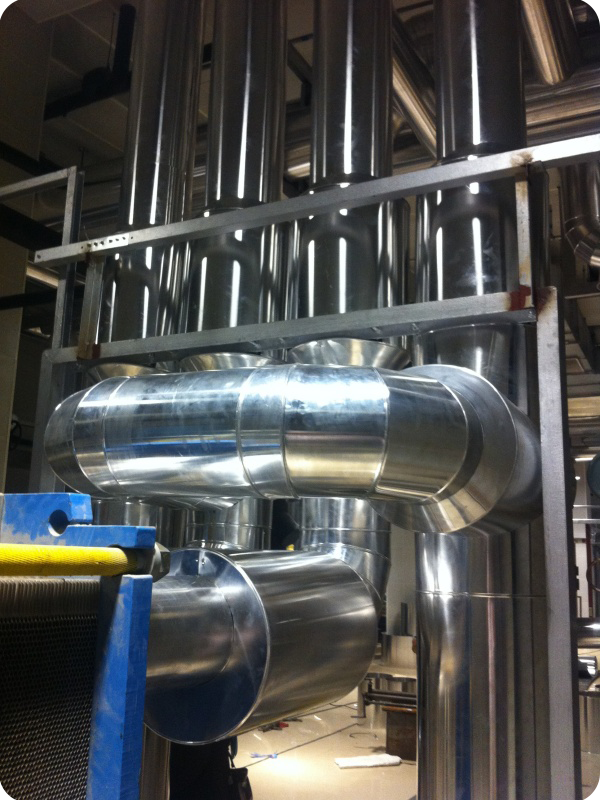
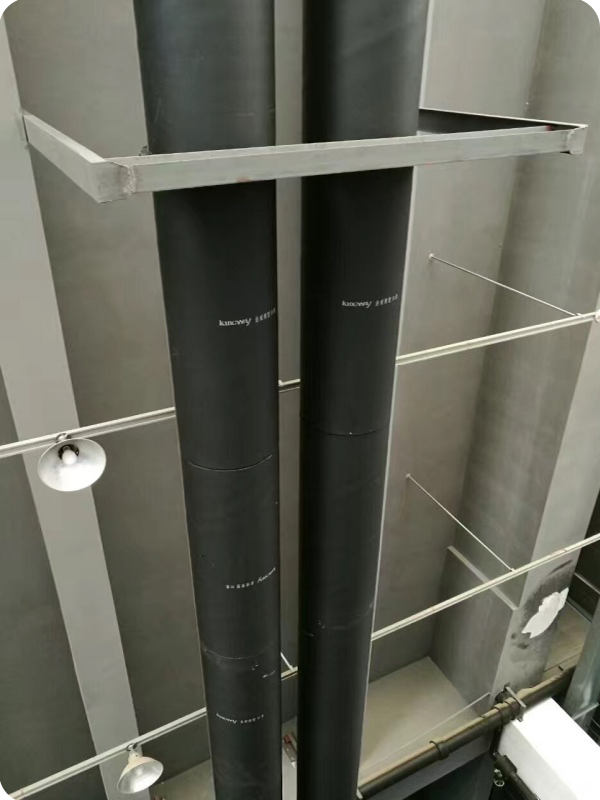
Our products are used in commercial office towers, petrochemical lines, cryogenic systems, and public transport infrastructure.

Project Site 1 Project Site 2 Project Site 3 Project Site 4

Product Range Technical Specifications

Detailed performance parameters for elastomeric rubber foam sheets, rolls, and pre-formed tubes.

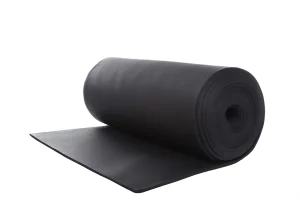
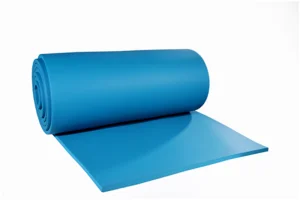
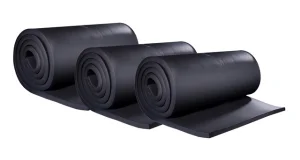
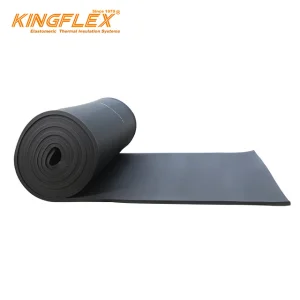
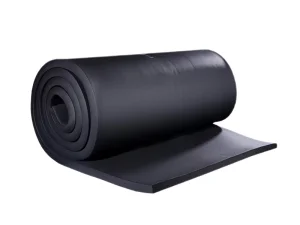
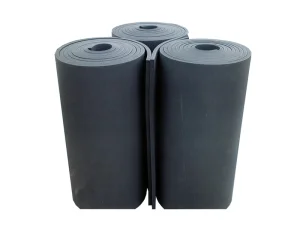
Black Rubber Foam Insulation Sheet Roll

Material: NBR / PVC copolymer blend with fire-retardant mineral fillers.

Thickness Options: 6mm, 9mm, 13mm, 19mm, 25mm, 32mm, 40mm, 50mm.

Density Range: 40 - 55 kg/m³.

Service Temperature Limits: -40℃ to 105℃.

Primary Performance Advantages:

  • Closed-cell rate above 98%, providing long-term thermal resistance.
  • Low water vapor transmission rate, preventing moisture accumulation.
  • Flexible design helps simplify installation on complex pipe shapes.
  • Built-in flame retardants meet safety codes.

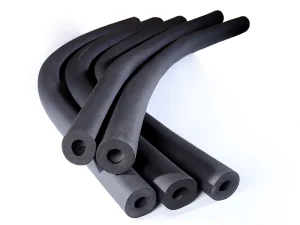
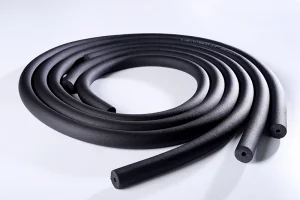
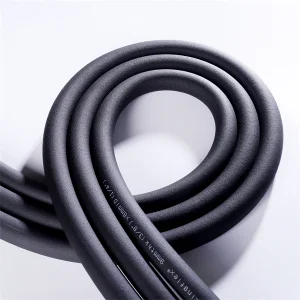
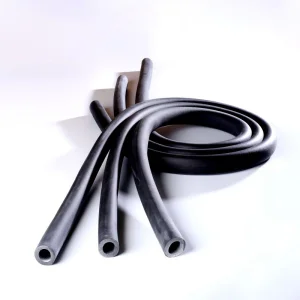
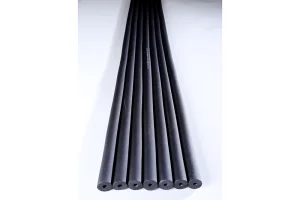
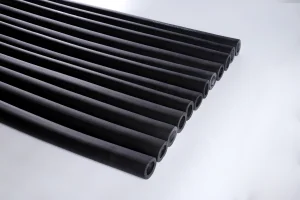
Black Rubber Foam Insulation Pipe / Tube

Material: NBR / PVC blend with uniform closed-cell structures.

Wall Thickness: 9mm, 13mm, 19mm, 25mm, 32mm, 40mm.

Inner Diameter: 6mm up to 114mm.

Service Temperature Limits: -40℃ to 105℃.

Primary Performance Advantages:

  • Pre-formed cylindrical dimensions fit copper and steel pipes perfectly.
  • Smooth inner surfaces help prevent friction damage on metal piping.
  • Good flexibility allows for smooth bending around elbows.
  • Helps minimize condensation risks on chilled water lines.

Piping Insulation Procedure & Sourcing FAQ

Answers to common questions regarding installation steps, material selections, and sourcing parameters.

Q1: What is elastomeric rubber foam insulation used for?

It is mainly used for HVAC ducts, air conditioning pipes, building thermal insulation, industrial pipeline cold insulation and sound insulation. Its closed-cell structure makes it particularly effective in stopping moisture intrusion on cold service systems, preventing pipe sweating and corrosion under insulation.

Q2: Is Kingflex rubber foam insulation fire resistant?

Yes, our rubber foam insulation is fire retardant, meeting global safety standards like BS 476 Class 0, ASTM E84, and UL94 V-0. This flame-retardant performance ensures the system is self-extinguishing and limits smoke propagation during fires.

Q3: What is the difference between rubber foam and rock wool insulation?

Rubber foam is flexible, closed-cell, and moisture-proof, which makes it ideal for refrigeration, HVAC, and moderate temperature systems. Rock wool is a fibrous mineral material that handles high temperatures and provides excellent fire ratings, making it more suitable for high-temperature industrial steam lines.

Q4: Do you provide customized insulation products?

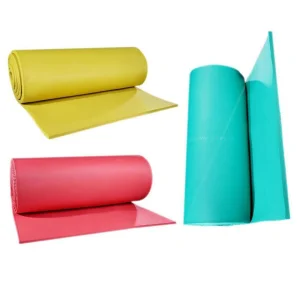
Yes, we support comprehensive OEM services. We can customize density, wall thickness, inner diameter, color, and add protective cladding like aluminum foil or glass-cloth facings to match specific project requirements.

Q5: What certifications do your products have?

Our products are certified to BS 476, CE, REACH, RoHS, UL94, and ASTM standards. This verification ensures our insulation meets international quality, safety, and environmental criteria.

Q6: Do Kingflex products have traceability?

Yes, we maintain clear manufacturing batch records. Each production run has a unique identification code that links to the raw materials, production line settings, and QC test data.

Q7: What thickness of Rubber foam insulation sheet roll can you produce?

We produce sheet rolls in thicknesses ranging from 6mm up to 50mm. This range allows engineering teams to select the exact thickness required to meet condensation prevention targets.

Q8: What is the service life of rubber plastic pipe and board?

When properly installed and maintained under standard operating conditions, our elastomeric systems last between 10 to 15 years, providing stable thermal performance throughout their life cycle.