Global Industrial Landscape & Commercial Realities
In modern civil engineering, oil & gas distribution, and district energy networks, the transmission of thermally volatile liquids requires high levels of safety, efficiency, and longevity. Pre-insulated stainless steel pipes have emerged as the standard for district heating, district cooling, food processing, pharmaceuticals, and cryogenic LNG systems.
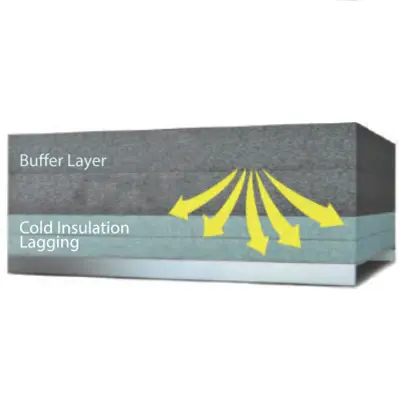
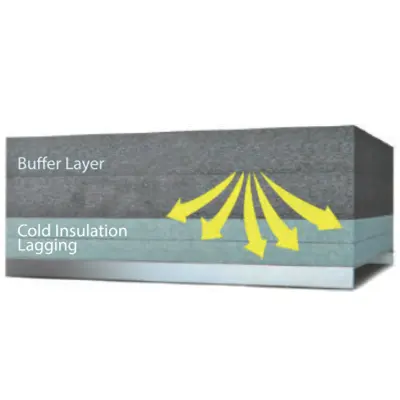
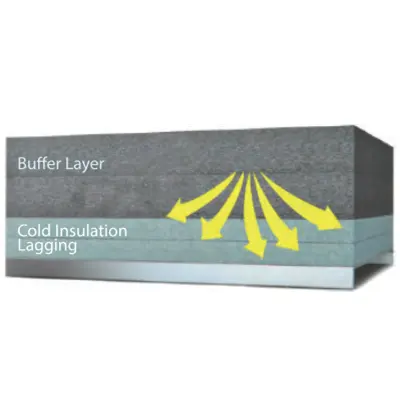
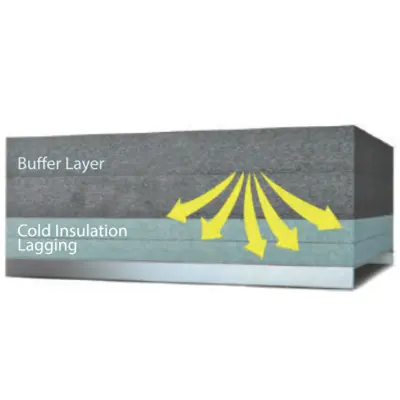
By combining the structural integrity, corrosion resistance, and high-pressure ratings of stainless steel carrier pipes with factory-applied, highly efficient insulation layers (such as polyurethane or elastomeric rubber foam) and a protective outer casing, these systems eliminate traditional field-insulation labor. This minimizes the risk of Corrosion Under Insulation (CUI), which is one of the leading causes of early failure in industrial piping networks.
"According to international infrastructure assessments, factory pre-insulated piping systems reduce thermal losses by up to 40% compared to traditional on-site cladding methods, while accelerating construction timelines by half."
As international energy conservation codes tighten, B2B procurement managers are prioritizing integrated piping structures that prevent thermal bridging and condense vapor transmission in refrigeration systems. China's manufacturing clusters, specifically in Dacheng, have scaled production to meet this global demand, matching European quality standards with significant cost advantages.
1979
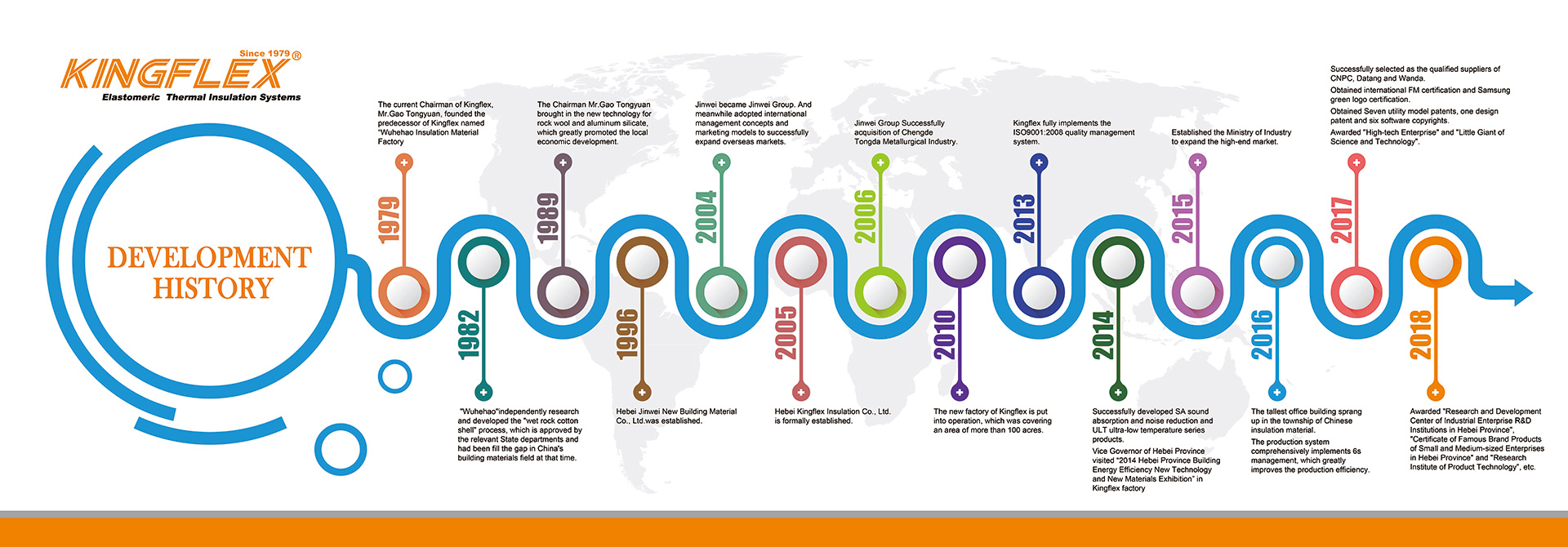
Legacy of Jinwei Group
600K+ m³
Annual Production Capacity
66+
Countries Exported Globally
5 Lines
Automatic Assembly Systems
China Factory Efficiencies & Dacheng Industry Cluster
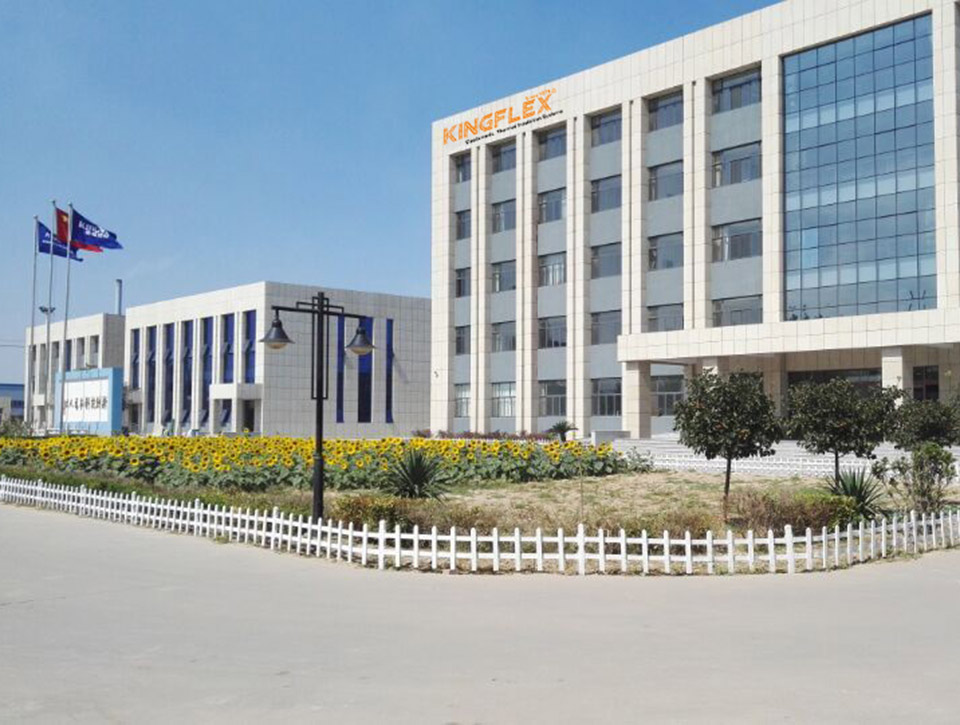
The competitive pricing of Chinese pre-insulated piping and insulation components is driven by regional industrial clusters. Dacheng, located in Hebei Province, is known as China's green-building materials capital. Kingflex Insulation Co., Ltd. benefits from this localized ecosystem, which brings raw materials, metallurgical refining, chemical engineering, and logistics into one geographic area.
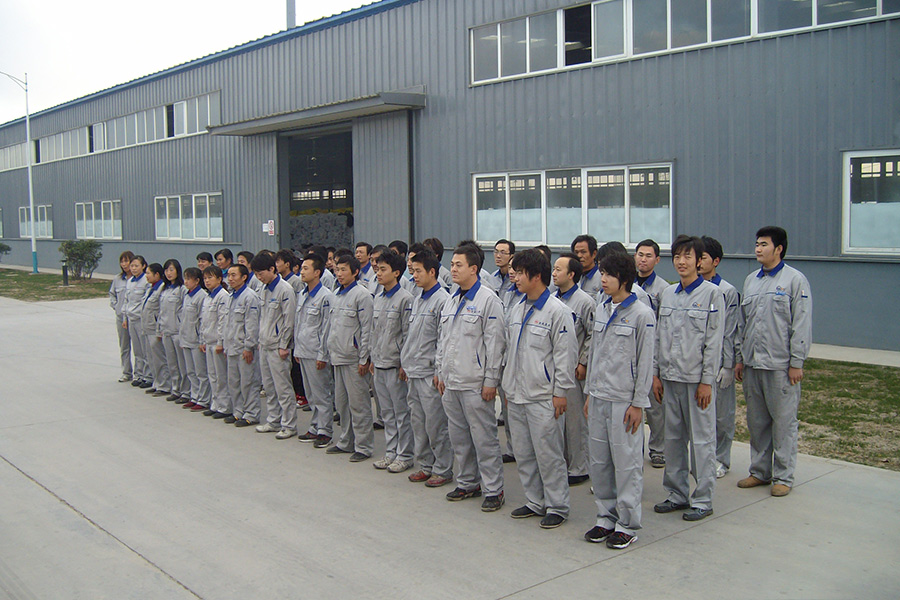
Established by the Jinwei Group—which holds a history dating back to 1979 as the pioneer manufacturer of thermal insulation materials north of the Yangtze River—Kingflex operates five large-scale automatic assembly lines. These lines produce over 600,000 cubic meters of high-density insulation materials annually.
Our facility is an energy-saving, environmentally friendly enterprise focusing on R&D, production, sales, installation guidance, and post-sale service. This integration helps maintain stable raw material costs, while continuous automated processing reduces manual errors and ensures consistent cell structures in rubber foam systems.
Technical Specifications & Material Performance
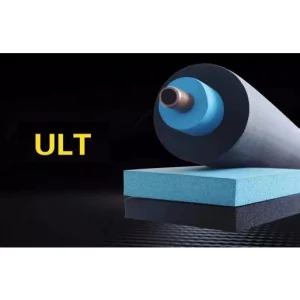
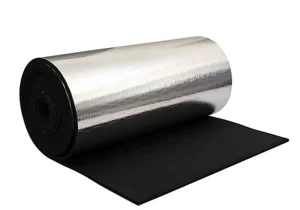
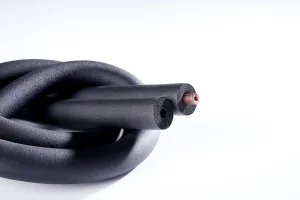
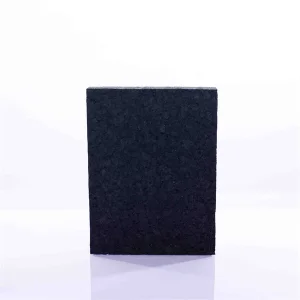
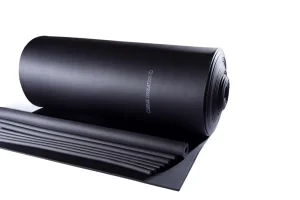
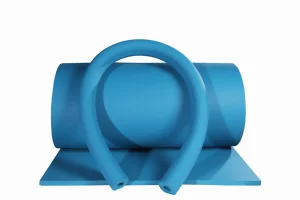
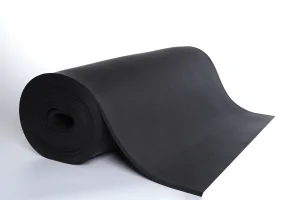
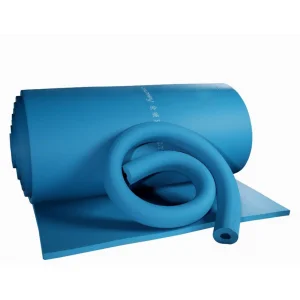
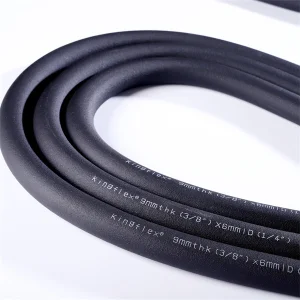
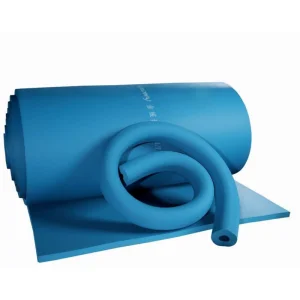
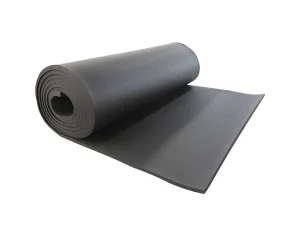
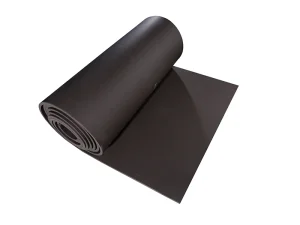
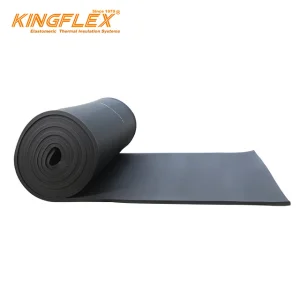
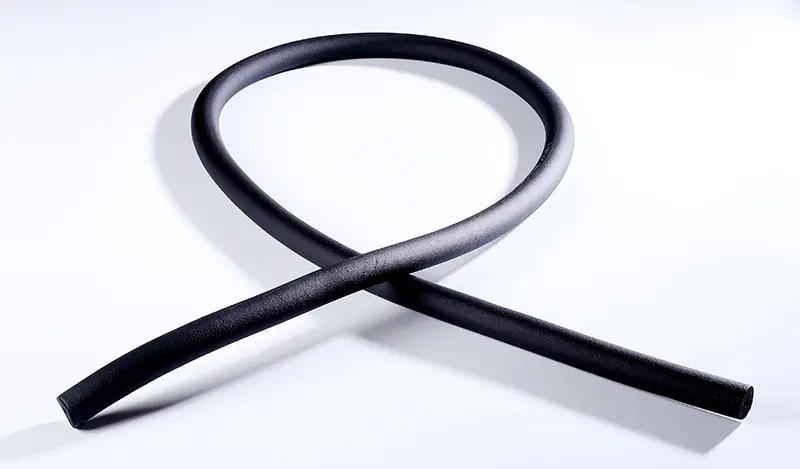
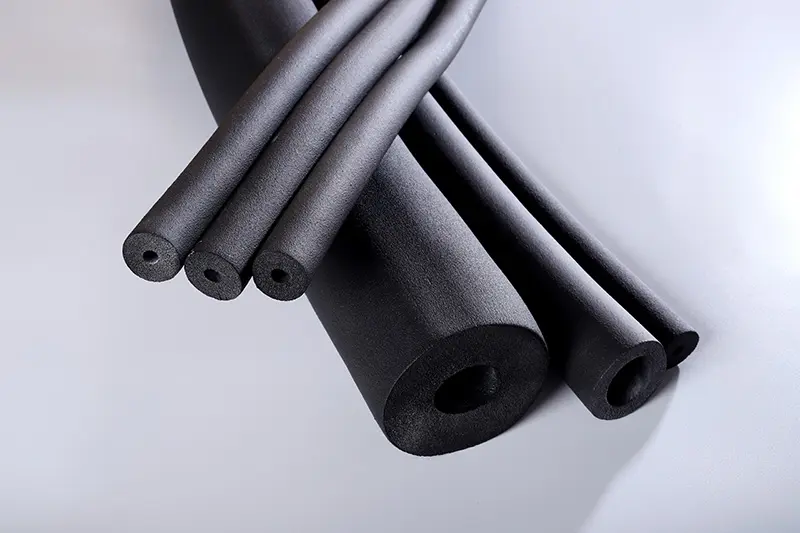
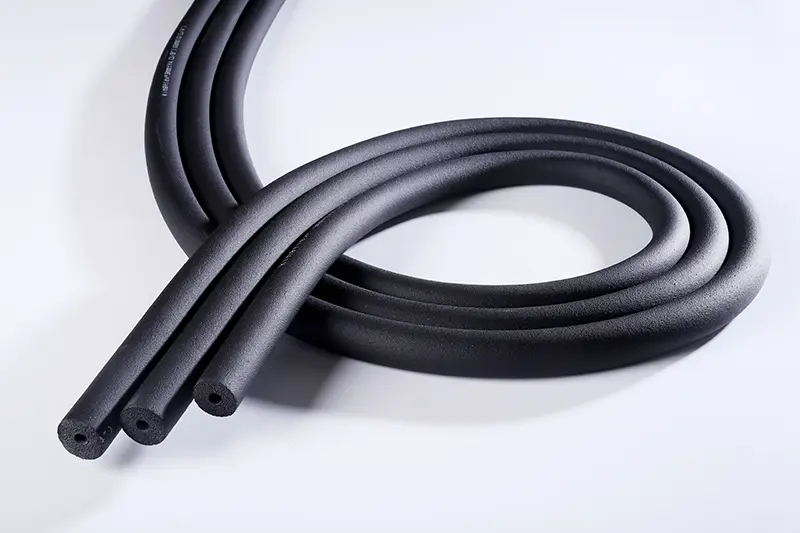
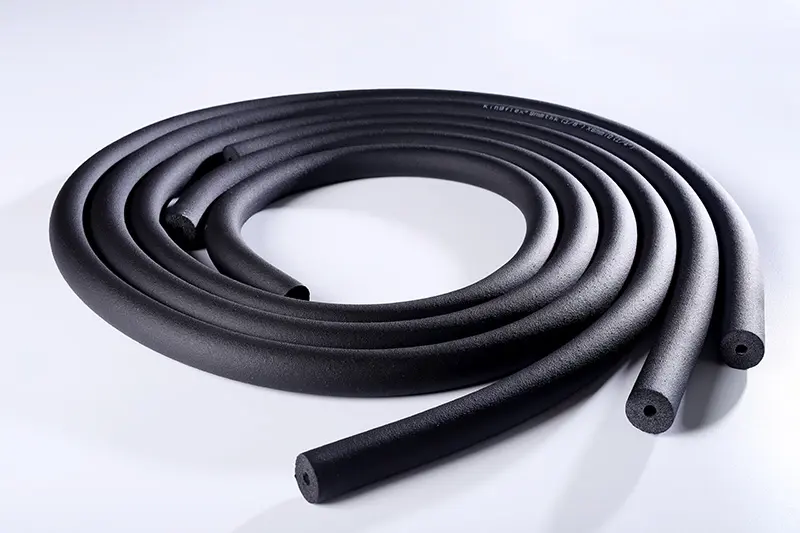
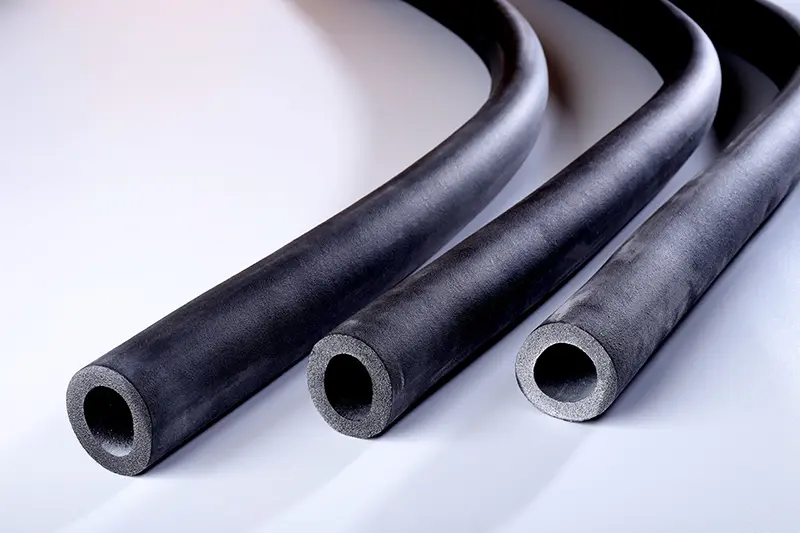
Engineered for harsh industrial environments, our elastomeric rubber foam insulation sheets and tubes provide reliable thermal and acoustic barrier systems.
Material Parameter
Kingflex Standard Spec (NBR/PVC)
Cryogenic System Spec (Dolefin / Dienes)
Compliance Standards
Service Temp Range
-40℃ to 105℃
-200℃ to 125℃
ASTM C534, ASTM C177
Closed-Cell Rate
> 98%
> 99%
Micro-bubble Structure Scanning
Thermal Conductivity
≤ 0.034 W/(m·k) at 0℃
≤ 0.028 W/(m·k) at -150℃
ISO 8301, ASTM C177
Moisture Resistance (μ)
≥ 10,000 (Vapor Barrier)
≥ 20,000 (Zero Permeability)
BS EN 12086
Flame Retardancy
Class 1 / Class 0
Self-extinguishing, Halogen-Free
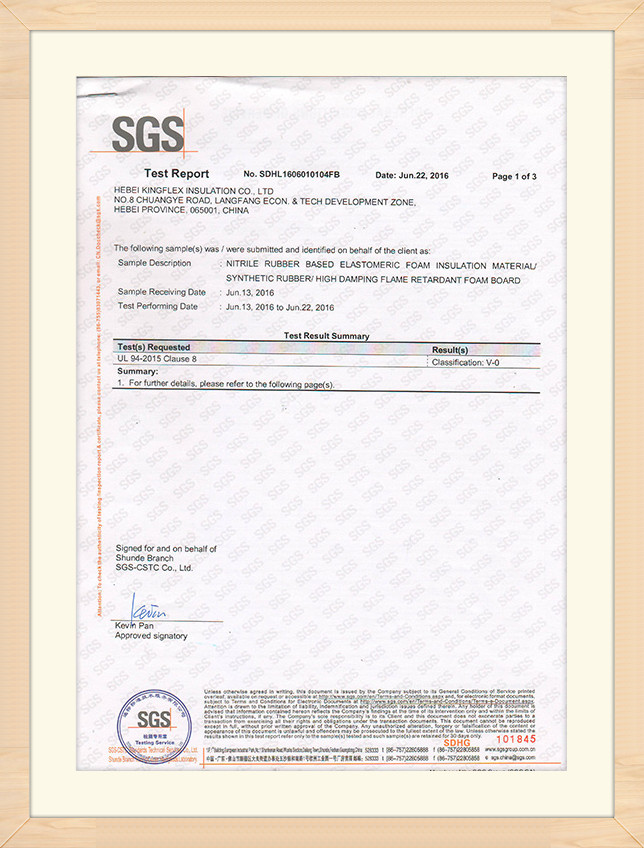
BS 476 Part 6/7, UL94 V-0
Density
40 - 55 kg/m³
60 - 85 kg/m³
GB/T 6343
R&D and Certification
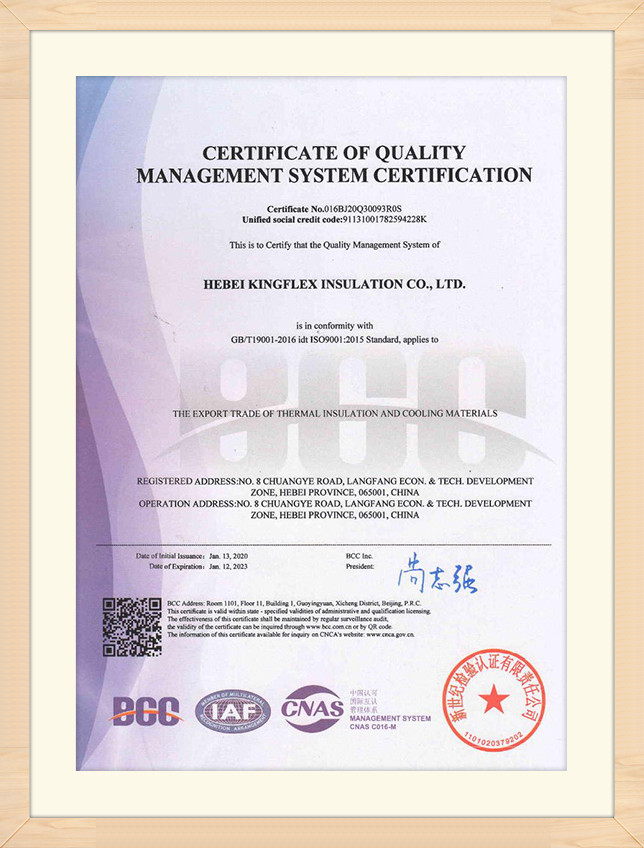
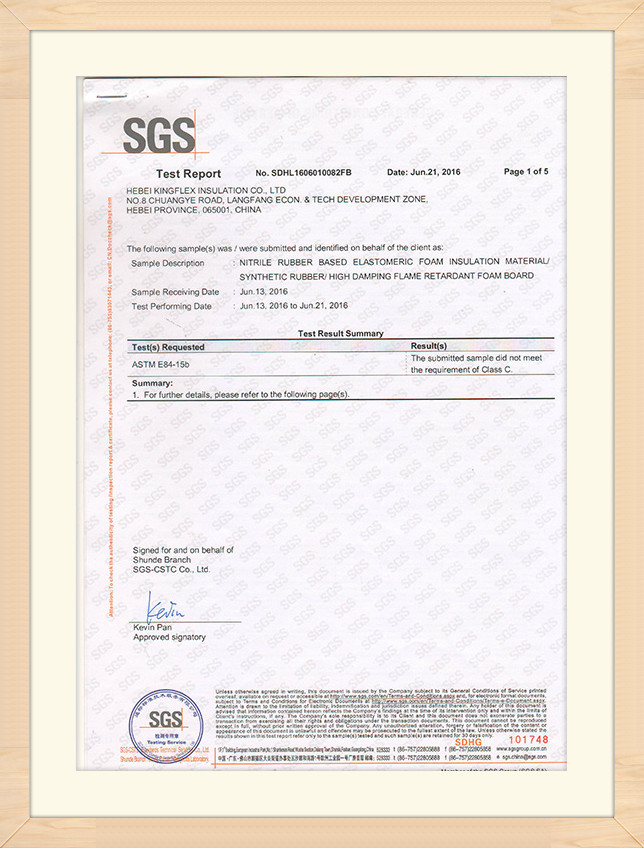
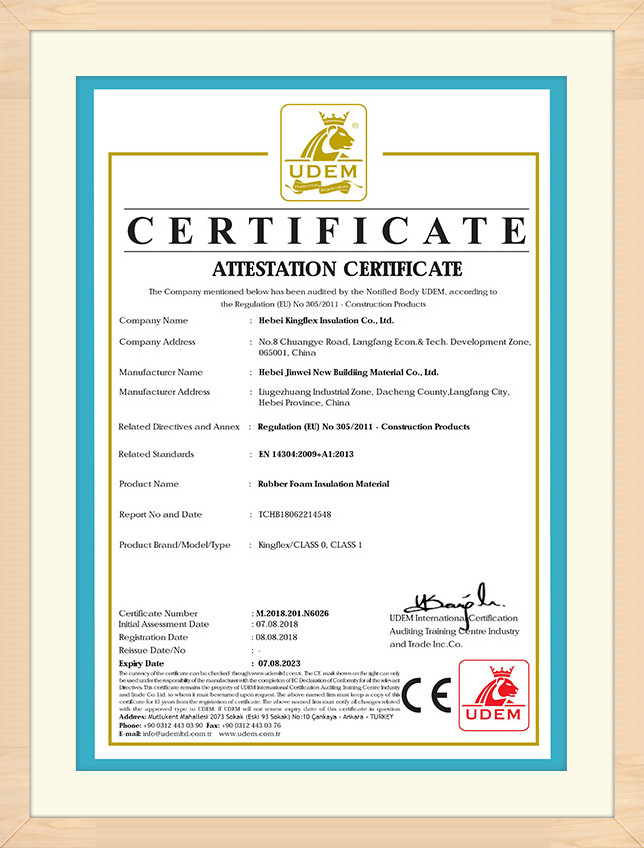
Quality control is critical for pipelines operating under extreme temperature cycles. Kingflex maintains an in-house laboratory staffed by eight professional R&D engineers. Our products are tested and certified to meet the standards of global markets, including BS 476, CE, REACH, RoHS, UL94, and ASTM.
Whether transporting hot water in district networks or liquid oxygen in industrial plants, these certifications ensure that our products perform reliably over their service life, which typically spans 10 to 15 years.
Global Infrastructure & Industry Project Reference
Our solutions have been specified and successfully deployed across municipal, petrochemical, and heavy commercial systems worldwide.
1. Central Air Conditioning (HVAC)
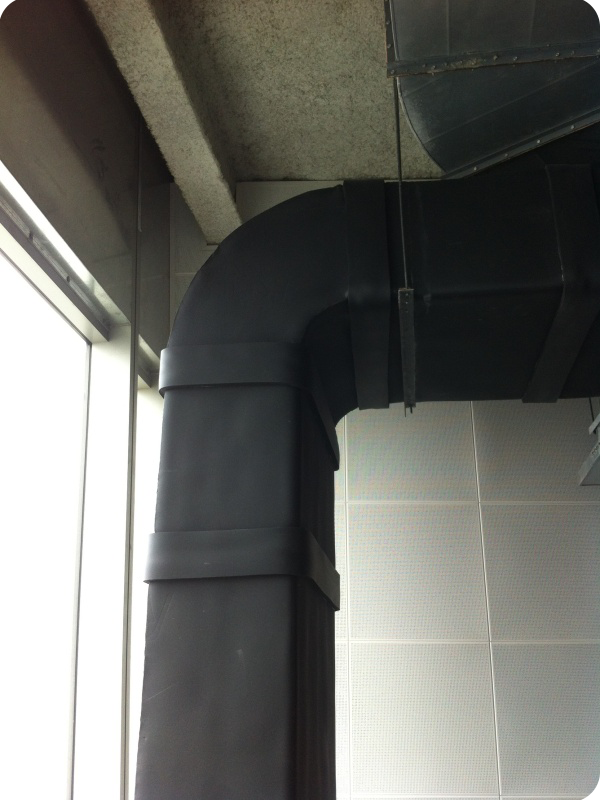
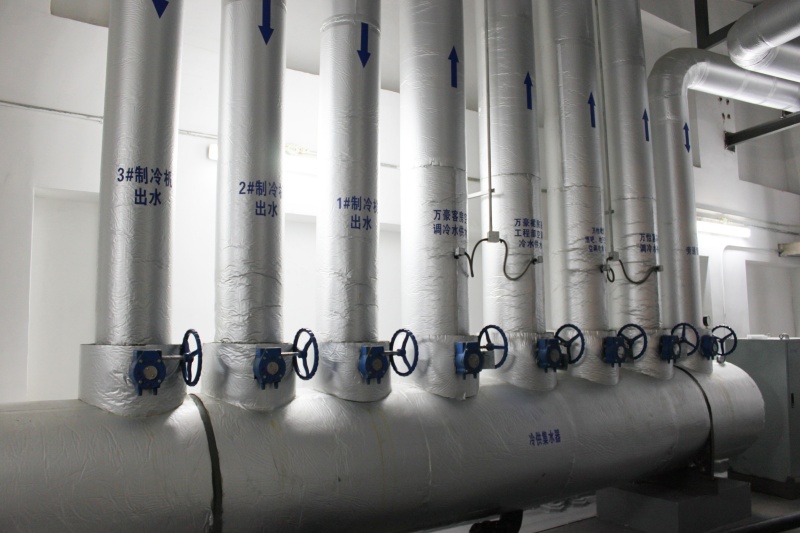
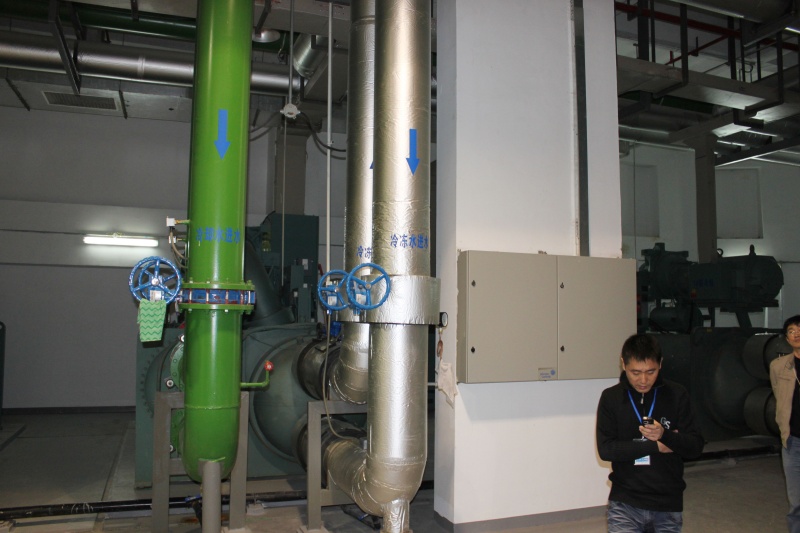
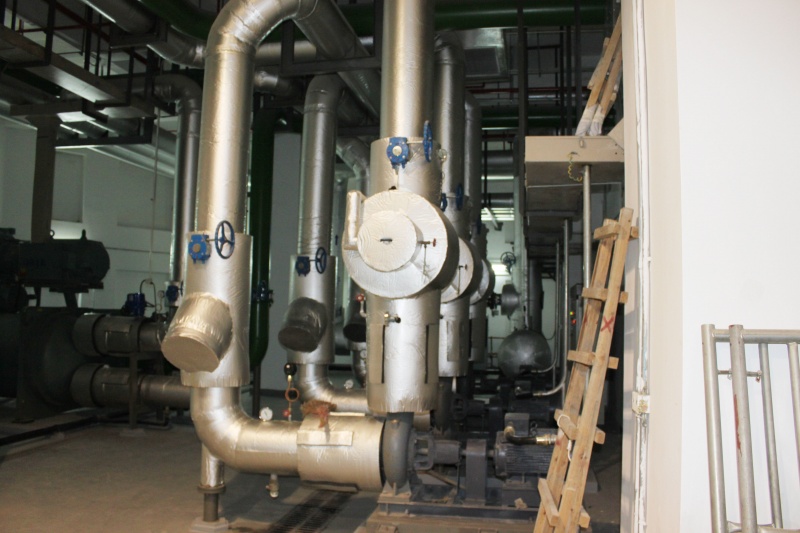
Providing thermal insulation for chilled water lines, air ducts, and condensate lines in large-scale public facilities like commercial centers, hospitals, and transit hubs. Eliminates risk of dripping water from condensation.
2. Cryogenic LNG & Chemical Processing
Engineered for cold storage, cryogenic processes, and LNG transport terminals. Our specialized Dolefin & Dienes elastomer lines retain resilience and thermal barrier integrity even at ultra-low sub-zero bounds.
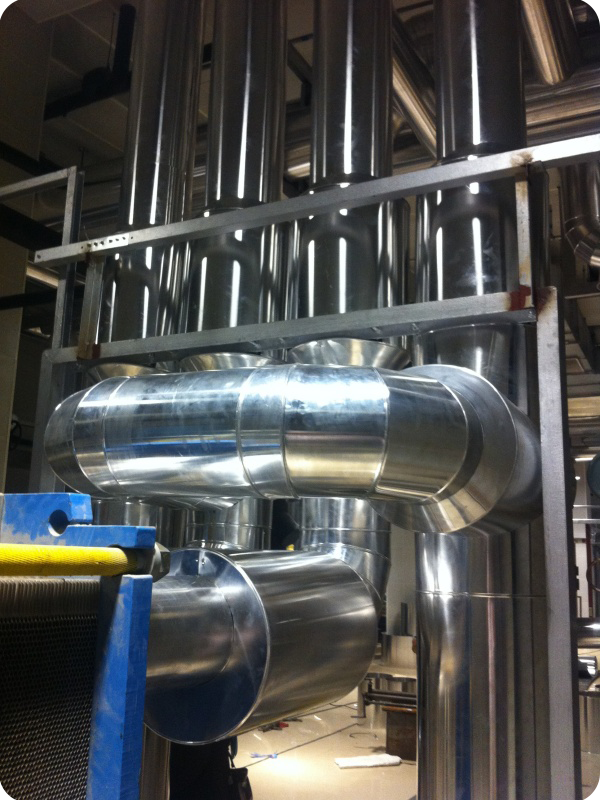
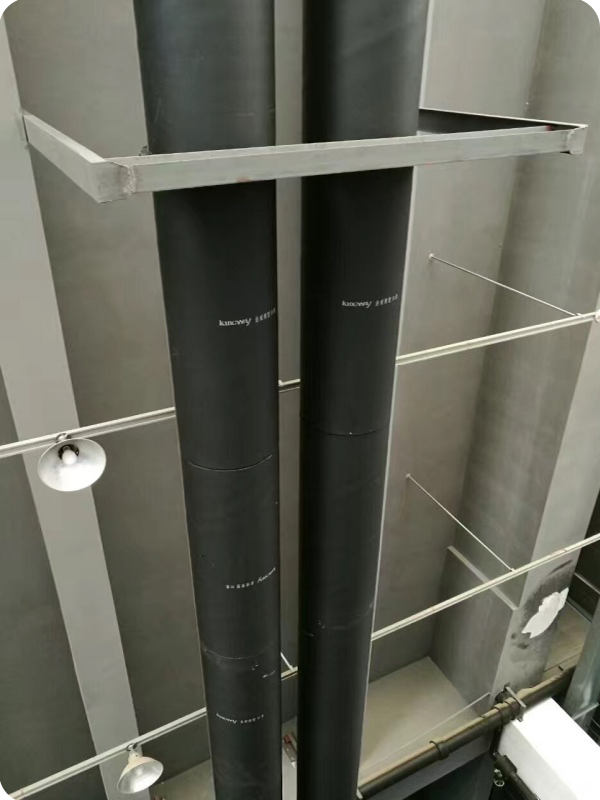
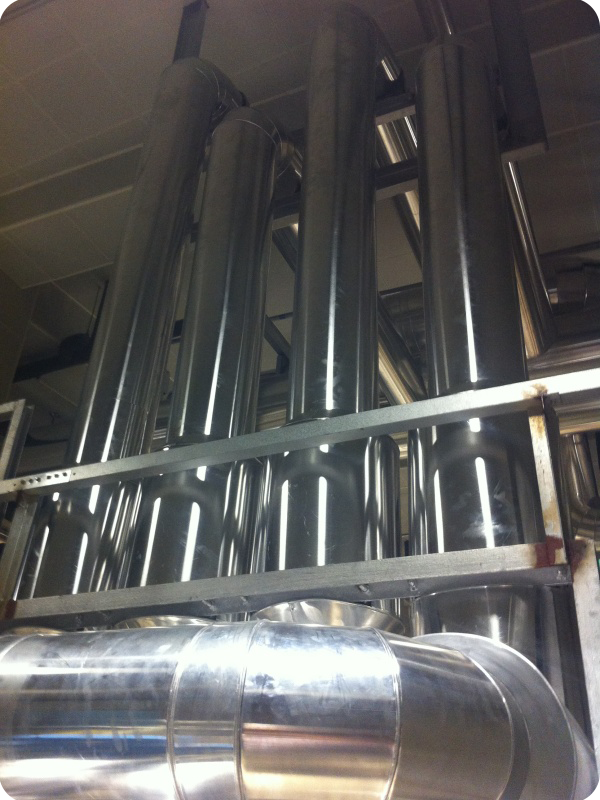
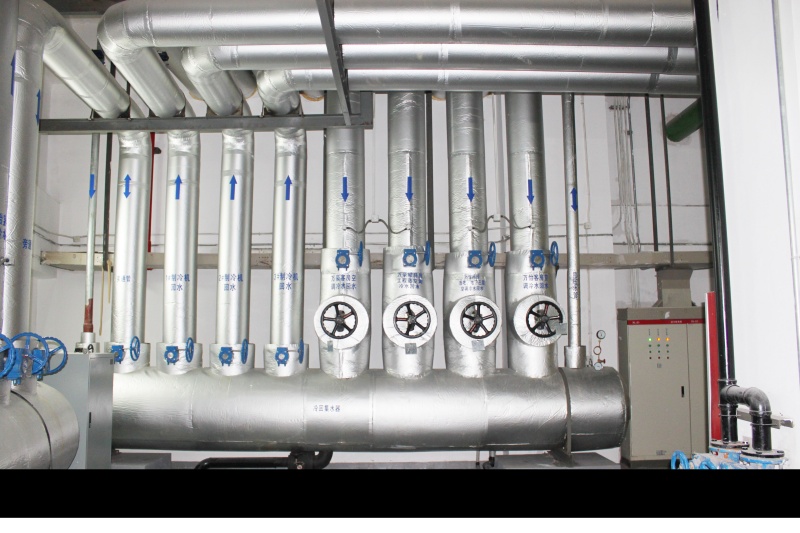
Real-time Project Execution Gallery
B2B Procurement & Pricelist Framework
Determining the costing framework for pre-insulated stainless steel pipe assemblies involves analyzing multiple physical components. Prices are structured based on:
Carrier Pipe Grades: Selection of Stainless Steel (SS304, SS316, or SS316L) depending on fluid chemistry and design pressure.
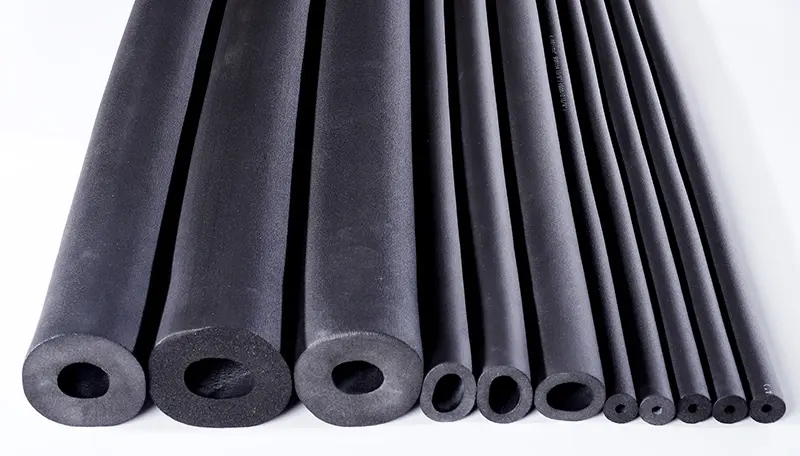
Insulation Thickness & Compound: Ranging from 6mm to 50mm using standard elastomeric rubber foam or low-density polyurethane foam.
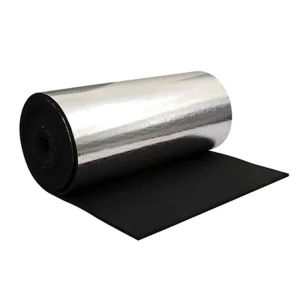
Outer Sheathing / Cladding: Heavy-gauge HDPE casings, Corrugated Aluminum protective jackets, or multi-ply composite foils designed for weathering, UV exposure, and mechanical impact.
Procurement professionals should consider total cost of ownership (TCO) rather than just initial purchase price. Lower-quality insulation systems may deteriorate under UV exposure or thermal cycling, leading to vapor barrier failure, water absorption, and corrosion of the underlying stainless steel.
Our volume-based pricelist structures offer optimized shipping configurations, utilizing direct container transport from our Tianjin-adjacent plant. This approach ensures freight optimization and reduces damage in transit.
Verification, Trust & Real-time Global Feedback
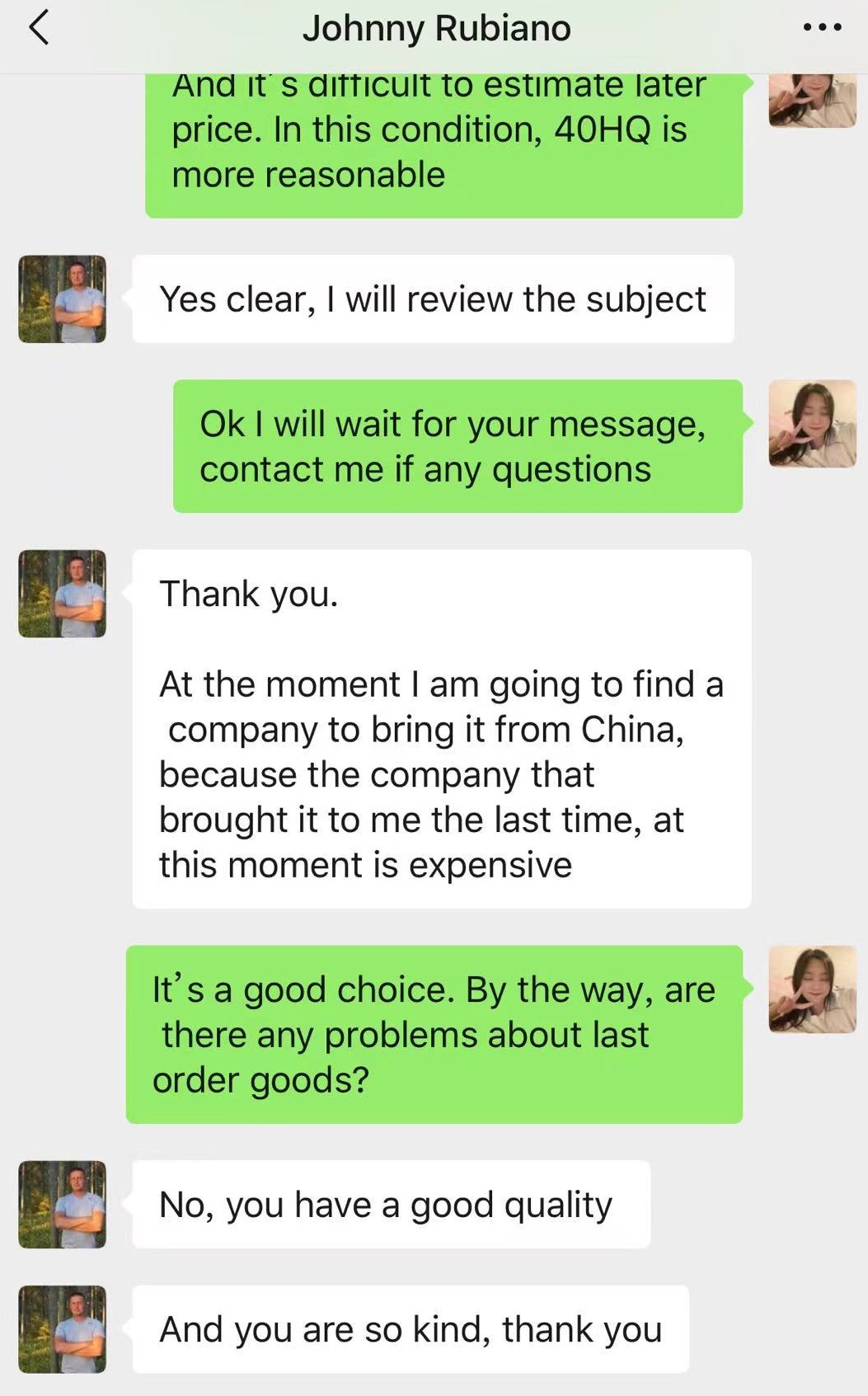
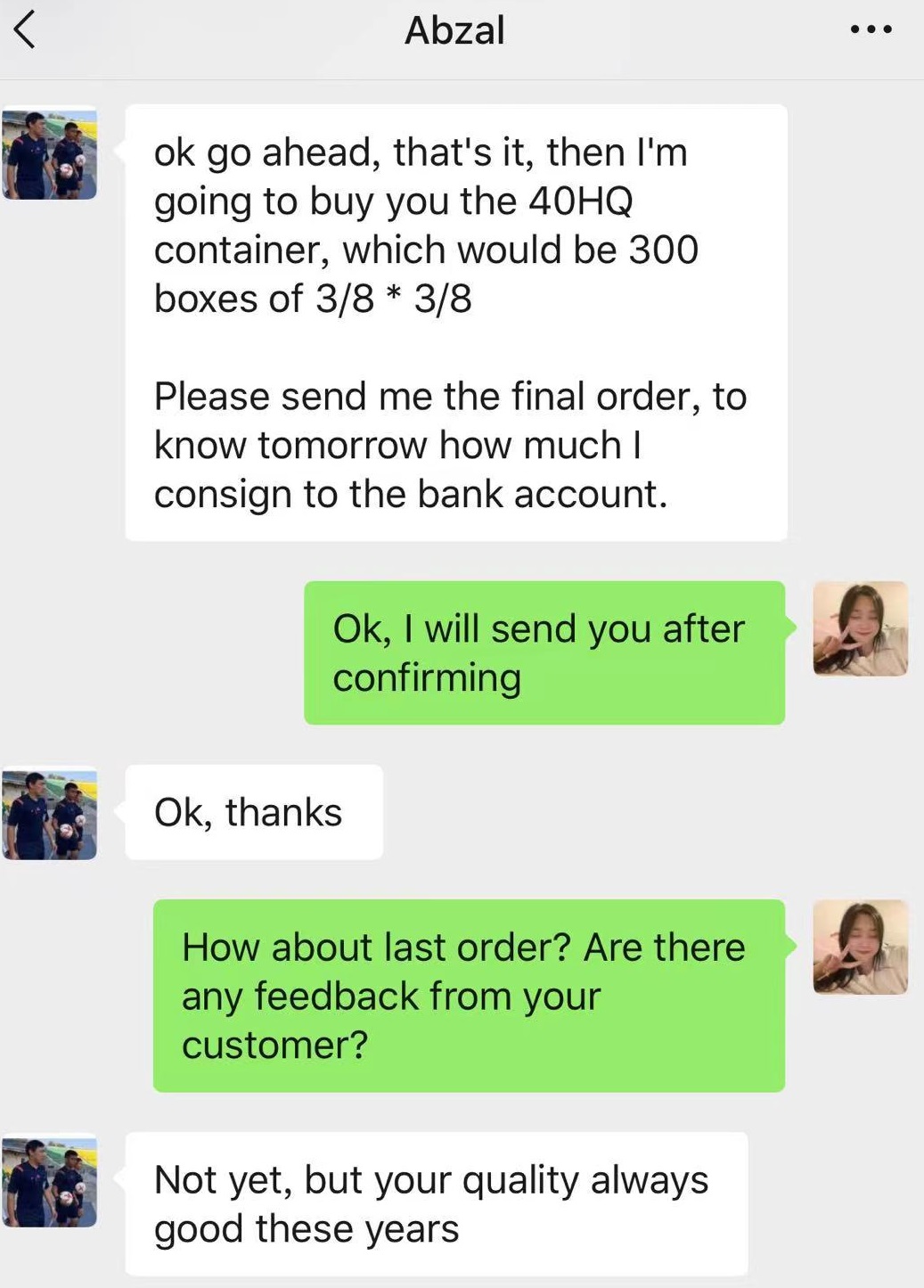
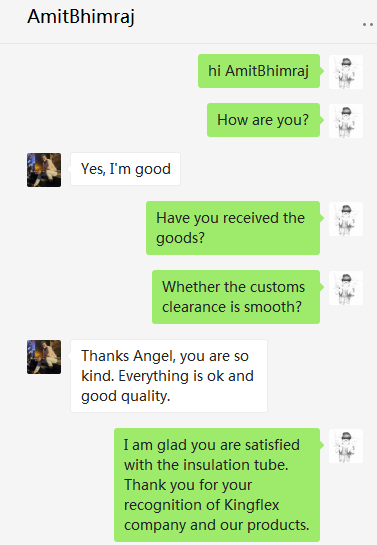
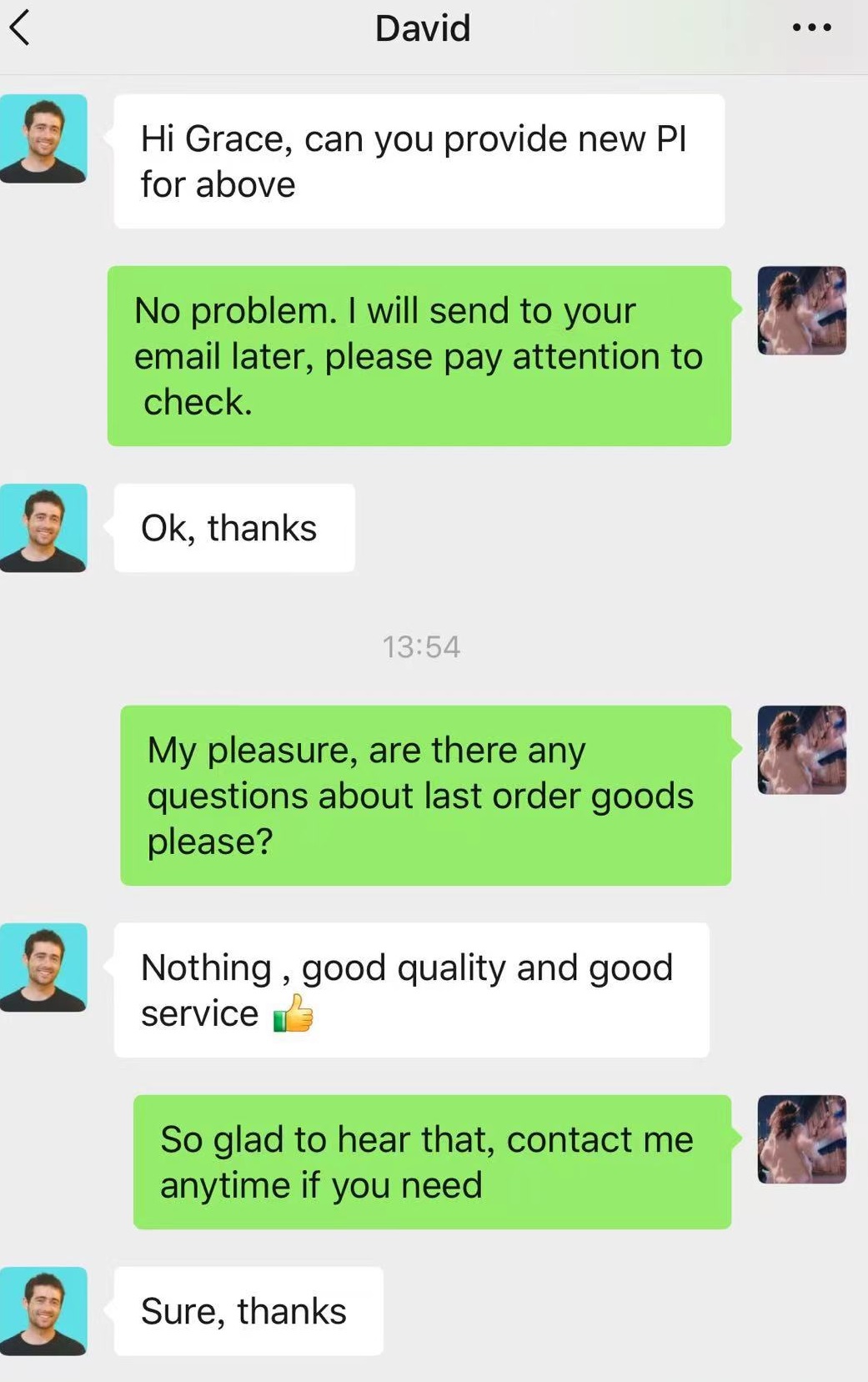
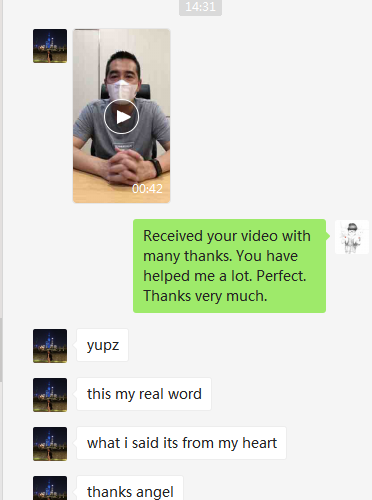
At Kingflex, we maintain transparency regarding material tracking, test validation, and technical documentation. Our clients in Europe, South America, the Middle East, and Southeast Asia rely on our batch traceability codes and certificates of analysis (CoA) for compliance auditing.
Our logistics and sales teams support customized requirements, offering CAD detailing and installation supervision to ensure that the pre-insulated systems perform as designed in the field.
Technical FAQ - Pre-Insulated Piping Systems
Expert technical answers regarding structural properties, fire ratings, chemical resilience, and purchasing protocols.
Q1: What is elastomeric rubber foam insulation used for?
A1: It is primarily used for HVAC ducts, air conditioning piping systems, commercial building thermal barrier systems, industrial pipeline cold insulation, and acoustic absorption. Its high resistance to moisture vapor makes it suitable for humid climates and cold-fluid processes.
Q2: Is Kingflex rubber foam insulation fire resistant?
A2: Yes, our elastomeric rubber foam features built-in flame retardants. It is certified to international safety standards, including BS 476 Part 6 & 7 (Class 0/1) and UL94 V-0, ensuring compliance for public buildings and heavy industrial structures.
Q3: What is the primary difference between rubber foam and rock wool insulation?
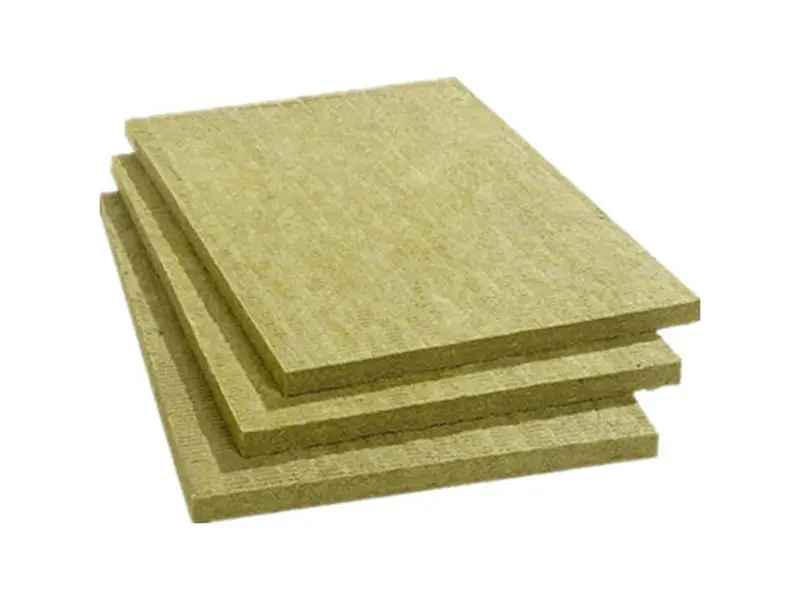
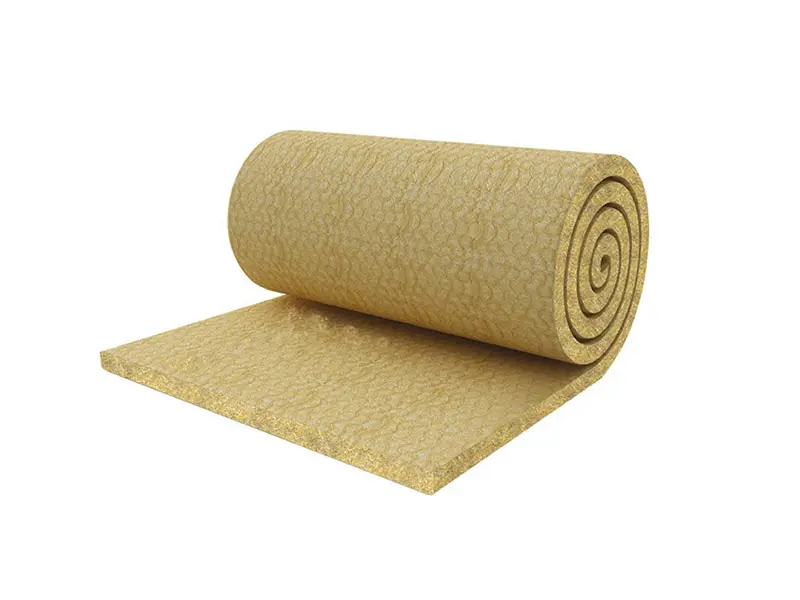
A3: Rubber foam has a flexible, closed-cell structure with integrated vapor barriers, making it suitable for cold line protection, refrigeration, and moisture-prone HVAC zones. Rock wool is a high-density fibrous material with high temperature resistance, suitable for industrial hot steam piping and structural fire-stopping.
Q4: Do you offer custom dimensions and OEM manufacturing services?
A4: Yes, we provide full OEM fabrication. We can customize internal diameters, insulation wall thicknesses (ranging from 6mm to 50mm), and protective cladding options (such as aluminum foils or polymer protective sheets) based on project specifications.
Q5: What international quality and environmental certifications do your systems possess?
A5: Our production lines comply with ISO 9001 and ISO 14001 standards. Our insulation products are certified to BS 476, CE, REACH, RoHS, UL94, and ASTM, meeting the regulatory standards of markets in Europe, the Americas, and APAC.
Q6: Do Kingflex products offer batch traceability?
A6: Yes, all outgoing shipments are assigned a unique tracking code. This allows us to trace raw materials, production parameters, test logs, and shipping documentation for quality assurance.
Q7: What is the maximum thickness of elastomeric foam rolls you can produce?
A7: We can manufacture single-layer elastomeric sheet rolls from 6mm up to 50mm thick. For thicker requirements, multi-layer engineered solutions can be supplied.
Q8: What is the expected service life of these pre-insulated pipeline systems?
A8: When installed according to manufacturer guidelines and operated within the specified temperature limits, our systems have a service life of 10 to 15 years.
Q9: How do closed-cell structures prevent corrosion under insulation (CUI)?
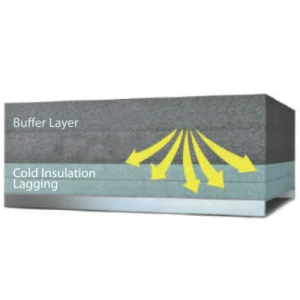
A9: Our closed-cell rubber foam features a rate of >98%, which prevents moisture vapor from penetrating the insulation layer. This stops liquid water from condensing against the stainless steel pipe surface, addressing the main cause of CUI.
Q10: What factors influence the cost of pre-insulated stainless steel pipes?
A10: Pricing depends on the wall thickness and grade of the stainless steel carrier pipe (e.g., SS304 vs. SS316L), the thickness and formulation of the insulation layer, the selected external jacket protection, order volume, and customized design requirements.
 Kingflex