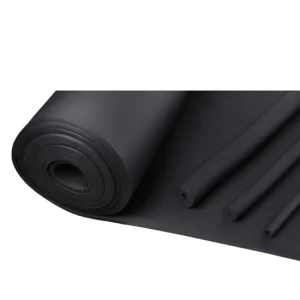
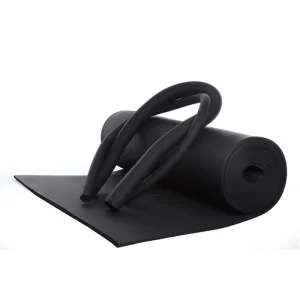
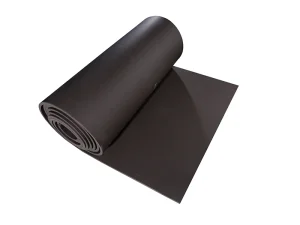
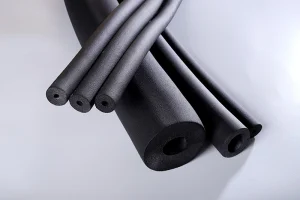
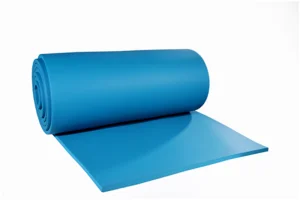
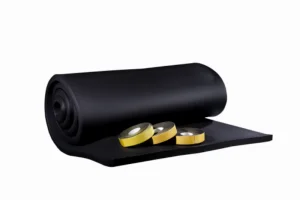
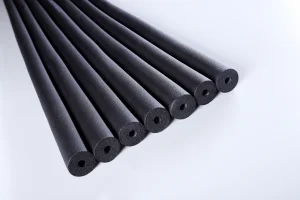
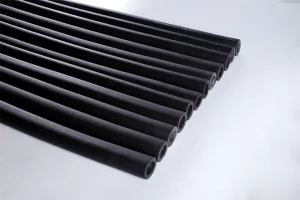
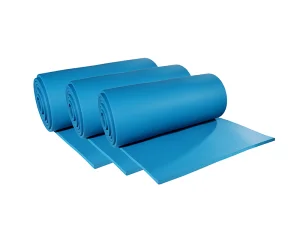
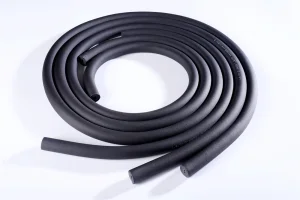
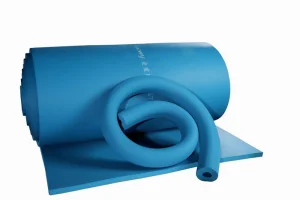
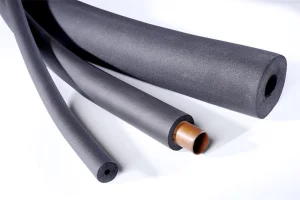
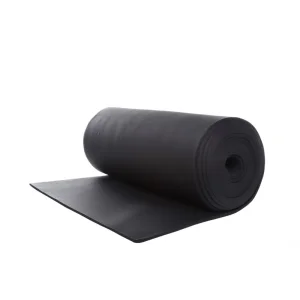
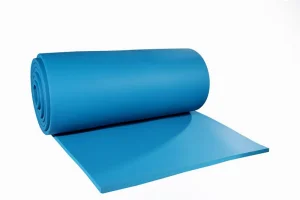
Explore our premium selection of elastomeric rubber foam sheets, rolls, and pre-formed pipe insulation. Engineered for high performance, condensation mitigation, and extreme temperature ranges.
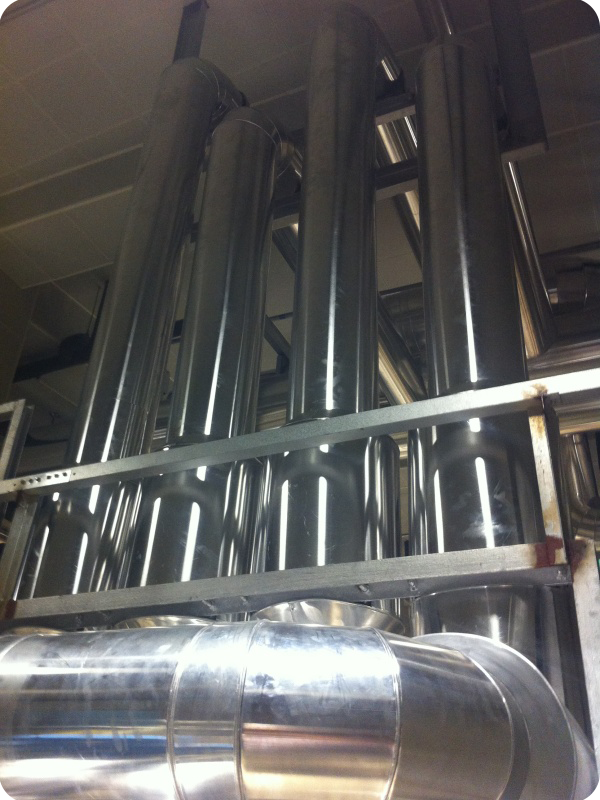
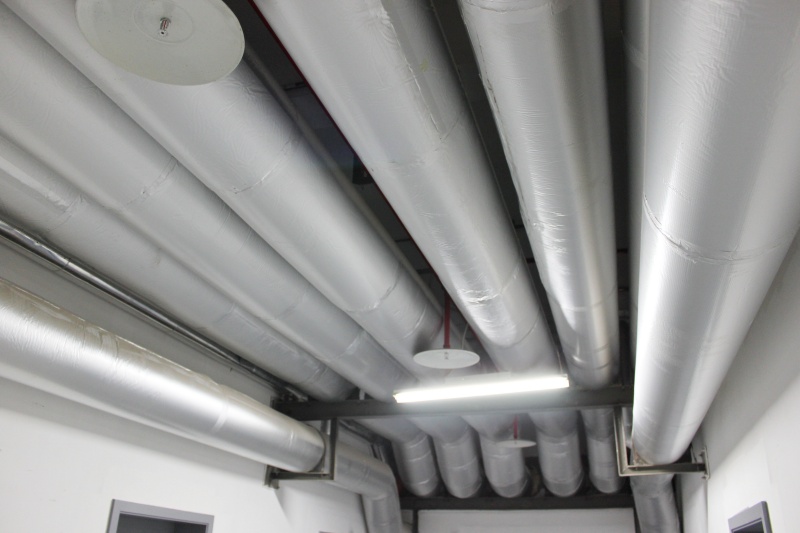
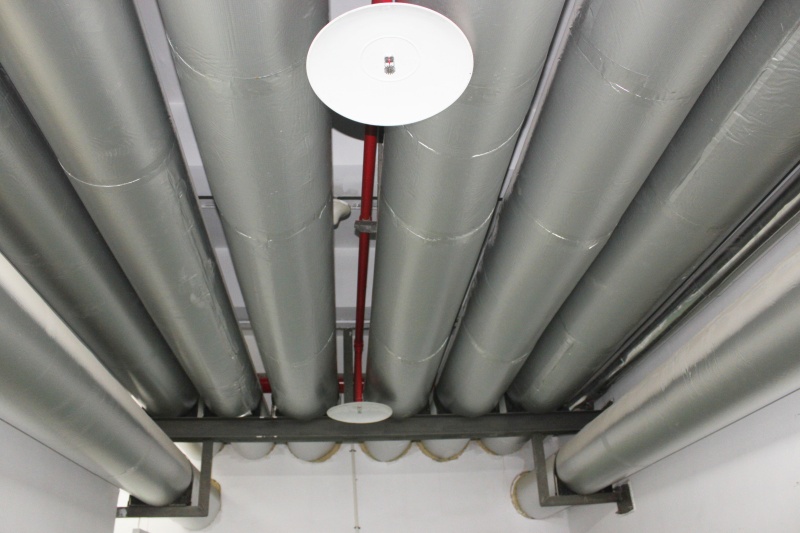
In modern HVAC design, uninsulated or poorly insulated air ducts lead to severe energy losses, systemic performance degradation, and hazardous moisture accumulation. Proper insulation is not just a building code recommendation—it is a critical mechanical requirement.
As conditioned air moves through sheet metal air ducts, it is exposed to ambient spaces like ceilings, crawl spaces, and exterior environments. Thermal energy transfer (heat gain in cooling systems and heat loss in heating systems) forces HVAC units to work harder. Kingflex closed-cell rubber foam provides a superior thermal barrier with a low thermal conductivity rating (≤0.034 W/m·K at 0°C), drastically reducing operational carbon footprints and structural utility costs.
When cold air flows through metal ducts situated in warm, humid spaces, the outer duct surface temperature falls below the dew point of the surrounding air. This results in condensation, leading to dripping water, damaged ceilings, and mold growth. Kingflex closed-cell insulation maintains a high water vapor diffusion resistance factor (μ ≥ 10,000), keeping the outer surface above the ambient dew point and eliminating moisture issues.
Mechanical air flow, fan operations, and system vibrations naturally create structural noise within metal ductworks. Closed-cell NBR/PVC structures serve a dual purpose: providing high-performance thermal barriers while absorbing mechanical resonance and turbulent noise. Installing Kingflex insulation sheets reduces noise transmission throughout the building, improving indoor comfort in schools, hospitals, and offices.
The insulation industry is shifting toward materials that offer higher thermal resistance with lower thicknesses, while maintaining safety, low smoke emission, and green certifications. Historically, fiberglass and rock wool dominated the insulation space; however, health concerns over airborne particulates and mold susceptibility have pushed elastomeric closed-cell foam to the forefront.
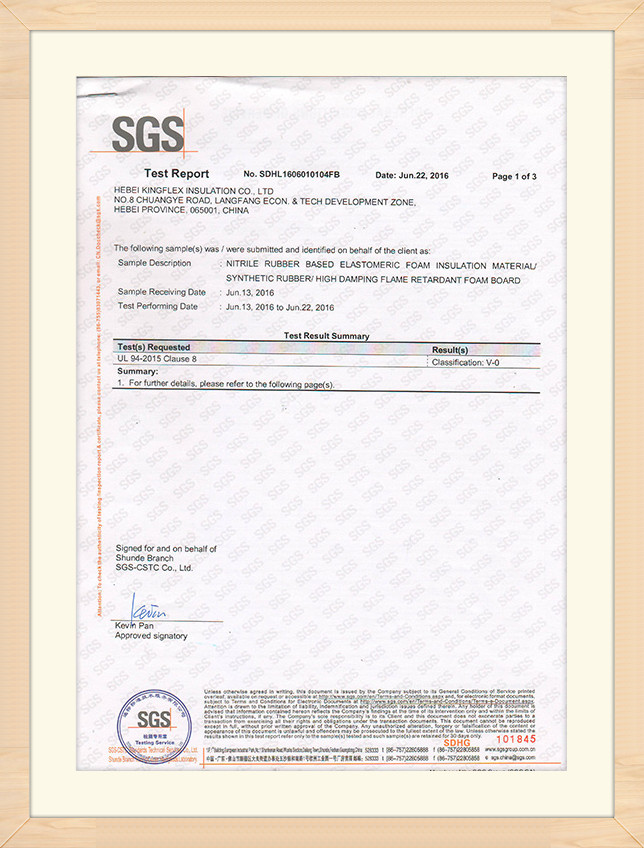
Kingflex's R&D roadmap focuses on chemical engineering refinements to improve fire resistance (BS 476 Class 0, UL94 V-0 ratings) without utilizing hazardous halogenated compounds. Halogen-free formulations prevent toxic, corrosive gas emissions during building fires, protecting occupant safety and structural assets.
Additionally, smart insulation materials with integrated temperature and humidity sensors are on the horizon. This technology allows facility managers to monitor duct performance in real-time, detecting thermal leaks or internal condensation before they cause major issues.
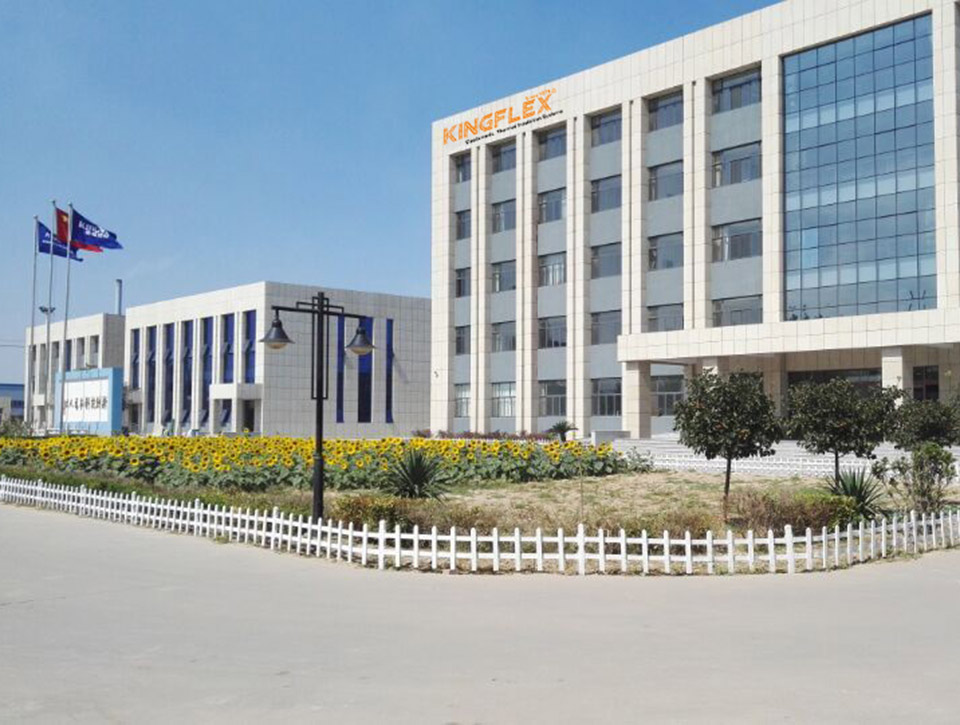
Based in Dacheng, China—the capital of energy-efficient green building materials—Kingflex operates advanced, automated manufacturing plants designed for global supply chain resilience.
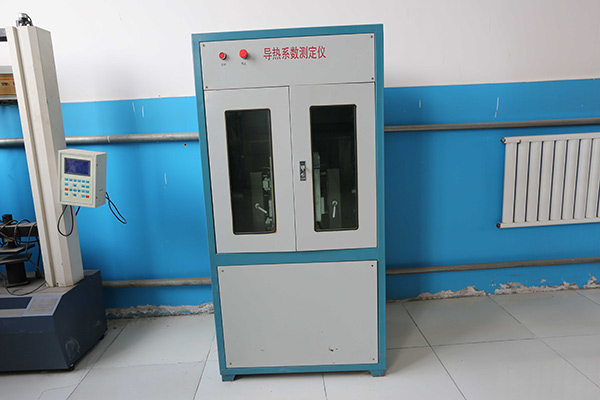
Our facility utilizes 5 automated continuous extrusion and vulcanization lines. This process delivers structural uniformity, ensuring that every batch of NBR/PVC elastomeric foam features an evenly distributed closed-cell density of 40–55 kg/m³ with a rate exceeding 98%.
Automated thickness calibration guarantees tight tolerances across all product dimensions (thicknesses ranging from 6mm to 50mm). This reduces thermal anomalies and physical weaknesses during high-tension installations.
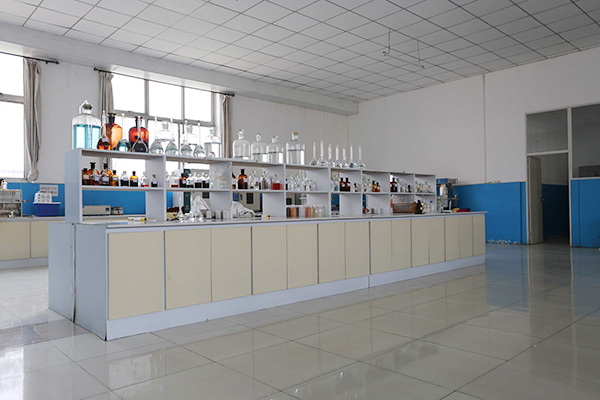
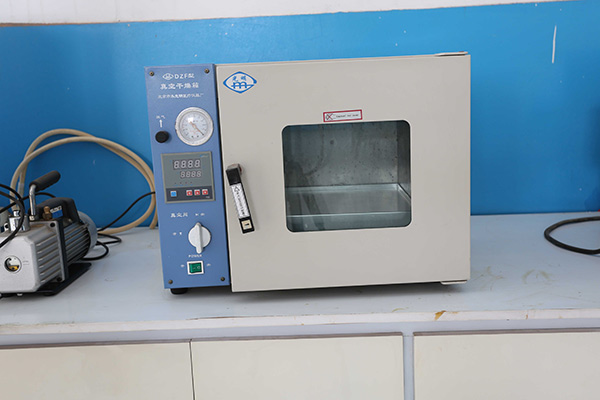
By combining computerized batch tracking, automated chemical dosing, and testing protocols, Kingflex delivers reliable quality at scale, matching the requirements of large-scale commercial real estate and industrial construction projects.
From standard HVAC systems in high-rise buildings to specialized cryogenic insulation for large-scale energy tanks, Kingflex materials are engineered to perform in various demanding applications.
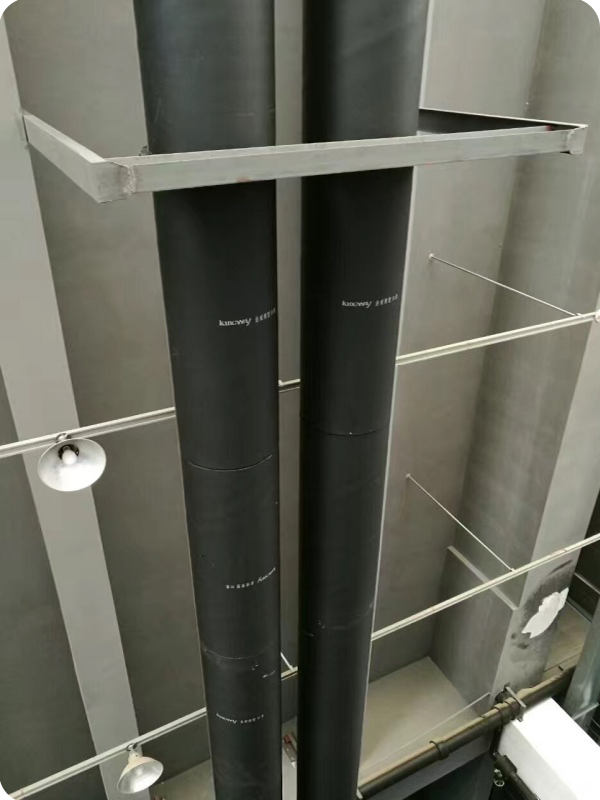
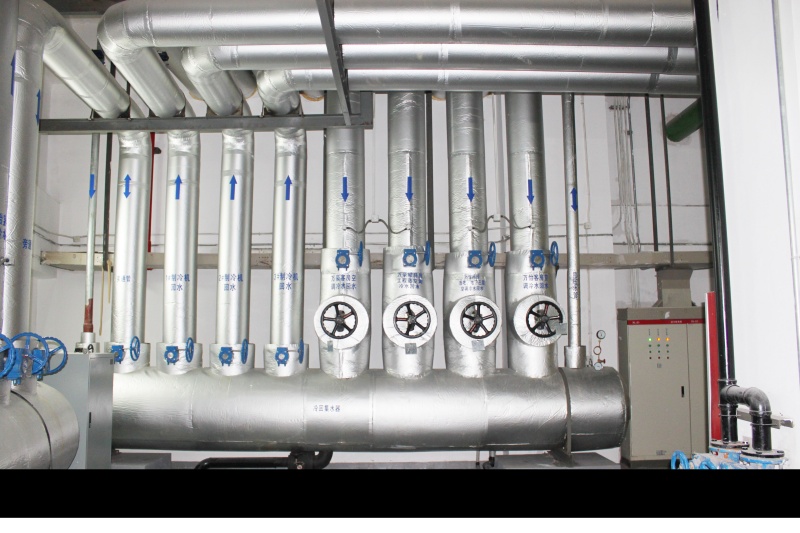
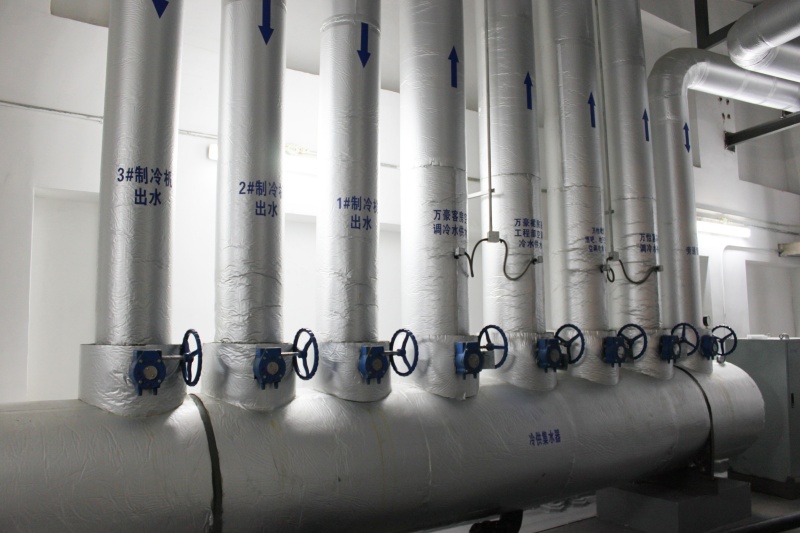
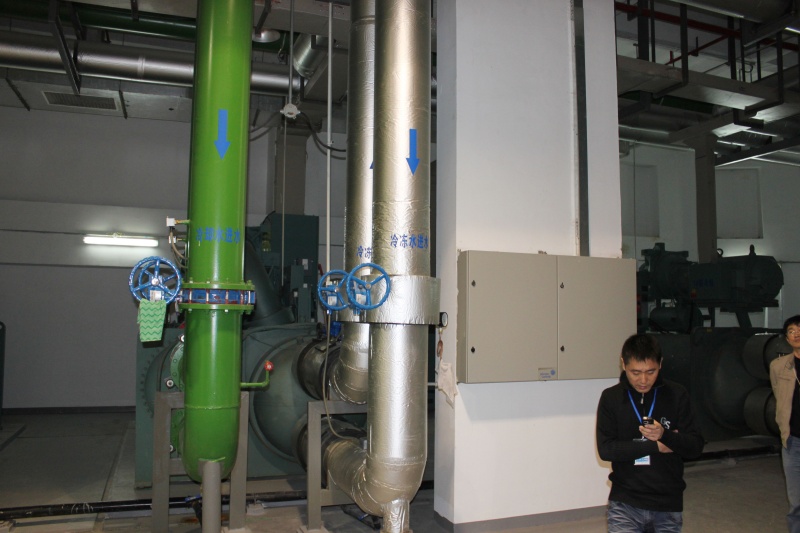
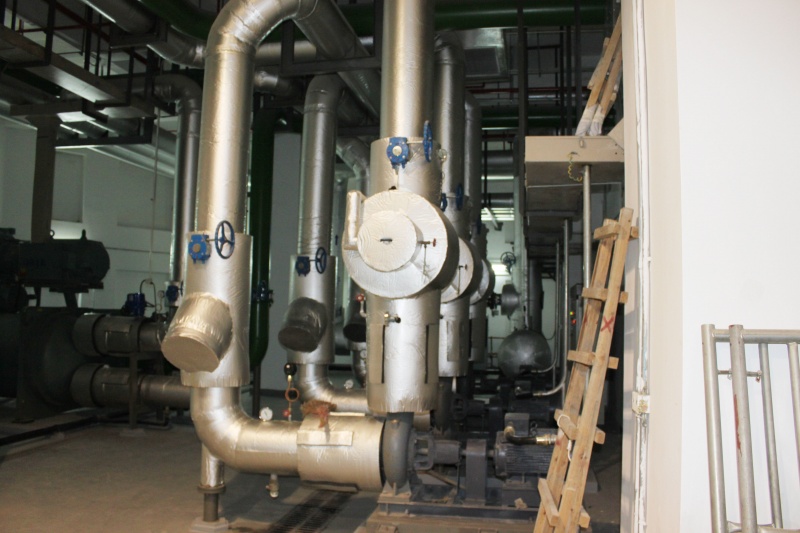
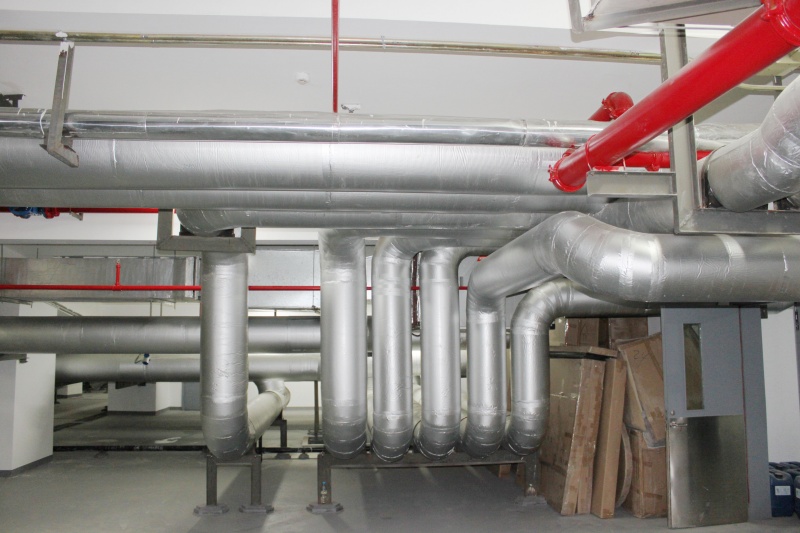
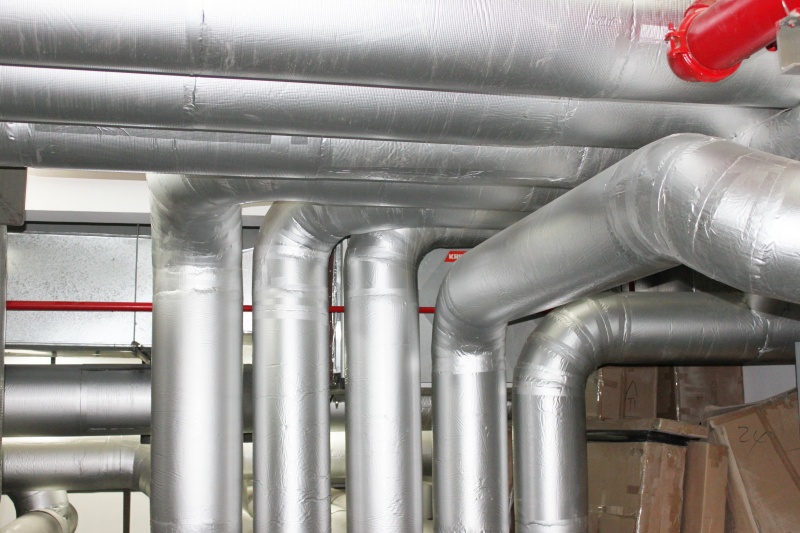
Central HVAC systems in malls, hotels, and hospitals rely on Kingflex self-adhesive rolls and elastomeric tubes to prevent condensation. This keeps structures dry, avoids damage to architectural ceilings, and eliminates health risks associated with mold growth in hidden cavities.
At ultra-low temperatures down to -200°C, traditional insulation materials crack or permit ambient moisture entry, leading to ice buildup and structural failure. Kingflex flexible cryogenic insulation sheets maintain elasticity, keeping Liquefied Natural Gas (LNG) pipelines and storage tanks insulated and safe.
Chemical processing complexes require heavy-duty insulation that resists corrosion and harsh environmental exposure. Kingflex's corrosion-resistant rubber foam tubes protect steel pipelines from moisture and chemical damage, preventing corrosion under insulation (CUI) and reducing long-term maintenance costs.
Kingflex thermal insulation solutions are engineered to meet global mechanical design requirements. Below are the key physical properties of our flagship NBR/PVC elastomeric insulation materials.
| Insulation Material | Available Thickness | Density (kg/m³) | Service Temp. Range | Closed-Cell Rate | Key Performance Values |
|---|---|---|---|---|---|
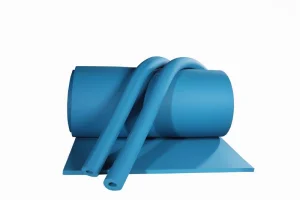
| Black Rubber Foam Insulation Sheet Roll | 6mm to 50mm | 40 - 55 kg/m³ | -40℃ to 105℃ | >98% | λ ≤ 0.034 W/m·K at 0℃, Compression resilience >80% |
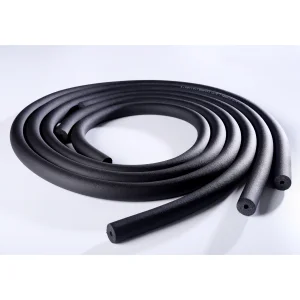
| Black Rubber Foam Insulation Pipe / Tube | 9mm to 40mm (ID: 6-114mm) | 40 - 55 kg/m³ | -40℃ to 105℃ | >98% | Low vapor permeability, high elasticity, reduces cracking risk |
| Halogen-Free Elastomeric Foam Roll | 10mm to 30mm | 45 - 60 kg/m³ | -50℃ to 105℃ | >97% | Zero toxic halogen gases, Class 0 fire retardancy (BS 476) |
| Cryogenic Foam Sheet Roll | 13mm to 40mm | 60 - 80 kg/m³ | -200℃ to 125℃ | >98.5% | High flexibility at ultra-low temperatures, limits thermal fatigue |
Our products are tested and certified to meet international environmental and safety standards, ensuring smooth project approvals and regulatory compliance worldwide.
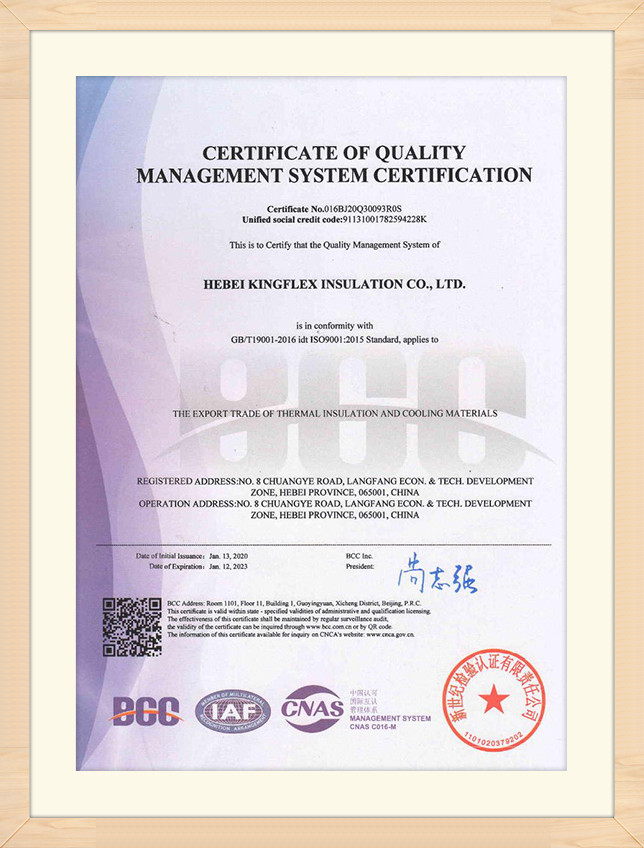
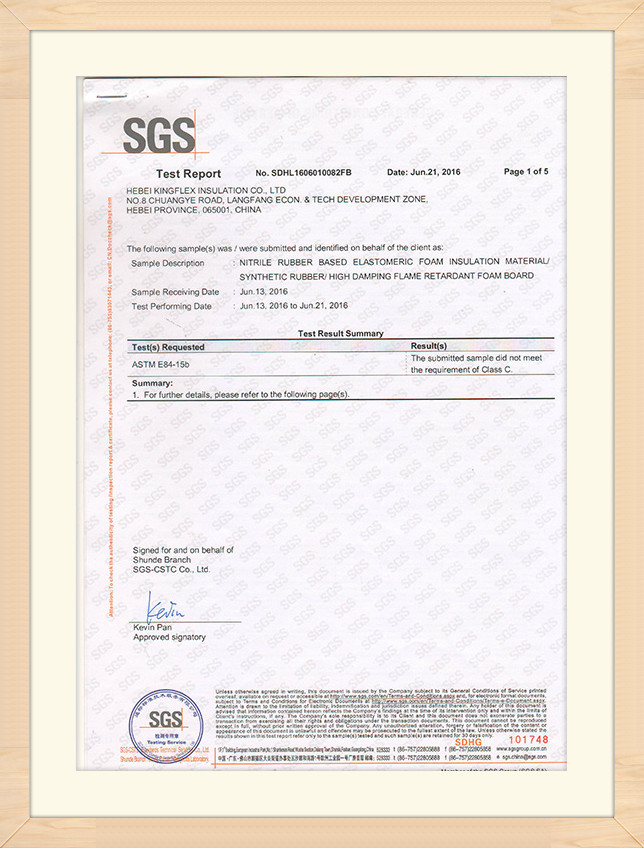
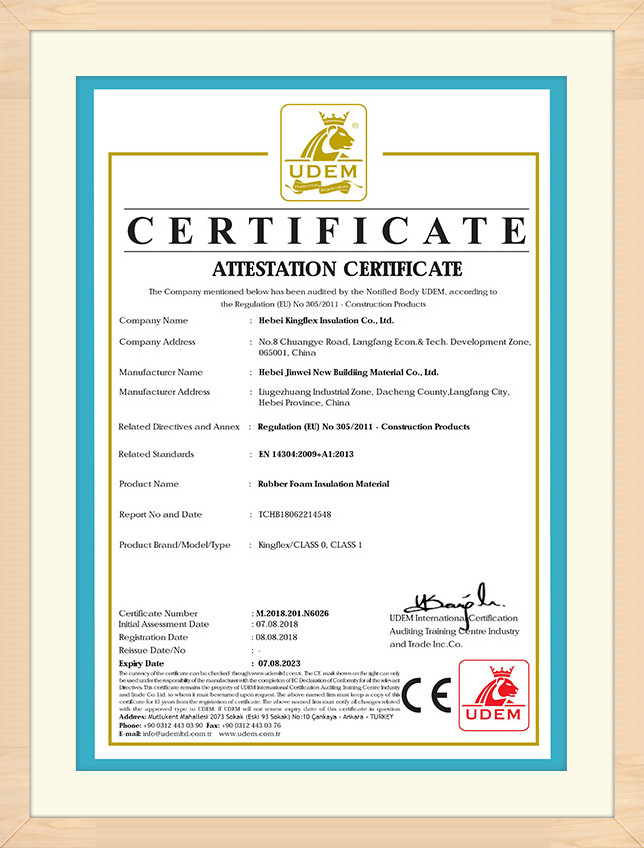
To supply commercial and industrial projects across global regions (North America, Europe, Southeast Asia, Middle East), materials must comply with local safety regulations. Kingflex products have passed rigorous evaluations, securing key certifications: BS 476, CE, REACH, RoHS, UL94, and ASTM.
Our fire-retardant formulation passes the BS 476 Part 7 Class 1 surface spread of flame and Part 6 fire propagation tests, helping systems earn the Class 0 classification required by construction authorities. This ensures the material will not easily support combustion or fuel flame spread.
Additionally, we offer REACH and RoHS-certified chemical compositions, showing that no dangerous plasticizers or heavy metals are used. This makes our products suitable for high-density environments like schools, modern cleanrooms, and food processing plants.
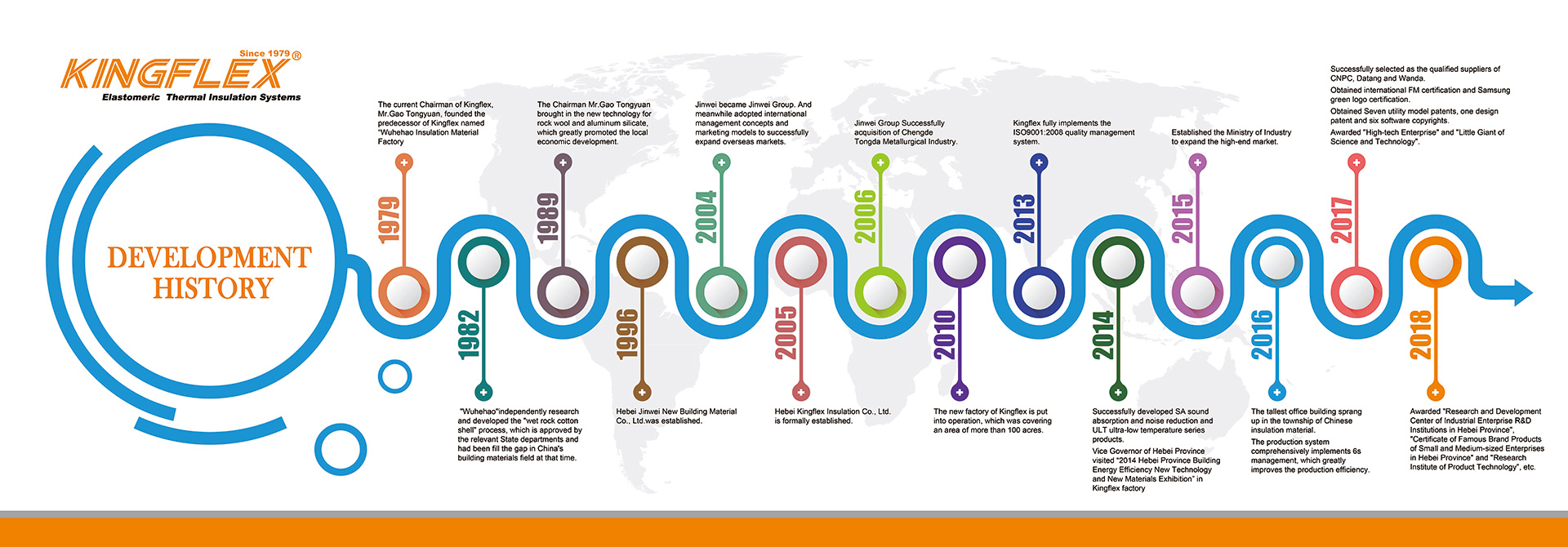
Founded under the Jinwei Group (which has over 40 years of history since 1979), Kingflex combines manufacturing scale with engineering expertise.
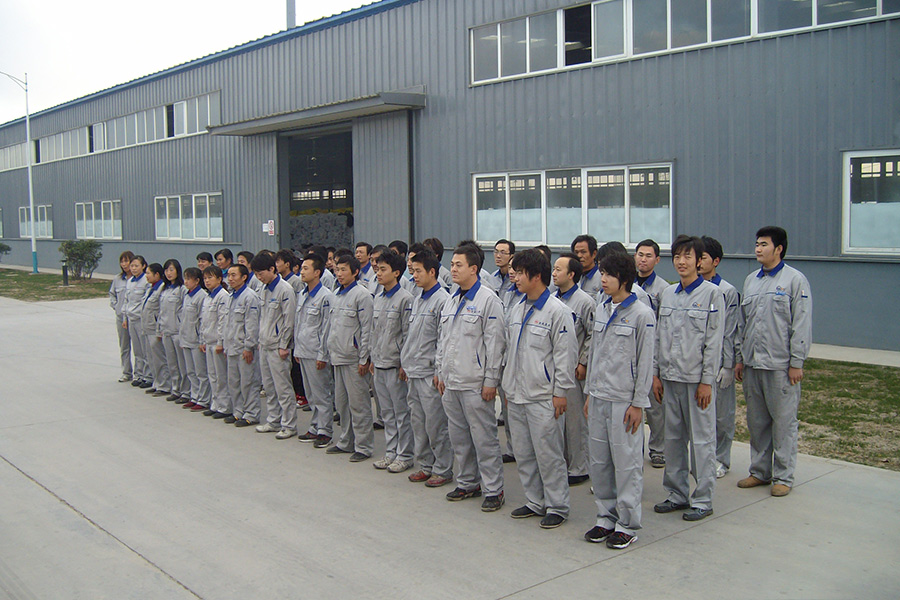
Kingflex maintains a strong commitment to quality control and product innovation. Our operations team is structured to support complex global supply chains:
Kingflex is committed to environmental sustainability, using energy-saving practices and low-emission production systems to reduce carbon footprint at every step of manufacturing.
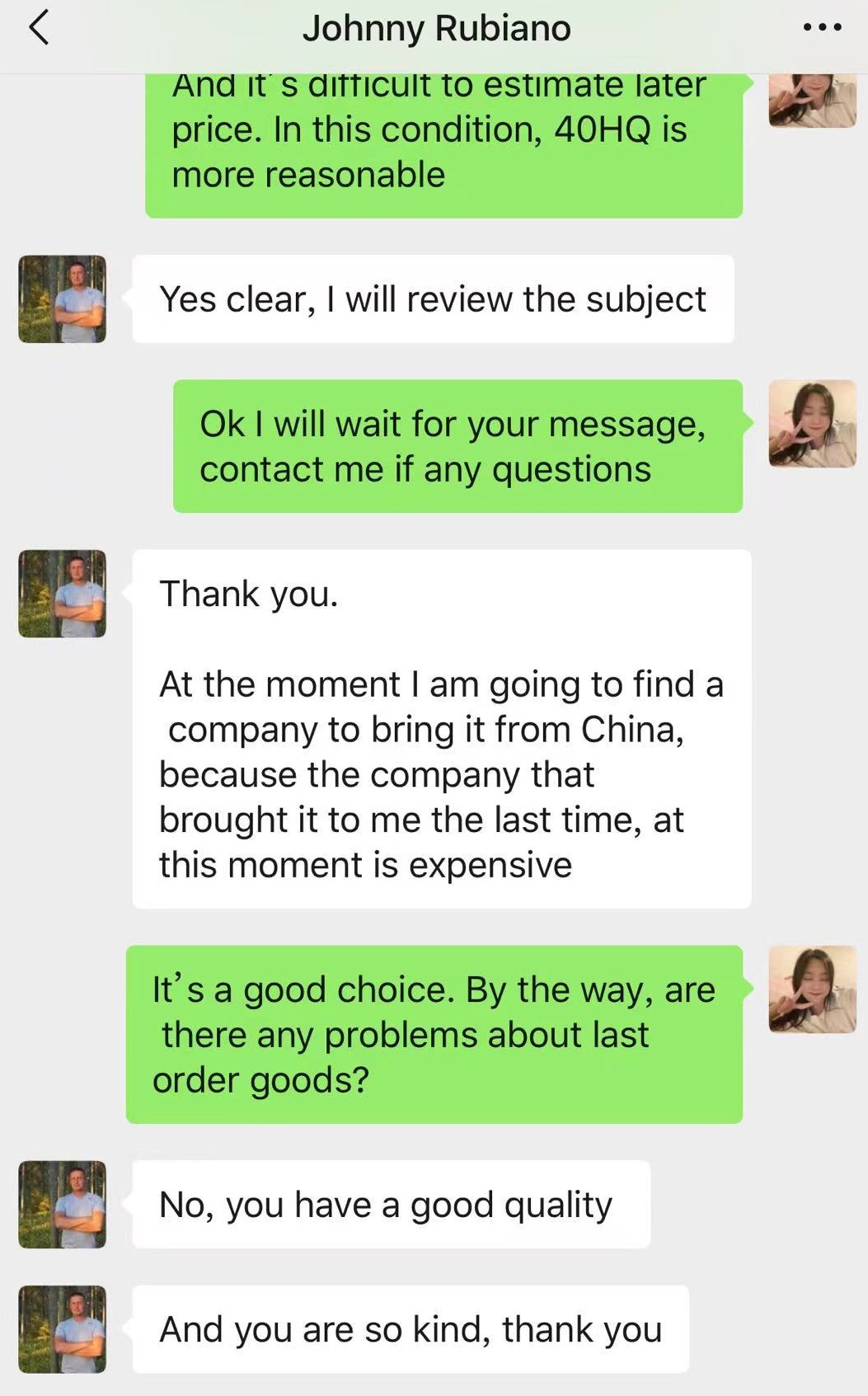
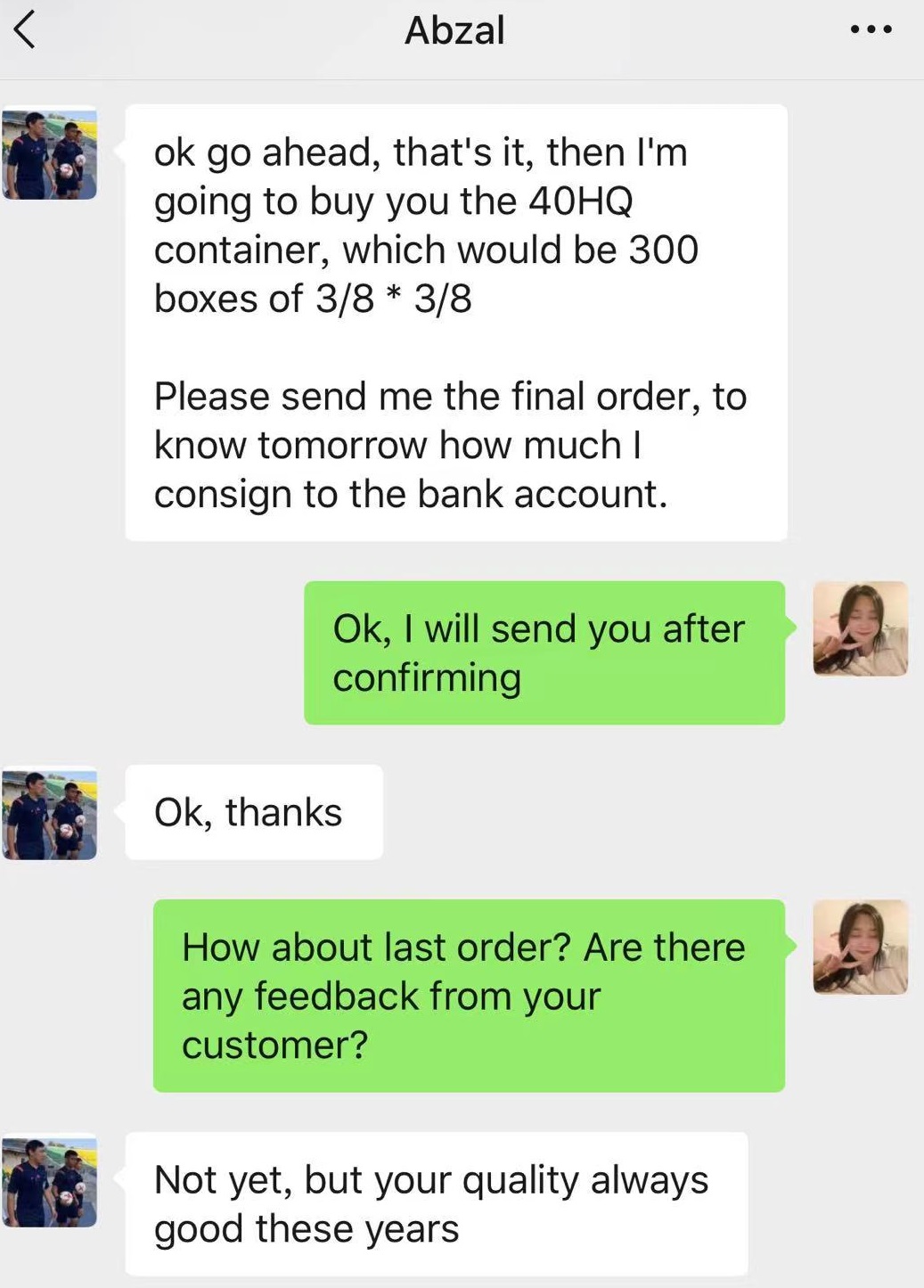
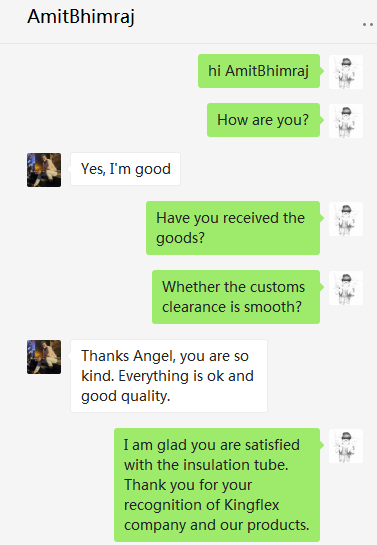
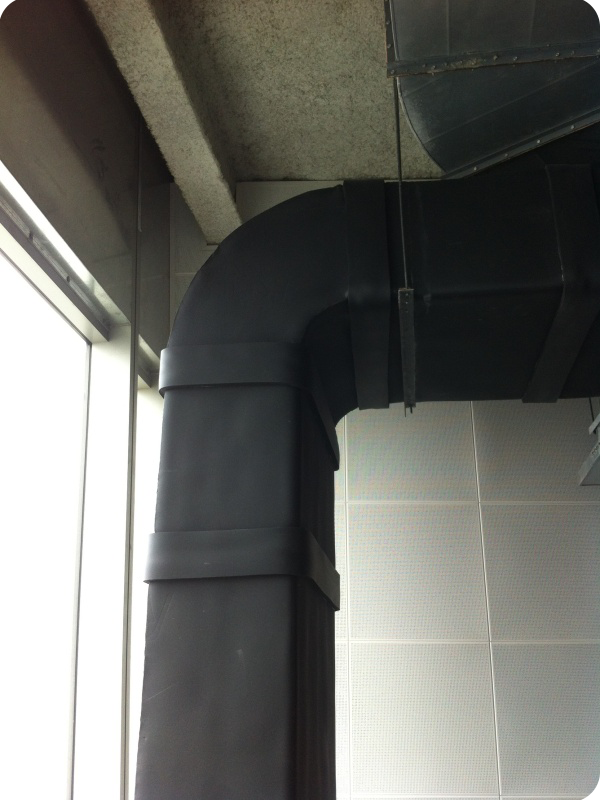
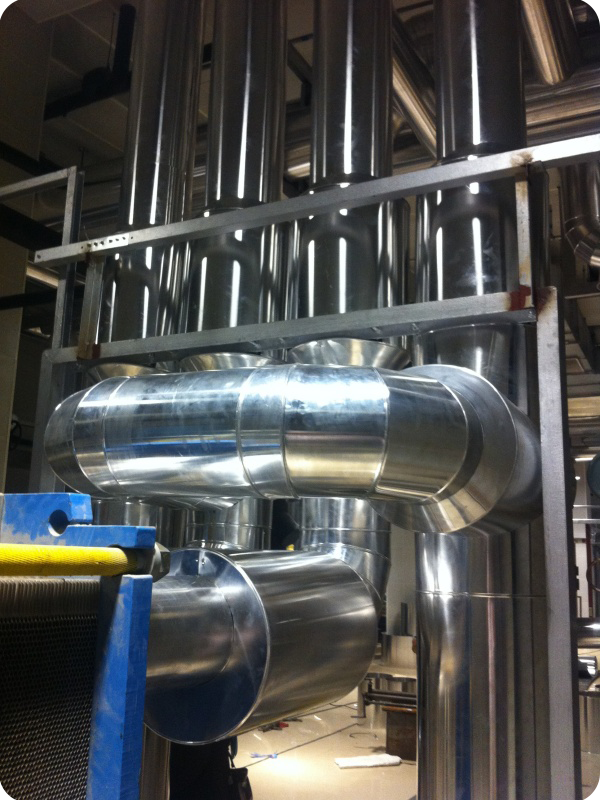
Kingflex products are used by HVAC contractors and procurement managers worldwide. Below are highlights from recent customer projects, site photos, and direct feedback.


Get detailed technical answers regarding elastomeric rubber foam insulation properties, specifications, applications, and pricing.
A1: It is primarily used for insulating HVAC ducts, air conditioning lines, cold water pipes, and process systems. Its closed-cell structure prevents condensation, reduces energy loss, and dampens sound in commercial, residential, and industrial environments.
A2: Yes. Kingflex rubber foam is formulated with flame retardants, allowing it to meet international fire standards, including BS 476 (Class 0 & Class 1 classifications) and UL94 V-0 flame-spread ratings. It is self-extinguishing and will not fuel fires.
A3: Rubber foam is highly flexible, has a closed-cell structure, and resists water vapor penetration without needing a separate vapor barrier—making it ideal for HVAC ducts, chilled lines, and high-humidity areas. Rock wool is a fibrous material that resists high temperatures, making it suitable for industrial steam systems and high-temp flues, but it can absorb moisture if not properly sealed.
A4: Yes. We offer comprehensive OEM/ODM services. We can customize dimensions, thicknesses (from 6mm to 50mm), pipe inner diameters, colors, and add functional facings like self-adhesive backing or reinforced aluminum foil layer options.
A5: Our products are certified under BS 476, CE, REACH, RoHS, UL94, and ASTM. These certifications ensure our products comply with building codes and environmental regulations across key global markets.
A6: Yes. We trace every production batch. From the raw NBR/PVC compound mixing stage to vulcanization, packaging, and shipping, each lot has a unique batch number, allowing us to maintain consistent quality control.
A7: We manufacture elastomeric rubber foam sheets and rolls in thicknesses from 6mm up to 50mm, allowing engineering teams to specify the correct thermal thickness for their project needs.
A8: When properly installed under standard operating conditions (-40℃ to 105℃) and sheltered from direct UV radiation, Kingflex rubber foam insulation typically has a service life of 10 to 15 years.
Explore our advanced technical insulation solutions, engineered for demanding industrial, low-temperature, and commercial installations.