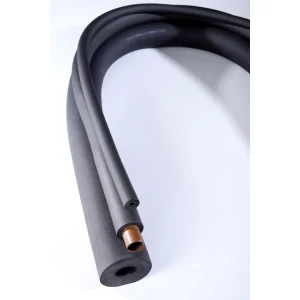
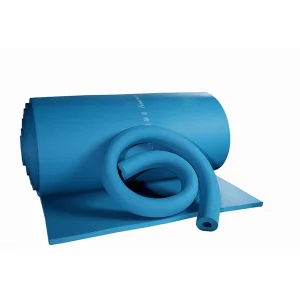
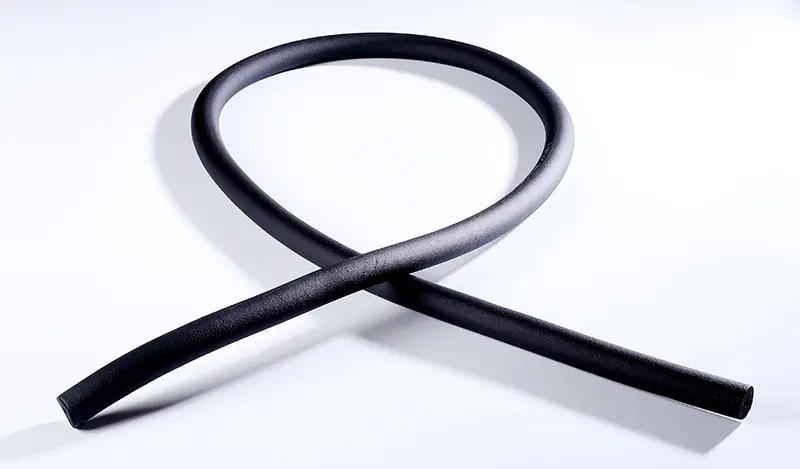
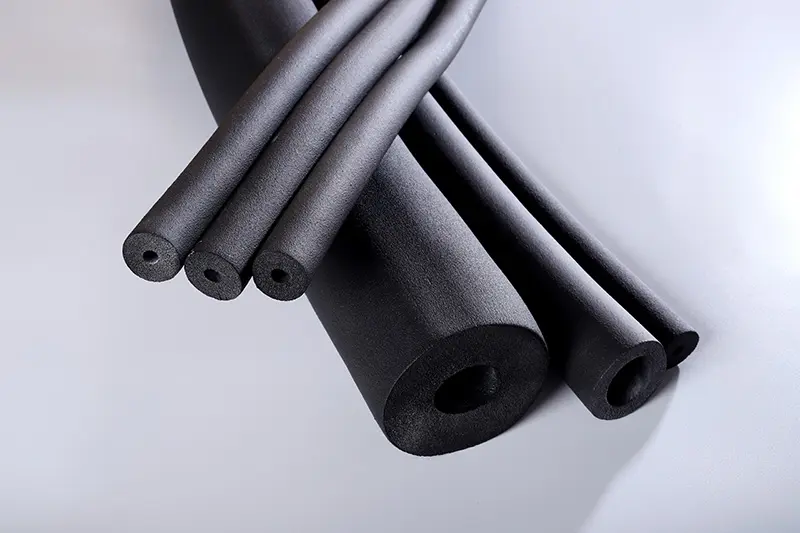
Whitepaper: The Science and Standards of Class 0 Fire Rating Materials
In modern industrial design and commercial architecture, thermal insulation is no longer evaluated solely by its thermal conductivity ($k$-value). The rapid vertical expansion of urban structures and the increasing complexity of industrial process plants have positioned fire safety as an absolute priority. Class 0 Fire Rating materials represent the pinnacle of passive fire defense within building regulations, particularly under the British Standards framework (BS 476 Part 6 & 7) and relevant global equivalents.
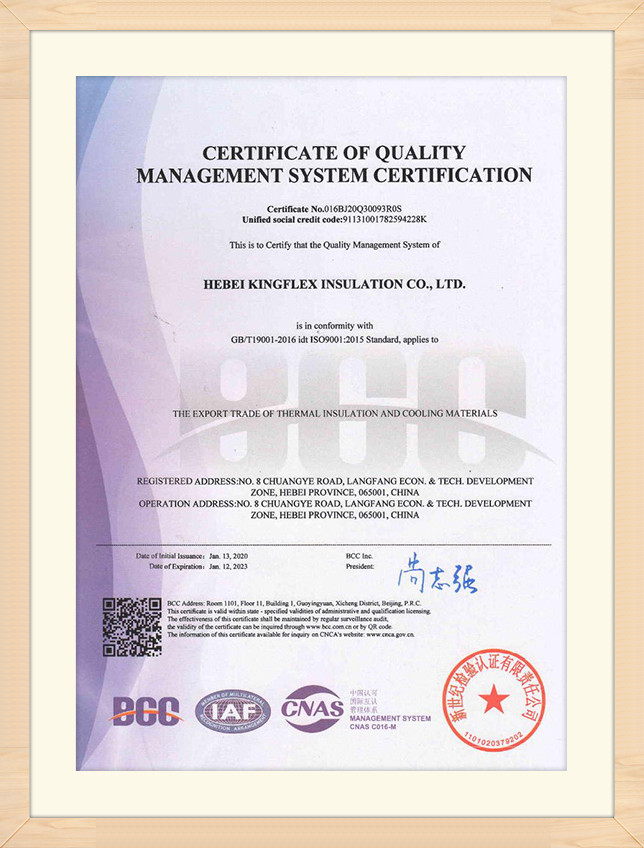
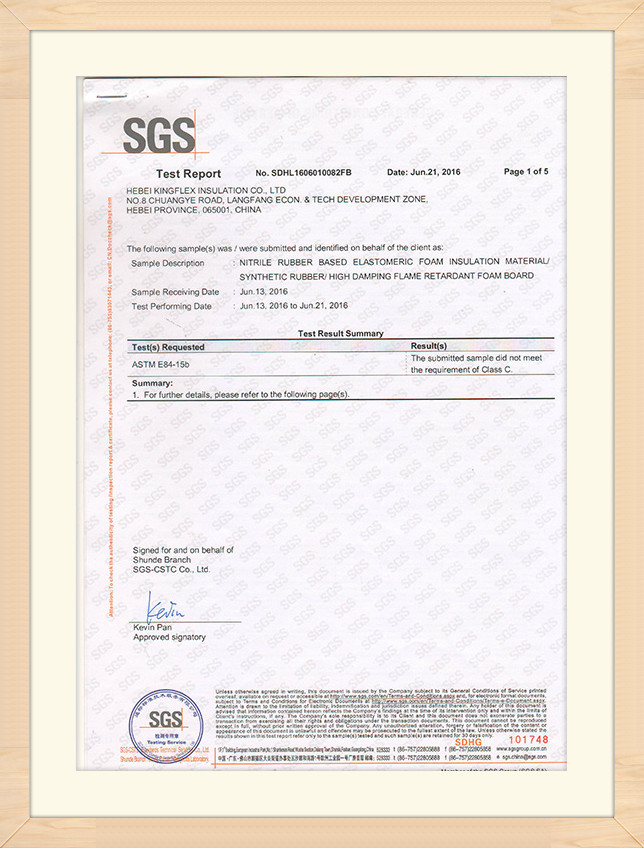
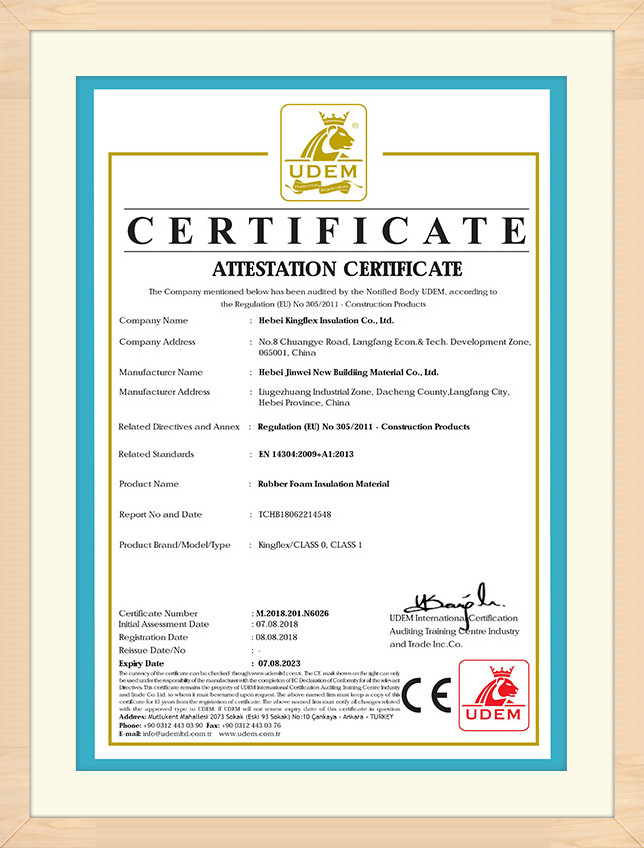
What is a Class 0 Fire Rating? It is the highest level of fire protection performance for combustible insulation materials. Under BS 476, to achieve a Class 0 classification, a material must meet Class 1 standards (BS 476 Part 7 - Surface Spread of Flame) and also achieve a fire propagation index ($I$) of less than 12, and a sub-index ($i_1$) of less than 6 under BS 476 Part 6.
Technical Performance Comparison
Selecting the right insulation requires balancing fire safety, thermal performance, and moisture resistance. The table below highlights the key differences between various industrial insulation configurations:
| Material Class |
Thermal Conductivity (W/m·K) |
Moisture Resistance (μ) |
BS 476 Fire Rating |
Primary Industrial Use Case |
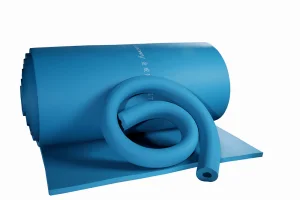
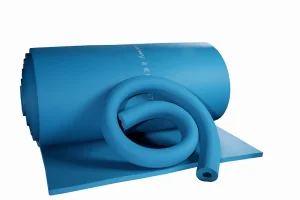
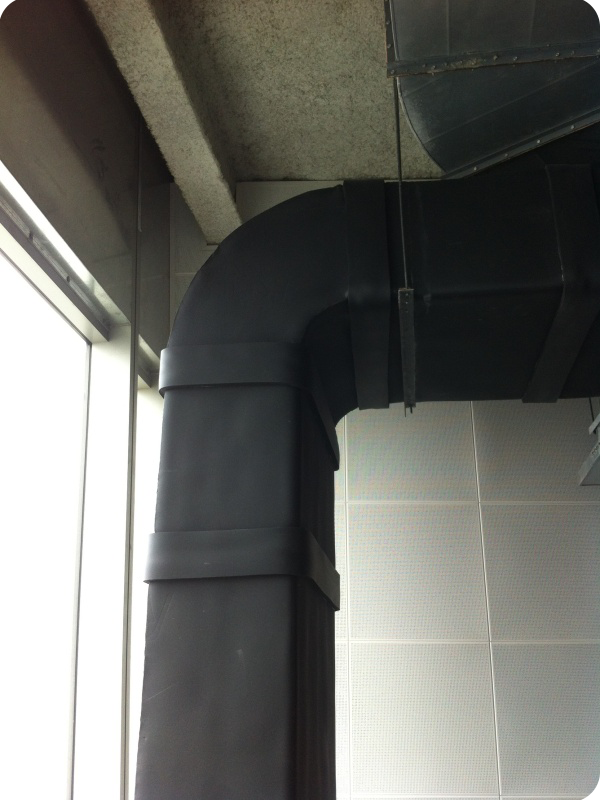
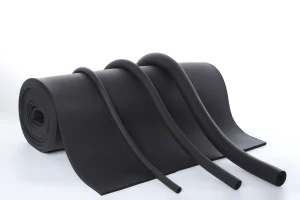
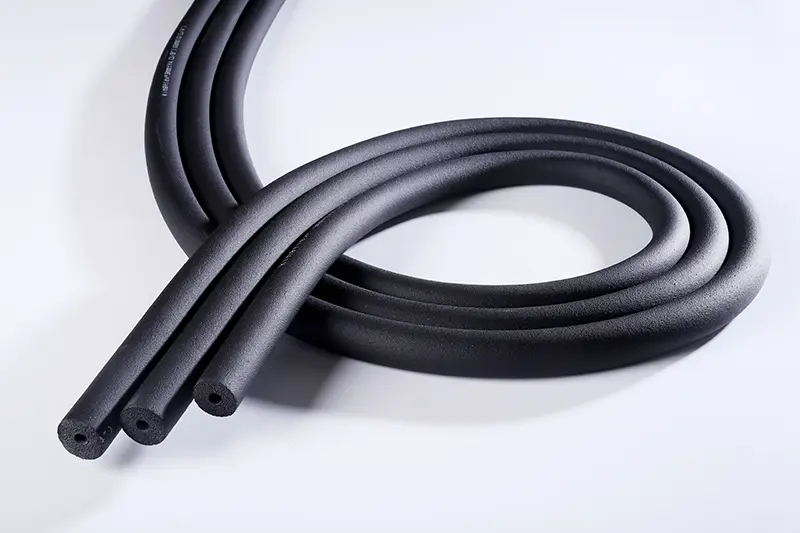
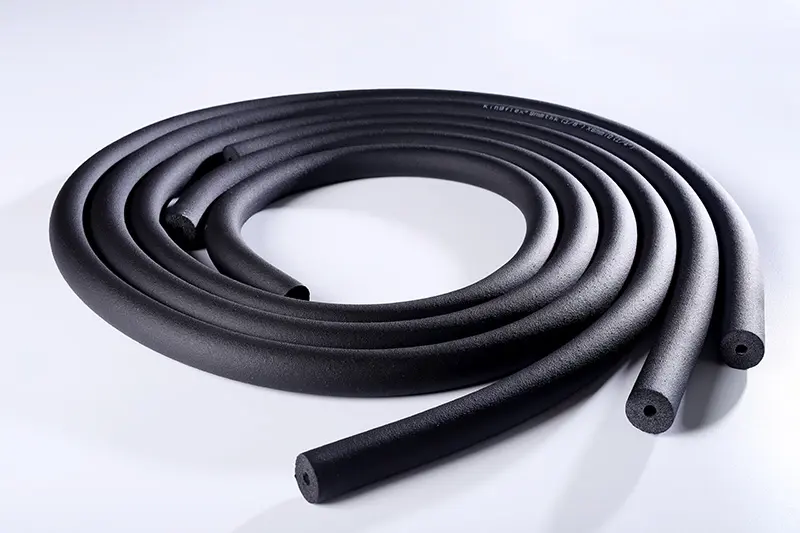
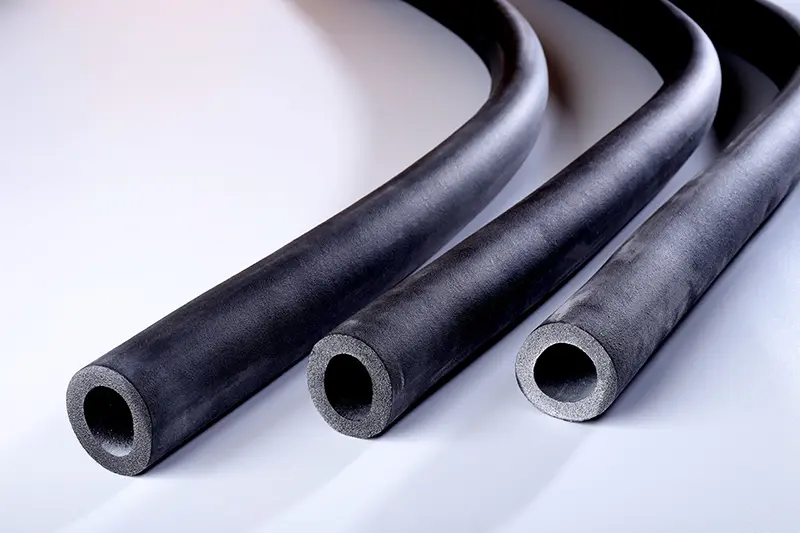
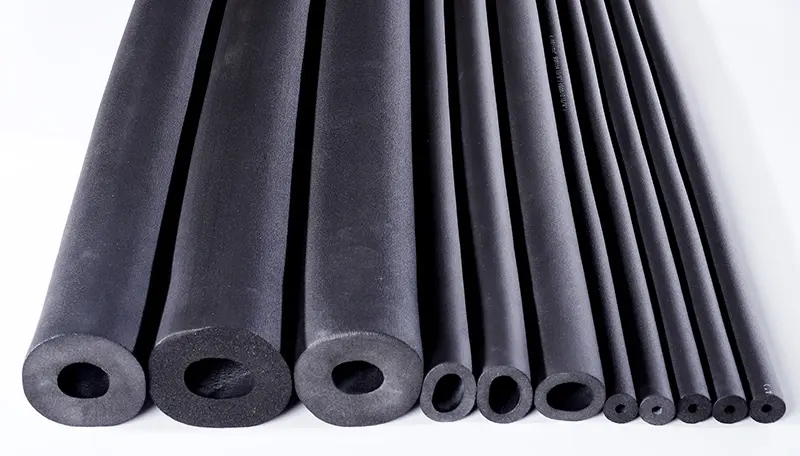
| Kingflex Elastomeric Rubber |
≤ 0.034 (at 0°C) |
≥ 10,000 (Closed-Cell) |
Class 0 / Class 1 |
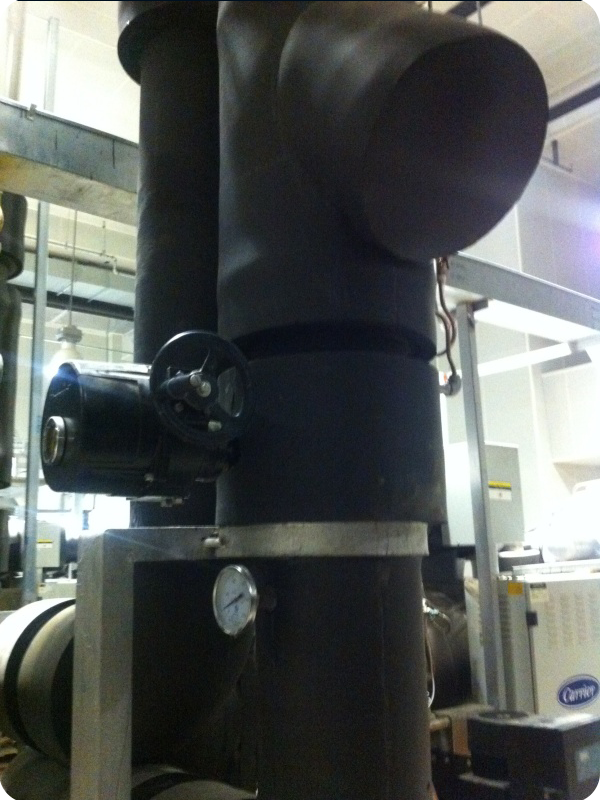
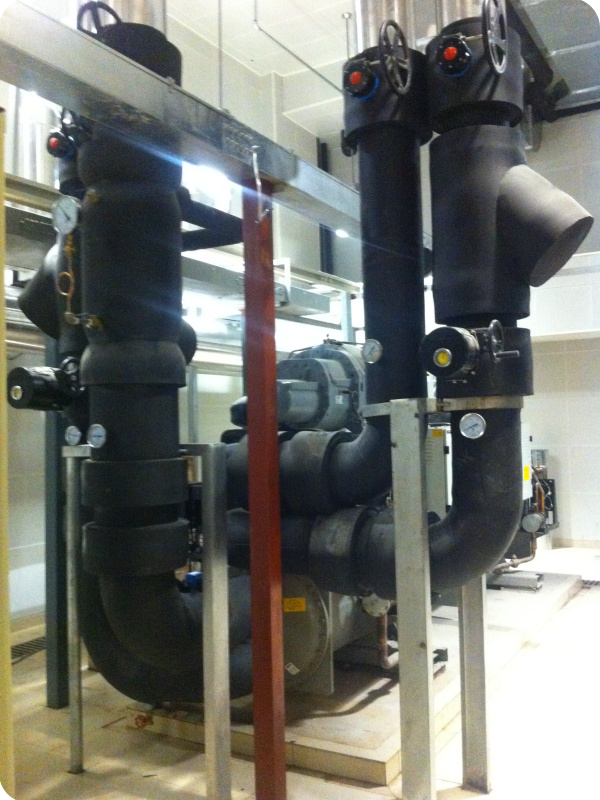
HVAC, Cryogenic, Cleanrooms, Marine |
| Standard NBR/PVC Foam |
0.036 - 0.040 |
≥ 5,000 |
Class 1 / Class 2 |
General HVAC, Plumbing Systems |
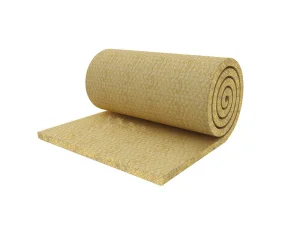
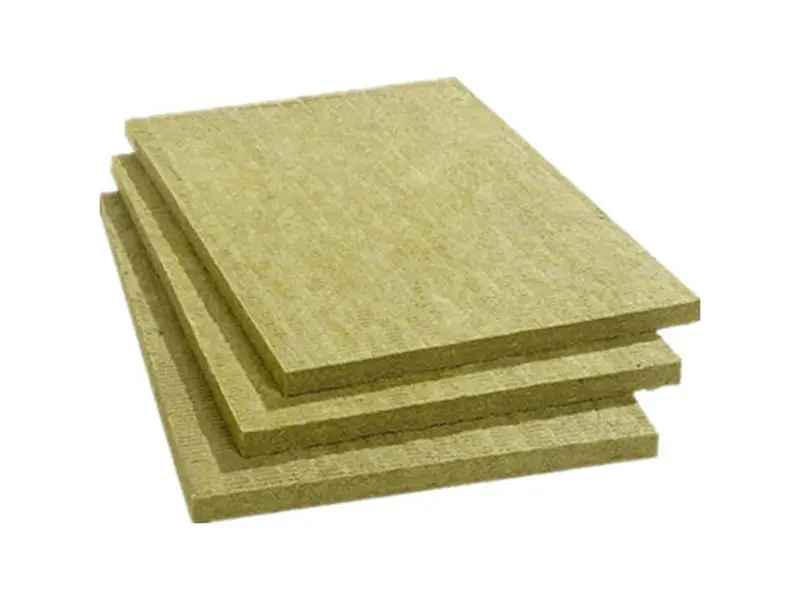
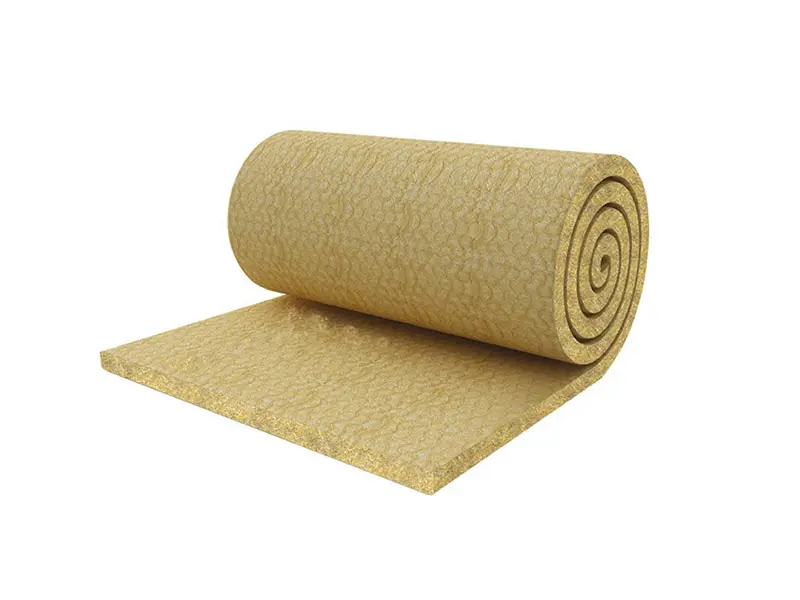
| Rock Wool Insulation |
0.038 - 0.044 |
~ 1 (Open-Cell) |
Non-combustible (Class A1) |
High-Temp Process Piping, Furnaces |
Emerging Global Trends in Fire-Rated Insulation
As regulatory bodies globally enforce stricter ESG (Environmental, Social, and Governance) targets and net-zero strategies, the fire-rated materials market is undergoing a massive transformation:
- Low Smoke and Non-Toxic Emissions: In enclosed spaces such as subways, airports, and high-rise data centers, toxic smoke inhalation is often more hazardous than the fire itself. Manufacturers are prioritizing halogen-free formulations to minimize acid gas generation.
- Resistance to CUI (Corrosion Under Insulation): Traditional open-cell materials permit water vapor ingress, causing pipe corrosion. High-performance closed-cell elastomeric foams act as an integrated vapor barrier, completely neutralizing CUI risks.
- Integration of Low-VOC and Bio-Friendly Formulations: Compliance with LEED, BREEAM, and WELL building certifications necessitates zero Ozone Depletion Potential (ODP) and Global Warming Potential (GWP) indices.
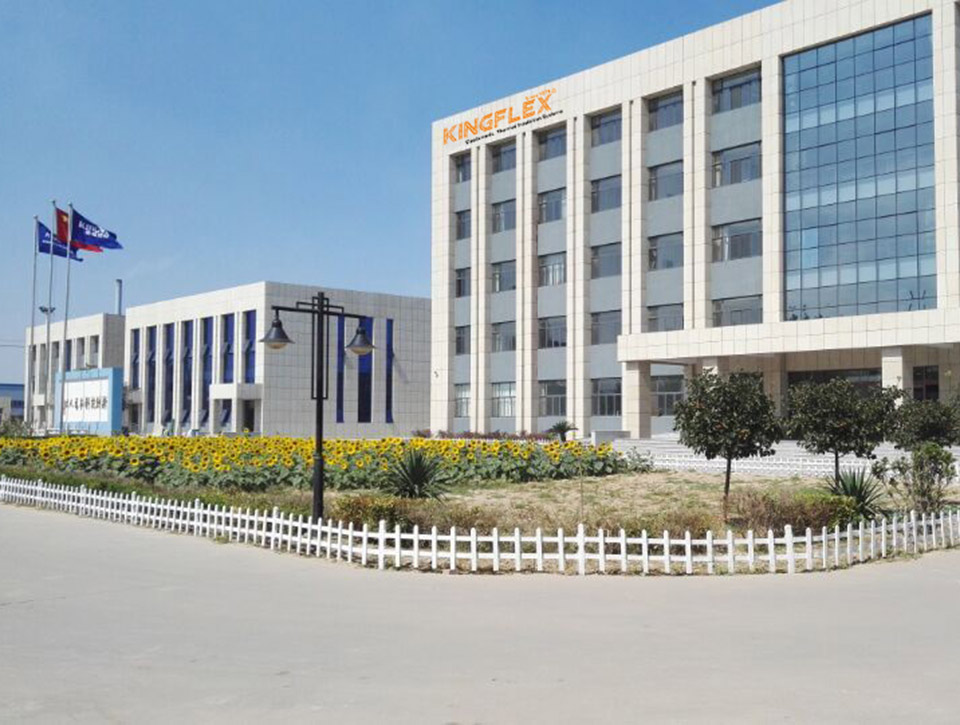
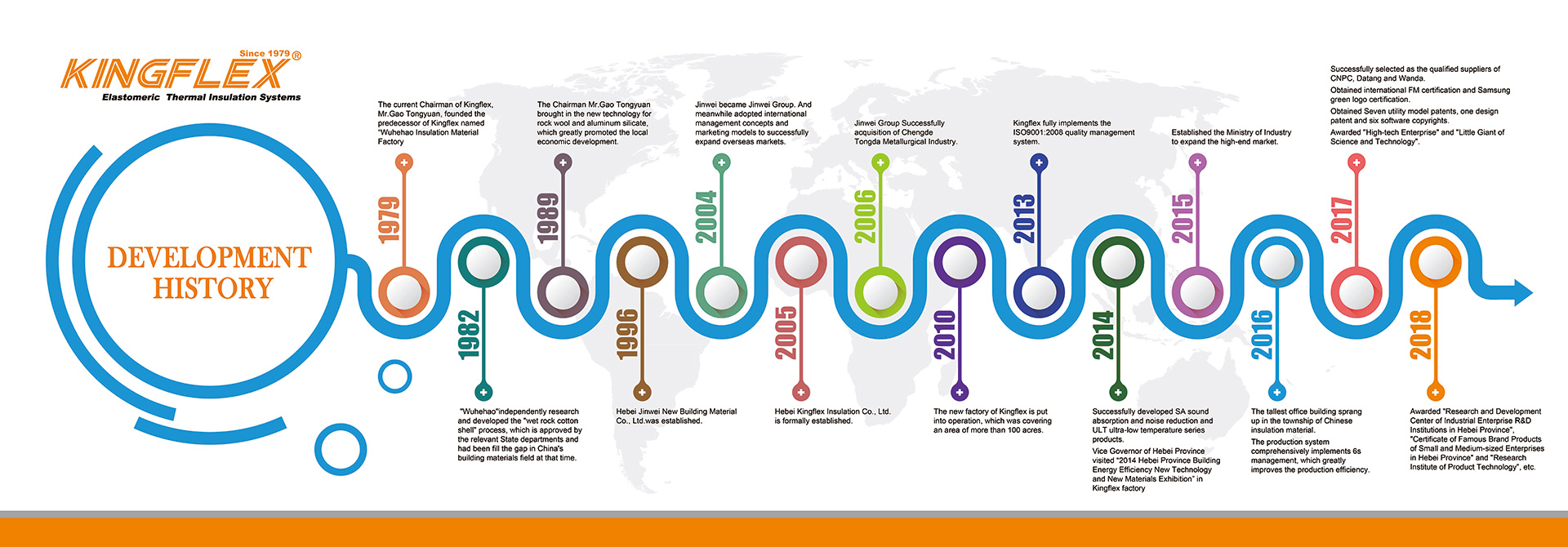
 Kingflex