Global Industrial Insulation Solutions

Wholesale Closed Cell Elastomeric Insulation Factory & Factories

Delivering advanced thermal control, acoustic attenuation, and cryogenic performance solutions for global commercial & industrial infrastructures.

Global Commercial & Industrial Status of Closed Cell Insulation

In the modern HVAC/R, petrochemical, and construction sectors, Closed Cell Elastomeric Insulation has emerged as the definitive standard for operational efficiency. Unlike open-cell structural foams, closed-cell elastomerics feature micro-structural chambers that trap inert gases and prevent moisture ingress. This unique configuration makes them highly resistant to thermal degradation and moisture transmission.

With the global push toward Net-Zero carbon goals, architectural systems demand insulation materials with extreme durability and stability. Modern industrial systems, especially cryogenic setups down to -200 °C, require materials that prevent corrosion under insulation (CUI) while minimizing energy losses. Advanced NBR/PVC polymers are now critical components in reducing thermal bridge impacts in massive building complexes, gas liquefaction lines, and pharmaceutical clean rooms.

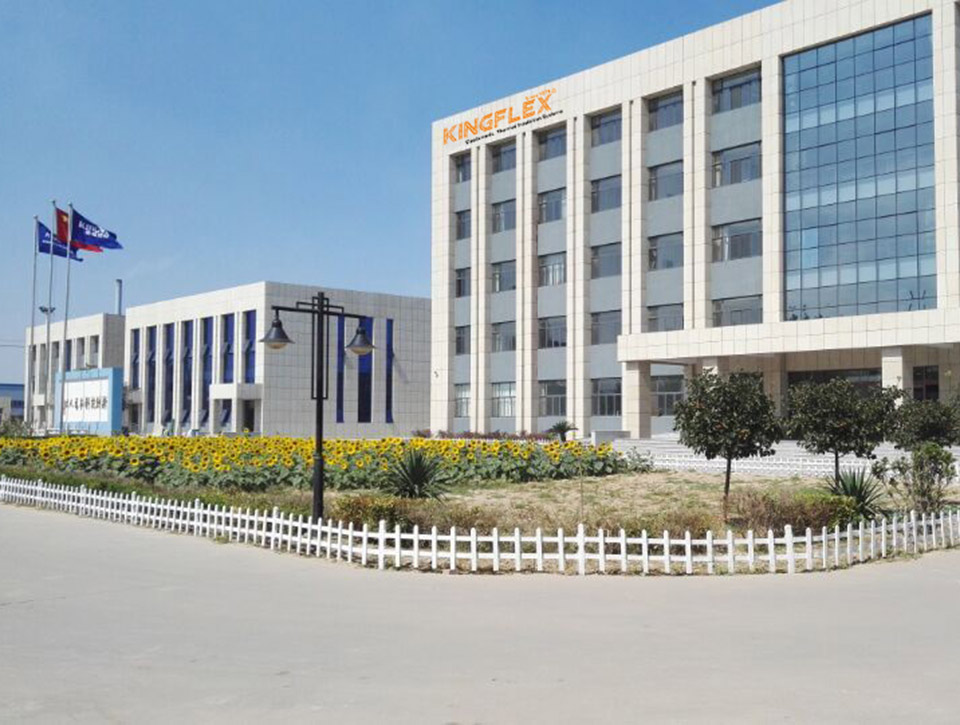
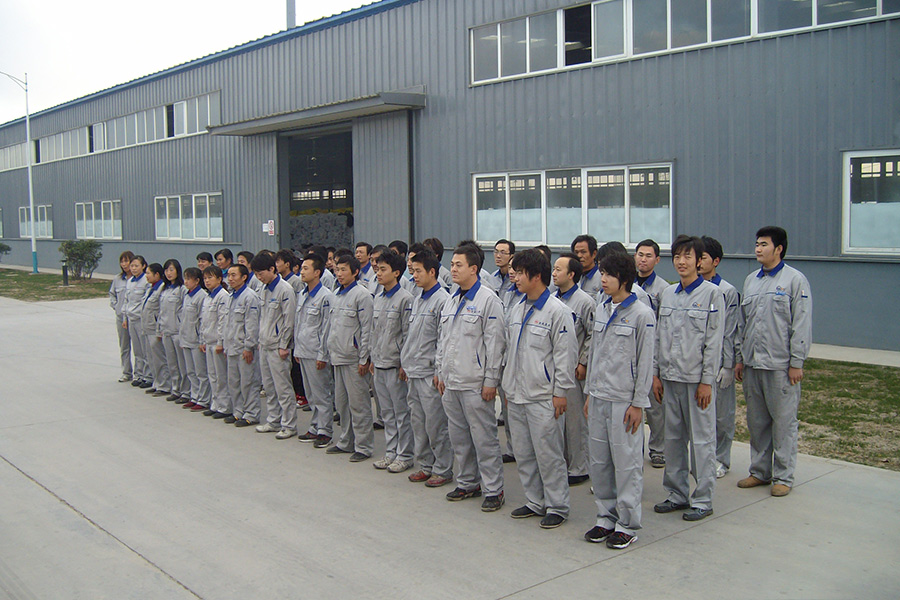
Kingflex Industrial Factory Insulation Production
40+
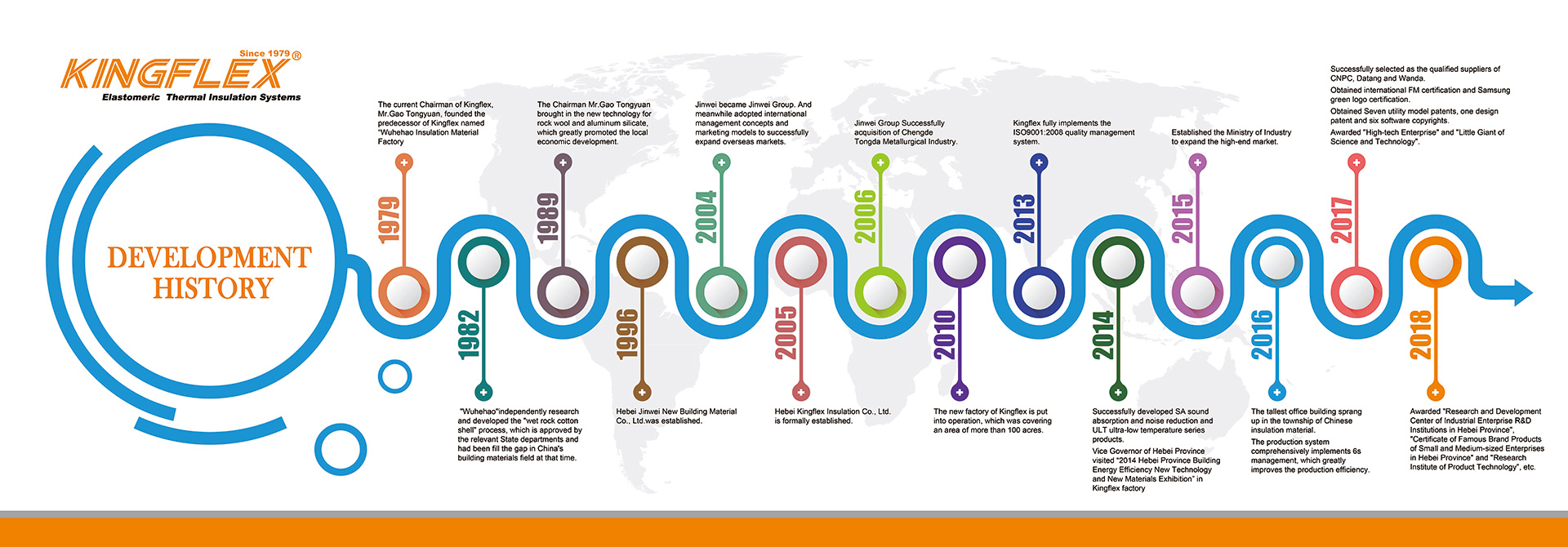
Years of Group History
600K+ m³
Annual Production Capacity
66+
Exported Countries Globally
98%+
Closed-Cell Rate Quality

China Manufacturing Efficiencies & Supply Chain Dominance

Operating out of the premier green-building materials capital in Dacheng, China, Kingflex Insulation Co., Ltd. leverages a highly optimized manufacturing ecosystem. By scaling production raw materials acquisition and utilizing 5 large automatic continuous foaming extrusion lines, we achieve cost efficiencies that stand unmatched.

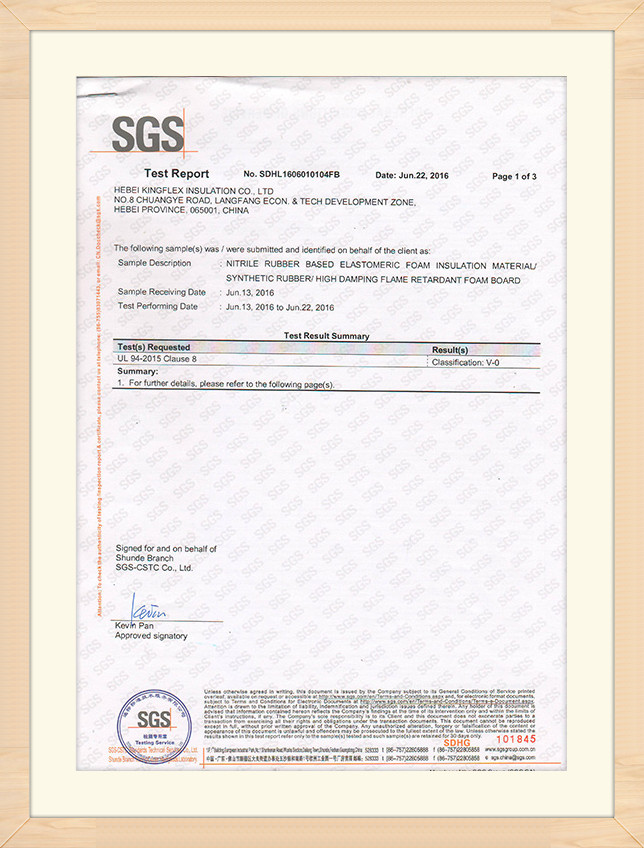
Our infrastructure maintains stability in chemical pricing while complying with international regulations (REACH, ROHS, and UL94). With dedicated testing laboratories checking every batch's density, thermal conductivity, and fire propagation metrics, we offer international procurement agents the reliability of tier-1 brands at scalable factory pricing.

Kingflex Production Plant Flow

Kingflex Technical Specifications & Dimensions

These values define our manufacturing limits, compliant with global construction and industrial insulation directives.

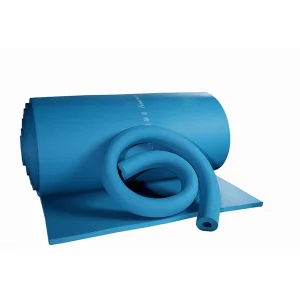
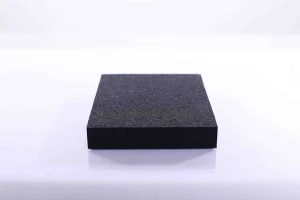
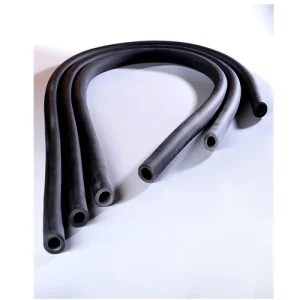
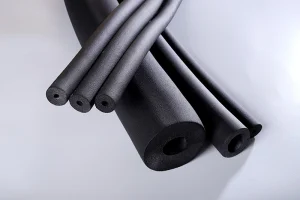
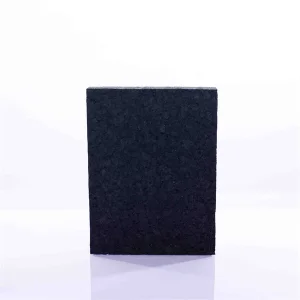
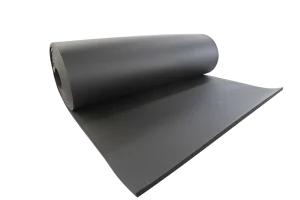
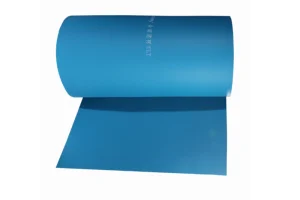
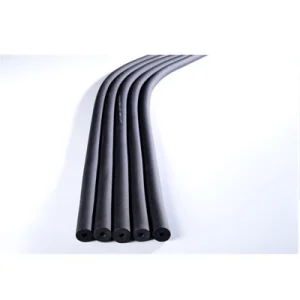
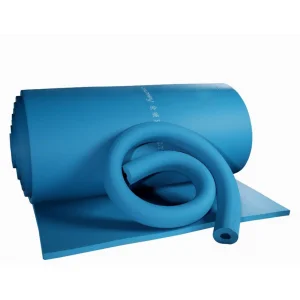
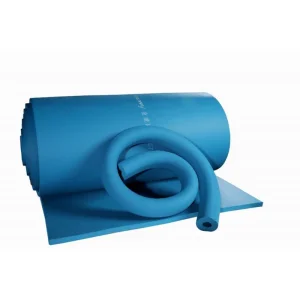
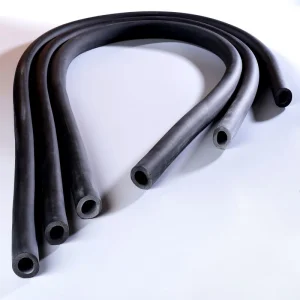
Property Type Elastomeric Foam Sheet Roll Specs Elastomeric Foam Pipe Specs
Base Compounds NBR (Nitrile Butadiene Rubber) / PVC Blend NBR (Nitrile Butadiene Rubber) / PVC Blend
Thickness Availability 6mm - 50mm 9mm - 40mm
Internal Diameter (ID) Range N/A (Roll / Board configuration) 6mm - 114mm
Material Density Range 40 - 55 kg/m³ 40 - 55 kg/m³
Functional Temperature Limits -40℃ to 105℃ (Extended down to -200℃ for Cryogenic) -40℃ to 105℃ (Extended down to -200℃ for Cryogenic)
Structural Integrity Closed cell structure >98% rate Uniform sprayed inside coating

Global Procurement Trends & Application Scenarios

Our solutions target key building and industrial applications requiring superior thermal and acoustic performance:

01

HVAC & Clean Room Systems

Ensuring minimum condensation and structural dry air retention on major duct systems. Essential for commercial spaces, hospitals, and electronics assembly lines where indoor air quality (IAQ) is critical.

02

Cryogenic & Oil/Gas Processing

Advanced elastomeric systems designed for cryogenic and ultra-low temperature conditions down to -200 °C. Prevents heat gain on LNG lines and keeps control loops structurally functional.

03

Marine & Transit Insulation

Providing high-vibration damping properties alongside superior flame and smoke resistance coefficients. Ideal for high-speed railways, naval vessels, and offshore oil platforms.

Advanced Research, Development & Quality Certifications

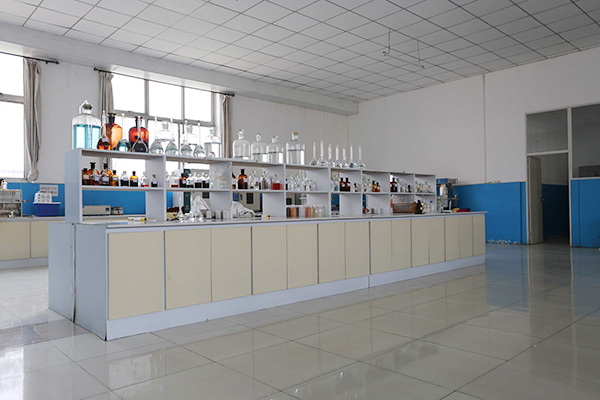
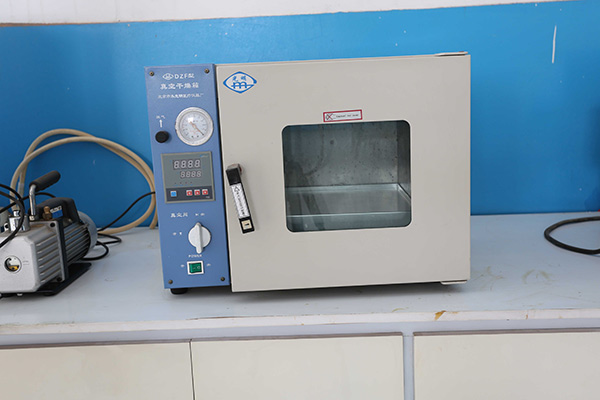
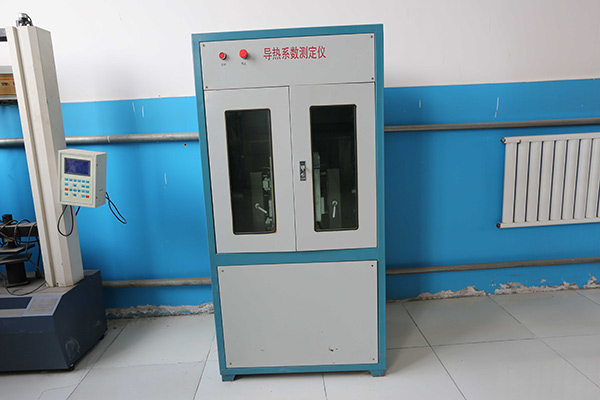
Kingflex runs a premier research laboratory to develop formulations with high moisture resistance factors (μ-value) and optimized flame-retardant structures.

Kingflex R&D Lab Testing
Elastomeric Quality Assurance Checks
High-density cellular structure testing
ISO BS EN Standards Compliance Testing
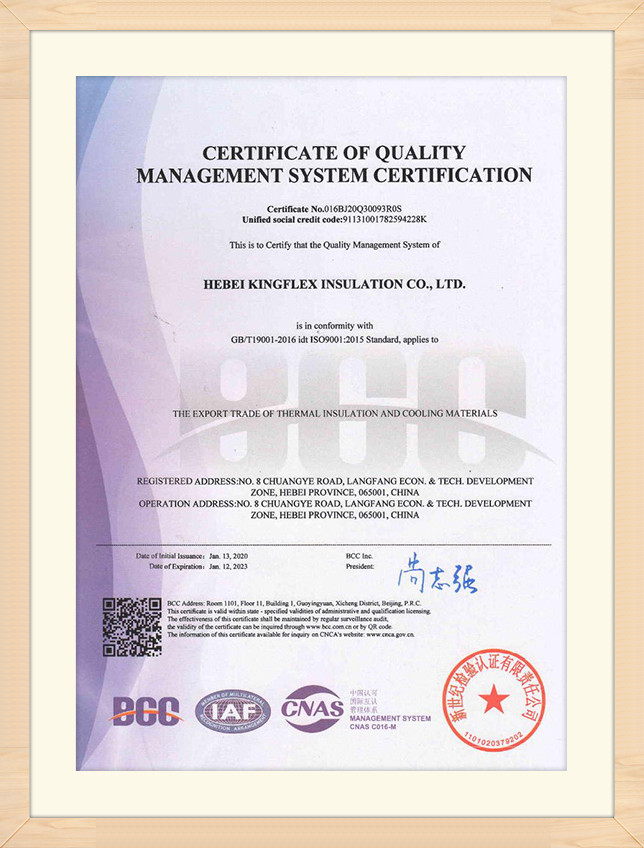
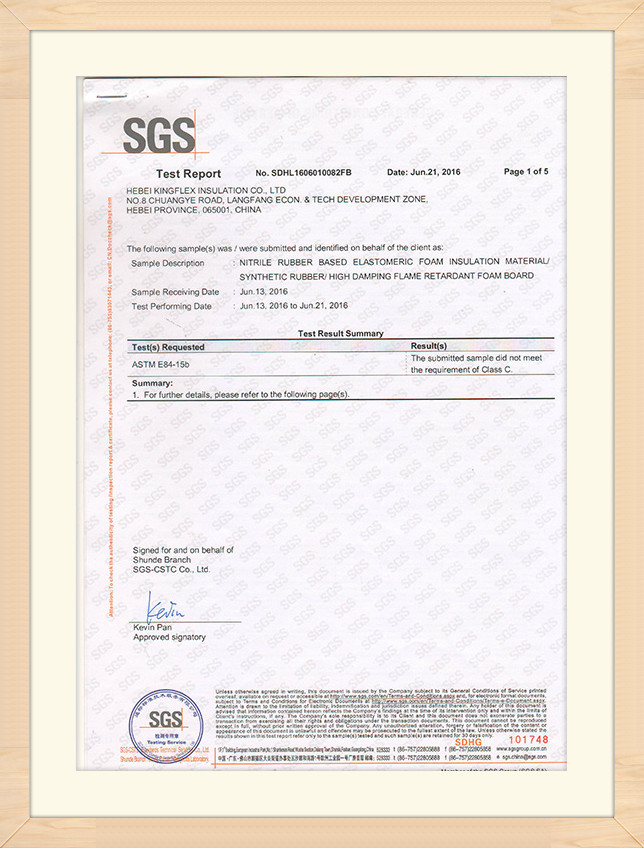
Factory Certifications UL ASTM
Raw Polymer Grade Control
Automated Extrusion Line QC
Export Shipping Inspection

Verified Performance & Global Trust

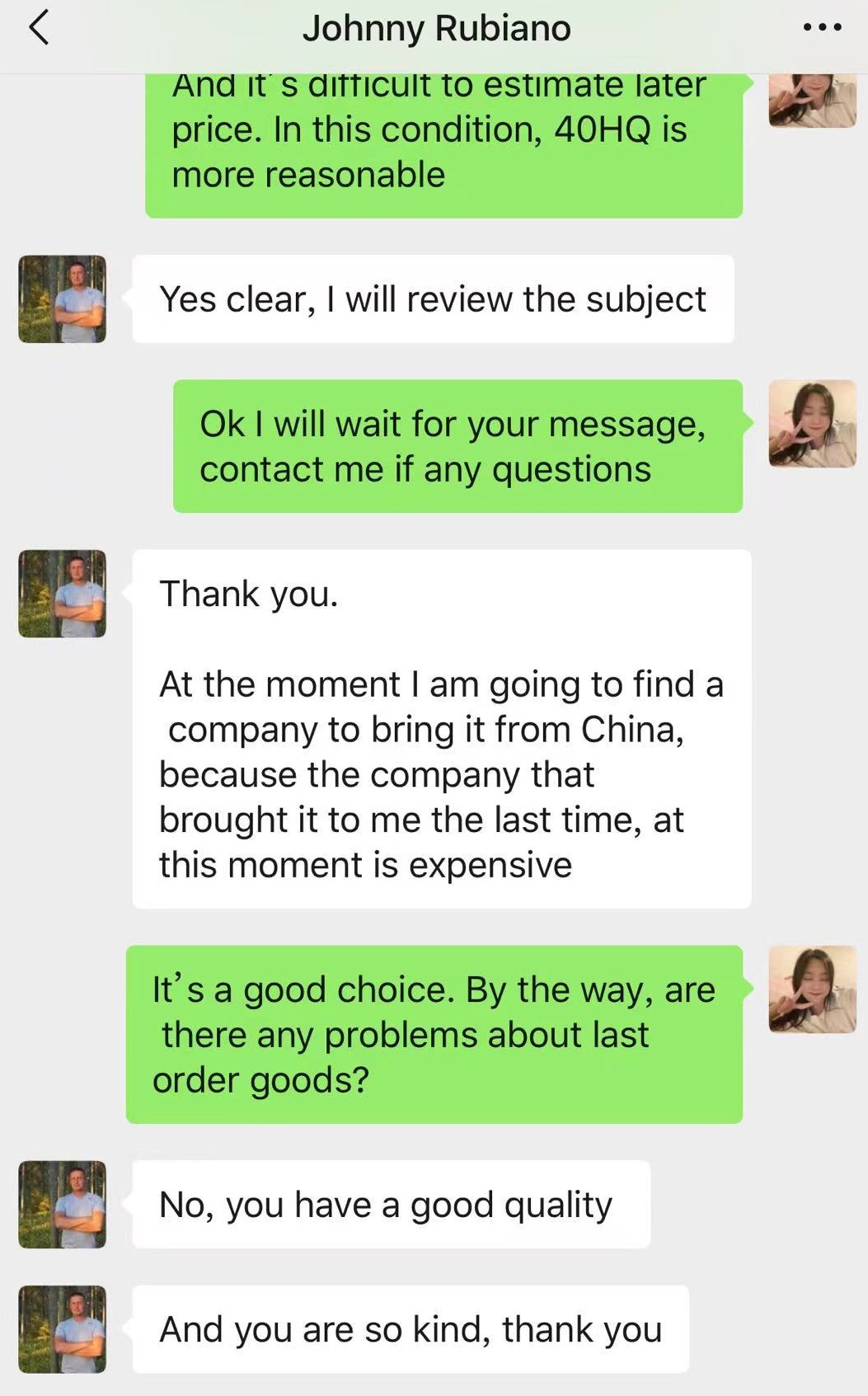
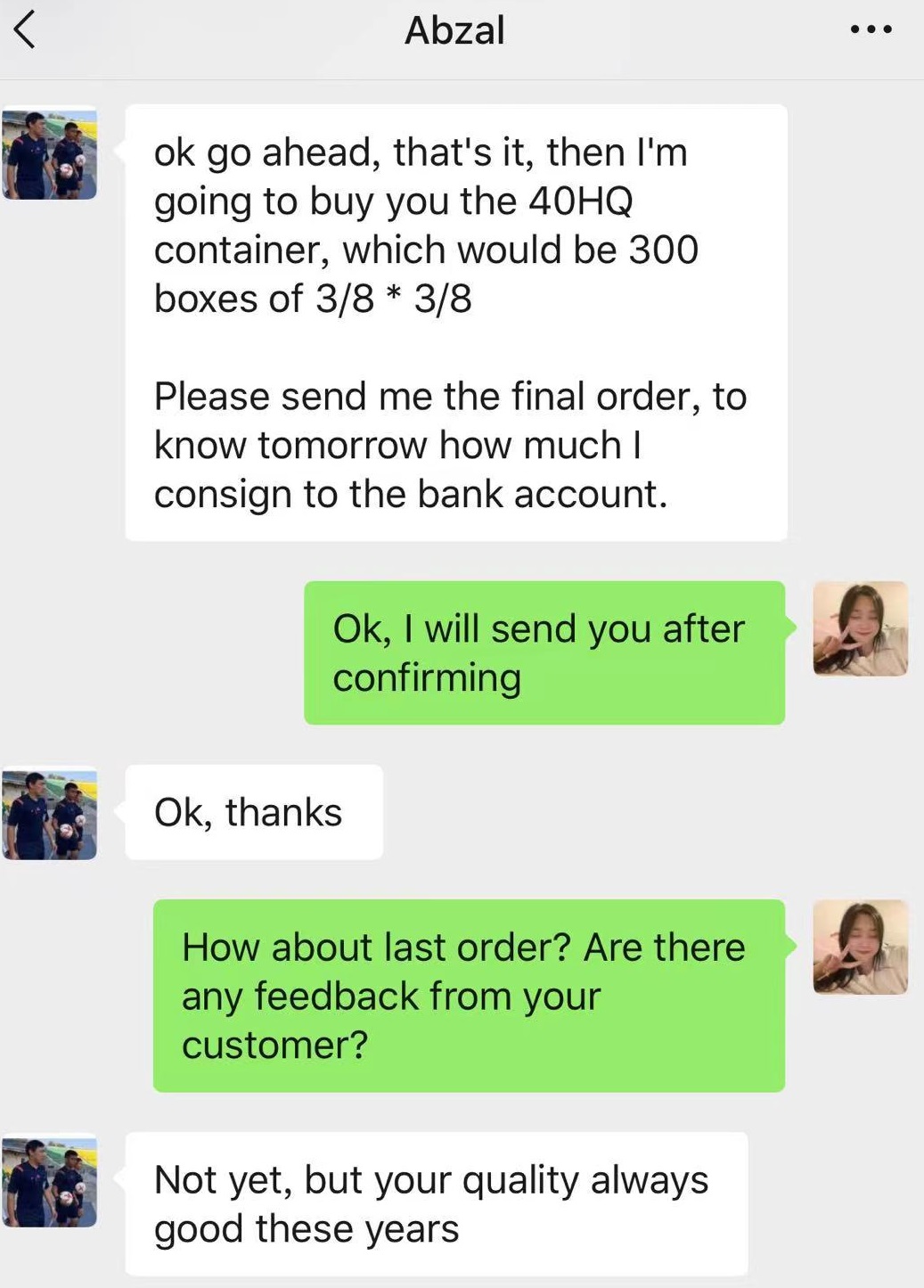
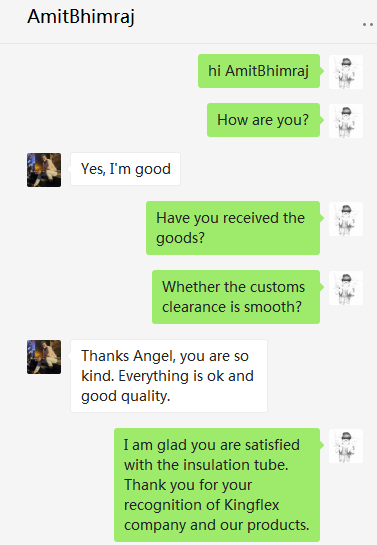
Kingflex maintains active trade relationships across Europe, the Middle East, the Americas, and APAC regions, supported by real-time technical service and transparent order tracking.

Client Communication Record 1
Client Communication Record 2
Client Communication Record 3
Client Communication Record 4

Frequently Asked Questions (FAQ)

What is elastomeric rubber foam insulation used for?
It is mainly used for HVAC ducts, air conditioning pipes, building thermal insulation, industrial pipeline cold insulation, and sound insulation in commercial and infrastructure projects.
Is Kingflex rubber foam insulation fire resistant?
Yes, our rubber foam insulation products are formulated with fire retardants, meeting strict international safety standards for building materials (such as BS 476, UL94, and ASTM guidelines).
What is the difference between rubber foam and rock wool insulation?
Rubber foam features a flexible, closed-cell, moisture-proof structure, making it ideal for HVAC condensation control and cold systems. Rock wool is a fibrous material with high-temperature resistance and fire protection, suited for high-temperature industrial pipelines.
Do you provide customized insulation products?
Yes, we support comprehensive OEM/ODM custom solutions, adjusting thickness, inner diameters, surface coatings, and density to match specific construction layouts.
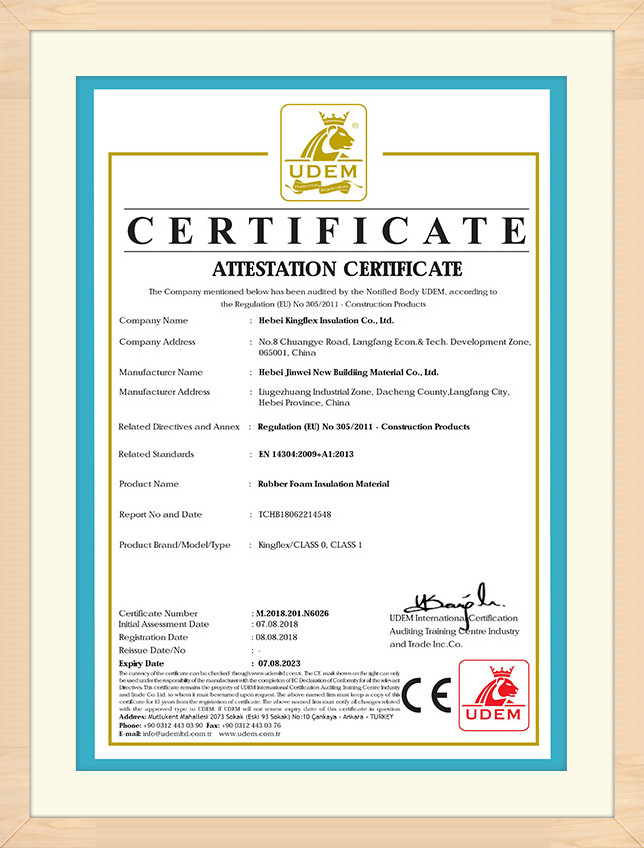
What certifications do your products have?
Our manufacturing processes are certified to meet BS 476, CE, REACH, ROHS, UL94, and ASTM criteria, ensuring global compliance.
What thickness of rubber foam insulation sheet rolls can you produce?
We manufacture sheet rolls in thicknesses ranging from 6mm up to 50mm to handle a wide range of thermal requirements.
What is the average service life of Kingflex rubber plastic pipes and boards?
Under normal operating conditions and professional installation, our products deliver an operational lifespan of 10 to 15 years.