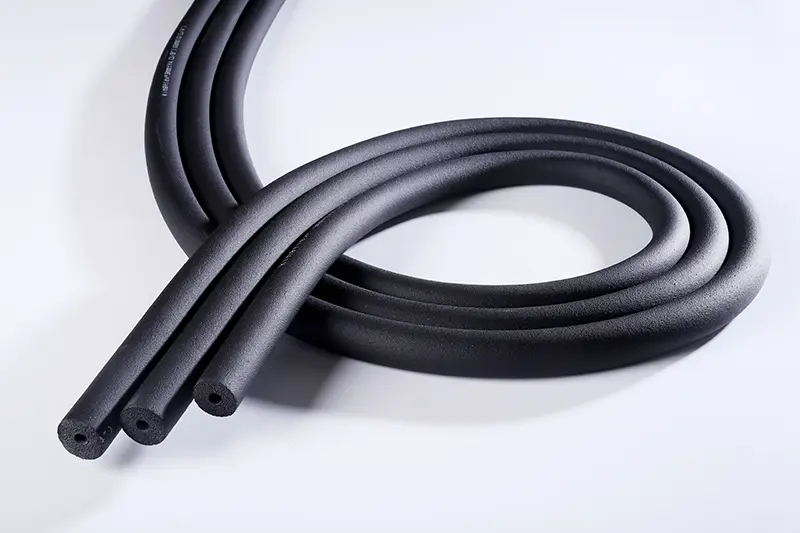
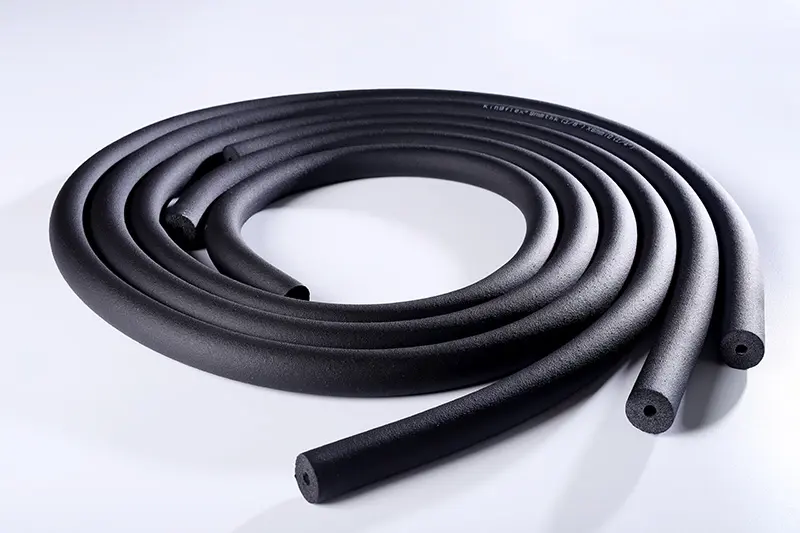
Direct factory prices on high-performance elastomeric and flexible cryogenic insulation materials.
Navigating the complex landscape of raw material dynamics, logistics, and performance requirements in the cooling insulation industry.
For modern procurement officers, purchasing cooling insulation material is not just about price comparison; it centers on total cost of ownership (TCO) and risk mitigation. Specifying the correct materials—such as closed-cell NBR/PVC elastomeric rubber foam—ensures long-term prevention of moisture intrusion and corrosion under insulation (CUI). High-value cooling operations require specific vapor barrier configurations and thermal conductivity properties (λ ≤ 0.034 W/m·K at 0°C) to lock in low-temperature gradients effectively.
Key parameters like density (40-55 kg/m³) and service temperature limits (-40℃ to 105℃, going even lower for specialized cryogenic installations) dictate the operational lifespan and safety coefficients of heavy industry facilities.
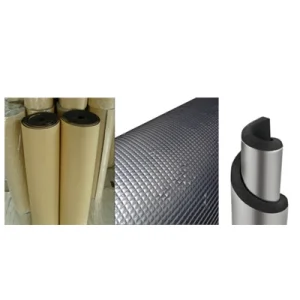
Global wholesale pricing structures for rubber foam products typically correspond directly to bulk volume orders and custom structural additions (such as double-sided self-adhesives or customized aluminum foil facings). Working with primary OEMs like Kingflex enables project coordinators to scale pricing options. Direct integration with automated extrusion lines yields notable economies of scale compared to distributor-level pricing, which commonly includes markup overheads of up to 35%.
Furthermore, sourcing high-performance formulations decreases onsite installation labor costs. Flexible, pre-cut pipe profiles adjust easily to complex fittings, keeping overall project execution timelines ahead of schedule.
A comprehensive overview of mechanical properties, environmental resistance, and application fields for elastomeric insulation sheets and pipes.
| Material Category | Thickness Range | Density Range | Vapor Resistance (μ-value) | Flame Retardancy Standard | Service Temp. Range |
|---|---|---|---|---|---|
| Standard NBR/PVC Foam Sheet & Roll | 6mm - 50mm | 40 - 55 kg/m³ | ≥ 10,000 | Class 0 / Class 1 (BS 476) | -40℃ to 105℃ |
| Elastomeric Cryogenic Insulation | 13mm - 40mm | 45 - 60 kg/m³ | ≥ 20,000 | UL 94 V-0 / ASTM E84 | -200℃ to 125℃ |
| Halogen-Free Environmental Foam | 9mm - 32mm | 40 - 50 kg/m³ | ≥ 7,000 | EN 13501-1 (s1, d0) | -50℃ to 105℃ |
| Acoustic / Soundproof Rubber Foam | 10mm - 40mm | 50 - 70 kg/m³ | N/A (Open & Closed Cell mix) | BS 476 Part 7 Class 1 | -40℃ to 85℃ |
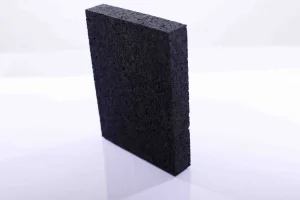
An even foam structure containing over 98% closed cells prevents moisture permeation. Unlike fibrous wool materials, this moisture resistance ensures the core thermal performance remains steady over years of operation.
Formulated with integrated flame-suppressant compounds, these insulation materials are self-extinguishing. They generate low levels of smoke and prevent flame propagation across system components, meeting global fire safety codes.
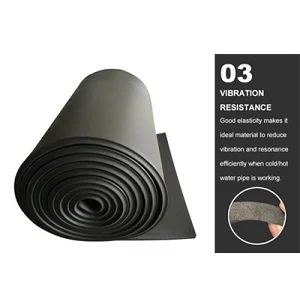
With an elastic recovery rating of over 80%, these materials absorb structural vibration and accommodate thermal expansion or contraction. This reduces physical stress at pipe junctions and elbow points.
A global leader in thermal, cold, and acoustic insulation systems, backed by forty years of development and manufacturing experience.
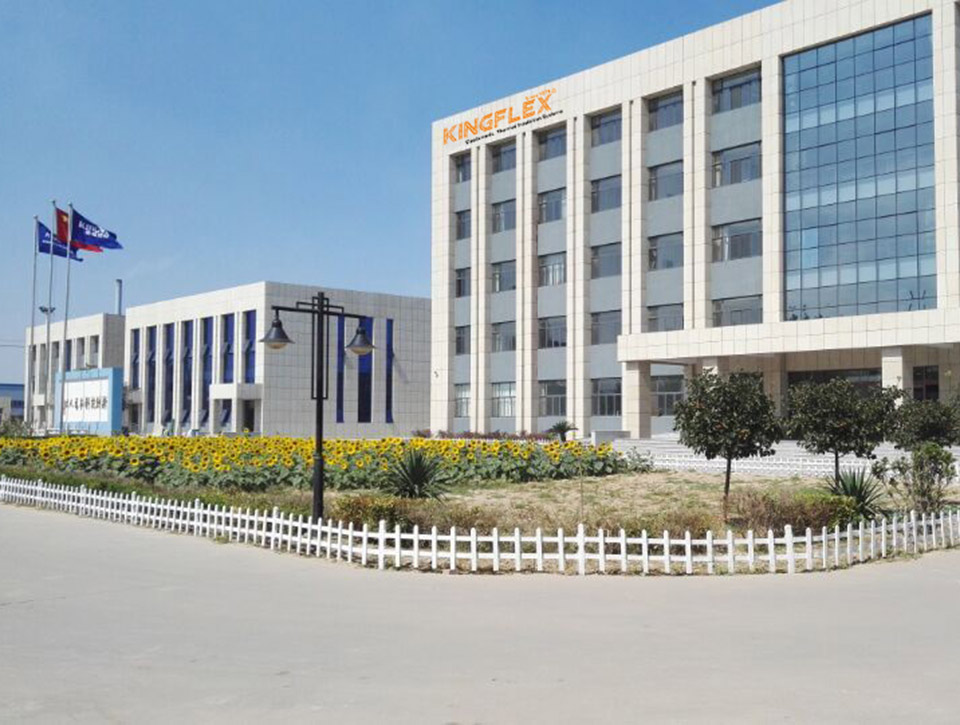
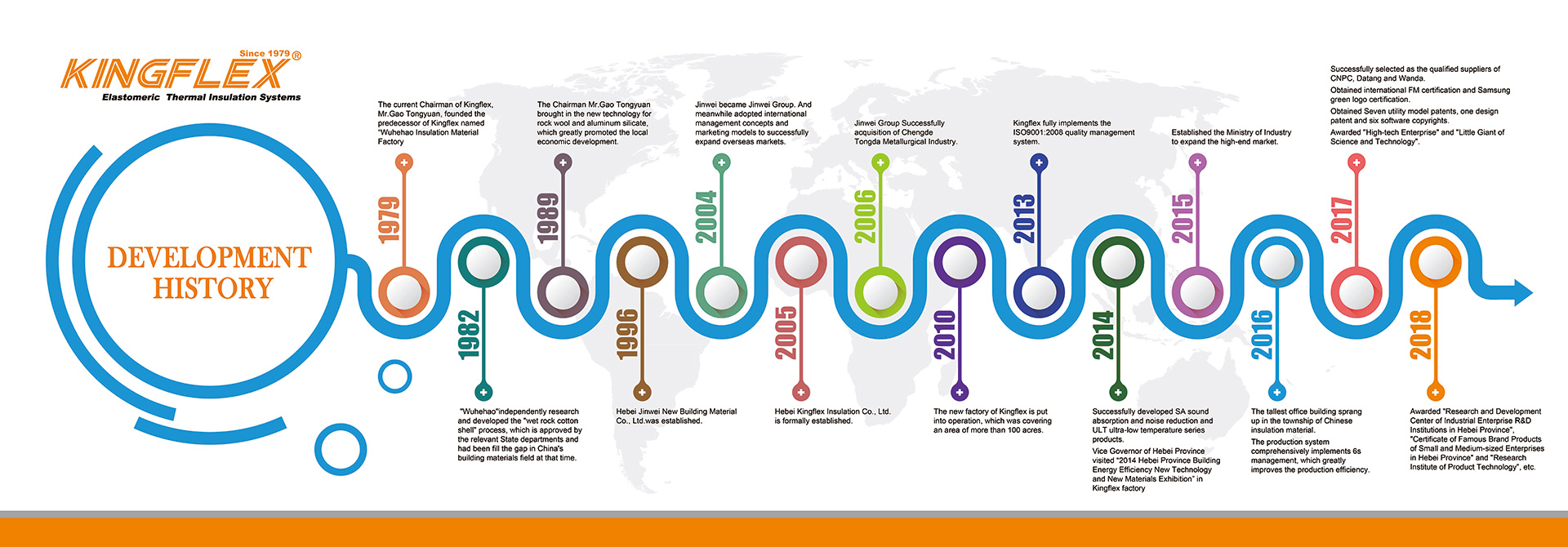
Established by the Jinwei Group, which has a manufacturing history dating back to 1979, Kingflex has operated as a leading supplier of thermal insulation solutions in northern China. From these roots, we have expanded to run five fully automated assembly lines, supporting an annual capacity of over 600,000 cubic meters.
This scale has earned Kingflex designated supplier status for the Ministry of Energy, Ministry of Electric Power, and Ministry of Chemical Industry, reflecting the consistency and reliability of our manufacturing operations.
Jinwei Group founded, pioneering early thermal insulation material production north of the Yangtze River.
Kingflex Insulation Co., Ltd. established, focusing on advanced closed-cell NBR/PVC elastomeric foam technology.
Annual production capacity reaches 600,000m³, exporting to 66 countries and regions worldwide.
Annual Production Capacity
Group Industrial Experience
Dedicated R&D Engineers
Exporting Destinations
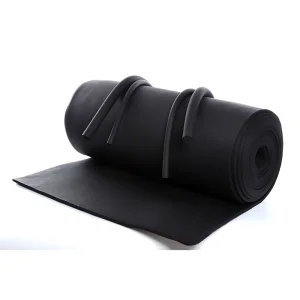
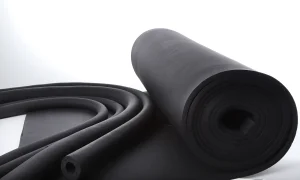
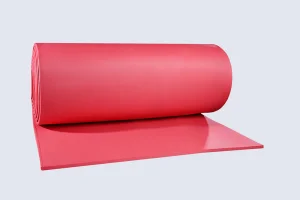
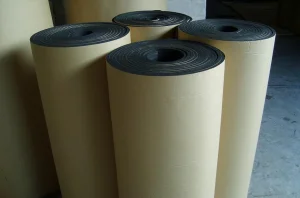
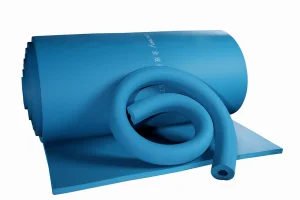
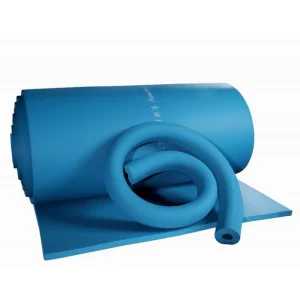
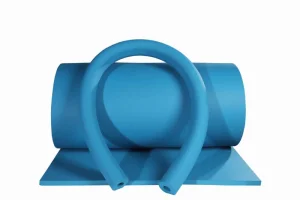
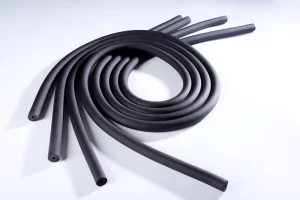
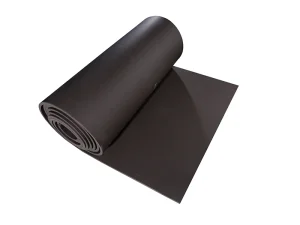
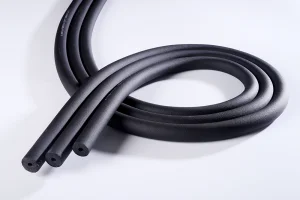
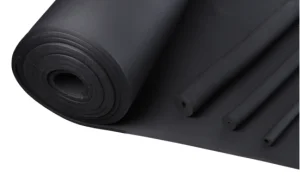
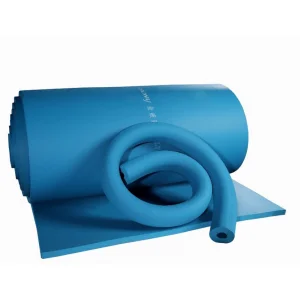
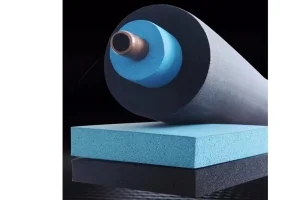
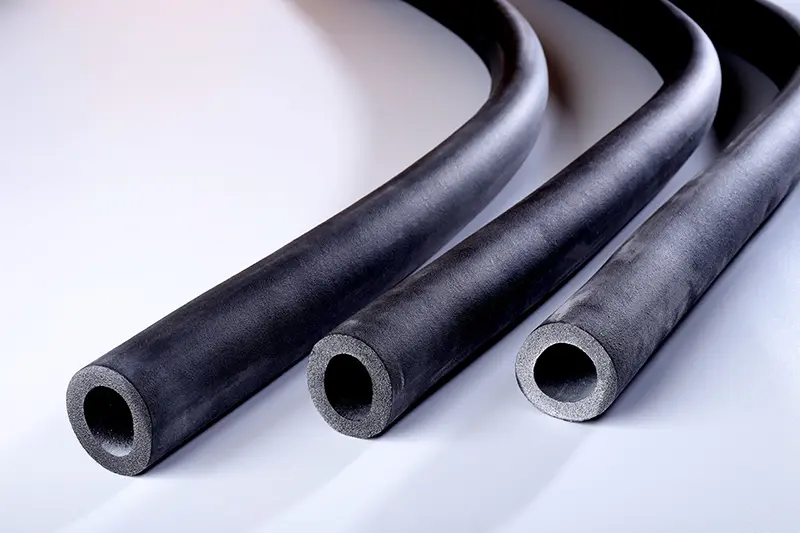
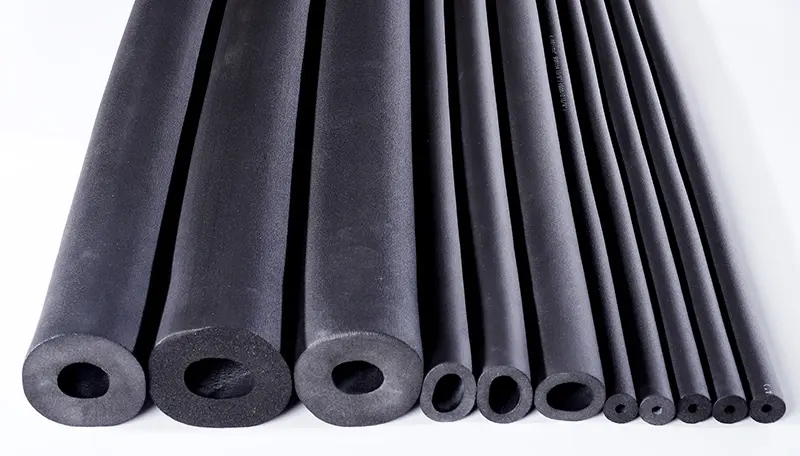
In-depth structural breakdown of our primary production classes: Insulation Sheets and Prefabricated Tubes.
Material: NBR/PVC Blend
Thickness: 6mm - 50mm
Density: 40 - 55 kg/m³
Service Temp Range: -40℃ to 105℃
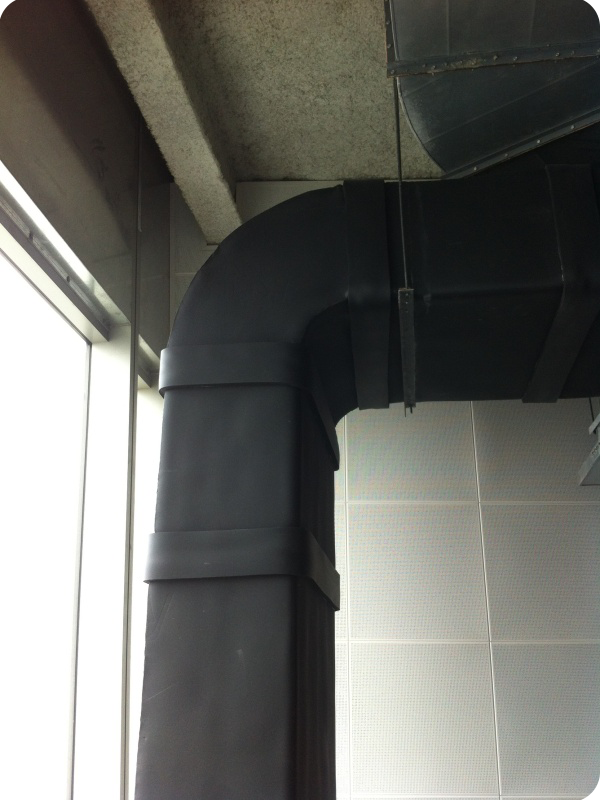
Central HVAC ducting, building insulation systems (walls, roofs, basements), industrial tank shielding, railway vehicle panels, and cryogenic containment systems.
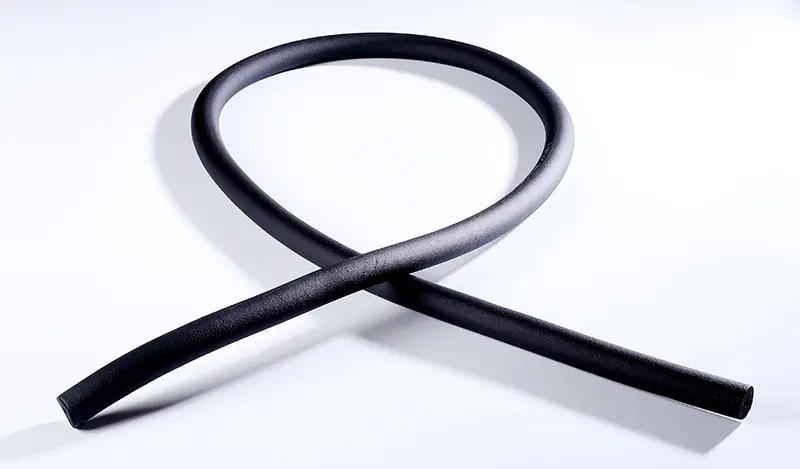
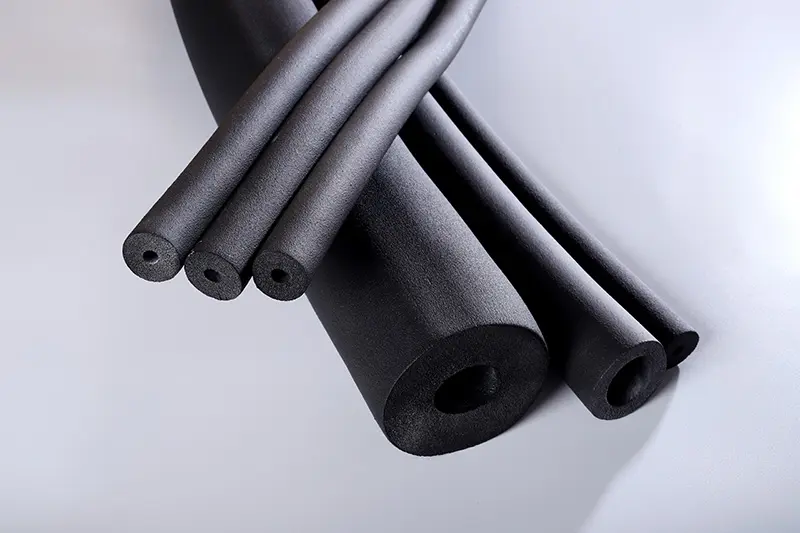
Material: NBR/PVC Blend
Thickness: 9mm - 40mm
Internal Diameter (ID): 6mm - 114mm
Service Temp Range: -40℃ to 105℃
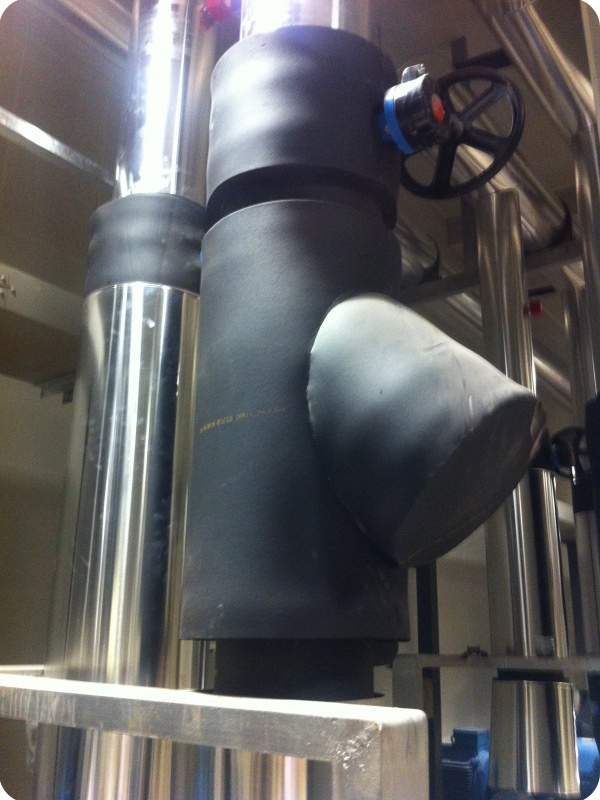
HVAC condensate drains, VRF refrigerant lines, commercial hot/cold water plumbing, process piping in petrochemical plants, and low-temperature cold chain pipelines.


Continuous testing, certification, and verification protocols ensure our materials meet international engineering standards.
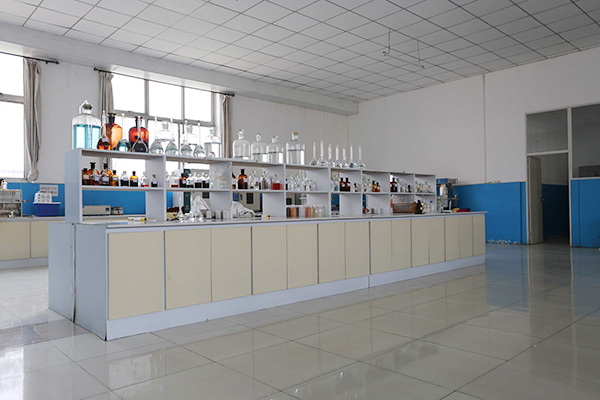
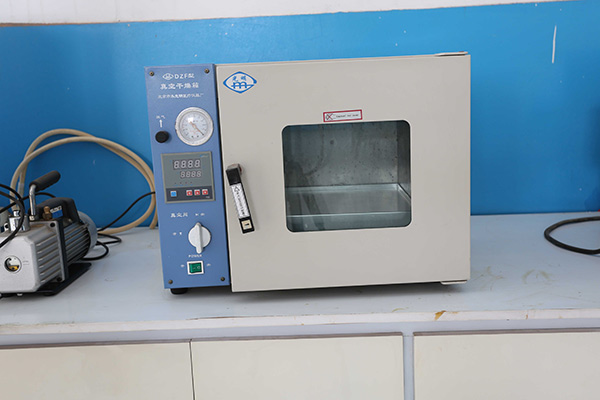
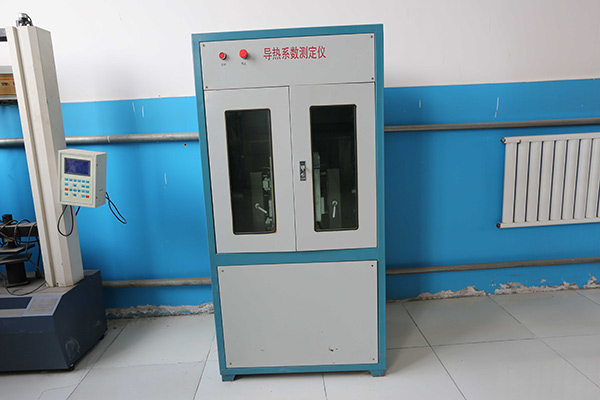
Our research and development program operates out of our facility in Dacheng, China—a hub for green building materials research. Our laboratory conducts regular tests on key properties, including oxygen index testing, thermal conductivity verification, density distribution, and smoke toxicity analysis.
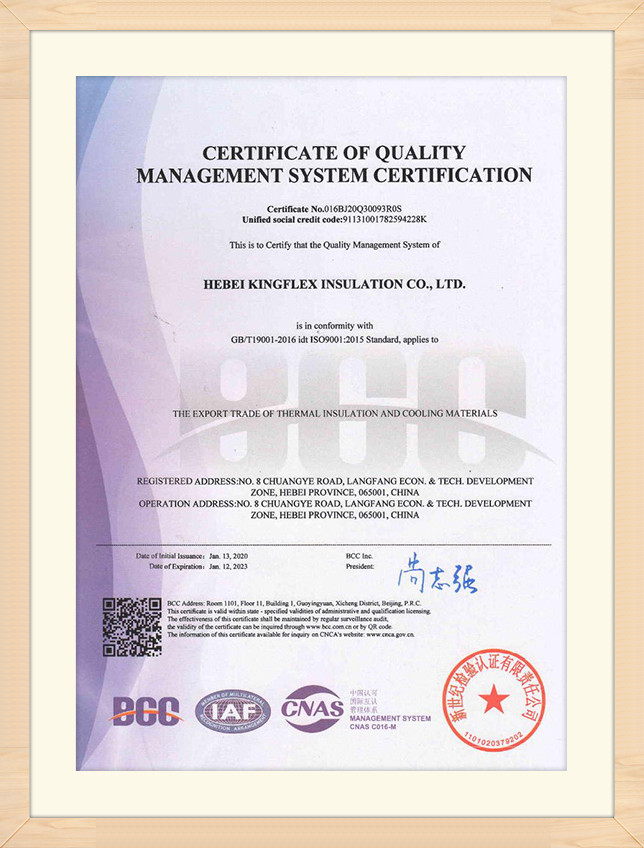
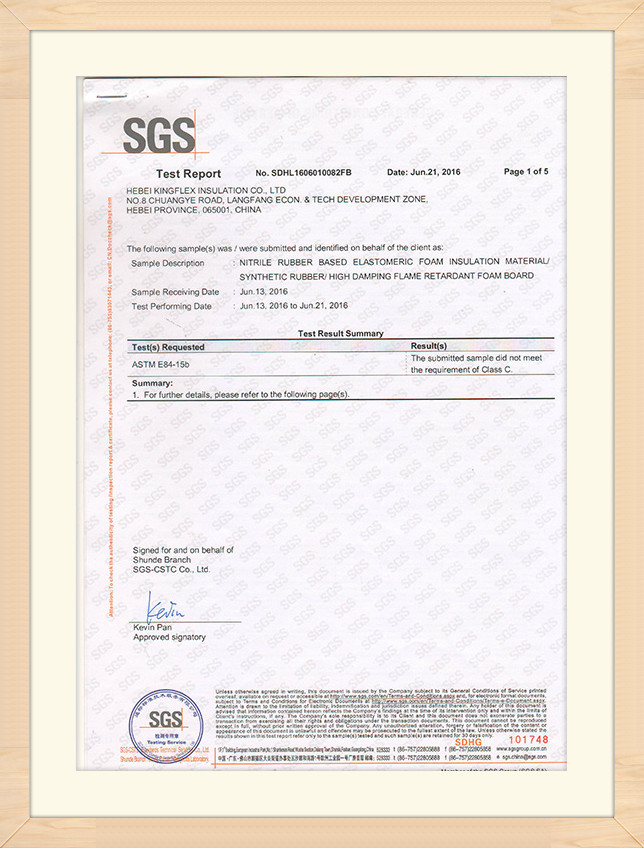
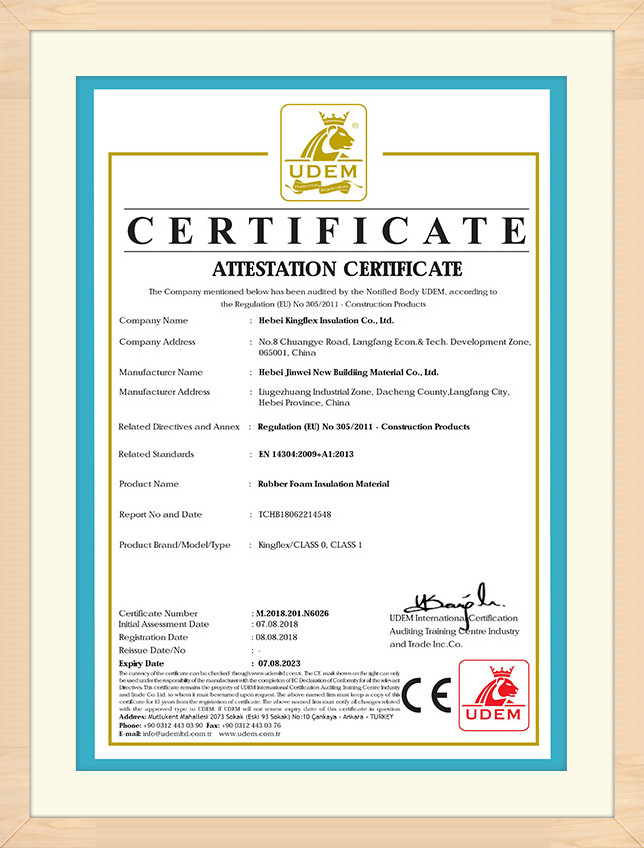
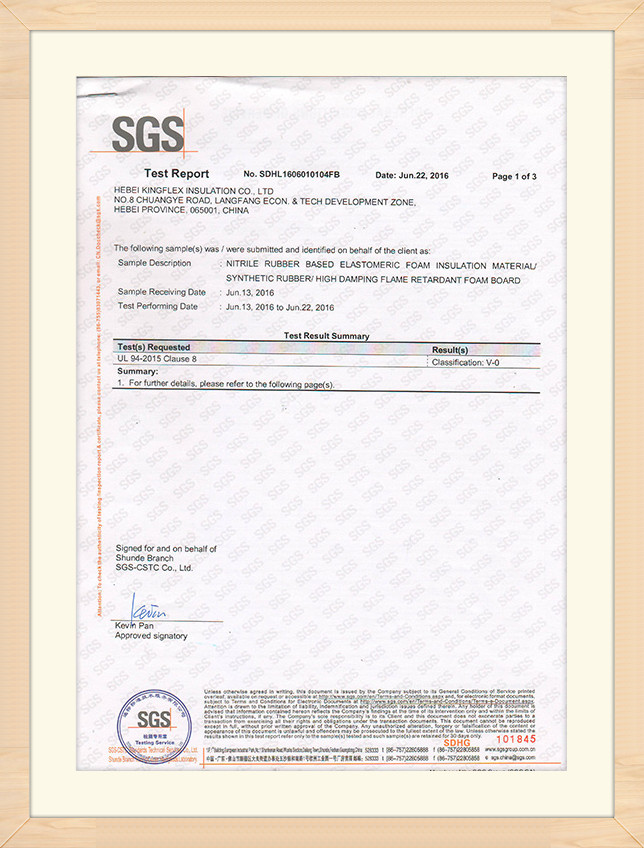
To support global projects, Kingflex materials maintain a comprehensive certification portfolio. This compliance ensures our products meet regional construction regulations and safety requirements worldwide.
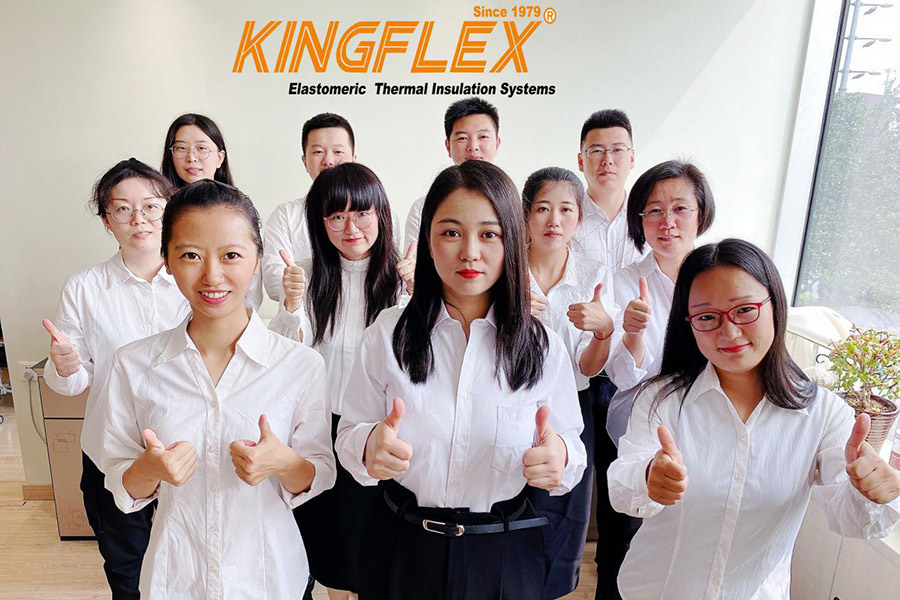
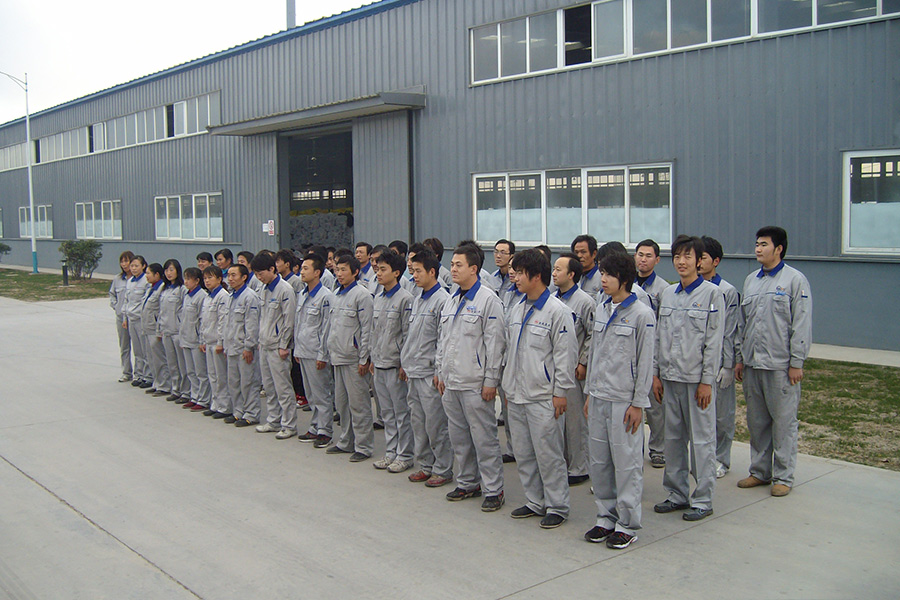
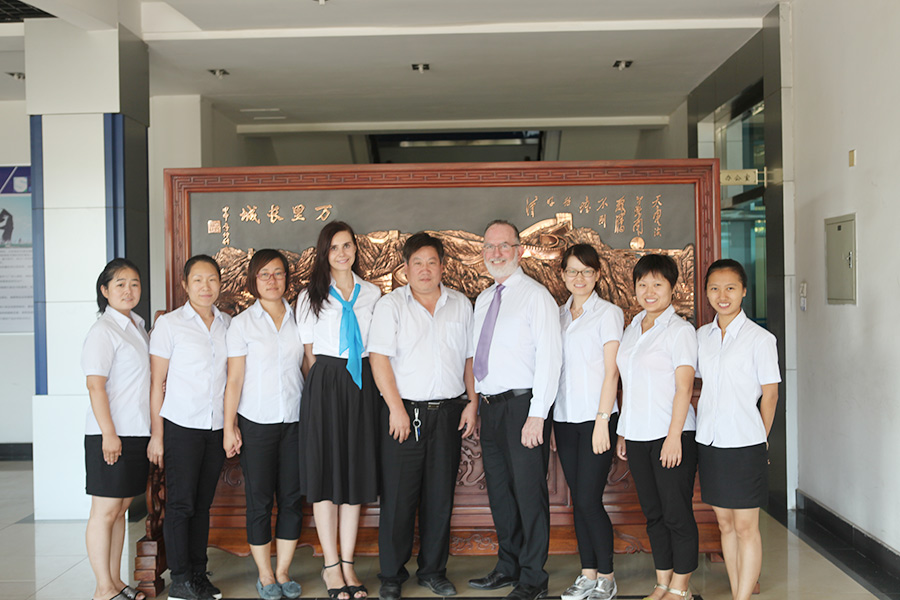
Our experienced team works closely with global clients to ensure projects are executed smoothly and efficiently.
Our engineering, sales, and manufacturing teams coordinate closely on every order to maintain our high service standards. With 8 specialized engineers in our R&D department and 6 international account executives, we support our clients from initial specification and custom sizing through to final customs clearance and logistics delivery.
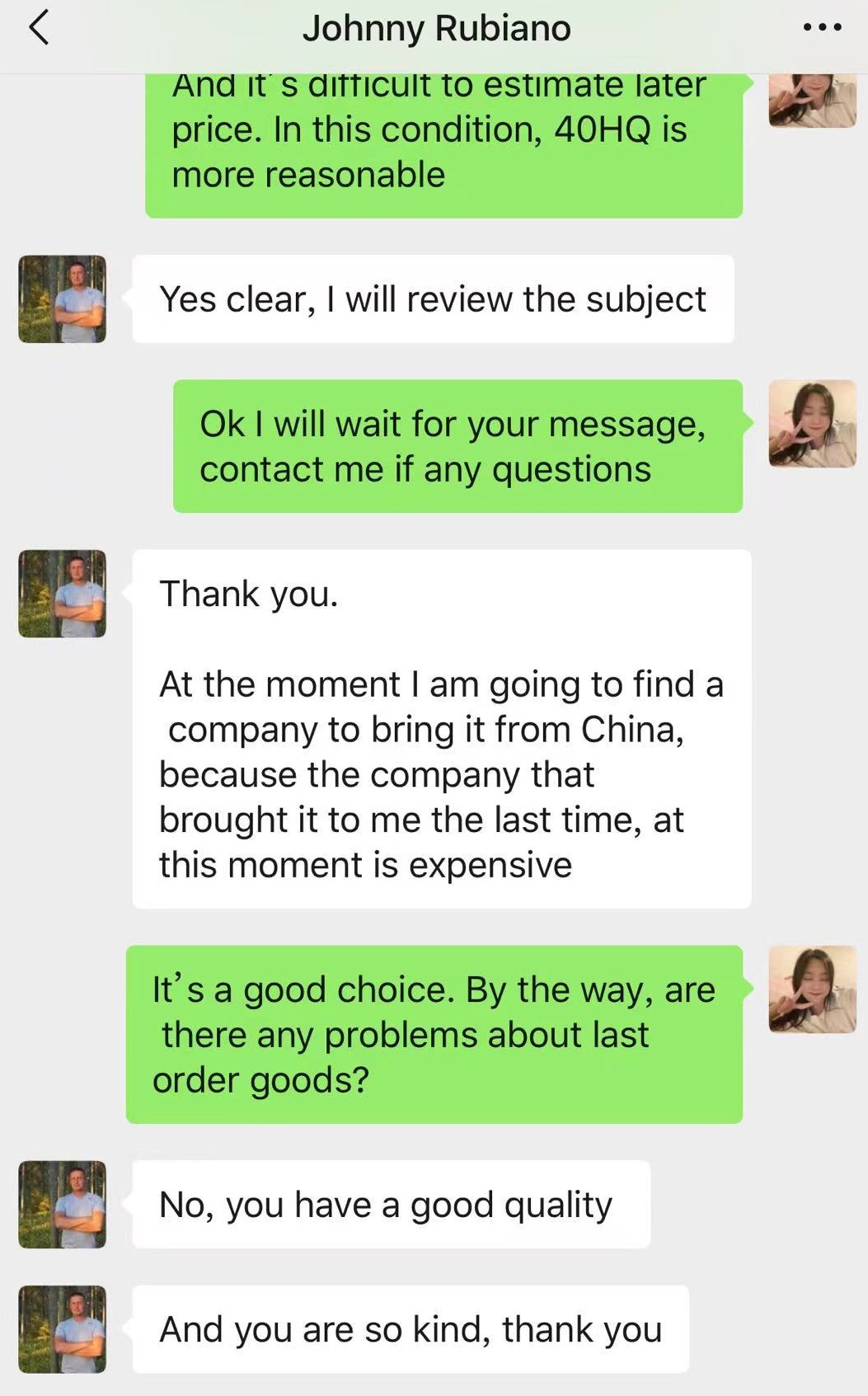
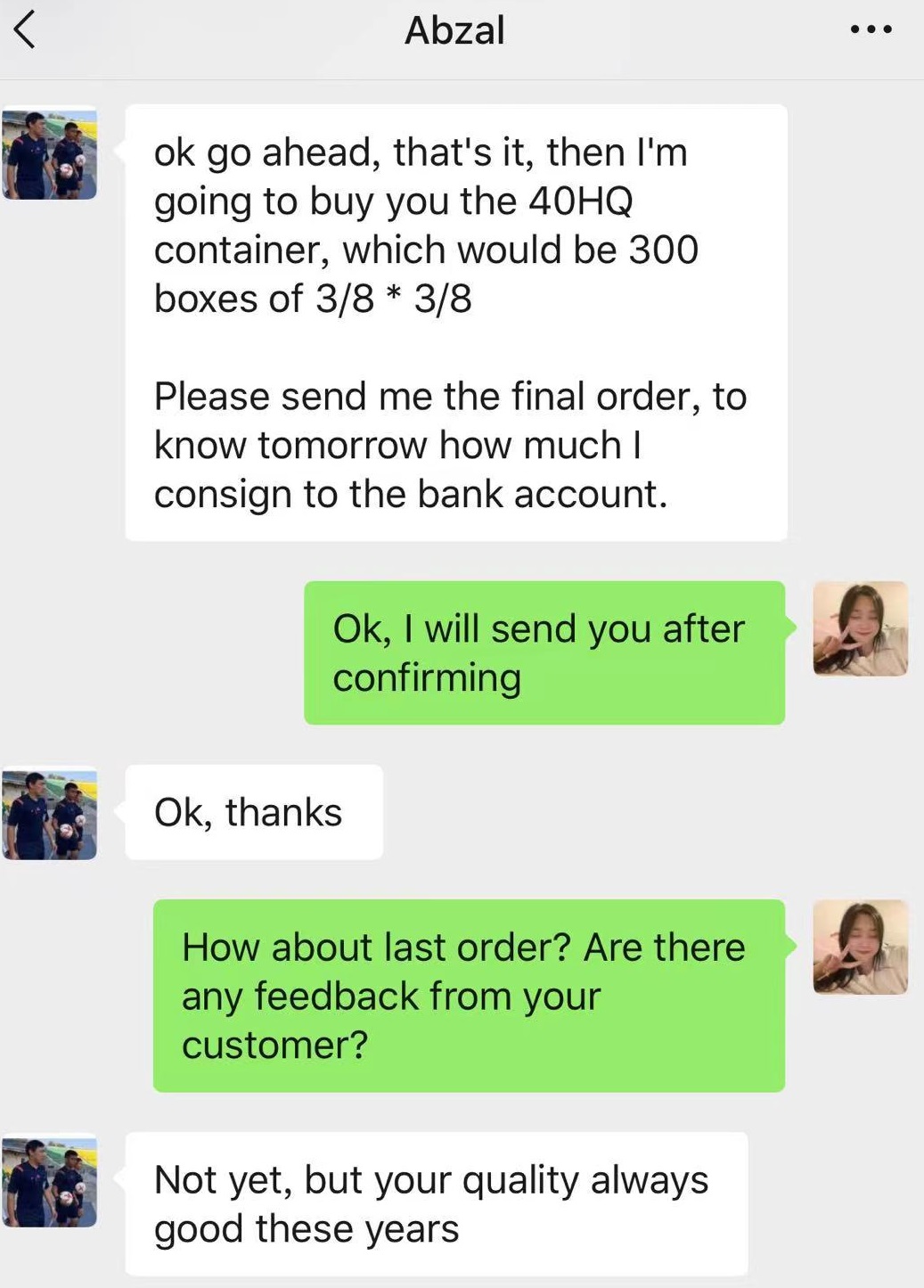
We maintain transparency with our clients, providing regular order updates, production milestones, packaging audits, and shipping documentation. These verified communications confirm our commitment to delivering orders on time and to specification.


Expert answers to common queries regarding elastomeric rubber foam insulation and bulk procurement.
A1: It is primarily used for insulating HVAC ducts, VRF refrigerant piping, domestic hot/cold water plumbing, and industrial process piping. Its closed-cell structure prevents condensation buildup on cold surfaces and reduces heat loss on warm lines.
A2: Yes. Our rubber foam insulation is formulated with built-in flame retardants. It achieves Class 0 and Class 1 fire ratings under BS 476, meaning it is self-extinguishing and resists flame spread under standard testing conditions.
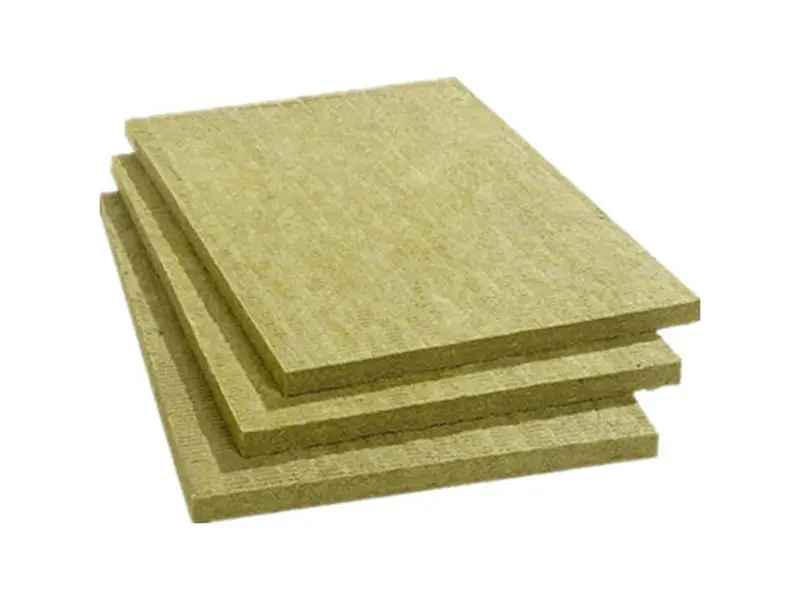
A3: Rubber foam is a flexible, closed-cell material that offers inherent vapor resistance, making it highly effective for cold piping and HVAC systems where condensation control is critical. Rock wool is a fibrous material with high-temperature resistance, making it well-suited for high-temperature steam lines and industrial fireproofing.
A4: Yes, we offer OEM and custom fabrication services. We can customize density, sheet thickness, tube diameters, adhesive backing, and specialized foil facings to meet specific project engineering requirements.
A5: Our products are tested and certified to key international standards, including BS 476 (Parts 6 & 7), CE, REACH, RoHS, UL94, and ASTM. This documentation supports local regulatory approval processes.
A6: Yes. Each production batch undergoes quality control logging. This provides full traceability from raw material verification through manufacturing parameters to the final shipment.
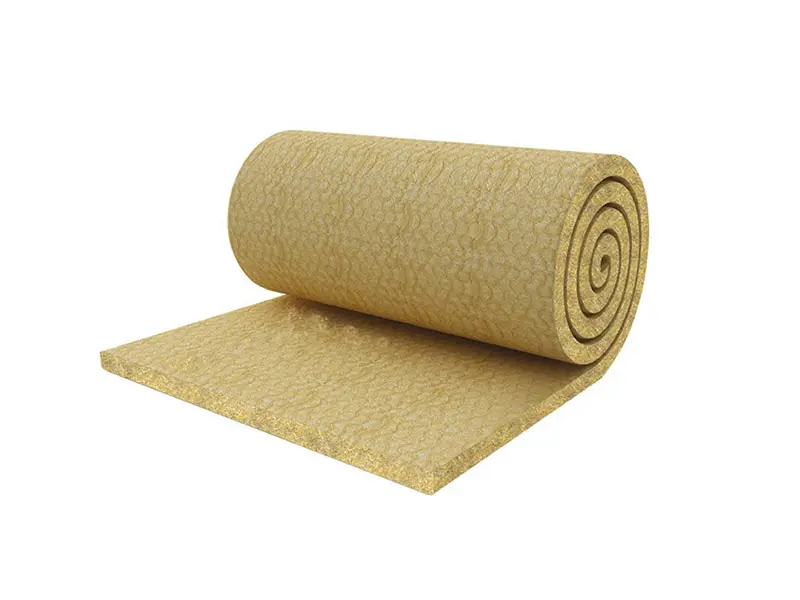
A7: We manufacture insulation sheet rolls in standard thicknesses ranging from 6mm up to 50mm, allowing engineers to match the material thickness to their specific thermal design calculations.
A8: Under normal indoor operating conditions and when installed according to manufacturer guidelines, our rubber foam materials have an expected service life of 10 to 15 years.
A9: You can contact our export team through any product link on this page. Please share your project specifications, required sizes, volume requirements, and destination port, and we will prepare a detailed commercial proposal.
Explore our full range of cryogenic, high-temperature, and mineral-wool insulation systems.
Custom-engineered thermal cladding, specialty cryogenic systems, and high-temperature mineral fibers.
Best practices to ensure optimal performance, prevent thermal bridging, and maximize insulation service life.
Before installing elastomeric sheets or tubes, ensure all pipe and equipment surfaces are clean, dry, and free of dust, grease, or rust. Moisture trapped beneath the insulation can lead to corrosion under insulation (CUI). Always apply a recommended adhesive evenly to both mating surfaces. Allow the adhesive to become tacky before pressing the surfaces firmly together to establish a vapor-tight seal.
Elastomeric foam depends on its closed-cell structure to maintain its thermal resistance. Avoid compressing the insulation at support brackets, hangers, or tight bends. Compression reduces the cell volume, raising the local thermal conductivity and potentially causing condensation. Use high-density structural pipe supports at hanger locations to distribute loads without compressing the foam.
Unprotected NBR/PVC rubber foam can degrade under long-term exposure to outdoor ultraviolet (UV) radiation. For outdoor installations, apply a weather-resistant protective coating or use sheets pre-laminated with aluminum foil or protective jackets. This safeguarding prevents cracking, seals against moisture, and extends the operational life of the insulation system.