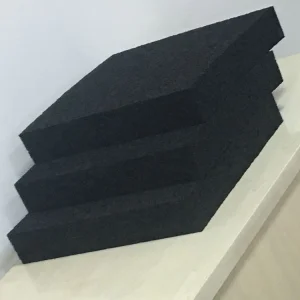
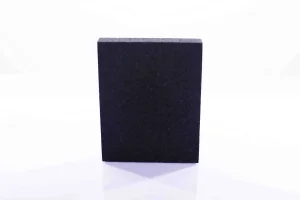
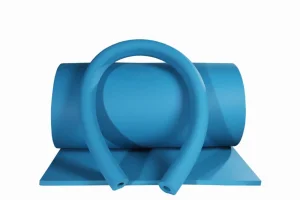
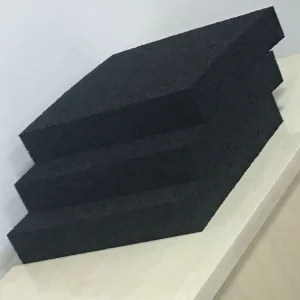
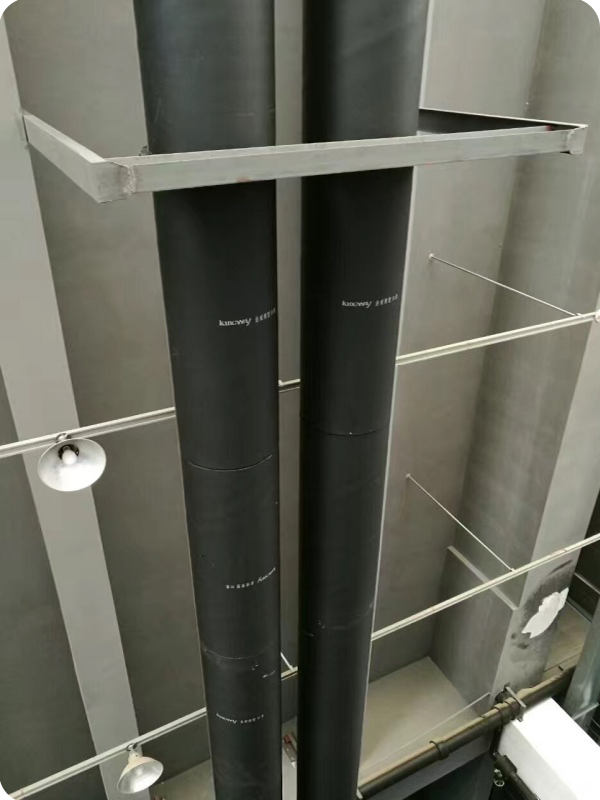
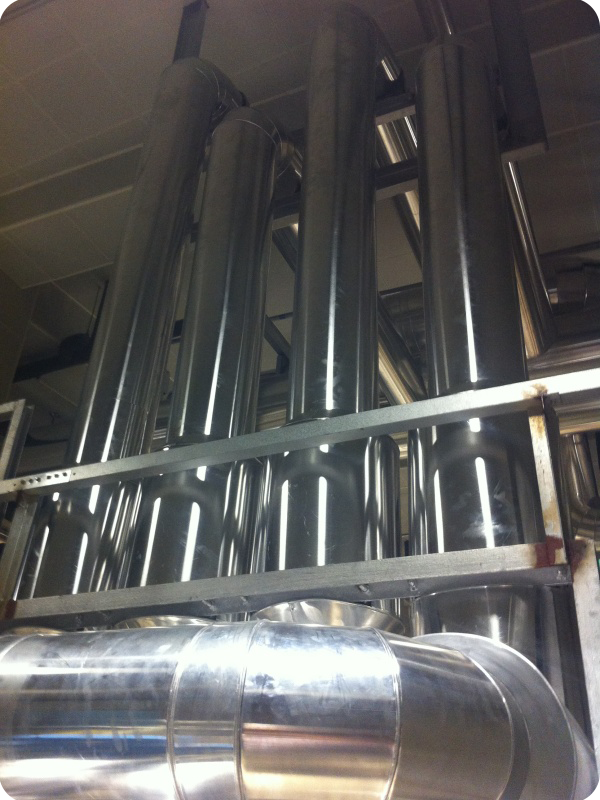
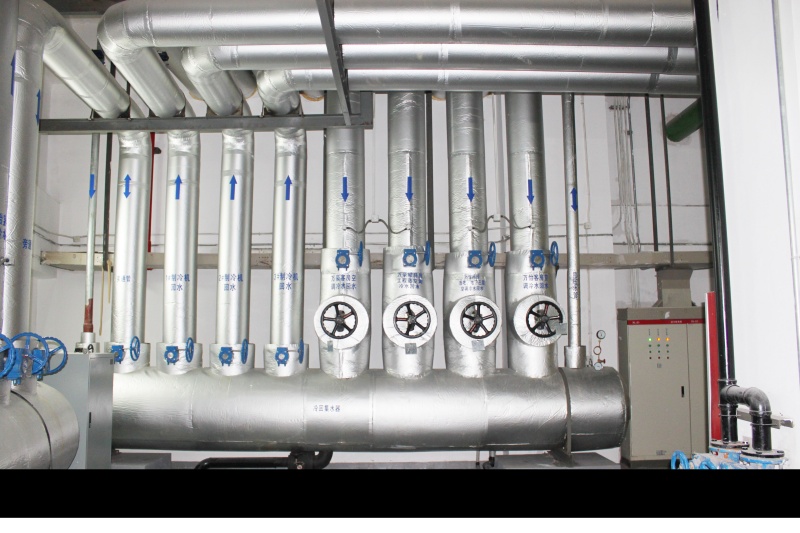
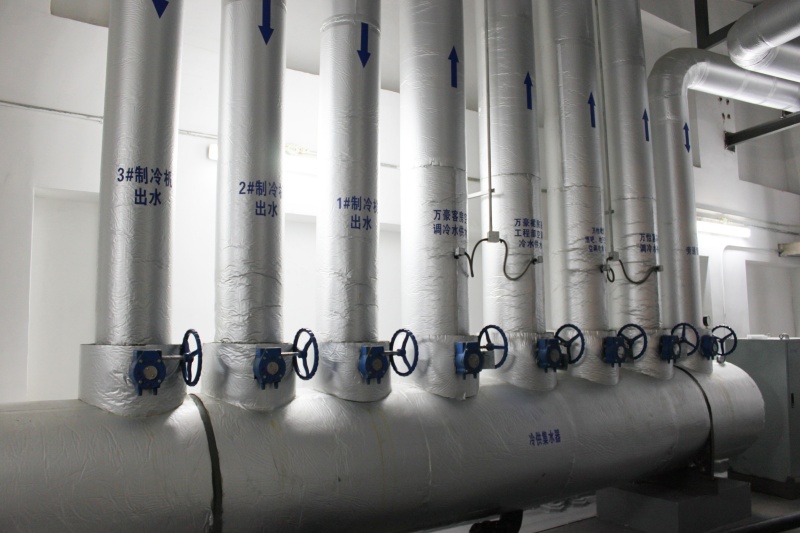
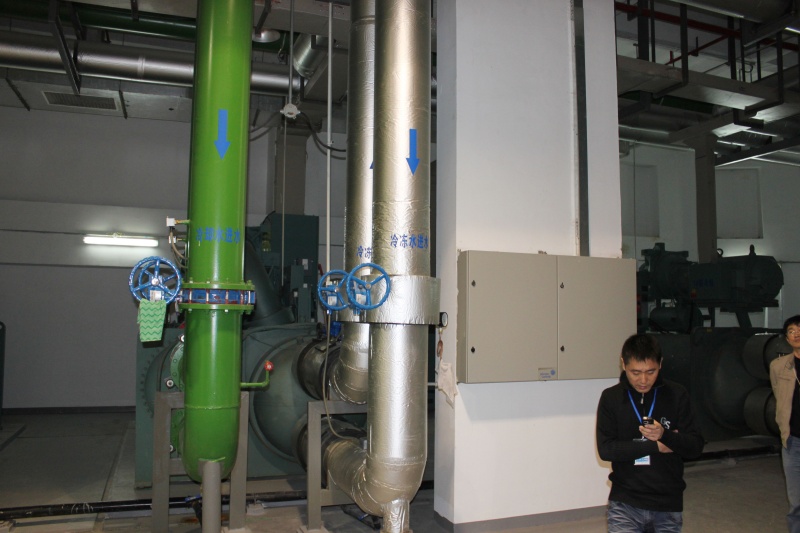
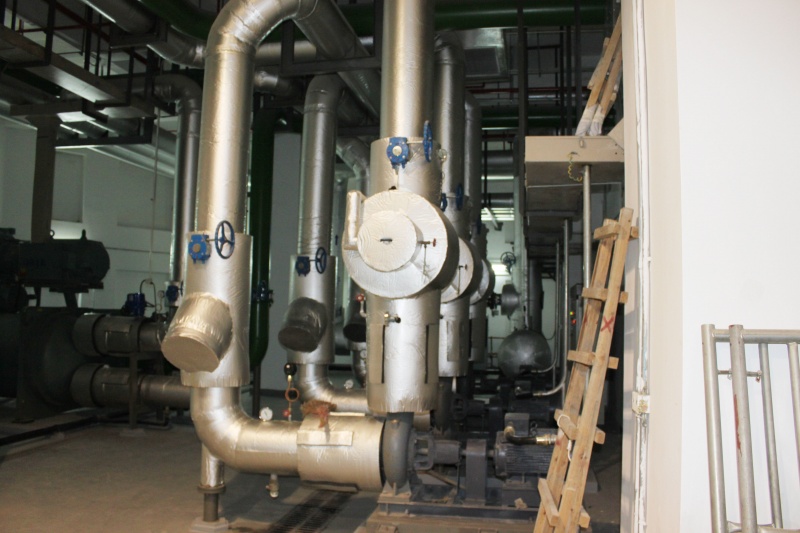
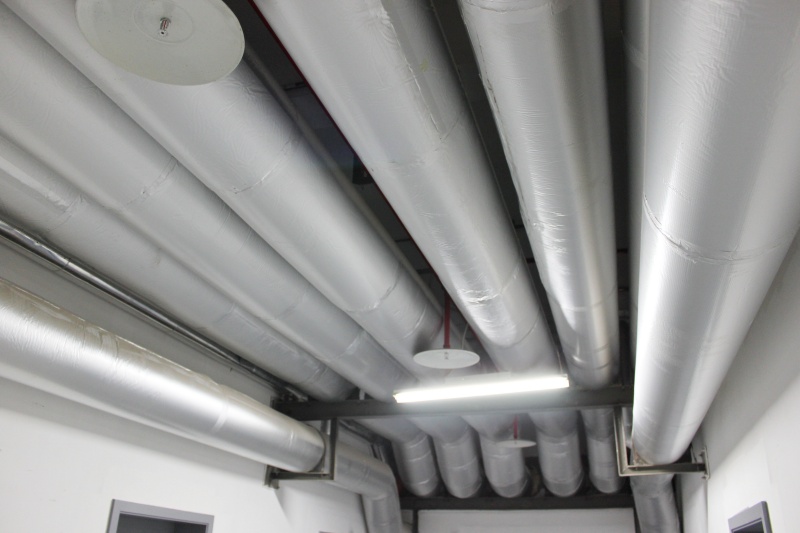
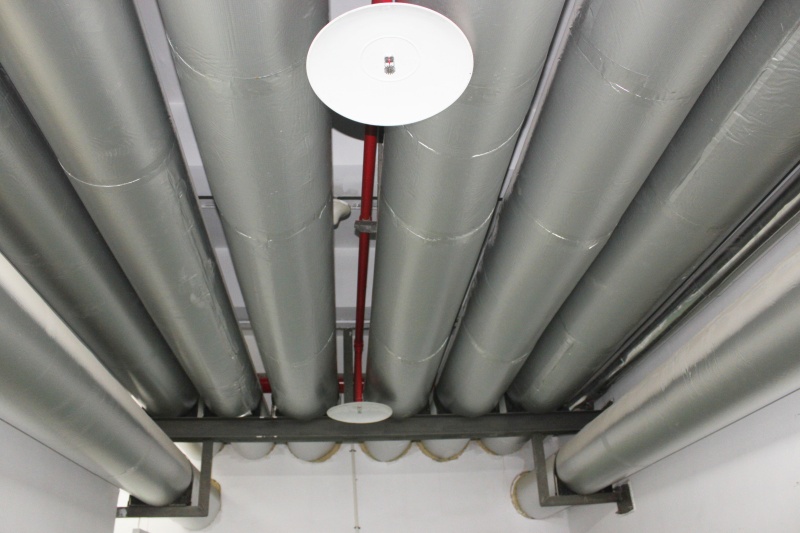
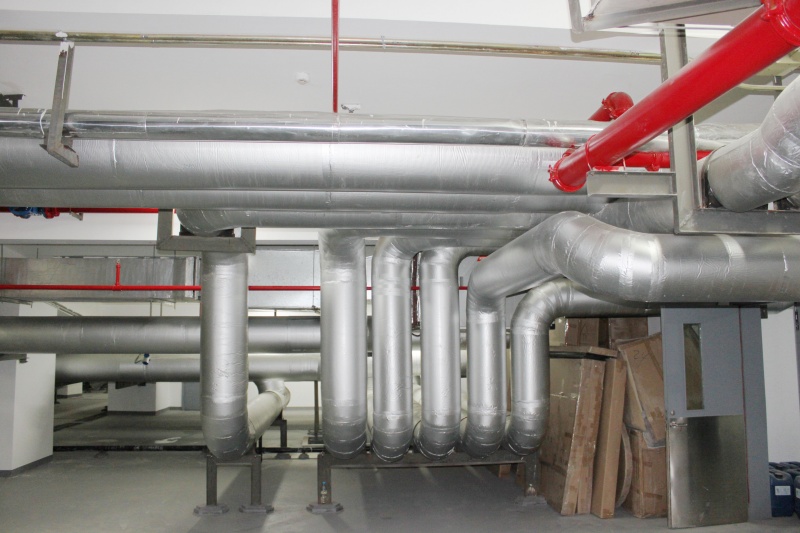
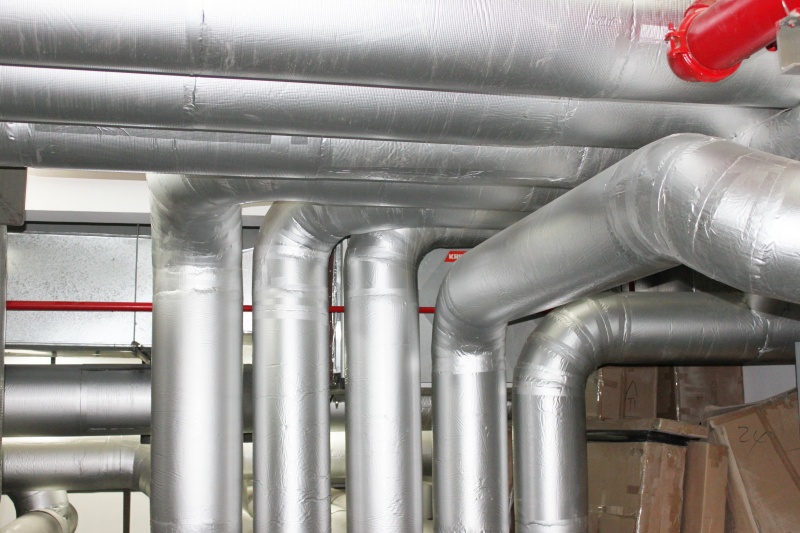
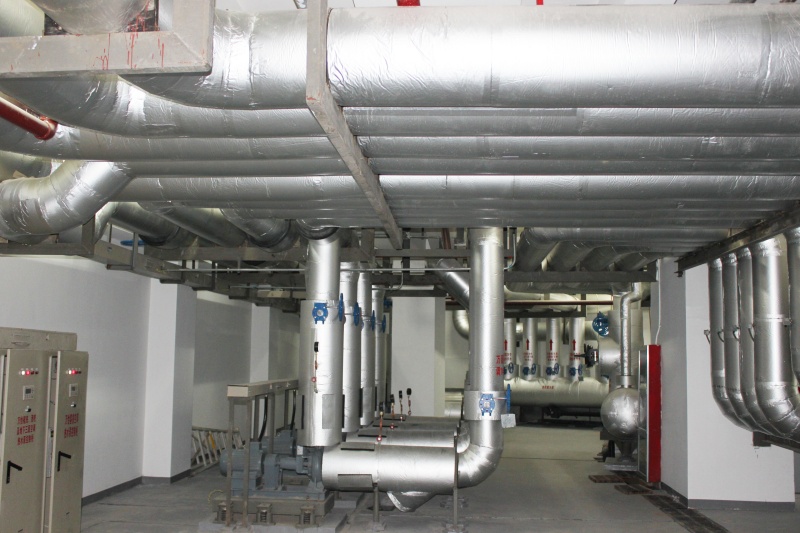
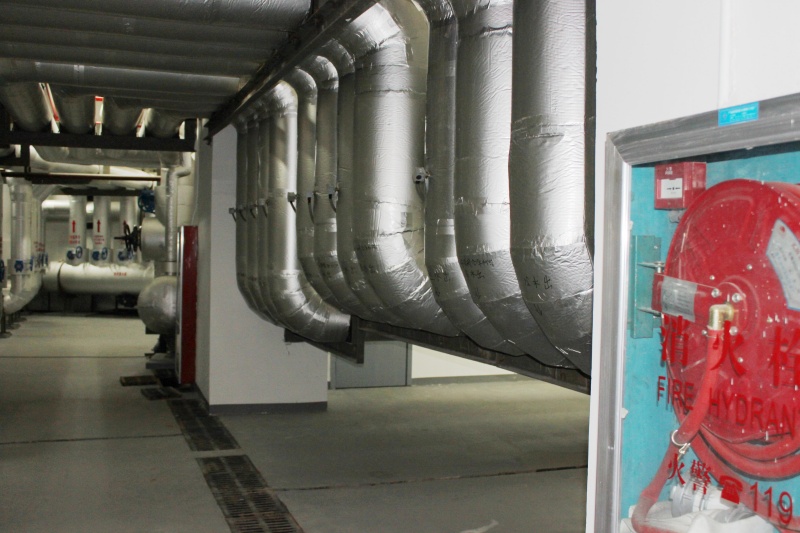
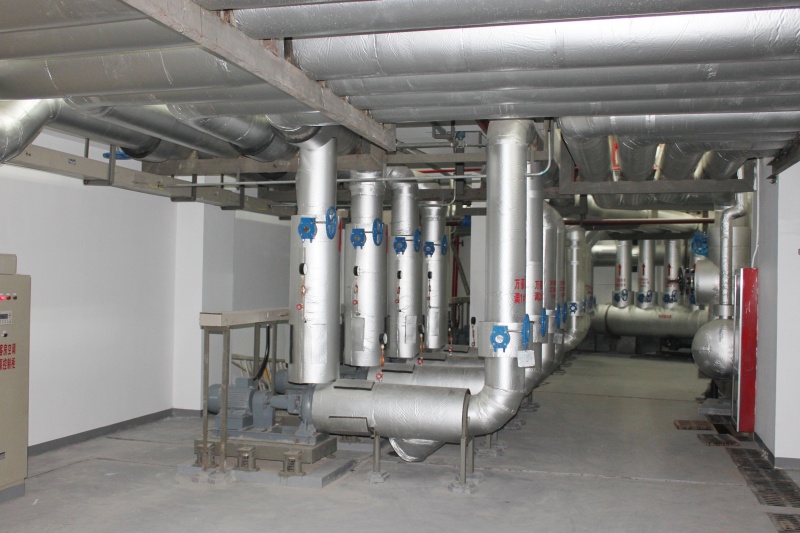
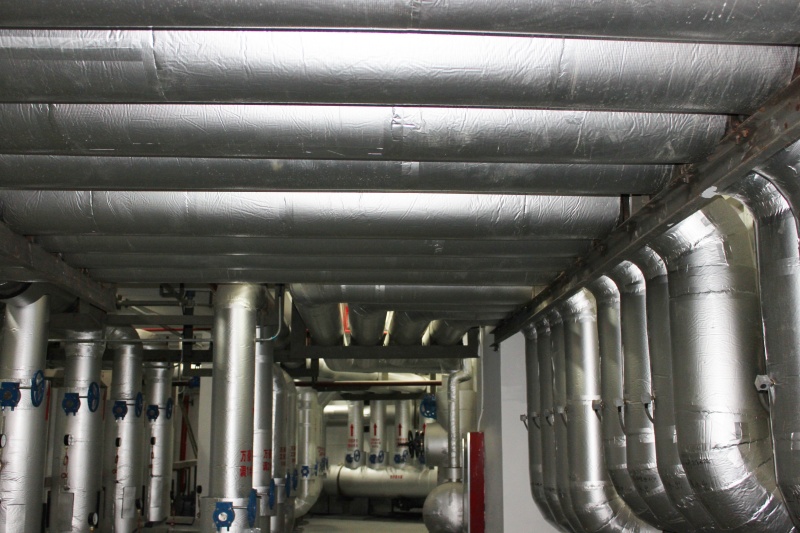
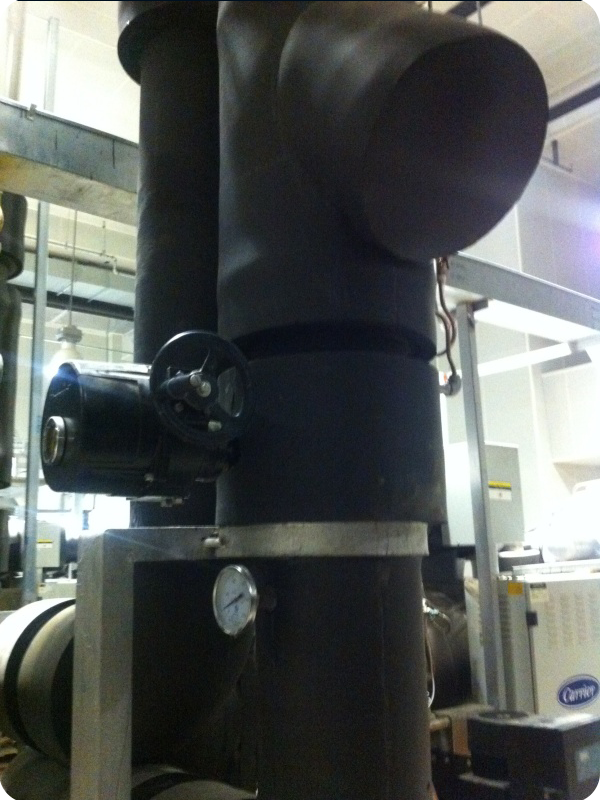
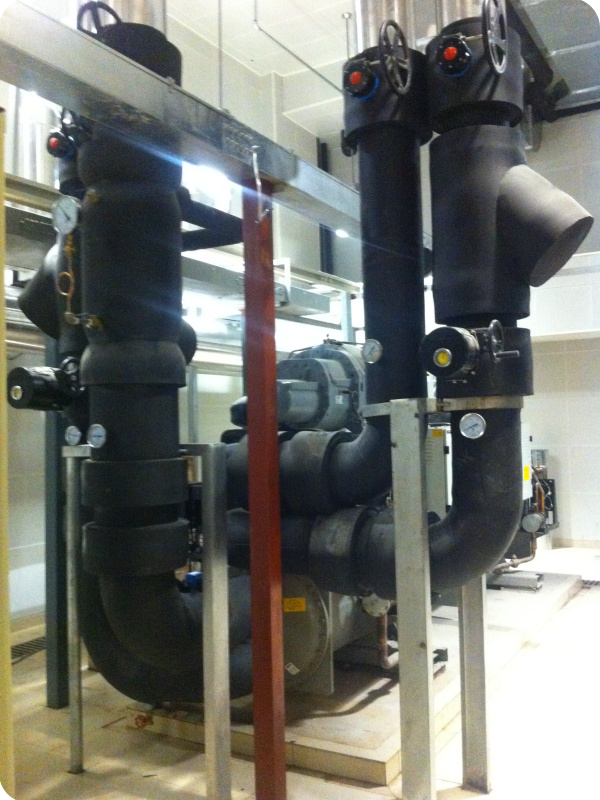
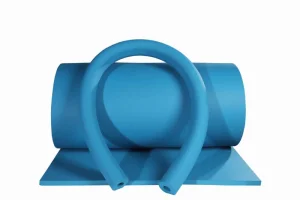
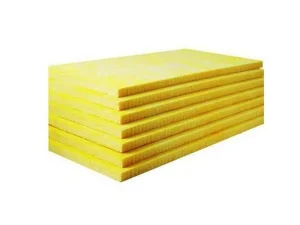
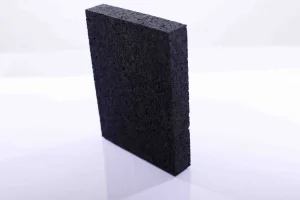
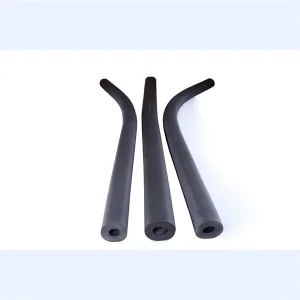
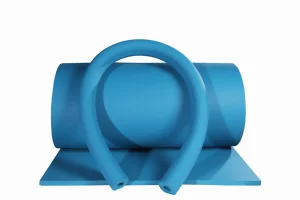
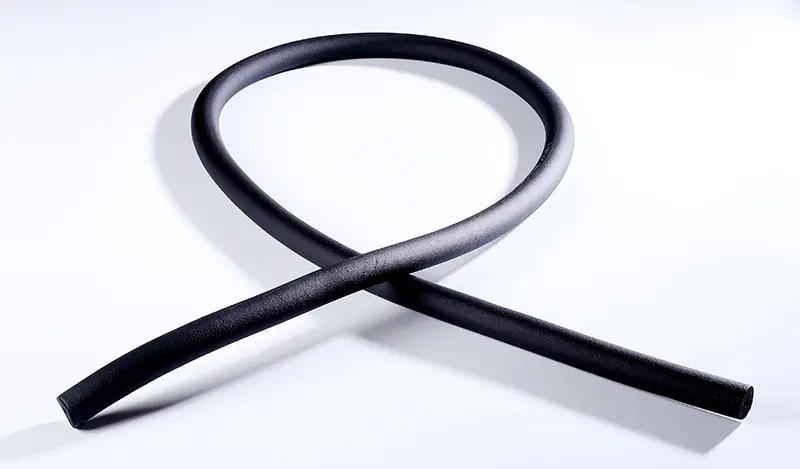
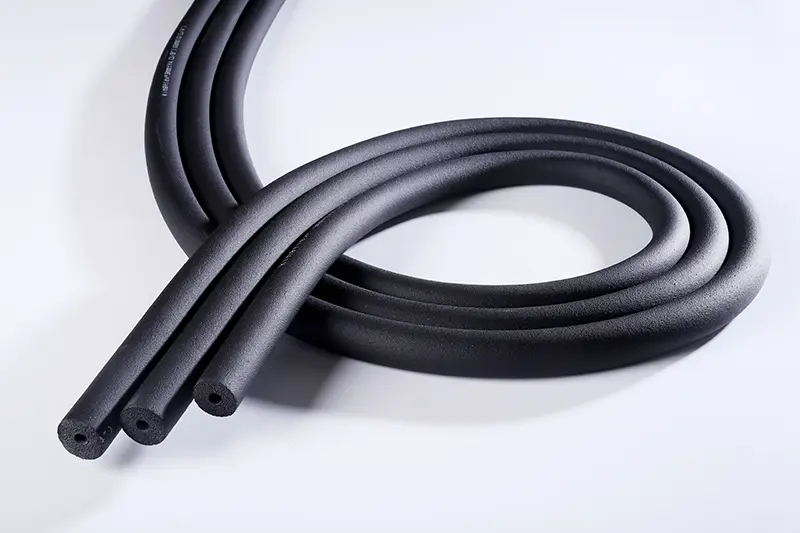
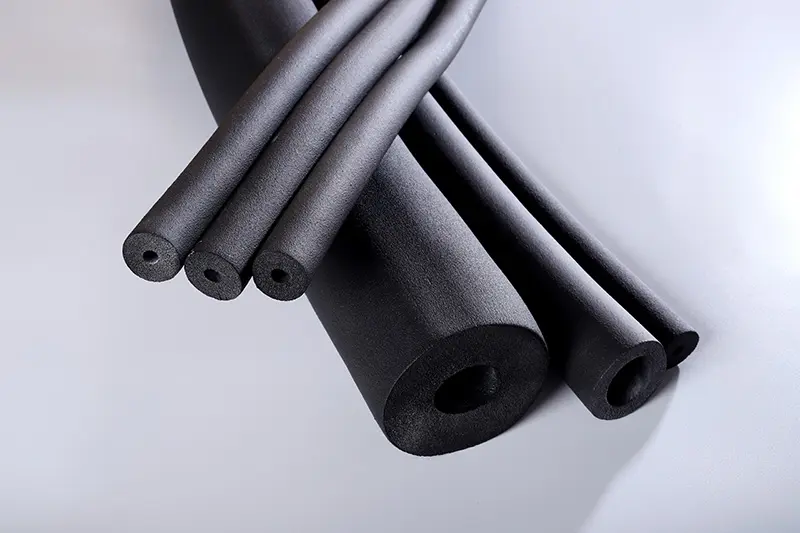
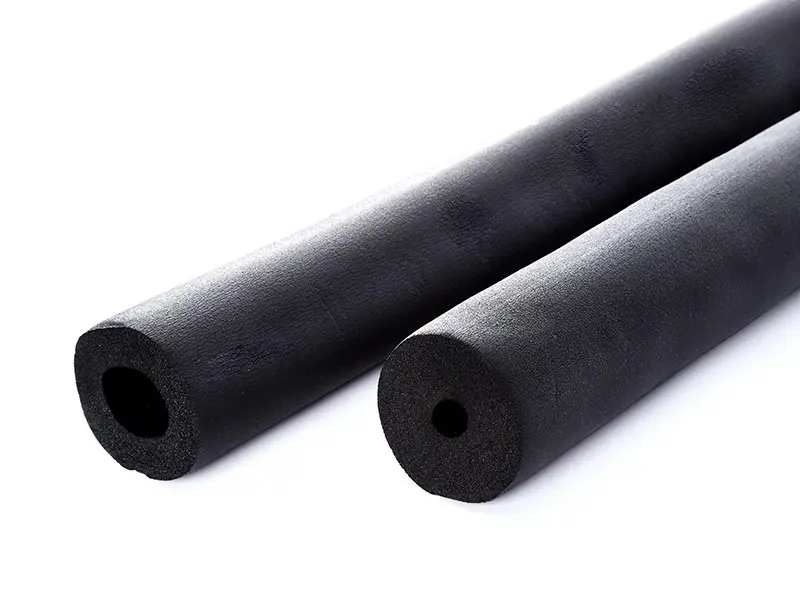
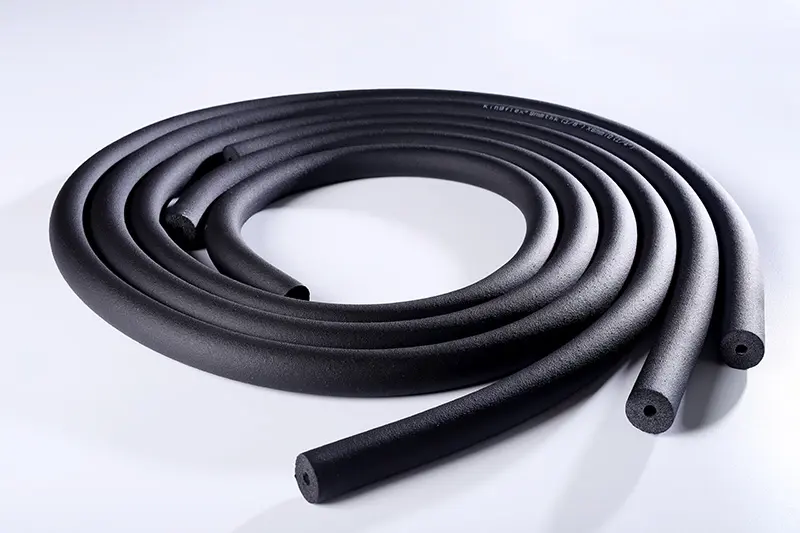
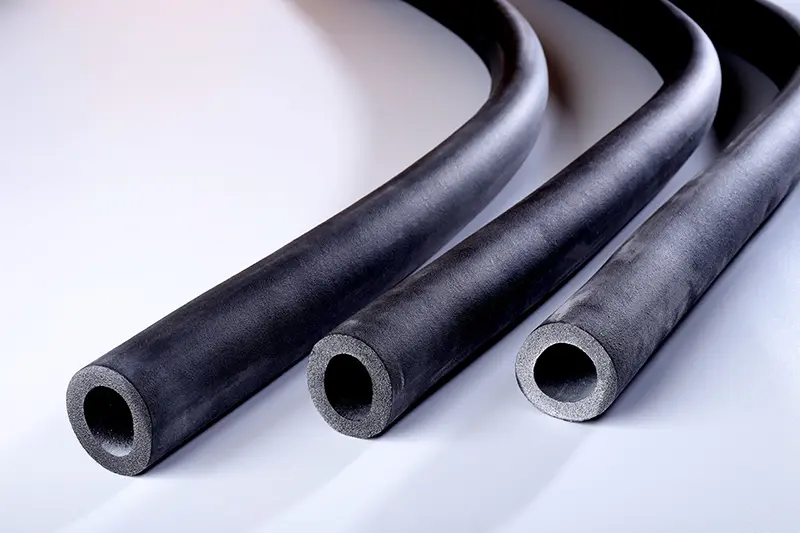
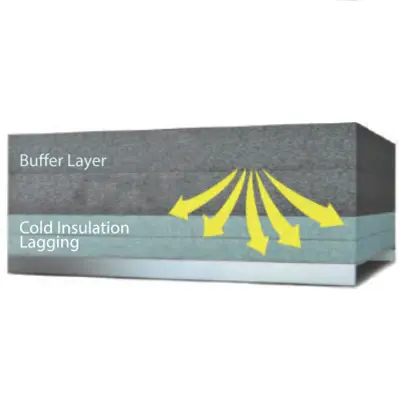
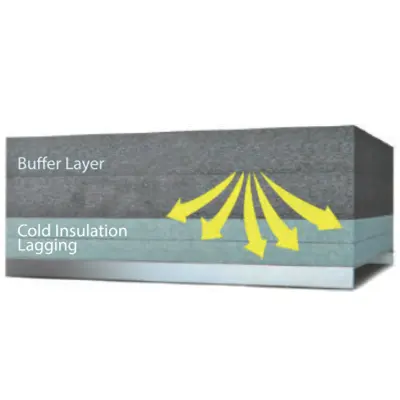
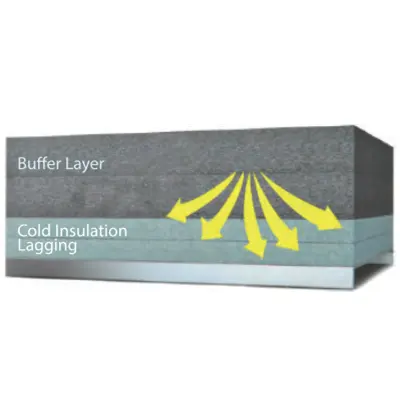
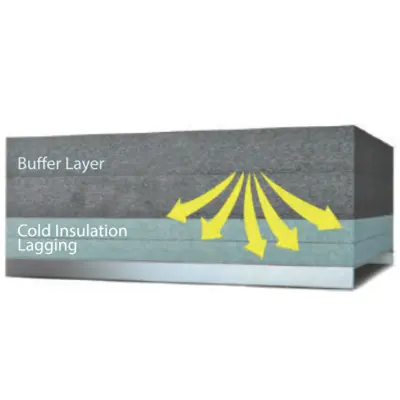
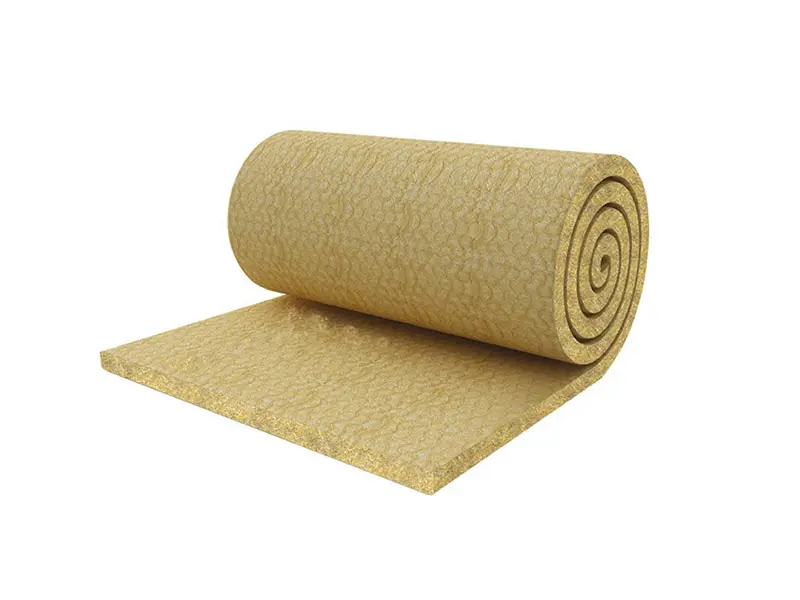
Elastomeric insulation, primarily formulated from Nitrile Butadiene Rubber (NBR) compounded with Polyvinyl Chloride (PVC), represents the vanguard of modern thermal barrier engineering. The secret behind its high-level performance is a completely closed cellular architecture, featuring more than 98% uniform cell division. This structure minimizes heat transfer by containing gas pockets in microscopic, isolated chambers, effectively impeding convection.
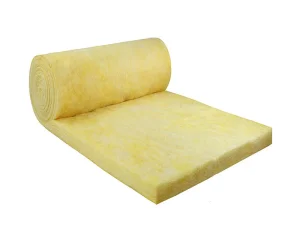
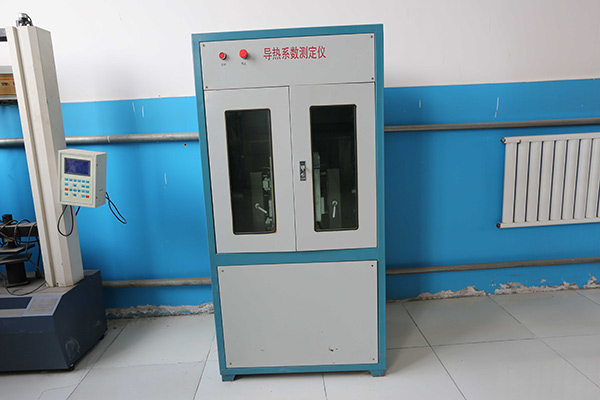
Unlike open-cell materials or fibrous insulations such as mineral wool, NBR/PVC elastomeric foams feature an integrated vapor barrier. With a high water vapor diffusion resistance factor (represented as the μ-value ≥ 10,000), these systems inherently resist moisture ingress. In cold-process pipelines and HVAC chillers, moisture migration is the primary cause of thermal performance degradation and corrosion under insulation (CUI). By maintaining absolute dry integrity, elastomeric structures deliver stable thermal conductivity (λ ≤ 0.034 W/m·K at 0°C) over a multi-decade operational lifespan.
For demanding applications like cryogenic systems (-40°C to -200°C), specialized flexible cryogenic structures prevent stress cracking. These formulations retain structural flexibility and prevent structural shock failures under rapid thermal cycling conditions common in LNG and chemical process plants.
The global energy-saving insulation market is highly dependent on output from Dacheng, China, widely recognized as the premier cluster capital of green building materials. Dacheng's unique industrial environment clusters raw material suppliers, machinery engineering firms, and transport networks together, delivering unparalleled efficiency to global commercial buyers.
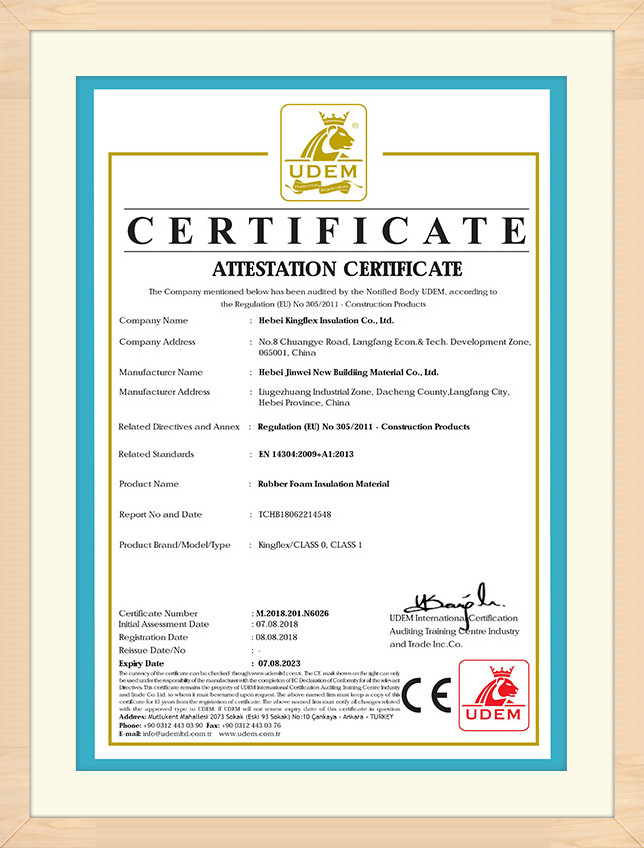
By leveraging integrated local supply chains, manufacturers located in this economic zone reduce material staging delays and mitigate bulk shipment logistics risks. The concentration of chemical expertise in this region ensures NBR/PVC compounds are blended under strict compliance guidelines, matching global performance specifications including BS 476, ASTM, CE, REACH, ROHS, UL94, and ISO certifications.
This localized supply chain density guarantees that bulk purchasers receive highly competitive pricing without sacrificing compliance parameters, forming a vital procurement source for HVAC installers, commercial builders, and cryogenic operations across the globe.
Below is the verified performance baseline of Kingflex Standard Dimension elastomeric insulation systems. These metrics comply with strict international building codes and fire standards.
| Property Parameter | NBR/PVC Foam Sheets & Rolls | NBR/PVC Insulation Tubes | Test & Compliance Standards |
|---|---|---|---|
| Thermal Conductivity (λ) | ≤ 0.034 W/m·K at 0°C | ≤ 0.034 W/m·K at 0°C | ASTM C518 / ISO 8301 |
| Moisture Resistance (μ-value) | ≥ 10,000 (Vapor Barrier Built-in) | ≥ 10,000 (Vapor Barrier Built-in) | BS EN 12086 / ASTM E96 |
| Fire Safety Rating | Class 0 / Class 1 / B1 | Class 0 / Class 1 / B1 | BS 476 Part 6 & 7 / UL 94 |
| Service Temperature Limit | -40℃ to 105℃ (Cryo: down to -200℃) | -40℃ to 105℃ | EN 14706 / ASTM C411 |
| Density Range | 40 - 55 kg/m³ | 40 - 55 kg/m³ | ASTM D1622 |
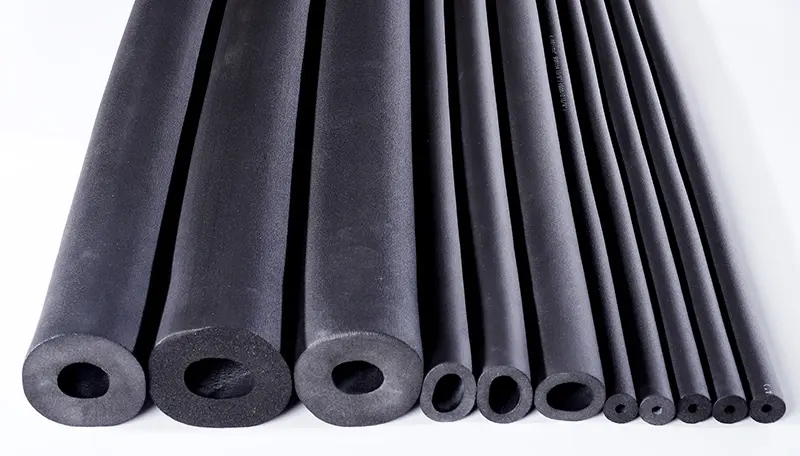
| Thickness Availability | 6mm to 50mm | 9mm to 40mm (ID: 6mm - 114mm) | Standard Metric Sizing |
| Compression Resilience | Over 80% | Over 80% | Standard Factory Test |
Foams evenly and fully, closed cell rate over 98%, excellent thermal insulation. Full closed-cell structure guarantees low moisture absorption and stable long-term thermal conductivity, minimizing operating costs.
Compression resilience over 80% prevents deformation during installation and structural shifting. This durability preserves insulation thickness and critical thermal barriers at support clamps and pipe elbows.
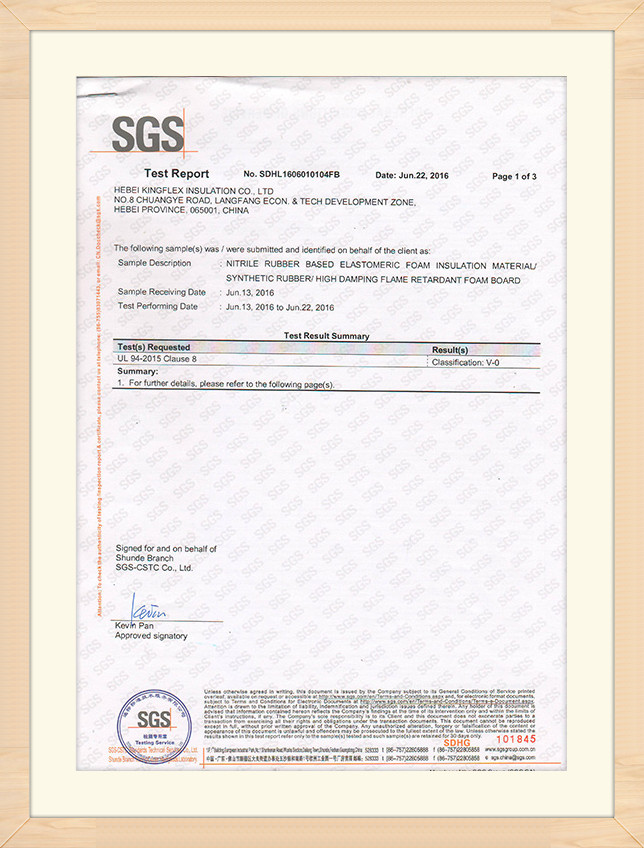
Flame retardant and self-extinguishing off fire. Features low flame spread and minimal smoke toxicity ratings, satisfying strict structural codes for residential, institutional, and commercial environments.
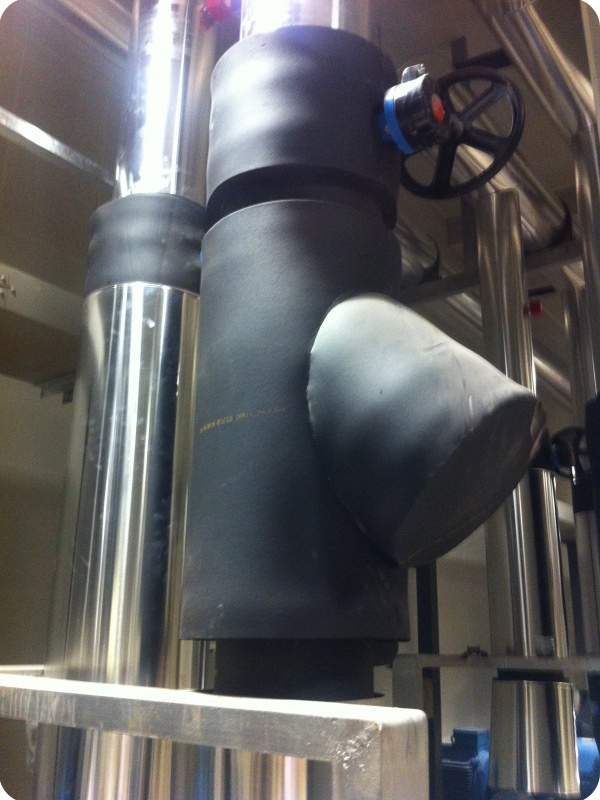
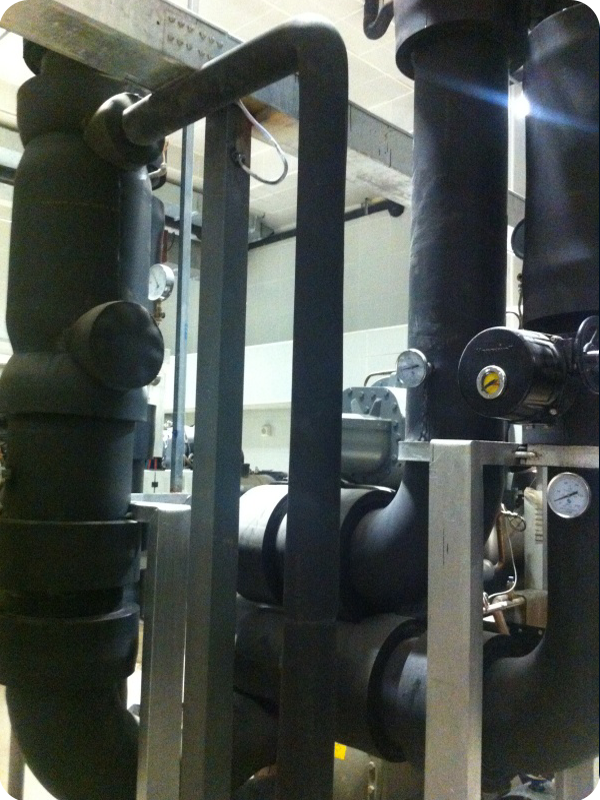
From commercial HVAC configurations to petrochemical cryogenic pipelines, discover where our materials are deployed globally.
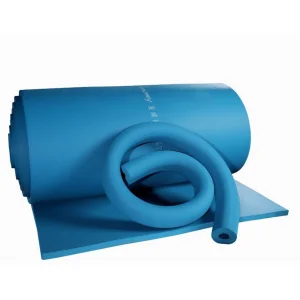
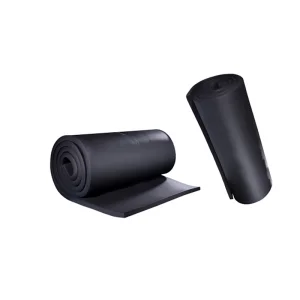
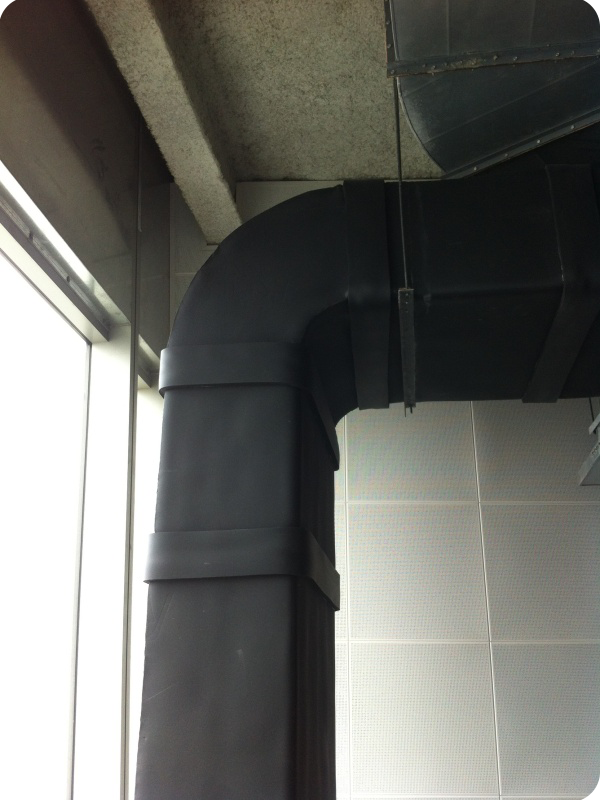
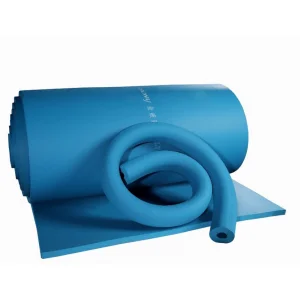
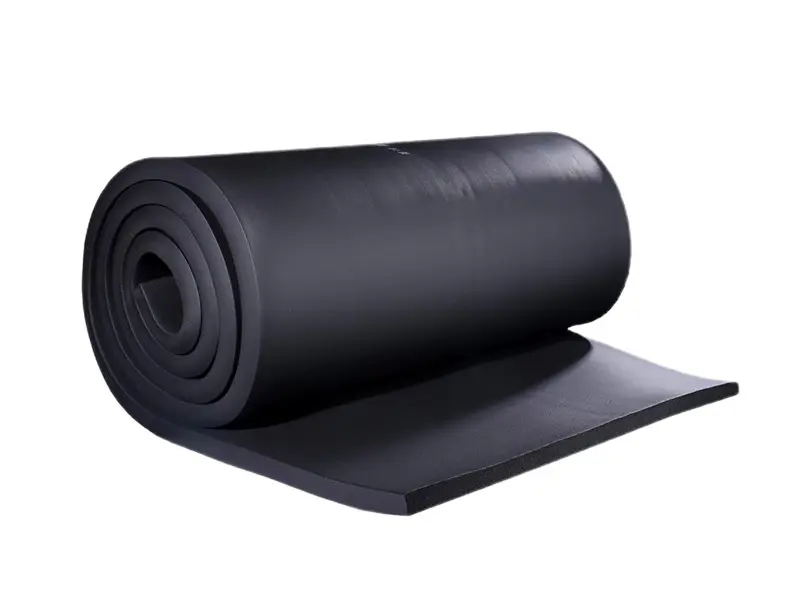
High-flexibility roll-formed insulation, ideal for large flat surfaces, wide HVAC ductwork, large-diameter tanks, and building envelopes.
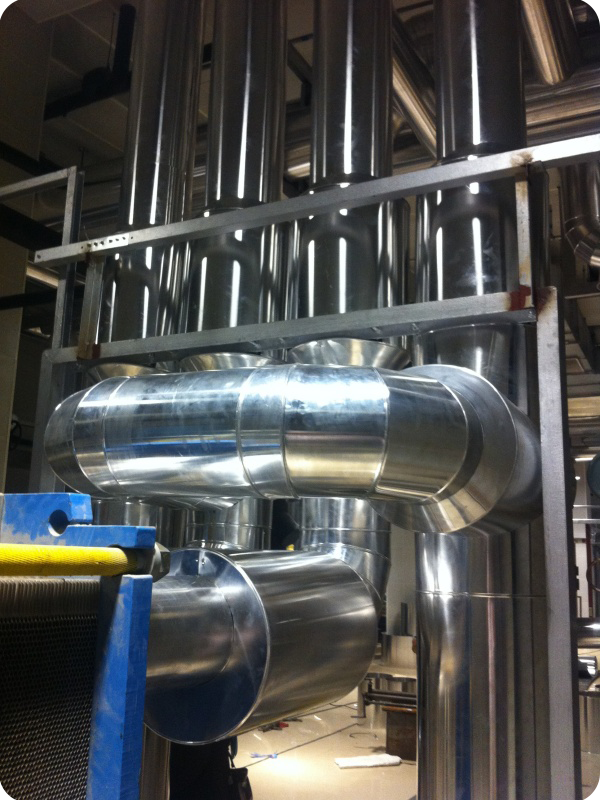
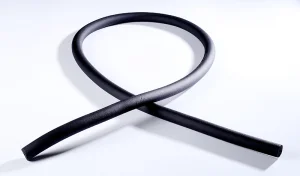
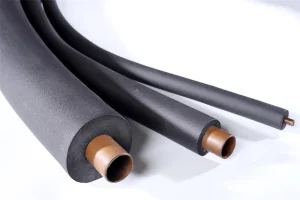
Pre-extruded elastomeric pipe tubing engineered for rapid slide-on installation on piping systems, saving time and joint tape.
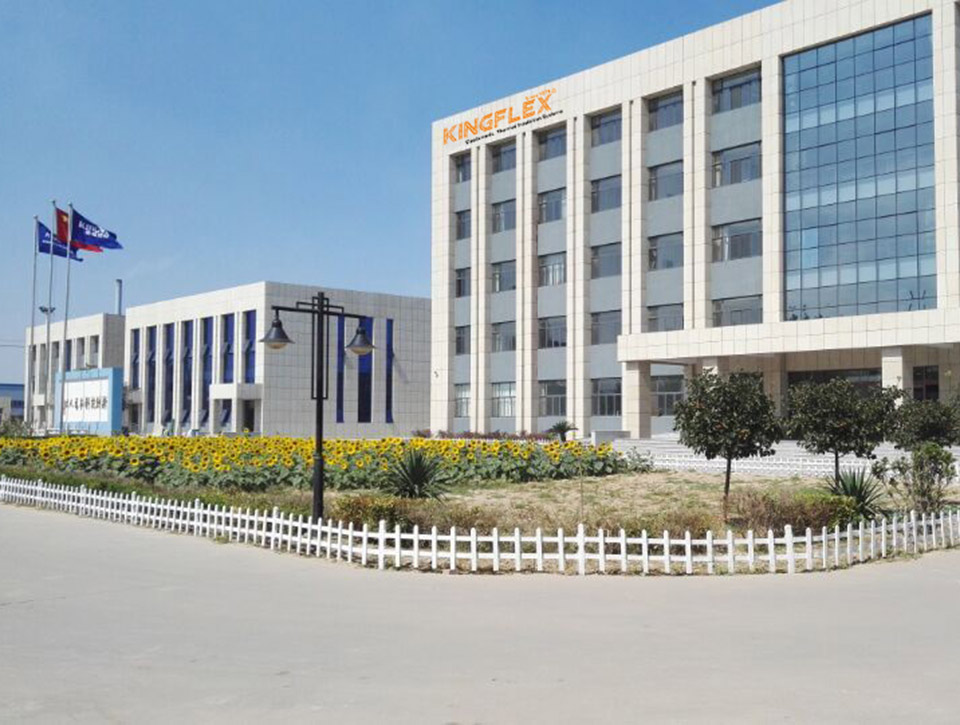
Kingflex Insulation Co., Ltd. is a professional manufacturing and trading combo for thermal insulation products. Our research, development, and production facility is located in the well-known capital of green building materials in Dacheng, China. As an energy-saving and environmentally friendly enterprise, we concentrate on the development, production, and sales of high-performance insulation systems.
In our daily operations, Kingflex prioritizes energy efficiency and environmental sustainability as core concepts. We provide comprehensive insulation solutions, including engineering consultation, research and development, custom production, on-site installation guidance, and dedicated post-sale service to lead the development of the global building materials industry.
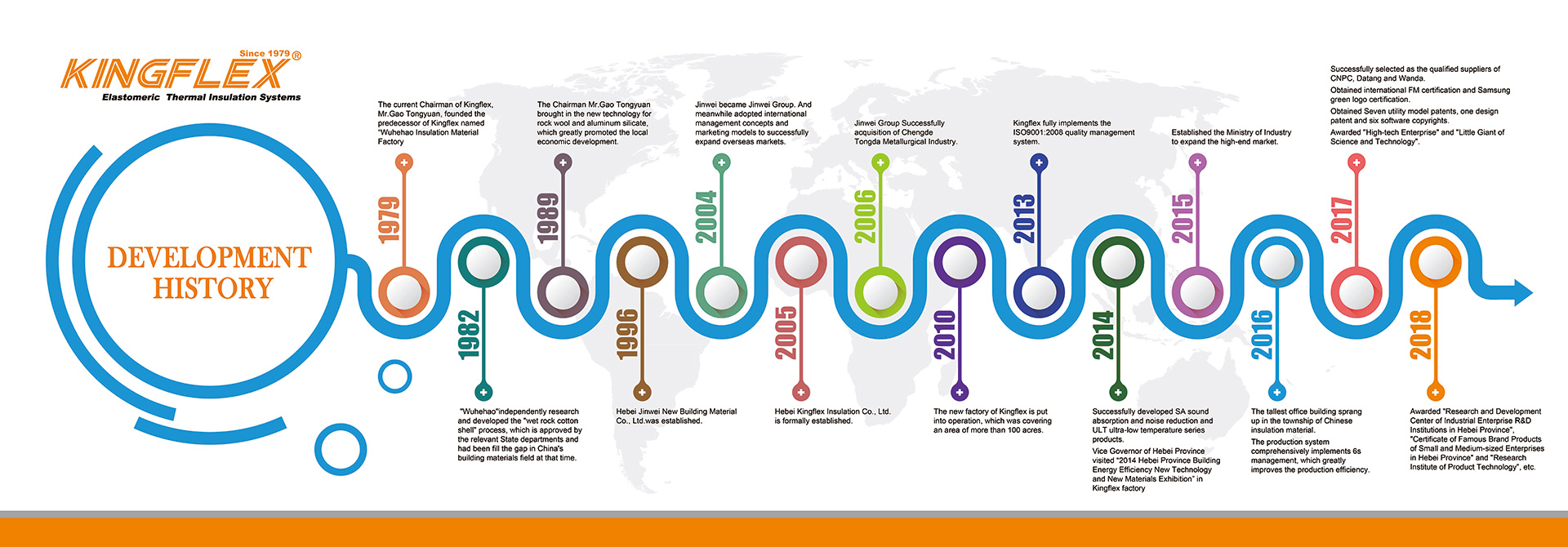
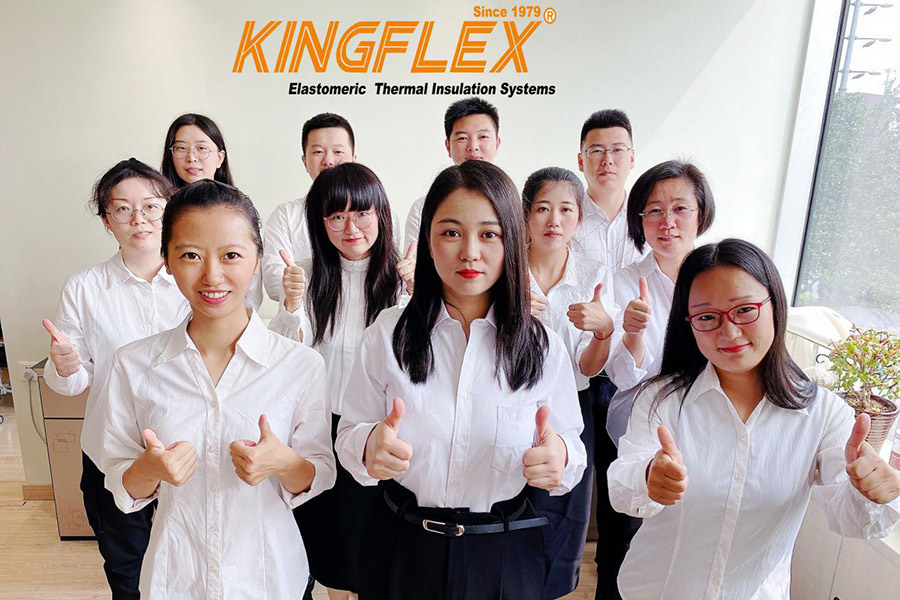
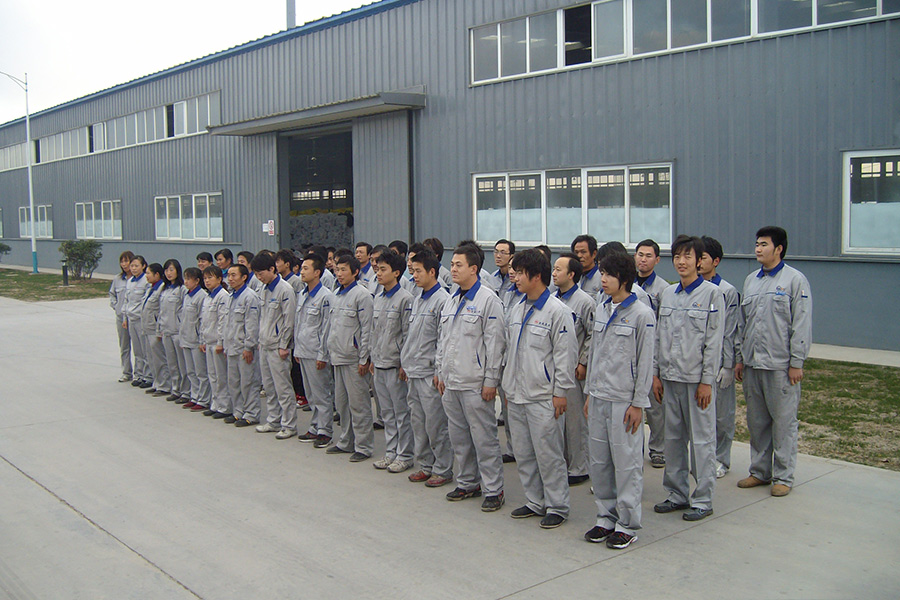
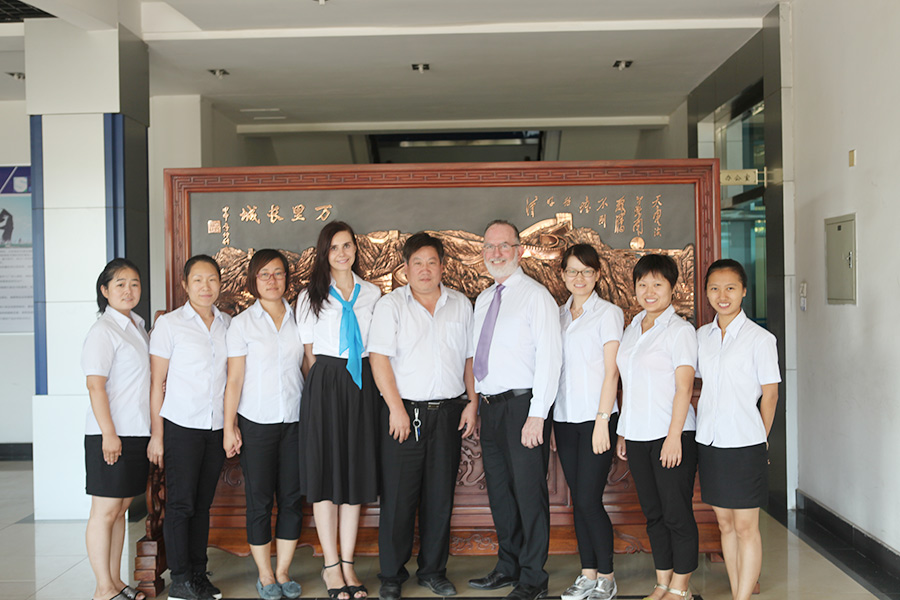
Our History & Team: Kingflex was established by the Jinwei Group, which boasts more than 40 years of industry history. Established in 1979, the group was the first manufacturer of thermal insulation materials north of the Yangtze River. Today, our team is a tight-knit, talented group with a shared vision of providing first-class service. Our technical organization features 8 professional engineers in our R&D Department, 6 international sales executives, and 230 highly trained workers managing our production floor.
Our employees are amazing in their own right, but together they are what makes Kingflex such a rewarding place to work. Our team is a tight-knit, talented group with a shared vision of giving consistently first-class service to our clients.
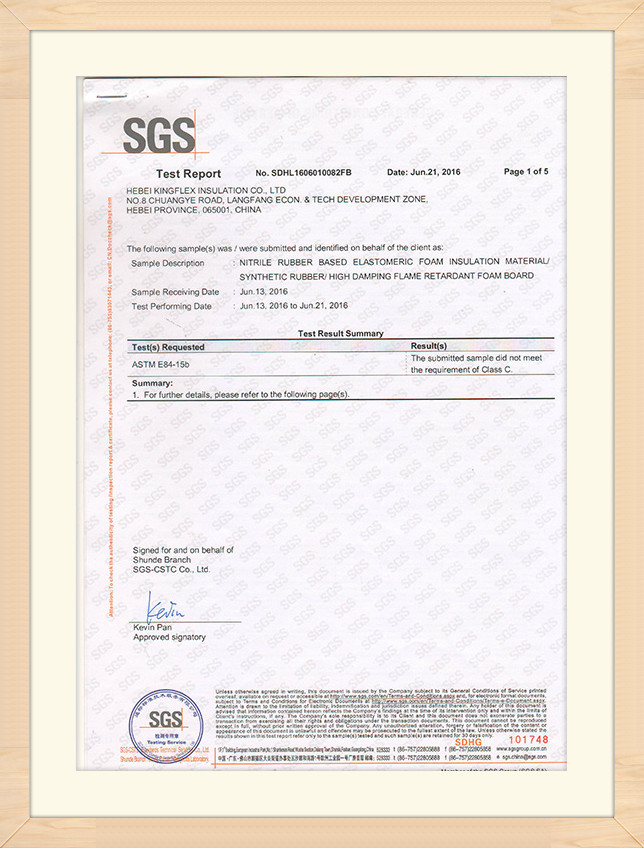
With an annual output capacity exceeding 600,000 cubic meters, Kingflex has become a designated supplier for the Ministry of Energy, the Ministry of Electric Power, and the Ministry of Chemical Industry in China. Our products have been exported to more than 66 countries over the past 16 years, proving our global reach and supply chain compliance.
We implement a strict batch-code traceability protocol on all outgoing insulation shipments, allowing project managers to verify raw materials, production line parameters, and QA test metrics for every roll or tube delivered.
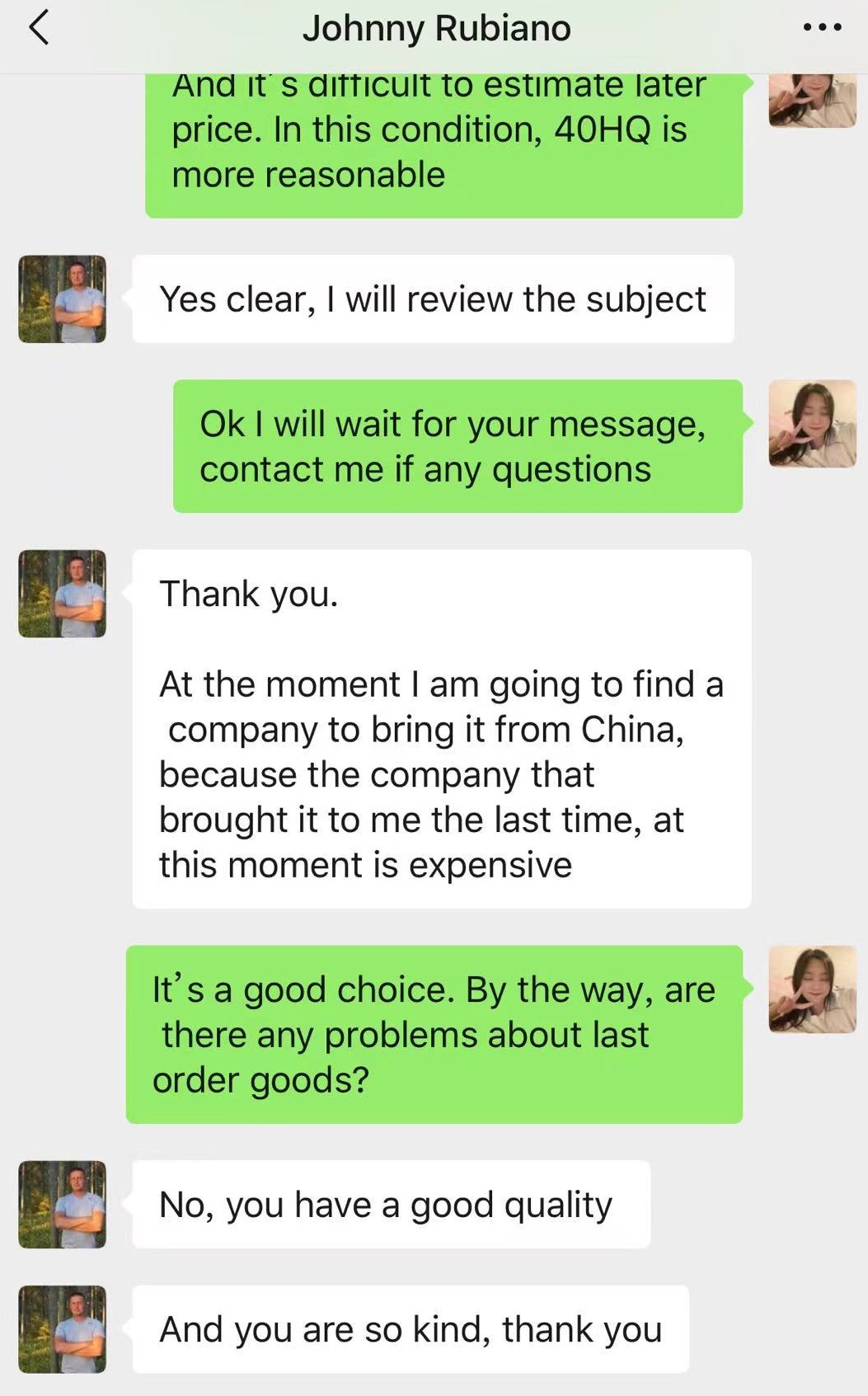
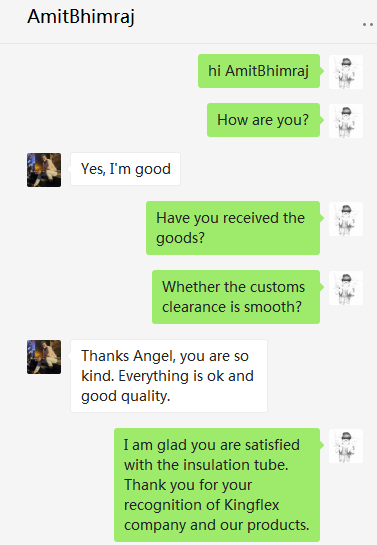
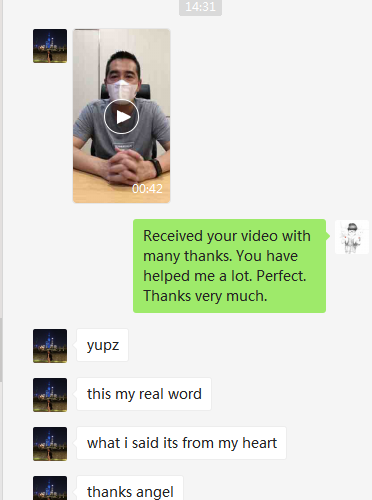
Verified screenshots of coordination with our global industrial distributors, reinforcing our dedication to transparent service.
Read our detailed FAQ section covering the specifications, applications, and selection of elastomeric insulation systems.
It is mainly used for HVAC duct systems, air conditioning piping networks, building thermal insulation, cold conservation of industrial process pipelines, and sound insulation panels in equipment rooms.
Yes, our products are built with advanced flame retardants to achieve BS 476 Class 0 and Class 1, and UL94 V-0 certifications, meeting strict fire protection regulations for public structures worldwide.
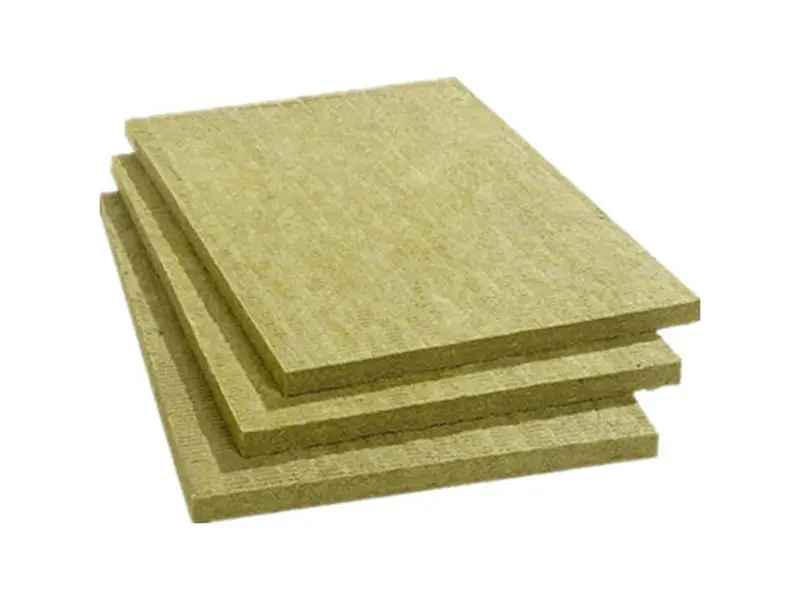
Rubber foam is a flexible, closed-cell, moisture-proof elastomeric matrix designed for condensation prevention in HVAC, water distribution, and low-temperature lines. Rock wool is a fibrous, high-density mineral structure suited for high-temperature applications (up to 650°C) and structural fire protection.

Yes, we support comprehensive OEM services. We configure custom inner diameters, wall thicknesses, packaging patterns, self-adhesive backings, and exterior coatings to match specific project specifications.
Our products carry BS 476, CE, REACH, ROHS, UL94, and ASTM certifications, ensuring compliance with building codes and import standards in Europe, the Americas, and the Asia-Pacific region.
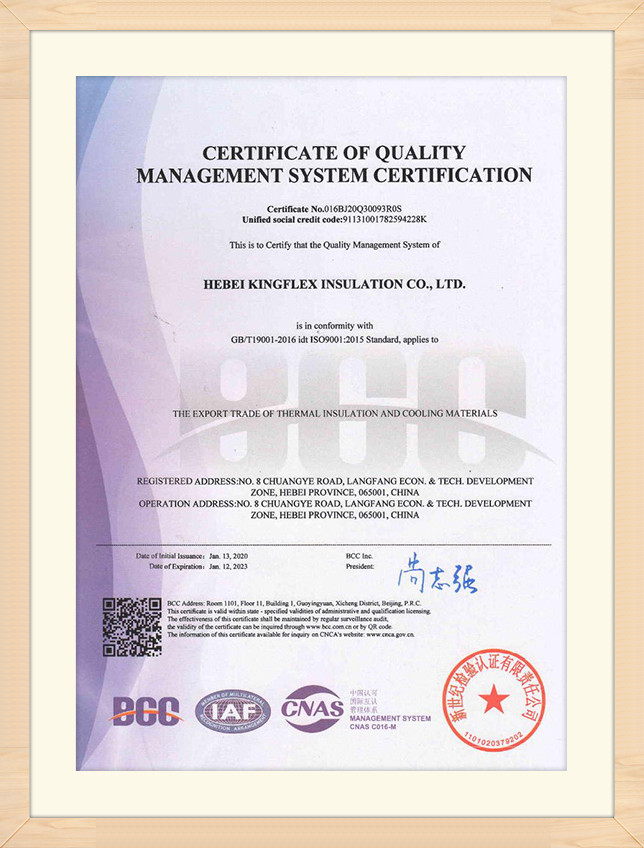
Yes, all batches are processed under ISO 9001 and ISO 14001 regulations. Every production batch is coded to ensure full material and processing traceability from our Dacheng facility to the job site.
We produce elastomeric rolls and sheets in standard thicknesses ranging from 6mm to 50mm, accommodating diverse engineering requirements.
When installed according to engineering guidelines and protected from direct weathering, our systems provide a service life of 10 to 15 years.