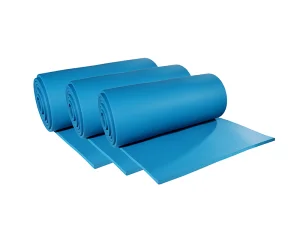
The Mechanics of Thermal Calculations & Thickness Optimization
In modern HVAC/R and process plant engineering, designing thermal insulation systems goes beyond simply choosing high-quality materials. It requires calculating the exact minimum thickness needed to prevent surface condensation, control heat gains or losses, and ensure fire safety. Utilizing an online insulation thickness calculator helps HVAC designers determine the optimal balance between initial material expenditures and long-term energy savings.
Fundamental Equation for Heat Transfer through Cylindrical Walls:
$$q = \frac{2\pi \cdot k \cdot (T_i - T_s)}{\ln(D_o / D_i)}$$
Where k represents the thermal conductivity ($W/m\cdot K$), $T_i$ is the inner process temperature, $T_s$ is the external ambient surface temperature, and $D_o / D_i$ represents the ratio of outer to inner insulation diameter.
Why Use an Online Insulation Thickness Calculator?
An online calculation tool processes design inputs—including ambient temperature, relative humidity, pipe diameter, operating temperature, and jacket emissivity—and applies ASTM C680 or ISO 12241 standards to determine the exact thickness required. Specifying insufficient thickness can lead to surface condensation (sweating), which runs down the pipes and causes Corrosion Under Insulation (CUI), structural damage, and mold growth. Conversely, over-specifying thickness introduces unnecessary material and labor costs, especially when coordinating large industrial projects.
Kingflex Insulation Co., Ltd. provides comprehensive engineering data sheets to assist engineers in calibrating their calculation software, ensuring accurate modeling of thermal performance across varying design conditions.
Preventing Surface Condensation (Dew Point Calculation)
For cold piping and cryogenic systems, the primary design parameter is avoiding surface condensation. The external surface temperature of the insulation ($T_s$) must always be maintained above the ambient dew point temperature ($T_d$). By entering the local maximum humidity and dry bulb temperature into our calculator, engineers can determine the threshold thickness required to prevent moisture accumulation.
Key Performance Indicators
Thermal Conductivity ($\lambda$)≤ 0.034 W/(m·K) at 0°C
Operating Temperature Limits-40°C to +105°C (Flexible Range)
Fire Safety ComplianceBS 476 Part 7 Class 1 / UL 94 V-0
Kingflex materials are verified to minimize thermal bridging, maintaining their insulating values over extended lifespans of 10 to 15 years.
Technical Roadmap & Future Outlook
How digital calculators and modern smart building technologies are transforming project design
BIM Integration (LOD 400)
Future thermal thickness engines will integrate directly with Building Information Modeling (BIM) programs. This allows piping software to automatically adjust physical clearance spaces based on real-time thickness calculations.
Dynamic LCA & Carbon ROI
Calculators will soon factor in Life Cycle Assessments (LCA). Users can input carbon offsets to calculate the exact payback period of increased NBR/PVC insulation thicknesses relative to energy cost reduction.
IoT Sensor Adaptation
Integrating IoT humidity and temperature sensors directly into calculating systems will allow real-time analysis of building envelopes, prompting preventative maintenance prior to condensation event cycles.
Macro Industry Application Solutions
Tailored insulation designs for architectural and heavy industrial operations
Industrial Excellence
Engineered Solutions for Diverse Verticals
No single insulation thickness fits all applications. HVAC installations in commercial shopping malls focus on preventing condensation on chilled water pipes running through ceiling voids. In contrast, cryogenic pipelines in chemical plants require complex, multi-layered systems designed to withstand extreme thermal contractions.
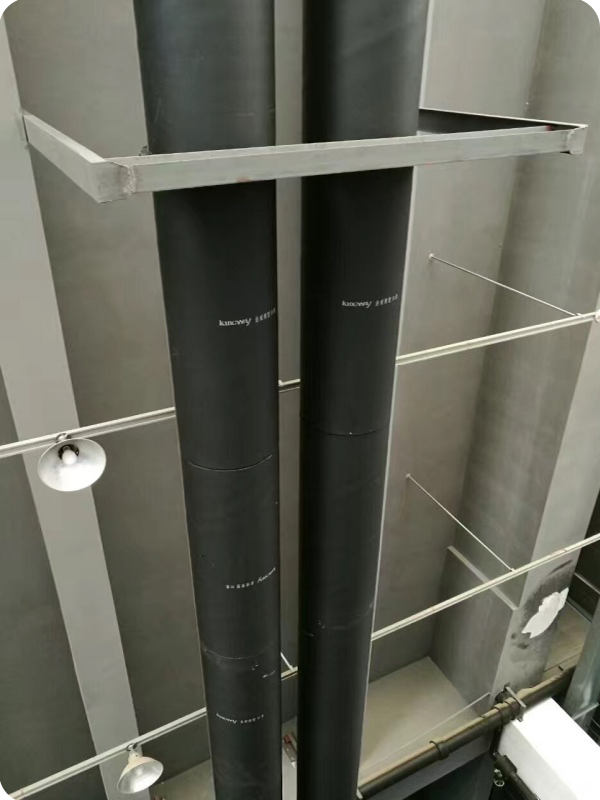
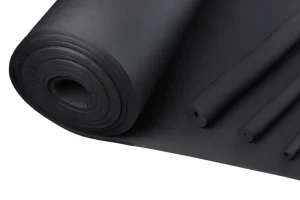
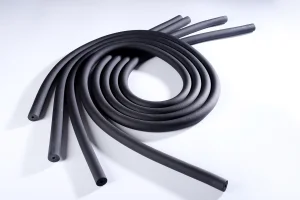
Chilled Water Systems: Closed-cell structures stop water vapor from penetrating, protecting copper and carbon steel pipes from corrosion.
Process Steam & High Temp: Minimizes radiant heat loss, lowering fuel consumption and operating costs in industrial boiler plants.
Cryogenic Engineering: Ultra-low temperature systems down to -200°C require specialized NBR/PVC formulations to remain flexible and crack-resistant under extreme thermal shock.
China Factory 4.0: Supply Chain Resilience & Efficiency
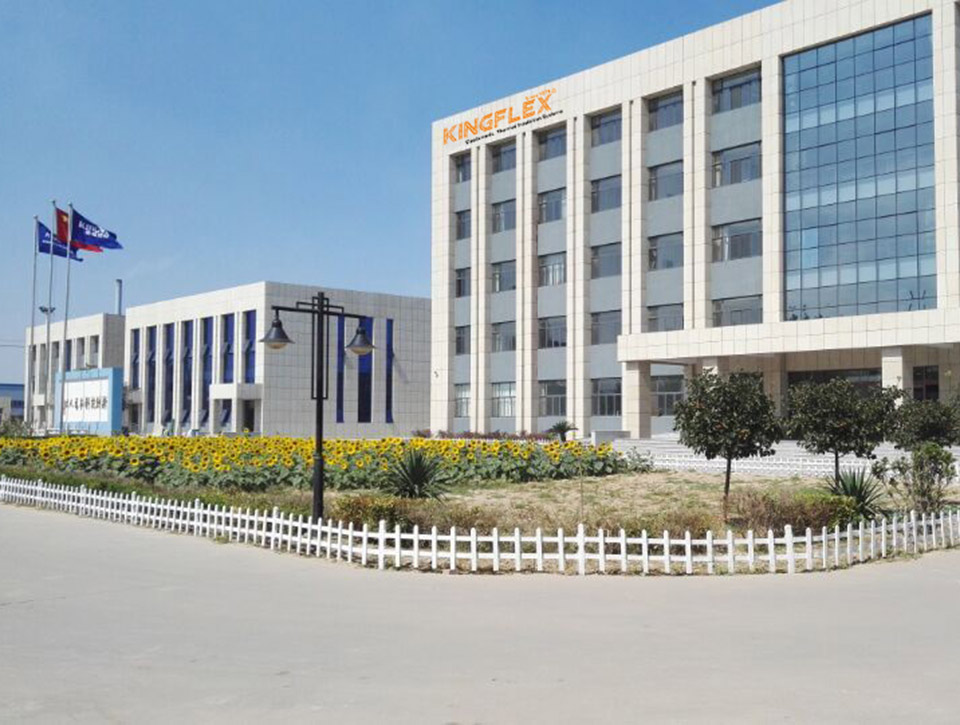
Pioneering automated manufacturing methods inside our production hubs in Dacheng
5
Automatic Assembly Lines
600K+ m³
Annual Production Capacity
40+ Yrs
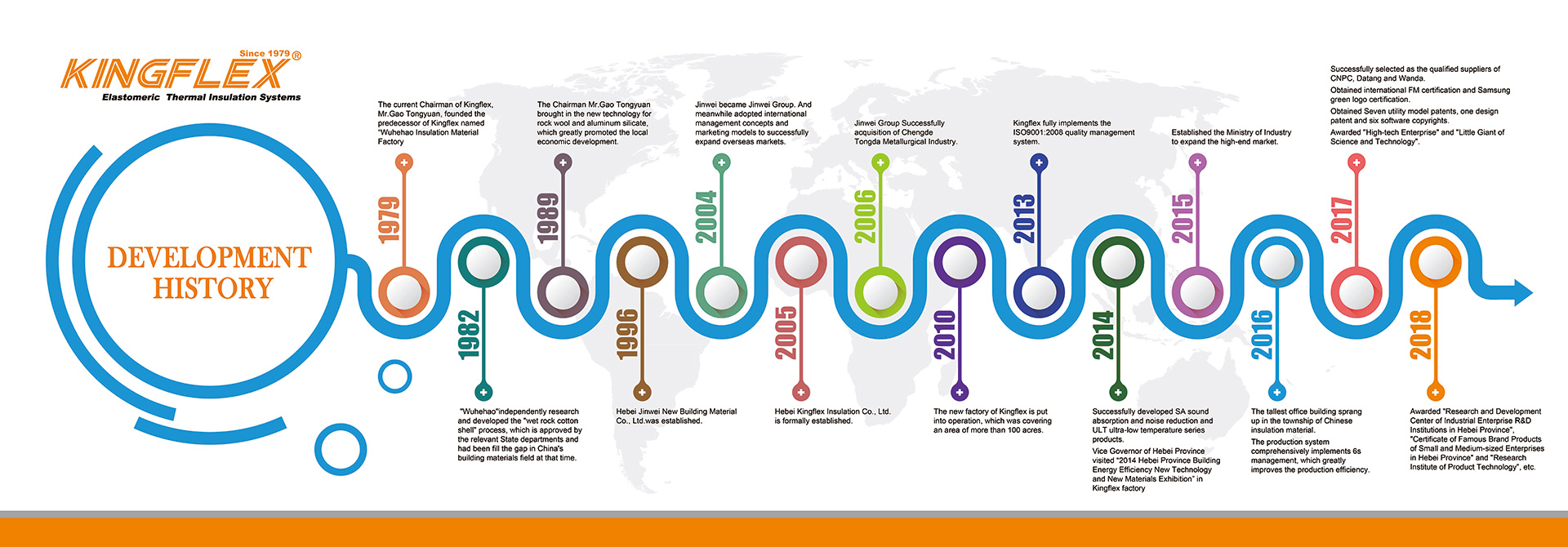
Jinwei Group Heritage (Est. 1979)
66+
Global Export Countries
Jinwei Group Heritage & Scale Advantages
Kingflex operates as an integrated manufacturer under Jinwei Group, established in 1979. We were the first thermal insulation manufacturer north of the Yangtze River. Today, we supply custom-thickness NBR/PVC materials worldwide.
Our factory uses automated continuous foaming lines. This ensures consistent density (40-55 kg/m³) and a closed-cell rate of over 98%. This high closed-cell rate prevents water vapor diffusion, ensuring the insulation retains its low thermal conductivity over its service life.
Global Compliance, Quality Standards & R&D
Meeting international building code requirements with certified fire performance ratings
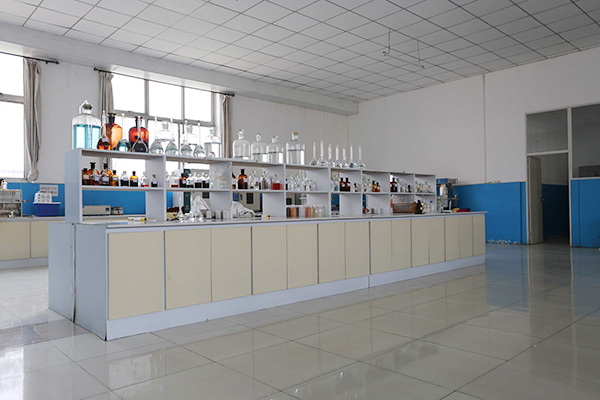
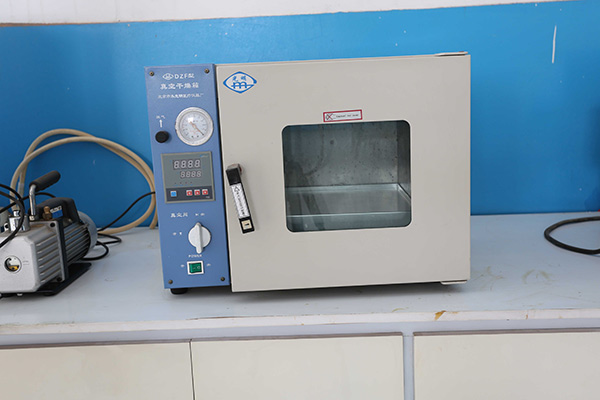
Rigorous Laboratory Testing and Certified QC
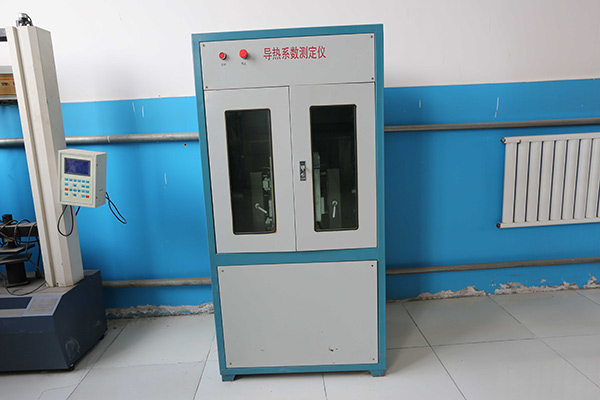
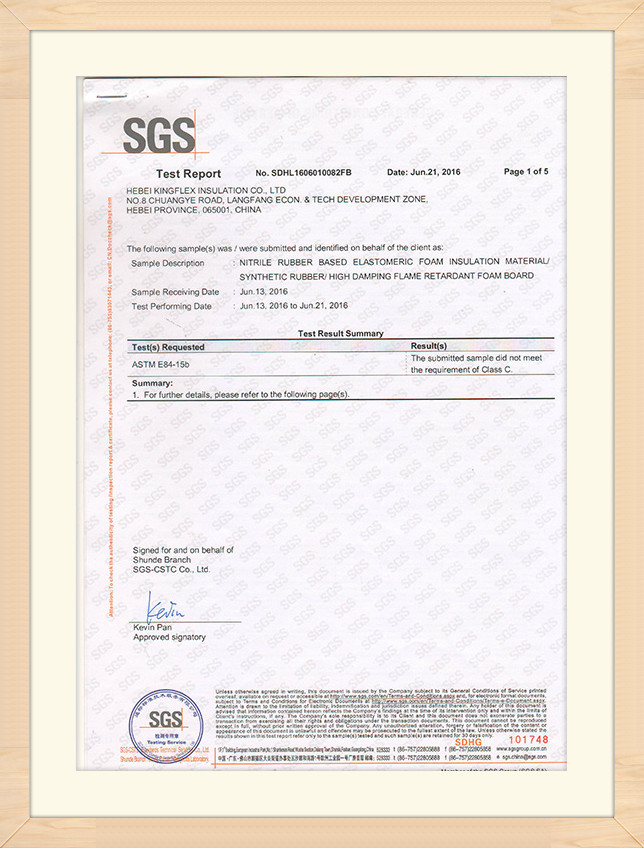
Our R&D department employs 8 dedicated engineers who test every production batch to verify fire retardancy, smoke toxicity, thermal conductivity, and density. Kingflex NBR/PVC insulation is fully compliant with the following international testing standards:
BS 476 Part 7 (Class 1)
UL94 Flammability (V-0 Rating)
REACH & RoHS Compliance
ASTM C518 Thermal Testing
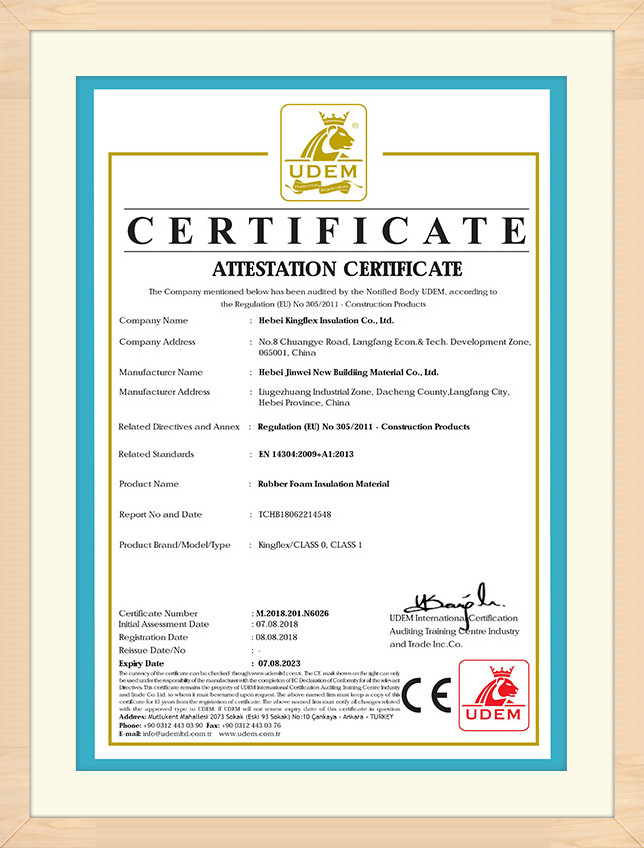
CE Mark Certification
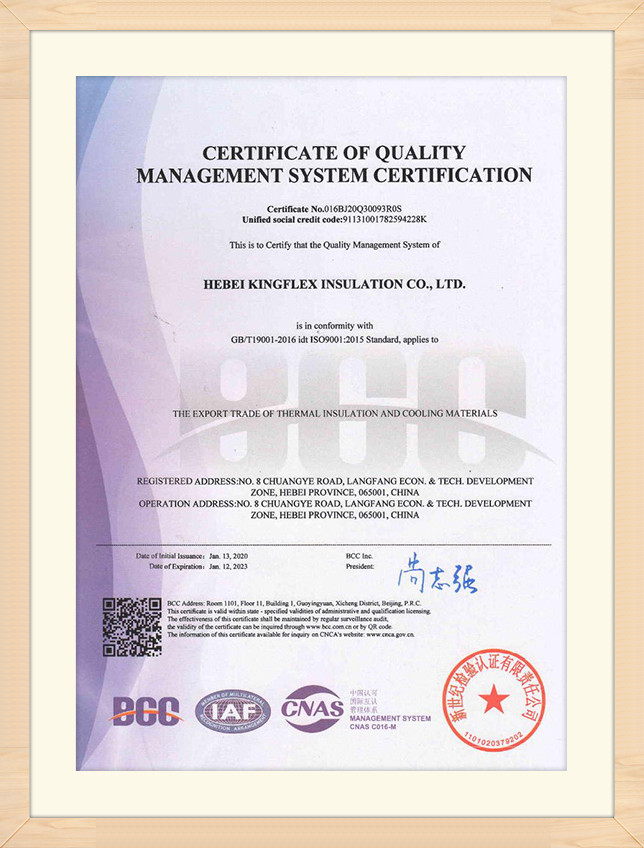
ISO 9001:2015 Quality Systems
Laboratory Fire Resistance Analysis
Closed Cell Density Quality Check
Mechanical Elasticity and Compressive Testing
BS 476 Testing Certification
ISO 9001 System Registration
CE Declaration of Conformity
Global Procurement & Thickness Selection Matrix
Standardized specifications for engineers, estimators, and purchasing managers
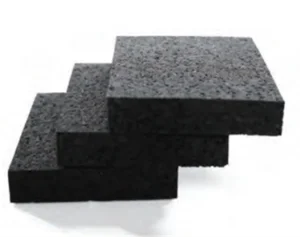
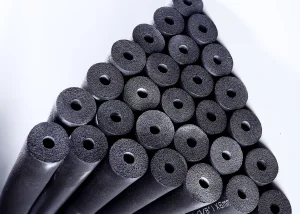
The table below provides a reference thickness selection matrix for NBR/PVC closed-cell elastomeric foam insulation in HVAC and industrial systems. For precise requirements based on local relative humidity and dry-bulb ambient conditions, please consult our engineering support team or use our digital calculation software.
Application Type
Operating Temperature
Recommended Thickness (Pipes)
Recommended Thickness (Sheets/Ducts)
Primary Benefit
Chilled Water Systems
4°C to 12°C
9mm – 19mm
13mm – 25mm
Condensation control & energy efficiency
Refrigeration Lines
-20°C to 0°C
19mm – 32mm
25mm – 38mm
Prevents ice formation & system heat gain
Cryogenic Systems
-180°C to -40°C
32mm – 50mm (Multi-Layer)
38mm – 50mm (Multi-Layer)
Maintains mechanical flexibility at low temps
Low Pressure Steam Pipes
up to 105°C
13mm – 25mm
19mm – 32mm
Reduces heat loss & protects personnel
Acoustic Air Ducts
Ambient
N/A
10mm – 20mm (Open-Cell Option)
Attenuates fan and airflow noise
Project Gallery & Track Record
Verified projects using Kingflex elastomeric insulation systems
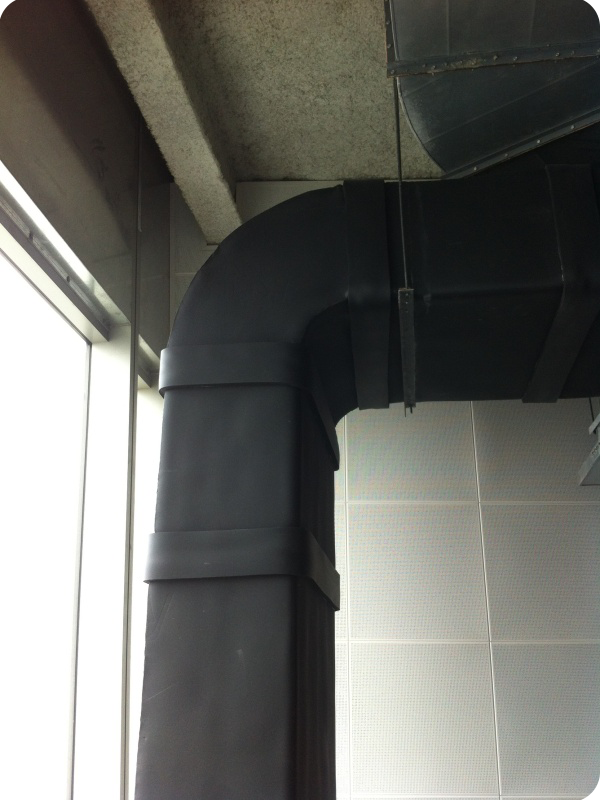
Commercial Office Building HVAC Ductwork
Pharmaceutical Facility Cleanroom Insulation
Chemical Manufacturing Chilled Process Pipes
Cold Storage Pipeline Condensation Prevention
Customer Communication & Global Support Proof
Direct collaboration and feedback from our international distribution partners
Specification Agreement Session
Logistics and Shipment Planning
Technical Parameter Acceptance
Volume Customization Briefing
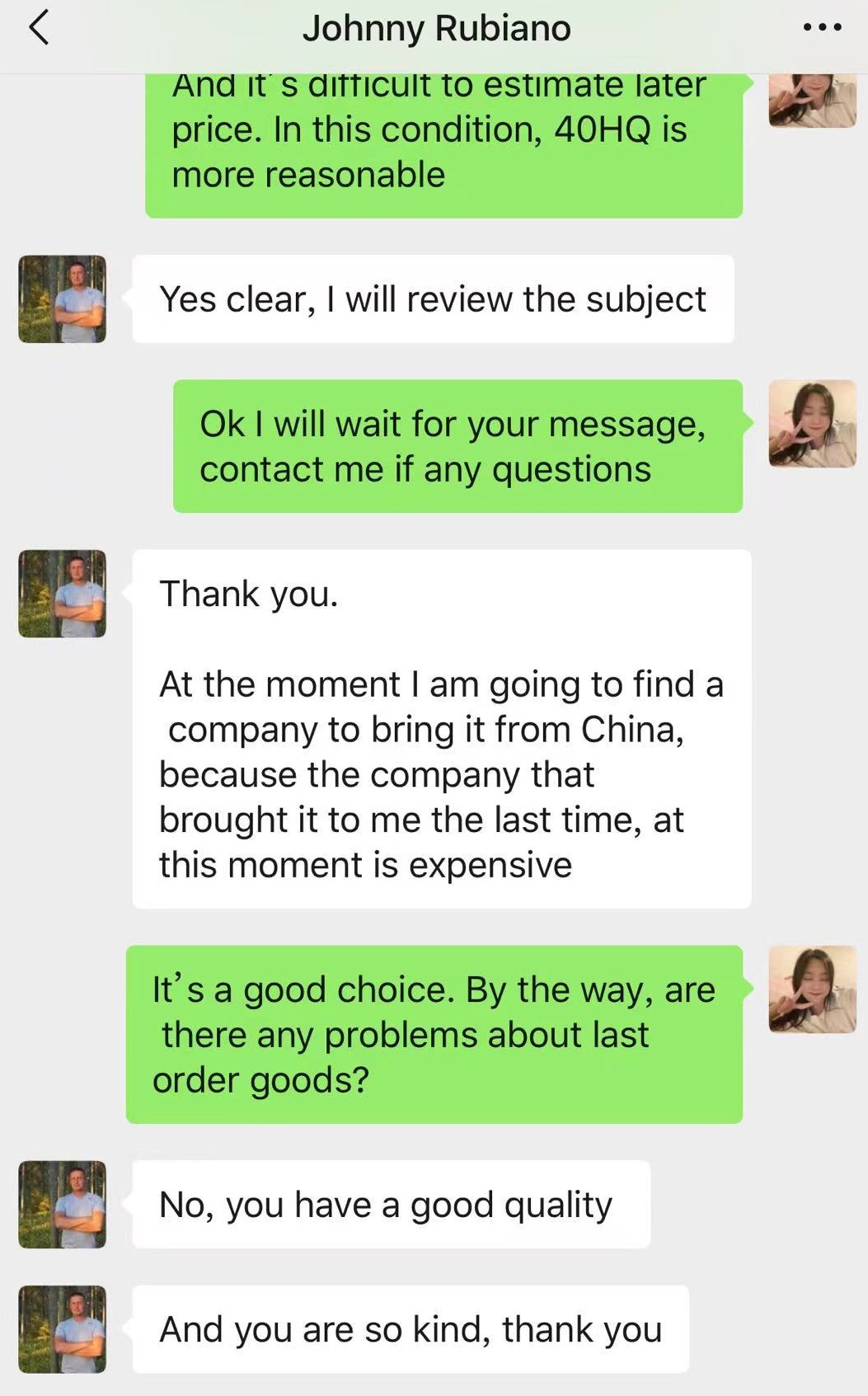
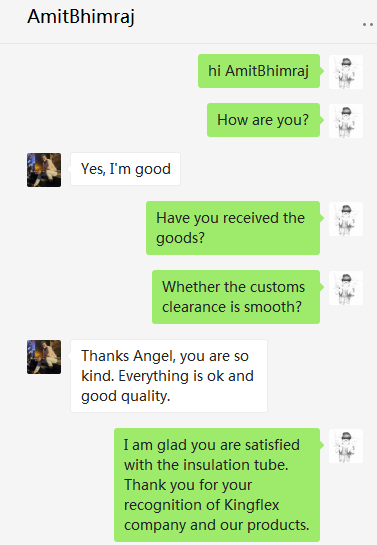
Order Delivery Approval
In-Depth FAQ & Troubleshooting Guide
Answers to common questions about thermal calculations and NBR/PVC elastomeric materials
Q1: What is elastomeric rubber foam insulation used for?
+
It is primarily used for HVAC ducts, air conditioning piping, commercial and residential insulation, industrial process piping, and sound insulation in plant rooms.
Q2: Is Kingflex rubber foam insulation fire resistant?
+
Yes, our rubber foam materials contain flame retardants that self-extinguish when exposed to fire. They meet BS 476 Part 7 Class 1 and UL94 V-0 standards.
Q3: What is the difference between rubber foam and rock wool insulation?
+
Rubber foam is a flexible, closed-cell material with high moisture resistance ($\mu \ge 10,000$), making it ideal for cooling lines and humid environments. Rock wool is a fibrous material with high temperature resistance, typically specified for high-heat industrial steam applications.
Q4: Do you provide customized insulation products?
+
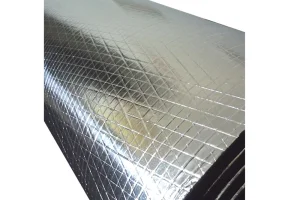
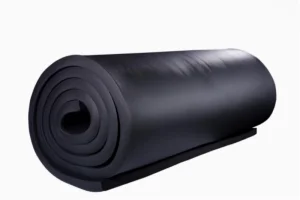
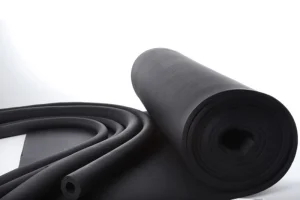
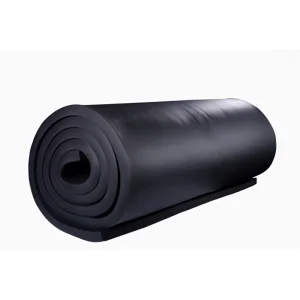
Yes, we provide OEM services, allowing customers to specify custom thicknesses, internal diameters, roll lengths, and external laminations (such as aluminum foil).
Q5: What certifications do your products have?
+
Kingflex products are certified to BS 476, CE, REACH, RoHS, UL94, and ASTM standards, ensuring compliance with global building codes.
Q6: Does Kingflex products have traceability?
+
Yes. Every production batch is coded to track raw materials, production line logs, operator shifts, and quality control test results.
Q7: What thickness of Rubber foam insulation sheet roll can you produce?
+
We manufacture sheets and rolls in thicknesses ranging from 6mm to 50mm, accommodating a wide variety of project requirements.
Q8: What is the service life of rubber plastic pipe and board?
+
When installed correctly according to manufacturer guidelines, Kingflex rubber foam insulation systems typically have a service life of 10 to 15 years.
Q9: How does relative humidity affect insulation thickness calculations?
+
Higher relative humidity increases the dew point temperature. To prevent condensation in high-humidity areas, the insulation thickness must be increased to keep the surface temperature above this higher dew point.
Q10: Why is a closed-cell structure critical for cold insulation systems?
+
Closed-cell structures prevent water vapor from migrating through the material. If moisture penetrates the insulation, it displaces the air inside, increasing thermal conductivity and causing potential corrosion on the pipe surface.
 Kingflex