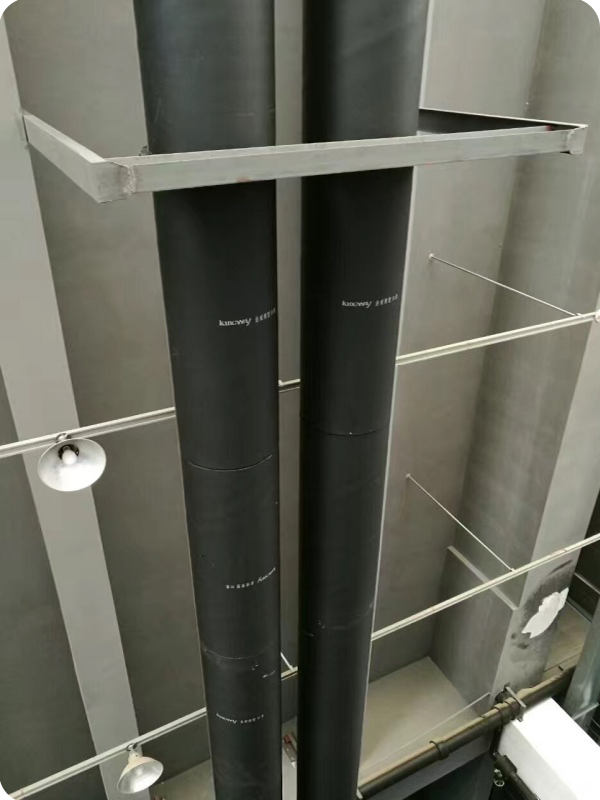
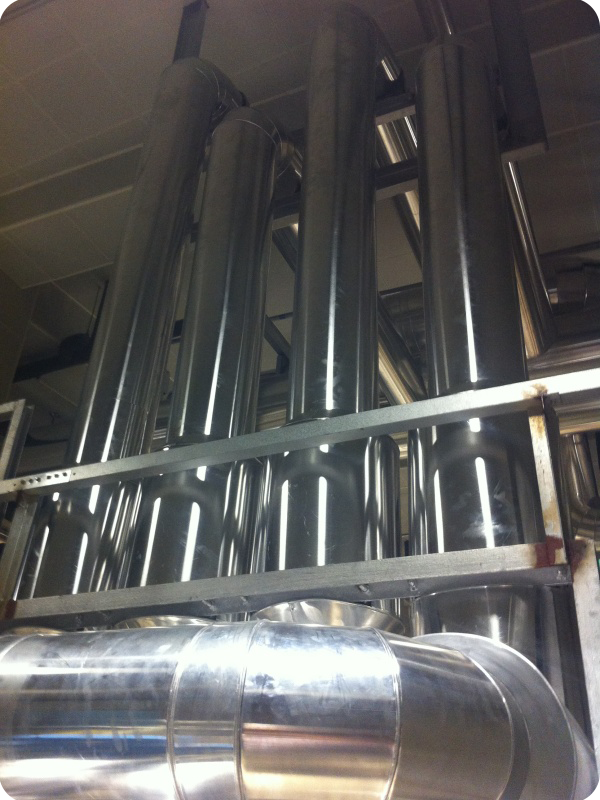
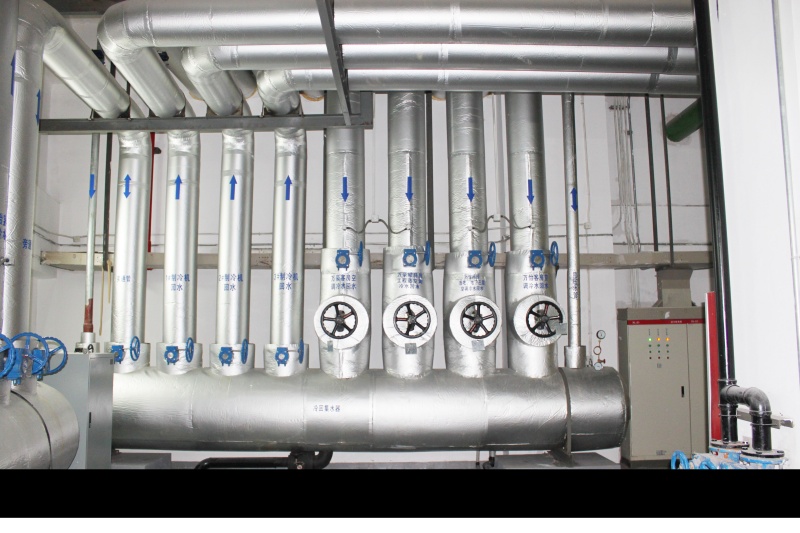
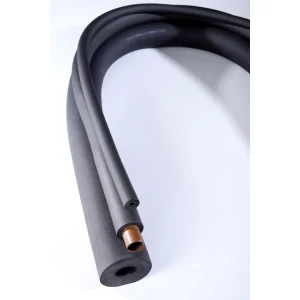
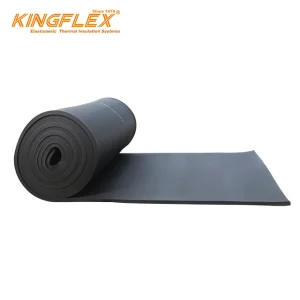
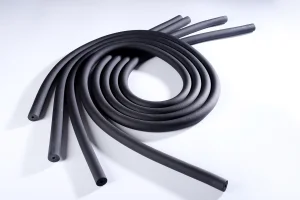
In high-pressure steam distribution systems, thermal management is not simply a matter of energy conservation—it is the foundation of operational reliability, plant safety, and system longevity. When steam travels through pipelines at high temperatures (typically ranging from 120°C to well over 350°C), constant heat dissipation to the surrounding environment occurs if the pipes are insufficiently insulated. This heat transfer leads to partial steam condensation, reducing the quality of the steam and inducing dangerous hydraulic anomalies such as water hammer, which can cause catastrophic piping failures.
As a leading technical manufacturer, Kingflex Insulation understands that precise calculations are essential to determine the critical thickness of steam pipe insulation. By implementing advanced mathematical models that factor in ambient temperatures, wind velocity, surface emissivity, and relative humidity, our engineers ensure that the selected elastomeric NBR/PVC or specialized composite system reduces surface temperatures below safety hazard levels while optimizing thermal efficiency to maximize return on investment (ROI).
SEO Insight & Information Gain: Steam pipe insulation thickness is not a one-size-fits-all parameter. It is a dynamically balanced calculation governed by thermodynamic principles (ASTM C680/ISO 12241) to offset the high capital expenditure of heat loss against insulation material volume.
Determining the optimal thickness of steam pipe insulation requires solving coupled conductive, convective, and radiative heat transfer equations. The primary international standards governing these calculations are ISO 12241 (Thermal insulation for building equipment and industrial installations — Calculation rules) and ASTM C680 (Standard Practice for Estimate of Heat Gain or Loss and Surface Temperatures of Insulated Pipe and Equipment Systems).
For a cylindrical pipe, the heat loss per unit length ($q_L$, expressed in W/m) through a single layer of insulation is calculated using the following formula:
q_L = [ 2 * π * (T_i - T_a) ] / [ (1 / λ) * ln(d_e / d_i) + (2 / (h_se * d_e)) ]
Where the mathematical variables are defined as:
| Variable Symbol | Parameter Description | Standard Unit | Impact on Calculation |
|---|---|---|---|
| T_i | Internal fluid temperature (steam temperature inside the steel pipe) | °C / K | Direct driver of the thermal gradient across the insulation layer. |
| T_a | Ambient air temperature surrounding the pipeline | °C / K | Establishes the sink temperature for heat dissipation. |
| λ (Lambda) | Thermal conductivity of the insulation material at mean temperature | W/(m·K) | Lower conductivity allows thinner insulation for the same thermal performance. |
| d_i | Inner diameter of the insulation layer (outer diameter of the steel pipe) | mm / m | Defines the internal boundary surface area. |
| d_e | Outer diameter of the insulation layer (finished diameter after installation) | mm / m | Determines the outer heat exchange surface area. |
| h_se | External heat transfer coefficient (convection + radiation combined) | W/(m²·K) | Governed by air velocity, surface emissivity, and geometry. |
An effective design process must account for the critical thickness of insulation. In cylindrical geometries, adding insulation initially increases the surface area, which can actually increase heat loss if the outer radius is smaller than the critical radius ($r_c = \lambda / h_{se}$). For industrial steam lines, the system radius is almost always larger than the critical radius, meaning every increment of insulation reduces total heat loss.
Across the globe, industrial manufacturing and power generation sectors are facing unprecedented pressures to reduce greenhouse gas emissions and optimize energy resource allocation. According to the International Energy Agency (IEA), thermal energy distribution systems account for over 30% of total energy use in heavy industries. Energy lost through uninsulated or poorly calculated steam lines represents millions of tons of unnecessary CO₂ emissions annually.
In regions such as North America (EPA and ASHRAE 90.1 compliance) and Europe (EN 15636 and Energy Efficiency Directive guidelines), industrial plants are legally mandated to execute detailed energy audits. Optimizing steam line insulation thickness directly improves a factory’s energy profile, helping operators qualify for carbon credits, avoid environmental penalties, and significantly lower fuel costs. Our factory works closely with global engineering consortiums to supply precisely calibrated NBR/PVC closed-cell elastomeric systems that satisfy these stringent localized demands.
Choosing the correct insulation material is critical for the success of steam pipe calculations. While traditional open-cell materials like rock wool are historically popular for extreme temperatures, they are highly susceptible to moisture ingress, which leads to Corrosion Under Insulation (CUI) and a sharp decline in thermal efficiency.
| Material Type | Cell Structure | Moisture Resistance (μ-value) | CUI Risk Factor | Installation Flexibility | Vapor Barrier Required? |
|---|---|---|---|---|---|
| Kingflex Elastomeric NBR/PVC | Closed-Cell (>98% rate) | ≥ 10,000 (Built-in barrier) | Extremely Low | High (Flexible) | No |
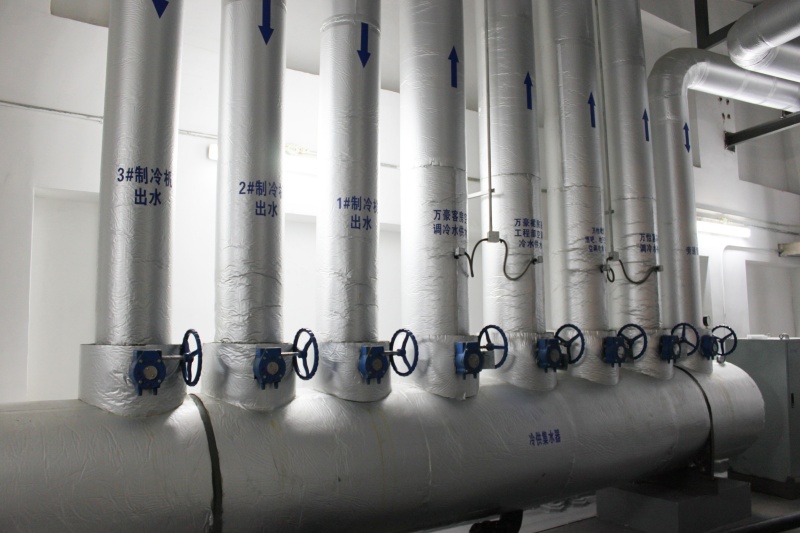
| Rock Wool / Mineral Wool | Open-Cell | μ ≈ 1 (Highly porous) | High | Rigid / Fragile | Yes (Metallic cladding) |
| Calcium Silicate | Open-Cell / Crystalline | Very Low | Moderate to High | Rigid Blocks | Yes |
| Fiberglass | Open-Cell Fibers | Low | High | Semi-rigid | Yes |
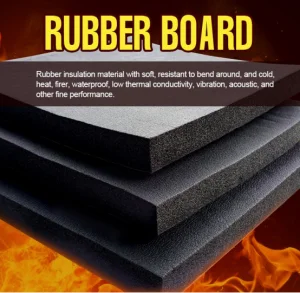
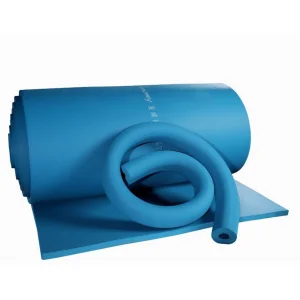
Kingflex elastomeric rubber foam exhibits a unique closed-cell structure that completely blocks moisture. This structure maintains a stable thermal conductivity coefficient (λ ≤ 0.035 W/(m·K) at 0°C) even in high-humidity settings, ensuring that your calculated insulation thickness performs reliably for decades without decay.
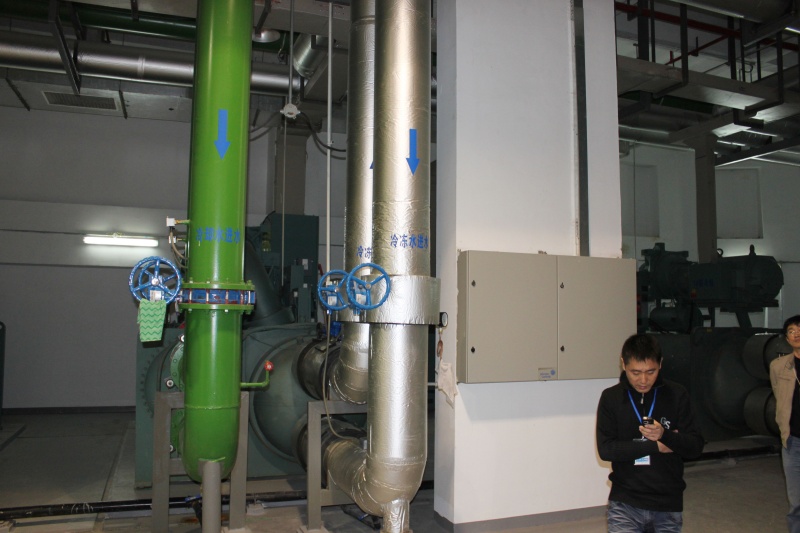
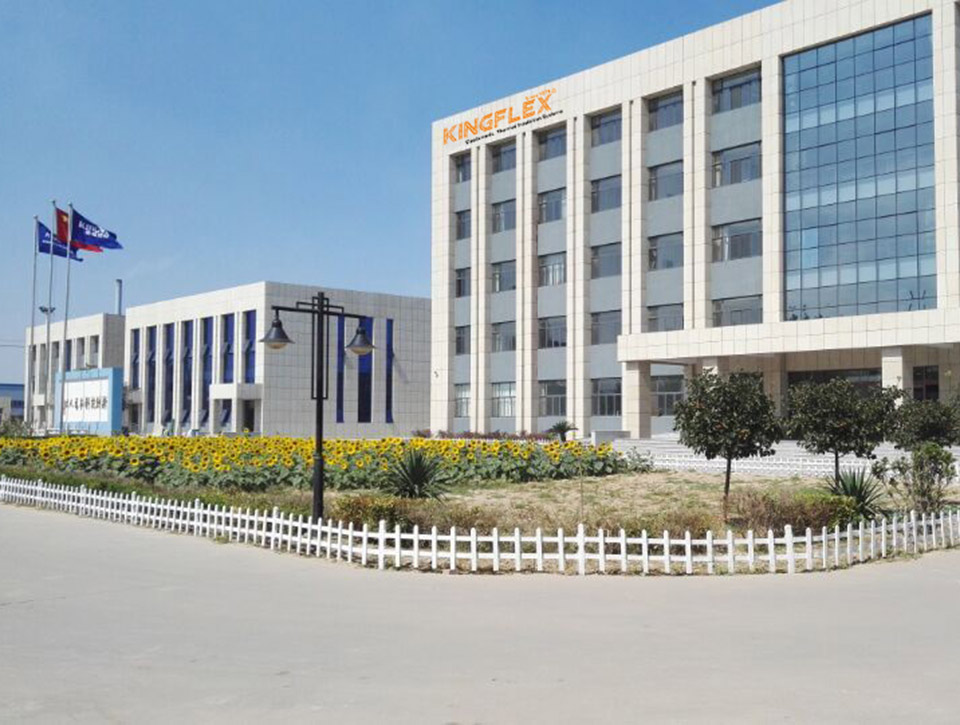
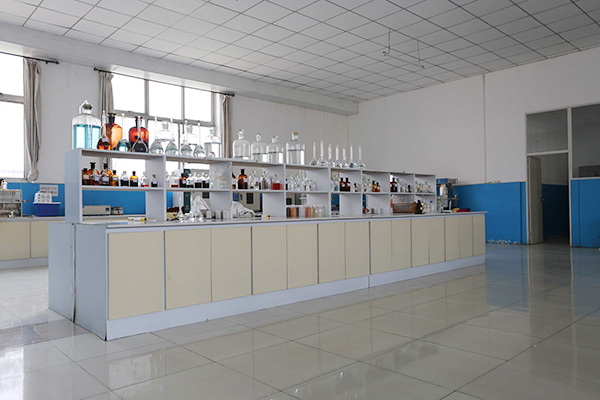
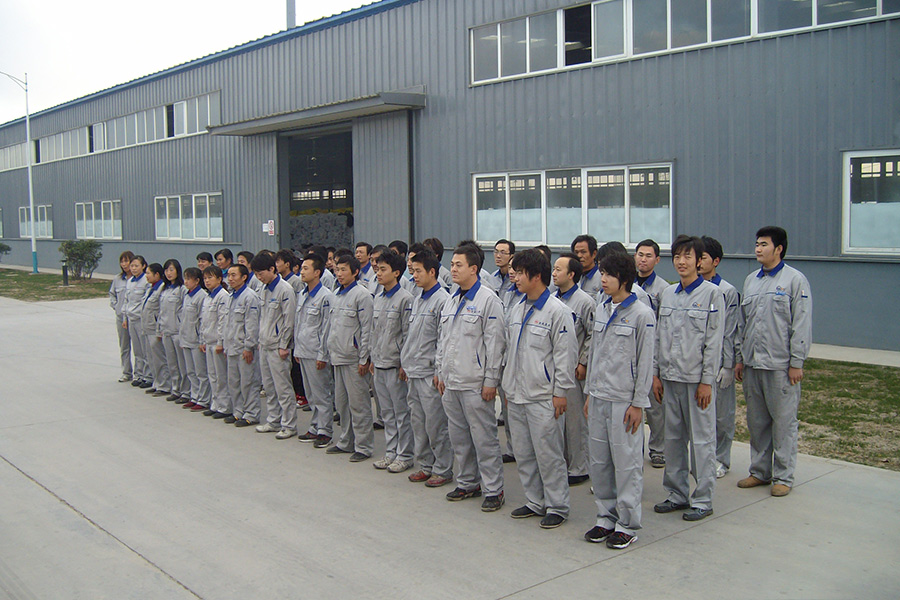
Kingflex Insulation Co., Ltd. is a premier manufacturing and trading combo for thermal insulation products. Our research, development, and state-of-the-art production departments are situated in Dacheng, China—renowned as the global capital of energy-efficient green building materials. Operating with a core philosophy of energy saving and consumption reduction, Kingflex delivers full-lifecycle insulation solutions: from initial consulting and R&D production to on-site installation guidance and dedicated post-sale support.
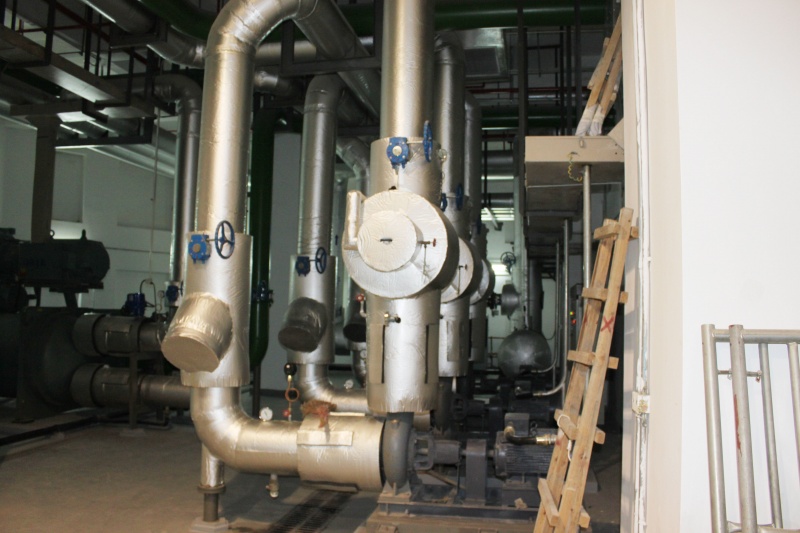
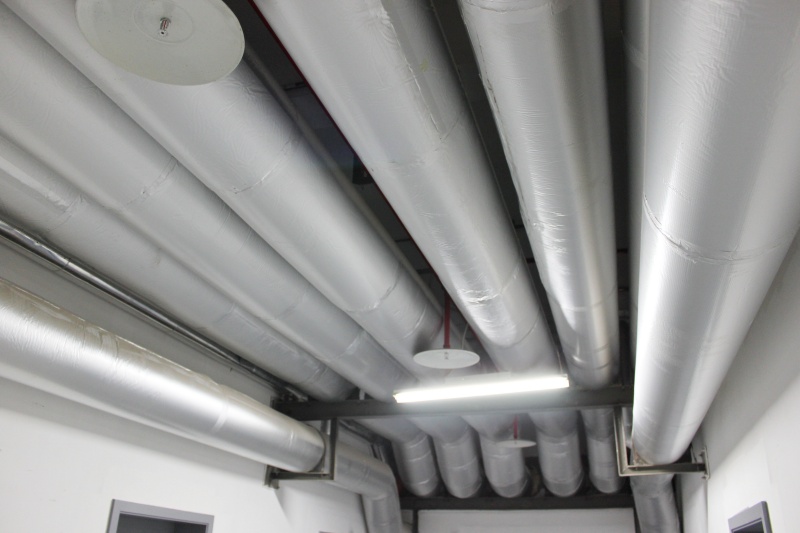
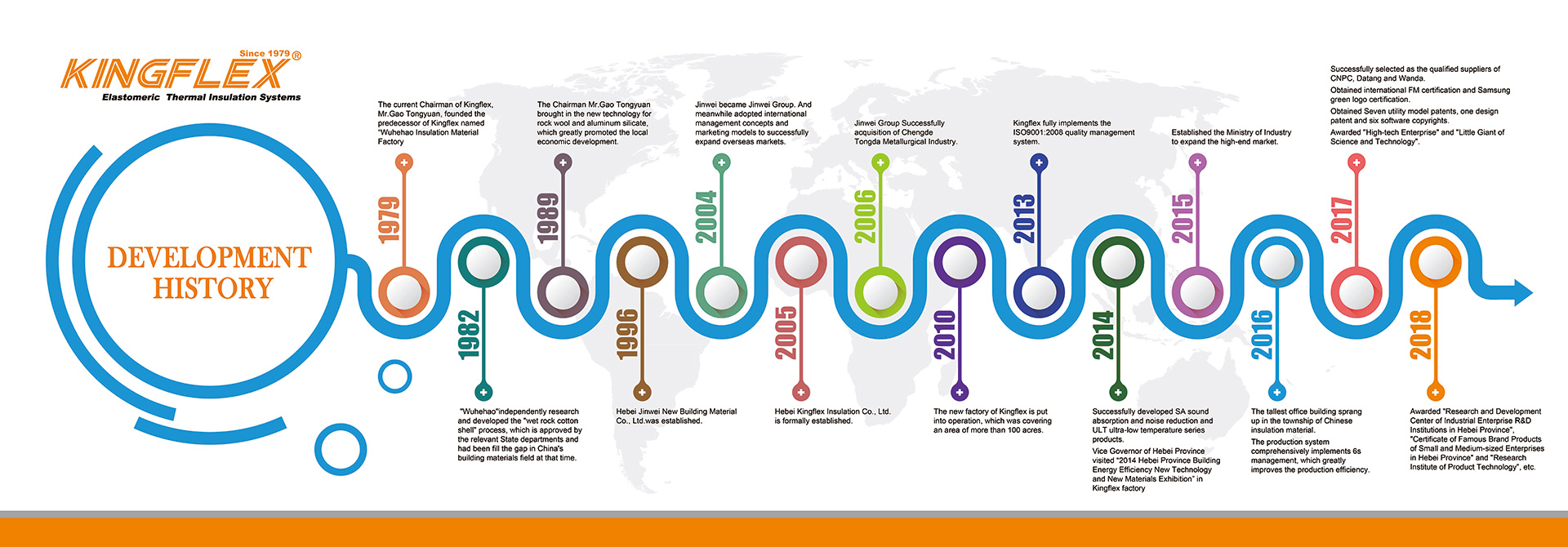
We are a member company of the Jinwei Group, which boasts a rich heritage dating back to 1979 as the first thermal insulation manufacturer north of the Yangtze River. Today, Kingflex employs a highly integrated team including 8 professional R&D engineers, 6 international sales consultants, and over 230 skilled production professionals.
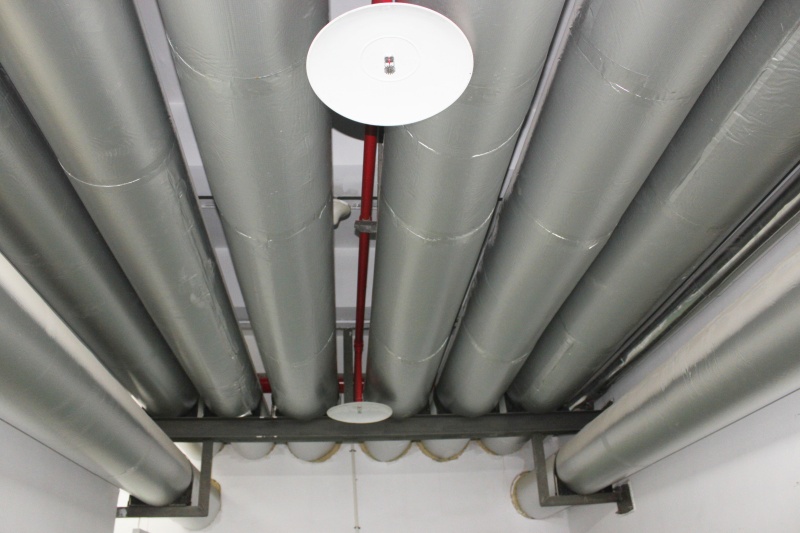
Kingflex maintains 5 large-scale automated assembly lines yielding an annual output of over 600,000 cubic meters. Because of this high production capacity and strict quality control standards, Kingflex is a designated supplier for the China Ministry of Energy, Ministry of Electric Power, and Ministry of Chemical Industry.
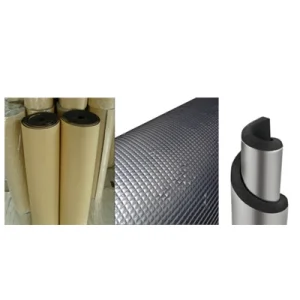
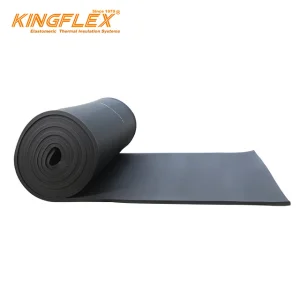
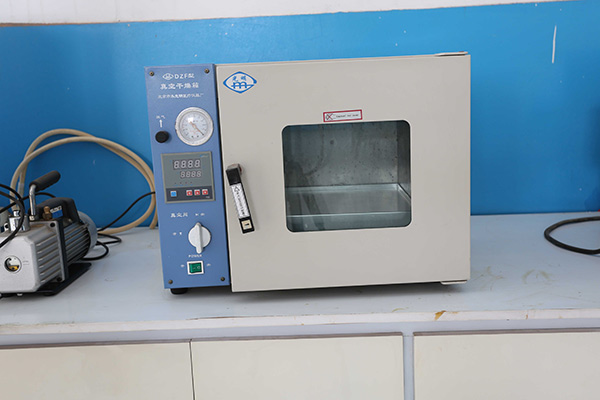
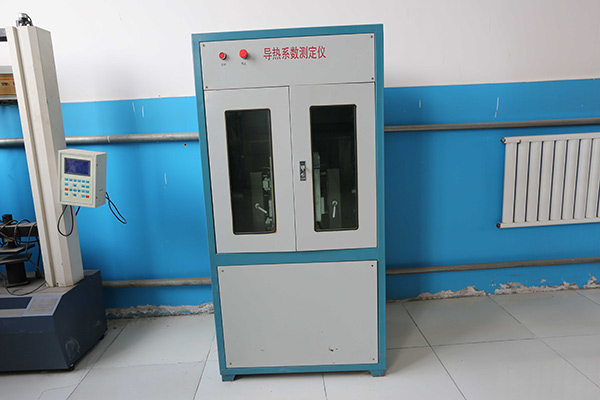
Our R&D division constantly tests and optimizes elastomeric formulas to extend their thermal performance limit. Whether modifying NBR/PVC polymer structures to handle cryogenic liquids down to -200°C or refining thermal properties for high-temperature steam lines, Kingflex products consistently meet and exceed expectations across construction, petroleum, chemical, national defense, and aerospace applications.
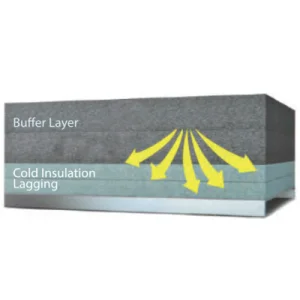


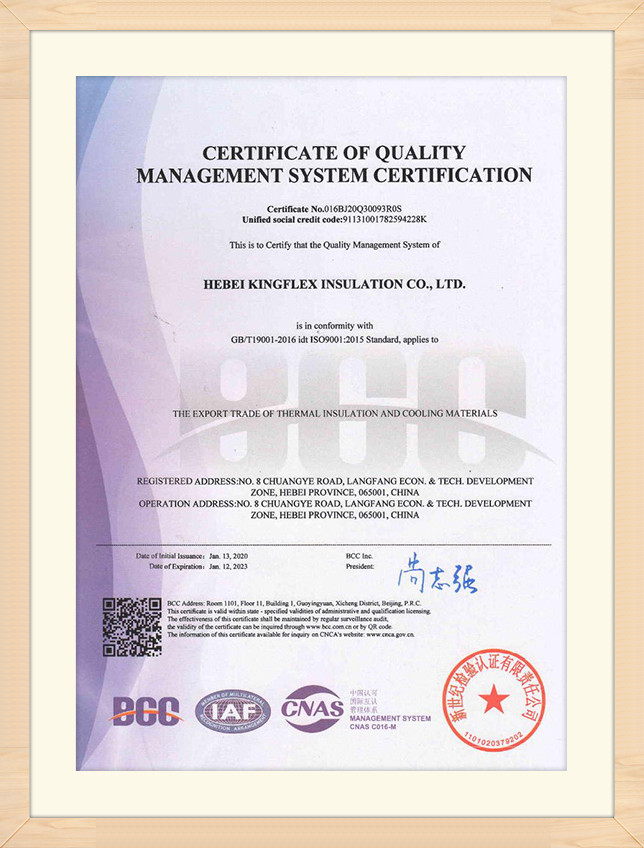
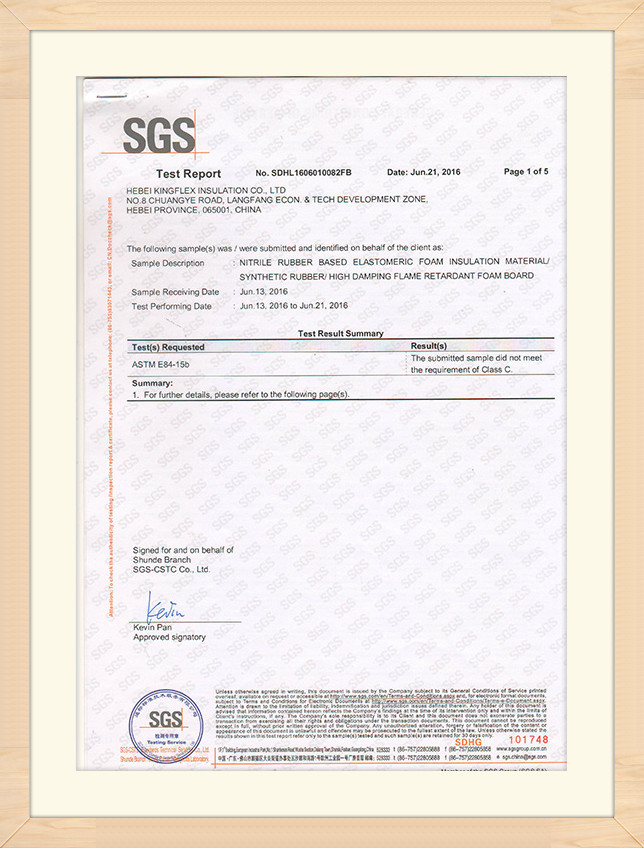
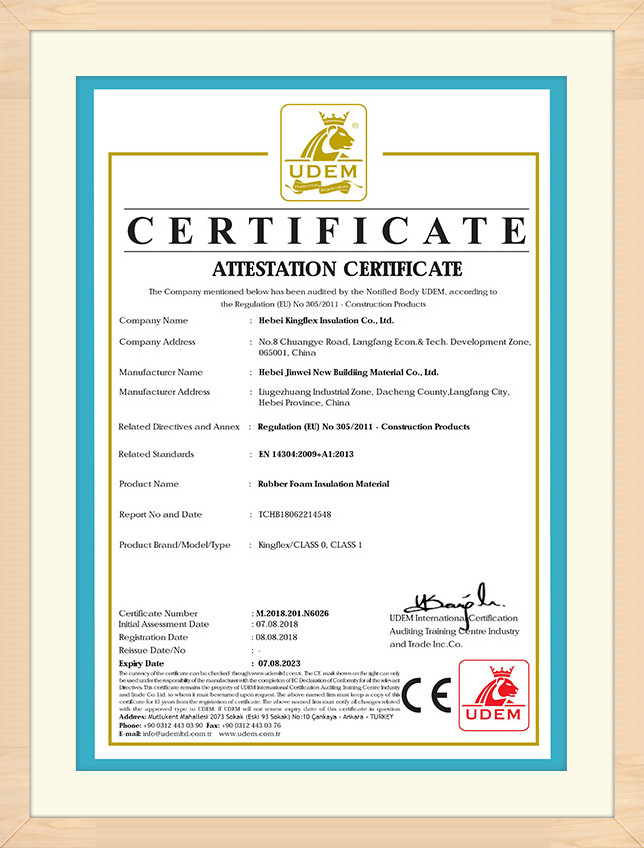
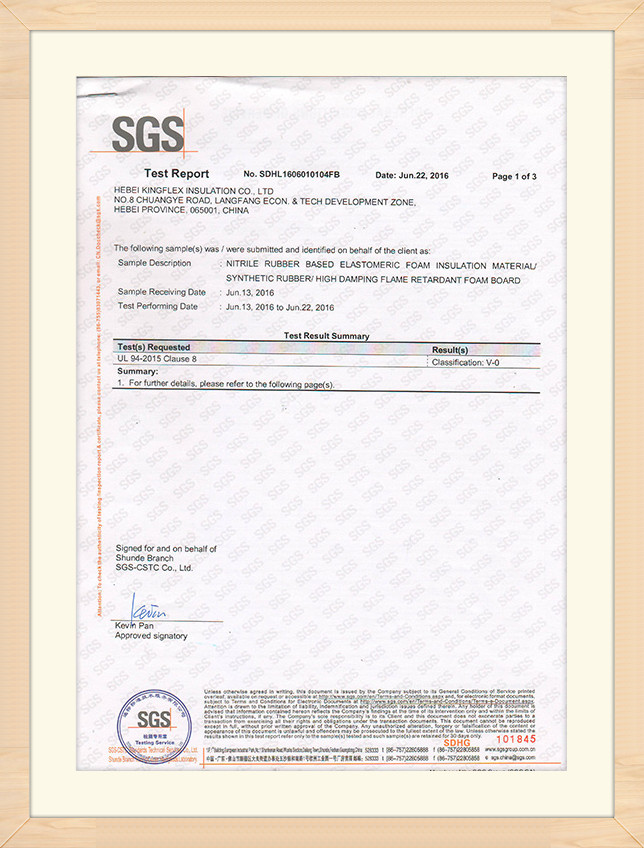
Kingflex insulation products are certified by leading global classification societies and testing laboratories. We maintain full traceability on every production batch to ensure absolute safety and reliability in critical public and industrial projects. Our certificates include: BS 476 (British Standard for Fire Tests on Building Materials and Structures), CE Certification, REACH, RoHS, UL94 flammability ratings, and ASTM standards.
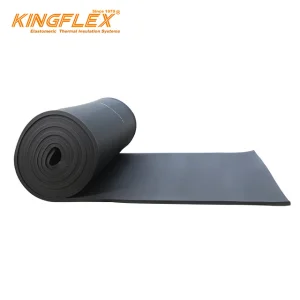


Collect operational parameters: steam temperature, line pressure, pipe material, outdoor wind speed, ambient humidity levels, and target surface temperature limits.
Apply ASTM C680 or ISO 12241 standard formulas. Conduct iterative calculations to evaluate heat loss curves at varying thicknesses (e.g., 19mm, 25mm, 32mm, 40mm, 50mm).
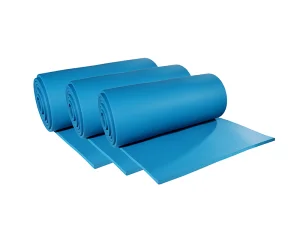
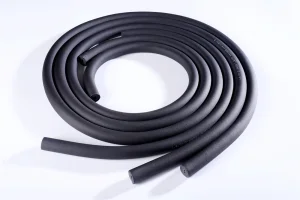
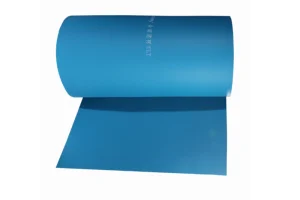
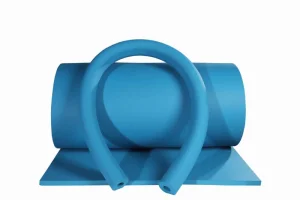
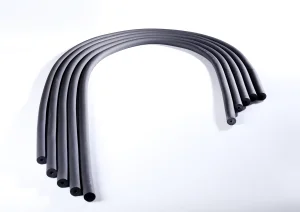
Balance capital expenditure against energy savings. Select the corresponding Kingflex closed-cell elastomeric sheet roll or pipe section to lock in long-term efficiency.
Kingflex insulation solutions are optimized for diverse structural and environmental challenges. Below are the key scenarios where calculated insulation systems prove highly effective:
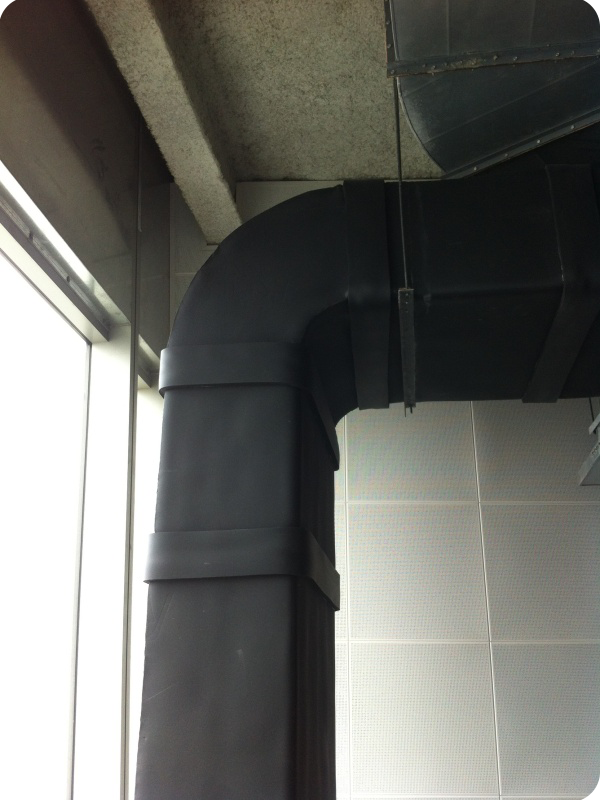
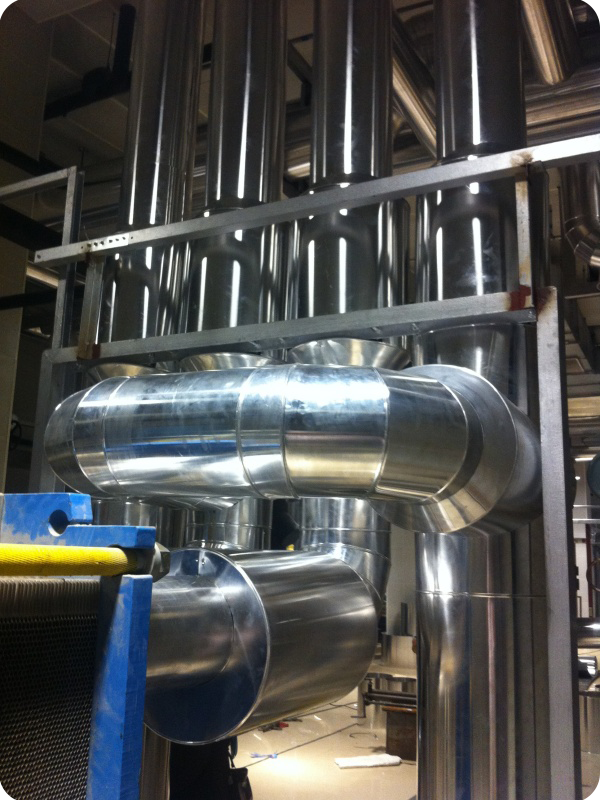
Traditional open-cell insulation systems absorb humidity in coastal and chemical environments, initiating CUI. Installing Kingflex closed-cell elastomeric sheet rolls blocks moisture ingress, preserving the piping steel from premature oxidation and ensuring stable process temperatures.
Condensation occurs when chilled pipes run through warm plenum areas. Accurate insulation thickness calculations ensure the outer surface temperature of the elastomeric material remains above the dew point of the surrounding air, keeping structural elements dry.
Cryogenic systems require absolute vapor seal security. Kingflex provides specialized low-temperature elastomeric series designed to withstand extreme thermal contractions and prevent ambient moisture from freezing solid on the outer pipe wall.
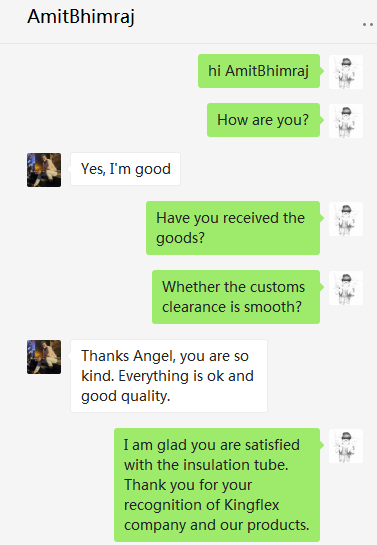
Our international support and transparent business communications ensure smooth project delivery. Below are real screenshots showing positive communications and trust from our global client base.


Explore technical details regarding steam pipe insulation thickness calculations, standards compliance, and material engineering.
A1: It is primarily designed for HVAC ducting, air conditioning pipes, building thermal systems, industrial cold line insulation, and acoustic reduction applications where moisture ingress must be minimized.
A2: Yes. Kingflex rubber foam materials incorporate flame-retardant additives. They are self-extinguishing and meet rigorous building and industrial safety certifications, including BS 476 and UL94 testing standards.
A3: Rubber foam is highly flexible with a closed-cell structure (>98%), offering excellent moisture resistance and built-in vapor barriers, making it ideal for systems prone to condensation and CUI. Rock wool is an open-cell mineral fiber suited for dry, very high-temperature applications, but it requires metal cladding to prevent water infiltration.
A4: Yes. We offer comprehensive OEM/ODM services, allowing adjustments to sheet widths, tube wall thicknesses, density levels, and backing adhesives to match specific thermal calculations.
A5: Our materials have passed international assessments including BS 476, CE, REACH, RoHS, UL94, and ASTM. This guarantees compliance with global environmental and safety standards.
A6: Yes. We apply unique production batch codes to our sheets and tubes, linking them directly to raw material inputs and quality inspection records.
A7: We manufacture rubber foam insulation rolls in thicknesses ranging from 6mm to 50mm, accommodating a wide spectrum of industrial temperature differentials.
A8: When properly sized and installed according to guidelines, Kingflex rubber foam insulation remains structurally stable and retains its thermal performance for 10 to 15 years.
A9: Wind increases the convective heat transfer coefficient ($h_c$) at the outer surface of the insulation, which accelerates heat loss. Consequently, outdoor steam lines exposed to high winds require greater insulation thickness than indoor lines carrying identical steam temperatures.
A10: The dew point determines the temperature at which airborne water vapor condenses into liquid. For cold lines or dual-temperature steam pipes, the calculated insulation thickness must ensure the outer surface temperature always remains above the local dew point to prevent condensation.