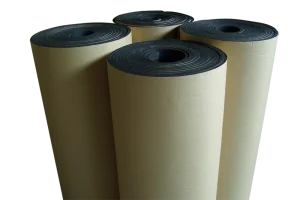
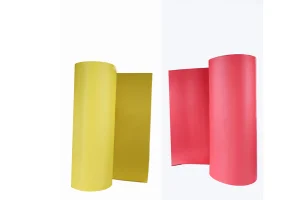
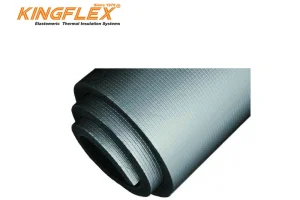
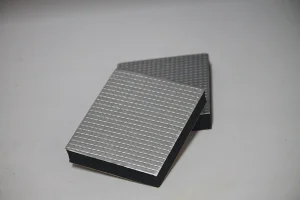
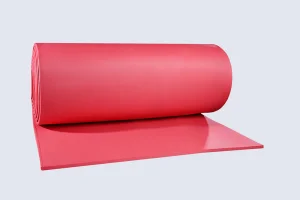
Rubber Foam Insulation Sheet Roll Supplier & Factories

Providing High-Efficiency Closed-Cell Elastomeric Solutions Engineered for Bangladesh's Humid Climate & Heavy Industrial Infrastructure Projects

Bangladesh HVAC & Industrial Insulation Market Overview

Bangladesh is currently witnessing an unprecedented phase of industrial modernization, commercial real estate expansion, and infrastructure scaling. As urbanization transforms cities like Dhaka, Chittagong, and Sylhet, the demand for high-performance building systems escalates proportionally. The tropical monsoon climate of Bangladesh—characterized by prolonged high temperatures, oppressive humidity levels averaging 80% to 90%, and intense rainfall—poses severe challenges to mechanical insulation systems. In these environments, improper insulation leads directly to pipeline condensation (sweating), mold growth, and drastic thermal efficiency losses.

The Dew Point & Humidity Challenge

In mechanical design, the key priority is preventing condensation on chilled water pipes and duct systems. When the relative humidity is exceptionally high, the dew point temperature sits only a few degrees below the dry-bulb ambient temperature. For instance, at 35°C ambient air with 85% relative humidity, condensation occurs on any surface cooler than 32°C. Standard open-cell insulations, or mineral wools without perfect vapor barriers, fail as moisture penetrates the system, compromising performance.

Typical Tropical Humidity Levels85% - 95%
NBR Closed-Cell Barrier Performance98.5%

Industrial & RMG Growth Vectors

The Ready-Made Garments (RMG) sector in Bangladesh, which represents over 80% of the country's total export earnings, is pivoting aggressively toward green building certifications. Hundreds of textile and apparel factories are now striving for LEED certification. Highly efficient thermal insulation, such as closed-cell elastomeric rubber foam sheets, plays a major role in achieving the energy efficiency targets needed for these global standards.

Localized Application Scenarios in Bangladesh

Kingflex's NBR/PVC elastomeric rubber foam insulation is specifically formulated to address localized operational demands in diverse commercial and heavy industrial settings across Bangladesh.

1. RMG & Textile Mills

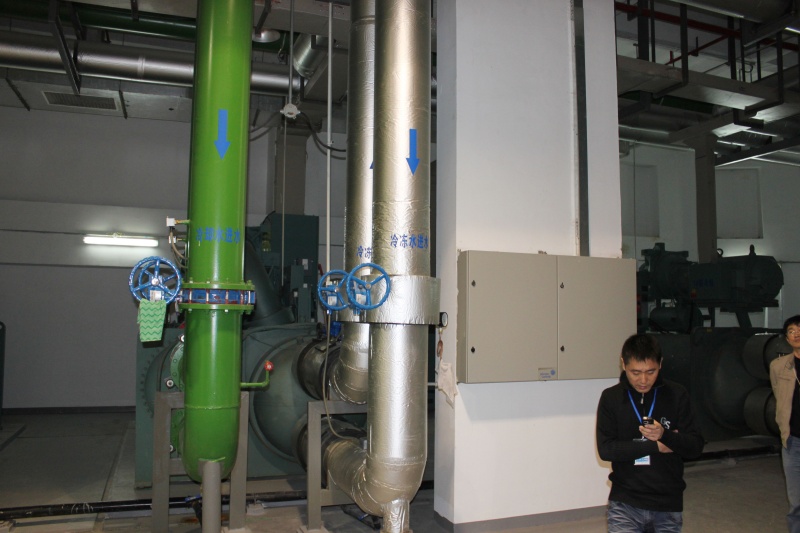
Large spinning, weaving, and wet processing factories in industrial hubs like Gazipur, Narayanganj, and Savar require precise control over indoor environmental conditions. High relative humidity and elevated temperatures are standard during processing. Chilled water pipe insulation prevents condensation and dripping, protecting fabric rolls and sensitive machinery from moisture damage.

2. Pharmaceuticals Clean Rooms

Bangladesh’s pharmaceutical industry is rapidly growing, with state-of-the-art facilities exporting to global markets. Clean room HVAC systems require fiber-free insulation to prevent airborne particle contamination. Our closed-cell rubber foam does not break down or release fibers, meeting the strict standards of WHO-GMP and FDA regulations.

3. Coastal Cold Chain Storage

As a key global exporter of seafood and agricultural products, Bangladesh relies on efficient cold storage facilities in Chittagong, Khulna, and Jessore. Our dienes cryogenic temperature rubber foam insulation prevents frost buildup and minimizes thermal transmission, lowering power consumption in refrigeration systems.

Technical Comparison & Material Advantages

Selecting the correct mechanical insulation system is a long-term investment. The table below outlines why elastomeric rubber foam sheets outperform traditional glass wool and rock wool in tropical, high-humidity climates.

Performance Metric Kingflex Rubber Foam Sheet Traditional Glass Wool Rock Wool (Mineral)
Cellular Structure Closed-Cell (≥98% Closed Rate) Open Fibrous Structure Open Fibrous Structure
Vapor Permeability (μ-Factor) ≥ 10,000 (Highly Resistant) ≤ 1 (Relies completely on foil jacket) ≤ 1 (Extremely susceptible to dampness)
Thermal Conductivity (λ) at 0°C 0.034 W/(m·K) (Consistently stable) 0.038 W/(m·K) (Degrades when wet) 0.040 W/(m·K) (Degrades when wet)
Fiber Shedding & Safety Zero shedding, safe for indoor air High micro-fiber emission risk High particulate emissions
Installation Complexity Fast, highly flexible, simple cuts Requires wire mesh & mechanical strapping Very rigid, high labor cost

China Factory Supply Chain & Logistical Integration

Kingflex is a leading industrial-scale thermal insulation manufacturer based in Dacheng, China—the country's hub for advanced, energy-efficient building materials. With 5 fully automated production lines, we have a total annual production capacity exceeding 600,000 cubic meters. This massive manufacturing footprint allows us to support large-scale infrastructure projects across Bangladesh with short lead times and stable pricing structures.

Automated Production

Equipped with state-of-the-art continuous foaming systems and computer-controlled curing tunnels, Kingflex guarantees uniform cell structures and precise thickness controls (from 6mm up to 50mm) across all production runs.

Direct Port-to-Port Logistics

With close proximity to major shipping ports in Tianjin, Kingflex ships directly to the Port of Chittagong. Our experienced export teams handle all necessary transit documents and customs compliance details, streamlining import processes for our customers.

Customized Packaging & OEM

We provide customized packaging configurations—including reinforced cartons, vacuum-packed plastic compression wrapping, and moisture-resistant barrier layers—to ensure our insulation sheet rolls arrive in pristine condition, ready for the high humidity of Bangladesh.

Our Company History & Organization

Kingflex Insulation Co., Ltd. is a professional manufacturing and trading combo for thermal insulation products. Our research, development, and production departments are located in Dacheng, China—a well-known capital of green building materials. As an energy-saving, environmentally friendly enterprise, we focus on the research, development, production, and sale of advanced insulation materials.

Corporate Roots

Kingflex was established by the Jinwei Group, which brings over 40 years of manufacturing history. Founded in 1979, the Jinwei Group was the first manufacturer of thermal insulation materials north of the Yangtze River, paving the way for advanced elastomeric research.

Our team is a tight-knit, talented group with a shared vision of providing consistently first-class service for our clients. Currently, Kingflex employs 8 professional R&D engineers, 6 dedicated international sales managers, and 230 skilled production line workers.

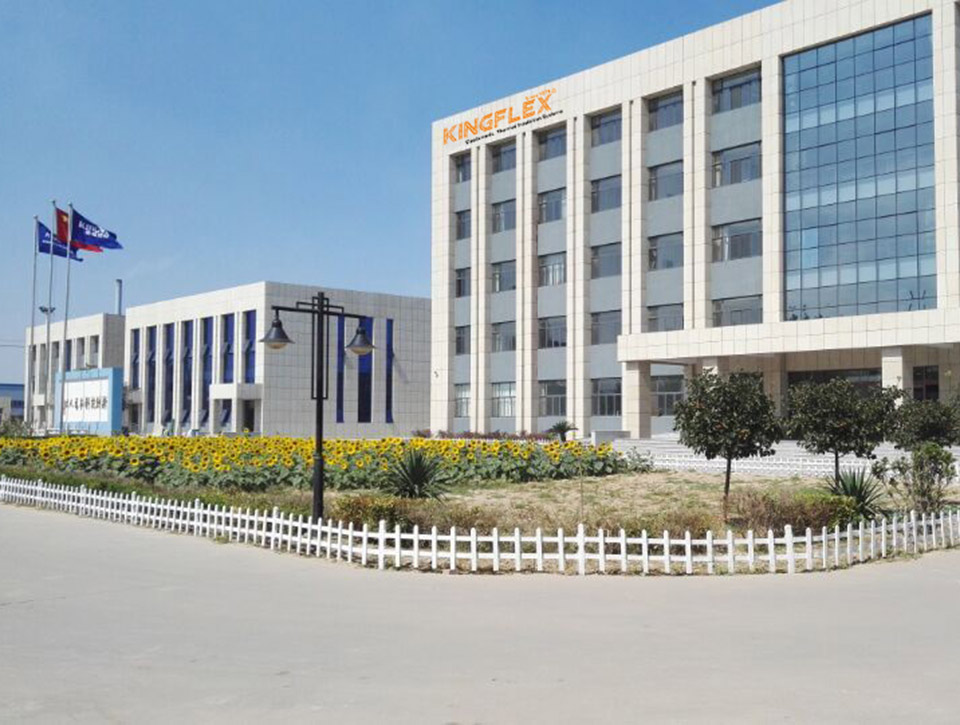
Kingflex Manufacturing Facility

Certificates & Quality Assurance

Kingflex products are backed by robust quality control systems, ensuring compliance with global construction codes and green building standards.

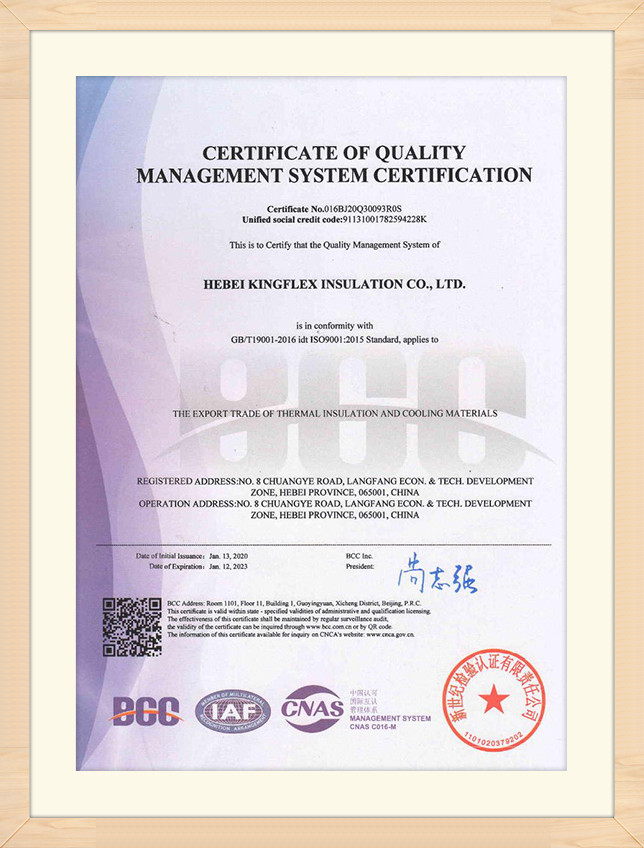
Certificate 1

ISO 9001 Quality Certification

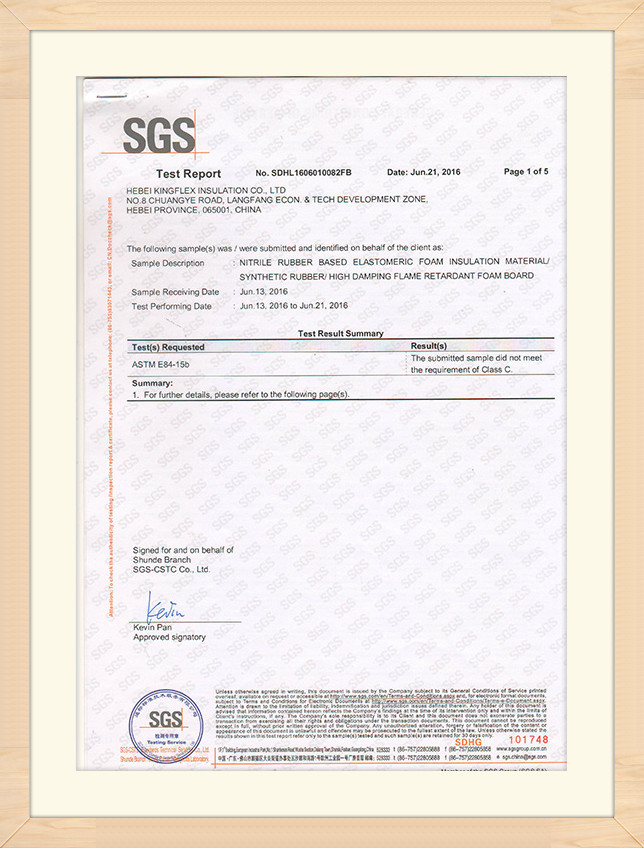
Certificate 2

CE European Conformity

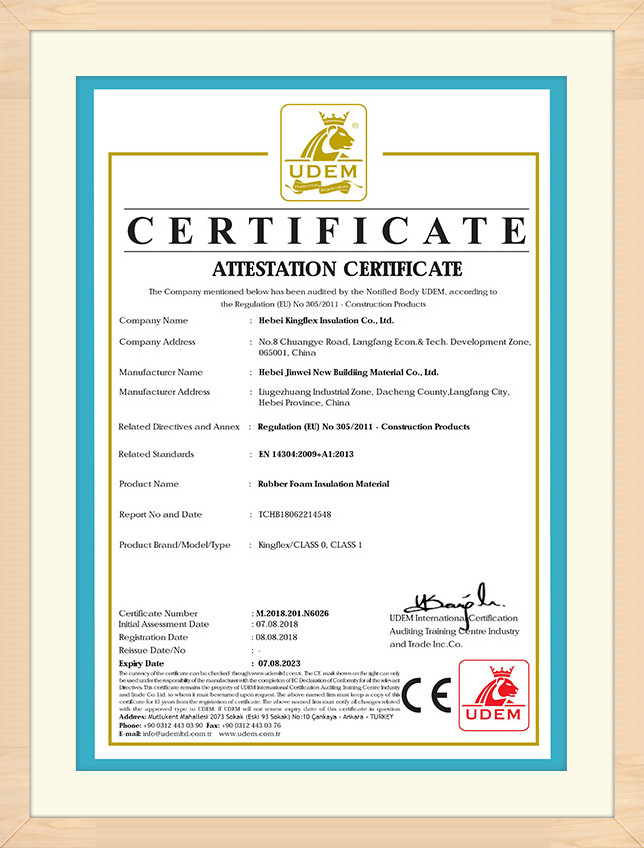
Certificate 3

BS 476 Part 7 Class 1 Fire Test

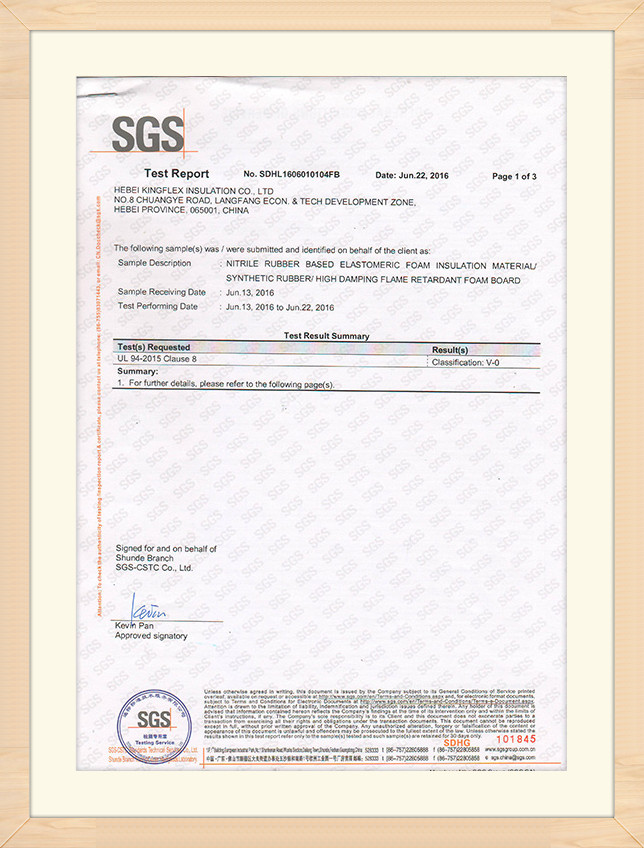
Certificate 4

RoHS & Environmental Directives

Standard Technical Dimensions & Specifications

Kingflex insulation materials are manufactured to precise thickness, density, and safety tolerances, meeting the specific demands of local HVAC, commercial plumbing, and heavy industrial systems.

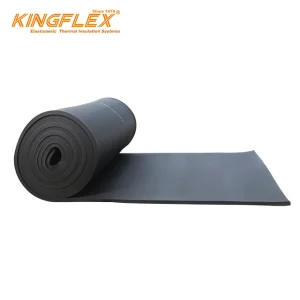
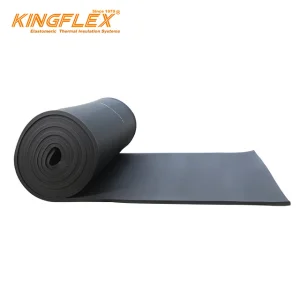
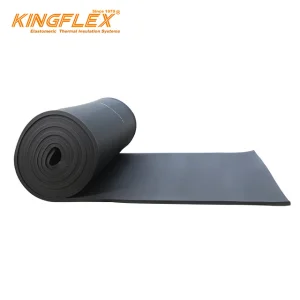
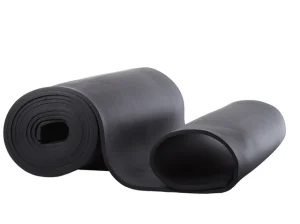
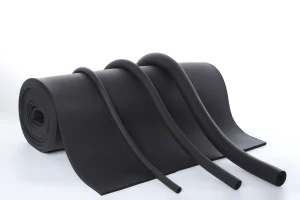
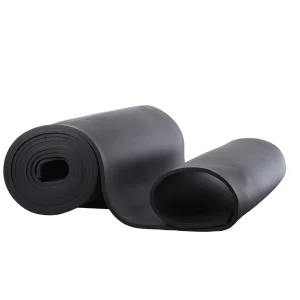
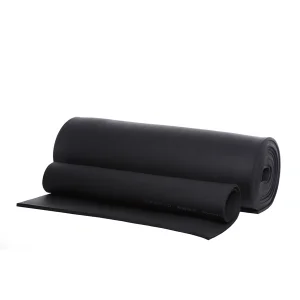
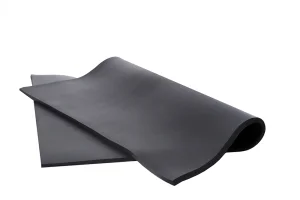
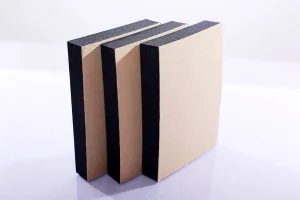
Black Rubber Foam Insulation Sheet Roll

Black Rubber Foam Insulation Sheet Roll

Material: Nitrile Butadiene Rubber / Polyvinyl Chloride (NBR/PVC) blend.
Thickness Options: 6mm, 9mm, 13mm, 19mm, 25mm, 32mm, 40mm, 50mm.
Density: 40 - 55 kg/m³.
Service Temperature: -40°C to 105°C.
Advantages: Uniform foaming, closed-cell rate ≥98%, compression resilience ≥80%, self-extinguishing fire performance, low thermal conductivity, and high water vapor diffusion resistance.

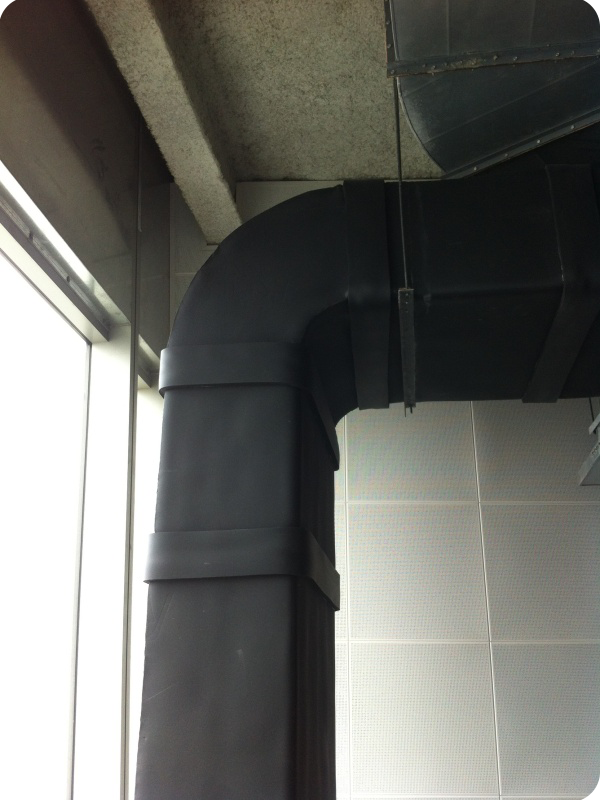
Applications: Central HVAC air duct wrapping, commercial building wall/roof insulation, process pipe protection, and acoustic lining in mechanical plant rooms.
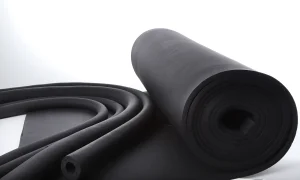
Black Rubber Foam Insulation Pipe

Black Rubber Foam Insulation Pipe

Material: High-performance elastomeric NBR/PVC compound.
Thickness Options: 9mm, 13mm, 19mm, 25mm, 32mm, 40mm.
Inner Diameter (ID): 6mm to 114mm.
Density: 40 - 55 kg/m³.
Service Temperature: -40°C to 105°C.
Advantages: Prevents pipeline condensation, reduces energy losses on hot water pipelines, simplifies installation over copper piping, and features self-extinguishing properties.

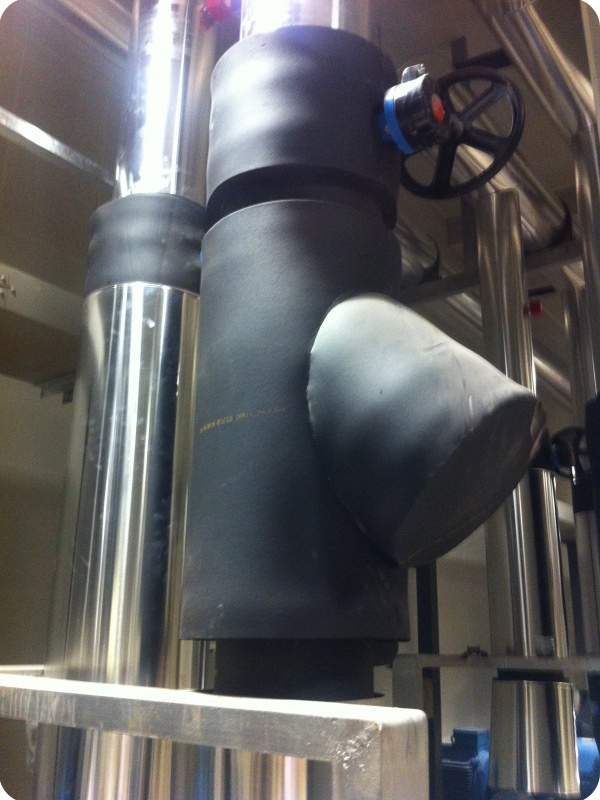
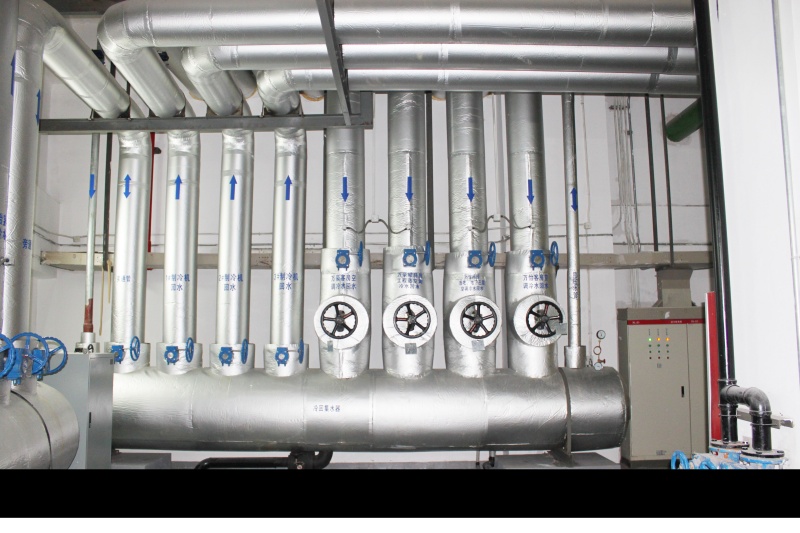
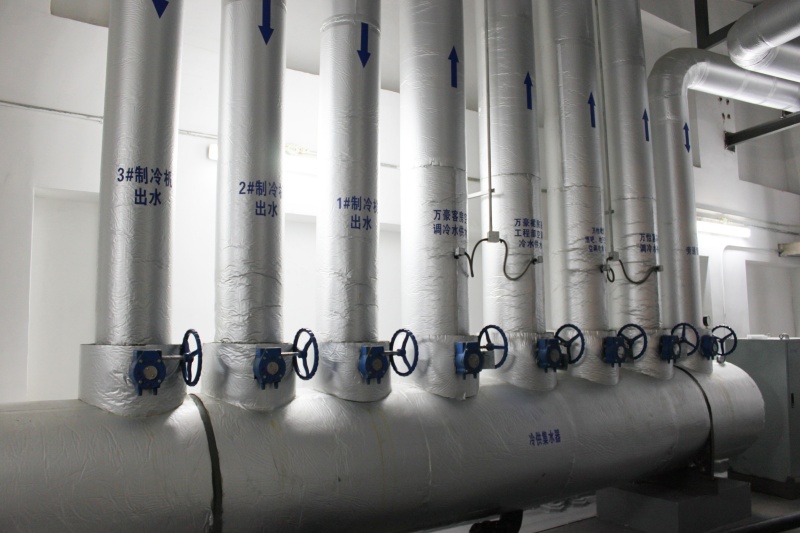
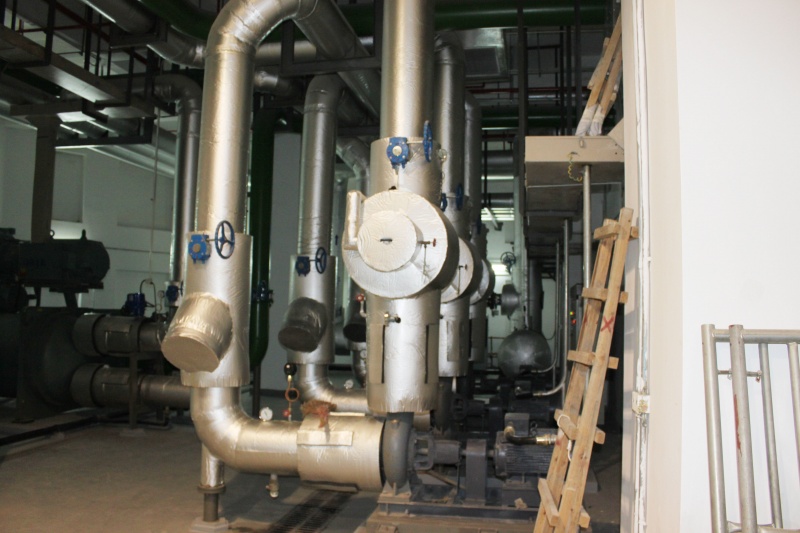
Applications: Central AC chilled and hot water pipes, condensate line piping, commercial hot/cold domestic plumbing, solar thermal loop lines, and marine piping.

Project References & Real-world Performance

Kingflex's elastomeric insulation products have been installed in major commercial and industrial projects worldwide over the past 16 years, with successful shipments to over 66 countries.

Project Site 1
Project Site 2
Project Site 3
Project Site 4

Frequently Asked Questions & Expert Guidance

Key information to guide selection, procurement, and installation of elastomeric NBR rubber foam insulation sheet rolls for your upcoming project.

What is elastomeric rubber foam insulation used for?
It is primarily used for central HVAC ducts, chilled water lines, commercial domestic plumbing systems, industrial low-temperature pipelines, cold storage walls, and soundproofing partitions in machine rooms. Its closed-cell structure is highly effective at preventing surface condensation.
Is Kingflex rubber foam insulation fire resistant?
Yes, Kingflex rubber foam insulation is engineered with flame-retardant additives. It is self-extinguishing and meets international safety classifications, including BS 476 Part 7 Class 1 and UL94 flammability ratings. This makes it suitable for strict commercial and industrial project codes in Bangladesh.
What is the difference between rubber foam and rock wool insulation?
Rubber foam is a flexible, closed-cell material that is naturally resistant to water vapor without requiring an external cladding sheet. It is ideal for low-to-mid temperature applications and HVAC condensation control. Rock wool is a fibrous material with high temperature resistance, making it better suited for industrial furnaces and high-heat steam piping systems.
Do you provide customized insulation products?
Yes, we provide full OEM support. We can custom-manufacture sheet rolls in specific thicknesses (6mm to 50mm), and offer custom densities, protective aluminum foils, and pressure-sensitive self-adhesive backings tailored to your project requirements.
What certifications do your products have?
Our products have passed BS 476, CE, REACH, ROHS, UL94, and ASTM testing, ensuring they meet rigorous international safety, environmental, and engineering standards.
Does Kingflex products have traceability?
Yes, we enforce strict batch tracking. Every production line lot is logged with raw material test data, curing parameters, and QA checks, allowing for full product traceability.
What thickness of Rubber foam insulation sheet roll can you produce?
Our manufacturing lines produce standard thicknesses from 6mm to 50mm. For custom requirements, please contact our technical sales team.
What is the typical service life of rubber plastic pipe and board?
When installed properly and used within the recommended temperature range of -40°C to 105°C, the insulation has an average service life of 10 to 15 years.

Ready to Secure Your Thermal Efficiency?

Get in touch with Kingflex's engineering department to discuss technical specifications, bulk price lists, custom dimensions, and shipping details for the Bangladesh market.