Engineered for low thermal conductivity, high moisture vapor resistance, and strict European fire safety compliance.
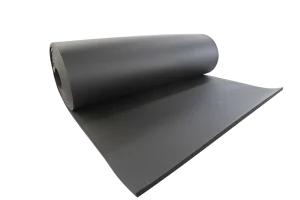
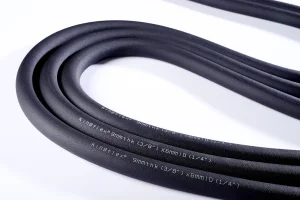
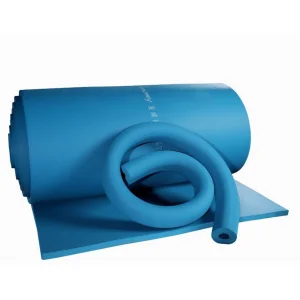
High-grade NBR/PVC closed-cell structure offering excellent dimensional stability and low thermal conductivity.
View Technical Specs →
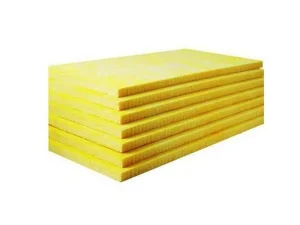
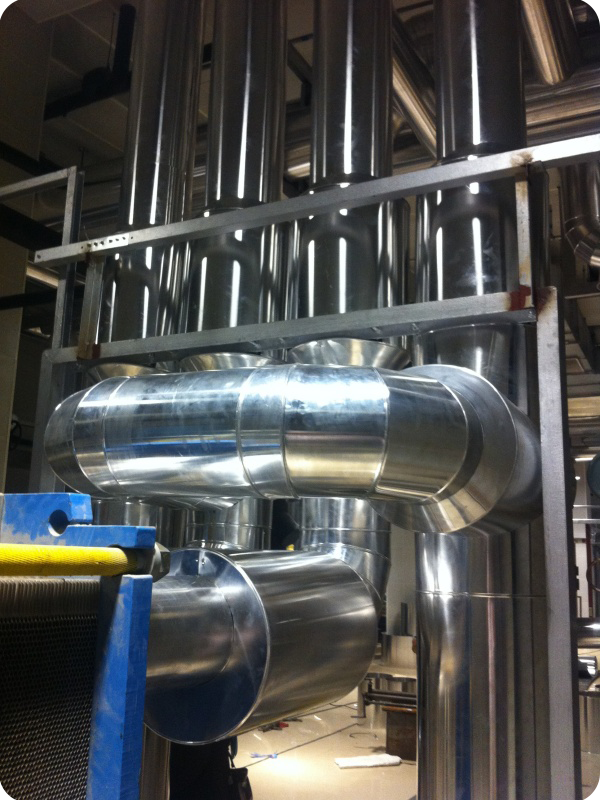
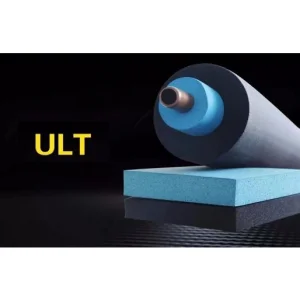
Advanced non-combustible inorganic wool configuration targeted at high-temperature thermal barrier ceilings.
View Technical Specs →
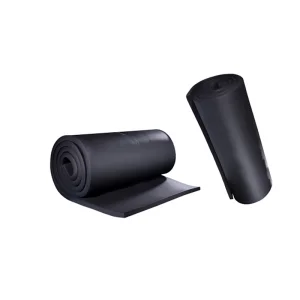
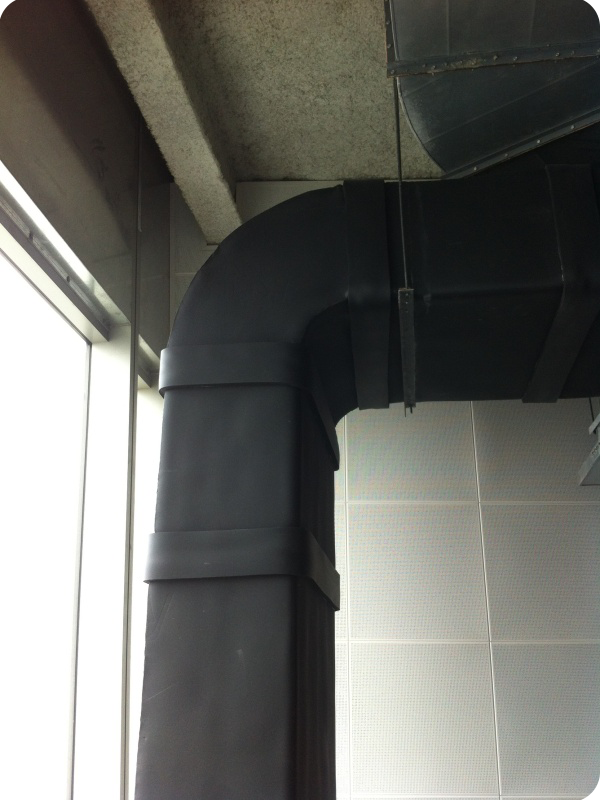
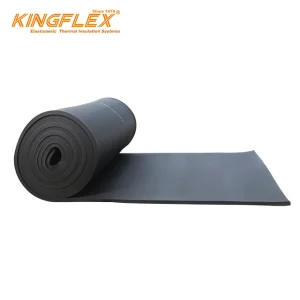
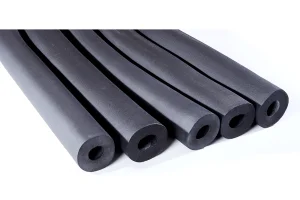
Optimized for dynamic HVAC duct dampening and hot/cold system insulation in commercial buildings.
View Technical Specs →
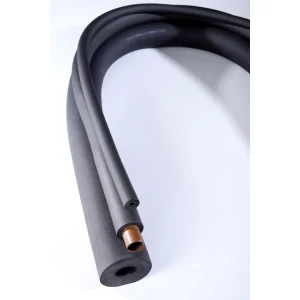
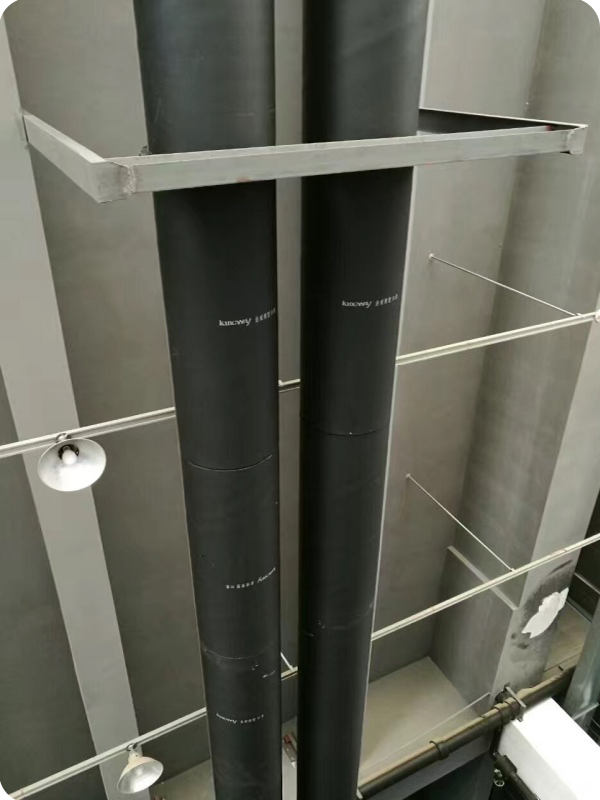
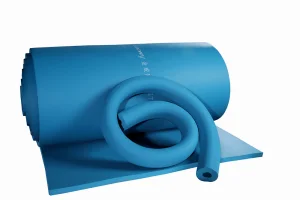
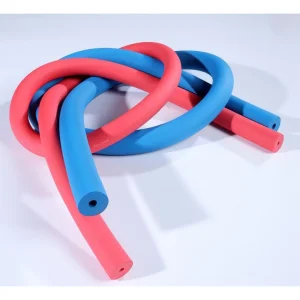
Seamless extrusion-molded insulation pipe sleeves optimized to combat condensate formation on copper pipelines.
View Technical Specs →The Lombardy metropolitan region, anchored by the city of Milan, represents the industrial and architectural economic engine of Italy. In recent years, regional initiatives under the Italian National Energy and Climate Plan (PNIEC) have mandated strict environmental retrofitting. This requires building systems and commercial facilities to drastically lower energy dissipation and minimize heat losses in district heating networks and indoor climate control systems.
For engineers, architectural designers, and commercial HVAC installers operating in Milan, integrating high-performance elastomeric insulation materials is no longer optional. Under national and European construction codes (including UNI EN standards), insulation materials must offer verified thermal resistance (R-value), superior flame retardancy ratings, and non-permeable closed-cell geometries to mitigate structural rot, biological mold growth, and corrosion under insulation (CUI).
Strategic analysis of technological shifts, sustainable materials, and industrial demand indicators.
Global manufacturing is transitioning from HFC blowing agents to hydrofluoroolefins (HFOs) and natural carbon dioxide expansion. This change helps keep the Ozone Depletion Potential (ODP) at zero and ensures exceptionally low Global Warming Potential (GWP), meeting strict European climate objectives.
Building Information Modeling (BIM) mandates in Europe require precise thermal conductivity parameters. Modern closed-cell foam sheets are characterized digitally to match exact energy balance simulations in commercial building blueprints.
Cryogenic facilities, LNG terminals, and deep-freeze logistics networks rely on specialized elastomeric compositions that retain flexibility and crack resistance at temperatures below -160°C, preventing structural cracking.
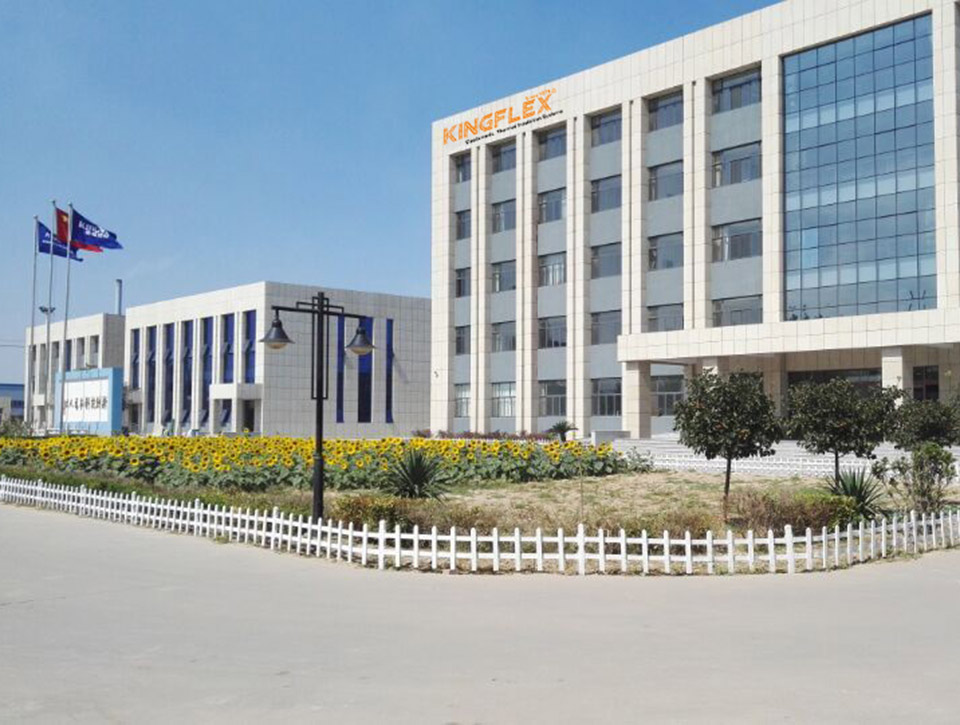
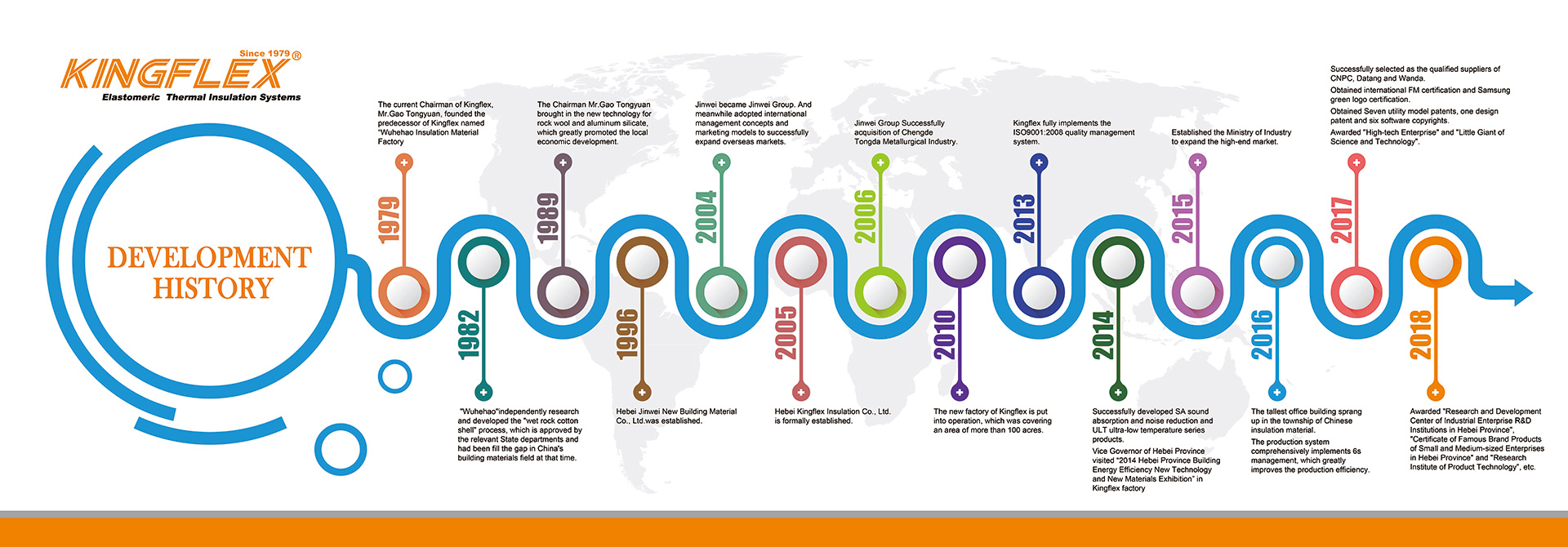
Kingflex Insulation Co., Ltd. represents a vertically integrated manufacturing and trading powerhouse, with its state-of-the-art research, development, and primary production facility located in China's famous green-building materials center in Dacheng. Embracing energy efficiency as a core design philosophy, Kingflex offers structural, environmental, and thermal engineering support throughout every project phase—from initial architectural specification to final site installation guidance.
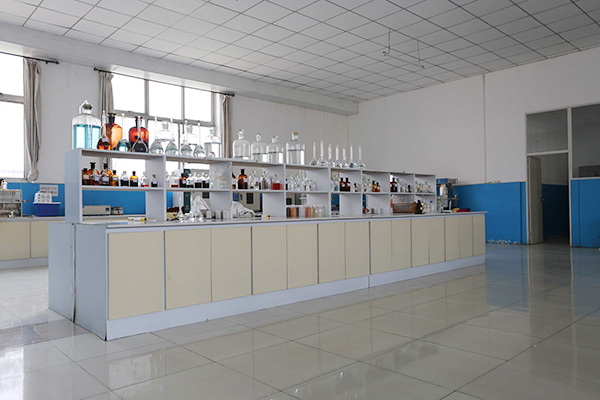
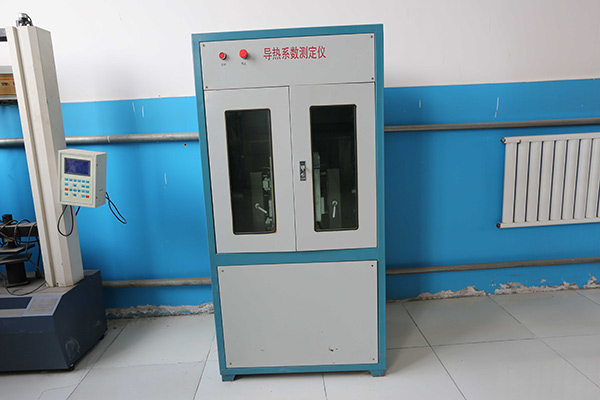
Our advanced quality inspection system utilizes modern laboratory instruments to evaluate tensile strength, tear resistance, fire propagation properties, and precise long-term aging under high humidity and fluctuating temperature conditions.
Review the primary thermal, mechanical, and fire performance parameters of Kingflex rubber foam insulation sheets compared to legacy options.
| Performance Criterion | Kingflex Closed-Cell NBR/PVC | Standard Rock Wool Blanket | Fiberglass Board Alternative |
|---|---|---|---|
| Thermal Conductivity (λ) at 0°C | ≤ 0.034 W/(m·K) | ≤ 0.040 W/(m·K) | ≤ 0.036 W/(m·K) |
| Moisture Resistance Factor (μ) | ≥ 10,000 (Built-in Vapor Barrier) | μ ≈ 1 (Highly Permeable) | μ ≈ 1 (Requires External Jacket) |
| Operating Temp. Range | -40°C to +105°C (Specialized to -200°C) | Up to +650°C | Up to +350°C |
| Flexibility & Compression | Excellent resilience, over 80% compression recovery | Poor; brittle under shear load | Semi-rigid, limited bending radius |
| Fire Safety Classification | Class B-s3, d0 (Self-extinguishing) | Class A1 (Non-combustible) | Class A1 (Non-combustible) |
*Values measured according to UNI EN 12667 and EN 12086 standards in third-party certified testing environments.
Solving core engineering challenges across modern and historic infrastructures.
Modern corporate buildings in districts like CityLife and Porta Nuova feature intensive, high-flow air distribution networks. Closed-cell rubber sheets provide dynamic acoustic damping to reduce airflow noise and prevent condensation in hot, humid summers.
Industrial refrigeration networks and municipal cooling pipes require heavy condensation protection. Our elastomeric materials maintain structural integrity down to -200°C, preventing ice formation and reducing thermal loss.
Historic preservation projects in Milan's center demand low-profile insulation. Thin elastomeric sheets install quickly around complex geometries without altering structural profiles, protecting masonry from moisture damage.
Explore our full range of elastomeric rolls, tubes, adhesive formulations, and mineral wool systems.
Premium heat preservation lines configured with self-extinguishing safety additives.
Explore →
Engineered specifically for cryogenic pipelines demanding zero moisture-permeability.
Explore →
Maintains dynamic insulation barriers in industrial petrochemical networks.
Explore →
Customizable elastomeric roll configurations engineered for extremely cold fluid lines.
Explore →
Premium multi-layered system designed to minimize heat intrusion in cold storage pipes.
Explore →
High-grade tubing designed to optimize heat exchange efficiency in HVAC networks.
Explore →
Flexible elastomeric pipes designed for rapid installation on HVAC supply manifolds.
Explore →
High-strength adhesive formulated to establish durable, vapor-tight joints on elastomeric sheets.
Explore →How Kingflex coordinates raw chemical excellence with mechanical support to ensure long-term energy savings.
In Milan's high-humidity summer climates, condensation forms on cold metal pipes, leading to structural rot and mold. Traditional fiberglass systems require a separate vapor barrier wrap. If this wrap is punctured, moisture will seep into the insulation, reducing thermal efficiency.
Kingflex elastomeric closed-cell structures feature an integrated vapor barrier. With millions of independent cell walls retaining a non-permeable geometry, physical barrier damage does not compromise thermal performance. The high vapor resistance factor (μ ≥ 10,000) prevents moisture intrusion, ensuring dry, efficient operation.
Mechanical equipment rooms, air handling units (AHUs), and high-velocity duct systems generate noticeable noise in modern offices. Kingflex closed-cell rubber sheets provide both thermal and sound insulation.
The elastomeric matrix dampens structure-borne sound and vibration, while the high-density formulation absorbs medium-to-high frequency airflow hiss. This helps meet strict environmental noise regulations under Italian Law 447/1995.
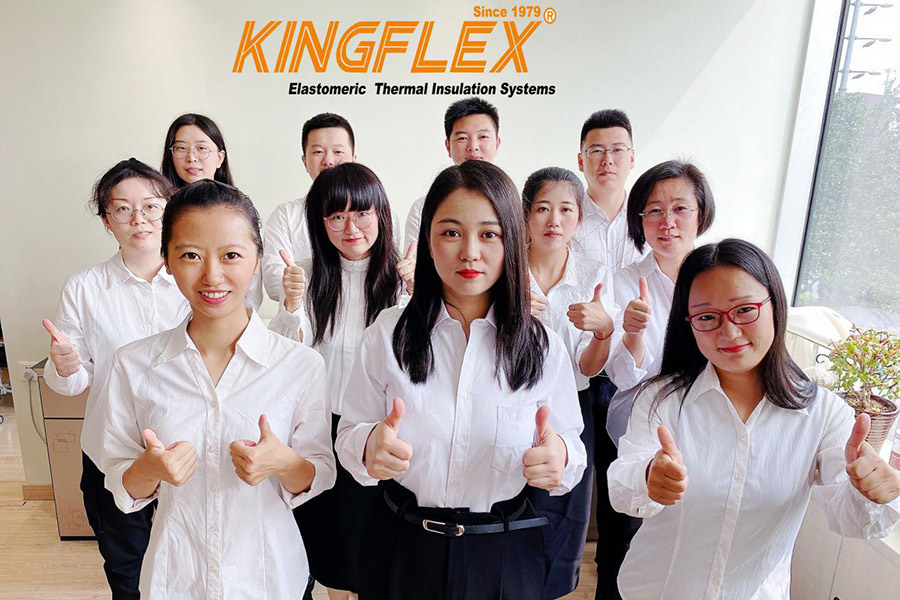
Our engineering support team provides heat loss calculations, thickness specifications, and CAD detailing for complex installations.
Get Expert Advisory Support NowWe prioritize reliability through rigorous material traceability. Every batch of NBR/PVC elastomeric rubber foam sheets is laser-printed with production codes, enabling instant tracking from raw elastomer sourcing through extrusion, foaming, and warehousing.
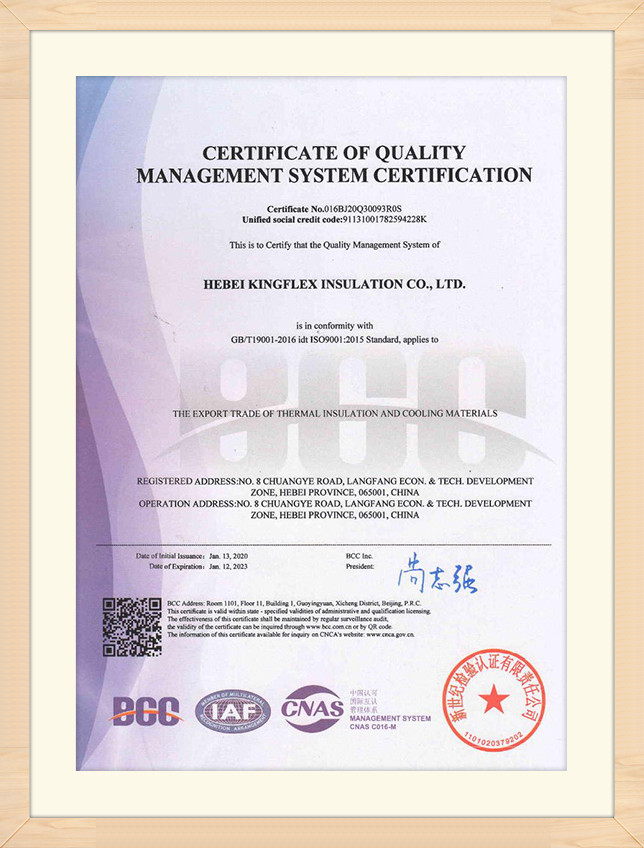
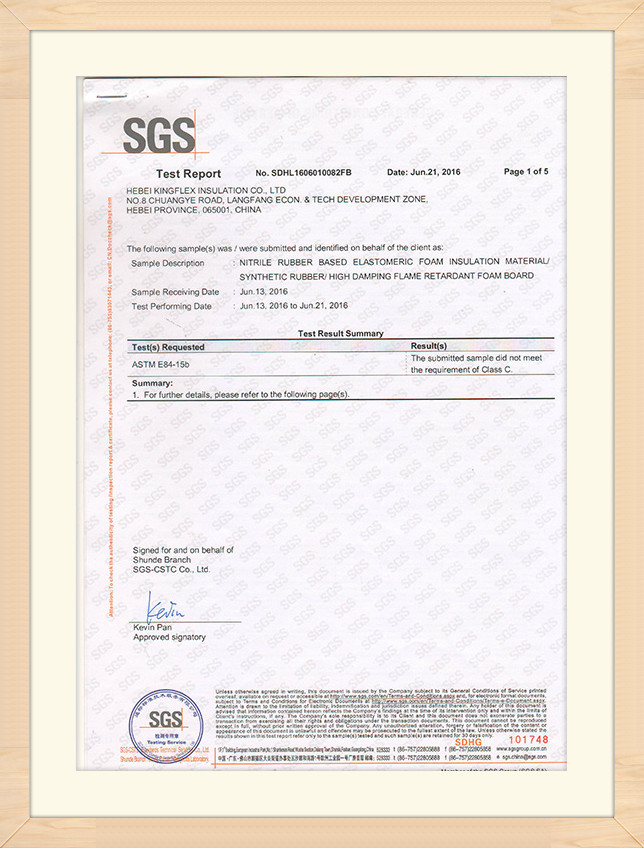
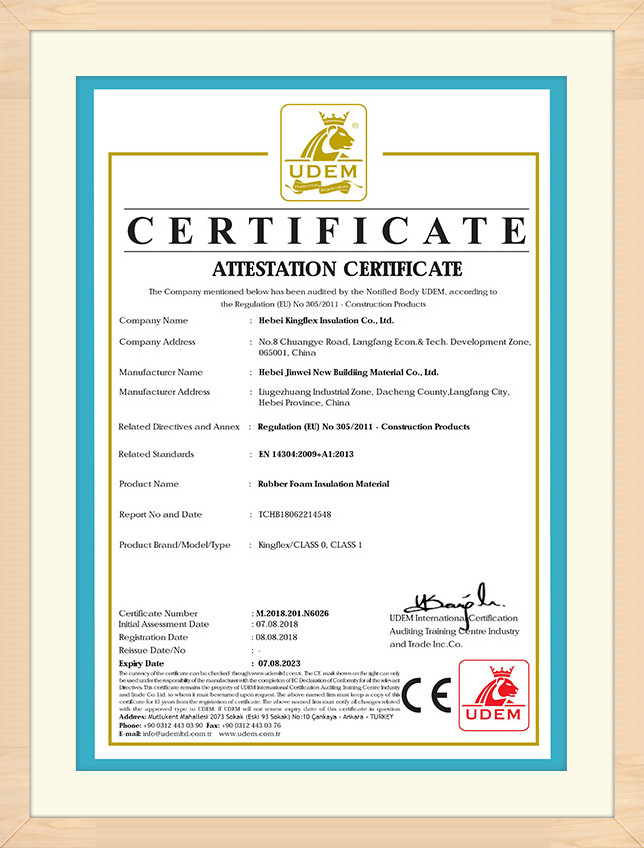
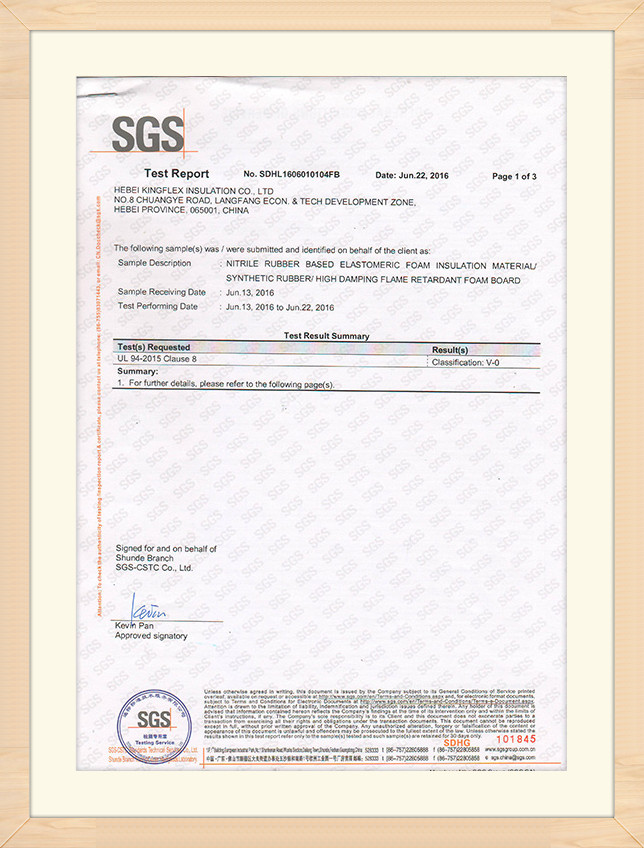
Our materials undergo third-party laboratory verification to ensure compliance with European standards, including fire safety propagation (EN 13501-1) and water vapor transmission (EN 12086). This verification gives developers the confidence that the materials will perform reliably over a long service life.
Addressing the common design and installation questions asked by HVAC engineers, contractors, and builders in Milan.
A1: Our elastomeric rubber foam sheets are designed for high-efficiency HVAC ductwork, commercial air conditioning piping, industrial pipeline insulation, chilled water networks, and acoustic attenuation. Their excellent moisture resistance makes them ideal for prevent-condensation systems in environments with variable humidity levels.
A2: Yes. Kingflex rubber foam insulation achieves Euroclass flame retardancy ratings (certified under Class B-s3, d0 testing). The formulation is self-extinguishing, does not sustain active combustion, and produces low smoke emissions during fires, meeting strict commercial construction safety standards in the European Union.
A3: Closed-cell rubber foam is highly flexible, naturally resistant to moisture penetration, and does not require an external vapor barrier. This makes it ideal for refrigeration, HVAC, and condensation-prone piping. Rock wool, on the other hand, is non-combustible and withstands higher temperatures, making it suitable for high-heat industrial steam lines.
A4: We manufacture a wide range of sheet thicknesses, from 6mm up to 50mm. This flexibility allows engineers to choose the optimal thickness for their thermal resistance and space constraints.
A5: Yes, all Kingflex products feature production-batch traceability. Our manufacturing processes hold certifications including CE, REACH, ROHS, UL94, and ASTM, ensuring compliance with both European and global quality regulations.
A6: Properly installed rubber foam sheets typically provide a service life of 10 to 15 years. Their durable closed-cell structure maintains consistent thermal performance over time by resisting moisture ingress and physical degradation.