Sound Absorption Insulation Products Manufacturer & Factories in the Nigeria Market

High-Performance Closed-Cell & Open-Cell Acoustic and Thermal Insulation Systems for Commercial, Industrial, and HVAC Applications in Nigeria

Commercial & Industrial Acoustic & Thermal Insulation Landscape in Nigeria

Nigeria's rapid urbanization, led by mega-cities like Lagos, Abuja, and Port Harcourt, has driven an unprecedented demand for modern infrastructural, commercial, and residential developments. As the largest economy in West Africa, the nation faces unique architectural challenges: extreme ambient temperatures, persistent humidity, and high environmental noise levels. Sound pollution from industrial machinery, backup diesel generators, and HVAC systems has escalated the demand for high-performance sound absorption and thermal insulation materials.

In humid coastal regions such as Lekki, Victoria Island, and the Niger Delta, traditional insulation materials like glass wool or rock wool are highly susceptible to moisture ingress. When fibers absorb water vapor, their thermal resistance drops precipitously, leading to mold growth, structural deterioration, and total thermal failure. To address these vulnerabilities, engineering teams increasingly specify closed-cell elastomeric nitrile rubber (NBR/PVC) foam. Offering a superior water vapor transmission resistance (represented by a high μ-factor) alongside exceptional acoustic absorption coefficients, this class of insulation guarantees stable, long-term performance.

The Physics of Acoustic Control in Tropical Zones

By blending high-density nitrile rubber with elastic PVC structures, Kingflex manufactures insulation sheets that function as dampening membranes. These membranes convert sound wave energy into minimal heat energy via viscous friction within their elastomeric matrices, providing high insertion loss across low-to-medium frequencies (125 Hz - 1000 Hz)—the primary band for mechanical machinery and HVAC compressor noise.

Simultaneously, the industrialization of Ogun State, the Lekki Free Trade Zone, and downstream petrochemical facilities in Port Harcourt requires reliable piping insulation. Whether transporting chilled water for central HVAC plants or handling low-temperature process chemicals, these systems demand reliable insulation to prevent external condensation, avoid corrosion under insulation (CUI), and damp mechanical vibration. Partnering with a globally verified manufacturer guarantees that local contractors receive materials certified to the highest international safety standards, minimizing installation downtime and system degradation.
600K+
Annual Capacity (m³)
16+
Years Export Experience
66+
Global Export Markets
40+
Years Group History

Macro-Level Structural Solutions for West Africa's Building Boom

Modern building codes in Nigeria are aligning with international standards for energy efficiency and occupant comfort. Achieving these standard requires addressing two primary design challenges:

  • Thermal Bridging & HVAC Energy Loss: In central air conditioning networks, cooling loss along chilled water pipelines accounts for over 25% of total system inefficiencies if poorly insulated. High-quality elastomeric tubes maintain a low thermal conductivity (λ ≤ 0.034 W/m·K at 0°C), reducing chiller workloads.
  • Mechanical Vibration & Airborne Sound Transmittance: Sheet metal ductwork acts as an acoustic guide for fan motor noise and aerodynamic turbulence. Lining interiors with open-cell structured NBR/PVC panels absorbs reflection waves, preventing sound leakage into commercial areas.
  • Condensation Control: When warm, humid air contacts cold surfaces, condensation forms instantly. This water dripping damages suspended ceilings, triggers electrical faults, and degrades structures. Closed-cell rubber foam operates with an integrated vapor barrier, eliminating the need for separate protective wraps.
Kingflex Manufacturing Facility and Thermal-Acoustic Solutions
Our Company: Global Legacy in Insulation Manufacturing

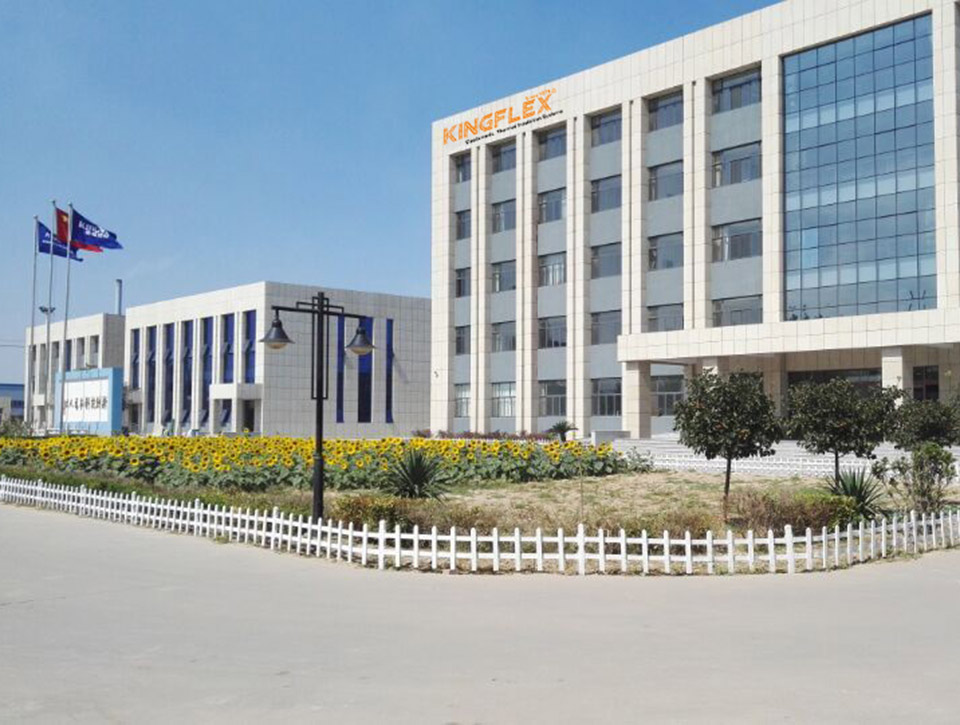
Kingflex Insulation Co., Ltd. is a leading manufacturer and trading enterprise specializing in advanced thermal and acoustic insulation materials. Headquartered in Dacheng, China—a hub for green building technologies—Kingflex integrates research and development, high-volume production, and international logistics. Our manufacturing operations center on energy conservation and carbon reduction, delivering reliable insulation systems from initial thermal consultation through to final installation guidance.
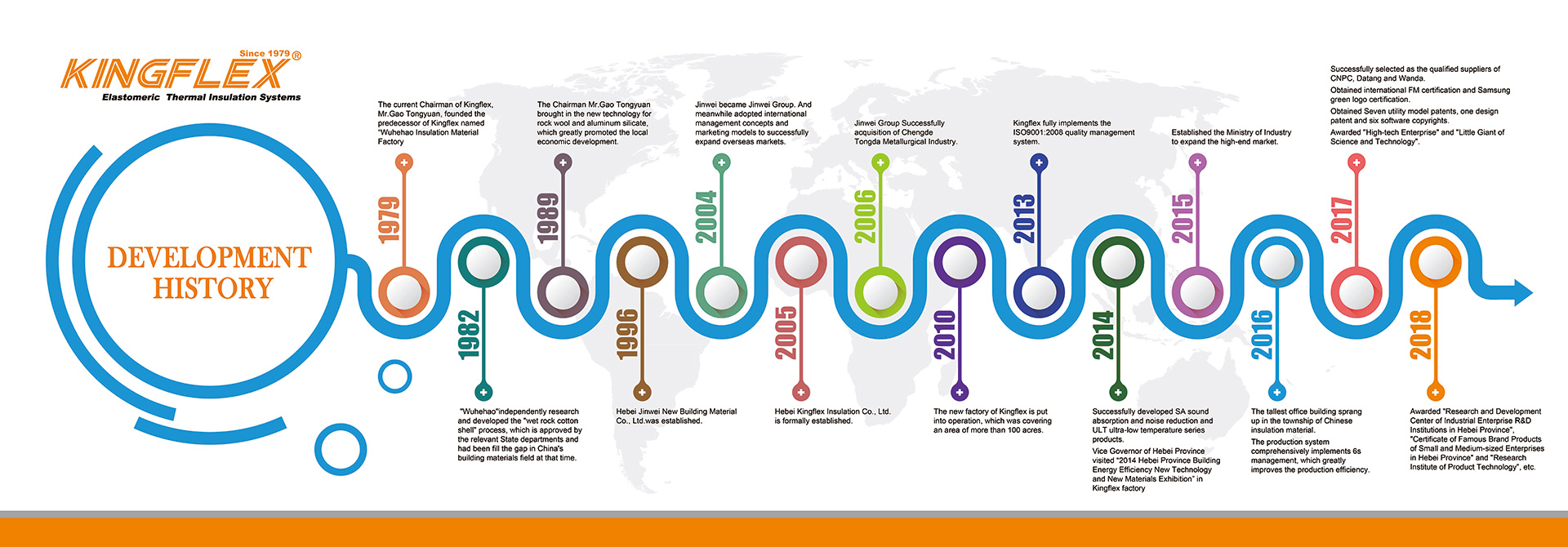
Established under the Jinwei Group, which holds a legacy dating back to 1979, Kingflex benefits from over 40 years of pioneering technical expertise. As the first major manufacturer of thermal insulation materials north of the Yangtze River, our group has driven structural development in elastomeric rubber chemistry and advanced manufacturing technologies.
Kingflex Jinwei Group Historical Manufacturing Legacy
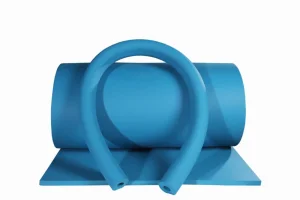
State-of-the-Art Production & Engineering Teams

Our production department operates 5 automated extrusion and expansion assembly lines, generating an annual capacity exceeding 600,000 cubic meters. This high production volume ensures stable material supply for large infrastructure projects in Nigeria, including hotels, airports, and commercial centers, without delivery bottlenecks.

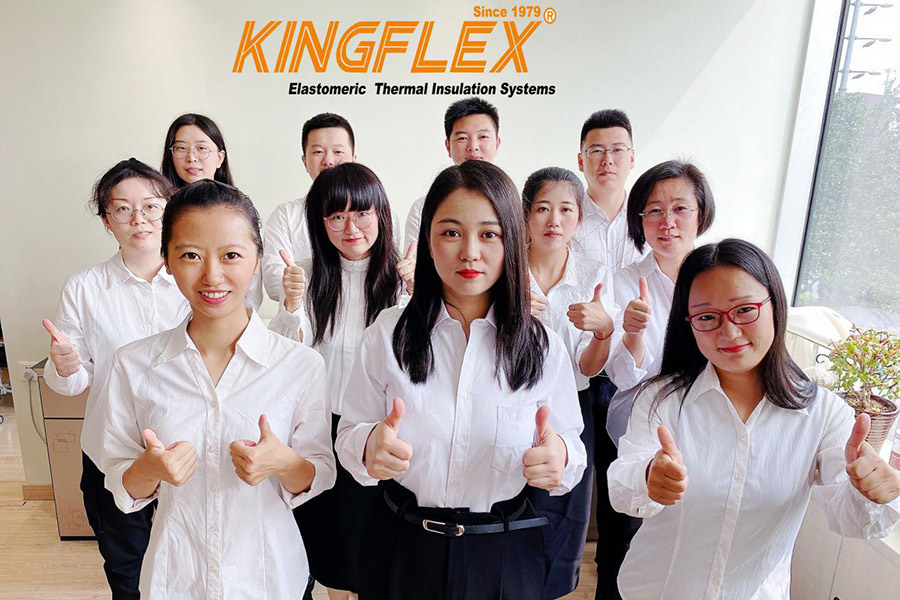
The Kingflex R&D division is staffed by 8 professional engineers focused on material formulation, fire safety compliance, and acoustic optimization. They are supported by 6 international sales consultants who coordinate regulatory paperwork (such as SONCAP clearance) and 230 technicians on the assembly line, ensuring each batch meets rigorous international specifications.
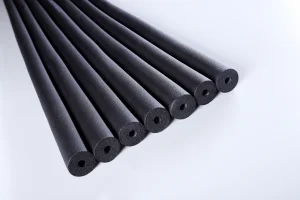
Kingflex R&D and Technical Engineering Team
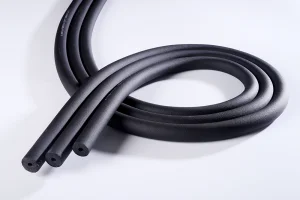
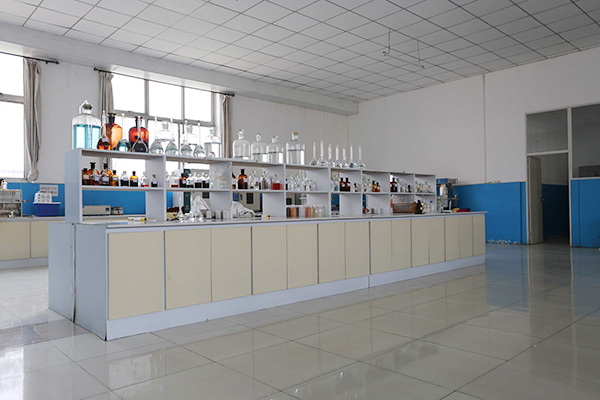
Advanced Manufacturing & Quality Control Facilities

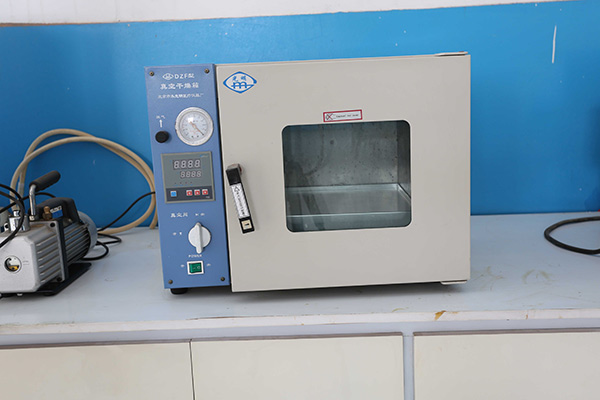
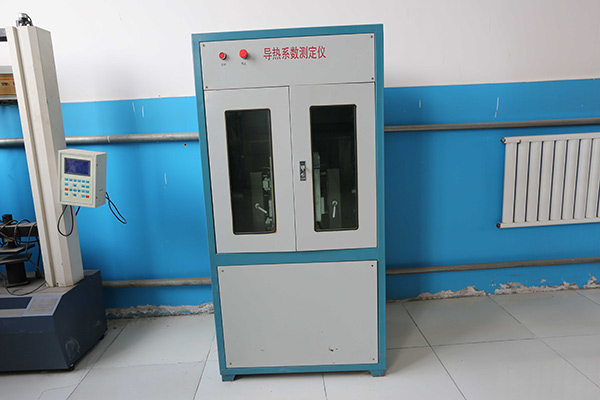
Continuous quality monitoring ensures that elastomeric cell structures remain uniform, density is controlled, and flame retardants are evenly dispersed throughout the rubber matrix.

Our raw materials undergo strict screening. Natural rubber is mixed with PVC resin, foaming agents, and flame-retardant chemicals in closed mixers. The mixture is then extruded through high-precision dies under controlled pressure, entering a continuous vulcanization and expansion chamber. This process yields a structural cellular matrix where over 98% of the cells remain closed and self-contained, guaranteeing a high water vapor diffusion resistance factor (μ ≥ 10,000).

Technical Specification & Comparison Matrix

To help engineers and procurement directors select the appropriate insulation materials for Nigerian projects, this comparison matrix outlines elastomeric rubber foam, rock wool, and glass wool insulation:

Performance Parameter Elastomeric NBR/PVC Rubber Foam Rock Wool / Stone Wool Glass Wool / Fiberglass
Thermal Conductivity (λ) ≤ 0.034 W/(m·K) (at 0°C) 0.038 - 0.044 W/(m·K) 0.036 - 0.042 W/(m·K)
Moisture Resistance (μ-factor) ≥ 10,000 (Built-in Vapor Barrier) 1 (Open fibers, absorbs water) 1 (Requires external foil wrap)
Acoustic Damping Coefficient Excellent for low-to-mid range vibrations Good for high frequency sound absorption Moderate acoustic attenuation
Fire Safety Classification Class 0 / Class 1 (BS 476), Self-extinguishing Non-combustible (Class A1) Non-combustible (Class A1)
Flexibility & Installation Ease Highly flexible, wraps easily around bends Rigid or semi-rigid, prone to dust shedding Fleshy fibers, requires protective gear
Service Life in Humid Climates 10 - 15 Years (Without performance loss) Degrades if exposed to leaks/humidity Subject to compression and sagging

Specification Standards for Large Projects

Kingflex materials match BS 476 Parts 6 & 7 fire standard limits, achieving a "Class 0" rating. This rating indicates limited flame spread and low heat release, helping builders satisfy strict safety requirements for commercial properties in major metropolitan areas.
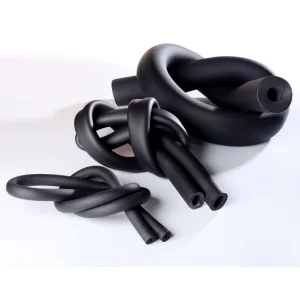
Proven Project Cases: High-Value Performance

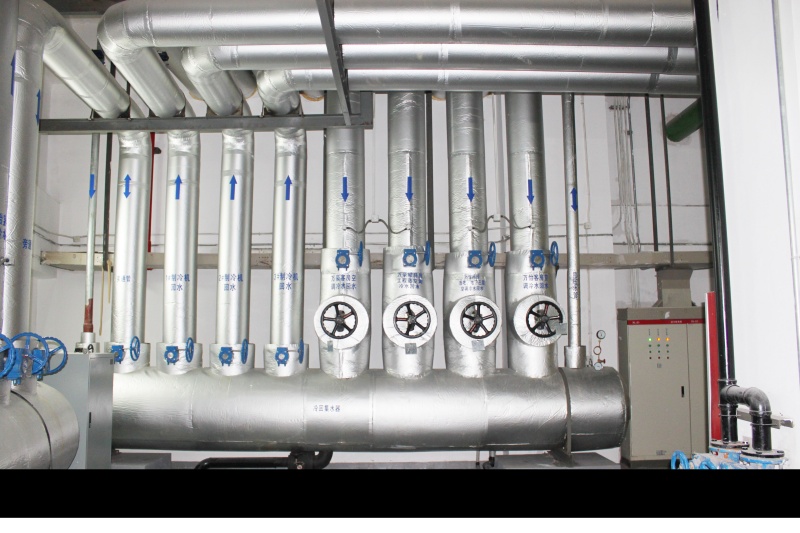
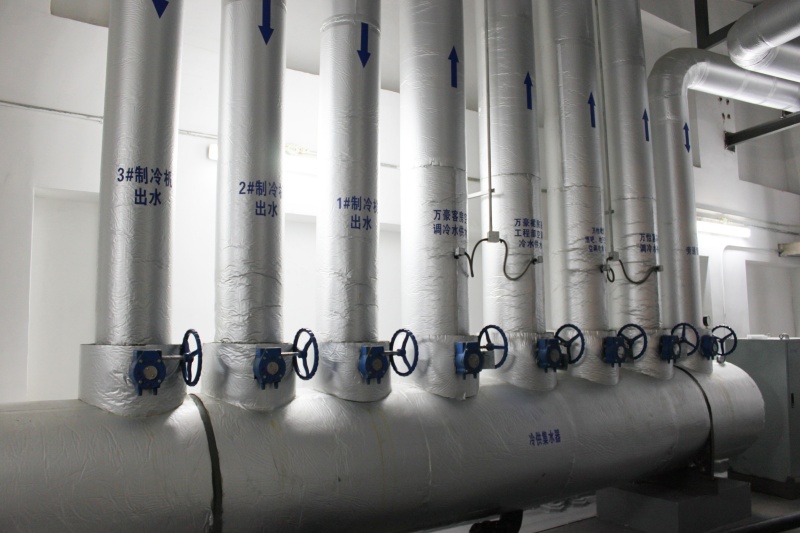
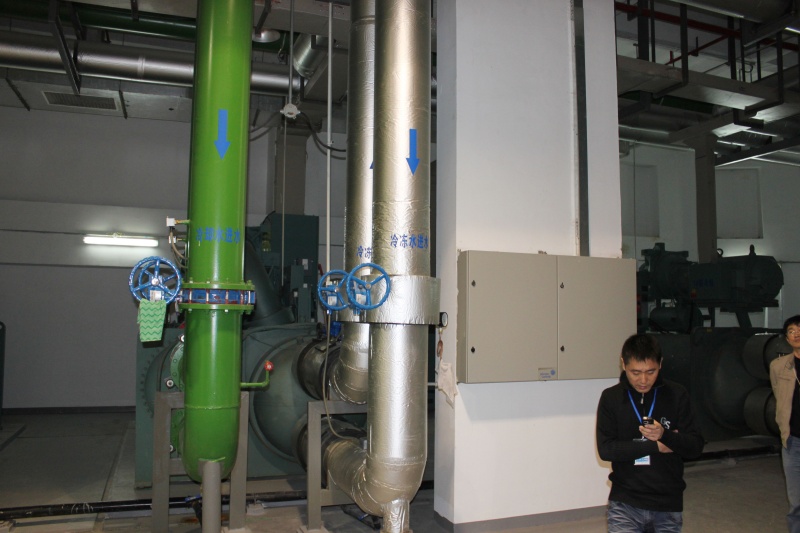
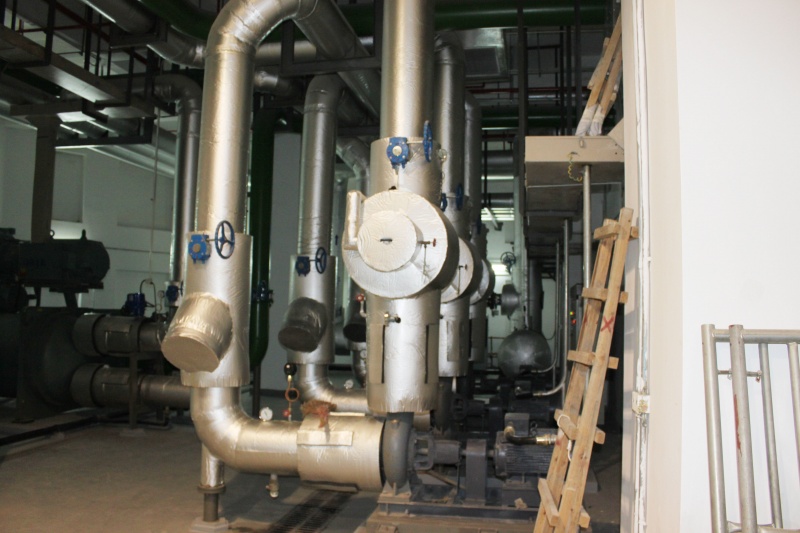
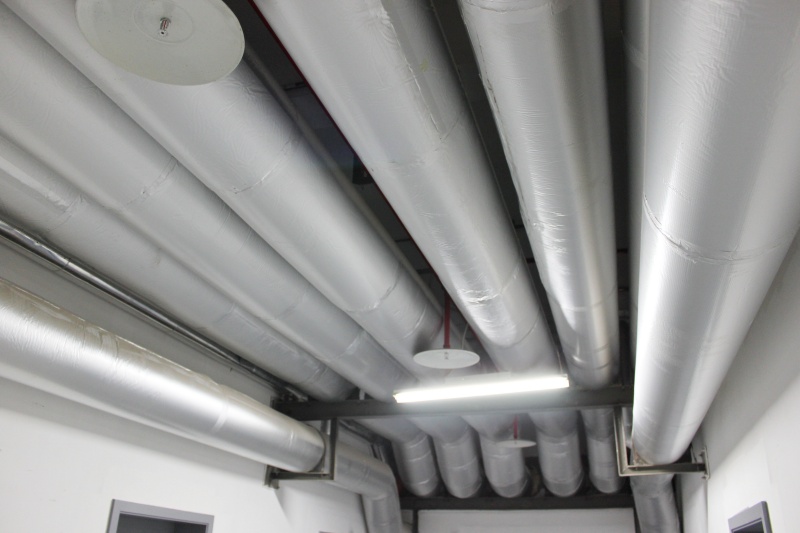
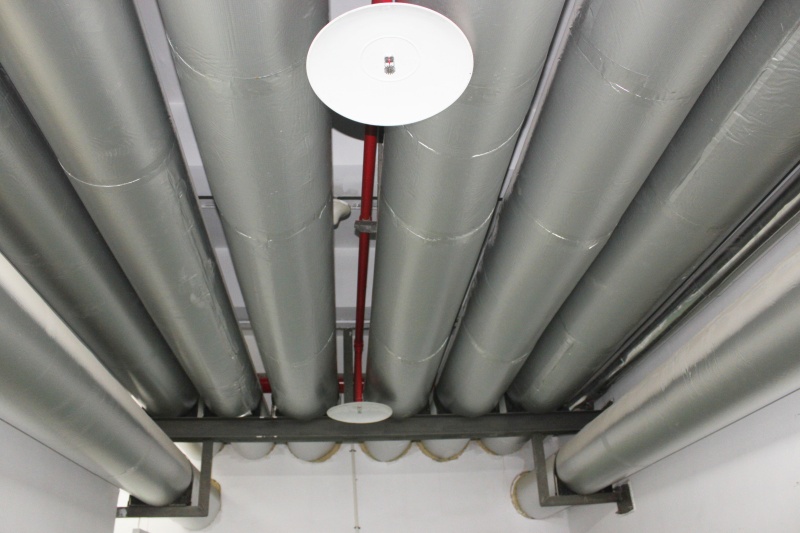
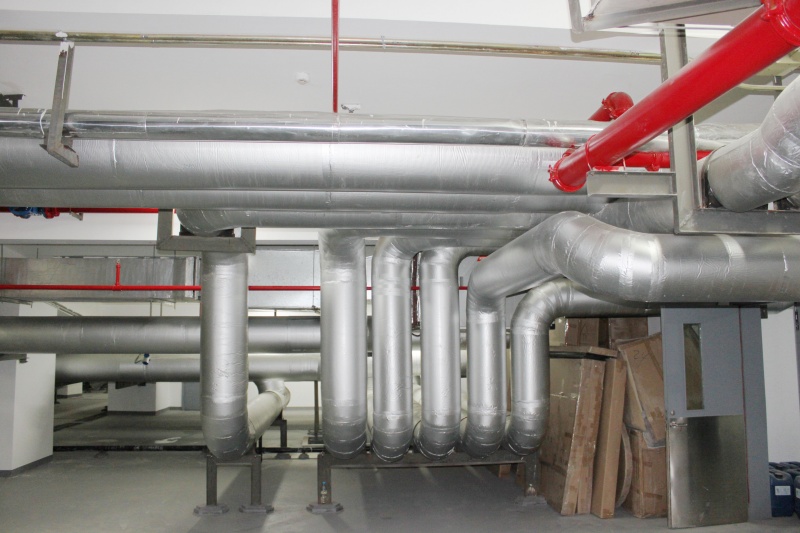
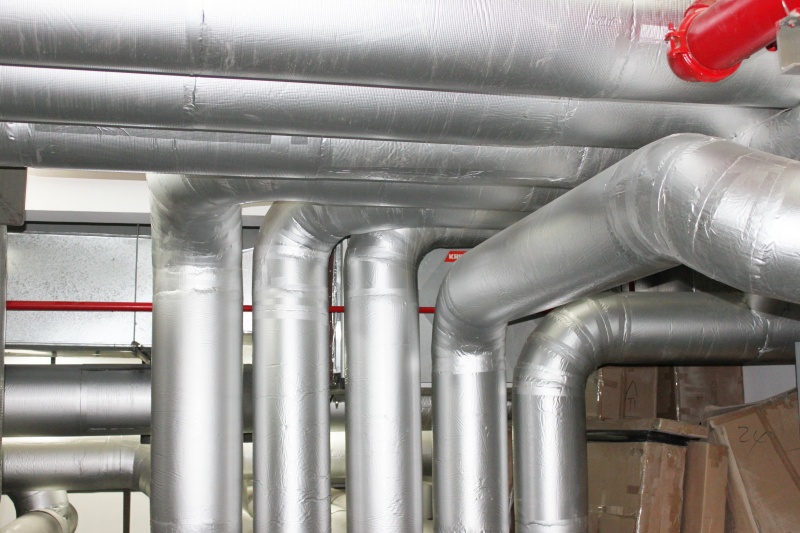
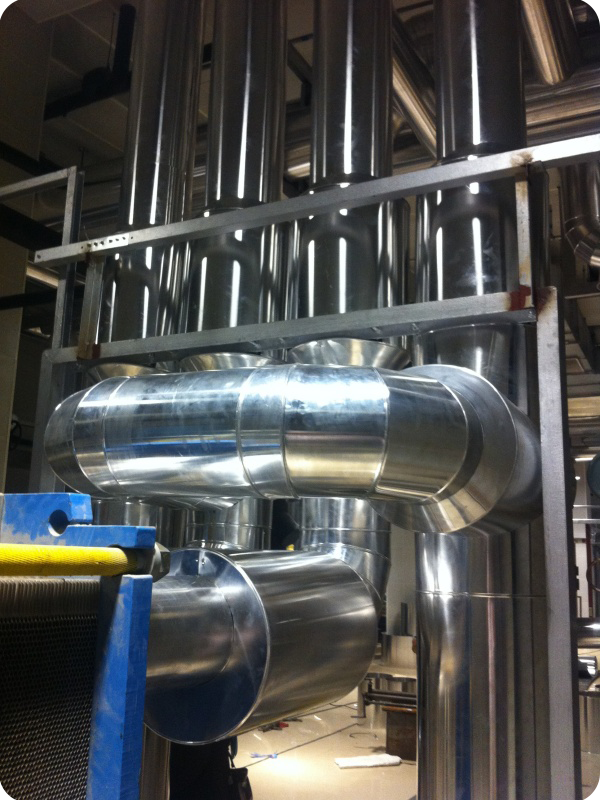
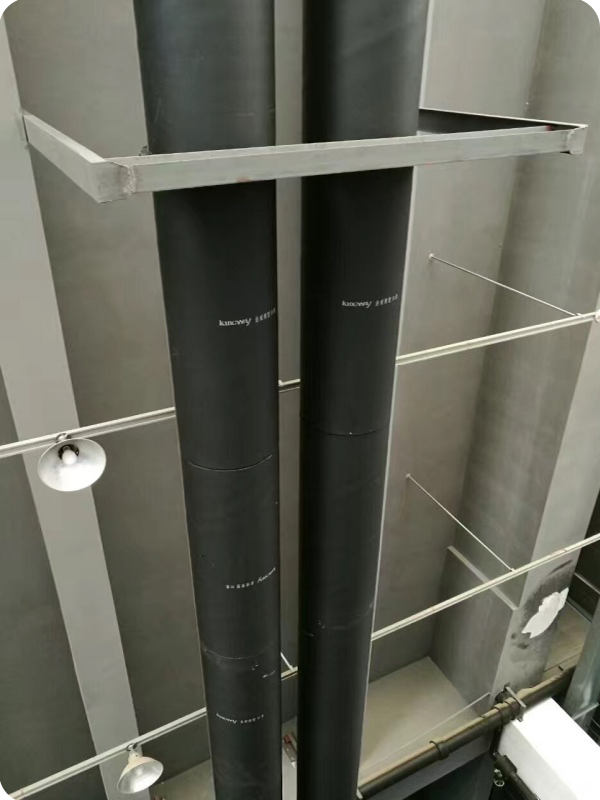
Our elastomeric insulation systems are designed for demanding environments, including central HVAC layouts in corporate office buildings, cooling pipes in manufacturing facilities, and soundproof panels in generator rooms.

Dimension Specifications

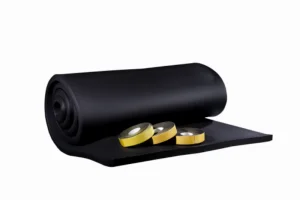
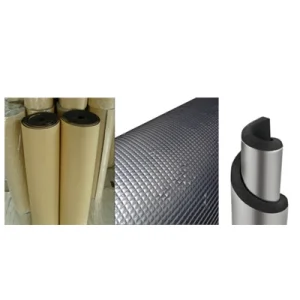
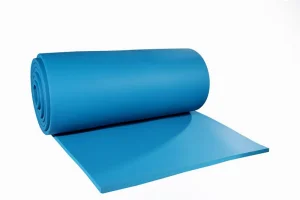
Insulation Sheets: Thicknesses from 6mm to 50mm, with options for self-adhesive backings and protective aluminum foil facings to withstand outdoor UV exposure.

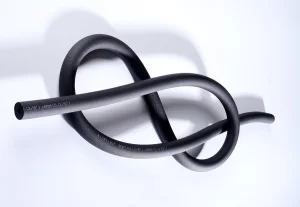
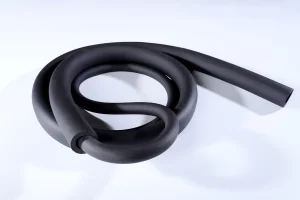
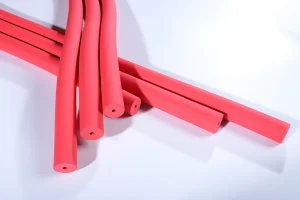
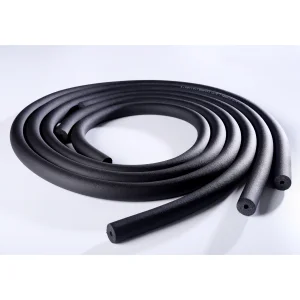
Insulation Pipes: Internal diameters ranging from 6mm to 114mm, with wall thicknesses between 9mm and 40mm to fit standard HVAC copper and steel tubing.

Core Operational Benefits

Our materials feature uniform cell structure, low water absorption rates, high elasticity (>80% recovery under compression), and a broad operational temperature range (-40°C to 105°C).

Targeted Solutions for Nigerian Climates & Industries

Adapting insulation installations to localized conditions helps optimize performance and extend system lifespan.

Commercial HVAC & Ventilation Systems

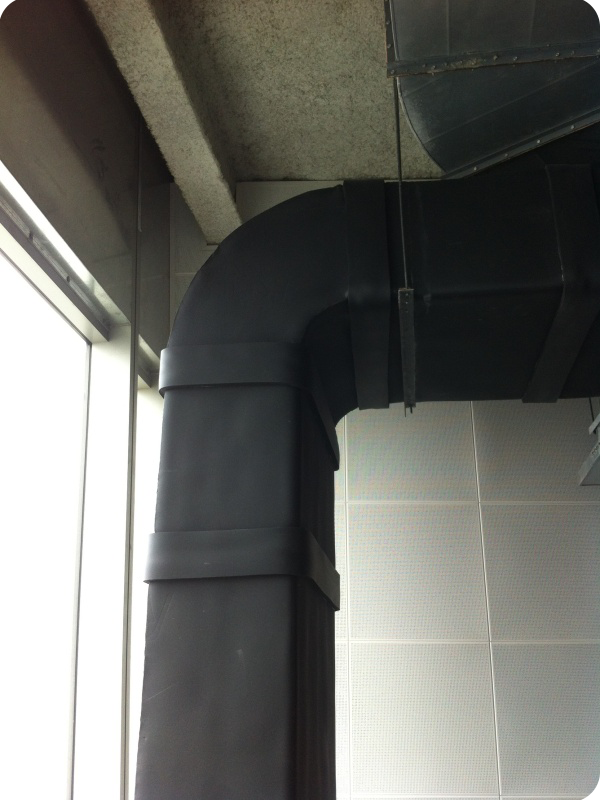
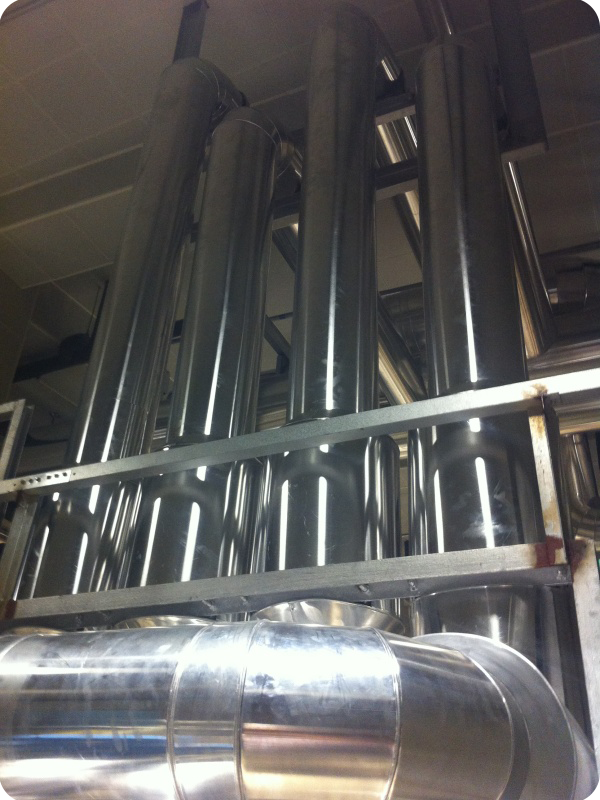
In high-density office blocks in Victoria Island, Lagos, air ducts are prone to external condensation due to indoor air conditioning and humid outdoor air. Lining duct interiors and wrapping duct exteriors with Kingflex Class 0 sheets helps control condensation, prevents ceiling damage, and isolates duct motor noise.
Generator Room Acoustic Enclosures

Large manufacturing facilities and estates in Nigeria rely on diesel generator installations. Sound pressure levels in generator rooms often exceed 95 dBA. Installing Kingflex open-cell rubber foam sheets within wall cavities and doors absorbs high-frequency vibrations and limits noise leakage to neighboring areas.

Cryogenic & Downstream Petrochemical Piping

For chemical and refinery pipelines in Port Harcourt and Warri, maintaining stable process temperatures is critical. Kingflex elastomeric systems remain flexible and crack-resistant at low operating temperatures, preventing pipe corrosion and minimizing heat gain in processing systems.

Need Custom Technical Specifications for Your Project?

Connect with our engineering support team to receive specialized calculations, fire test reports, and customized pricing for the Nigerian market.

Send Inquiry Now

Regulatory Compliance & Certification in Nigeria

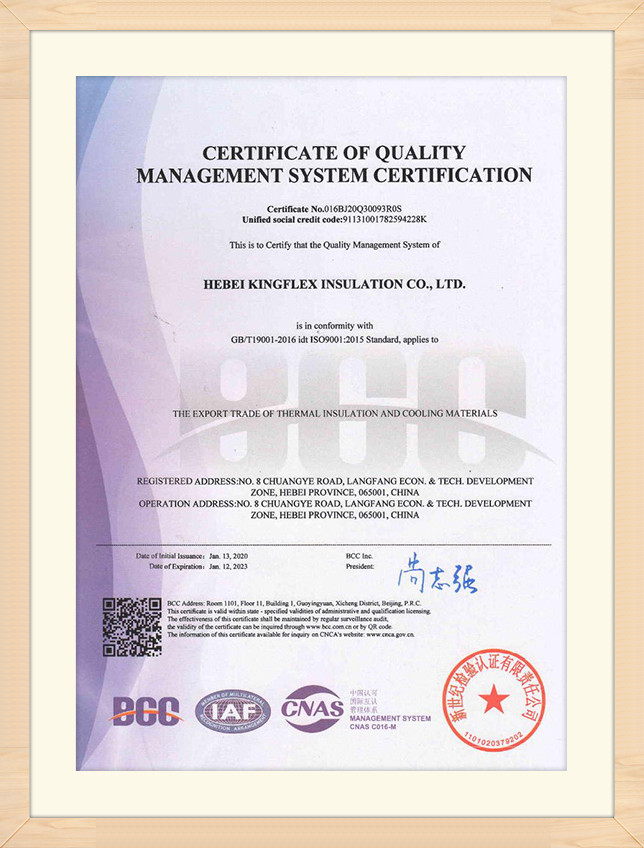
Importing and installing engineering materials in Nigeria requires compliance with national quality and safety standards. Kingflex products comply with the Standards Organisation of Nigeria Conformity Assessment Programme (SONCAP). This certification verifies that imported building materials meet Nigerian Industrial Standards (NIS) and are approved for public and private constructions.

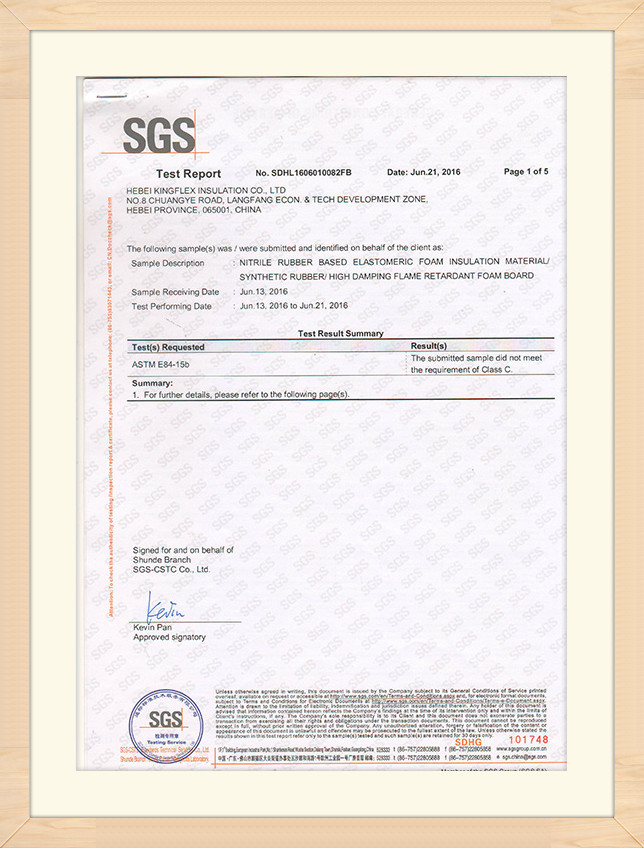
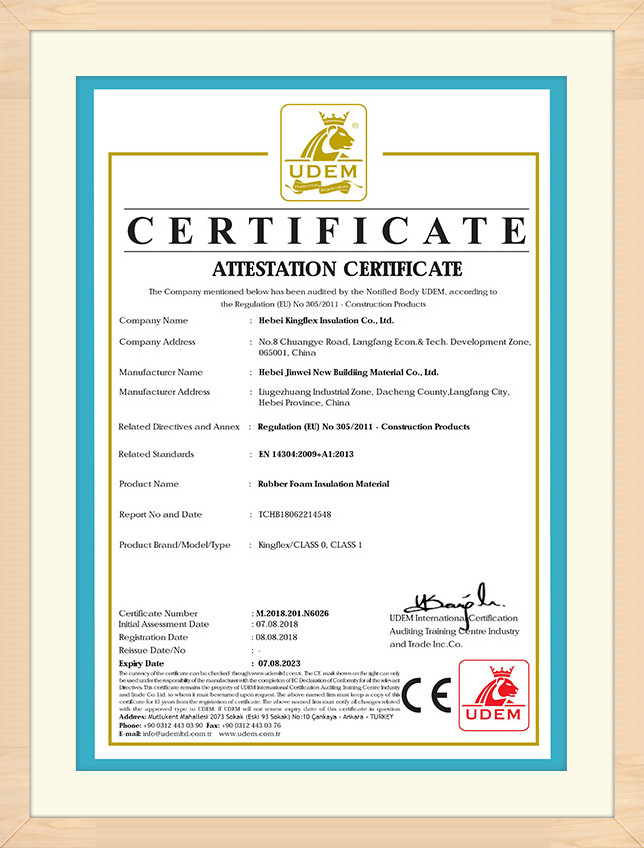
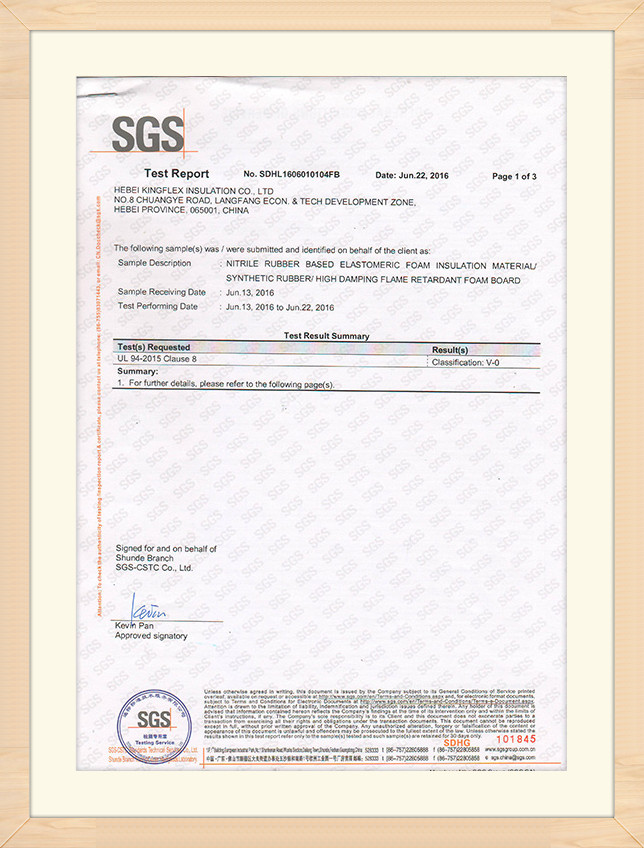
Our global QA processes trace manufacturing batches from raw polymers to finished packaging. Kingflex elastomeric foam holds international certifications including UL94 (flammability classification), REACH and RoHS (hazardous chemical restrictions), CE (European market conformity), and ASTM (American Society for Testing and Materials standards).

Frequently Asked Questions (Technical FAQ)

Comprehensive engineering and logistical queries answered by our Technical Support Department.

Q1: What is elastomeric rubber foam insulation used for in Nigeria?
It is primarily used for insulating HVAC ductwork, commercial air conditioning pipes, building envelopes, industrial process piping, and soundproofing generator enclosures. Its low thermal conductivity prevents energy loss, while its flexible matrix dampens airborne and mechanical noise.
Q2: Is Kingflex rubber foam insulation fire resistant?
Yes, our rubber foam products are formulated with flame-retardant additives to meet BS 476 Parts 6 & 7 Class 0 and Class 1 ratings. They are self-extinguishing and will not fuel flame spread or release toxic droplets during a fire, helping satisfy safety regulations for high-occupancy structures.
Q3: What is the difference between rubber foam and rock wool insulation?
Rubber foam features a flexible, closed-cell structure with a high built-in moisture barrier (μ ≥ 10,000), making it ideal for refrigeration, HVAC systems, and high-humidity climates where water penetration is a concern. Rock wool is a fibrous, open structure that is non-combustible at higher temperatures, making it suitable for industrial chimneys and fire stop assemblies, though it requires secondary vapor barriers in cooling applications.
Q4: Do you provide customized insulation products?
Yes, we provide OEM manufacturing. We can adjust insulation sheet thickness (6mm to 50mm), pipe diameters, densities, and supply customized laminations including self-adhesive backings, reinforced aluminum foils, and weather-resistant outer jackets to suit specific project designs.
Q5: What certifications do your products have?
Kingflex insulation products are certified to BS 476, CE, REACH, RoHS, UL94, and ASTM standards. We also provide necessary testing documentations to help clear SONCAP import evaluations in Nigeria.
Q6: Does Kingflex products have traceability?
Yes. Every production batch is marked with code lines, tracking raw materials, manufacturing dates, and operator shifts. This level of traceability helps project managers ensure quality compliance on commercial jobs.
Q7: What thickness of Rubber foam insulation sheet roll can you produce?
We produce continuous rolls and sheets in thicknesses ranging from 6mm to 50mm. Thicker sheets are typically specified for heavy industrial systems and cryogenic piping, while thinner sheets are used for HVAC lining.
Q8: What is the typical service life of rubber plastic pipe and board?
When installed correctly and maintained according to specifications, Kingflex rubber foam insulation offers a service life of 10 to 15 years. The closed-cell structure helps maintain stable thermal performance over the long term.
Q9: How does high relative humidity affect insulation performance in cities like Lagos?
High relative humidity can cause condensation on cold surfaces. If an insulation material lacks a built-in vapor barrier, moisture will fill its air gaps, increasing thermal conductivity. Kingflex's closed-cell structure prevents moisture ingress without requiring external coatings.
Q10: What are your shipping options and lead times for the port of Lagos (Apapa/Tincan)?
We export globally in standard 40ft HQ containers to optimize freight costs. Lead time from order confirmation and custom sizing to production completion is typically 7 to 14 days, with transit times to Lagos depending on chosen shipping routes.

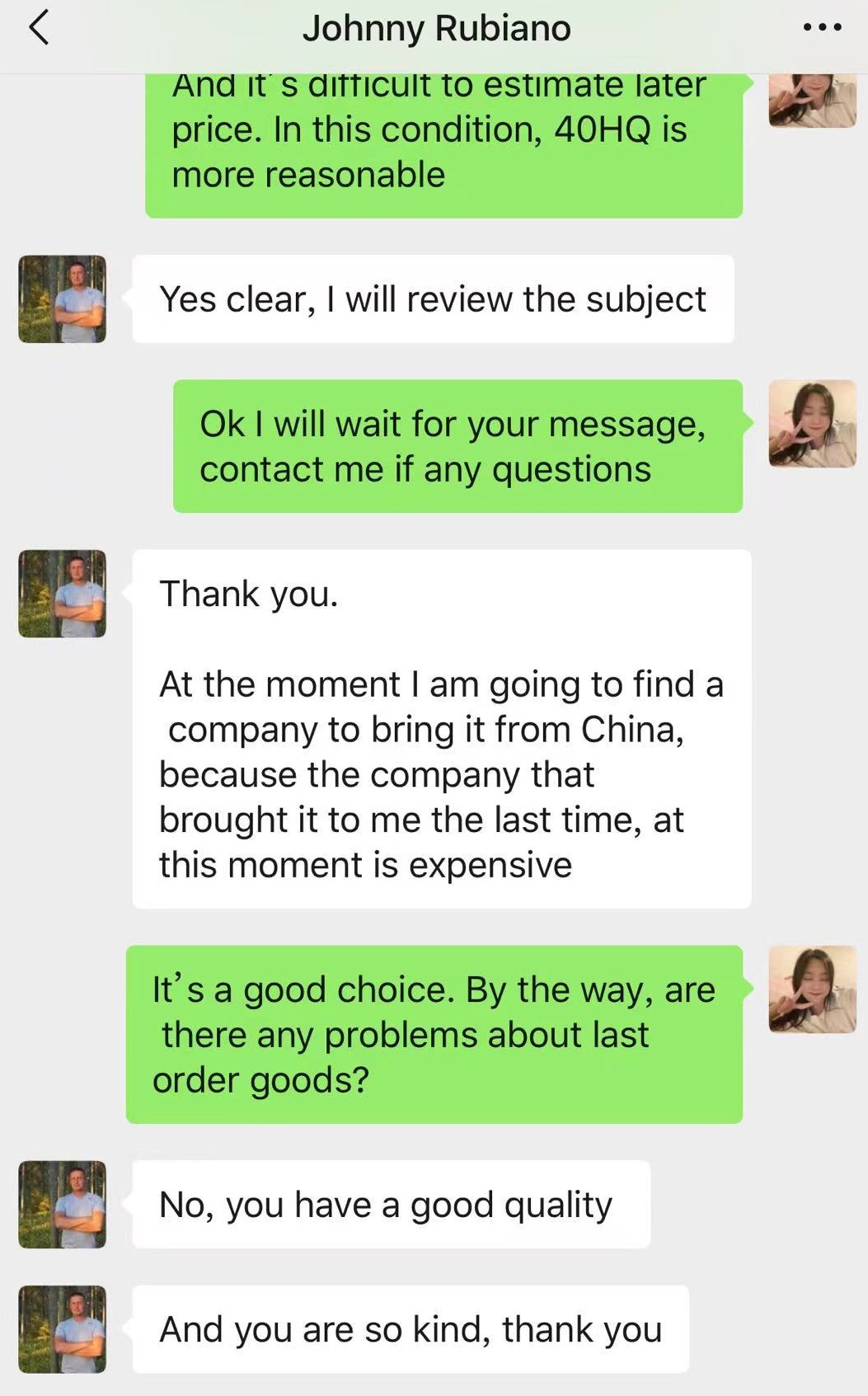
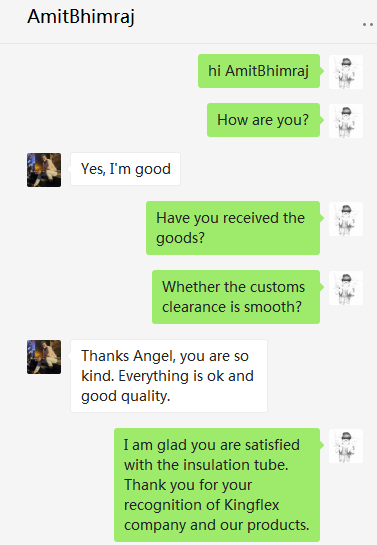
Client Collaborations & Quality Approvals

We work closely with HVAC contractors, acoustic engineers, and commercial builders to deliver consistent quality and support.

Looking for a Reliable Insulation Supplier for Nigeria Markets?

Contact Kingflex today for product brochures, detailed technical consultations, project evaluations, and wholesale quotes.

Contact Our Export Specialists