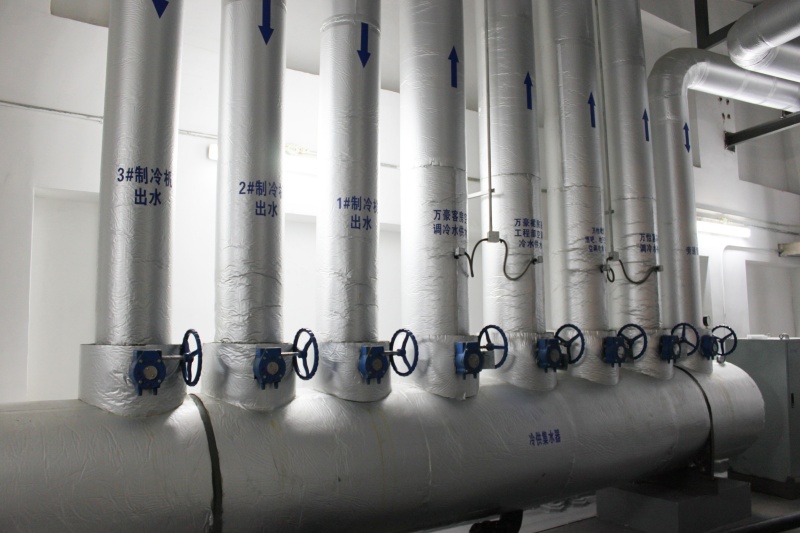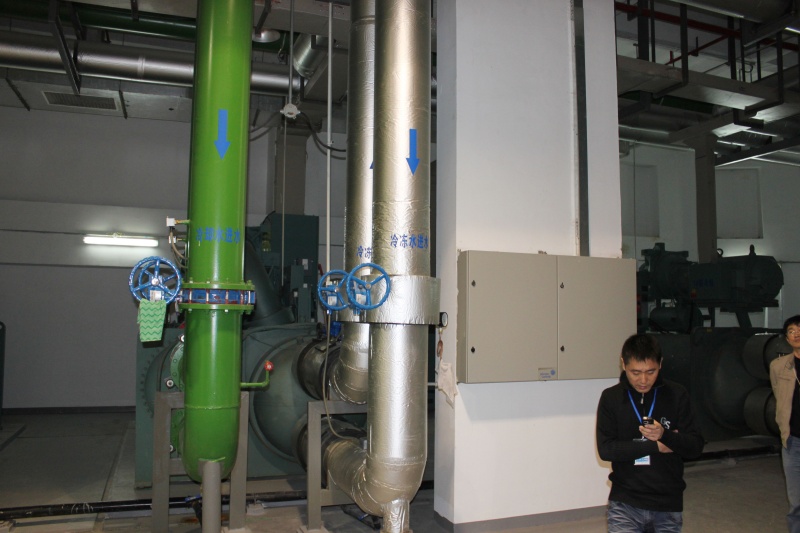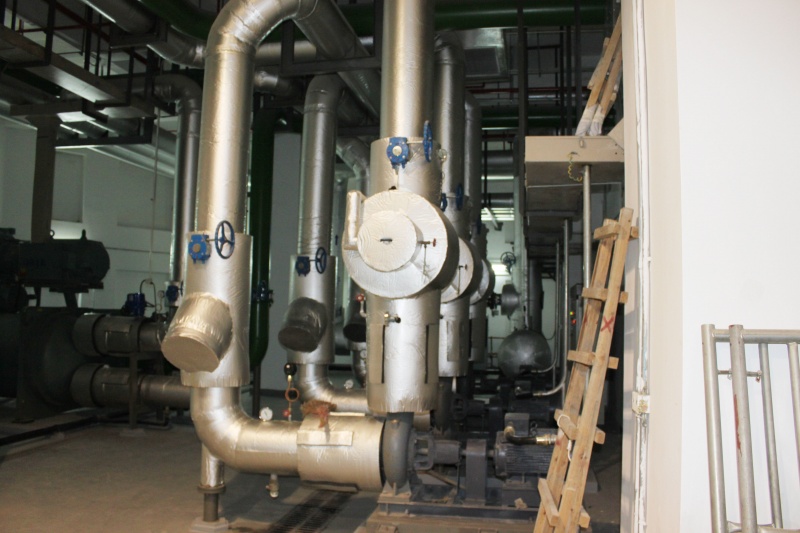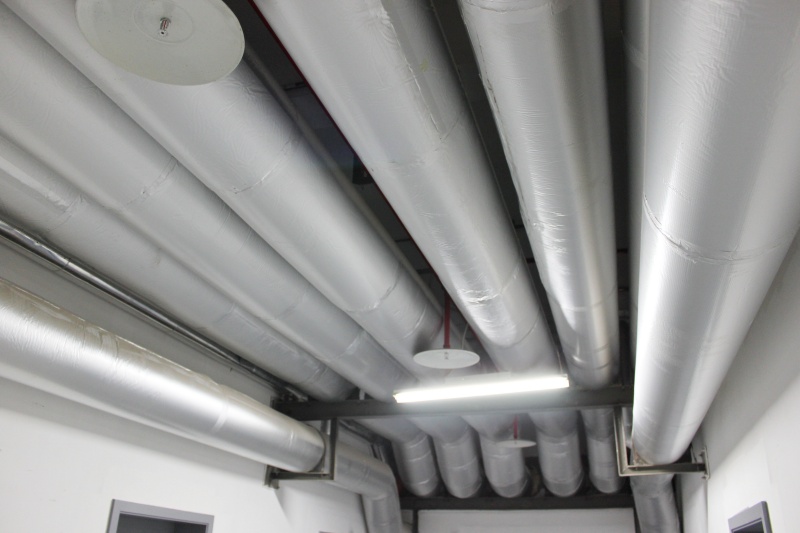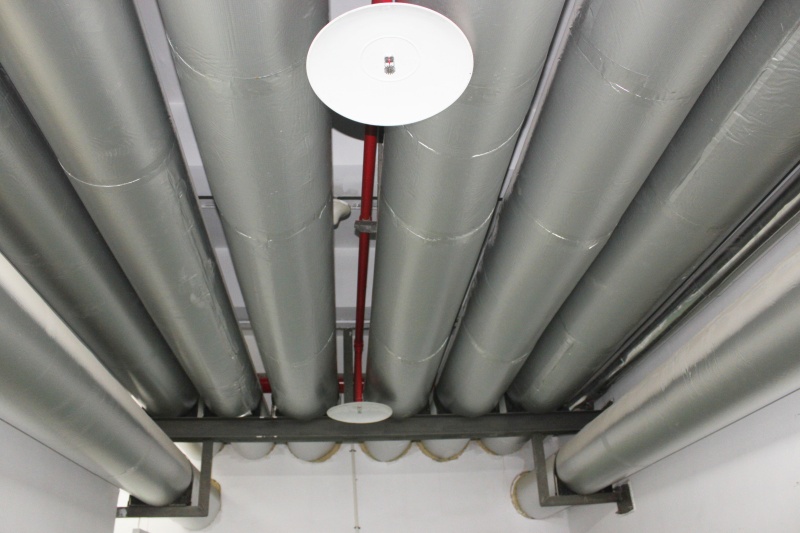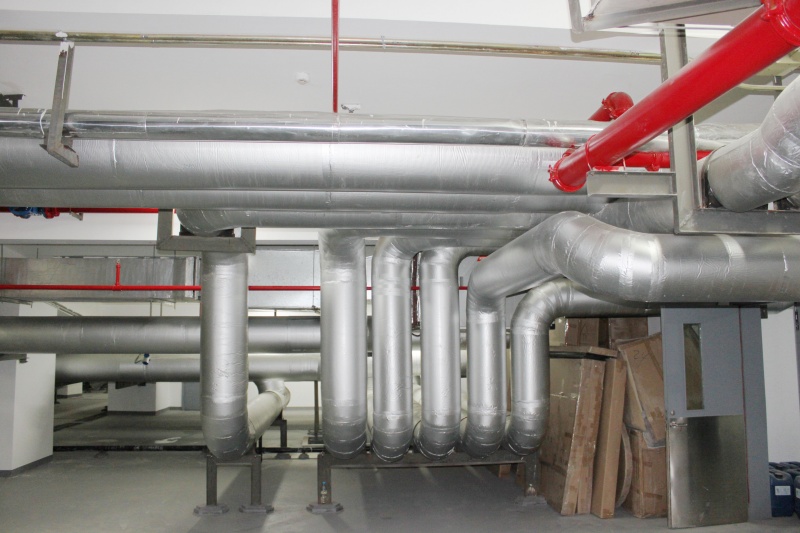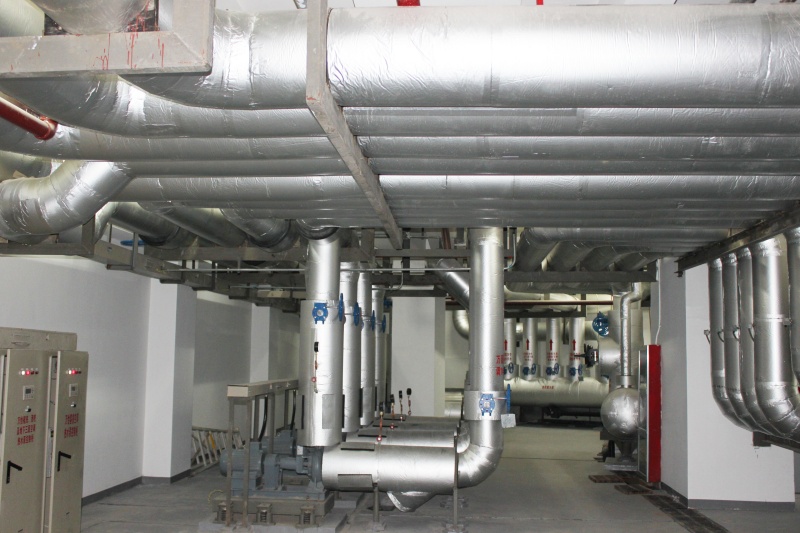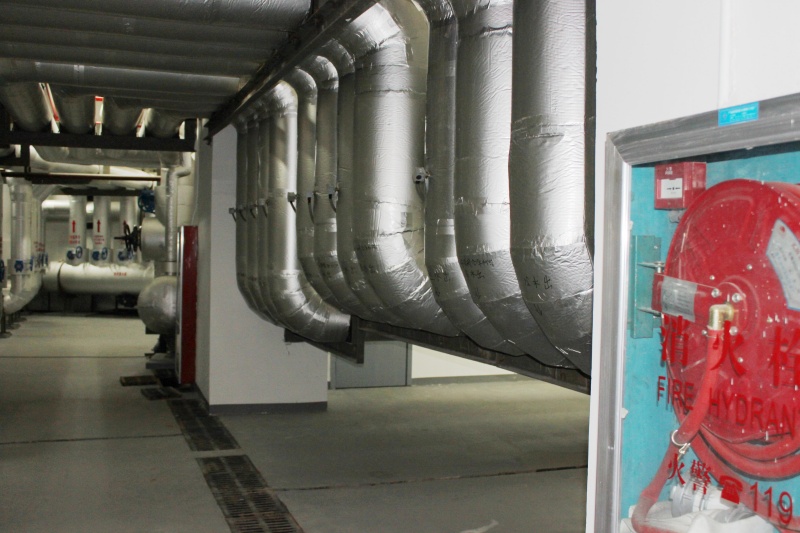
Optimized NBR/PVC and elastomeric compositions designed to meet the mechanical properties and low-frequency attenuation profiles demanded by modern architectural envelopes.
The construction and industrial landscape of New Zealand operates under demanding environmental regimes. With the implementation of the updated NZBC Clause H1 (Energy Efficiency), designers and mechanical engineers are forced to re-evaluate the efficiency of continuous thermal boundaries. Simultaneously, Clause G6 (Airborne and Impact Sound) enforces strict limits on acoustic transmissions between inter-tenancy envelopes.
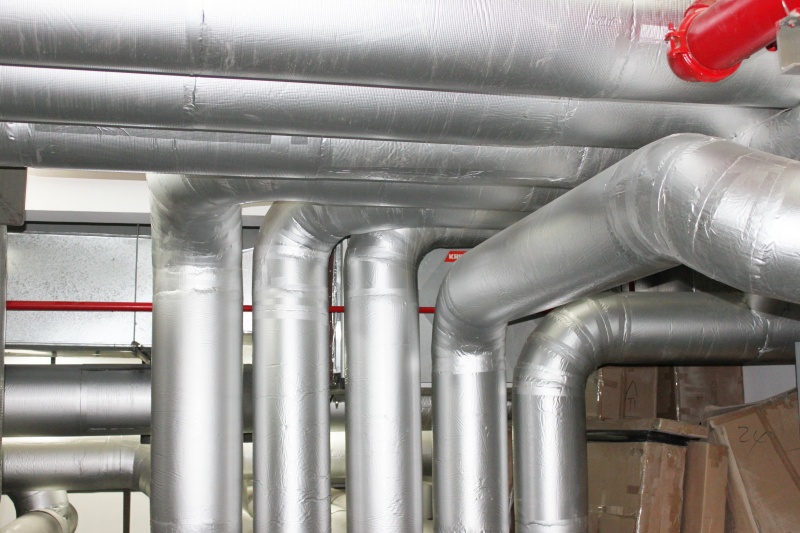
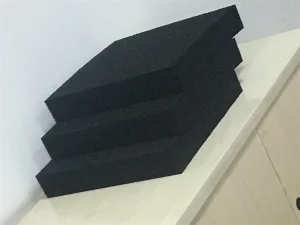
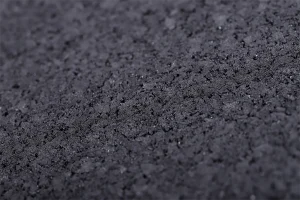
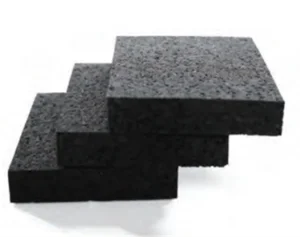
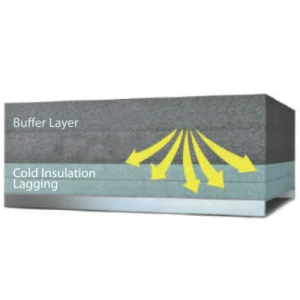
Our elastomeric rubber foam sound absorption panels provide a dual-defense mechanism. Their unique open-cell micro-structures are optimized to trap air-convected noise and reduce structural vibrations, while the hybrid closed-cell skins minimize moisture ingress—a crucial property in New Zealand’s high-relative-humidity coastal climates, including Auckland, Wellington, and Christchurch.
Tested rigorously under international fire safety and acoustic attenuation standards to comply with Building Code regulations across Australasia.
Excellent damping characteristics, absorbing structural resonance in plant rooms, marine vessels, and HVAC ducts.
How our R&D department drives the transition from traditional, fiber-releasing glass wool to clean, advanced polymeric materials.
Integrating high-nitrile rubber polymers with flame-retardant elements. This minimizes smoke release and ensures self-extinguishing capabilities without relying on halogenated compounds that pollute the local eco-system.
By controlling gas injection rates during continuous vulcanization extrusion, we control cell diameters. Smaller cells translate to increased sound transmission loss (STL) and lower thermal conductivity (k-value).
Aligning with New Zealand's decarbonization targets, our manufacturing pipeline prioritizes raw material recycling loops, delivering zero ozone depletion potential (ODP) and global warming potential (GWP) of less than 5.
Verifiable data indicators reflecting performance benchmarks under standard HVAC and industrial load configurations.
| Technical Characteristic | NBR/PVC Sound Absorbing Sheet | Closed-Cell Pipe Tubing | Standards Alignment |
|---|---|---|---|
| Density Range | 40 - 55 kg/m³ | 45 - 60 kg/m³ | ASTM D1622 |
| Thermal Conductivity (0°C) | ≤ 0.034 W/(m·K) | ≤ 0.033 W/(m·K) | ASTM C518 / ISO 8301 |
| Moisture Resistance (μ-value) | ≥ 1.0 × 10⁴ (Closed cell barrier) | ≥ 1.2 × 10⁴ | BS EN 12086 |
| Acoustic Absorption (NRC) | Up to 0.85 (Open-cell type) | Up to 0.40 (Damping only) | ASTM C423 / ISO 354 |
| Working Temperature Range | -40°C to +105°C | -50°C to +105°C (Up to -200°C for Cryo) | ASTM C411 |
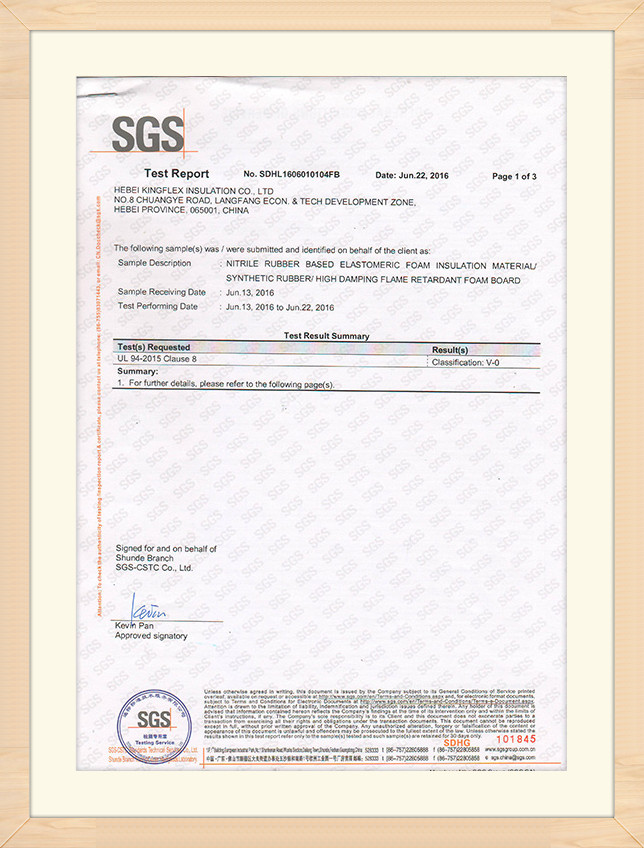
| Fire Safety Rating | Class 1 / Class 0 Retardant | Flame Retardant, Self-extinguishing | BS 476 Part 7 / UL 94 V-0 |
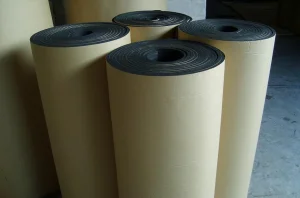
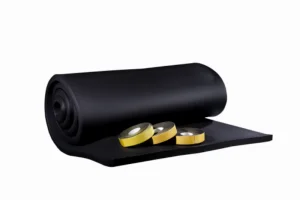
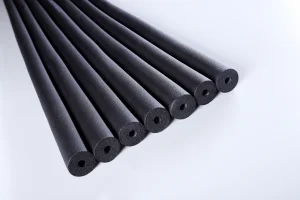
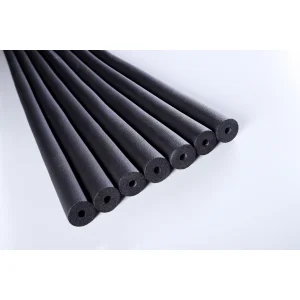
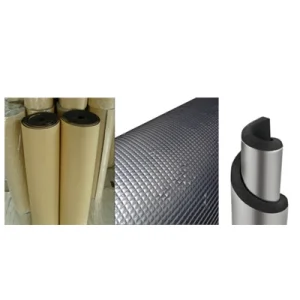
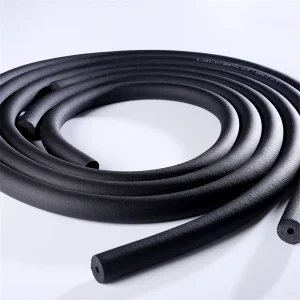
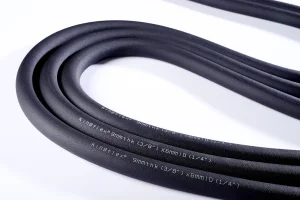
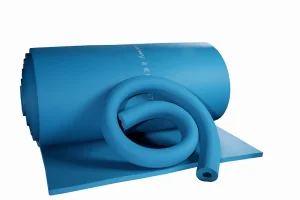
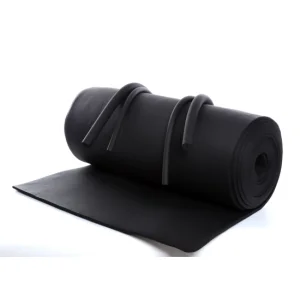
Engineered sheets, self-adhesive rolls, and high-density tubes engineered specifically to address low-temperature piping condensation and mechanical vibration damping.
Combining 40+ years of industrial expertise with automated manufacturing lines to deliver consistent bulk capacity.
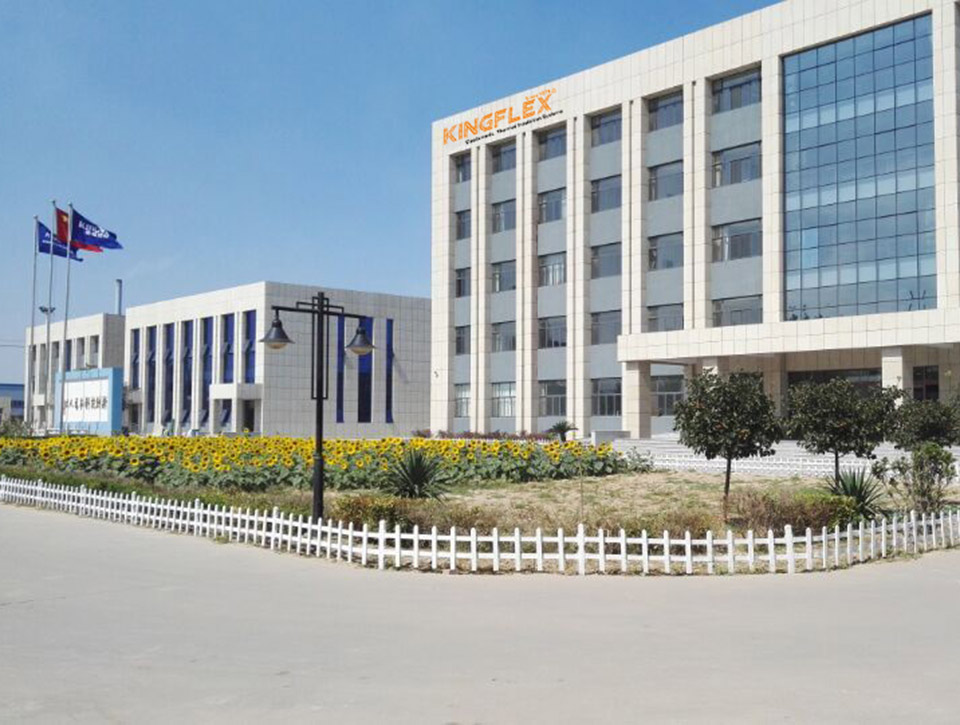
Kingflex Insulation Co., Ltd. stands as a professional manufacturing and trading combo for thermal and acoustic insulation products. Currently, we operate 5 large automatic assembly lines, delivering an annual production capacity in excess of 600,000 cubic meters. Through reliable quality control systems, Kingflex has earned a reputation as a trusted manufacturing partner for multi-national infrastructure projects and local New Zealand commercial builds.
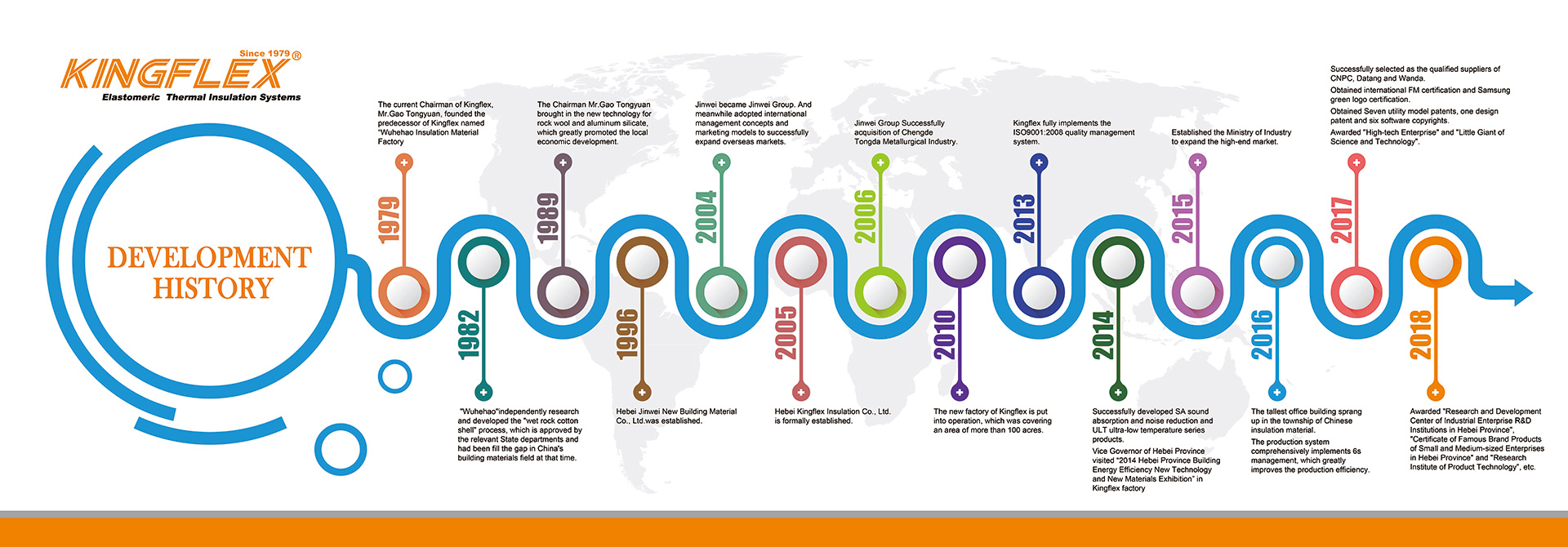
Our operational authority stems from our parent organization, the Jinwei Group, which boasts a long-standing history dating back to 1979. As the first insulation material manufacturer established north of the Yangtze River, Jinwei has spearheaded advanced materials engineering for over four decades. Kingflex continues this legacy by integrating high-performance rubber polymers into soundproofing components suited for modern civil works.
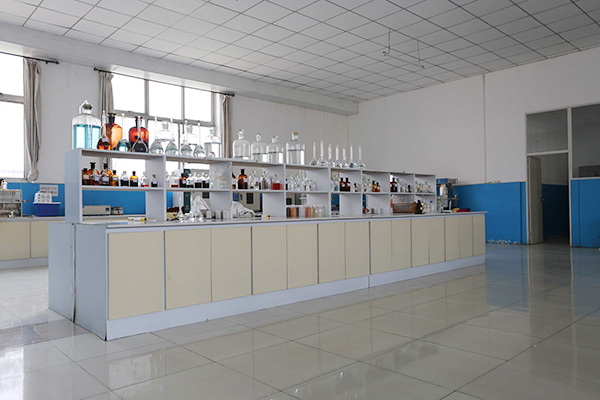
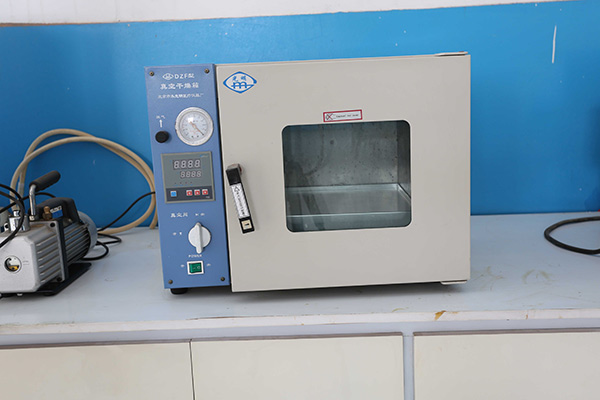
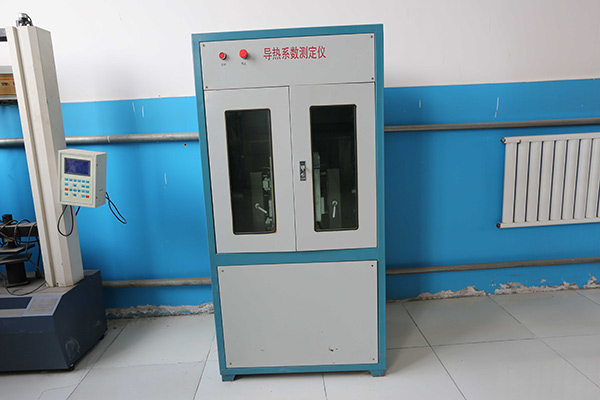
Based in the capital of energy-saving materials in Dacheng, China, our R&D facility features specialized test rigs for sound attenuation profiles, mechanical shear resistance, and thermal efficiency. Our technical team is composed of eight specialized R&D engineers, ensuring that every batch of material is traceable from chemical synthesis through to final foaming. By targeting low moisture vapor transmission rate (MVTR) and high absorption coefficients, we consistently produce components that outperform conventional acoustic mineral wools in moist, coastal conditions.
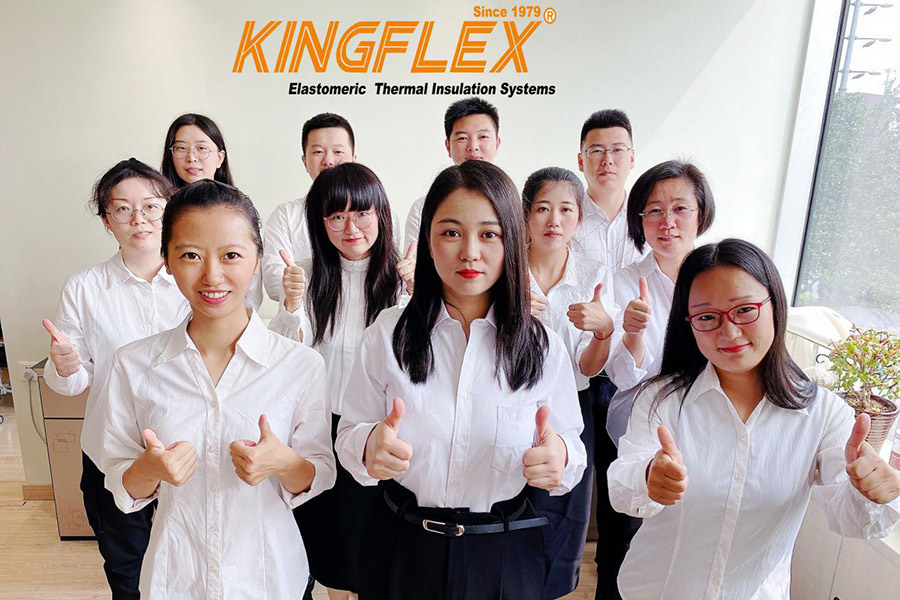
At Kingflex, we employ 230 factory operatives, 8 R&D material scientists, and 6 international project sales experts to facilitate smooth procurement channels. From designing structural sound dampeners for dairy processing plants to shipping mechanical insulation packages across New Zealand ports, our team offers tailored structural calculations and density matching to prevent noise bridging in complex installations.
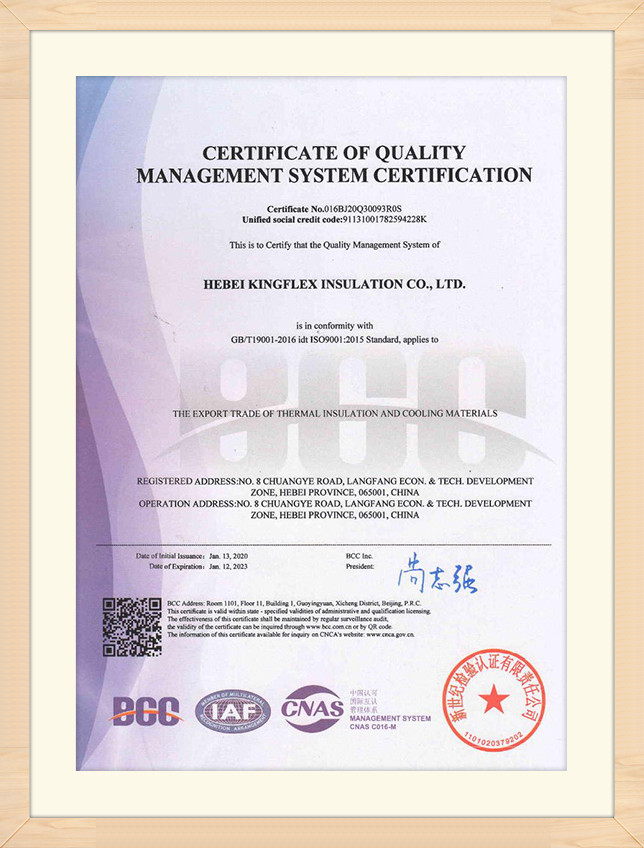
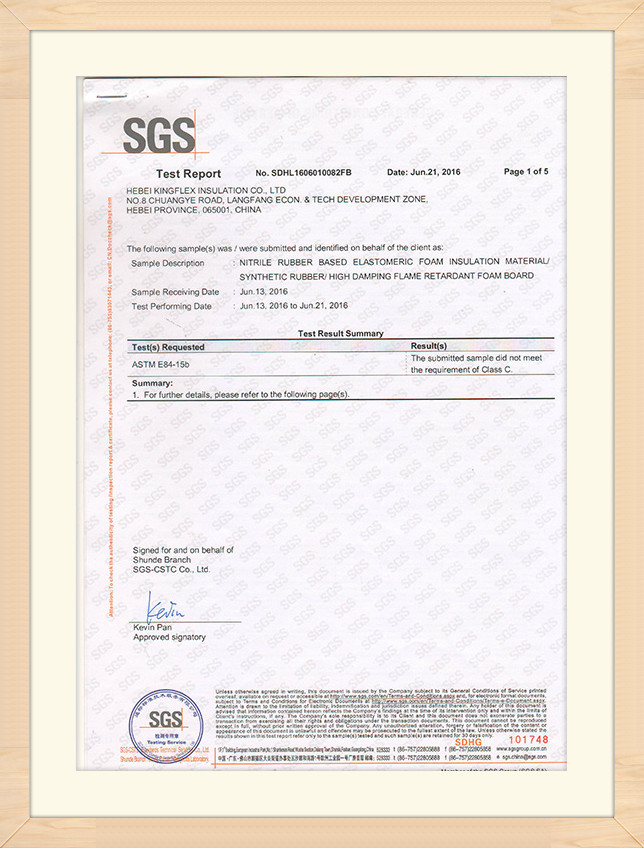
Verified credentials ensuring that structural fire compliance and toxicological safety are maintained on site.
ISO 9001 Quality System
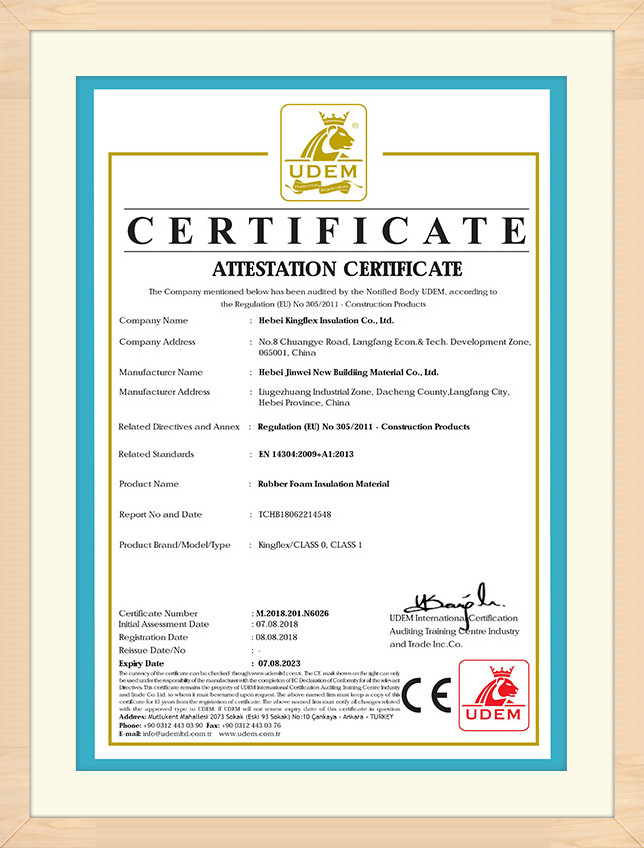
CE Conformity (EN 14304)
RoHS / REACH Non-Toxic
BS 476 / ASTM Fire Tests
Practical scenarios where elastomeric absorption sheets are deployed to prevent noise transfer and thermal loss.
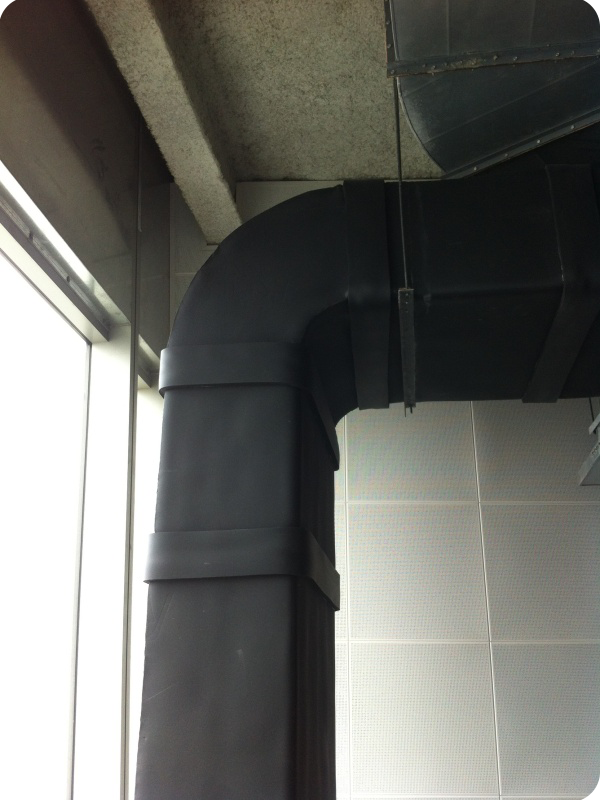
In modern low-emission office complexes in Auckland and Christchurch, internal HVAC noise represents a major comfort disruptor. Lining inner duct surfaces with our open-cell rubber foam dampens high-velocity air whistling and attenuates low-frequency mechanical rumbling from chiller plants, complying with architectural acoustic requirements.
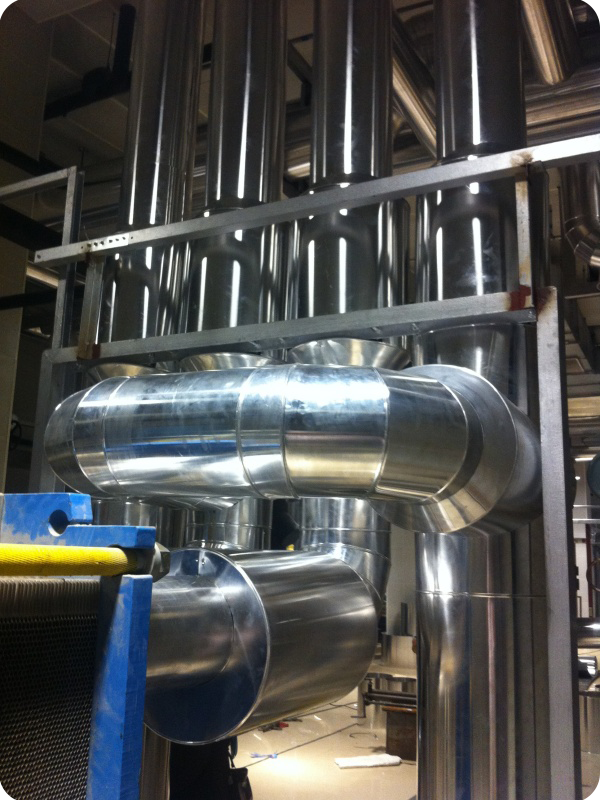
Condensation control is paramount in the high-humidity dairy processing units of Waikato and Southland. Rigid insulation materials are susceptible to corrosion under insulation (CUI) when moisture is trapped. Our NBR foam seals tightly around stainless steel pipes, preventing heat gain, vibration drone, and microbiological development.
For high-spec liquified natural gas (LNG) systems or carbon capturing processes operating at sub-zero limits down to -200°C. Kingflex flexible cryogenic rubber foams retain elasticity and prevent cracking, neutralizing thermal stress caused by rapid temperature fluctuations.
Engineering answers to the most common queries regarding acoustic attenuation, compliance, and product longevity.
It is mainly used for HVAC ducts, air conditioning pipes, building thermal insulation, industrial pipeline cold insulation, and sound insulation. Its flexible structure makes it highly effective at decoupling vibro-acoustic energy, while the closed-cell configuration prevents condensation and structural corrosion in humid mechanical voids.
Yes, our rubber foam insulation products are fire retardant, meeting strict safety standards including BS 476 (Class 0/1), UL94, and AS/NZS system fire tests. They feature self-extinguishing properties that prevent flame spread and limit toxic smoke generation in architectural building cavities.
Rubber foam is flexible, closed-cell, dust-free, and highly moisture-resistant, making it ideal for refrigeration, HVAC ducts, and applications where fiber shedding must be avoided (like food processing or cleanrooms). Rock wool is a fibrous mineral product that resists higher extreme temperatures and is non-combustible, but it requires vapor barriers to prevent moisture absorption and subsequent loss of thermal resistance.
Yes, we support comprehensive OEM services. We can adjust density profiles, customize backing adhesives, apply aluminum foil protective facings, and produce non-standard thicknesses to meet custom structural acoustic goals for industrial specifiers.
Our products have passed BS 476, CE, REACH, RoHS, UL94, and ASTM certifications. This ensures full compliance with international environmental and fire safety codes, allowing mechanical designers to specify Kingflex in projects across New Zealand and Australia.
Yes, all Kingflex products have full manufacturing traceability. From chemical batching to curing lines and packaging, production records are linked to batch numbers stamped on our sheets and tubes, ensuring quality accountability for commercial builds.
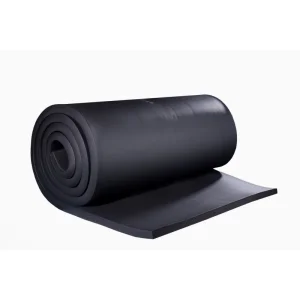
We produce sheet rolls in thicknesses ranging from 6mm up to 50mm. This wide range enables multi-layered build-ups to achieve high thermal R-values or substantial sound transmission loss in mechanical enclosures.
Under standard operating conditions within HVAC ducting or internal building piping, the expected service life is approximately 10 to 15 years. Using protective foil facings in outdoor installations shields the rubber from UV degradation, further extending its operational lifespan.
Our high-density closed-cell foam provides low thermal conductivity (k-value of 0.034 W/mK). This minimizes thermal bridging across pipe hangers and wall brackets. By preventing heat dissipation in hot water lines and energy loss in chilled piping, it helps mechanical layouts comply with the strict thermal performance targets of NZBC Clause H1.
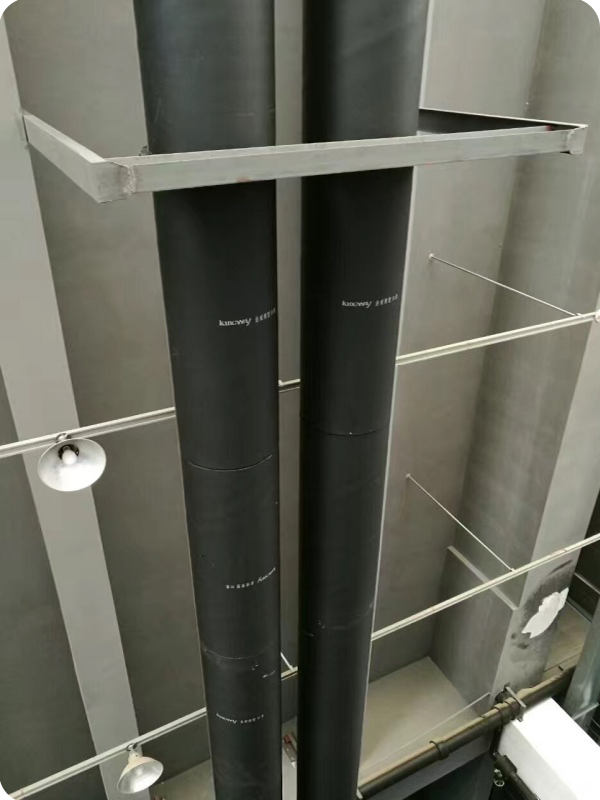
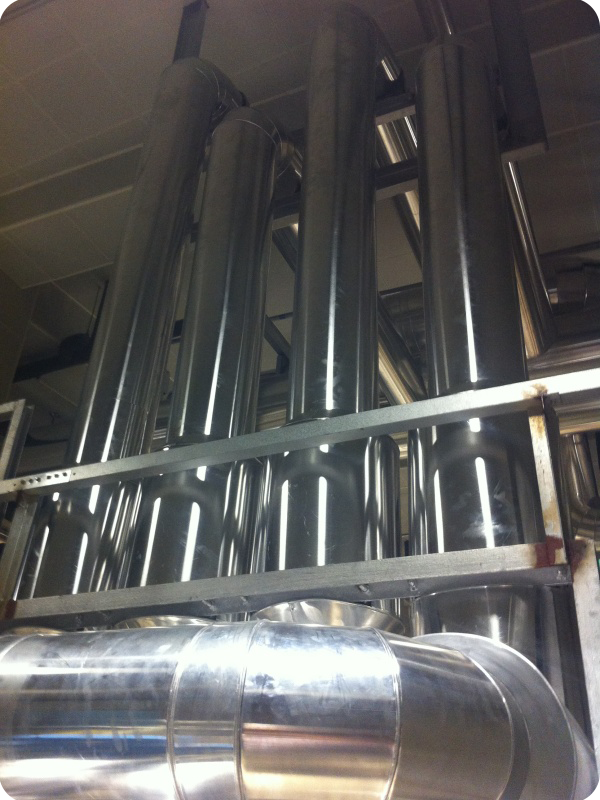
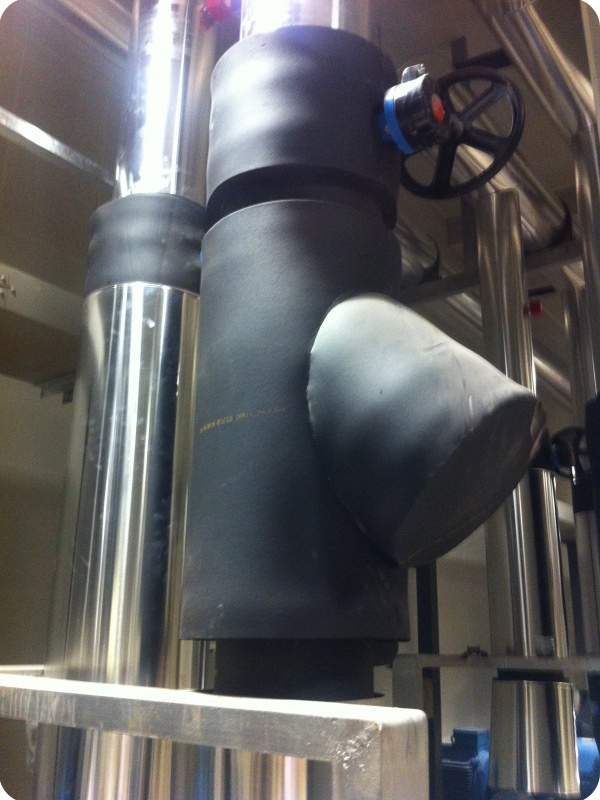
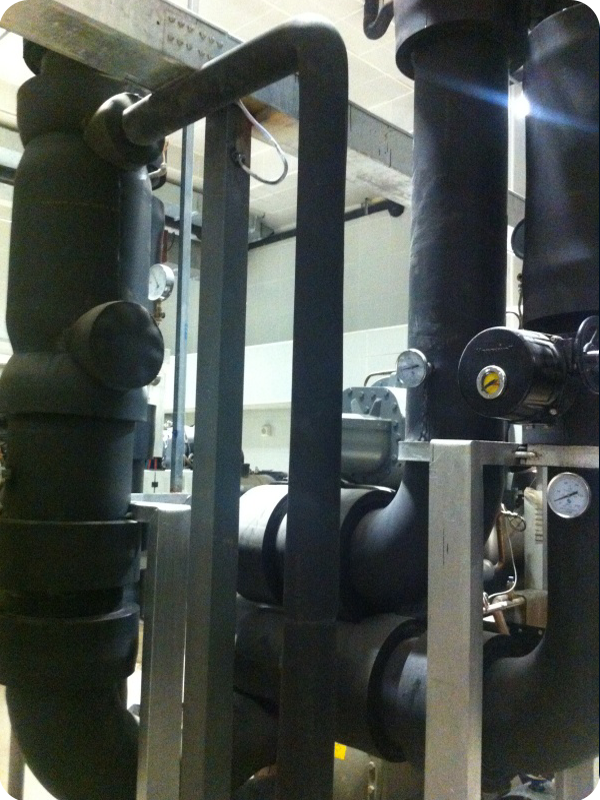
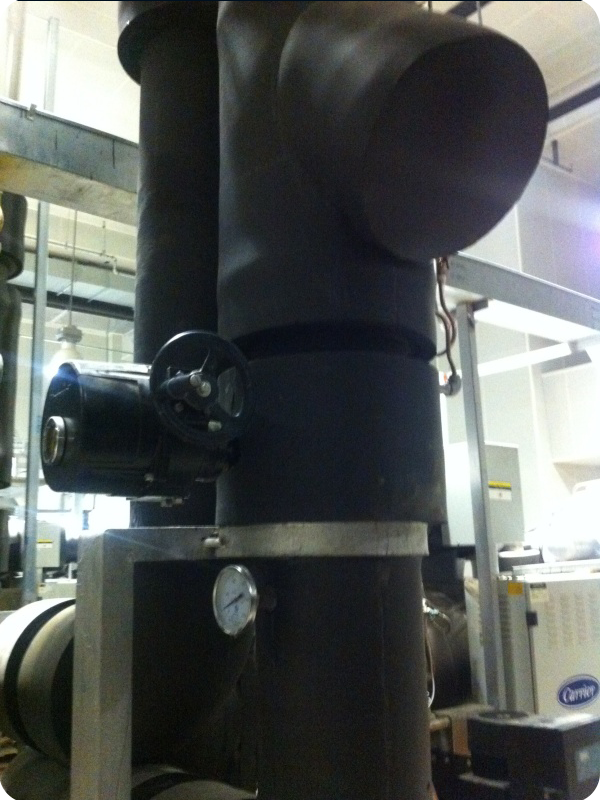
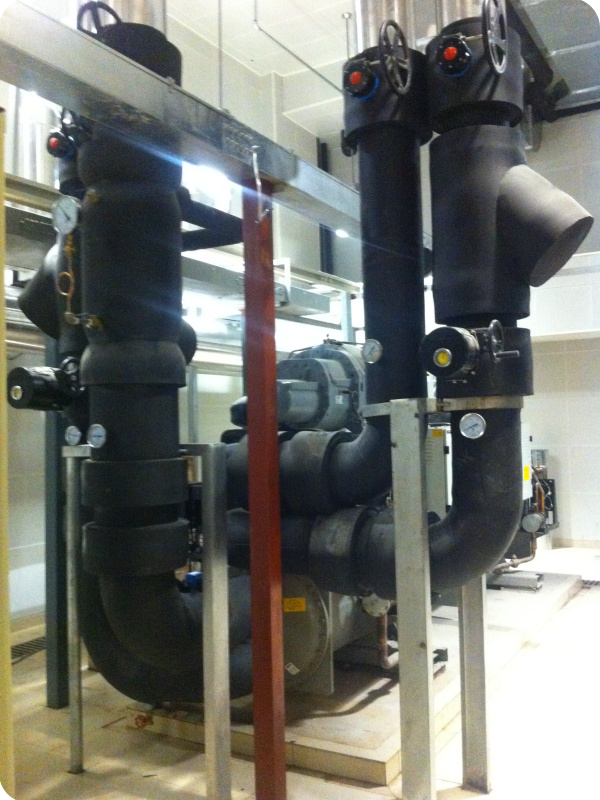
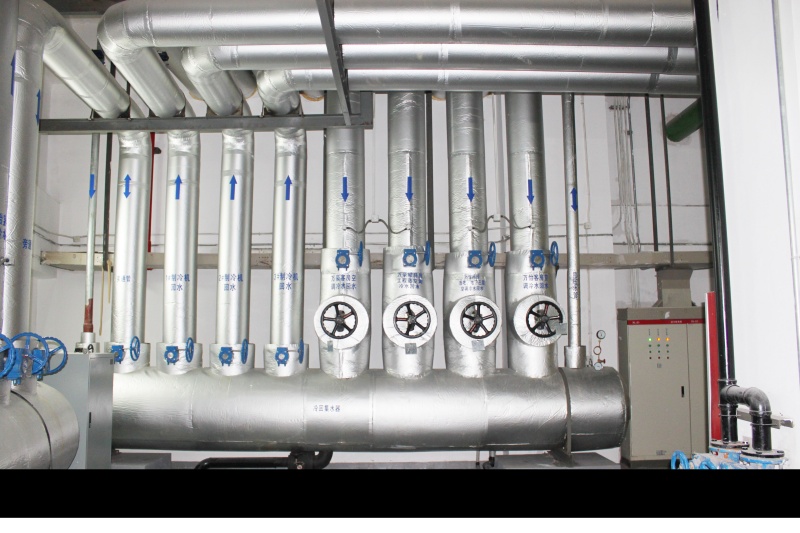
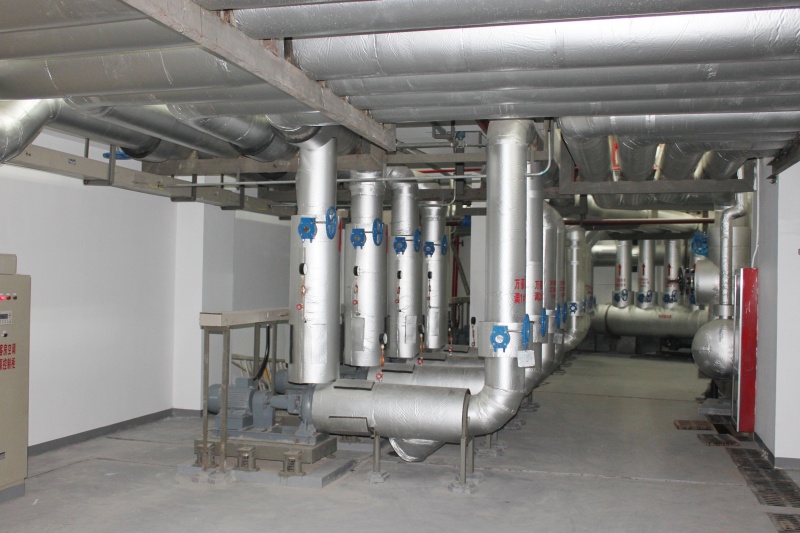
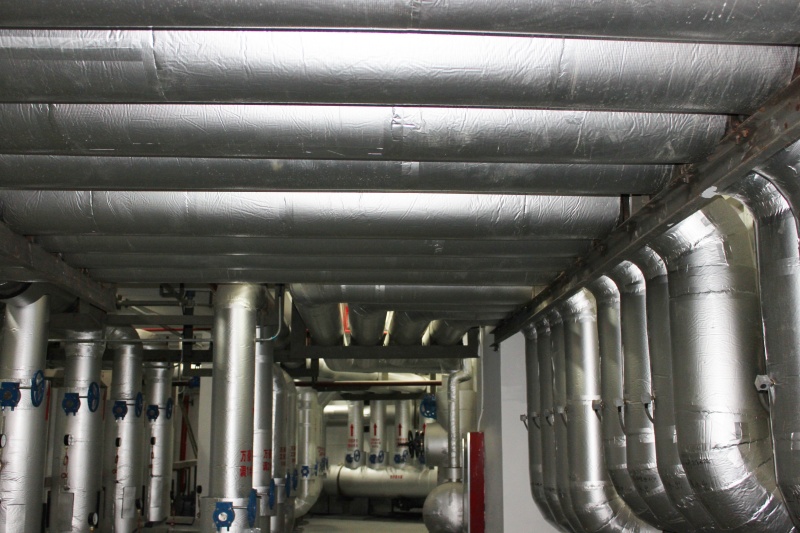
Demonstrating structural execution across mechanical plant rooms, marine engineering systems, and commercial properties.
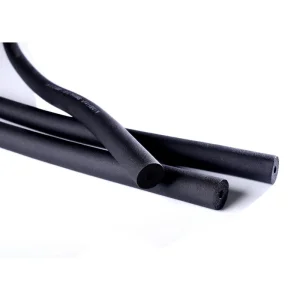
Kingflex Standard Specifications:
Primary Project Benefits: Evens foam distribution with closed-cell ratios exceeding 98%. Delivers constant long-term thermal coefficients and minimizes structural moisture migration. Class 0 fire ratings mean high performance under strict local codes.
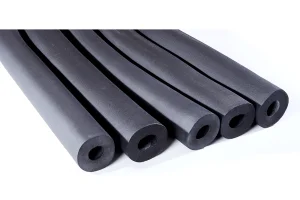
Kingflex Standard Specifications:
Primary Project Benefits: Inner sliding surface is designed for fast pull-through over copper or steel tubing. Ideal for central HVAC condensate lines to eliminate dripping, pipe rattle, and freezing risks during winter cycles.
Our focus on precision extends to project collaboration. Through transparent communication channels, our engineers align material performance data with client spec sheets, ensuring trouble-free installation and passing stringent building audits.
We work closely with contractors to provide design validation details, technical datasheets, and certificates on demand, reducing risk in demanding marine or architectural builds.
Our technical engineering team provides density calculations and thickness advice matching the specific acoustic and thermal targets of the AS/NZS system.
Consult an Acoustic Specialist NowTake a virtual walk through the manufacturing steps that secure high cell structure consistency.
Preserving the integrity of original product configurations for New Zealand distributors, commercial installers, and mechanical contractors.